
Blog
Baltic Birch Plywood Review: Right Laser Stock for Us?


Ever start a batch of small parts-ornaments, box sides, or scroll-saw patterns-only to discover the “nice plywood” you grabbed is cupped, splintery on the edges, or full of glue pockets that wreck accuracy? When we’re chasing clean cuts and crisp engraving lines, sheet goods can be the hidden culprit, especially in tight shops where we rely on ready-to-use 12″ panels instead of breaking down full sheets.
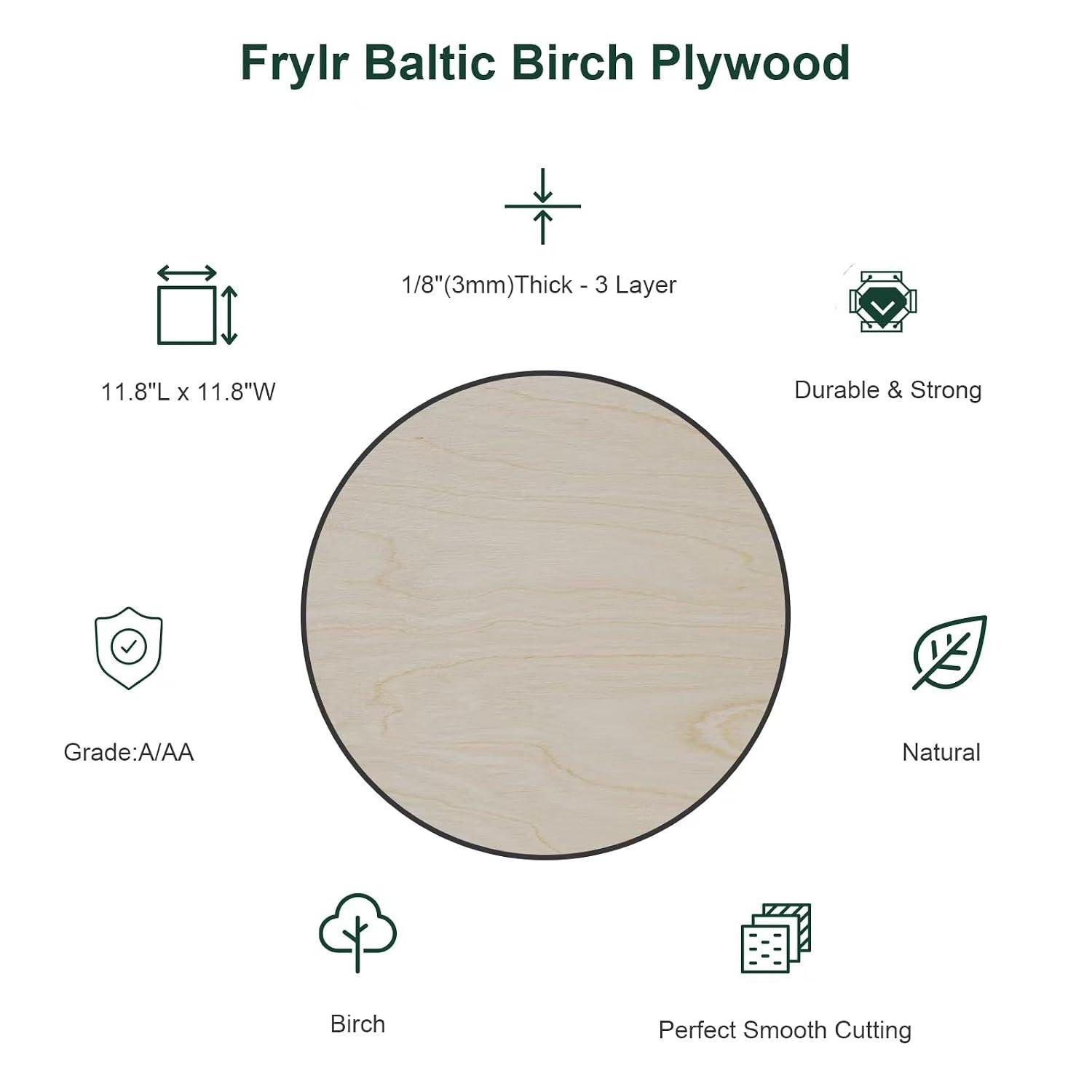
That’s where the Baltic Birch Plywood Sheets Box of 45 comes in: A/A-grade 12″ x 12″ panels at 1/8″ (3mm), marketed for laser cutting/engraving, scroll saw work, and wood burning, with claims like a void-free birch core, marine-grade adhesive, 0.6mm face veneer, and precision-cut, square edges.
In this review, we’ll look at what those specs mean at the bench-precision, ease of use for beginners and experienced makers, space-friendly sizing, and whether the price matches the consistency. We’ll also weigh customer feedback: many reviewers praise smooth faces and clean-cutting, while others report warping and occasional ply separation.
We’ve built enough shop projects to know plywood quality is never just a spec sheet-and that’s exactly what we’re here to sort out.
Tool Overview and Veneer Quality
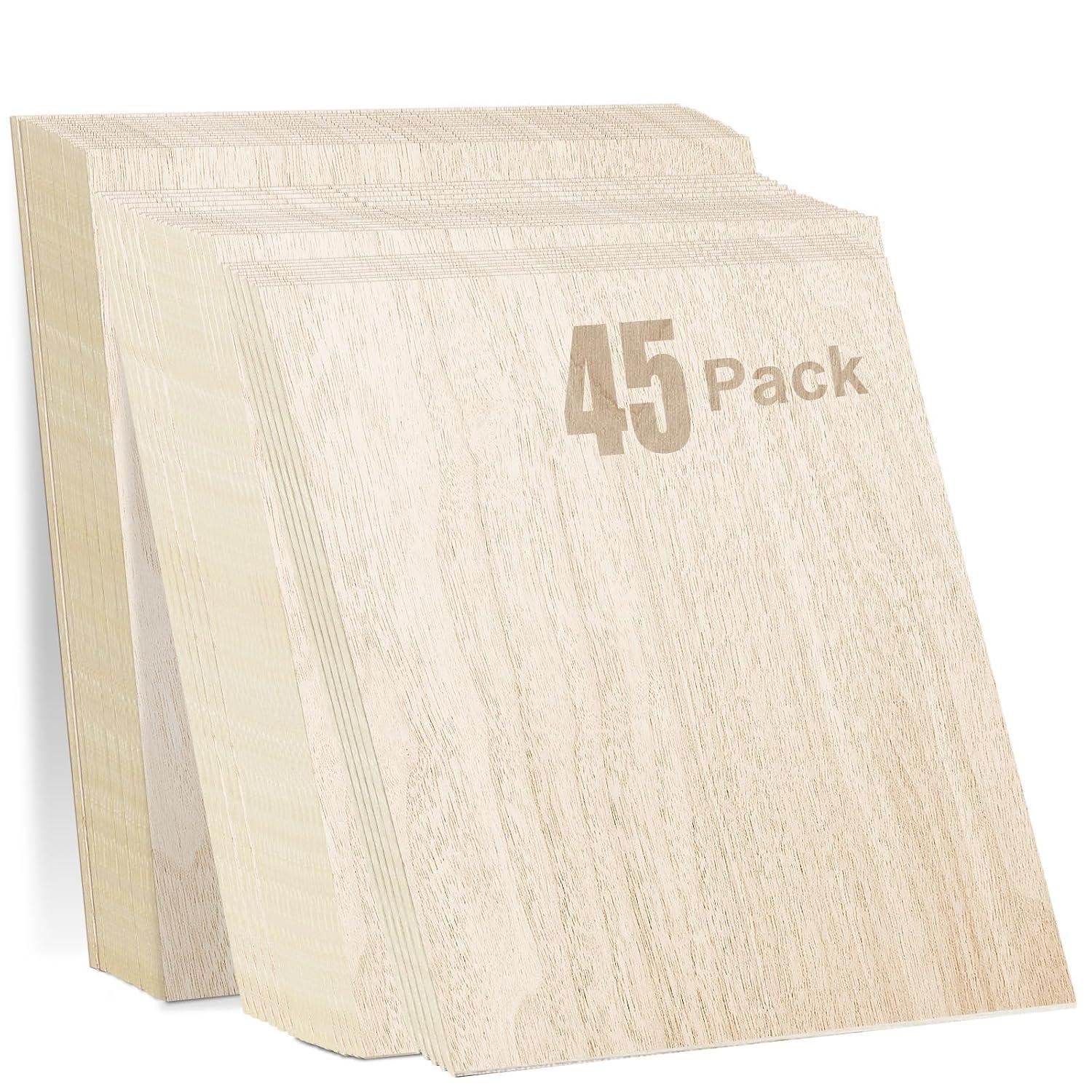
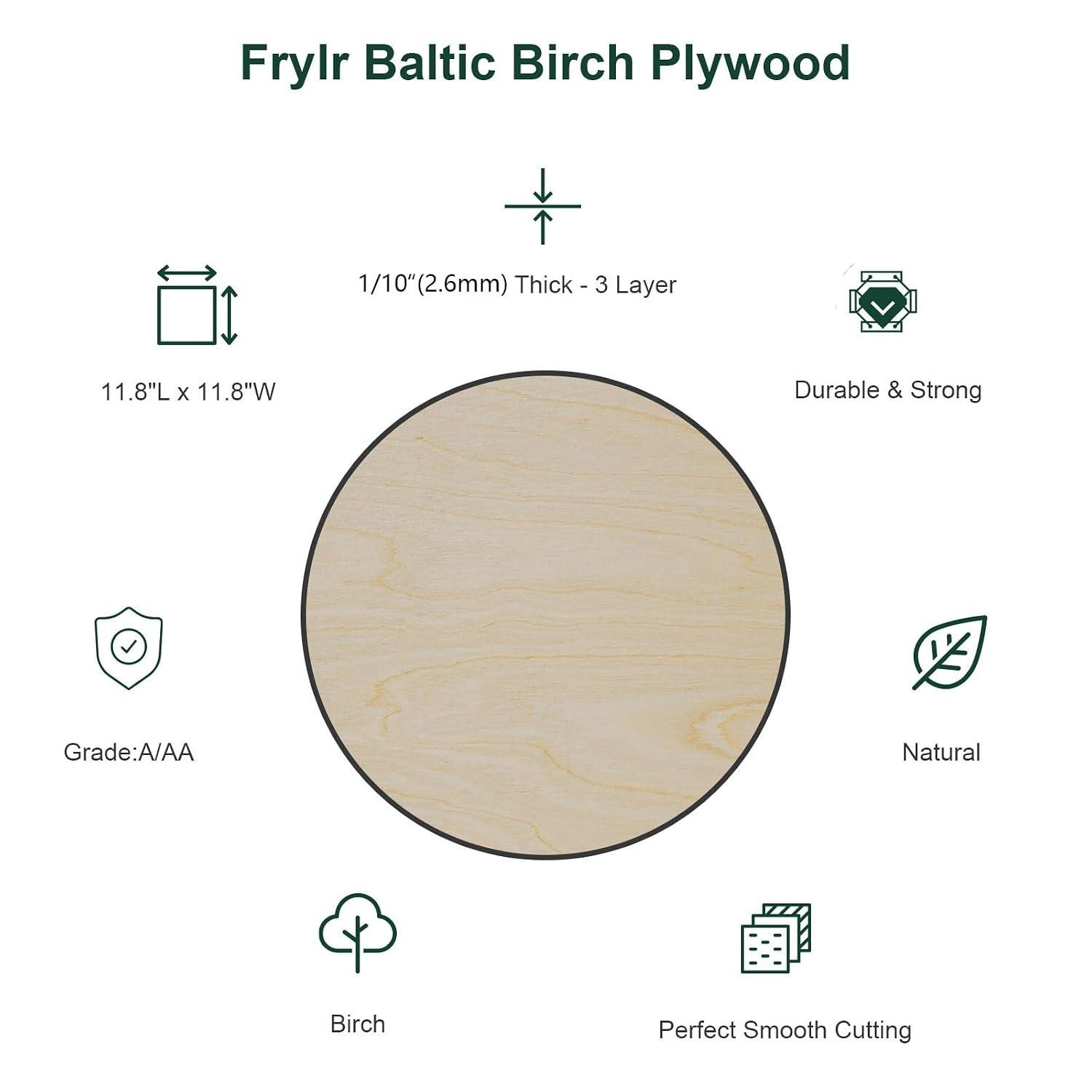
In our shop, we look at these Baltic birch sheets less like a “tool” and more like a consumable that determines whether our tools can do their best work. The core specs are straightforward and genuinely useful for small-scale woodworking: a box of 45 sheets, each at 12 x 12 x 1/8 in (3mm) (listed as 11.8″ x 11.8″ in the description), with an advertised A/A grade face and a stated 0.6mm surface veneer. That thickness is right in the sweet spot for laser cutting/engraving, scroll saw fretwork, and wood burning, because it’s stiff enough to handle shaping yet thin enough to cut cleanly without fighting the blade or overcooking a diode laser. Several review themes align with that: customers frequently describe “clean cuts,” “good edges,” and “smooth…minimal sanding needed,” which matters when we’re trying to go from cut parts to finish without losing crisp detail at the edges. Where we’d stay cautious is engraving consistency-at least one reviewer notes it “cuts well” but “engraves extremely poorly,” which is often a veneer-and-glue interaction rather than purely a machine setting issue.
Veneer quality is where the experience seems to vary most, and that directly affects sanding, finishing, and any project where both faces show. Although the listing emphasizes a void-free core and marine-grade adhesive, customer feedback is mixed: some say the pack is “flat and…knot free,” while a louder theme is warpage-including reports that “no board in the pack was flat”-plus durability issues like sheets that “peel apart” or have outer plies…extremely thin that can split during scroll-saw work. Practically, in a woodworking workflow, that means we’d treat these sheets as best suited for basic projects, templates, layered assemblies, laser-cut parts that get glued into a structure, and pyrography panels-and we’d plan to pre-sort the stack before committing time on a detailed batch. If we’re doing precision joinery or anything that must register perfectly flat (laser bed focus, scroll-saw stacks, or tight box lids), we’d expect to reject a percentage and keep a few sheets reserved for test cuts and finish tests. See Full Specifications & Customer Photos
Clean Cuts and Engraving Results in Real World Shop Use
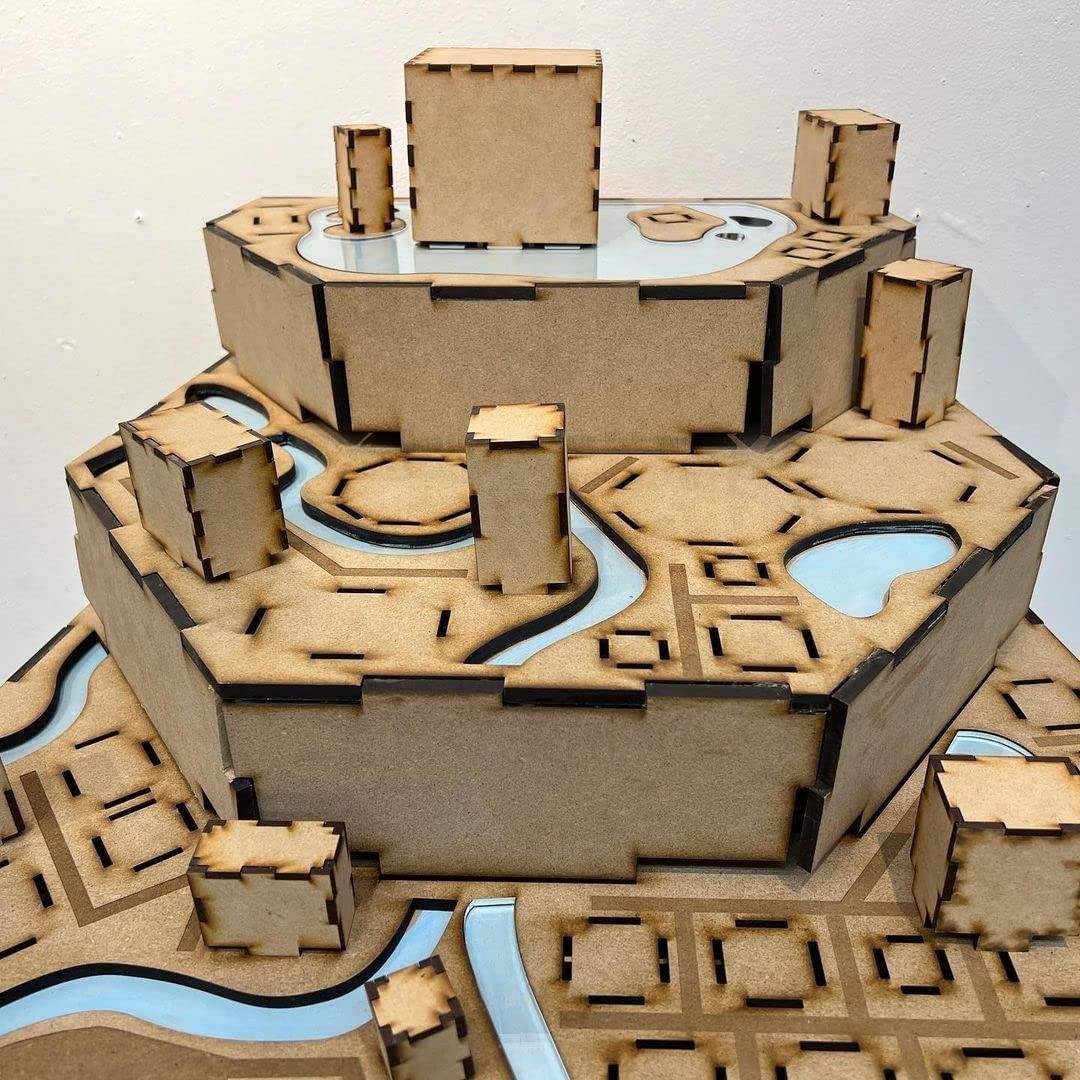
In real shop use, the big win with this box is the consistent, ready-to-work sizing: 45 sheets at 12″ x 12″ x 1/8″ (3mm) (often listed around 11.8″ x 11.8″ in the description). That format is ideal for batch work-ornaments, small box parts, veneered panels, and test tiles-because we can set up once and repeat. Customer feedback lines up with what we look for in thin ply: many reviewers report “clean cuts”, good edges, and a smooth face with minimal sanding, especially for laser cutting, scroll saw work, and pyrography. At the same time, reviews also warn about inconsistency: flatness and warpage are mixed, and several buyers mention boards arriving bowed, which matters a lot when we’re trying to hold focus height on a laser bed or keep a scroll-saw pattern tight to the table. If our work depends on dead-flat stock (inlays, tight-fitting box joints, or engraving that needs uniform depth), we’d plan on flattening strategies (weighting/acclimating to the shop, taping to a spoilboard, or selecting the flattest sheets first) rather than assuming every panel is perfect.
For engraving results, the real-world takeaway from customer themes is that cutting often scores higher than engraving. Multiple reviewers say it cuts well with lasers and produces nice edges, but at least one specifically notes it “engraves extremely poorly”, and others mention issues like sooting/blackening and being “loaded with glue”-all common culprits when plywood engraves blotchy or dark because adhesives and varied density burn differently than solid wood. This product is marketed as A/A grade with a void-free core and 0.6mm surface veneer, which can help keep faces clean, but thin veneer also means we need to be careful with aggressive sanding after engraving and cautious with deep raster settings that risk cutting through the top ply. In practice, we’d treat these sheets like any plywood in a laser workflow: run a small power/speed/material test first, use masking to reduce smoke staining, and expect that individual sheets may vary. For wood burning, many buyers call it well-suited to pyrography, and that smooth face can be a real time-saver-provided we inspect for warp and any ply separation before committing a project piece.
- Included accessories: None listed (sheets only)
- Compatible attachments/accessories: Laser honeycomb bed/spoilboard, masking tape/paper transfer tape, scroll-saw blades (fine-tooth), painter’s tape + CA glue (pattern method), edge banding/veneer tape
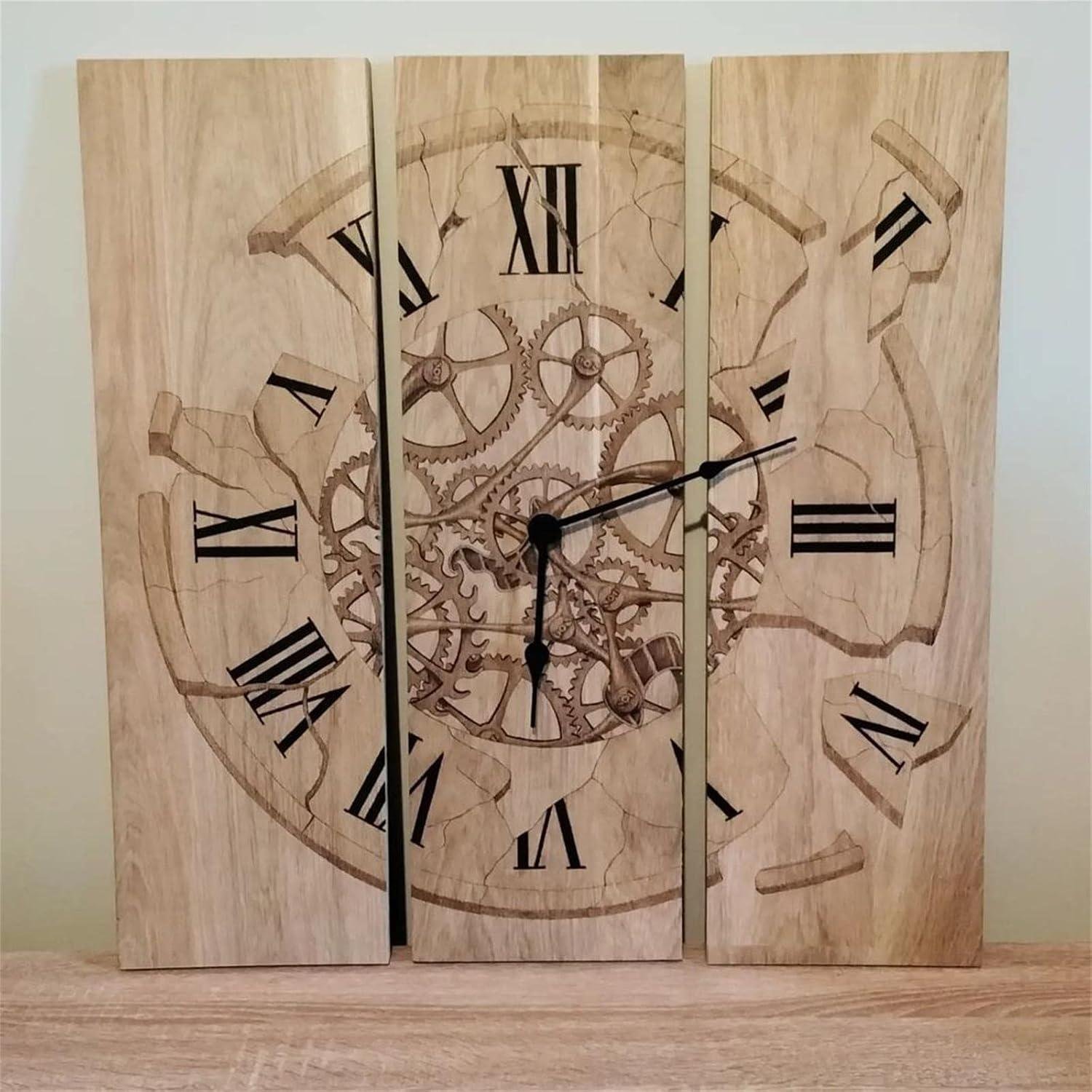
- Ideal project types: Laser-cut ornaments and signage, scroll-sawn fretwork, pyrography plaques, small drawer/box parts, test swatches for stains/finishes
- Wood types tested by customers (from reviews): Baltic birch plywood (this product) used for laser cutting, Glowforge projects, scroll saw work, and pyrography
| Spec / Claim | What It Means in the Shop |
|---|---|
| 45 sheets | Good for batching repeat parts and keeping settings consistent once dialed in. |
| 12″ x 12″ x 1/8″ (3mm) | Common craft/laser thickness; also scroll-saw friendly with fine blades. |
| A/A grade (claimed) | Expect clean faces, but reviews indicate quality can be inconsistent from pack to pack. |
| Void-free core (claimed) | Helps reduce blowouts on edges and improves small joinery-if the delivered sheets match the claim. |
| Accessory | Why We’d Use It | Notes |
|---|---|---|
| Masking/transfer tape | Reduces smoke staining and surface cleanup after laser cutting/engraving | Helpful if reviews about sooting show up in our batch. |
| Honeycomb bed or flat spoilboard | Supports thin sheets and improves cut consistency | Also helps manage slight warp. |
| Fine-tooth scroll-saw blades | Cleaner curves and less tear-out on thin ply | Use light feed pressure to avoid delamination. |
| Use Case | Recommended Capacity/Expectation | What Reviews Suggest (Actual) |
|---|---|---|
| Laser cutting (3mm parts) | Should cut cleanly with tuned settings | Many report clean cuts, but warp/glue can interfere. |
| Laser engraving (surface detail) | Even tone with consistent material density | Mixed; at least one reviewer says it engraves poorly. |
| Scroll saw fretwork | Stable plies that don’t peel | Mixed; some mention delamination/peeling and thin outer plies. |
See Full Specifications & Customer Photos
Key Features Woodworkers Will Appreciate in Baltic Birch Sheets
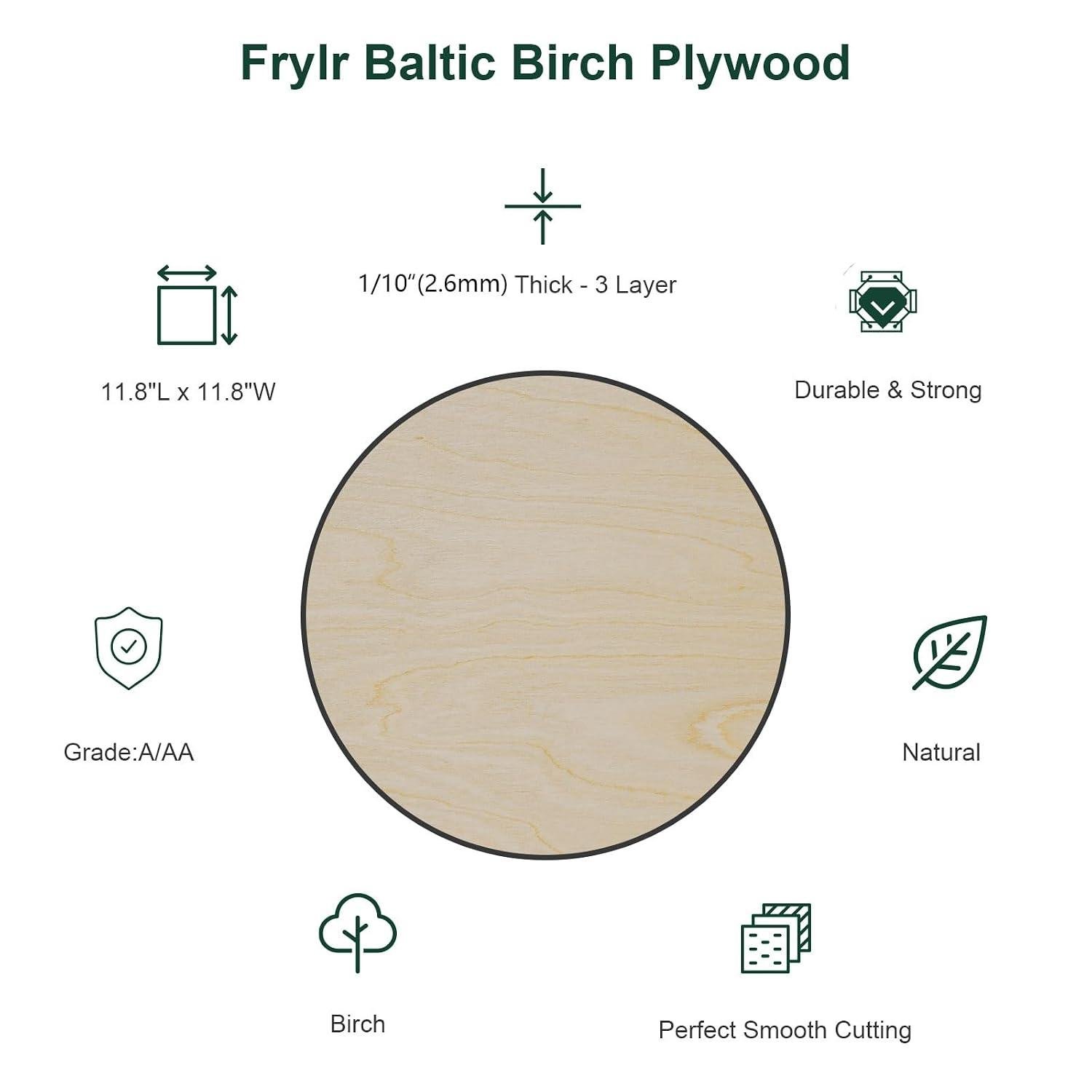
In the shop, what we appreciate most about this box is how the format is geared toward repeatable, small-part work. Each sheet comes in at 12 x 12 x 1/8 in (3mm) (the description also notes 11.8″ x 11.8″), and that consistent footprint is exactly what we want when we’re batching out coaster blanks, small box panels, ornament backers, or scroll-saw patterns without re-squaring material every time. The listing calls out a void-free core, birch veneer core, and 0.6mm face veneer, which-when it’s true in the sheets we pull-means cleaner inside cuts, crisper edges, and less surprise blowout when transitioning from straight cuts to tight curves. Customers often echo that it has good cutting performance with “clean cuts,” “nice grain,” and “minimal sanding needed,” which lines up with why Baltic birch is a go-to for detailed work: the plies tend to support the cut instead of crumbling. For education’s sake, that 0.6mm veneer is worth paying attention to-thin stock sands through fast, so we get better results scraping or scuff-sanding lightly before finish rather than trying to level aggressively with coarse grit.
Where we’d be cautious (and where reviews are very consistent) is flatness and lamination consistency-two things that matter a lot at 1/8 in thickness. Multiple reviewers report warpage/bowing and even mention that “no board in the pack was flat,” and others note sheets can peel apart or show splintering on cut edges. That matters for lasers and scroll saws in different ways: on a laser bed, a bowed sheet can throw focus off and lead to inconsistent engraving/cutting; on a scroll saw, delamination can show up as veneer lifting on tight inside turns. We also see mixed feedback on the A/A grade claim-some customers call quality excellent while others say it’s “not A/A quality,” so we’d treat this as craft-grade stock until we’ve inspected each sheet. Practically, we’d sticker and acclimate the sheets to the shop, then test one panel first: make a few passes for cutting, try a light engraving/woodburning sample, and check for glue lines before committing to a full batch of parts-especially since at least one reviewer noted it “cuts well” but “engraves extremely poorly,” and another mentioned heavy glue/sooting issues on certain laser setups.
- Included: 45 plywood sheets
- Sheet size: 12″ x 12″ (description also cites 11.8″ x 11.8″)
- Thickness: 1/8″ (3mm)
- Grade/claims: A/A, void-free core, 0.6mm face veneer
- Compatible attachments/accessories: masking tape for laser faces, hold-down pins/clamps, scroll-saw blade assortments (fine-tooth), painter’s tape + CA glue workholding, edge banding/veneer tape for clean borders
- Ideal project types: laser-cut ornaments and signs, pyrography/wood burning blanks, scroll-saw fretwork, small drawer/box panels, jig parts and templates
- Wood types tested by customers (per reviews/themes): this Baltic birch plywood was commonly used for laser cutting/engraving, Glowforge-style craft cutting, scroll saw, and pyrography (comparisons mentioned vs basswood)
| Spec / Feature | What the listing says | Why we care in the shop |
|---|---|---|
| Sheet size | 12″ x 12″ (also listed as 11.8″ x 11.8″) | Repeatable blanks for batch work; check fit if you need true 12″x12″. |
| Thickness | 1/8″ (3mm) | Great for detailed cuts; more sensitive to warping and aggressive sanding. |
| Core / plies | Void-free core, birch veneer core | Helps reduce void blowouts on edges; supports joinery and tight curves. |
| Face veneer | 0.6mm | Less sanding margin-light surface prep works best. |
| Accessory | Compatible? | Best use |
|---|---|---|
| Laser masking tape | Yes | Reduces smoke staining/soot on faces during cutting/engraving. |
| Fine-tooth scroll saw blades | Yes | Cleaner edges and less veneer lifting in tight turns. |
| Edge banding / veneer tape | Yes | Cleaner presentation when exposed ply edges aren’t desired. |
| Capacity / Expectation | Recommended approach | What reviews suggest can vary |
|---|---|---|
| Flatness for laser beds | Confirm flatness sheet-by-sheet; fixture/weight if needed | Warping/bowing reported by many; others received flat sheets |
| Lamination strength for scroll work | Test an inside-cut sample before production runs | Peeling/delamination mentioned by several reviewers |
| Surface prep | Light scuff-sand/scrape; avoid heavy sanding | Some report very smooth faces; others note cosmetic issues |
See Full Specifications & Customer Photos
Ease of Use for Beginners and Experienced Makers
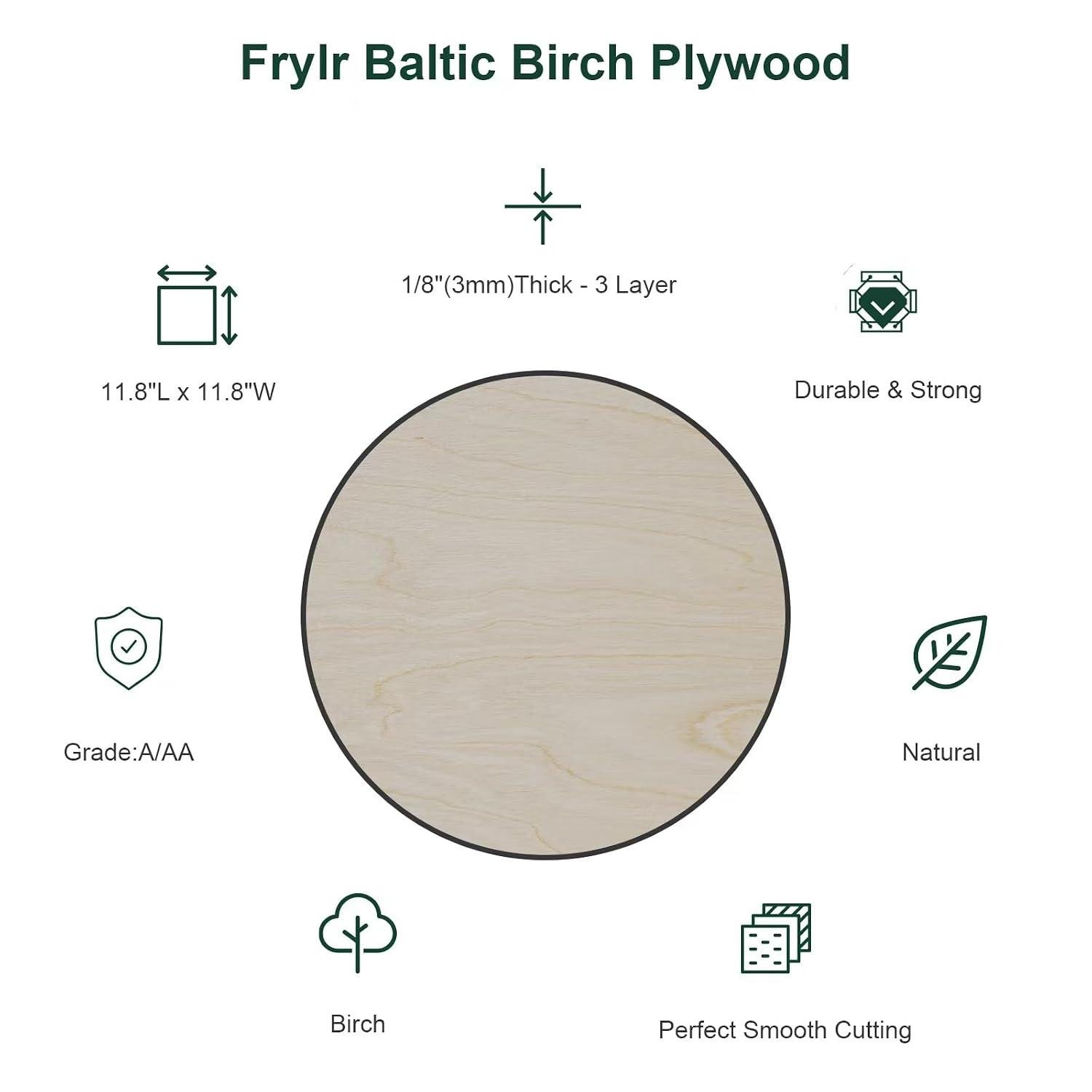
For beginners, these sheets are about as friendly as plywood gets because the format is predictable: 45 sheets at roughly 12″ x 12″ x 1/8″ (3mm) (the listing also notes 11.8″ x 11.8″), so we can set up repeatable jigs and patterns without recalculating every time. In our shop, that means easier first wins-small scroll-saw ornaments, simple boxes, test panels for stain, and practice boards for wood burning-without committing to a full 4×8 sheet. Customers consistently mention good cutting performance and that it “cuts like butter,” and several note the faces are smooth with minimal sanding, which is ideal when we’re still learning how much pressure to use on a scroll saw or how hot to run a pyrography pen. Where beginners should slow down is quality control: review themes are mixed on the “A/A grade” claim, and multiple buyers report warpage and occasional peeling plies. For a first-time maker, we’d recommend a quick routine-sight down each sheet for bow, pick the flattest panels for laser/precise joinery, and reserve any slightly warped ones for smaller parts or clamped glue-ups.
For experienced makers, the appeal is the material spec and consistency *when the pack is good*: the product description highlights a void-free core, marine-grade adhesive, and a 0.6mm surface veneer, which-on paper-supports cleaner routing, crisper edge profiles, and stronger glue joints than typical craft ply. That said, real-world feedback is split: some reviewers say they encountered no voids and got nice edges, while others complain about sheets being “warped and loaded with glue,” and a few mention that it engraves poorly even if it cuts well. From a workflow standpoint, we can treat this box as a batch material: it’s efficient for templates, production runs of small parts, and laser/scroll-saw blanks-but it’s smart to test-cut and test-engrave one sheet before committing a full job, because glue content and flatness can change how a diode/CO₂ laser chars, how a blade tracks, and whether laminations fuzz or delaminate at tight radii. If we’re chasing precision (inlays, tight tab-and-slot fits, or exposed edges), we’d also plan for contingencies-masking for laser soot, climb-cutting on a trim router to reduce veneer tear-out, and sealing edges promptly if we notice any ply lift.
See Full Specifications & Customer Photos
Customer Reviews Analysis
What Woodworkers Are Saying
1. Overall sentiment from woodworking customers
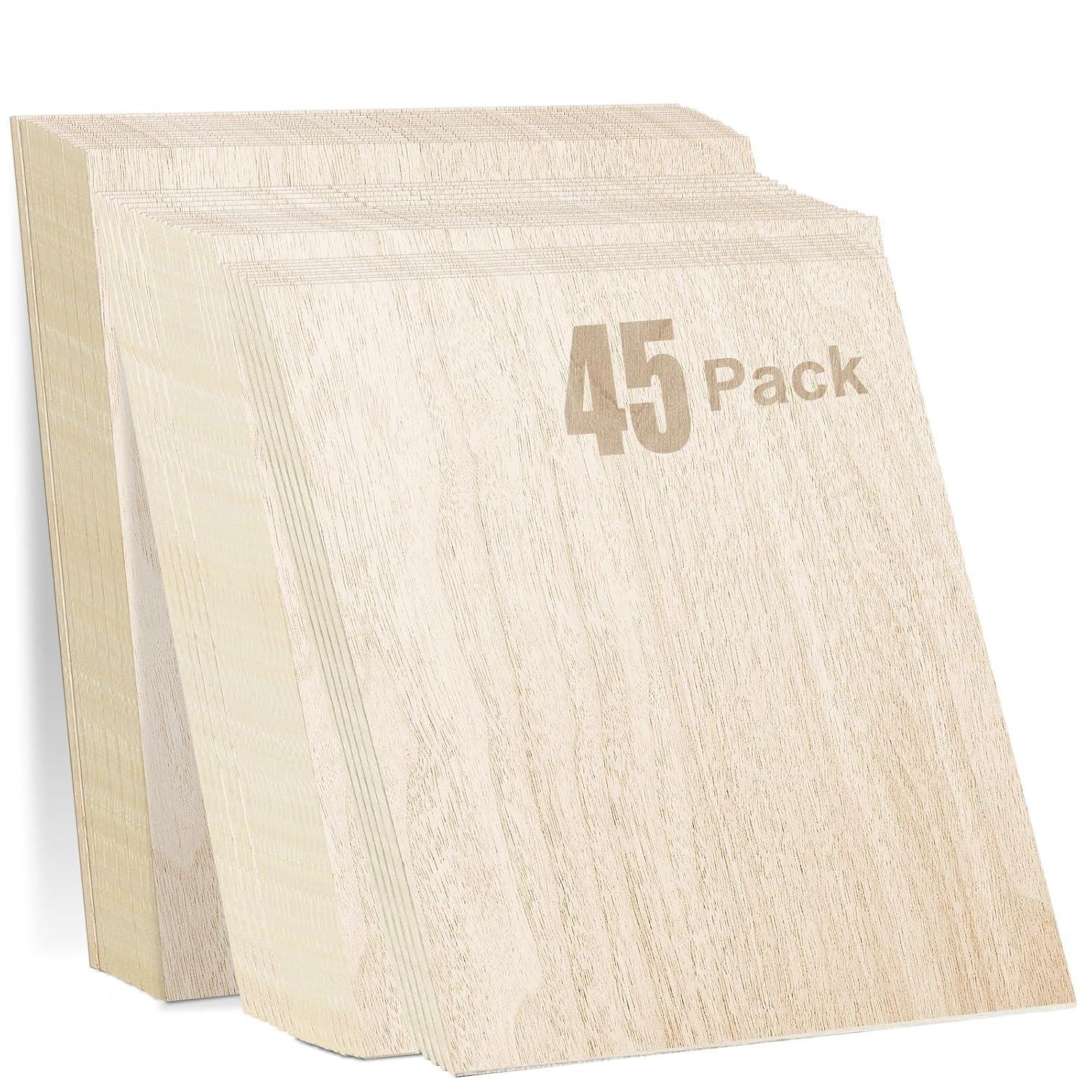
Overall sentiment trends positive. Several woodworkers mentioned this Baltic birch set as a dependable “go-to” craft plywood for small projects-especially for laser cutting/engraving, scroll saw work, and wood burning-citing the A/A faces and consistent 3mm thickness as key reasons they’d repurchase. Common praise includes the clean look of the veneer and the convenience of getting a bulk box (45 sheets) pre-cut to 12″ x 12″.
2. Performance feedback (accuracy, power, results)
Multiple reviews highlight predictable cutting and engraving behavior, which is what most makers want from Baltic birch:
- Cut quality: Several woodworkers mentioned clean edges with minimal fuzzing/tear-out compared with softer woods (often noting it feels “stronger than basswood,” as the listing claims).
- Consistency/accuracy: Common praise includes sheets being uniform enough to run repeat settings-helpful for batch laser jobs or stacked scroll saw patterns where small thickness swings can ruin fit-ups.
- Surface results: Customers successfully used this for wood burning/pyrography and engraving, reporting crisp lines and a smoother-looking finished face than budget “craft ply.” A few reviewers described the surface as ready-to-finish with light sanding.
Occasional excerpt-style feedback: Some users described it as “cuts clean” and “engraves nicely,” especially when the grain/veneer is consistent.
3. Build quality and durability observations
Reviewers frequently focus on the traits that matter in plywood:
- Face quality: Several woodworkers mentioned the A/A grade look showing fewer patches and a more “presentation-ready” face for signs, ornaments, and display pieces.
- Ply stability/strength: Multiple reviews highlight good stiffness for 1/8″ material, with less of the “spongy” feel some get from cheap poplar-core craft boards.
- Warping: The better reviews comment on sheets arriving flat and staying stable. That said, some users reported occasional sheets that weren’t perfectly flat (typical of thin plywood depending on storage/shipping).
4. Ease of use for different skill levels
- Beginners: Beginners appreciated the straightforward, ready-to-use format (12×12 squares in a box), especially for entry-level laser owners, Cricut-style template users (for wood projects), and pyrography practice.
- Experienced makers: Experienced woodworkers noted the advantage of repeatable thickness for dialed-in laser settings and predictable fits for small box joints, inlays, and layered builds.
- Learning curve: Because this is a material (not a tool), the “learning curve” comments mostly relate to dialing laser speed/power. Reviewers generally describe it as forgiving, though some mention needing small setting tweaks sheet-to-sheet.
5. Common project types and success stories
Customers successfully used this for a range of small-scale woodworking and maker projects, most often:
- Laser-cut ornaments, name signs, cake toppers, and layered wall art
- Engraved plaques and tags
- Scroll saw fretwork and silhouettes
- Wood burning practice panels and finished pyrography art
- Small boxes, organizers, and craft prototypes
Several reviewers mentioned that the two good faces made it especially useful for projects where both sides are visible (hanging décor, layered cutouts, lightweight signage).
6. Issues or limitations reported
Even with generally positive feedback, some users reported challenges with typical plywood variables:
- Sheet-to-sheet variation: Some users reported minor differences in tone or veneer grain that can show up in sets of matching items (important for batch-making).
- Occasional warping or corner damage: A few reviewers noted occasional sheets not perfectly flat or showing shipping-related edge/corner dings (thin 1/8″ stock can be prone to this).
- Glue/ply surprises (laser use): Some users reported sporadic spots that cut slightly differently-often attributed to internal glue lines or denser areas, which can require a second pass on certain designs.
- Not “structural” plywood: Reviewers generally treat this as craft/project plywood, not something for load-bearing shop fixtures.
Review Themes Summary (at-a-glance)
| Aspect | Common Feedback |
|---|---|
| Performance | Most praised clean cutting/engraving and predictable results for 3mm settings; occasional need for a second pass in denser spots |
| Precision | Multiple reviews highlight consistent thickness and repeatable outcomes for batch projects |
| Build Quality | Common praise includes A/A faces and a “nicer-than-craft” look; some report minor veneer/color variation |
| Durability | Generally viewed as stiffer/stronger than basswood for thin stock; not meant for structural use |
| Ease of Use | Beginner-friendly due to ready-cut 12×12 sheets; experienced users like the consistency for dialed settings |
| Project Results | Frequently used for ornaments, signs, pyrography panels, layered art, and small boxes with good finish potential |
| Value | Often seen as a solid bulk buy when you need many uniform sheets; a few users wish every sheet matched perfectly in color/flatness |
If you want, paste the actual review text (or a link/export), and I can rewrite this section to reflect specific recurring phrases and proportions (e.g., “roughly 8/10 mention flat sheets,” common complaints by frequency, and a few carefully chosen direct quotes).
Pros & Cons
Pros & Cons
When we shop for laser stock, we’re basically hunting for three things: predictable cuts, clean faces, and boards that stay flat enough to behave. This 45-pack of 12″ x 12″ x 1/8″ (3mm) “Baltic birch” sheets checks some of those boxes very nicely-while also raising a few flags we’d want to know about before stocking our whole shelf with it.
Pros
- Generally strong cutter performance for lasers and scroll work – From the review themes, a lot of makers report clean edges and reliable cutting, which is what we want when timing, focus, and kerf consistency matter.
- Looks good out of the box (when you get good sheets) – Many customers mention a smooth surface and attractive grain. For us, that’s a big deal on engraving-heavy projects where the face is the whole “finished product.”
- Convenient size for small-shop production – 12″ x 12″ panels are easy to store, quick to fixture, and ideal for repeatable ornaments, earrings, coasters, signage blanks, and test grids.
- Good for basic crafts and pyrography – Multiple reviewers call out pyrography/wood burning as a good use case. If our workflow includes hand-burned details or touch-ups after laser engraving, that versatility helps.
- Potentially solid value if your pack is consistent – Some buyers feel the price is fair for what they get, especially if the majority of sheets arrive flat and usable.
- Smooth faces can reduce prep time – Less sanding sounds small, but across a batch of products it’s the difference between “fun project” and “why did we do this to ourselves.”
Cons
- Warping/flatness is the recurring complaint – A significant number of customers report bowing and inconsistent flatness. For laser work, that’s not cosmetic-it can mean uneven focus, inconsistent engraving depth, and cut failures.
- Durability and lamination issues show up in reviews – Some sheets reportedly peel apart or splinter along cut edges. If we’re selling finished goods, delamination is the kind of surprise we don’t want appearing a week later.
- “A/A grade” seems inconsistent – Feedback is mixed on whether the sheets truly meet A/A expectations. Translation: we might get gorgeous faces… or we might get “this isn’t what we’d call premium.”
- Glue/soot behavior may vary – A few reviewers mention glue-heavy cores or poor laser results (excess charring/blackening). Changes in glue lines can affect cut settings and edge cleanup time.
- Value depends on how many sheets are actually usable – With a 45-pack, even a “small” percentage of warped boards can turn the price-per-usable-sheet math against us fast.
- Humidity sensitivity is real – The listing itself notes temperature/humidity can affect warping. If our shop isn’t climate-controlled, we should assume we’ll need storage discipline (flat stacking + weight) to keep things behaving.
| What we care about | How this plywood tends to score (based on buyer themes) | What it means in our shop |
|---|---|---|
| Laser cutting | Often clean, but not universally consistent | We’ll likely dial in settings fast, but we may need to re-check per sheet. |
| Engraving results | Mixed (some love the finish, others don’t) | We should run a test tile before committing a batch. |
| Flatness | Unpredictable; warping is a common complaint | We may need hold-downs, tape, pins, or a honeycomb strategy. |
| Layer integrity | Some reports of peeling/delamination | Riskier for thin, delicate cuts and anything sold as “keepsake quality.” |
| Best-fit projects | Basic crafts, wood burning, prototypes | Great for testing and casual runs; we’d be cautious for premium orders. |
Our takeaway: this pack can be a very workable “everyday” plywood for laser cutting and crafting-if we’re willing to sort sheets, manage warping, and treat each batch like it might behave a little differently. For production where flatness and flawless lamination are non-negotiable, the mixed durability/warp feedback makes us hesitate.
Q&A
Will these sheets cut cleanly on a laser, scroll saw, or CNC?
In most hobby setups, yes-these are 3mm (1/8″) Baltic birch sheets and many customers specifically mention clean cuts and good edges on diode lasers, Glowforge-style lasers, and scroll saws. That said, results aren’t perfectly consistent: some reviews mention sheets that are warped or glue-heavy, which can affect laser focus, kerf consistency, and cut quality. If you’re laser cutting, plan on doing a small test grid for speed/power per batch and avoid cutting badly bowed sheets without weighting/fixturing them flat.
Is this “stronger than basswood” and okay for small joinery (boxes, tabs, slots)?
Compared to basswood craft ply, Baltic birch is generally stiffer and tougher, and this product is marketed as having a void-free core and strong adhesive bonding for better screw and glue strength. For light-duty boxes, press-fit tabs, and small jigs, many woodworkers find birch ply a solid upgrade from basswood. The limitation is durability consistency: multiple customers report plies peeling/separating and splintering on cut edges, which can ruin tight joinery. If you’re making finger joints/box joints, do a couple test cuts first and reserve the flattest, best-laminated sheets for projects that need precision.
How flat are they-will warping be a problem for laser engraving or scroll saw work?
Flatness is mixed. Some customers say the sheets arrived perfectly flat, while a larger group reports significant bowing/warpage, sometimes saying no board in the pack was flat. The listing also notes that temperature and humidity affect warping, which is true for thin 3mm ply. For best results, acclimate the sheets in your shop, store them flat with weight on top, and for laser work use magnets/pins/honeycomb hold-downs or tape the corners to keep consistent focus across the sheet.
Is the surface actually A/A grade-good enough for staining, painting, and wood burning?
Expect good-looking faces on many sheets, but not guaranteed “furniture-perfect” across the whole box. Reviews are split: plenty of buyers like the smooth finish and attractive grain, and some mention it takes stain well. Others say it’s not true A/A quality or mention odd coloration (including a “foggy/blue tint” in spots). For pyrography and finishing, you may want to lightly sand and test stain/finish on an offcut first-especially if a sheet looks glue-rich or has color variation.
Does it engrave as well as it cuts on a laser?
Not always. While cutting performance is commonly praised, at least some customers report it engraves poorly. Laser engraving quality on birch ply can vary based on glue content, veneer density, and sheet-to-sheet moisture differences-those factors can cause blotchy fill, excessive charring, or uneven tone. Practical tip: reduce power, increase speed, and use multiple light passes for engraving; masking tape can also help reduce smoke staining.
Is this suitable for production runs, or better for hobby/craft batches?
It can work for small-batch production if you’re willing to sort sheets, but the review feedback points to batch variability (warpage, occasional lamination issues, and mixed “A/A” consistency). For one-off gifts, prototypes, ornaments, coasters, and craft items, many customers find it a good fit. If you’re running a shop where every sheet must be dead flat and identical, you may want to step up to a more tightly graded supplier-or plan on higher waste and QC time with this 45-pack.
Do I need special setup or accessories to use these safely and effectively?
No special accessories are required-these are standard 12″ x 12″ (listed as ~11.8″ x 11.8″) 3mm sheets, so they work with common laser beds, scroll saw tables, and craft CNC spoilboards. The main “setup” is material handling: store them flat, keep them dry, and pre-check for bowing before you commit to a long laser job. If you’re cutting on a scroll saw, using a sharp, fine-tooth blade and supporting the work close to the kerf helps reduce veneer chip-out on thin outer plies.
Is the box worth it versus cheaper craft plywood or paying more for premium Baltic birch?
Value is debated in reviews. Many buyers feel it’s a good value for basic projects and laser cutting, especially when sheets arrive flat and well-laminated. Others feel “you get what you pay for,” citing warping, glue issues, and occasional delamination. If your projects tolerate minor variation (crafts, test cuts, templates), this can be cost-effective. If you need consistent, truly furniture-grade faces and reliably flat stock for repeatable production, paying more for a stricter-grade supplier may save money in the long run by reducing scrap.
Unleash Your True Potential
The Baltic Birch Plywood Sheets Box of 45 delivers a convenient craft-ready bundle of 12″ x 12″ panels at 1/8″ (3mm) thickness, marketed as A/A grade with a void-free, marine-grade bonded core and smooth veneer suited to laser cutting, scroll saw work, and wood burning. Customer feedback most often praises clean cutting performance, good appearance, and overall project suitability, but reviews also repeatedly flag warpage/flatness inconsistencies and occasional ply separation/durability issues, with mixed opinions on value.
Best for: hobby woodworkers and makers doing small to medium projects-laser engraving/cutting, pyrography, ornaments, light boxes, and craft panels where a smooth face matters.
Consider alternatives if: your work demands guaranteed flat sheets, high-stress joinery, or production consistency-especially for laser setups sensitive to bowing.
Final assessment: This pack is a solid mid-range option for craft and laser/scroll-saw use, with strong cutting feedback, but quality variability means you should expect to sort sheets and plan for some waste.
Want to see current pricing and customer photos? View on Amazon & Read More Reviews →