

Blog
Dremel Rotary Sander Bits Review: Right for Our Shop?


Ever tried cleaning up a tight inside corner on a box joint, smoothing a routed edge inside a small cutout, or knocking down a stubborn burr on a chisel back-only to realize your regular sandpaper can’t reach and your file is too aggressive? In a small shop where bench space is precious, a rotary tool can feel like the “third hand” we didn’t know we needed, but only if the bits are precise and durable enough to be worth the money.
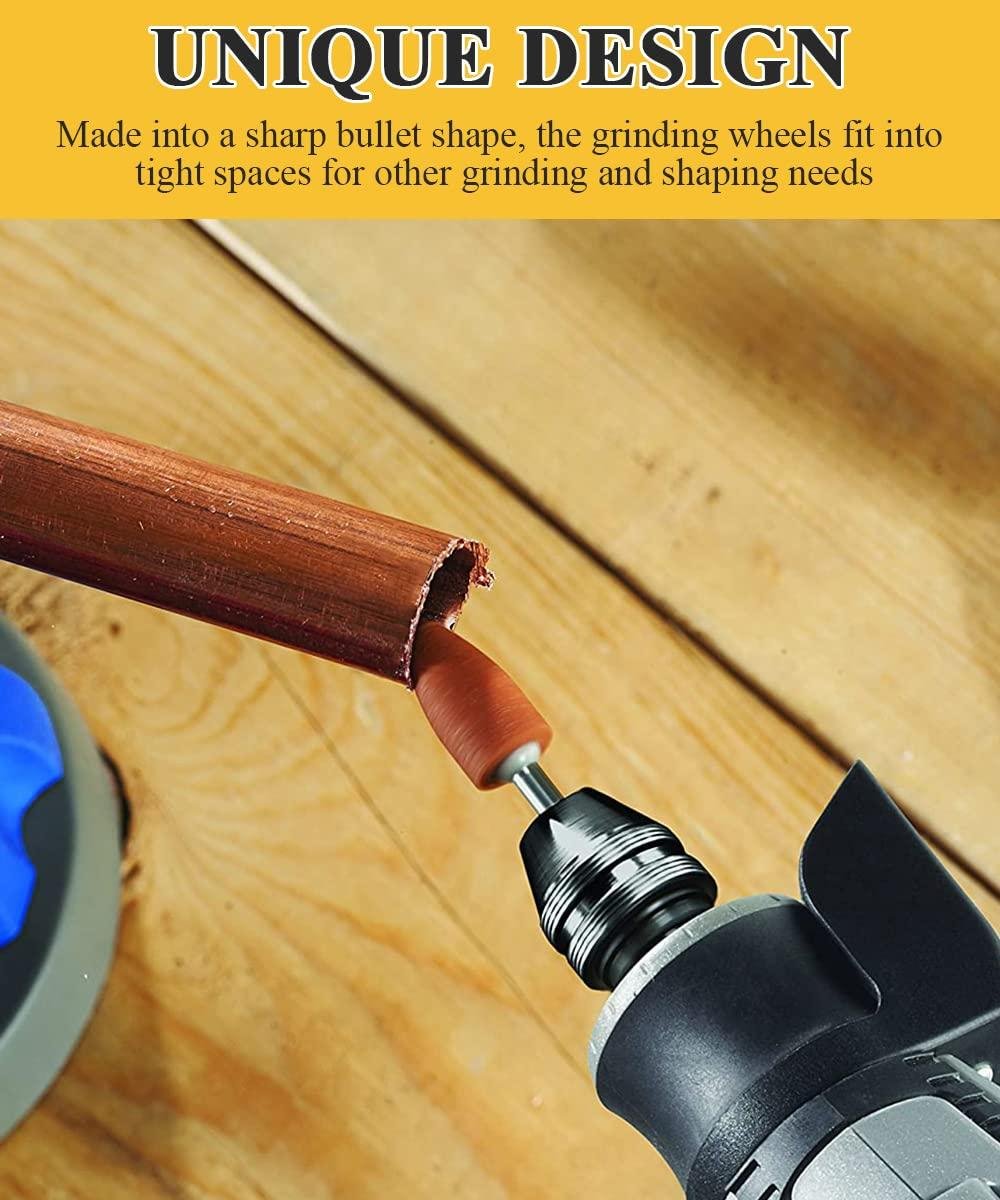
That’s where this 42-piece Sanding Bits set for Dremel-style rotary tools comes in. Built around a common 1/8″ shank and aluminum oxide grinding stones, it includes 10mm bullet shapes for tight spaces plus 10mm and 15mm cylinders for smoothing, deburring, light shaping, and sharpening tasks. It also arrives in a reusable clear case to keep the assortment organized.
In this review, we’ll break down the kit’s feature set, ease of use for beginners and experienced woodworkers alike, and what customer feedback says-especially the split opinions on grinding performance and the repeated durability concerns. We’re approaching this from years of general shop experience, focused on helping us all buy smarter, not just cheaper.
Tool Overview and First Impressions
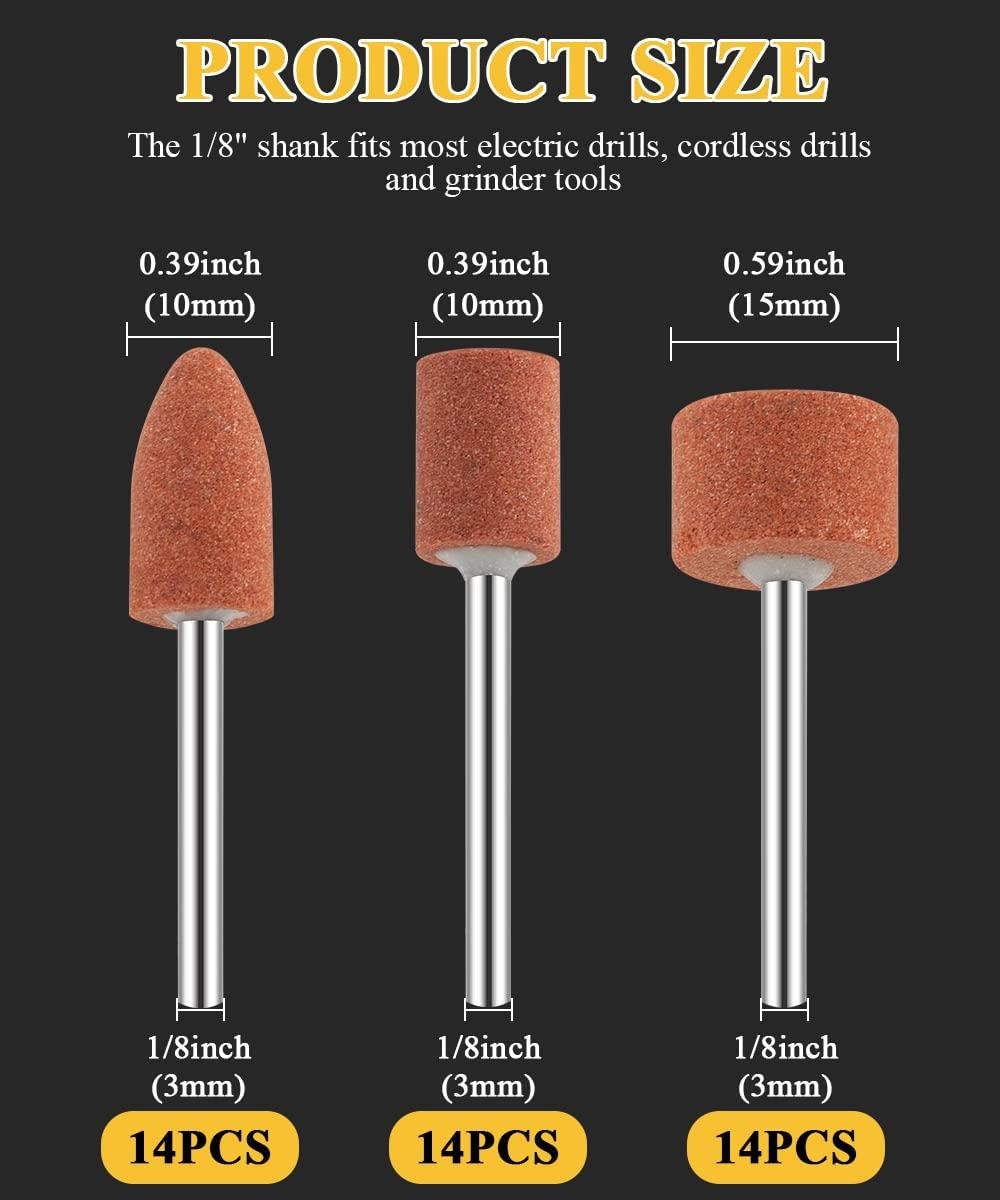
In our shop, we look at rotary-tool abrasives as “detail sanders” for places our random-orbit sander, rasps, and files can’t reach. This 42-piece aluminium oxide grinding stone/sanding bit set is built around the common 1/8″ shank, so it’s meant to drop straight into a Dremel collet or keyless chuck without fuss. Out of the box, the first impression is organization and variety: the kit arrives in a reusable clear storage case and includes three practical profiles-10mm bullet for tight inside curves and chamfers, plus 10mm cylinder and 15mm cylinder for flattening small spots, easing edges, and controlled shaping. For woodworkers, that shape range matters more than it sounds: bullet tips can clean up routed recesses and odd joinery corners, while the cylinders help us true up small glue squeeze-out ridges or soften end grain without rolling over an edge. Customer feedback lines up with that “utility assortment” vibe-multiple reviewers call it good value, with a “huge selection” and bits that are “exactly as described,” which is what we want from a consumable accessory pack.
Performance expectations are where we’d set the tone honestly. These are aluminium oxide stones, not aggressive carbide burrs, so the technique is light pressure and steady movement-especially on hardwoods where heat can burnish fibers and load the abrasive. Review themes echo that reality: users frequently praise versatility and say the bits “worked great” for their needs, but grinding performance is mixed-some found them perfect, while others complained there was “very little grit” and that they’re “all a very fine grit,” meaning stock removal can feel slow. Durability also comes up often, with a notable number of customers reporting the stones wear down quickly-which, in woodworking terms, makes this set most sensible for detail smoothing, light shaping, and touch-ups, not heavy grinding or hogging out material. One educational takeaway: because stones can glaze over, a quick clean (with a dressing stick or a stiff brush, depending on what you’re removing) and using the right speed for your rotary tool can help them cut more consistently; and regardless of task, eye protection and controlling dust are non-negotiables when we’re grinding wood, finishes, or rusted hardware.
- Included accessories
- 14× 10mm cylinder grinding stones
- 14× 15mm cylinder grinding stones
- 14× 10mm bullet grinding stones
- Reusable clear storage case
- Compatible attachments/accessories
- Dremel and most rotary tools accepting 1/8″ shank bits
- Rotary tool 1/8″ collet or keyless chuck
- Angle and flex-shaft attachments (where your rotary tool supports them)
- Ideal project types
- Smoothing small inside corners on joinery and routed pockets
- Deburring hardware, hinge mortise touch-ups, and easing sharp edges
- Light shaping on jigs, templates, and small parts
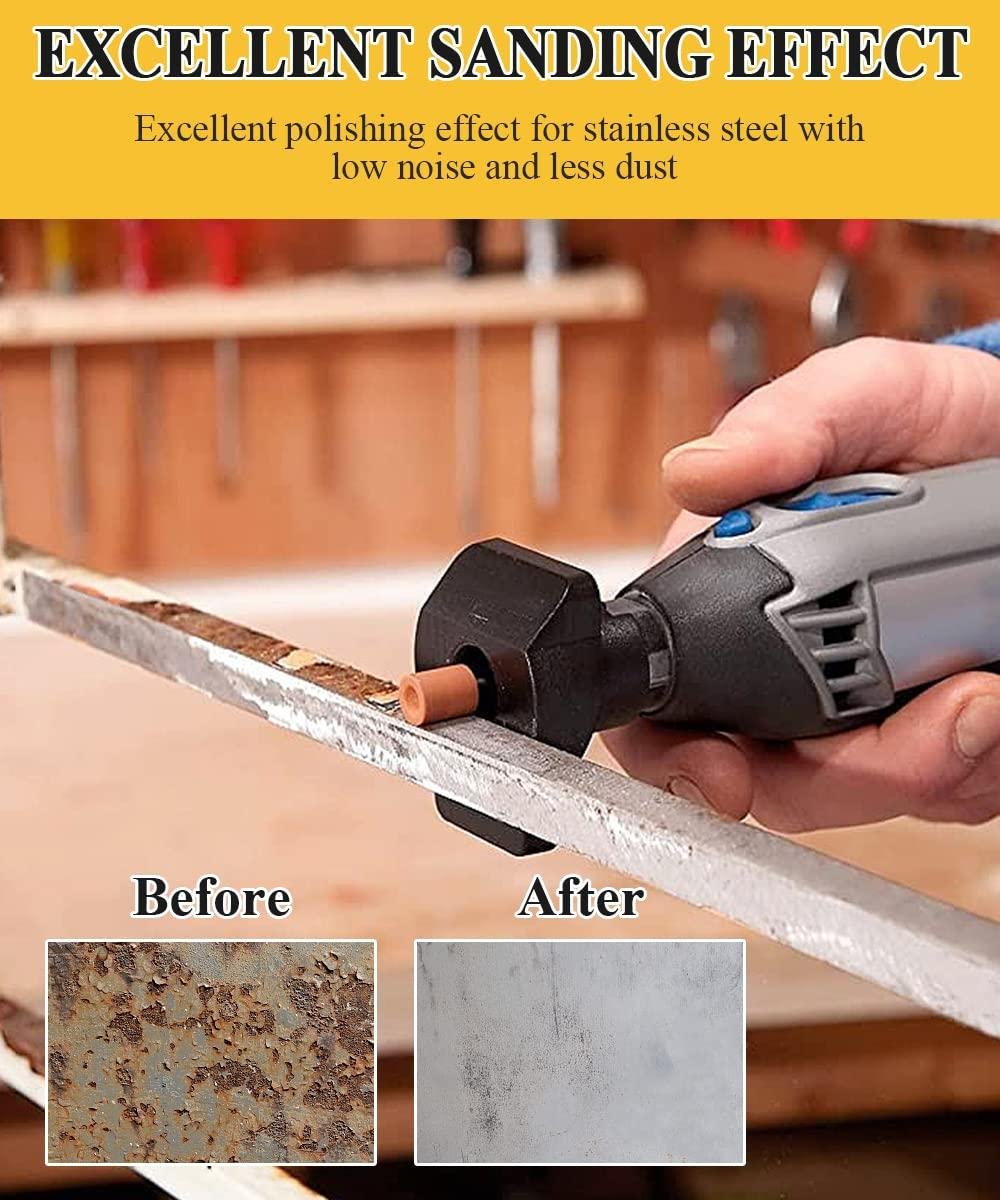
- Rust removal and sharpening touch-ups on shop tools (light-duty expectations)
- Wood types tested by customers
- Not specified in the provided customer review themes (plan on testing first on your offcuts)
| Spec / Feature | What It Is | Why It Matters in a Wood Shop |
|---|---|---|
| Shank size | 1/8″ | Standard fit for most Dremel-style rotary tools; quick swaps for detail work. |
| Abrasive material | Aluminium oxide | Typically better for smoothing and general grinding than ultra-aggressive removal. |
| Piece count | 42 pcs | Consumable assortment helps when bits wear or you need multiple shapes staged. |
| Shapes/sizes | 10mm bullet, 10mm cylinder, 15mm cylinder | Bullet reaches tight curves; cylinders help flatten/true small areas. |
| Storage | Clear case | Keeps stones from chipping into each other and makes grit contamination less likely. |
| Accessory Type | Compatibility | Notes for Woodworkers |
|---|---|---|
| Rotary tool collet | 1/8″ | Most stable option; ensure the shank is fully seated before tightening. |
| Keyless chuck | Rotary tools that accept a chuck | Convenient for swaps; check for any bit wobble before contacting the work. |
| Flex shaft | If your rotary tool supports it | Improves control for delicate edge easing and inside corners. |
| Use Case | Recommended Expectation | What Customers Report |
|---|---|---|
| Detail smoothing / light sanding | Best-fit task for stones like these | Many cite versatility and that they “worked great” for their needs. |
| Heavy grinding / fast stock removal | Not the ideal tool class | Mixed: several note “very little grit” and slow cutting. |
| Longevity under frequent use | Consumable; expect wear | Common concern: wear down quickly, though some still call it a good deal for the price. |
See Full Specifications & Customer Photos
Key Features Woodworkers Will Appreciate
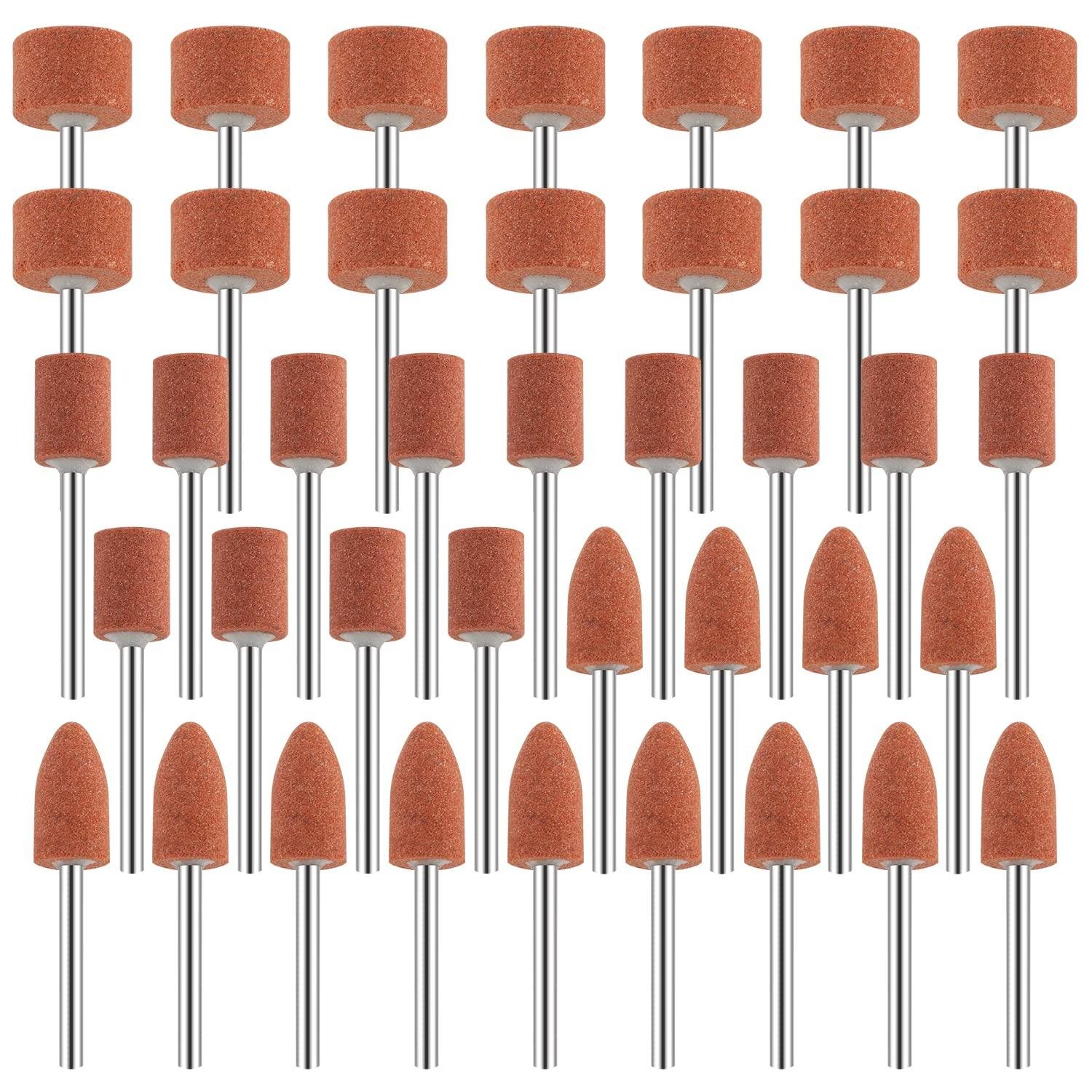
In our shop, the biggest “woodworker win” with this set is the 1/8″ shank compatibility-it’s the standard size for most Dremel-style rotary tools, die grinders, and even some drill chucks, so we can drop these stones in without hunting for odd adapters. The assortment of profiles is genuinely useful for woodworking detail work: the 10mm bullet shape reaches into inside curves and tight corners (think carved recesses, hinge mortises with rounded edges, or small relief areas), while the 10mm and 15mm cylinder shapes are better for flattening and truing small surfaces like a tenon shoulder that’s just a hair proud, easing sharp edges, or cleaning up a drilled hole after beveling/countersinking. The material matters too: these are aluminum oxide grinding stones, which is a common abrasive for general-purpose shaping and touch-ups; in practice, that means they’re more at home doing controlled smoothing and light grinding than acting like an aggressive rasp. That lines up with review themes we’ve read-customers often describe them as “good quality,” “exactly as described,” and a “nice assortment”, and several mention strong value for money because you get a lot of pieces for the cost.
Where we’d urge woodworking folks to set expectations is on removal rate and lifespan. Multiple reviewers call out mixed grinding performance-some say they’re “perfect for their projects,” while others complain there’s “very little grit” or that they’re too fine/high-grit and therefore slow. That tracks with how we recommend using stones on wood: keep your rotary tool speed moderate, use a light touch to avoid burning resinous woods, and “sneak up” on the fit rather than trying to hog off material. Durability feedback is also split, with a noticeable number of customers reporting the bits wear down quickly-so we’d treat these as consumables for fine tuning, not a forever set for heavy stock removal. The good news is the kit organization helps workflow: the set includes a reusable clear storage case, and the variety makes it easy to dedicate shapes to tasks (one for tool touch-ups, one for joinery cleanup, one for hardware fitting) so we don’t contaminate a “wood-only” bit with metal filings.
- Included accessories
- 14 pcs 10mm cylinder stones
- 14 pcs 15mm cylinder stones
- 14 pcs 10mm bullet stones
- Reusable clear storage case
- Compatible attachments/accessories
- Dremel and Dremel-style rotary tools with 1/8″ collet/chuck
- Other rotary tools/die grinders accepting 1/8″ shank
- Many drill chucks (best for low-speed touch-ups; rotary tools are more controllable)
- Ideal project types
- Joinery fine-tuning (tenon cheeks/shoulders, hinge mortises, tight dado corners)
- Hardware fitting (slight relief behind plates, cleaning up countersinks)
- Detail shaping on carvings and small templates
- Tool edge touch-ups (e.g., light cleanup on chisels-finish on stones/strops afterward)
- Wood types tested by customers
- Not specified in the customer review themes provided (we recommend testing on scrap first, especially on resinous softwoods and brittle exotics)
| Spec / Feature | What It Is | Why We Care in a Wood Shop |
|---|---|---|
| Shank size | 1/8″ | Fits most Dremel collets/chucks; easy swap-in for detail sanding/grinding tasks. |
| Abrasive material | Aluminum oxide | General-purpose abrasive suited to controlled smoothing; not the fastest for heavy removal. |
| Piece count | 42 pcs | Lets us dedicate shapes to specific tasks and replace worn stones without stopping work. |
| Shapes/sizes | 10mm bullet, 10mm cylinder, 15mm cylinder | Bullet reaches tight curves; cylinders help true small flats and edges. |
| Storage | Clear reusable case | Keeps profiles organized so we can grab the right stone quickly. |
| Bit Type | Best Use in Woodworking | Notes |
|---|---|---|
| 10mm bullet | Inside curves, tight corners, recess clean-up | Good control; avoid digging by using a light touch. |
| 10mm cylinder | Edge easing, small flat truing, hole cleanup | Keep it moving to prevent heat marks. |
| 15mm cylinder | Faster coverage on slightly larger flats | Still a “detail” tool-don’t expect belt-sander removal rates. |
| Task Capacity | Recommended | Not Ideal For |
|---|---|---|
| Material removal | Light shaping, smoothing, deburring | Heavy hogging or rapid stock removal (reviews mention slow/high-grit feel) |
| Runtime expectations | Short passes; check wear often | Long aggressive grinding sessions (durability complaints noted by multiple customers) |
See Full Specifications & Customer Photos
Real World Performance for Detail Sanding Shaping and Edge Touch Ups
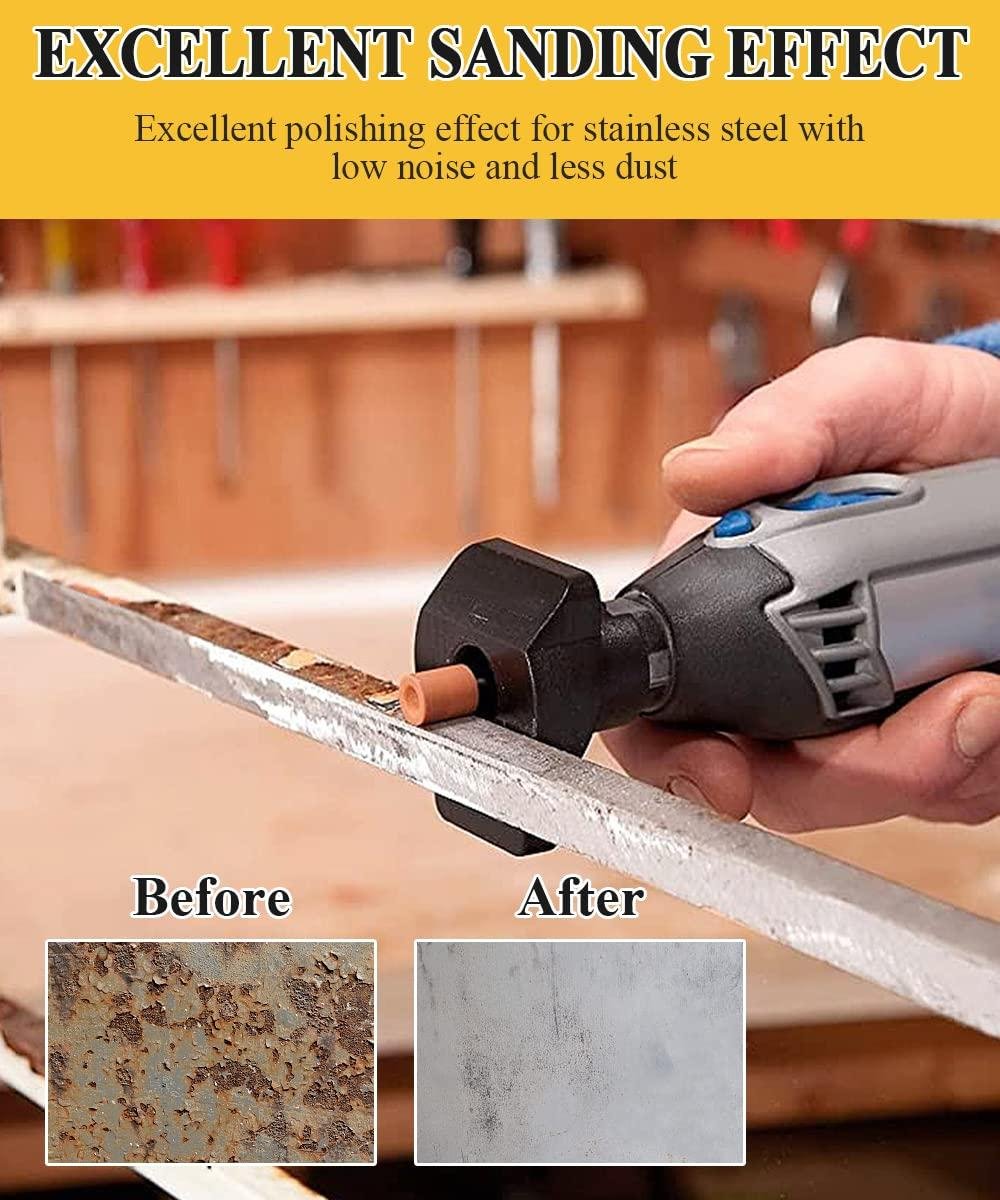
In real shop use, these aluminum oxide stones behave like what we reach for when a project needs controlled material removal-not aggressive stock hogging. The big win is the shape variety: the 10mm bullet stones let us sneak into inside curves, carved transitions, and tight edge profiles where sandpaper can’t keep a consistent contact patch, while the 10mm and 15mm cylinders are better for flattening little shelves, easing dado shoulders, and cleaning up joinery fuzz after a test-fit. Because the set uses a standard 1/8″ shank, we can chuck them in most Dremel-style rotary tools and even some small die grinders/drills, which makes them handy for quick edge touch-ups on small parts-breaking sharp corners on hard maple, refining a chamfer, or blending a routed detail without dragging a full-size sander to the bench. Customer review themes line up with that use case: plenty of folks call the assortment a “huge selection” and good value for money, but there’s consistent feedback that the effective grit is on the fine side-several reviewers describe them as “high grit” and therefore slower to cut, which matches our expectation for detail sanding and shaping rather than heavy grinding.
Where we’d set expectations for woodworkers is durability and pressure control. Multiple reviewers report the abrasive “wear down quickly” and that after a few minutes “all the grit is gone”, while others say they “do the trick” for light work-so we’d treat these like consumables and keep the touch light, the RPM moderate, and the tool moving to avoid heat glazing and premature wear. For edge touch-ups, our best results come from using the cylinder stones as a “micro-spindle sander”: present the work at a steady angle, take tiny passes, and stop frequently to check fit, because rotary tools remove material faster than our eyes realize. Educationally, it helps to remember these are stones, not flap wheels: they’ll follow contours but won’t bridge dips the way a hard sanding block does, so we reserve them for shaping profiles, cleaning inside corners, and refining small parts-not final surface prep before finish. Dust control is also on us here: rotary sanding throws fine grit and wood dust, so eye protection and a small vacuum nozzle nearby make a noticeable difference in comfort and accuracy.
- 14 pcs 10mm cylinder shape stones
- 14 pcs 15mm cylinder shape stones
- 14 pcs 10mm bullet shape stones
- Reusable clear storage case
- Dremel rotary tools that accept a 1/8″ shank collet
- Rotary tool keyless chucks (aftermarket or OEM, 1/8″ compatible)
- Small die grinders / drills that can clamp a 1/8″ shank (per product claim)
- Detail shaping on carvings, roundovers, and small profiles
- Edge breaking on small parts and trim pieces
- Joinery touch-ups (tenon cheeks/shoulders, dado edges, hinge mortise tweaks)
- Deburring after cutting small hardware or shop-made jigs
- Not specified in reviews (customers discuss general project use more than specific wood species)
| Spec / Feature | What It Means in the Shop | Notes |
|---|---|---|
| Shank size: 1/8″ | Fits most Dremel-style rotary tools/collets | Ensure your collet/chuck is sized for 1/8″ |
| Abrasive: Aluminum oxide | General-purpose abrasive for wood/metal touch-ups | Reviews suggest it behaves like a finer cut (slower removal) |
| 42-piece set | Multiple shapes for different access/contours | 3 shapes × 14 each |
| Shapes: 10mm bullet, 10mm cylinder, 15mm cylinder | Bullet for tight spots; cylinders for small flats/edges | Useful for blending and touch-ups more than heavy grinding |
| Accessory / Attachment | Compatibility | Use Case |
|---|---|---|
| 1/8″ collet | Required | Secure holding and better concentricity for precise sanding |
| Keyless chuck (1/8″ capable) | Optional | Faster bit swaps during detail work |
| Rotary tool flex shaft | Optional | Improves control for edge touch-ups and tight contours |
| Task | Recommended Use | What Reviews Suggest |
|---|---|---|
| Detail sanding / light shaping | Yes | Many cite good quality and versatility; “high grit” feel |
| Heavy grinding / fast stock removal | No | Grinding performance is mixed; some report “no grit” / weak bite |
| Long wear under pressure | Use light pressure, expect consumable wear | Durability concerns: “wear out quickly” appears repeatedly |
See Full Specifications & Customer Photos
Ease of Use for Beginners and Experienced Woodworkers
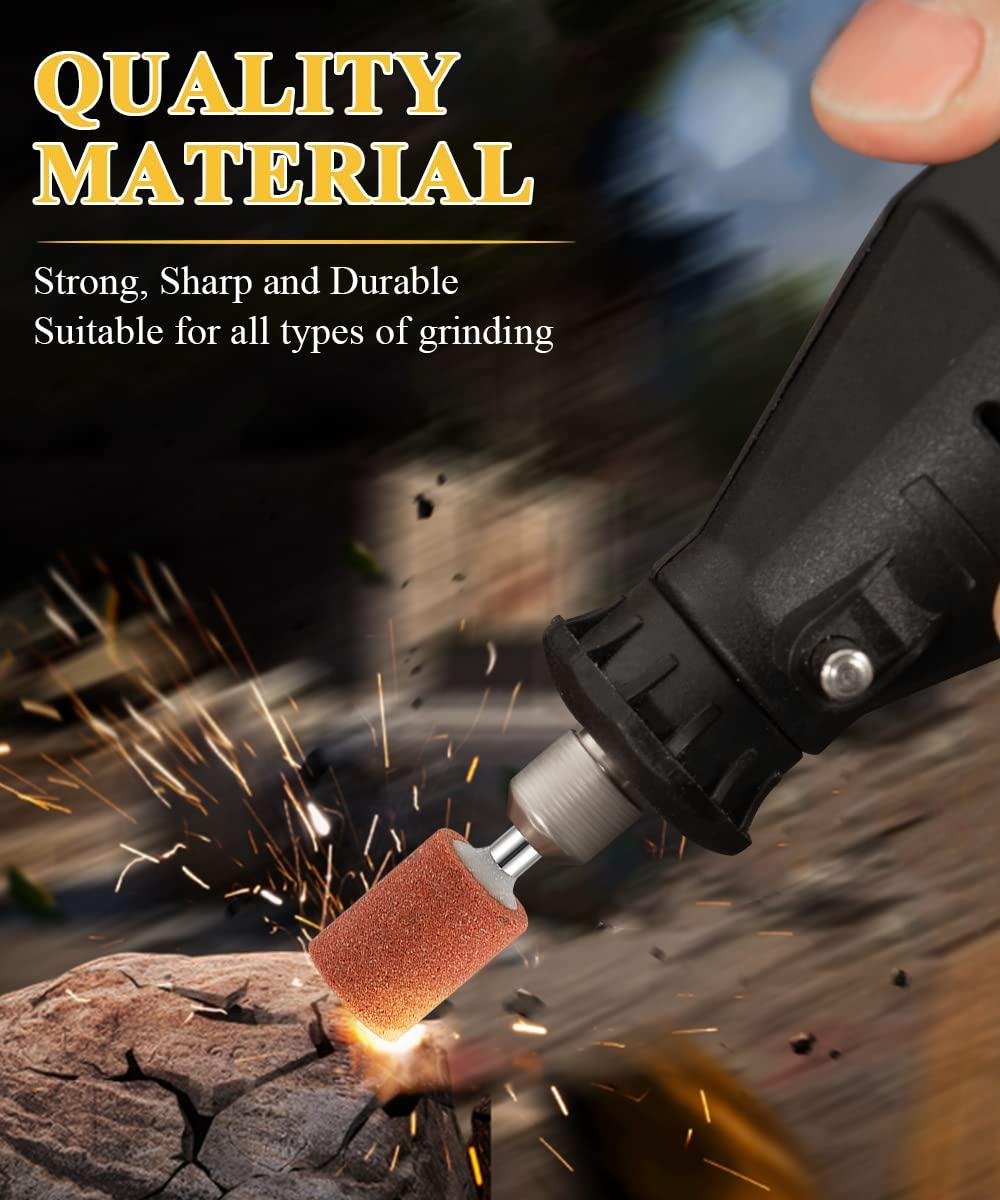
For beginners, these sanding bits are about as low-friction as rotary-tool accessories get: the 1/8″ shank is the common size used by most Dremel rotary tools and many other rotary tools, so setup is typically just “insert and tighten” in a collet or chuck. In our shop, that matters because new woodworkers tend to bounce between tasks-softening a sharp edge on a pine jig one minute, cleaning up a drilled hole the next-and an assortment like this 42-piece set makes it easy to try a shape and adjust from there without overthinking it. Several customer themes back this up, with many calling the assortment “exactly as described,” “easy to use,” and a “huge selection to pick from,” especially for light sanding and fine polishing. The key lesson for new users is that these are aluminum oxide grinding stones, so they like a gentle touch and steady movement-let the abrasive do the work, keep the bit moving to avoid heat marks on resinous woods, and treat them more like detail sanding/shaping than aggressive stock removal.
For experienced woodworkers, ease of use comes down to predictability and choosing the right profile for the job. The set includes three common shapes-10mm bullet, 10mm cylinder, and 15mm cylinder-which cover most rotary-tool workshop needs: getting into inside corners and small recesses, smoothing plug-cutters or dowel patches, and cleaning up router nibs where a full-size sander can’t reach. Reviews consistently praise value for money and versatility, but they also warn us about mixed “grinding performance” and durability-some users say the grit feels very fine and “wears down quickly,” which suggests we should treat these as consumables for touch-up, deburring, and detail shaping rather than heavy grinding. Practically, that means we’ll get the best workflow by using these bits for small corrections (and switching to files, flap wheels, or a belt/disc sander for bigger shaping), periodically dressing/cleaning the stone to restore bite, and test-fitting on scrap before touching a visible surface.
- 14 pcs 10mm cylinder shape grinding stones
- 14 pcs 15mm cylinder shape grinding stones
- 14 pcs 10mm bullet shape grinding stones
- Reusable clear storage case
- Dremel rotary tools that accept a 1/8″ shank (collet or keyless chuck)
- Rotary tools / die grinders with 1/8″ capacity
- Cordless drills using an appropriate chuck (1/8″ shank compatible)
- Detail sanding in tight spots (inside corners, small recesses)
- Smoothing/shaping plugs, dowel patches, and small proud end-grain
- Bevel cleanup after drilling holes in wood/metal (light touch)
- Tool touch-ups (chisels/knives/scissors) where appropriate and carefully controlled
- Pine (best with light pressure to avoid resin loading/burn marks)
- Hardwood (work slowly; use for small corrections rather than bulk removal)
| Spec / Feature | What’s Included | Why It Matters in the Shop |
|---|---|---|
| Shank size | 1/8″ | Fits most Dremel-style rotary tools; quick bit swaps for beginners and pros. |
| Abrasive material | Aluminum oxide | Good general-purpose abrasive; works best with a light touch and steady movement. |
| Piece count | 42 pcs | More shapes available means less downtime when a profile isn’t working. |
| Shapes / sizes | 10mm bullet, 10mm cylinder, 15mm cylinder | Bullet reaches into tight spaces; cylinders help flatten/smooth small areas. |
| Accessory Type | Compatibility Requirement | Typical Use |
|---|---|---|
| Rotary tool collet | 1/8″ collet | Most secure, low runout for controlled sanding/shaping. |
| Keyless chuck | Must clamp 1/8″ shanks | Fast swaps when moving between profiles during fitting and cleanup. |
| Drill chuck | Must clamp 1/8″ shanks | Works in a pinch; lower control than a rotary tool for fine woodworking details. |
| Use Case | Recommended “Capacity” (Realistic Expectation) | What Customers Often Report |
|---|---|---|
| Fine polishing / light sanding | Small areas; light pressure; gradual material removal | Good value and works well for light tasks. |
| Heavy grinding / fast stock removal | Not ideal-use coarser abrasives or larger tools | Mixed feedback: some say poor grinding ability or “no grit at all.” |
| Durability under pressure | Consumable accessory; expect wear with harder use | Many mention stones wear down quickly, though a few report they last long enough for the price. |
See Full Specifications & Customer Photos
Customer Reviews Analysis
What Woodworkers Are Saying
1. Overall sentiment from woodworking customers
Overall, woodworking-oriented feedback trends positive. Several woodworkers mentioned this 42-piece assortment as a handy, budget-friendly set for shaping, smoothing, and touch-up work on small areas-especially where larger sanders can’t reach. Common praise includes the variety of shapes and the usefulness for detail work rather than large-surface sanding.
2. Performance feedback (accuracy, power, results)
Performance themes in woodworking-related comments center on light-to-medium duty stock removal and surface refinement:
- Detail sanding & shaping: Multiple reviews highlight that the assortment of profiles helps with tight curves, inside corners, carvings, and small contours.
- Results: Several woodworkers mentioned achieving noticeably smoother edges and improved fit/finish after quick passes-particularly on small parts and joinery touch-ups.
- Power under load: Some users reported challenges with pressing too hard-noting best results come from light pressure and higher RPM, letting the abrasive do the work. When pushed aggressively, reviewers describe reduced effectiveness and faster wear.
A recurring takeaway: these bits are commonly viewed as detail/precision helpers, not replacements for a belt sander, random orbital sander, or drum sander.
3. Build quality and durability observations
Durability feedback is mixed, and often tied to expectations and technique:
- Common praise includes acceptable durability for the price, especially when used for light sanding, deburring, and careful smoothing.
- Some users reported challenges with faster wear on certain stones/abrasives-particularly if used on harder materials or with heavy pressure.
- A few reviews caution that consumable wear is normal for rotary abrasives, and that longevity improves with lighter touch and correct speed.
4. Ease of use for different skill levels
- Beginners appreciated the straightforward “plug-in and go” nature of 1/8″ shank accessories-especially if they already own a Dremel or similar rotary tool.
- DIYers and newer users commonly note that getting clean results takes a bit of practice: angle control matters, and it’s easy to gouge wood if you linger in one spot.
- Experienced woodworkers tend to frame these as fine-control tools-useful for refining, not for flattening or removing lots of material quickly.
5. Common project types and success stories
Customers successfully used this set for small-scale woodworking and shop tasks, including:
- Smoothing edges on small parts and trimming swirl marks in tight areas
- Shaping curves and refining profiles on craft pieces and carved details
- Touch-up work around joinery, corners, and hard-to-reach spots
- Tool and hardware cleanup: Several reviewers mention sharpening/touching up and rust removal, which can be relevant for restoring shop items, blades (light touch), hinges, screws, and other hardware used in woodworking projects
Where reviews describe strong outcomes, they usually emphasize patience + light pressure and using the right shape for the surface.
6. Issues or limitations reported
Some users reported challenges with the following:
- Not ideal for large flat areas: Woodworkers note it’s slow and can leave unevenness if used like a broad sanding solution.
- Wear rate varies: A portion of reviews point out that certain bits can wear down faster than expected, particularly with heavy-handed use.
- Heat/burning risk: As with many rotary sanding/grinding accessories, reviewers imply that staying in one spot too long can generate heat-risking burn marks on wood or premature abrasive wear.
- Technique-sensitive: Maintaining control on edges and corners is important; a few comments suggest it’s easy to remove more material than intended if you’re not careful.
Summary Table (from woodworking-leaning review themes)
| Aspect | Common Feedback |
|---|---|
| Performance | Best for light shaping, smoothing, and detail sanding; works well with light pressure and proper RPM |
| Precision | Good control for small areas and contours; technique matters to avoid gouging |
| Durability | Mixed-acceptable for the price, but some bits wear quickly under heavy load |
| Ease of Use | Beginner-friendly setup; learning curve in controlling angle, pressure, and dwell time |
| Versatility | Variety of shapes helps across tight corners/curves; also used for rust removal and general cleanup |
| Value | Often described as a solid assortment for the cost-especially for occasional/detail work |
If you can share the actual review text or star-rating breakdown you have, I can tighten this into a more data-specific summary (e.g., most-mentioned pros/cons, exact phrases woodworkers used, and the most common project callouts).
Pros & Cons
Pros & Cons
After putting this 42-piece set through a few typical shop tasks-cleanup, touch-ups, and light shaping-we found it lands squarely in the “handy assortment” category. It’s a lot of bits for the money, but it doesn’t replace heavier-duty grinding stones when we need aggressive material removal.
Pros
- Big assortment that actually feels useful: The mix of 10mm bullet tips and 10mm/15mm cylinders gives us options for tight corners, bevel edges, and flatter passes.
- Fits most rotary tools without fuss: The 1/8″ shank is the common Dremel-size standard, so swapping them into our collet/chuck is straightforward.
- Good “shop drawer” value: For the price, we like having multiples of each shape-especially for jobs where we’d rather sacrifice a bit than baby our premium stones.
- Works well for light sanding, smoothing, and touch-up sharpening: Great for knocking down small burrs, cleaning edges, and tidying rust spots when we’re not trying to remove a lot fast.
- Reusable storage case: The clear case keeps the set organized, which matters when we’re grabbing bits mid-project.
Cons
- Mixed grinding “bite”: Several users (and us, depending on the task) noticed these can feel fine-grit and slow-not ideal when we need real material removal.
- Durability can be hit-or-miss: Reports of stones wearing down quickly show up often; we’d treat them as semi-consumables, especially on harder metals.
- Not a precision grinding solution: For delicate work or tight-tolerance shaping, we’d still reach for higher-end stones or purpose-specific abrasives.
- Limited “variety” beyond shape: While shapes differ, don’t expect a clearly labeled range of grit grades-performance can feel similar across pieces.
| What we tried | Best bit shape | How it felt in our shop |
|---|---|---|
| Rust touch-up on metal edges | 10mm cylinder | Steady smoothing, not super aggressive |
| Deburring drilled holes | Bullet shape | Nice control in tight spots |
| General edge cleanup | 15mm cylinder | Faster coverage, faster wear |
Our takeaway: If we need a versatile, budget-friendly set for light sanding, smoothing, and occasional touch-ups, this kit makes sense. If our priority is heavy grinding or long-lasting stones on tough metals, we’d budget for a more premium option.
Q&A
What wood types can these Dremel sanding/grinding bits handle effectively?
These are aluminum-oxide grinding stones with a 1/8″ shank, so they’re best for detail work on most common woods-softwoods (pine, cedar), hardwoods (oak, maple) and even MDF-when you’re shaping small areas, easing edges, cleaning up joinery, or refining carvings. They’re not a replacement for sandpaper sheets/discs for large flat surfaces; think “spot work and shaping” rather than “finish sanding a panel.”
Is this powerful enough for hardwoods like oak or maple?
The bits themselves can be used on hardwoods, but the real limiter is your rotary tool and technique. On dense species like oak/maple, use higher RPM with a very light touch and keep the bit moving to avoid burning or digging a hollow. Customer feedback is mixed on grinding aggressiveness-several users say they’re perfect for projects, while others felt they remove material slowly-so for heavy hardwood shaping you may want coarser carbide burrs or sanding drums in addition to these stones.
How do these perform on plywood and veneers-will they chip the layers?
They can work on plywood edges and small voids, but use a gentle pass. Because these are rigid stones (not flexible sandpaper), it’s easy to catch an edge and tear veneer if you push too hard or linger in one spot. For plywood/veneer clean-up, many woodworkers prefer a light touch with the bullet shape for tight spots, then finish with hand sanding to keep the face veneer intact.
Can these handle production work, or are they more for hobby projects?
They’re better suited to hobby and occasional shop tasks-touch-ups, sharpening small tools, detail shaping, deburring-rather than day-in/day-out production. Reviews mention good value and versatility, but durability is a frequent concern (some users report the stones wear down quickly and lose grit). If you’re doing repetitive work, plan on faster consumable wear and consider buying extra sets or stepping up to higher-end stones/burrs designed for long runs.
How difficult is setup, and will they fit my Dremel or other rotary tool?
Setup is straightforward: these use a standard 1/8″ shank, which fits most Dremel rotary tools and many die grinders/rotary tools that accept 1/8″ accessories. Insert the shank fully into the collet/chuck and tighten securely. If your tool is set up with a different collet size, you’ll need the proper 1/8″ collet (common on Dremel) to avoid wobble or slippage.
What adjustments are available-how do I pick the right shape and speed?
You’re mainly adjusting bit shape and tool speed. This set includes 10mm bullet shapes (good for tight corners/inside curves) and 10mm/15mm cylinders (better for flattening small areas, smoothing edges, and general shaping). Speed depends on your material and control: higher RPM with light pressure typically gives a cleaner result on wood, while slower speeds can reduce burning on resinous woods. If you see scorching or loading, back off pressure and keep the bit moving.
Do I need special dust collection, and will this fit in a small workshop?
No special dust collection is required, but you should treat rotary-tool sanding/grinding as “fine dust” work-especially on MDF and hardwoods. A small shop vacuum with a nearby nozzle helps, but at minimum use a dust mask/respirator and eye protection. Since these are small 1/8″ shank accessories used in a handheld rotary tool, they’re ideal for small workshops and bench-top use without taking up space.
Are these beginner-friendly, and will they satisfy a pro woodworker?
Beginners can use them successfully because there’s no complex setup-just install and go-but the learning curve is in control: light pressure, steady hands, and avoiding divots. Pros often keep stones like these around for quick touch-ups and hard-to-reach areas, but may find the cutting speed and longevity inconsistent based on mixed review feedback (some praise value/selection; others criticize grinding performance and fast wear). For professional expectations, they’re a useful assortment kit-just not a premium, high-removal solution.
Reveal the Extraordinary
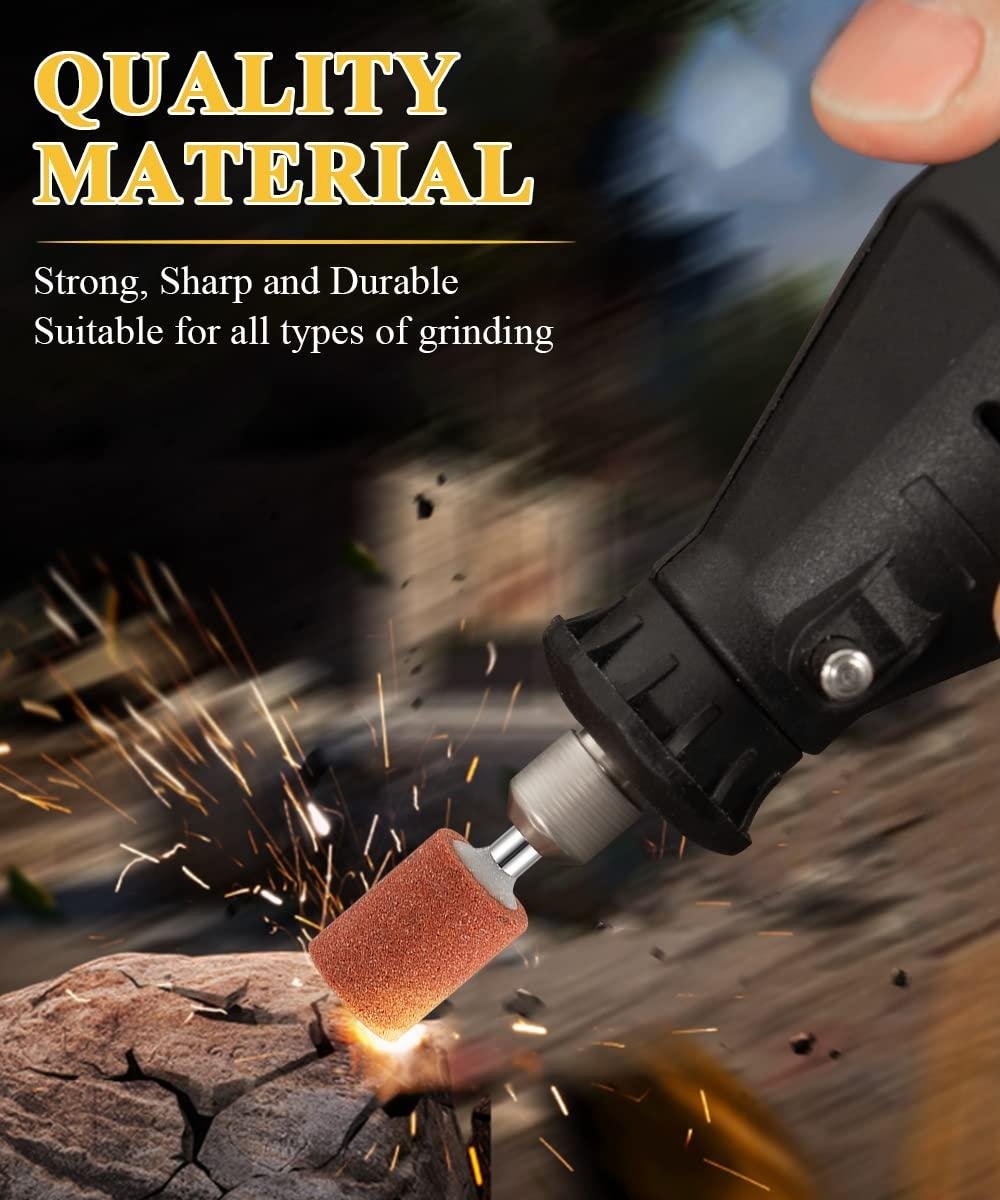
The FOTYBEI 42‑piece sanding/grinding bit set is a versatile add-on for any Dremel-style rotary tool, built around a standard 1/8″ shank and aluminum oxide abrasive. You get three practical shapes-10mm bullet, 10mm cylinder, and 15mm cylinder-packed in a reusable case for deburring, rust removal, light shaping, and touch-up sanding in tight spots. Customer feedback commonly highlights good value, a wide assortment, and generally acceptable quality for the price, while noting mixed grinding performance and concerns that some bits can wear down quickly under heavier pressure.
Best for hobby woodworkers with small to medium projects, beginners learning cleanup and edge touch-ups, and cabinet makers doing detail work on joinery, hardware recesses, or small repairs.
Consider alternatives if you need aggressive stock removal, long-lasting daily-use stones, or consistent coarse-grit grinding for production work.
Overall, it’s a solid budget assortment for light-duty sanding and smoothing-just keep expectations realistic on durability and bite.
Want to see current pricing and customer photos? View on Amazon & Read More Reviews →