Tag Archives: Laser Cutting

Walnut Plywood Sheets Review: Right Stock for Our Laser?
When we pulled the 10 Pack Walnut Plywood Sheets (12x12x1/8 inch, 3mm) out of the box, the first thing we noticed was the deep, chocolate-brown grain—rich enough to feel “finished” even though it’s technically unfinished. For our laser cutting tests, the size is immediately practical: big enough for signage, ornaments, and small architectural models, yet compact enough to store without warping into a corner. We ran a few quick engraves and line cuts to see how the walnut veneer responds, and it gave us that crisp contrast we chase for detailed artwork. The real question, though, is consistency—sheet to sheet—and whether the ply core behaves cleanly under heat. That’s what we dug into next.
60-Pack Basswood for Laser Cutter: Right for Our Shop?
In our shop, materials don’t get a free pass just because they’re “craft friendly.” We put this 60 Pack Basswood Sheets set (12x12x1/8 inch) through the same routine we use for client work: measuring thickness consistency, checking for warping, and seeing how cleanly it behaves under the laser. The unfinished surface feels like a blank canvas—ready for engraving, wood burning, or a quick stain test—while the 12x12 format fits our workflow without constant trimming. What we’re most curious about is how the plywood-like construction holds up on intricate cuts and tight corners, especially when we’re building architectural models. If it stays flat, cuts clean, and sands smoothly, it could earn a permanent spot on our shelf.
30-Pack Basswood Sheets Review: Right for Our Laser?
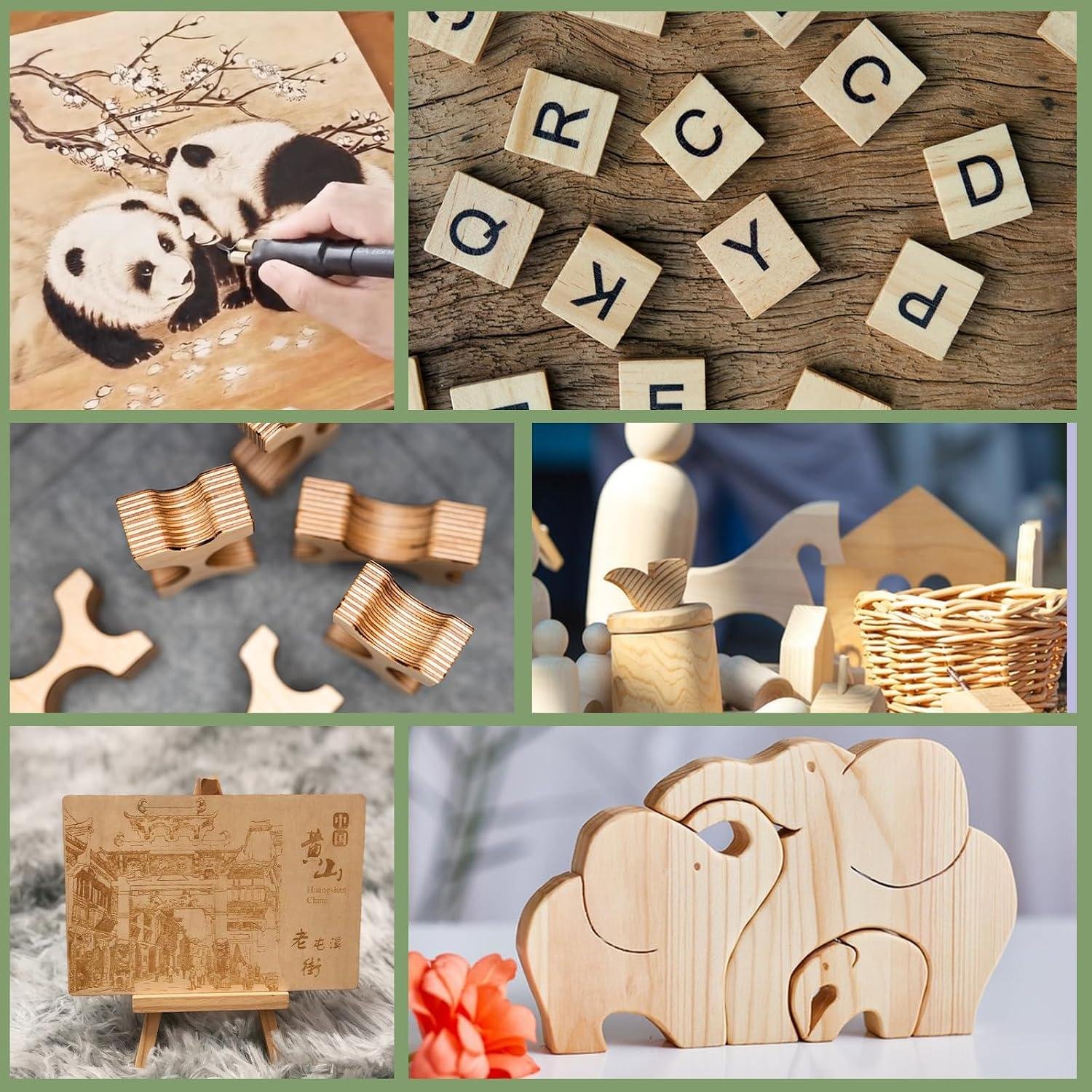
We went into this 30-pack of 12" x 12" x 1/8" (3mm) basswood hoping for a reliable, no-drama material for our laser cutter—and the first impression was promising. The sheets feel light but sturdy, with a clean, unfinished surface that’s ready for engraving, staining, or a quick coat of paint. In our test cuts, basswood’s natural softness worked in our favor: details came through crisp, and small architectural model parts didn’t splinter as easily as cheaper plywood sometimes does. We did notice that like most wood, a little variation in grain can affect edge darkness, so dialing in settings still matters. Overall, this pack looks like a practical staple for our craft bench.
Auihiay Keychain Blanks Review: Right Laser Jig Buy?
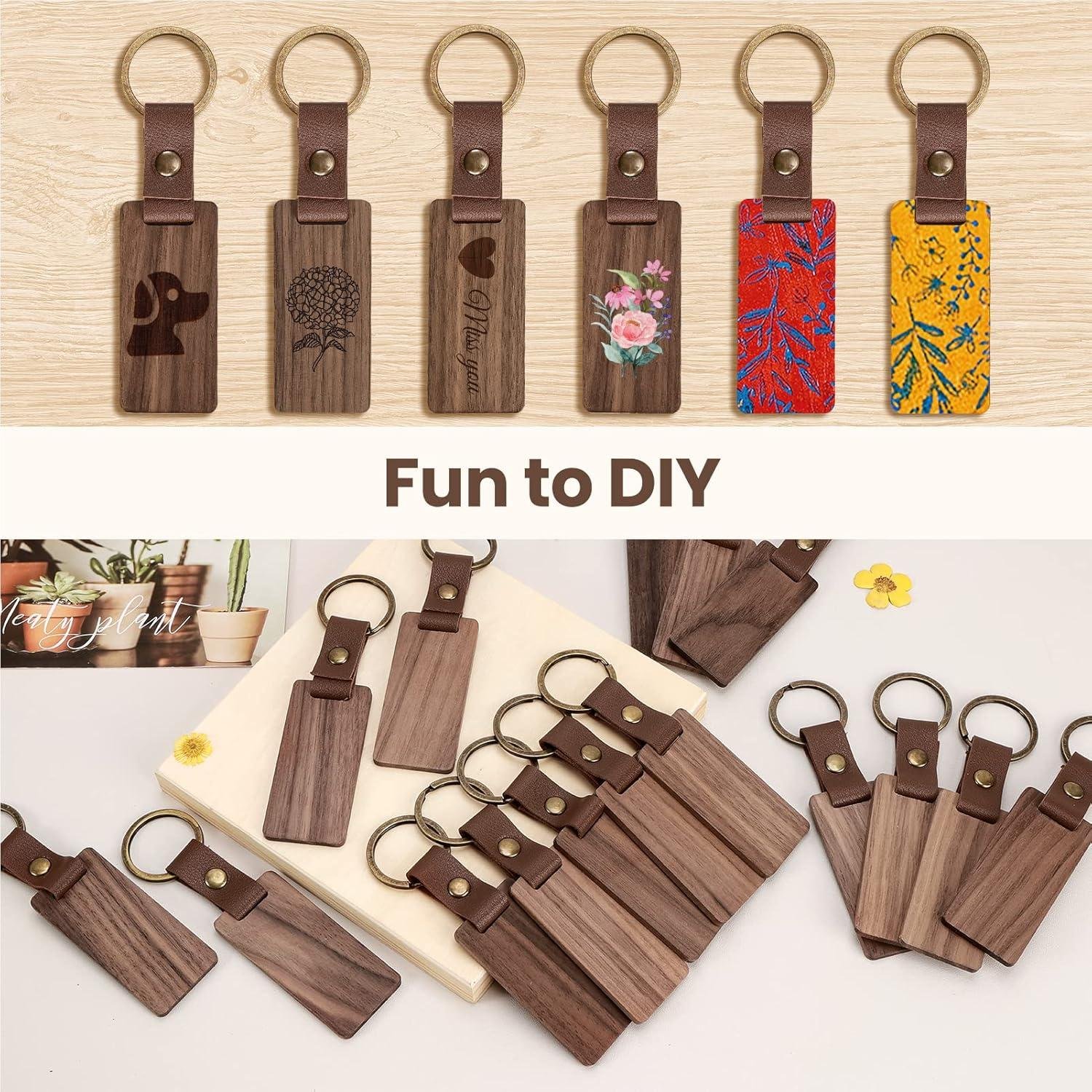
If we’re hunting for a laser-friendly keychain blank that doesn’t feel flimsy, the Auihiay 25-piece set catches our eye for a simple reason: it’s built for making, not just decorating. Each unfinished wooden tag arrives paired with a leather strap, giving our projects a finished look even before we add a design. The wood surface is clean and ready for engraving, branding, or paint, and the variety in the pack invites quick testing—different layouts, different names, different ideas—without committing to a single style. In this review, we’ll see how these blanks behave under the laser, whether the edges char nicely or need extra sanding, and—most importantly—if they’re the right “jig buy” for our workflow.
ROBOTIME Plywood Sheets Review: Right Laser Wood?
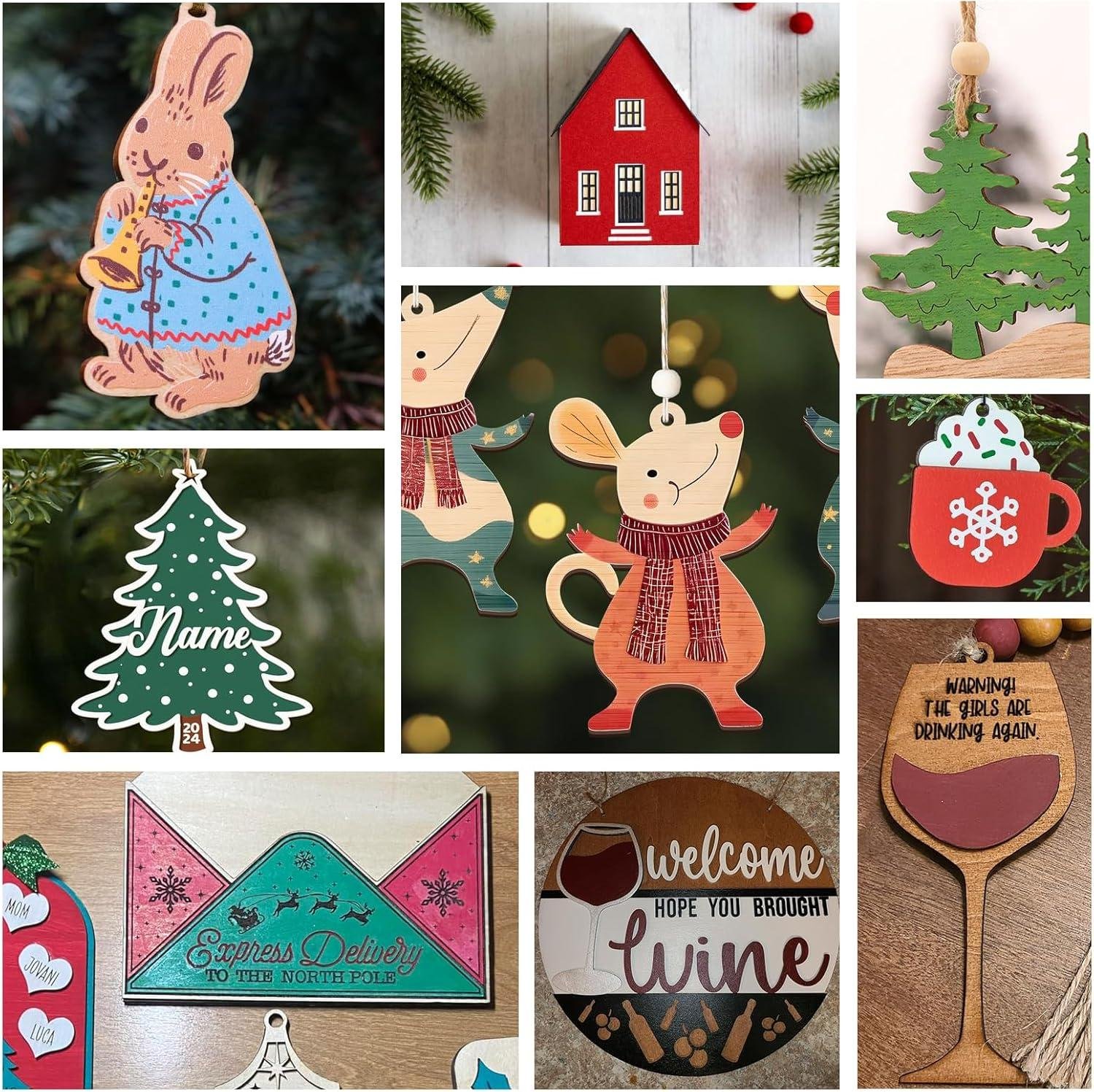
When we opened the ROBOTIME 7-Pack double-sided colored plywood sheets, the first thing we noticed was the palette—solid, roller-coated color on both faces, already doing half the design work for us. Each 12 x 16 inch, 1/8 inch (3mm) sheet feels sized for real projects, not just tests: ornaments, layered signage, small boxes, and clean-edged silhouettes. In our laser cutter trials, the surfaces stayed vibrant and consistent, which made engraving and cut lines pop without extra painting steps. We also appreciated the assortment pack for quick prototyping—switching colors changes the mood of the same pattern instantly. Still, we kept an eye on smoke marks and masking needs, because colored coatings can behave differently than raw birch.
Woodpeckers Baltic Birch Laser Cutter Wood: Worth It?
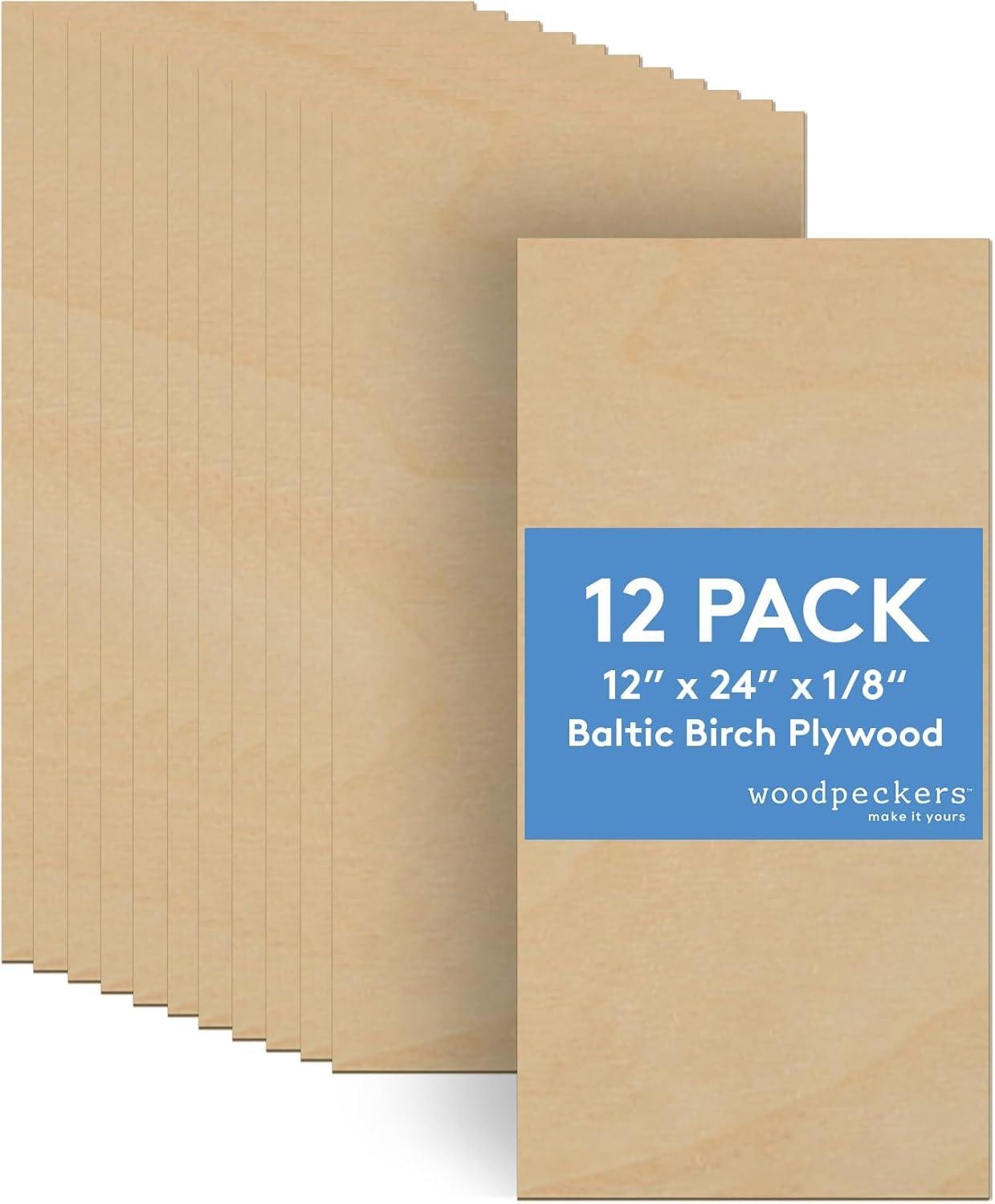
When we unboxed the Woodpeckers Baltic Birch Plywood set—12 sheets of 3 mm (1/8) B/BB grade, each 12 x 24 inches—it immediately felt like it was made for makers. The panels are light yet surprisingly rigid, with a clean, pale face that invites engraving and a back side that keeps expectations realistic. On our laser, the consistent thickness helped dialing in settings without chasing focus, and the cuts landed crisp with minimal fuss. For CNC work, the edges stayed tidy, and for wood burning, the grain took shading nicely without turning blotchy too fast. It’s not flawless—minor cosmetic variation shows up—but for craft-grade precision, it’s a compelling box.