

Tag Archives: Material Review

15Pk Colored Plywood Review: Laser Engraving Sheet?

Rowood Cherry Plywood Review: Right for Our Laser?

Walnut Plywood Sheets Review: Right Stock for Our Laser?
When we pulled the 10 Pack Walnut Plywood Sheets (12x12x1/8 inch, 3mm) out of the box, the first thing we noticed was the deep, chocolate-brown grain—rich enough to feel “finished” even though it’s technically unfinished. For our laser cutting tests, the size is immediately practical: big enough for signage, ornaments, and small architectural models, yet compact enough to store without warping into a corner. We ran a few quick engraves and line cuts to see how the walnut veneer responds, and it gave us that crisp contrast we chase for detailed artwork. The real question, though, is consistency—sheet to sheet—and whether the ply core behaves cleanly under heat. That’s what we dug into next.
Basswood Sheets Review: Right for Our Laser Cutter?
When our latest box of 10 basswood sheets (16 x 12 x 1/8 inch) arrived, we had one question: would they behave under our laser cutter—or turn into smoky, warped disappointments? The boards feel pleasantly light yet consistent, with a clean, unfinished surface that takes pencil marks and masking tape easily. At 3mm thick, they sit in that sweet spot for quick cuts and layered projects, especially for small architectural models and craft panels. We liked that the grain is subtle, so engraved lines read clearly without fighting the texture. That said, basswood is still basswood: it can scorch if we push speed too low or power too high. Our next step is a stress test—fine details, tight corners, and edge burn.
30-Pack Basswood Sheets Review: Right for Our Laser?


Wowood Maple Plywood Sheets Review: Right for Our Shop?
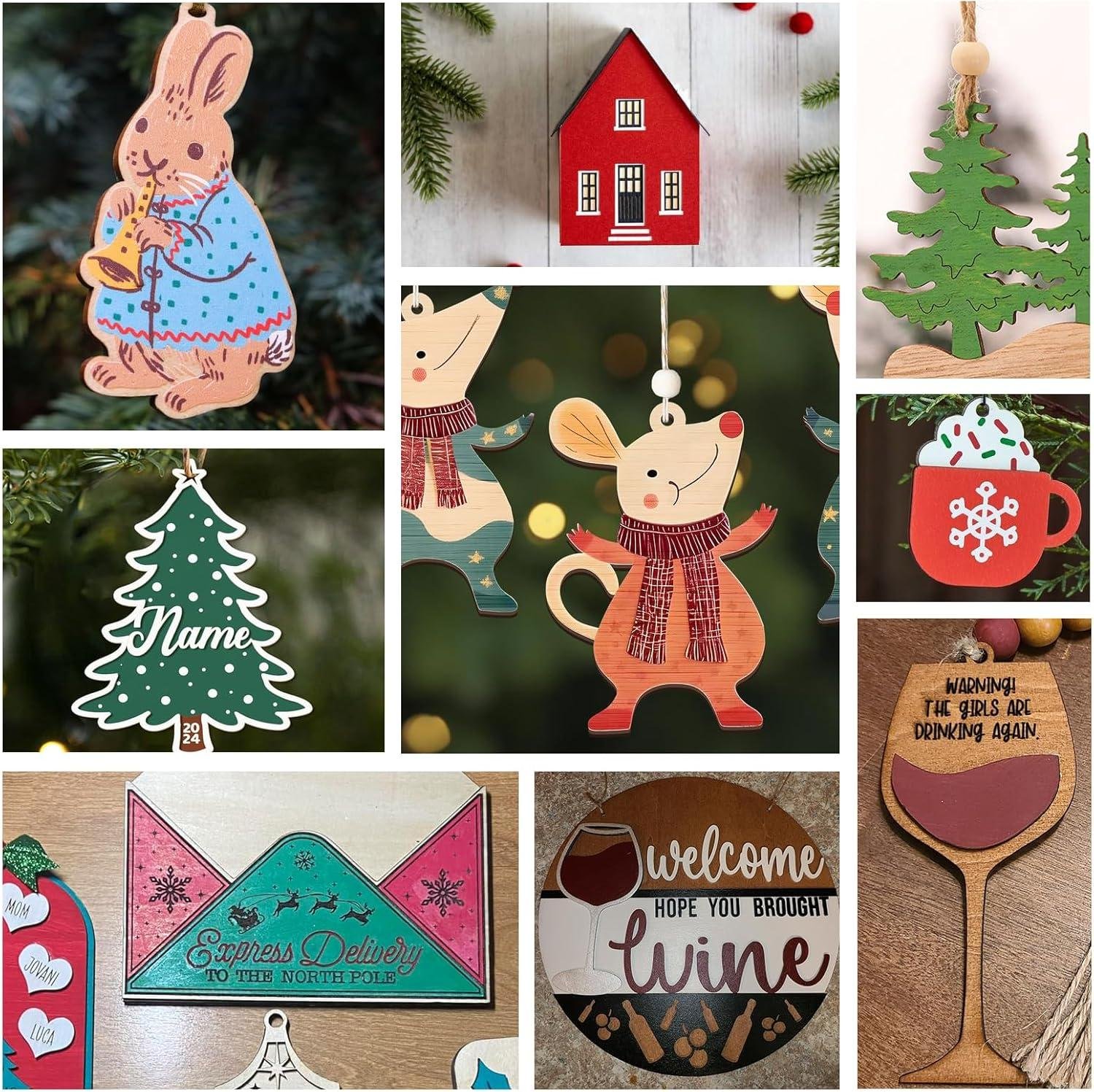
ROBOTIME Plywood Sheets Review: Right Laser Wood?


6-Pack Basswood Plywood Sheets Review: Right for Us?
When the 6 Pack 16 x 16 x 1/4 Inch (6mm) Basswood Sheets arrived, we were hoping for that rare sweet spot: sturdy enough for structure, gentle enough for detail work. At first glance, the squares looked clean and craft-ready—unfinished surfaces that practically invited stain tests, wood burning patterns, and laser-cut experiments. We ran our fingers along the edges, checking for roughness or obvious warping, then held one up like a tiny canvas for an architectural model wall. The thickness felt reassuring for small builds, but still manageable for engraving and DIY projects that demand precision. In the sections ahead, we’ll share how these boards handled cutting, scorching, sanding, and finishing—and whether the value holds up for repeated makers’ sessions.