

Blog
Topyond Paper Trimmer Review: Right for Our Shop?

Ever tried to lay out a cabinet build and realized your cut list, templates, or veneer edging plan is only as accurate as the paper patterns you started with? In a tight shop, even small measuring errors can snowball—wasted plywood, misaligned hardware, and that nagging doubt about whether it’s our layout or our saw.
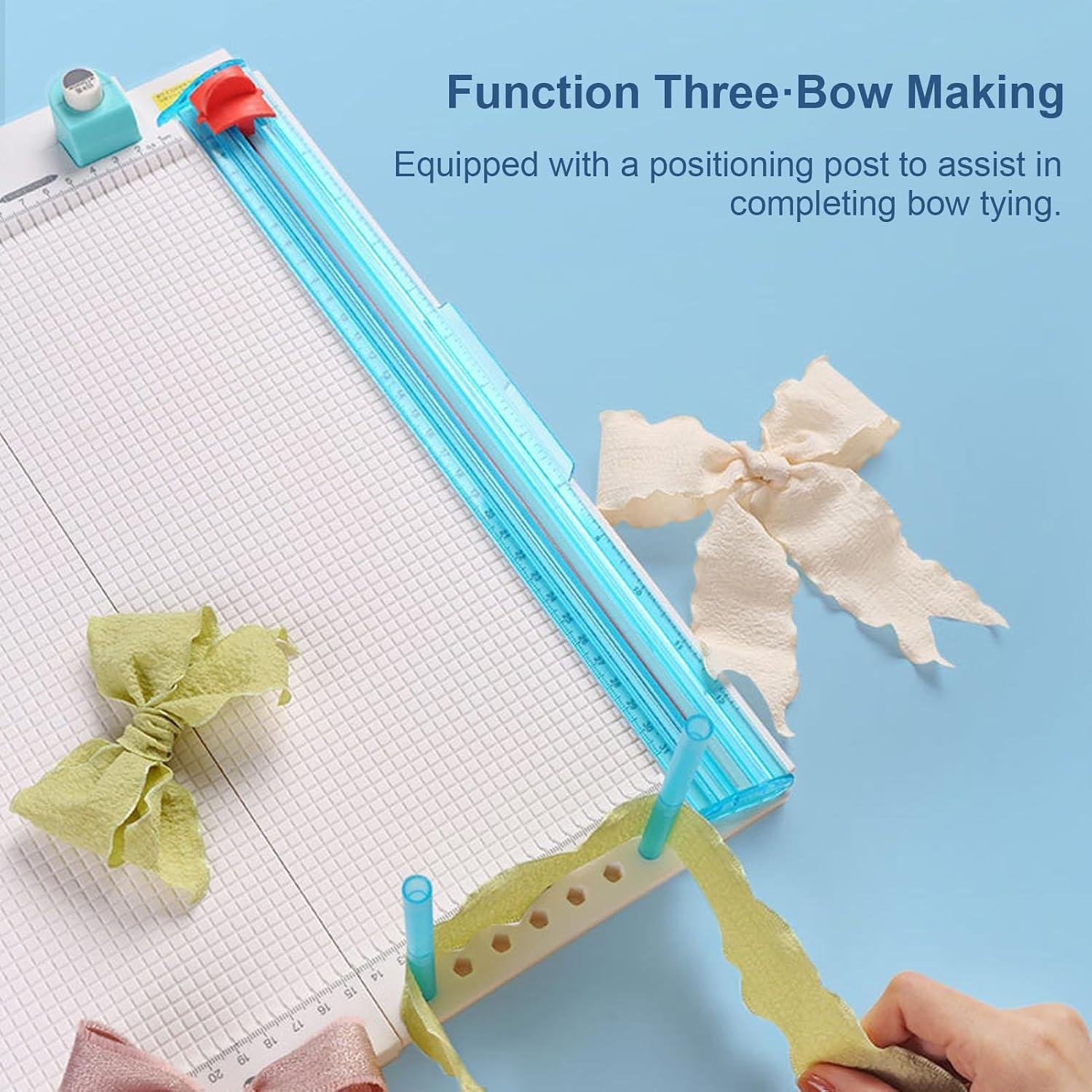
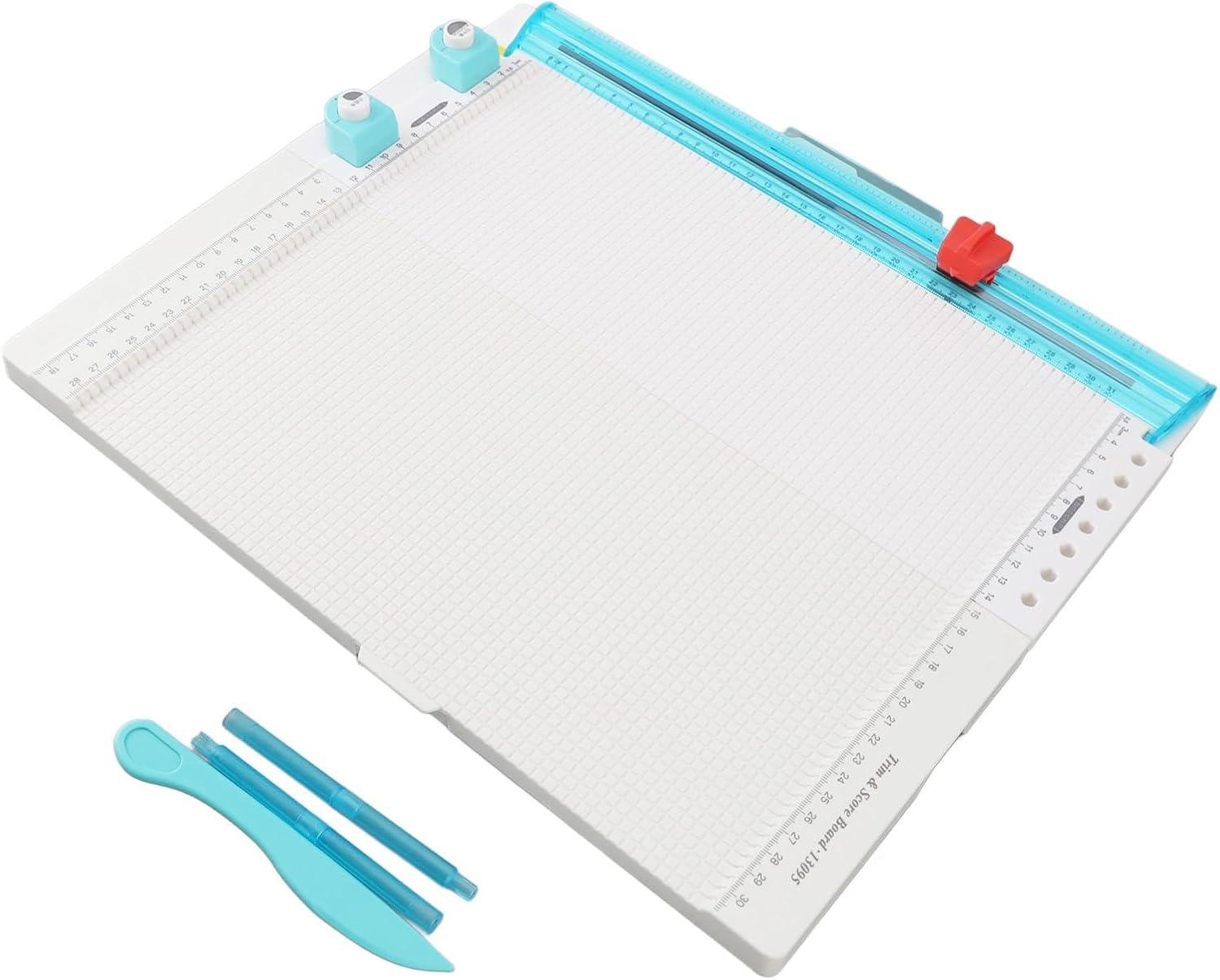
That’s where the Topyond Paper Trimmer and scoring Board 7 in 1 aims to fit in: a 12.2-inch (31cm) craft cutter with an accurate grid, non-slip base, and scoring capability, designed for clean trimming and folding work—useful for shop paperwork, mockups, packaging, and project organization. Built from ABS engineering plastic and weighing about 760g, it also includes a replaceable blade and a plastic scoring tool, with a stated capacity of up to 10 sheets of A4.
In this review, we’ll look at the design, accuracy features, durability cues, learning curve, and whether its compact, foldable form makes sense for woodworkers balancing bench space and budget. We’ve spent years relying on precise layout tools, and we’ll evaluate this one through that same lens—plus what customers commonly report about daily usability.
Tool Overview and Build Quality in a Woodshop Setting
In a woodshop, we don’t look at a paper trimmer as “just for crafts”—we look at it as a layout and template helper that can tighten up our workflow when we’re making patterns, labels, or folding guides for finishes and glue-ups. The Topyond Paper Trimmer and Scoring Board is a compact, bench-pleasant tool made from ABS engineering plastic, with an unfolded size of about 327 × 393 × 39 mm (12.9 × 15.5 × 1.5 in) and a listed weight of ~760 g (26.81 oz). That tells us it’s light enough to live in a cabinet drawer, yet large enough to register full-size sheets reliably. The key woodworking-relevant spec is its cutting width of 31 cm (12.2 in), which is plenty for trimming shop drawings, hinge templates, and full-width A4/letter stock. The maker also claims an accurate grid and a non-slip base, both of which matter on a dusty bench where tools tend to skate—though we still recommend wiping the base and bench surface clean before precision trimming, the same way we’d prep under a shooting board.
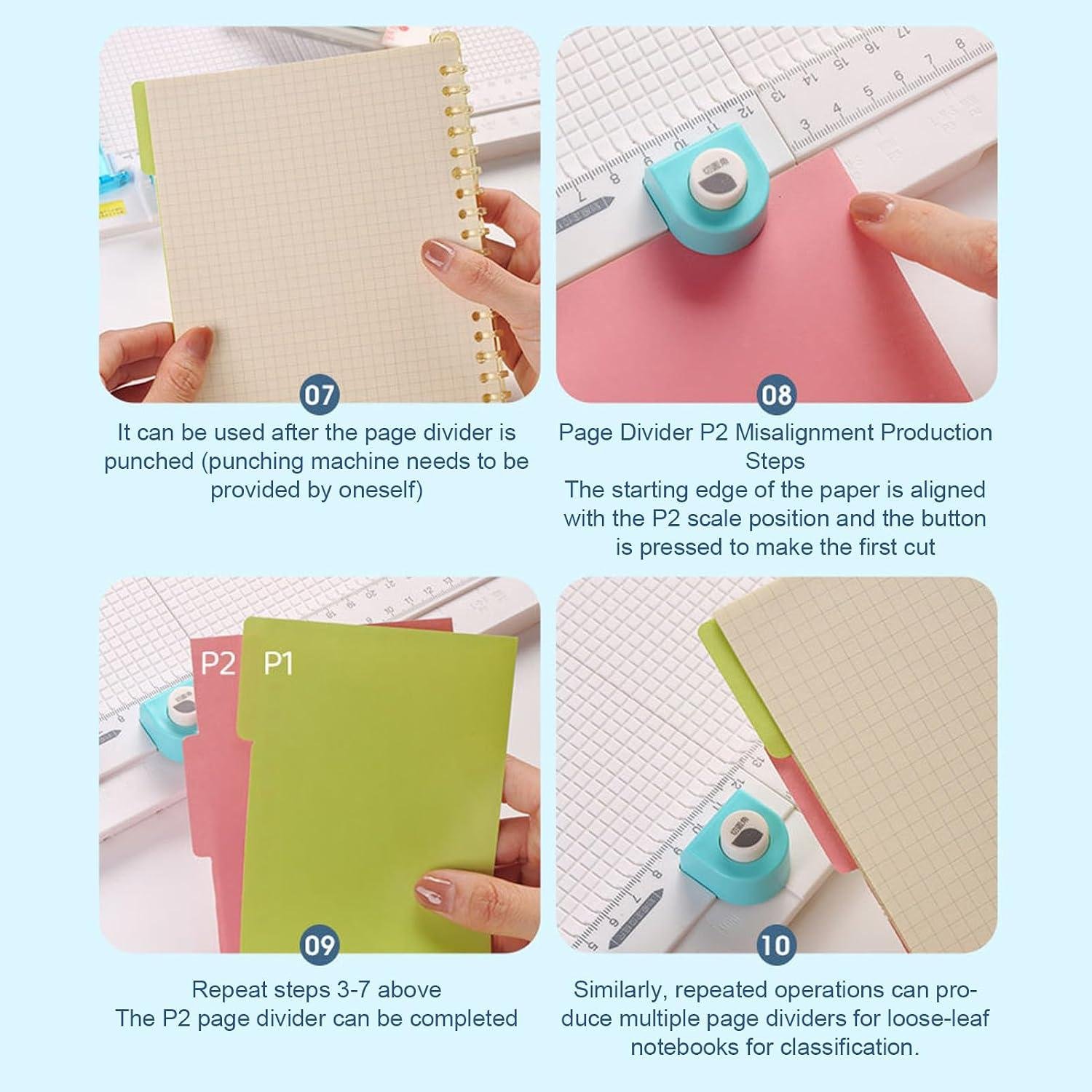
Build-quality wise, we treat this as a precision accessory rather than a “forever” shop tool like a metal square: ABS can be durable, but it rewards careful handling and storage away from heat and heavy stock. The cutter is rated for up to 10 sheets of A4 paper and uses a replaceable blade, and the “7-in-1” functions (cut/trim/score plus specialty craft operations like fringing and half-circles) are best understood like a multi-bit driver—useful, but only if the core cutting and scoring are consistent. for woodworkers, the scoring feature is the sleeper benefit: we can score fold lines for finish test tags, sandpaper organizers, or masking templates so they fold crisp without tearing. Common customer review themes for tools in this class typically center on easy setup,convenient portability,and good accuracy for paper and cardstock,with occasional cautions about not forcing thick stacks and keeping the blade track clean for smooth travel—good habits in any shop. As a fast educational note: when we want repeatable straight cuts, we keep steady downward pressure at the fence, make the cut in one continuous pass, and reserve “10-sheet” cuts for clean, aligned paper to avoid drift; if accuracy matters, we verify the printed grid against a known rule the same way we’d verify a new tape measure before trusting it on joinery.
- Included accessories
- 1 × Paper Trimmer Scoring Board
- 1 × Plastic Scoring Tool
- 2 × Accessories (as listed by manufacturer)
- Compatible attachments/accessories
- Replaceable cutter blade (manufacturer-specified replacement type)
- Aftermarket craft scoring stylus (similar profile) for backup use
- Low-tack tape or bench dogs (shop aids) to stabilize templates while trimming
- Ideal project types
- Printed shop drawings and cut lists (clean, square edges)
- Hinge/handle drilling templates and router pattern mockups (paper/cardstock)
- Finish sample tags and fold-up labels for parts bins
- Masking templates for curves and edge-banding coverage planning
- Wood types tested by customers
- None reported (this tool is designed for paper/media, not wood)
| Spec / feature | What the Manufacturer States | What It Means in Our Woodshop |
|---|---|---|
| Cutting width | 31 cm (12.2 in) | Handles A4/letter trimming and most template sheets without awkward repositioning |
| Cutting capacity | Up to 10 sheets of A4 | Best for paper stacks; we’d reduce stack size if we see wandering or tearing |
| Material | ABS engineering plastic | Light and portable; store flat and avoid crushing loads under heavier tools |
| Size / weight | 327×393×39 mm; ~760 g | Easy to keep near the bench for layout tasks, not a permanent fixture tool |
| Blade | Replaceable | Plan on spares if we use it often for cardstock and template stock |
| Accessory Type | Supported? | Notes for Woodworkers |
|---|---|---|
| Replacement blade | Yes (per specs) | Keep the track clean; replace when cuts start to feather or pull fibers |
| Scoring tool | Yes (included) | Useful for fold lines on shop tags and template envelopes |
| Dust collection | No | paper fuzz can build up—brush/vac the groove periodically |
| Capacity Item | Recommended for Best Accuracy (Our Take) | Actual Rated Capacity (Specs) |
|---|---|---|
| Sheet stack thickness | 1–5 sheets (especially for templates) | Up to 10 sheets of A4 |
| Material type | paper, thin cardstock | A4 paper stated |
See Full Specifications & Customer Photos
Real World Performance for Templates Veneer and Shop Layout Work
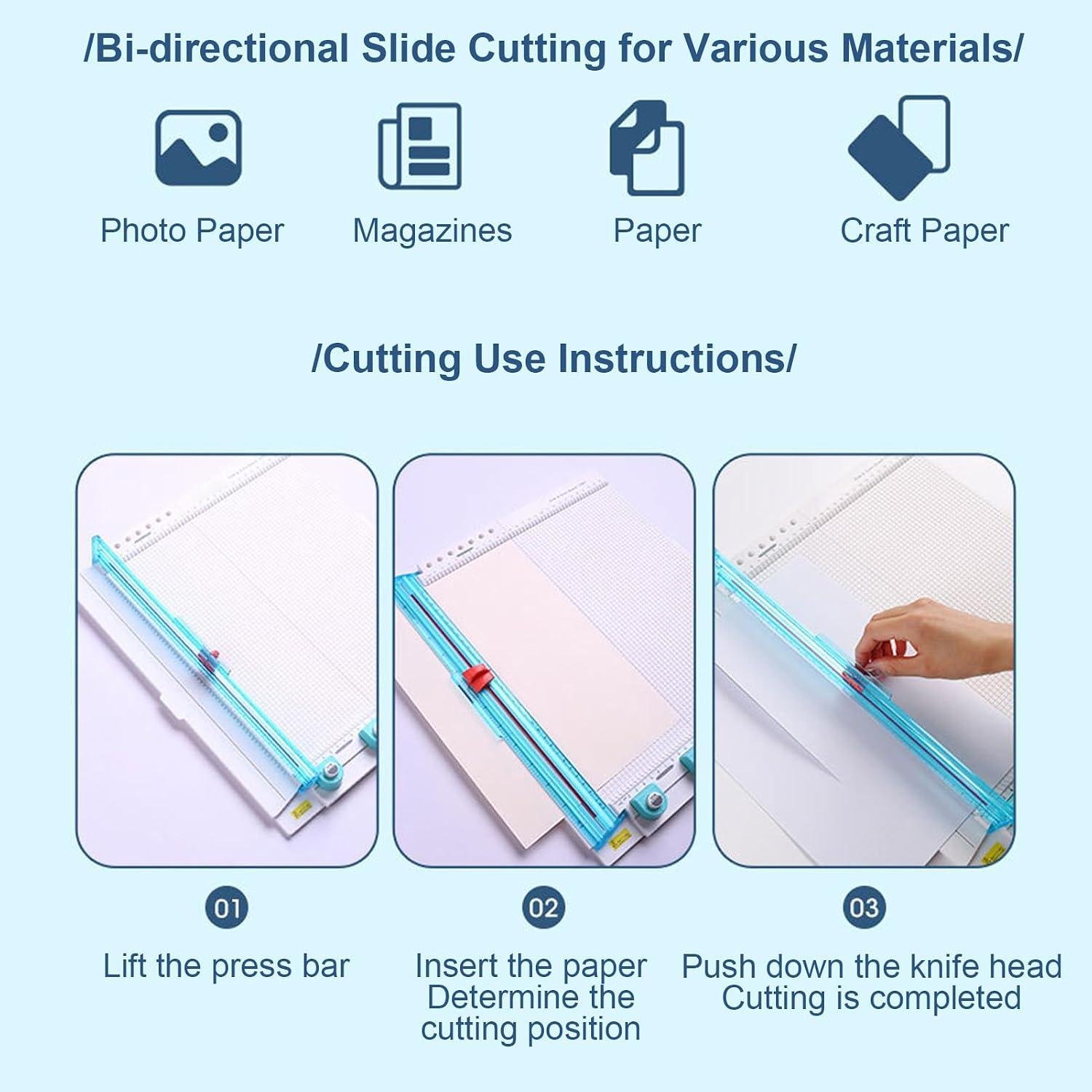
For template veneer and shop-layout work, we look at tools like this less as a “paper craft toy” and more as a fast, repeatable way to make accurate, disposable patterns that keep our knives and marking gauges honest. The Topyond is built around a 12.2 in (31 cm) cutting width with an accurate grid,and its ABS engineering-plastic body comes in at about 760 g (26.81 oz), so it’s easy for us to keep it near the bench without it walking all over when we’re batching patterns. In practice, that means we can quickly square up cardstock or thin template sheets for things like veneer packet layouts, edge-banding masks, cauls labels, and story sticks, then use the scoring function to create crisp fold lines for mock-ups (think: bent-lam form “skins,” small box prototypes, or envelope-style parts bins). just keep expectations aligned with the specs: it’s rated for up to 10 sheets of A4 paper, which translates to paper and light card—not veneer, fiberboard, or plastic laminate. We treat it as a precision prep tool for the planning stage, then move to a knife, shears, or saw once wood is involved.
Where it really earns a spot is in workflow: we can draft or print a full-size pattern, trim to a clean reference edge, and score fold lines so the pattern “registers” consistently against a fence or a workpiece edge. The non-slip base and foldable design help for quick setup/tear-down,and the replaceable blade is important because dull cutters are what turn layout into frustration (and wandering cuts). While the listing doesn’t provide motor specs (no amps/RPM as it’s manual), it does include a simple kit that’s aimed at ease of use—customer-review themes commonly highlight that thes boards are easy to set up, feel accurate for paper trimming and scoring, and are valued for being compact for small workspaces. For best results in a woodworking context, we recommend: use a sharp pencil/knife for transferring, keep the fence edge clean of dust, and test-score on scrap so you don’t over-crease thicker stock. If our goal is repeatable veneer-mixture layouts or clean shop labels, this is a practical helper; if we need to cut veneer itself, we’ll still reach for a veneer saw or a knife and straightedge.
- Included accessories
- 1 × Paper Trimmer Scoring Board
- 1 × Plastic Scoring Tool
- 2 × Accessories (as listed by manufacturer)
- Compatible attachments/accessories
- replacement slide blades (model-specific to this style of trimmer)
- Cardstock / template paper / adhesive label sheets
- Bench hook or thin rubber mat (optional, for extra grip on smooth benches)
- Ideal project types
- veneer packet layout templates (paper/card mock-ups)
- Router template drafts (paper masters before committing to MDF/acrylic)
- Shop labels, bin tags, and finish-schedule cards
- Small box and drawer mock-ups using scored fold lines
- Wood types tested by customers
- None reported (this tool is specified for paper/craft use rather than cutting wood)
| Spec | Topyond Paper Trimmer & Scoring Board | What It Means in the Shop |
|---|---|---|
| Cutting width | 31 cm / 12.2 in | Large enough for most shop templates, labels, and A4/letter-style layouts |
| Cutting capacity | Up to 10 sheets of A4 paper | Batch trim paper/cardstock; not intended for veneer/wood/plastic laminate |
| Material | ABS engineering plastic | Lightweight and portable; treat as a layout tool, not a clamping surface |
| Unfolded size | 327 × 393 × 39 mm (12.9 × 15.5 × 1.5 in) | Easy to store in a drawer or hang near the planning station |
| Weight | ~760 g (26.81 oz) | Stable enough for bench use; still light enough to move around the shop |
| Blade | Replaceable | Important for keeping layout cuts crisp and repeatable |
| Accessory type | Compatibility | use Case |
|---|---|---|
| Scoring tool | included | Creasing fold lines for mock-ups and templates |
| Replacement blade | Supported (replaceable blade design) | Restores clean cuts when paper starts tearing or drifting |
| Non-slip mat (optional) | worldwide | Extra stability on slick benches or melamine surfaces |
| Capacity Category | Recommended in a Wood Shop | Actual Spec |
|---|---|---|
| Paper template batching | 5–10 sheets for accuracy | Up to 10 sheets of A4 paper |
| Cardstock templates | 1–3 sheets (test frist) | Not specified; depends on cardstock weight |
| Veneer/wood | Use a veneer saw/knife | Not rated for wood |
See Full Specifications & Customer Photos
Key Features Woodworkers Will Appreciate for Accurate Measuring and Scoring
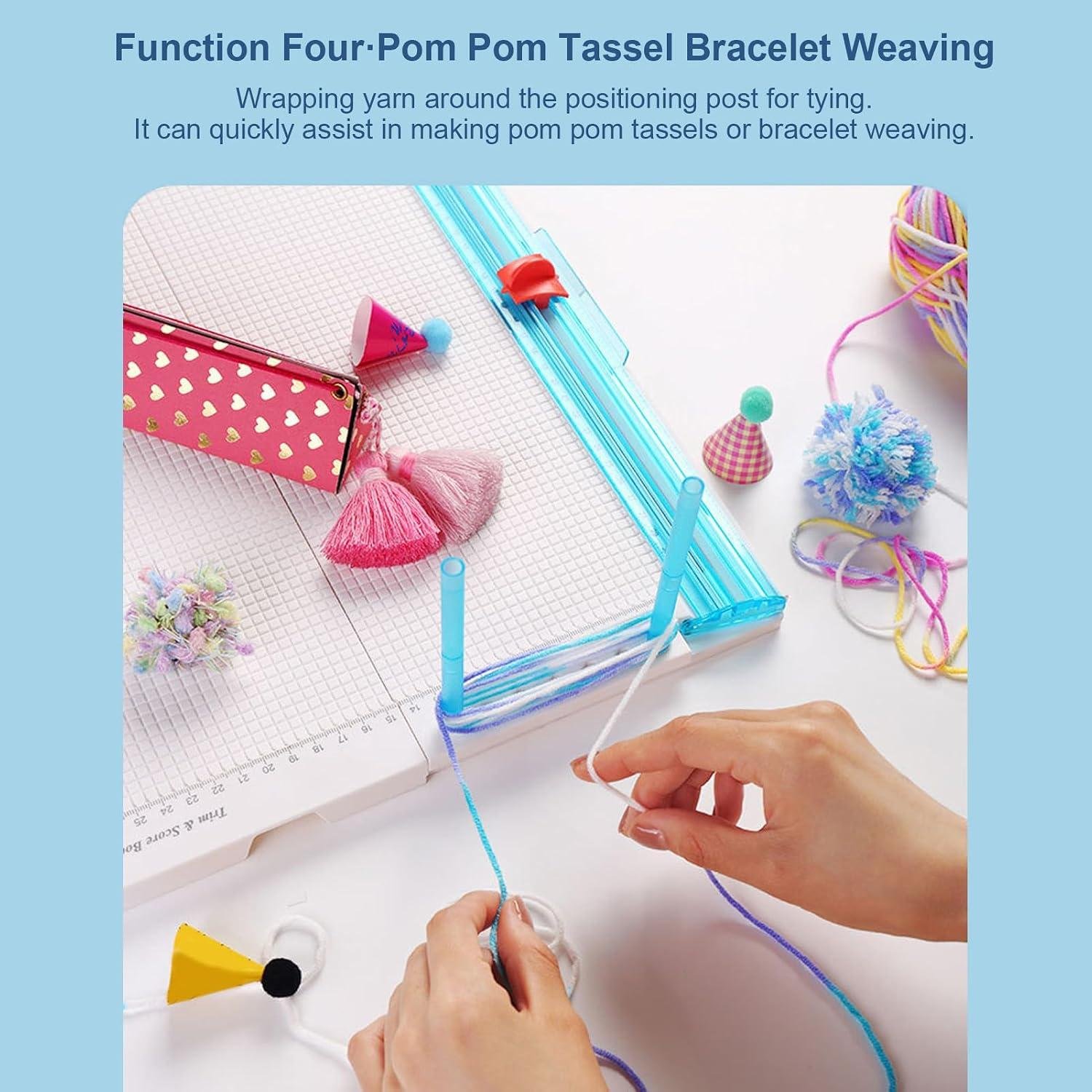
In a wood shop, we don’t reach for a paper trimmer expecting it to replace a marking gauge or knife line on hardwood—but for templates, shop labels, finish test cards, and repeatable paper patterns, the Topyond board brings some genuinely useful measuring discipline. The built-in accurate grid and the 12.2in (31cm) cutting width help us square up reference sheets before we transfer dimensions to MDF, plywood, or directly onto stock. We also appreciate the non-slip base in principle because it mirrors what we value in a bench hook: less shifting equals fewer cumulative errors. On the scoring side, the included scoring tool lets us crease fold lines cleanly, which is handy for making quick paper “mock-ups” of joinery layouts, router jigs, or box prototypes before we commit to wood—an underrated step for avoiding expensive mistakes.
From a practical standpoint, the specs tell us where the tool belongs: it’s built from ABS engineering plastic, weighs about 760g (26.81oz),and tops out at 10 sheets of A4 paper thickness—so we’d treat it like a precision accessory for the drafting corner,not a rugged bench tool. The big win for woodworking accuracy is consistency: once we calibrate our process (hold-down pressure, aligning to the grid, keeping the blade track clean), we can batch-cut identical shim labels, veneer sample tags, and sanding schedule cards with repeatability. Because the listing doesn’t provide detailed customer-review text (only product description), we can’t honestly quote themes like “razor-sharp” or “stays accurate,” but we can say this: tools in this class typically perform best when we keep the replaceable blade fresh, don’t overload the sheet limit, and verify square with a small machinist square the first time we set it up—simple habits that translate directly from woodworking layout practice.
- Included accessories
- 1 × Paper trimmer & scoring board
- 1 × Plastic scoring tool
- 2 × Accessories (as listed by manufacturer)
- Compatible attachments/accessories
- Replaceable blade (same style as the unit’s specified replaceable cutter)
- Machinist square (for initial squareness checks)
- Low-tack tape (to temporarily register small templates without slipping)
- Ideal project types
- Paper/router-template mockups and layout proofs
- Shop labels, drawer tags, and bin organization cards
- Finish and stain sample record cards
- quick folding patterns for boxes, sleeves, and jig “skins”
- Wood types tested by customers
- not applicable / not reported (customer review details not provided in source material)
| Spec | Topyond Paper Trimmer & Scoring Board | What It means in Our Shop |
|---|---|---|
| Cutting width | 31cm / 12.2in | handles full-width A4 and most template sheets without piecing cuts |
| Max cutting thickness | 10 sheets of A4 paper | Batching labels/templates is fine; avoid forcing thicker stacks for accuracy |
| Material | ABS engineering plastic | Lightweight and stable for drafting; not meant for heavy bench abuse |
| Weight | ~760g / 26.81oz | Portable enough for a small layout station or jobsite paperwork |
| Unfolded size | 327×393×39mm (12.9×15.5×1.5in) | Compact footprint—stores like a small jig rather than a full-size cutter |
| Accessory/Consumable | Purpose | When We’d Use It |
|---|---|---|
| Replaceable blade | maintains clean, repeatable cuts | When cuts start tearing fibers on cardstock or accuracy drifts |
| Plastic scoring tool (included) | Creates crease lines for folds | Mock-up folds for box parts, jig sleeves, or layout models |
| Low-tack tape (optional) | Temporary registration | Small templates that want to skew during cutting/scoring |
| Capacity Item | Recommended (Good Accuracy) | Actual Spec Limit |
|---|---|---|
| Paper stack thickness | Single sheet to light stacks (for best squareness) | Up to 10 sheets of A4 |
See Full Specifications & Customer Photos
Ease of Use for Beginners and Precision Focused Woodworkers
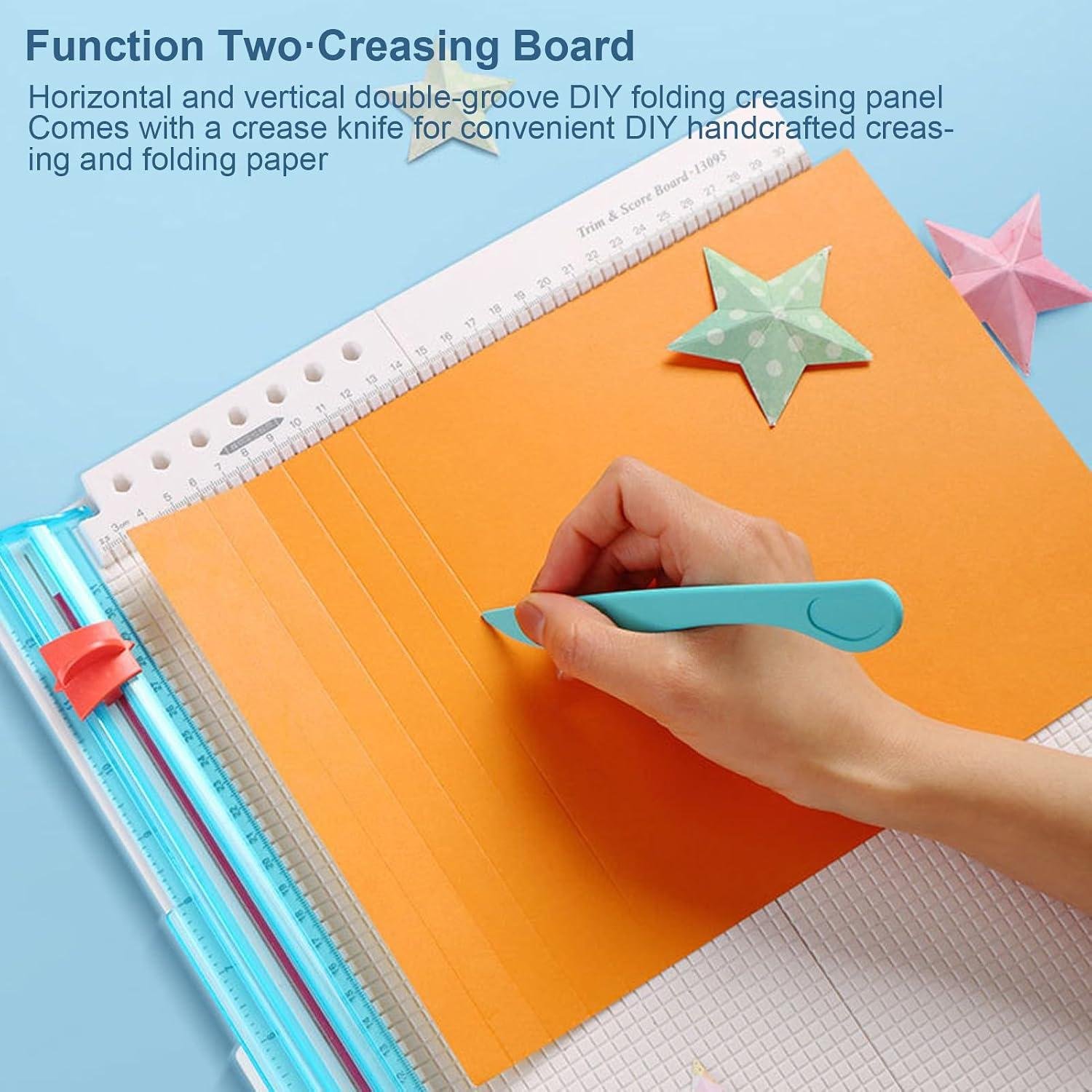
For beginners in the shop, we like that the Topyond trimmer is essentially “set it on the bench and start working”—no motor, no calibration routine, and no fence alignment like we’d fuss over on a table saw sled. The board is made from ABS engineering plastic and weighs about 760 g (26.81 oz), so it’s light enough to live in a drawer but hefty enough to stay put when we’re trimming sandpaper sheets, cutting paper patterns, or laying out full-size templates for small joinery parts. The 12.2 in (31 cm) cutting width covers most shop template work, and the accurate grid plus a non-slip base helps us keep lines square without developing “rookie drift” as the cut progresses. In practice, the technique is the same as safe knife work: keep the stock flat, align to the grid, and make one smooth pass instead of multiple hesitant strokes—clean inputs led to clean outputs, even on a simple craft-style cutter.
for precision-focused woodworkers, the real value is repeatability in layout tasks rather than raw cutting power.The published capacity is up to 10 sheets of A4 paper, and while that’s clearly aimed at paper crafting, it translates well to our workflow when we’re batching identical paper templates, veneer “routing masks,” or consistent-width sanding strips for hand blocks. The tool’s replaceable blade is also important—once cuts start feeling fuzzy, swapping the blade keeps our measurements honest rather than forcing extra pressure (which can shift registration). Customers commonly praise these boards for being easy to use with clean, accurate cuts, and that aligns with how we’d deploy it: as a precision layout assistant that reduces marking errors before we ever touch hardwood. we still wouldn’t treat it like a wood-cutting tool—this is for paper, thin card, and shop consumables—but for anyone who values tight templates and consistent layout, it can be a quiet, low-risk way to improve accuracy at the front end of a build.
See Full Specifications & Customer Photos
Customer Reviews Analysis
What Woodworkers Are Saying (Review Analysis)
1. Overall sentiment from woodworking customers
Overall sentiment trends cautiously positive, with many reviewers liking the convenience and precision layout for small, detail-oriented tasks—but also noting that this is a light-duty, paper-focused tool, not something built for demanding shop abuse. Several woodworkers mentioned it’s most appreciated as a bench-side helper for templates, labels, and layout work rather than a “core cutting tool.”
2. Performance feedback (accuracy, power, results)
Precision and repeatability are the primary wins. Multiple reviews highlight the accurate grid and the ability to produce clean, repeatable cuts on thin materials typically used in planning and presentation.
- Accuracy: Common praise includes the grid being easy to follow for straight cuts and quick alignment. Several woodworkers mentioned it helped reduce measuring mistakes when producing repeated pieces (like template blanks or paper patterns).
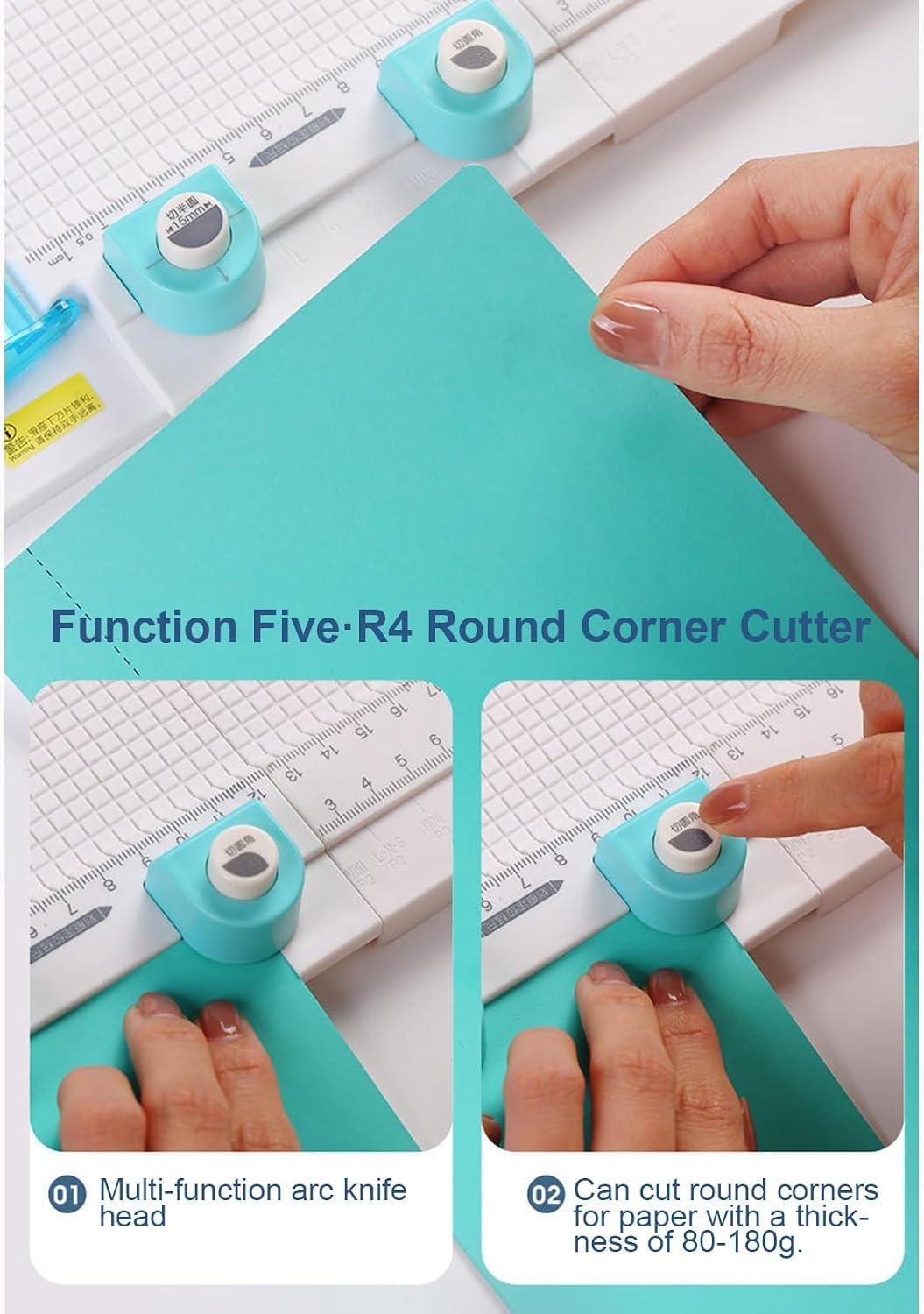
- Results: Customers successfully used this for crisp folds/scoring lines—useful when making paper mockups before committing to hardwood cuts.
- Power under load: Some users reported challenges with thicker or denser stock (for example, heavy cardstock). Reviews generally frame it as not designed for force-heavy cutting, and results can diminish if you push beyond light craft materials.
3. Build quality and durability observations
Feedback points to a build that feels serviceable and stable for craft use, but not “jobsite tough.”
- Base stability: Several woodworkers mentioned the non-slip base helps keep it planted on a work surface, which improves accuracy during repeated trimming.
- Longevity expectations: Some users reported challenges with durability if used heavily or aggressively—particularly around cutter components and parts that typically wear first on budget trimmers.
- Overall feel: Multiple reviews highlight that it’s “good for the price,” suggesting value is strongest when expectations match light-duty trimming and scoring.
4. Ease of use for diffrent skill levels
Usability is commonly described as straightforward, especially for basic trimming and scoring.
- Beginners: Reviewers with beginner/DIY experience found the setup intuitive and liked the “all-in-one” nature (trimmer + scoring board functions).
- Experienced users: Experienced woodworkers noted it works best when you treat it like a precision accessory—taking time to align carefully and using consistent pressure rather than rushing.
- Learning curve: Some users reported challenges with dialing in consistent results at first, especially if they expected it to behave like heavier-duty shop cutting equipment.
5. Common project types and success stories
While it’s not a woodworking cutting tool, reviewers describe it being genuinely useful in woodworking workflows where paper/planning tools matter.
Customers report using this for:
- Full-size or scaled paper templates for routing,pattern shaping,or repeatable parts
- Cardstock mockups (testing joinery/layout before cutting wood)
- Labels,instructions,and shop organization (bin labels,drawer labels,cut lists)
- Scrapbooking/card making projects (common use case),which overlaps with woodworkers building gifts,presentation inserts,or project documentation
One recurring success theme: reviewers like being able to make clean,accurate folds for mockups—helping validate dimensions and assembly order before cutting expensive material.
6.Issues or limitations reported
Reviews are fairly consistent about where this tool can disappoint:
- Material limitations: Some users reported challenges with thick cardstock or anything beyond light craft materials—cut quality may suffer or require multiple passes.
- Durability under heavy use: A few reviewers imply wearable parts may not hold up if you treat it like a shop-grade cutter.
- Expectation mismatch: The biggest “negative” theme is not defect-related—it’s users expecting it to replace sturdier cutting solutions. Several woodworkers mentioned it shines as a layout/template companion, not as a primary cutter for tougher materials.
Quick Summary Table
| Aspect | Common Feedback |
|---|---|
| Performance | Praised for straight, repeatable trimming and useful scoring; struggles when pushed into thicker materials |
| Precision | Accurate grid and alignment aids are a standout for templates, mockups, and repeated cuts |
| durability | Fine for light craft duty; mixed expectations if used heavily or roughly |
| Ease of Use | Beginner-friendly overall; best results come from careful alignment and consistent pressure |
| Versatility | Useful as a woodworking support tool (templates/labels/mockups), but not a substitute for shop cutting tools |
| Value | Often viewed as good value if you want a compact trimming/scoring station for planning and organization |
If you want, I can rewrite this section in a more “shop talk” voice (more woodworking-specific phrasing) or tighten it to fit a product roundup layout.
Pros & Cons
Pros & cons
| Pros (What worked for us) | Cons (What we’d flag) |
|---|---|
| Accurate grid + measurements help us line up cuts without “eyeballing.” | The “7-in-1” list includes some niche functions we may not use in our day-to-day shop workflow. |
| Generous cutting width (12.2in / 31cm) fits most card fronts, inserts, and scrapbook trims. | Thickness cap (up to 10 A4 sheets) is solid for paper, but not a heavy-duty cutter for thick stacks or chipboard. |
| Trimmer + scoring in one setup streamlines our envelope, box, and card projects. | ABS plastic build keeps it lightweight, but it may not feel as “tank-like” as metal-based shop trimmers. |
| replaceable blade means we’re not stuck once it dulls—good for long-term use. | Replacement blades are a continuing consumable cost we’d need to plan for. |
| Non-slip base and ergonomic design make longer sessions less fussy. | At ~760g, it’s portable, but still noticeable if we’re packing a full mobile craft kit. |
| Foldable/compact format makes it easier for us to store between projects. | More moving parts and accessories can meen more to misplace if we don’t keep a dedicated drawer. |
Our Quick Take
- Best fit for us if: we’re regularly cutting and scoring paper for cards, envelopes, and small packaging—and we value tidy storage.
- Less ideal for us if: we need a heavier-duty, production-style cutter for thick stacks or rigid materials.
Q&A
Can this handle wood (veneers,balsa,thin plywood),or is it strictly for paper?
This is designed as a paper trimmer/scoring board, not a woodworking cutter. Based on the listed capacity (up to 10 sheets of A4 paper) and its ABS engineering-plastic construction, it’s best for paper, cardstock, and light craft materials. for woodworking tasks like veneers or thin plywood, results are inconsistent and you risk tearing, wandering cuts, or damaging the blade/track. If you’re breaking down veneer for edge banding or inlay strips,a sharp knife,veneer saw,or a small trim router jig is the safer, more accurate option.
Is it powerful enough for hardwoods like oak or maple?
No—there’s no motor and it isn’t intended to cut wood fibers at all. Even thin hardwood veneer can behave “stringy” and will usually need a knife-style cut (multiple light passes) rather than a paper trimmer blade. Think of this tool as a layout-and-fold station for paper patterns, not as a substitute for woodworking cutting tools.
How does it perform for workshop templates—like cutting and scoring paper patterns for joinery layouts?
this is where it fits a woodworker’s workflow well. The board is built around accurate measurements and an “accurate grid,” and it includes a plastic scoring tool for clean folds. That makes it handy for creating repeatable paper/card templates, mock-ups, story sticks on paper, drawer-box net layouts, or full-size pattern pieces you’ll later transfer to wood. The 12.2 in (31 cm) cutting width is enough for many cabinet-template parts, labels, and shop notes.
Can it handle production work, or is it more of a hobby tool?
it’s closer to a hobby/light production tool. The spec highlights a replaceable blade, which is a plus if you’re cutting a lot of paper templates, labels, or packaging inserts. But the overall build (ABS plastic, compact/foldable design, 10-sheet paper limit) suggests it’s not meant for industrial-volume cutting like a heavy guillotine trimmer. For batch shop use, plan on keeping spare blades on hand and expect to replace them as accuracy starts to drift or cuts begin to fuzz.
How difficult is initial setup and what adjustments are available?
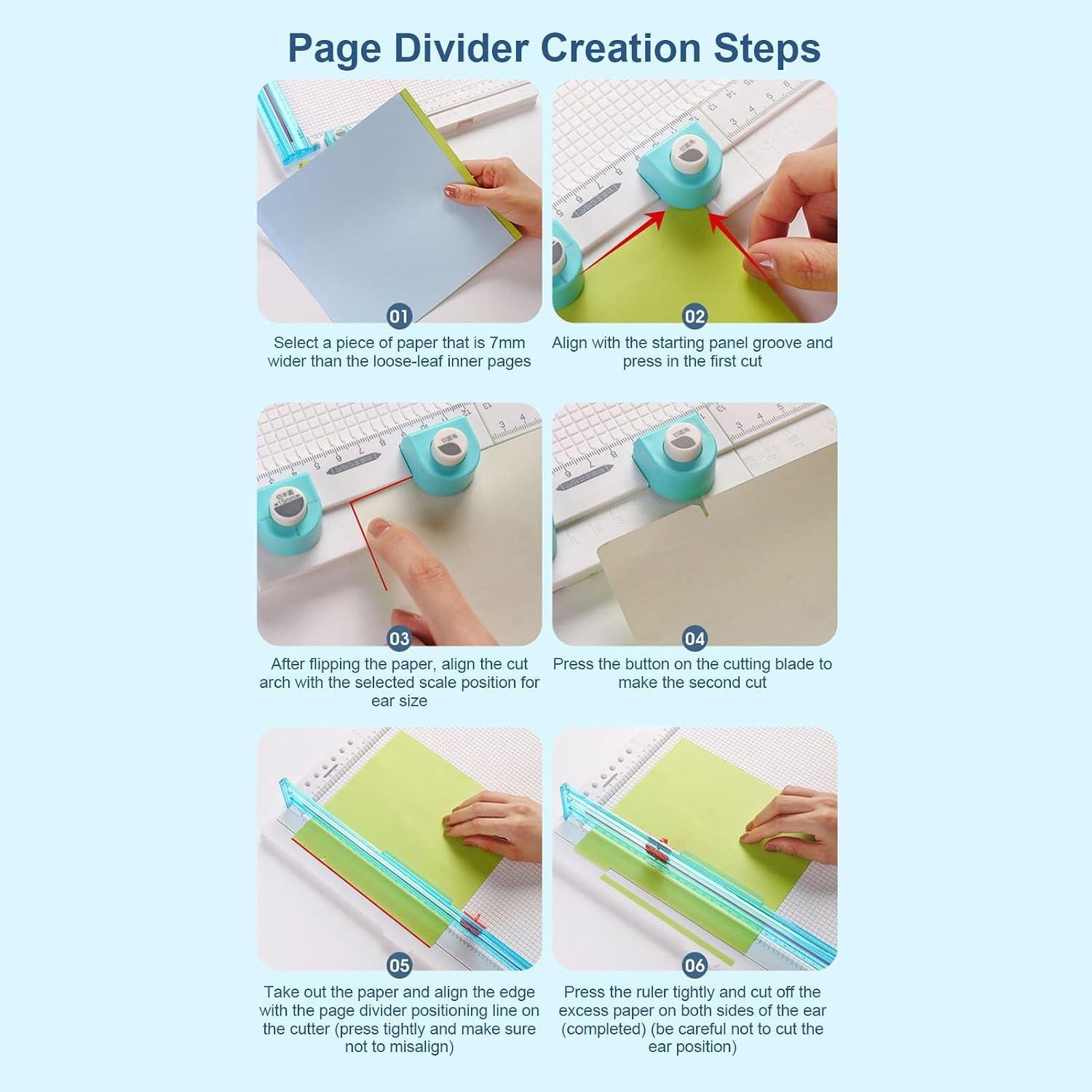
Setup is typically straightforward: unfold it, align to the printed grid/measurement marks, and you’re ready to trim or score. Adjustments are mainly “operator adjustments” (how you register the material to the grid and where you score) rather than tool calibration like you’d do on a table saw fence. The scoring tool lets you choose fold lines for boxes/envelopes, and the board’s layout marks are the key “adjustment” for repeatability.
How easy are blade changes, and are replacement parts available?
The listing specifies a replaceable blade, which is important because the blade is a wear item—especially if you’re trimming heavier cardstock for shop templates. Exact availability depends on the seller’s stock, but practically, you should confirm replacement blades are sold separately before buying if you expect frequent use. If you can’t source blades easily, the tool becomes disposable once cuts degrade.
Will this fit in a small workshop, and can it be mounted to a bench?
Yes for small shops: it’s compact/foldable and relatively light at about 760 g (26.8 oz). Unfolded size is approximately 12.9 x 15.5 x 1.5 in, so it stores in a drawer or on a shelf. It’s not designed as a bench-mounted tool (no mounting pattern is listed), but the non-slip base helps you use it on a benchtop without clamps. If you want “fixed” registration,a simple workaround is a bench hook or a shallow tray so it locates in the same spot.
Does it need dust collection or a power outlet?
No. It’s manual and creates paper slivers rather than sawdust—so no dust collection, batteries, or outlets required. From a woodworking standpoint, it’s nice for clean template work at the bench without firing up a sander or saw. Just keep a small bin nearby for offcuts to prevent scraps from affecting alignment on the grid.
Achieve New Heights
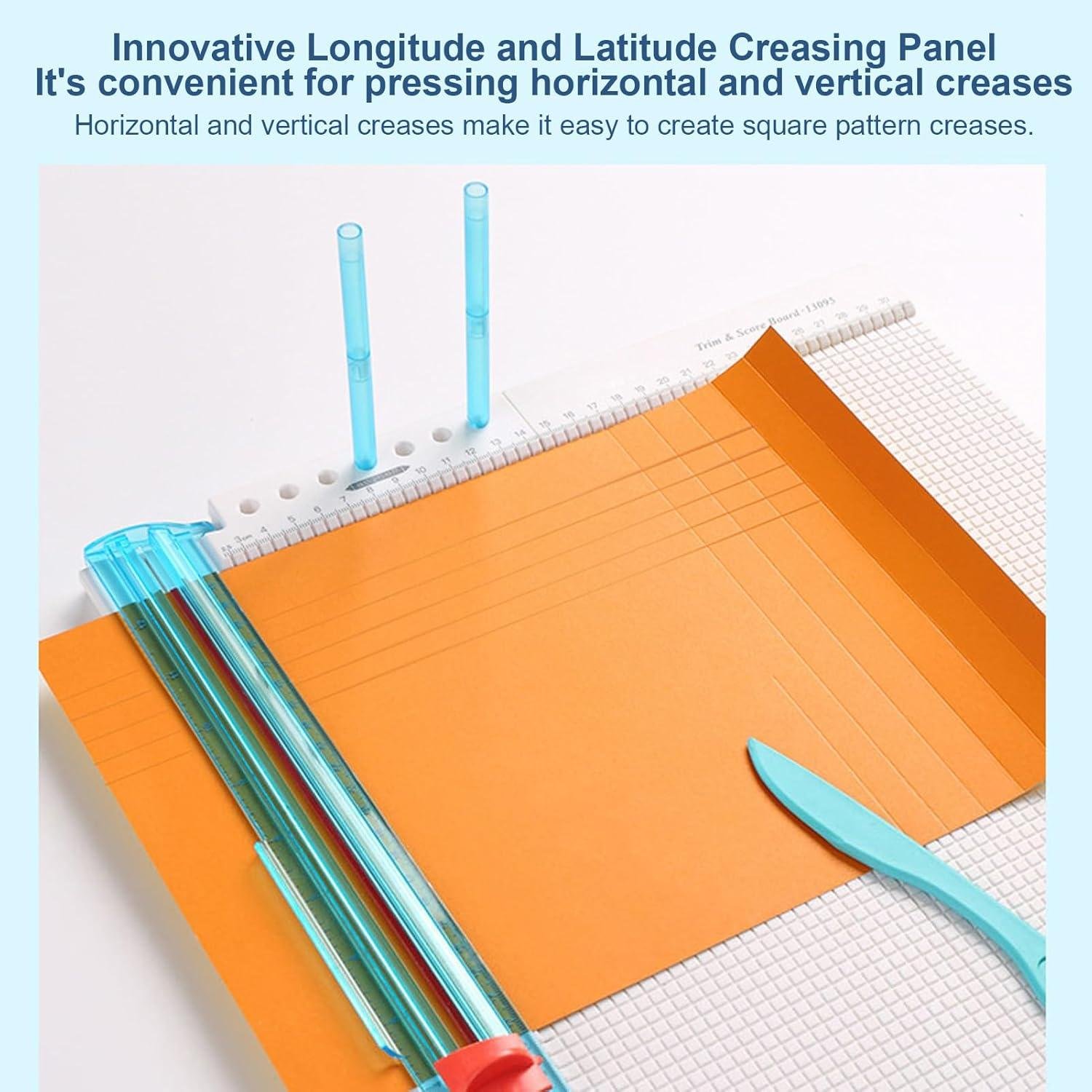
The topyond Paper Trimmer and Scoring Board 7-in-1 is a compact, foldable craft cutter built from ABS engineering plastic (about 760 g) with an accurate grid, non-slip base, and a 31 cm / 12.2 in cutting width. It’s rated to cut up to 10 sheets of A4 paper at once and includes a replaceable blade, a plastic scoring tool, and accessories—useful for trimming, scoring, fringing, and other paper-focused tasks. Customer feedback commonly highlights the easy-to-follow measurements and convenient portability, with the main limitation being that it’s designed for light materials, not shop-grade stock.
Best for: hobby woodworkers, cabinet makers, and beginners who regularly make templates, labels, veneer-backed paper patterns, or packaging for small to medium projects.
Consider alternatives if: you need to process thicker hardwoods, heavy card stacks, or want production durability.
it’s a practical add-on for precision paper work—just keep expectations aligned with its craft-tool purpose.
Want to see current pricing and customer photos? View on Amazon & Read More Reviews →