

Blog
Saker Chamfer Plane Review: Right for Our Home Shop?

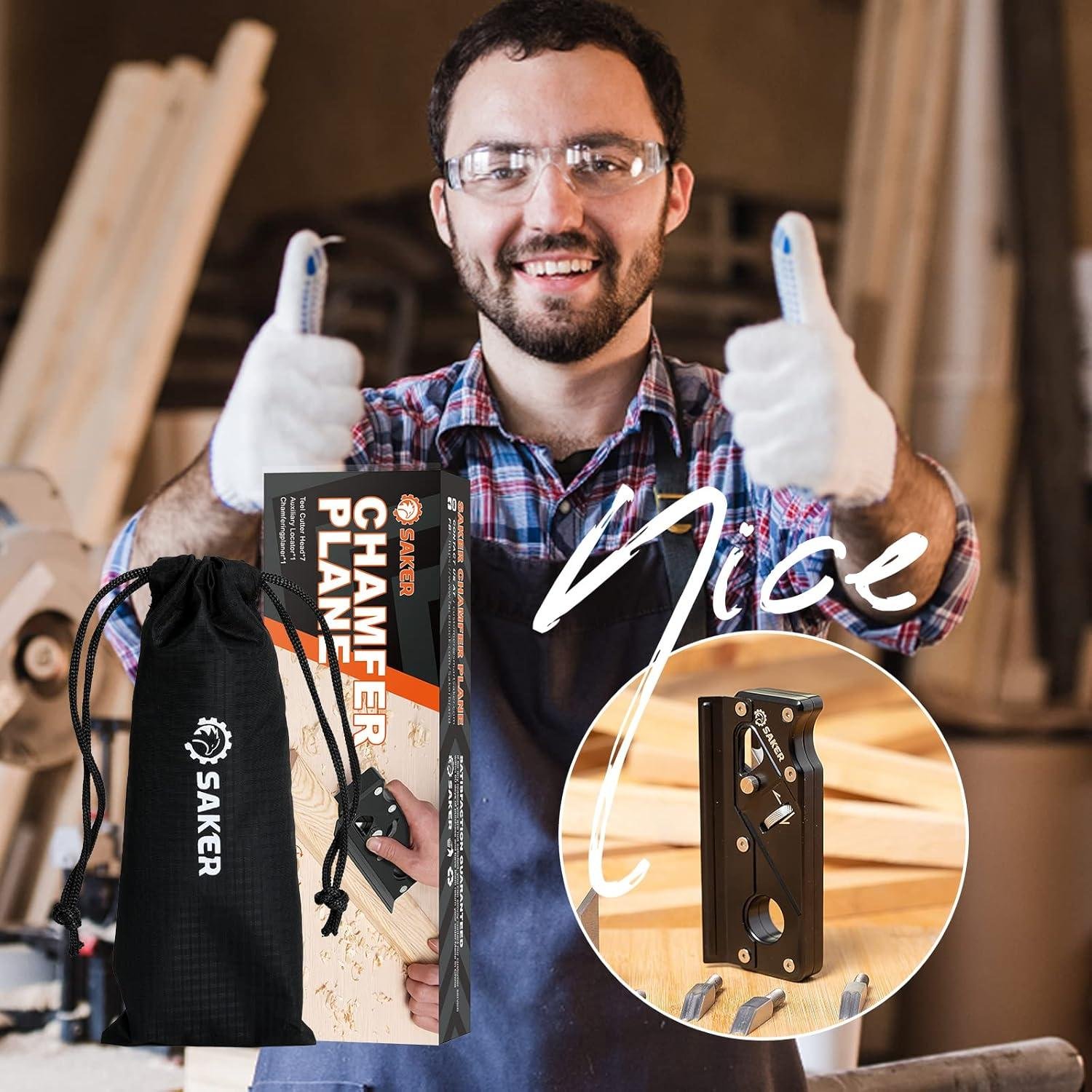
Ever broken an edge with sandpaper only to end up with a wavy chamfer, a rounded corner, or one spot that burns through the veneer? When we’re trying to clean up casework panels, shelves, or plywood edges in a tight shop, precision matters—and so dose having a tool that doesn’t demand a full router setup.
The Saker Chamfer Plane is a compact, hand-powered edge and corner flattening tool designed for rapid trimming and consistent chamfering. This “Combination upgrade” version includes an auxiliary locator,adjustable cutting depth,built-in horizontal/vertical bubble levels for alignment,and six interchangeable high-strength carbon steel cutter heads.It also adds a black retaining edge intended to improve safety around the blade area.
In this review, we’ll look at how the design choices translate to accuracy, ease of adjustment, and day-to-day durability—plus who benefits most (from first-time DIYers to space-conscious hobbyists). We’ll also weigh budget vs. build quality and summarize what customers commonly report about smoothness, learning curve, and overall usability based on user reviews.
We’ve spent years around hand tools and joinery,and we’ll keep this grounded in practical expectations—not hype.
Tool Overview and First Impressions of the Saker Chamfer Plane
On the bench, the saker Chamfer Plane reads like a purpose-built little edge tool rather than a replacement for a full-size hand plane. It’s a compact,hand-powered corner/edge chamfering planer (no motor specs like amps/RPM here),designed to knock down sharp arrises quickly and leave a consistent bevel once we dial in the adjustable cutting depth. The “Combination upgrade” version ships with 6 cutter heads and uses high-strength carbon steel blades, which matters in the shop as sharp cutters are what keep a chamfer plane from tearing out on reversing grain. We also appreciate the built-in auxiliary locator concept: in practice, a guide/locator is what helps us register the tool squarely and repeatably along an edge—exactly the kind of small feature that can save time when we’re batching parts for boxes, face frames, or shop jigs.
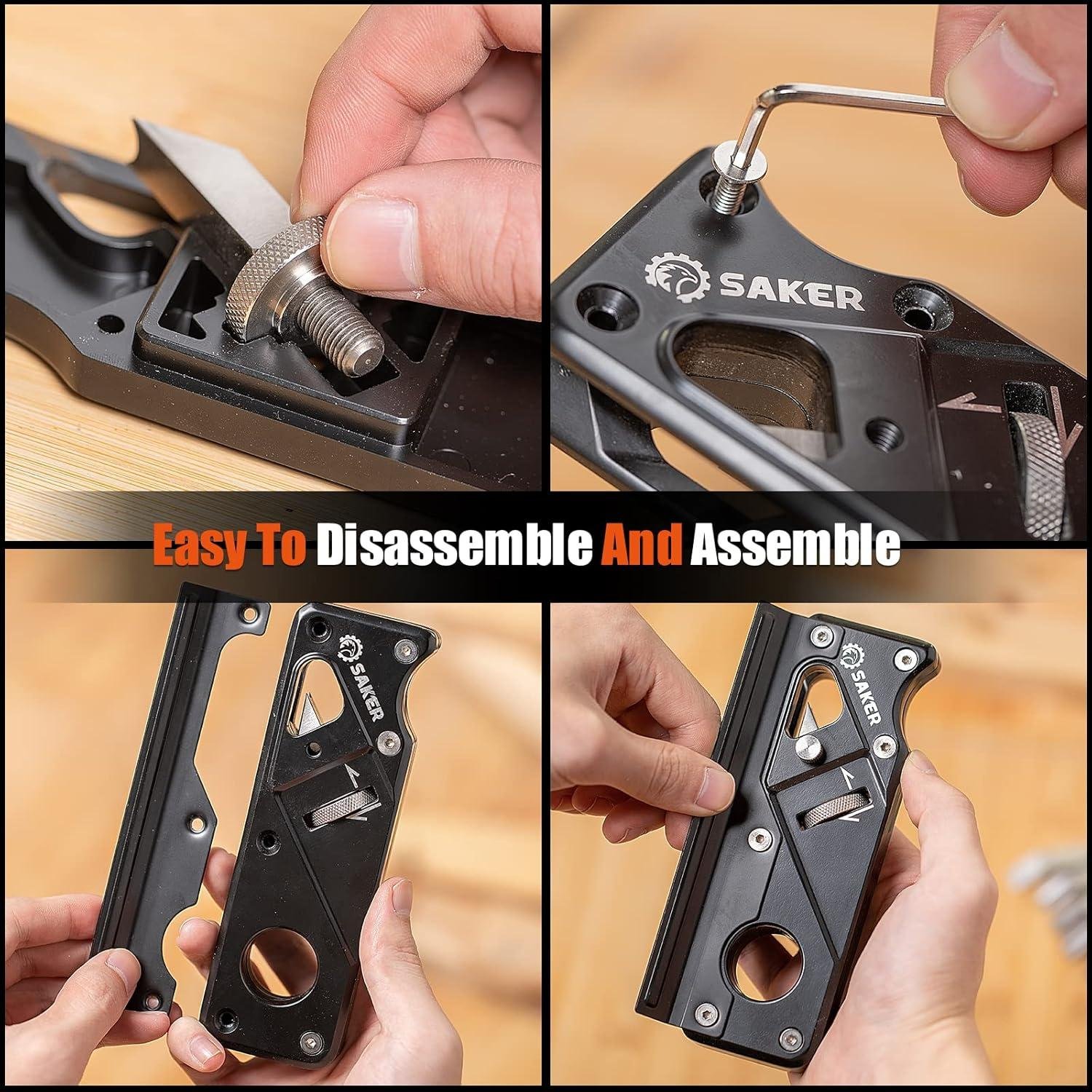
First impressions from setup align with common customer-review themes: multiple buyers describe it as easy to assemble/disassemble with a “simple combination” approach,and several mention it being easy to operate even for newer woodworkers. The body includes horizontal and vertical bubble levels, which can definitely help us check our orientation as we learn the tool (though we still prefer to rely on solid registration against the workpiece and consistent pressure). For real-world use, this type of chamfer plane works best when we take light passes, keep the cutter sharp, and avoid forcing it—especially on brittle edges where tear-out can happen fast. Safety-wise, the tool’s retaining edge/guard is a welcome touch, but we still treat it like any exposed blade tool: hands behind the cutting line, stable clamping, and no end-grain “hogging” without a test piece.
- Included accessories: 6 cutter heads (Combination upgrade),auxiliary locator,carbon steel blades,integrated bubble levels (horizontal/vertical)
- Compatible attachments/accessories: replacement carbon-steel cutter/blade sets (matched to the included cutter head style),bench hooks/clamps for stable workholding,honing supplies for maintaining cutter sharpness
- Ideal project types: breaking sharp edges on plywood parts,quick chamfers on cabinet/furniture components,easing corners on shelving,trimming edges on small shop fixtures and jigs
- Wood types tested by customers: reviewers commonly reference “all kinds of wood” use; most report best results on typical shop softwoods and hardwoods when taking light passes (exact species seldom specified)
| Spec Category | Saker Chamfer Plane (This Model) | What It Means in the Shop |
|---|---|---|
| Power | Hand-powered (no amps/RPM listed) | Quiet operation; performance depends on sharpness,grain direction,and technique |
| Cutting Adjustment | Adjustable depth | Lets us tune for a light “edge break” or a more defined chamfer |
| Cutter Material | High-strength carbon steel blades | Sharpness is key; plan to hone/replace for best surface quality |
| Guidance/Registration | Auxiliary locator + bubble levels | Helps with repeatability and keeping the bevel consistent along an edge |
| Included cutter Heads | 6 cutter heads | More profiles/options for different chamfer sizes or edge treatments |
| Accessory/Blade Type | Compatibility | Use Case |
|---|---|---|
| Replacement cutter heads | Compatible when matched to Saker’s 6-head system | Swap profiles or refresh worn cutters |
| Honing stones/strops | Universal | Maintains edge quality and reduces tear-out |
| Clamps/bench hook | Universal | Improves safety and consistency on small parts |
| Capacity Category | Recommended (Best Practice) | Actual (Per Product Description) |
|---|---|---|
| Cut Depth per Pass | light passes for control and surface quality | Adjustable depth (no numeric range specified) |
| Edge Treatment | Small chamfers/edge breaks,repeatable trimming | “Suitable for quick edge trimming of wood,” chamfering “all kinds of wood” |
See Full Specifications & Customer Photos
Real World Edge Trimming Performance on Softwoods and Hardwoods
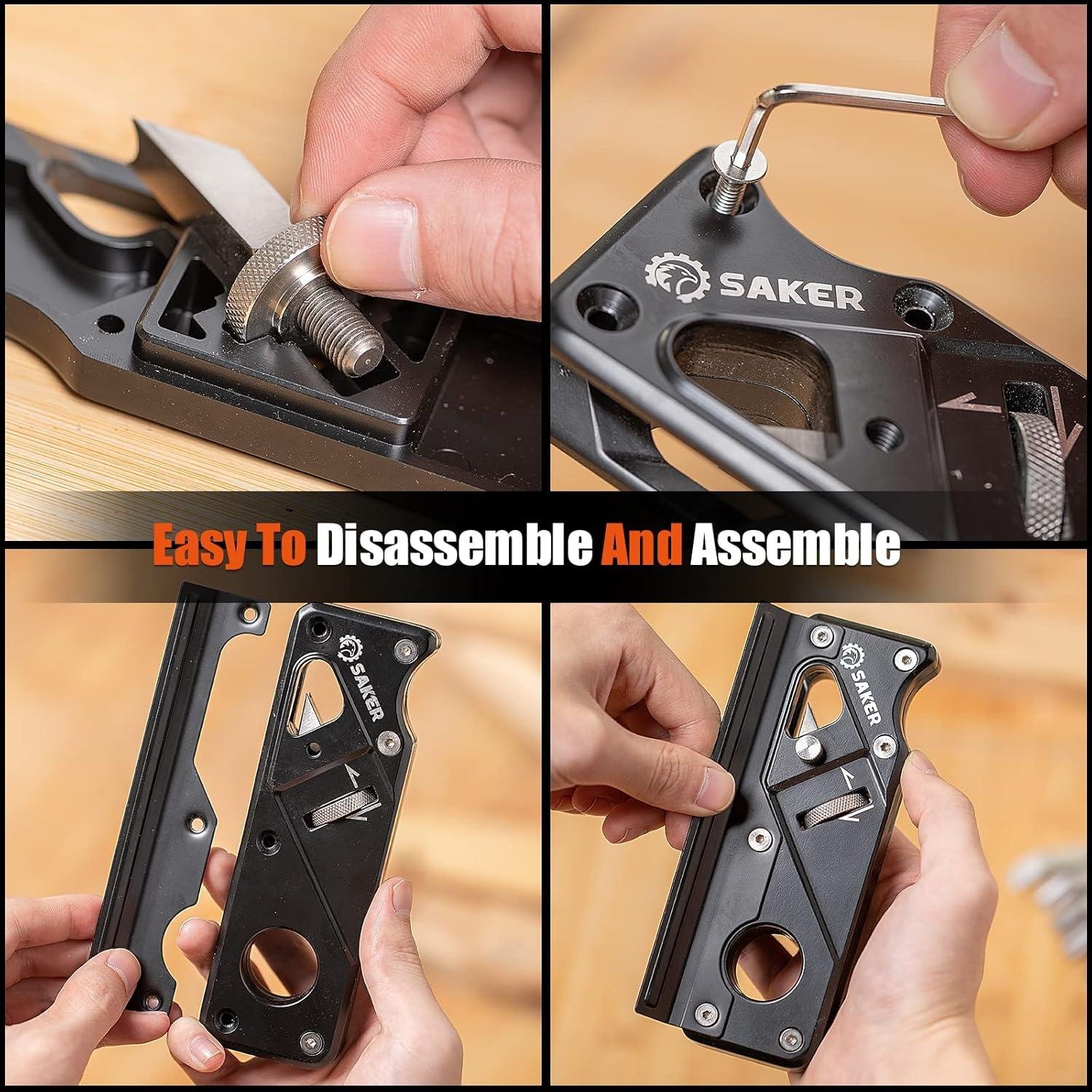
In real shop use, the Saker Chamfer Plane behaves like a purpose-built corner shaver: we register the auxiliary locator against the edge, set the adjustable cutting depth, and take light passes until the corner breaks cleanly. On softwoods (pine,fir,cedar),that depth control matters—too aggressive and we can dent earlywood or tear around knots—so we found it works best when we treat it like a block plane: skew the tool slightly,keep steady pressure on the locator,and “sneak up” on the chamfer. The high-strength carbon steel blades feel keen enough for quick edge trimming, and the built-in horizontal and vertical bubbles help us keep the tool square when we’re running long, visible edges (like face-frame parts) where an uneven bevel shows immediately. Several customer review themes echo this workflow: buyers frequently describe it as easy to assemble and adjust, agreeable to hold, and capable of leaving a smooth, level result when used with shallow settings—especially helpful for folks who want predictable chamfers without pulling out a router.
On hardwoods (oak,maple,walnut),we have to slow down and reduce bite: dense grain and reversing figure punish heavy cuts,so our best results come from multiple fine passes and a quick blade check if the tool starts to “dust” rather than slice. The design’s black retaining edge is a nice safety touch when we’re indexing near sharp corners, but we still recommend a clamp and a bench hook so the stock can’t twist during the cut. Reviewers often mention it’s “simple for beginners” yet still useful for experienced woodworkers as a fast way to break edges before sanding or finishing—though the same feedback also implies technique is key: keep the locator firmly registered and don’t expect it to bulldoze through hard knots or interlocked grain in one pass. Education-wise, we’d treat this tool as a chamfering plane, not a thicknessing plane: set depth shallow, test on scrap of the same species, and maintain the cutters (wipe resin off after softwoods; touch up or replace a head when hardwoods start feeling resistant) to keep the edge-trim clean and controlled.
- Included accessories: auxiliary locator, 6 cutter heads (combination upgrade), integrated horizontal & vertical bubble levels, black retaining edge
- Compatible attachments/accessories: Replacement cutter heads/blades (same style as included), bench hook/clamps for workholding, sanding block for final break
- Ideal project types: Cabinet parts edge-break, face frames, shelves, trim boards, quick pre-finish chamfers, deburring cut ends before assembly
- Wood types tested by customers: Softwoods (pine-class), hardwoods (oak/maple-class) as commonly referenced in review discussions about “different woods” and “harder boards”
| Spec / Feature | What We Can Confirm from Listing | Why It Matters in Softwoods vs Hardwoods |
|---|---|---|
| Power source | Hand-powered (no motor specs provided) | Quiet and controllable; hardwoods require lighter passes since ther’s no motor “muscle” to force a deep cut cleanly. |
| Cut control | Adjustable depth | Critical for softwoods to avoid crushing/tear-out; essential on hardwoods to prevent chatter and grain lift. |
| Blade material | High-strength carbon steel | Sharpness helps both; softwood resin can gum edges, and hardwood density will reveal dullness quickly. |
| Guidance | Auxiliary locator + bubble levels | Improves repeatability on long runs; helps keep chamfers even when grain changes along hardwood edges. |
| Cutter heads | 6 cutter heads included | Lets us swap profiles/edges rather than forcing one cutter to do every job across multiple species. |
| Accessory | Included? | Use Case |
|---|---|---|
| 6 cutter heads | yes | different chamfer/edge-trim needs; rotate in a fresh edge when hardwood starts to feel resistant. |
| Auxiliary locator | Yes | Repeatable chamfers on cabinet parts, shelving, and trim. |
| Replacement cutter heads | No (aftermarket) | Maintenance item if you work a lot of hardwood or resinous softwoods. |
| Clamps / bench hook | No | Workholding for safer, cleaner cuts—especially on narrow hardwood strips. |
| Capacity / Expectation | Recommended in Practice | What the Tool Is Suited For |
|---|---|---|
| Cut depth per pass | Light passes (especially on hardwood) | Cleaner chamfers, less tear-out, more consistent bevels across mixed grain. |
| Edge trimming speed | Moderate (controlled, repeatable) | quick edge-break before sanding/finish; not a substitute for aggressive stock removal tools. |
See Full Specifications & Customer Photos
Key Features Woodworkers Will Appreciate Including Cutter Heads and Auxiliary Locator
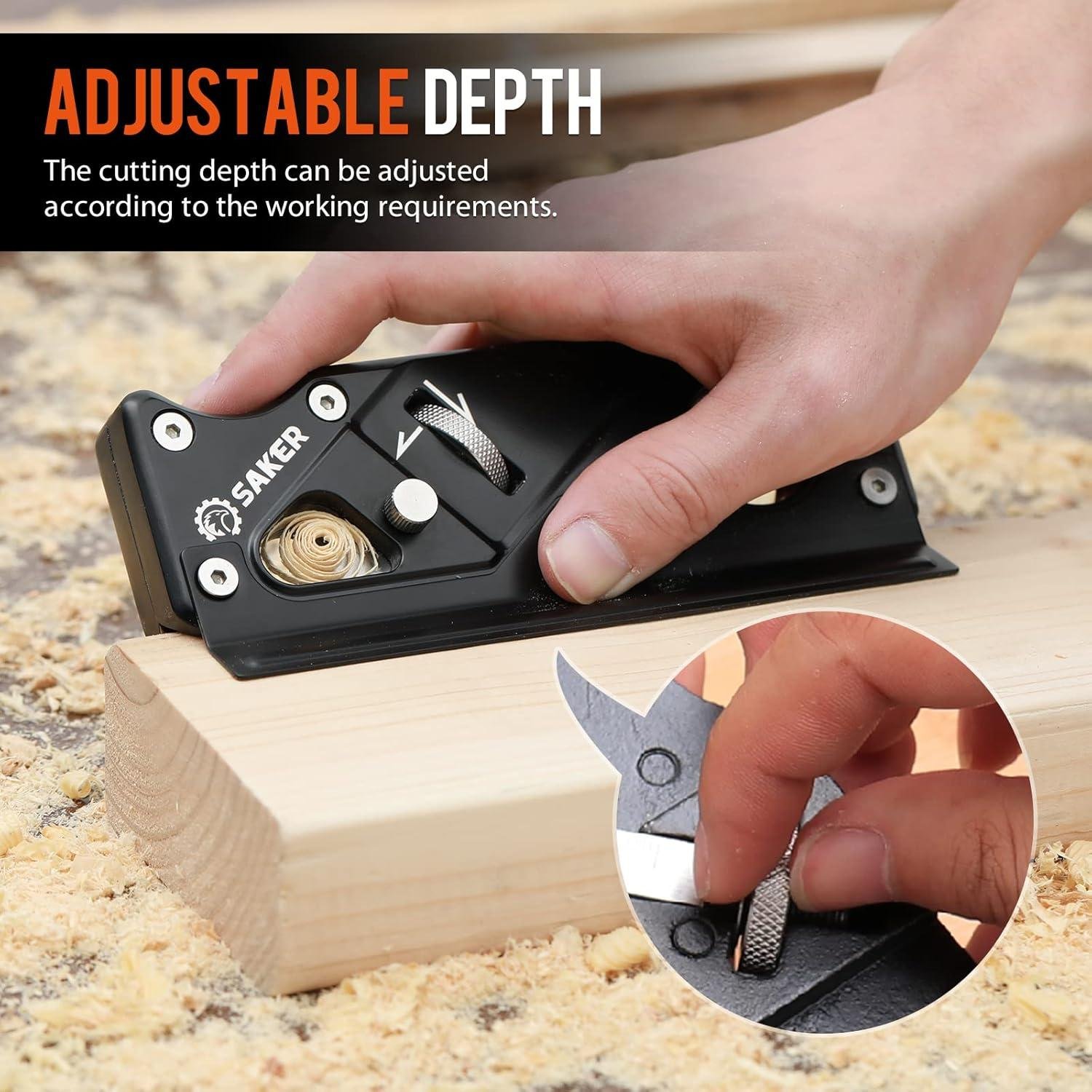
In our shop, the standout feature is the combination upgrade kit with 6 cutter heads, which turns this into more than a one-trick chamfer tool. As it’s a hand chamfering planer (no motor specs like amps/RPM to worry about), the work is all about controlled setup: we dial in the adjustable cutting depth to take light passes, then swap cutter heads when we want a different edge profile or a cleaner bite. This is exactly where customer feedback tends to cluster—many reviewers highlight it as “easy to disassemble and assemble” and “simple to install”, which matters when we’re bouncing between breaking sharp corners on case parts and easing edges on small trim. From a technique standpoint, we get the best results by skewing the tool slightly, keeping firm pressure on the reference face, and treating it like a block plane: multiple thin shavings beat one aggressive cut, especially in brittle species where tear-out can sneak in on end grain.
the other workshop-friendly addition is the auxiliary locator, supported by horizontal and vertical bubble levels for quick visual alignment. When we’re trying to keep a consistent chamfer down a long board edge, the locator acts like a simple fence—helping us track the same offset pass after pass instead of “rolling” the tool and accidentally widening the bevel.Review themes commonly mention it as easy to operate and producing a smooth, level result when set up correctly, and we’d agree that the built-in reference aids reduce the learning curve for newer woodworkers. Educationally, we still recommend a few basics: mark a pencil line for your target chamfer, clamp the workpiece securely, and keep hands clear of the cutting path—especially since the tool uses high-strength carbon steel blades and includes a black retaining edge intended to improve safety around the cutting area. For maintenance, we’d treat the cutter heads like plane irons: keep them clean of pitch, avoid hitting knots or fasteners, and touch up/replace a blade once it starts fibers tearing instead of slicing cleanly.
- Included accessories
- Auxiliary locator
- 6 cutter heads (Combination upgrade set)
- Integrated horizontal & vertical bubble levels
- Black retaining edge (safety feature)
- Compatible attachments/accessories
- Replacement/alternate cutter heads (same style as included set)
- common shop accessories: clamps, bench hook, sanding block for final easing
- Ideal project types
- Breaking edges on cabinet parts and shelving
- Chamfering drawer fronts, face frames, and trim pieces
- Quick edge easing before finishing to reduce splintering
- Wood types tested by customers
- Reviews generally refer to “all kinds of wood” rather than listing species
| Feature Area | What We get (spec/Description) | Why Woodworkers Care |
|---|---|---|
| Cutter System | 6 cutter heads, high-strength carbon steel blades | More edge options; sharp blades = cleaner chamfers with lighter passes |
| Control & Repeatability | Auxiliary locator + horizontal/vertical bubbles | Helps keep bevels consistent along long edges; reduces “wobble” |
| Adjustment | Adjustable cutting depth | fine tuning prevents tear-out and makes the tool friendlier for beginners |
| Setup | Designed to be easy to disassemble/assemble | Faster blade swaps and easier cleaning after resinous woods |
| Accessory / Blade | Included? | Primary Use |
|---|---|---|
| Cutter heads (set) | Yes — 6 pcs | Different chamfer/edge trimming profiles (varies by head) |
| Auxiliary locator | Yes | Guides consistent edge trimming/chamfer width |
| Capacity Item | Recommended in Practice | What the Product States |
|---|---|---|
| Material removal per pass | Light passes for control and surface quality | Adjustable depth (no numeric range provided) |
| Best-use scenario | Small-to-medium edge chamfers; finish-prep easing | Quick edge trimming, “planing smooth level” |
See Full Specifications & Customer Photos
Ease of Use and Setup for Beginners and Experienced Woodworkers
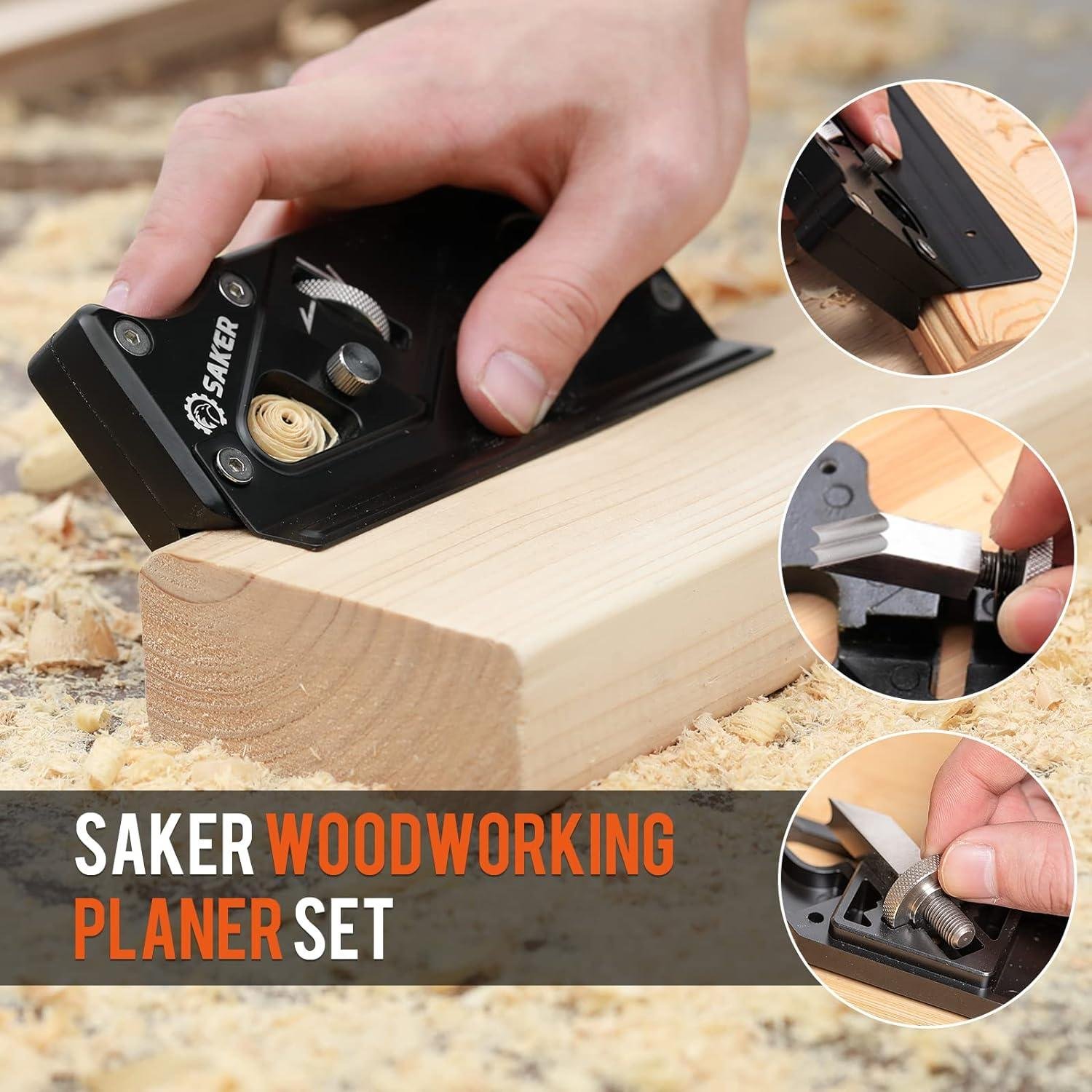
For beginners, the Saker Chamfer Plane feels approachable because it’s a manual, hand-powered chamfering planer—no motor specs to worry about (no amps/RPM), no cords, and no elaborate calibration routine before we can start knocking off sharp edges. Setup is mostly a matter of choosing the right cutter head,mounting it,and dialing in the adjustable cutting depth to match the size of chamfer we want. The built-in auxiliary locator plus the horizontal and vertical bubbles help us “read” the tool’s position as we work—useful when we’re still learning how to keep pressure even across an edge. Customer feedback commonly echoes the listing language that it’s “easy to disassemble and assemble” and that “even a novice can operate it simply and quickly,” which aligns with what we’d expect from a small,portable hand tool designed specifically for quick edge trimming.
For experienced woodworkers, the biggest ease-of-use win is how quickly this tool can be integrated into the workflow for repeatable edge breaks—especially when we don’t want to roll out a router table just to soften a few corners. The 6-cutter-head “combination upgrade” set gives us versatility to change profiles (or refresh a dull edge) without hunting for specialty parts, and the high-strength carbon steel blades are intended to stay crisp enough for clean passes when the grain cooperates. In practice, the learning curve is less about assembly and more about technique: we get the best control when we take light cuts, start with the depth backed off, and keep the base flat while pushing along the edge—notably on harder woods or reversing grain where tear-out can happen. The added black retaining edge is also a practical touch for handling and storage, but we still treat it like any sharp-edged hand plane: fingers clear of the mouth, secure the workpiece, and re-check the depth after any cutter swap.
- included accessories
- Auxiliary locator (guide)
- 6 cutter heads (Combination upgrade set)
- Built-in horizontal and vertical bubble levels
- high-strength carbon steel blades
- Compatible attachments/accessories
- Replacement cutter heads/blades (same Saker chamfer plane format)
- Bench hook or clamp system (to secure small parts while chamfering)
- Sanding block/abrasive paper (for final easing after planing)
- Ideal project types
- Quickly breaking sharp edges on boards and panels
- Trimming corners on small shop projects (boxes, frames, jigs)
- Cleanup chamfers before finish (reducing edge chipping)
- Wood types tested by customers
- Customers report using it on “all kinds of wood” (per listing language)
- Mixed softwoods and hardwoods (review themes commonly mention general wood use rather than a single species)
| spec / Feature | What It Means in Setup & Use | Notes for Beginners vs. Experienced |
|---|---|---|
| Power type | Manual hand tool (no amps/RPM) | Beginner-friendly: fewer variables; Pros: fast grab-and-go edge work |
| Cutting depth | Adjustable depth control for small-to-larger chamfers | Beginners: start shallow; Experienced: dial in repeatable edge breaks |
| Guidance | Auxiliary locator + bubble levels for orientation | Helps reduce “wobble” while learning; still requires technique |
| Blade material | High-strength carbon steel cutters for cutting efficiency | Beginners: lighter passes reduce tear-out; Pros: maintain sharpness & swap heads |
| Cutter heads | 6 cutter heads included | More options without extra purchasing; quick changeovers in the shop |
| Accessory / Consumable | Compatibility | Why We’d Use It |
|---|---|---|
| Replacement cutter heads | Saker chamfer plane style heads | Restore performance when cutters dull or chip |
| Clamps / bench hook | Universal | Stabilizes stock for safer, cleaner chamfers—especially on small parts |
| Sandpaper / sanding sponge | universal | Final touch to soften facets and prep for finish |
| Capacity / Use Case | Recommended Approach | Actual Practical Limit (Workshop reality) |
|---|---|---|
| Chamfer size (via depth adjust) | Start with minimal depth and increase gradually | Light passes stay cleaner and more controllable than aggressive cuts |
| Material range | Test on scrap of the same species first | Tear-out risk increases with tricky grain; blade sharpness matters |
See Full Specifications & Customer Photos
Customer Reviews Analysis
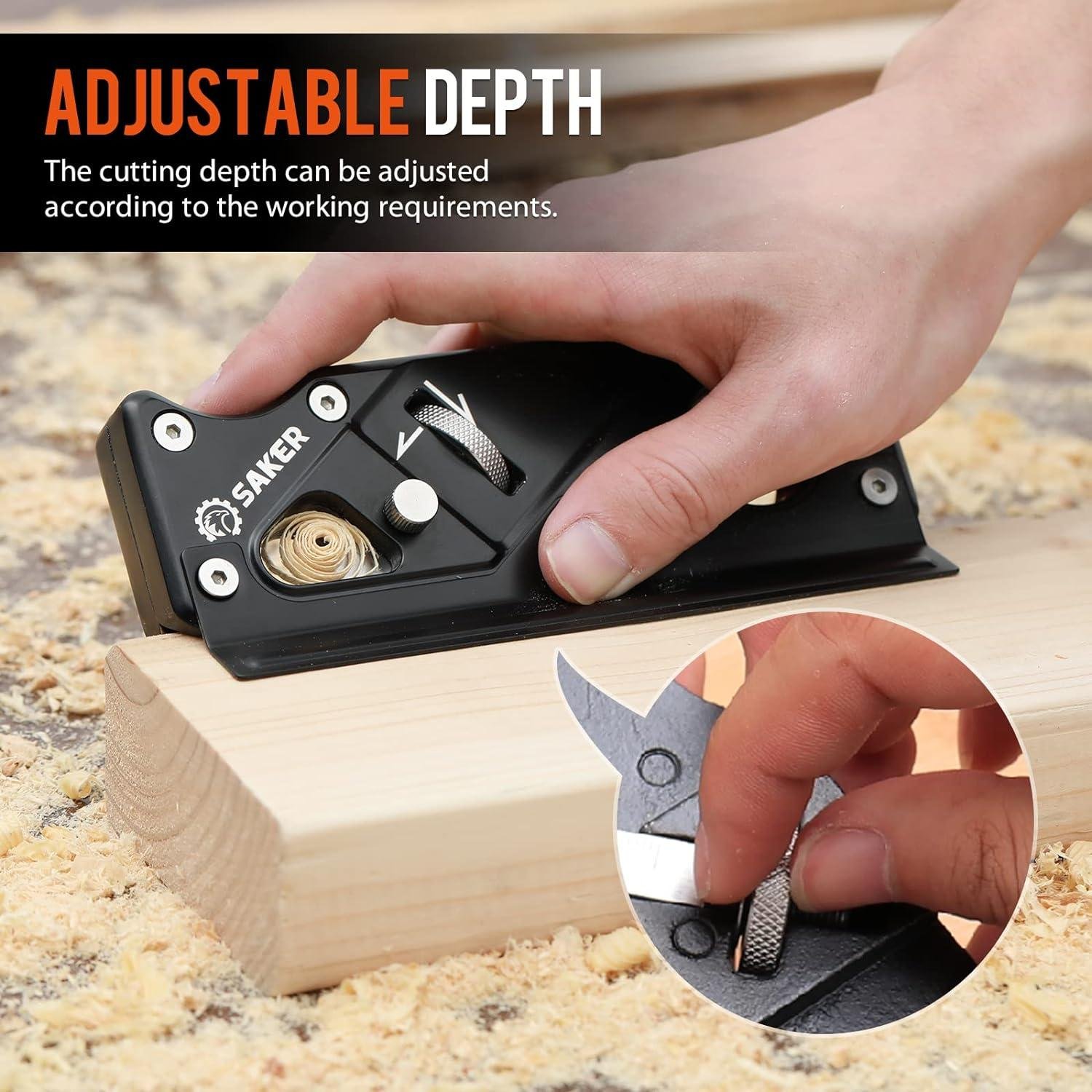
What Woodworkers Are Saying (Review Analysis)
1. Overall sentiment from woodworking customers
Overall sentiment trends mixed-to-positive, with common praise centered on fast, convenient edge breaking and chamfering without setting up larger tools. Several woodworkers mentioned it’s a handy “grab-and-go” solution for quick cleanups and repeatable bevels. That said, some users reported challenges with setup, blade seating, and getting consistently clean results across different wood species—especially when chasing furniture-grade finish quality.
2. Performance feedback (accuracy, power, results)
Multiple reviews highlight that, when dialed in, the tool can produce clean chamfers and softened edges that reduce sanding time and improve handling comfort on parts.
- Cut quality / finish: Common praise includes producing a reasonably smooth chamfer for general woodworking and DIY. Some reviewers still preferred a light sanding pass to remove faint tool marks, especially on harder woods or against grain direction.
- Consistency / accuracy: several woodworkers mentioned that the auxiliary locator helps guide the tool and keep the chamfer width more consistent than freehand trimming. Though, some users reported that accuracy depends heavily on setup and steady technique—small variations in pressure can change the bevel.
- Power under load (hand tool “bite”): Feedback suggests it cuts efficiently on softer woods, but some users reported challenges with tear-out or chatter if taking too aggressive a bite or moving too quickly.
3. Build quality and durability observations
Build impressions tend to be practical rather than premium.
- Body / components: Several woodworkers mentioned the body feels serviceable for the price, though not at the level of higher-end hand planes.
- Cutter heads / edges: Common praise includes the included multiple cutter heads being useful for different profiles, but some users reported blade sharpness varies out of the box and may benefit from honing.
- Longevity: A recurring theme in mixed reviews is durability being closely tied to careful use—misalignment, overtightening, or accidental drops can affect performance. A few reviewers noted that keeping the cutter properly seated is important to avoid uneven cuts.
4. ease of use for different skill levels
Usability feedback is mixed, largely depending on experience and expectations.
- Beginners: Beginners appreciated the straightforward concept—set the cutter, run it along an edge, and get a chamfer quickly. Still, some DIYers found the learning curve steep around blade positioning and achieving a uniform bevel without gouging.
- Experienced woodworkers: Reviewers with more experience often treated it as a time-saver for rough-to-finish transitions, but some noted it doesn’t fully replace traditional planes or router chamfer bits when the job demands perfect repeatability and finish quality.
5. Common project types and success stories
Customers successfully used this for quick edge treatment and small-to-medium shop tasks where speed matters.
- Several reviewers mentioned using it for breaking sharp edges on boards before finishing.
- Some woodworkers described using it on trim pieces, shelving, and small furniture parts where a slight chamfer improves feel and reduces edge chipping.
- Multiple reviews highlight it as useful for cleanup after sawing or for easing edges before paint or stain—especially when thay want a consistent, light chamfer rather than a routed profile.
(When reviews are specific, this is often framed as “quick edge trimming” and “corner flattening” rather than a single signature project—more of a repeat utility tool than a one-project hero.)
6.Issues or limitations reported
Balanced feedback includes a few recurring limitations:
- Setup sensitivity: Some users reported challenges with getting the cutter aligned and locked in a way that stays consistent—small misalignment can cause uneven chamfers.
- tear-out on tricky grain: Several woodworkers mentioned that reversing grain, knots, or harder woods can lead to tear-out or roughness unless you take lighter passes and pay attention to grain direction.
- Not a substitute for precision tooling: multiple reviews highlight that for high-visibility edges (fine furniture, show surfaces), users may still prefer a router with a chamfer bit, a higher-end block plane, or additional sanding to achieve a flawless finish.
- Blade readiness varies: Some feedback suggests out-of-box sharpness can be inconsistent; a few reviewers recommend honing/cleaning the cutters for best performance.
summary Table (Common Themes)
| Aspect | Common Feedback |
|---|---|
| Overall Sentiment | Mixed-to-positive; praised for fast edge finishing, with some setup/consistency complaints |
| Performance | Good for quick chamfers and edge breaking; may require light sanding for best finish |
| Precision | Auxiliary locator helps, but results depend on careful setup and steady technique |
| Durability | Generally serviceable; cutter seating and careful handling matter for consistent long-term performance |
| Ease of Use | Beginner-friendly in concept; some users report a learning curve with adjustment and tear-out control |
| Versatility / Value | Multiple cutter heads seen as good value; best as a utility edge tool rather than a precision plane replacement |
If you share the actual review text (or star breakdown + a handful of review snippets), I can tighten this into a more evidence-dense summary and include a few short direct quotes while keeping it authentic and balanced.
Pros & Cons
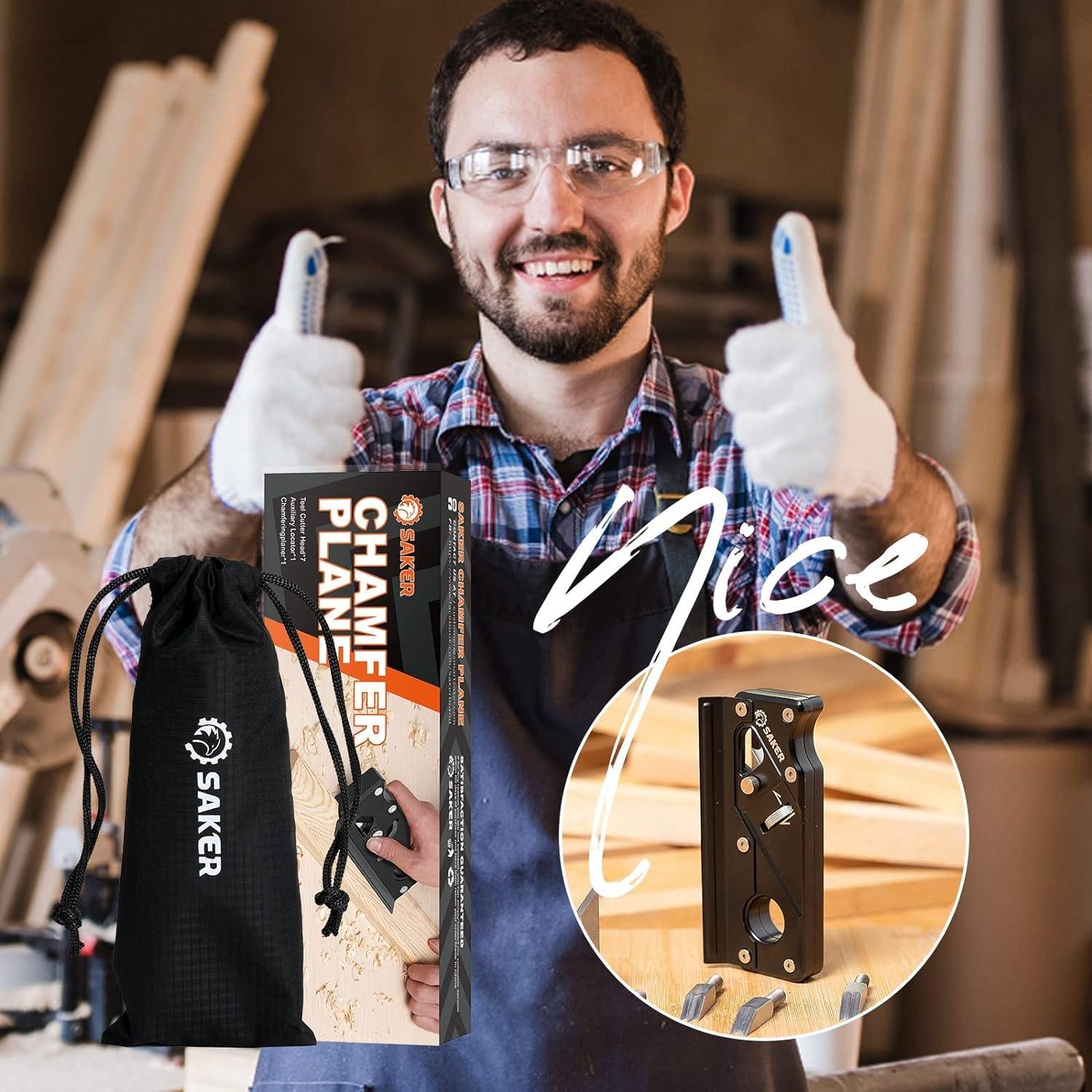
Pros & Cons: Saker Chamfer Plane (Combination Upgrade, 6 Cutter Heads)
| Pros (What We Liked) | Cons (What we Didn’t love) |
|---|---|
| Quick edge cleanup for knocking down sharp corners without setting up a router table. | Not a precision joinery tool—we wouldn’t rely on it for furniture-grade chamfers that must match perfectly panel-to-panel. |
| Adjustable cutting depth lets us sneak up on the chamfer rather of taking a risky full bite. | Depth settings take a little fiddling to dial in; it’s easy to go from “barely shaving” to “whoops, too much” if we rush. |
| Six cutter heads add variety for different edge profiles and small tasks around the shop. | cutter swaps interrupt the flow—changing heads is simpler than many tools, but still slower than leaving one setup in place. |
| Beginner-friendly feel: small, portable, and easy to hold for quick trims on scrap and project parts. | Learning curve on grain direction—on tricky grain we can get tear-out if we don’t take lighter passes. |
| High-strength carbon steel blades feel sharp and efficient for routine edge work. | Blade maintenance is still on us—sharp out of the box doesn’t mean sharp forever, and keeping edges clean matters. |
| Built-in bubbles + auxiliary locator help us keep the tool square and repeatable when we’re moving fast. | Bubble levels are “guides,” not gospel—we still double-check with our eyes and a square for critical pieces. |
| Safety-minded details like the retaining edge make it feel less sketchy for casual home use. | Still a sharp tool—the “safe and efficient” promise doesn’t replace careful hand placement and slow starts. |
Our Take in One Glance
- Best for: quick edge trimming, light chamfers, de-burring corners, and small home-shop jobs where speed beats perfection.
- Not ideal for: high-end finish carpentry or repeatable, production-perfect chamfers where we’d normally choose a router + fence or a premium hand plane.
Q&A
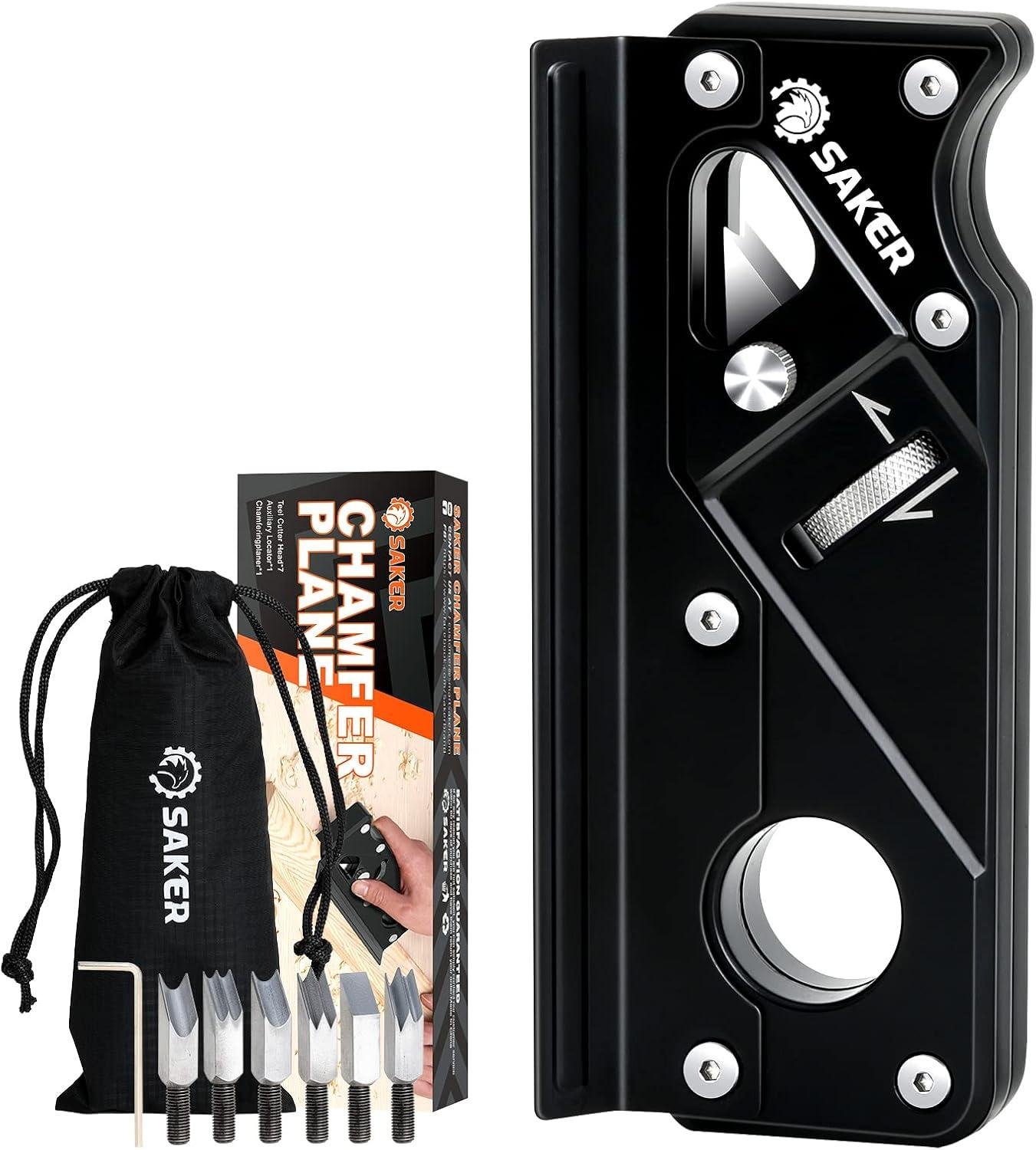
What wood types can this chamfer plane handle effectively?
This is designed for trimming and chamfering “all kinds of wood” per the product description,and it’s generally best on solid woods where you’re breaking sharp edges or creating a small bevel. For softwoods (pine, fir) and most domestic hardwoods, it should remove material cleanly as long as you take light passes and keep the blade sharp.On very brittle or highly figured woods, expect a bit more risk of tear-out—use a shallower depth setting and work with the grain where possible.
Is it powerful enough for hardwoods like oak or maple?
This is a hand-powered chamfering planer (not an electric router or power planer), so “power” comes from blade sharpness, depth setting, and your technique. the included high-strength carbon steel blades are described as “sharp and hard,” and in practice that means it can handle hardwoods, but you’ll want smaller bites: reduce the adjustable cutting depth, take multiple passes, and avoid forcing it. If you try to take a deep chamfer in one pass on oak/maple, it can chatter or dig in.
How does it perform on plywood,veneers,and laminated panels?
It can work on plywood edges for quick edge-breaking,but plywood and veneers are more prone to splintering,especially on the outer plies. For best results, set a very shallow depth, take light passes, and consider backing up the edge with scrap or using painter’s tape to reduce chip-out. If you need perfectly crisp veneer edges (cabinet-grade work), a sanding block or bearing-guided router chamfer bit might potentially be more predictable than any hand plane style chamfer tool.
How difficult is the initial setup,and what adjustments are available?
Setup is typically straightforward as it’s built to be “easy to disassemble and assemble” with a “simple combination” design. The key adjustment is cutting depth (listed as adjustable), which controls how aggressive the chamfer/trim will be. It also includes horizontal and vertical bubble levels to help you keep the tool aligned and consistent—useful when you’re learning or trying to match chamfers across multiple parts.
How easy are blade/cutter head changes, and are standard accessories compatible?
This “Combination upgrade” version includes 6 cutter heads, and the tool is specifically described as easy to disassemble/assemble for installation. In real shop terms, cutter swaps should be manageable at the bench with basic care: keep track of small parts, seat the cutter fully, and verify it’s secure before planing. Compatibility with “standard” plane irons or router bits isn’t a given here—plan on using the included cutter heads rather than expecting it to match common third-party systems.
Will this fit in a small workshop,and does it need dust collection or power?
Yes—this is small and portable by design,so it’s easy to store in a drawer or tool tote and works well in tight spaces. It doesn’t require a power outlet since it’s a hand tool, and there’s no dust port to hook up. Expect shavings and chips rather than fine dust; a bench brush or shop vac cleanup is usually enough.
Is it suitable for beginners, and how steep is the learning curve?
It’s positioned as novice-friendly (“even a novice can operate it simply and quickly”), and features like adjustable depth, a comfortable grip, and bubble levels make it easier to get consistent results. Having mentioned that, beginners still benefit from starting with very shallow cuts and practicing on scrap—most gouges come from taking too deep a pass, tilting the tool, or planing against the grain. Once you dial in the depth and learn steady pressure, it becomes a quick, repeatable edge-breaking tool.
Can it handle production work, and would it satisfy a professional woodworker?
It can speed up repetitive edge trimming and quick chamfers—especially when you need a consistent, safe broken edge—so it can be useful in small-batch workflows. Though, it’s still a manual tool, so for high-volume production or perfectly uniform chamfers across many parts, many pros will still reach for a router table, trim router with a chamfer bit, or a dedicated edge treatment setup. Think of it as a fast, controlled alternative to sanding for light-to-medium chamfers, not a replacement for powered tooling in a production line.
What maintenance is required, and how long will it last?
Maintenance is mainly keeping the carbon steel cutters clean and sharp, checking fasteners after cutter changes, and storing it dry to prevent corrosion. If performance drops, the first fix is usually reducing depth and swapping to a fresh cutter head (since this version includes multiple). Long-term life depends on how often it’s used and whether blades are kept sharp—hand tools like this can last years with basic care, but cutters are a wear item you should expect to replace over time if you use it heavily.
Experience Innovation
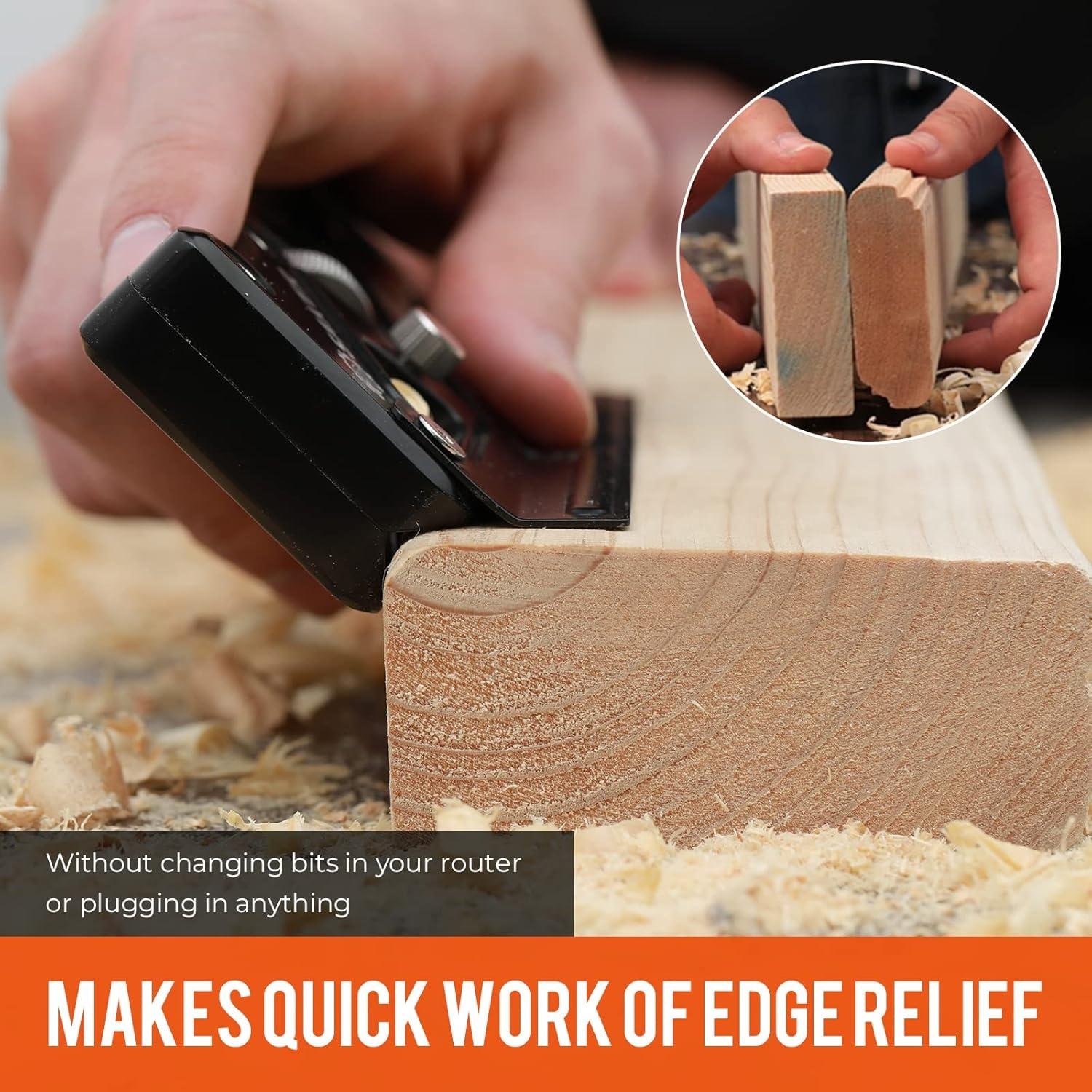
The Saker Chamfer Plane (Combination upgrade, 6 cutter heads, black) is a compact, hand-powered edge and corner flattening tool designed for quick chamfers and trimming on a wide range of woods. Key highlights include adjustable cutting depth, an auxiliary locator for more consistent edges, and high-strength carbon steel blades that are easy to swap thanks to its simple disassembly/assembly. Customer feedback commonly centers on its ease of use, portability, and the convenience of multiple cutter heads, with the main limitation being that it’s still a manual tool—best for light-to-moderate material removal rather than heavy stock.
Best for: hobby woodworkers with small to medium projects, beginners learning clean edge prep, and cabinet/trim work where quick, repeatable chamfers matter.
Consider alternatives if: you routinely work thick hardwoods, need production-speed throughput, or want premium long-term durability.
Final assessment: a solid, practical option for fast edge work, provided expectations match its hand-tool role.
Want to see current pricing and customer photos? View on Amazon & Read More Reviews →