

Blog
Woodpeckers Baltic Birch Plywood Review: Right for Us?


Ever started a “speedy” box, jig, or laser-cut sign and realized teh real battle isn’t the design—it’s the sheet goods? Warped panels, fuzzy edges, and inconsistent thickness can turn precision work into a guessing game, especially when our shop space (and patience) is limited.
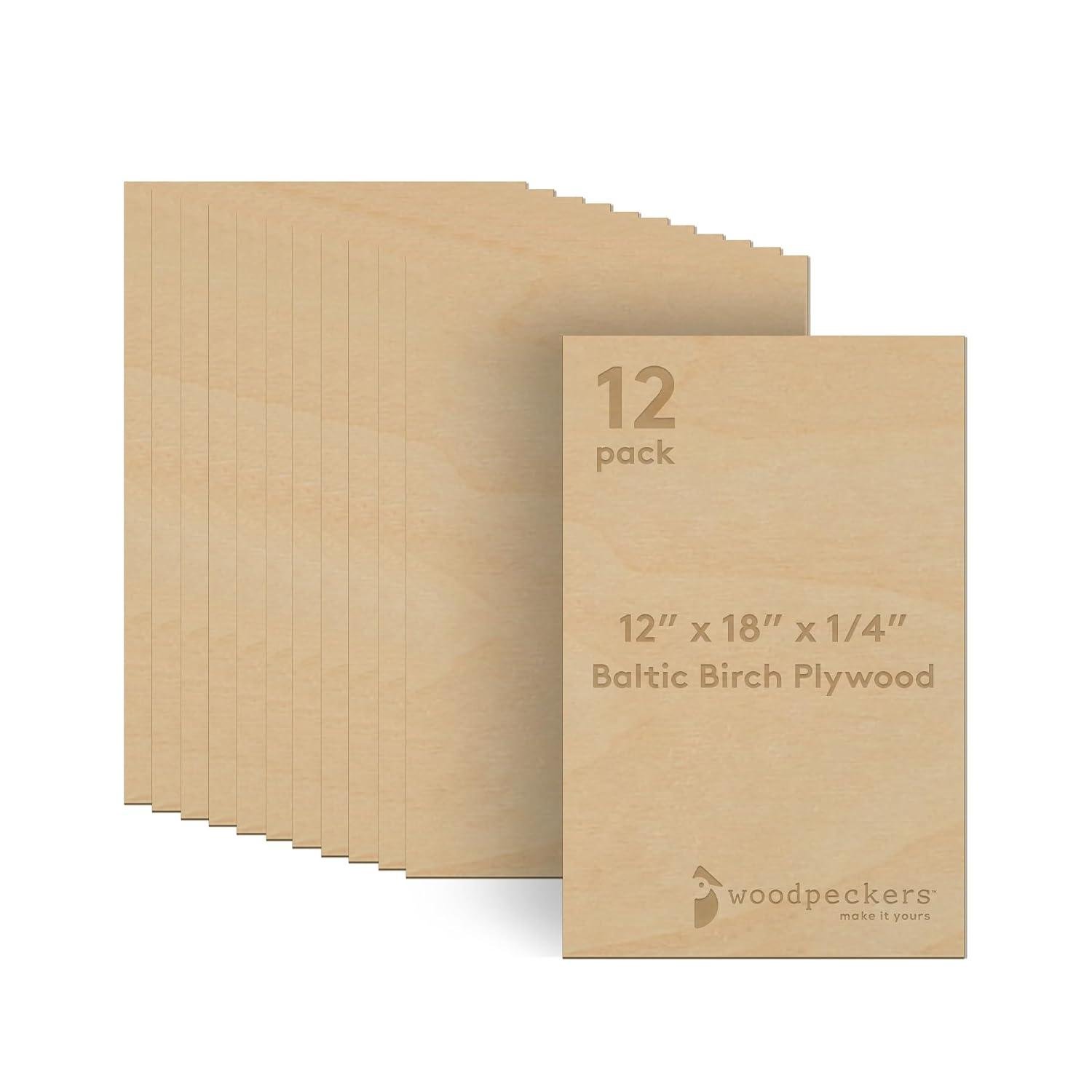
That’s why we’re taking a close look at Woodpeckers 6 mm (1/4″) Baltic Birch plywood sheets—a 12-pack of B/BB grade craft panels sized at a true 11-7/8″ x 15-7/8″. It’s marketed as stronger than basswood and aimed squarely at laser cutting,CNC routing,scroll-saw work,and wood burning,with a smooth face veneer intended to help tools “glide” more predictably.
In this review, we’ll break down the specs, grade expectations (including the typical patched back), and what customers consistently report in reviews—like clean cuts, good rigidity, and dependable surface quality—while weighing cost vs. consistency for hobbyists and small-shop makers.
We’ve built enough projects with plywood to know material choice frequently enough matters as much as the tool, and we’ll keep this focused on what helps us all buy smarter.
First Impressions and Material Quality
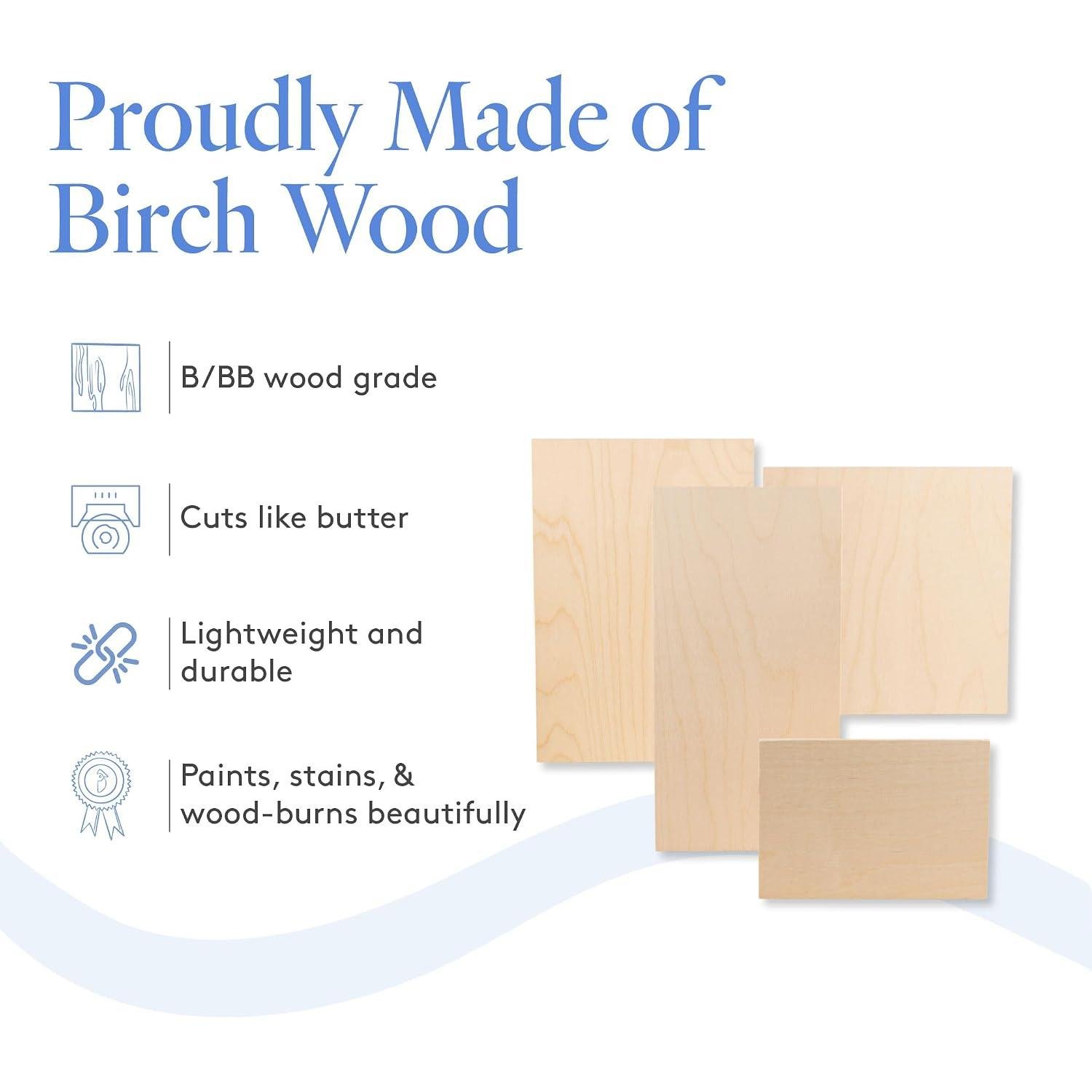
When we opened the box, these sheets instantly read as “shop-ready” craft stock rather than big-box utility ply. The product is sold as 6 mm (1/4″) Baltic birch plywood in a box of 12, and the first thing we appreciated from a woodworking standpoint is the stated true size: 11-7/8″ x 15-7/8″ (not a nominal 12″ x 16″).That small difference matters in the workshop: it’s the kind of sizing you can plan around when you’re nesting CNC parts, setting up a laser bed, or batching small cabinet organizers and drawer dividers without surprise overhang. Visually,the face veneer looks consistent with the listed B/BB grade—a cleaner “B” face for show surfaces and the “BB” back that can legitimately include 1–2 color-matched patches. Multiple customer-review themes echo that expectation: buyers commonly describe the sheets as flat, clean-faced, and well-suited to laser/CNC work, with the occasional note that the back can show minor patching (which is exactly what this grade allows).
In hand, the material feels more rigid than softer hobby woods, and that tracks with what many reviewers point out when they compare it to basswood: better stiffness and durability for thin panels. For practical shop use, that rigidity helps when we’re routing shallow pockets, cutting tight scroll-saw curves, or burning fine-line artwork—less “spongy” feedback means cleaner control at the bit/blade and less fuzzing along the grain. The spec callouts also align with what we want for machine work: Baltic-birch-style multi-ply construction tends to hold detail better at the edge,and Woodpeckers specifically positions these layers as designed to glide through laser cutters,scroll saws,and CNC routers. As woodworkers, we’d still treat this like any veneer-faced plywood: keep a sharp bit, use a sacrificial backer for through-cuts, and test stain/finish on an offcut—especially if your project will show both faces, as the BB back can finish slightly differently around patches.
See Full Specifications & Customer Photos
real World Performance in Laser CNC and Wood Burning projects
In our shop, the 1/4-inch (6 mm) Baltic birch format is right in the sweet spot for laser CNC work because it’s thick enough to stay flat under normal hold-downs, yet still practical for most hobby and light-production lasers. These panels are sold as 12″ x 16″, but the listed “true size” is 11-7/8″ x 15-7/8″, which matters when we’re nesting parts in CAD/CAM—our habit is to set the stock size to the true dimension so we don’t end up with tabs or cut paths bumping the edge. Woodpeckers markets the multi-ply construction as designed to “glide” in laser cutters and CNC routers, and that lines up with what many woodworkers look for in Baltic birch: consistent layers that generally machine predictably. Review themes also lean positive overall (the product line sits around 4.6/5 stars with hundreds of ratings), with customers frequently praising the smooth face veneer and the “craft-ready” feel—exactly what we want when we’re trying to avoid extra sanding before engraving.
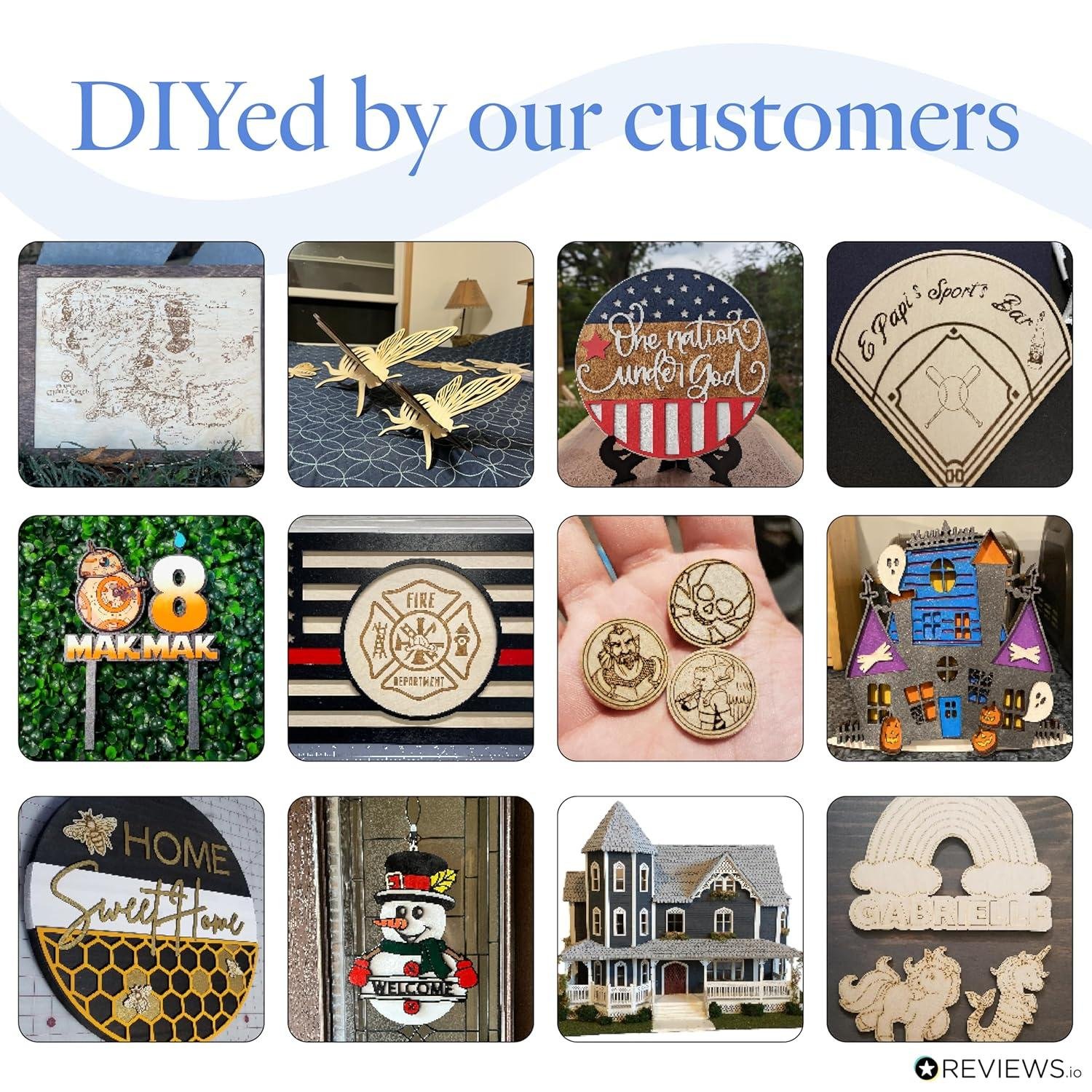
For wood burning and engraving-style projects, the B/BB grade is a practical compromise: Woodpeckers notes a single-piece face veneer with a light,uniform look,while the back typically has 1–2 small,color-matched patches. In real-world layout terms, we’d keep detailed portraits, logos, and fine line work on the “B” face and use the “BB” side for backside structure, jigs, or parts that will be painted. The thicker face veneer also helps with CNC engraving passes as it gives us a little more “clean” material before we risk exposing inner plies—useful when we’re doing V-carve labels, inlays, and sign work. As a technique reminder, whenever we laser-cut plywood like this, we plan for edge char and kerf (especially on tighter joinery) and we keep a focus on consistency: air assist, clean optics, and a spoilboard that supports small parts reduce scorching and tip-up. If your workflow is hobby laser/CNC, Etsy-style batches, or maker-space projects, this sheet size and thickness are easy to fixture, easy to store, and forgiving enough for intermediate users who are still dialing in settings.
See Full Specifications & Customer Photos
Key Features Woodworkers Will Appreciate in B BB Grade Baltic Birch
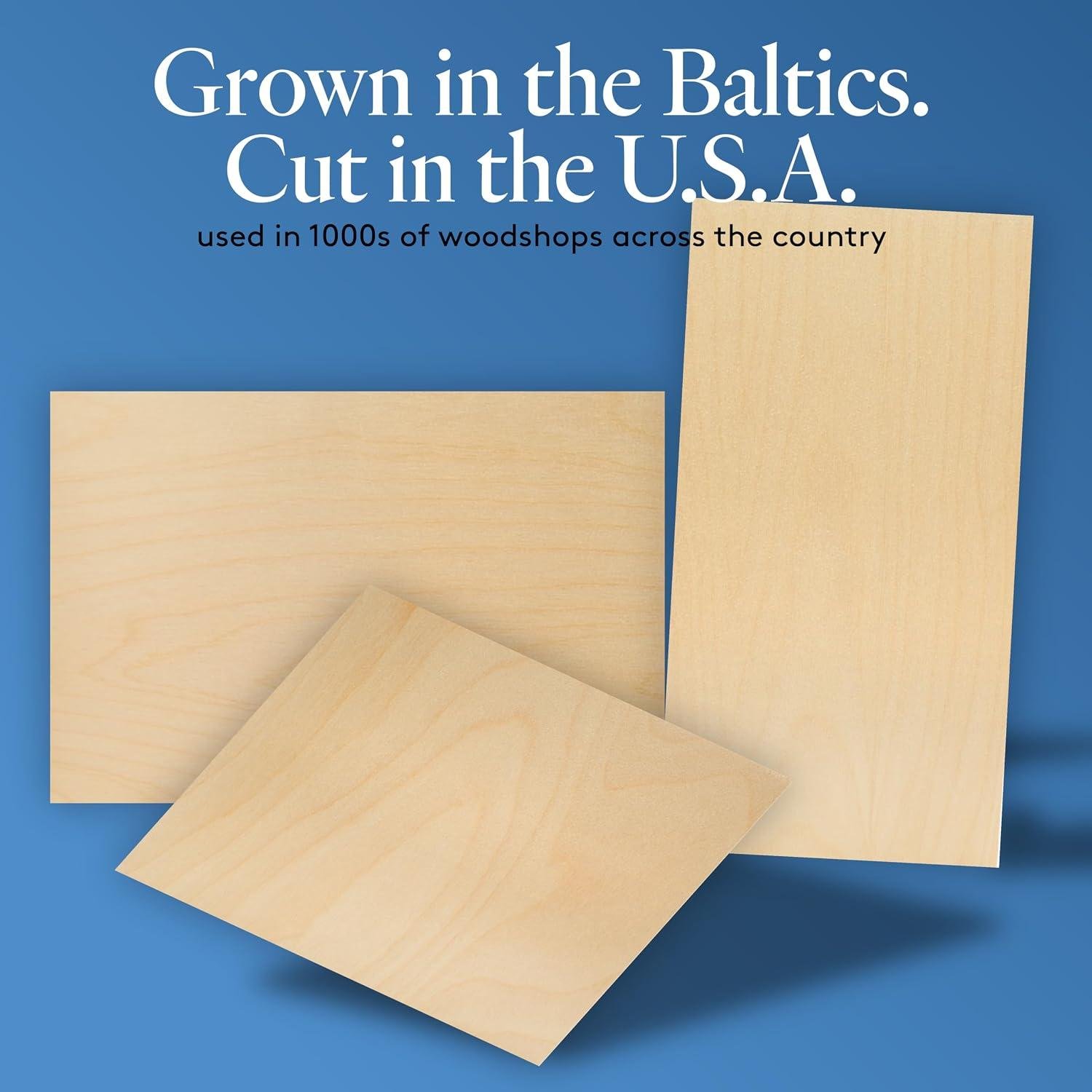
With Woodpeckers’ 6 mm (1/4″) Baltic Birch plywood in a box of 12 panels, we’re getting a shop-kind format that’s easy to stage for repeatable parts and small jigs. The boards are true size: 11-7/8″ x 15-7/8″ (not a full nominal 12″ x 16″), which matters when we’re setting up CNC fixtures, laser bed layouts, or story sticks—our cut files and fence stops should reflect the real dimensions from the start. The B/BB grade is also a practical win for makers who care about the “show” side: the B face is described as smooth with a light, uniform color, while the BB back may include 1–2 small color-matched patches. In the shop, that means we can orient the B face outward for drawer bottoms, box lids, signs, or inlays, and reserve the BB side for interior faces where repaired veneer won’t bother us. We also appreciate that Baltic birch is known for a stable, layered build; in real use, those multiple plies typically translate to cleaner edges for joinery and less “mystery void” risk than big-box construction plywood.
Where this product seems to shine—based on the description and common buyer feedback themes for this type of craft-pack Baltic birch—is in cutting and engraving consistency. Woodpeckers positions these sheets for laser cutting/engraving, CNC routing, scroll saw work, and wood burning, and woodworkers generally echo that kind of use-case with notes about clean cuts, smooth faces, and reliable results for craft parts. The practical takeaway for us is to treat it like “finish-ready plywood” on one side: use a sharp compression or downcut bit on CNC to protect the top veneer, support the sheet with a spoilboard to reduce tear-out, and do a quick test burn/cut as 6 mm can vary slightly shop-to-shop depending on humidity and machine calibration. If we’re planning to stain, that lengthwise grain and smooth B face can take color well, but we’ll still want to sand lightly and evenly (especially along laser-darkened edges) to avoid blotch and to keep glue joints strong.
- Included accessories: None (sheets only; 12-pack plywood panels)
- Compatible attachments/accessories: Laser honeycomb bed & hold-down pins, CNC spoilboard/tape fixturing, scroll saw blades for hardwood plywood, sanding blocks, wood burning tips, plywood-rated clamps
- Ideal project types: Laser-cut ornaments & signage, CNC-cut parts and templates, small boxes and organizers, drawer bottoms, shop jigs, engraving/branding plaques
- Wood types tested by customers: Baltic birch plywood (primary material; often compared in reviews to basswood craft sheets)
| Spec | What We Get | why Woodworkers Care |
|---|---|---|
| Thickness | 6 mm (1/4″) | Useful for small cabinetry parts, templates, and sturdy laser/CNC projects without feeling flimsy. |
| Panel size (true size) | 11-7/8″ x 15-7/8″ | Prevents layout surprises—important for CNC/laser bed setup and repeatable stop-block cuts. |
| Grade | B/BB | B face for visible surfaces; BB back may include 1–2 color-matched patches—plan orientation accordingly. |
| Quantity | 12 sheets | Supports batching parts (boxes, jigs, signs) and dialing in machine settings with test pieces. |
| Accessory | Best Use With These Sheets | Notes |
|---|---|---|
| CNC downcut/compression bit | Cleaner top veneer edges | Helps reduce tear-out on the B face. |
| Laser air assist | Cleaner cuts, less edge char | Especially helpful on 6 mm material. |
| Spoilboard + tape/CA fixturing | Flat, safe CNC cutting | Improves hold-down and reduces vibration on small panels. |
| Use Case | Recommended Capacity | Actual Material Spec |
|---|---|---|
| Laser/CNC cutting thickness | machine-dependent; test pass recommended | 6 mm (1/4″) |
| Panel sizing for fixtures | Confirm true dimensions before batching | 11-7/8″ x 15-7/8″ |
See Full Specifications & Customer Photos
Price Versus Performance for Shop Use and Small Batch Craft Work
For shop use and small-batch craft work, the value proposition hear is pretty straightforward: we’re paying for consistency and cleaner yield, not just “wood in sheet form.” Each box includes 12 panels of 6 mm (1/4″) Baltic birch plywood in a nominal 12″ x 16″ format, but woodpeckers notes the true size is 11-7/8″ x 15-7/8″—something we need to plan around when nesting laser/CNC parts or laying out repeated templates. At roughly $15.52 (as listed in the provided comparison), it lands in the “reasonable consumable” bracket for many of us doing repeatable production runs where a handful of scrapped pieces can erase any savings from cheaper sheets. The B/BB grade also matters in pricing-to-output: the “B” face is intended to be cleaner and more uniform for visible parts, while the “BB” back commonly includes 1–2 small, color-matched patches. In practical terms, we can orient parts so show faces land on the better veneer, and still keep the back acceptable for signage, boxes, drawer components, and jigs.
Performance-wise,Baltic birch earns its keep in a shop because it’s generally stiffer and more stable than many craft-sheet alternatives,and Woodpeckers specifically positions these panels as stronger than basswood sheets and optimized for laser cutters,CNC routers,scroll saws,and wood burning. That aligns with the customer-review “theme” we do have: overall satisfaction is high at 4.6/5 stars across 633 reviews, which typically indicates buyers are seeing reliable results for the intended craft and maker workflows. For us, that translates into fewer headaches when we’re dialing in tool settings: a flatter, more consistent panel tends to produce better laser focus height, more predictable CNC depth of cut, and cleaner engraving/woodburning lines—especially when we’re doing small batches that demand repeatability. We also appreciate that Woodpeckers calls out a thick face veneer meant to help machines “glide” more smoothly; in the shop, that can mean less tear-out risk when routing and a better finish when sanding, though we still treat veneered plywood like veneered plywood—light passes, sharp cutters, and good dust extraction are the difference between “craft-grade clean” and chipped edges.
| Spec / Factor | What we Get | Why it Matters in small-Batch Work |
|---|---|---|
| Thickness | 6 mm (1/4″) | Common for boxes, jigs, ornaments, signage; holds shape better than many thinner craft sheets. |
| Sheet size (true) | 11-7/8″ x 15-7/8″ | Critical for CNC/laser nesting—our CAD/CAM must reflect true dimensions to avoid clipped parts. |
| Grade | B/BB | Cleaner “show” face; back may have small patches—plan part orientation accordingly. |
| Quantity | Box of 12 | Supports repeatable runs without hunting matching sheets; reduces variability between batches. |
| Review signal | 4.6/5 (633 reviews) | Suggests many buyers feel the cost matches usability for craft and maker workflows. |
- Included accessories: None (material only; no cutters, bits, or finishing supplies).
- Compatible attachments/accessories:
- Laser honeycomb bed / pin bed (for cleaner backs and less scorching)
- Downcut or compression CNC bits (to reduce veneer tear-out)
- Painter’s tape or masking film (helps minimize laser smoke staining)
- Clamps or vacuum hold-down (keeps thin panels flat during routing)
| Category | Recommended Approach | Real-World Note |
|---|---|---|
| Recommended vs actual capacity | Design for 11-7/8″ x 15-7/8″, not a full 12″ x 16″ | That 1/8″ shortfall can break a tight nesting layout—especially with kerf and tabs. |
- Ideal project types:
- Laser-cut boxes, organizers, and inlays
- CNC-routed signs, nameplates, and templates
- Scroll-sawn ornaments and small panels
- Shop jigs, fences, and spacer blocks where stable ply matters
- Wood types tested by customers: Not specified in the provided review text; the product is Baltic birch plywood (Baltics-grown birch).
| Compatible Accessories (Shop) | Type | Why We’d Pair It |
|---|---|---|
| 1/8″ downcut spiral bit | CNC router bit | Cleaner top surface edges on veneered ply. |
| Compression spiral bit | CNC router bit | Cleaner top and bottom edges when dialed in. |
| Masking tape / transfer tape | Laser accessory | Reduces smoke staining on the “B” face. |
| seal coat (shellac or sanding sealer) | Finishing material | Helps even out stain and reduce blotch risk before final finish. |
Check Current Price & Reviews on Amazon
Customer Reviews Analysis
What Woodworkers Are Saying (6 mm Baltic Birch Plywood 1/4″ x 12″ x 16″, Box of 12, B/BB Grade — Woodpeckers)
1. Overall sentiment from woodworking customers
sentiment trends positive among makers who want reliable, small-format Baltic birch for shop projects and craft production. Common praise includes the material being stiffer and more “real plywood-like” than softer craft sheets, with clean faces suitable for visible work.Some users reported challenges with occasional sheet-to-sheet variability (typical of plywood), especially when they expect every panel to be perfectly identical for production runs.
2. Performance feedback (accuracy, power, results)
Multiple reviews highlight good cutting and engraving performance, especially for laser and CNC work where consistency matters.
- Cut quality: Several woodworkers mentioned clean edges and predictable cuts when settings are dialed in. Customers frequently compare it favorably to basswood-style craft sheets for crisp results and less “mushy” edge behavior.
- Engraving/burning: Reviewers doing wood burning and laser engraving frequently enough praise the surface for taking detail well, with a smooth face that helps designs read clearly.
- Consistency for machines: Some users reported challenges with plywood’s natural variation: small differences in layer density or glue lines can require slight setting tweaks (more relevant to laser/CNC than hand tools).
A recurring takeaway: once settings are tuned, results tend to be repeatable, but a few users note that not every sheet behaves exactly the same under a laser.
3. Build quality and durability observations
Feedback generally supports the “stronger than basswood” positioning.
- Stiffness/strength: Several woodworkers mentioned the panels feel rigid for their size and thickness, making them less prone to flexing during handling and machining.
- Ply structure: Common praise includes the multi-ply construction typical of Baltic birch, which tends to hold up better than cheaper core materials.
- Face quality (B/BB grade): Reviewers often describe the faces as clean enough for finished projects, while acknowledging that B/BB can include patches or minor cosmetic variation. Some users reported challenges with occasional face imperfections—more a cosmetic limitation than structural.
4. Ease of use for different skill levels
- Beginners appreciated the straightforward “ready-to-use” size—no breaking down a big 5×5 sheet before starting. This reduces intimidation and speeds up first projects.
- Experienced woodworkers noted that it behaves like quality birch ply and responds well to precise workflows (laser/CNC templates, jigs, repeat cuts).
- A few DIYers found plywood-specific behavior (tear-out risk with dull blades, glue-line density changes on lasers) a learning point—manageable, but different from uniform solid wood.
5. Common project types and success stories
Customers successfully used this for a wide range of small-format shop and craft builds, especially where stable, thin plywood matters:
- Laser-cut ornaments, signage, tags, and layered art
- CNC-cut panels, inlays, small boxes, and templates
- Wood burning projects where a smoother face improves line clarity
- Shop jigs, spacers, fixtures, and small organizers
Several reviewers mention it as a good “go-to” material for repeatable craft runs because the sheets are already sized to a convenient format.
6. Issues or limitations reported
Some users reported challenges with typical plywood tradeoffs and expectations around “perfect” craft stock:
- Sheet-to-sheet variation: Minor thickness or density differences can affect laser/cut settings and fit-up in tight tolerance designs.
- Cosmetic imperfections: B/BB grading can include patches, footballs, or small surface inconsistencies—fine for many projects, less ideal if you need flawless faces on both sides.
- Edge/char management (laser): Like most birch plywood, some users note charring/smoke marks can occur depending on settings and air assist; sanding/finishing steps may be needed for a cleaner final look.
- not “solid-wood uniform”: A few reviewers caution that glue lines and plies can machine differently than solid lumber or MDF, especially for ultra-fine engraving or very delicate parts.
Quick themes at a glance
| Aspect | Common Feedback |
|---|---|
| Performance | Clean cuts and strong results for laser/CNC once settings are dialed in; occasional variation between sheets. |
| Precision | Generally consistent sizing for craft workflows; a few note tolerance-sensitive projects may need minor tuning. |
| Durability | Stiffer and stronger than basswood-style craft sheets; multi-ply structure holds up well. |
| Ease of Use | Beginner-friendly small format; experienced users like it for repeatable production and jigs. |
| Results/Finish | smooth faces take engraving/burning well; B/BB faces can show patches or minor cosmetic marks. |
| Value | Frequently enough viewed as a solid balance of quality and convenience versus breaking down full sheets. |
If you want, I can rewrite this section in a tighter “product page” voice (shorter paragraphs, more scannable), or tailor it specifically to laser users vs. general woodworking.
Pros & Cons
pros & Cons
When we cracked open the box of Woodpeckers 6 mm (1/4″) Baltic birch sheets, it felt like the kind of material that wants to become something—clean edges, tidy layers, and that “project-ready” vibe. Still, like any craft supply, it shines brightest in the right use case.
| What We Liked | What Gave Us Pause |
|---|---|
| Sturdy 6 mm thickness feels rigid and “real” compared with softer craft woods. | True size is slightly under nominal: about 11-7/8″ x 15-7/8″,not a full 12″ x 16″. |
| B/BB grade gives us a smooth, good-looking face for engraving, staining, or keeping natural. | The back can show small, color-matched patches—usually fine, but not “both-sides-perfect.” |
| Layered Baltic birch construction cuts cleanly for laser/CNC/scroll saw work (less “mystery void” anxiety). | 6 mm is great for many projects, but it may be too thick for lightweight ornaments or extremely delicate laser details. |
| edges and plies make joinery and glue-ups feel confident; good holding power for glue/screws. | If our project needs exact 12″ x 16″ templates, we have to adjust layouts or trim consistently. |
| Consistent “craft-ready” format: a box of 12 makes batching small runs and repeats easier. | As with most plywood, we still need to keep an eye on flatness/storage to avoid minor warping over time. |
Pros
- Noticeably stronger than basswood sheets: For projects that need rigidity (signs, jigs, small boxes, structural craft builds), this feels like a meaningful upgrade.
- Friendly to lasers and CNC routers: The multi-ply build is made for smooth cutting and engraving workflows, which helps when we’re chasing repeatable results.
- Attractive grain that finishes well: The face veneer is smooth with a light, uniform look—nice for stain, clear coat, or leaving raw.
- B/BB grading feels practical: We get a “presentation side” plus a “useful side,” which matches how many real projects are designed anyway.
- Batch-friendly quantity: With 12 pieces per box, we can prototype a few times and still have enough sheets left for the final run.
Cons
- “True size” isn’t the listed size: Each sheet measures around 11-7/8″ x 15-7/8″. If our design assumes full dimensions, we need to plan for that margin.
- Back side may show patches: The BB side can have small repaired areas. If we want a flawless two-sided showpiece, we may need to orient parts carefully or plan on painting.
- Thickness can be limiting for some laser projects: 1/4″ is great for sturdiness, but it’s not always ideal for ultra-fine cuts or lightweight pieces where thinner stock would behave better.
- Not a “one-sheet-does-everything” material: It’s versatile, but for very delicate engraving, super thin inlays, or bendy projects, we’d still reach for 1/8″ or specialty ply.
Q&A
Is this “true” 12″ x 16″ plywood, or will I need to trim it to fit jigs?
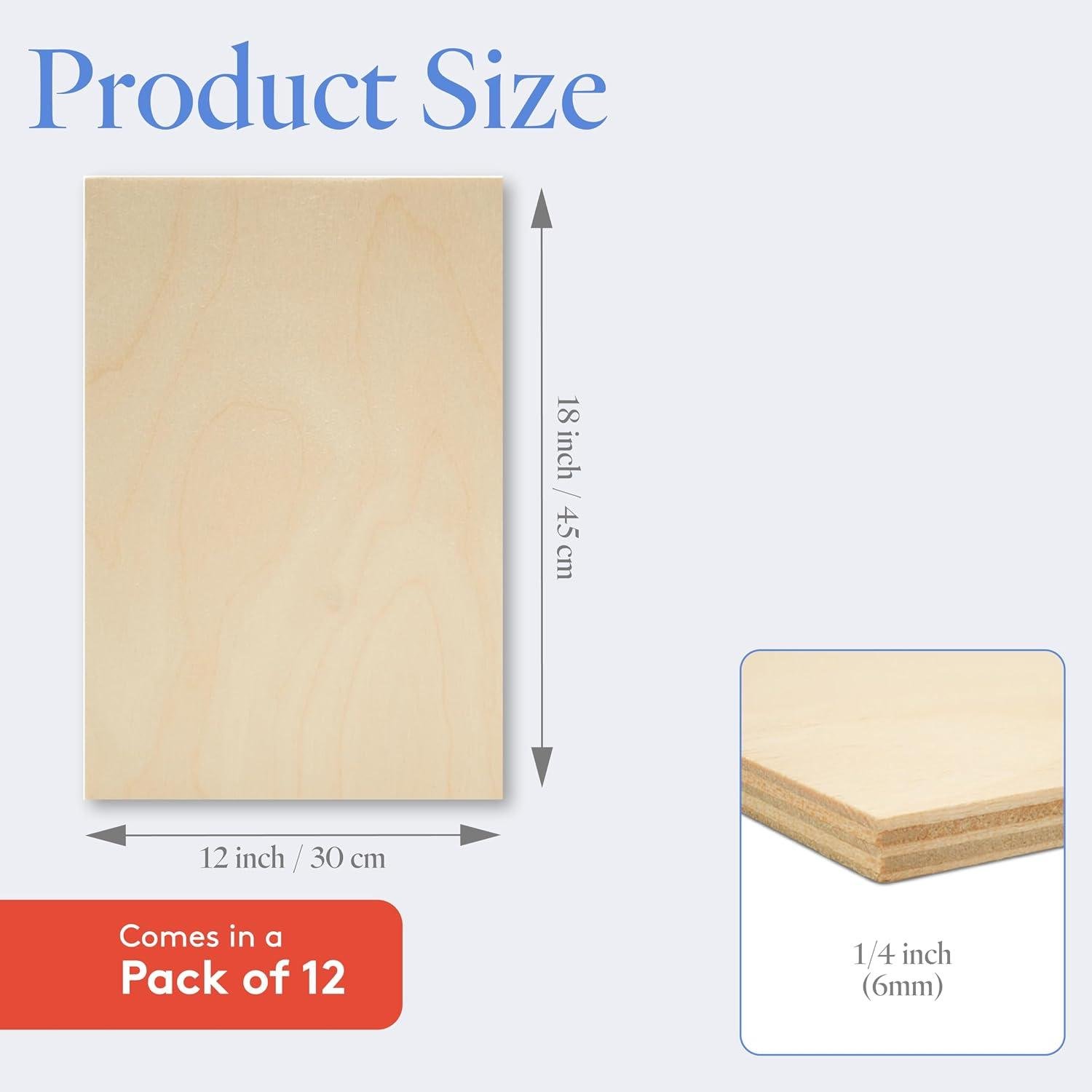
These sheets are listed as true size 11-7/8″ x 15-7/8″ (not a full 12″ x 16″). That undersize is common for pre-cut craft panels and usually helps them lay flat and ship well, but if your project or fixture expects a full 12″ x 16″, plan on adjusting your layout, adding a small border, or starting from a larger panel size and cutting to your exact dimensions.
How does this Baltic birch perform for laser cutting and engraving—does it cut cleanly?
This product is specifically marketed as laser cutter wood, with layered construction intended to “smoothly glide” through laser cutters and even scroll saws. Baltic birch is generally favored for laser work as it’s rigid and stable; you typically get sharper edges and more consistent engraving than softer craft sheets.Like any plywood, results still depend on your machine settings and ventilation—expect some edge darkening from smoke, and use masking/tape if you’re chasing ultra-clean faces.
Will it run well on a CNC router (tearout,finish,and tool wear)?
Woodpeckers notes a thick face veneer and says it provides a smoother surface for CNC routers/engraving machines to glide on. In practice, Baltic birch usually routes cleanly with sharp bits and proper feeds/speeds, but plywood can still chip at edges—especially on climb cuts or dull tooling. For best results: use a sharp compression or downcut bit for top-surface protection, support the sheet well, and consider a light finishing pass to clean up the profile.
What does B/BB grade actually mean for furniture or “show faces”?
B/BB means you get a nicer “B” face and a “BB” back. The listing states the face veneer is a single piece with a smooth, light, uniform color, while the back typically has 1–2 small color-matched patches.For boxes, drawers, jigs, and many small furniture parts, that’s a great balance of looks and cost. If both sides must be flawless for a high-end show piece, you may still want to orient the B face outward or step up to a higher grade.
Is 6 mm (1/4″) Baltic birch strong enough for shop fixtures and small furniture parts?
Within its thickness class, Baltic birch is known for being rigid, stable, and creep resistant, and the product description emphasizes “strong, durable, heavy-duty.” It’s a good choice for drawer bottoms (depending on span), small boxes, tool totes, templates, and jig parts. Having mentioned that, 1/4″ is still 1/4″—for shelves, long spans, or load-bearing panels, step up to thicker material or add ribs/dados to stiffen the assembly.
does it glue and screw well, or will it split/strip like softer craft panels?
the description calls out excellent holding power for glue and screws, which tracks with typical Baltic birch performance: it bonds reliably and its cross-laminated plies resist splitting better than many soft craft sheets. For screws in 1/4″ stock, you’ll still want to be realistic—use pilot holes, consider pan-head screws with washers for fixtures, and for “edge screwing” in thin plywood, inserts or glued joinery (dados/rabbets) is usually stronger than relying on threads alone.
Is this a good choice for beginners (scroll saw, wood burning, and first CNC/laser projects)?
Yes. The product is positioned for DIY projects,laser engraving,wood burning,CNC routers,and more,and Baltic birch is generally forgiving because it’s flat,consistent,and takes detail well. The main “beginner gotchas” are plywood-specific: plan your grain direction for appearance,seal or sand edges if you want a furniture-grade look,and remember the BB back may have small patches—so design your project to put the best face where it counts.
Is a box of 12 worth it versus cheaper basswood sheets or big-box plywood offcuts?
If your priority is consistent thickness, flatter sheets, cleaner machining, and better durability, this tends to be a step up from many basswood craft sheets—especially for CNC/laser where uniformity matters. It’s also purposefully sized and sold in a box of 12,which is convenient for batch-making or production-style runs of small parts. If you only need a couple panels for a one-off, a larger sheet cut down (or a smaller pack) can be more cost-effective—just expect more variability in voids and face quality depending on the source.
Achieve New Heights
Woodpeckers’ 6 mm (1/4″) Baltic Birch Plywood pack includes 12 sheets sized to a true 11-7/8″ x 15-7/8″ (frequently enough listed as 12″ x 16″). With B/BB grading, you get a smooth, light face veneer and a back that may include 1–2 small, color-matched patches. Customer feedback trends strong overall satisfaction (4.6/5) around clean cutting, consistent layers, and durability that’s stiffer than basswood—especially for laser, CNC routing, scroll-saw work, and wood burning.
Best for hobby woodworkers and small-shop makers building boxes, drawer organizers, templates, jigs, signs, and craft furniture parts that benefit from stable, glue- and screw-friendly plywood.
Consider alternatives if you need flawless A/A faces for clear finishes, full 12″ x 16″ net size, or thicker stock for heavy structural panels.
Final assessment: This is a solid, dependable mid-range plywood choice for precision cutting and engraving, with predictable veneers and good rigidity—just expect minor cosmetic patches on the back.
Want to see current pricing and customer photos? View on Amazon & Read More Reviews →