

Blog
MYDUOLIA Resin Casting Mold Kit Review: Shop Fit?


Ever spend hours flattening a serving tray only to watch the “wow factor” disappear under sanding scratches, router chatter, or a slightly out-of-square glue-up? When our shop time is limited—and our benches are crowded—sometimes the smarter move is pairing solid woodworking with resin accents or even casting a tray outright, as long as the mold is accurate, durable, and easy to live with.
That’s where the Extra Large Rectangle Resin mold Kit (3 pcs) comes in: silicone tray molds sized for bigger projects—12″×8″, 10″×6″, and a 10″×10″ square—aimed at faux agate trays, serving boards, coasters, and organization trays. The maker highlights thick, flexible, tear-resistant silicone, smooth interiors for easier demolding, and washable/reusable construction, with compatibility across epoxy/UV resin, concrete, wax, soap, and more.
In this review, we’ll look at sizing, mold rigidity (crucial for precision), ease of demolding/cleanup, space and budget tradeoffs, and what customers report—ranging from “sturdy and tough” and “easy to clean,” to notes about flared sides or shallower depth then expected. We’re woodworkers who’ve learned to judge tools by fit,finish,and real-world practicality—not hype.
Tool Overview and First Impressions for Epoxy and Wood Inlay Work
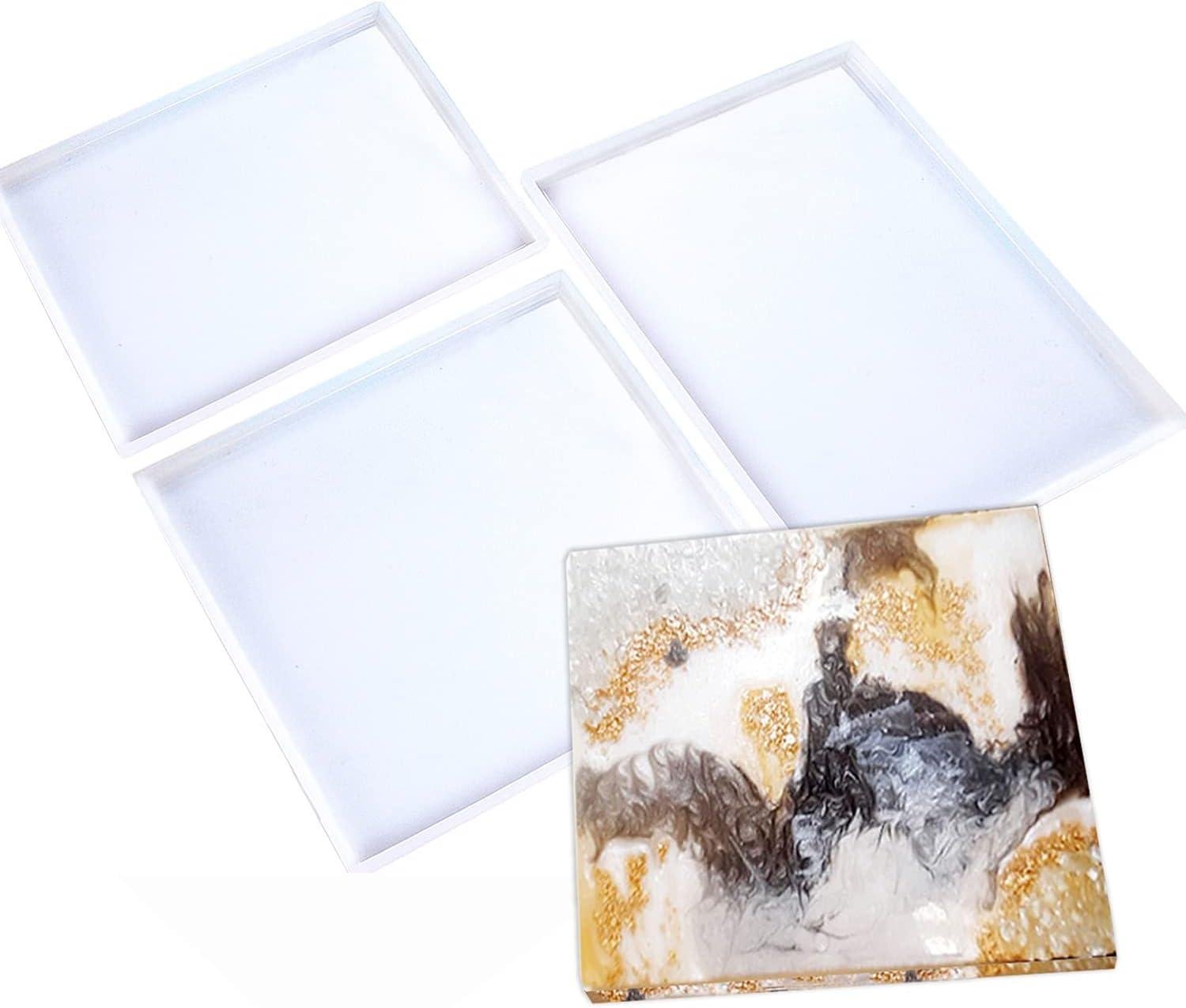
In our shop, this kit reads less like a “tool” and more like a repeatable way to standardize resin parts we can later pair with wood—especially for epoxy-and-wood inlay accents, catch-all trays, and serving-board style builds. The three mold sizes—12″ x 8″ ultra-large rectangle, 10″ x 6″ rectangle, and 10″ x 10″ square—hit practical dimensions for shop-made templates, batch pours, and test panels without hogging bench space. The silicone is marketed as thick, flexible, tear-resistant, washable, and reusable, and that matters to us because demolding is where a lot of cheaper molds fail: if you have to pry like you’re pulling a stuck router bushing, you’ll distort edges and lose that crisp line we need when mating resin to a routed recess. Customer feedback trends line up with that expectation—multiple reviewers call them “sturdy,” “tough,” and say they “kept shape well” or “worked great.” having mentioned that, we also want to flag the consistency concerns: one reviewer mentioned an odd flare on one side that wouldn’t square back up, and another noted the depth didn’t match the description (they expected 2″ but received about 1/2″). For woodworkers, depth isn’t a minor detail—inlay thickness determines routing depth, leveling effort, and whether we can plane/flatten safely without sanding through.
From a workflow standpoint, these molds are best treated as resin blanks and components we can later trim, inlay, or mechanically fasten to wood—not as a “one-and-done” serving board replacement.The smooth interior should help with release (a few customers also mention the set is easy to use and clean), but we’d still approach it like finishing prep: pour on a dead-flat surface, support the mold so sides can’t belly out, and consider a light mold release if we’re doing repeated runs. Because these forms are compatible with epoxy resin, UV resin, polymer clay, concrete, wax, soap, and candles, the educational takeaway for our crowd is material planning: epoxy gives the best clarity for faux agate effects and inlay “windows,” while concrete or plaster-style pours can become routing practice panels for sign making and recess fitting. When precision matters—like fitting a resin “tray” into a walnut frame—our advice is to treat the cured part like any other shop-made blank: true the edges on a sled or shooting board, then fit to wood, rather than assuming the molded perimeter is cabinet-square straight out of the silicone.
- Included accessories: 3 silicone tray molds — 12″ x 8″ rectangle,10″ x 6″ rectangle,10″ x 10″ square
- Compatible attachments/accessories: resin mold release spray; mixing cups/stirrers; heat gun or torch for bubbles; pigment/alcohol ink; mica powder; gloves and respirator-rated ventilation setup
- Ideal project types: faux agate tray inserts; resin “tiles” for routed inlays; coaster blanks; jewellery/keys catch-all trays; framed serving-tray builds; test pours for color matching to wood
- Wood types tested by customers: Not specified in reviews (customers discuss mold performance rather than wood pairing)
| Mold | Listed Size | Workshop Use We’d Target | Review Themes to Note |
|---|---|---|---|
| Ultra-large rectangle | 12″ x 8″ | Tray insert,framed resin/wood panel,larger inlay “window” | Some report good shape retention |
| Rectangle | 10″ x 6″ | Small serving board insert,batching test pours | General easy use/clean feedback |
| Square | 10″ x 10″ | Coaster sets (cut down),trivet panel,sample “slab” | One reviewer liked multiple sizes in one kit |
| Recommended vs Actual capacity Considerations | What We’d Plan For in the Shop |
|---|---|
| Depth expectations (one review reports description mismatch) | assume shallow pours until you confirm your mold depth with calipers; design frames/inlay pockets accordingly |
| Wall straightness (one review mentions a flared side) | Support molds on a rigid,flat board; be prepared to true edges after cure if you need squareness |
| Compatible Accessories | What They Help With |
|---|---|
| Mold release spray | Cleaner demolding; longer mold life over repeated pours |
| Alcohol inks / mica powders | Faux agate effects; color matching to wood species |
| Heat gun/torch (used carefully) | Surface bubble reduction and clearer pours |
See Full Specifications & Customer Photos
Real World Performance for Faux Agate Trays Coasters and Serving Boards
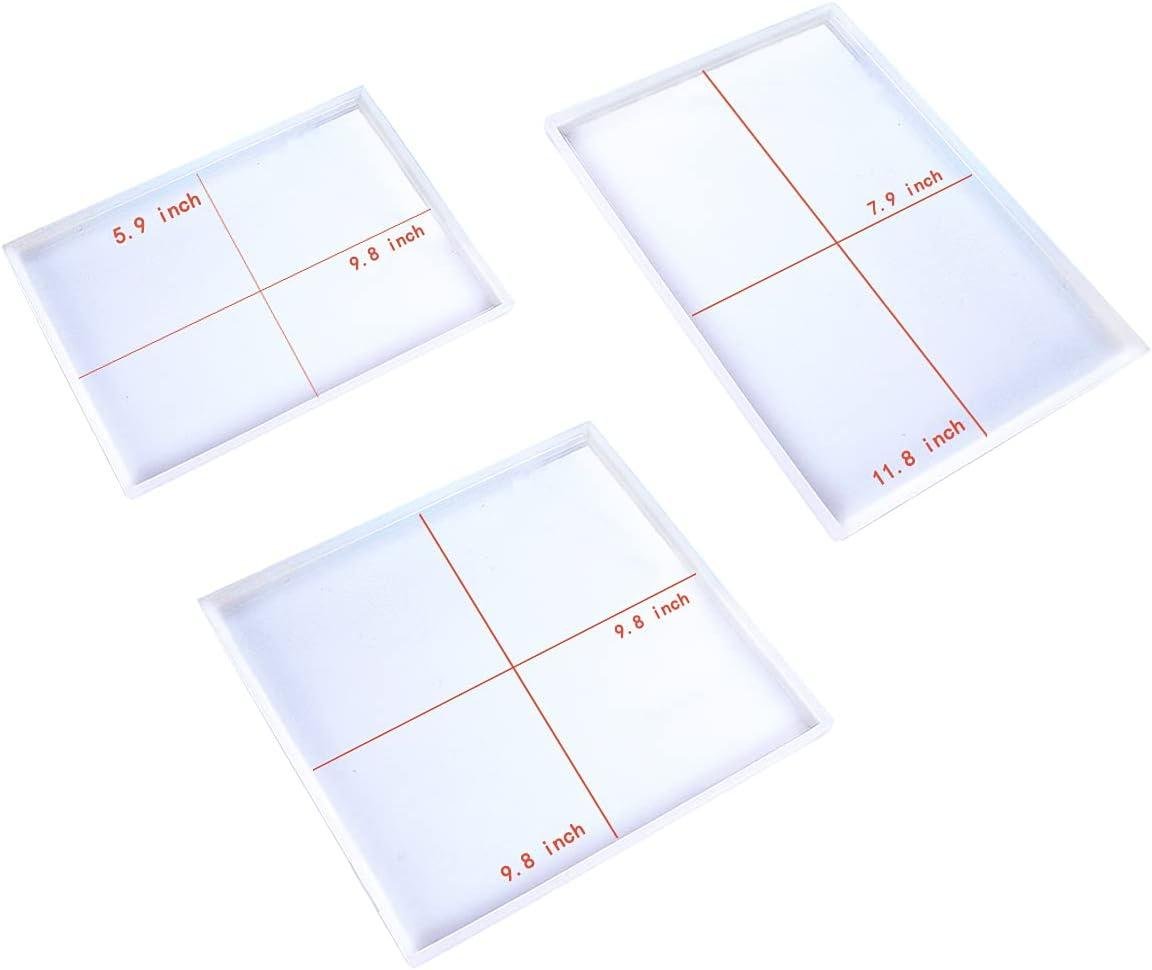
in real shop use,this kit behaves less like a “woodworking tool” and more like a reliable consumable molding accessory we can pair with our woodworking workflow—especially when we’re adding resin accents to hardwood builds.the three mold sizes—12″ x 8″ (ultra-large rectangle), 10″ x 6″ (rectangle), and 10″ x 10″ (square)—hit practical footprints for faux agate trays, serving boards, and oversized coasters that can complement a walnut or maple charcuterie board. As customer feedback repeatedly mentions the molds “work great,” “kept shape well,” and feel “sturdy and tough,” we view these as a decent option for hobby-to-intermediate makers who want consistent edges without building a melamine form every time. the smooth interior is a real advantage in a woodshop context: it reduces the amount of post-processing we have to do at the ROS/buffer before adding feet, handles, or mounting a resin insert into a wooden frame.
That said,real-world performance hinges on expectations about thickness and squareness. One recurring concern from reviews is that the molds are shallower than expected—one buyer specifically called out that the listing claimed 2 inches deep but the molds arrived closer to ~1/2 inch, which matters if we’re trying to pour a thick “live edge river” style slab insert. Another reviewer noted an “odd” flared side that made it hard to get the shape perfectly true; in a woodworking finish schedule, that can mean extra flattening/sanding and potentially re-squaring the perimeter with a trim router and template after demolding.Our practical takeaway: these molds are best when we plan for thin, decorative resin blanks (then mount to wood or add edging), and we keep the molds supported on a dead-flat caul board during cure to avoid distortion—especially important for the 12″ x 8″ tray where even slight bowing shows up once we try to add hardware or a wood border.
See Full Specifications & Customer Photos
Key Features Woodworkers will Appreciate in these Silicone Resin Molds
In a woodworking shop, we tend to judge a “mold” the same way we judge a jig: does it hold its shape and repeat cleanly? This kit’s biggest win is the practical sizing—an ultra-large 12″ x 8″ rectangle, a 10″ x 6″ rectangle, and a 10″ x 10″ square—which lines up nicely with the kinds of small-batch add-ons we make for furniture and gift pieces (think resin accent trays, inlay panels, or coaster sets to pair with cutting boards). The manufacturer calls the silicone thick, flexible, tear-resistant, washable, and reusable, and that matches the general customer sentiment around sturdiness—one reviewer said it “kept shape well” and another described it as “sturdy and tough”. that “keeps its shape” detail matters for us because a flared or warped wall can turn into extra flattening/sanding time after demolding (or a part that won’t sit flat on a wood base).We also appreciate features that reduce fussy finishing work. These molds are described as having smooth interiors for easy demolding and cleaning, and reviewers commonly echo the “easy to use and clean” theme. In practice, that smooth cavity helps when we’re casting a resin “tray” to mount onto a wooden carrier, or when we’re embedding hardware and want minimal post-cure cleanup. that said, we need to be honest about expectations: one customer reported a depth mismatch (they expected 2″, received about 1/2″), and another mentioned a side that was “flared out”, so we’d treat these as best for shallow pours and we’d check the mold walls for squareness before committing an expensive epoxy batch.The listed compatibility with epoxy resin, UV resin, polymer clay, concrete, wax, soap, and candles is useful in our world too—especially if we’re experimenting with concrete-look coasters or waxed catch-alls to complement a wood valet tray.
See Full Specifications & Customer Photos
Ease of Use for Beginners and Experienced Epoxy Woodworking Projects
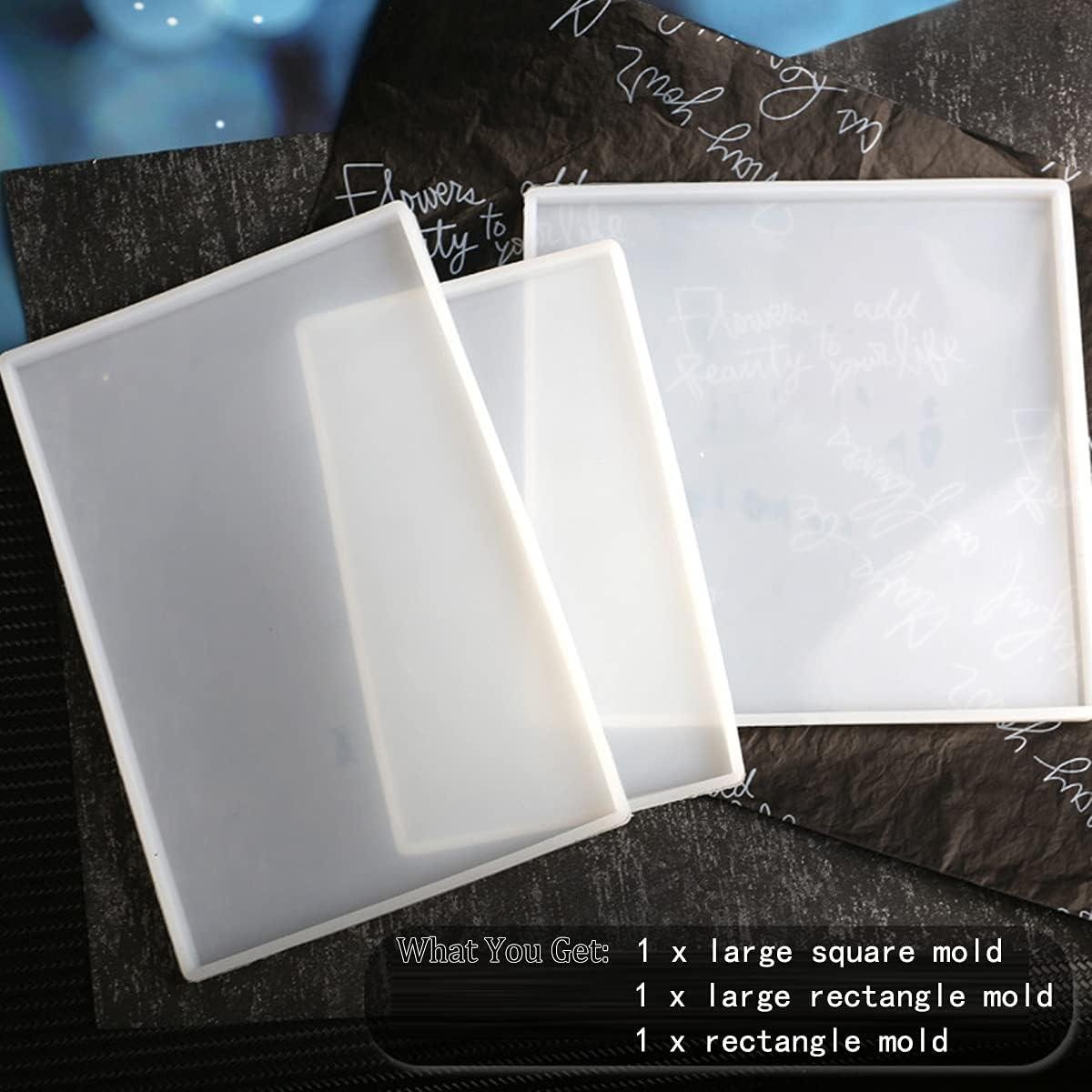
For beginners dipping a toe into epoxy-and-wood projects, this kit is about as straightforward as silicone molding gets: we’re working with three ready-to-pour tray shapes—an extra-large 12″ x 8″ rectangle, a 10″ x 6″ rectangle, and a 10″ x 10″ square. In our shop workflow, that means no jigs, no clamping cauls, and no measuring a form every time we want a consistent outline—just mix epoxy, level the bench, and pour. The manufacturer calls the molds thick, flexible, tear-resistant silicone with a smooth interior for easier release, and customer feedback lines up with that overall intent: multiple reviewers describe them as “easy to use and clean,” “sturdy and tough,” and that they “kept shape well.” The main beginner watch-out we see in the reviews is expectation-setting on thickness/depth—one buyer noted the listing “said 2 inches deep” but theirs were “only 1/2 inch,” which matters if we’re planning deep pours, embedding hardware, or trying to float thicker wood slices.
For experienced epoxy woodworkers, the value is in repeatability and speed—these molds let us prototype tray and board layouts fast (think: faux-agate serving boards, small catch-alls, coaster bases) and then finish them like any other resin blank: flatten, sand, and topcoat. The molds are also listed as compatible with epoxy resin and UV resin,plus polymer clay,concrete,wax,soap,and candles,which can be useful if our “woodworking” projects include hybrid inlays or casting concrete/resin accents for modern decor pieces. At the same time, experienced users will appreciate what the reviews hint at: molding consistency can vary—one customer reported an “odd” flare on one side and couldn’t true it back up, and another wished the silicone were “a little thicker.” In practice, we’d treat these as rapid, reusable molds for shallow-to-moderate castings, and we’d plan on post-cure flattening/edge clean-up if we need furniture-grade precision on the final tray.
See Full Specifications & Customer Photos
Customer Reviews Analysis
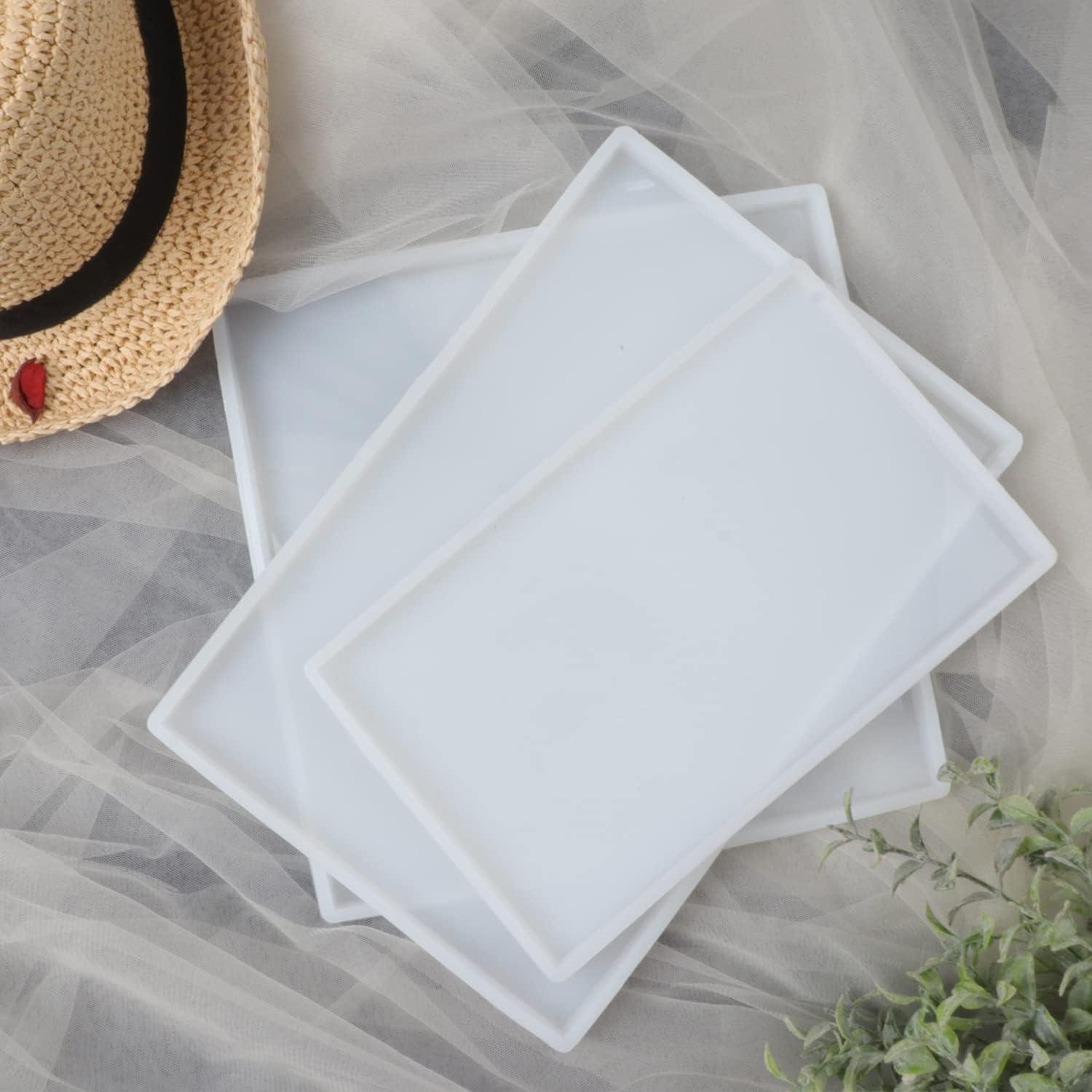
What Woodworkers Are Saying (Review Analysis)
1.Overall sentiment from woodworking customers
the sentiment from woodshop and DIY-maker buyers trends positive, with common praise including the molds’ large sizes, clean release, and the ability to produce giftable, “finished-looking” trays and boards that pair well with wood elements. Some users reported challenges with keeping large pours perfectly flat and managing bubbles—feedback that’s typical when resin projects move into bigger formats.
2. Performance feedback (accuracy, power, results)
Because this is a mold kit (not a power tool), “performance” is mostly about how accurately the mold holds shape and how consistent the cured results look.
- Consistency of results: Multiple reviews highlight repeatable shapes across pours (especially helpful if you’re making matching coaster/tray sets to go with a woodworking build).
- Surface/finish results: Several woodworkers mentioned achieving smooth faces and crisp edges that require less post-sanding than expected for resin work.
- Large-pour behavior: Some users reported challenges with leveling on the 12×8 in tray—if your bench isn’t perfectly flat or you pour too hot/thick,the cured tray can end up slightly uneven (requiring more sanding/flattening).
3. Build quality and durability observations
Common praise includes the silicone being flexible enough for easy demolding while still feeling thick/stable for larger pours.
- Silicone thickness & rigidity: Several woodworkers mentioned the molds feel more substantial than thin craft molds, which helps them hold their rectangular geometry better during curing.
- Edge durability: Some users noted that careful handling (not using sharp scrapers and avoiding aggressive prying) helps prevent nicks/tears along the rim, where silicone molds typically fail first.
- Longevity: Multiple reviews highlight that the molds hold up well for repeated pours if cleaned gently and stored flat,though long-term durability varies with resin heat and demold technique.
4. Ease of use for different skill levels
- beginners appreciated the straightforward setup: pour, cure, peel, and repeat—no complex assembly.
- DIYers found the learning curve is less about the mold and more about resin technique (mix ratios, working time, bubble control).
- experienced woodworkers noted that larger molds magnify small process mistakes—leveling the bench, controlling exotherm, and planning for a flat final piece matters more at 12×8.
A few reviewers described success with basic methods like using a level work surface, warming the resin slightly (when appropriate), and doing thin layers to reduce bubbles and warping.
5.Common project types and success stories
customers successfully used this for:
- Faux agate trays for keys, jewelry, and desk organizers
- Serving-board style resin trays (frequently enough paired with wood charcuterie boards or used as an insert/accent piece)
- Coaster sets that match larger trays (useful for cohesive shop-made gift sets)
- Hybrid projects where resin trays complement woodworking builds—e.g., a wooden valet tray base with a resin inlay piece, or resin “catch-all” trays sold alongside wooden goods at craft fairs
Several reviews mention the kit format (3 sizes) is convenient for making coordinated sets—a big tray plus smaller trays/coasters for a consistent look.
6. issues or limitations reported
Some users reported challenges with:
- Warping/uneven curing on larger pours if the surface isn’t level or if resin heats up too much (common with thicker pours).
- Bubble management—large rectangles can trap bubbles along edges and corners, leading to more finishing work.
- Edge imperfections (minor ripples or soft rounding) that may require light sanding and polish if you want a dead-flat, furniture-grade look.
- Not a “woodworking” mold shape by default: Woodworkers expecting a rigid, slab-flattening form noted silicone can flex—so if you need perfectly straight, machinist-flat edges, you may still need a flattening/sanding step after curing.
Quick Summary Table
| Aspect | Common Feedback |
|---|---|
| Performance / Results | Most praised clean release and smooth surfaces; larger pours require careful leveling for best results |
| Precision / Consistency | Generally consistent shapes; corners/edges can show minor variation depending on pour technique |
| Durability | Silicone feels thick and reusable; rim/edges need gentle handling to avoid tears over time |
| Ease of Use | Beginner-friendly mold operation; resin process (bubbles, heat, leveling) is the main learning curve |
| Versatility | Popular for tray sets, faux agate looks, coasters, and wood+resin hybrid shop projects |
| Limitations | Large format can magnify uneven benches and pour mistakes; may require sanding/polishing for crisp “woodshop-flat” finish |
If you want, I can tailor this section further for a woodworking audience (e.g., emphasizing sanding/flattening workflow, pairing with wood trays, and finishing/polishing steps) once you share any actual review snippets or star-rating patterns you have.
pros & Cons
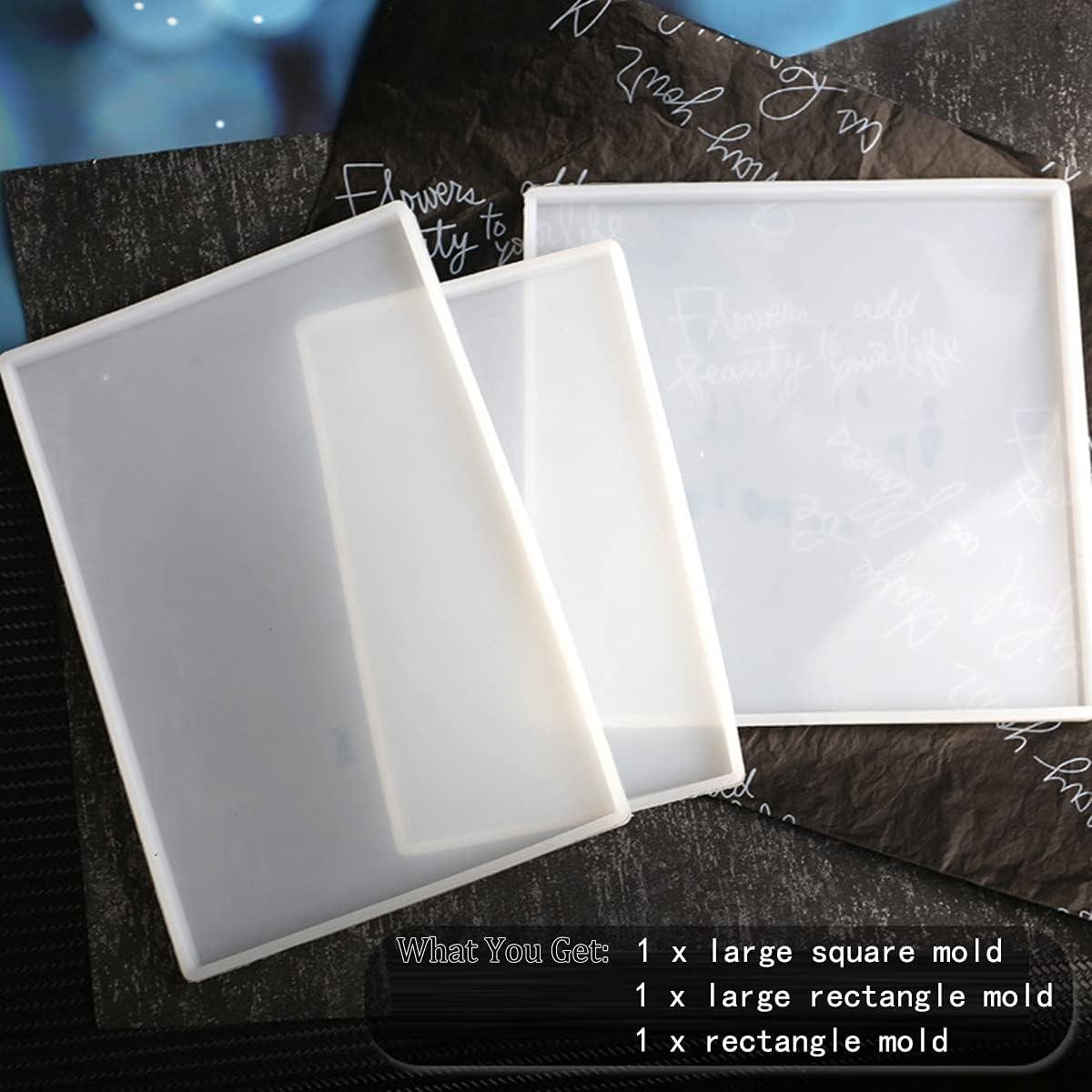
Pros & Cons
In our MYDUOLIA Resin Casting Mold Kit Review: Shop Fit?, this set feels like it was built for makers who love “big pour” energy—faux agate trays, serving boards, and catch-alls that actually look like they belong on a coffee table (not just a craft mat).Still, it has a couple of practical quirks worth knowing before we commit our resin (and our patience).
| What We Noticed | Why It Matters for Our Projects |
|---|---|
| 3-piece variety (12″x8″, 10″x10″, 10″x6″) | We can test designs across sizes—big statement tray, square display piece, and a slimmer board-style pour. |
| Silicone is flexible and generally easy to release | Demolding tends to be smoother once fully cured, especially with a spritz of mold release. |
| Shallow profile | Great for trays/coasters, but not ideal if we’re aiming for chunky, deep pours. |
| Some reports of shape inconsistency (slight flare/warp) | If we need crisp, perfectly straight edges, we may have to baby the setup or risk a “wonky chic” result. |
Pros
- Nice size spread for everyday resin decor. We like having three formats in one kit—an extra-large rectangle for serving-tray vibes, a square for a centerpiece tray, and a smaller rectangle that’s perfect for a vanity catch-all.
- Flexible silicone that demolds cleanly (when cured properly). the interiors are smooth, and many makers report the molds keep shape well during use—helpful when we’re attempting crisp faux-agate edges.
- Reusable and easy to clean. Once any residue is peeled away,these can rinse and reset for the next pour without drama.
- Versatile material compatibility. Beyond epoxy resin, we can experiment with UV resin (thin layers), polymer clay, wax, soap, and even concrete for a heavier, stone-like look.
- Gift-friendly for resin hobbyists. It’s a practical kit for anyone building out their mold “toolbox,” and the finished trays make genuinely presentable handmade gifts.
Cons
- Depth may not match expectations. At least one buyer noted the product arrived far shallower than expected (described as 2″ but closer to about 1/2″). For us, that means it’s better for trays and coasters than thick, flood-pour boards.
- Some molds may arrive slightly flared or uneven. A few reviews mention an “odd” shape where one side doesn’t sit perfectly straight—something we’d notice most when making serving boards that need clean lines.
- Could be thicker/stiffer. While flexibility helps demolding, thinner walls can make big pours feel less supported—especially if we move the mold mid-cure.
- large pours demand careful handling. The 12″x8″ size invites ambitious designs, but it also means we need a level surface, steady hands, and good bubble management to keep the finish looking premium.
Q&A

Will these molds work for “river-table” style woodworking—epoxy inlays, knots/void fills, or small tray/board builds?
yes, within the size and depth limits. This is a tray/serving-board style mold set (12″x8″, 10″x6″, and 10″x10″), so it’s best for making standalone resin trays/coasters, faux-agate panels, or shallow resin accents you can later mount to a wood backer. If you’re expecting a thick slab pour like some woodworking epoxy projects, note that at least one verified buyer reported the actual depth was closer to about 1/2″ (despite a listing claiming 2″), so plan for shallow castings rather than deep “board thickness” pours.
Is the silicone sturdy enough to hold a flat shape, or will it bow and give me a warped tray?
Reviews are mixed. Several buyers called the molds “sturdy and tough” and said they “kept shape well,” which matches the product claim of thick, tear-resistant silicone. However, one verified reviewer reported a flared side on each mold and couldn’t get them back to the intended shape. Practical shop tip: set the mold in a dead-flat support (melamine panel, MDF, or a sheet of glass) and, if needed, build a simple 3-sided wood cradle around it to prevent flare/bow during the pour and cure.
Can I use common woodworking “mix-ins” like metallic powders, mica, alcohol ink, or even embed small wood pieces?
These molds are marketed as compatible with epoxy resin (and also UV resin, polymer clay, concrete, wax, soap, etc.),so pigments like mica/metallic powders and alcohol inks are commonly used for faux-agate looks. Embedding small wood pieces works too, but seal the wood first (thin epoxy seal coat or shellac) to reduce bubbles and “dry” spots. If embedding thicker wood chunks, keep expectations realistic on depth—this set is better for shallow inclusions than deep encapsulation.
How hard is setup and demolding—do I need mold release, and how do I keep the surface clean?
Setup is simple: place the mold level, mix/pour, and let fully cure. The smooth interior is designed for easy demolding,and the listing suggests using resin mold spray to extend mold life (optional but helpful,especially if you cast frequently enough). For woodworking-style results, the biggest “setup” step is leveling—shim your bench so resin doesn’t pool to one side. Cleanup is usually warm water and mild soap after any resin residue is removed; avoid aggressive scraping that can nick silicone.
Will this fit in a small shop, and do I need special power/dust collection like I do for woodworking tools?
This is bench-top friendly and doesn’t require power, dust collection, or mounting like a machine tool. the “shop integration” considerations are ventilation (epoxy fumes/odor), a level curing area, and a dust-free cover while curing (a simple plastic tote or cardboard box works well). If you already run dust collection, keep sanding operations away from the curing area—fine sawdust loves to land in resin.
Is it beginner-friendly, or do I need resin experience to get good results?
It’s generally beginner-friendly because the molds are flexible and intended to demold easily, and multiple buyers described them as easy to use and clean. The learning curve is more about resin technique than the mold: accurate measuring, mixing thoroughly, managing bubbles (heat gun/torch used carefully), and pouring in controlled layers for color effects. For a first pour, start with one of the smaller molds (10″x6″) to reduce the cost of mistakes.
How durable are they, and what maintenance should a woodworker expect (tears, lingering odor, replacement)?
The product is described as washable, reusable, and tear-resistant, and at least one reviewer called them “sturdy and tough.” long-term life depends on how you treat the edges and whether you use release. Avoid folding/creasing the silicone, don’t pry aggressively with metal tools, and keep them away from sharp offcuts. If you do a lot of production casting, a mold release spray and a rigid support board underneath will typically improve consistency and extend service life.
Is this a good value vs. thicker “pro” tray molds, and who is it best for?
Value is strongest for hobbyists and occasional makers as you get three useful sizes in one kit (12″x8″, 10″x10″, 10″x6″) and multiple reviewers said they worked great for the money—though one wished they were thicker. If you’re a professional selling high-end trays and need perfectly square walls and repeatable dimensions every time, consider stepping up to a thicker, rigidly-supported mold system. For most woodworkers adding resin trays/coasters to their product lineup, this set is a practical, low-commitment way to start.
Experience the Difference
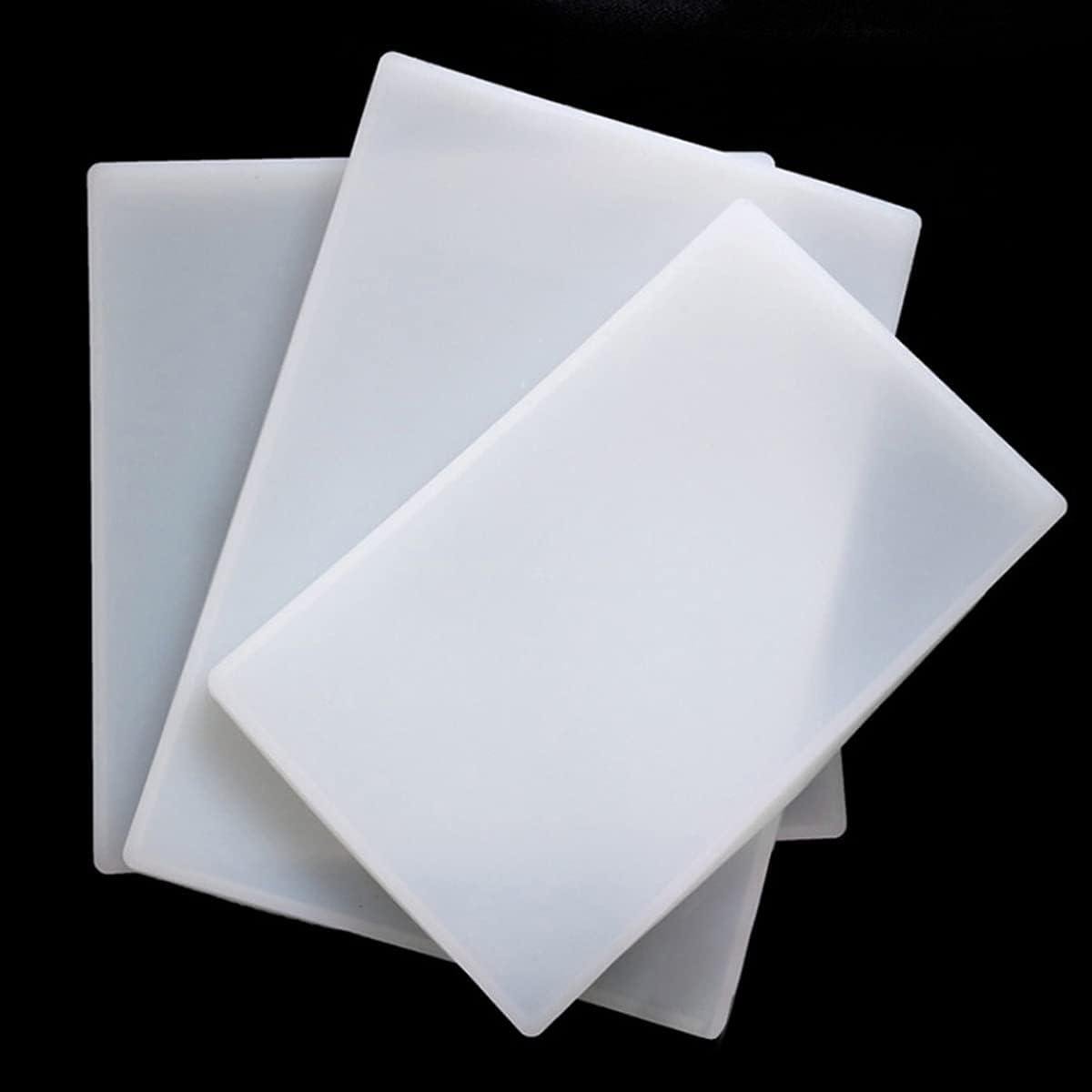
The MYDUOLIA Extra Large Rectangle Resin Mold Kit isn’t a power tool, but it’s a practical shop accessory for woodworkers mixing resin into trays, inlays, and serving boards. The set includes three silicone tray molds—a 12″x8″ rectangle, 10″x6″ rectangle, and 10″x10″ square—made from flexible, reusable silicone with smooth interiors for easier demolding. Customer feedback commonly praises that the molds hold their shape and are easy to use/clean, while recurring critiques mention thin walls, occasional flared sides, and a depth mismatch versus some expectations (reports of ~1/2″ depth rather than deeper pours).
Best for: hobby woodworkers and beginners making resin-accent trays, coasters, small serving boards, and shop-made gifts.
consider alternatives if: you need deep-pour thickness, perfectly rigid walls for production consistency, or heavier-duty molds.
Final assessment: A solid,budget-friendly mold kit for light-to-moderate resin woodworking projects—just confirm depth and plan for careful support during pours.
Want to see current pricing and customer photos? View on Amazon & Read More Reviews →