

Blog
Kreg K4 Pocket Hole Jig Review: Right for Our Shop?

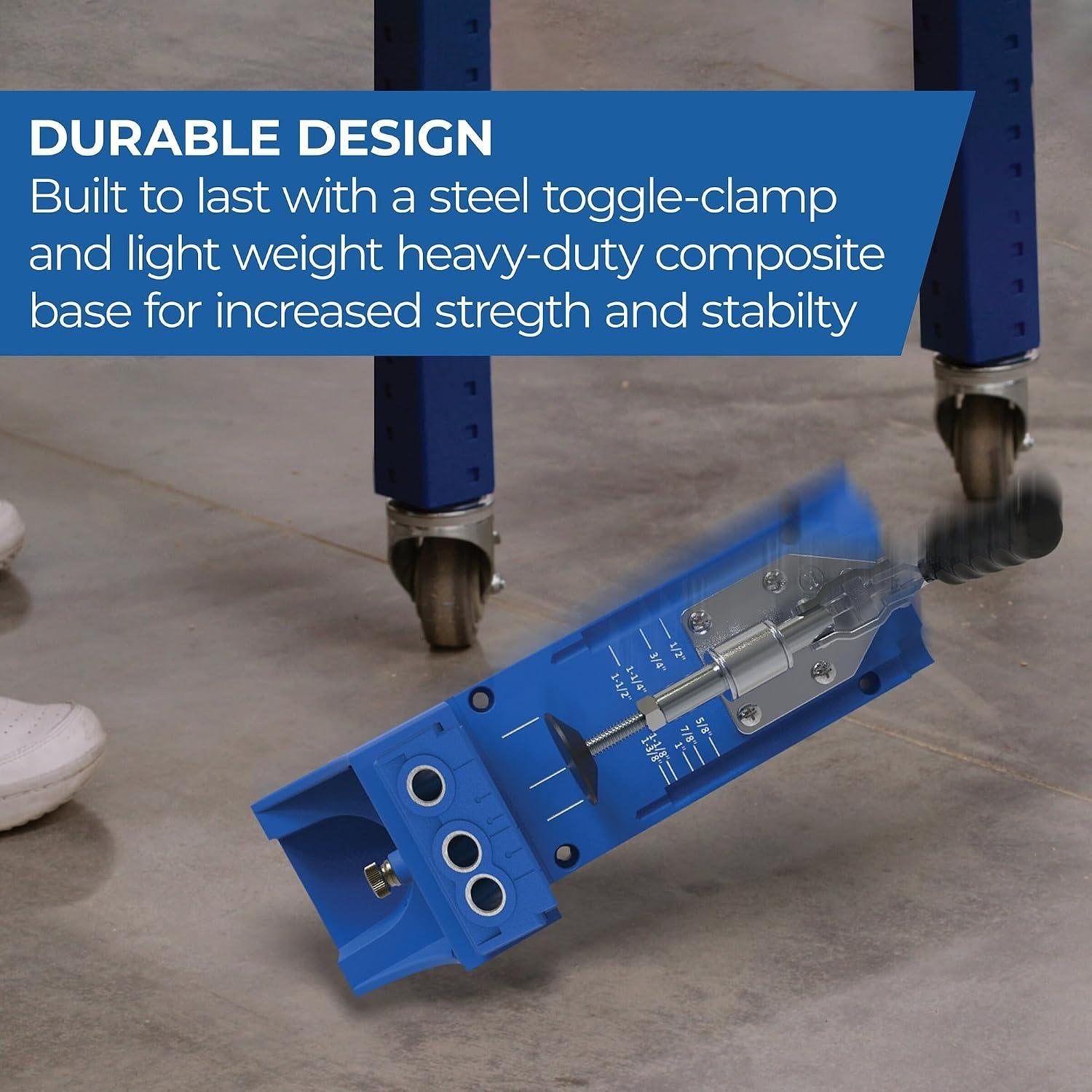
ever tried pulling two boards tight for a face frame or cabinet box,only to watch the joint creep out of square as you drive the screw—or worse,end up with misaligned holes that telegraph “DIY” from across the shop? When space is limited and time is short,joinery needs to be accurate,repeatable,and forgiving,whether we’re building a bookcase on a weekend or repairing furniture between projects.
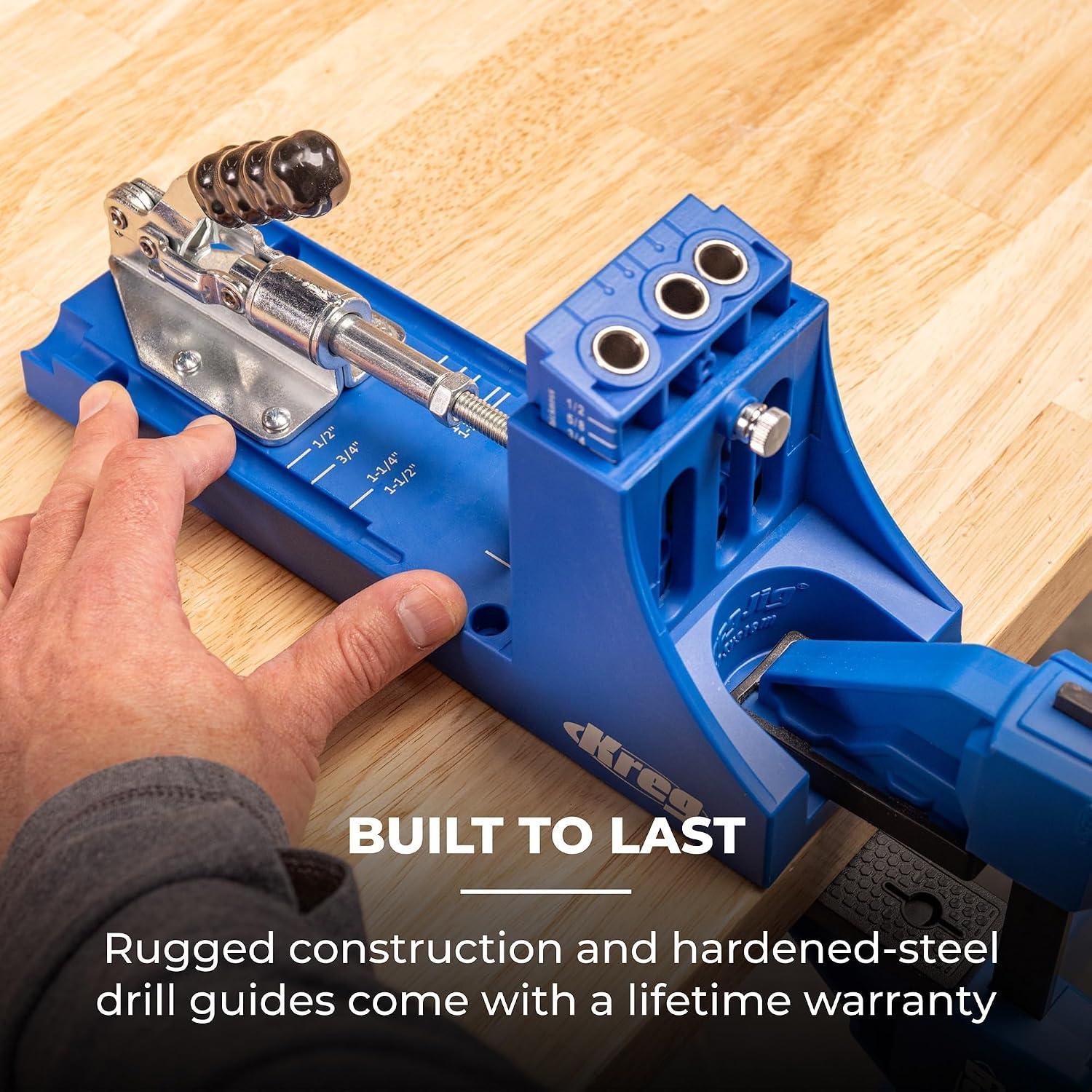
That’s where the Kreg K4 Pocket Hole Jig comes in. It’s an adjustable pocket-hole jig built to create strong, hidden screw joints, featuring a 3-hole drill guide and easy-adjust drill guides for stock from 1/2″ to 1 1/2″ thick. It also includes a large clamping recess and a removable drill guide for benchtop or more portable setups.
In this review, we’ll break down the K4’s key features, how the adjustment system impacts precision, what reviewers say about durability and ease of use, and whether the price makes sense for beginners, weekend woodworkers, or small-shop builders. We’ve built enough projects to know that the best tool isn’t the fanciest—it’s the one that helps us work cleaner, faster, and with fewer do-overs.
Tool Overview and Build Quality in the Shop
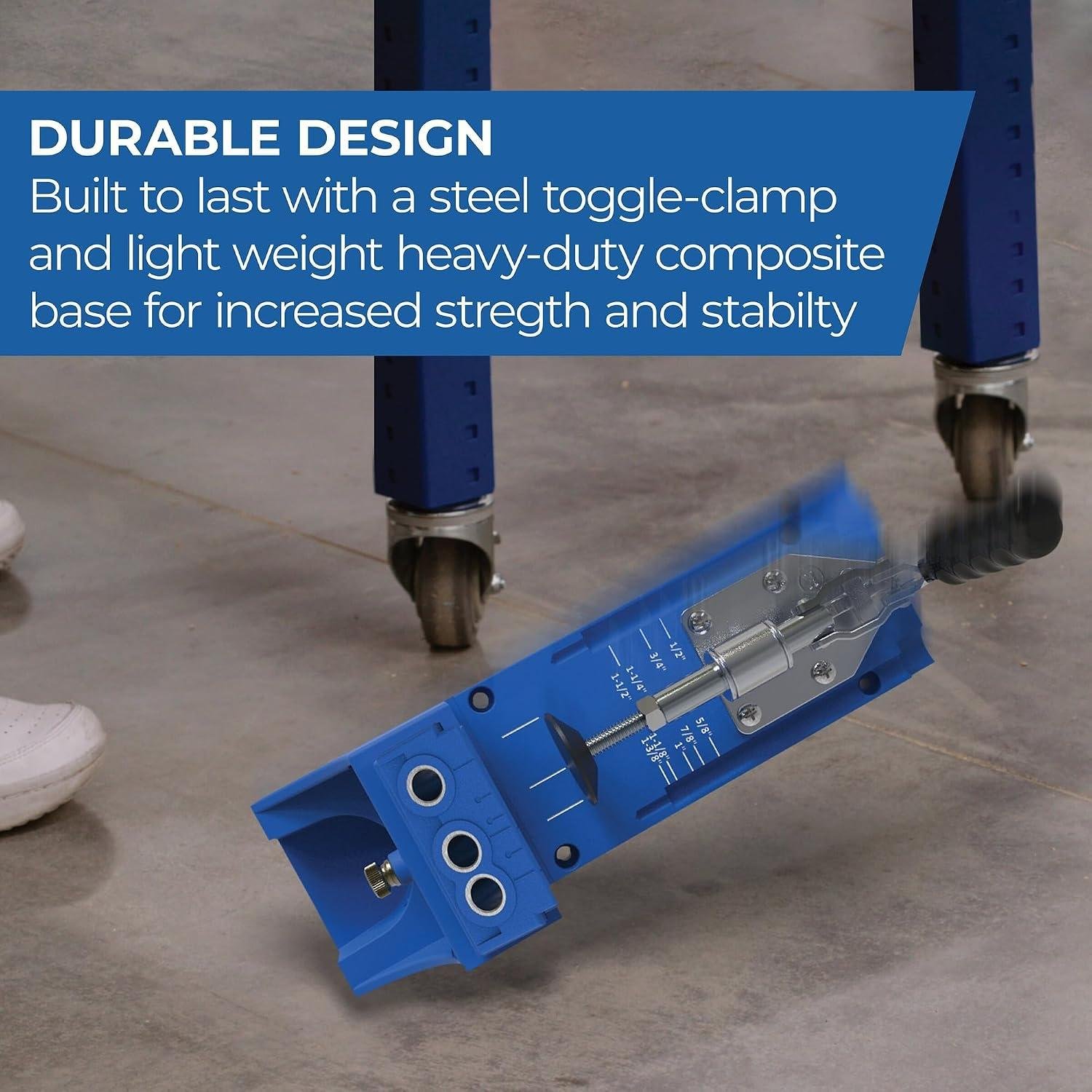
In our shop, the Kreg K4 reads like a purpose-built station for pocket-hole joinery rather than a fussy gadget. The heart of it is the 3-hole drill guide paired with easy drill-guide adjustment,letting us dial in stock thicknesses from 1/2″ to 1 1/2″—right in the sweet spot for face frames,cabinet parts,and a lot of furniture components. Pocket-hole jigs work by holding the workpiece and guiding a stepped bit at a consistent angle so the screw pulls two boards together from the inside; the K4’s layout makes that “drill,drive,done” workflow feel repeatable.Reviewers frequently echo that it’s “easy to use”, with several noting it takes about a minute to set up and produces consistent, perfect holes for super solid hidden joints. That accuracy matters in real builds: when our hole placement is predictable, our clamp-ups are faster and we spend less time correcting alignment before driving screws.
Build-quality feedback from customers is mostly positive—words like sturdy, high-quality, and durable come up frequently enough—and many consider it a great investment that can “save money” versus buying pre-made assemblies. simultaneously occurring, we appreciate the honest criticisms in the review pool: a few mention the jig can mar the wood if clamped too aggressively (something we’d watch for on softer species or pre-sanded parts), and one recurring gripe is storage—at least one buyer didn’t love paying premium money and getting only a cardboard box. another reviewer reported a small hardware issue where a depth-collar set screw came loose and disappeared,which is a good reminder to check snugness before drilling and to keep small spares organized.The K4’s large clamping recess and removable drill guide are genuinely shop-amiable features: we can run it benchtop for batch work, then pop the guide off for more portable hole placement on larger parts—exactly the kind of flexibility that makes pocket holes practical for both newer woodworkers and busy weekend builders who want strong joints without complex setups.
See Full Specifications & Customer Photos
Key Features Woodworkers Will Appreciate for Pocket Hole Joinery
When we’re doing pocket-hole joinery in a real shop, the features that matter most are the ones that keep layout time low and hole placement consistent. The Kreg K4 hits that sweet spot with a 3-hole drill guide and easily adjustable drill guides designed for stock from 1/2″ to 1 1/2″ thick—a range that covers a lot of cabinet parts, face frames, and basic furniture components.In customer feedback,a repeated theme is how the jig is “easy to use” and takes about a minute to set up,which lines up with how pocket-hole systems are supposed to work: set the jig for thickness,drill angled pockets,then drive pocket screws to pull the joint tight. This jig’s removable drill guide is also practical for us—bench-mounted when we’re batch drilling parts, then popped off for situations where we need to bring the jig to the workpiece (like assemblies already cut to size or awkward pieces we don’t want to wrestle onto the bench). Reviewers consistently mention accurate, repeatable holes and “super solid hidden joints”, especially for furniture-style work, which is exactly where clean, repeatable pocket-hole angles pay off.
In day-to-day use, we also appreciate the small details that keep the process smooth: the K4’s large clamping recess helps the jig stay planted while drilling, and multiple reviewers call the tool sturdy and well-built (with some describing it as a “great investment” that saves trips to big-box solutions). At the same time, it’s worth learning from the less-glowing review themes: a few users mention the jig can mar the wood if clamped too aggressively, and one common “heads up” is to keep an eye on small hardware like the drill-bit depth set screw—so we recommend setting depth over a bench, snugging (not stripping) the set screw, and doing a swift test hole in scrap before drilling project parts. Pocket holes are fast, but technique still matters: keep the drill square to the guide, clear chips between holes, and avoid overdriving screws so you don’t strip threads or telegraph the joint out of alignment. With that basic discipline, the K4’s adjustability and repeatability are the features we’ll feel every time we need strong joints without visible fasteners.
- included accessories: (varies by listing; many kits include a stepped drill bit, depth collar, and driver bit—verify what’s in your box before checkout)
- Compatible attachments/accessories: Kreg pocket-hole screws (various lengths), replacement stepped drill bits, depth collars, square/Robertson driver bits, and Kreg clamps (brand-matched clamping helps consistency)
- Ideal project types: face frames, cabinet boxes, bookcases, basic tables, picture frames, household furniture, repairs
- Wood types tested by customers: pine, cedar, general “soft wood” (review themes); mixed reports also mention use across both hard and soft woods
| Spec / Feature | Kreg K4 (from specs & review themes) | What It Means in the Shop |
|---|---|---|
| Material thickness capacity | 1/2″ to 1 1/2″ | Covers common cabinet/furniture stock; not intended for thicker than 1-1/2″ without a larger-duty jig. |
| Drill guide count | 3-hole guide | Speed when repeating holes in rails/stiles and shelf parts; helps keep spacing consistent. |
| Portability | Removable drill guide | Bench workflow or bring the jig to large/awkward assemblies. |
| setup experience (reviews) | “About a minute to set up” | Fast changeovers matter when we’re bouncing between different stock thicknesses. |
| Accessory / Bit Type | Use | Notes |
|---|---|---|
| Stepped pocket-hole drill bit | Drills the pocket and pilot in one operation | Use the correct depth collar setting for 1/2″–1 1/2″ stock; clear chips for cleaner holes. |
| Depth collar + set screw | Controls drilling depth | Several reviewers suggest paying attention to the set screw so it stays secure. |
| Square/Robertson driver bit | Drives pocket screws with less cam-out | Stop as soon as the joint seats—reviews mention avoiding overdriving. |
| Clamps (Kreg-style) | Workholding for drilling and assembly | Clamp pressure matters; too much can mar wood per some feedback. |
| Capacity | Recommended (from specs) | Practical reality (from review themes) |
|---|---|---|
| Material thickness | 1/2″ to 1 1/2″ | Reviewers commonly use it for furniture and cabinetry-style parts; some note larger stock needs a heavier-duty option. |
See Full Specifications & Customer Photos
Real World Performance on Face Frames Cabinets and Furniture Builds
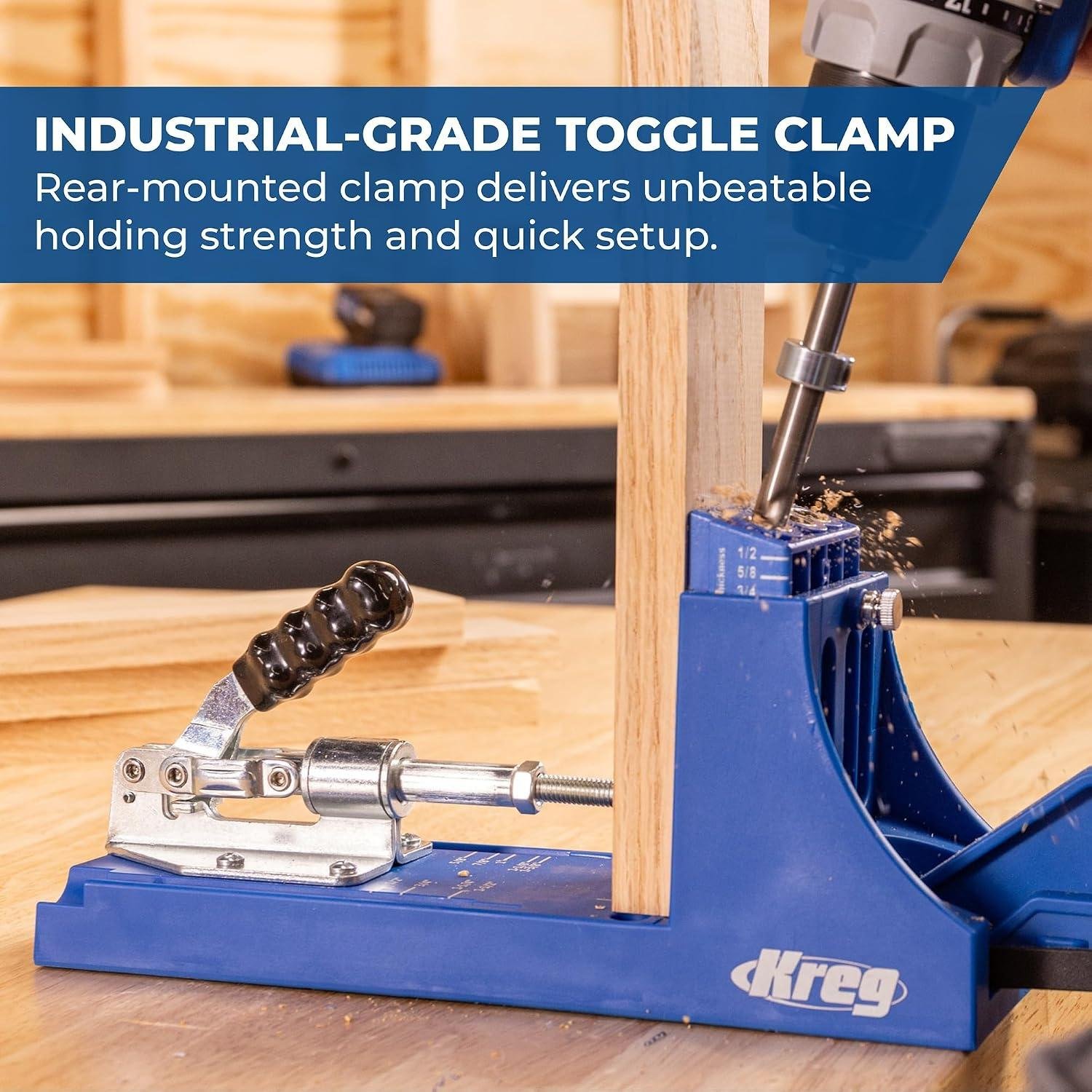
On face frames and cabinet carcasses, the Kreg K4 feels like a “set it once and get consistent results” jig—provided that we take a minute to match the jig to the stock thickness. The 3-hole drill guide is sized well for rails and stiles, and the jig’s stated material range of 1/2″ to 1 1/2″ covers most cabinet parts we work with (1/2″ backs and stretchers, 3/4″ plywood sides, and 1x face-frame stock). In practice, the real advantage is repeatability: once the drill guide and depth stop are dialed in, we can move from stiles to rails without constantly second-guessing alignment, which is exactly why customers keep mentioning it “takes about a minute to set up” and “makes joinery simple.” Reviewers also repeatedly describe the results as “perfect holes consistently” and “super solid hidden joints”—and that lines up with what pocket-hole joinery does best in cabinetry: fast clamping,strong mechanical pull,and clean-looking interiors when the holes face the hidden side.
For furniture builds—especially light-to-medium frames, aprons, and utility pieces—the K4’s versatility shows up when we use the removable drill guide for awkward positioning (inside a case, on a repair, or on wider parts). Customers report using it successfully for tables,bookcases,picture frames,doll cribs,and playhouses,and we can see why: the K4 can be run benchtop-style for batch drilling,then pulled free when a part won’t fit the standard setup. The recurring real-world cautions in reviews are worth repeating in the shop: a few users mention the jig can mar the wood if clamped too aggressively (we’d add scrap pads or ease up the clamping pressure), others warn to avoid overdriving screws (stop as soon as the joint seats to prevent stripping), and one theme notes a depth-stop set screw can come loose if it isn’t tightened properly. the K4 is best when we treat it like a system—match thickness, set depth correctly, clamp firmly but not brutally—and it tends to reward us with fast, accurate joinery that’s friendly to newer woodworkers without feeling limiting for experienced hands.
- Included accessories: (Varies by kit version—confirm at purchase; many sets include a stepped pocket-hole bit,depth collar,hex key,and starter screws)
- Compatible attachments/accessories: Kreg pocket-hole screws (fine/coarse thread),Kreg face-frame clamps,right-angle clamp,dust collection/vac adapter (often cited by customers as working well)
- Ideal project types: Face-frame cabinets,cabinet boxes,bookcases,tables/aprons,utility furniture,household repairs
- Wood types tested by customers: Pine,cedar,softwoods generally (reviews also mention success across common furniture woods without always naming species)
| Spec / Feature | Kreg K4 (as reviewed/spec’d) | What it means in cabinet & furniture work |
|---|---|---|
| Material thickness capacity | 1/2″ to 1 1/2″ | Covers most case goods,face frames,shelving parts,and common furniture components |
| Drill guide | 3-hole guide | Efficient spacing for rails/stiles; good for batch drilling repetitive parts |
| Portability | Removable drill guide | Helps with repairs and hard-to-reach parts where the full jig can’t sit flat |
| Accessory / Consumable | Compatible With K4? | Why we’d use it |
|---|---|---|
| kreg pocket-hole screws (coarse/fine) | Yes | Match thread to wood type to reduce splitting/stripping |
| Face-frame clamp / right-angle clamp | Yes | keeps parts flush—critical for face frames and visible furniture edges |
| Vac/dust adapter (where included/supported) | Often | Customers note cleaner drilling; helps keep the guide area clear for accuracy |
| Capacity Metric | Recommended | Actual / Real-World Take |
|---|---|---|
| Stock thickness | 1/2″–1 1/2″ | Matches most cabinets/furniture; thicker stock may require a different Kreg model (as some reviewers note) |
| Batch drilling | Benchtop setup | Reviewers consistently praise speed and repeatability once dialed in |
See Full Specifications & Customer Photos
Ease of Use for Beginners and Experienced Woodworkers
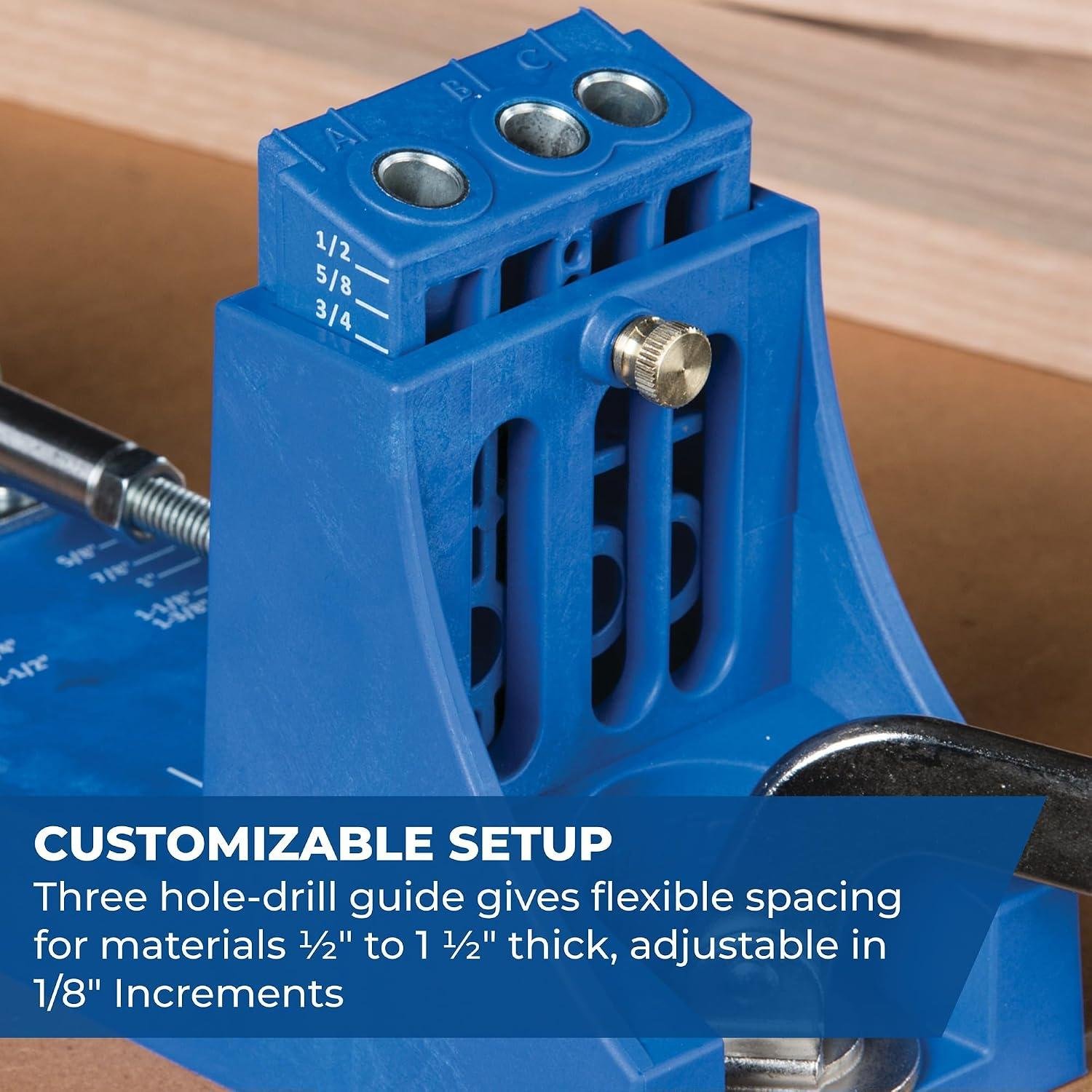
For beginners, the Kreg K4 Pocket Hole Jig feels like the kind of shop tool that removes a lot of the “did we set this up right?” anxiety. The main learning curve is simply matching the jig to your stock thickness—and the K4 is built for that, with easy-to-adjust drill guides designed for materials from 1/2″ to 1 1/2″. In practical terms,we set the thickness,clamp the workpiece,drill,and drive—pocket-hole joinery really is “drill,drive,done” when everything’s dialed in. Customer feedback lines up with that: multiple reviewers say it’s “easy to use,” “simple,” and takes “about a minute to set up,” and many highlight that it produces consistent, perfect holes that translate into tight, strong joints without visible fasteners.For teaching value, it’s a great platform to learn the basics of pocket holes—use the proper depth collar setting on the stepped bit, keep the drill square in the guide, and avoid overdriving screws so we don’t strip the pocket or pull joints out of alignment.
For more experienced woodworkers, the K4’s strength is speed and repeatability in real workshop workflows. The 3-hole drill guide makes it efficient for cabinet parts, face frames, and furniture components where we’re drilling the same layout repeatedly, and the large clamping recess plus removable drill guide lets us work either at the bench or take the guide to the job—handy when the assembly is too large to bring to the jig. Review themes back that up, with woodworkers mentioning it performs well across “most projects,” calling it versatile for furniture, and praising the super solid hidden joints. That said, experienced users will appreciate the small cautions customers bring up: a few mention issues like the depth-collar set screw loosening or parts going missing, and some note the jig can mar the wood if the clamp is cranked too hard—both things we can mitigate by checking hardware before sessions, clamping just firm enough to prevent movement, and protecting delicate surfaces with a thin pad or scrap. it’s a tool that’s approachable on day one but still earns its bench space when we’re building efficiently and want consistent pocket-hole results.
- Included accessories
- 3-hole drill guide (integrated in the K4 system)
- Removable drill guide (for portable/benchtop use)
- Large clamping recess (for securing the jig)
- Compatible attachments/accessories
- Kreg stepped pocket-hole drill bit + depth collar (common add-on/consumable)
- Kreg pocket-hole screws matched to material thickness
- Face clamp / right-angle clamp (for holding assemblies square during drive)
- Ideal project types
- Bookcases and shelving
- Cabinet face frames
- Small to medium furniture builds (tables, frames, repair work)
- Shop jigs and utility builds
- Wood types tested by customers
- Pine
- Cedar
- Softwoods (general)
| Spec / Feature | Kreg K4 (from specs) | why it matters in the shop |
|---|---|---|
| Material thickness range | 1/2″ to 1 1/2″ | Covers common stock sizes for cabinetry, furniture parts, and dimensional lumber. |
| Drill guide | 3-hole guide | Faster layouts and repeatable hole spacing for rails, stiles, and panel frames. |
| Use modes | Removable drill guide | Bench drilling for batches; portable drilling for large assemblies we can’t move easily. |
| accessory / Bit | Compatibility | Notes for ease of use |
|---|---|---|
| Stepped pocket-hole drill bit + depth collar | Commonly used with Kreg pocket-hole systems | Keep the collar tight—some reviewers mention set-screw issues if it loosens. |
| Pocket-hole screws (assorted lengths) | Matched to 1/2″–1 1/2″ material thickness | Choose the right length and don’t overdrive to avoid stripping or shifting joints. |
| right-angle clamp / face clamp | Works alongside the K4 during assembly | Helps keep parts flush and square while driving screws—especially helpful for beginners. |
| capacity Guidance | Recommended (from specs) | What we should actually plan for |
|---|---|---|
| Stock thickness | 1/2″ to 1 1/2″ | Great for most cabinets/furniture; for thicker than 1 1/2″, we’d need a different solution. |
Check Current Price & Reviews on amazon
Customer Reviews Analysis
What Woodworkers Are Saying (Kreg K4 Pocket Hole Jig)
1) Overall sentiment from woodworking customers
sentiment trends strongly positive. Common praise includes the Kreg K4’s ability to produce reliable, strong pocket-hole joints with repeatable results, especially for home shop furniture and cabinet-style builds. Several woodworkers mentioned it feels like a “shop staple” once set up,and many describe it as a noticeable upgrade from improvised pocket-hole methods or entry-level jigs.
2) Performance feedback (accuracy, power, results)
Multiple reviews highlight the K4’s consistency—once the drill guide and material thickness settings are dialed in, users report clean, well-aligned holes that pull joints tight with minimal fuss.
- Precision/Accuracy: Woodworkers frequently point to the adjustable drill guides and depth/stop setup as key to avoiding blowout and keeping pocket holes positioned correctly.
- Results/Joint strength: Many reviewers describe the finished joints as “rock-solid” and dependable for face frames, carcasses, and general joinery where pocket holes shine.
- Consistency: Several customers said the jig helps maintain repeatability across multiple parts—useful when batch-building cabinet components or furniture frames.
A few short excerpts appear in reviews along the lines of: “once set, it’s dead consistent” and “makes tight joints fast.”
3) Build quality and durability observations
Common praise includes sturdy construction and a stable feel during drilling. Woodworkers tend to like that the K4 holds material securely and doesn’t feel flimsy under normal use.
That said, some users reported challenges with long-term wear items (typically clamping and moving parts). A minority of reviewers mention that certain components can loosen over time and may need periodic checks/tightening if the jig sees frequent, high-volume use.
4) Ease of use for different skill levels
- Beginners appreciated the straightforward setup compared with freehand drilling or less guided systems. Many DIYers like that the steps (set thickness, set stop collar, clamp, drill) are easy to understand after a short learning period.
- Experienced woodworkers noted the precision adjustments and repeatability, especially when switching between common stock thicknesses (1/2″, 3/4″, 1″).
- Some DIYers found the learning curve steep at first—mostly around getting the stop collar and thickness settings correct and learning how hard to clamp and feed the drill for clean pockets.
reviewers often frame it as “easy after the first project.”
5) Common project types and success stories
Customers successfully used this for a wide range of practical shop and home projects. Reviewers frequently mention:
- Cabinet face frames and cabinet boxes (repeatable holes + quick assembly)
- Furniture builds like tables, benches, and simple frames
- Shelving units and storage projects
- Repair work where adding hidden reinforcement is helpful
Several reviewers mentioned that it helped them complete projects faster with fewer visible fasteners, especially when pocket holes are placed on the inside or underside of assemblies.
6) issues or limitations reported
While reviews skew positive,some users reported challenges with these common limitations:
- setup sensitivity: Incorrect thickness/stop-collar settings can lead to mis-drilled pockets or imperfect screw seating (typically a user setup issue,but mentioned repeatedly as an early hurdle).
- material constraints: Even though rated for 1/2″ to 1 1/2″, some reviewers note pocket holes are less forgiving in very thin stock and require careful screw selection and technique to prevent splitting.
- Clamping/positioning quirks: A few users describe occasional fussiness getting certain board shapes or tight assemblies positioned comfortably at the jig,especially for awkward or very long parts.
- Pocket-hole aesthetics: A recurring “limitation” is inherent to pocket joinery—holes may need plugs or careful placement when surfaces will be visible.
snapshot of common feedback
| Aspect | Common Feedback |
|---|---|
| Performance | Most praised consistent, repeatable pocket holes that produce tight, strong joints |
| Precision | Adjustable guides help accuracy; best results come after careful initial setup |
| Durability | generally viewed as sturdy; some mention periodic tightening or wear on moving/clamping parts with heavy use |
| Ease of Use | beginner-friendly overall; early learning curve around thickness/stop-collar settings |
| Versatility | Works across common thicknesses; thin stock requires more care to avoid splitting |
| Value | Often described as worth it for anyone building cabinets/furniture regularly |
if you want, I can tailor this section to a specific audience (beginner DIY vs. serious hobbyist vs. small-shop production) or rewrite it in a tighter “product page” voice.
pros & Cons

Pros & Cons
| Pros (What We Liked) | Cons (What Bugged Us) |
|---|---|
| Consistently clean, repeatable pocket holes—once dialed in, it feels almost “automatic.” | Value can feel questionable at full price if we only need pocket holes a few times a year. |
| Fast setup and a simple workflow: clamp, drill, drive—done. | Small parts can be easy to misplace (like depth-setting hardware) if we don’t stay organized. |
| Adjustable drill guide works across a wide range of stock (1/2″ to 1 1/2″), which covers most shop builds and furniture parts. | clamping pressure and contact points can sometimes leave marks on softer woods if we’re not careful. |
| Strong joints that hold up well for cabinets, shelving, frames, and quick shop fixtures. | Not meant for thicker material beyond 1 1/2″—we’d need a different solution for heavy-duty project lumber. |
| Versatile layout: the removable drill guide makes it easier to go portable or work on bigger assemblies. | Pocket-hole joinery still requires technique—overdriving screws or skipping glue can weaken the final result. |
| Feels durable and “shop-ready,” like a tool we can rely on for repeat projects. | storage/association isn’t always as premium as we’d expect at this price point (depending on the kit/version). |
Our Take in Plain Shop Talk
- Where it shines: when we want fast, hidden joinery that looks clean and pulls parts together tightly—especially in plywood builds and straightforward furniture.
- Where it falls short: if we’re chasing heirloom joinery, working with extra-thick stock, or we’re sensitive to clamp marks and accessory “fiddliness.”
Q&A

What thickness range can the Kreg K4 handle, and how consistent are the holes?
The Kreg K4 is designed for materials from 1/2″ to 1 1/2″ thick and uses a 3-hole drill guide so you can place pocket holes quickly and repeatably. In customer feedback, the most common theme is consistency—many users say it makes perfect holes repeatedly and speeds up joinery once dialed in. As with any pocket-hole system, accuracy depends on matching the jig setting and stop-collar depth to your stock thickness.
Is this strong enough for “real furniture” and hardwoods like oak or maple?
For most furniture builds (face frames, cabinet boxes, tables, bookcases, repairs), the K4 is widely reported to produce very tight, solid joints. Customers specifically mention using it successfully for furniture and getting super solid hidden joints. Hardwood performance is generally good as the jig is guiding the bit rather than powering the cut; the key is using a sharp pocket-hole bit, steady drilling, and the right screws (fine-thread for hardwoods). A common practical tip from experienced users is: don’t overdrive screws—hardwoods will split or strip if you lean on the driver too hard.
How does it do on plywood, veneers, and “not-perfect” sheet goods?
Pocket holes are a popular method for plywood and cabinet-grade sheet goods, and the K4’s adjustability for 1/2″ stock makes it useful for many plywood projects. That said, thin face veneers can be prone to tear-out or “blowout” if you drill aggressively—use a firm clamp, keep the bit sharp, and consider backing off slightly on feed pressure. Also, choose pocket-hole screw length carefully so you don’t pop through a thinner ply panel.
How challenging is the initial setup,and what adjustments can I make?
Most users describe setup as quick—many mention it takes about a minute to set up once you’ve done it a couple of times.You’ll be adjusting for stock thickness (the K4 is built for 1/2″ to 1 1/2″) and setting your drill bit’s depth collar accordingly.The K4’s removable drill guide is also a practical “adjustment” in real use: you can run it benchtop-style when batching parts, then remove the guide for awkward or larger assemblies.
Can it be mounted to a workbench, and will it work in a small shop?
Yes—woodworkers commonly treat the K4 as a benchtop station. The design includes a large clamping recess to help secure the jig, and the overall workflow (clamp, drill, drive) doesn’t require a large footprint. In small shops, the biggest “space saver” is using it as a dedicated pocket-hole spot on a corner of the bench, then storing it when not needed—just note that some customers wish the storage solution was better than the included packaging.
Does it require dust collection or special accessories?
It doesn’t require special dust collection to function, but pocket-hole drilling creates compact chips that can pile up around the guide.Some customers mention using the vacuum attachment and that it worked well to keep things clean. Accessory-wise, it’s made to run with standard pocket-hole consumables (the correct stepped bit, stop collar, and pocket-hole screws), but like any jig, results depend heavily on using the right bit and screw type for your material.
Is it beginner-friendly,and what are the common “gotchas”?
yes—reviews frequently call it simple,easy,accurate,and some even say it’s “almost impossible to mess up” once set. The most common beginner pitfalls are (1) setting the jig/bit depth wrong for the thickness,(2) not clamping firmly enough,and (3) overdriving the screws,which can strip or split stock. A couple of reviewers also noted small hardware issues (such as, a bit depth set screw coming loose), so it’s worth checking fasteners periodically during use.
Is the K4 worth it compared to cheaper pocket-hole jigs—or should I buy a “better” model?
Many owners call it a great investment and say they wish they’d purchased sooner, especially because it makes joinery fast and repeatable and can save money versus outsourcing or buying pre-built parts. Compared to basic jigs, the K4 is often viewed as a meaningful upgrade in ease of use, speed, and consistency (customers mention it performs better than the basic model). The main reasons to step up beyond the K4 are if you regularly work with stock thicker than 1 1/2″ or you need higher-volume production features; otherwise, it’s a strong fit for hobbyists and many serious DIY and pro shop tasks.
Ignite Your Passion
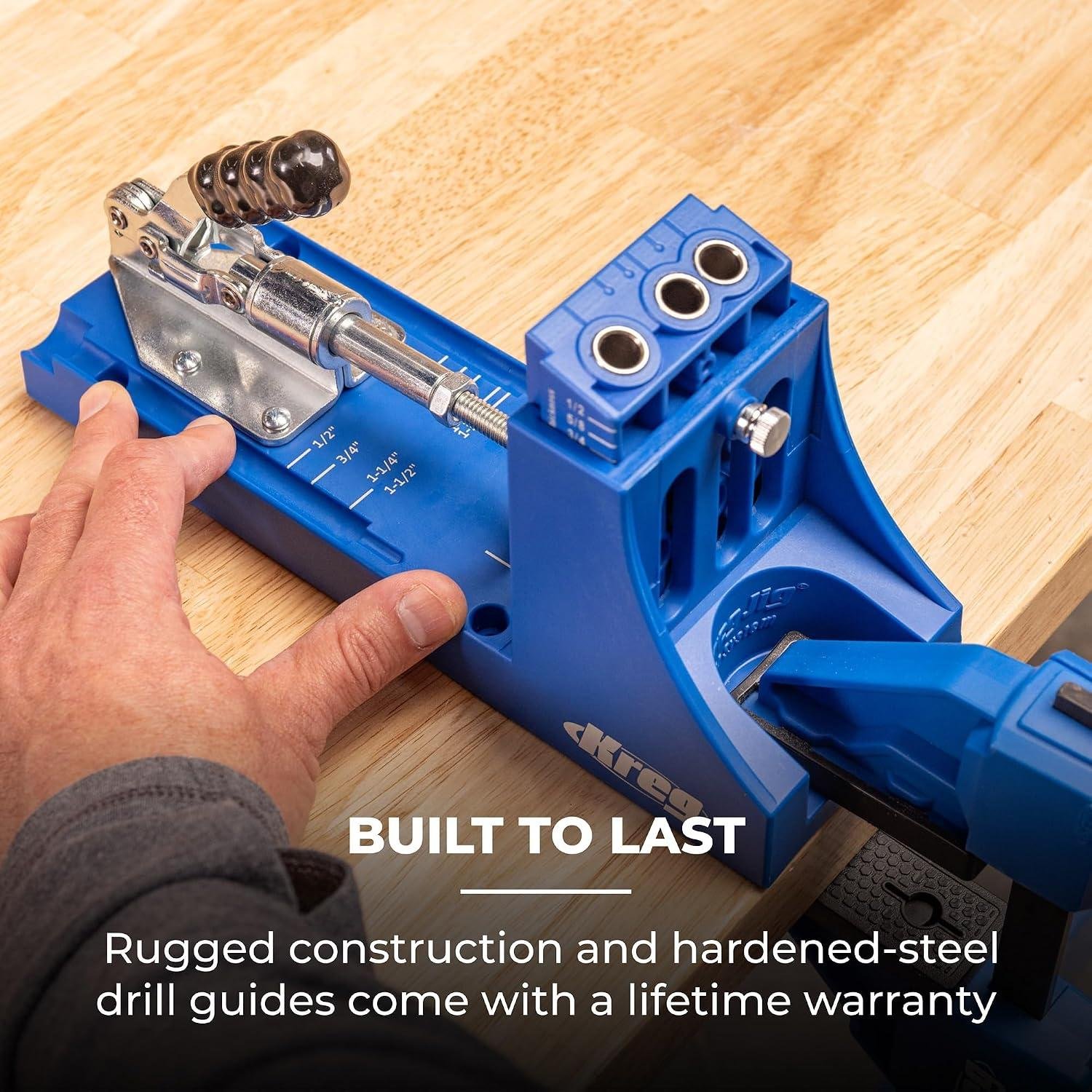
The Kreg K4 Pocket Hole Jig is a proven, adjustable pocket-hole system built around a 3-hole drill guide, a large clamping recess, and a removable drill-guide block for benchtop or portable use. It’s designed for stock from 1/2″ to 1 1/2″ thick and aims to deliver consistent pocket holes and strong, hidden joints with quick setup. Customer feedback repeatedly highlights its quality, ease of use, reliable performance, and joint strength, with occasional complaints about small parts (like set screws) and storage/packaging or minor marring.
Best for hobby woodworkers tackling small-to-medium furniture builds, cabinet and face-frame work needing repeatable accuracy, and beginners who want dependable joinery without a steep learning curve.Consider alternatives if you routinely join thicker hardwoods beyond 1 1/2″, need production-speed workflow features, or want a more compact/robust setup for heavy daily shop use.
the Kreg K4 is a solid mid-range option that delivers consistent results for most DIY and shop projects—just handle setup and clamping carefully.
Want to see current pricing and customer photos? View on Amazon & Read More reviews →