

Blog
Kreg 320 Pocket-Hole Jig Review: Right for Our Shop?

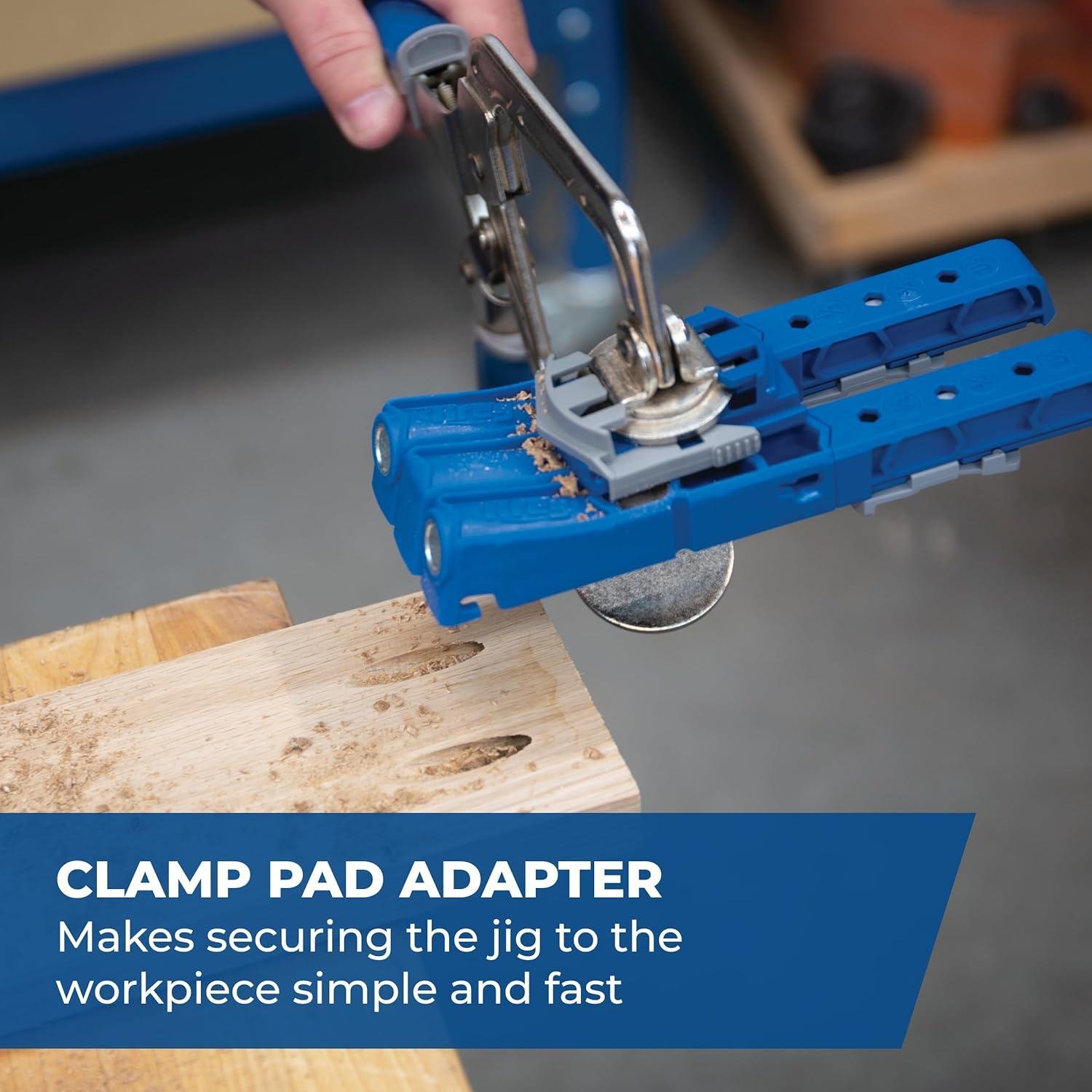
Ever tried to assemble a cabinet box or quick shop jig, only to watch your joints creep out of square because the drill bit wandered—or because there’s just not enough room to clamp anything properly? In tight spaces, “close enough” holes can turn pocket-screw joinery into a frustrating guessing game, especially when precision and repeatability matter more than brute force.
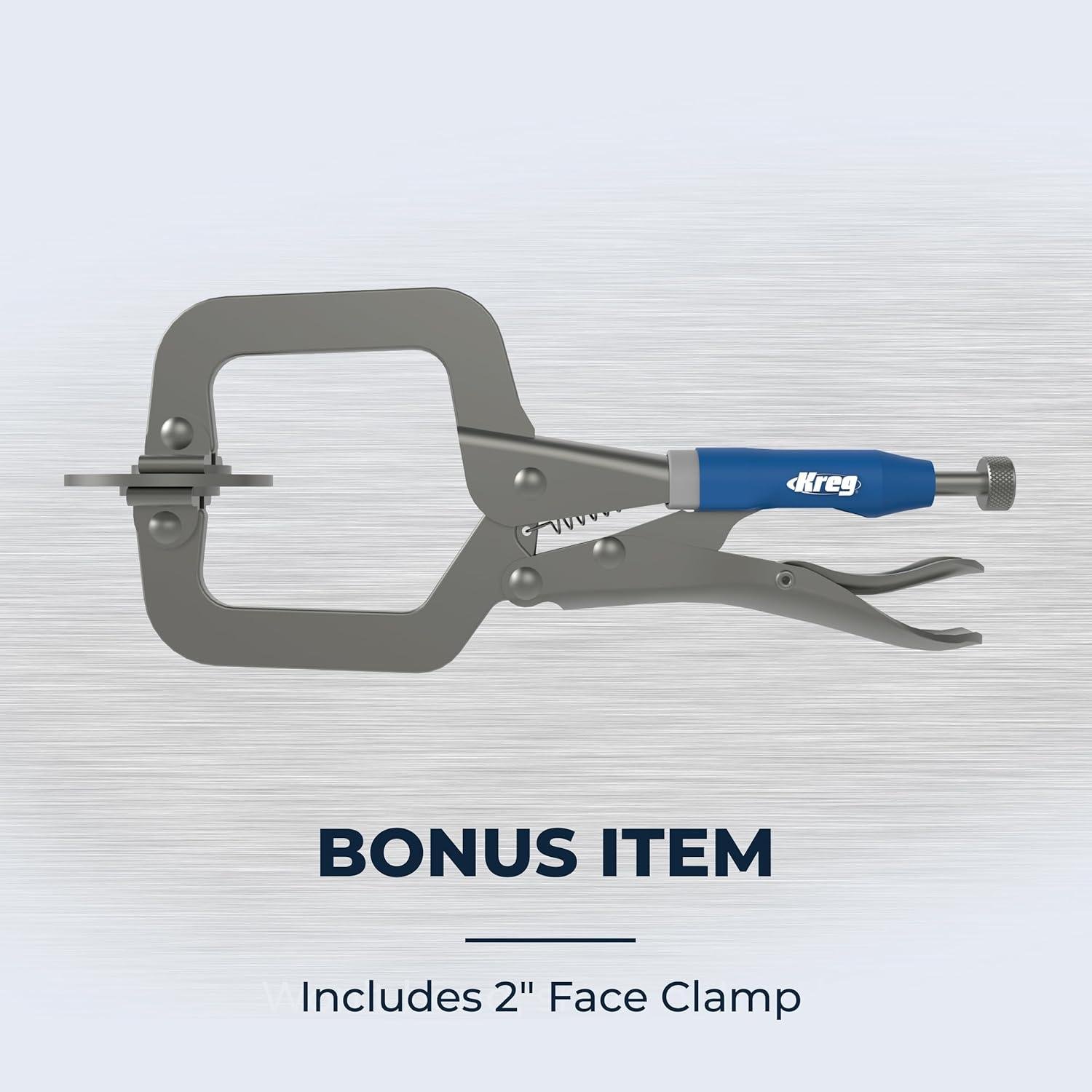
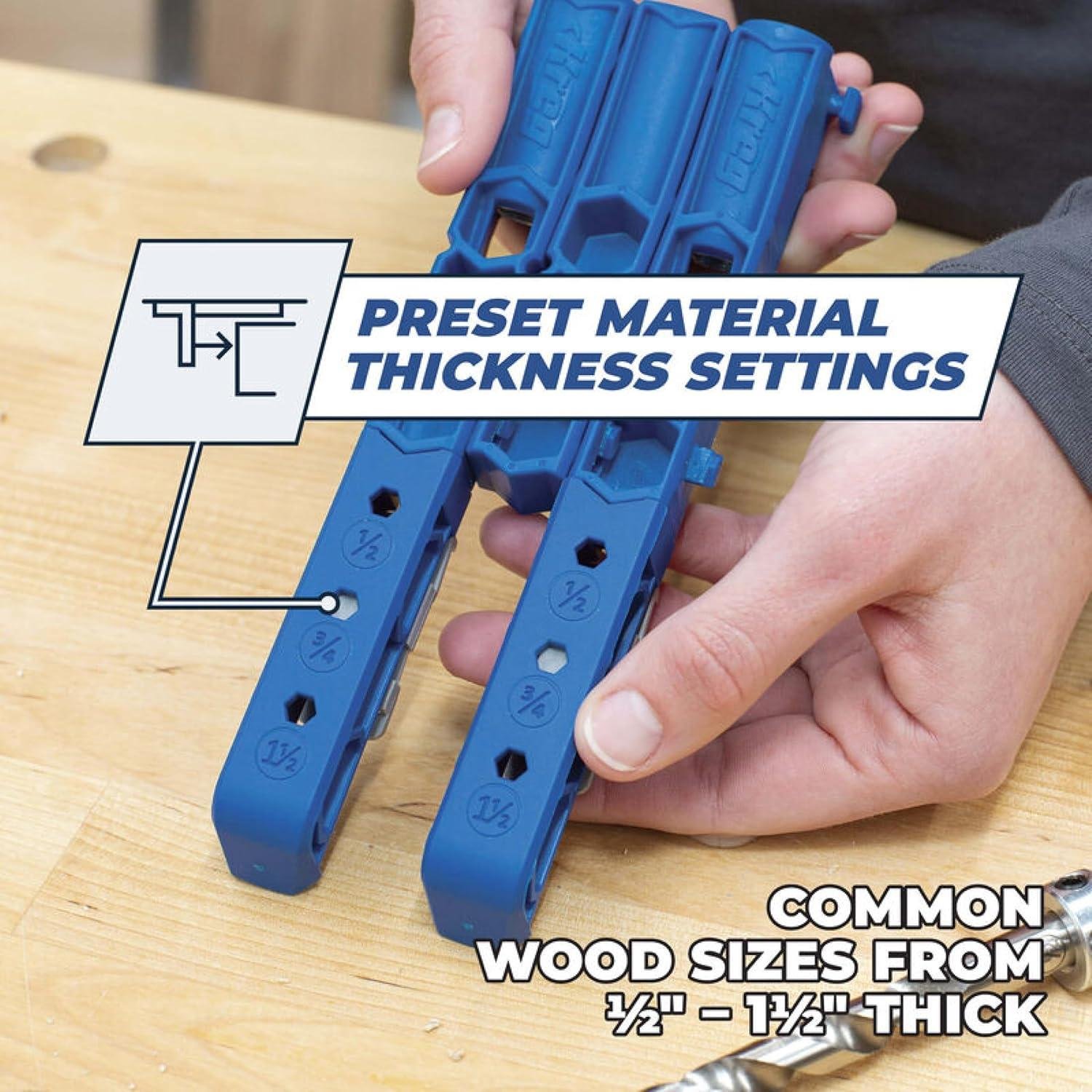
The Kreg KPHJ320-22 Pocket-Hole Jig 320 with Classic 2-inch Face Clamp is built to solve that: a small, durable pocket-hole jig with easily adjustable drill guides designed for stock from 1/2″ to 1 1/2″ thick, aimed at fast, consistent pocket-hole drilling when bench space is limited.
In this review, we’ll break down the key features, what the compact format means in real-world projects, and who it best fits—from frist-time DIYers to experienced builders wanting a grab-and-go jig.We’ll also weigh customer feedback: many reviewers praise its solid feel, accuracy, and value, while clamp opinions are mixed (including fit and inclusion). As woodworkers who’ve learned the hard way that setup and clamping make or break joinery, we’ll keep the focus on informed, practical expectations.
Tool Overview and Build Quality in Tight Spaces
In tight spaces—inside cabinet boxes, between face-frame stiles, or up against an installed end panel—the Kreg KPHJ320-22 Pocket-Hole Jig 320 earns its keep by staying small and simple. The core idea is straightforward: the jig’s drill guides hold our bit at the correct pocket-hole angle so our cordless drill can create repeatable, screw-ready holes without a drill press. From the specs, it’s built to cover stock from 1/2″ to 1 1/2″ thick, and the guides are designed to be easily adjustable for those common thickness changes. In customer feedback, the dominant theme is that it’s “easy to use” and “works well,” with multiple reviewers calling it a “solid piece of kit”—especially for cabinet assembly and quick joinery where we need alignment more than elaborate setups. We also see repeated notes that it can feel like a “game changer” for DIY furniture-style builds as it helps us drill accurately even when we can’t get a big jig clamped comfortably on a bench.
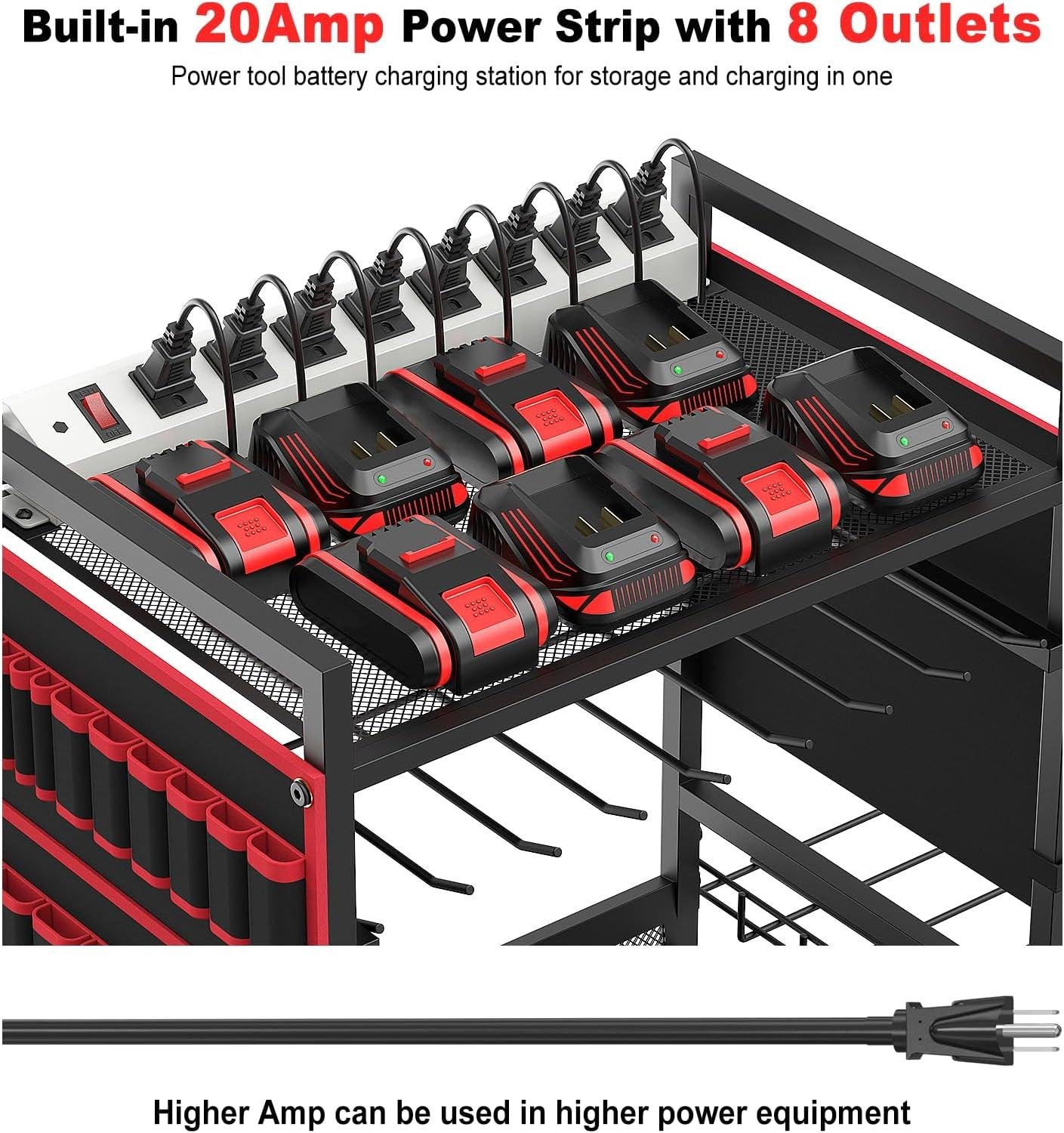
Build quality is the tradeoff we should understand before committing: several reviews describe the jig as mostly plastic with “entry level” or “handy duty” durability—still accurate, but best treated like a layout/guide tool rather than something we toss in a truck bed. That matches the real-world theme: it performs well if we’re careful during setup and don’t abuse the bit or guides. On the clamp side, reviews are notably mixed for this kit that advertises the Classic 2 Inch Face Clamp: some buyers say the clamp “holds tight” and completes the system, while others report the clamp was missing or felt limiting—one common complaint is that it doesn’t open wide enough for thicker work, causing folks to reach for alternate clamps. Educationally, the best way to keep this jig working cleanly in confined areas is to match the stock-thickness setting on the jig to the collar setting on the stepped bit, clamp the jig close to the hole location (and clamp the workpieces too), then drill with a steady in-and-out motion to clear chips—especially in plywood where heat and clogging can knock accuracy down.
- pocket-Hole Jig 320 (compact jig body with drill guides)
- Classic 2″ Face Clamp (included in this kit per product listing; some reviewers report missing/limited opening)
- Alternate clamps (many woodworkers swap in a larger face clamp or F-style clamp for wider stock)
- Additional Kreg pocket-hole screws (fine-thread for hardwoods, coarse-thread for softwoods/plywood—commonly recommended in reviews)
- Cabinet boxes and cabinet assembly in place
- Face frames and rails/stiles where access is limited
- Small furniture frames (shelves, organizers, light-duty repairs)
- On-the-spot repairs where a bench-mounted jig is awkward
- 3/4″ plywood (commonly mentioned as working well)
- Pine (softwood joinery examples in reviews)
- Poplar (used for framing/edge band-style assemblies)
- Hardwood in 1×2 frames (reported success on small hardwood stock)
| feature | What It Means in Tight Spaces | Notes from Reviews |
|---|---|---|
| Material thickness range: 1/2″ to 1 1/2″ | One jig covers most cabinet/furniture stock without extra fixtures | Users report consistent results on 3/4″ plywood and small frames |
| adjustable drill guides | Faster setup when moving between thicknesses during a build | Some expected more adjustability, but most call it easy to use |
| compact jig format | Easier to position inside cabinets or near walls | Praised for working “even in tight spaces” |
| Included 2″ face clamp | Helps control jig movement where our hands can’t | Clamp feedback is mixed: some “holds tight,” others say missing/limited opening |
| Accessory / Add-on | Compatible Use | Why We’d Add It |
|---|---|---|
| Larger face clamp or F-style clamp | Wider/thicker assemblies | Helps when the included clamp doesn’t open wide enough for the workpiece |
| Fine-thread pocket-hole screws | hardwoods | Reduces splitting compared to coarse-thread in dense stock |
| Coarse-thread pocket-hole screws | Softwoods and plywood | better bite in softer fibers and sheet goods |
| capacity Item | Recommended (Specs) | What we Should Expect in the Shop |
|---|---|---|
| Stock thickness | 1/2″ to 1 1/2″ | Works best when we match jig setting + bit collar setting before drilling |
| Clamping range (included clamp) | 2″ face clamp included | Some users find it ideal for small parts; others switch clamps for wider stock |
See Full Specifications & Customer Photos
Key Features Woodworkers Will Appreciate for Accurate Pocket Holes
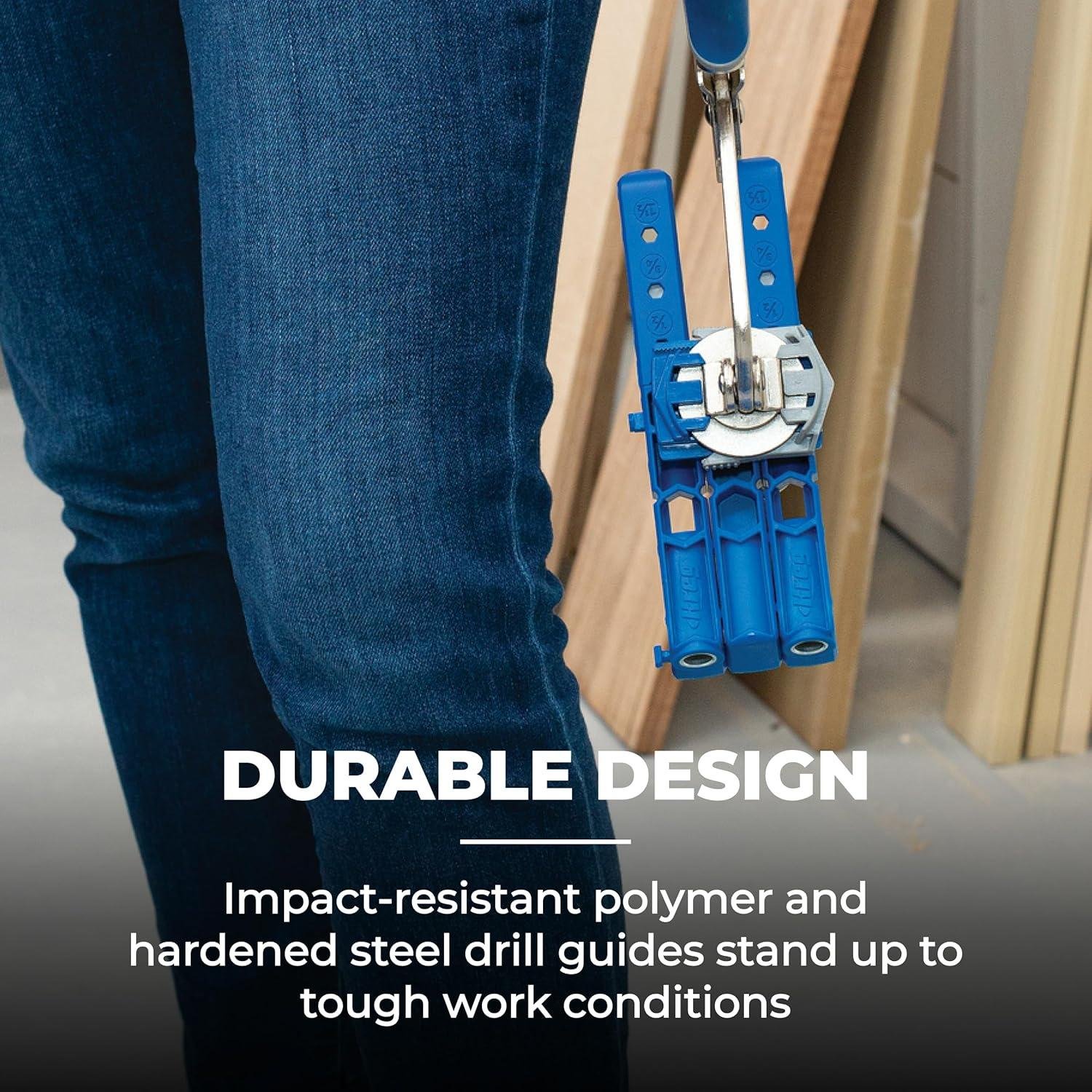
What we appreciate most about the kreg KPHJ320-22 is how it bakes accuracy into a compact, tight-space-pleasant format. The jig’s drill guides are adjustable for materials from 1/2″ to 1 1/2″ thick, which covers the real-world stock we reach for in cabinet carcasses, face frames, and shop fixtures. In reviews, woodworkers repeatedly call it “easy to use” and a “solid piece of kit,” and we can see why: the guide angle is consistent, the setup is straightforward, and once the thickness is set it’s easy to repeat holes without “walking” the bit. A common theme we see is that it performs especially well on 3/4″ plywood and general cabinet assembly—exactly where clean, repeatable pocket holes matter. For best accuracy, we want to echo a frequent reviewer lesson: match the stock-thickness setting on the jig with the drill bit collar every time, and test on scrap first so our first “real” holes aren’t the learning curve.
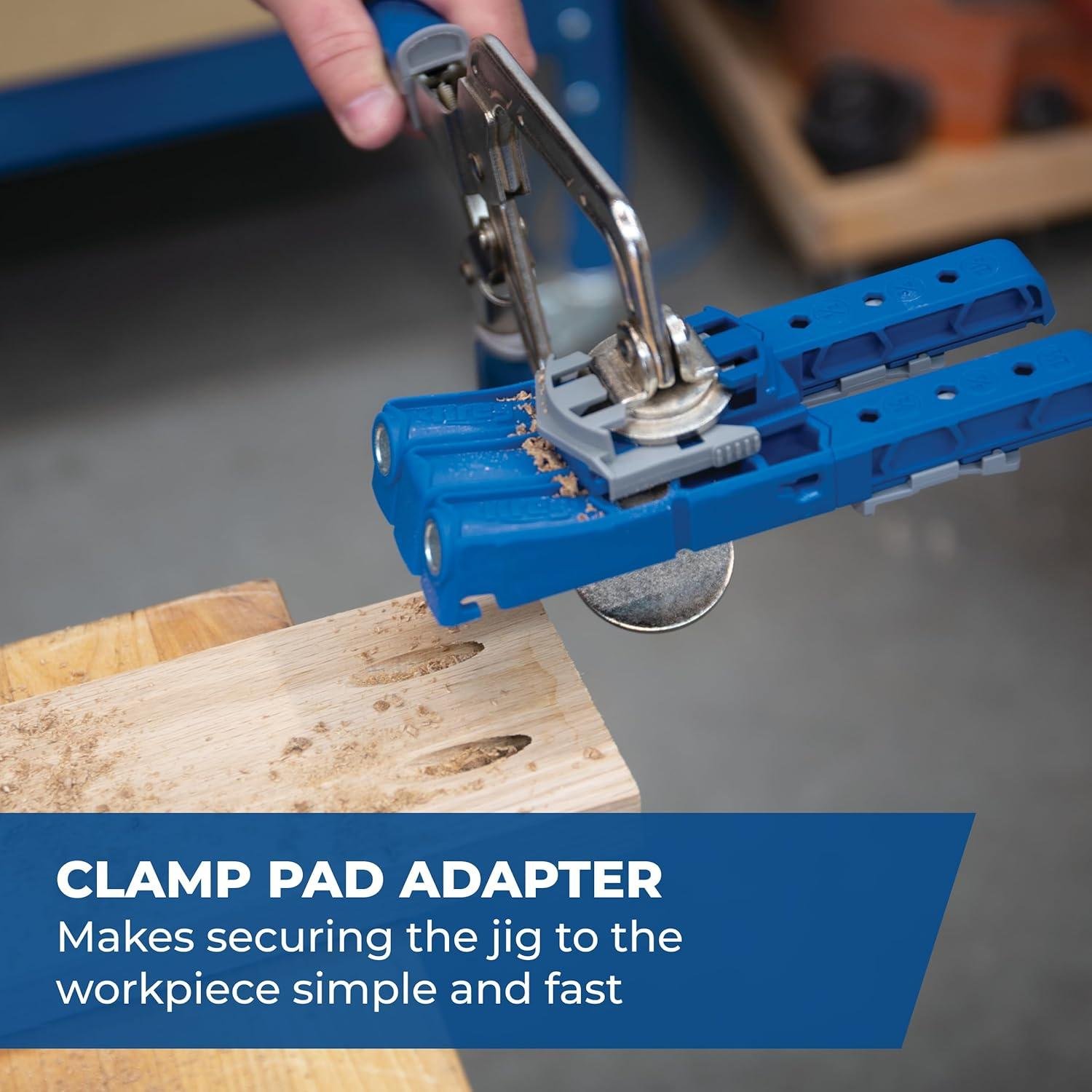
Clamping is the other feature that directly affects pocket-hole accuracy,and the kit is marketed with a Classic 2-inch face clamp—but customer feedback is mixed. Some folks say the clamp “holds tight” and makes pocket holes “a breeze,” while others report the clamp is hard to use, doesn’t open wide enough for bigger stock, or even claim it was missing from their box. Practically, in our shop we treat the included clamp as a great close-quarters helper (think narrow frames and edge work), but we also plan on keeping a larger F-style or quick-grip clamp nearby for wider assemblies.Technique matters as much as hardware: clamp the jig firmly to the workpiece, then clamp the workpiece itself close to the joint so the boards can’t shift under drilling pressure—several reviewers note this step is key to avoiding uneven joints. And because pocket-hole drilling creates chips fast, we get cleaner results by peck-drilling (in and out to clear shavings) and not rushing, since one reviewer points out the custom Kreg bit can be brittle if abused.
See Full Specifications & Customer Photos
Real World performance on Casework Face frames and Shop Jigs
On casework and face-frame work, the Kreg KPHJ320-22 Pocket-Hole Jig 320 feels built for the kind of joinery we do most often—quick, repeatable pocket holes in real shop conditions where clamps and corners are always in the way. The jig’s drill guides are designed for stock from 1/2″ to 1 1/2″ thick, and in practice that range covers everything from cabinet backs and stretchers up through typical face-frame parts. Multiple reviewers mention it “works well” and delivers “consistent results every time,” including on 3/4″ plywood, which is a common casework staple. We also see the appeal of its compact format: customers routinely call it a “solid piece of kit” and a “game changer,” especially for cabinet assembly and “tight spaces” where a larger bench jig can be awkward to position.
Where real-world performance becomes more nuanced is clamping and workflow. This kit is advertised as including the Classic 2-inch Face Clamp, and many buyers do like it—several say the clamp “holds tight” and that the whole setup is “super easy to use.” At the same time, customer feedback is mixed: some report their clamp was missing, and others say the included clamp doesn’t open wide enough for larger parts (one reviewer notes anything bigger than a 1×2 needed an alternative clamp). For shop jigs and repeat tasks, we’d treat the 320 as a reliable “bring-the-jig-to-the-work” option: set the thickness setting, match the drill-bit collar, and drill your run of holes before assembly (a technique a reviewer specifically recommends to avoid constant bit swapping).As with any pocket-hole system, we’ll get cleaner, safer results by clamping close to the joint, clearing chips by backing the bit out occasionally, and choosing screw thread/type correctly—coarse thread for softwoods, fine thread for hardwoods—to reduce splitting and keep face frames tight and flush.
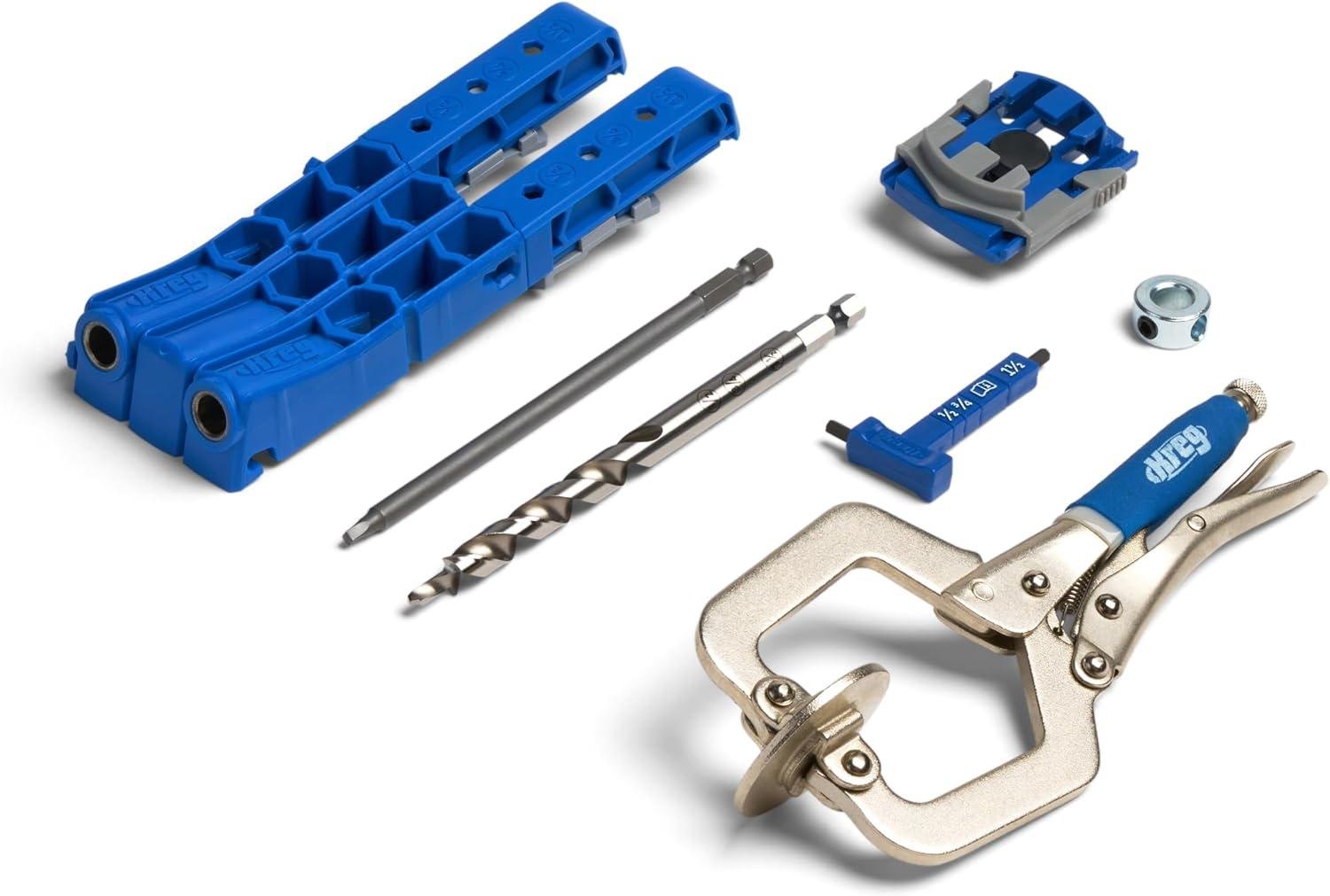
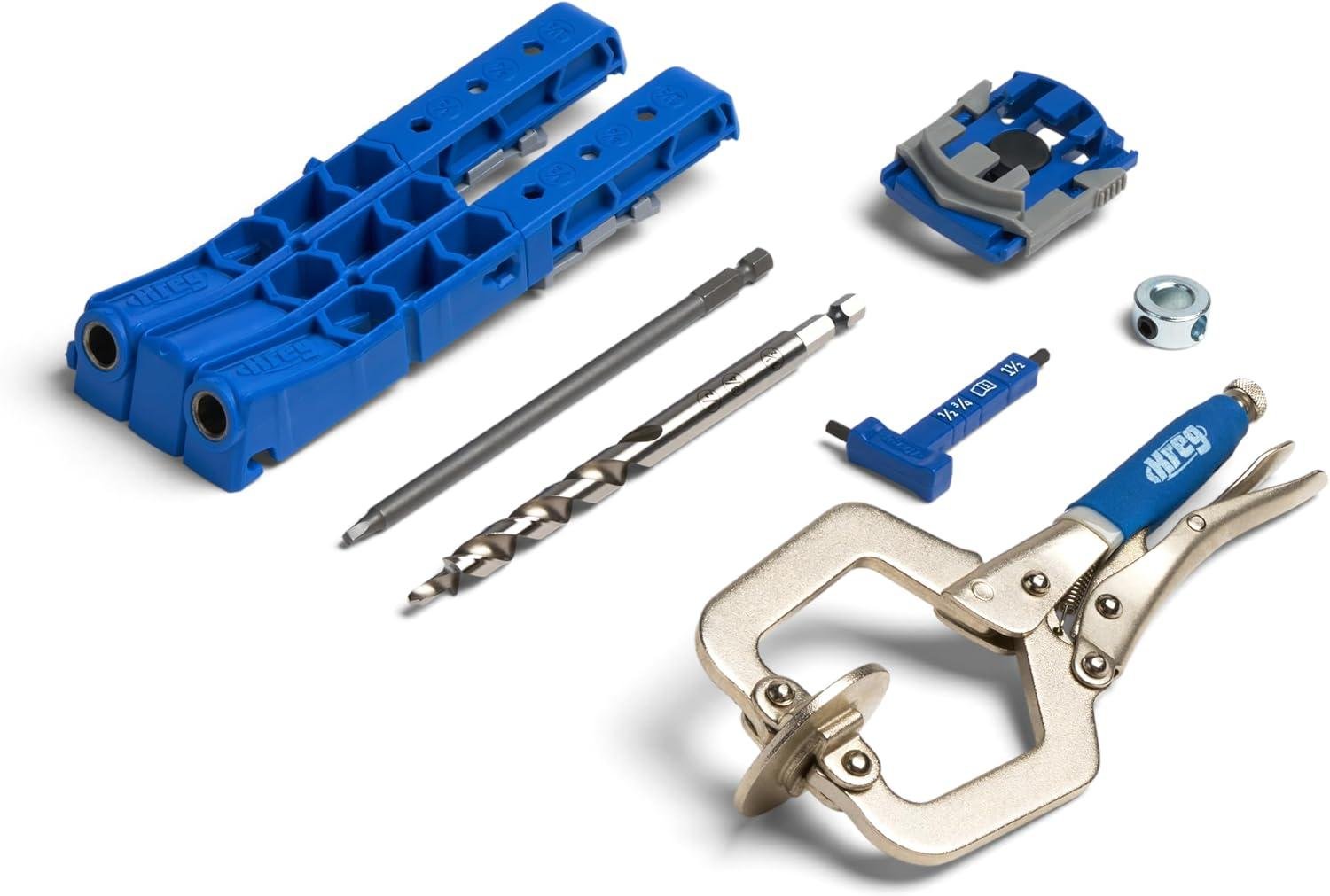
- Pocket-Hole Jig 320 (compact jig body)
- Classic 2-inch Face Clamp (included in this bundle per listing; customer experiences vary)
- Custom Kreg drill bit (stepped pocket-hole bit)
- Driver bit (for pocket-hole screws)
- Adjustment tool (for setup)
- Starter screws (varied lengths to begin)
- Kreg pocket-hole screws (coarse/fine thread; indoor/outdoor)
- Alternative clamps (F-style or quick-grip for wider assemblies when the 2″ clamp won’t span)
- Extra stepped drill bits & stop collars (spares for production-style drilling)
- Cabinet face frames (rails/stiles)
- Cabinet boxes and casework (plywood carcasses,stretchers)
- Furniture repairs and reinforcement
- Shelves,small utility builds,and “DIY furniture hacks”
- shop jigs where portability matters (assembly aids,simple fixtures)
- Plywood (3/4″) (commonly reported)
- Poplar (reported in face-framing plywood)
- Pine (reported in mixed-material joins)
- Hardwood (1×2 frame stock) (reported)
| Spec / Feature | Kreg Pocket-Hole Jig 320 (KPHJ320-22) | Why It Matters in Casework/Frames |
|---|---|---|
| Material thickness capacity | 1/2″ to 1 1/2″ | Covers typical face-frame stock and most cabinet parts without a second jig. |
| Thickness settings (per reviews) | 0.5″, 0.75″, 1.5″ | Fast setup but less granular than some premium jigs; double-check bit collar + jig. |
| Form factor | Small/portable | Easier to use on assembled carcasses or tight corners than big bench-mounted systems. |
| Clamp in bundle | Classic 2″ Face Clamp (included per listing; mixed reports) | Great when it fits; keep a larger clamp handy for wider stock or awkward clamping. |
| Accessory / Bit | Compatibility | Notes for Use |
|---|---|---|
| Stepped pocket-hole drill bit | Included; replacements available | Go steady and clear chips—reviewers note Kreg bits can be brittle if rushed/abused. |
| Driver bit | Included; standard hex driver replacements work | Use the correct drive style for pocket screws to avoid cam-out. |
| Pocket-hole screws (coarse/fine) | Recommended add-on | Match thread to species to reduce splitting; keep multiple lengths on hand. |
| Clamps (2″ face clamp,F-style,quick-grip) | Works with common clamp types | If the included clamp won’t span your work,switching clamps is the simplest fix. |
| Capacity Area | Recommended | What Customers Actually Report |
|---|---|---|
| Stock thickness | 1/2″ to 1 1/2″ | Works well on common cabinet materials like 3/4″ plywood and small frame parts. |
| Clamping range (included clamp) | 2″ face clamp included | mixed: “holds tight” for some; others say it’s missing or won’t open wide enough for larger stock. |
See Full Specifications & Customer Photos
Ease of Use for Beginners and Speed for Experienced Woodworkers
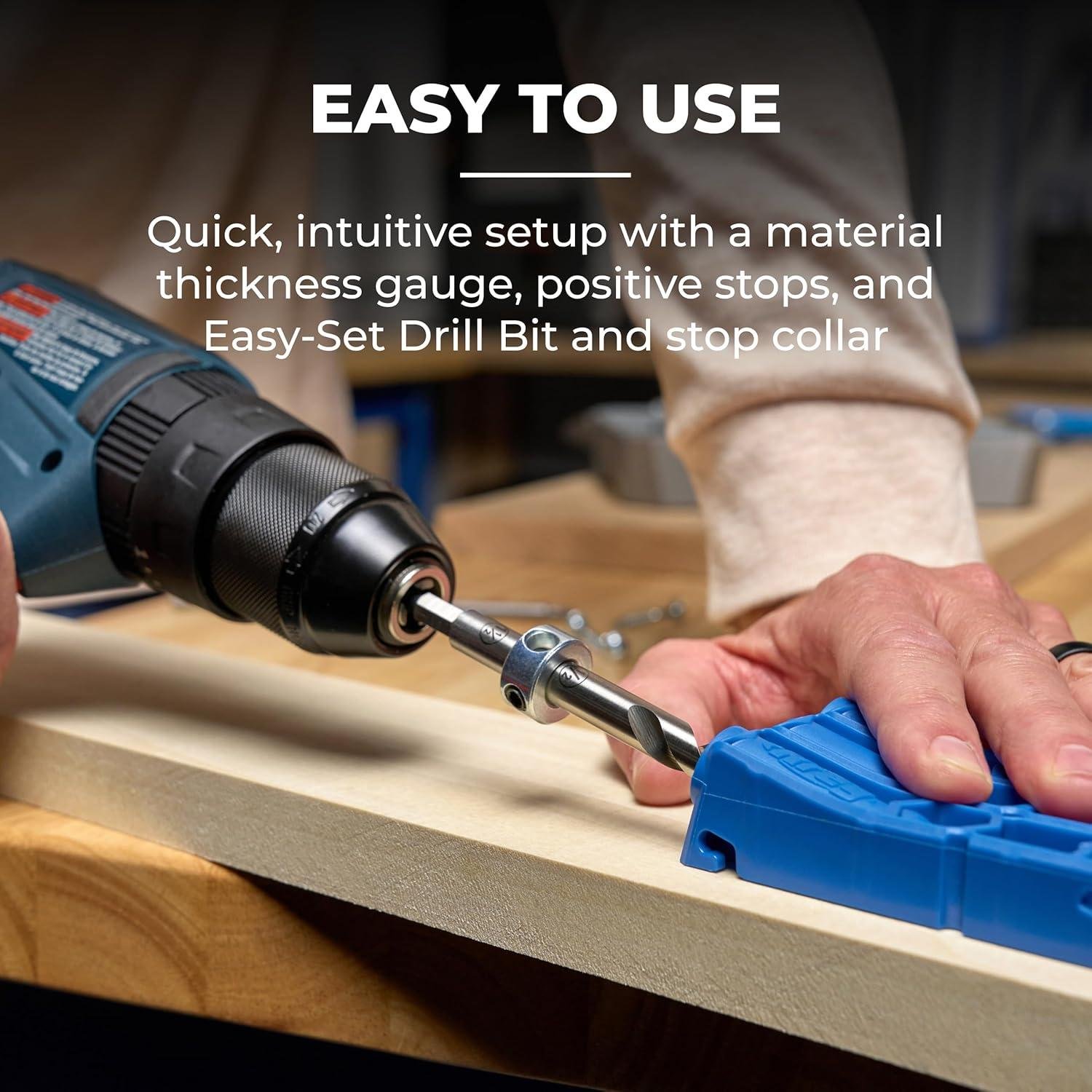
For beginners, the Kreg KPHJ320-22 Pocket-Hole Jig 320 feels like a confidence booster because it narrows the “what am I doing wrong?” variables down to a few clear settings. The jig’s drill guides are easily adjustable for material thicknesses from 1/2″ to 1 1/2″ (with common stop points reviewers call out as 0.5, 0.75, and 1.5 inches), so we’re not guessing angles or trying to freehand an entry point. Customer feedback consistently circles back to “very easy to use,” “fast setup,” and especially that it works great for cabinet assembly and first-time pocket-hole joinery. In practical shop terms, we’d recommend doing what multiple reviewers learned the hard way: match the thickness setting on the jig to the bit collar, practice a few holes on scrap, and keep the drill moving in and out to clear chips—pocket holes clog fast and heat can shorten bit life.
For experienced woodworkers, the speed comes from how quickly we can clamp, drill, and repeat in awkward spots—this is a small, durable jig for tight spaces, so it’s handy for face frames, quick carcass fixes, and on-the-fly repairs when dragging a benchtop jig over feels like overkill. Reviews often describe it as a “solid piece of kit” that delivers consistent results every time, and we agree the workflow is efficient once the settings are dialed. Having mentioned that, we should set expectations: the included Classic 2 Inch Face Clamp gets mixed comments—some woodworkers say it “holds tight,” while others report it’s arduous to use or doesn’t open wide enough for larger stock (one reviewer specifically noted it was great on a 1×2 but needed a different clamp for anything bigger). Our practical takeaway is simple: treat the included clamp as a starter, and plan on using your own clamps for wider assemblies or when you need faster repositioning across a long run of holes.
- Included accessories
- Classic 2 Inch Face Clamp (per product listing; reviews note occasional “missing clamp” complaints)
- Custom stepped drill bit (reviewers mention it “makes holes fast”)
- Driver bit (noted by reviewers as a “custom drill driver”)
- Adjustment tool (mentioned in customer reviews)
- Starter screws in multiple lengths (mentioned in customer reviews)
- Compatible attachments/accessories
- Alternative clamps (F-style, quick-grip, or other face clamps) for wider stock and faster production
- Kreg pocket-hole screws (fine thread for hardwoods; coarse thread for softwoods) as reviewers recommend
- Spare stepped drill bits (helpful as reviewers caution the bit can be brittle if rushed)
- Ideal project types
- Cabinet assembly and cabinet-box work
- Face frames and plywood-to-solid-wood framing
- Furniture repairs and quick reinforcement joints
- DIY shelves, small storage builds, and framing tasks in tight areas
- Wood types tested by customers
- 3/4″ plywood
- Poplar (plywood faced with poplar frame)
- Pine
- Hardwood (1×2 frame)
| Spec / Feature | Kreg KPHJ320-22 (Pocket-Hole Jig 320) | What It Means in the Shop |
|---|---|---|
| Material thickness range | 1/2″ to 1 1/2″ | Covers common plywood, 1x stock, and thicker joinery without changing systems. |
| Adjustment style | Easily adjustable drill guides | Faster setup between stock sizes; fewer misdrilled holes when we match jig + bit collar. |
| Footprint/use case | small jig for tight spaces | Useful for in-place repairs, cabinet interiors, and awkward assemblies. |
| Clamp included | Classic 2″ Face Clamp (included per listing; mixed review reports) | good starter clamp, but some users swap to larger clamps for wider stock or quicker workflow. |
| Compatible Accessories | Why we’d Add It | When It Matters Most |
|---|---|---|
| Fine-thread pocket-hole screws | Helps reduce splitting in hardwoods (a common pocket-hole issue called out in reviews). | Hardwood face frames and furniture parts. |
| Coarse-thread pocket-hole screws | Bites better in softwoods and plywood cores. | Pine, fir, and most sheet goods. |
| Spare stepped drill bit | reviewers caution the bit can be brittle if rushed; a backup prevents downtime. | High-volume drilling days (cabinet runs,repeated frames). |
| Larger face clamp / F-style clamp | Addresses common “doesn’t open wide enough” complaints for bigger stock. | 2x material, wide panels, and thicker assemblies. |
| Capacity Topic | Recommended (Best Practice) | Actual (Per Specs/Reviews) |
|---|---|---|
| Stock thickness | confirm thickness and set both jig + collar before drilling. | 1/2″ to 1 1/2″ material compatibility; reviewers also mention settings at 0.5, 0.75, 1.5. |
| Clamping approach | Clamp jig + workpiece close to the joint to prevent shifting. | Clamp feedback is mixed: some say it “holds tight,” others swap to different clamps for larger stock. |
see Full Specifications & Customer Photos
Customer Reviews Analysis
What Woodworkers are Saying (Review Analysis)
1) Overall sentiment from woodworking customers
Overall feedback trends strongly positive. Multiple reviews highlight that the Kreg 320 delivers reliable pocket holes with a fast, confidence-building workflow—especially for DIYers and first-time pocket-hole users. Common praise includes “works exactly as described,” “very happy,” and “well worth the purchase price,” with several calling it a foundational shop tool for quick joinery.
2) Performance feedback (accuracy, power, results)
Several woodworkers mentioned clean, consistent pocket holes and solid joint results once the jig and bit collar are set correctly. The included drill bit is often described as quick-cutting (“makes holes fast”), and users report that it speeds up projects and improves assembly results.
A recurring performance theme is that accuracy is there, but it depends on careful setup:
- Common praise includes “reasonably solid and can be very accurate” and “perfect holes…secure/precise.”
- Some users reported challenges with workpiece shift if you don’t clamp close to the joint—one reviewer noted that without proper clamping, pieces “can and will move… exposing… a bad (uneven) join.”
3) Build quality and durability observations
build-quality feedback is generally favorable, with many trusting the Kreg brand (“Kreg always builds quality tools”). That said, reviewers clearly note a tradeoff:
- Multiple reviews highlight the jig is mostly plastic and best treated as a “handy duty” / light-to-medium duty tool rather than a fully industrial jig.
- A few users expressed they would prefer an all-metal construction for long-term durability.
- The included 2″ face clamp is frequently praised for holding tight, but one limitation comes up (see Issues).
Minor packaging/build note: one reviewer mentioned the box lid falls off easily, though they considered it a small issue.
4) Ease of use for different skill levels
Ease of use is one of the strongest themes.
- Beginners appreciated the straightforward setup and “everything you need to get started,” including the bit, driver, gauge/adjustment tool, and starter screws.
- Experienced woodworkers noted the precision adjustments are effective when you consistently match stock thickness settings on both the jig and the drill-bit collar.
Reviewers also shared practical “learning curve” advice:
- Practice on scrap first.
- Set jig thickness + bit collar every time.
- Drill pocket holes in batches, then assemble.
- Don’t rush drilling—clear chips to reduce heat and binding.
5) Common project types and success stories
Customers successfully used this for a wide range of small-to-medium joinery tasks, including:
- Hardwood frame work (one user mentioned a 1×2 hardwood frame)
- Plywood with poplar face frames, and joining plywood to pine
- building test cabinet boxes
- DIY shelves and table projects
- Furniture repairs
- An outside storage unit
- Cupboard door repair
- Bracing between roof joists (one reviewer emphasized flexibility)
The recurring outcome is “strong, accurate” joints that make assemblies faster and cleaner-looking—especially for home projects where traditional joinery would be slower.
6) Issues or limitations reported
no major defect pattern appears in the provided reviews,but some users reported challenges with the following:
- Clamp opening capacity: One reviewer noted the included face clamp is great—but “anything bigger than 1×2 and the clamp doesn’t open wide enough,” so you may need alternative clamps for thicker/wider setups or certain configurations.
- Plastic construction concerns: A few users worry about long-term durability and prefer metal; the jig works well but may not reward rough handling.
- Bit brittleness / technique sensitivity: One detailed review warns the custom bit can be brittle if rushed or abused (e.g., forcing the cut, not clearing chips, dropping the bit).
- Screw selection complexity/cost: Several comments emphasize pocket-hole screws must match material thickness and wood type (fine vs coarse thread, indoor/outdoor). One DIYer noted the required screws can feel more “finicky” or costly than traditional fasteners, especially if you’re building in volume.
- Clamping/workholding matters: Without clamping both the jig and the workpiece near the joint, parts can shift and cause uneven joins.
Quick themes table
| Aspect | Common Feedback |
|---|---|
| Overall Sentiment | Strongly positive; many say it effectively works as described and is worth the price |
| Performance / Results | Fast drilling and consistent pocket holes; accuracy is high when thickness settings are matched |
| Durability | generally solid,but mostly plastic; best for careful use rather than rough jobsite handling |
| Ease of Use | Beginner-friendly kit; a bit of technique needed (clamping,setup,screw selection) |
| Versatility | Used for cabinets,face frames,shelves,repairs,and storage builds across common stock thicknesses |
| Limitations | Included clamp may not open wide enough for some setups; pocket-hole screws require correct type/length |
Pros & Cons
Pros & Cons
In our shop, the Kreg 320 feels like a “small tool, big shortcut” kind of jig—especially when we’re trying to sneak pocket holes into awkward corners without turning the entire project into a bench-top production. That said,it’s not perfectly friction-free,and a few real-world quirks show up once we start cranking out holes.
Pros
- Compact for tight spaces: We can get into spots where bulkier jigs tend to throw a fit—great for cabinet assemblies and on-the-spot fixes.
- Fast, repeatable results: Once we match the stock thickness setting, pocket holes come out consistent enough that our joints feel “planned,” not “patched.”
- Beginner-friendly workflow: The setup is straightforward, so we spend more time drilling and less time decoding a tool.
- Adjustable guides cover common thicknesses: designed for materials from 1/2″ to 1 1/2″, which hits a lot of typical shop lumber and plywood use.
- Good value for a name-brand jig: For the price, it delivers the core Kreg experience—clean pocket holes and predictable joinery.
- Durable enough for frequent DIY use: It feels like it can handle repeated weekend projects without immediately becoming a “drawer tool.”
Cons
- Clamp experience is inconsistent: In practice, the included clamp is a love-it-or-leave-it accessory—some of us find it solid, others find it limiting or finicky.
- Clamp capacity can feel small: For larger stock, we may need to grab a different clamp to get the hold and reach we want.
- Not infinitely adjustable: It’s geared toward common thickness settings rather than micro-tweaks, which can matter if we’re working with oddball material.
- Plastic components require a little respect: it’s tough, but we don’t treat it like an all-metal shop fixture—careful setup and drilling help it last.
- “Included items” can vary by listing/packaging: We’ve seen reports of clamp confusion, so we’d double-check what’s actually in the box before banking on it.
Our Quick Take (at a glance)
| Shop Scenario | How the Kreg 320 Fits | What we’d Do |
|---|---|---|
| Cabinet boxes & face frames | Clean, repeatable holes with minimal setup | Keep it within arm’s reach |
| Tight repairs (installed furniture, corners) | Compact body helps it “squeeze in” | Use it as our on-site pocket-hole option |
| Thicker or awkward clamping jobs | Clamp may feel limited | Bring a beefier clamp as backup |
| Odd thickness material | Less flexible than fully variable systems | Test on scrap before committing |
Q&A
Can this handle hardwoods like oak or maple, or is it mainly for softwood?
It can handle hardwoods, but technique and screw choice matter. Reviews mention successful use on hardwood frames (like 1×2 hardwood) with clean results.For dense woods (oak/maple), use fine-thread pocket-hole screws, drill at a steady speed without forcing the bit, and back the bit out occasionally to clear chips. Several owners note the included Kreg stepped bit works well but can be brittle if you rush or bind it—so slower, controlled drilling helps in hardwood.
How does it perform on plywood and veneered sheet goods?
Customers report consistent, accurate pocket holes in 3/4″ plywood and common cabinet materials, and many call it especially handy for cabinet assembly.The drill guides keep the angle consistent, which helps reduce blowout compared with “freehand” pocket holes. For veneered plywood, clamp firmly and avoid over-driving screws to prevent lifting or puckering the veneer; drilling cleanly and using the right screw length is key.
Is the initial setup beginner-friendly, and what adjustments are available?
Setup is generally straightforward and many first-time users say it’s “very easy to use,” but it rewards careful attention. The jig is designed for material thicknesses from 1/2″ to 1 1/2″ (commonly referenced in reviews as set points like 1/2, 3/4, and 1 1/2). The critical step is matching the jig thickness setting with the drill bit’s stop collar setting—reviewers repeatedly mention that once you get in the habit of checking both, results become fast and repeatable.
Does it work with standard drills and pocket-hole accessories?
Yes—this jig is meant to be used with a regular corded or cordless drill, and the kit is commonly mentioned as including the stepped drill bit and driver so you can start right away. You can also use typical shop clamps if you prefer; in fact, several customers say they switch to their own clamps for larger stock or when they want a different clamping style.
Will this fit in a small shop, and can it be used in tight spaces?
That’s one of its main strengths. The Pocket-Hole Jig 320 is frequently described as compact and ideal for odd or cramped locations where bigger bench-style jigs won’t fit. It stores easily in a toolbox and is convenient for on-site fixes, cabinet installs, and small-shop workflows where you don’t want a permanent station taking up bench space.
How well does the included 2-inch face clamp work? (I’ve heard mixed things.)
Expect variability. Reviews are genuinely mixed: some say the clamp “holds tight” and works great, while others report the clamp is difficult to use, doesn’t open wide enough for larger pieces, or (in some listings/orders) claim the clamp wasn’t included as expected. Practical takeaway: it’s a useful clamp for smaller parts and face frames, but if you routinely work with wider stock (like 2x material) you may want a larger face clamp or to use your existing bar/F-style clamps.
Can it keep up with production work, or is it more of a hobby/DIY jig?
Most owners frame it as an excellent DIY/entry-level joinery tool that still produces accurate, repeatable holes. It’s fast once dialed in, but compared with higher-end bench-mounted Kreg systems, setup and clamping can take longer if you’re doing high volumes. For occasional furniture builds, cabinet repairs, and small batches, it’s a strong value; for daily production, a benchtop jig with faster clamping and more built-in adjustability might potentially be worth stepping up to.
What maintenance does it need, and how long will it last?
Maintenance is mostly about keeping the drill guides and bit working cleanly: blow out chips, keep the guide area free of packed sawdust, and don’t force the stepped bit (several reviewers caution it can break if abused). The jig body is mostly plastic—many describe it as solid for the price, but it’s not “all-metal” rugged—so longevity depends on not dropping it, not over-clamping, and using moderate drilling pressure.With reasonable care, reviews suggest it holds up well for repeated DIY and home-shop use.
embody Excellence
The Kreg KPHJ320-22 Pocket-Hole Jig 320 is a compact, durable pocket-hole system built for tight spaces, with adjustable drill guides for stock from 1/2″ to 1 1/2″ thick and a Classic 2-inch face clamp for positioning. Customer feedback consistently highlights solid build quality, repeatable hole accuracy, and easy setup, especially for cabinet assembly and DIY furniture. The main recurring drawback is the mixed experience with the included clamp—some users love it, while others report limited opening capacity or missing/underwhelming clamp performance.
Best for hobby woodworkers with small to medium projects, beginners learning pocket-hole joinery, and cabinet makers who want consistent alignment without a benchtop jig.
Consider alternatives if you do high-volume production work, frequently join thicker hardwoods, or want an all-metal, faster-adjusting system.
final assessment: The Kreg 320 delivers reliable, clean pocket holes at a sensible price, provided you’re okay upgrading the clamp for larger stock.
Want to see current pricing and customer photos? View on Amazon & read More Reviews →