

Tag Archives: Pocket-Hole Jig
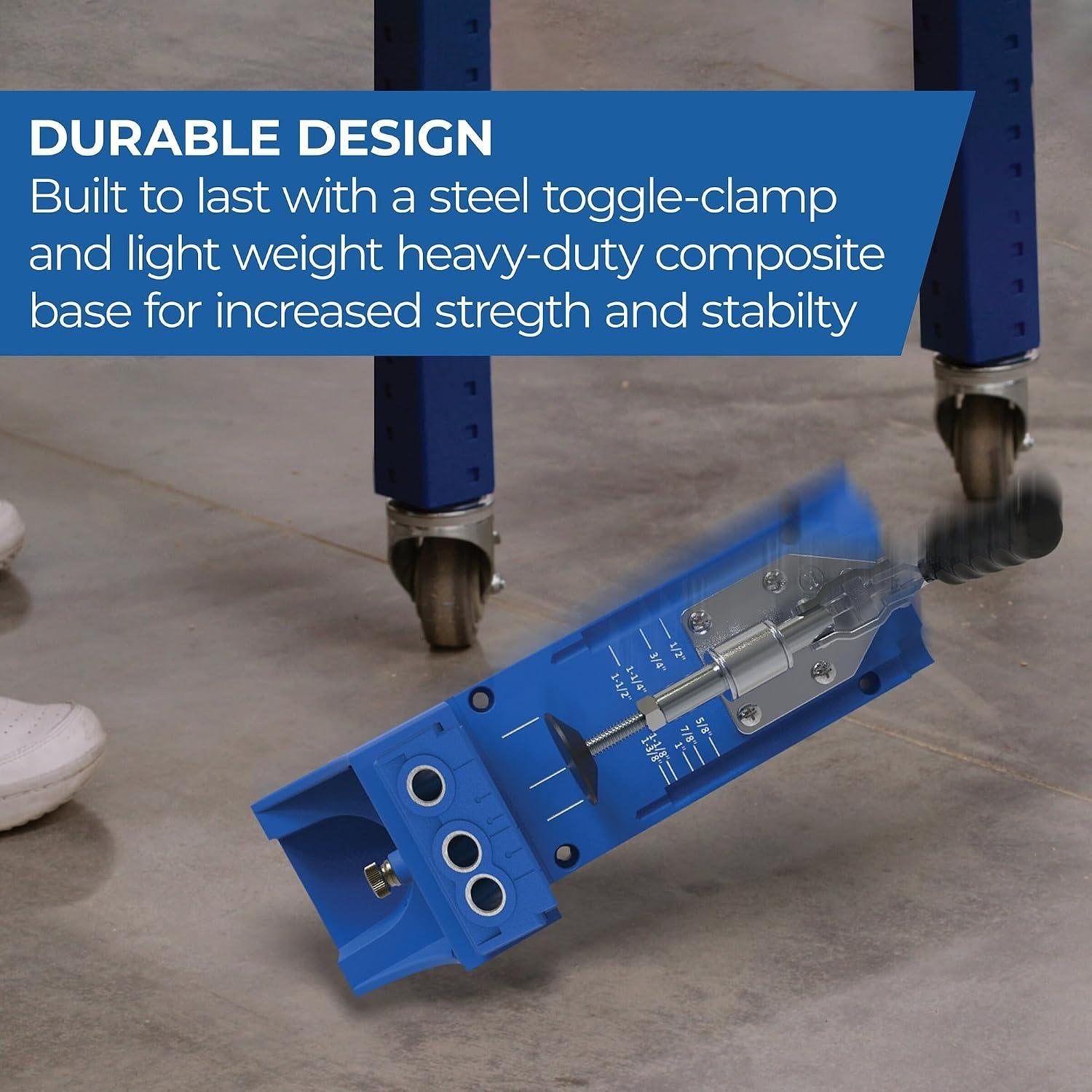
Kreg K4 Pocket Hole Jig Review: Right for Our Shop?

In our shop, joinery tools earn their keep fast—or they gather dust. The Kreg K4 Pocket Hole Jig feels designed for the “use it every weekend” crowd: sturdy, straightforward, and ready to turn scrap boards into clean, confident connections. We like how quickly the drill guides adjust for different stock, letting us move from 1/2" plywood to 1 1/2" lumber without a fussy setup routine. The result is the kind of tight, rock-solid joint that makes a face frame or quick cabinet build feel less like a gamble and more like a plan. Still, we wanted to know: does it stay accurate under real project pressure, and is it worth the bench space?
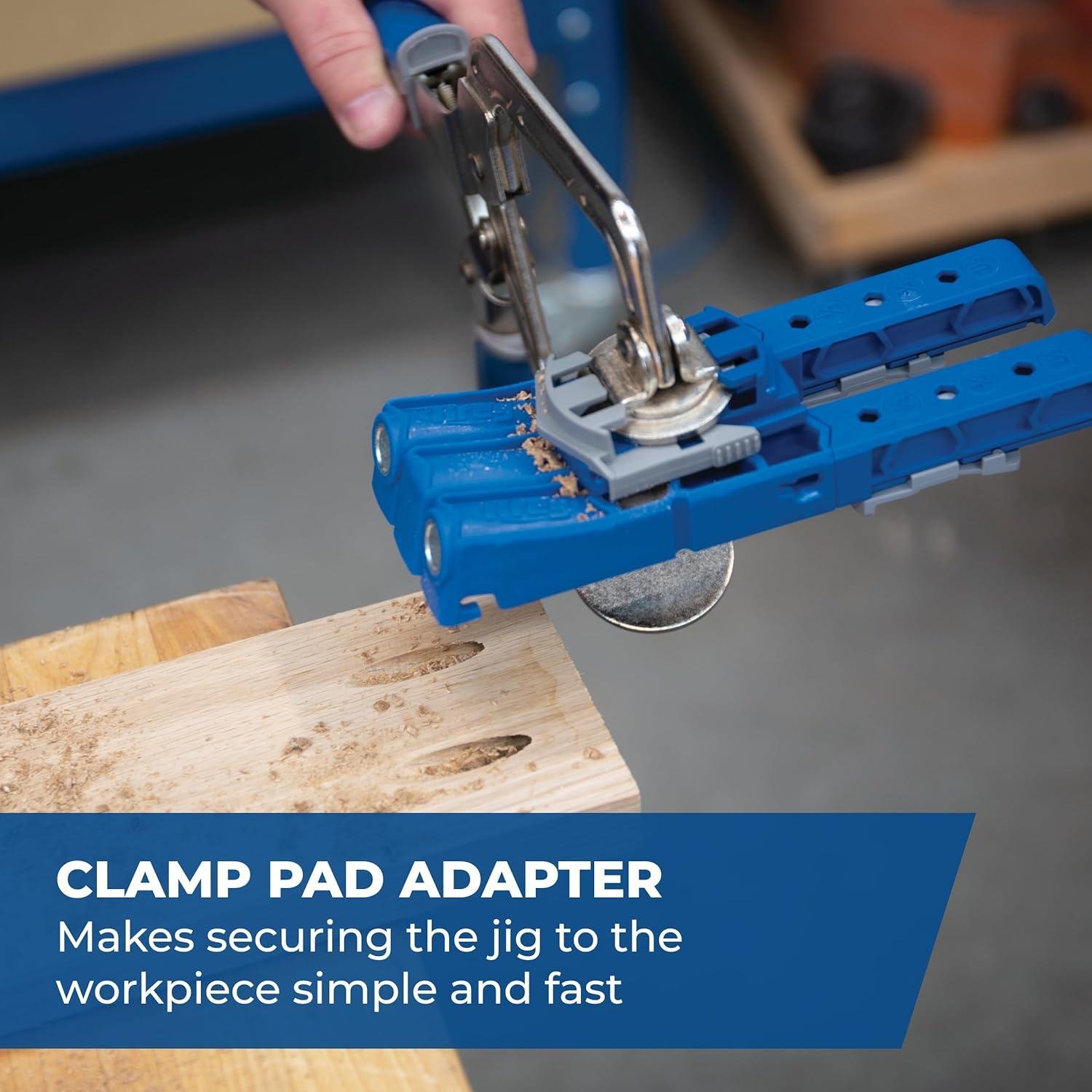
Kreg 320 Pocket-Hole Jig Review: Right for Our Shop?

We’ve tried plenty of pocket-hole jigs over the years, but the Kreg KPHJ320-22 Pocket-Hole Jig 320 immediately feels built for real-world shop clutter—when the “ideal setup” isn’t an option. Its compact body slips into tight corners and narrow cabinet carcasses where bigger rigs start to fight back. The easily adjustable drill guides make dialing in stock thickness (from 1/2" to 1 1/2") quick, without turning the process into a measuring marathon. Paired with the classic 2-inch face clamp, the jig stays put with a reassuring steadiness, even when we’re rushing a dry-fit. In this review, we’ll look at how it handles repeat cuts, awkward angles, and everyday durability.
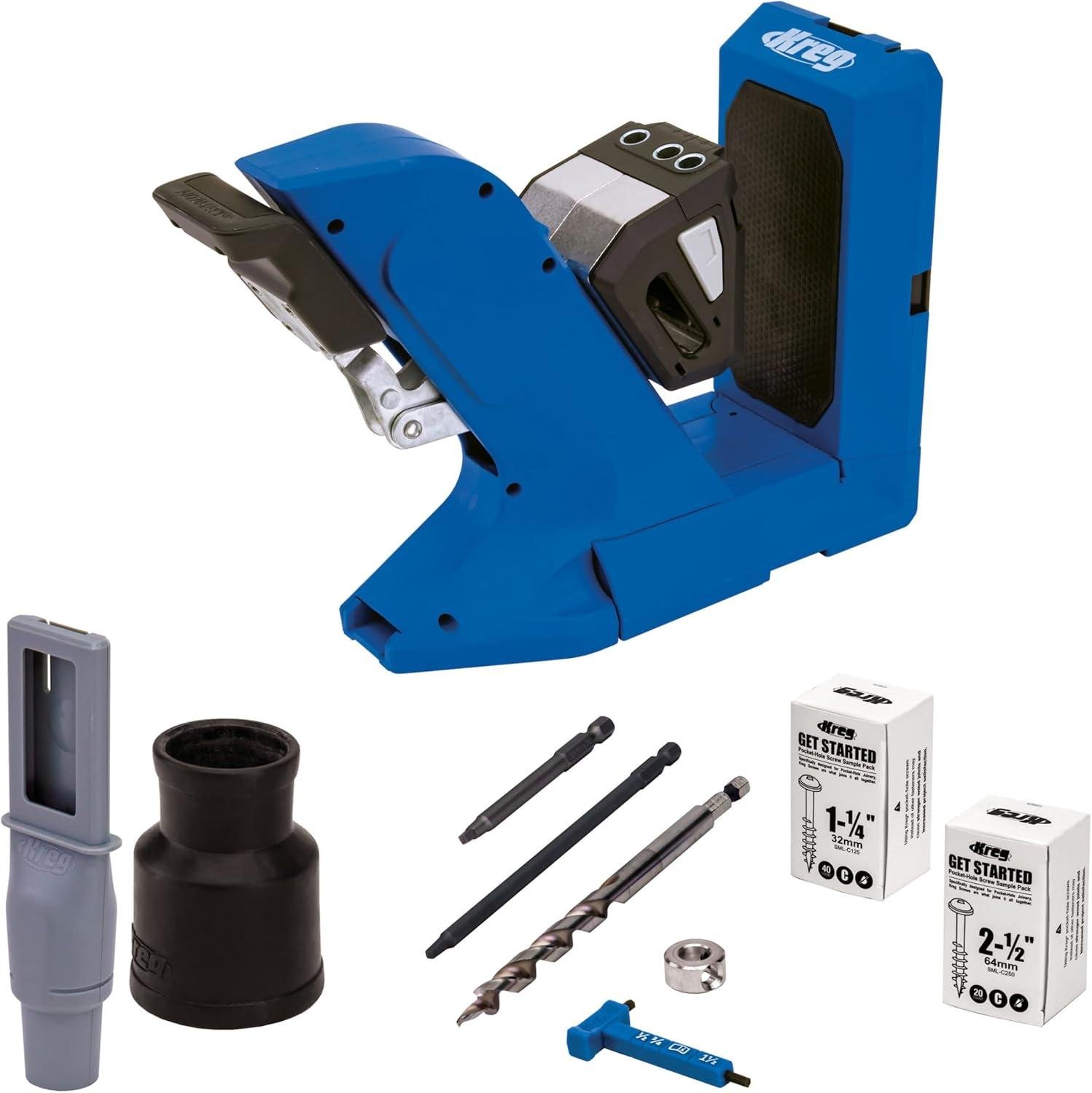
Kreg KPHJ720 Pocket-Hole Jig Review: Right for Us?
After a few weekend builds and one too-many wobbly joints, we decided it was time to test a pocket-hole jig that promised less fuss and more repeatable results. The Kreg KPHJ720 Pocket-Hole Jig 720 quickly felt like a workshop “reset”—durable, straightforward, and designed to keep our process moving instead of stopping to re-measure every step. We especially appreciated how easy it was to clamp and adjust, whether we were working with 1/2" trim or thicker 1 1/2" boards for sturdier frames. In this review, we’ll share how the 720 fit into our workflow, what surprised us, and where it still demands a little patience before we call it a must-have.