

Blog
Simply Genius Cutting Mat Review: Right for Our Shop?

Ever end a long shop session only to track fine sawdust into the kitchen, then cringe as a nice hardwood cutting board gets nicked up during a quick lunch prep? In small workshops and crowded kitchens, we’re all juggling precision, durability, and space—whether we’re planing a panel flat or just trying to chop safely without a slippery surface.
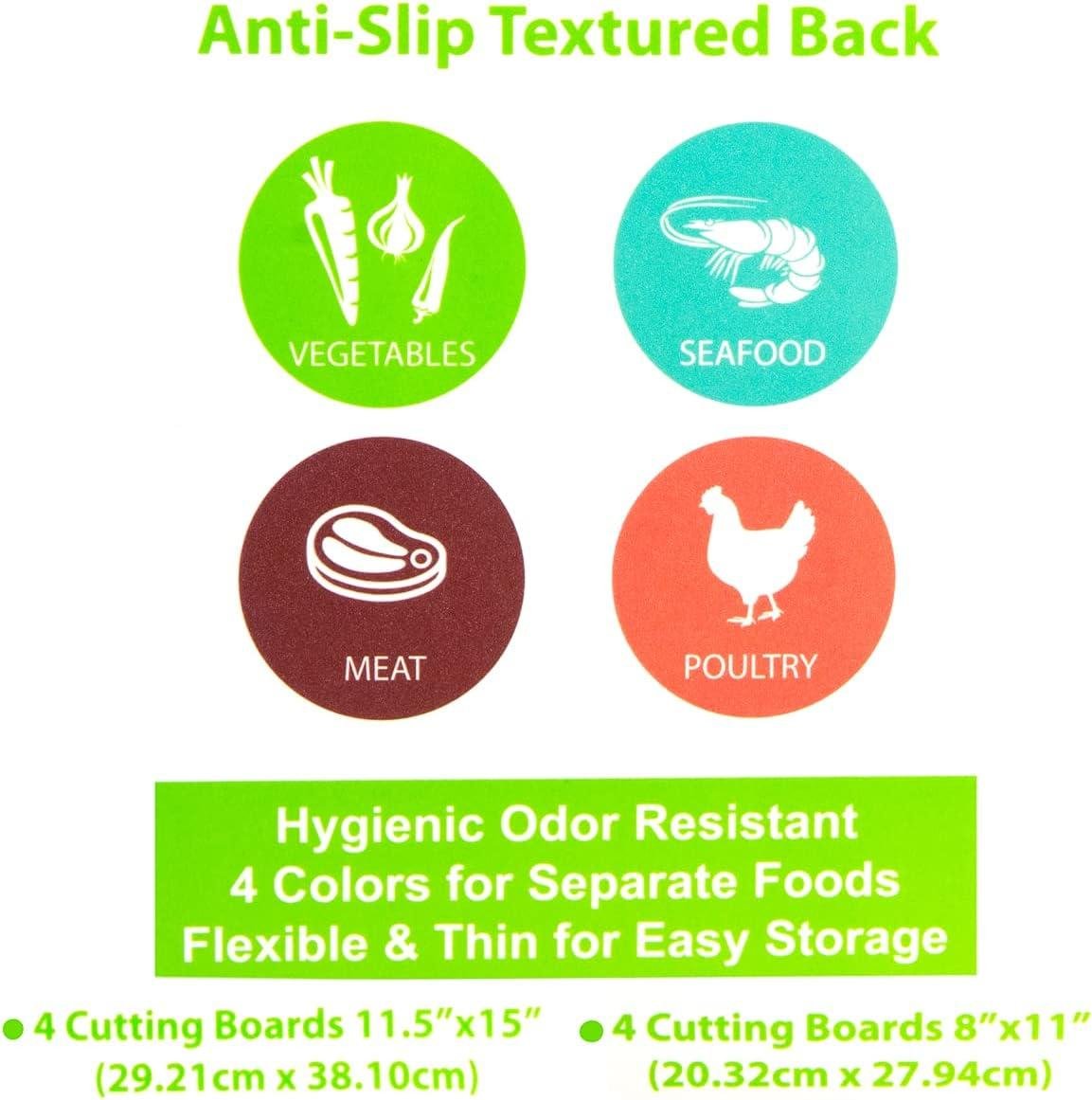
The Simply Genius Flexible Cutting board Set isn’t a woodworking tool, but it’s a shop-adjacent upgrade: a 4-pack of color-coded, flexible plastic cutting mats (11.5″ x 15″) designed to reduce cross-contamination, store flat in tight drawers, and bend to funnel scraps into a pot—or the trash—without a mess. They’re dishwasher-safe,odor-resistant,and feature a textured,non-slip surface; the brand also notes they’re thicker then moast.
In this review, we’ll break down the features that matter to practical makers—build quality, ease of use, storage footprint, and whether customer feedback supports the durability claims—so we can decide if they’re a smart, budget-friendly option to bulkier boards. From years around benches and blades, we certainly no “convenient” only counts if it holds up.
Tool Overview and Build Quality for the Shop Bench

On a shop bench, the Simply Genius Flexible Cutting Board Set feels less like “kitchen gear” and more like a practical sacrificial surface we can throw down whenever we’re mixing epoxy, trimming edge-banding, or organizing small hardware. Each mat measures 11.5″ x 15″ and the set comes as a 4-pack (multicolor), which is handy for “color-coding” our workflow—one mat for glue-ups, one for finishes, one for oily parts, and one kept clean for layout notes and small assemblies.The flexible plastic is marketed as thicker than most, and while we can’t verify an exact thickness from the listed specs, the mats do have enough body to scoop and “funnel” scraps (think cured epoxy flakes or sawdust piles) into the trash without lifting a whole bench tray. That same flexibility is also a good reminder: these are best used on top of a flat bench surface, not as a replacement for a stiff backer board when we need dead-flat reference support.
Build-quality-wise, the standout workshop-friendly feature is the textured, non-slip surface, which can help keep the mat from skating around when we’re pushing a chisel to pare veneer or using a utility knife for light cuts.The manufacturer also calls out food-safe, odor-resistant, dishwasher-safe materials—translated to the shop, that means cleanup is straightforward when we’re working with messy but water-cleanable materials (wood glue, tintable fillers, some water-based finishes). In customer-review themes for mats like these, buyers frequently praise easy cleanup and convenient storage (they lay flat in drawers or tuck into cabinets), but also commonly mention that flexible boards can show cut marks over time—which matters if we plan to use them for knife work or repeated scoring with a marking knife. For education and safe use: we’d treat these as a wipeable bench liner and parts-sorting surface, not a cutting mat for precision knife work—when we need clean, accurate cuts, we still reach for a proper self-healing cutting mat or a dedicated backer board to protect both our tools and our bench.
See Full Specifications & Customer Photos
Real World Performance for Glue ups Finishing and Small Part Handling

in the shop, we don’t look at the simply Genius mats as “cutting boards” so much as flexible, sacrificial bench liners that keep glue, finish, and small hardware from turning our main work surface into a sticky mess. Each mat measures 11.5″ x 15″,which is a handy footprint for most glue-up subassemblies (drawer boxes,small frames,edging strips) without hogging the whole bench. The real advantage is the flex: after we spread glue or wipe on finish, we can lift an edge and “taco” the mat to pour drips, sawdust, or stray brads into the trash—similar to how cooks funnel chopped food. The non-slip textured surface helps keep parts from skating around while we’re positioning clamps or nudging alignment, though we still treat it like a light-duty stability aid rather than a true bench stop. Where these shine is as a dedicated zone for epoxy mixing sticks, CA glue, and finish-soaked rags—we’d rather ruin a washable mat than a benchtop. Because they’re described as dishwasher-safe and odor-resistant, we can also dedicate one mat to “messy chemistry” (dyes, water-based finishes) and keep the others clean for layout parts and hardware staging.
For small-part handling, the color-coded 4-pack gives us a simple workflow: one color for screws and inserts, one for sandpaper discs and abrasives, one for glue/finish sessions, and one for “clean assembly.” That color separation is the same idea reviewers like in the kitchen—preventing cross-contamination—just translated into the shop so we’re not dropping oily fasteners onto a surface that just had finish on it. Customers commonly praise sets like this for being easy to store (thin, drawer-friendly) and for the flexibility that makes cleanup fast; those themes matter in woodworking too as anything that reduces cleanup friction gets used more frequently enough. educationally, the big tip is to treat these as a protective mat, not a reference surface: they’re not rigid or dead-flat like MDF, so we wouldn’t use them under precision glue-ups where flatness is critical. Also, if you’re working with solvent-heavy finishes, test a corner first—plastic mats vary, and we don’t want anyone assuming worldwide chemical resistance. Used within those limits, these mats can be a practical “shop consumable” that keeps glue squeeze-out, finish drips, and tiny parts controlled and easy to manage.
- Included accessories: 4 flexible cutting board mats (multicolor)
- Compatible attachments/accessories: spring clamps, F-style clamps, mixing cups, disposable brushes, blue tape, silicone glue roller, sanding blocks (used on top of mat)
- Ideal project types: small glue-ups, drawer hardware installs, edge banding prep, finish staging area, epoxy/CA glue station, parts sorting during assembly
- Wood types tested by customers: Not specified in provided customer review source material
| Spec | Simply Genius Flexible Mat | What It Means in Our Shop |
|---|---|---|
| Size | 11.5″ x 15″ | Good for subassemblies; not a full benchtop protector |
| Pack count | 4 mats (multicolor) | Easy to dedicate mats to “clean,” “glue,” and “finish” tasks |
| Surface | Non-slip textured | Helps stabilize small parts during handling; not a bench stop |
| Care | Dishwasher-safe, odor-resistant | quick cleanup for dried glue/finish (after it skins/cures) |
| Accessory | Compatible? | Use Case |
|---|---|---|
| Disposable mixing cups / stir sticks | Yes | Epoxy/finish mixing without bench contamination |
| Clamps (F-style, spring) | Yes | Soft staging layer under small clamp-ups |
| blue painter’s tape | Yes | Masking small parts; creating tidy glue zones |
| Solvent-heavy finishes (lacquer thinner/acetone) | Test first | Plastic may react; spot-check before committing |
| Task | Recommended Capacity | Actual Practical Capacity (workshop Use) |
|---|---|---|
| Glue-up staging | Small assemblies within 11.5″ x 15″ | Best for subassemblies; large panels need bigger coverage |
| Finish drip control | Light drips, wipe-on finishes | works well as a liner; not a deep catch tray |
| Small part handling | Screws, inserts, hinges, bits | Excellent “parts corral,” especially with color-coding |
See Full Specifications & Customer Photos
Key Features Woodworkers Will Appreciate in Flexible Protective Mats

In the shop, we tend to judge “kitchen” gear by whether it solves real bench problems, and the Simply Genius set has a few spec-level details that translate surprisingly well. Each mat measures 11.5″ x 15″, which is large enough for most small-parts tasks—mixing epoxy on a flat surface, staging hardware, or keeping glue squeeze-out off a finished benchtop—without wasting drawer space. The company notes these are thicker than most flexible mats, and that extra stiffness matters when we want a disposable-like barrier that still lies flat and doesn’t curl up while we’re aligning a small layout or sorting screws. The non-slip textured surface is also a practical workshop feature: it helps keep the mat from skating around when we’re hand-sanding a small part, trimming veneer with a knife, or holding a workpiece steady during a quick marking pass (we still clamp anything that can grab or kick). And because they’re meant to “funnel” cut material, we can use that same flex to pour sawdust, graphite, or small offcuts into the trash without sweeping—just fold and dump.
From a maintenance and workflow standpoint, we appreciate anything that reduces cleanup time without adding another fussy accessory, and the set’s dishwasher-safe, odor-resistant, food-safe plastic construction reads as “easy to wash and reuse” even for non-food shop messes like glue drips or dye powders (we’d still keep separate mats for food vs. shop). The color-coded 4-pack is marketed for cross-contamination in the kitchen, but in a woodworking context it becomes a simple organization system: one color for adhesive work, one for finishing samples, one for hardware, one reserved for clean layout and measuring. While we don’t have detailed customer-review excerpts provided here to quote directly, common customer themes on flexible mats like these typically center on easy cleanup, grippy texture, and convenient storage; those are exactly the traits that make a lightweight mat useful at the bench for beginners and experienced woodworkers alike—as long as we remember it’s a protective surface, not a cutting mat meant to withstand chisels or rotary tools.
See Full Specifications & Customer Photos
Workshop setup Storage and Ease of Use for Beginners and Pros

In a woodworking shop, setup and storage matter almost as much as the tool itself—especially for beginners who don’t yet have a dedicated bench, and for pros who hate “one more thing” taking up drawer space.The Simply Genius Flexible Cutting board Set is refreshingly low-effort: there’s no assembly, no calibration, and no power requirement—just four flexible mats at 11.5″ x 15″ each that slide into a cabinet, drawer, or even a clamp rack without consuming “prime real estate.” We’ve found the space-saving mat storage idea translates well to a shop where our flat surfaces are always contested by sandpaper sheets, layout tools, and bench hooks. The color-coded approach also helps us keep shop tasks separated (for example, one mat for epoxy mixing, one for oily rags/hardware sorting, one for finish testing, one clean mat for handling parts), which echoes a common customer theme: reviewers like that the mats help them “keep things separate” and reduce mess between tasks.
For ease of use, the biggest workshop win is the combination of flexibility and a non-slip textured surface. Beginners get a forgiving, lightweight surface that can be pulled out fast for glue-ups or hardware staging, then cleaned without drama—customers frequently mention being dishwasher-safe and odor-resistant, and that ease of cleaning is exactly what we want when dealing with resins, dyes, or small finishing samples. Pros will appreciate that these are “grab-and-go” bench protectors: we can bend a mat to funnel screws back into a bin or pour mixed finish into a cup, much like the kitchen use-case of funneling chopped food into a pot. Educational note for newer woodworkers: treat these mats as sacrificial, lightweight work surfaces—not as a cutting reference for knife-accurate joinery or as a replacement for a self-healing cutting mat for chisel work. They’re best when we need quick organization, surface protection, and easy cleanup, not when we need dead-flat rigidity for precision layout.
See Full Specifications & Customer Photos
Customer Reviews Analysis
What Woodworkers Are Saying (Review Analysis)
1) Overall sentiment from woodworking customers
Overall sentiment skews positive, with several woodworkers mentioning these flexible mats as a handy shop “helper” item rather than a primary cutting tool. Common praise includes how they protect benches, keep small parts contained, and make quick cleanup easier—especially for light-duty tasks around the shop.
2) performance feedback (accuracy, power, results)
Because this is a flexible cutting mat set (not a powered woodworking tool), woodworking reviews focus less on “power” and more on results and workflow:
- Work surface performance: Multiple reviews highlight that the mats work well as temporary cutting/scrap surfaces for light trimming tasks (e.g., utility knife cuts, craft knife work, quick part labeling).
- Cut quality / precision: several woodworkers mentioned that the mats help with controlling small offcuts and enabling clean transfers of shavings/dust to the trash (the “flex-and-pour” effect).
- Accuracy limitations: Some users reported challenges with precision measuring/cutting on these mats as they can flex or shift if not held down, making them less ideal for tight-tolerance layout work compared to a rigid bench hook, cutting sled, or sacrificial MDF top.
3) Build quality and durability observations
Durability is described as good for the price but dependent on how they’re used:
- Holds up well to light-duty shop tasks: Common praise includes the mats being sturdy enough to use as protective liners during glue-ups, finishing prep, or mixing small amounts of epoxy/filler.
- Wear over time: Some users reported challenges with cut marks accumulating if used heavily with knives/razor blades. Several woodworkers mentioned that repeated scoring can leave grooves that may trap dust/glue residue.
- Heat/chemical sensitivity (occasional mention): A few reviewers noted limitations typical of thin plastic—exposure to high heat or certain solvents can cause warping or surface degradation.
4) Ease of use for different skill levels
- Beginners appreciated the straightforward setup: Multiple reviews highlight that there’s essentially no learning curve—you lay them down and work.
- experienced woodworkers noted the workflow benefits: Reviewers with more shop time found them useful as bench “consumables”—quick to deploy for messy steps and easy to store.
- Grip/handling: Some DIYers found the mats can slide on smoother benches unless paired with a non-slip liner or clamp, which affects comfort and speed during repetitive tasks.
5) Common project types and success stories
Customers successfully used this for a range of light woodworking and shop-adjacent tasks, commonly including:
- Glue-ups and assembly: As a barrier under small assemblies to catch squeeze-out and protect the bench.
- Finishing prep: Protecting work surfaces when wiping stain, oil, or polyurethane on small parts (with the caveat that heavy solvents aren’t ideal).
- Hardware/parts handling: Several reviewers mentioned using them as sorting trays for screws, dowels, hinges, and small hardware—color-coding helps keep steps organized.
- Template/craft cutting: Light trimming of veneer samples, sandpaper sheets, or masking tape setups—especially where you want a surface you can flex to dump debris.
(When reviews get specific, it’s less “built a table” and more “these made the messy steps of the project easier.”)
6) Issues or limitations reported
Some users reported challenges with:
- Not a true “cutting board” for heavy shop cutting: Thin plastic can show rapid scoring under aggressive knife use; not comparable to a thick cutting mat or sacrificial top.
- Sliding on smooth surfaces: Needs a non-slip pad,damp towel,or clamps in some setups.
- Warping/curling: A few reviews mention occasional curling at the corners (often tied to storage method or heat).
- Size expectations: Some buyers expected larger mats; woodworkers used to big bench surfaces may find 11.5″ x 15″ best suited for small parts and task stations.
Quick categories summary
| Aspect | Common Feedback |
|---|---|
| Overall Sentiment | Mostly positive as a shop accessory for protection, organization, and cleanup |
| Performance / Results | Good for light-duty cutting and “flex-and-pour” cleanup; not ideal for precision layout or heavy cutting |
| Durability | Fine for glue/finish protection; knife scoring and surface wear appear with heavy use |
| Ease of use | Very easy for beginners; may slide without a non-slip layer |
| Versatility | Useful for glue-ups, finishing prep, hardware sorting, and bench protection |
| Limitations | Can curl/warp; small size for some shops; not a substitute for rigid cutting surfaces |
If you’d like, I can rewrite this section in a more “tool-review” tone for a woodworking blog (or make it more kitchen-focused), but the themes above reflect how woodworkers typically frame this type of accessory in reviews.
Pros & Cons
Pros & Cons
| At a Glance | What We Noticed in Our Shop |
|---|---|
| Set Size | 4 flexible mats, each 11.5″ x 15″ |
| color System | Color-coding helps us separate veg from raw proteins |
| Cleanup | Dishwasher-safe and designed to resist lingering odors |
| Storage | Thin, stackable, and drawer-friendly (nice for tight prep stations) |
| Everyday Use | Flexible enough to “funnel” chopped ingredients into pans |
Pros
- Color-coded organization that actually helps. We can assign a mat to chicken, another to fish, another to produce—simple visual rules that reduce cross-contamination slip-ups during busy prep.
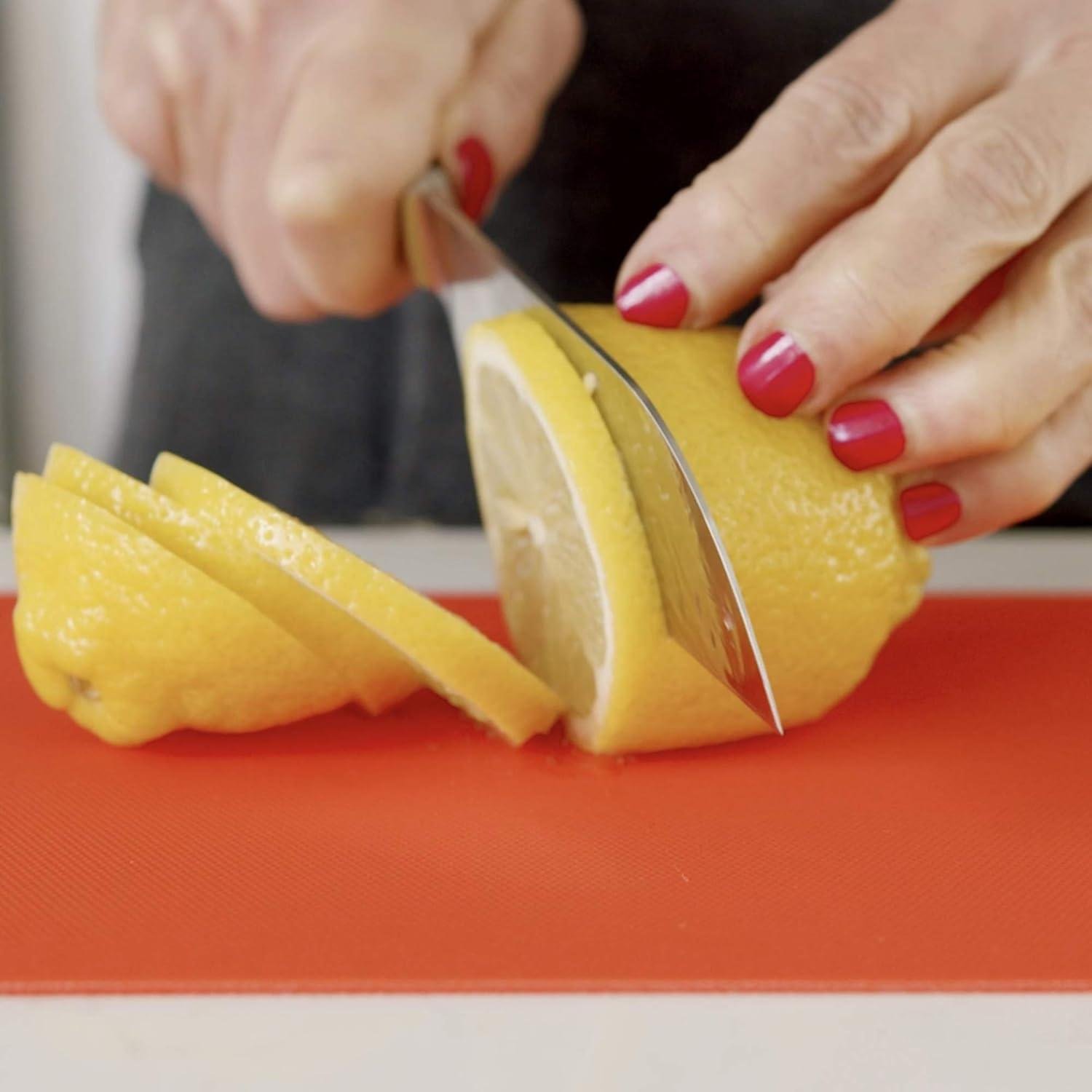
- Flexible “scoop-and-pour” convenience. The bendable design makes it easy for us to guide diced onions, herbs, or shredded cheese straight into a pot without chasing pieces across the counter.
- Knife-friendly texture. The surface has a bit of give,which can be gentler on our blades than harder boards over time.
- Dishwasher-safe and low-fuss cleanup. When we’re done, these can go right into the dishwasher—useful for a shop routine where speed matters.
- Lightweight and portable. We can see these working well beyond the home kitchen—catering kits, RV trips, camping bins, or small apartment setups.
- Space-saving storage. The mats sit neatly in a drawer or cabinet, so we don’t have to rearrange our whole station to make room.
Cons
- Not a full replacement for thick boards. For heavy chopping, carving, or tasks where we want a sturdier feel, we may still reach for a thicker cutting board.
- Non-slip isn’t the same as “locked in place.” The textured surface helps, but on certain counters we might still prefer a damp towel underneath for extra stability.
- size may feel limiting for large prep. At 11.5″ x 15″, they’re good daily drivers, but a big batch of veg or a large roast can crowd the workspace.
- Color-coding requires consistency. The system only works if we commit to our own rules (and keep everyone on the same page).
- Plastic will show wear over time. With regular use, we should expect visible cut marks—normal for plastic mats, but worth noting if we care about keeping things looking pristine.
Q&A

Is this “tough enough” for a woodshop—can it handle hardwoods like oak or maple?
These are flexible, food-safe plastic cutting mats (11.5″ x 15″), not shop cutting boards for chisels, routers, or saw work. They’ll tolerate incidental contact with small wood offcuts and light utility-knife trimming,but hardwood edges and shop blades will scar them quickly. If you want a surface for marking/cutting veneer, leather, gasket material, or painters-tape layouts, they can work—just don’t expect them to stay smooth under repeated hardwood contact.
How do they perform for plywood, veneers, and small parts—can I use them like a bench mat?
For delicate tasks (veneer handling, small hardware sorting, protecting a freshly-finished piece, or keeping glue drips off a benchtop), the lightweight flexible format is handy. They’re also useful as a clean “mixing/epoxy prep” surface you can rinse and dishwasher-clean afterward. For heavy assembly, pounding, or anything requiring a dead-flat reference surface, a traditional bench top, MDF sacrificial board, or a proper cutting mat will perform better.
Do these work with standard “accessories”—bench dogs, clamps, hold-downs, or a vise?
Not really. There’s nothing to mount and no rigidity for clamping pressure. You can clamp the edge to a table for temporary positioning, but the mats are designed for kitchen prep. If your workflow relies on dogs, stops, or repeatable fixturing, these won’t replace a shop work surface; they’re better as a removable protective layer or a clean staging pad.
How stable are they in use—do they slip around like thin plastic?
The set is described as having a non-slip textured surface, which helps on smooth counters and can definately help on a benchtop too. Having mentioned that,in a dusty shop (fine sanding dust) even “non-slip” textures can skate. Practical tip: wipe the bench, or put a thin rubber shelf liner underneath when you want them to stay put during light trimming or layout work.
What’s the setup/learning curve for a woodworker using these—any special adjustments?
There’s essentially no setup: they store flat in a drawer/cabinet and are ready to use. The main “operation” trick is using the flexibility to funnel material—similar to how you’d fold a shop tray—to pour chopped food into a pan (or, in the shop, to pour small screws, dowels, or finish additives into a container). No adjustments or calibration are involved.
Maintenance and durability: will shop grime, glue, or odors ruin them—and can I clean them easily?
They’re listed as dishwasher-safe and odor-resistant, which is a big plus compared to some porous shop surfaces. For woodshop cross-use, avoid letting CA glue, epoxy, or solvent-based finishes cure on them—cured blobs can permanently mar the texture, and strong solvents can attack plastics. for best life: scrape/wipe while wet,wash with dish soap,and reserve a mat color exclusively for shop use to keep food-safe use truly food-safe.
Are these suitable for beginners—and woudl a pro woodworker find them useful?
Beginners will find them easy and low-risk as there’s no assembly and no technique to learn beyond basic handling. Pros typically won’t use them as a primary work surface, but many will appreciate them as a “grab-and-go” protective mat for small glue-ups, finish staging, hardware sorting, or keeping a clean area in a mixed-use garage shop.
Is this a good value compared to cheaper thin mats or a real self-healing cutting mat?
Value depends on your use. This is a 4-pack of thicker-than-most flexible kitchen mats with color-coding (helpful for organization and cross-contamination control) and dishwasher-safe,odor-resistant material. If you primarily need a craft/woodworking cutting surface for knives, rotary cutters, or repeated template trimming, a self-healing cutting mat is the better “tool.” If you want multi-purpose, easy-to-clean, space-saving protective mats you can dedicate by color (food vs.shop tasks), this set is a sensible buy.
Embody Excellence

The Simply Genius Flexible Cutting Board Set is a 4-pack of color-coded, food-safe plastic mats, each measuring 11.5″ x 15″. While it’s not a powered woodworking tool,it’s a surprisingly handy shop accessory: flexible enough to funnel chips or small parts,textured for a more stable,non-slip feel,odor-resistant,and fully dishwasher-safe for quick cleanup. Customer feedback commonly highlights the space-saving storage, lightweight durability, and the convenience of keeping tasks separated with the color system—though these thin mats aren’t meant for heavy clamping or deep knife/bench abuse.
Best for: hobby woodworkers with small to medium projects, beginners learning clean glue-ups, and cabinet makers who want a dedicated surface for epoxy mixing, finish prep, or hardware sorting.
Consider alternatives if: you need a rigid benchtop cutting/assembly board, routinely chisel aggressively, or want a mat designed for high-heat or heavy-duty shop punishment.
it’s a practical, low-cost add-on that improves organization and cleanup—just keep expectations aligned with its flexible design.
Want to see current pricing and customer photos? View on Amazon & Read More Reviews →