
Blog
ROBOTIME Plywood Sheets Review: Right Laser Wood?

Ever dial in a laser cut perfectly, only to watch the sheet lift at the corners, scorch unevenly, or chip on tight details? In small shops like ours—where bench space is limited and every wasted panel hurts—material consistency matters as much as the machine settings.
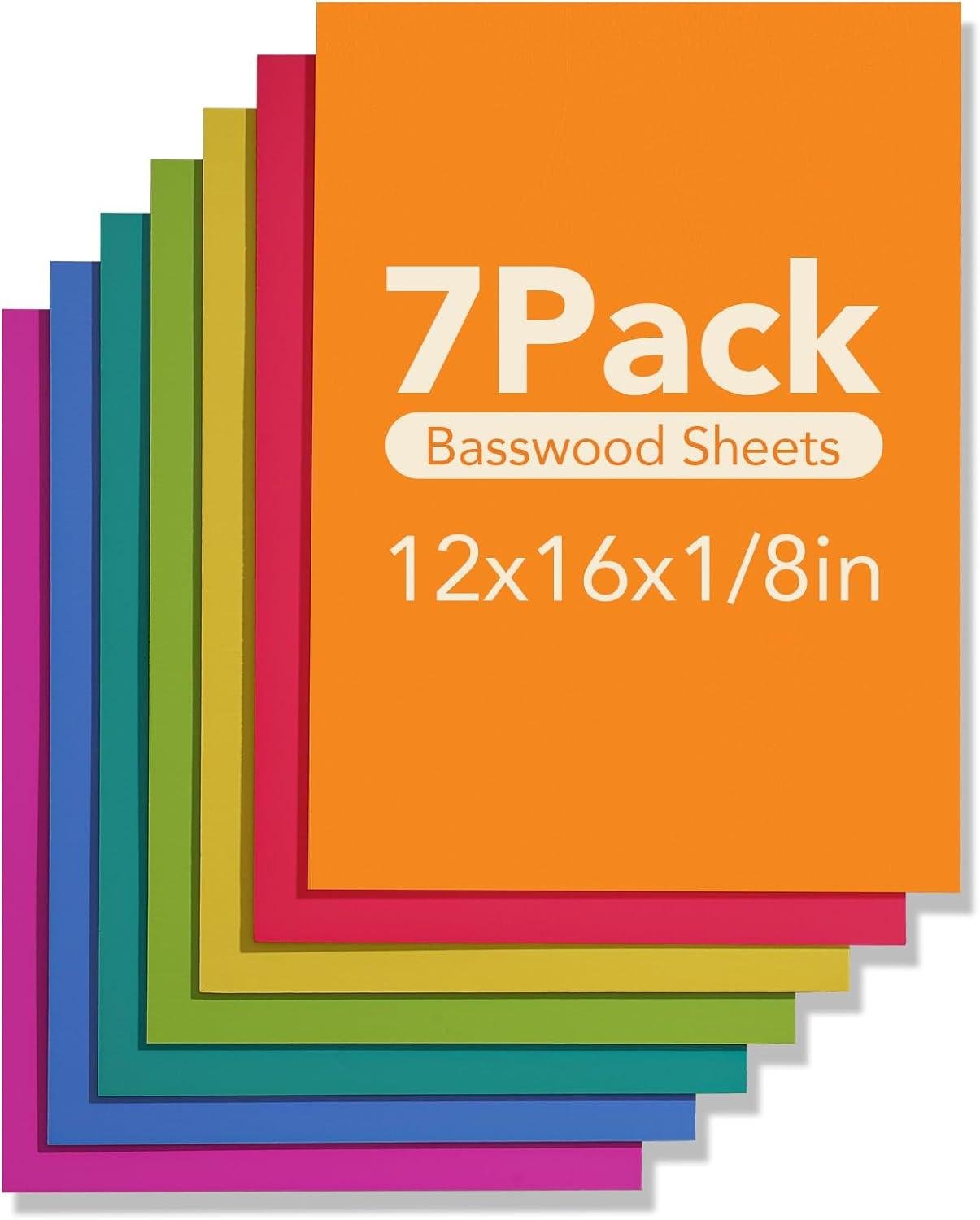
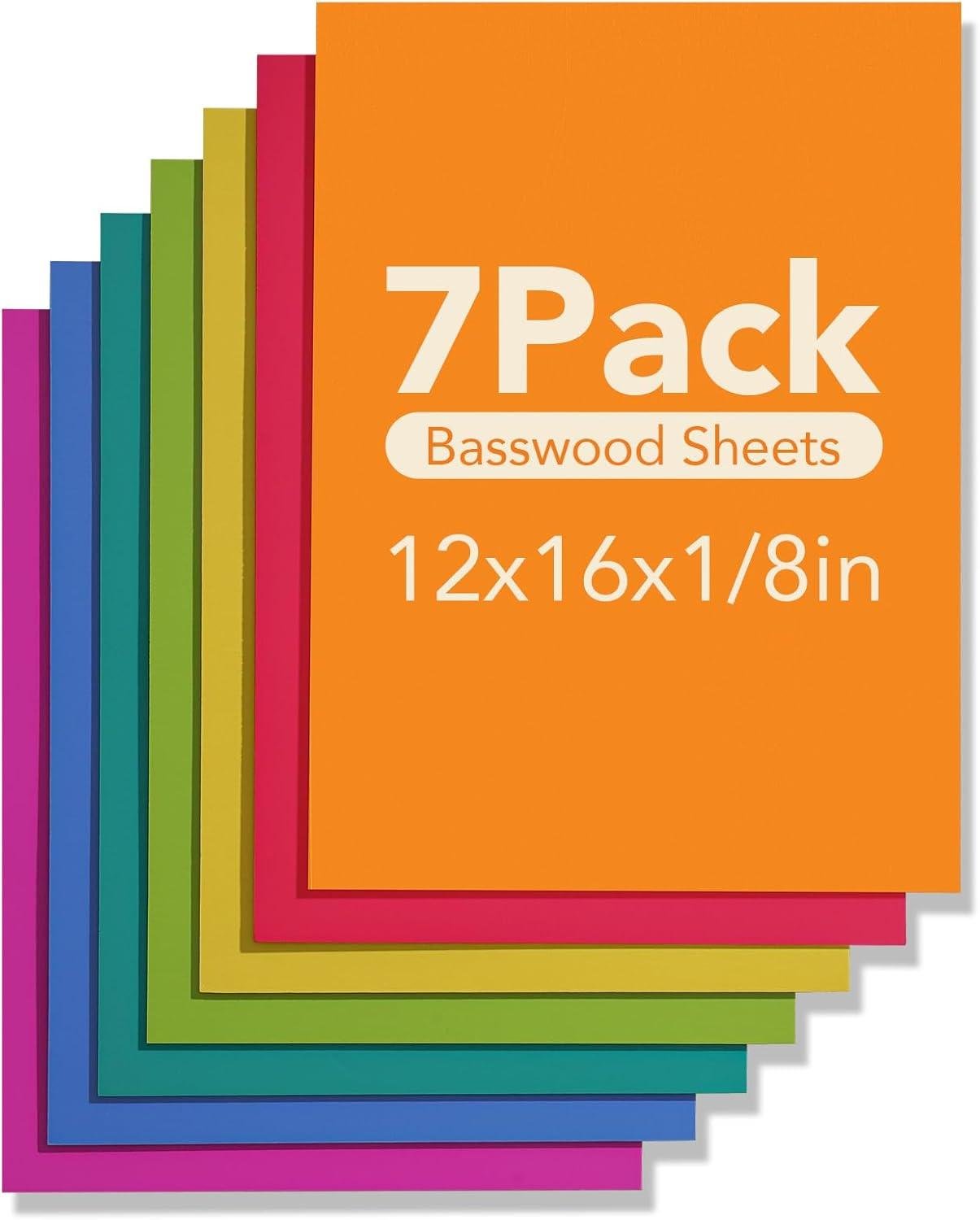
That’s where the ROBOTIME 7‑pack Double‑Sided Colored 1/8″ Plywood Sheets (WB125) comes in: 12″ x 16″ x 3mm basswood plywood, roller‑coated in solid colors on both sides, aimed at laser cutting, rotary engraving, UV‑LED printing, and heat‑transfer crafts. The promise is simple—skip painting, keep edges clean, and get predictable thickness for precise cuts.
In this review, we’ll break down the specs, what the coating and double-sided color mean for workflow, and what customer feedback suggests about cut quality,flatness,grain/appearance,and the mixed reports on warping—all while weighing budget vs. quality for hobbyists and small-batch makers.
We approach this as woodworkers who’ve learned (sometimes the hard way) that good results start wiht stable, accurate stock—not just better tools.
Tool Overview and First Impressions of the Colored Plywood Sheets
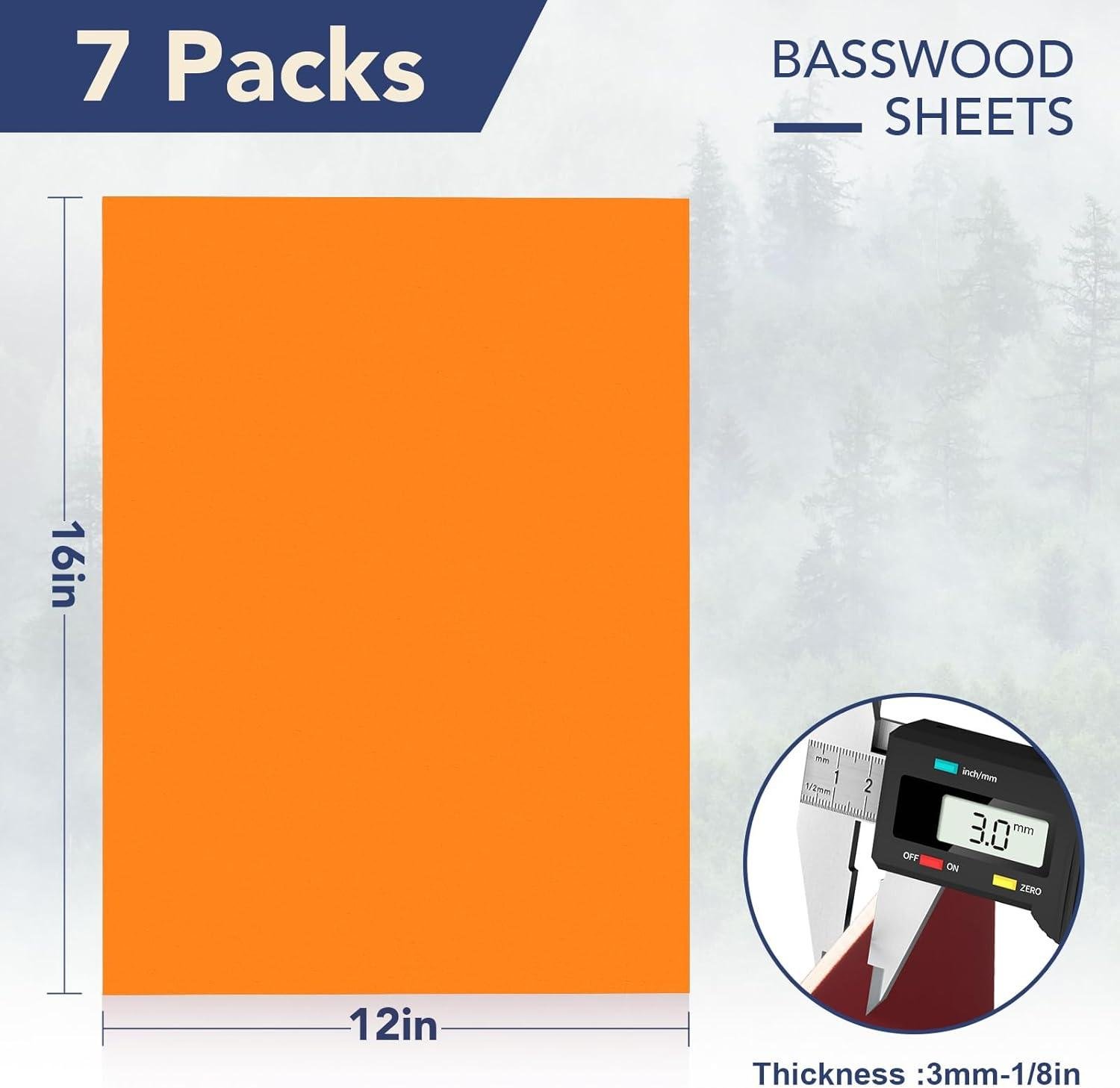
When we first unwrapped the ROBOTIME 7-Pack Double-Sided Colored Plywood Sheets (WB125), our immediate takeaway was that these are craft-focused panels built around consistency: 12″ x 16″ sheets at 1/8″ (3mm) thick with a roller-coated solid color on both faces. In a woodworking shop, that spec matters most when we’re fitting parts into grooves or dados, building light-duty trays, or making laser-cut components that need to stack cleanly without “mystery thickness.” Multiple customer reviews echo that priority, calling out “consistent thickness”, “smooth and blemish free” faces, and sheets being “EXACTLY as described”—which is a big deal if we’re batch-cutting parts and don’t want to recalibrate between colors. We also appreciate that ROBOTIME frames these as all-natural basswood stained with vibrant color, which makes sense for indoor signage, tags, and decorative shop projects where color-coding parts or adding contrast helps readability.
First impressions also highlighted the practical tradeoffs of colored, thin plywood in a real shop habitat. Customer feedback repeatedly praises “clean cuts” and how well it runs in lasers—one theme is strong performance on 60W CO2 laser cutters, along with reports of smooth engraving results and minimal chipping. At the same time, reviewers mention two recurring cautions we’d treat like standard workflow checks: warping is mixed (some report “no warping,” others describe bows notable enough to be a problem), and several point out that the veneer is extremely thin.In practice, that means we’d plan to store these sheets flat and weighted, and we’d be careful with sanding—ROBOTIME even notes that sanding may affect the surface color, so our advice is to test sanding and finishing on an offcut before committing to a production run.For woodworkers using these beyond laser work—say, for small drawer bottoms, mockups, or jig templates—the thin face veneer also means we’d avoid aggressive planing, heavy flush-trimming, or deep roundovers that could expose the lighter core.
- included accessories: (none listed) — sheets only
- compatible tools/attachments: CO2/diode laser cutters, rotary engravers, UV-LED printing setups, toner heat-transfer setups, craft knives (X-Acto-style), scroll saws (fine blades), light-duty sanding blocks
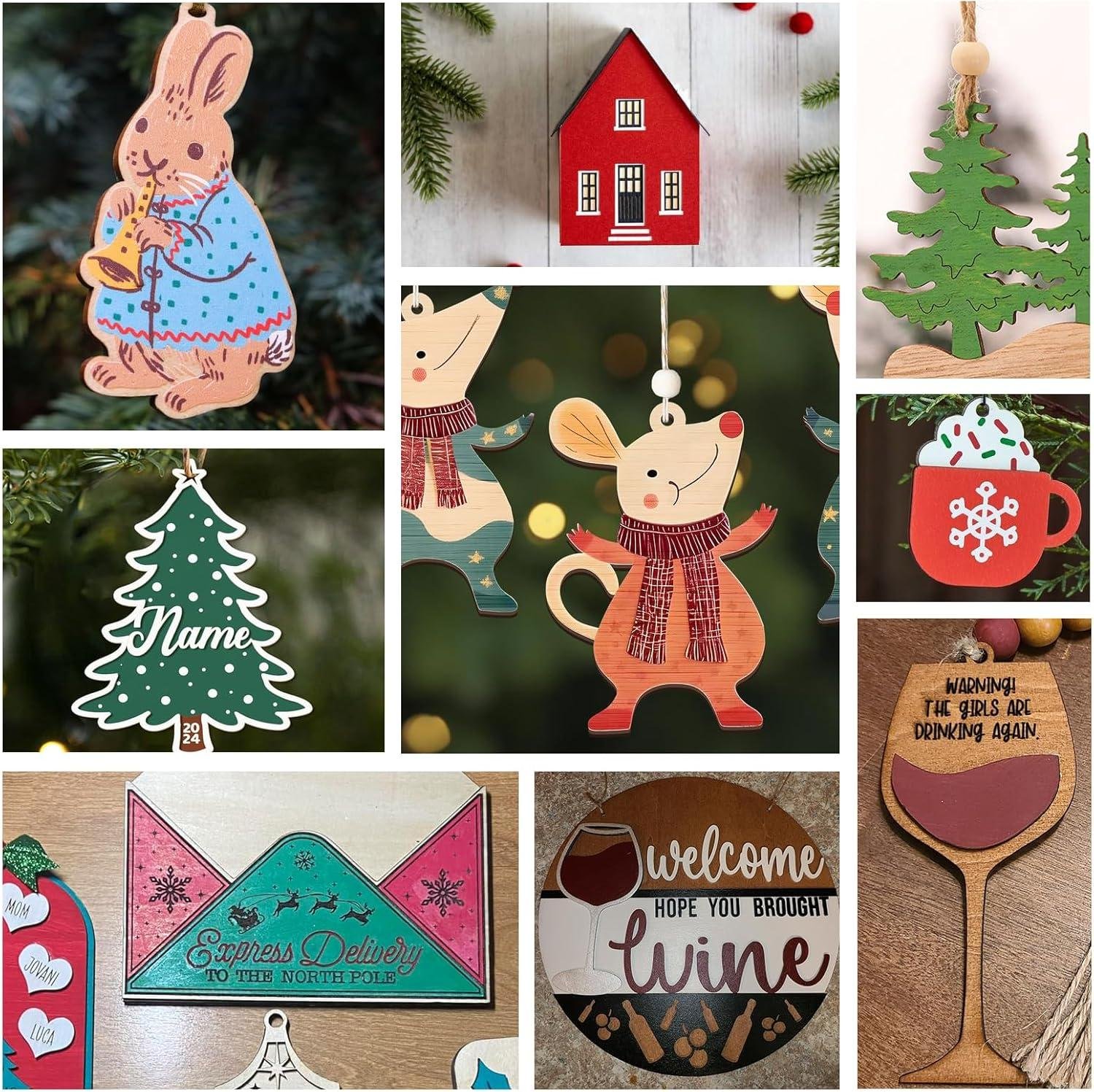
- Ideal project types: interior signage, ornaments, gift tags, cake toppers, name badges, laser-cut jewelry blanks, custom-cut shapes, shop labels/templates, lightweight box trays/false bottoms
- Wood types tested by customers: basswood (colored), plus reviewers also discuss ROBOTIME sheets in oak/walnut/birch variants
| Spec | ROBOTIME WB125 (Assorted Colors) | Why it matters in the shop |
|---|---|---|
| Sheet size | 12″ x 16″ | Determines whether it fits your laser bed or can be nested efficiently for parts. |
| Thickness | 1/8″ (3mm) | Critical for slot-fit designs,shallow dados,and consistent engraving depth/cut settings. |
| Color | Double-sided solid color (roller-coated) | Useful when both faces show; reduces need for paint/finish on decorative work. |
| Core material | Basswood (stained/colored faces) | Basswood cuts/engraves easily; good for detail, but dents easier than hardwood ply. |
| Common review notes | Clean cuts,smooth faces,consistent thickness; warping mixed,veneer very thin | Expect good laser/craft performance; inspect flatness and avoid aggressive sanding/edge profiling. |
| Accessory / Consumable | Compatible? | Use case |
|---|---|---|
| Laser honeycomb bed / pins | Yes | Helps manage slight warp and supports clean cut-through. |
| Low-tack masking tape | yes | Reduces smoke staining and makes cleanup easier after laser cutting. |
| Fine-tooth scroll saw blades | Yes | Manual cutting for small shapes when a laser isn’t available. |
| Sanding sealer / clear coat (test first) | Yes (with testing) | protects colored surfaces; avoid heavy sanding that could thin/remove color. |
| Use Case | Recommended Capacity/Expectation | What reviews suggest in real use |
|---|---|---|
| laser cutting detail parts | High (3mm basswood) | Manny report clean edges, no chipping, and strong engraving/cut performance (including 60W CO2). |
| Flat-sheet applications (signs, badges) | High if sheets are flat | Most praise flatness, but warping reports are mixed—inspect and store weighted. |
| Edge profiling/sanding-heavy projects | Low–Moderate | Reports of very thin veneer; sanding can affect color—test on scrap. |
See Full Specifications & Customer Photos
Key Features Woodworkers Will Appreciate in Laser Cutting and Craft Builds
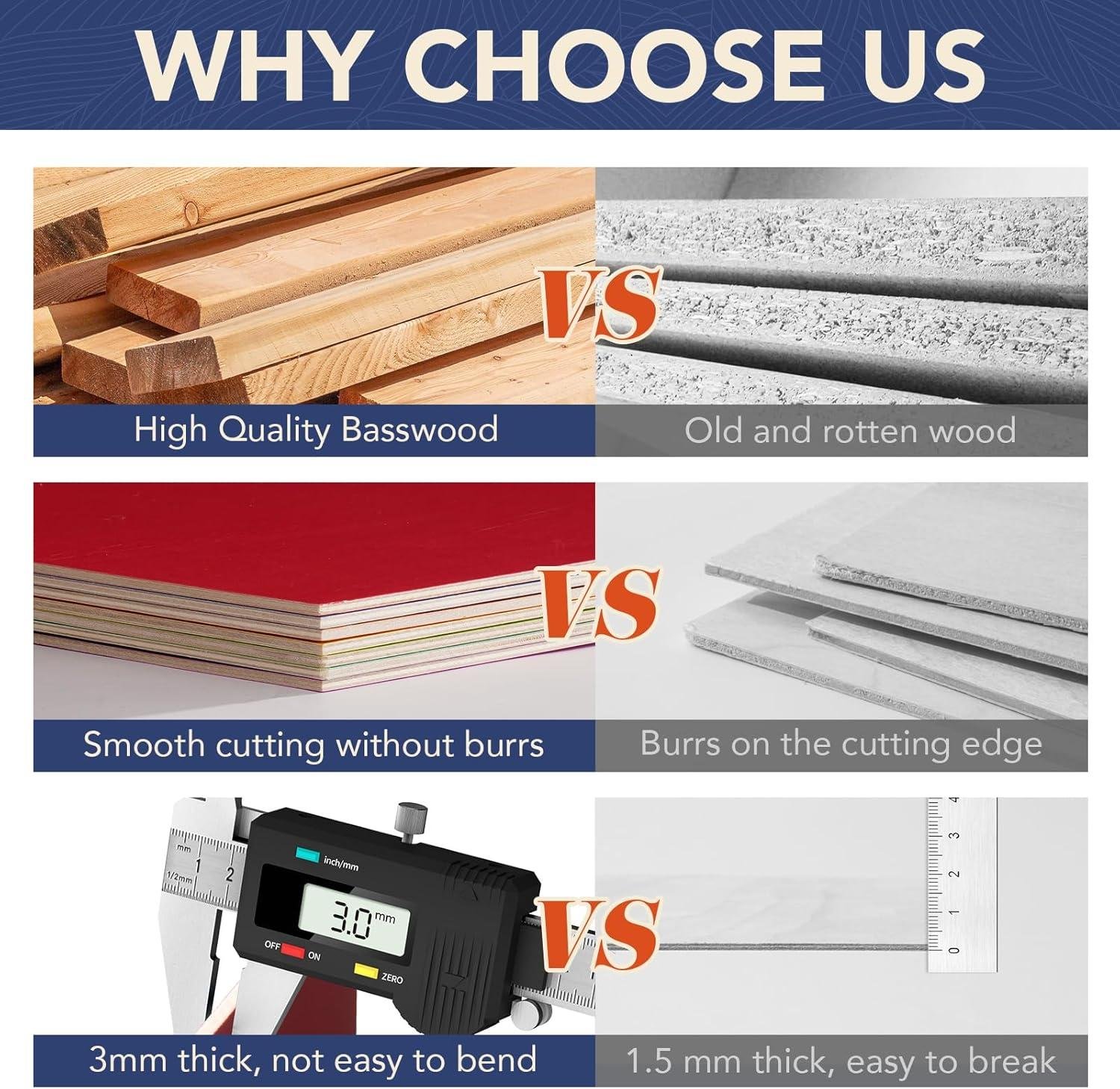
In laser work, consistency is everything, and these ROBOTIME sheets hit several notes we care about in the shop. each panel is a true craft-friendly size at 12 x 16 inches with a stated thickness of 1/8 inch (3mm), and multiple reviewers emphasized that the thickness was “EXACTLY as described” and “consistent thickness across all 7 colors.” That matters because it keeps our focus on dialing in a reliable cut recipe instead of chasing focus height and power changes from sheet to sheet. The double-sided,roller-coated solid color is another practical win: reviewers repeatedly mention the colors are “vibrant and solid on both sides,” which lets us skip painting and still get a finished look—especially helpful for small goods like tags,ornaments,and signage where raw edges and unfinished backs stand out. Customers also report “clean cuts,” “no chipping,” and smooth engraving results, and one theme worth noting for CO₂ users is that these sheets “work well with 60w CO2 laser cutters,” suggesting they’re laser-friendly in typical hobby-to-pro workflows.
From a technique standpoint, basswood-based plywood like this is generally cooperative for fine detail, but we still want to treat the surfaces like a finished layer. Several comments point out the veneer is extremely thin, which means our woodworking habits should adjust: aggressive sanding can burn through color fast, and the listing itself warns that sanding may affect the surface color—so we’re better off designing parts to come off the machine clean, then doing only light edge cleanup (think a fast pass with a fine sanding sponge or a scraper). Warping is the one mixed theme in reviews: many users reported sheets were “perfectly flat” or “no warping,” while others had bowing significant enough to disrupt laser focus. In practice, we’d store these flat with weight, keep them sealed from humidity swings, and for laser cutting use pins/magnets/clamps (or a proper hold-down bed) to keep the sheet tight to the table so kerf stays consistent and engraving doesn’t fade in and out across the panel.
- Included accessories: None (these are material sheets only; no blades, bits, or fixtures included)
- Compatible attachments/accessories: Honeycomb laser bed, hold-down pins/magnets, masking tape/paper for reducing scorch, air-assist (laser accessory), calipers for thickness checks
- ideal project types: Interior signage, custom-cut shapes, gift tags, cake toppers, ornaments, name badges, lightweight jewelry components
- Wood types tested by customers (as discussed in reviews/listing family): Basswood (this assorted-color pack), plus other ROBOTIME offerings mentioned by reviewers such as Oak and Walnut; listing also references Maple, bubinga, Walnut, Birch options
| Spec / Feature | ROBOTIME WB125 (This Pack) | Why Woodworkers Care |
|---|---|---|
| Sheet size | 12″ x 16″ | determines whether it fits our laser bed and nesting workflow |
| Thickness | 1/8″ (3mm) (tolerance noted by brand) | Controls focus height, cut settings, tab strength, and press-fit accuracy |
| Finish | Double-sided roller-coated solid color | Saves finishing time; looks “finished” from both faces |
| core/face behavior (review themes) | Thin veneer noted by multiple reviewers | We should avoid heavy sanding and plan cleanup carefully |
| Flatness/warping (review themes) | mixed: many “flat,” some “warped” | Warp affects laser focus and cut-through consistency |
| Accessory | Use Case | compatibility Notes |
|---|---|---|
| honeycomb bed | Cleaner backs, less flashback scorching | Works with most diode/CO₂ lasers sized for 12″x16″ stock |
| Air assist | Reduces char, improves edge clarity | Helpful for 3mm ply; settings vary by machine wattage |
| Masking tape/paper | easier cleanup of smoke residue | Test first—adhesives can react differently with coated color |
| Hold-down pins/magnets | Flattens slight warp during cutting | Especially useful given mixed warping feedback |
| Capacity Topic | Recommended (Best Practice) | Actual (What’s Stated/Reported) |
|---|---|---|
| Thickness planning | Design for 3.0mm and verify per sheet with calipers | Listed as 1/8″ (3mm); reviewers praise “exact” thickness, but tolerance is noted |
| Flatness for laser focus | Keep sheet fully supported/held down across the bed | Many report “perfectly flat,” others report warping; storage and environment matter |
See Full Specifications & Customer Photos
Real World Performance in Cutting Engraving and Finishing
In real shop use, these ROBOTIME sheets behave like what they are: roller-coated, solid-color 3mm (1/8″) basswood plywood sized at 12″ x 16″, meant to go straight onto a laser bed or the bench for hand work. We’ve found the biggest day-to-day performance win is consistency—multiple customer themes repeat that the boards are “perfectly flat”, “smooth and blemish free,” and even “EXACTLY as described” in thickness, which matters when we’re dialing in laser settings and expecting the same cut depth from sheet to sheet. Reviewers specifically report clean cuts and success on 60W CO₂ laser cutters, with one noting smooth engraving results; that lines up with how basswood typically takes engraving—fine detail holds well, and the softer fibers generally char less aggressively than many hardwood veneers. We also like the practical advantage of the double-sided color: customers mention the colors are “vibrant and solid on both sides”,which lets us design parts where either face might show (jewelry,tags,ornaments) without planning an extra finishing step.
Where we’d coach woodworkers to slow down is in finishing and post-processing, because the same features that make these sheets laser-friendly can influence sanding and edge work. Several customers mention the veneer is extremely thin, so aggressive sanding—especially on faces and corners—can burn through color quickly; we’d treat it like a pre-finished panel and rather focus on light hand de-nibbing, minimal edge sanding, and cleaning scorch with gentle methods (some reviews even mention scorch marks wipe right off). Warping is the other real-world variable: feedback is mixed, with some reporting no issues and others experiencing a noticeable bow, so in our workflow we’d store the sheets flat, acclimate them to the shop, and if needed, flatten temporarily with weight before running precision engraving. For capacity planning, remember these are 12″ x 16″—great for many diode/CO₂ beds, but as one reviewer noted, they can be “way too big for my cutter”—so it’s worth measuring your usable bed area before committing to a batch of projects. See Full Specifications & Customer Photos
Ease of Use for Beginners and Experienced Makers in the Workshop
For beginners in our shop, these sheets are about as approachable as plywood gets as there’s nothing to assemble or tune—just open the pack and start making. Each panel is a manageable 12″ x 16″ at 1/8″ (3mm) thickness, and the roller-coated solid color on both sides simplifies finishing: we can skip paint for a lot of small projects and still get a clean, “done” look right off the machine. Reviewers repeatedly mention that the sheets “cut beautifully—clean edges, no chipping,” and even that they “cut like butter,” which aligns with what we’d expect from thin basswood plywood when it’s flat and consistent. For a first-time laser or craft-knife user,that matters—less fighting tear-out and fewer ruined parts. The main beginner tip we’d pass on: since sanding can affect the surface color, it’s smarter to dial in cut settings and masking first, then do only light edge cleanup if needed.
For experienced makers, the value here is workflow speed and predictability—especially when we’re batching parts for signage, ornaments, tags, or name badges from the same file. Multiple customers call out consistent thickness and smooth engraving results, and one specifically notes they work well with a 60W CO2 laser cutter, which suggests the material behaves reliably under typical shop power ranges. That said, we also need to be realistic about variability: warping feedback is mixed, with some users reporting “no warping” and others saying sheets arrived bowed enough to be troublesome. In a production setting, we’d plan a quick flatness check on arrival and store the panels stickered/weighted in a dry area; if a piece has a mild bow, a short stint under weight can sometimes bring it back. also, more than one reviewer mentions the veneer is extremely thin, so if our process involves aggressive sanding, roundovers, or deep engraving, we’ll want to test on an offcut first to avoid burning through the face layer and exposing the lighter core.See Full Specifications & Customer Photos
Customer Reviews Analysis
What Woodworkers Are Saying (Based on Review Analysis)
| Aspect | Common Feedback |
|---|---|
| Overall Sentiment | Strongly positive—multiple reviews describe these as some of the best craft plywood sheets they’ve used |
| Performance (Cut/Engrave) | Clean laser cuts, good fine detail, and reliable engraving results |
| precision/Consistency | Several woodworkers mentioned exact thickness and consistent sheets across colors |
| Build Quality | Common praise includes smooth, blemish-free faces and very flat sheets with minimal/no warping |
| Ease of Use | Generally easy to work with; one recurring practical challenge is sheet sizing for smaller machines |
| Value | Multiple reviews highlight “cheap for the quality” / strong value for the finish and consistency |
1. Overall sentiment from woodworking customers
Overall feedback skews heavily positive. several woodworkers mentioned they’ve had bad experiences with craft plywood in general (warping, surface flaws, inconsistent thickness), but described these sheets as a standout upgrade. One reviewer called them “THE BEST” they’ve bought, emphasizing flatness, smooth surfaces, and accurate thickness.
2. Performance feedback (accuracy, power, results)
Laser-cutting performance is the headline. Common praise includes clean edges and strong detail retention. Customers successfully used this for laser cutting and engraving, and one reviewer specifically noted that “fine detail was excellent.”
- Cut quality: Multiple reviews highlight clean cuts with minimal issues—one user reported “clean edges, no chipping.”
- Engraving: Several reviewers mentioned the sheets “engrave and cut well.”
- Settings/results shared: One woodworker provided a prosperous cut reference: “Cut was 100/45,” suggesting the material responds predictably with dialed-in laser settings.
3.Build quality and durability observations
Reviewers consistently point to material consistency and face quality as differentiators.
- Flatness/warping: Multiple reviews highlight the sheets being “very flat” with “no warping.”
- Surface quality: Common praise includes “absolutely smooth and blemish free” faces—crucial for visible finished parts and clean engraving.
- Thickness accuracy: Several woodworkers mentioned the thickness is “EXACTLY as described,” which matters for joinery,press-fit laser designs,and repeatable results.
- Durability (finished items): At least one user making earrings described the finished pieces as “professional-looking and durable,” while still lightweight.
4. Ease of use for different skill levels
These sheets come across as beginner-friendly for laser and small craft work because they cut predictably and don’t require fighting warps or surface defects.
- Beginners/DIY crafters: Several reviewers implied a smoother workflow—less prep like flattening, filling blemishes, or compensating for inconsistent thickness.
- More experienced users: Experienced woodworkers/cutters seemed to appreciate consistency and predictable results for fine detail work.
5. Common project types and success stories
Reviews most frequently connect this plywood pack to small-format, finished-appearance projects:
- Jewelry and small crafts: Multiple reviews highlight laser-cut earrings as a successful use case, with vibrant double-sided color that eliminates extra finishing steps (no paint/stain needed).
- Detail-focused laser projects: Several reviewers mentioned clean cutting and excellent fine detail—well-suited to ornaments, labels/tags, small signs, inlays, and decorative components (even when not explicitly listed, the feedback aligns with these typical laser applications).
6. Issues or limitations reported
While overall sentiment is strong,some users reported challenges with sheet sizing and machine compatibility:
- Too large for some cutters: One reviewer noted the sheets were “way too big for my cutter,” even though they still found them easy to cut and engrave. Another mentioned fit for their machine (“12″x12″ fit my S1 cutter perfectly”), which signals that users may need to trim sheets depending on their laser bed size or preferred workflow.
- No major quality complaints surfaced in the provided reviews (no repeated issues with glue lines, delamination, or inconsistent coating), with most negatives centered on sizing logistics rather than material performance.
Pros & Cons
Pros & Cons
When we tested the ROBOTIME 7-Pack Double-Sided Colored 1/8″ Plywood sheets (12″ x 16″ x 1/8″), it felt like opening a “ready-to-make” palette: flat(ish) boards, bold color, and a finish that’s clearly meant to go straight onto the laser bed. That said, this is still plywood—so a few real-world quirks show up once we start cutting, engraving, and handling the sheets.
Pros
- Double-sided color looks finished fast — we get polished-looking pieces without needing paint, stain, or a “cleanup day.”
- Laser-friendly cutting behavior — many users report clean cuts (including on 60W CO2 lasers), and we like that it’s built for laser workflows.
- Consistent, craft-ready sizing — the 12″ x 16″ format gives us room for multiple small parts (earrings, tags, ornaments) per sheet.
- Nice surface for engraving — smooth faces can produce crisp engraving results, especially for lighter, graphic-style designs.
- Color variety sparks ideas — assorted colors help us prototype quickly and avoid “everything is birch” fatigue.
Cons
- Warping can be hit-or-miss — some sheets arrive perfectly flat; others may bow from shipping/weather, which can be frustrating for precision laser focus.
- Thin veneer can limit sanding and rework — if we plan to sand edges aggressively or fix scorch marks the hard way, we have to be careful not to chew through the surface.
- Color is lighting/monitor dependent — what we “expect” from a listing photo may not be exactly what lands on our workbench.
- Roller-coated finish may change how we finish later — topcoats, glue squeeze-out, or masking behavior can differ versus raw plywood (worth a small test cut and finish test).
Our Quick Take
| Category | What We Notice | Why It Matters |
|---|---|---|
| Laser Cutting | generally clean edges, good for fine shapes | Less time trimming, more time assembling |
| Engraving | Smooth faces, solid color backdrop | Graphics read clearly; looks “intentional” |
| Flatness | Often flat, occasionally warped | Warp can impact focus and cut consistency |
| Finish/Color | Double-sided color feels display-ready | Great for items you don’t want to paint |
Bottom line: if our goal is colorful laser projects with minimal finishing (ornaments, badges, earrings, tags, signage accents), these sheets are a strong fit—just plan for the occasional warp and treat the thin surface like a “no-heavy-sanding” zone.
Q&A
What wood type is this, and what projects is it best for?
This pack is 3mm (1/8″) colored basswood plywood with a roller-coated solid color on both sides. Basswood is a soft, stable craft wood that’s especially popular for laser cutting/engraving, light-duty shop jigs, ornaments, signage, inlays, earrings, tags, and prototypes. If you need a structural panel (shelves, cabinet parts, load-bearing pieces), 1/8″ basswood ply is generally too thin and soft for that role.
Will it work well on lasers and engravers (diode or CO2)?
In reviews, customers report clean cuts and smooth engraving, with multiple notes that it effectively works well on 60W CO2 lasers and also on hobby-class machines (including diode lasers). The consistent 3mm thickness and smooth faces help with repeatable cuts. expect some normal laser “tuning” by color and machine (power/speed/air assist),and plan for light cleanup—one reviewer noted scorch marks can wipe off easily.
Is it “hardwood-grade,” like oak or maple? Can it take routing and sanding?
No—this is basswood plywood, not a dense hardwood like oak or maple. It machines easily, but it also dents more easily than hardwood and won’t hold crisp routed details the same way. Sanding is absolutely possible, but the listing and reviews suggest the colored surface layer is easy to sand through (one customer described the veneer/color layer as very thin). for best results, minimize aggressive sanding on faces and do any edge-sanding lightly to keep the color clean.
How consistent are thickness, flatness, and cut quality sheet-to-sheet?
Customer feedback is strong on consistency: several mention the sheets are accurately sized, smooth, and often very flat, leading to clean edges and fine detail. Having mentioned that, reviews are mixed on warping—some received perfectly flat sheets, while others reported noticeable bowing (likely from shipping and humidity). If your laser bed requires dead-flat stock, check each sheet on arrival and store them weighted/flat in a dry space.
Do these work with standard shop tools (scroll saw, knife, small CNC), or only lasers?
They’re laser-friendly, but not laser-only. Reviewers mention the sheets also cut well with an X-acto knife for smaller craft work. In a woodshop, basswood ply generally behaves nicely on a scroll saw and small CNC, but because the faces are color-coated, you’ll want sharp tooling and light passes to reduce chipping and to keep edges clean. If you’re using adhesives or finishes,do a quick test—some glues/finishes can wrinkle or discolor coated surfaces.
will it fit in a small workshop and common laser beds?
Each sheet is 12″ x 16″ x 1/8″. That’s a common “maker” size, but it won’t fit every machine without trimming—one reviewer noted their sheets were too big for their cutter, while another mentioned a 12″ x 12″ size fit their machine perfectly (different size variant). If your bed is 12″ x 12″ (or smaller), plan to cut down sheets with a knife, trim saw, or table saw sled before engraving/cutting.
Is this beginner-friendly, or does it take experience to get good results?
It’s beginner-friendly as a material because basswood is easy to cut and engrave, and the double-sided solid colors can eliminate painting and help projects look finished faster. The main “learning curve” is more about process control: dialing in laser settings by color, preventing scorch/soot on light colors, and handling/storage to avoid warp. Beginners tend to get good results quickly on ornaments, tags, and jewelry-sized parts.
Is it worth it compared to cheaper craft plywood or unfinished birch panels?
If your goal is laser-ready, visually finished parts (signage, earrings, ornaments, badges), many reviewers feel the quality is better than typical bargain craft ply—especially on smooth faces, clean cutting, and vibrant color on both sides. Cheaper sheets may be fine for test cuts, but often have more voids/warp/inconsistent thickness.If you plan to paint everything anyway or need a tougher face veneer, unfinished birch aircraft-style ply can be a better fit—but you’ll trade away the convenience of the factory color coating.
Achieve New Heights
The ROBOTIME WB125 set includes seven 12″ x 16″ sheets of 1/8″ (3mm) basswood plywood with roller-coated, solid color on both sides—built for laser cutting/rotary engraving, UV-LED printing, and heat-transfer crafts. Customer feedback consistently highlights clean cuts (even on 60W CO2 lasers), smooth engraving, vibrant color, and generally accurate thickness; the main recurring drawback is mixed reports of warping and an especially thin veneer.Best for hobby woodworkers with small to medium projects—think ornaments, earrings, gift tags, indoor signage, name badges, and quick prototypes where color-ready stock saves finishing time. It’s also a good choice for beginners learning laser workflow and kerf-friendly design.Consider alternatives if you need ultra-flat sheets for production jigs, plan heavy sanding (which can affect surface color), or want thick, furniture-grade plywood with a sturdier face veneer.
ROBOTIME delivers reliable,good-looking results for laser-focused craft work,as long as you store it properly and inspect for warp on arrival.
Want to see current pricing and customer photos? View on Amazon & Read More Reviews →