
Blog
PATIKIL Chipboard Sheets Review: Right for Our Shop?


Ever start a small shop project—custom drawer labels, a jig template, a book-style finish log—and realize the “board” you grabbed is either too flimsy to stay square or so thick it chews up yoru knife and eats bench space? When precision matters, those little material choices can be the difference between clean edges and a frustrating redo.
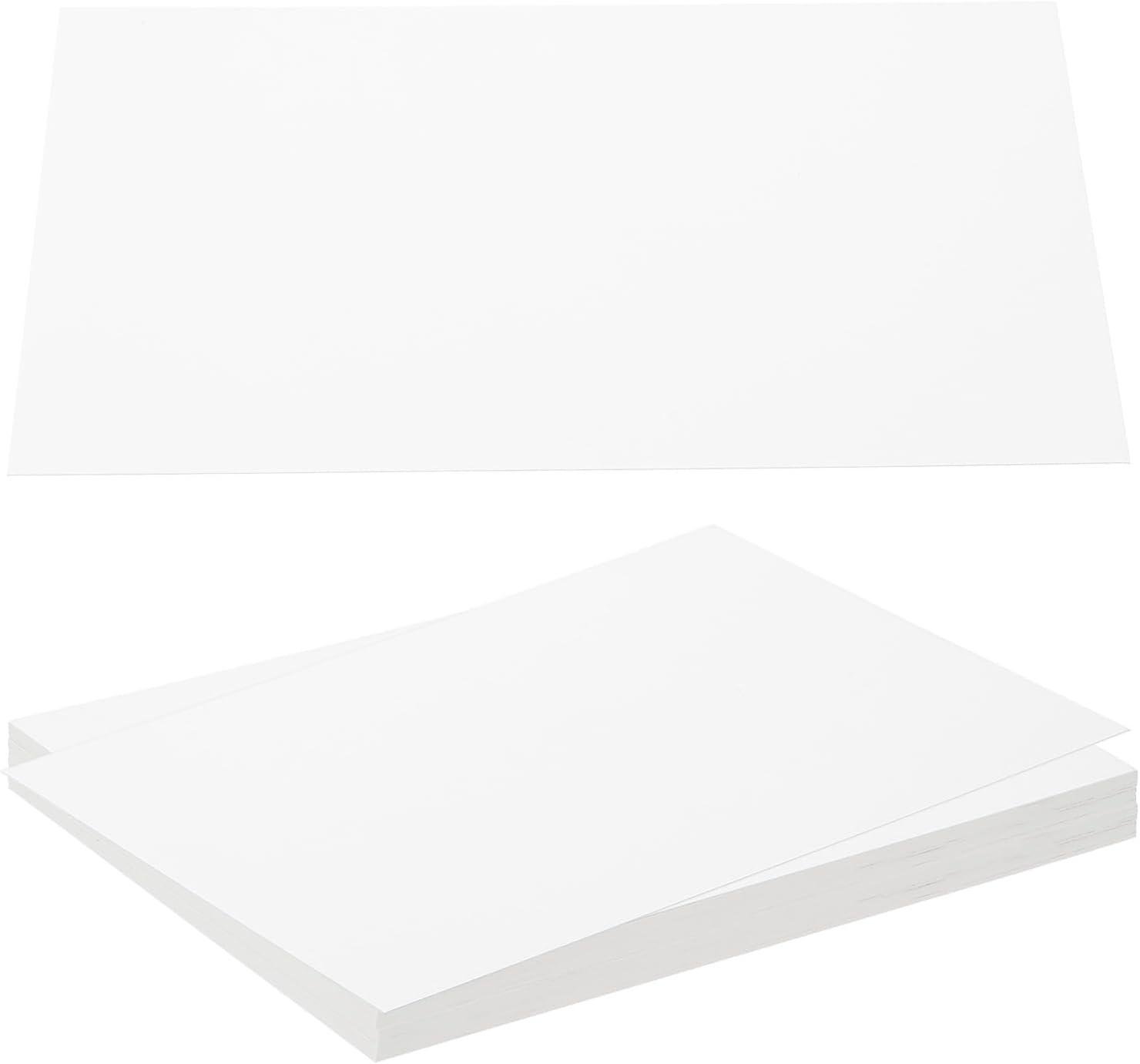
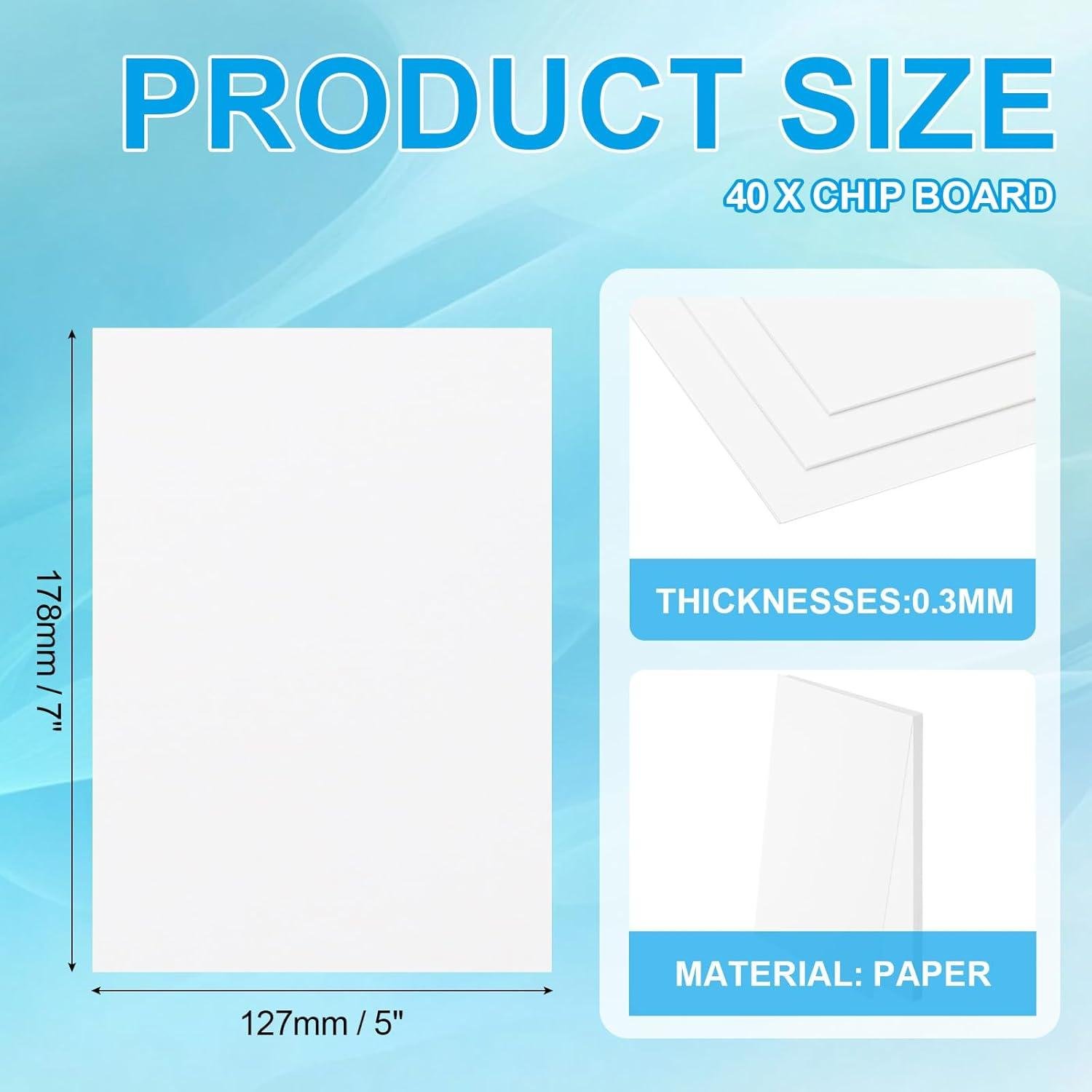
The PATIKIL 7x5x0.01″ Chipboard Sheets are a 40-piece pack of white book board (listed as 12PT thick, about 0.3 mm) designed for bookbinding covers, spines, boxes, and craft-style shop organization.PATIKIL highlights a smooth surface meant for adhesives and wrap materials, and notes the sheets can be cut, scored, and shaped for different binding styles.
in this review, we’ll look at the specs, how the thin 7″ x 5″ format fits real workshop workflows, and whether the “chipboard” label matches what buyers expect—especially on durability, ease of cutting, and value. Customer feedback is mixed: some call it excellent and want to reorder, while others argue it’s more like lightweight cardstock than true chipboard.
We’ve built plenty of jigs and shop fixtures, so we’ll keep the focus on practical, shop-friendly decision-making.
Tool Overview and Sheet Quality at First Touch
When we first pulled the PATIKIL sheets onto the bench, the biggest “tool overview” reality check was that this is bookbinding board/cardstock territory, not what many of us in a woodworking shop think of as true chipboard or MDF-like panel stock. The listed size is 7 x 5 x 0.01 in (also shown as 178 x 127 x 0.3mm) and the set includes 40 pieces in white paper board. At that thickness, we’re not treating these like shop templates that need to withstand router bearing heat or repeated flush-trim passes; instead, they feel more like a clean, smooth substrate for labels, patterns, light-duty jigs, spacing shims, and book/journal covers.In practical terms, we reach for a sharp knife, steel rule, and a cutting mat first—because even though the product copy notes you can use scissors, a knife gives us cleaner edges and truer corners for layout work. The smooth finish is the immediate upside at first touch: it’s friendly to adhesives and surface coverings (paper, cloth, thin leatherette), which aligns with the intended bookbinding use.
Customer review themes match what we felt in-hand: there’s praise for general usefulness (“Excellent product… ‘Need More Soon!’”), but also strong pushback on naming and expectations.Multiple reviewers explicitly say it’s “not chipboard” and describe it as “lightweight cardboard,” which is a key consideration for woodworkers who might be shopping for rigid template stock. In our shop, that means we’d classify these sheets as ideal for single-use patterns, veneer/layout mockups, glue-up cauls for delicate surfaces (with wax paper), or protecting workpieces during clamping—not for anything that needs the compressive strength of hardboard or the dimensional stability of plywood. If your workflow involves repeated scribing, drilling, or routing against a template, we’d recommend you treat 0.01″ as a disposable layout material and step up to thicker board for the actual jig. See Full Specifications & Customer Photos
Key Features Woodworkers Will Appreciate for Templates jigs and Shop Fixtures
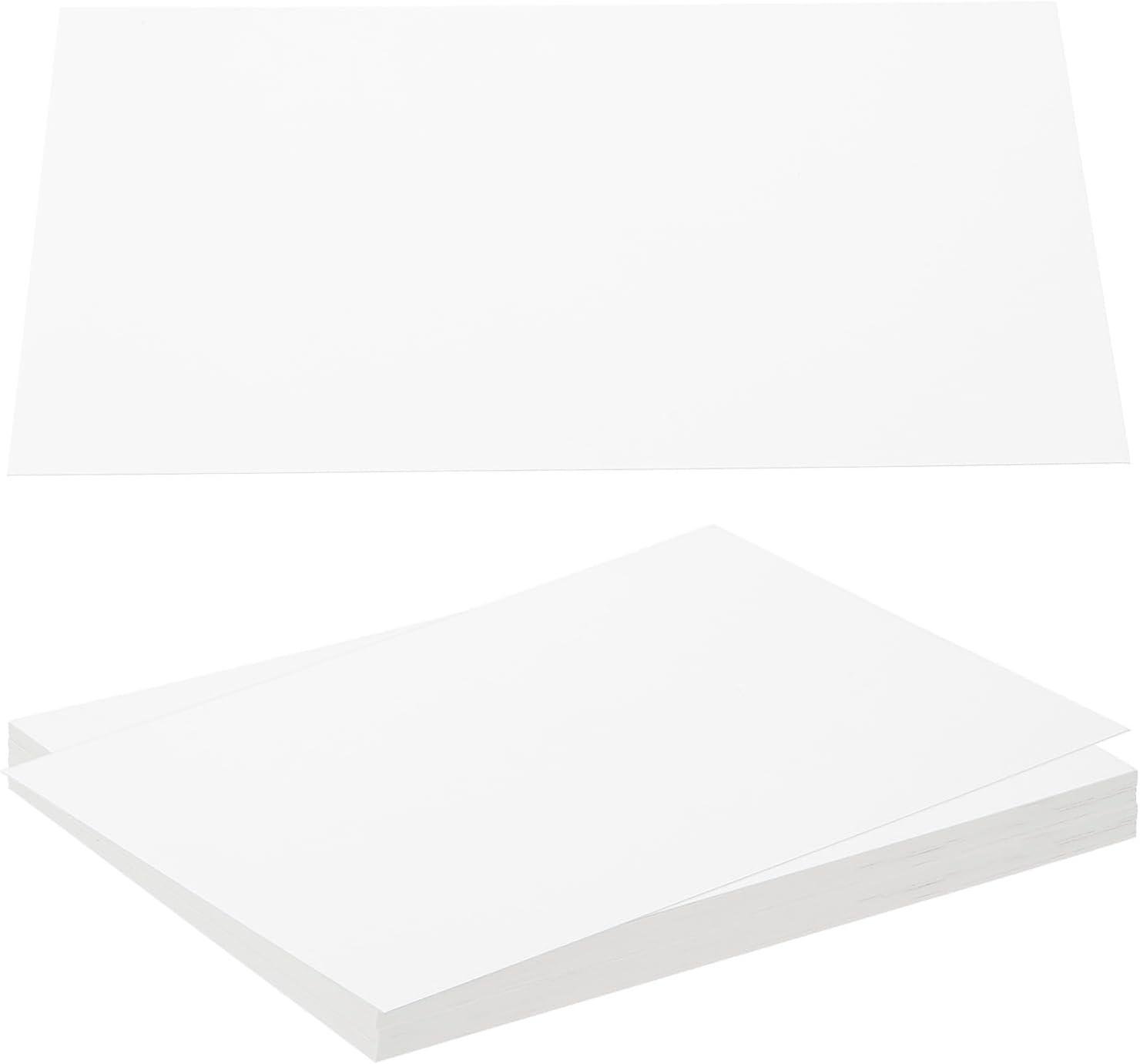
For templates, jigs, and quick shop fixtures, what we appreciate most about the PATIKIL sheets is the predictable sizing and the “good-enough” stiffness for layout work. Each board measures 7 x 5 x 0.01 in (178 x 127 x 0.3mm) and you get 40 sheets, which makes it easy for us to standardize small patterns—think router inlay templates, hinge-mortise marking guides, or repeatable hole layouts—without burning through plywood or MDF. The smooth white surface is also a real plus in a dim shop: pencil lines, knife marks, and reference arrows show up clearly, and we can label versions without squinting. From a technique standpoint, thin board like this works best when we spray-mount it to a backer (1/4″ MDF or hardboard) before trimming to final shape; that prevents edge fuzz and keeps tiny templates from flexing when we trace or follow them with a bushing.
Having mentioned that, we have to be honest about the “chipboard” label as customer review themes are consistent: multiple buyers say “this is definitely not chipboard” and describe it as “lightweight cardboard”—so we treat it more like heavy cardstock than true binder’s board.in practical woodworking terms, that means it’s excellent for draft patterns, story sticks, and mock-ups, but it’s not what we’d pick for a durable router template that needs to resist bearing pressure. One reviewer’s “Excellent product… Need More Soon!” suggests satisfaction when expectations match the material, but availability can be a factor (they noted it being out of stock). our shop-friendly takeaway: use these sheets to iterate quickly, then “graduate” the final pattern to MDF, acrylic, or phenolic once the fit is proven—safer, more accurate, and far less likely to shift while cutting.
- Included accessories: 40 x chipboard/book board sheets (white)
- Compatible attachments/accessories: spray adhesive, double-stick tape, utility knife + straightedge, self-healing cutting mat, scoring tool, MDF/hardboard backers for stiffening
- Ideal project types: router/inlay layout templates (backed), hinge/handle drilling patterns, small part tracing templates, mock-up joinery patterns, labeling and organization cards for drawers/bins
- wood types tested by customers: Not specified in the provided reviews (these sheets are paper-based rather than wood)
| Spec | PATIKIL 7x5x0.01″ | Why it matters for templates |
|---|---|---|
| Sheet size | 7 x 5 in (178 x 127mm) | Good for small jigs, hardware patterns, and repeatable layouts |
| Thickness | 0.01 in (0.3mm, “12PT”) | Great for tracing and mock-ups; typically too thin for bearing-guided routing unless backed |
| Quantity | 40 pcs | Encourages iteration—make multiple versions without wasting shop sheet goods |
| Surface/Color | Smooth, white | Better visibility for pencil/knife lines and labeling |
| Accessory | Compatible? | Best use |
|---|---|---|
| Spray adhesive / double-stick tape | Yes | Laminating to MDF/hardboard for a stiffer, safer template |
| Utility knife + metal straightedge | Yes | clean cuts without tearing (better control than scissors) |
| Scoring tool | Yes | Folding mock-ups, box patterns, and layout bends |
| Use case | Recommended approach | Actual capacity (based on thickness + review themes) |
|---|---|---|
| Tracing template | Use sheet as-is | Works well for outlines and hole locations |
| Router template (bearing/bushing) | laminate to 1/4″ MDF or acrylic | Too flexible alone; better as a pattern master |
| Shop fixture/shim | Use multiple layers if needed | Single sheet is very thin; stack for spacing |
See Full Specifications & Customer Photos
real World Performance for covers Spacers and Clean Edges
In our shop, the PATIKIL 7x5x0.01″ (178 x 127 x 0.3mm) sheets behave less like the dense chipboard many of us expect for jigs and more like a very thin 12PT binder-style board. For cover spacers, pattern shims, and quick setup gauges, that thinness is actually useful: we can stack multiple sheets to dial in a repeatable offset, and the smooth white face makes pencil layout lines easy to see and knife lines easy to follow. That said, we want to echo a clear customer-review theme: several buyers felt it’s “not chipboard” and described it as “lightweight cardboard,” while another called it an “excellent product” (and even wanted to reorder when it was out of stock). In practical terms, we’d treat this as a light-duty material—great for spacing, masking, prototyping, and craft-style covers, but not our first choice for high-stress templates where we’d normally reach for MDF, hardboard, or true dense chipboard.
For clean edges, we get the best results by changing technique rather than pushing the material like wood. Because it’s only 0.3mm thick, scissors work (as the product notes), but in a woodworking workflow we prefer a sharp utility knife with multiple light passes against a straightedge to avoid fuzzy tear-out; a fresh blade matters more here than “power.” If we need crisp corners for cover work or box-lid wraps, we score lightly first, then cut—this helps keep the face clean and reduces stretching at the edge. If your goal is a rigid spacer that won’t compress under clamp pressure, we’d recommend laminating two or three sheets with PVA and pressing them flat; if your goal is simply a sacrificial edge-cleaning backer for knife cuts or a thin cover shim, the 7″ x 5″ format is convenient right out of the pack.
- Included accessories: 40 x chip board sheets (white)
- Compatible attachments/accessories: utility knife, straightedge, scoring tool, scissors, PVA glue, small press/clamps, cutting mat
- Ideal project types: cover spacers, setup shims, book/journal covers, mockups, box making, scrapbooking, sacrificial knife backers
- Wood types tested by customers: Not specified in reviews (this is a paper-based board)
| Spec | PATIKIL 7x5x0.01″ Sheet | What it Means in the Shop |
|---|---|---|
| Sheet size | 7 x 5 in (178 x 127mm) | Handy for small spacers, labels, patterns; may require joining for larger templates |
| Thickness | 0.01 in (0.3mm),12PT | Excellent for thin shims; not rigid enough alone for heavy-duty routing templates |
| Material | Paper board | Cuts best with knife/scissors; edges can fuzz if torn or cut with a dull blade |
| Accessory | Recommended | Why |
|---|---|---|
| Straightedge + utility knife | Yes | Multiple light passes produce the cleanest edges on thin board |
| Scoring tool/bone folder | Yes | Cleaner folds and sharper corners for cover work |
| Router template guides | Not ideal | Sheet is too thin/soft for reliable bearing or bushing registration |
| Use Case | Recommended capacity/Expectation | Actual Fit based on Specs & Review Themes |
|---|---|---|
| Cover spacers / shim stacks | precise thin layers | Good (0.3mm sheets stack predictably) |
| Clean edge cutting | Knife-cut, light passes | Good (best with sharp blades; avoid tearing) |
| Rigid “true chipboard” template | dense, stiff board | Mixed (some reviewers say it’s “lightweight cardboard,” “not chipboard”) |
See Full Specifications & Customer Photos
Ease of use for Beginners and Experienced Woodworkers in Cutting Gluing and Finishing

In our shop, these PATIKIL sheets behave more like book board / heavy cardstock than what many of us think of as true woodshop “chipboard,” and that matters for beginner-friendly handling. Each sheet is 7 x 5 x 0.01 in (178 x 127 x 0.3mm) and the pack includes 40 pieces, so setup is basically nonexistent—no tuning, no jigging, just measure and mark. For cutting, we’ve found beginners will have the easiest time with a sharp utility knife and a straightedge, making multiple light passes rather than trying to muscle through in one cut (that’s how edges get fuzzy). For more experienced woodworkers, these are quick to batch-cut on a sacrificial backer with a knife, or cleanly shear with a guillotine-style paper cutter; we’d avoid running 0.3mm stock on a table saw or miter saw because it’s too thin to control safely without specialized carriers and it doesn’t “behave” like wood sheet goods.Customer feedback backs up this expectations gap: one review complains, “this is definitely not chipboard” and another notes “it’s just a lightweight cardboard,” so we’d set our process accordingly—treat it as a paper-based board, not a workshop panel product.
For gluing and finishing, the board’s stated advantage is its smooth finish, which is helpful for beginners learning clean adhesion on covers and spines. We get the best results with thin, even glue films (PVA/bookbinder’s glue or spray adhesive) and firm, uniform pressure—think brayer or a flat caul—so the sheet doesn’t telegraph bubbles. More experienced users can step up to contact cement for fabric/leather wraps, but ventilation and careful alignment become the skill test. Finish-wise, we’d keep expectations realistic: this material is meant to be adhered to decorative papers, fabrics, or leather, not sanded and clear-coated like wood; aggressive sanding will quickly eat through. The positive review theme is simple availability and satisfaction—“Excellent product… would be ordering more”—which aligns with using it as a reliable craft substrate when it’s in stock, while the negative themes highlight naming/expectation issues rather than arduous handling. If our goal is bookbinding-style components in a woodworking workflow—templates, mockups, liners, light-duty box dividers—these are easy to cut, easy to glue, and forgiving for first-timers as long as we treat them like board stock, not wood paneling.
See Full Specifications & Customer photos
Customer Reviews Analysis

what Woodworkers Are Saying: PATIKIL 7x5x0.01″ “Chipboard” Sheets (40 pcs, 12PT, White)
1. Overall sentiment from woodworking customers
Overall sentiment is mixed-to-negative, driven less by performance and more by product classification expectations.Several woodworkers/crafters liked the sheets and would repurchase, but multiple reviews highlight frustration that the material is not what they consider “true chipboard.”
2. Performance feedback (accuracy, power, results)
Because this is a sheet good rather than a powered tool, “performance” feedback centers on material heft and end results:
- Results: Common praise includes that the product works well for lightweight board applications—one reviewer called it an “excellent product” and wanted to order more.
- Under load / rigidity: Some users reported challenges with stiffness: multiple reviews describe it as lightweight cardboard, implying it may flex more than expected for structural or heavy-duty applications.
- Precision/consistency: No direct comments were provided about thickness consistency or dimensional accuracy across sheets, but the repeated “not chipboard” notes suggest buyers expected a denser, more rigid board.
3.Build quality and durability observations
Durability feedback is closely tied to material density:
- Several woodworkers mentioned it feels closer to cardstock/lightweight cardboard than chipboard.
- That perception implies limitations for durable covers, reinforced corners, jigs, templates, or shop-use backers where chipboard stiffness is a must.
In short: reviewers didn’t necessarily call it “poor quality,” but they did question whether it’s robust enough for what many associate with chipboard.
4. ease of use for different skill levels
- Beginners/DIYers: Likely straightforward to use as it’s lightweight and easy to handle, but the reviews don’t explicitly discuss learning curve.
- Experienced makers: Multiple reviews highlight that experienced buyers may be more sensitive to material naming accuracy and may feel misled if they’re sourcing “chipboard” for a specific workflow.
5.Common project types and success stories
The review data provided doesn’t name specific woodworking projects (e.g., templates, drawer liners, backer boards), but it does indicate typical craft/bookbinding-style use:
- Customers successfully used this for general board/craft applications, with at least one reviewer satisfied enough to reorder if it were in stock.
Given the feedback that it’s more like cardstock/light cardboard, it appears best suited to light-duty covers, inserts, mockups, patterns, and craft layering, rather than shop-grade tasks.
6. Issues or limitations reported
Multiple reviews highlight two recurring drawbacks:
- Material mismatch / naming confusion
- Several woodworkers mentioned frustration that it’s being marketed as chipboard when it “is definitely not chipboard.”
- One reviewer wrote: “I really wish that people would stop calling cardstock chipboard!!!”
- Another added: “I wouldn’t call this chip board it’s just a lightweight cardboard.”
- Availability
- One customer reported it was out of stock, preventing repeat purchase.
Quick theme summary table
| Aspect | common Feedback |
|---|---|
| Performance / Results | Works for light-duty board uses; some expected a denser,stiffer chipboard. |
| Precision / Consistency | Not directly discussed in reviews provided. |
| Durability | Mixed—frequently enough described as lightweight cardboard/cardstock rather than true chipboard. |
| Ease of Use | Implied easy handling due to light weight; limited direct feedback by skill level. |
| Versatility | Better for craft/bookbinding-style applications than structural shop tasks. |
| Value / buying experiance | value may be good if you want thin board; disappointment if buying specifically for “chipboard.” |
Pros & Cons
Pros & Cons
In our shop, we treat “chipboard” like a promise: it should be stiff enough to hold a cover straight, predictable enough to cut cleanly, and consistent enough that we can reorder without redesigning an entire workflow. The PATIKIL 7x5x0.01″ sheets land somewhere between “handy book board” and “more like thick cardstock,” depending on what you expect.
| Quick Take | What It Means for Us |
|---|---|
| size: 7″ x 5″ | Great for mini journals, tags, small covers—less trimming waste. |
| Thickness: 12PT (0.01″) | Feels light for “board”; better for gentle structure than rigid cases. |
| Pack count: 40 sheets | Enough to prototype and batch small projects without rationing. |
| Finish: smooth white | Nice base for wrapping paper, cloth, printed covers, or labeling. |
Pros
- Convenient small format for quick builds. The 7×5 size fits our smaller products (pocket journals, mini albums, backing boards) without needing to chop down larger sheets.
- Smooth, clean surface. We like the “ready-to-wrap” feel—adhesives and decorative papers have a friendly starting point, and the white color keeps cover materials true.
- Easy to cut and score. Because it’s on the thinner side, we can slice it cleanly with a craft knife and straightedge, and scoring is straightforward for folds and hinges.
- Good value for testing and light-duty structure. A 40-pack gives us room to experiment with templates, grain direction, and coatings before committing to heavier board.
Cons
- “chipboard” expectations may not match reality. Multiple reviewers describe it as lightweight cardboard / thick cardstock, not the dense, rigid chipboard some of us expect for traditional hardcovers.
- Not ideal for truly rigid book covers. For case binding that needs a stiff, professional “hardback” feel, 12PT can read as flexible—especially on larger spans or when paired with soft cover materials.
- Thickness limits spine and corner durability. If our product gets handled a lot (kids’ books, travel journals, shop samples), we may see quicker edge wear than with heavier book board.
- Stock consistency risk. At least one reviewer mentioned it being out of stock when they wanted to reorder, which matters if we build a repeatable product line around it.
Our bottom line: we’d treat these as a solid option for small projects, prototypes, and lightweight covers, but we wouldn’t rely on them as a drop-in replacement for thicker, traditional chipboard when we need a true hardback feel.
Q&A
What “wood” applications can these sheets handle—are they actually like thin plywood?
These are paper-based book board/chipboard-style sheets, not wood veneer or plywood.At 0.01″ thick (about 0.3mm / 12pt), they’re best for templates, patterns, spacers, mockups, and craft-style laminations—not load-bearing parts. If you need something that behaves like wood (holds screws, takes a finish like wood, resists denting), you’ll want thin plywood/MDF/hardboard instead.
Is this sturdy enough for shop templates or router patterns?
For light-duty templates (trace-and-cut patterns, quick layout guides, marking story sticks, shielding surfaces while gluing), yes. For router-bearing patterns, flush-trim routing, or repeated production use, it’s typically too thin and can deform or get chewed up quickly. Woodworkers doing template routing generally prefer 1/4″ MDF, acrylic, or hardboard for durability and consistent bearing contact.
How does it cut—can I use my table saw,band saw,or scroll saw?
It’s designed to be cut with scissors or a knife,and that’s usually the cleanest approach at this thickness. Power saws can work, but they’re often overkill and can tear edges or suck the sheet into the blade due to how light and flexible it is. If you do machine-cut it, use a zero-clearance backer, keep the sheet fully supported, and consider taping it to a carrier board for safety and cleaner cuts.
What adjustments or “setup” are required before using it?
There’s essentially no tool setup—these are pre-cut to 7″ x 5″ and are ready to use. the practical “setup” is choosing your cutting method (scissors/utility knife/rotary cutter) and whether you’ll laminate multiple sheets for thickness. Because they’re thin, many users get better results scoring with a straightedge and making multiple light passes rather than trying to cut through in one pass.
Does it work with standard woodworking adhesives and finishes (PVA, CA, epoxy, polyurethane)?
It generally bonds well with common shop adhesives like PVA/wood glue for laminating, and many people use spray adhesive for applying paper or fabric skins. CA can soak in quickly on paper-based boards and may get brittle or discolor; epoxy will bond but can warp thin sheet stock if applied heavily on one side. For finishes, treat it more like cardstock than wood—test first, and expect it to absorb coatings and potentially warp unless sealed on both faces.
Will this hold screws, brads, or staples like wood does?
No—at 0.01″ thick, it won’t hold fasteners in a meaningful way. Think of it as a surface layer or laminate material. If you need something you can screw into or staple aggressively without tearing out,step up to hardboard,MDF,or thin plywood.
Is this suitable for beginners,and will it satisfy a pro woodworker?
It’s beginner-friendly because it’s simple to cut and use,and it’s handy for low-risk prototyping. For professional woodworking, it can be useful as disposable pattern stock or protective layers, but it’s not a substitute for true template materials used in production routing or jig building. Customer feedback also suggests a terminology mismatch for some buyers—several reviewers expected “true chipboard” (thicker, more rigid board) and felt this is closer to lightweight cardboard/cardstock.
Is it worth it compared to cheap cardboard, hardboard, or MDF offcuts?
It can be a good value if you specifically want consistent, pre-cut 7″ x 5″ sheets for binding, small shop labels, layout cards, shims, or quick templates—and some customers reported being very happy with the product quality. If your goal is durable woodworking templates/jigs, offcuts of 1/8″–1/4″ hardboard/MDF typically outperform it for only a little more cost, and avoid the “this isn’t chipboard” disappointment noted in a few reviews.
Embody Excellence
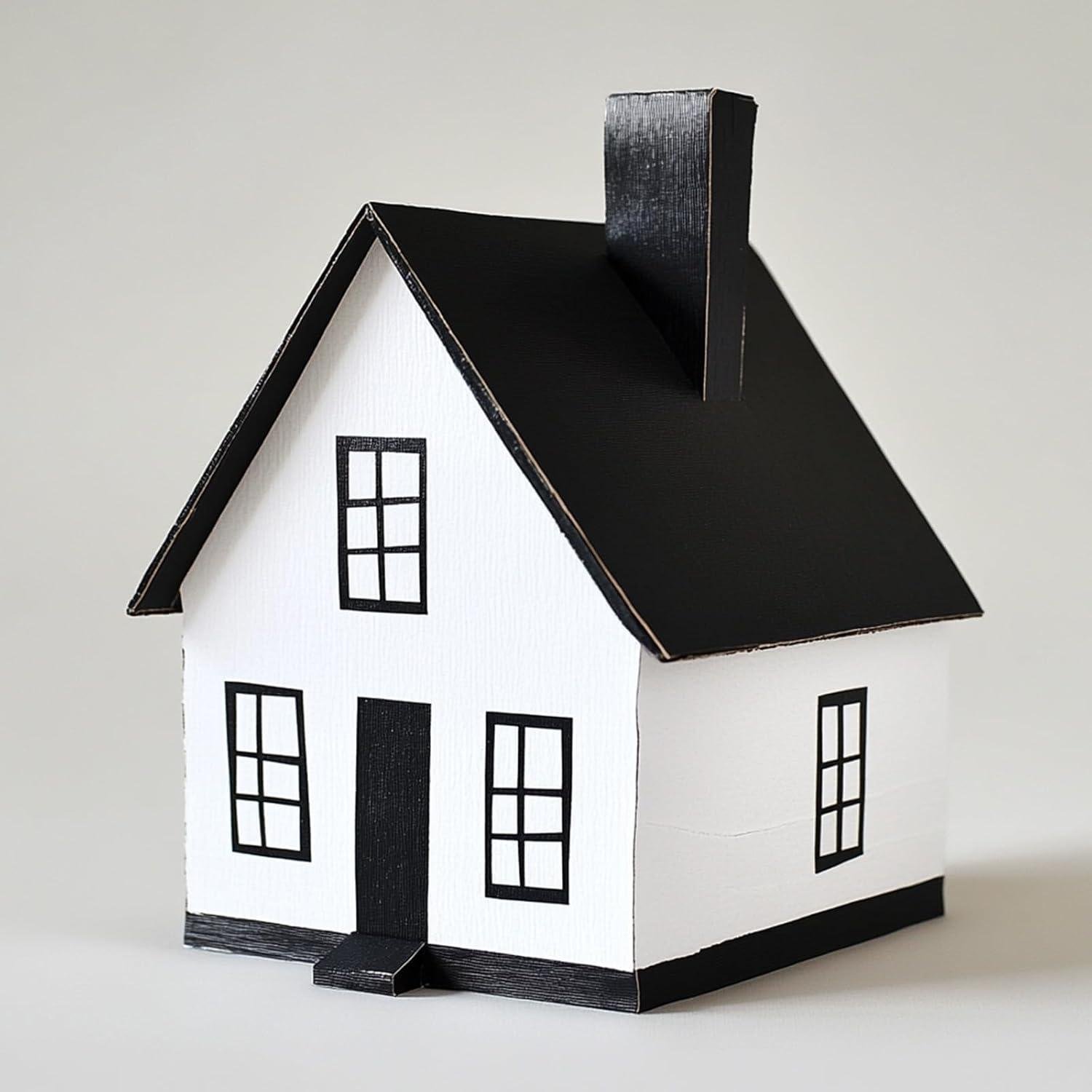
The PATIKIL 7x5x0.01″ “chipboard” sheets come as a 40‑pack of white paper board,listed at 12PT thickness (about 0.3mm). They’re designed for bookbinding covers and spines, with a smooth finish that accepts glue, paper, fabric, or leather, and they’re easy to cut and score with basic shop tools (or even scissors). Customer feedback is mixed: some buyers call them an excellent, convenient material for covers, while others report disappointment that the sheets feel more like lightweight cardstock than true rigid chipboard.
Best for: hobby woodworkers and makers doing small to medium craft builds—jigs,templates,mockups,veneer layup test panels,drawer organizers,and book/journal projects where thin,clean-facing board is useful.
Consider alternatives if: you need true chipboard/binder’s board rigidity, thicker stock for hardwood templates, or moisture resistance for shop abuse.
Final assessment: A handy, consistent craft board pack—great when you want thin, smooth sheets, but the “chipboard” labeling may not match everyone’s expectations.
Want to see current pricing and customer photos? View on Amazon & Read More Reviews →