

Blog
The Ultimate Guide to Mailbox Landscaping: Transform Your Curb Appeal with Full Sun Plants

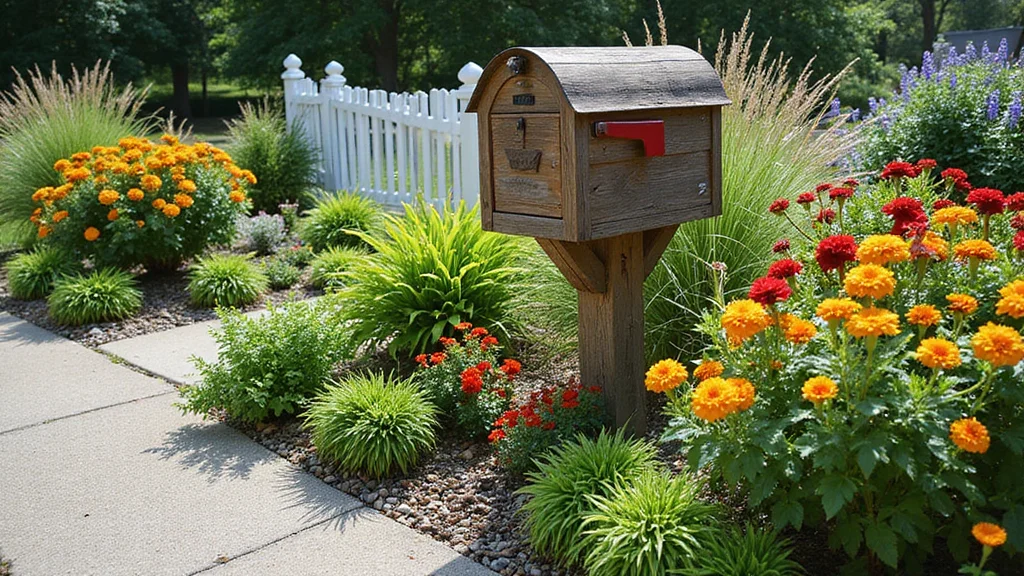
Mailbox landscaping can be a game-changer for your home’s curb appeal. As you pull into your driveway, the sight of a beautifully arranged mailbox area can instantly uplift your spirits. With spring in the air and longer days ahead, many of us are craving vibrant colors and lush greenery. This post is all about helping you achieve that dream look and making your mailbox a focal point in your yard.
If you’re someone who takes pride in your home’s appearance and loves gardening, you’re in the right spot. Whether you’re an experienced gardener or just starting, this guide will assist you in selecting the best full sun plants for your mailbox area. Here, you’ll find practical tips and ideas that are not only beautiful but also easy to maintain. You’ll learn how to choose the right plants that thrive in sunny spots, ensuring your mailbox stands out without demanding too much of your time or effort.
Get ready to explore an array of colorful options, from cheerful marigolds to lively sunflowers. By the end of this post, you’ll have a treasure trove of ideas to transform your mailbox area into a welcoming sight for guests and a delight for you every day. Let’s jump in and discover how to elevate your curb appeal!
Key Takeaways
– Choosing Full Sun Plants: Select plants that thrive in full sun to ensure long-lasting beauty and minimal upkeep. Look for flowers that bloom brightly and require little watering.
– Easy Maintenance: Focus on low-maintenance options. Many full sun plants, like sedums and lavender, need minimal care, making them perfect for busy gardeners.
– Color Combinations: Think about mixing colors for visual appeal. Combining different types of flowers can create a vibrant palette that attracts attention.
– Seasonal Interest: Consider plants that bloom at different times throughout the year. This way, your mailbox area remains attractive, no matter the season.
– Practical Layout: Plan your layout with height and spread in mind. Taller plants should be placed at the back, while shorter ones can frame your mailbox for a neat appearance.
1. Vibrant Marigolds: A Sunshine Favorite
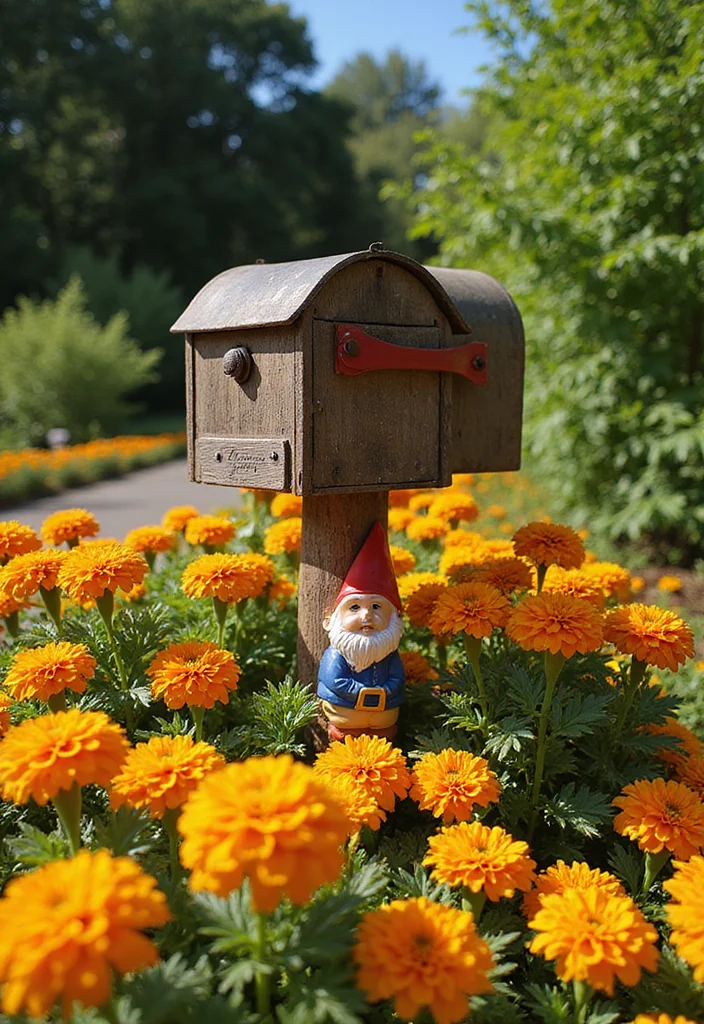
If you want to add a burst of color to your mailbox area, marigolds are the way to go. These sunny flowers thrive in bright sunlight and are incredibly easy to maintain. With their vibrant shades of yellow, orange, and red, they instantly brighten up your garden and bring warmth to your landscaping. Plus, marigolds help keep pests away, ensuring your flowers stay healthy and beautiful.
When planting marigolds, cluster them around your mailbox for a striking effect. Regularly deadhead the blooms to promote continuous flowering, giving you a riot of color all summer long.
Key planting tips:
– Use well-drained soil for healthy growth
– Water consistently for best results
– Group marigolds for maximum visual impact
– Mix with shorter plants for a dynamic look
By incorporating marigolds, you’ll create a lively entrance to your home, making your mailbox area a focal point of joy and color.
Vibrant Marigolds: A Sunshine Favorite
Editor’s Choice




2. Cheerful Petunias: Effortless Elegance
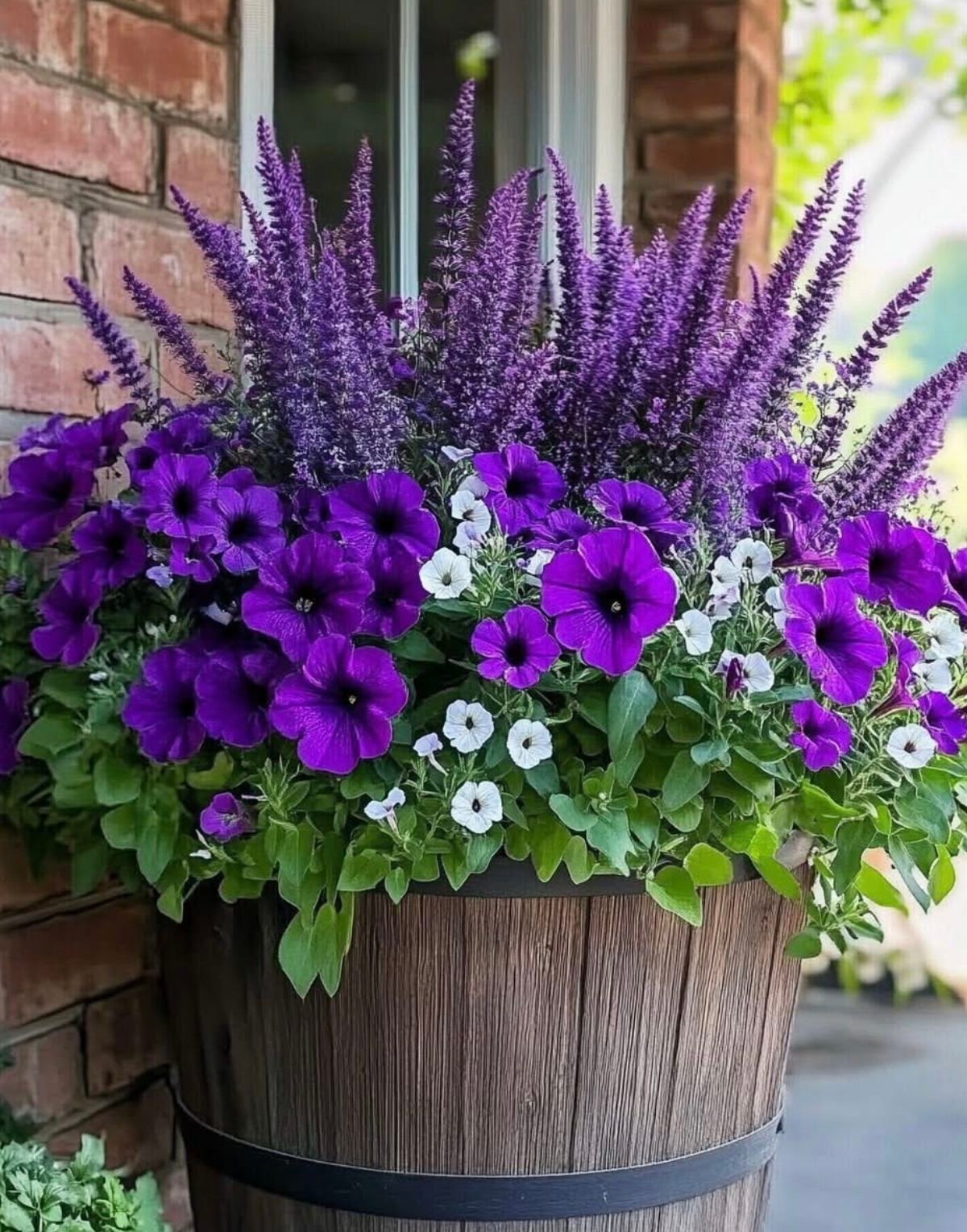
Petunias bring a delightful touch to your garden with their wide range of colors and charming fragrance. These resilient plants flourish in full sun and bloom throughout the summer, making them a great choice for mailbox landscaping. Whether cascading from pots or planted directly in the ground, petunias create a warm, inviting atmosphere.
For a stunning display, use petunias in hanging baskets near your mailbox or combine them with marigolds and ornamental grasses for a beautiful garden scene.
Essential care tips:
– Keep soil moist but well-drained
– Pinch back tips to encourage bushier growth
– Select various colors for a vibrant display
– Use in combination with other sun-loving plants
With their minimal maintenance, petunias will reward you with breathtaking blooms all season long.
Image credit: Lori McGee on Pinterest
Cheerful Petunias: Effortless Elegance
Editor’s Choice
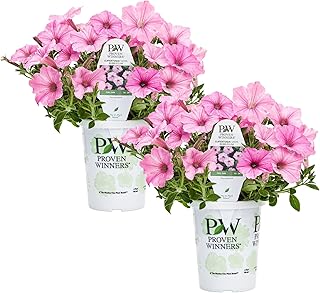


3. Hardy Sedums: The Easy Care Option
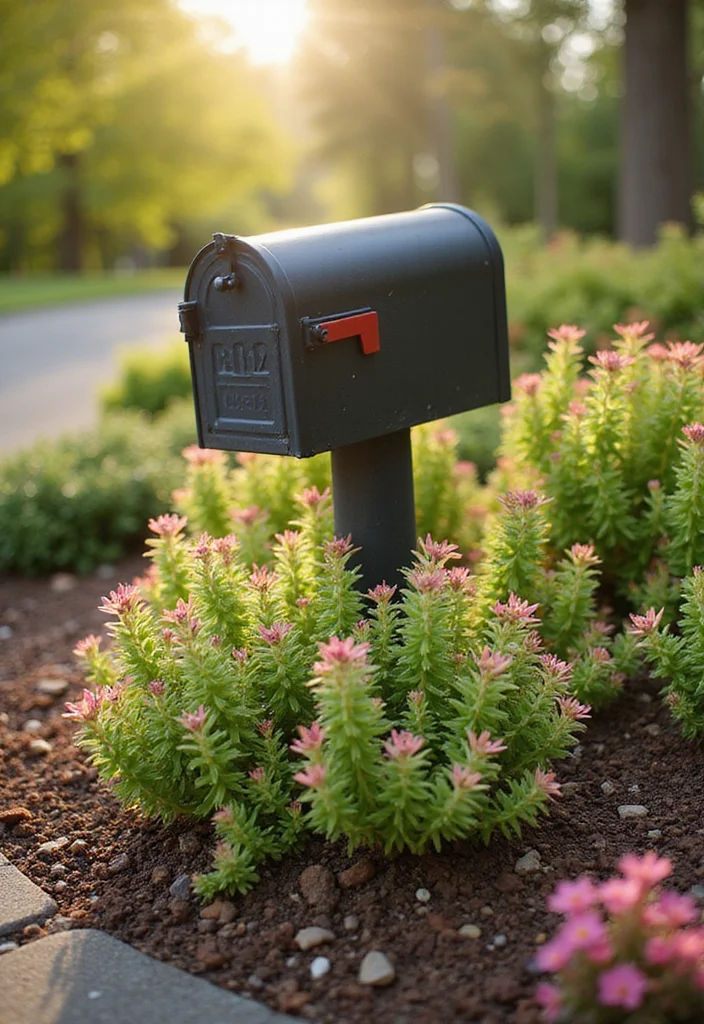
Searching for low-maintenance plants? Look no further than sedums! These hardy succulents thrive in full sun and can withstand drought, making them ideal for busy homeowners. Available in various shapes and colors, sedums add unique textures and visual interest around your mailbox.
When planting, consider using sedums as ground cover or in rock gardens for a stunning contrast against other plants.
Simple care suggestions:
– Ensure well-drained soil for optimal growth
– Water only when the soil is dry
– Use as fillers to cover bare spots
– Mix different varieties for a textured landscape
With minimal care, sedums will thrive, bringing beauty and resilience to your garden.
4. Dazzling Zinnias: A Rainbow of Possibilities
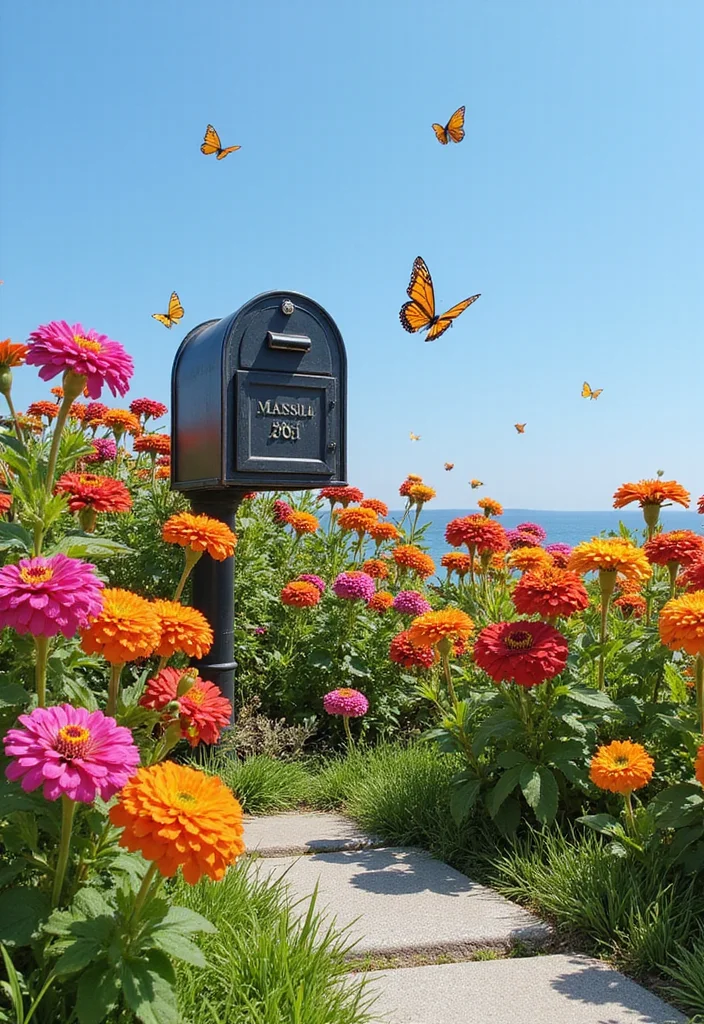
Zinnias are the ultimate summer flowers, known for their vibrant colors and easy upkeep. Thriving in full sun, they can create a cheerful ambiance around your mailbox, attracting butterflies and pollinators. Available in various heights and flower types, zinnias allow for creative garden arrangements.
Plant zinnias in clusters of alternating colors for a stunning visual effect or mix them with other favorites for a dynamic look.
Simple care instructions:
– Use well-drained soil for healthy growth
– Water regularly for optimal blooming
– Deadhead flowers to encourage new blooms
– Mix with taller plants for added height
With zinnias, your garden will be full of life and color all summer long.
Top Varieties for Different Conditions
1. Marigolds
– Best conditions: They thrive in full sun and well-drained soil, perfect for hot, dry climates.
– Key features: Marigolds bring bright, cheerful colors to your mailbox area. They are also known for repelling pests, making them a dual-purpose plant!
– Considerations: These flowers prefer regular deadheading to keep blooming. Watch out for powdery mildew in overly humid conditions.
2. Petunias
– Best conditions: Ideal for temperate climates with full sun exposure. They perform well in containers or beds.
– Key features: Petunias offer a wide range of colors and patterns, adding elegance to your curb appeal. They require minimal care, making them great for busy gardeners.
– Considerations: They need regular watering, especially in the heat, and can suffer from root rot if soil is not well-drained.
3. Sedums
– Best conditions: Perfect for hot, dry areas with poor soil. They thrive in coastal and arid conditions.
– Key features: Sedums are known for their succulent leaves and resilience. They are drought-tolerant and require minimal maintenance, making them a great choice for all gardeners.
– Considerations: While hardy, they can become leggy if not pruned back, so occasional trimming is advised.
4. Zinnias
– Best conditions: Zinnias flourish in full sun and are tolerant of various soil types, ideal for summer gardens.
– Key features: These flowers come in many colors and shapes, attracting butterflies and bees to your mailbox area. They bloom all summer with little fuss.
– Considerations: Regular deadheading encourages more blooms, and avoid overhead watering to prevent fungus.
5. Coreopsis
– Best conditions: They do well in full sun and are suitable for both humid and dry environments.
– Key features: Coreopsis produces bright, daisy-like flowers that last all summer long. Their tough nature makes them perfect for low-maintenance gardens.
– Considerations: These plants can spread, so plan your space accordingly to prevent overcrowding.
6. Lavender
– Best conditions: Thrives in full sun and well-drained, sandy soils, making it ideal for dry and coastal climates.
– Key features: Lavender not only looks beautiful but also provides a delightful fragrance. It attracts pollinators and can be used in cooking!
– Considerations: Be cautious of overwatering, as lavender dislikes soggy soil. Pruning helps maintain shape and encourages blooms.
7. Sunflowers
– Best conditions: Sunflowers love full sun and are tolerant of drought, making them perfect for sunny backyards.
– Key features: With their towering height and large, sunny blooms, sunflowers create a stunning focal point near your mailbox. They also provide seeds for birds.
– Considerations: Plant sunflowers where they won’t shade other plants, and watch for pests like aphids.
Climate/Condition Guide:
When selecting plants for your mailbox area, consider your local climate. Here’s a quick guide:
– Temperate: Marigolds, Zinnias, and Petunias work well.
– Continental: Coreopsis and Lavender thrive here.
– Coastal: Sedums and Sunflowers cope well in sandy, salty soil.
– Hot/Dry: Opt for Sedums and Lavender for their drought resistance.
– Humid: Look for Zinnias and Petunias, which tolerate moisture well.
Each climate has its own unique needs, so pick plants that suit your environment to maximize their growth and beauty.
Growing Tips:
– Include mulch around your plants to retain moisture and suppress weeds.
– Water deeply but less frequently to encourage strong root development.
– Rotate your plants each season to keep your mailbox area fresh and vibrant!
Avoid:
– Don’t overcrowd your plants; give them space to grow and breathe.
– Avoid using heavy fertilizers that can burn roots, especially with drought-tolerant plants.
5. Bright Begonias: Stunning Shade Lovers
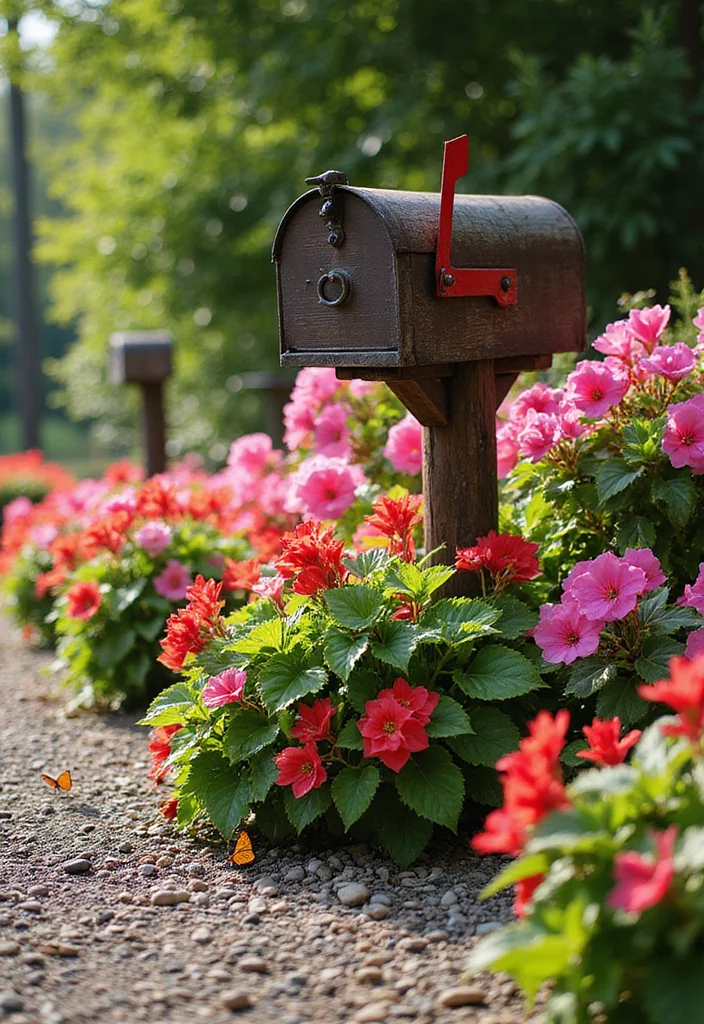
Begonias are often underrated when it comes to sunny spots, but many varieties thrive beautifully in full sun. Their large, glossy leaves and vibrant blooms add elegance to your mailbox area. Available in a spectrum of colors, begonias provide rich textures that enhance your landscape’s visual appeal.
For a layered effect, mix begonias with shorter plants or use them in containers for flexible arrangements throughout the seasons.
Care tips to remember:
– Water regularly to keep them thriving
– Use rich, well-draining soil
– Protect them from harsh afternoon sun
– Combine with other sun-loving perennials for variety
With begonias, you’ll create an eye-catching display that transforms your mailbox area into a charming retreat.
You might also like

25 Stunning Flower Garden Ideas That Will Make Your Neighbors Jealous (Wait Until You See #12!) - Crafted by Grain | Timeless Handcrafted Woodworking Creations
10 Best Raised Garden Beds for Urban Gardening – Maximize Small Spaces - Crafted by Grain | Timeless Handcrafted Woodworking Creations
6. Hardy Lavender: A Fragrant Touch
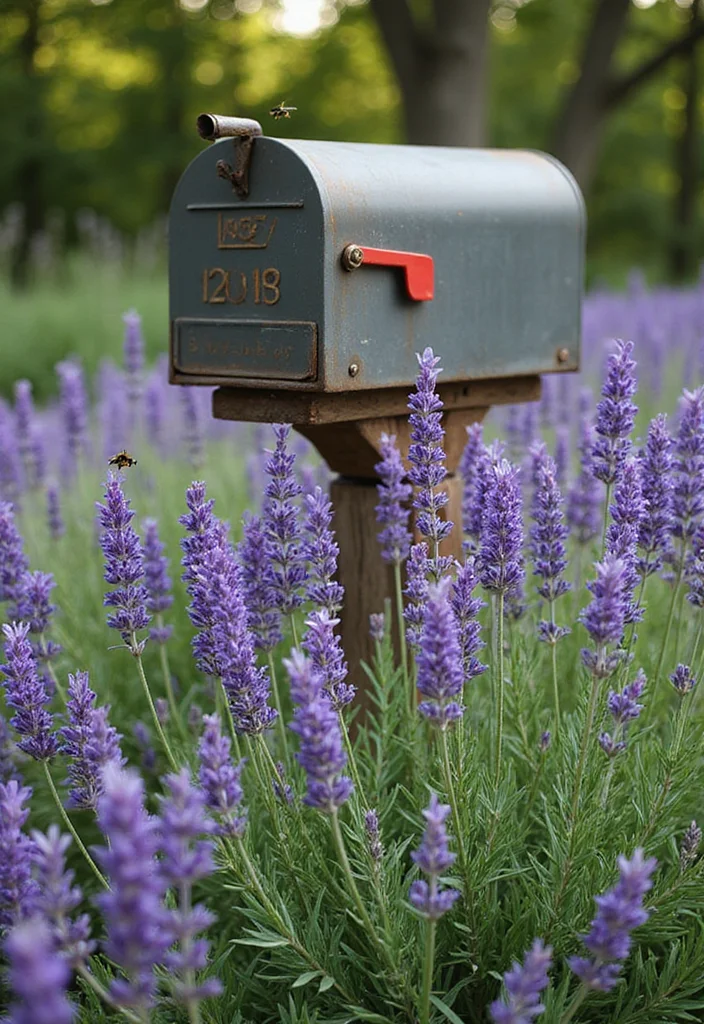
Lavender is not just a pretty flower; its soothing fragrance adds an inviting touch to your garden. These hardy plants thrive in full sun and can handle dry conditions, making them perfect for mailbox landscaping. Their striking lavender spikes and aromatic foliage will create a delightful atmosphere while attracting beneficial pollinators.
Consider planting lavender in rows for a stunning wave of purple or mix it with other sun-loving plants for a fragrant display.
Essential care requirements:
– Use well-drained soil for healthy lavender
– Water sparingly to encourage strong growth
– Prune in spring to boost blooms
– Combine with other fragrant plants for a sensory experience
With lavender, your mailbox area will be both beautiful and aromatic, enhancing curb appeal.
Hardy Lavender: A Fragrant Touch
Editor’s Choice


7. Blazing Phlox: Eye-Catching Blooms
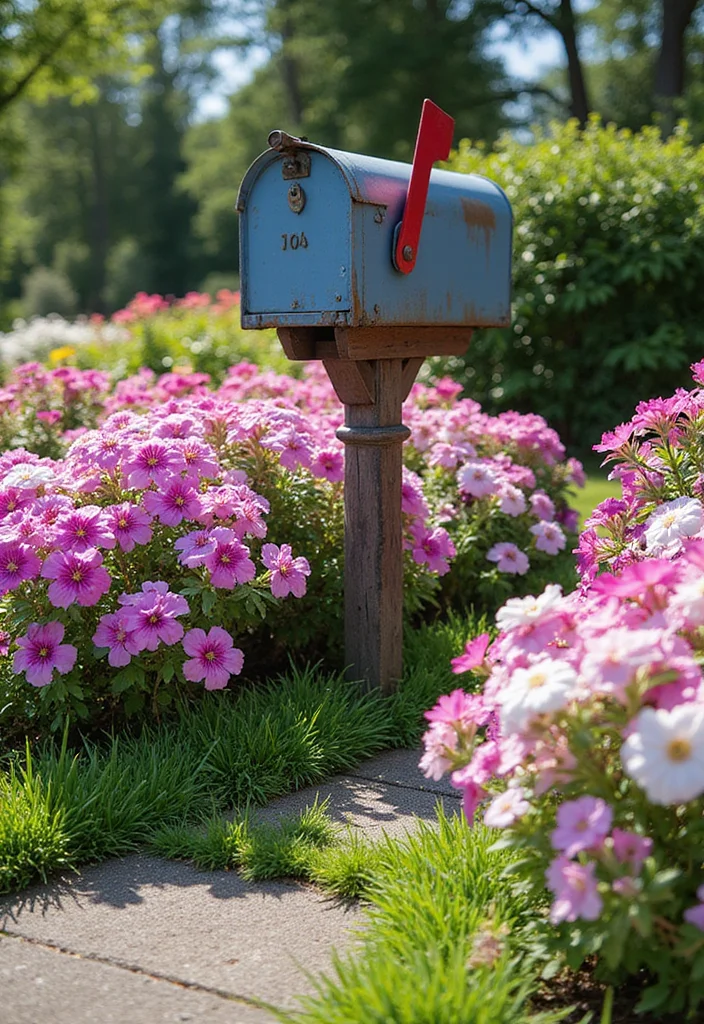
Phlox is a stunning flower that thrives in full sun, offering a vibrant array of colors. Their bright blooms can add a playful touch to your mailbox area, making them a favorite among home gardeners. With various species available, you can choose low-growing varieties for lively borders or taller types for a striking backdrop.
Phlox also attracts butterflies, creating a lively scene around your mailbox. Pair them with other sun-loving plants for a striking landscape.
Care suggestions:
– Ensure they receive plenty of sunlight
– Water consistently during dry spells
– Deadhead regularly to promote more blooms
– Mix with varied species for a colorful display
By adding phlox, your garden will be a vibrant, inviting space for both you and your guests.
Blazing Phlox: Eye-Catching Blooms
Editor’s Choice


8. Lively Coreopsis: Sunshine in a Plant
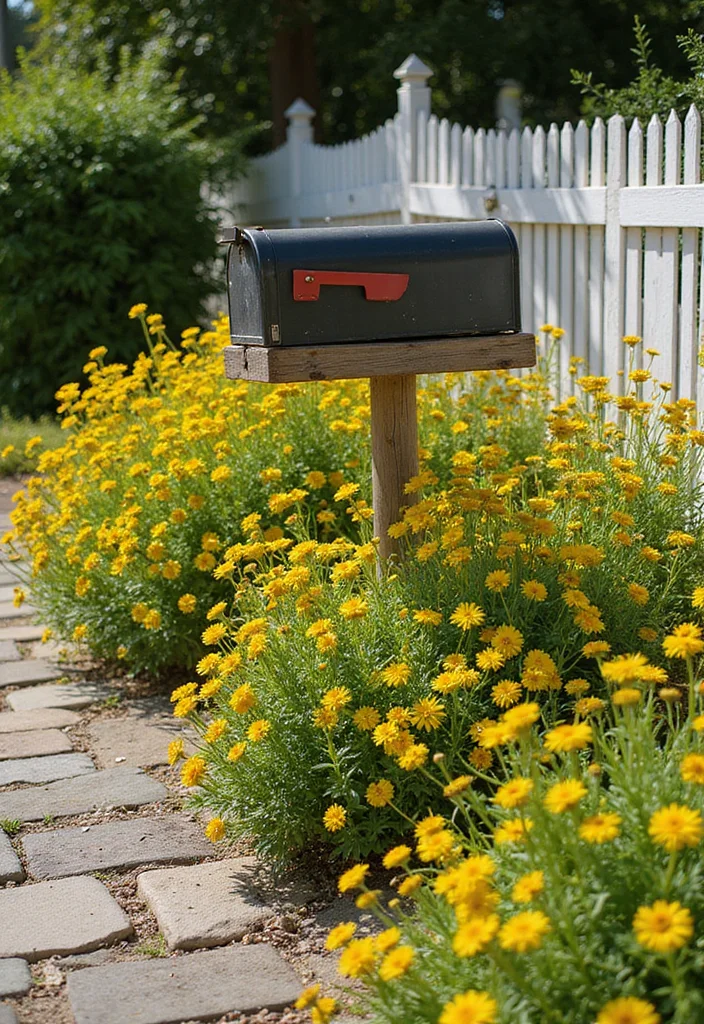
Coreopsis, also known as tickseed, brings a cheerful splash of yellow blooms to your garden. These hardy plants thrive in full sun and are incredibly low-maintenance, making them perfect for busy homeowners. They produce countless flowers all summer, creating a warm and welcoming atmosphere around your mailbox.
To achieve a stunning display, plant coreopsis alongside taller flowers like zinnias or marigolds for a layered effect that catches the eye. Their bright blooms also attract butterflies, adding life to your landscape.
Care instructions:
– Use well-draining soil for best results
– Water minimally once established
– Deadhead regularly for abundant blooms
– Combine with various plants for added interest
With coreopsis, your mailbox area will be a vibrant oasis, filled with color and joy.
You Might Also Like
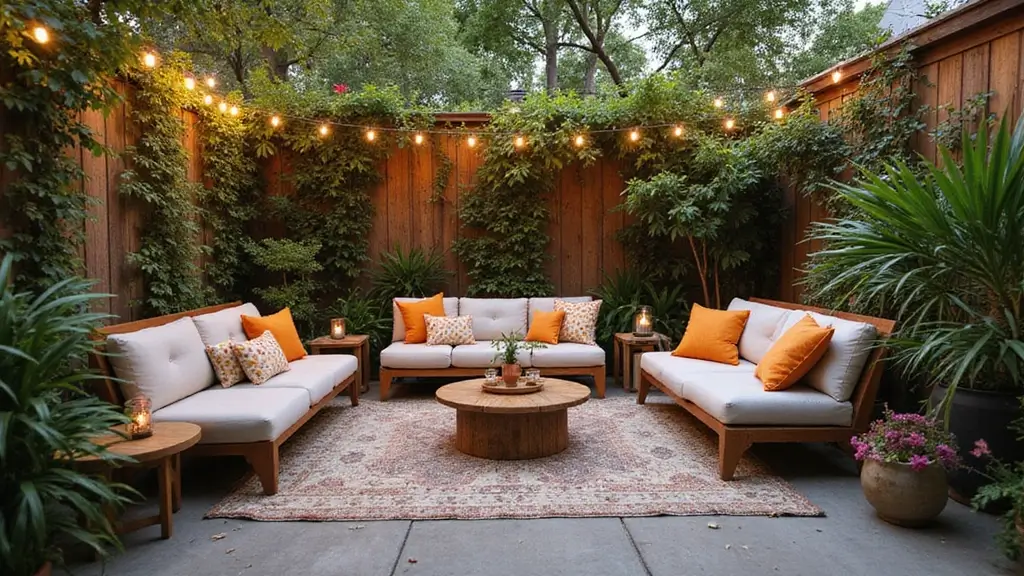
20 Stunning Outdoor Patio Decor Ideas That Will Transform Your Backyard into a Paradise! - Crafted by Grain | Timeless Handcrafted Woodworking Creations
9. Whimsical Gaillardia: A Touch of Charm
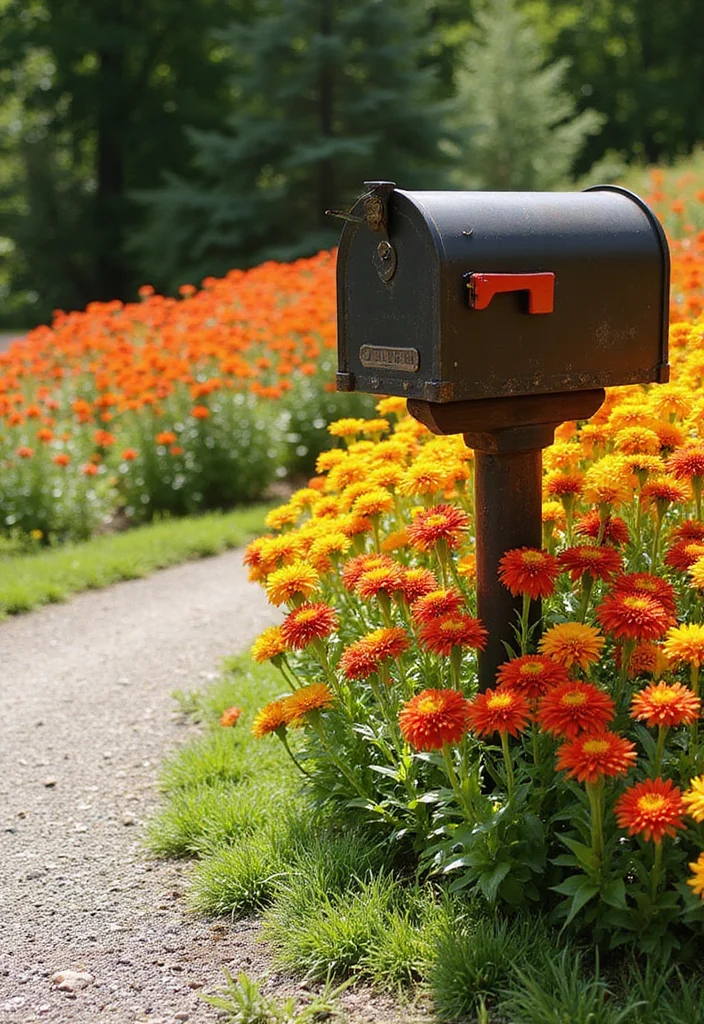
Gaillardia, commonly known as blanket flower, is a delightful addition to any garden, bursting with color. These flowers thrive in full sun and boast a unique daisy-like shape that brings a playful element to your landscaping. With bright red, orange, and yellow hues, gaillardia creates an eye-catching display around your mailbox.
Plant them in groups or mix them with other full sun plants for a lively and vibrant look. They are also drought-tolerant, making them perfect for warm summer months.
Care tips for gaillardia:
– Ensure well-drained soil for optimal growth
– Water minimally once established
– Regular deadheading encourages a longer blooming season
– Mix with contrasting colors for a stunning effect
By incorporating gaillardia, your mailbox area will radiate charm and color, making your home stand out.
10. Stunning Sunflowers: Always a Showstopper
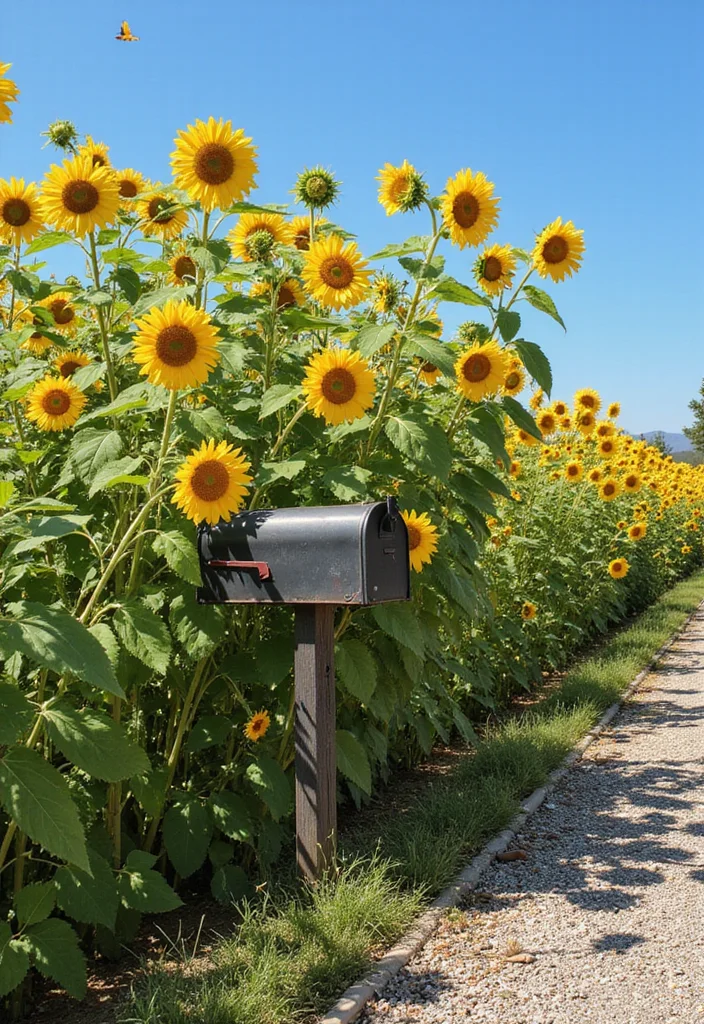
Sunflowers are the epitome of summer joy, known for their towering height and cheerful yellow petals. These bright blooms thrive in full sun and can serve as a striking focal point in your mailbox landscaping. Planting sunflowers near your mailbox will not only attract attention but also bring smiles to everyone who passes by.
Consider mixing different sunflower varieties at varying heights for a whimsical touch. These flowers are also excellent at attracting bees and butterflies, enhancing the life around your front yard.
Care instructions:
– Use well-drained soil for healthy growth
– Water generously during planting
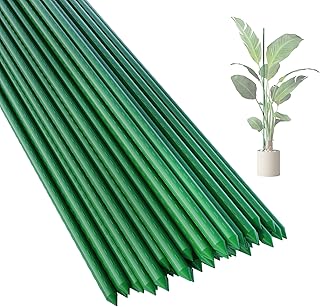
– Keep an eye on their growth and stake if necessary
– Mix in with other flowers for added variety
With sunflowers, your mailbox area will be a vibrant spectacle, filled with warmth and beauty.
Stunning Sunflowers: Always a Showstopper
Editor’s Choice


Conclusion
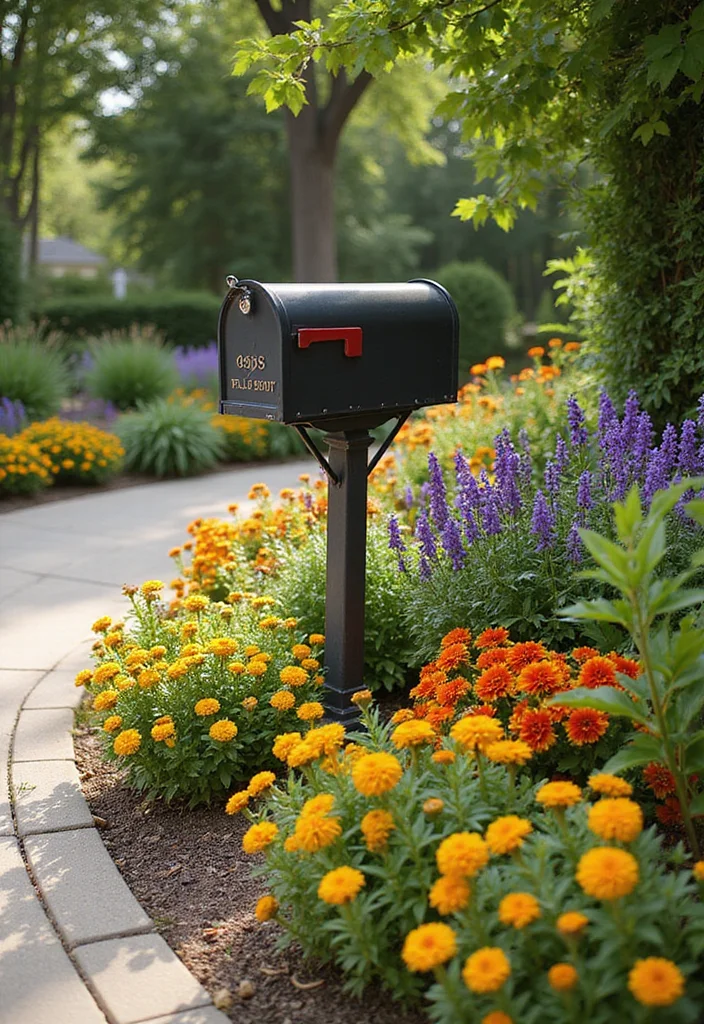
Transforming your mailbox area with stunning full sun plants is an easy way to enhance your curb appeal.
With the right selection of vibrant and low-maintenance plants, you can create a welcoming entrance that leaves a lasting impression. Whether you choose cheerful marigolds, elegant lavender, or towering sunflowers, your landscaping will reflect your unique style and personality. So go ahead, unleash your creativity! Happy planting!
Note: We aim to provide accurate product links, but some may occasionally expire or become unavailable. If this happens, please search directly on Amazon for the product or a suitable alternative.
This post contains Amazon affiliate links, meaning we may earn a small commission if you purchase through our links, at no extra cost to you.
Frequently Asked Questions
What are the best full sun plants for mailbox landscaping to boost curb appeal?
For mailbox landscaping in full sun, start with reliable, low-maintenance plants that deliver color from spring through fall. Great options include perennials like Black-eyed Susan (Rudbeckia), Purple Coneflower (Echinacea), Coreopsis, and ornamental grasses for structure. Pair them with a compact shrub such as boxwood or spirea for year-round shape. Group plants in repeats along the bed to create rhythm, add a layer of mulch to retain moisture, and consider a simple drip irrigation line for easy watering. Keep maintenance minimal by deadheading spent blooms and dividing crowded clumps every few years. With these choices, you will boost your curb appeal while keeping easy maintenance top of mind.
How can I maintain mailbox landscaping for easy maintenance in full sun?
For easy maintenance mailbox landscaping in full sun, choose native or well-adapted perennials and a few low-growing shrubs. Use 2-3 inches of mulch to suppress weeds and conserve moisture. Install a drip irrigation line or soaker hose so water goes to the roots without dampening the mailbox area. Pick plants with similar water needs, like sedums, coneflowers, and ornamental grasses, to simplify care. Apply light pruning after blooms and remove spent flowers to keep the bed neat without heavy maintenance.
How do I design a mailbox landscape plan that enhances curb appeal in full sun?
Designing a mailbox landscape plan that boosts curb appeal in full sun starts with a clear focal point near the mailbox. Use height layering: trailing groundcovers or low-growing plants in front, mid-height perennials behind, and a taller accent behind for depth. Stick to a cohesive color palette that lasts across seasons and repeat plantings for rhythm. Add durable edging and a friendly mulch border to keep roots cool and weeds down. Finally, ensure you can reach the mailbox for operation and snow removal while keeping mailbox landscaping looking great year-round.
What common mistakes should I avoid in mailbox landscaping under full sun?
Common mistakes to avoid in mailbox landscaping under full sun include overplanting in a tight space, ignoring sun exposure patterns at different times of day, choosing plants with conflicting water needs, and skipping drainage consideration. Another pitfall is neglecting the mailbox clearance and snow plow visibility. Plan for easy access, use native or drought-tolerant plants, and install proper irrigation and mulch to prevent erosion. Regular deadheading and annual cleanup will keep the curb appeal high with easy maintenance.
What are low-water, low-maintenance plant options for mailbox landscaping in full sun to keep curb appeal strong?
Looking for low-water, low-maintenance options for mailbox landscaping in full sun? Try drought-tolerant perennials and grasses such as Sedum, Lavender, Russian Sage, Yarrow, Coneflower (Echinacea), and Black-eyed Susan. Add compact grasses like Muhly grass or Feather Reed Grass for texture. Groundcovers such as Creeping Thyme or Liriope can fill in between plants with minimal upkeep. Pair these with a simple drip system and a seasonal mulch refresh to maintain curb appeal with easy maintenance.
Related Topics
mailbox landscaping
full sun plants
curb appeal
easy maintenance
landscaping ideas
garden design
beginner friendly
outdoor decor
seasonal flowers
low maintenance
landscaping tips
front yard makeover















I love the idea of using full sun plants to spruce up my mailbox area! Do you have any favorites that are super easy to care for?