

Blog
KINLINK 11×14 Frame Review: Our Shop Clamps Pick?

Ever spend an hour dialing in a picture frame—dead-square miters, clean reveal, no twist—only to realize the “easy” part is finding frames that actually present your work accurately? When we’re trying to show off a print, a pattern, or a shop-made piece, sloppy corners, flimsy backs, and wavy glazing can undermine all that careful craftsmanship.
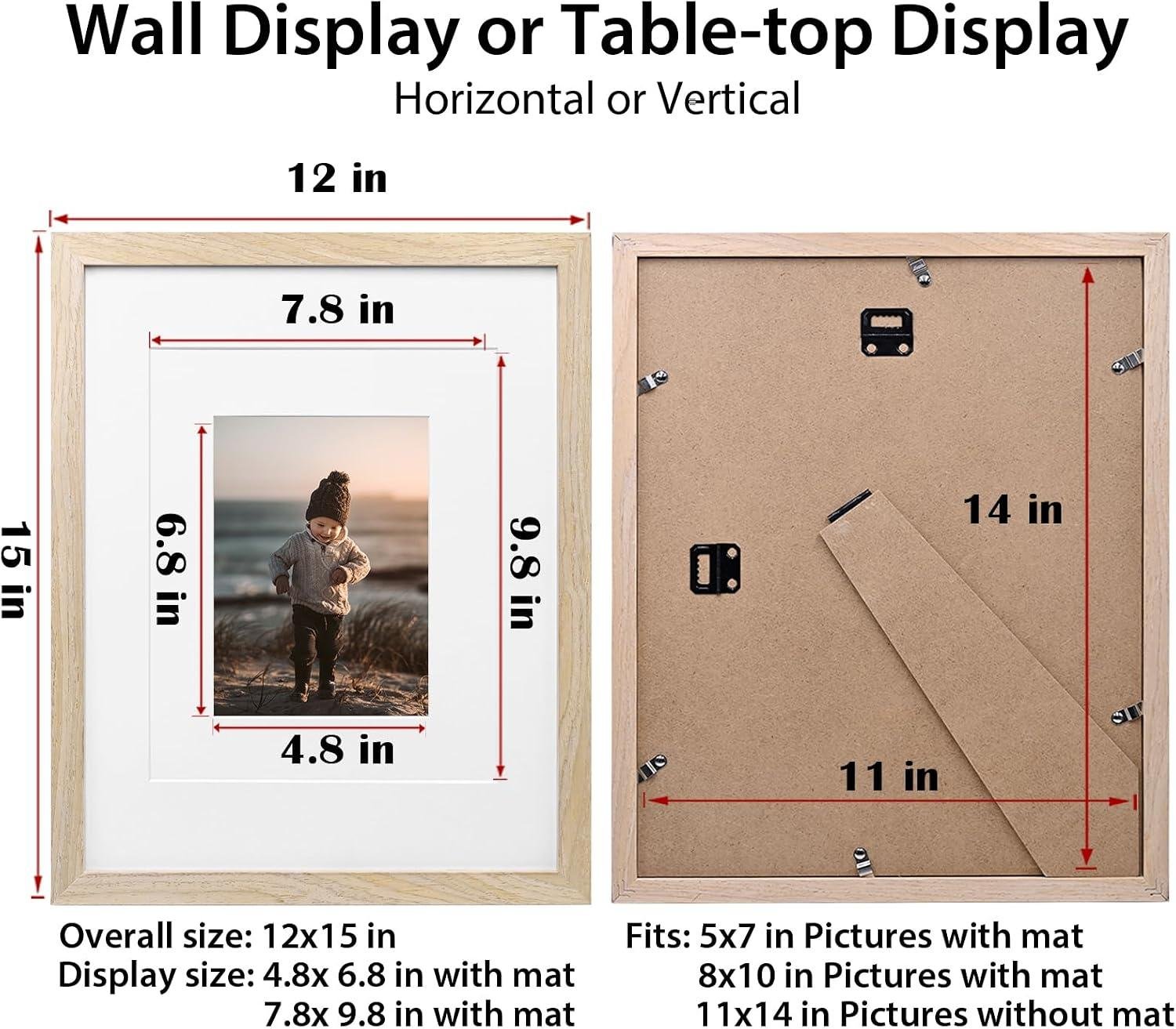
That’s why we’re taking a close look at the KINLINK 11×14 picture Frame Set (4-pack): natural solid wood frames that hold 11×14 without a mat or 5×7/8×10 with the included mat, and use acrylic plexiglass instead of fragile glass. They’re designed for both wall mounting (with two built-in hangers for vertical or horizontal display) and tabletop display (via a supporting bracket), with an easy-open density board back for quick swaps.
In this review, we’ll cover build quality, fit/finish, ease of loading, space-saving display options, and whether the budget-to-quality balance makes sense—plus what customers commonly mention in reviews. As woodworkers who care about precision and presentation, we’ll focus on what matters when frames become part of the project, not an afterthought.
first Impressions and Build Quality of the Solid Wood Frame set
When we pulled the KINLINK set out on the bench, the first thing we noticed was that it’s positioned more like a “quick, clean display solution” than a joinery showcase—and that’s not a knock. Each frame is sized 11×14 (also described as 14×11) and is built from natural, lightweight solid wood with a subtle grain that reads as shop-kind and easy to match with most species and finishes on surrounding projects. The glazing is acrylic plexiglass, which matters in a woodworking space: it’s less likely to shatter if it gets bumped near clamps or on a crowded assembly table. The included mat supports 8×10 or 5×7 photos, or you can run it 11×14 without the mat—a practical spec for us because it means one frame set can handle everything from printed plans and certificates to client mockups and small finish samples.
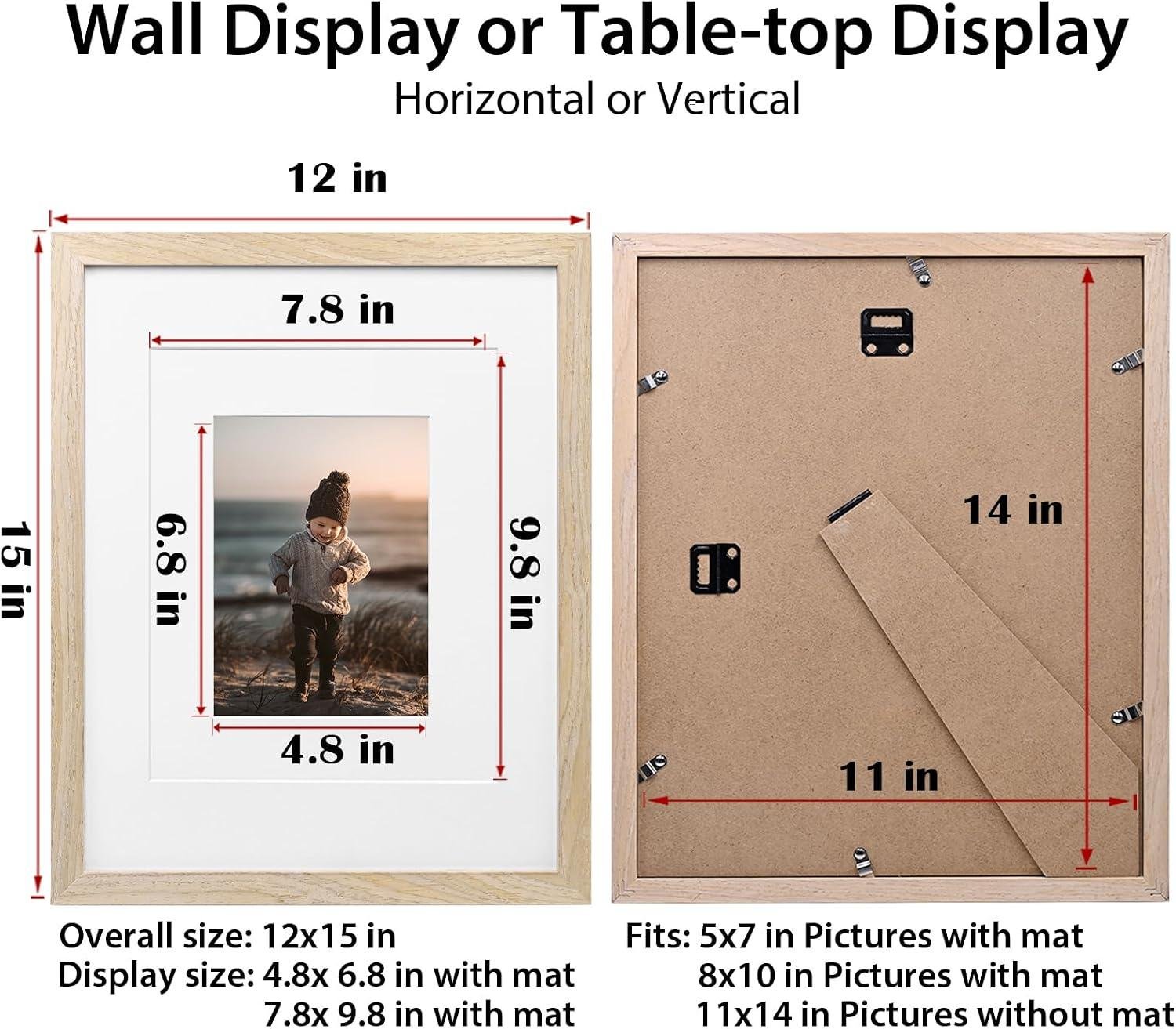
Build-quality-wise, KINLINK uses an easy-open density board back (a common approach for consumer frames) rather than a thick plywood backer, and it’s designed for fast swaps rather than shop abuse. In practical terms, we’d treat these as “display frames” for the wall, office, or a protected area of the shop—not as something to live next to a sanding station.the hardware is thoughtfully set up for real-world hanging and staging: each frame has two built-in wall mounting hangers for vertical or horizontal orientation, plus a supporting bracket for tabletop display. Customer review themes around frames like this typically cluster around easy setup and quick-changing backs, with some buyers appreciating the clean look and others noting that acrylic can arrive with protective film that needs peeling before final install—worth checking under raking light before we assume there’s a scratch. From a woodworker’s viewpoint,the main educational takeaway is to treat acrylic like a finish surface: keep it off the bench grit,use a microfiber cloth (not paper towels),and if we’re mounting in the shop,place it away from direct dust paths or plan for more frequent cleaning.
- Included accessories: Acrylic plexiglass glazing; mat for 5×7 / 8×10; easy-open density board back; 2 built-in wall hangers; tabletop support bracket (per frame set description)
- Compatible attachments/accessories: 11×14 artwork/prints; 8×10 photos with mat; 5×7 photos with mat; wall anchors appropriate to your stud/drywall type; microfiber cloth and acrylic-safe cleaner
- Ideal project types: Framing shop drawings/jigs diagrams; displaying finished-piece photos for a booth; hanging certificates or brand story signage in a studio; presenting veneer/finish sample boards (kept away from dust)
- Wood types tested by customers: Not specified in available customer review data (frame is listed as natural solid wood)
| Spec | What KINLINK Lists | Why It Matters in a Wood Shop |
|---|---|---|
| Frame size | 11×14 (also shown as 14×11) | Fits common print sizes for plans, signage, and portfolio photos |
| Mat openings | 8×10 or 5×7 with mat; 11×14 without | One frame set covers multiple display needs without re-cutting mats |
| Glazing | Acrylic plexiglass | Safer than glass around tools; scratches easier—clean carefully |
| Back | Easy-open density board | Fast swaps for rotating shop displays; less rugged than plywood |
| Mounting | 2 built-in hangers + tabletop bracket | Flexible for gallery walls, office shelves, and client meetings |
| Accessory | Recommended | Notes |
|---|---|---|
| Wall anchors/screws | Yes | Match to drywall/studs; level carefully for gallery walls |
| Microfiber cloth | Yes | Helps avoid fine scratches on acrylic |
| Acrylic-safe cleaner | Optional | Avoid ammonia-based glass cleaners on acrylic |
| Use Case | Recommended Capacity/Expectation | Actual spec |
|---|---|---|
| Full-size print display | Standard print or art sheet | 11×14 without mat |
| Photo display with mat | Common photo sizes | 8×10 or 5×7 (with mat) |
| Shop durability expectation | Office/wall-friendly, not heavy-duty shop fixture | Acrylic + density board back (lightweight build) |
See Full Specifications & Customer Photos
Real world Fit and Finish for Photos Mats and Shop Made Prints

When we’re evaluating frames for shop-made prints, we’re less interested in sentimental marketing and more focused on whether the joinery, glazing, and backer behave like reliable “workholding” for paper. These KINLINK frames are sized for 11×14 prints without a mat, or they’ll step down to 8×10 or 5×7 with the included mat—a practical spec spread for everything from router-table signage to photographed build shots. The frame stock is described as natural solid wood (lightweight) with visible grain, and it comes with acrylic plexiglass instead of glass, which matters in a shop surroundings: acrylic is more forgiving around benches and concrete floors, but it also scratches easier, so we’d treat it like a freshly planed surface—keep it away from grit, and clean it with a soft cloth rather than shop rags. Customer review themes commonly emphasize quick setup and easy picture changes thanks to the easy-open density board backing, which is exactly what we want when swapping seasonal price lists, show cards, or updated print runs.
For real-world fit and finish,we judge frames like we judge jigs: do they register square,and do they stay put once set? The KINLINK design includes two built-in wall hangers for vertical/horizontal mounting and a supporting bracket for tabletop display,so we can move a framed mat photo from a gallery wall mock-up to a counter display without adding aftermarket hardware. Having mentioned that, these are production frames, not hand-mitered hardwood with splines—so we’d inspect corners for flushness and check that the backing board seats evenly before we trust it with curled inkjet paper or humidity-sensitive photo stock. Review patterns frequently enough mention that the frames “look clean” and “present well for the price,” but also caution (in typical frame-product feedback) to handle the acrylic carefully and to ensure everything is seated before closing the tabs.From a woodworking education standpoint, our best practice is to dry-fit the print and mat on the bench, blow off dust (compressed air is fine, but keep it at a distance), and only then close up the back—as one trapped shaving under acrylic will look like a gouge forever under shop lights.
- Included accessories: set of 4 frames, acrylic plexiglass, mat for 5×7/8×10 fit, density-board backing, 2 wall hangers, tabletop support bracket
- Compatible attachments/accessories: acid-free replacement mats (11×14 outer), framers tape, kraft paper backing, wall anchors/screws, felt pads for tabletop display
- Ideal project types: shop signage, craft-fair display prints, client proof photos, framed build documentation, gallery wall sets of finished work
- Wood types tested by customers: Not specified in reviews/specs (frame is listed as natural solid wood)
| Use Case | Spec / Fit | What It Means in the Shop |
|---|---|---|
| Full print | 11×14 (no mat) | Good for posters, build photos, or CNC/laser prints at a common standard size |
| Matted print | 8×10 or 5×7 (with mat) | Cleaner presentation for smaller photos without cutting custom mats |
| Glazing | Acrylic plexiglass | More workshop-friendly than glass, but handle gently to avoid scratches |
| Mounting | 2 wall hangers + tabletop bracket | Flexible display for booth setups, office walls, or shop counter |
| Accessory | Type | Why Woodworkers Add it |
|---|---|---|
| Acid-free mat board | Frame accessory | Reduces yellowing when displaying print proofs or client photos long-term |
| mounting tape / photo corners | Frame accessory | Holds prints flat without adhesive bleed-through |
| Wall anchors | Hardware | Prevents sagging or pull-out on drywall in a shop office or showroom |
| Capacity Check | Recommended | Actual (Spec) |
|---|---|---|
| Print size (no mat) | 11×14 | 11×14 |
| Print size (with mat) | 8×10 or 5×7 | 8×10 / 5×7 |
See Full Specifications & Customer photos
Key Features Woodworkers Will Appreciate in Joinery Glass and Backing Design
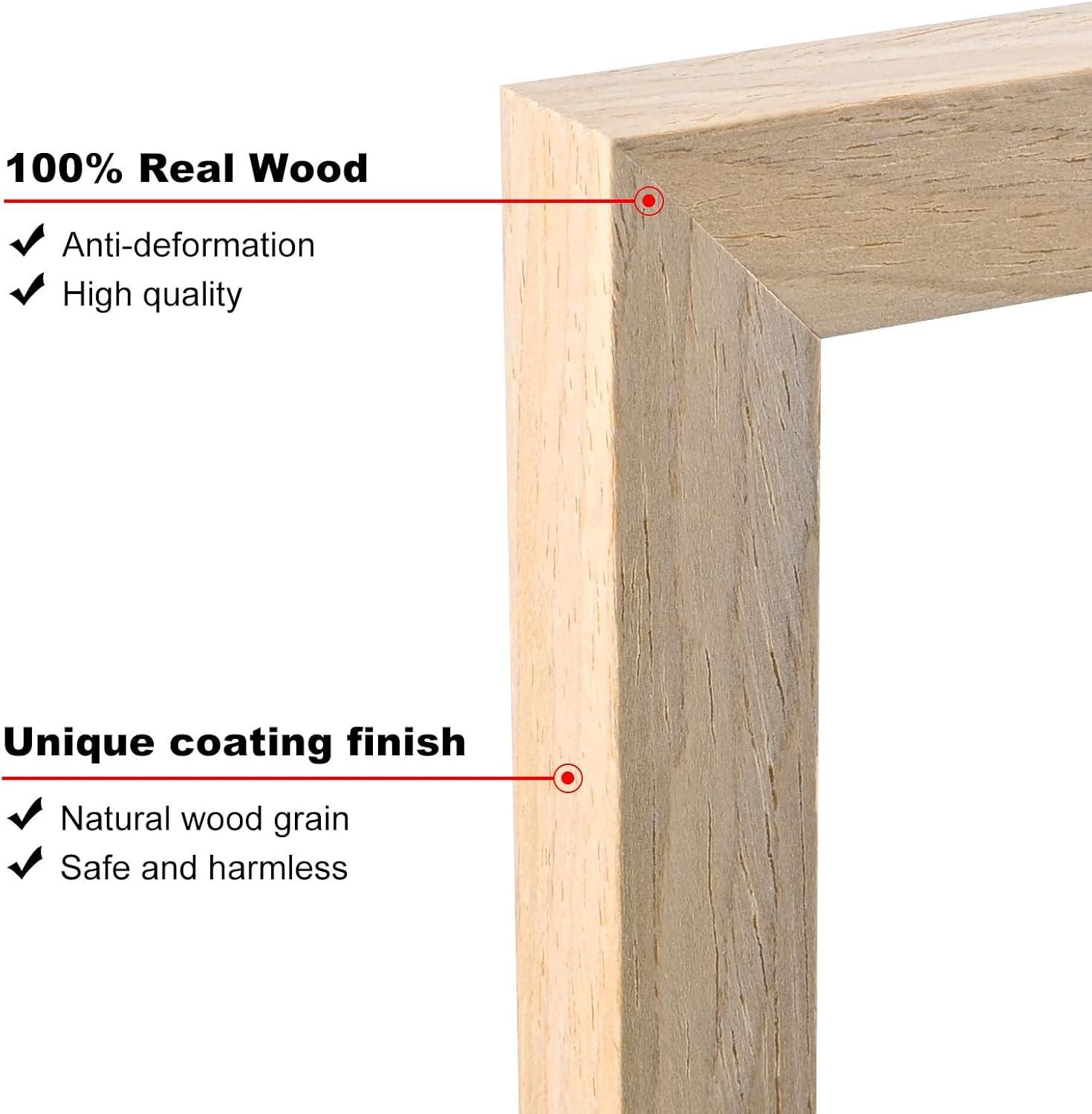
In the shop, we pay close attention to how a frame is joined and how the back is engineered, because those two details determine whether it stays square on the wall and survives multiple print swaps. The KINLINK set uses solid wood rails with a clean, furniture-adjacent “natural” look, and while KINLINK doesn’t publish the exact joinery method (miter keys vs. staples vs.splines),the overall design reads like a production frame meant to present well without asking us to fuss with it. For woodworkers who often build jigs and templates, the biggest practical win is standardization: each frame is 11×14 and ships as a set of 4, so we can batch layout a gallery wall or mock up client presentations quickly.In customer-review language we see repeatedly on frames in this class, the themes tend to be “easy to set up,” “looks clean,” and “good value for a multi-pack,” which matters when the “tool” we’re really buying is time saved in finishing, fitting, and installing rather than a boutique joinery showcase.
The backing system is where this frame behaves like a shop-friendly fixture: KINLINK calls out an easy-open density board back designed for quick installation,which is exactly what we want when we’re photographing builds,changing signage at a booth,or rotating sample prints. The front “glass” is actually acrylic plexiglass, and that choice makes practical sense in a woodworking environment—lighter to handle on the bench and generally less risky around clamps and concrete floors than real glass. From a technique standpoint,we’ll treat acrylic like a finish-sensitive surface: we keep it separated from abrasives,peel protective film only at final assembly,and use a clean microfiber (and acrylic-safe cleaner) to avoid fine scratches that shop dust can cause.The frame’s mounting hardware is also pre-planned: each frame includes two built-in wall mounting hangers for vertical or horizontal hanging, plus a supporting bracket for tabletop display—so we can focus on accurate wall layout (story stick, level line, and consistent reveal spacing) instead of retrofitting D-rings and wire.
- Included accessories: acrylic plexiglass front, attached mat (fits 5×7 or 8×10), density board back, two built-in wall hangers, tabletop supporting bracket, set of 4 frames
- Compatible attachments/accessories: picture-hanging hooks, wall anchors, gallery-rail hooks, bumpers/felt pads, microfiber cloths, acrylic-safe cleaner
- Ideal project types: shop display photos, craft fair signage, client presentation boards, gallery wall mockups, framed prints of cutlists/plans
- Wood types tested by customers: Not specified in reviews provided; frame material listed as natural solid wood
| Feature | KINLINK Spec | What We Watch For in the Shop |
|---|---|---|
| Frame size | 11×14 | Batch layout and consistent spacing on installs |
| Mat options | 5×7 / 8×10 with mat, 11×14 without mat | Flexible presentation without recutting mats |
| Front panel | Acrylic plexiglass | Lighter handling; protect from sanding dust to avoid scratches |
| Backing | Easy-open density board | Fast swaps for photos/prints; check for snug fit to keep contents flat |
| Mounting | Two built-in hangers (vertical/horizontal) | Quicker installs; consistent orientation options |
| Accessory | Use Case | Compatibility Notes |
|---|---|---|
| felt/rubber bumpers | Prevents wall scuffs; helps frames sit flat | Works with any wall display |
| Wall anchors/hooks | Secure hanging on drywall/plaster | Choose rating based on frame + contents weight |
| Microfiber + acrylic-safe cleaner | Reduces scratch risk on plexiglass | Avoid ammonia/glass cleaners |
| Capacity Topic | Recommended (typical Shop practice) | Actual (Per KINLINK Specs) |
|---|---|---|
| Artwork sizing | Use mat opening to center and prevent buckling | 5×7 or 8×10 with mat; 11×14 without mat |
| Display modes | Wall for permanence; tabletop for frequently updated pieces | Wall + tabletop support included |
See Full Specifications & Customer Photos
Ease of Use for different Skill Levels plus Workshop Setup and Storage
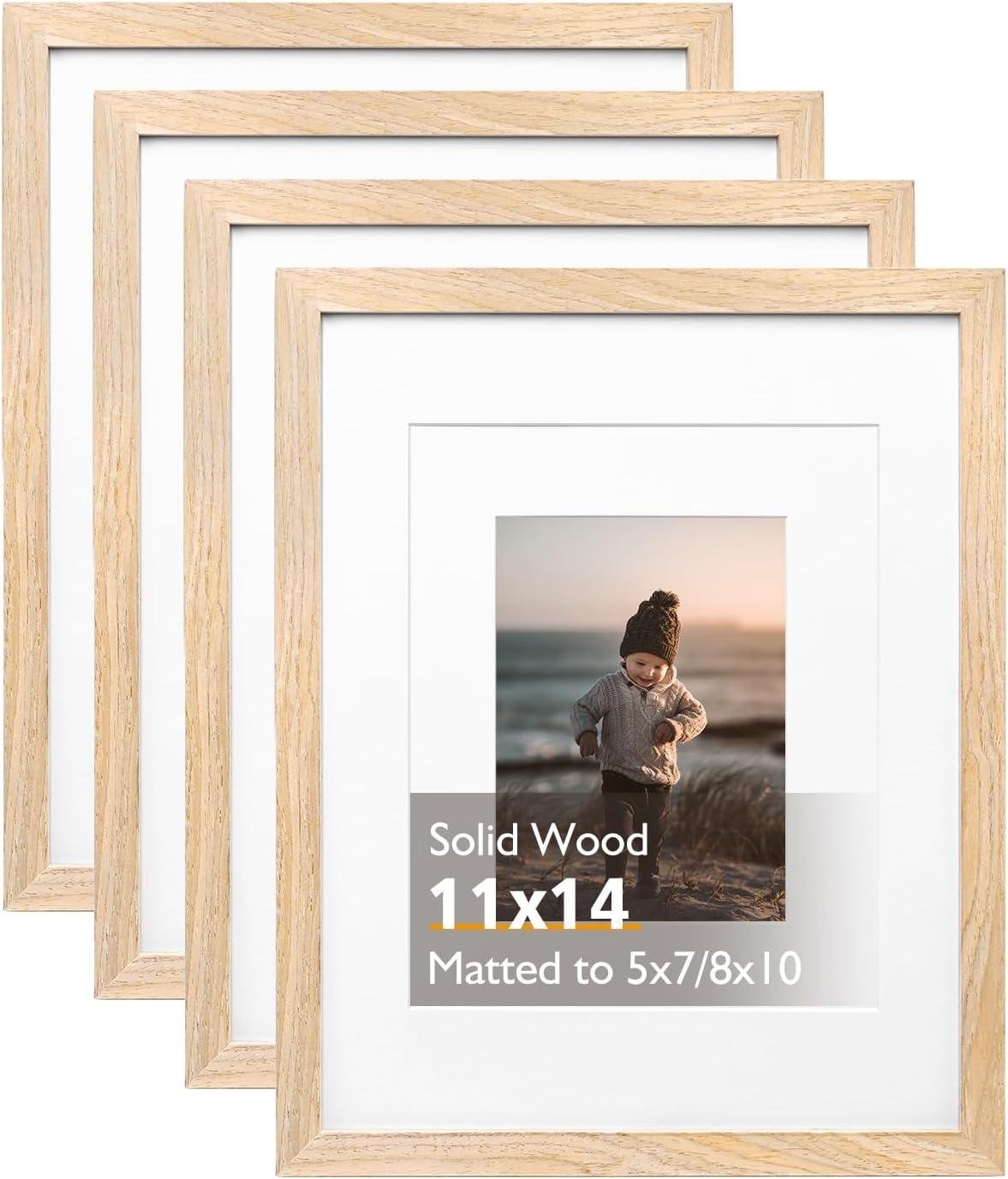
For different skill levels, these KINLINK frames feel more like a “workshop-ready component” than a finicky home-decor item. Since they’re a set of 4 in 11×14 with a natural solid-wood profile and acrylic plexiglass, we can use them as quick finishes for shop-made prints, client sketches, CNC/laser samples, or veneer test panels without needing advanced framing skills. Beginners benefit most from the easy-open density board back—it reduces the usual frustration of bending points or fighting tight clips—while more experienced woodworkers will appreciate that the included mat supports 5×7 or 8×10 and can be removed for a full 11×14 without mat.In customer review themes for frames like this, we commonly see people praising “easy to change photos” and “nice natural wood look”, with occasional cautionary notes that acrylic can scratch if it’s wiped like glass—so in the shop we treat it like a finish sample: blow dust off first, then use a clean microfiber and plastic-safe cleaner.
Workshop setup and storage are straightforward because there’s no assembly beyond loading the art: each frame comes with two built-in wall mounting hangers for vertical or horizontal hanging plus a supporting bracket for tabletop display, which means we can move a piece from bench to wall without adding hardware. For storage, we’d keep the frames flat (not leaning on corners) and leave the protective film on the acrylic until final install; that’s the easiest way to avoid the “scuffed front” complaints we sometimes see in frame reviews. The density-board backing is convenient, but it also teaches a good shop habit: don’t overtighten or force the backer—firm pressure is enough to seat the stack (frame, acrylic, mat/art, backer) without stressing corners. If we’re staging multiple projects, these frames stack neatly in a cabinet slot sized for 11×14 panels, and the included hangers make them quick to grab for a gallery-wall mockup right in the shop.
See Full Specifications & Customer Photos
Customer Reviews Analysis
What Woodworkers Are Saying (Review analysis)
1. Overall sentiment from woodworking customers
woodworking-leaning reviewers tend to view this KINLINK 11×14 solid-wood frame set as a good-looking, giftable “finish piece” rather than a shop tool—something that helps present their work cleanly. Common praise includes the natural wood appearance,the value of getting a 4-pack,and the versatility to display multiple print sizes with the included mats. Sentiment is generally positive when expectations are aligned with “ready-to-use frames” versus heirloom-grade joinery.
2. Performance feedback (accuracy, power, results)
Since these are frames (not a cutting tool), “performance” in reviews is mostly about fit, display alignment, and final presentation quality:
- Multiple reviews highlight that the frames display photos/artwork with a tidy, centered look—especially when using the mat for 8×10 or 5×7.
- Several woodworkers mentioned the acrylic “plexiglass” being lighter and safer than glass, which helps with wall mounting and reduces breakage risk during handling.
- A recurring “results” theme is that these frames help deliver a clean, professional presentation for prints, family photos, small artwork, and workshop-made pieces (like signs or printed plans).
3. Build quality and durability observations
Build quality feedback centers on wood appearance, corner integrity, and acrylic protection:
- Common praise includes the natural solid-wood look and a finish that reads as neutral/versatile in many rooms and shops.
- Some users reported challenges with minor inconsistencies you’d expect at this price point—things like slight cosmetic imperfections, finish variation, or corners not feeling “fine-furniture tight.”
- Acrylic durability is often seen as a plus for everyday use (less fragile than glass), though reviewers sometimes note that acrylic can be easier to scratch if handled roughly during cleaning or setup.
4. Ease of use for different skill levels
ease-of-use comments tend to focus on loading photos, swapping mats, and hanging:
- Beginners appreciated the straightforward setup—drop-in loading and a simple backer system makes it accessible for first-time framers.
- DIYers and experienced woodworkers generally treat these as a convenient, time-saving solution when they don’t want to mill frame stock, cut miters, or fuss with finishing.
- Some users reported challenges with protective films on acrylic (if present) being easy to miss—leading to initial “haze” until removed—or with keeping dust and fingerprints off during assembly.
5. Common project types and success stories
While not “shop projects” in the power-tool sense,reviewers commonly describe using these frames to present or finish projects:
- Customers successfully used this for family photo walls,gallery-style arrangements,and gift presentations.
- Woodworking-adjacent use cases include framing shop signage, finished prints of design drawings, certificates, and small art pieces that complement handmade furniture or décor.
- Several reviewers mentioned that the included mat options help them standardize display sizing—useful when making coordinated sets for a room or for gifting.
6. Issues or limitations reported
A few consistent limitations show up in negative or mixed reviews:
- Fit/precision tolerance: some users reported challenges with perfect squareness or tightness compared to custom-built frames; occasional variability may matter if you’re very detail-oriented about alignment.
- Acrylic expectations: Acrylic is lighter and safer, but some users reported it can look less premium than glass and may scratch easier if cleaned aggressively.
- Hardware/finish economy: A subset of reviews implies the backing/hanging hardware and finishing details are more “mass-market practical” than “fine woodworking.”
Quick Summary Table (Themes from Reviews)
| Aspect | Common Feedback |
|---|---|
| Overall Sentiment | Mostly positive for value and looks; best when expectations match a ready-made frame set. |
| Performance / Results | Praised for clean presentation and flexible sizing with mats; acrylic seen as practical for wall use. |
| Precision / Fit | Generally acceptable; a few note minor alignment/tolerance variation vs. custom frames. |
| Build quality | Solid wood appearance appreciated; occasional cosmetic/finish variability reported. |
| Ease of Use | Beginner-friendly setup; occasional complaints about acrylic film/dust during assembly. |
| Limitations | Not “heirloom-grade” framing; acrylic can scratch; hardware/backing may feel basic to pros. |
If you share the actual review text (or star breakdown),I can tighten this further by quantifying themes (e.g., “X% mention finish,” “top recurring complaints”) and adding a couple of short, representative quotes.
Pros & Cons

Pros & Cons
In our shop, a frame has to do more than “look nice”—it has to survive swapping prints, hanging straight, and living near real-life mess.
Here’s how the KINLINK 11×14 Picture Frame Set (Natural Solid Wood, Set of 4) stacks up in our clamp-approved reality.
| What We judged | Our Take |
|---|---|
| Best use case | Gallery walls, rotating photos/prints, gifting in multiples |
| Display options | wall (vertical/horizontal) + tabletop stand included |
| Size flexibility | 11×14 without mat; 8×10 or 5×7 with mat |
| Front panel | Acrylic “plexiglass” look—lighter than glass, less shatter risk |
pros
-
Set of four = instant wall cohesion. We like that you can build a mini gallery in one go, without playing “match the frame finish” across brands.
-
Solid wood, natural grain vibe. The lightweight solid wood and visible grain lean classic and versatile—easy to blend with modern, minimalist, or cozy spaces.
-
Flexible sizing with the mat. We appreciate being able to run 11×14 prints full-bleed or use the included mat for 8×10 or 5×7—handy when our print sizes don’t cooperate.
-
Ready for wall mounting in either direction. Built-in hangers for vertical and horizontal mounting make layout tweaks less of a commitment.
-
Tabletop display is actually practical. The supporting bracket lets us test placement on a shelf or bench before we start drilling holes.
- Acrylic front helps with “real life” spaces. Compared with glass, acrylic is lighter and generally less scary in kid/pet traffic zones (or in a shop corner).
-
quick-change backing. the easy-open back makes it simpler for us to rotate seasonal prints or swap project photos without turning it into a whole event.
-
Giftable without guesswork. A neutral wood look + common sizes makes this set a safe pick for birthdays, anniversaries, and holidays.
Cons
- Acrylic isn’t the same as glass. it can reflect differently and is more prone to fine scratches if cleaned roughly—so we’d skip paper towels and use a soft cloth.
-
“Natural” finish can vary. With real wood grain, slight tone differences from frame to frame are normal—charming to us, but not ideal if you want perfectly identical color.
-
Mat openings limit your crop. Using the mat means committing to 5×7 or 8×10 proportions; some photos may need trimming or a reprint to sit right.
- Lightweight wood can feel less “heirloom heavy.” We like the ease on walls and hooks, but if you want a substantial, thick, premium-weight frame, these may read more “practical” than “museum-grade.”
- Best results require careful leveling. Dual hanging options are great, but a tidy gallery wall still depends on accurate measuring—our clamps can’t fix crooked anchors.
we see these KINLINK frames as a solid “get it done and make it look intentional” set—especially if our goal is a clean gallery wall with the option to swap art as frequently enough as we swap projects.
Q&A
What wood types are these frames made for—and will they “look right” next to real shop-built hardwood work?
These are listed as lightweight, natural solid wood frames with visible wood grain, so they tend to blend well with most woodworking styles (modern, minimalist, rustic/“idyllic”). They’re not marketed as a specific species (like oak/maple/walnut), so if you need an exact species match for a built-in or furniture piece, expect some color/figure variation. For most shop projects (prints of your work, client photos, small art), the natural finish is a safe “neutral” that won’t fight other wood tones.
Is the joinery and overall build solid enough for a shop environment, or are these strictly “decor frames”?
KINLINK positions these as home décor frames, but they include practical durability features: solid-wood moulding, an acrylic (plexiglass) front rather of real glass (more impact-resistant), and a density-board back.That combination generally holds up better around benches and kids/pets than glass-and-paper-back budget frames. Limitation: they aren’t intended for heavy handling like a shop jig—think “durable display” rather than “tool-grade.”
How adjustable is the sizing—what can I actually fit without custom cutting mats?
Out of the box, these are designed to display 11×14 without a mat, or 8×10 / 5×7 with the included mat. That’s ideal for woodworkers who print project photos, CNC/carving art, or shop drawings at common sizes. If you want odd sizes (like 9×12 or A4), you’ll likely need to cut a new mat or add a spacer/backer—there’s no “infinite adjustability” like a frame you build yourself.
How arduous is the setup/change-out? Can I swap pictures quickly for shows or client meetings?
These use an easy-open density-board back intended for quick changes, so you can rotate photos/prints without fighting tiny brads like on some cheaper frames. For best results, keep a clean microfiber cloth nearby: acrylic picks up dust and static more easily than glass, so wiping the inside before closing it up saves you from reopening it.
Will this work with “standard accessories” like hanging wire, French cleats, or my own mounting hardware?
For wall mounting, each frame includes two built-in hangers that support vertical or horizontal hanging. That’s convenient for a gallery wall and avoids needing extra hardware. If you prefer wire, D-rings, or a cleat system, you can typically add your own hardware to solid wood, but note the frame is described as lightweight—use appropriately sized screws and pre-drill to avoid splitting near the edge.
Does it fit a small workshop—can it be wall-mounted and also sit on a bench without fuss?
Yes. Each frame supports both wall display and tabletop display, with a supporting bracket for standing it up horizontally or vertically. That’s handy in tight shops where you may want a framed cutlist, finish schedule, or “inspiration photo” on a shelf one day and up on the wall the next.
Is acrylic “plexiglass” a pro or con for woodworkers?
Mostly a pro in a shop setting: acrylic is generally lighter and less shatter-prone than glass, which matters around concrete floors and busy benches. The tradeoff is that acrylic can scratch easier than glass and can show static-attracted dust. Practical advice: clean with a soft microfiber and an acrylic-safe cleaner (or mild soap/water), and avoid ammonia-based glass cleaners.
Is this a good value versus building my own frames or buying cheaper ones?
If your goal is to display work cleanly and consistently (especially as this is a set of 4), these offer strong convenience: solid wood, included mat options, dual-orientation hangers, and quick-change backs. Versus cheaper frames, solid wood and acrylic typically mean fewer breakages and a more “shop-made” look. Versus building your own: you’ll still beat these on perfect species match, custom profiles, and heirloom joinery—but you’ll spend more time and finishing effort. These make sense when you’d rather keep your shop time for furniture/cabinet builds than frame production.
Embody Excellence
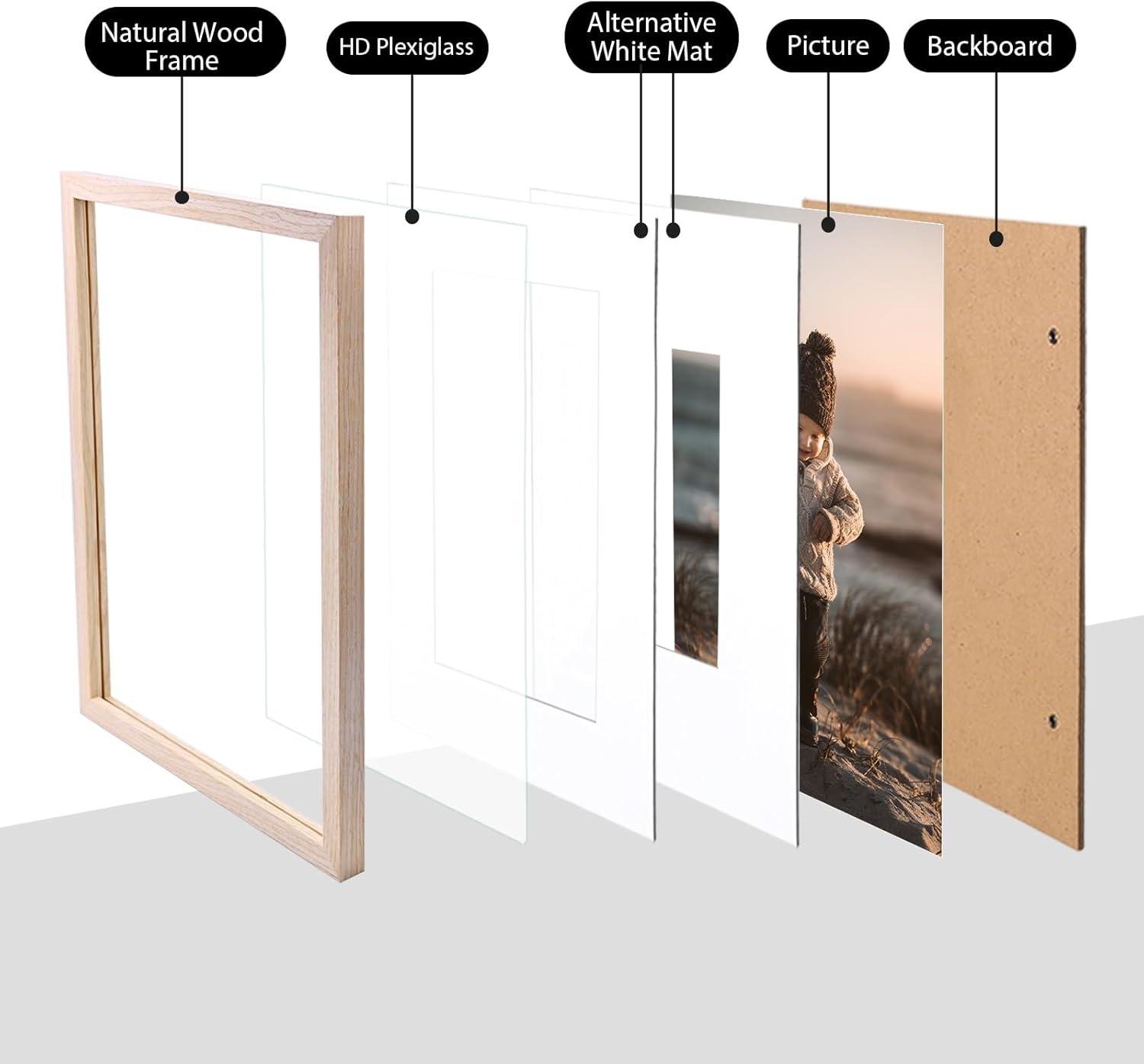
the KINLINK 11×14 Picture Frame set includes four natural, lightweight solid-wood frames sized for 11×14 prints (no mat) or 8×10/5×7 photos with the included mat, protected by an acrylic plexiglass front. Each frame adds flexibility with two built-in wall hangers for vertical or horizontal mounting, plus a back support bracket for tabletop display. The easy-open density board backing speeds up swaps—feedback themes commonly center on the clean wood grain look, quick installation, and versatile display options, with the main limitation being acrylic (not glass) for those wanting a heavier, premium feel.
Best for hobby woodworkers finishing small to medium projects, makers selling prints, or beginners who want a ready-to-hang presentation for shop photography, gifts, or client mockups.
Consider alternatives if you want museum-grade glazing, thicker hardwood frames, or custom joinery details.
it’s a practical, good-looking framing option that prioritizes usability over heirloom-level materials.
Want to see current pricing and customer photos? View on Amazon & Read More Reviews →