

Blog
John Boos Board Care Kit Review: Right for Our Shop?

Ever pulled a cutting board off the rack and noticed it feels fuzzy, looks dull, or-worst of all-shows the first hairline cracks along the grain? Even when our joinery is tight and our sanding is dead even, wood movement and dry shop air can undo good work fast, especially on end-grain blocks that see water, heat, and daily use.
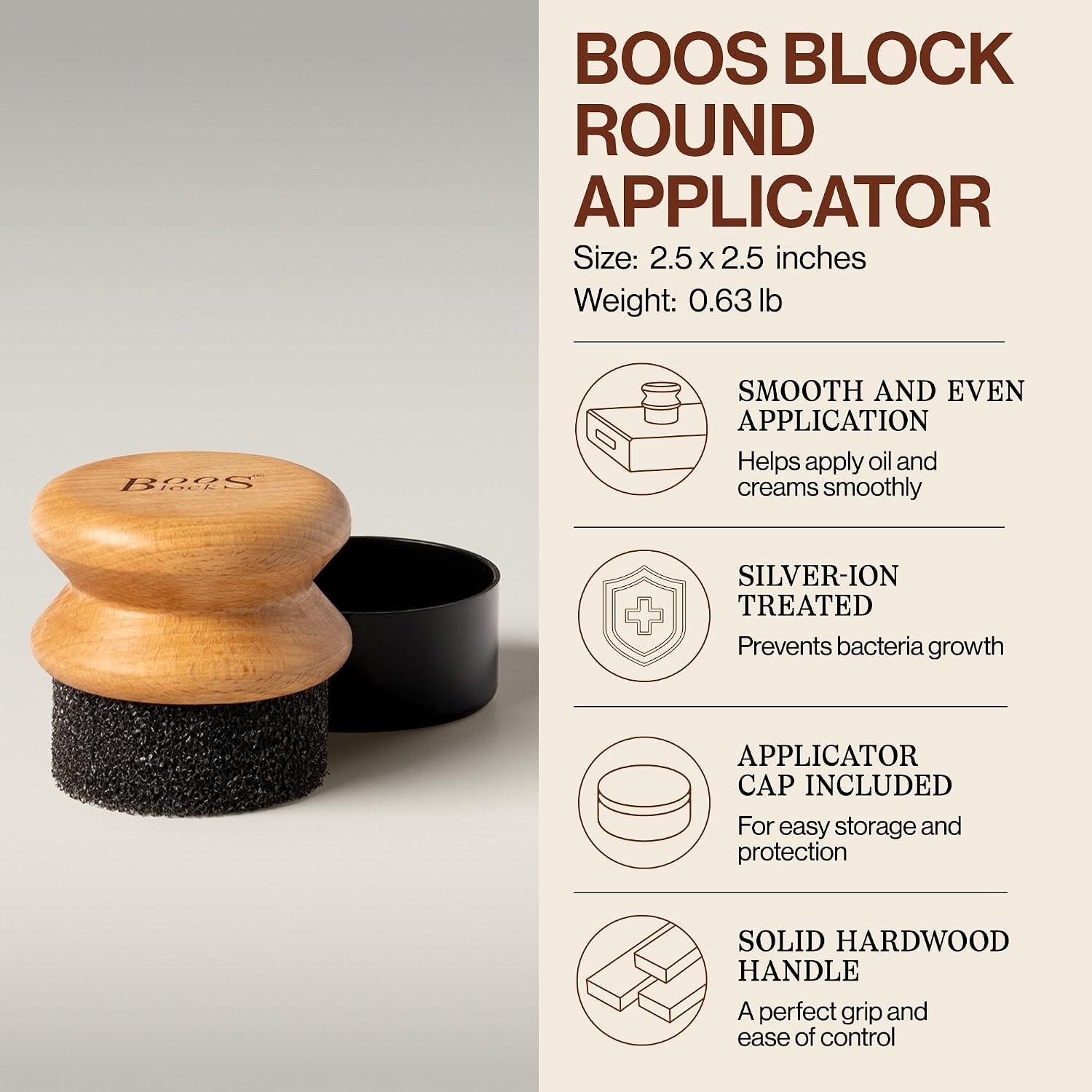
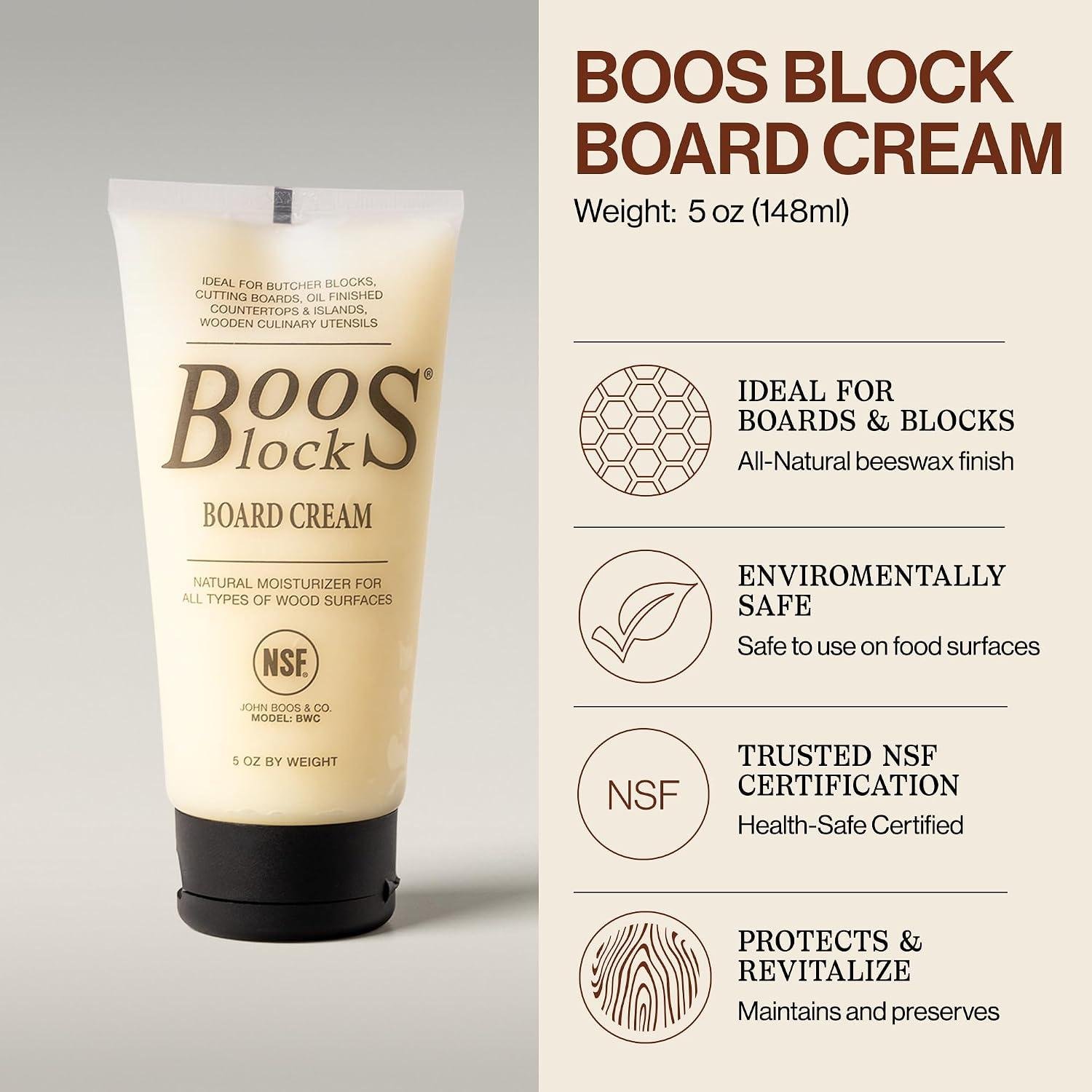
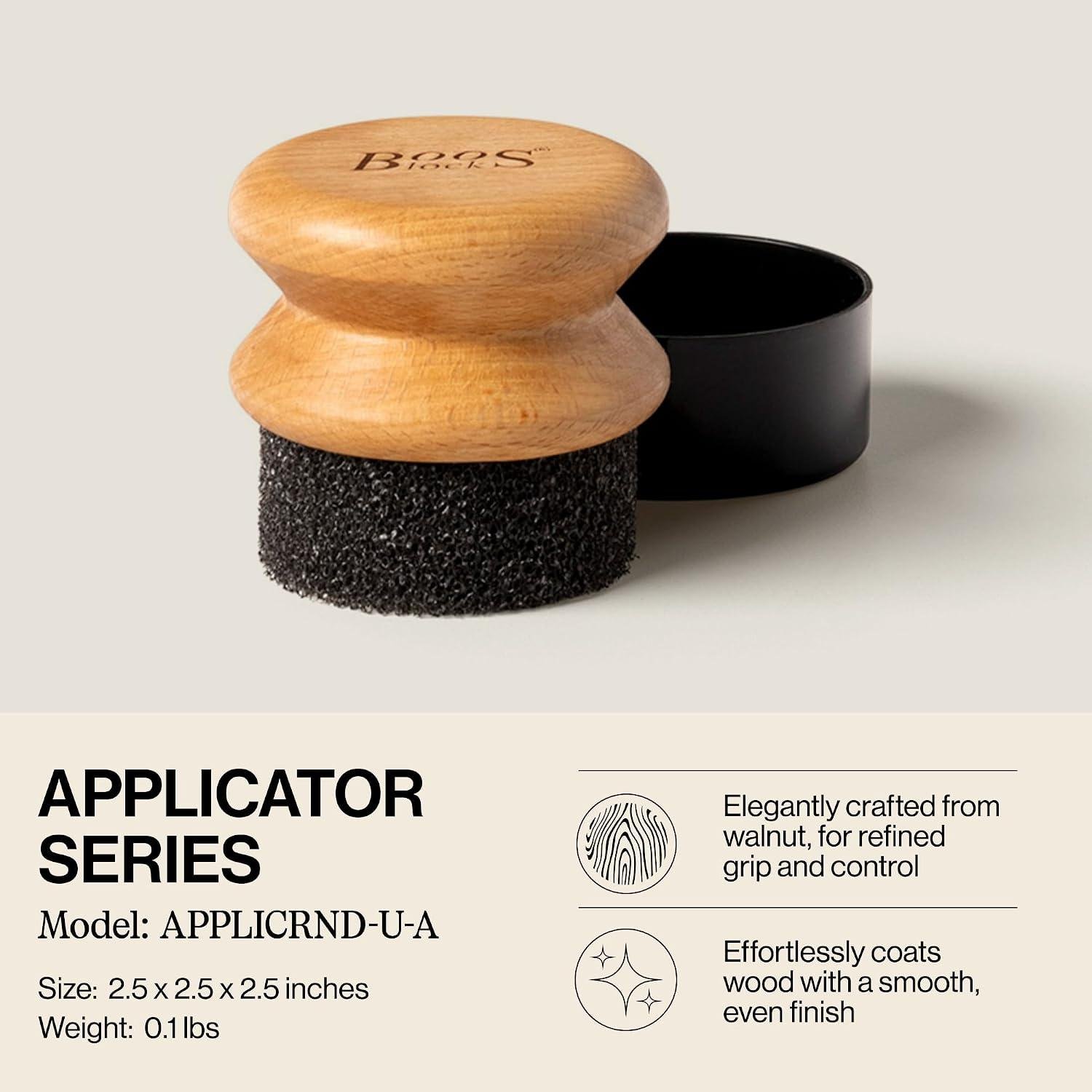
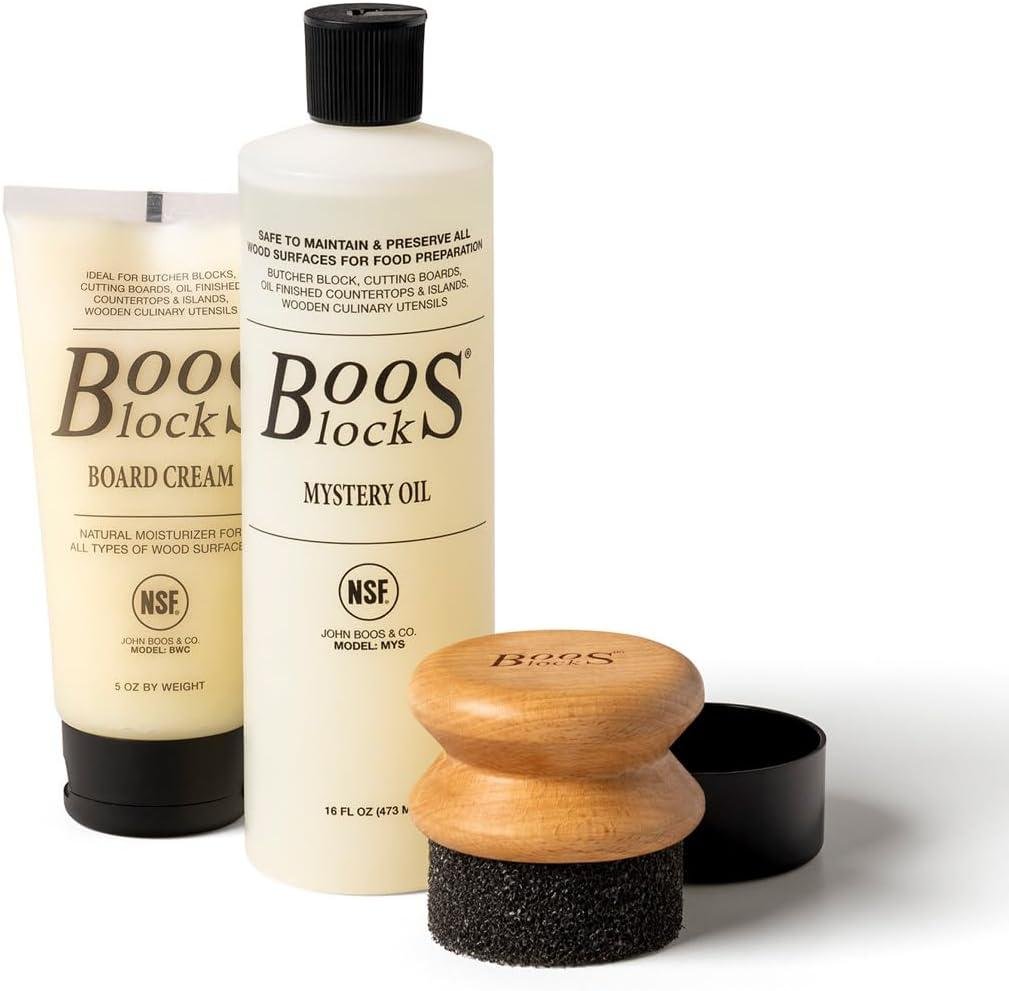
The John Boos 3 Piece Maintenance Set isn’t a cutting tool-it’s a care kit designed to condition and protect wood surfaces like chopping blocks, cutting boards, and charcuterie boards. It includes Boos Block Mystery Oil and Board Cream, both made with food-safe white mineral oil and beeswax, plus an applicator with a hardwood control-grip handle and a silver ion-treated sponge.
In this review, we’ll break down the features, how the monthly “apply and let penetrate overnight” routine fits real shop schedules, what customers commonly report about ease of use and finish feel, and who this set makes sense for on a budget. We’ve maintained plenty of wooden shop fixtures and kitchen builds over the years-enough to know that protection is part of precision.
Tool Overview and First Impressions in Our Shop
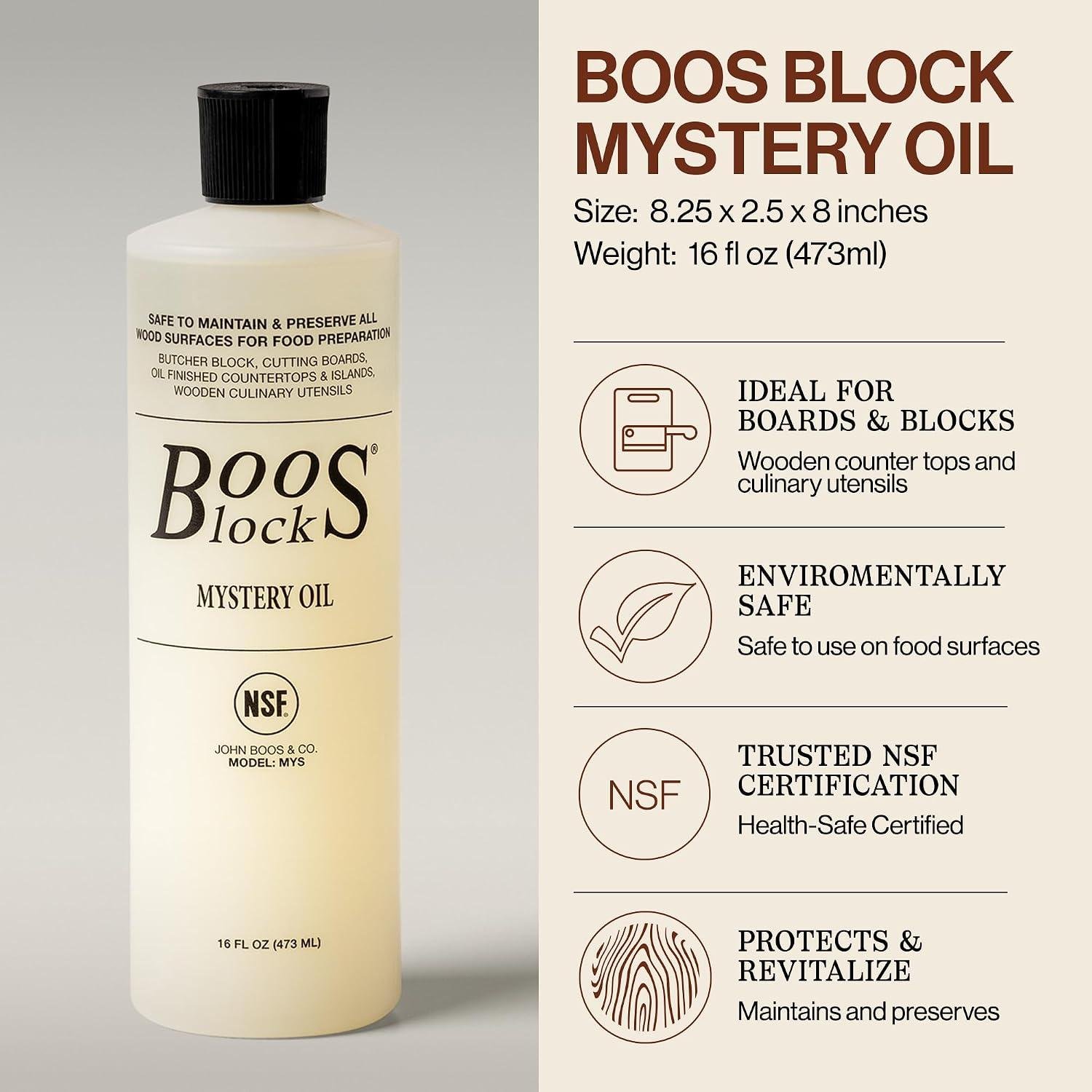
In our shop, the John Boos 3 Piece Maintenance Set lands less like a “tool” and more like a repeatable finishing step we can keep on the same shelf as our glue and abrasives. The idea is simple but practical: Mystery Oil (white mineral oil) soaks into the fibers to reduce drying, while the Board Cream (mineral oil + beeswax) adds a slightly more protective, moisture-shedding top layer-especially helpful on end-grain blocks that drink finish fast. We appreciate that the formula is food-surface safe, which matters when we’re maintaining cutting boards, butcher-block offcuts, and shop-made charcuterie pieces headed for kitchens. The included applicator surprised us in a good way: the hardwood control-grip handle gives better leverage than a rag when we’re working oil into knife-scarred grain, and the sponge is silver ion-treated (intended to help it stay fresher between uses). John Boos recommends applying monthly and more often in dry climates, and we like that it’s a clear, easy schedule for customers picking up a board from us-oil first, then cream, and let it all sit overnight to penetrate.
First impressions align with common customer-review themes we consistently see around Boos care products: people praise the easy, no-fuss application, the way it helps boards look “refreshed,” and the fact that it’s a trusted name for kitchen wood care. From a woodworking workflow standpoint, the educational takeaway is that this set isn’t meant to “repair” deep damage; it’s preventive maintenance that keeps boards from getting so dry they start checking. We’d still teach anyone using it in a shop setting to (1) sand out raised grain or shallow knife fuzz first, (2) wipe away dust, (3) apply oil generously until absorption slows, and (4) follow with a thin coat of cream after the oil has had time to soak-because waxy products can slow penetration if you lead with them. It’s also a solid fit for newer woodworkers because there’s no mixing, no volatile solvents, and no cure-window gymnastics-just controlled application and patience.
- Included accessories:
- Mystery Oil (white mineral oil)
- Board Cream (white mineral oil + beeswax)
- Applicator with hardwood control-grip handle and silver ion-treated sponge
- Compatible attachments/accessories:
- Lint-free shop rags or paper shop towels (for wipe-off)
- Fine sanding abrasives (for prep): 220-320 grit
- Non-scratch scuff pads (light cleaning before re-oiling)
- Ideal project types:
- End-grain and edge-grain cutting boards
- Butcher-block tops and chopping blocks
- Charcuterie/serving boards (food-contact pieces)
- Wood types tested by customers (common review mentions for cutting boards):
- Maple
- Walnut
- Cherry
- Acacia (varies widely in density and absorption)
| Category | What We Look For in the Shop | John Boos 3 Piece Set (per product description) |
|---|---|---|
| Primary purpose | Reduce drying/checking; routine upkeep | Stops drying, splitting, and cracking between uses |
| Food-contact suitability | Non-toxic, odor-light, simple reapplication | Food-surface safe mineral oil & beeswax formula |
| Application cadence | Predictable maintenance schedule | Apply monthly (more often in dry/arid climates) |
| Process time | Soak time that fits overnight shop cycles | Let penetrate overnight |
| Application control | Avoid streaks; work into end grain | Applicator with control-grip hardwood handle |
| Accessory Type | What It Helps With | Notes |
|---|---|---|
| Extra applicator sponges | Keeping oil-only and cream-only tools separate | Handy if multiple boards are in rotation |
| 220-320 grit sandpaper | Prepping fuzz/raised grain before oiling | Sand lightly, then remove dust fully |
| Lint-free rags | Wipe-off and final buff | Prevents streaking and tacky spots |
| Maintenance Need | Recommended Approach | What This Set Supports |
|---|---|---|
| Routine conditioning | Oil monthly; wax/oil blend as a top layer | Yes (Mystery Oil + Board Cream) |
| Dry climate boosting | Increase frequency as needed | Yes (explicitly recommended) |
| Deep gouge/warp repair | Flatten/sand, re-square, then refinish | No-requires milling/sanding work first |
See Full Specifications & Customer Photos
Key Features Woodworkers Will Appreciate for Cutting Boards and Workbench Tops
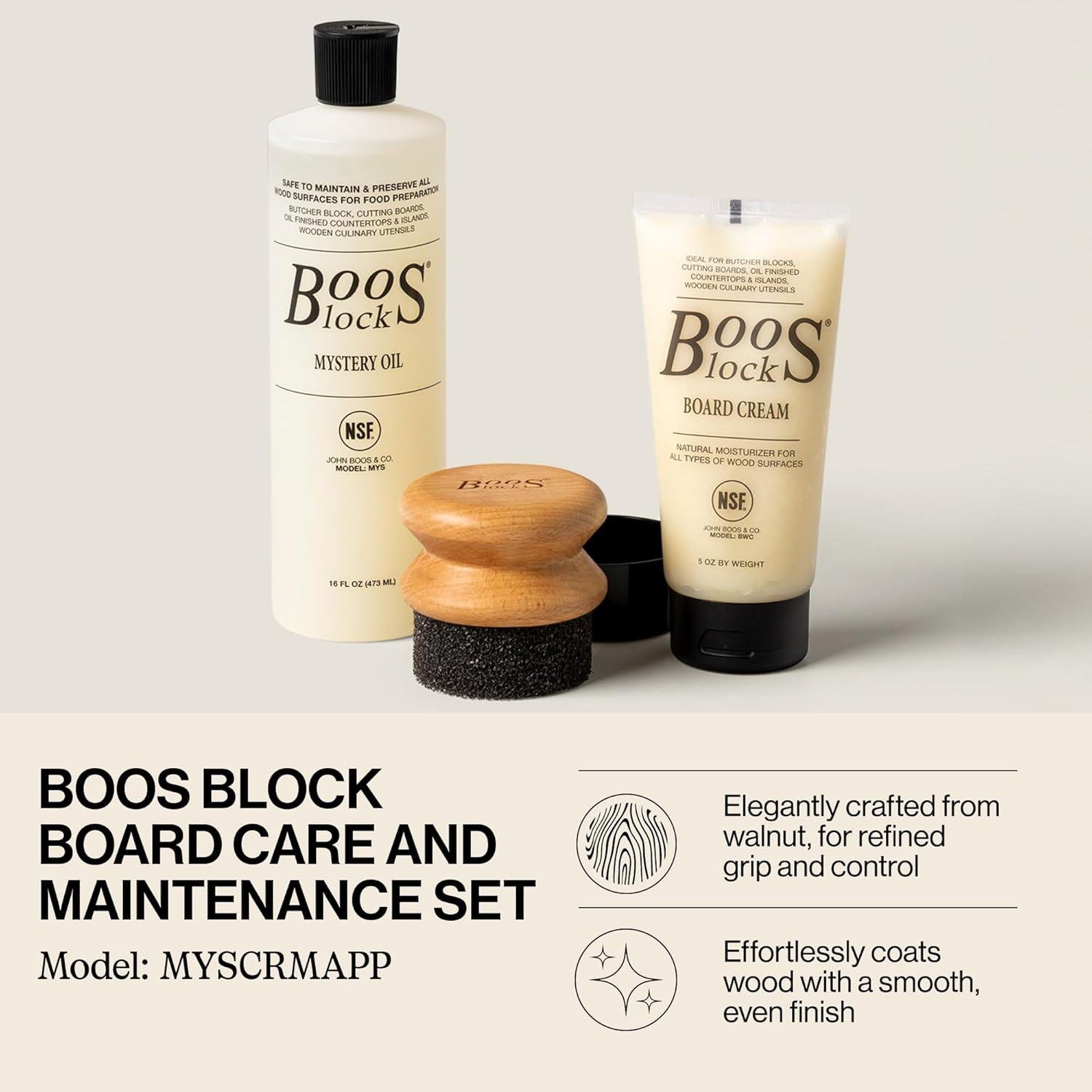
For cutting boards and workbench tops, what we appreciate most about the John Boos 3 Piece Maintenance Set is that it’s purpose-built for *routine shop upkeep*-not a one-time “fix.” The combo of Boos Block Mystery Oil (food-safe white mineral oil) plus Boos Block Board Cream (mineral oil + beeswax) gives us a simple two-step system: we flood the surface with oil to rehydrate end grain and edge grain, then top it with the cream to add a waxy moisture barrier. That’s especially useful on boards and butcher-block style tops that see water, glue squeeze-out cleanup, and seasonal humidity swings-conditions where dryness can lead to checking. The brand’s own guidance-apply about once a month and let it penetrate overnight (more often in arid climates)-is practical shop advice we can actually keep up with, and it provides a repeatable maintenance cadence for customers or family members who use the board daily.
The real “woodworker feature” here is the applicator: a control-grip hardwood handle with a silver ion-treated sponge. In day-to-day use, that handle matters because it keeps our hands cleaner while we work oil into routed juice grooves, chamfers, and breadboard ends, and it helps spread an even coat without dumping product in one spot. Across customer review themes, the consistent praise tends to be that the kit is easy to use, absorbs well, and leaves boards looking refreshed-especially on butcher blocks and cutting boards that have started to look dry or chalky. From an education standpoint, we like that the set reinforces a good finishing habit: oil soaks in and supports the fibers, while the beeswax component slows moisture exchange-helpful for end-grain boards that act like a bundle of straws. We still recommend the usual shop discipline: wipe off excess after the soak time to avoid a tacky surface, and keep the board out of standing water so the finish can do its job.
Check Current Price & Reviews on Amazon
Real World Performance on End Grain Boards and Hardwood Surfaces
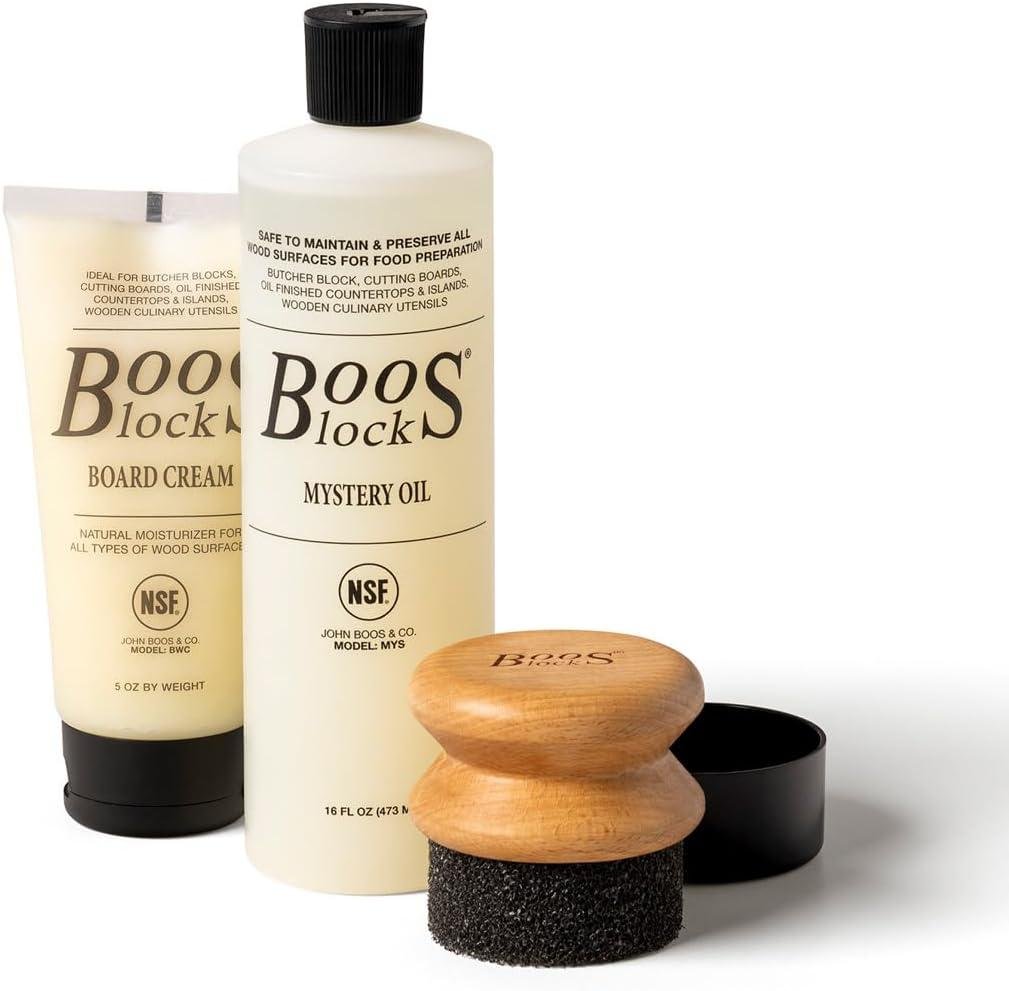
On end-grain boards in the shop, this John Boos set behaves less like a “finish” and more like a reliable conditioning routine we can repeat without overthinking. The Mystery Oil (a food-safe white mineral oil) wicks into thirsty end grain fast, especially on freshly resurfaced blocks where sanding has opened the fibers. We’ve found it’s easiest to work it in with the included applicator’s control-grip hardwood handle-it gives us enough leverage to move oil across a wide butcher-block face without soaking our hands. Following the brand guidance to apply monthly (and more often in dry/arid climates) makes practical sense in real kitchens and heated shops where boards cycle between wet washes and dry air. Customer review themes line up with what we’d expect from a simple mineral oil system: people consistently describe it as easy to apply, soaking in quickly, and helping boards look refreshed; the most common “how-to” advice we also see echoed is letting it penetrate overnight so end grain can drink its fill instead of feeling greasy on the surface the next day.
Where this set earns its keep is the second step: the Board Cream (a beeswax + mineral oil blend) adds a slicker, more protective feel on hardwood surfaces-think edge-grain cutting boards, countertop offcuts, and charcuterie builds-without turning the piece into a waxy mess if we apply it thin. In practice, we treat it like a topcoat for maintenance: oil first to re-saturate, cream second to slow moisture exchange and reduce that “dry, fuzzy” feel that pops up after repeated wash-and-dry cycles. The applicator’s silver ion-treated sponge is a nice workshop detail because it’s designed to stay cleaner between uses; several customer reviews also commonly praise the convenience and less-mess application compared to paper towels. The key educational takeaway for woodworkers is technique: use multiple light applications rather than flooding, especially on dense hardwood faces where excess product can sit on top; and always wipe off what hasn’t absorbed before the board goes back into service-food-safe doesn’t mean “leave a film.”
- Boos Block Mystery Oil (white mineral oil)
- Boos Block Board Cream (mineral oil + beeswax)
- Applicator with control-grip hardwood handle and silver ion-treated sponge
- Extra applicator sponges (replacement style)
- Lint-free shop towels (final wipe-down)
- Non-abrasive scrub pad (pre-cleaning before oiling)
- End-grain cutting boards and butcher blocks
- Edge-grain cutting boards
- Charcuterie and serving boards
- Hardwood countertop offcuts and shop-made kitchen accessories
- Maple (commonly used for butcher blocks; frequently referenced by customers)
- Walnut (common board/charcuterie wood in customer photos)
- Cherry (often mentioned for serving boards)
- Acacia (frequently referenced in cutting board listings and customer use-cases)
| Item | What It Is (Spec) | Best Use in the Shop | What Customers Commonly Praise |
|---|---|---|---|
| Mystery Oil | Food-safe white mineral oil | Deep conditioning, especially end grain | Easy to apply, “soaks in well,” revives dull boards |
| Board Cream | Mineral oil + beeswax blend | Top-layer protection and smoother feel after oiling | “Nice finish,” helps boards look refreshed, less messy than DIY mixes |
| Applicator | Hardwood handle + silver ion-treated sponge | Even spreading, better control across large surfaces | Convenient, reduces drips/hand mess |
| Accessory | Compatibility | Why We’d Add It |
|---|---|---|
| Replacement sponge heads | Works with the included applicator format | Keeps application consistent without cross-contaminating scents or residues |
| Lint-free towels | Universal | Final buff to remove any unabsorbed oil/cream |
| Non-abrasive cleaning pad | Universal | Preps the surface before conditioning-especially on used boards |
| Use Case | Recommended (Brand Guidance) | What We Actually Do in a Workshop Routine |
|---|---|---|
| Maintenance interval | Monthly (more often in dry/arid climates) | Monthly baseline; sooner after heavy washing or if the board looks chalky |
| Penetration time | Let penetrate overnight | Overnight when possible; always wipe/buff before use |
| Application amount | Apply an even amount | Thin coats; repeat if the end grain keeps drinking |
See Full Specifications & Customer Photos
Ease of Use for Beginners and Experienced Woodworkers in Routine Maintenance
For routine shop upkeep, we found the John Boos 3 Piece Maintenance Set very beginner-friendly because there’s essentially no setup-no mixing ratios, no special pads, and no learning curve beyond “wipe on, let it drink.” The kit’s workflow is straightforward: start with Boos Block Mystery Oil (a natural white mineral oil) to rehydrate a board, then follow with Boos Block Board Cream (a beeswax + mineral oil blend) to add a more durable moisture barrier. The brand’s guidance to apply about once per month (and more frequently in dry/arid climates) fits how most of us actually rotate boards and shop fixtures-quick maintenance that doesn’t steal time from building. In practice, the “overnight” penetration note is helpful: we can oil at the end of a shop session and come back the next day to buff off any excess before the board goes back into the kitchen or onto a glue-up bench as a sacrificial work surface.
For experienced woodworkers, the value is in consistency and control rather than novelty. The included applicator-built around a control-grip hardwood handle and a silver ion-treated sponge-makes it easy to spread a thin, even coat into end grain without flooding corners or leaving gummy streaks. That matters when we’re maintaining knife-scarred cutting boards, edge-grain butcher blocks, or presentation pieces like charcuterie boards where uneven sheen shows up under shop lights. Customer review themes commonly echo that it’s “easy to apply,” “soaks in well,” and is “great for keeping boards from drying out”; those align with what we want in a maintenance product: predictable wipe-on behavior and a finish that supports regular reapplication. Educationally speaking, this set is best treated as preventive maintenance-not a repair system-so if a board is already cupped or cracked, we still need to address moisture balance and surfacing first, then use the oil/cream routine to slow future cycling.
- Included accessories:
- Boos Block Mystery Oil (white mineral oil)
- Boos Block Board Cream (beeswax + mineral oil)
- Applicator with hardwood handle + silver ion-treated sponge
- Compatible attachments/accessories (shop-friendly add-ons):
- Lint-free cotton rags / shop towels (for buffing off excess)
- Non-abrasive scrub pad (for pre-cleaning, not sanding)
- Plastic scraper (to remove dried-on residue before oiling)
- Ideal project types:
- End-grain and edge-grain cutting boards
- Butcher-block countertops and chopping blocks
- Charcuterie/serving boards and wooden utensils
- Wood types tested by customers (common review mentions):
- Maple butcher block / cutting boards
- Walnut serving boards
- Bamboo boards (varies by board density and glue lines)
| Category | What We Look For in the Shop | What This Set Provides |
|---|---|---|
| Safety for food-contact | Non-curing, food-safe conditioning | Mineral oil + beeswax formulation described as safe for food surfaces |
| Application control | Even coverage without puddling | Hardwood handle + silver ion-treated sponge applicator |
| Maintenance schedule | Simple routine we’ll actually follow | Monthly application guidance; more often in dry climates |
| Compatible Accessories | Use | Why It Helps |
|---|---|---|
| Lint-free rags | Final wipe/buff | Prevents tacky residue and evens sheen |
| Plastic scraper | Pre-cleaning | Removes stuck-on food/glue without gouging |
| Non-abrasive pad | Light cleaning | Helps open surface grime before oiling (avoid heavy abrasion) |
| Maintenance Need | Recommended Approach | What This Set Covers |
|---|---|---|
| Dry-looking board | Rehydrate first, then seal | Mystery Oil then Board Cream |
| Routine conditioning | Regular light coats | Monthly schedule guidance |
| Cupping/cracks | Flatten/repair before conditioning | Not a repair product; use after corrective work |
See Full Specifications & Customer Photos
Customer Reviews Analysis
What Woodworkers Are Saying: John Boos 3 Piece Maintenance Set (Mystery Oil, Board Cream, Applicator)
1. Overall sentiment from woodworking customers
Overall, woodworking customers frame this as a reliable, “does-what-it’s-supposed-to-do” maintenance kit for keeping cutting boards and butcher blocks from drying out. Several woodworkers mentioned consistent, repeatable results-especially as a simple routine product rather than a “miracle finish.” Common praise includes the brand trust (John Boos) and the convenience of getting both a penetrating oil and a conditioning cream in one set.
2. Performance feedback (results, consistency, finish quality)
Multiple reviews highlight that the set restores a richer color and even sheen to end-grain and edge-grain boards, with the most positive comments focused on the finish quality and feel after treatment.
- Mystery Oil (penetration & refresh): Several woodworkers mentioned it soaks in well and brings back boards that look “chalky” or dry.
- Board Cream (top-coat feel): Common praise includes a smoother, less “thirsty” surface after the cream step, and a finish that feels more “sealed” without being plasticky.
- Consistency: Reviewers frequently describe predictable results-oil first, cream after-rather than an inconsistent or finicky application process.
A few users described the post-application look as “like new,” and occasional excerpts emphasize the cosmetic improvement (e.g., “brought the grain back”).
3. Build quality and durability observations (packaging, applicator, longevity)
Because this is a consumable set, durability feedback tends to focus on packaging and how long the product lasts.
- Several woodworkers mentioned the kit lasts through multiple maintenance cycles, especially for smaller boards.
- Some users reported the applicator is handy and holds up fine for repeated use, while others imply they still prefer a rag/paper towel for larger surfaces.
- A common theme is that the products feel “premium” compared to generic mineral oil options, though this intersects with value discussions.
4. Ease of use for different skill levels
Ease of use is one of the strongest positives in woodworking-adjacent reviews.
- Beginners appreciated the straightforward process-wipe on oil, let it absorb, then apply cream-without complicated timing or special tools.
- Experienced woodworkers often treat it as a dependable maintenance step they can do quickly between more serious shop projects.
- Multiple reviews highlight that it’s low-mess and low learning curve, especially with the included applicator.
5. Common project types and success stories
Customers successfully used this for common shop and kitchen woodcare tasks, especially:
- End-grain/edge-grain cutting boards (routine reconditioning)
- Butcher block countertops (refreshing dry spots and restoring sheen)
- Charcuterie/serving boards (appearance-focused upkeep)
Several reviewers mentioned using it to revive older boards that had dulled or lightened from washing and regular use, reporting a noticeable improvement in color depth and surface feel.
6. Issues or limitations reported (value, expectations, constraints)
Some users reported challenges with expectations and cost rather than performance.
- Value/price vs. mineral oil: A recurring limitation is that some woodworkers see it as more expensive than buying food-grade mineral oil and wax separately-especially if they maintain many boards or a large countertop.
- Not a repair product: Several woodworkers implicitly note it’s for conditioning, not fixing issues like deep stains, warping, cracking, or knife gouges (those still require sanding/flattening).
- Coverage for big surfaces: A few users suggest that for large butcher block counters, you may go through product faster than expected, making refills a consideration.
Quick theme summary (from woodworking-style reviews)
| Aspect | Common Feedback |
|---|---|
| Performance / Results | Several woodworkers mentioned richer color, smoother feel, and a consistent finish after oil + cream. |
| Precision / Consistency | Multiple reviews highlight predictable, repeatable application steps with reliable outcomes. |
| Durability / Longevity | Customers report the bottles last through multiple applications; longevity depends on board size and frequency. |
| Ease of Use | Beginners appreciated the straightforward routine; experienced users treat it as a quick maintenance staple. |
| Versatility | Commonly used for cutting boards, butcher blocks, and serving boards. |
| Issues / Limitations | Some users reported challenges with price vs DIY alternatives and noted it won’t fix physical damage. |
If you want, I can rewrite this section to match a specific tone (more “shop talk” vs. more formal) or fit a target word count for a product roundup page.
Pros & Cons
Pros & Cons
| What We Liked | What We Didn’t |
|---|---|
| Two-step system (Mystery Oil + Board Cream) makes a noticeable “revival” difference on thirsty wood. | Not a quick fix-best results mean letting it soak overnight, which takes planning in a busy shop. |
| Food-safe formula (white mineral oil + beeswax) feels appropriate for cutting boards and charcuterie surfaces. | If we prefer plant-based oils, this is firmly in the mineral-oil camp (which some folks avoid). |
| Helps reduce drying, splitting, and cracking between uses-especially helpful for end-grain blocks. | Monthly maintenance is still maintenance; neglected boards won’t stay “new” on autopilot. |
| Applicator is genuinely handy: hardwood grip + sponge spreads product evenly with less mess on our hands. | Applicator sponge will eventually wear out and need replacing or careful cleaning/storage. |
| Works well in dry/arid conditions where boards can drink oil fast; easy to increase frequency as needed. | In very dry climates, we may go through the bottles faster than expected. |
| Brand pedigree is real-John Boos has a long reputation in pro kitchens and wood-top workstations. | We may be paying a little for the name versus no-frills mineral oil from a hardware store. |
| Simple routine: oil first, then cream-no complicated steps or special tools required. | No built-in “how much to use” metric; we still have to eyeball coverage based on board size. |
Our Pros
- Shop-friendly two-step care: We like that the oil penetrates and the cream seals in moisture with beeswax-great for boards that see constant use.
- Food-surface confidence: The ingredients are positioned for food-contact wood, which matters for our prep and presentation boards.
- Cleaner application: The handled applicator helps us coat corners and edges evenly without turning the job into a slippery, oily mess.
- Prevention-first mindset: It’s clearly aimed at preventing cracks and drying, not just making the board look shiny for photos.
Our Cons
- Time requirement: Letting it penetrate overnight is effective, but it can slow down rotation if we’re treating multiple boards at once.
- Consumable components: The sponge applicator won’t last forever, and the kit isn’t endless if we maintain a whole fleet of boards.
- Not everyone loves mineral oil: Even though it’s common and food-safe, some of us may prefer alternative finishes or oils.
- Value depends on volume: For one or two home boards it’s convenient; for a high-traffic shop setup, we’ll want to watch cost-per-application.
Q&A
What wood types and shop surfaces can I use this on?
This set is intended for unfinished or oiled wood surfaces-especially cutting boards, butcher blocks/chopping blocks, and charcuterie boards. It’s most commonly used on dense, food-safe hardwoods (maple, walnut, cherry), but it also works well on many other bare wood countertop or worktop species as long as they’re not film-finished. If a surface is sealed with polyurethane, varnish, lacquer, or paint, the Mystery Oil/Board Cream won’t soak in effectively and will tend to sit on top.
Is this “strong enough” for hardwood end grain (like maple butcher blocks)?
Yes-this is specifically the kind of surface this combo is meant for. The Mystery Oil (white mineral oil) is designed to penetrate wood fibers, which is important on end grain blocks that can dry out quickly. The Board Cream adds beeswax to help slow moisture loss. In practice, many woodworkers use oil-first to saturate, then cream to add a more protective, slightly waxed feel-especially helpful on thirsty end-grain maple.
How do I apply it for best results (and how often)?
John Boos recommends applying an even amount monthly, and more often in dry or arid climates. A common workflow is: (1) clean and fully dry the board, (2) apply Mystery Oil evenly, (3) let it penetrate overnight, then (4) apply Board Cream and let it sit to absorb/buff. If your board looks dull, feels rough, or absorbs water quickly, it’s a sign you should oil more frequently than “once a month.”
Is it food-safe, and will it change taste or smell?
It’s formulated for food-contact surfaces: the Mystery Oil and Board Cream use natural white mineral oil and beeswax. These are standard, widely used ingredients for cutting board care and are chosen because they don’t go rancid like some cooking oils can. Under normal use, it shouldn’t add odor or flavor-just apply sparingly, let it soak in overnight, and wipe/buff off any excess before food prep.
Can I use it on plywood, veneered panels, or furniture projects?
You can use it on bare wood and some bare veneers, but it’s not a general-purpose furniture finish. On plywood/veneer, the oil can darken the surface and may absorb unevenly depending on veneer thickness and glue layer. For furniture or cabinetry that needs durable surface protection, you’ll typically want a drying oil/varnish blend or a film finish instead. This set is best viewed as maintenance for food surfaces and utility wood items rather than a “final finish” system.
Does the included applicator work with standard accessories, and how durable is it?
The set includes an applicator with a control-grip hardwood handle and a silver ion-treated sponge. It’s made to spread oil/cream evenly without using disposable rags every time. You can still use shop staples (lint-free cloths, paper towels, non-abrasive pads) if you prefer. For longevity, keep the sponge clean and don’t store it saturated-wipe excess off and let it dry between uses to avoid buildup.
Is this beginner-friendly, or do I need finishing experience?
It’s very beginner-friendly: no mixing ratios, no cure schedule beyond giving it time to soak, and no special tools. The main “skill” is restraint-apply enough to wet the surface, let it penetrate overnight as recommended, then wipe/buff off excess so the board doesn’t feel greasy. If you’ve never maintained a board before, this is one of the simplest entry points because it’s designed specifically to prevent drying, splitting, and cracking between uses.
Is it worth it compared to cheaper mineral oil and homemade wax mixes?
If you already buy bulk mineral oil and make your own beeswax paste, you can often spend less per ounce. What you’re paying for here is convenience (matched oil + cream), a purpose-made applicator, and a brand that’s been associated with cutting blocks since 1887. For many woodworkers, it’s a “grab-and-go” maintenance kit that keeps boards consistently conditioned-especially useful if you maintain multiple boards or want an easy, repeatable routine. If budget is the priority and you’re comfortable DIYing, plain food-grade mineral oil plus a beeswax/mineral oil paste can achieve a similar effect.
Experience Innovation
Tool Summary: The John Boos 3 Piece Maintenance Set includes Boos Block Mystery Oil, Board Cream (mineral oil + beeswax), and a reusable applicator with a hardwood control-grip handle and a silver ion-treated sponge. It’s designed to reduce drying, splitting, and cracking on cutting boards, butcher blocks, and other food-contact wood surfaces. Customer feedback commonly highlights easy application, a noticeable finish improvement, and the convenience of having oil, cream, and applicator in one kit-though it’s maintenance, not a repair solution for already-damaged boards.
Best For: Ideal for hobby woodworkers with small to medium projects, kitchen-focused builds, and beginners learning proper board care and finishing routines.
Consider Alternatives If: You need to restore deeply cracked boards, want a budget DIY oil-only approach, or require a shop-size bulk conditioning system for production volume.
Final Assessment: The John Boos set is a solid, food-safe maintenance option with a simple monthly routine and reliable results, especially for routine upkeep.
Want to see current pricing and customer photos? View on Amazon & Read More Reviews →