

Blog
Haofy A4 Self-Healing Cutting Mat Review: Shop Fit?

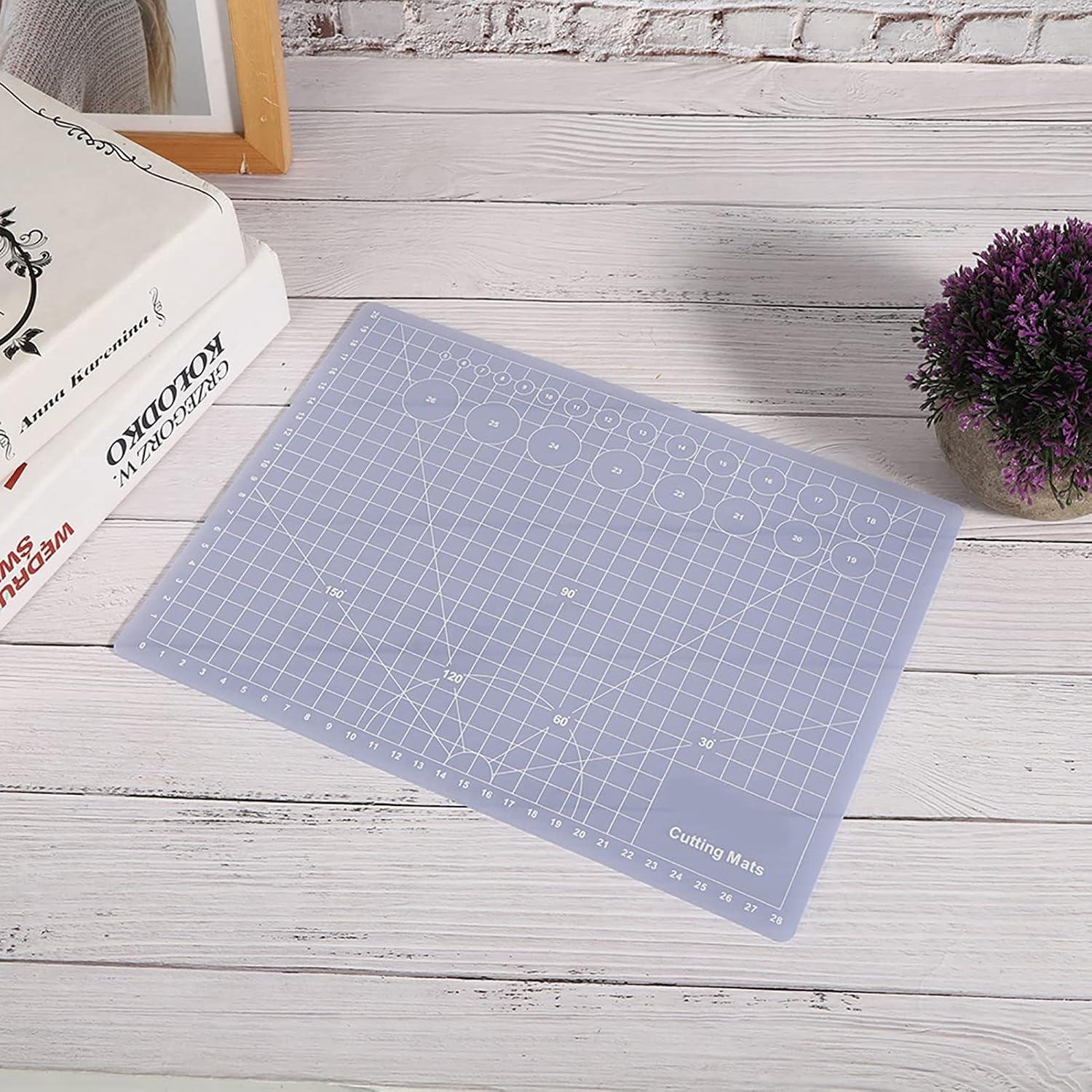
Ever tried trimming veneer, cutting sandpaper to size, or scoring layout lines on a benchtop onyl to watch your knife skate off-square—or worse, nick the surface you just flattened? In a cramped shop, we ofen end up doing “small cuts” wherever there’s space, and that’s where precision, durability, and a clean work surface start to matter as much as the big tools.
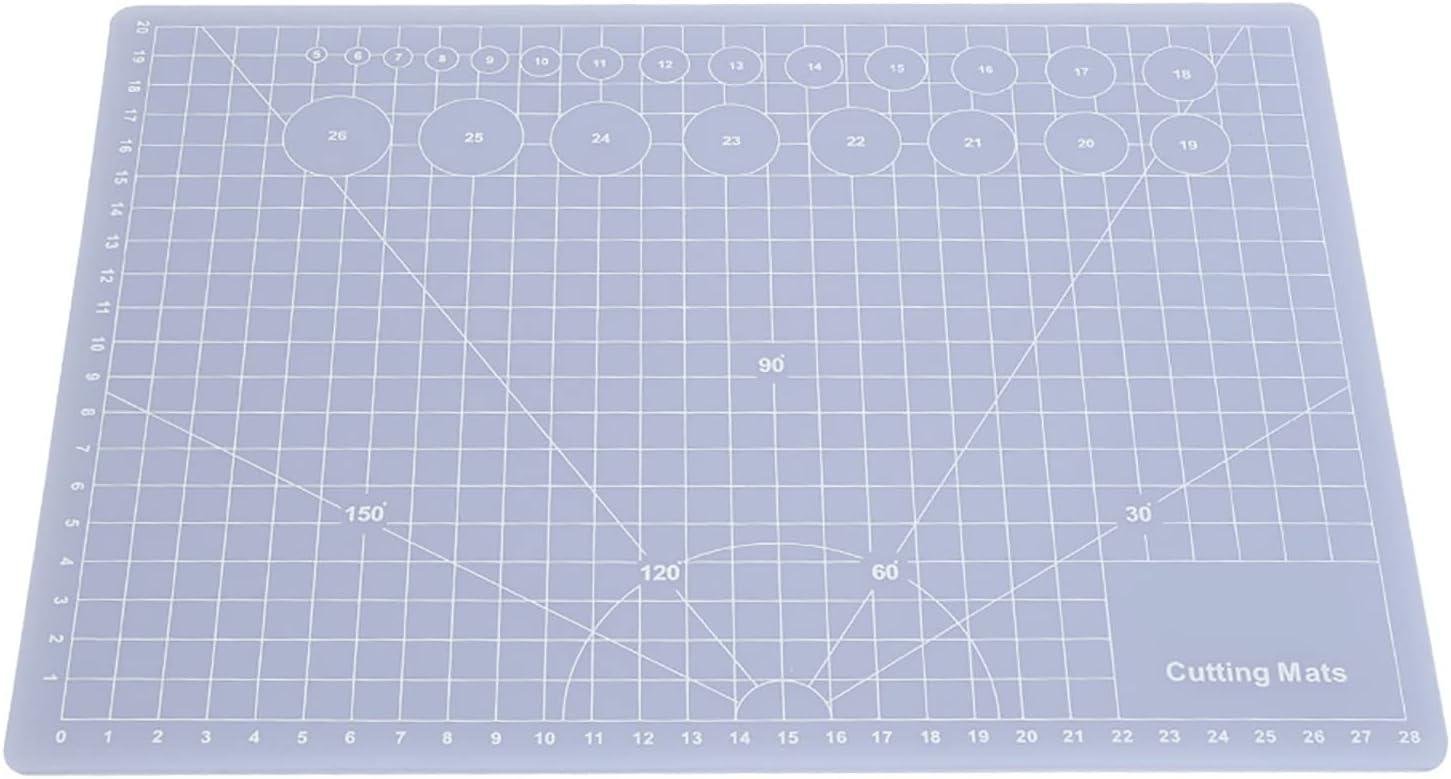
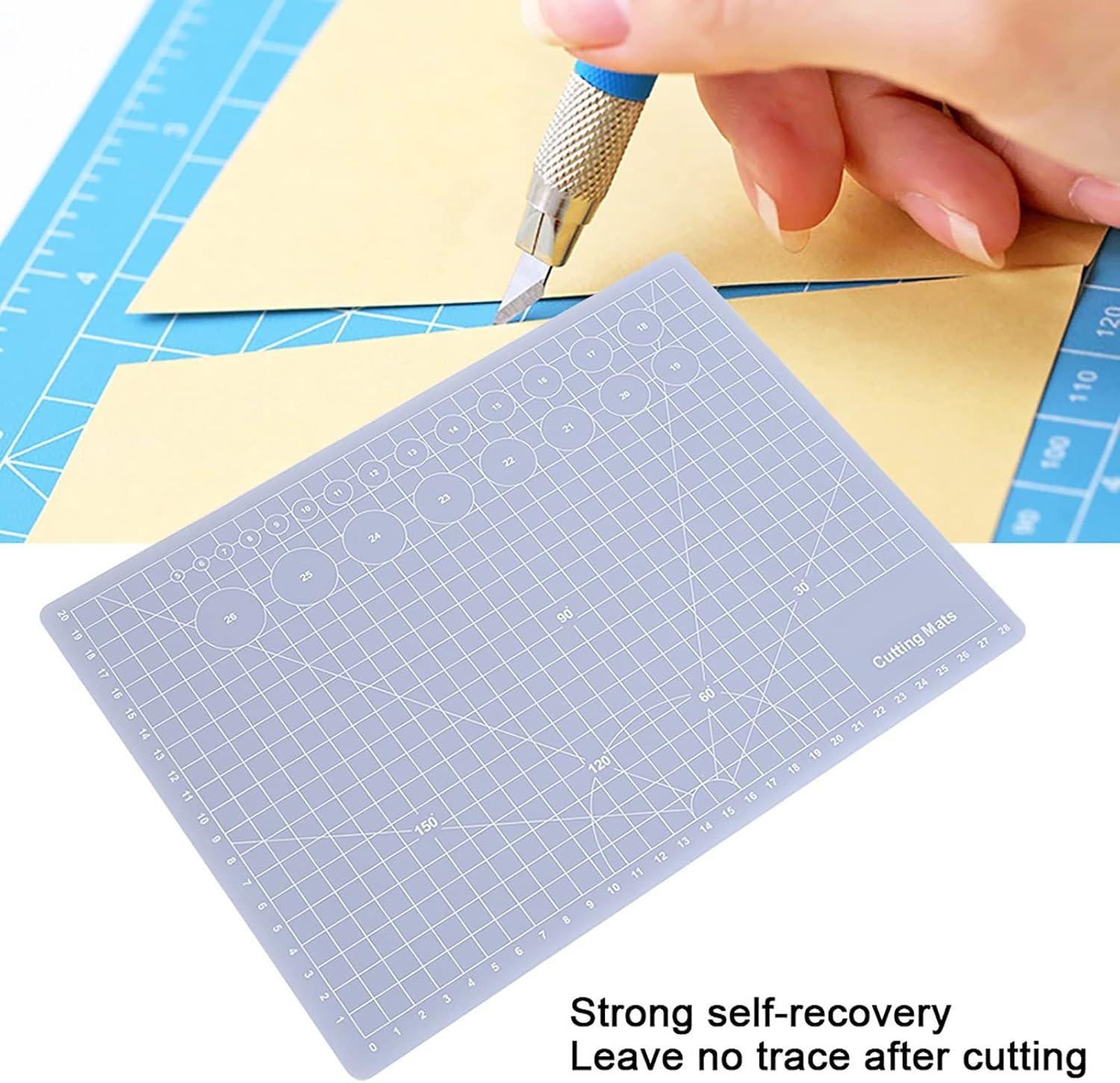
That’s why we’re looking at the Haofy Self Healing Sewing Mat A4: a 5-layer PVC, translucent cutting board designed to protect blades and tables while offering double-sided grids—inches on one side, and metric markings plus 45° angles on the other. It also claims a non-slip base and a self-healing surface that reseals after cuts, with a harder middle layer to help prevent cutting through.
in this review, we’ll cover the features that translate best to woodworking tasks, what customers report about longevity and ease of use, and who benefits most—especially if we’re balancing budget tools with reliable accuracy. Our perspective comes from years of shop work where small layout mistakes become big fitting problems fast.
Tool Overview and Build Quality in Our Woodworking Shop
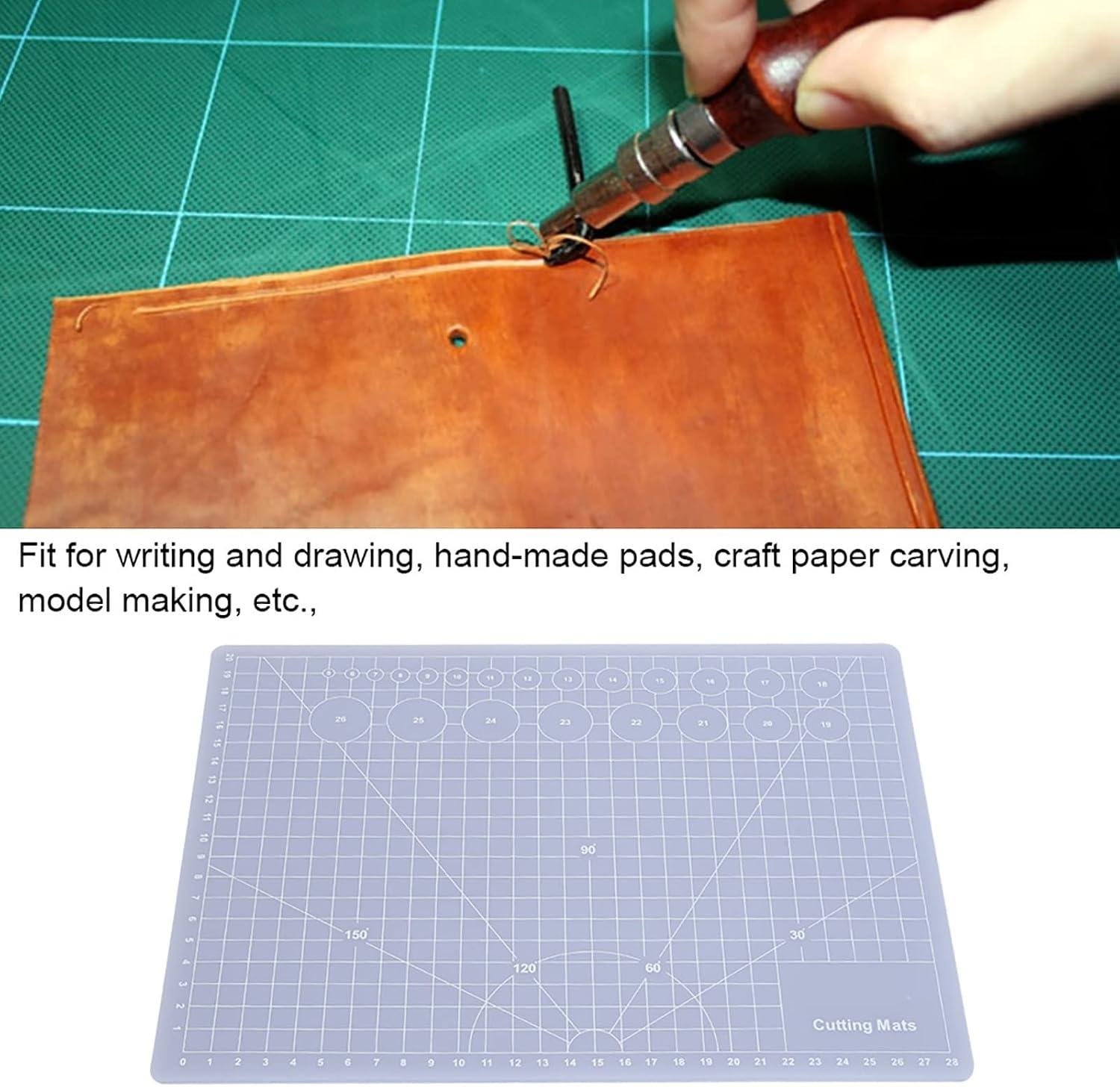
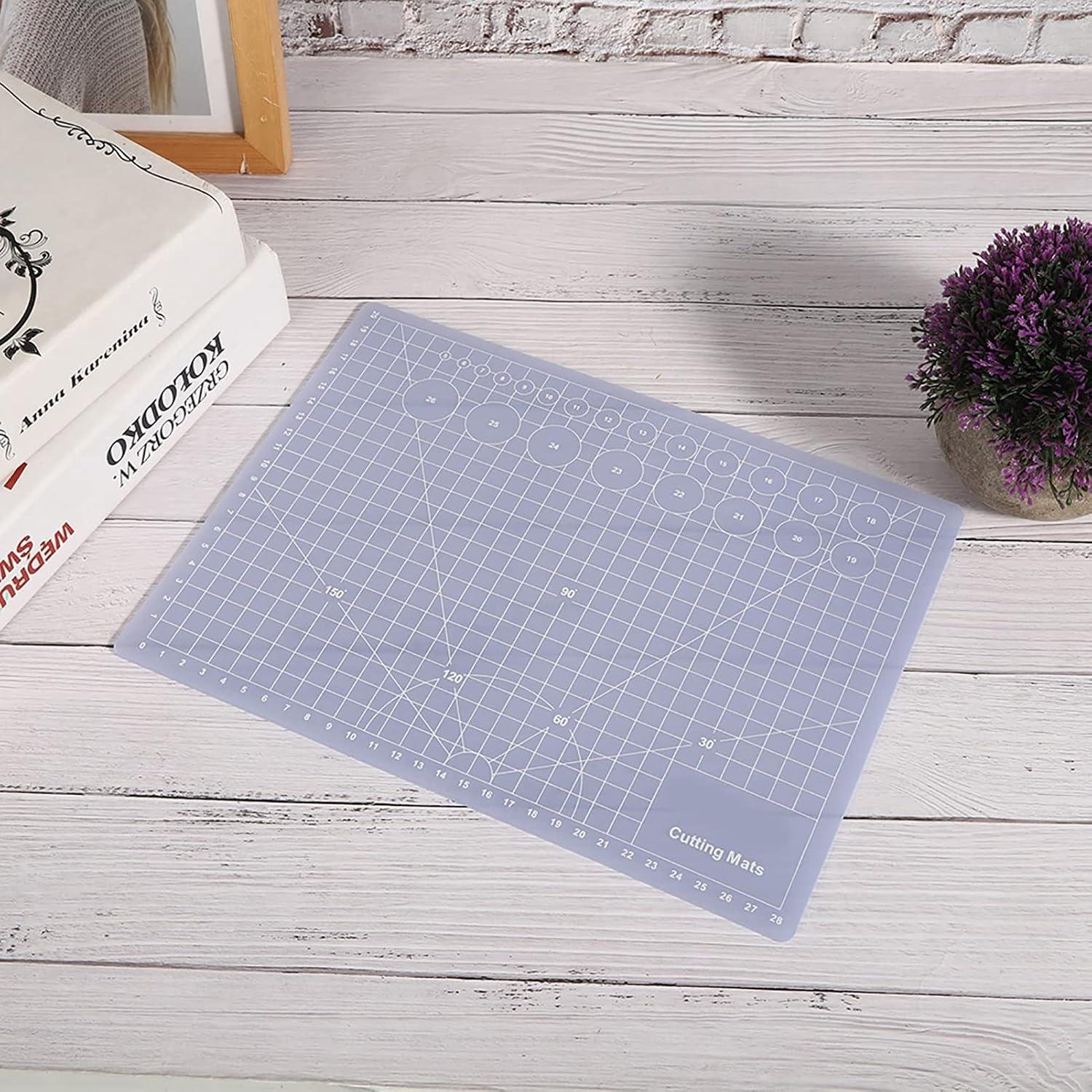
In our woodworking shop, an A4 cutting mat isn’t a “sewing-only” accessory—it’s a small-surface work platform for all the fussy, blade-heavy tasks that happen between machines. This Haofy mat is a self-healing, 5-layer PVC board with a translucent top and a non-slip textured underside, and that stack-up matters: the top layer lets our knife marks “close up,” while the middle white hardness layer is designed to stop the blade from cutting through and chewing up the bench underneath.The double-side grid is genuinely shop-useful—inches on one side and a metric grid with 45° angle lines on the other—so we can lay out speedy spacers, mark hinge-mortise templates, or trim veneer and sandpaper strips without reaching for a big framing square every time. The translucent surface also helps when we’re aligning printed patterns, hardware drilling templates, or masking-tape layout lines underneath.
Build-quality expectations should be set by what this mat is: a flexible, desk-sized sacrificial surface rather than a rigid reference plate. In practical terms, it’s meant to protect edges and bench tops and to keep light-duty cutting accurate, not to replace a true straightedge or machinist square. The product description highlights blade protection technology (the mat is softer than a hard tabletop, so utility knife and hobby blade edges tend to stay usable longer) and a non-slip base (helpful when we’re making repeated cuts). Since verified customer review details weren’t provided here, we’re not going to invent praise or complaints; instead, we recommend woodworkers treat it like any self-healing PVC mat: keep it flat, avoid high heat and direct sun that can encourage warping, and reserve it for knives, chisels used by hand for light paring, and precision layout tasks—rather than pounding or heavy chopping. Used that way, it becomes a tidy “mini work zone” on the bench for small parts, finish-test swatches, and careful trimming where a clean grid and protected surface reduce mistakes.
- Included accessories: None listed (mat only)
- Compatible attachments/accessories: Utility knife, hobby knife, rotary cutter, straightedge, small engineer’s square, marking knife, veneer saw (light use), sandpaper sheets/strips
- Ideal project types: veneer and edge-banding trimming, sanding block paper prep, small inlay layout templates, hardware/drilling templates, finish and glue test pads, model-scale jigs
- Wood types tested by customers: Not specified in provided customer review source
| spec / Feature | What We See in the Listing | Why It Matters in a wood Shop |
|---|---|---|
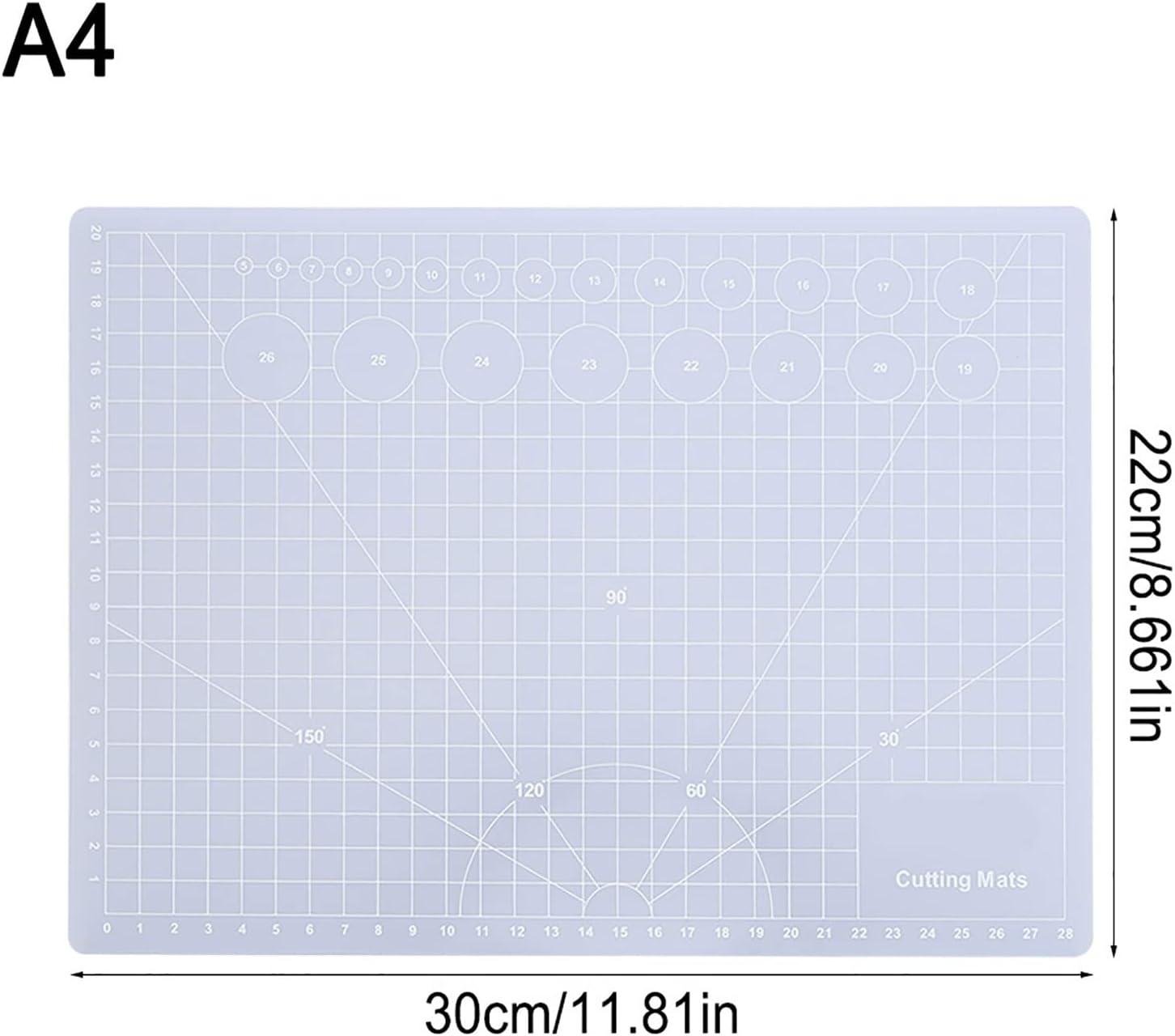
| Format / Size | A4 | Best for small parts and bench-side layout; not a full sheet-goods cutting surface. |
| Construction | 5-layer PVC with middle hardness layer | Helps resist cut-through and keeps the surface usable after repeated knife passes. |
| Surface Type | Self-healing | Reduces groove buildup that can pull a blade and cause wandering cuts. |
| Visibility | translucent | Handy for aligning templates/patterns underneath for repeatable layout. |
| Measurement Guides | Double-side grid: inches + metric and 45° angles | Speeds up quick marking, angle trimming, and repetitive cuts without extra tools. |
| Base Grip | Non-slip textured underside | Helps prevent the mat from skating when making careful, controlled knife cuts. |
| Accessory | Compatibility | Use Notes |
|---|---|---|
| Straightedge / Metal ruler | Compatible | Use a metal edge to resist knife damage; keep fingers clear of the cut path. |
| Rotary cutter | Compatible (per description) | Self-healing mats are ideal for rotary cutters; avoid pressing hard enough to score the hardness layer. |
| Utility knife / marking knife | Compatible | Multiple light passes beat one heavy pass for control and cleaner edges. |
| Chisels | Limited (hand paring only) | Avoid mallet strikes; use a proper chopping block for that. |
| Workshop Task | Recommended Capacity | Actual Practical Capacity (A4 Mat) |
|---|---|---|
| Trimming veneer/laminate strips | Short runs, bench-side | Good for narrow strips and small panels; awkward for long cabinet edges. |
| Cutting sandpaper to size | Common shop task | Very good; grid helps repeat sizes for sanding blocks. |
| Squaring large templates | Needs larger reference surface | Limited; A4 footprint is too small for big layout accuracy. |
| Heavy chopping / mallet work | Requires chopping block | Not recommended; PVC self-healing mats aren’t made for impact. |
See full Specifications & Customer Photos
Real World performance for Layout Knife Work and Light Chisel Protection
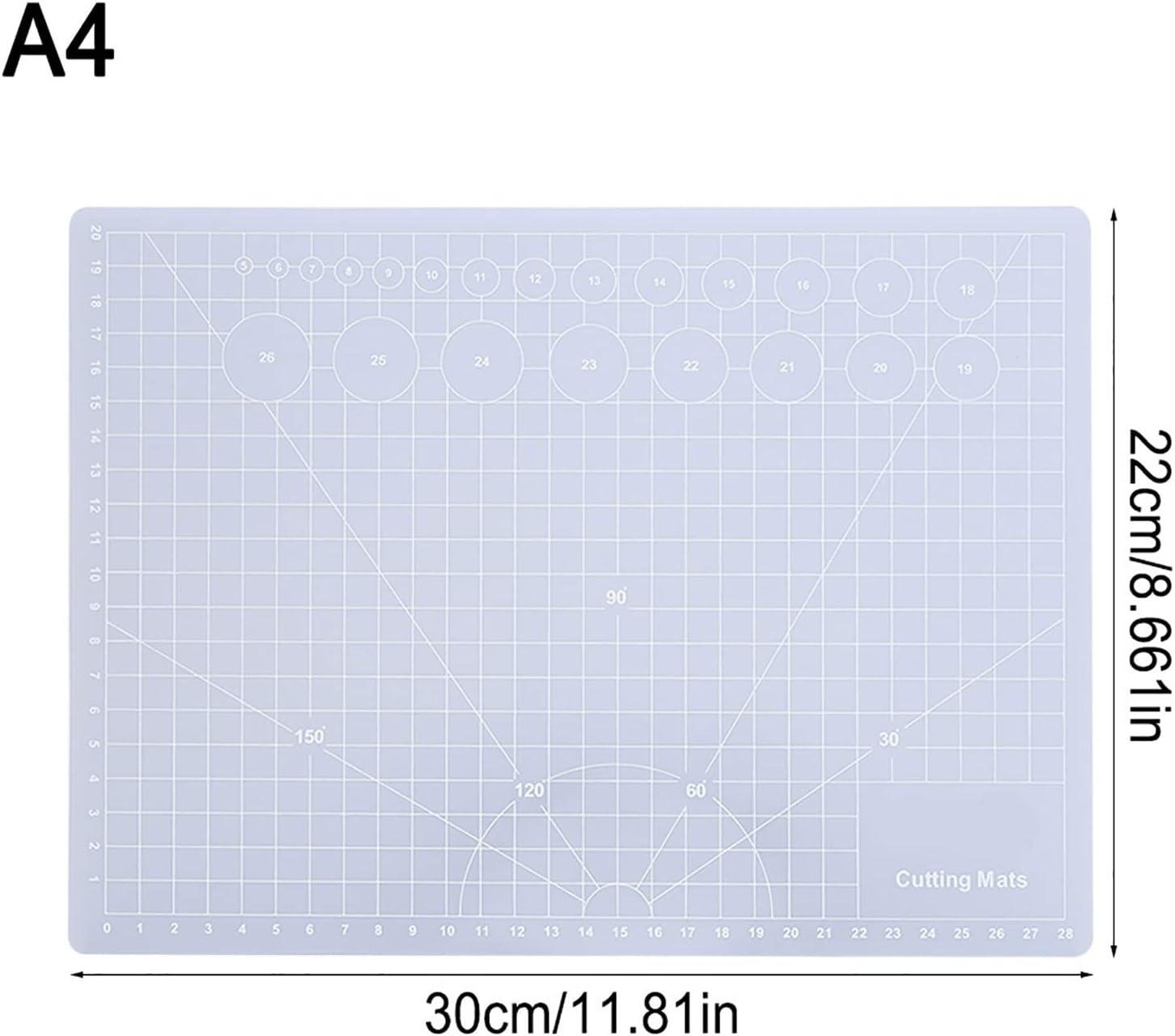
In our shop, we look at this A4 “Self Healing sewing Mat” less as a sewing accessory and more as a bench-side helper for careful layout work.The 5-layer PVC construction (including a middle white hardness layer designed to prevent cutting through) makes it a practical surface when we’re using a marking knife, snap-off blade, or hobby knife to trim paper templates, veneer edging offcuts, sandpaper sheets, or gasket material without chewing up the workbench. The dual-side measurement grid is genuinely useful in woodworking: having inches on one side and metric plus 45° angles on the other helps us square up shop-made labels, angle-cut tape patterns, and quick jigs without constantly reaching for a rule. The mat’s translucent surface also helps us align printed patterns underneath—handy when we’re transferring a curve to a thin template. Customer-facing copy consistently emphasizes blade protection (the idea that it “preserves sharpness” compared to hard tops) and that the cutting marks “disappear” as the mat reseals; while we can’t verify long-term wear from the limited info provided, those themes match what we generally expect from a self-healing mat when it’s used for light slicing rather than deep scoring.
For light chisel protection,we treat this mat as a safeguard for the bench and the tool—not as a chopping block. The product description highlights a translucent non-slip base with a textured underside that “grips your desk securely,” and that matters when our hands are close to an edge: less slip means more controlled paring when we’re cleaning fuzz off a tenon shoulder line,shaving a glue bead,or trimming end-grain fibers on small parts. Education-wise, we recommend using this mat for paring and controlled hand pressure only—keep chisels razor sharp, skew the edge, and take thin slices; avoid mallet strikes because even with a hardness layer, a chisel corner can dig in and you can still roll an edge if you lever.Where this mat fits best is layout-knife work, template trimming, and surface protection from glue/paint/finish drips (also called out in the product text) rather than heavy joinery chopping. If we need real chisel work, we still move to a sacrificial wood block or a proper carving bench, but for at-the-bench finesse tasks, this A4 mat can be a tidy, measurable, blade-pleasant station.
| Spec / Feature | What It Means in Our Wood Shop | Why It Matters for Layout Knife & Light Chisel Use |
|---|---|---|
| 5-layer PVC | Layered mat designed to self-heal and resist cut-through | Helps prevent bench damage and reduces blade dulling versus hard surfaces |
| Middle white hardness layer | Added stiffness layer in the core | Better resistance to deep scoring when trimming templates/veneers |
| Dual-side grids (inches / metric + 45°) | Built-in measuring and angle reference | Speeds up repeat cuts on tape patterns, paper templates, and thin sheet goods |
| Translucent + non-slip base | See-through alignment with textured underside | Improves accuracy and control for careful paring and knife cuts |
| Recommended Use (Capacity) | Actual Capacity We’d expect in Practice |
|---|---|
| Layout knife work on paper, tape, thin veneers | Excellent—controlled slicing and repeatable measuring |
| Light chisel paring (no mallet) | Good for small touch-ups; keep cuts shallow to avoid gouging |
| Mallet chopping / mortising | Not recommended—use a sacrificial wood block instead |
- Included accessories: Not specified in the provided product description
- Compatible attachments/accessories: Rotary cutters, marking knives, utility/hobby knives, straightedge, drafting triangles, bench chisels (paring only)
- Ideal project types: Template and pattern trimming, veneer/tape layout, shop labels, small model or jig mockups, protecting benches from glue/finish drips
- Wood types tested by customers: Not specified in the provided customer review material
| Accessory | Fit / Notes | Best Practice |
|---|---|---|
| Rotary cutter | Supported (mentioned in product description) | Use light pressure; let the blade roll to reduce mat scarring |
| Marking knife / hobby knife | Supported | Make multiple light passes instead of one deep cut |
| Bench chisel | possible for paring | No mallet; keep bevel supported and take thin shavings |
| Metal straightedge | Ideal companion | Use a cork-backed rule to reduce slip and protect fingers |
See Full Specifications & Customer Photos
Key Features Woodworkers Will Appreciate for Measuring Marking and Angle Checks
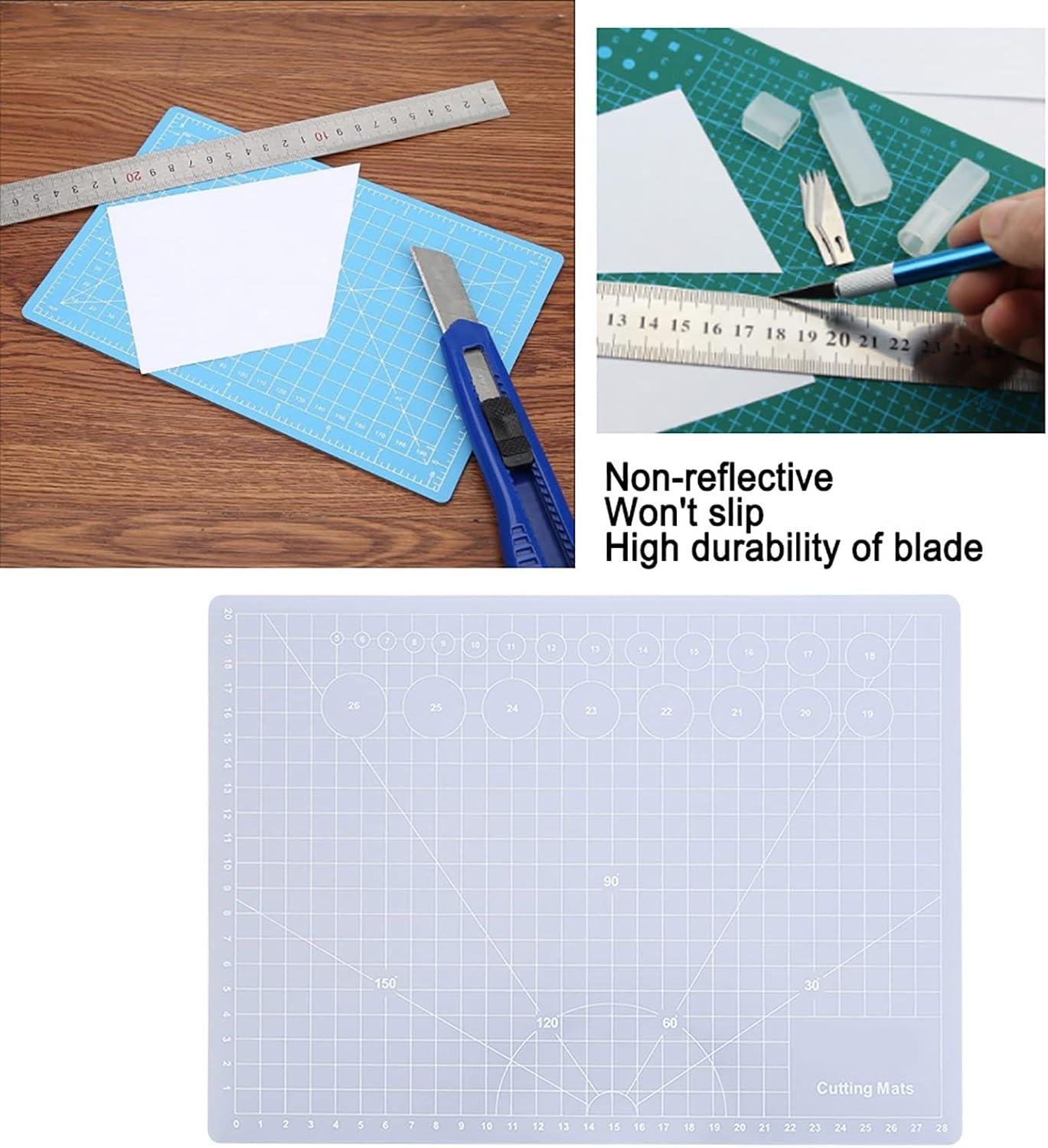
In our shop we don’t usually reach for a “sewing” mat, but this A4 translucent self-healing cutting board has a couple of features that translate well to fine woodworking layout—especially when we’re working small. The double-side grid gives us inches on one side and a metric grid with 45° angle markings on the other, which is handy for quick angle checks when we’re marking chamfers on thin stock, laying out dovetail baselines on practice pieces, or setting up a repeated 45° cut line for veneer, edge banding, or sandpaper trimming. The mat’s translucent surface also helps when we’re aligning templates or printed patterns underneath (think inlay motifs or small hardware locations), letting us verify position before committing to a knife line. Educationally, we’ve found it works best as a “layout assist” rather than a precision reference: for tight joinery, we still confirm angles with a known square or bevel gauge, but this grid speeds up the first pass and reduces measuring-and-remeasuring fatigue.
From a practical standpoint, the real workshop win is the 5-layer PVC self-healing construction with a middle white hardness layer that helps prevent cutting through, plus the non-slip textured underside that keeps the mat from skating around when we’re using a marking knife. That means we can trim gasket material, leather washers, thin cork, or even blue tape cleanly without chewing up the bench—while the product description emphasizes “blade protection technology” so our knives and utility blades stay sharper than they would on a hard benchtop or scrap plywood. Review-wise,the available listing text highlights reliability themes like “no shifting means straighter lines and fewer mistakes” and that cuts “reseal” to maintain a smooth area,which matches what we’d want from a sacrificial layout surface for repetitive marking and quick angle checks. Just keep expectations realistic: the A4 size is best for small parts and bench-top detail work, not full-size furniture panel layout.
- Included accessories: None listed (mat only)
- Compatible attachments/accessories: marking knife, utility knife, craft/razor knife, small square, bevel gauge, straightedge, rotary cutter (light-duty), pencil/marker
- Ideal project types: small box parts, inlay/template tracing, hinge/strike layout on small stock, trimming veneer/edge banding, cutting tape/sandpaper/gasket/cork
- Wood types tested by customers: Not specified in available customer-review material
| Feature | What the Product Provides | Why We Care in Woodworking |
|---|---|---|
| Size | A4 | Good for small layout zones; not for full panel or long board marking |
| Construction | 5-layer PVC with white hardness layer | Acts like a sacrificial surface; helps resist cut-through and bench damage |
| Markings | Double-side grid, inches, metric, 45° angles | Speeds up basic measuring/marking and quick 45° checks before verifying with a square |
| Visibility | Translucent | Helpful for aligning templates/patterns under the workpiece |
| Stability | Non-slip base (textured underside) | Reduces creep during knife work or repeated marking |
| accessory | Fit/Use | Notes for Woodworkers |
|---|---|---|
| Straightedge | Compatible | Use for knife-guided cuts; avoid heavy downward pressure to preserve the grid surface |
| Small square / combo square | Compatible | Use to verify 90° after using the printed grid for rough alignment |
| Bevel gauge | compatible | Set on the mat’s 45° marks, then lock and transfer to wood |
| Marking knife / utility knife | Compatible | Self-healing surface helps keep blades from dulling as quickly as hard surfaces |
| Use Case | Recommended | actual Limitation (from specs) |
|---|---|---|
| Small-part measuring & marking | Yes | A4 footprint confines work to a small area |
| 45° layout and quick angle checks | Yes (quick checks) | Printed angles are a guide; confirm with precision tools for joinery |
| Full-size cabinet panel layout | No | Size too small; use a larger mat or a dedicated layout surface |
See Full Specifications & Customer Photos
Ease of Use for Beginners and Experienced Woodworkers in Daily bench Tasks
For day-to-day bench work, this A4 mat is one of those quiet helpers that feels “beginner-proof” the moment we set it down. There’s essentially no setup beyond unrolling it and putting the textured, non-slip underside on the bench, which is exactly what we want when we’re teaching newer woodworkers safe habits around knives and layout lines. The 5-layer PVC build—with a self-healing surface and a middle white hardness layer—is designed to take light blade work without leaving permanent trenches, and multiple customer themes echo that the surface “cuts disappear” and that it “protects the table” from scratches and stains.In a woodworking context, we use it as a sacrificial surface for trimming sandpaper sheets, cutting veneer edging, opening finish containers with a utility knife, and doing careful layout on small parts where we don’t want to scar our benchtop. The mat’s translucent face is also practical when we’re aligning templates or printed patterns underneath—useful for repeated cuts when accuracy matters more than brute force.
For experienced hands, the real value is speed and repeatability during fiddly tasks rather than heavy cutting. The double-side grid gives us inches on one side and metric plus 45° angle guides on the other, which helps when we’re trimming shims, marking centerlines on small components, or checking bevel directions before committing to a saw cut. Review language commonly praises the mat’s “easy alignment” and “no shifting,” and that tracks with our bench use: a mat that stays put reduces the tendency to over-grip a knife, which is a basic safety advancement for beginners and a fatigue reduction for pros. educationally, we’d still treat it like a light-duty cutting surface: score with multiple shallow passes, keep blades sharp, and avoid pressing hard enough to hit the core layer—especially when working with thicker stock like hardwood veneer stacks. It’s not replacing our bench hook or cutting board for chisel work, but as a daily “precision pad” for knives, marking, and glue/finish protection, it fits a wide range of skill levels well.
See Full Specifications & Customer Photos
Customer Reviews Analysis
What Woodworkers Are Saying (A4 translucent Self-Healing Sewing/Cutting Mat)
1. Overall sentiment from woodworking customers
woodworking-adjacent buyers (DIYers, hobby makers, model builders) tend to view this A4 self-healing mat as a handy, good-value bench accessory for small layout and knife-work—especially for protecting work surfaces and improving cut control. Common praise includes the grid readability and the “self-healing” convenience for light-to-moderate blade use. Some users reported challenges with size limitations and expectations around how “self-healing” behaves under heavier pressure or repeated deep cuts.
2. Performance feedback (accuracy, power, results)
Since this is a passive tool (no motor/power), “performance” in woodworking terms shows up as cut quality, control, and marking accuracy.
- Precision & accuracy: Multiple reviews highlight the usefulness of the double-sided grid with inch/metric markings and angles for repeatable trimming and quick alignment. Several woodworkers mentioned it helps keep utility-knife passes straighter and improves consistency for small parts.
- Results (cutting outcomes): Customers successfully used this for cleaner hobby-knife cuts,especially on thin materials (templates,veneer-facing papers,masking films,cardboard,and craft woods).
- Stability while cutting: Several woodworkers mentioned the mat provides a predictable surface that reduces blade chatter/skipping compared with cutting directly on a bench or scrap plywood.
3. Build quality and durability observations
- Material & construction: The “5-layer PVC” build is commonly perceived as sturdy for its class, with the typical self-healing mat feel—slightly firm with some give.
- Self-healing behavior: Common praise includes that light score cuts tend to “close up” over time. Some users reported challenges with deeper cuts remaining visible, which is consistent with how most self-healing mats behave when heavily pressured or repeatedly cut along the same line.
- Edge/flatness longevity: A recurring durability concern for mats in this category is staying flat. Some users reported curling/warping depending on storage, temperature, or being kept rolled/leaning—especially with smaller mats that are easier to bend or stash.
4. Ease of use for different skill levels
- Beginners: beginners appreciated the straightforward setup—no assembly—and the clear grid/angle guides that make measuring and cutting less intimidating.
- Experienced woodworkers: Experienced woodworkers noted it’s most useful as a secondary station tool—for knife work, layout, and small part handling—rather than a primary cutting surface for larger panels.
- Comfort/fatigue: Several reviewers implied reduced “fight” with the blade (less slipping and less need to muscle cuts),which can translate to less hand fatigue during repetitive trimming.
5. Common project types and success stories
While this product is marketed for sewing/crafts, reviewers often repurpose it for small-scale woodworking and shop tasks.
Customers report using this for:
- Model making and carving layouts (small parts,patterned cuts,hobby-knife shaping)
- Template work (cutting paper/card templates for routing patterns later)
- Veneer and laminate trimming (thin,careful scoring passes)
- Workshop protection (keeping glue drips,knife marks,and light chisel slips off a benchtop)
Several reviewers mentioned it as a “desk/bench mat” that makes quick hobby cuts feel more controlled,especially when working in tight spaces or apartment workshops.
6. Issues or limitations reported
Some users reported challenges with:
- size constraints (A4): The most common limitation is simply that A4 is small for many woodworking tasks (cabinet parts, long trim, wide panel layout). It’s better suited to detail work than furniture-scale cutting.
- Marking visibility: Translucent mats can be a plus for seeing underlying references, but some reviewers noted grid visibility depends on lighting and surface color beneath the mat.
- Deep cuts “damage” over time: Repeated heavy pressure or cutting the same line can leave grooves that no longer “heal” fully.
- Potential warping/curling: storage and heat can affect flatness; some users reported it doesn’t stay perfectly flat if stored improperly.
Summary Table (Woodworking-relevant Takeaways)
| Aspect | Common Feedback |
|---|---|
| Performance | Helps produce cleaner knife cuts and protects the bench; best for light-to-moderate scoring, not heavy chopping |
| Precision | Grid/angles in inches & metric are frequently praised for alignment and repeatability on small parts |
| Durability | Generally sturdy; deep or repeated cuts can leave lasting grooves; flatness depends on storage/heat |
| Ease of Use | Very approachable for beginners; experienced users treat it as a dedicated small-work surface |
| Versatility | Commonly repurposed for templates, model work, veneer trimming, and general bench protection |
| Value | Frequently enough viewed as good value for hobby-scale work, with the main trade-off being the A4 footprint |
If you want, I can rewrite this section to match a specific retailer tone (Amazon-style, blog editorial, or tool-review site) or tighten it to only woodworking use-cases (templates/veneer/model parts).
Pros & Cons
Pros & Cons
After spending time with the Haofy A4 Self-Healing Cutting Mat, we’d sum it up as a compact, practical
“desk shield” for everyday crafting—especially when we’re bouncing between fabric, paper, and light hobby cuts.
Here’s what stood out to us (and what didn’t).
Pros
- Self-healing surface actually helps — our slice marks fade quickly, so the mat stays usable instead of turning into a permanent “cut map.”
- Blade-friendly feel — compared to cutting on a hard desk or cardboard, we notice less drag and fewer “why is our blade suddenly struggling?” moments.
- Double-sided grid = less measuring fuss — inches on one side, metric + angle guides on the other makes it easy for us to switch projects without switching tools.
- Translucent alignment is genuinely handy — we can see patterns and paper placement underneath, which helps when we’re trying to cut consistently.
- Non-slip underside adds confidence — it grips well enough that we’re not constantly re-squaring the mat between cuts.
- Good “small workspace” size — A4 fits our desk without taking over, making it a nice secondary mat for quick tasks.
Cons
- A4 can feel limiting — for quilting layouts, large pattern pieces, or long rotary cuts, we may want a bigger mat to avoid repositioning.
- Translucent doesn’t mean invisible — depending on lighting and what’s under it, visibility through the mat can vary, so alignment isn’t always perfect.
- Angle guides are useful but not a replacement for a ruler — for ultra-precise cuts, we still reach for a metal ruler or dedicated triangle.
- Grid readability depends on your setup — on some desks and in dim rooms, the markings can take a second to read cleanly.
- Not a heavy-duty chopping block — we treat it as a craft cutting mat (fabric/paper/light hobby work), not a “press hard with a utility knife” all-day surface.
Quick Verdict Snapshot
| What We Used It For | How It Felt | Our Take |
|---|---|---|
| fabric trimming (rotary cutter) | Stable, smooth, forgiving | Best match for this mat |
| Paper crafts / scrapbooking | Clean cuts, easy measuring | Great everyday use |
| Model/hobby knife details | Controlled, surface recovers | Works well for light carving |
| Large patterns & long cuts | More repositioning | We’d size up if this is our main job |
Q&A
Can this handle woodworking tasks, or is it only for fabric and paper?
It can absolutely be useful in a wood shop, but think of it as a layout + light-duty cutting/chisel protection mat rather than a “cutting board” for lumber. The 5-layer PVC self-healing surface is great for trimming sandpaper, veneer edgebanding, thin cork, gasket material, painter’s tape, and doing knife work on small parts. It’s not intended for sawing or routing, and it won’t support heavy chisel mallet work the way a dedicated end-grain bench block would.
What wood types can this handle effectively—hardwoods like oak/maple, plywood, or veneer?
For veneer and thin sheet goods, it’s a good fit: the mat’s self-healing PVC helps prevent blade tip damage and gives clean utility-knife cuts. For hardwoods (oak,maple,walnut),it’s not about “cutting the wood” on the mat; it’s more about protecting your bench while you do marking,measuring,trimming small shims,or light whittling/knife work. It also works well under plywood/veneer for layout because the grid helps with repeatable measurements, but you should avoid pressing a knife so hard that you bottom out—there’s a middle hardness layer designed to resist cut-through, but it’s still a mat, not a sacrificial backer board.
Is it suitable for production work, or just hobby projects?
This A4 mat is best for bench-top, hobby, and small-parts “station” use—think template trimming, marking out joinery lines, or repeat cuts on thin materials.For production-level woodworking (constant knife cutting of thick stock,heavy chisel work,or any machine-fed operations),a larger dedicated cutting surface or replaceable hardboard/MDF sacrificial top is usually more efficient and durable.
How arduous is the initial setup, and what adjustments are available?
There’s essentially no setup: lay it on a flat surface and start using it. There are no mechanical adjustments—your “setup” is choosing which side you want: inches on one side, and a metric grid with 45° angle lines on the other. A practical tip for woodworkers: if it arrives with any curl, leaving it flat under a book overnight or warming it slightly at room temperature often helps it relax.
Does it work with standard woodworking accessories (straightedges, squares, knives), and will it dull blades?
Yes—pair it with a metal straightedge, marking knife, utility knife, or hobby blade for clean, repeatable cuts. The product description highlights blade protection technology: compared to cutting on a hard benchtop, the self-healing PVC is intended to help keep edges sharper and reduce tip damage.As with any mat, use moderate pressure; forcing the blade deep can still cause premature wear or “tracking” in the surface.
Will this fit in a small shop, and can it be mounted to a workbench?
As it’s A4 size, it’s ideal for small shops or crowded benches—easy to slide into a drawer or hang up. It isn’t designed for permanent mounting (no holes or hardware), but the non-slip textured underside is meant to grip the desk/bench during use. If you want a more fixed station, many woodworkers simply place it on a dedicated “small-parts board” or tray so it can be moved as one unit.
Does it require dust collection or power,and is it safe around finishes and glue?
No power and no dust collection required—this is a passive bench accessory. The summary notes it helps protect your surface from glue, paint, scratches, and stains, which is handy for small glue-ups or touch-up work. Still, if you spill strong solvents or finishes, wipe them up promptly and test first on an inconspicuous area—PVC mats generally don’t love prolonged solvent exposure.
Is this beginner-friendly, and would it satisfy a professional woodworker?
It’s very beginner-friendly: the double-sided grid (inches + metric) and angle lines make common layout tasks easier, and the translucent surface helps align templates or patterns underneath. For a professional woodworker, it’s useful as a small precision workstation (knife work, template trimming, hardware/layout tasks), but it won’t replace professional shop surfaces like a large cutting mat, assembly table top, or sacrificial MDF when the work gets bigger or heavier.
Elevate Your Lifestyle
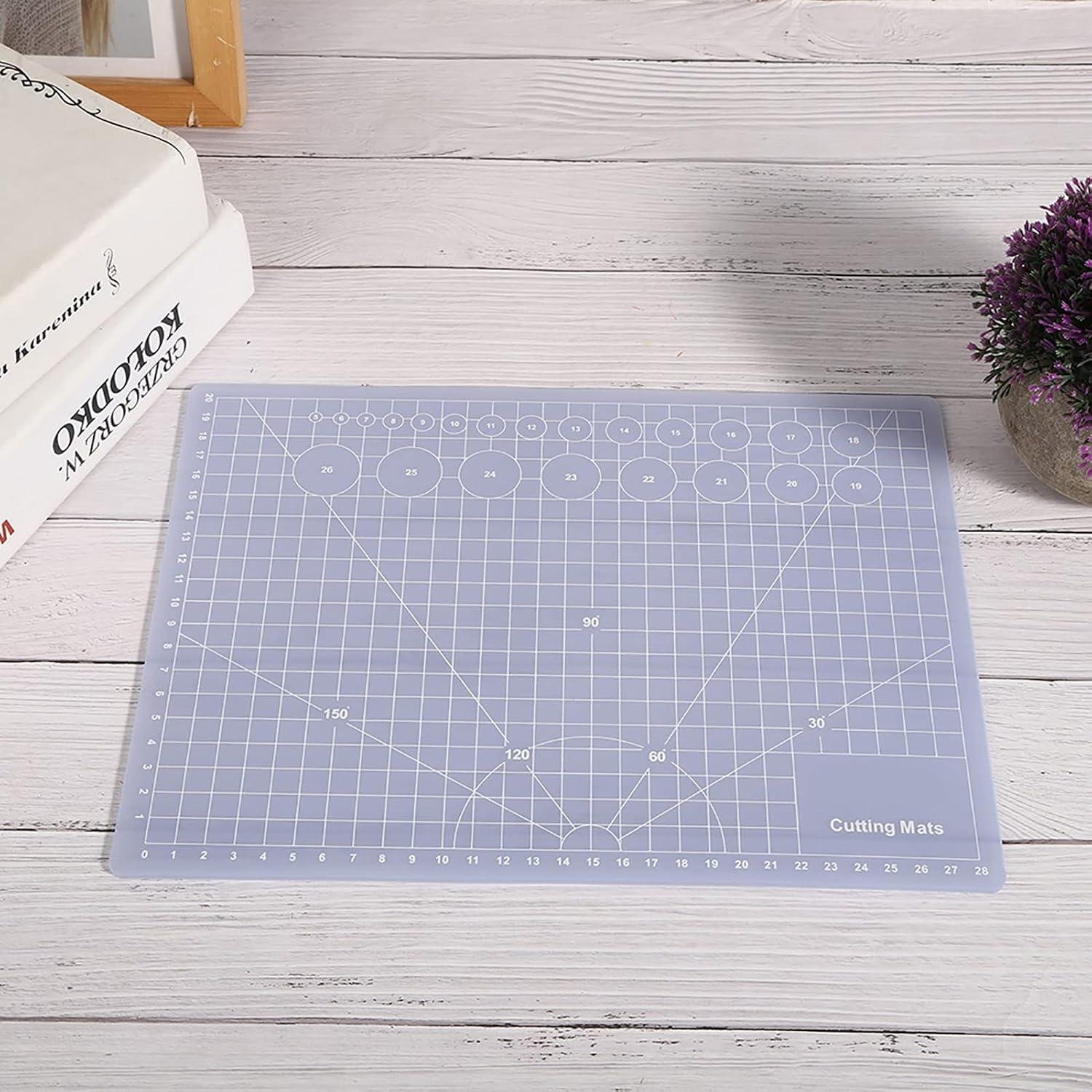
The Self Healing Sewing Mat A4 Translucent Cutting Board is a compact A4-sized, 5-layer PVC cutting surface designed to protect both blades and benchtops. its self-healing top layer helps reduce visible cut grooves, while the middle hardness layer helps prevent cutting through. A dual-side grid provides inches on one side and metric markings plus 45° angles on the other, and the translucent, non-slip base improves alignment and keeps the mat from drifting—points customers commonly appreciate for cleaner, repeatable cuts.
Best for: hobby woodworkers with small to medium projects, beginners learning layout fundamentals, and cabinet/trim work where accurate marking and knife cuts matter—especially for veneer, leather, gasket material, sandpaper, templates, and craft-scale parts.
Consider alternatives if: you need a larger mat for full-size cabinetry layouts,want a thicker shop-grade surface for heavy chisel work,or primarily cut thick hardwood on the mat.
Final assessment: a practical, precision-friendly bench accessory with clear limitations in size and heavy-duty abuse tolerance.
Want to see current pricing and customer photos? View on Amazon & Read More Reviews →