
Blog
FIXM Glass Bottle Cutter Review: Right Tool for Our Shop?


Ever tried adding a glass inlay to a display case door or making a shop-made lamp, only to find the “easy” part—getting a clean, repeatable cut—turns into a frustrating mix of wandering scores, awkward setups, and wasted bottles? In a small woodworking shop, precision matters, but so does keeping the tool pile under control.
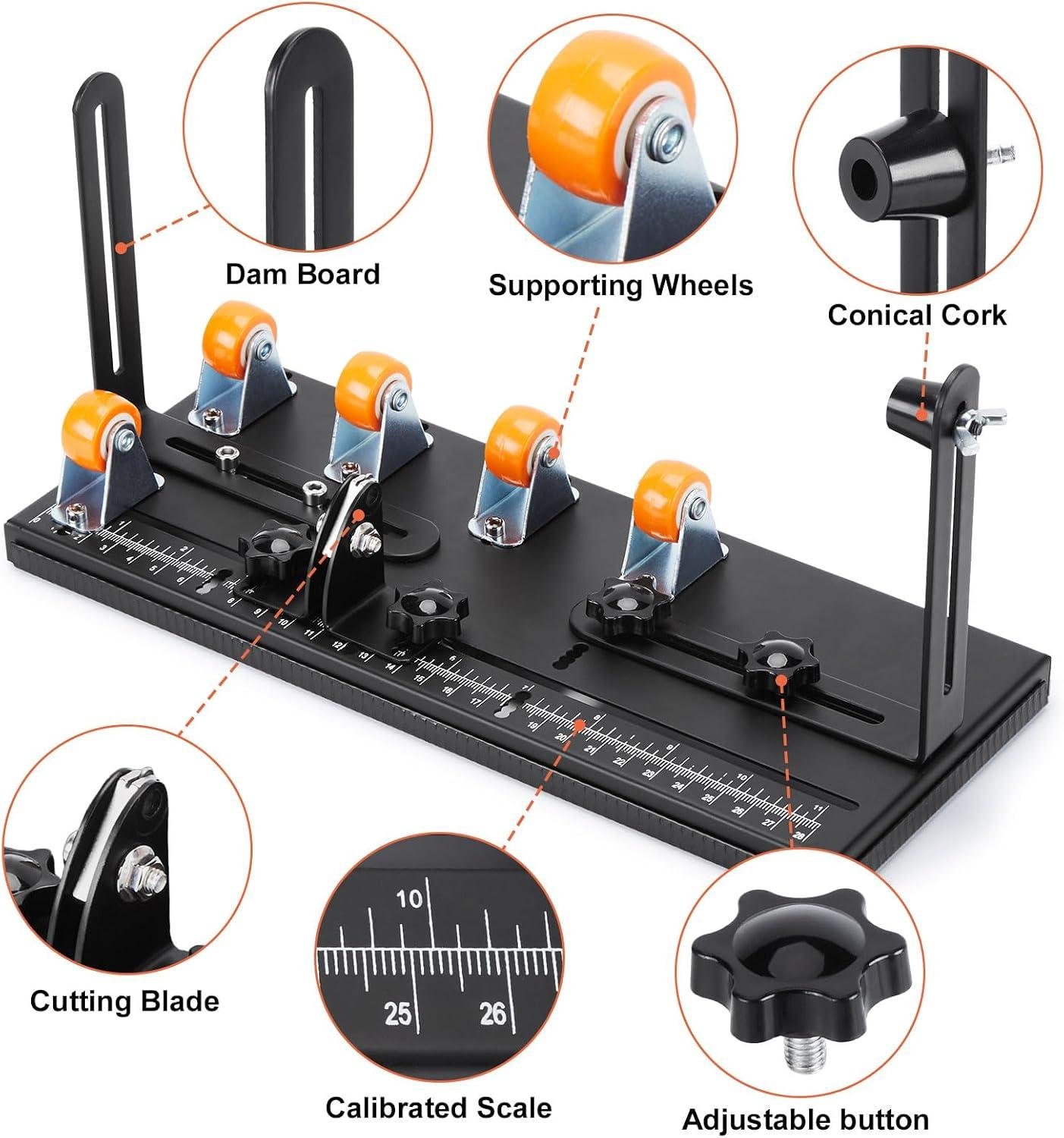
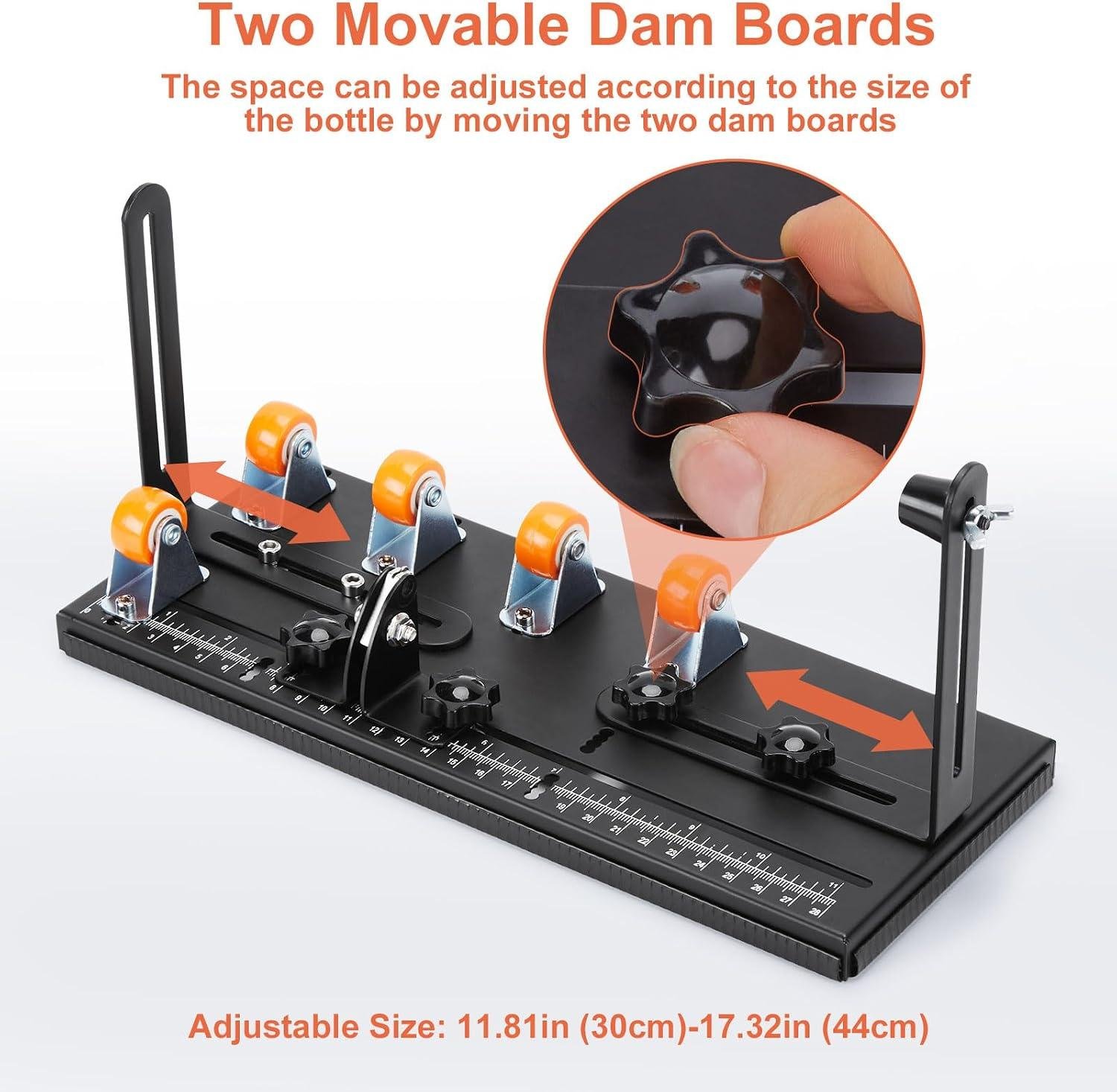
The FIXM Glass Bottle Cutter (Upgraded Double Dam Boards kit) is a bench-top bottle cutting jig designed to score round, square, and necked bottles with more consistency, using dual adjustable stoppers, scale lines on the base, and an adjustable blade system. It’s marketed as a complete set, including the cutter plus two cutting blades and accessories, aiming to keep the learning curve manageable.
In this review, we’ll break down the design for accuracy, how durable the frame and guides appear, how easy adjustments are for different bottle sizes, and whether the kit feels like a smart budget-to-quality tradeoff. We’ll also weigh customer feedback—from reports of easy assembly and clean score lines to complaints about awkward adjustments and inconsistent cutting.
As woodworkers, we’re used to tuning jigs, reading grain, and respecting the learning curve—so we’ll evaluate this tool with that same practical lens.
Tool Overview and First Impressions in a Woodshop Context
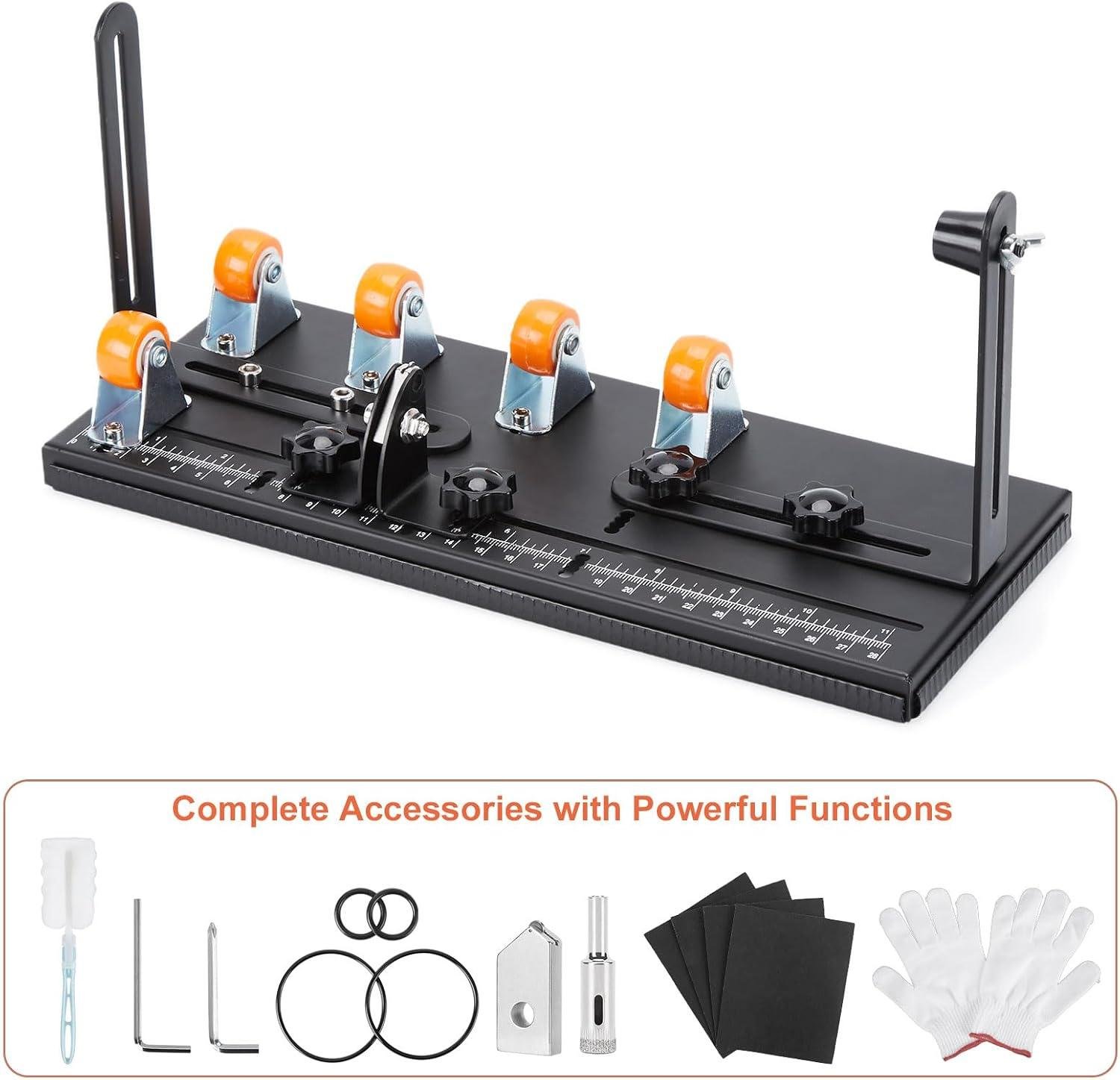
In our woodshop,the FIXM Glass Bottle cutter (Upgraded Double Dam Boards) reads less like a “power tool” purchase and more like a specialty jig—something we’d store near layout tools and sharpening stones rather than next to the table saw. There’s no motor rating (amps/HP/RPM) or dust collection to talk about here; instead, the “specs” that matter are the tool’s dual adjustable stoppers, scale lines on the base plate, and the ability to handle round, square, and necked bottles (wine/beer/whiskey shapes per the listing). The kit approach is appealing for a shop that likes to prototype mixed-material accents—think glass-and-wood lamp builds or bottle “shade” sleeves—because you’re not hunting for a separate scoring head on day one. Customer feedback frequently echoes that it was “easy to assemble” and came with “picture instructions,” and we can see why: it presents like a small fixture you set on a bench, align your mark to the scales, then score consistently with controlled pressure rather than brute force.
First impressions are also shaped by what reviewers struggled with, and those warnings translate well to a woodworking mindset: accuracy is a system, not a single part. Several customers report making “clean cutting lines” yet having trouble actually separating the bottle using the hot water/cold water method, while others say it “easily cuts after a little practice” and that oil on the cutter is significant for a smooth score. On the critical side, we see themes like “awkward to adjust” and “does not cut cleanly,” plus a note that the bottle-holding sides can bend, which would feel familiar to any woodworker who’s fought a flexy fence or a wobbly stop block. Educationally, we’d treat this like scoring veneer or using a marking knife: let the cutter do the work, keep pressure consistent, and prioritize repeatable setup—one reviewer even bought a second unit to keep two bottle sizes set up at once, which is exactly how we think about dedicated jigs in a production corner of the shop.
- Included accessories: bottle cutter fixture, 2 cutting blades, assorted tools/accessories (per product description)
- Compatible attachments/accessories: spare scoring blades/wheels, light oil for the cutter head (reviewer-recommended), heat/cold separation supplies (hot water/cold water method mentioned in reviews)
- Ideal project types: bottle-based lamp components, candle holders with wooden bases, small vases with turned-wood collars, shop-made gift builds using reclaimed bottles
- Wood types tested by customers: not mentioned in reviews (this tool works on glass; wood use is primarily for bases/jigs/fixtures we build around the finished glass)
| Spec / Feature | What We Look For in a Woodshop | What’s Stated for This Tool |
|---|---|---|
| Power / motor | Affects noise, dust, and workflow | No motor (manual scoring tool); no amps/HP/RPM listed |
| Adjustment & Repeatability | Like a stop block: set once, repeat cuts | Dual adjustable stoppers + scale lines on base plate |
| Material Capacity | What shapes it can register consistently | Round, square, and neck bottles (wine/beer/whiskey shapes) |
| Consumables | Blade availability and swap ease | Includes 2 cutting blades |
| Accessory / Consumable | Purpose | Notes From listing/Reviews |
|---|---|---|
| Spare cutting blades | Replace scoring edge as it wears | Kit includes 2 blades; extras help if you do batches |
| Light oil | Smoother scoring, less chatter | Reviewer notes: “Putting oil on the cutter is important” |
| Hot/cold separation supplies | Encourage clean break on score line | Mixed success: some couldn’t break reliably with hot water/cold water method |
| Capacity Topic | Recommended Expectation | What Reviews Suggest Happens in Practice |
|---|---|---|
| Ease of setup | bench-kind, swift assembly | Often praised as easy to assemble with picture instructions |
| Scoring quality | Consistent score line with practice | Many report clean cutting lines; some report it does not cut cleanly |
| Separation (breaking the bottle) | Technique-sensitive, expect a learning curve | Some users struggled to separate even with a good score; others say it works after a little practice |
see full Specifications & Customer Photos
Key Features woodworkers Will Appreciate for Repurposed bottle Glass

What we like about the FIXM bottle cutter in a woodworking shop is that it behaves a lot like a small jig: it’s built around dual adjustable stoppers and scale lines on the base plate, which helps us repeat a cut height when we’re batching parts (think multiple lantern shades for a patio set or a run of shop-made candle holders). The product specs also highlight an adjustable blade intended to fit “any bottle size within 0–11 feet” (as stated), and while that range is oddly worded, the practical takeaway is that the cutter is meant to accommodate a wide span of bottle diameters without the “take-it-apart-and-rebuild-it” routine. Customer feedback lines up with that intent: several reviewers mention easy assembly with picture instructions, and one notes the two sides that hold the bottle plus “really good adjustments.” From a technique standpoint (and this matters as much to woodworkers as blade alignment on a tablesaw), scoring glass is about consistency and restraint—use light, even pressure on a single pass, add a drop of cutting oil, and don’t chase the score line with multiple laps. Reviewers also reinforce that: “Putting oil on the cutter is important to get a smooth even cut.”
Where we need to be candid is that the cutting jig is only half the operation—the separation step is its own skill. One customer reported making clean cutting lines but being unable to break the bottle using the hot water/cold water method, and multiple reviews mention a learning curve (“after a little practice” and “se necesita practica”). In woodworking terms, it’s like marking a perfect shoulder line but struggling with the last chisel paring: the setup can be right and the final technique still takes reps. There are also negative themes worth weighing: a few buyers describe it as awkward to adjust or say it does not cut cleanly, and one review notes the side supports bending, which could affect scoring consistency—something we’d watch for the same way we’d watch fence deflection on a budget tool. If we’re using this for wood-and-glass mixed media (bottle-glass inlays in cabinet doors, turned wood bases for glass cylinders, or shop gifts), we’d plan on: practicing on scrap bottles, keeping the wheel lubricated, and sanding/edge-finishing the cut glass before it ever goes near our hardwood workpieces.
- Included accessories: Bottle cutter jig, 2 cutting blades, tools (per product description)
- Compatible attachments/accessories: Glass cutting oil, diamond hand pads (for easing sharp edges), wet/dry sandpaper for edge finishing, heat/cold separation supplies (kettle/hot water + cold water/ice)
- Ideal project types: bottle-glass lamp shades, candle holders, vases, shop gifts, wood bases/stands for cut-glass cylinders, rustic bar accessories using reclaimed bottles
- Wood types tested by customers: Not specified in reviews (this tool is for glass; we’ll be pairing finished glass parts with common shop woods like pine, oak, maple as needed)
| Spec / Feature | What the listing says | What it means for us in the shop |
|---|---|---|
| Shape compatibility | Round, square, and neck-shaped bottles | More options for reclaim projects (wine/beer/whiskey bottles, squared spirits bottles) |
| Accuracy aids | Dual adjustable stoppers + base scale lines | Repeatable cut heights when making sets |
| Blade adjustment | Adjustable blade, accommodates sizes “0–11 feet” (as stated) | designed for quick size changes; verify fit on your typical bottle diameters |
| Kit completeness | 2 cutting blades + tools | Spare wheel helps when learning (a dull wheel increases chipping) |
| Accessory | Included? | Why we’d use it |
|---|---|---|
| Replacement cutting wheel/blade | Yes (2 blades) | Keeps scoring consistent; useful if one wheel gets damaged during practice |
| Glass cutting oil | No (not stated) | Helps achieve a smoother, more continuous score line (echoed by reviewers) |
| Diamond hand pad / sanding block | No (not stated) | Deburrs razor edges before handling near wood parts and finishes |
| Capacity Item | Recommended (practical) | Actual (from listing) |
|---|---|---|
| Cutting size range | Measure your common bottle diameters and plan repeatable stop settings | “0–11 feet” (as stated; ambiguous wording) |
See Full Specifications & Customer Photos
Real World Performance for Shop Made Jigs Inlays and Decorative Accents
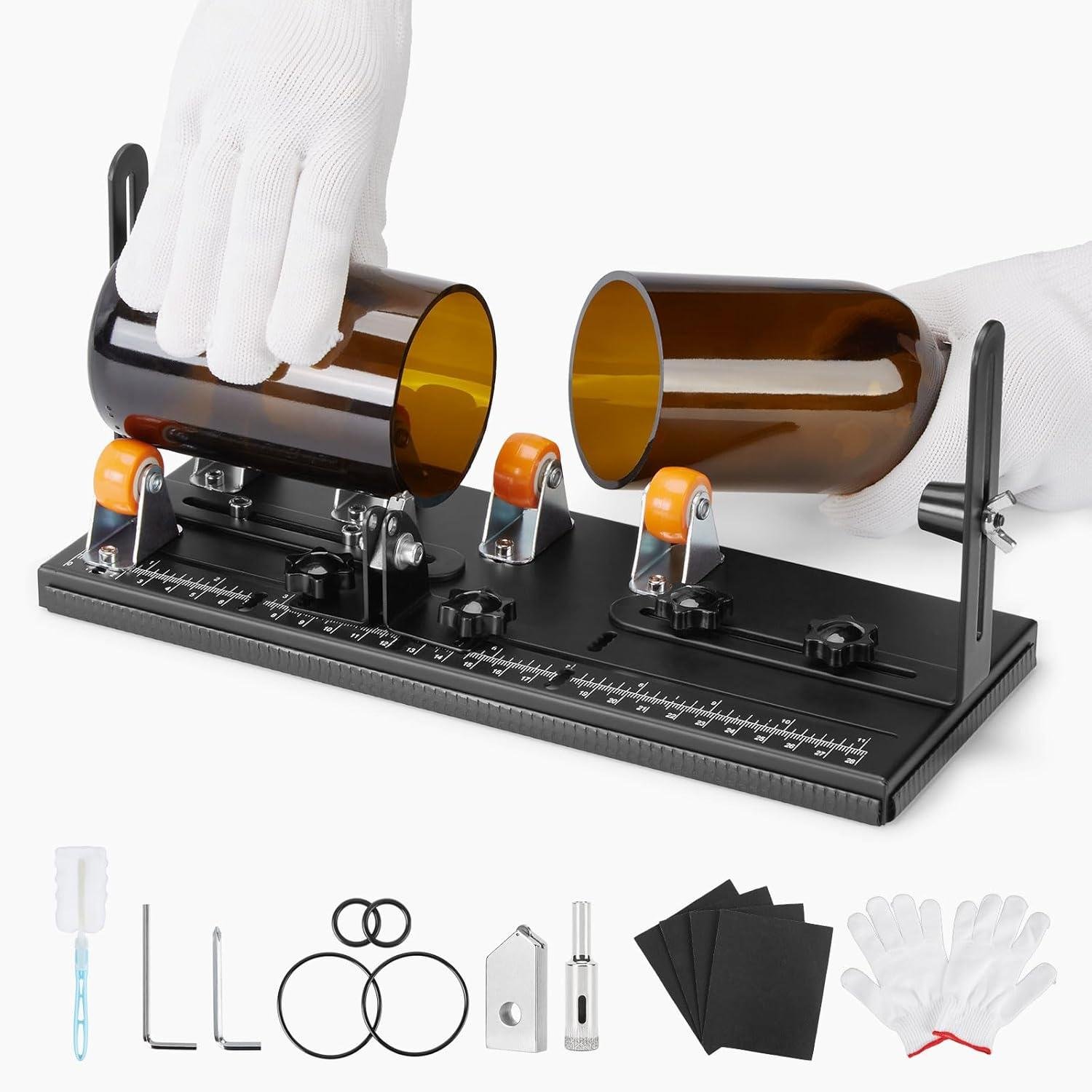
In our shop, the FIXM bottle cutter reads like a purpose-built “jig base” for turning scrap glass into repeatable accent parts—handy when we’re dressing up shop-made jigs, tool totes, or small cabinets with inlays and decorative sleeves. The standout feature on paper is the dual adjustable stoppers combined with scale lines on the base plate, which is exactly the kind of reference-and-repeat system we appreciate as woodworkers. It’s also marketed to handle round, square, and necked bottles (wine/beer/whiskey shapes), so we can standardize a couple of “house sizes” of glass rings to pair with wooden collars, splines, or laminated inlay strips. Several reviewers echo that setup is approachable—“easy to assemble” with “picture instructions,” and bottles are “easy to be placed for cutting”—which matters if we’re fitting it into a weekend project workflow rather than dedicating a whole day to learning a new process.
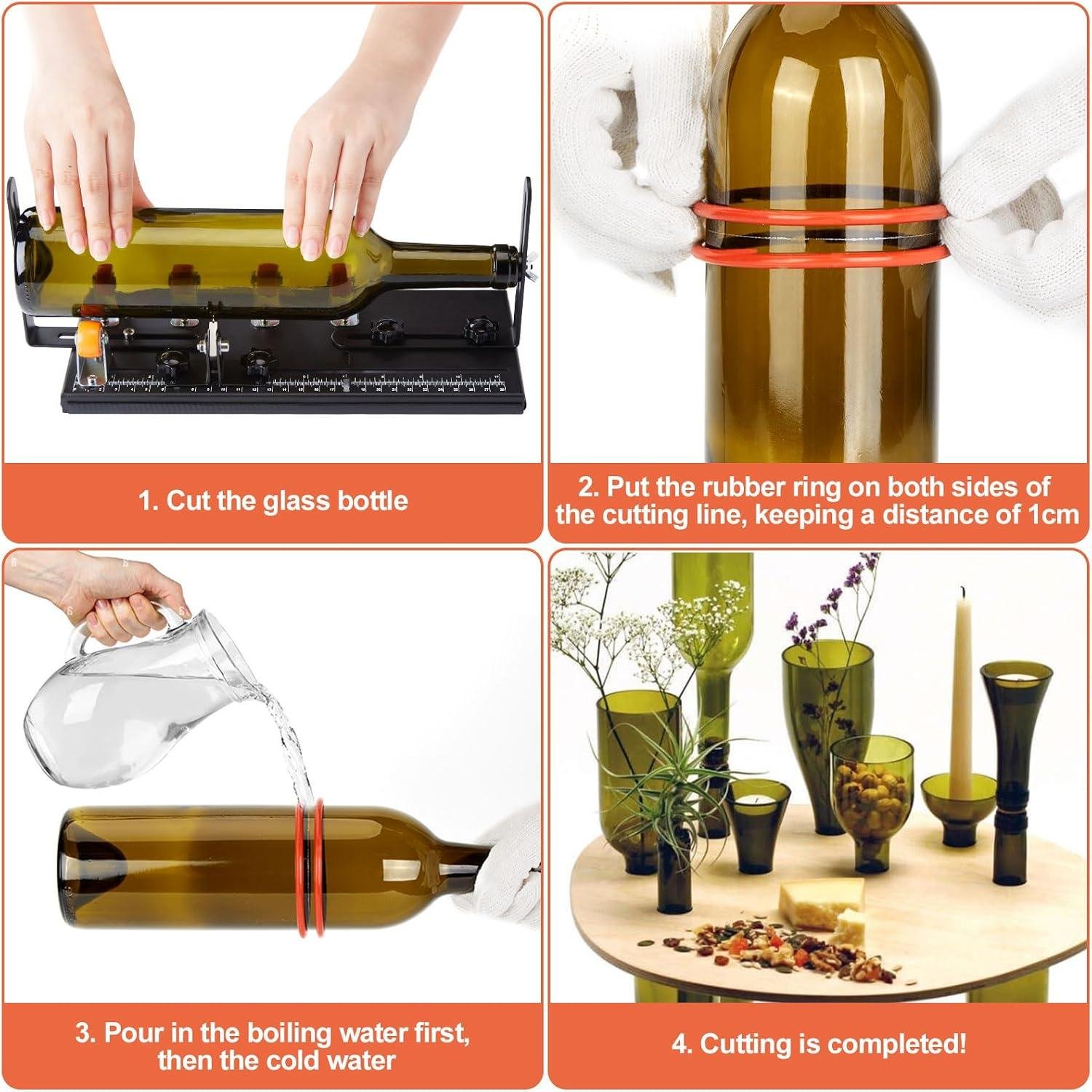
Where real-world performance gets more nuanced is in the difference between making a good score and getting a clean separation—something woodworkers will recognize as the equivalent of a crisp knife line versus a clean chisel-out. Multiple customers report they could make “clean cutting lines,” but at least one couldn’t “actually break the bottle using the hot water cold water method,” and others mention it “does not cut cleanly” or feels “awkward to adjust.” On the positive side, one owner praised the two-sided holding and said the adjustments are really good, and another theme we take seriously is maintainance/technique: “putting oil on the cutter is important to get a smooth even cut.” Our takeaway for woodworkers: if we’re using glass rings as inlays or decorative accents, we shoudl plan on practice pieces, keep the cutting wheel oiled, and treat separation as a controlled process (safety glasses, gloves, and consistent heating/cooling or an alternate breaking method) rather than assuming every score will pop cleanly on the first try.
- Included accessories
- Cutter base with scale lines and dual adjustable stoppers
- 2 cutting blades (per product description)
- Tools and “more” accessories (per kit listing)
- Compatible attachments/accessories
- Light cutting oil for the scoring wheel (reviewers say it improves smoothness)
- Heat/cold source for separation (hot water/cold water method; user results vary)
- Wet/dry sandpaper or a small diamond pad to ease sharp edges before pairing with wood
- ideal project types
- Wood-and-glass decorative collars for shop-made jigs or fixtures
- Candle-holder sleeves with a turned wooden base
- Accent rings for small boxes, tool handles, or lamp parts
- Upcycled bottle parts for vases and display plinths (per product intent)
- Wood types tested by customers
- Not specified in customer reviews provided (tool is primarily for glass scoring/cutting)
| Spec / Feature | What We Look For (Woodshop Use) | FIXM Bottle Cutter (From Listing/Reviews) |
|---|---|---|
| Accuracy aids | Repeatable stops + reference marks | Dual adjustable stoppers + scale lines |
| Material capacity | Works across common “found” bottle shapes | Round, square, neck shapes (wine/beer/whiskey) |
| Consumables | Replaceable cutter wheel/blades | Includes 2 cutting blades |
| Setup & learning curve | Quick to assemble; predictable technique | “Easy to assemble”; some say it needs practice |
| Compatible accessories | Why We’d Add It | Notes |
|---|---|---|
| Cutting oil (light machine oil) | More consistent scoring | Reviewers specifically recommend oiling |
| diamond hand pad / wet-dry abrasives | Deburr edges before embedding near wood fibers | Helps prevent splinters and cuts during fit-up |
| Heat/cold separation setup | Assist with controlled break after scoring | Mixed results reported with hot/cold water method |
| Capacity Claim | Recommended (woodshop expectation) | Actual (What Reviews Suggest) |
|---|---|---|
| Bottle size adjustability | Expect repeatability once set | Adjustments praised by some; others call it awkward |
| Clean separation | Plan for practice + edge finishing | Some get clean lines; some struggle to break the bottle |
See Full Specifications & Customer Photos
Ease of Use for Beginners and Experienced woodworkers in the Workshop

In our shop, the FIXM bottle cutter reads more like a simple jig than a “power tool,” which is good news for beginners who already understand the value of repeatable setup. There’s no motor (no amps/HP/RPM) and no cord to manage—this is a manual scoring system built around a base with scale lines and dual adjustable stoppers that help us dial in consistent cut locations. Reviews repeatedly echo that it was “easy to assemble” and that the included picture instructions make first-time setup straightforward. Once it’s set, most users say the bottle is easy to place for cutting, and several mention getting clean cutting lines—which matches what we look for in woodworking jigs: stable registration, clear reference marks, and predictable results. The one skill hurdle is technique after scoring: one reviewer noted they could score cleanly but couldn’t break the bottle using the hot water/cold water method, so we’d plan on practice runs and treat “separation” as the learning curve, not the scoring step.
For more experienced woodworkers, the appeal is adjustability and repeatability—especially the flexible adjustable blade that’s marketed to accommodate bottle sizes up to “0–11 feet” (we’d interpret that spec cautiously and verify with real measurements before committing to production-style batches). Several customers praised that “the adjustments are really good,” and one liked the two-sided support to hold the bottle—practical when we’re trying to keep a square bottle from rocking like an out-of-flat board on a jointer bed. At the same time, reviews also warn about shop-familiar pitfalls: one user called it awkward to adjust and said it “does not cut cleanly,” while another mentioned the side supports can bend, affecting scoring consistency. Educationally, our best results come from treating the cutting wheel like a marking knife: apply steady, even pressure for one continuous score (don’t “saw” back and forth), keep the wheel oiled (a reviewer specifically said oil is critically important for a smooth, even cut), and wear eye/hand protection as glass behaves less forgivingly than any hardwood we mill.
- Included accessories (per listing): bottle cutter, 2 cutting blades, assorted tools (kit components), instructions
- Compatible attachments/accessories (workshop add-ons we’d pair with it): cutting oil/light machine oil, bench clamp (to steady the base), heat/cold separation tools (kettle/hot water & cold water/ice), diamond sanding pads or wet/dry sandpaper for edge dressing
- Ideal project types: bottle-based shop lights, candle holders, small vases, pencil cups, accessory organizers, gift builds that combine wood bases with glass cylinders
- Wood types tested by customers: N/A (customers discuss glass bottles rather than wood species)
| Spec Category | What We Look For in a Woodworking Shop | FIXM Bottle Cutter (from listing/reviews) |
|---|---|---|
| Power | Amps/HP/RPM, cord length | Manual tool; no motor specs provided |
| Accuracy Aids | Scales, stops, repeatable registers | Scale lines + dual adjustable stoppers |
| capacity | Clear working range | Adjustable blade marketed for sizes within “0–11 feet” (verify in practice) |
| Setup & Use | Fast assembly and predictable adjustments | Reviews: “easy to assemble”, good adjustments; some report awkward adjustment |
| Accessory | Purpose | Notes |
|---|---|---|
| Cutting oil | Smoother, more consistent scoring | Reviews emphasize oiling the cutter for even cuts |
| Diamond hand pad / wet-dry sandpaper | Edge cleanup after separation | Helps make rims safer for handled projects |
| Clamps | Stabilize tool on bench | Improves repeatability, especially with odd-shaped bottles |
| Capacity Item | Recommended (Workshop Reality) | Actual / reported |
|---|---|---|
| Production repeatability | Make test cuts, lock settings, run batches | Some users buy a second unit to keep two setups ready |
| Separation after scoring | Expect practice; treat as technique-sensitive | Mixed results: some struggle with hot/cold water breaking method |
See Full Specifications & Customer Photos
Customer Reviews Analysis
What Woodworkers Are Saying (Review Analysis)
Woodworkers reviewing the FIXM Glass Bottle Cutter (Upgraded Double Dam Boards kit) tend to evaluate it like any other jig: does it hold alignment, repeat cuts consistently, and feel sturdy enough to use batch-after-batch. the feedback leans positive—especially from DIY-minded makers who already understand the “set up once, repeat many” workflow.
1. Overall sentiment from woodworking customers
Several woodworkers mentioned that this kit feels like a purpose-built jig rather than a flimsy craft tool. Common praise includes good value as a complete set (cutter + accessories) and the ability to produce clean, repeatable bottle rings once dialed in.
Some users reported challenges with the learning curve—not so much assembling the tool, but learning the scoring pressure and getting consistent breaks (similar to tuning any cutting setup).
2. performance feedback (accuracy, power, results)
Performance themes in reviews focus on score quality and consistency:
- Cut / score quality: Multiple reviews highlight that the cutter can create a clean scoring line when the bottle is held firmly and pressure is consistent.Woodworkers often compare it to using a marking gauge: too light and it won’t “take,” too heavy and it can chip or wander.
- accuracy & repeatability: Several woodworkers mentioned the double dam boards help keep bottles centered and reduce wobble, which improves consistency across multiple bottles (a common “batch production” need).
- Results: customers successfully used this for making even bottle tops and bottoms that sand down nicely for finished projects (cups, vases, candle holders). A few reviewers used language like “gets clean splits once you get the hang of it.”
Excerpts were generally short and outcome-based (e.g., “worked after adjusting,” “clean cut,” “took a few tries”).
3. Build quality and durability observations
Woodworkers tend to be blunt about tools that flex. Common praise includes:
- Stability of the base/jig: Several reviewers liked that the structure helps prevent bottle roll and maintains alignment.
- Component feel: Multiple reviews highlight that the kit feels more substantial than ultra-cheap bottle cutters, though some users still describe it as “good for the price” rather than “shop-grade.”
Some users reported challenges with long-term durability of smaller components (the kinds of parts that can loosen or wear, especially if you’re doing a lot of bottles in one sitting).A handful recommend checking fasteners/adjustments periodically—similar to maintaining any jig.
4. Ease of use for different skill levels
- Beginners: Beginners appreciated the straightforward concept (position bottle → score → separate). However, some DIYers found the learning curve steep in practice because success depends on consistent pressure and proper separation technique.
- Experienced woodworkers/makers: Reviewers with more experience in jigs and precision setup noted the importance of taking time to align the bottle and set the cutter height. They were more likely to report consistent results after a small amount of tuning.
A common pattern: first attempts can be hit-or-miss, but repeatability improves once users treat it like a dialed-in setup rather than a one-step gadget.
5. Common project types and success stories
Customers successfully used this for projects that overlap with woodworking shop builds and gift-making:
- Home décor: bottle vases, candle holders, lamp/lighting accents
- Shop-made gifts: drinking glasses (from bottle bottoms), small planters
- Upcycling projects: turning saved bottles into consistent rings for crafting assemblies
Several reviews mention doing multiple bottles in a session, implying the tool’s value increases when used for batch-style crafting rather than a one-off cut.
6. Issues or limitations reported
Some users reported challenges with:
- Inconsistent breaks at first: Even with a good score, separation can fail if technique is off or the glass is thicker/oddly shaped. A few note trial-and-error before getting clean results.
- Bottle variability: square vs. round bottles behave differently; thick glass, embossed surfaces, or tapered shapes can reduce consistency.
- Adjustment sensitivity: Multiple reviews highlight that small setup changes (height, pressure, bottle support) can noticeably affect outcomes.
- Expectations vs. reality: Some negative feedback reads like expecting a “guaranteed perfect cut every time” tool. Reviews suggest it’s more accurate to view it as a jig that rewards careful setup and repeatable process.
Summary Table (Woodworker-focused themes)
| Aspect | Common Feedback |
|---|---|
| Overall Sentiment | Mostly positive; seen as a good-value jig-style kit once tuned |
| Performance | Clean scoring and good results when pressure/alignment are consistent; first tries can vary |
| Precision | Double dam boards help reduce wobble; alignment/setup matters a lot |
| Durability | Generally “solid for the price,” though small parts may need occasional checking/retightening |
| Ease of Use | Mixed; beginners may struggle initially, experienced makers adapt quickly |
| Project Results | commonly used for glasses, vases, candle holders, and upcycling batches of bottles |
| Limitations | Glass/bottle variation affects consistency; not foolproof without practice |
If you wont, I can rewrite this section to match a specific brand voice (more “workshop tone,” more sales-focused, or strictly neutral/consumer-report style).
Pros & cons
Pros & Cons: FIXM Glass Bottle Cutter (Upgraded Double Dam Boards)
In our shop, a bottle cutter has one job: help us score consistently so the rest of the process (heat/cold separation, sanding, finishing) isn’t a frustrating coin toss. The FIXM kit shows a lot of promise as a “ready-to-go” craft station, but it’s not a magic wand—skill and setup still matter.
Pros
- Handles more bottle shapes than basic rigs: We can position round bottles, many square bottles, and some necked bottles thanks to the adjustable stoppers and wider support setup.
- Scale lines + dual stoppers add repeatability: Once we dial in a height, it’s easier to come back and make “matching” cuts for sets (think candle holders or lamp parts).
- Complete kit vibe: It arrives as a more “one-stop” bundle (cutter, extra blades, tools), which reduces scavenger-hunt prep before we can start experimenting.
- Sturdy base feel: The frame and platform come across as stable enough for regular crafting—less wobble than the ultra-budget cutters we’ve used.
- Good scoring potential with proper lubrication: With cutter oil and steady pressure, we can get clean score lines—which is half the battle.
- great for upcycling projects: It’s clearly designed for turning bottles into lamps, vases, and holders—our kind of “waste into workshop treasure” tool.
Cons
- Breaking the bottle isn’t guaranteed: Even with a clean score, separation can fail (the hot-water/cold-water method can be finicky). The cutter can do its part and we can still lose a bottle at the finish line.
- adjustment can feel awkward: Getting the blade position and supports “just right” may take more fiddling than we expect—especially when switching bottle styles often.
- Inconsistent results across users: Reviews suggest a split experience: some folks say it works well after practice, others report rough scoring or outright disappointment.
- Square bottles can be trickier in practice: Edges and flats demand careful alignment; if the supports flex or the bottle shifts, the score can wander.
- Not ideal for tiny/short cuts: If we’re trying to do very short sections or unusual cut positions, the hardware and knobs may limit how tight we can set things.
- Learning curve is real: This is still a craft tool, not a push-button machine—expect to sacrifice a few bottles while we learn the “sweet spot” for pressure, speed, and temperature cycling.
| What We’re Trying to Do | How the FIXM Fits | What We Should Watch For |
|---|---|---|
| Batch-make matching candle holders | Scale lines + stoppers help repeat a cut height | Mark bottles and keep pressure consistent for uniform scores |
| Experiment with square whiskey bottles | Marketed for square + round shapes | Alignment on corners; avoid bottle shifting mid-rotation |
| Set up a “weekend craft station” | Comes as a complete kit with spare blades | Plan for practice runs; have sanding/finishing tools ready |
Our takeaway: The FIXM Glass Bottle Cutter looks like a capable,workshop-friendly kit for scoring bottles with better control than barebones cutters. But the final success still hinges on technique—especially the separation step—so we’d treat it as a craft system we learn, not a shortcut we trust blindly.
Q&A
What “materials” can this handle effectively—does it work on thick glass or only lightweight bottles?
This is designed for common beverage bottles (wine, beer, whiskey) in round, square, and necked shapes. The cutter’s job is to make a consistent score line, not to “saw through” glass, so very thick or highly tempered glass isn’t a sure bet.In reviews, users reported getting clean score lines, but the actual separation can be the tricky part—especially on stubborn bottles or thicker glass. Expect best results on standard, non-tempered bottle glass and plan on practicing before “keeper” projects.
Is this “powerful enough” for production work,or is it more of a hobby/jig tool?
Think of it like a woodworking jig rather than a power tool: it’s manual,repeatable,and can be efficient once dialed in,but it’s not industrial production equipment. One customer liked the dual sides/adjustments enough to buy a second unit so two bottle sizes could stay set up—great for small-batch repeat work. If you’re making lots of identical cuts, the stoppers and scale lines can speed things up, but throughput will still depend heavily on your scoring technique and your chosen separation method.
How difficult is the initial setup and calibration?
Most users describe assembly as straightforward, and at least one review specifically mentions picture instructions and easy assembly. Setup is mainly about aligning the bottle so it rolls true against the cutting wheel, then setting the adjustable stoppers for repeat length. Having mentioned that, not everyone loves the adjustment experience—one reviewer called it awkward and felt it didn’t cut cleanly—so expect some trial-and-error to get the pressure and alignment right (similar to dialing in a new fence or stop block).
What adjustments are available for repeatable cuts (like a stop block on a miter saw)?
This kit includes dual adjustable stoppers and scale lines on the base plate to help you set bottle position consistently and repeat a cut height. It’s also marketed with an “adjustable blade” design meant to accommodate different bottle sizes without tedious disassembly. In practice, reviewers who liked it pointed to the adjustments being “really good,” especially for setting up different bottle sizes, while others noted the knobs/controls can get in the way for very short/close cuts.
beginner-friendly or does it take specialized skill (like learning to sharpen chisels)?
Beginner-friendly to start, but not always beginner-easy to perfect. Multiple reviews suggest “practice” is the real key. Users commonly report that scoring can be clean quickly, but separating the bottle cleanly is where technique matters most. If you’re comfortable learning a repeatable process (pressure control, consistent rotation, and a reliable separation method), you’ll do fine—just plan to sacrifice a few bottles while you learn.
I’m used to dust collection and chip control—what’s the “shop mess” and safety reality with this?
No dust collection is required because you’re scoring glass, not grinding it, but you do need to manage glass shards and sharp edges.The biggest workshop tip is to treat it like working with brittle sheet goods: wear eye protection, use gloves when handling freshly separated glass, and plan on sanding/finishing the cut edge afterward. Also, separation methods (hot/cold water, tapping, etc.) can create unexpected chips—one reviewer could score cleanly but couldn’t get the hot/cold method to break the bottle successfully.
Will this fit in a small shop, and can it be mounted to a bench?
It’s a compact benchtop jig-style tool and should fit easily in a small workshop or craft area. Whether you need to mount it depends on your bench surface and how aggressively you’re rolling bottles; clamping it down can improve stability and consistency. One review called it a “sturdy machine,” which is a good sign for benchtop use, but stability still improves when the base can’t shift.
What maintenance is required—do the cutters wear out, and are replacement parts a concern?
Routine maintenance is simple: keep the cutting wheel in good condition and use cutter oil. A verified purchaser specifically noted that “putting oil on the cutter is important to get a smooth even cut.” The kit includes two cutting blades, which helps with longevity. Like woodworking cutters, performance depends on a sharp/undamaged wheel and consistent setup—if cuts start getting ragged, the wheel condition, lubrication, and pressure are the first things to check.
Seize the Opportunity

The FIXM Glass Bottle Cutter is a complete bottle-cutting kit designed to score round, square, and necked bottles (wine/beer/whiskey styles) using a dual adjustable stopper system, scale lines on the base, and an adjustable blade setup. It includes the cutter, two cutting blades, and accessories for setup and use. Customer feedback commonly notes easy assembly, stable placement, and the ability to make clean score lines, while mixed reviews point to a learning curve, occasional awkward adjustments, and inconsistent results when it comes time to separate the bottle after scoring.
Best for: hobby woodworkers and DIY makers adding glass accents to small-to-medium projects—like lamp bases, shop-made jigs that incorporate glass, or décor pieces.
Consider alternatives if: you need repeatable production results, want a heavier-duty fixture, or don’t want to troubleshoot scoring/breaking technique.
Final assessment: a solid craft-oriented option when used patiently and with practice, but not the most foolproof for high-volume work.
Want to see current pricing and customer photos? View on Amazon & Read More Reviews →