

Blog
DEWALT DCD777 Drill/Driver Review: Right for Our Shop?


Ever tried driving pocket screws inside a cabinet carcass,only to fight a bulky drill that won’t stay square—or worse,strips a screw just as the joint tightens up? In a small shop,precision and control matter as much as raw power,and the wrong cordless drill can turn clean joinery into a frustrating redo.
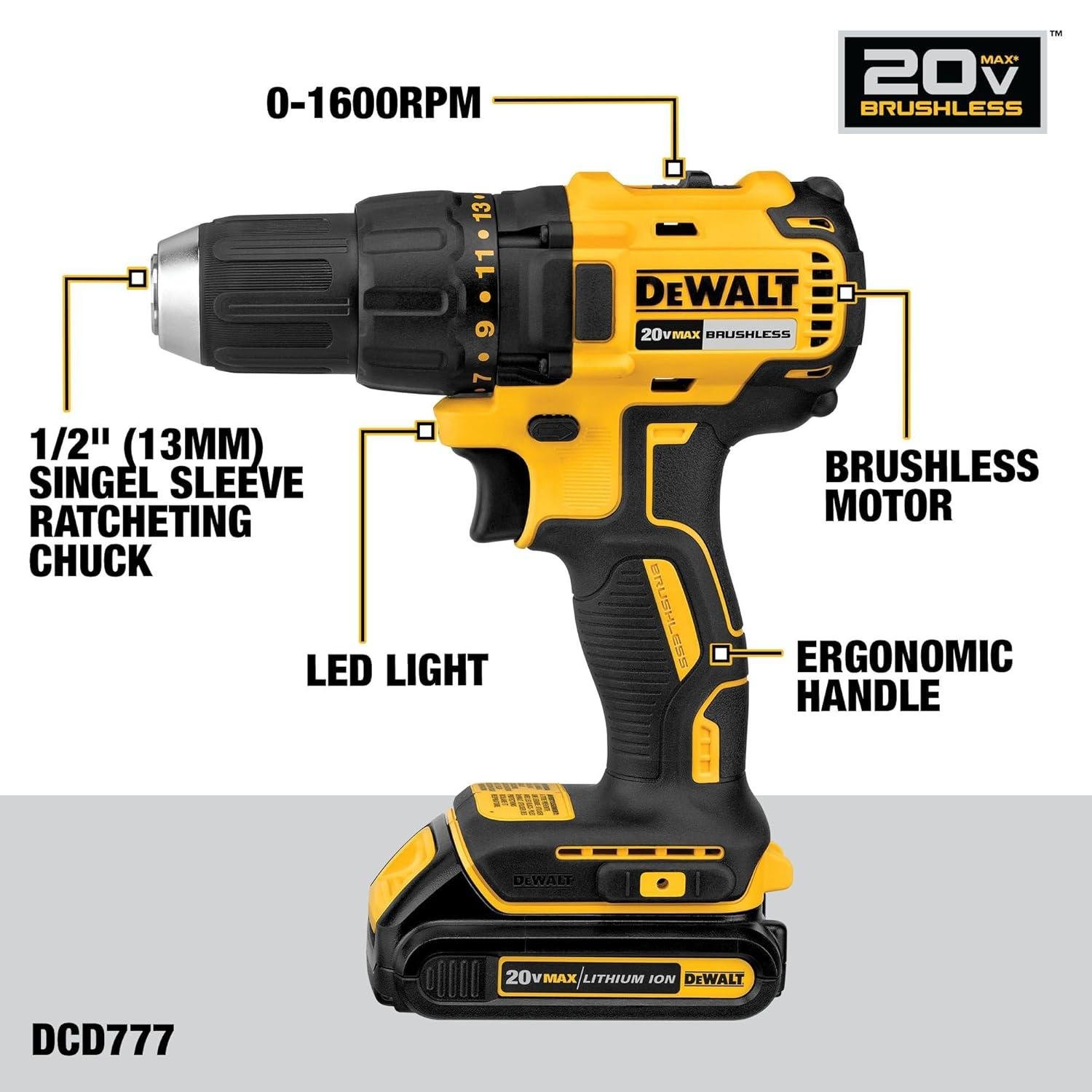
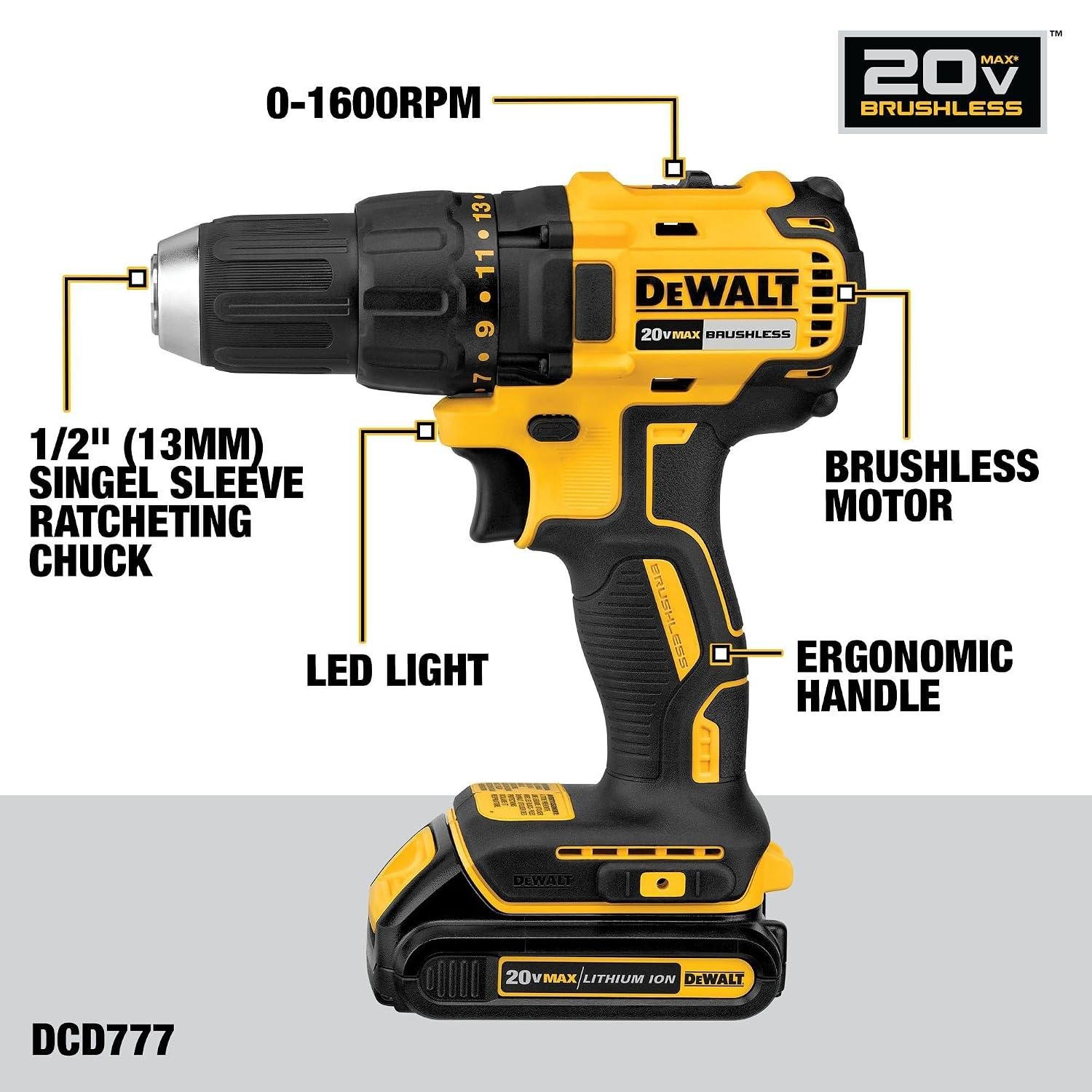
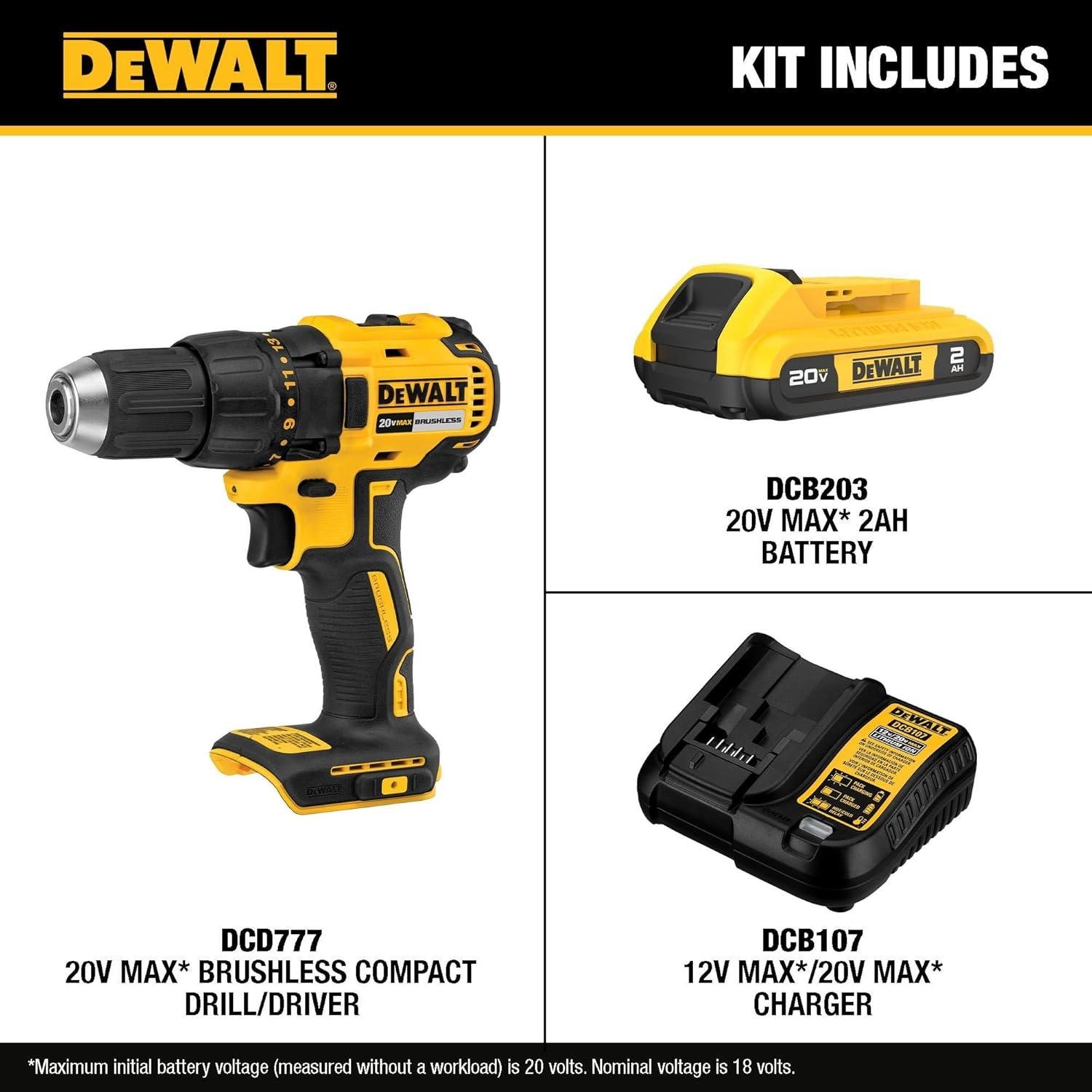
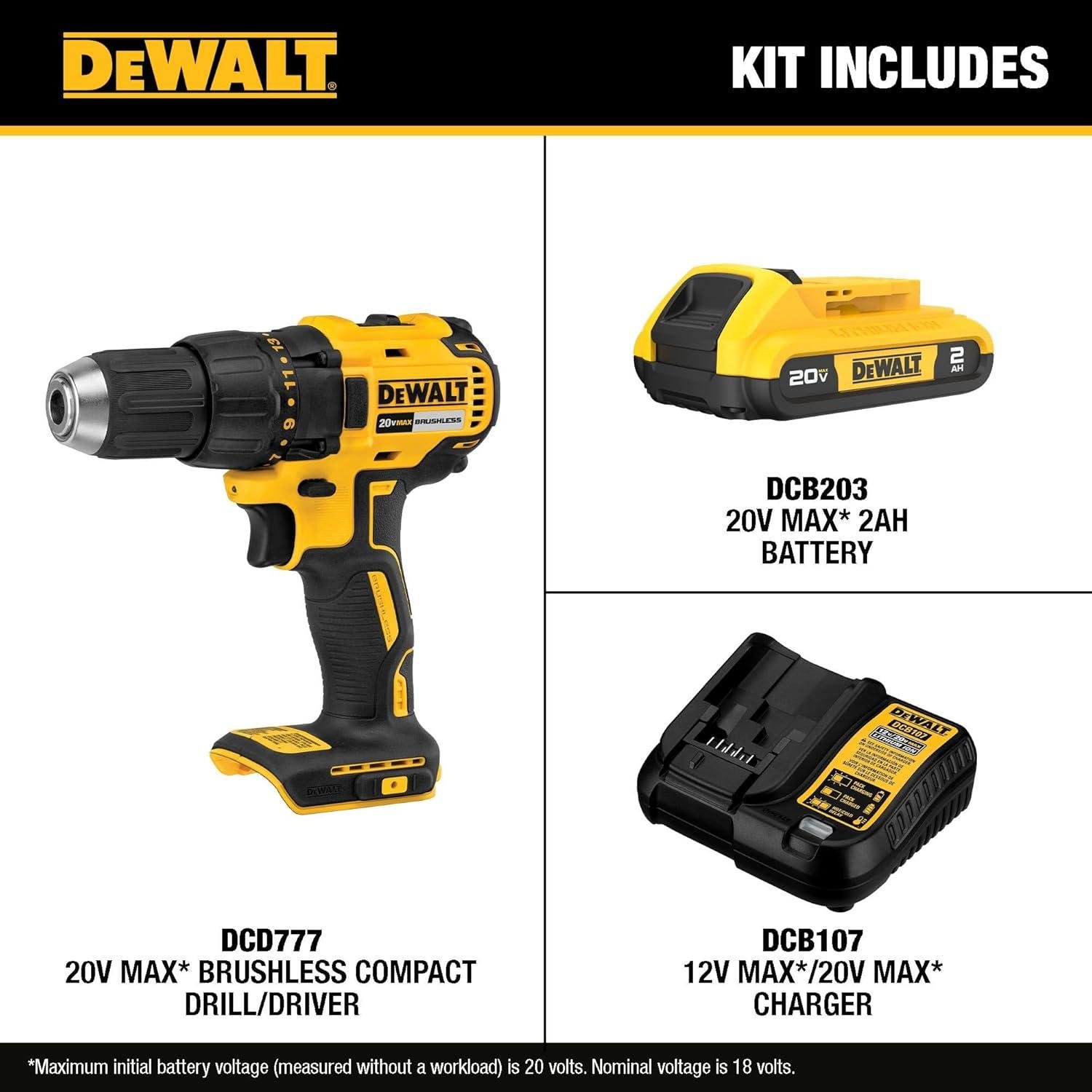
That’s where the DEWALT 20V MAX Cordless Drill Driver Set (DCD777D1) aims to fit: a compact 1/2 in., 2-speed drill/driver built for general drilling and fastening. on paper, it brings a brushless motor, 340 UWO, a single-sleeve ratcheting chuck, and a 7.6 in. front-to-back footprint for tight spaces—plus an LED light with a 20-second delay, a 2.0 Ah battery and charger, and a 3-year limited warranty.
In this review, we’ll dig into the features that affect accuracy, handling, and durability, compare the value-to-cost tradeoff, and summarize what customers report about power, ergonomics, and ease of use. As woodworkers who’ve outfitted shops on real budgets, we’ll focus on practical decision-making—not hype.
First Impressions and Build Quality in the Shop

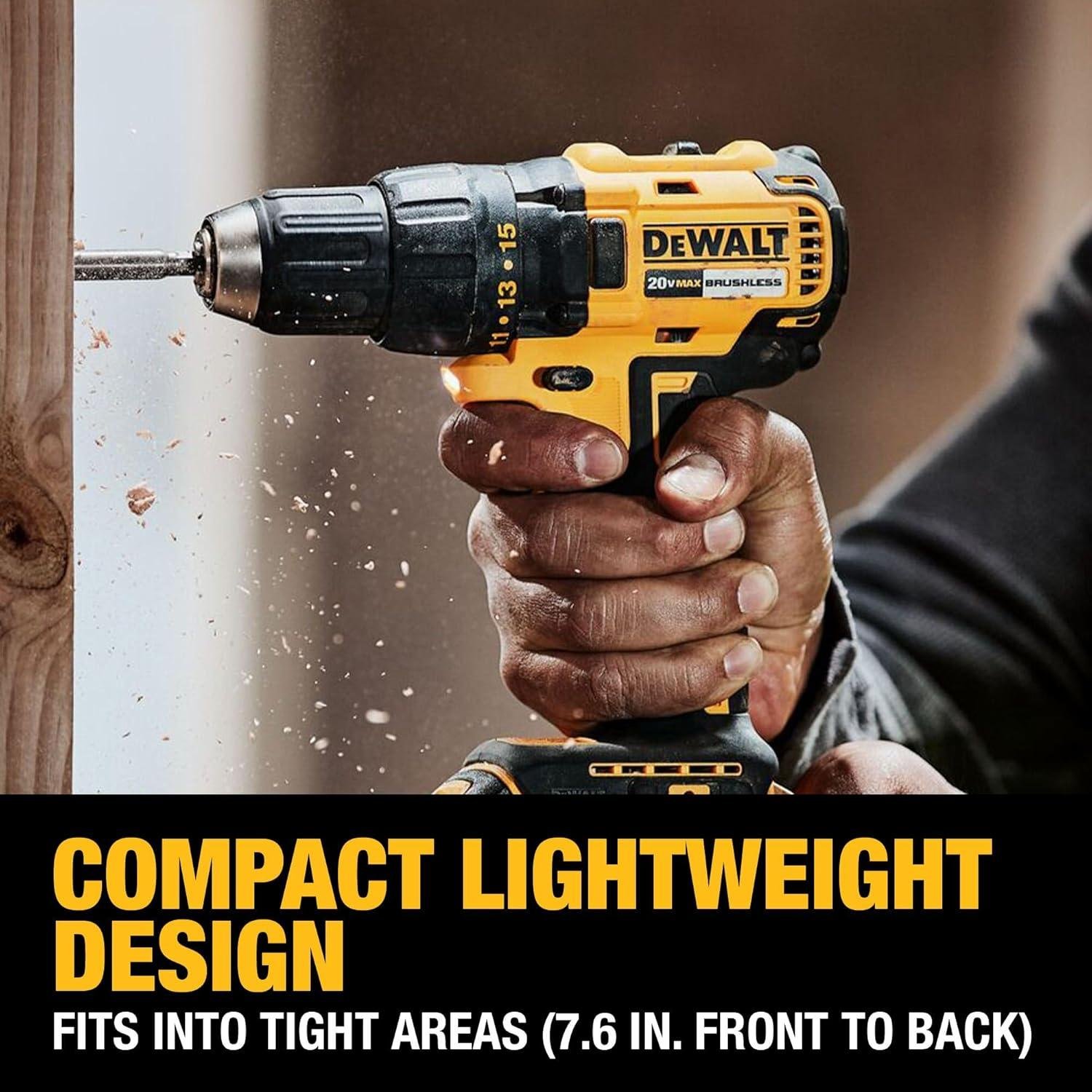
In the shop, our first impression of the DEWALT DCD777D1 is that it’s built for getting into the awkward spots woodworking always seems to hide—inside cabinet boxes, between face frames, and under bench tops. The compact 7.6 in. front-to-back layout feels noticeably less nose-heavy than bulkier drill/drivers, and the ergonomic comfort-grip handle gives us solid control when we’re starting small pilot holes where a wobble can telegraph into misaligned hardware. The single-sleeve ratcheting 1/2 in.chuck is the kind of detail we appreciate mid-assembly: one hand can hold a workpiece or square while the other swaps bits without hunting for a second hand. DEWALT rates it at 340 UWO with a 2-speed transmission, which, in practical terms, signals a drill that should feel lively for general-purpose shop drilling and fastening without pretending to be a right-angle drill or a corded hole-hog.
Fit and finish reads “jobsite-ready,” and customer feedback themes line up with what we want in a woodworking cordless: reviewers ofen mention lightweight, comfortable handling and good power for everyday drilling/driving, especially for household projects and shop tasks like driving screws into studs or drilling clean holes for hardware. We also see repeated praise for the brushless motor—not as magic, but as a practical advantage because brushless designs typically run cooler and stretch runtime on a 20V MAX* system, which matters when we’re batch-drilling shelf pin holes or installing pulls. The built-in LED with a 20-second delay is more useful than it sounds: we can line up a bit on a marked center or confirm we’re square to the surface before committing, which helps reduce tear-out and “oops” angles. For new woodworkers, this is a good reminder: use low speed for driving screws (less cam-out and broken heads) and high speed for drilling smaller holes—plus always back up the exit side or clamp a sacrificial board to keep plywood and hardwood edges crisp.
- DEWALT DCD777 20V MAX* brushless 1/2 in. drill/driver
- 20V MAX* 2.0 Ah battery
- Charger
- 1/2 in. shank drill bits (twist bits, brad-point bits, Forstner bits within reasonable size)
- Hex screwdriver bits and bit holders
- Hole saws (for occasional use; step up to slower speed and steady feed pressure)
- Driver accessories for cabinet hardware installation (depth-stop bit holders, magnetic guides)
- Cabinet assembly (pilot holes, confirmat-style work with appropriate bits, hinge screws)
- workshop jigs (drilling fences, stop blocks, and shop-made fixtures)
- Hardware installation (pulls/knobs, drawer slides, pocket-hole screw driving)
- General drilling & fastening for shop maintenance
- Plywood (common reviewer use case for household/build projects)
- Softwoods like pine/spruce (frequently mentioned for framing and DIY builds)
- Hardwoods (mentioned in “general drilling” contexts; best results with sharp bits and pilot holes)
| Spec / feature | DEWALT DCD777D1 (From Specs) | Woodshop Meaning |
|---|---|---|
| Length (front-to-back) | 7.6 in. | Fits better in cabinets, between clamps, and tight corner assemblies |
| Chuck | 1/2 in. single-sleeve ratcheting | One-handed bit changes; holds larger woodworking bits more securely |
| Motor | Brushless | Typically smoother efficiency and runtime for repetitive drilling/driving |
| Power rating | 340 UWO | Signals general-purpose strength for drilling/fastening without being oversized |
| Transmission | 2-speed | Use low for controlled driving, high for cleaner drilling with smaller bits |
| LED | 20-second delay | Helps confirm alignment and avoid drifting off layout marks in dim corners |
| Warranty | 3-year limited | Baseline confidence for a daily-use cordless in a working shop |
| Accessory Type | Compatibility | Notes for woodworkers |
|---|---|---|
| Brad-point drill bits | Yes (1/2 in. chuck) | Best choice for clean entry holes in hardwoods and plywood veneer |
| Forstner bits | Yes (within reasonable size) | Run at low speed; clear chips frequently enough to reduce heat and burning |
| Driver bit sets | Yes | use the clutch to avoid stripping plywood and snapping small screws |
| Hole saws | Yes | start slow, keep square, and avoid forcing the cut—especially in hardwood |
| Task | Recommended Approach | What This Drill Is Specced To Do |
|---|---|---|
| Driving wood screws | Low speed + clutch + pilot hole in hardwood | Designed for general-purpose fastening |
| Drilling small/medium holes | High speed + sharp brad-point bits | Designed for general-purpose drilling |
| Large-hole boring (frequent) | Consider higher-torque drill or right-angle tool | Not marketed as a heavy-duty hole-boring specialist |
See Full Specifications & Customer Photos
Real World Drilling and Driving in Hardwood Plywood and Softwood
In our shop, hardwood plywood is where a drill/driver’s balance between speed control and torque really shows up—especially when we’re drilling clean pilot holes near veneer edges and then immediately driving fasteners into face frames. The DEWALT DCD777D1 gives us a practical range to work with thanks to its 2-speed transmission and a single-sleeve ratcheting 1/2 in.chuck, so we can step down for controlled driving and step up when we’re boring repetitive holes. On paper it’s built for this kind of general-purpose work: 340 UWO with a brushless motor in a compact 7.6 in. front-to-back body that’s easier to keep square inside cabinet boxes and tight carcass corners. We also appreciate the LED light with a 20-second delay for lining up driver bits on dark glue lines or inside a case. Customer review themes tend to echo thes shop priorities—many users describe it as lightweight, easy to handle in tight spaces, and strong enough for everyday drilling and fastening, with some noting that it’s not the “highest-torque beast” in the lineup but is a dependable, do-most drill for woodworking and household tasks.
Moving over to softwood (pine, spruce, fir), the DCD777D1 feels even more in its element for assembly work—think shop jigs, cleats, and quick framing of utility shelves—where the goal is speed without stripping screw heads. In softer stock, we get more forgiveness, but technique still matters: we use pilot holes to prevent splitting near ends, keep the bit perpendicular (a compact tool helps), and rely on the clutch (when driving) to avoid over-sinking screws below the surface—especially crucial if we’re planning to fill and finish.Reviewers commonly mention smooth operation and good control for driving, and that aligns with how we’d recommend using it: let the drill do the work, keep pressure steady, and switch speeds rather than forcing a fast setting when the bit starts to bog down.for woodworkers who want one cordless drill/driver that’s nimble for plywood cabinetry and plenty capable for softwood shop builds—without jumping to a larger, heavier model—the DCD777D1’s compact size, brushless efficiency, and 20V MAX battery platform compatibility make it a sensible fit for beginner-to-intermediate workshop needs.See Full Specifications & Customer Photos
Key Features Woodworkers Will Appreciate for Clean Accurate Joinery
For clean, accurate joinery, we care less about raw bragging rights and more about control—and the DEWALT DCD777D1 is built around that idea. The compact body at 7.6 in. front-to-back helps us keep the drill square when we’re boring shelf-pin rows in a cabinet side or driving pocket-hole screws inside a case where a longer drill would force awkward wrist angles. The 1/2 in. single-sleeve ratcheting chuck matters in the shop as it lets us swap brad-point bits, countersinks, or driver bits one-handed while we keep the workpiece pinned with the other. In reviews, customers frequently echo themes like “compact and lightweight,” “fits in tight spaces,” and “plenty of power for everyday drilling and fastening,” which aligns with how most of us actually use a drill/driver for joinery: lots of repetitive holes, careful screw seating, and working inside assemblies without marring edges.
We also appreciate the joinery-friendly combination of a 2-speed transmission and the drill’s 340 UWO rating—helpful when we need a slower, controlled speed to start a countersink cleanly, then a higher speed to bore efficiently without burning.While DEWALT doesn’t list RPM in the provided specs, the practical takeaway is simple: we can choose the lower gear for better torque and steadier starts (useful for pocket screws and hardware installs) and the higher gear for cleaner drilling in hardwoods with sharp brad-point or Forstner bits.The 20-second LED trigger-delay is a small feature that pays off when we’re checking alignment right after drilling—especially in dim cabinet interiors. Reviewers commonly mention “good battery life” and “smooth operation” for a general-purpose drill/driver (not a dedicated joinery machine), and our best practice is to pair it with the right bit geometry, back up exit holes with scrap, and let the tool cut at its pace for tearout-free results.
- Included accessories
- 2.0 Ah 20V MAX battery
- Charger
- Compatible attachments/accessories
- Brad-point drill bits (cleaner entry holes for dowels and shelf pins)
- Forstner bits (hinge cups, clean flat-bottom holes)
- Countersink bits (flush screw heads in face frames)
- Impact-rated driver bits (durability for repetitive fastening)
- Right-angle drill attachment (for cabinet corners and tight bays)
- Ideal project types
- Cabinet hardware installs (hinges, pulls, slides)
- Pocket-hole assembly (face frames, carcasses)
- Shelf-pin holes (with a jig for repeatable spacing)
- Shop jigs and fixtures (clamping aids, drilling guides)
- Wood types tested by customers
- Softwoods (pine, SPF) for general fastening
- Hardwoods (oak/maple mentioned broadly in “hardwood” contexts)
- Plywood for cabinetry and shop builds
| Spec / Feature | DEWALT DCD777D1 (from provided specs) | Why Woodworkers Care (Joinery Use) |
|---|---|---|
| Length | 7.6 in. | Helps keep the drill square and usable inside cabinets and assemblies. |
| Chuck | 1/2 in. single-sleeve ratcheting | Faster bit swaps; stronger grip on brad-point/Forstner shanks for accurate holes. |
| Transmission | 2-speed | Low speed for controlled starts/countersinks; high speed for drilling efficiency. |
| Power | 340 UWO | Enough for typical drilling/fastening tasks tied to furniture and cabinet joinery. |
| Motor | Brushless | Customers often cite good runtime; useful for repetitive drilling (shelf pins, hardware). |
| Light | LED w/ 20-second delay | Helps verify hole placement and screw seating inside dark casework. |
| Accessory / bit Type | Best use for Clean Joinery | Setup Tip |
|---|---|---|
| brad-point bits | Dowel holes, shelf pins, precise layout drilling | Use a center punch/awl and clamp a backer board to reduce blowout. |
| Forstner bits | Hinge cups,flat-bottom recesses | Start slow in low gear for a clean rim cut,then increase speed as needed. |
| Countersink bits | Flush screw heads in face frames and trim | Use light pressure; let the cutter do the work to avoid chatter. |
| Right-angle attachment | Corner fastening in cabinet boxes | Keep the chuck tight and work in low gear for steadier control. |
| Task | Recommended approach | What This Drill Supports (based on specs) |
|---|---|---|
| Shelf-pin holes | Use a dedicated jig + brad-point bit; drill square with a backer | Compact 7.6 in. body for better positioning; 1/2 in. chuck for bit stability |
| Pocket screws | Low gear for control; stop as soon as the joint closes | 2-speed transmission + 340 UWO for consistent driving |
| Hinge hardware | Pre-drill to avoid splits; use countersink for clean seating | LED + 20s delay for visibility; brushless runtime for repetitive installs |
See Full Specifications & customer Photos
Ease of Use for Beginners and Pros in Daily Workshop Tasks

In daily shop work,this DEWALT set feels geared toward getting beginners productive fast while still staying efficient for our more experienced tasks. Setup is about as straightforward as cordless drills get—snap in the included battery, charge it, and we’re ready to bore pilot holes or drive screws without fuss. The single-sleeve ratcheting 1/2-inch chuck is beginner-friendly as we can tighten it one-handed while holding a bit with the other, and the 2-speed transmission helps us match the tool to the job: low speed for controlled fastening (less cam-out and stripped heads), higher speed for drilling cleaner pilot holes.In tight cabinets or inside carcasses, the compact body—7.6 in. front to back—matters more than marketing suggests; it’s easier to square up a driver bit when we’re wedged between face frames. Multiple customer reviews commonly highlight that it’s “lightweight,” “comfortable in the hand,” and “easy to use,” which aligns with what we want for repetitive hinge installs, hardware runs, and assembly days when fatigue is the real productivity killer.
For pros (and serious hobbyists), the practical value comes from predictable control and enough power for common woodworking materials. The drill is rated at 340 UWO, and paired with the brushless motor, it’s built for steady drilling/fastening cycles without the “bog down” feel cheaper brushed models can show when we’re running long screws or boring into denser stock. The LED work light with a 20-second delay is more than a convenience—it helps us keep a driver bit centered when we’re working under a bench or in a dim corner of the shop, which can prevent skewed screw starts and blown-out pilot holes. Review themes frequently mention “good power for the size,” “solid for DIY and pro use,” and “great in tight spaces.” From an educational standpoint, we recommend using Speed 1 with the clutch engaged for furniture assembly (to protect threads and avoid overdriving), and Speed 2 with a sharp brad-point bit for cleaner entry holes in hardwoods; always back the bit out periodically to clear chips and reduce heat, especially in resinous softwoods.
- Included accessories
- DEWALT 20V MAX Drill/Driver (DCD777)
- 20V MAX 2.0 Ah battery
- Charger
- Compatible attachments/accessories
- 1/2″ hex-shank drill bits (via standard chuck)
- Driver bit sets (Phillips, Torx, square, etc.)
- Countersink bits for flush screw seating in hardwoods
- Brad-point bits for cleaner woodworking holes
- Hole saws for larger openings (use conservative feed pressure)
- All DEWALT 20V MAX batteries (platform compatibility)
- Ideal project types
- Cabinet hardware installation (pulls/knobs, hinge screws)
- Furniture assembly (pilot holes + controlled driving)
- Shop jigs and fixtures (fast drilling and repeatable fastening)
- Small built-ins where access is tight
- Wood types tested by customers
- Pine
- Plywood
- Typical “stud lumber” softwoods
- Mixed hardwoods (reviews commonly describe “hardwood” generally without naming species)
| Spec / Feature | What We Get (DCD777D1) | Why It Matters in Woodworking |
|---|---|---|
| Power | 340 UWO | Useful indicator of drilling/fastening capability for common shop tasks |
| Motor | brushless | Typically smoother operation and better runtime per charge than brushed designs |
| Transmission | 2-speed | Low for screw control; high for drilling cleaner pilot holes |
| Chuck | 1/2″ single-sleeve ratcheting | Faster bit swaps; holds larger shanks common in woodworking bits |
| Length | 7.6 in. front-to-back | Improves access inside cabinets and between clamps/fixtures |
| Lighting | LED + 20-sec delay | Better alignment for accurate starts in dim areas |
| Battery | 20V MAX 2.0 Ah | Balanced for weight and runtime for everyday drilling/fastening |
| Accessory Type | Best Match for This Drill | Usage Tip |
|---|---|---|
| brad-point bits | 1/8″–3/8″ common sizes | Use Speed 2; let the bit cut—don’t force it to reduce tear-out |
| Countersink bits | Adjustable stop style | Great for consistent screw seating in face frames and tabletops |
| Driver bits | Impact-rated optional (still fine in a drill) | Use Speed 1 and a clutch setting to avoid stripping small screws |
| Hole saws | Smaller diameters for electrical/cable pass-throughs | Start slow and keep the saw level; clear chips frequently enough |
| Workshop task | Recommended Approach | What This Drill Is Suited For |
|---|---|---|
| Pilot holes in hardwood | speed 2, sharp bit, chip clearing | well-suited for common pilot sizes and assembly work |
| Driving cabinet screws | Speed 1 + clutch to prevent overdrive | Well-suited due to control and compact size |
| Large spade-bit boring | Pre-drill, slow feed, avoid binding | Occasional use; take it steady to reduce strain |
Check Current Price & Reviews on Amazon
Customer Reviews Analysis
What Woodworkers Are Saying (DEWALT DCD777D1)
1. Overall sentiment from woodworking customers
woodworking-focused reviewers lean positive on this drill/driver as a reliable, do-it-most tool for shop work and home projects. Common praise includes solid drilling/driving performance for typical woodworking tasks, convenient cordless setup, and good value in a brushless kit. That said, some users reported challenges with the included 2.0Ah battery runtime on longer sessions and noted that this model isn’t positioned as DEWALT’s highest-torque option for heavy-duty boring or repeated large fastener driving.
| Aspect | Common Feedback |
|---|---|
| Performance | Multiple reviews highlight strong everyday drilling/driving; some note limits on big holes or sustained heavy load |
| Precision | Generally consistent clutch control for driving; a few mention careful setup needed to avoid overdriving in softer woods |
| Durability | Common praise includes sturdy feel and dependable use; some note it’s not “pro-abuse” tier compared to higher-end models |
| Ease of Use | Beginners appreciated straightforward operation and LED; experienced users like the size/handling for tight spots |
| Value | Often viewed as a strong brushless starter/secondary drill kit for the price |
2. Performance feedback (accuracy, power, results)
Several woodworkers mentioned that the drill has plenty of power for routine shop needs—pilot holes, hinge screws, pocket-hole screws, general assembly, and cabinetry installation tasks. Multiple reviews highlight a smooth, controllable drive that helps avoid cam-outs and stripped screw heads when paired with the clutch.
- Power under load: Common praise includes confident drilling in common lumber and sheet goods. Some users reported challenges when stepping up to larger bits or repeatedly driving long screws—especially once the battery drops.
- Results/finish quality: Reviewers tend to describe clean outcomes in joinery prep (pilot holes/countersinks) and assembly because speed and clutch control help prevent tear-out around screw heads and reduce overdriving.
- Accuracy/consistency: Several reviewers mentioned the 2-speed transmission is useful—lower speed for driving and higher speed for drilling—helping keep holes consistent and reducing wandering when starting carefully.
Sparse excerpts were generally along the lines of “drives screws with ease” or “plenty of power for woodworking,” with a minority cautioning that it’s not the best pick for constant high-demand drilling.
3. Build quality and durability observations
Multiple reviews highlight a solid, “jobsite-ready” feel typical of DEWALT’s 20V line, and woodworkers often view it as dependable for regular use in a shop surroundings.
- Build quality: Common praise includes a sturdy housing and a chuck that holds bits securely for normal drilling/driving.
- Long-term durability: Several woodworkers mentioned ongoing reliability over repeated projects, though some users reported challenges such as general wear expectations (chuck/bit slippage complaints do appear in the broader drill category), especially if pushed hard or used daily in tougher conditions.
- Brushless motor perception: Reviewers often associate brushless with better efficiency and longevity, and many treat this model as a safer long-term buy than entry brushed drills.
4. Ease of use for different skill levels
Beginners appreciated the straightforward setup (battery/charger, simple controls) and the ability to dial in the clutch to reduce mistakes. Reviewers with more experience found it comfortable as a go-to drill for assembly and installation, especially when working in cabinets or other tight spaces.
- Comfort & fatigue: Several woodworkers mentioned that the tool feels manageable for extended driving—important for repetitive assembly work.
- Learning curve: Some DIYers found the learning curve mainly comes down to using the clutch correctly (and choosing the right speed range). Once set, most describe it as intuitive.
5. Common project types and success stories
Customers successfully used this for a range of woodworking and carpentry-adjacent tasks where a drill/driver is central:
- Cabinet and furniture assembly: Several reviewers mentioned furniture projects and general assembly—driving screws accurately with clutch control.
- Shop builds: Common use cases include building jigs, workbenches, shelves, and simple framing with dimensional lumber.
- Sheet goods + installation: Woodworkers often describe using it for installing hardware, drilling in plywood/MDF, and mounting projects where control matters.
- punch-list work: Many treat it as an ideal “grab-and-go” drill for quick adjustments and installs.
(When reviewers do mention specific wins, it’s typically about repeatable screw driving and convenience—cordless reliability and fewer interruptions.)
6. Issues or limitations reported
Some users reported challenges that matter specifically to woodworkers:
- Battery runtime (2.0Ah): Multiple reviews highlight that the included battery can feel limiting for longer shop sessions—especially repetitive drilling/driving or accessories like spade bits/hole saws. Many suggest upgrading/adding a higher Ah pack for heavier use.
- Heavy-duty hole drilling: Some users reported it’s not the top choice for large-diameter boring, thick hardwood drilling, or frequent hole saw work—tasks where higher-torque models (or a dedicated right-angle drill) may perform better.
- not an “all-in-one” replacement: A few experienced users note that while it’s excellent for day-to-day drilling and driving, demanding work may still call for an impact driver (for lots of long fasteners) or a more powerful drill in the lineup.
If you’d like, tell me what you build most (cabinets, furniture, decks, shop jigs) and whether you commonly drill large holes or drive long structural screws—I can translate these themes into a “who this is best for” advice specifically for your workflow.
Pros & Cons
Pros & cons
After putting the DEWALT DCD777D1 20V MAX Drill/Driver through the kinds of chores that pile up in our shop—pilot holes, cabinet screws, bracket installs, and the occasional “why is this wood so hard?” moment—here’s where it shines and where we found a few speed bumps.
| What We Noticed | Why It Matters in Our Shop |
|---|---|
| Brushless motor | More runtime per charge and a tool that feels built for the long haul. |
| Compact footprint (7.6 in. length) | Gets into corners, between studs, and inside cabinets without the “wrist yoga.” |
| 2-speed transmission | Low for controlled driving; high for drilling when we want faster progress. |
| LED with 20-second delay | We can see our line after we let off the trigger—small detail,big convenience. |
| 20V MAX platform compatibility | If we already own DEWALT 20V MAX tools, this fits right into our battery ecosystem. |
Pros
- Compact, shop-friendly size: At about 7.6 inches front-to-back, we can work in tight spaces without constantly changing our approach (or our vocabulary).
- Brushless efficiency: The brushless motor helps stretch the included battery and should hold up better over time compared to brushed options.
- Solid everyday power for drilling and fastening: with around 340 UWO, it handles general-purpose jobs confidently—especially the kind we do most frequently enough.
- Single-sleeve ratcheting chuck: Bit changes are straightforward, and it feels secure once tightened.
- Two-speed control: We like having the option to slow down for driving accuracy or speed up for drilling throughput.
- Comfortable grip and balance: The ergonomic handle makes it feel less fatiguing during repetitive fastening runs.
- LED work light with linger: The 20-second trigger release delay is genuinely useful when we’re lining up the next screw or double-checking a hole.
- 3-year limited warranty: Adds some peace of mind for a drill that’s likely to earn regular rotation time.
Cons
- Included battery is modest (2.0 Ah): It’s fine for punch-list work, but for longer sessions, we’ll want a higher-capacity pack on standby.
- built for “general purpose,” not heavy specialty work: When we step into tougher, high-demand drilling (larger holes, long runs, stubborn materials), we may reach for a more muscular model.
- Only two speeds: That’s typical, but it means we rely more on trigger finesse when we want a “just right” pace between settings.
- Compact can mean less leverage: The small, lightweight build is great in tight spaces, but it can feel less planted during demanding tasks where mass helps stability.
Our takeaway: The DCD777D1 feels like a reliable “reach-for-it-first” drill for everyday drilling and fastening—especially when space is tight and we value runtime. The main trade-off is that the included 2.0 Ah battery and general-purpose focus may leave us wanting more for extended, heavy-duty jobs.
Q&A
Is this powerful enough for hardwoods like oak or maple?
For most woodworking drilling and fastening, yes. The DCD777D1 is rated at 340 UWO and has a 2-speed transmission, which gives you a low gear for driving screws and higher-torque situations, and a high gear for faster drilling in softer stock. In dense hardwoods (oak/maple), it’s best used with sharp brad-point or auger-style bits, slower speed, and steady pressure—especially for larger holes. It’s a compact drill/driver, so if you routinely bore large-diameter holes (e.g., big Forstners) all day, a higher-torque model or a corded drill may be a better fit.
How does it do on plywood, veneers, and cabinet materials?
It’s well-suited to plywood and sheet goods for pilot holes, countersinks, hinge screws, pocket-hole screws, and general assembly. The 2-speed control helps you avoid tear-out (use a higher speed with light feed for clean holes), and the compact 7.6 in. length makes it easier to work inside cabinet boxes. For delicate veneers, use sharp bits, backer boards, and avoid aggressive self-feeding bits that can splinter faces.
Can it handle production work, or is it mainly for hobby projects?
It can handle light-to-moderate production tasks (cabinet installs, assembly lines of pre-drilled parts, repetitive fastening) thanks to the brushless motor, which is designed for longer runtime and durability than brushed designs. Though, the included kit battery is 2.0 Ah, which is fine for typical shop sessions but may require swaps/charging during all-day work.For higher-volume production,many woodworkers keep a second battery on hand or step up to higher-capacity packs in the DEWALT 20V MAX platform.
How difficult is setup, and what adjustments do I get?
Setup is straightforward: charge the included 20V MAX battery, slide it into the tool, and you’re ready. Adjustments are the ones woodworkers use most—2-speed gear selector (for torque vs. speed), variable-speed trigger for control, and a clutch ring for dialing in screw-driving depth to reduce stripping. The integrated LED light (with a 20-second delay after trigger release) is useful for inside carcasses, under benches, and other dim areas.
Does it work with standard bits and accessories, and how easy are bit changes?
Yes. It has a 1/2 in. single-sleeve ratcheting chuck,so it accepts standard round- and hex-shank drill bits,brad-point bits,countersinks,hole saw arbors (within reason),and driver bits. bit changes are quick with the ratcheting chuck—tighten by hand, and it helps resist loosening under use. For repetitive driving, many woodworkers still prefer using 1/4 in. hex accessories and keeping a short driver bit in the chuck for convenience.
Will this fit in a small shop, and does it need dust collection or a special outlet?
It’s a great small-shop drill because it’s compact (7.6 in. front-to-back) and cordless, so you’re not managing a cord around benches and clamps. There’s no dust port—drilling wood creates chips, not fine dust like sanding—so a shop vac cleanup is usually all that’s needed.The charger plugs into a normal household outlet, and since the tool is battery powered, you can work anywhere (including jobsite installs) without needing a dedicated circuit.
is it beginner-friendly, and will it satisfy a serious woodworker?
Beginners typically do well with this type of compact drill/driver because the clutch helps prevent over-driving screws and the variable-speed trigger makes it easier to start holes accurately. The ergonomic grip and light weight also reduce fatigue while learning. For experienced woodworkers, it’s a dependable “grab-and-go” drill for assembly, installs, and pilot holes. If your work involves frequent large-hole boring in hardwood or driving long structural screws, you may want a higher-end DEWALT model with more torque or an impact driver companion.
What maintenance should I expect,and what about warranty and long-term durability?
Maintenance is minimal: keep the chuck clean,avoid forcing stalled bits (let the tool do the work),and store/charge the battery properly. The brushless motor is designed for improved durability and runtime compared to brushed models. DEWALT lists a 3-year limited warranty, which is a solid safety net for a frequently used shop tool. Long-term life depends heavily on workload and battery care, but this platform is widely used, and replacement batteries/chargers are easy to find within the DEWALT 20V MAX system.
Transform Your World
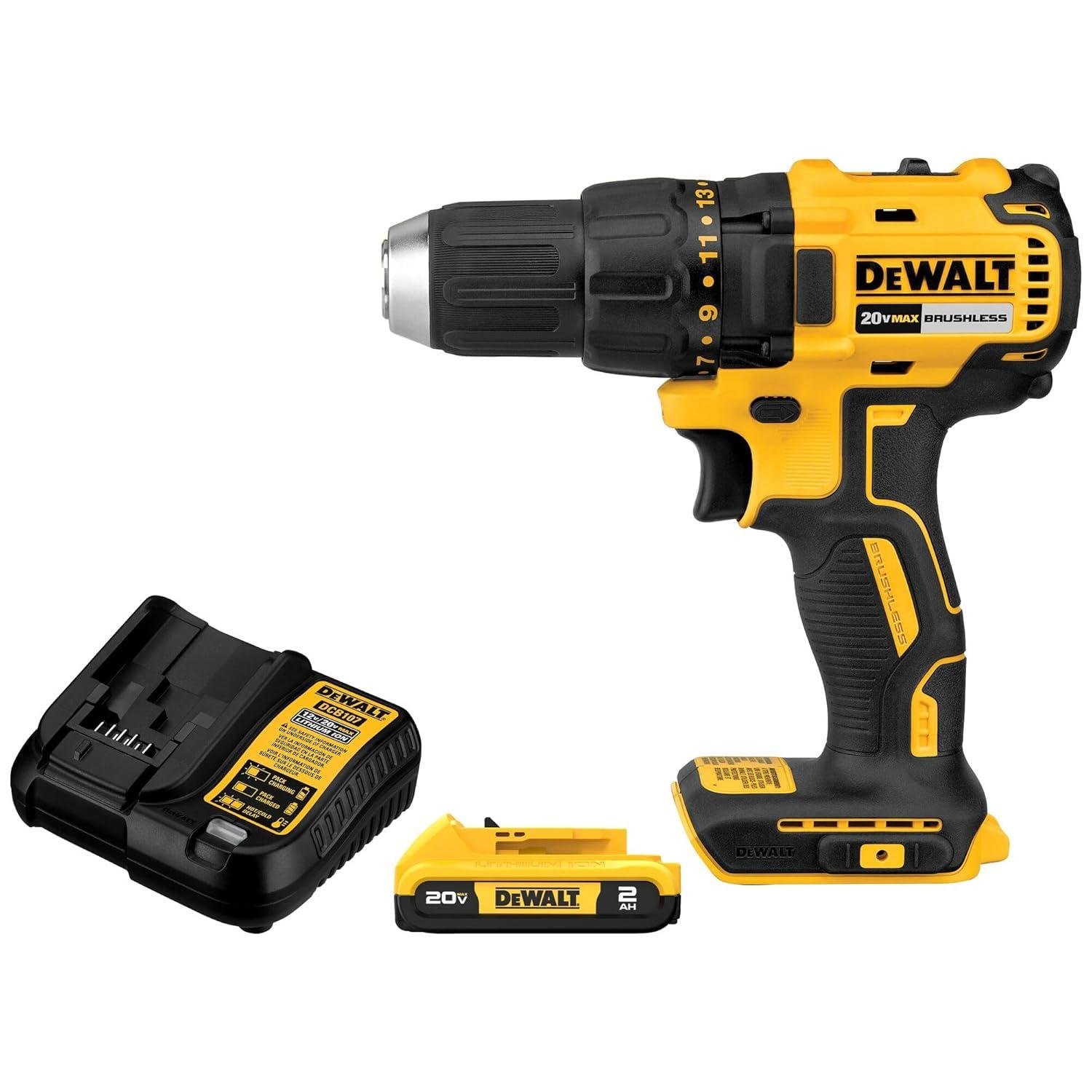
The DEWALT 20V MAX DCD777D1 is a compact, brushless 1/2-in drill/driver built around a 2-speed transmission and about 340 UWO of output for general drilling and fastening. Its single-sleeve ratcheting chuck, 7.6-in front-to-back length, 2.0Ah battery/charger,and LED with a 20-second delay make it easy to work in cabinets,corners,and dim shops.Customer feedback commonly highlights strong runtime for its size, comfortable balance, and reliable everyday performance, with the main limitation being that it’s not a high-torque specialist.
Best for: hobby woodworkers with small to medium projects, beginners learning fundamentals, and cabinet makers needing compact precision for hinge work, pilot holes, and assembly.
Consider alternatives if: you regularly bore large holes in thick hardwoods, do production-level work all day, or want a more compact sub-compact body.
it’s a solid mid-range option that delivers dependable results where size, control, and battery platform compatibility matter most.
Want to see current pricing and customer photos? View on Amazon & Read More Reviews →