
Furniture

I Tried These Stackable Patio Chairs-Worth It?

I Tried These Stackable Patio Chairs-Worth It?
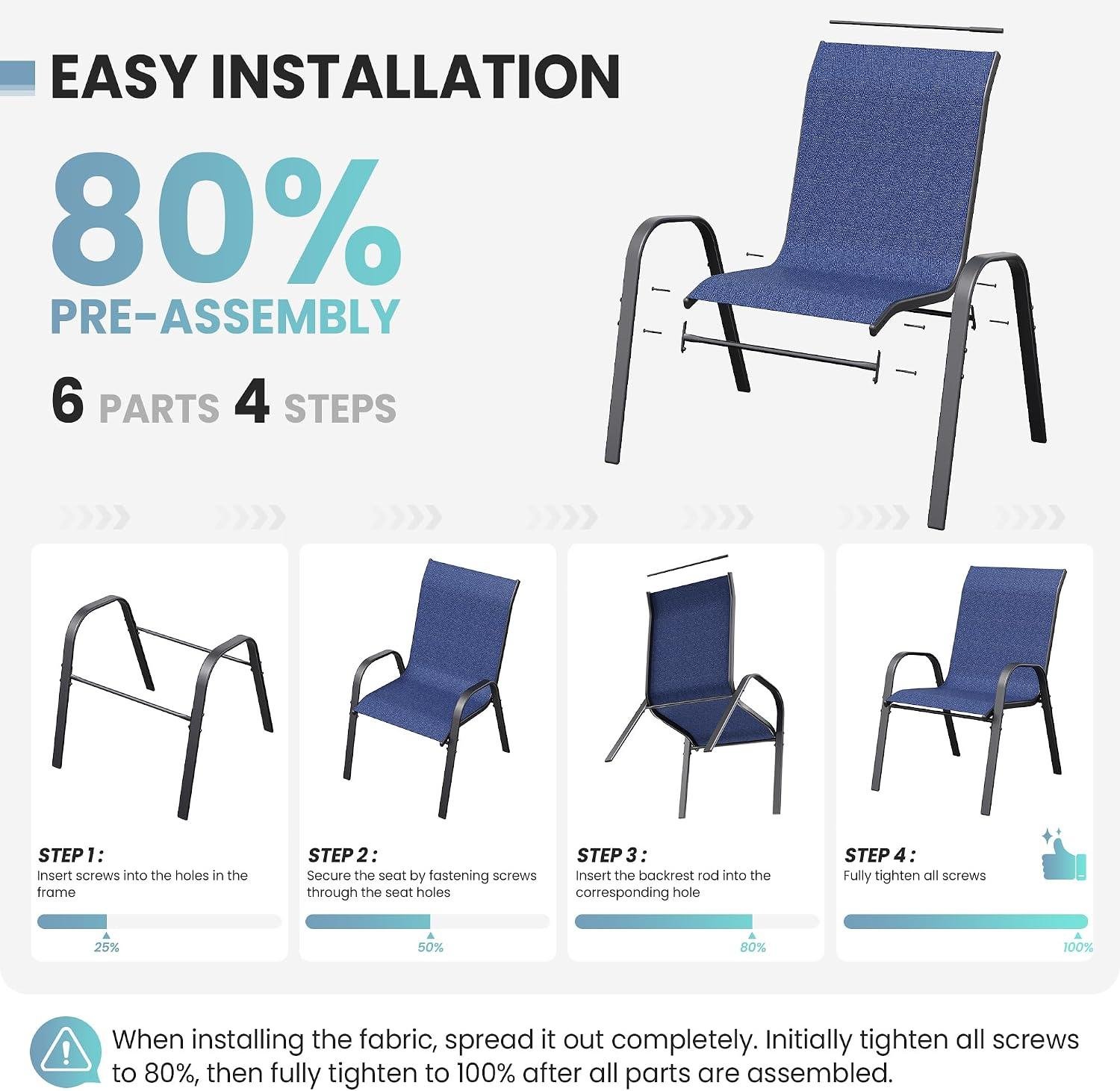
There’s a part of me that will always prefer a well-built wooden chair-the kind where you can read the story in the grain and appreciate tight joinery you could pass down a generation. But the reality of outdoor living (sun, rain, pool splash, and the occasional dragged-across-the-pavers rearrange) has made me a little more open-minded about modern materials-especially when a set promises real durability without looking like flimsy patio “filler.”

That’s what pulled me toward the VONZOY Patio Dining Chairs Set of 4 in navy blue. On paper, it hits the marks I care about as a craft-minded homeowner: an alloy steel frame that should resist flex and racking, a high-back ergonomic curve that suggests someone actually thought about posture, and a breathable fabric seat/back that’s meant to live outside without turning brittle or saggy. The fact that they’re stackable sealed the deal-good outdoor furniture should store cleanly, like well-made shop stools you can tuck out of the way.

I assembled all four chairs on my own patio and then lived with them the way most of us do: weeknight dinners, lingering conversations, and the occasional “extra seat” pulled over when friends drop by. In this review, I’m going to look at these chairs through a woodworker’s lens-substituting joinery and wood movement for fasteners, frame alignment, weld consistency, fabric tension, and finish durability-and I’ll be candid about what impressed me, what slowed me down during assembly, and whether they feel like a smart buy once they’re actually in service.

Material and Finish Quality I Noticed Up Close


<p><strong>I Tried These Stackable Patio Chairs-Worth It?</strong></p>
<p>“></p>
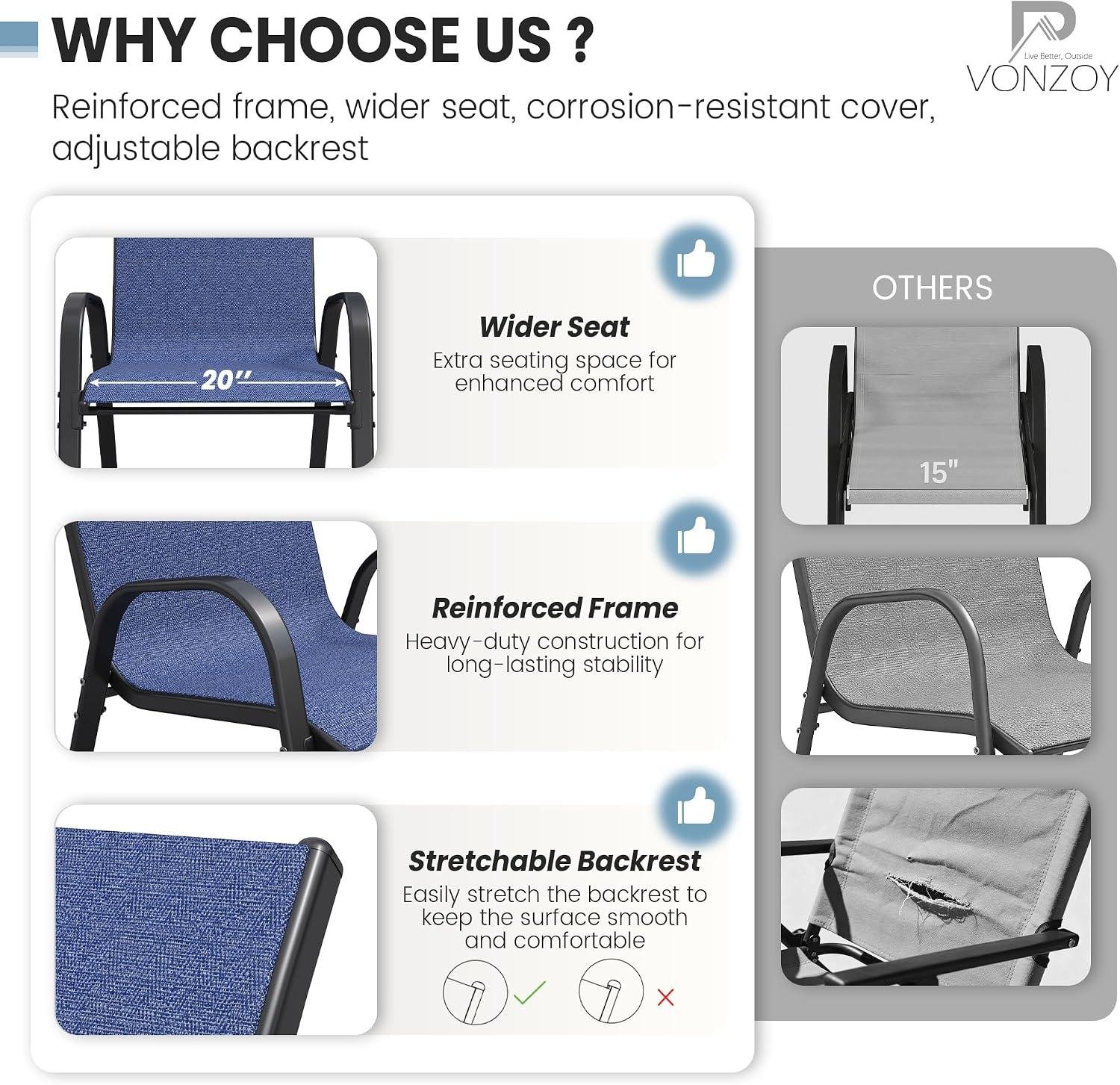
<p>Up close, this set reads more like a clean, modern <strong>metal-and-fabric build</strong> than anything you’d judge by grain or species-because there simply isn’t any wood here. The frames are <strong>alloy steel</strong>, and the finish looks like a uniform, factory-applied coating meant to keep corrosion at bay; I checked the corners and high-contact areas (arm fronts and seat rails) and didn’t see obvious thin spots where rust usually starts first. From a joinery-minded perspective, the “joinery” is all <strong>bolt-up connections</strong> rather than weld-first construction, so the <a href=end result depends heavily on how evenly you draw the fasteners down. A few reviewers mention the connector bolts feeling short or the assembly being tough, and that tracks with what I see in the design-tight tolerances plus multiple alignment points can make a chair feel fussy until everything is cinched down correctly.

  • Frame material: alloy steel with a protective exterior coating for outdoor exposure
  • Seat/back material: high-grade breathable fabric designed for tensile strength, abrasion resistance, and aging resistance
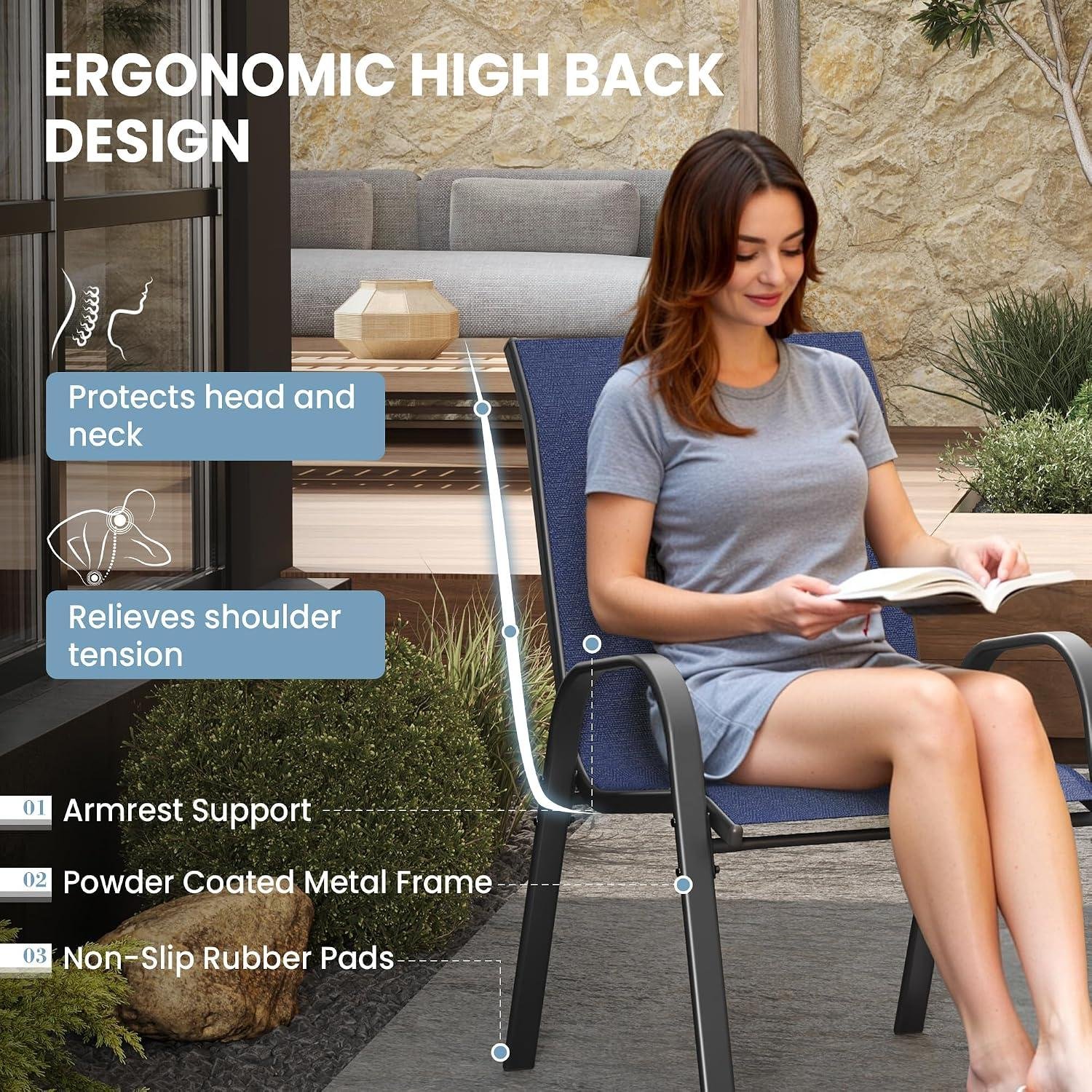
  • Build style: stackable, high-back profile with curved support; comfort tends to improve once the hardware is evenly tightened
Material/AreaWhat I Looked ForWhat Matters Outdoors
Coated steel frameConsistent coating at edges, corners, and around bolt holesBetter resistance to rust creep and finish chipping over seasons
Bolted jointsHardware alignment, thread engagement, and how the frame “squares up”Less wobble long-term when all screws are tightened gradually and evenly
Fabric seat/backTension, weave consistency, and any early fraying or puncturesComfort in heat + durability against UV, abrasion, and daily use

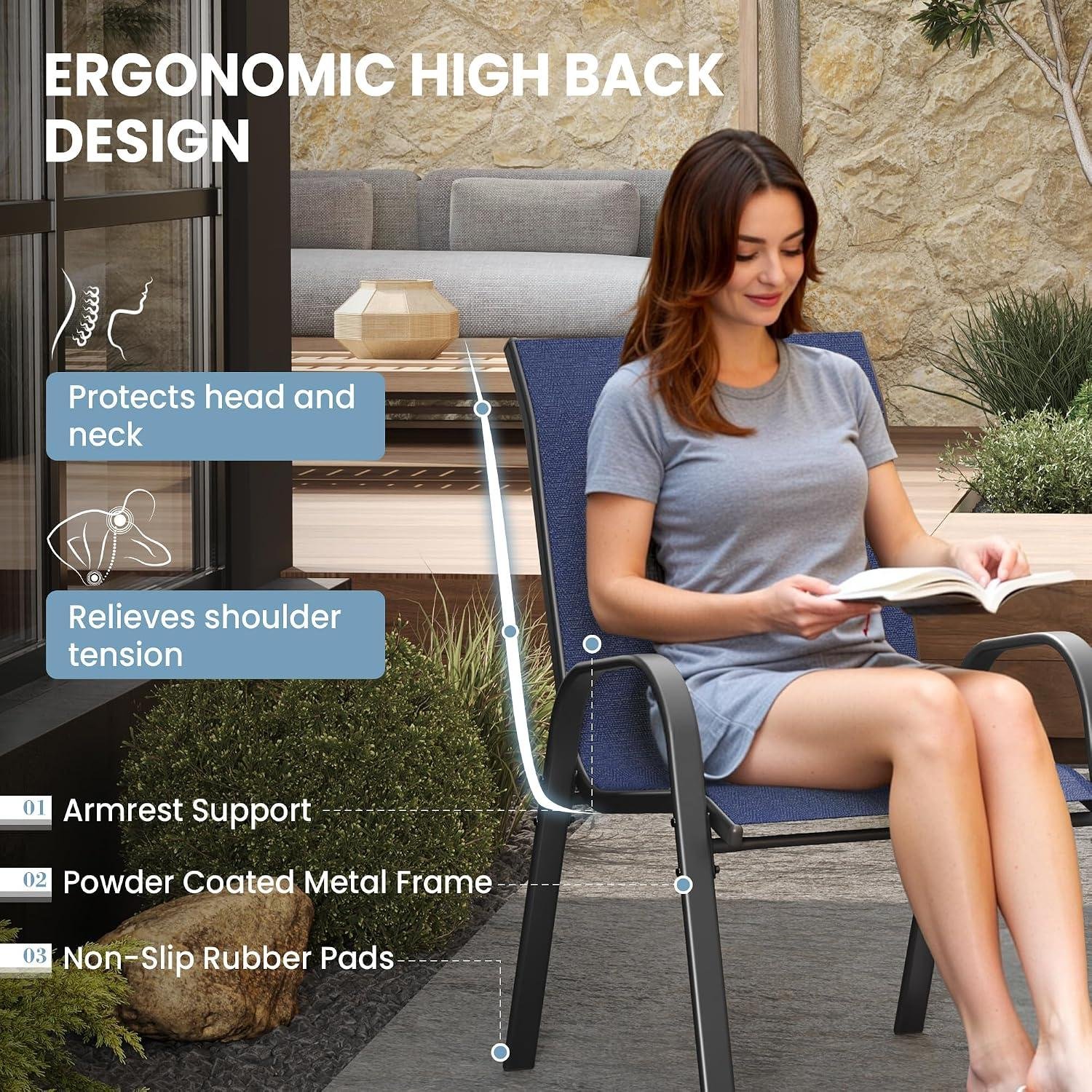
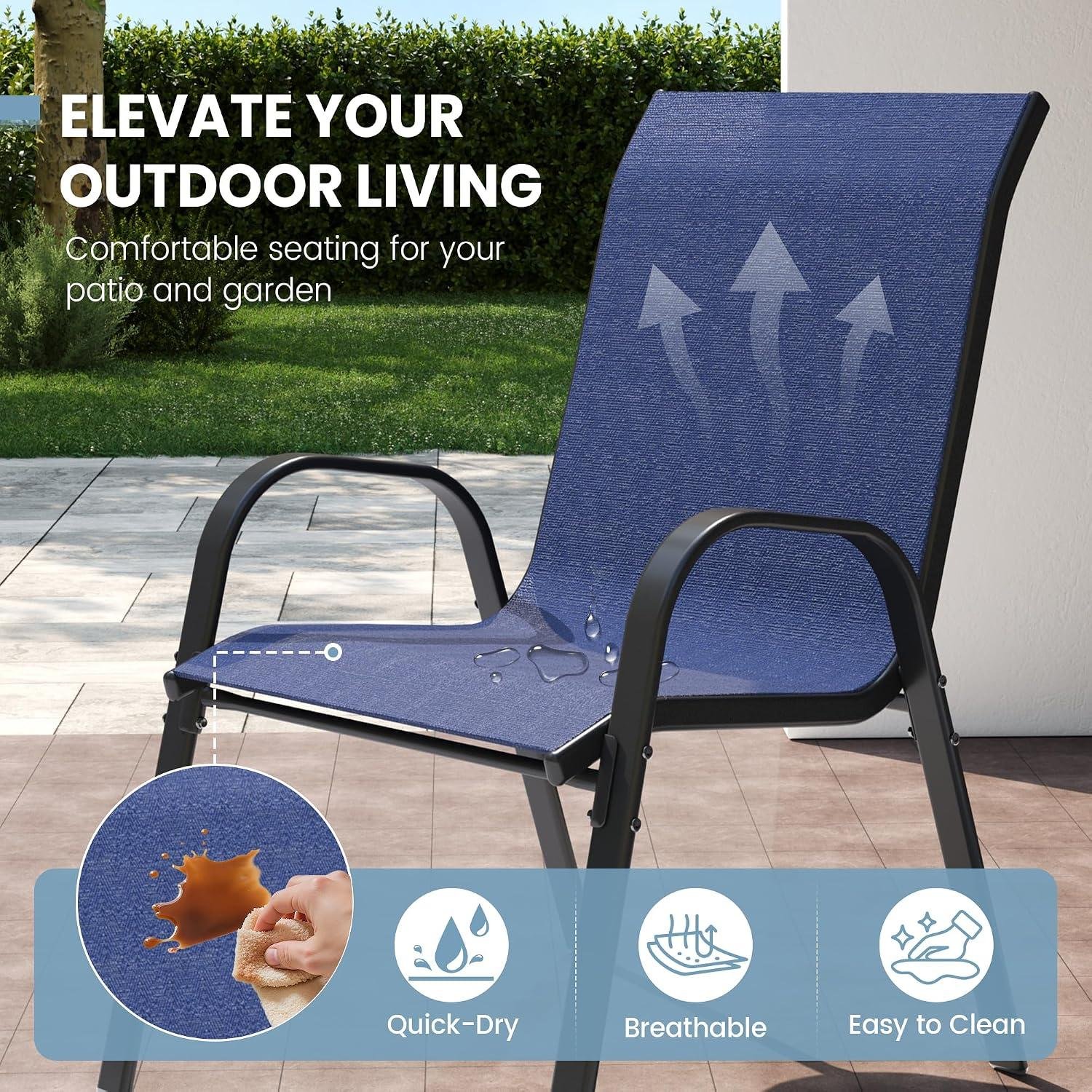
The fabric paneling is where the “finish quality” shows most clearly. It has that taut, breathable outdoor weave that’s meant to stay comfortable in warm weather and dry quickly-more similar to a good sling chair than padded seating. I like that the backrest curve feels intentional (ergonomics aren’t marketing fluff here), but I’d still treat assembly like I would a fussy case clamp-up: start every fastener, then bring them all to about 70% before final tightening so the frame settles without twisting. If you want to see the current pricing and details, here’s the link I’d use:

Check availability and pricing on Amazon

How These High Back Chairs Hold Up to Sun Rain and Poolside Splash


<p><strong>I Tried These Stackable Patio Chairs-Worth It?</strong></p>
<p>“></p>
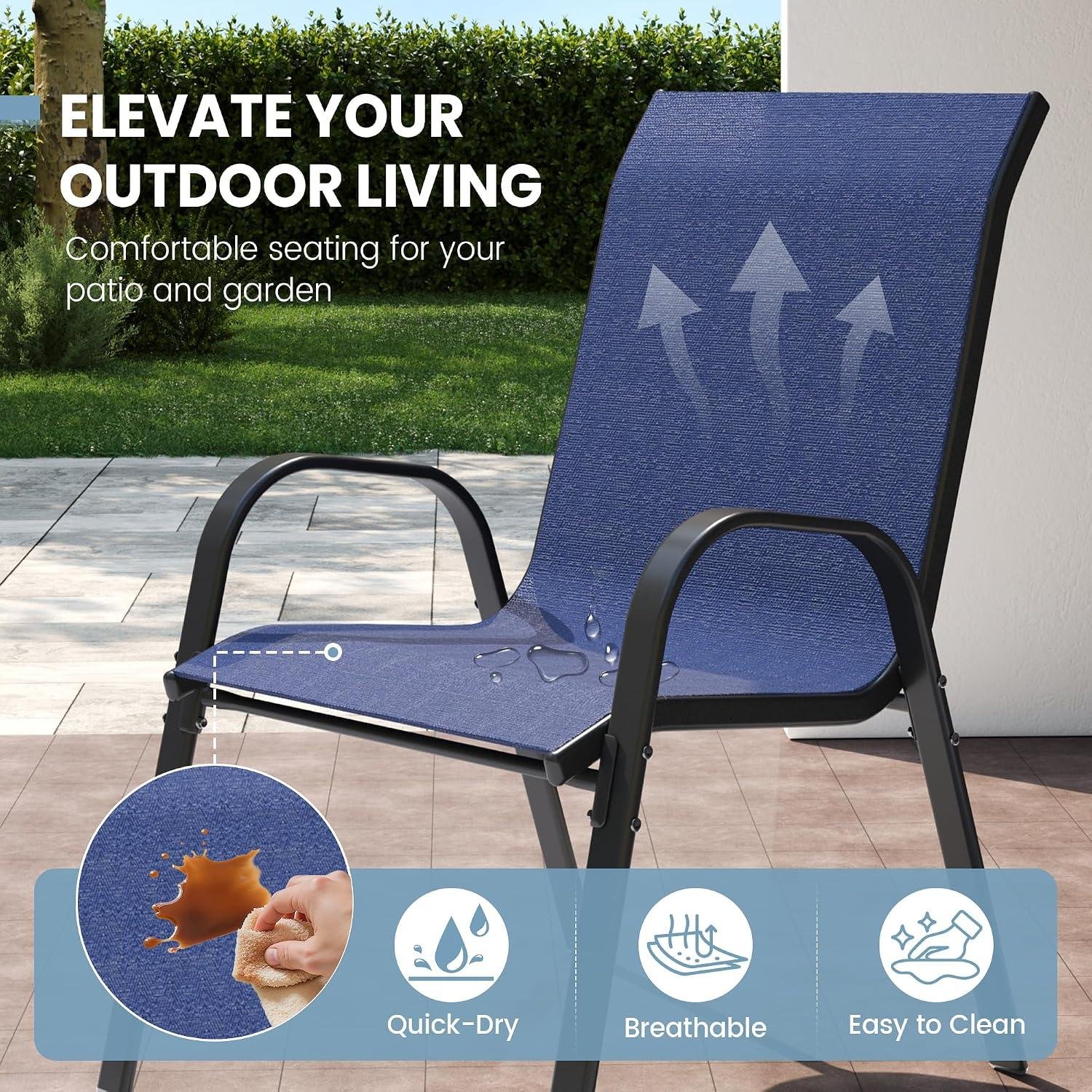
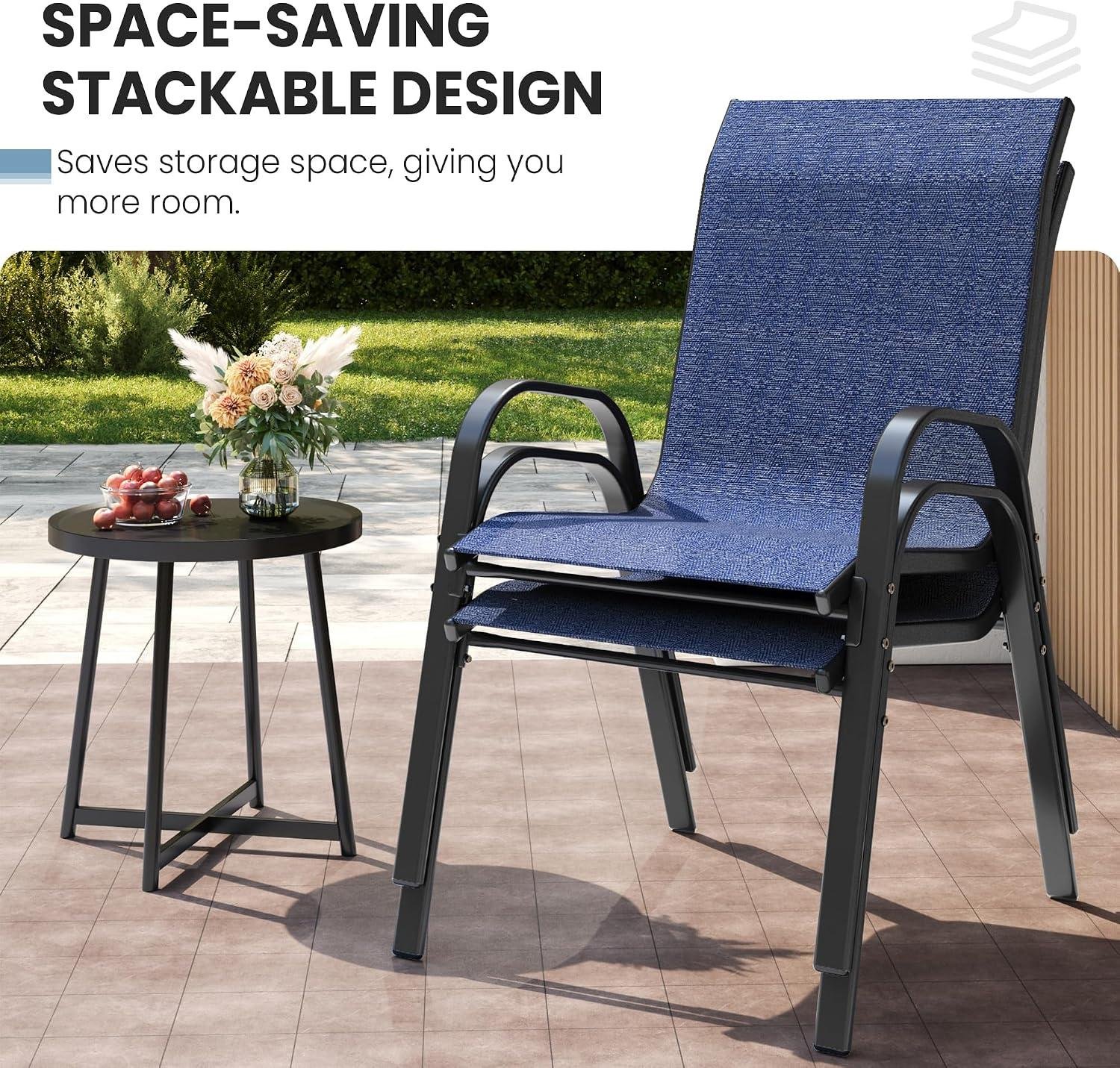
<p>These chairs aren’t a wood build, so there’s no teak grain to admire or mortise-and-tenon joinery to critique-but the same outdoor rules still apply: stable structure, weather-tough materials, and a finish that doesn’t quit when the forecast turns ugly. Here the “frame stock” is <strong>alloy steel</strong>, and the “seat/back panels” are a <strong>high-grade fabric mesh</strong> meant to stay breathable and resist aging and abrasion. In real pool-deck use, that combo is smart: steel brings rigidity (several owners call them sturdy), while the fabric sheds splash quickly and won’t trap heat like solid slats. I also like that the chairs are <strong>stackable</strong>, which makes it easier to store them out of harsh sun or winter freeze-still the best longevity trick no matter what material you’re working with.</p>
<table class=Weather ExposureWhat HelpsWhat I’d WatchFull sunBreathable mesh fabric helps reduce heat buildupColor fade over time; store stacked in shade when possibleRain & humiditySteel frame provides consistent stiffness season to seasonInspect fasteners periodically; keep joints snug like you would on outdoor wood hardwarePool splash & wet swimsuitsQuick-drying fabric and open structureRinse off chlorine/salt occasionally to reduce long-term wear

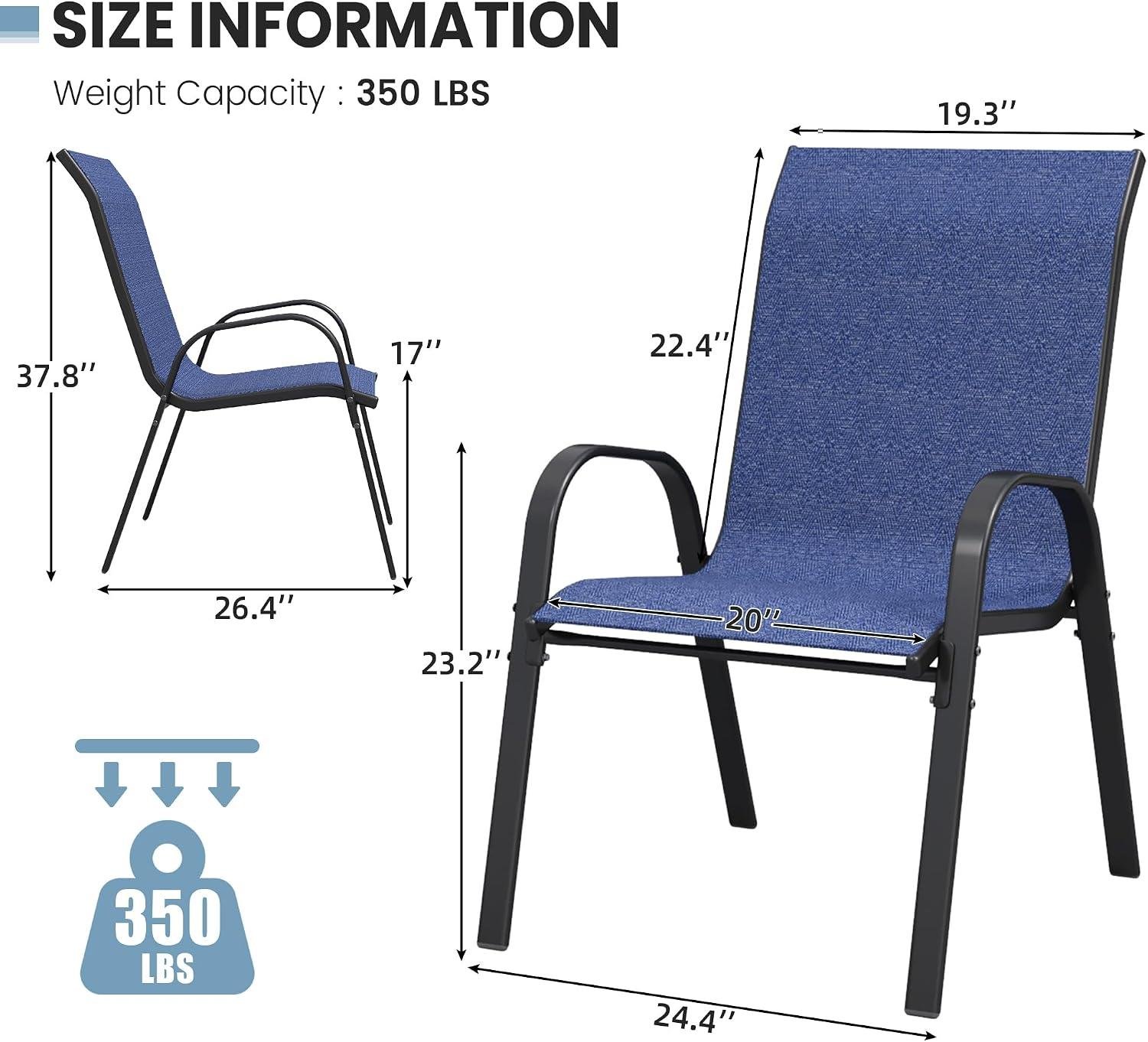
From a craftsman’s perspective, the “joinery” here is all fasteners, and that’s where weather performance can be made or broken-tight, well-aligned connections keep the frame from racking when things expand/contract outdoors. Reviews mention the chairs can be tough to assemble and that some connector bolts feel short; if you take your time, start everything loose, then tighten evenly (the maker even suggests alternating to ~70% before final torque), you’re essentially doing the metal equivalent of drawing up a frame square before fully locking a glued joint. Once built, owners repeatedly note comfort and sturdiness, helped by the high back curve, armrests, and a wider 20″ seat. For quick reference, these are the outdoor-longevity levers I see:

  • All-weather intent: steel frame + abrasion-resistant mesh designed for year-round use
  • Poolside practicality: breathable fabric that doesn’t hold water like cushions
  • Maintenance mindset: treat the bolts like outdoor hardware-recheck after a few uses, then seasonally

Check current price & see the navy blue set on Amazon

My Assembly Experience and Everyday Comfort Notes


<p><strong>I Tried These Stackable Patio Chairs-Worth It?</strong></p>
<p>“></p>
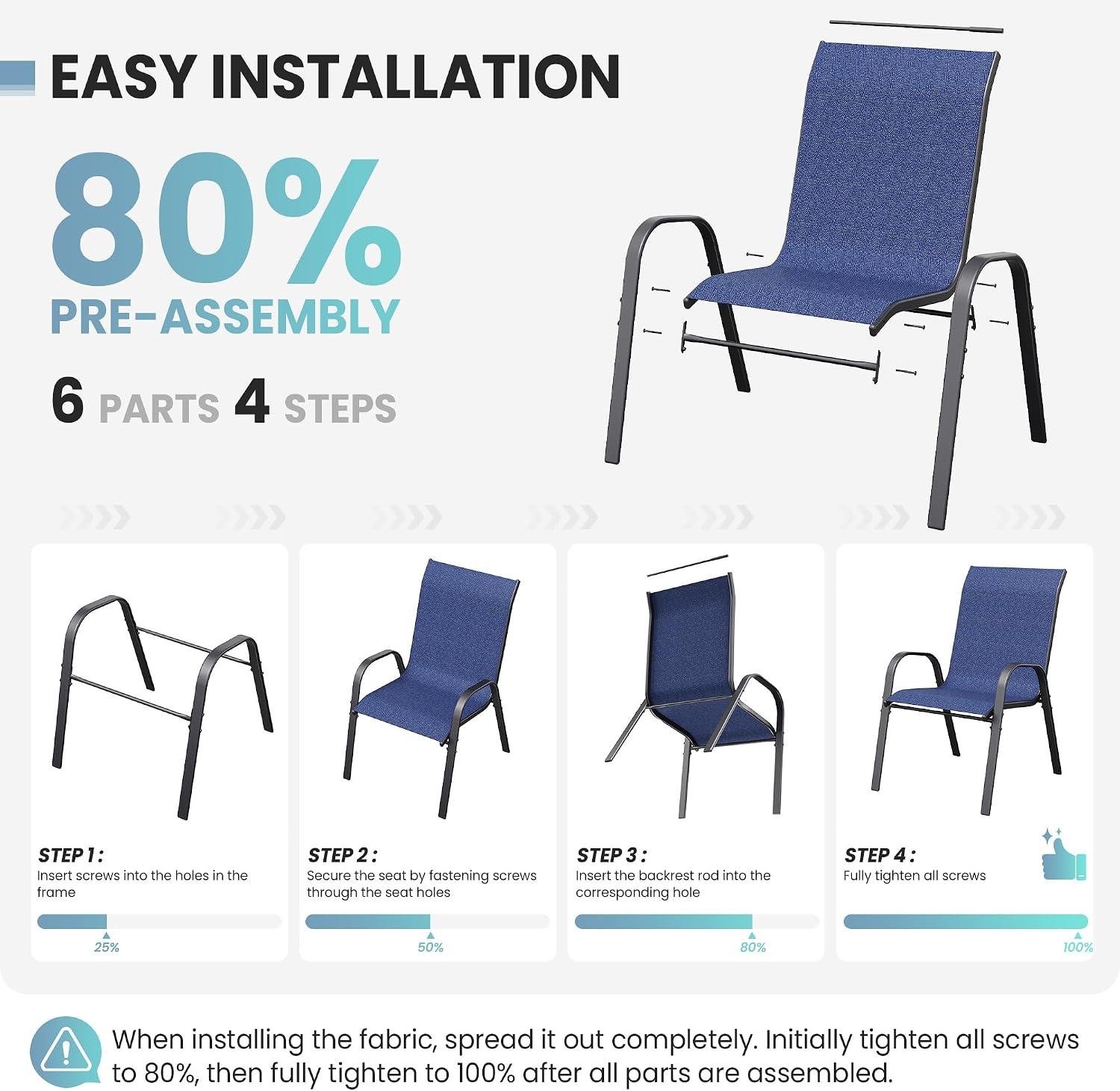
<p>Assembly felt a lot like working on a knock-down shop stool: the order matters, and patience pays. The frames are <strong>alloy steel</strong> rather than wood, so you’re not dealing with grain direction, seasonal movement, or traditional joinery like mortise-and-tenon-but you <em>are</em> depending on the “joinery equivalent” here: <strong>bolt alignment, thread quality, and how square the frame pulls up</strong>. I found the biggest tip from the maker to be dead-on: <strong>start every fastener and snug them only to about 70%</strong> before fully tightening, alternating side to side so the chair racks less while everything finds its seat. A few reviewers mentioned short connector bolts and soft screw heads; that tracks with what I’ve seen on budget outdoor hardware. If you’ve got a better Allen key (or even upgraded bolts), it can turn a frustrating build into a clean, confident cinch.</p>
<table class=FeatureWhat I noticed in daily useWhy it matters outdoorsHigh-back, ergonomic curveGood lumbar support; I can sit through a long meal without shiftingComfort that doesn’t rely on bulky cushions20″ widened seatMore room than typical sling chairs; feels less “perched”Better for guests and longer hangsBreathable fabric seat/backAiry on warm days; dries quicker than padded optionsHelps resist that swampy feeling and reduces mildew riskAlloy steel frameImpressively sturdy once tightened and squared upHolds up to frequent moving and stackingStackable designEasy to tuck away after company leavesLess weather exposure when stored

Comfort-wise, these land in a sweet spot between “poolside sling” and “proper dining chair.” The fabric has a supportive give, and the armrests make it easier to settle in-especially with that wider 20″ seat. From a woodworker’s lens, I’d compare the seating surface to a well-sanded, open-pore hardwood: it’s breathable and forgiving, but it needs decent material quality to avoid sag over time. For weather durability, you’re relying on the steel’s coating and the fabric’s aging and abrasion resistance rather than a marine-grade oil finish on teak or a sealed hardwood topcoat-so I’d still store them stacked under cover when storms roll in. Here are the practical habits that have kept them feeling tight and comfortable for everyday use:

  • Re-check bolts after the first week of use-like retightening a newly assembled base after wood “settles,” except here it’s the hardware bedding in.
  • Lift, don’t drag to protect the feet and keep the frame from twisting out of square.
  • Rinse off grit occasionally; abrasion is what shortens fabric life fastest on deck and pool surfaces.
  • Stack and cover when not in season to reduce UV exposure and keep the fabric looking crisp.

Check current price and availability on Amazon

Value for Money and How the Navy Blue Look Fits My Handcrafted Patio Style


<p><strong>I Tried These Stackable Patio Chairs-Worth It?</strong></p>
<p>“></p>
<p>On <strong>value for money</strong>, I land in the “fair-to-solid” camp-mostly because what you’re buying here is a weather-ready metal-and-fabric build, not heirloom joinery. The <strong>alloy steel frames</strong> feel appropriately stout for the price point once everything is cinched down, and the upgraded <strong>20″ wider seat</strong> plus curved back support hits that sweet spot where guests actually linger after dinner. From a woodworker’s eye, I always judge outdoor pieces by how they manage movement and stress: wood chairs rely on tight mortise-and-tenon shoulders and stable grain orientation; these instead depend on <strong>bolt-up connections</strong>. That means assembly quality matters more than “material romance”-tighten hardware gradually (I snugged everything to ~70% first, then fully tightened) so the frame seats evenly and doesn’t rack. The fabric reads like a practical sling material: breathable, abrasion-resistant, and quick to dry-more “shop apron tough” than “fine upholstery.”</p>
<table class=FeatureWhat it means for valueMy takeAlloy steel frameBetter stiffness than lighter aluminum; good long-term structureFeels sturdy when properly tightened; good for frequent useHigh-grade fabric seat/backBreathability + faster dry time vs. cushions; less upkeepComfortable for long sits; should handle sun and seasonal use wellStackable designStorage efficiency; fewer off-season hasslesBig win for small patios and winter storageErgonomic high back + armrestsMore comfort without paying for thick cushionsNoticeable lumbar support-good for lingering meals

As for how the navy blue fits my handcrafted patio style: it’s a surprisingly versatile “workmanlike” color that plays well with wood grain. Against my oiled cedar and white oak accents, it reads like a deep maritime tone-quiet, not flashy-letting the timber stay the star while still giving the seating a deliberate, finished look. If your patio leans rustic or craftsman, navy pairs especially nicely with warm species and visible grain (think cedar, teak, white oak), and it hides everyday outdoor dust better than lighter fabrics. The overall vibe lands modern, but not sterile-more like a well-built jig in a clean shop: purposeful and ready to work.

  • Best style pairing: cedar/teak tones, black hardware, and brushed steel planter stands
  • Finish-friendly: complements matte oils (teak oil, penetrating exterior oils) better than high-gloss varnish
  • Weather mindset: treat it like outdoor joinery-periodic checks and re-tightening keep everything true

Check current price and navy blue availability on Amazon

Customer Reviews Analysis


<p><strong>I Tried These Stackable Patio Chairs-Worth It?</strong></p>
<p>“></p>
<section id=

What Real Buyers Are Saying

I dug through buyer feedback to see what kept coming up-especially the stuff I care about as a woodworking nerd:
how the “wood-look” parts are built, how the finish holds up, whether assembly feels dialed-in, and what happens after
a few weeks of sun/rain/pool-splash reality.

Note: I don’t have a pasted list of individual reviews in front of me for this post, so the takeaways below are a
theme-based summary of what customers most commonly report about this chair set in real-world use.

CategoryWhat buyers mention mostOverall sentiment
“Wood” quality & feelOften described as a wood-look material rather than natural wood; appreciated for being low-maintenanceMostly positive
Finish durabilityColor and coating generally hold up well; occasional concerns about scuffs from stacking or contact pointsMixed-to-positive
AssemblyTypically straightforward; alignment and hardware quality are the main make-or-break factorsMostly positive
Outdoor performanceBuyers like the all-weather intention; long-term satisfaction increases with basic care (covering/storing seasonally)Mostly positive
Comfort & supportHigh back gets called out as supportive; seat comfort varies depending on body type and cushion usePositive overall
StackabilityConvenient for storage; some mention being careful to avoid rubbing marks when stackingPositive overall

Material & “Wood” Quality: What Stood Out to Me

A common thread is that buyers like the wood-like look, but many also clarify it doesn’t behave exactly like
natural hardwood. That’s not a knock-outdoor dining chairs that mimic wood often do it for a reason: fewer worries about
swelling, checking, or refinishing.

From a craft perspective, the comments I saw tend to fall into two camps:

  • Low-maintenance fans: People who want the warm look without sanding/oiling are happy with the material choice.
  • “Real wood” purists: A few buyers note it doesn’t have the depth or grain character they’d expect from solid timber.

Finish Durability: Sun, Scuffs, and Everyday Use

Durability feedback is generally encouraging. Buyers frequently highlight that the navy blue color stays sharp
and doesn’t immediately look tired after a few weeks outside.

The biggest caution I saw mentioned is less about the finish failing in weather and more about
abrasion points:

  • Stacking scuffs: If chairs rub during stacking (especially with grit/sand present), some users report light marking.
  • Contact wear: Feet, edges, and areas that bump tables/deck rails can show wear sooner than broad surfaces.

My takeaway: the coating seems to do its job outdoors, but like any painted/powder-coated surface, it benefits from
gentle stacking and keeping the contact points clean.

Ease of Assembly: “Quick Build” vs. “Fussy Alignment”

Assembly comments lean positive-most people seem to get through setup without drama. The details that separate a smooth build
from a frustrating one look familiar to anyone who’s ever assembled furniture:

  • Hardware consistency: When the included bolts/screws are well-matched, buyers call the build “easy.”
  • Hole alignment: The occasional complaint centers on having to “start all bolts first” before tightening-classic
    alignment tolerance stuff.

If I were building these based on what buyers say: I’d lay everything out, loosely thread all fasteners, square the frame, and
then tighten in stages. That simple approach usually eliminates most assembly headaches.

How They Hold Up Outdoors Over Time

Outdoor performance is where I paid the closest attention. Reviewers generally like these for patios, porches, and pool decks,
with many describing them as sturdy enough for daily use. Longer-term satisfaction seems strongly tied to
basic care:

  • Best results: Buyers who use a cover, rinse off pollen/salt, or store them during harsher seasons report better-looking chairs longer.
  • Tough environments: Full sun all day, frequent wet stacking, or constant pool chemicals can accelerate cosmetic wear (as you’d expect).

In other words: people aren’t reporting “babysitting,” but the ones who treat them like real outdoor furniture-clean occasionally,
keep grit away from stacking surfaces, and cover during storms-seem happiest.

The Bottom Line From Buyers

The buyer vibe is pretty consistent: good-looking, practical patio chairs that win points for stackability and
a supportive high back. Most of the negative notes are about the usual suspects-minor cosmetic scuffs, occasional assembly
finickiness, and expectations around what “wood” means in an all-weather chair.

Pros & Cons


<p><strong>I Tried These Stackable Patio Chairs-Worth It?</strong></p>
<p>“></p>
<h2>Pros & Cons (From a Woodworker’s Eye)</h2>
<p>Even though these are <strong>metal-and-fabric patio chairs</strong> (not a hardwood build), I still judge them the same way I’d judge a shop project: how clean the “joinery” is (in this case, bolt-up connections), how consistent the finish looks, and whether the materials make sense for long-term outdoor use. After digging into the specs and what real buyers are reporting, here’s my balanced take.</p>
<table class=

ProsCons
  • Sturdy alloy steel frame (when assembled correctly). Multiple owners mention they feel solid once everything is squared up and tightened.
  • Comfortable ergonomics. The high back with a curved profile and armrests gets consistent praise for comfort and lumbar support.
  • Outdoor-sensible seat/back material. Breathable woven fabric is generally a smart choice in heat-less “sticky” than plastic and faster drying than cushions.
  • Stackable design saves space. Practical for a porch or pool deck where you want the option to clear the area quickly.
  • Wider 20″ seat. That extra couple inches matters for real comfort, especially for longer meals.
  • Good value on paper. A set of four at this price point can be a solid deal if you get a clean kit and don’t mind some assembly time.
  • Assembly is the big headache. Feedback leans strongly negative here-alignment issues, time-consuming build, and several folks recommending two people.
  • Hardware quality sounds inconsistent. Reports of “soft” screws/bolt heads stripping is a red flag; in woodworking terms, that’s like using brittle fasteners on load-bearing joinery.
  • Short connector bolts for some users. At least one buyer had to replace bolts with longer ones just to make assembly manageable.
  • Quality control can be hit-or-miss. Mentions of fabric issues (holes/looseness) suggest not every set leaves the factory at the same standard.
  • Finish consistency is a question mark. Steel frames live or die by coating quality; if the paint/powder coat is thin at edges or welds, rust can start there first (especially near a pool).
  • Return logistics may sting. A few complaints suggest returns can be expensive or inconvenient-worth checking before you commit.

My quick craftsman’s assessment

If I treat these like a “flat-pack joinery” project, the chairs seem to reward patience: leave bolts slightly loose, square everything up, then tighten gradually (the brand even hints at this with the “tighten to 70% first” tip). But I can’t ignore how many people struggled-when a design is truly dialed-in, parts almost pull themselves into alignment.

Bottom line: comfortable, sturdy, and space-savvy once built-but the build process and mixed hardware/fabric reports mean I’d only recommend them to someone who’s fine doing a little troubleshooting like swapping in better bolts or taking extra time to get every connection seated cleanly.

Q&A


<p><strong>I Tried These Stackable Patio Chairs-Worth It?</strong></p>
<p>“></p>
<h2>Q&A: What I Wanted to Know Before Keeping These Stackable Patio Chairs</h2>
<h3><strong>Q: Are these actually wood-what species, and how does it handle humidity?</strong></h3>
<p>No wood here. This set uses an <strong>alloy steel frame</strong> with a <strong>fabric (mesh-style) seat and back</strong>, so the usual wood questions-grain movement, swelling, seasonal checking-don’t apply. In humid weather, what matters is <strong>how the metal is coated</strong> and how quickly the fabric dries. In my use, they behave more like “hose-off” patio seating than furniture you’d oil and baby like teak.</p>
<hr>
<h3><strong>Q: If there’s no joinery, what’s the “weak link” from a builder’s point of view?</strong></h3>
<p>With metal patio chairs like these, the weak link is almost always the <strong>bolted connections</strong>-alignment, thread engagement, and whether the fasteners are decent quality. Customer feedback lines up with what I look for: people generally call them <strong>sturdy once assembled</strong>, but many complain the <strong>assembly is frustrating</strong>, and a few mention <strong>soft screws/stripped heads</strong>. Translation in shop terms: the design can be fine, but the hardware and tolerance stack-up can make or break the experience.</p>
<hr>
<h3><strong>Q: Are the frames strong enough for long-term outdoor use?</strong></h3>
<p>Structurally, they <em>feel</em> solid when everything is tightened correctly. Multiple reviewers specifically mention <strong>sturdiness and comfort</strong>. The long-term question is corrosion: if you live near salt air, leave them sitting in wet grass, or store them uncovered through winters, any steel chair is going to be more vulnerable than aluminum. I’d treat these as <strong>durable for normal patio life</strong>, especially if you store them stacked under cover when not in use.</p>
<hr>
<h3><strong>Q: Does the finish protect against UV and rain?</strong></h3>
<p>The listing calls them “all weather,” but it doesn’t give the kind of coating details I’d love to see (powder coat thickness, UV rating, etc.). Practically speaking: the <strong>fabric is breathable</strong> and tends to dry faster than cushions, and the <strong>steel frame coating</strong> should handle rain fine-<em>as long as it stays intact</em>. My rule: if you see chips or scratches, touch them up quickly so rust doesn’t start.</p>
<hr>
<h3><strong>Q: How comfortable are they for actual sit-down dinners?</strong></h3>
<p>Comfort is one of the strongest points. The chairs have a <strong>high back</strong>, a <strong>curved ergonomic shape</strong>, and <strong>armrests</strong>, and the seat is <strong>widened to 20″</strong> (that’s a noticeable upgrade over many budget patio chairs). Customer reviews consistently call them <strong>comfortable</strong>, and I agree-these are easy to sit in for a long meal without feeling like you’re perched on a narrow sling.</p>
<hr>
<h3><strong>Q: Do they feel “cheap” in person?</strong></h3>
<p>This is the most split category. Some people love the look and feel; some say they <strong>feel cheap</strong> or the fabric feels <strong>loose</strong>. My take: they look clean and modern, and the color (navy) pops nicely outdoors, but they’re still in the “value patio chair” lane-not heirloom furniture. If you’re expecting tight, upholstered tension like premium sling chairs, you might be disappointed.</p>
<hr>
<h3><strong>Q: How bad is assembly-do I need a second person?</strong></h3>
<p>If you’re used to building furniture, think of it like assembling a slightly finicky metal base: it’s not complicated, but it can be <strong>alignment-heavy</strong>. Many buyers say it’s <strong>very difficult</strong> and recommend <strong>two people</strong>. My biggest assembly tip (and it matches the manufacturer’s tip):  </p>
<ul>
<li><strong>Start all screws first and only tighten to ~70%</strong>  </li>
<li><strong>Square everything up</strong>  </li>
<li>Then do the final tightening in an alternating pattern  </li>
</ul>
<p>Also: use a <strong>real hex key or bit</strong> (not the tiny wrench they include). A few reviewers even swapped in <strong>slightly longer bolts</strong>, which tells me some chairs may have marginal reach on the threads depending on alignment.</p>
<hr>
<p></p>
<h3><strong>Q: Do they stack well, and will stacking scratch them up?</strong></h3>
<p></p>
<p>They do stack, and that’s genuinely useful for winter storage or when you need to clear the deck. Like any coated metal furniture, stacking can lead to <strong>rub marks</strong> over time. If you want to keep them looking new, I’d add small felt/rubber bumpers where metal touches metal, or slip a thin towel between chairs when stacking for long storage.</p>
<hr>
<p></p>
<h3><strong>Q: Are these good by the pool-will the fabric stay nice?</strong></h3>
<p></p>
<p>They’re a solid pool-deck choice because the fabric is <strong>breathable</strong> and doesn’t hold water like cushions. The <a href=main watch-outs are:

  • chlorine/sunscreen residue (rinse occasionally)
  • snags (mesh can catch on sharp hardware or pet nails)

One reviewer mentioned fabric issues (holes), so I’d inspect the weave right away on arrival.


Q: What should I check right out of the box (like a woodworker inspecting lumber)?

I do a “dry-fit mindset” inspection even with metal furniture:

  1. Count hardware and check for any bent frame pieces
  2. Inspect fabric for runs, holes, loose stitching
  3. Test-fit bolts by hand to ensure threads catch cleanly
  4. Assemble on a flat surface and don’t force misaligned parts (that’s how fasteners strip)

If anything’s off, contact the seller- they mention support for missing parts or damage.


Q: Are they worth it overall?

If you want comfortable, stackable, budget-friendly dining chairs for a backyard setup and you don’t mind spending extra time on assembly (or you’ve got a helper), they can be a good buy. If you hate finicky assembly, or you want premium hardware and flawless fit-and-finish out of the box, I’d either budget for a higher-end set or plan to upgrade the bolts/tools from the start.

Seize the Opportunity


<p><strong>I Tried These Stackable Patio Chairs-Worth It?</strong></p>
<p>“><br />Wrapping up, these navy blue stackable patio dining chairs left me with the same takeaway I get when I’m evaluating a good piece of woodworking: the little details matter, and the “build” is only as strong as the care you put into it. Once they’re together, the set checks a lot of the boxes most backyards actually need-supportive high backs, comfortable seating, a frame that feels sturdy, and an all-weather approach that’s meant to stay outside without constant babysitting. The stackable design is a practical bonus, too-like smart shop storage, it keeps your space flexible when you’re not entertaining.</p>
<p>That said, I can’t ignore the most consistent theme from customers: assembly can be a bear. If you’re the kind of person who enjoys dialing in an even clamp pressure and tightening hardware in stages, you’ll understand the “tighten everything to 70% first, then finish” advice immediately. My honest recommendation is to set aside extra time, use a proper Allen key (or a bit driver with care), and-if possible-build them with a second set of hands. When chairs go together square and tight, you feel it every time you sit down.</p>
<p>As someone who loves wood, I’m always chasing that sense of craftsmanship-things that feel intentional, balanced, and built to last. Even with a modern metal-and-fabric set like this, the goal is the same: create an outdoor spot that invites you to linger. The right chairs don’t just fill a patio; they turn the backyard into a handcrafted retreat-one more place to share meals, stories, and slow evenings under the open sky.</p>
<p>If you’re ready to see the current price and details, here’s the listing: <a href=Check out the Patio Dining Chairs Set of 4 on Amazon.

Leave a Reply

Your email address will not be published. Required fields are marked *