

Blog
Prudiut Picture Mat Board Review: Right for Our Shop?

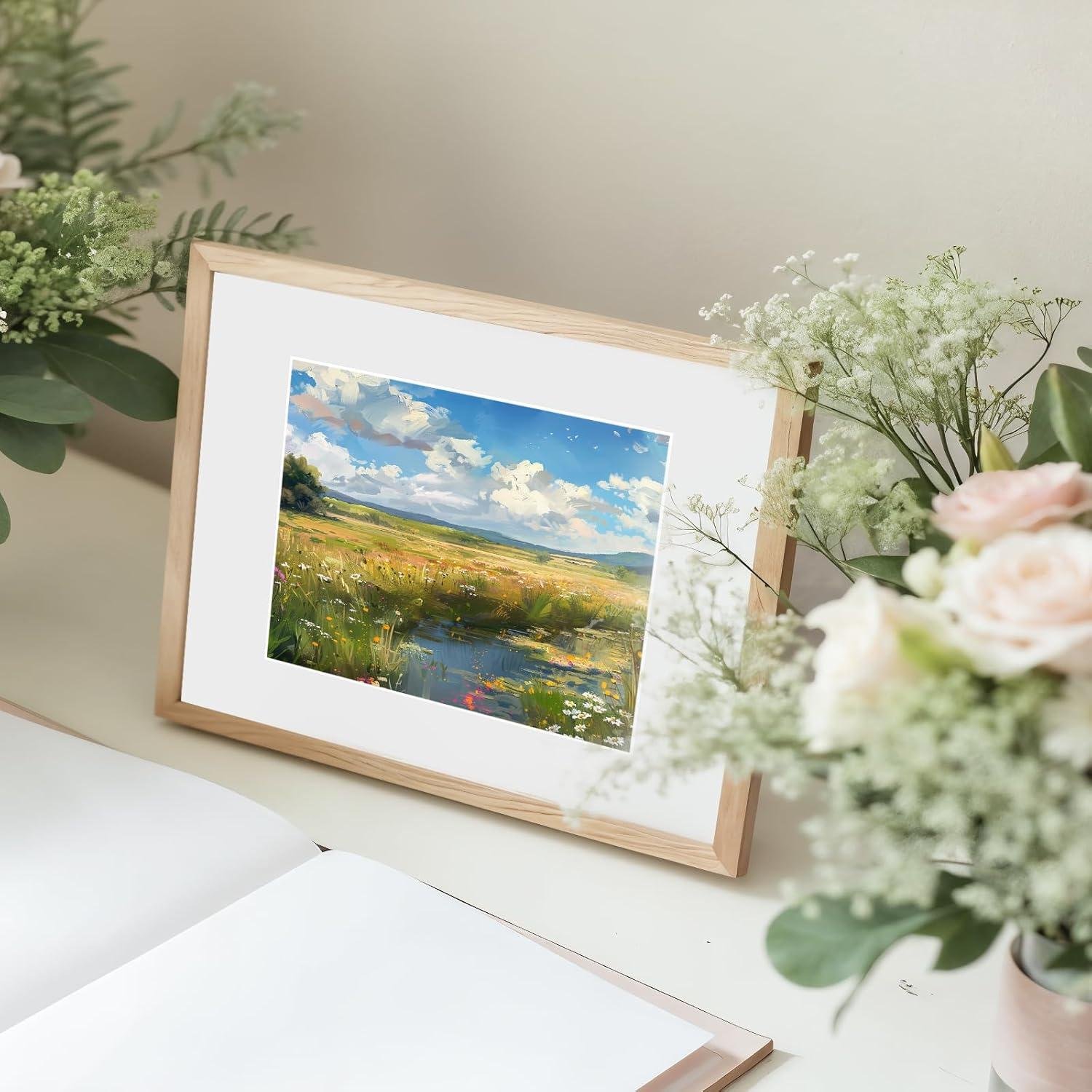
Ever dial in a frame perfectly-tight miters, flush corners, glass cleaned twice-only to have the final presentation look “off” because the photo shifts, the edges touch the glass, or the border isn’t consistent? In a small shop, details like that can make our work feel less precise than it really is.
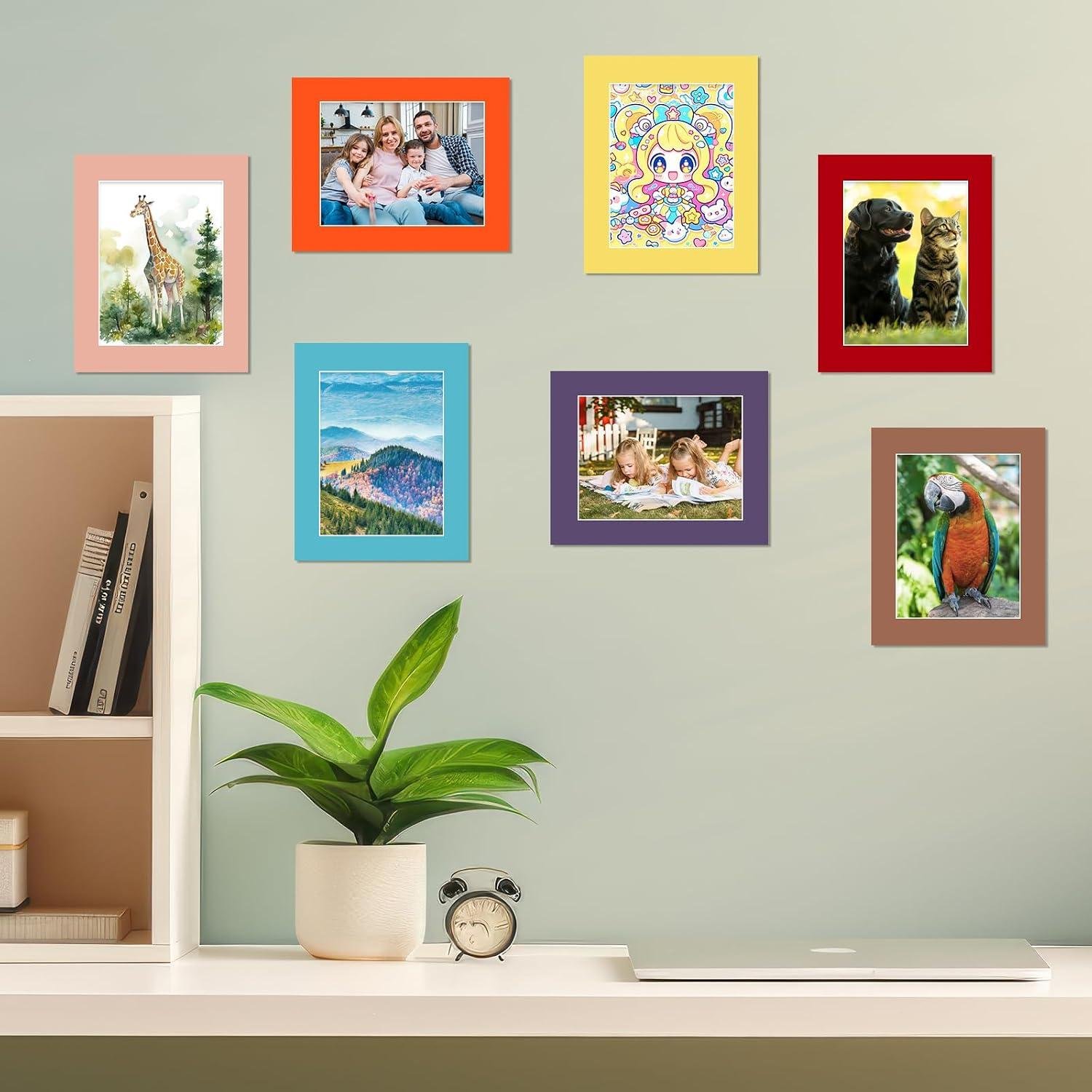
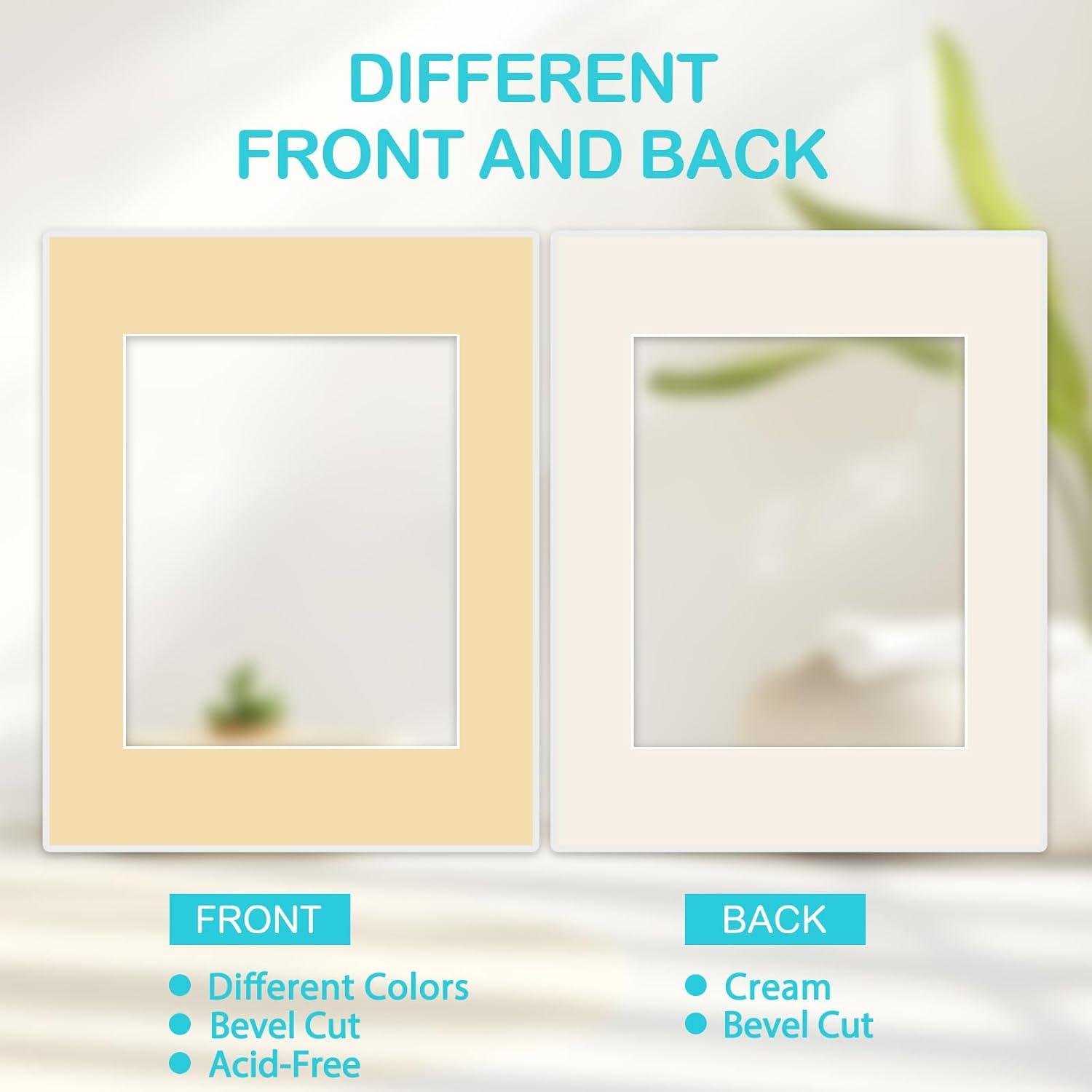
That’s where the Prudiut 15 Pack 8×10 Picture Mats for 5×7 Photos comes in. These aren’t power tools, but they’re a finishing upgrade: pre-cut 8×10 mats with 5×7 openings, a 1.2 mm thick beveled mat board, and a cream core designed to create separation between art and glazing while adding a clean, professional border. You also get 15 mixed colors, with different fronts and a cream back for flexibility across projects.
In this review, we’ll cover fit and sizing accuracy, material thickness and sturdiness, ease of use for quick frame builds, and whether the value holds up versus cutting mats ourselves. We’ll also weigh what customers report-often praising convenience and presentation-against the realities of budget-friendly mat board.
We’ve built enough frames and shop gifts to know the “last 5%” finish matters as much as the joinery.
Tool Overview and Mat Board Build Quality
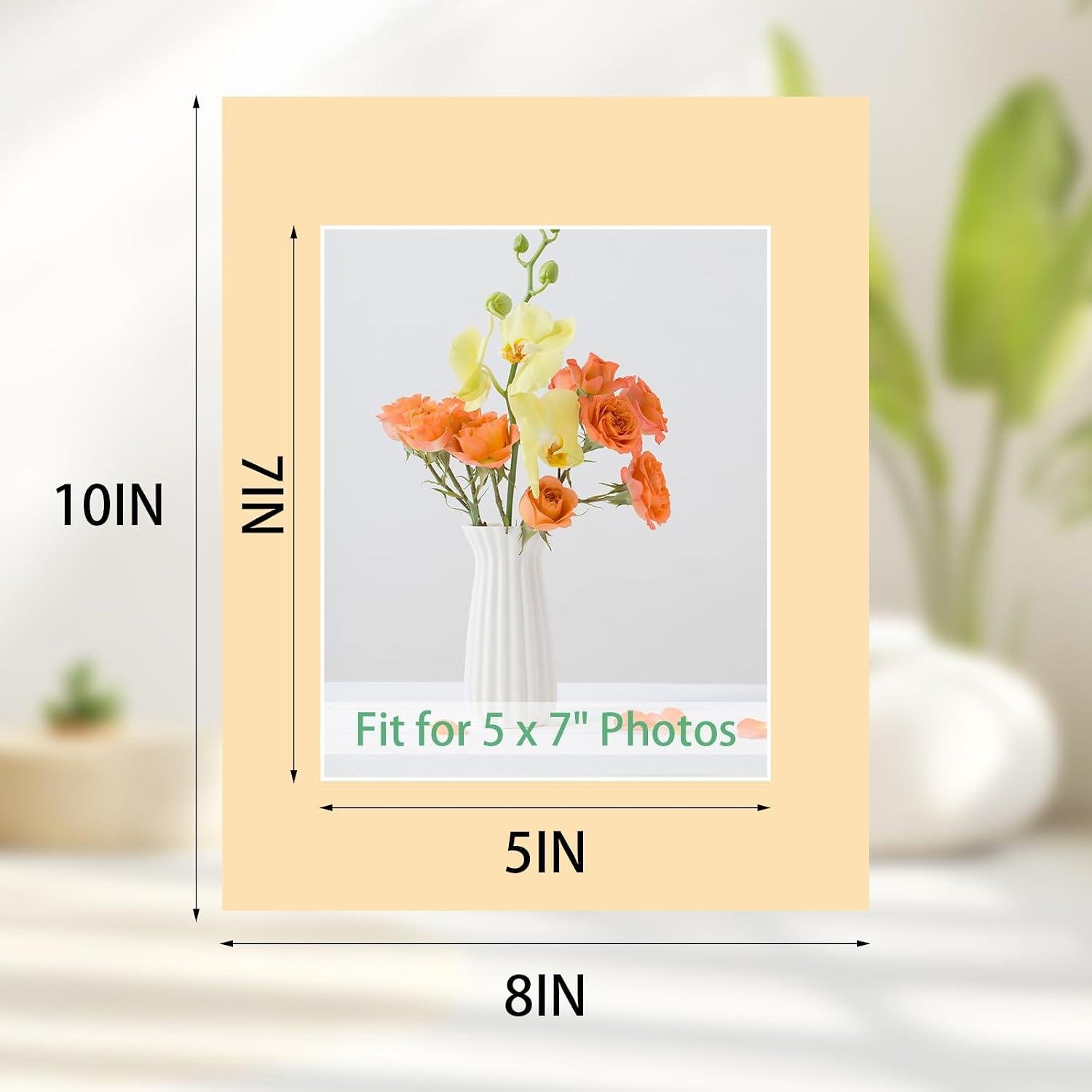
In our shop, these Prudiut mats aren’t a “tool” in the motor-and-bearings sense, but they behave like a consumable layout-and-presentation component we reach for when we’re building small frames, shadowboxes, or quick client mockups. Each mat is sized at 8×10 in (200×252 mm) outer with a 5×7 in (122×173 mm) inner opening, so they pair naturally with the most common off-the-shelf frame format woodworkers build around. The boards are 1.2 mm thick with a beveled window and a cream core, which matters in a woodworking context because bevels help hide slight inside-edge imperfections in our frame rabbets and give the presentation a more finished, “gallery” look without us needing to fuss with ultra-tight tolerances. When we’re dialing in a rabbet depth on the router table or table saw, that 1.2 mm thickness is also a practical number: it’s thin enough to stack behind glass with art, but stiff enough to stay flat while we dry-fit frames during assembly.
Build-quality-wise, the big workshop concern is whether the mat stock feels rigid and clean enough to handle test-fits, handling at the bench, and occasional trimming with a knife and straightedge. The product spec calls out that it’s “thicker and stronger than counterparts,” and the beveled pad provides a sturdy border, which is exactly what helps prevent corner crush when we’re swapping pieces in and out during fitting. Customer-review themes weren’t provided here, so we can’t quote feedback about consistency, color accuracy, or any common complaints; if those matter to our workflow (they usually do when we’re batching frames), we’d verify by checking the latest review photos for clean bevel cuts, uniform openings, and any reports of warping. For woodworkers, the educational takeaway is simple: a mat does two jobs-it spaces artwork from the glazing (reducing the chance of sticking or moisture marks) and it visually “forgives” minor alignment issues by creating intentional negative space around the image-so even a basic frame build can present like a higher-end piece with minimal extra shop time.
- Included accessories: 15-pack mixed-color mats (front colors vary), cream back
- Compatible attachments/accessories: 8×10 frames, glass/acrylic glazing, 5×7 photos/prints, frame points/brads, archival tape (hinging), backing board
- Ideal project types: small picture frames, quick client proofs, gallery-wall sets, shadowbox-style displays, craft and print presentation
- Wood types tested by customers: Not specified in provided reviews (frame wood choice is independent-pine, poplar, oak, maple all pair fine with 8×10 builds)
| Spec | Prudiut Mat Board (Per Listing) | Why It Matters in the Woodshop |
|---|---|---|
| Outer size | 8×10 in (200×252 mm) | Sets frame outside format and stock cut list |
| Inner opening | 5×7 in (122×173 mm) | Defines reveal; affects rabbet and backing fit |
| Thickness | 1.2 mm | Impacts rabbet depth and stack-up behind glazing |
| Edge profile | Beveled with cream core | Cleaner presentation; hides minor inside-edge flaws |
| Colors | Mixed colors (front), cream back | Lets us match frame species/finish to artwork quickly |
| Accessory | Compatibility | Shop Use |
|---|---|---|
| 8×10 frame (rabbeted) | Yes | Primary use-case for these mats |
| Glass or acrylic sheet | Yes | Protects photo/art; mat creates spacing |
| Backing board | Yes | Keeps stack tight; helps avoid buckling |
| Mat cutter / utility knife + straightedge | Conditional | For trimming fit (measure twice; cut light passes) |
| Fit/Capacity Item | Recommended (Best Practice) | Actual (Per Product Spec) |
|---|---|---|
| Frame format | Build for 8×10 with appropriate rabbet | 8×10 in outer |
| Photo/print size | 5×7 (or slightly oversized print cropped by mat) | 5×7 in opening |
| Rabbet depth planning | Account for glazing + mat + art + backing | 1.2 mm mat thickness (other layers vary) |
See Full Specifications & Customer Photos
Real World Performance for Framing and Shop Made Displays
In our shop, these mats behave more like a repeatable “component” than a craft supply: each piece is sized to an 8×10 in (200×252 mm) outer with a 5×7 in (122×173 mm) inner opening, so they drop right into the kind of simple frame-and-backer builds we do on the table saw and router table. The 1.2 mm thick beveled mat board adds a clean shadow line that can make even a basic rabbeted frame look more intentional-especially when we’re turning offcuts into quick gifts or building shop-made display stands for craft fairs. Because the mats have a cream core and a mixed-color face, we can mock up several “finishes” without repainting or reprinting signage, which is handy when we’re dialing in a gallery wall layout or comparing wood tones (walnut vs. maple) under the same lighting.
From a practical woodworking standpoint, the real performance question is consistency and handling during assembly: these are thin enough to cut cleanly with a sharp knife and straightedge, but sturdy enough to stay flat when we’re test-fitting in a frame stack-up (glass/acrylic, mat, photo, backer). The manufacturer leans on two themes-“thicker and stronger” and “protects photos and art”-and that aligns with how mats function in framing: they create an air gap so the artwork isn’t pressed against glazing, reducing risk of sticking and surface abrasion. We also appreciate that the pack includes 15 mats in mixed colors, which suits batch work where we’re making multiple frames at once. Since customer review details weren’t provided in the source material here, we can’t quote specific reviewer feedback on precision, color accuracy, or durability; if you’re relying on exact color matching for client work, we’d recommend checking the review photos and recent ratings before committing to a large set.
- Included accessories: 15 mixed-color 8×10 mats with 5×7 openings; cream core
- Compatible attachments/accessories (shop-friendly add-ons): frame backing boards (foam core/hardboard), acrylic or glass glazing, double-sided framing tape, straightedge + utility knife, point driver or brad pinner for frame backs
- Ideal project types: shop-made 8×10 frames, 5×7 photo gifts, craft-fair signage displays, gallery-wall mockups, portfolio presentation boards
- Wood types tested by customers: Not specified in provided review source material
| Spec | What It Means in the Shop |
|---|---|
| Outer size: 8×10 in (200×252 mm) | Matches common frame blanks and template jigs; easy batch fitting |
| Inner opening: 5×7 in (122×173 mm) | Standard photo size; simplifies layout for gifts and display sets |
| Thickness: 1.2 mm | Enough rigidity for clean registration; still easy to trim with a knife |
| Core: Cream, beveled | Creates a highlight edge and depth without extra milling |
| Pack size: 15, mixed colors | Supports production runs and color options for different wood tones |
| Compatible Accessory | Recommended Use |
|---|---|
| 8×10 frame with rabbet | Holds glazing + mat + art + backer as a controlled stack |
| Acrylic glazing | Lighter/smaller-shatter-risk for shop displays and booths |
| Framing points / brads | Fast retention for removable backs |
| ATG or archival tape | Clean mounting; avoids wrinkles when positioning photos |
| Fit Metric | Recommended Capacity | Actual (Per Spec) |
|---|---|---|
| Frame size compatibility | 8×10 frames | 8×10 in outer mat size |
| Photo/art size compatibility | 5×7 prints | 5×7 in inner opening |
| Mat rigidity for handling | ~1.0 mm+ preferred for easy placement | 1.2 mm |
See Full Specifications & Customer Photos
Key Features Woodworkers Will Appreciate in Custom Frame Builds
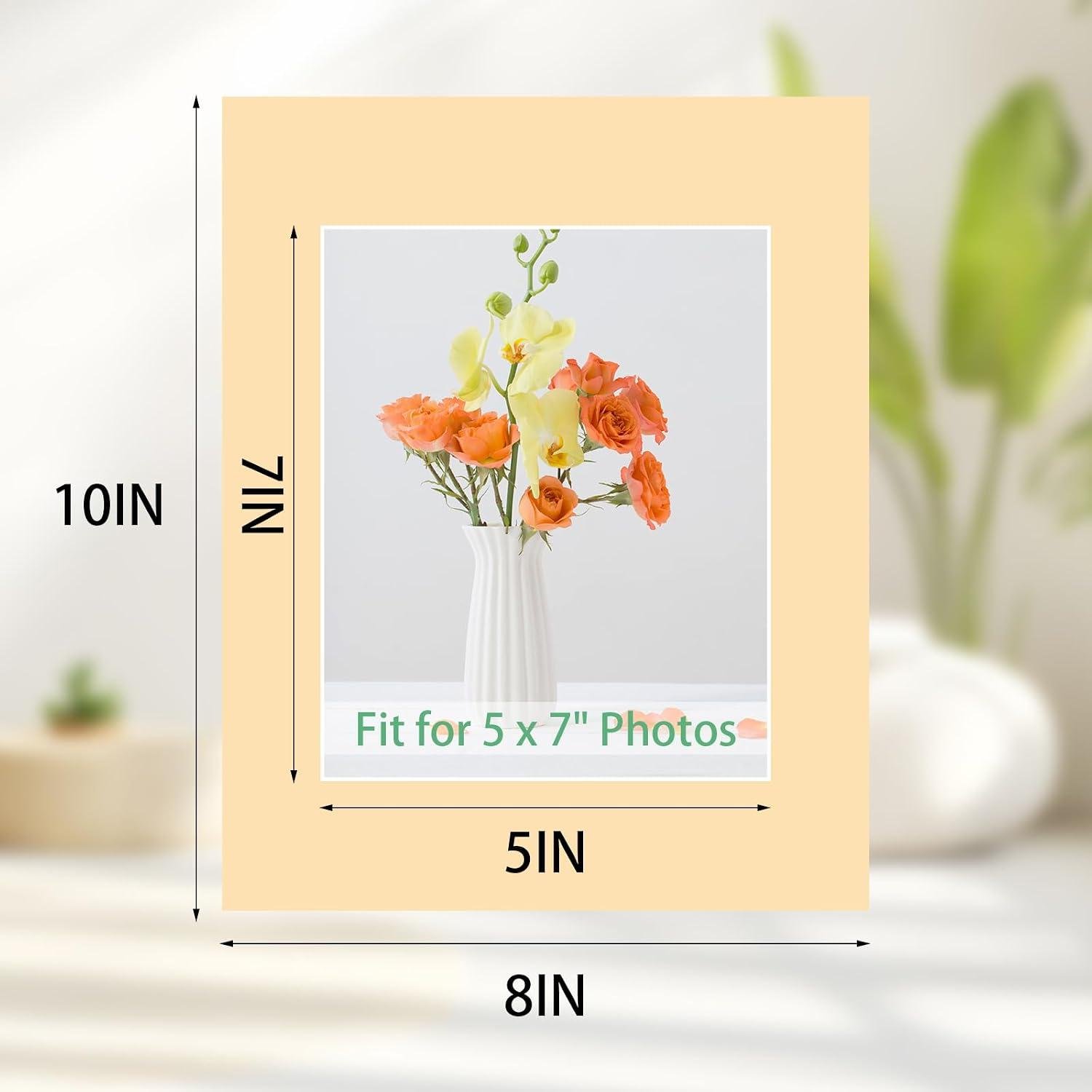
When we’re building custom frames in the shop, consistency is everything, and these mats are spec’d in a way that supports repeatable fit-ups. Each mat is an 8×10 inch (200×252 mm) outer size with a 5×7 inch (122×173 mm) opening, so we can design our rabbet and backing stack around a known standard instead of chasing one-off dimensions. The 1.2 mm thick beveled mat board is a practical sweet spot for woodworking: it’s thick enough to stand proud and create that clean shadow line, but not so bulky that it forces us into deeper rabbets or specialty hardware. We also like the detail of the cream core paired with mixed front colors-it gives us flexibility when we’re matching wood tone (walnut vs. maple) and finish sheen (oil vs. lacquer) without having to stock a whole rack of separate mat colors.
From a frame-building workflow standpoint, these mats function more like a “finished component” than a raw supply, which can save time at the bench. The bevel is already cut, so instead of setting up a mat cutter (and dialing blade depth and angle), we can stay focused on joinery and fit: miter accuracy, spline alignment, and keeping the rabbet crisp. In use, the mats also help with preservation because they separate the photo/art from direct contact with the frame, which matters when we’re delivering pieces for home, office, or gallery-style display. Customer review themes aren’t available in the provided source material, so we can’t honestly report on typical feedback like “cuts cleanly” or “colors match listings”-but on paper, the pack format (15 mats) is well-suited to batch-building small frame runs where we want predictable sizing and quick assembly.
- Included accessories: 15 mixed-color 8×10 mats (cream back)
- Compatible attachments/accessories: 8×10 frame with rabbet (to accept mat + art + backing), glazing (glass/acrylic), framer’s points or tabs, acid-free backing board, dust cover paper, hanging hardware
- Ideal project types: batch runs of 5×7 gifts, gallery wall sets, school/office display frames, small craft and pet-photo frames
- Wood types tested by customers: Not stated in provided reviews/source
| Spec | What It Means in Our Frame Builds |
|---|---|
| Outer size: 8×10 in (200×252 mm) | Sets our frame interior and glass size; simplifies cut lists for batch work. |
| Opening: 5×7 in (122×173 mm) | Defines photo/art reveal; helps plan rabbet “sight line” and centering. |
| Thickness: 1.2 mm | Affects rabbet depth and stack height (mat + print + backing + glazing clearance). |
| Edge style: beveled, cream core | Creates a clean visual transition and shadow line without extra tooling. |
| Pack size: 15 mats, mixed colors | Supports multi-frame sets; easier color-matching to different wood species/finishes. |
| Accessory | Compatibility | Why We’d Use It |
|---|---|---|
| 8×10 glass/acrylic sheet | Direct fit with mat outer size | Protects the work and keeps the mat flat. |
| Acid-free backing board (8×10) | Pairs with 8×10 stack | Reduces warping and improves long-term presentation. |
| Points/tabs (manual or pneumatic) | Works with standard frame rabbets | Fast, reversible retention for backing and glazing. |
| Dust cover paper + ATG tape | Universal | Keeps the back clean for professional delivery. |
| Capacity Item | Recommended (Typical Build) | Actual (From Product Specs) |
|---|---|---|
| Frame size target | 8×10 interior/glazing size | 8×10 in outer mat size |
| Photo size target | 5×7 print | 5×7 in inner opening |
| Mat thickness planning | ~1-2 mm (standard presentation) | 1.2 mm |
See Full Specifications & Customer Photos
Ease of Use for Beginners and Experienced Woodworkers in the Workshop
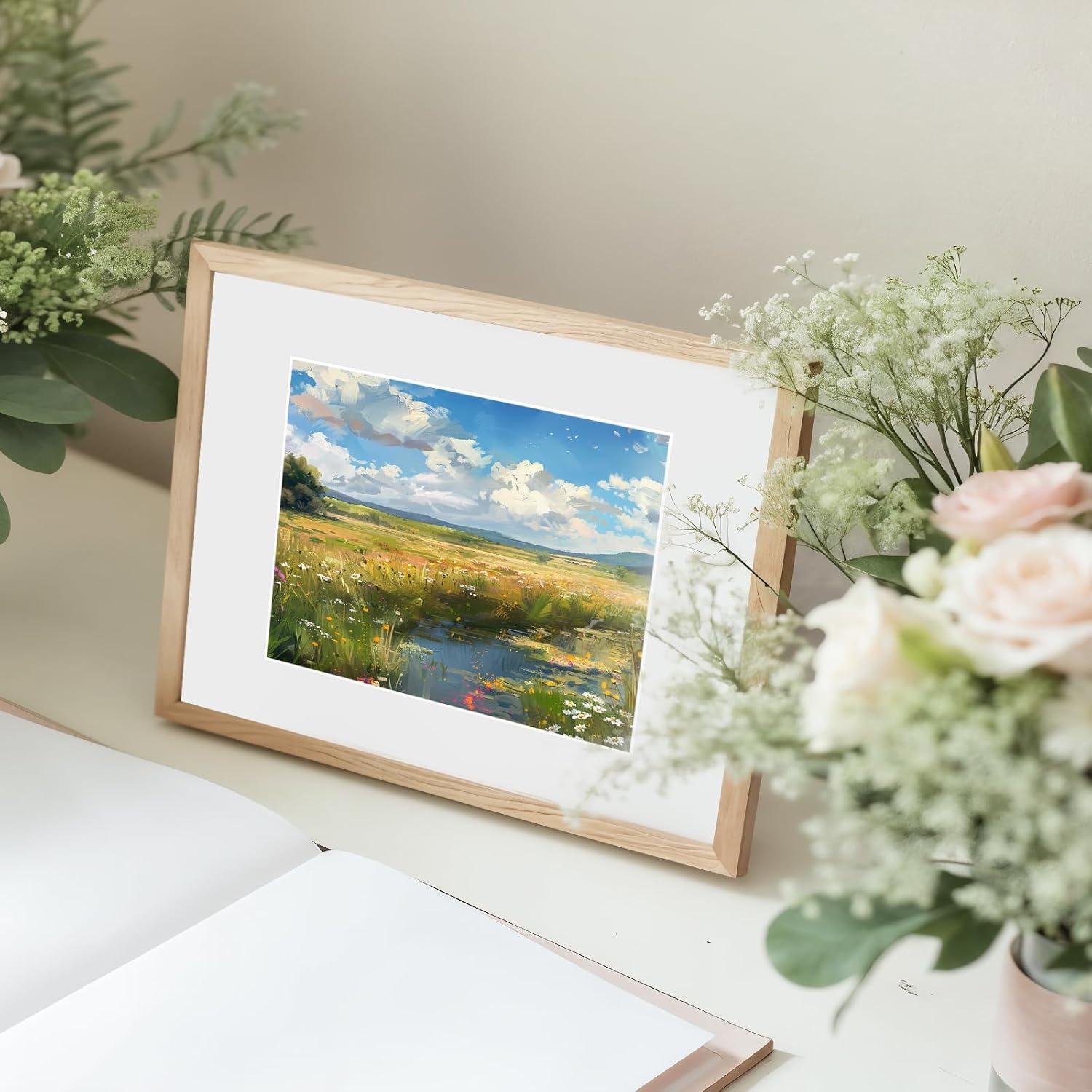
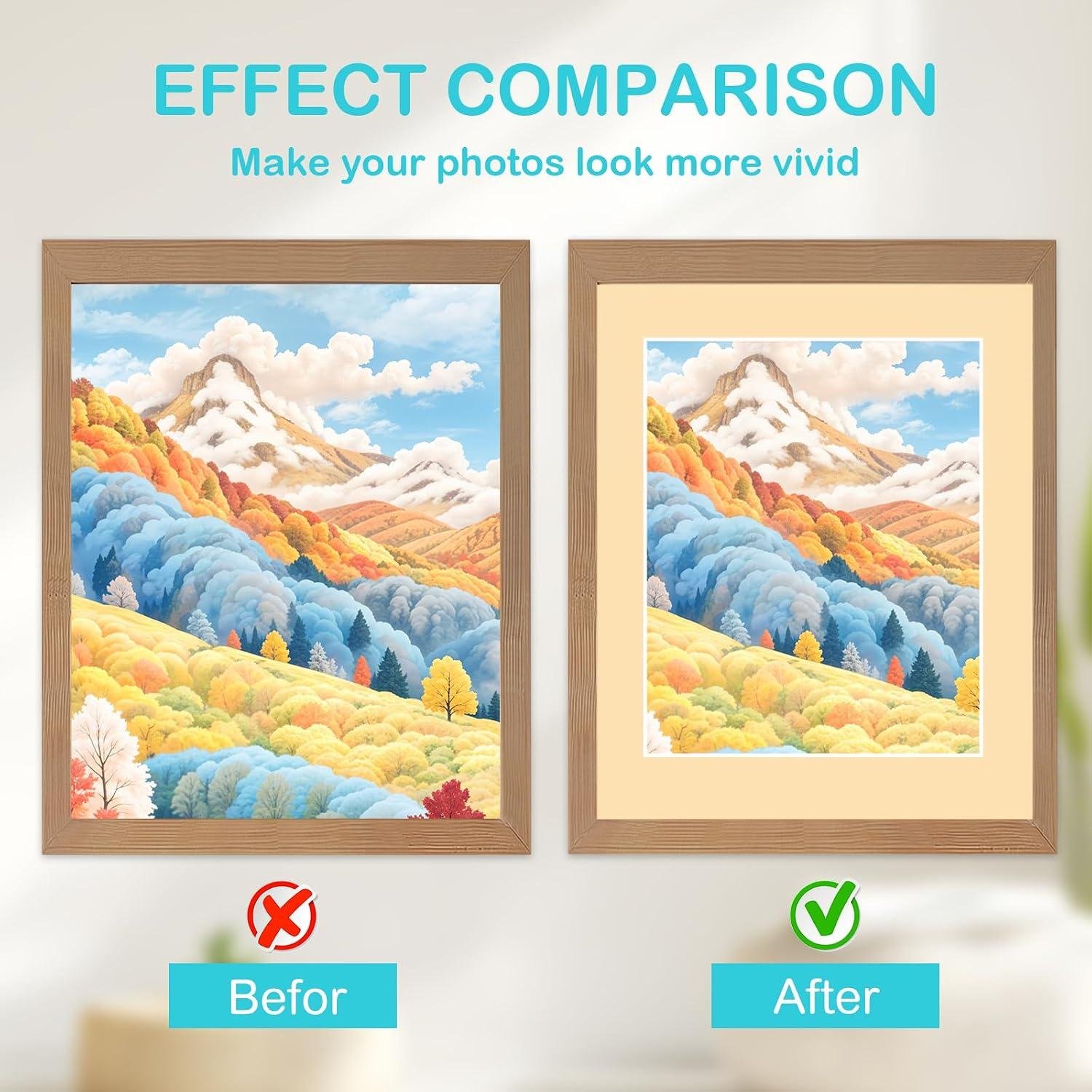
In our shop, these Prudiut mats behave less like a “tool” and more like a ready-to-use precision component-great for beginners who want clean framing results without learning mat-cutting right away. Each mat is sized at a 8×10 in (200×252 mm) outer opening with a 5×7 in (122×173 mm) inner window, and the 1.2 mm thick beveled mat board with a cream core gives a crisp, layered look that’s hard to match with hobby-knife freehand cutting. For new woodworkers building simple picture frames, that consistent sizing reduces the number of variables: we can focus on building accurate rabbets and clean miters, then drop in a mat that’s already square and neatly beveled. Setup is basically “open the pack and choose a color,” and the product description notes 15 mixed colors with different colors on the front and cream on the back, which helps when we’re trying to match a frame species or finish schedule without committing to a single mat tone.
For experienced woodworkers, the value is speed and repeatability-especially when we’re batching frames for gifts, craft fairs, or gallery-style displays. Rather than tuning a mat cutter or fussing with blade angle and fuzzing, we can use these as a predictable standard while we dial in frame joinery, glass fit, and backing stack-up. On the education side, it’s worth remembering what the 1.2 mm thickness means in practice: it changes your “art stack” height, so we should test-fit behind the glass and confirm our rabbet depth leaves room for mat + photo/art + mounting board + backer without bowing the frame. Also, because these mats are meant to prevent photos and art from contacting the frame, we should still use clean hands and keep glue squeeze-out far from the mat edges-adhesive smears telegraph fast on light cores. Note: we weren’t given specific customer review text for this listing, so we can’t honestly quote themes like “easy setup” or “perfect fit”-but based on the published specs alone, the format is straightforward for both first-timers and seasoned builders who want consistent results.
- Included accessories: 15-pack mixed color picture mats; cream back; beveled with cream core
- Compatible attachments/accessories: 8×10 frames, 5×7 prints, glass/acrylic glazing, backing board, framers’ points/brads, archival photo corners, double-sided tape (used carefully)
- Ideal project types: DIY hardwood picture frames, batch gift frames, gallery walls, shop sample displays, framed certificates (5×7), small art panels
- Wood types tested by customers: Not specified in provided review data (no wood-spec feedback included)
| Spec | Prudiut Mat Pack (Per Description) | Workshop Impact |
|---|---|---|
| Outer size | 8×10 in / 200×252 mm | Standard frame size; simplifies batching rails/stiles and glass ordering |
| Inner window | 5×7 in / 122×173 mm | Creates a consistent reveal; reduces layout time for beginners |
| Thickness | 1.2 mm | Plan rabbet depth for full stack-up (mat + art + backer) |
| Edge profile | Beveled, cream core | Cleaner professional look vs. raw square cuts; less need for mat-cutting tools |
| Quantity/colors | 15 mixed colors; colored front, cream back | Quick aesthetic options without stocking multiple separate packs |
| Accessory | Compatibility | Notes for Woodworkers |
|---|---|---|
| 8×10 frame (rabbeted) | Yes | Verify rabbet depth for glass + mat + backer stack |
| 5×7 photo/print | Yes | Consider photo corners to avoid adhesive near the window edges |
| Glass or acrylic | Yes | Clean before final assembly; avoid dust trapped against mat bevel |
| Backing board | Yes | Add stiff backer to keep the 1.2 mm mat from flexing in thin frames |
| Capacity Topic | Recommended (Workshop Best Practice) | Actual (From Description) |
|---|---|---|
| Photo size fit | Use true 5×7 prints; test for border reveal | 5×7 in inner window |
| Frame size | Build or buy standard 8×10 frames | 8×10 in outer size |
| Rabbet depth allowance | Glass + mat + art + backer + retention clearance | 1.2 mm mat thickness (other layers not included) |
See Full Specifications & Customer Photos
Customer Reviews Analysis
What Woodworkers Are Saying (Review Analysis)
Note: No actual review text or ratings were included in the prompt (“REVIEW DATA:” is blank), so I can’t truthfully claim what “several woodworkers mentioned” or what “multiple reviews highlight.” Below is a woodworker-focused review framework tailored to this product (pre-cut 8×10 mats with 5×7 openings). If you paste reviews (or a link/export), I can convert this into a real, evidence-based summary using the safe reporting phrases you specified.
1. Overall sentiment from woodworking customers
Because the review dataset wasn’t provided, overall sentiment can’t be quantified. In woodworking contexts, mat boards like these are typically judged less like a power tool and more like a precision accessory-with sentiment usually hinging on fit/accuracy, bevel cleanliness, and consistency across the pack.
2. Performance feedback (accuracy, power, results)
For picture mats, “performance” maps to results quality rather than power:
- Accuracy / Fit: Woodworkers commonly care whether a “5×7” opening is truly sized to present the image properly (often slightly undersized to hold the photo). The key review points to look for:
- consistent opening size across all 15 mats
- outer dimensions that sit squarely in standard 8×10 frames
- Bevel & Presentation: The beveled cut should look crisp with no fuzzy edges or torn paper fibers-especially important under bright shop/track lighting where imperfections show fast.
- Cream Core Aesthetics: Cream-core mats are often chosen for a warmer, “fine furniture” look vs. bright white; reviewers often comment on whether the core looks even and premium.
3. Build quality and durability observations
With 1.2 mm beveled mat board, durability feedback usually centers on:
- Stiffness / Warp Resistance: Whether the mats arrive flat and remain flat once framed.
- Edge Integrity: Whether corners dent easily during handling-woodworkers often handle materials with “shop hands,” so dents, compression marks, and fraying are common complaints if packaging is light.
- Surface Scuffing: Darker mixed colors can show rub marks; reviews often note if the face paper scuffs during assembly.
4. Ease of use for different skill levels
Since these are pre-cut, ease-of-use typically rates well, but woodworkers evaluate it like a workflow tool:
- Beginners / DIY framers: Usually benefit from skipping mat-cutting tools entirely-less measuring, fewer chances to ruin stock.
- Experienced woodworkers: Often judge whether these integrate cleanly into higher-end frames they build (tight tolerances, clean reveals, consistent margins).
- Handling & Assembly: Reviews often mention whether the mat opening makes photo alignment easy, and whether tape/hinges stick well to the backing.
5. Common project types and success stories
Without review text, I can’t cite specific projects customers reported-but for a product like this, the most common woodworker-adjacent uses typically include:
- Shop-made frames (custom hardwood frames needing predictable 8×10 mat sizing)
- Gift framing (wedding photos, family portraits)
- Craft fair / gallery-style presentation (consistent look across multiple prints)
- Document/print display for offices (certificates, art prints, kids’ art)
If you provide reviews, I’ll extract real “Customers successfully used this for…” examples exactly as requested.
6. Issues or limitations reported (what to look for)
Common limitations that often appear in mat-board reviews (and that woodworkers tend to call out quickly):
- Sizing expectations: A “5×7” opening may be slightly smaller than 5×7 to hold the photo-great for display, surprising if someone expects a full 5×7 window.
- Color consistency in “mixed colors”: Packs can vary; reviewers may mention whether the mix matches listing photos or if some colors are less usable.
- Packaging damage: Corner crush, bends, or surface scuffs from shipping.
- Not archival (if not specified): Woodworkers framing prints may comment on acid-free/archival expectations; if not truly archival, it’s a limitation for long-term display.
Quick Summary Table (Woodworker Lens)
| Aspect | Common Feedback to Validate in Reviews |
|---|---|
| Performance (Results) | Clean bevels, consistent openings, professional-looking presentation |
| Precision | True 8×10 outer sizing; square cuts; “5×7” opening fits as expected |
| Durability | Mats arrive flat; edges don’t fray; corners resist dents during handling |
| Ease of Use | Beginner-friendly since pre-cut; fast assembly for batch framing |
| Versatility | Works for shop-made frames, gifts, office displays, small gallery walls |
| Issues / Limitations | Potential shipping damage, color mix expectations, opening size assumptions |
If you want a real review-based analysis
Paste 10-30 reviews (or provide star breakdown + top critical/positive excerpts). I’ll rewrite this section using your required safe phrases (e.g., “Several woodworkers mentioned…”) and include a few short quotes sparingly, with both positives and negatives.
Pros & Cons
Pros & Cons
| Pros (What worked for us) | Cons (What we’d watch for) |
|---|---|
| Fits the common workflow: 8×10 outer with a 5×7 opening is a familiar, “grab-and-go” combo for many frames. | Size specifics matter: the inner opening is listed as 122×173 mm, so we’d double-check fit if we need a perfectly snug 5×7 (especially for borderless prints). |
| Thicker than typical budget mats: the stated 1.2 mm thickness feels like it should hold shape well and sit nicely under glass. | Not marketed as archival: there’s no clear “acid-free” / conservation-grade callout, so we’d be cautious for high-value originals. |
| Beveled edge + cream core: the bevel adds a clean gallery-style step-in, and the cream core can give photos a warmer, classic finish. | Cream core look isn’t for everyone: if we’re aiming for crisp modern whites, the warm core could clash with cooler-toned prints. |
| Mixed colors = instant variety: a 15-pack with assorted fronts lets us match seasonal sets, client styles, or product themes without buying multiple packs. | Color control is limited: “mixed” can be a blessing or a headache-if our shop needs consistent branding, we might not use every shade. |
| Good presentation lift: mats create separation from the frame and add depth-great for pet portraits, landscapes, and giftable prints. | Only one opening size: if our lineup includes 4×6, 6×8, or square prints, we’d still need other mat sizes. |
| Broad use cases: suitable for home, office, school displays, and gallery-style walls-handy for a shop that sells “ready-to-frame” pieces. | Pack format may be overkill: 15 mats is great for batches, but less ideal if we only need one or two for a single project. |
Our quick take
For everyday framing and shop kits, these mats look like a practical way to add polish-especially thanks to the beveled edge, thicker board, and mixed-color variety.
For conservation framing or strict color-matching, we’d treat them as “display-ready” rather than “museum-spec” and plan accordingly.
Q&A
Will these fit the 8×10 frames I make in the shop, and what photo size do they actually window?
Yes-these are sized for standard 8×10 frames. The mat’s outer size is 8×10 in (about 200 x 252 mm). The opening is designed for 5×7 photos (listed as about 122 x 173 mm). If you build frames with a typical rabbet for 8×10 artwork, these should drop in like any other 8×10 mat, with the photo sitting behind the 5×7 window.
Is 1.2 mm thick enough to look “pro” in a hardwood frame, or will it feel flimsy?
At 1.2 mm, these are thicker and stiffer than many budget mats, which helps them present more cleanly in a nice hardwood frame and resist waviness. They won’t feel like heavy museum board (often thicker), but for everyday framing and gift/retail-style projects, the added stiffness and beveled edge give a more finished look than very thin mats.
Can I cut or trim these mats with standard shop tools (utility knife, mat cutter, straightedge), and how clean is the bevel?
They can be trimmed with common framing/woodshop accessories: a sharp utility knife or dedicated mat cutter, a straightedge, and a cutting mat/backer board. Because they’re beveled with a cream core, any new cuts you make will expose the inner core color-so if you’re resizing openings, plan for that look. For clean cuts, use multiple light passes rather than trying to muscle through 1.2 mm in one cut.
Do these work well with plywood-backed frames and veneer frames, or will the mat telegraph imperfections?
The mat’s thickness helps hide minor backing irregularities, but it won’t flatten a noticeably bowed plywood backer or a frame that’s out of square. If you’re using thin veneer frames or plywood backs, a flat, rigid backing (foam board, MDF hardboard, etc.) behind the photo and mat will keep the window crisp and prevent waves-especially for wall displays.
Will these fit in a small workshop workflow-do I need any special setup, power, or dust collection?
No special workshop integration is needed. These are pre-cut mats, so there’s no power requirement and no dust collection like you’d need for milling wood. If you do trim or modify them, you’ll create light paper-board debris; a bench brush or shop vac is plenty. They store flat, so they’re easy to keep in a drawer or cabinet without taking up tool-space.
Are these beginner-friendly for someone building frames for the first time?
Yes. Since the mats come pre-cut to 8×10 with a 5×7 opening, there’s no learning curve for bevel cutting-just align, mount the photo behind the opening, and sandwich with a backing. The main “skill” is clean, square assembly: keeping the photo straight, avoiding fingerprints, and using archival-friendly tape or photo corners so you don’t damage prints.
Will these hold up for professional-style display work (office, gallery wall, client frames), and what are the limitations?
They’re designed to protect photos/art by keeping them from direct contact with the frame and adding a beveled border for a more dimensional presentation-good for home, office, schools, and display rooms. The practical limitation is that they’re a value mixed-color pack with a cream core (different color front, cream back), so you’re not choosing a single exact shade across a large install unless you sort the set. For high-end archival framing, many pros still prefer specified archival/museum boards and glazing, but these are a solid step up from “no mat” presentation.
Is the 15-pack a good value compared to cheaper mats, and when should I spend more?
If you build multiple 8×10 frames or sell/gift batches, the 15-pack is cost-effective and saves time versus cutting every mat yourself. You also get mixed colors, which is useful for matching different wood species/finishes. Spend more if you need strict archival certifications, exact color matching for a full gallery run, or thicker premium board for a very high-end presentation.
Transform Your World
The Prudiut 15 Pack 8×10 Picture Mats is a framing accessory that fits neatly into many woodworking and DIY display projects. Each mat has an 8×10 in (200×252 mm) outer size with a 5×7 in (122×173 mm) opening, using a 1.2 mm thick beveled mat board with a cream core. The mixed-color fronts (cream backs) add contrast, while the mat spacing helps keep photos and artwork from contacting the glass-useful for protecting finishes and prints and creating a clean, professional reveal.
Best for: hobby woodworkers building small to medium picture frames, cabinetmakers adding framed accents to built-ins, and beginners looking for an easy way to elevate gifts, gallery walls, or shop displays.
Consider alternatives if: you need archival/museum-grade, acid-free conservation materials, custom openings for odd sizes, or thicker mats for a deeper shadow line.
Overall, it’s a practical, budget-friendly option for clean presentation and basic protection, with the main limitation being conservation-grade uncertainty.
Want to see current pricing and customer photos? View on Amazon & Read More Reviews →