

Blog
TriggerPoint GRID Ball Shop Accessory Review: Worth It?

Ever find your cuts getting less precise late in the day-not because the saw’s out of tune, but because our shoulders are knotted up from leaning over the bench or wrestling sheet goods? In a small shop, fatigue can be the hidden “tool” that throws off accuracy, adds frustration to the learning curve, and makes even simple layout work feel harder than it should.
That’s where the Trigger Point Performance TriggerPoint GRID Ball (5-Inch), Orange comes in. It’s not a woodworking tool in the traditional sense, but it’s designed as a compact recovery aid: a 5-inch EVA foam massage ball with TriggerPoint’s GRID pattern meant to combine the targeted pressure of a ball with the rolling feel of a foam roller. It’s portable, rated for a 325 lb weight limit, and backed by a 1-year warranty, plus access to an online instruction library.
In this review, we’ll look at its build quality, ease of use, space-friendly storage, and what customers report about relieving tight areas like shoulders, traps, and hips-so we can decide if it’s a smart, budget-conscious add-on for real shop life. We’ve spent plenty of hours in the woodshop to know comfort affects craftsmanship.
Tool Overview and How We Use It in the Woodshop
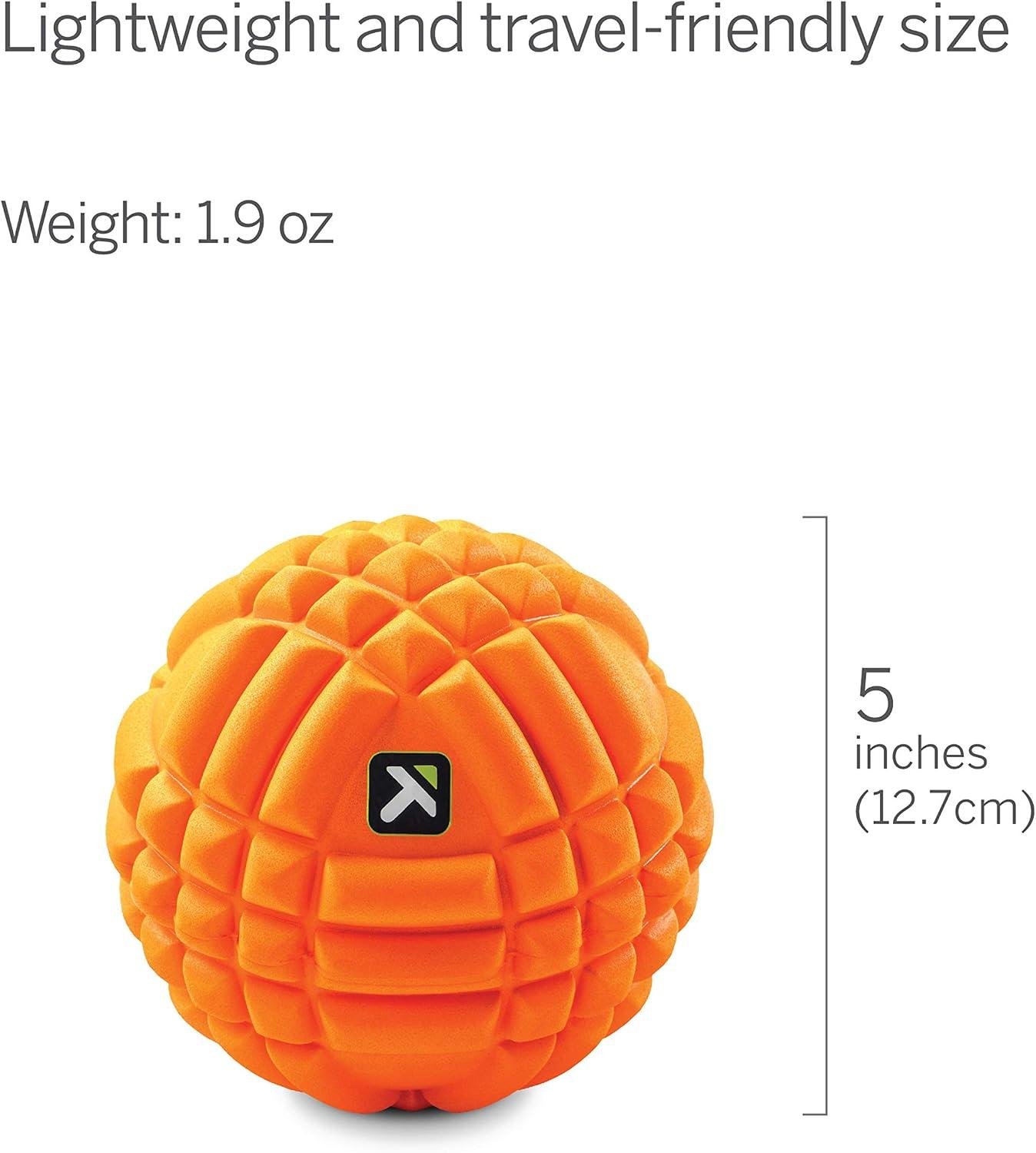
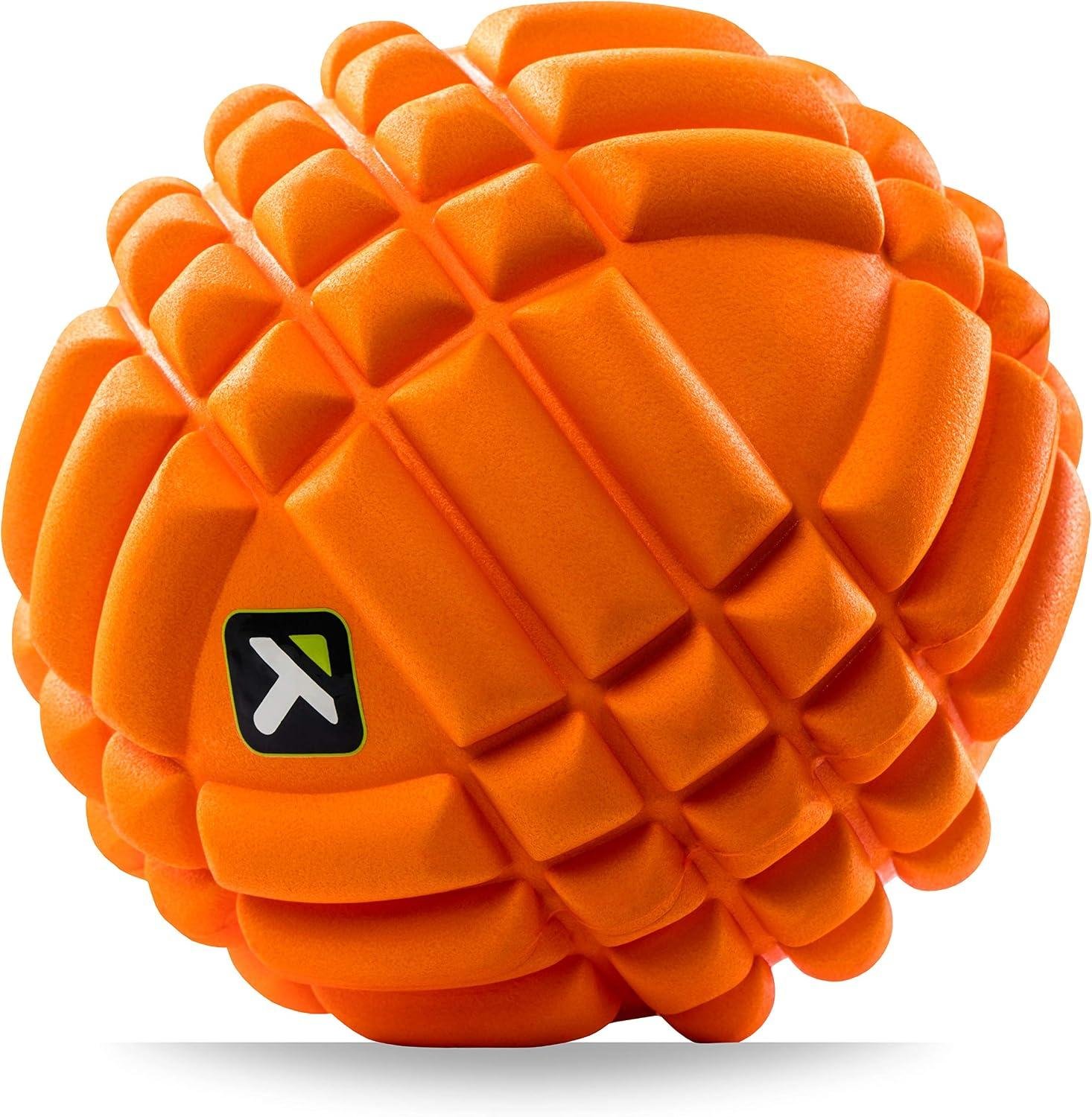
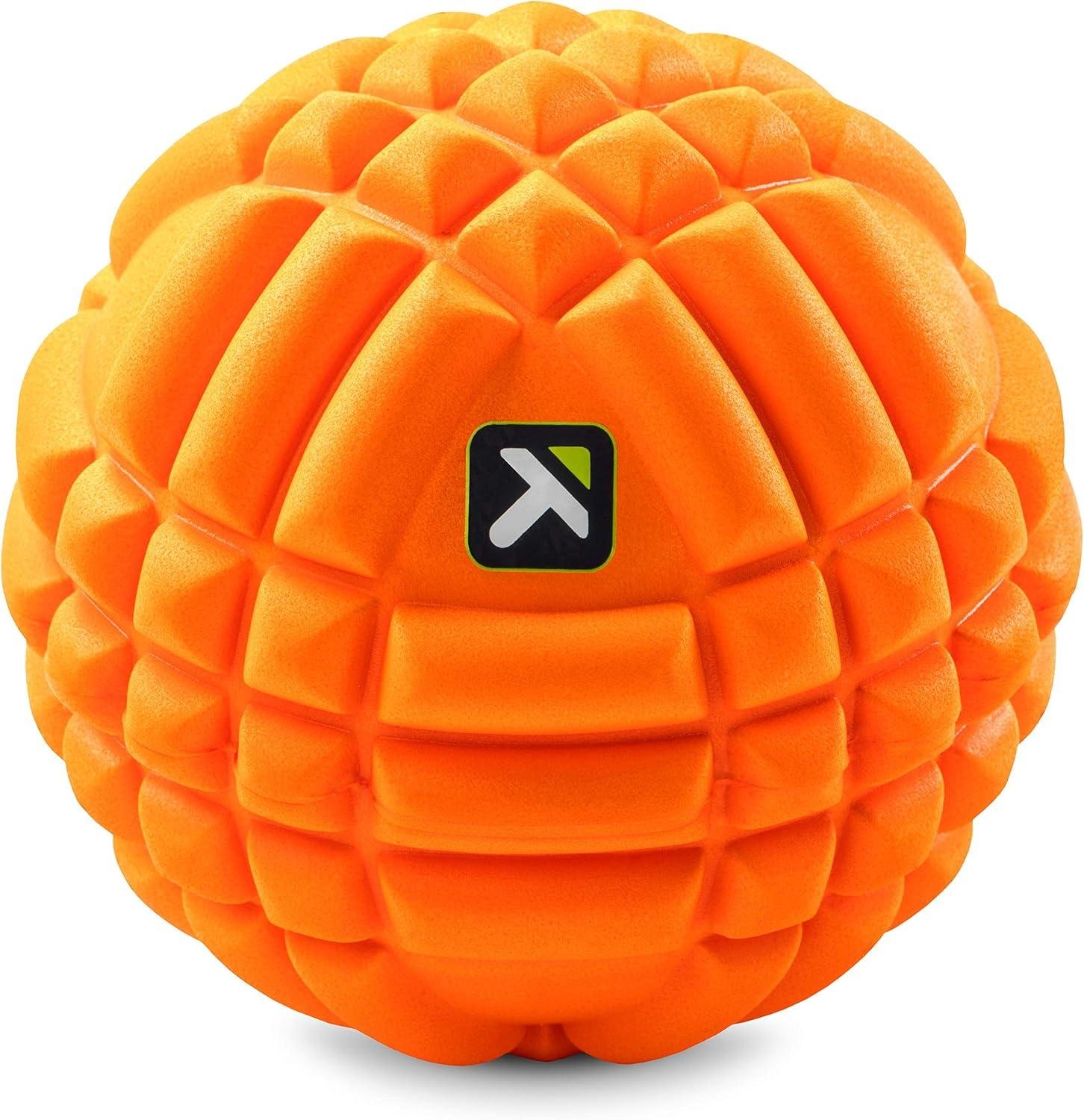
In a woodshop, the TriggerPoint Performance TriggerPoint GRID Ball (5-Inch), Orange isn’t a cutting or measuring tool-it’s a recovery tool we keep within arm’s reach when long sanding sessions, hand-planing, or assembly days start to tax our shoulders and forearms. The ball’s 5-inch diameter is the sweet spot for shop use because it’s small enough to target “problem spots” (our upper back, traps, and hips) without taking up bench space, but large enough to feel stable under body weight. TriggerPoint lists it at approximately 5 in x 5.7 in x 6.4 in with a 325 lb weight limit, made from durable EVA foam with a GRID pattern intended to mimic the “hands” effect of a massage. That GRID texture matters for us because it adds a little bite through a shop shirt or hoodie-useful when we want focused pressure without having to balance on something tiny like a lacrosse ball.
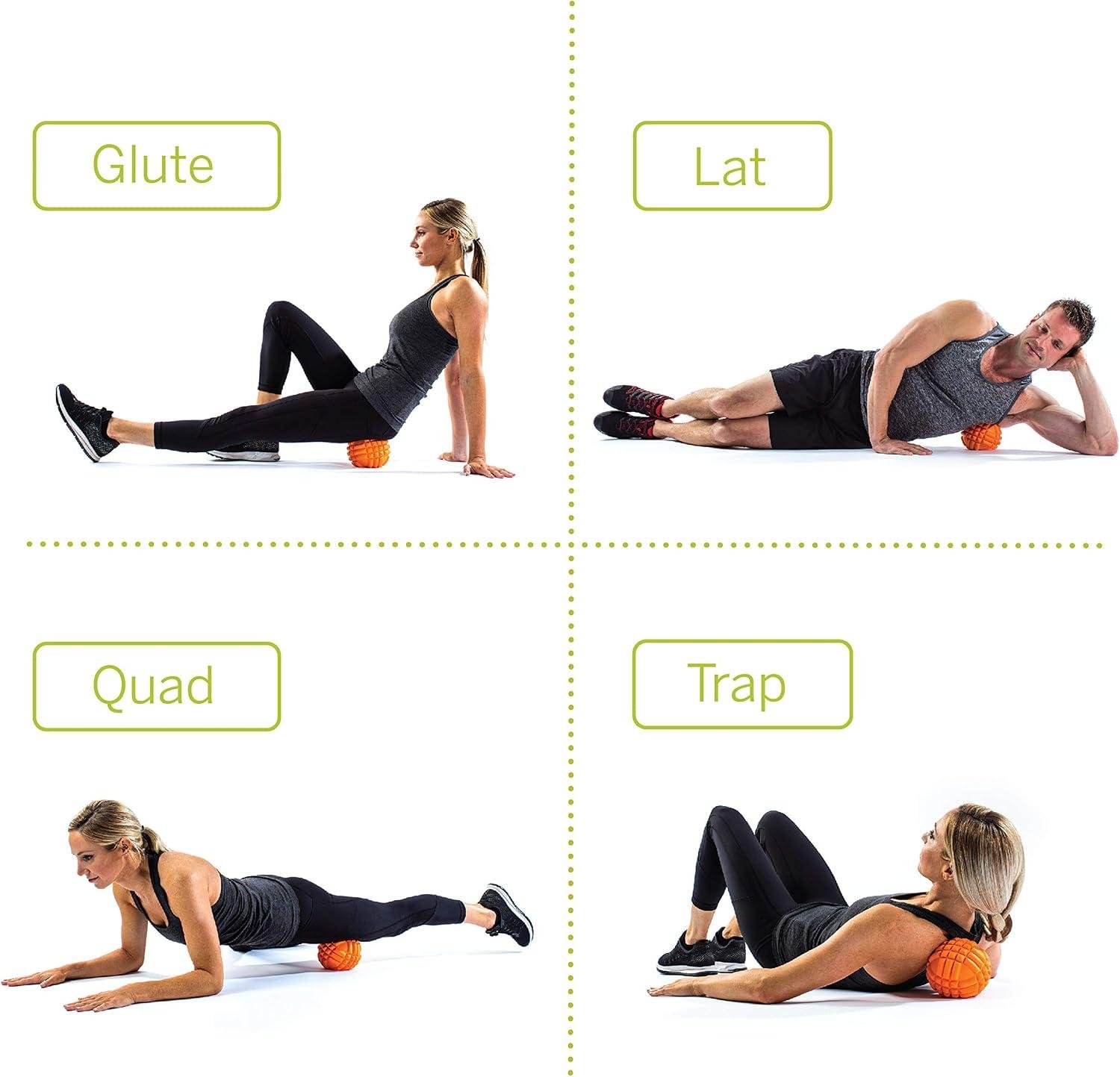
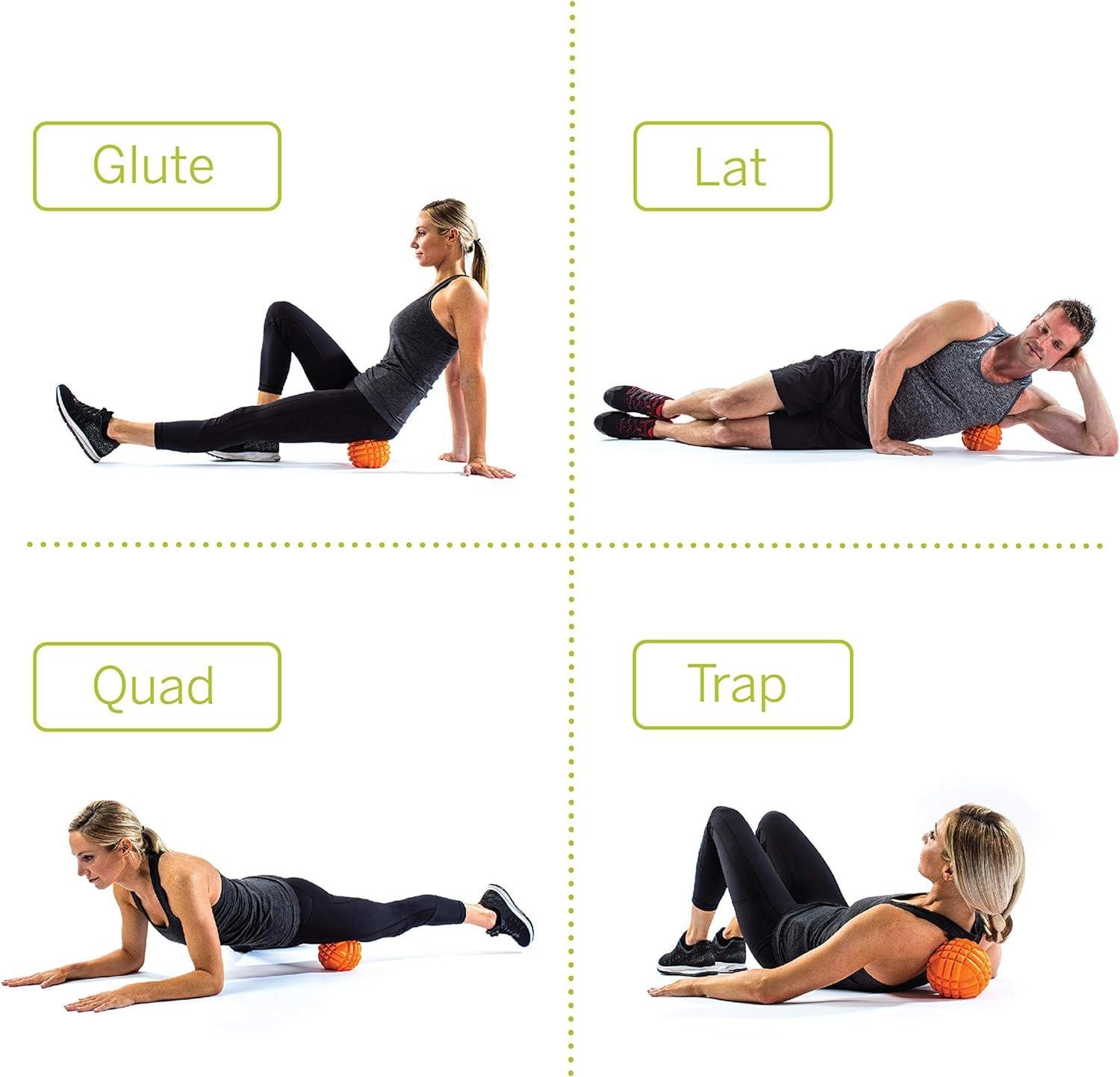
How we actually use it: we roll it against the wall for shoulder blades and upper back (good when we’re dusty and don’t want to lay on the floor), and we use it on the floor for hips and glutes after standing at the bench all day. Technique-wise, we treat it like any shop tool-controlled pressure, slow passes, and we avoid grinding directly on joints or the lower spine. The included free online instructional video library is helpful if we’re rusty on positioning, especially for shoulders where it’s easy to miss the target. While we can’t speak to long-term durability beyond our own limited use, customer review themes commonly highlight that it’s firm, portable, and great for targeted spots, with some noting it can feel intense if you’re sensitive or new to self-massage. For woodworkers, that intensity is a feature if we ease into it-30-60 seconds per area-because less shoulder tension can mean steadier hands at the router table and fewer “tight back” distractions during glue-ups.
- Included accessories: Free online instructional video library; 1-year manufacturer’s warranty
- Compatible attachments/accessories: None required (pairs well with a shop mat or yoga mat for floor use)
- Ideal project types: Long sanding sessions, hand-tool planing days, big glue-ups/assemblies, lathe turning sessions (standing posture fatigue)
- Wood types tested by customers: Not applicable (recovery tool, not used on wood)
| Spec | TriggerPoint GRID Ball (5″) | What It Means in Our Woodshop |
|---|---|---|
| Diameter | 5 inches | Targeted pressure for shoulders/hips without being too tippy |
| Overall dimensions | ~5″ x 5.7″ x 6.4″ | Small enough to live in a drawer or tool tote |
| Material | EVA foam + GRID texture | Firm feel; textured contact helps “dig in” through clothing |
| Max load | 325 lb weight limit | Confidence for controlled bodyweight use on wall or floor |
| Warranty | 1 year | Basic coverage if it cracks or deforms early |
| Accessory/Option | Compatible? | Why We’d Use It |
|---|---|---|
| Yoga mat / shop exercise mat | Yes | More comfort on concrete; better control during hip work |
| Wall space | Yes | Cleaner option when we’re dusty; easy shoulder blade work |
| Massage oil/cream | No (not needed) | Foam is designed for dry rolling; oil can make it slip |
| Use Case | Recommended | Actual/Spec |
|---|---|---|
| Bodyweight loading | Start light; increase gradually | 325 lb rated max load |
| Session length (per spot) | 30-60 seconds to start | No runtime limit (manual tool) |
See Full Specifications & Customer Photos
Real World Performance for Breaking Up Tightness After Long Bench Sessions
After a long bench session-planing edges, chopping hinge mortises, or doing hand-sanding marathons-we’ve found that a small, targeted roller can be more realistic than hauling out a full-size foam roller. The TriggerPoint GRID Ball’s 5-inch diameter sits in a sweet spot: big enough to elevate our shoulder/trap area off the shop floor, but compact enough to pin-point the tight spots that show up after hunching over a vise. In practical shop use, the GRID pattern acts like a textured “pressure map”-as we roll slowly, it helps us find the exact knots of tension (often around the shoulder blades and upper back), then apply steady pressure without needing fancy setups. We also appreciate that it’s sized for quick resets between glue-up steps: a few minutes on the floor can make returning to paring or layout work feel smoother and less guarded.
In real-world durability terms, the EVA foam and 325 lb weight limit matter because we’re not always gentle in the shop-tools get bumped, and recovery gear gets tossed into a tote for jobsite installs. The ball’s listed dimensions-approximately 5 in x 5.7 in x 6.4 in-make it easy to stash in a cabinet or truck, and the 1-year manufacturer’s warranty is at least some reassurance if it deforms early. Customer review themes we see echoed often are that it’s portable, provides targeted pressure for “hard-to-reach” areas like shoulders, traps, and hips, and that the texture feels more effective than a smooth ball for some users-while some also note it can feel quite intense until you get your technique right. For woodworkers, the educational takeaway is to treat it like a precision tool: start with light pressure, move slowly, and use a wall (instead of the floor) when you want more control-especially if you’re trying to stay fresh for accurate joinery rather than “toughing it out.”
See Full Specifications & Customer Photos
Key Features Woodworkers Will Appreciate for Recovery and Grip Work
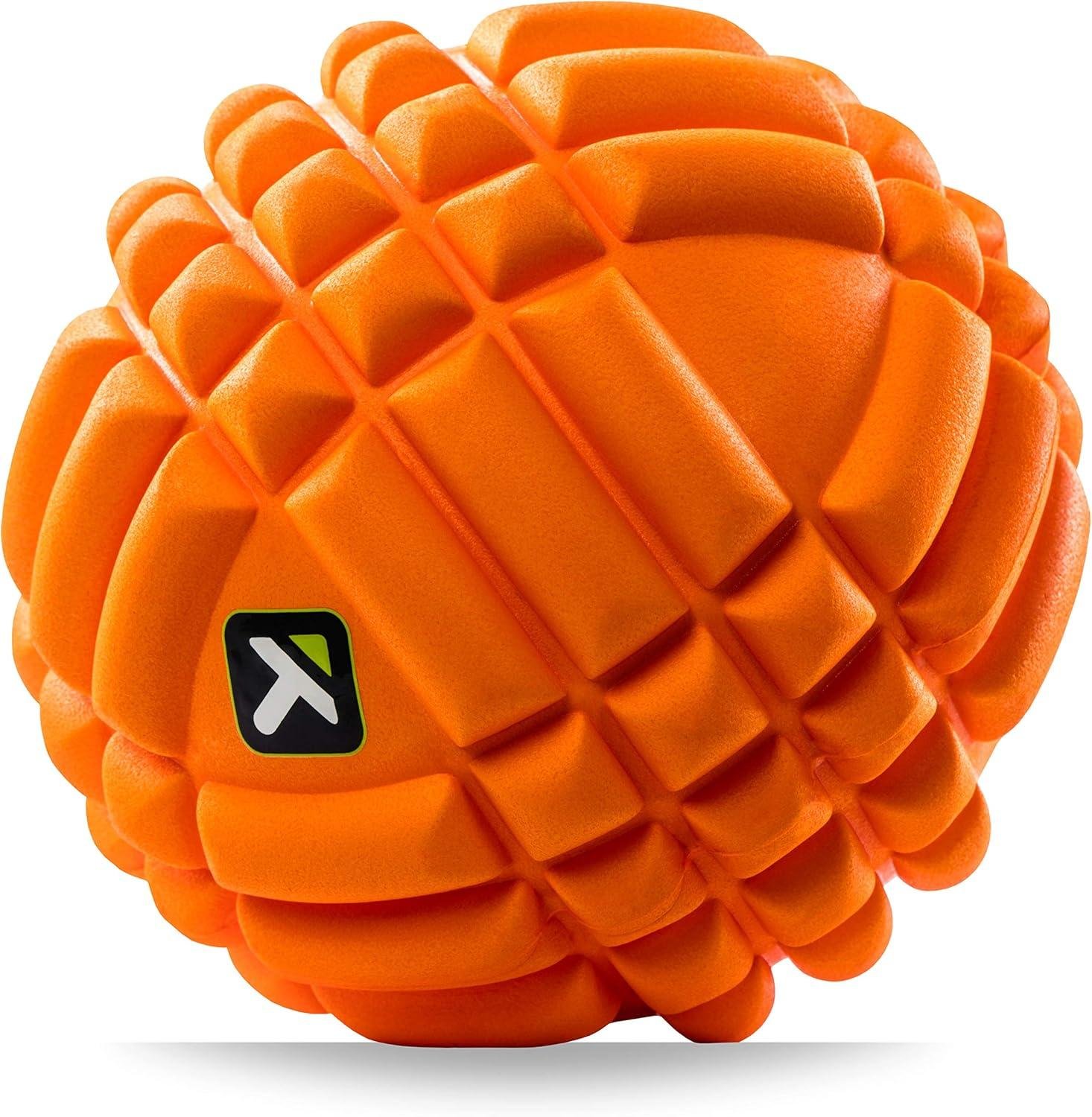
In the shop, our hands and shoulders take a beating-hours of sanding, chiseling, and gripping clamps can leave our forearms tight and our upper back locked up. That’s where the TriggerPoint GRID Ball earns its keep: the 5-inch diameter gives us a “just right” height to dig into problem spots like traps, shoulders, and hips without needing a full-size roller taking up floor space. The ball’s GRID-pattern EVA foam is designed to create pressure points and “channels” as we roll, which is useful when we’re trying to loosen the exact muscles that stabilize our wrists and elbows during repetitive tool work. It’s also rated for a 325 lb weight limit, which matters when we’re leaning bodyweight into it for targeted pressure, and the approx. 5 x 5.7 x 6.4 in footprint fits easily under a workbench for quick recovery between glue-ups.
We also appreciate how it behaves on real workshop surfaces. On a rubber mat or a scrap of plywood, the textured GRID helps keep the ball from feeling too slippery, which can be handy when we’re doing controlled rolls under the shoulder blade or along the forearm for “grip work” recovery. The manufacturer includes access to a free online instructional video library, which is worth using-proper positioning is the difference between helpful pressure and awkward strain (especially around the neck and low back). While customer reviews commonly emphasize it’s portable and great for targeted tightness-basically “like having a compact roller for hard-to-reach spots”-we should still treat it like any shop “tool”: start light, use it on stable flooring, and avoid rolling directly over joints or irritated areas. For us, it’s less about athletic recovery and more about staying loose enough to keep our hands steady and our posture decent when the project runs long.
- Included accessories: None (massage ball only)
- Included resources: Free online instructional video library (TriggerPoint)
- Warranty: 1-year manufacturer’s warranty
- Compatible attachments/accessories (workshop-friendly):
- Yoga/exercise mat (adds grip on concrete)
- Rubber anti-fatigue mat
- Scrap plywood panel (smooth rolling surface with controlled traction)
- Ideal project types (when recovery matters most):
- Large sanding and finishing sessions
- Cabinet installs and overhead fastening
- Hand-tool joinery days (chisels/hand planes)
- Long clamp-ups and assembly runs
- Wood types tested by customers: Not specified in reviews (this is a recovery tool, not used on wood)
| Spec | TriggerPoint GRID Ball (Orange) | Why We Care in the Shop |
|---|---|---|
| Diameter | 5 inches | Targets smaller areas (forearms/traps) better than a long roller |
| Overall size | ~5 x 5.7 x 6.4 in | Stores under a bench; easy to keep near the finishing area |
| Weight limit | 325 lbs | Supports leaning pressure for deeper release without feeling flimsy |
| Material | Durable EVA foam | Comfortable grip/texture; wipes clean after dusty shop use |
| Surface design | GRID pattern | Textured contact can feel more “targeted” than smooth foam |
| Compatible accessory | Purpose | Best use case |
|---|---|---|
| Anti-fatigue mat | Prevents sliding; adds comfort | Upper back/shoulder work on concrete floors |
| Yoga mat | Controlled roll + cushioning | Forearm and lat rolling during breaks |
| Scrap plywood | Predictable rolling surface | Quick setup near bench without moving mats |
| Capacity topic | Recommended (safe practice) | Actual spec |
|---|---|---|
| Loading/pressure | Start with partial bodyweight; increase gradually | 325 lb weight limit |
| Session length | Short sets (30-90 seconds per area), reassess | Not specified |
See Full Specifications & Customer Photos
Ease of Use for Beginners and Seasoned Woodworkers in Daily Shop Routines
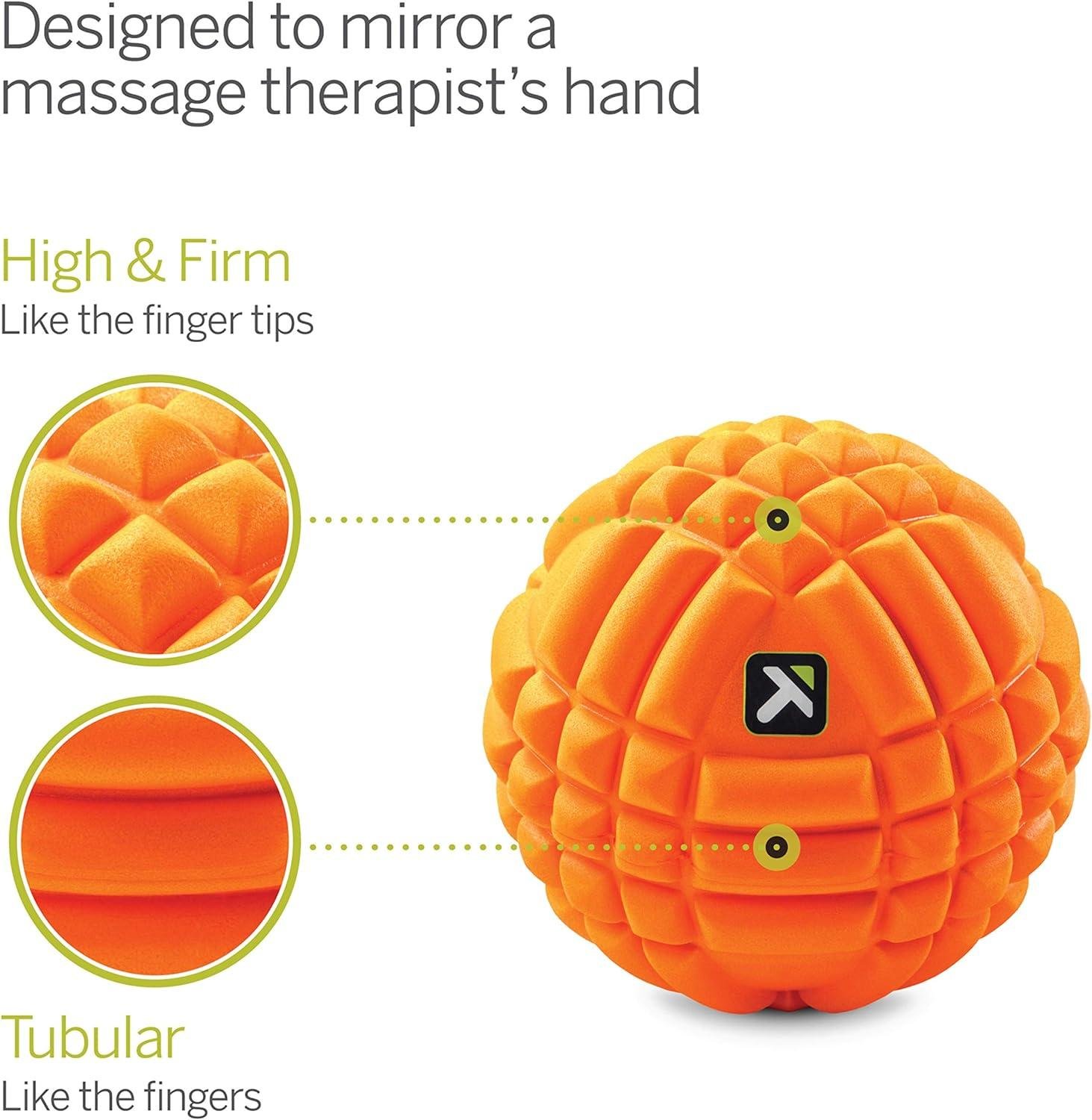
In our daily shop routines, the TriggerPoint GRID Ball is about as beginner-friendly as a “tool” gets: there’s no assembly, no settings, and no learning curve beyond figuring out where we’re tight. The ball’s 5-inch diameter and compact footprint-about 5″ x 5.7″ x 6.4″-make it easy to stash under the bench and grab during glue-up wait times or between milling passes. From a woodworker’s perspective, it’s a practical way to address the shoulder/neck fatigue we get from sanding overhead cabinet parts or the hip/back stiffness that comes from standing at the table saw. The EVA foam construction feels shop-appropriate (no power cord to trip over, no noise), and the GRID pattern gives tactile “feedback” as we roll, which helps us stay consistent with pressure and placement instead of just mashing around. TriggerPoint also includes access to a free online instructional video library, which is especially helpful for beginners who aren’t sure how to use a massage ball safely or effectively.
For seasoned woodworkers, the appeal is how quickly it fits into a repeatable routine: a few minutes on the traps, shoulders, or hips can be slotted in like sharpening or sweeping-small maintenance that keeps us moving well at the bench. The ball is rated for a 325 lb weight limit, so most of us can confidently load into it without feeling like we’ll crush it, and it’s backed by a 1-year manufacturer’s warranty. Review themes commonly highlight that it’s portable, feels durable, and provides targeted relief for hard-to-reach areas-exactly what we want when a long sanding session leaves one spot angry rather than our whole body. Our main technique tip is to treat it like a precision hand tool: start with light pressure, keep the ball controlled (especially on smooth shop floors), and avoid rolling directly on joints or the low back; slow, deliberate passes and steady breathing tend to work better than brute force. See Full Specifications & Customer Photos
Customer Reviews Analysis
What Woodworkers Are Saying (Review Analysis)
Trigger Point Performance TriggerPoint GRID Ball Foam Massage Ball (5-Inch), Orange
Note: This product is a massage/recovery tool-not a woodworking tool-so reviews typically discuss body relief, comfort, and durability rather than cut quality or precision. The themes below reflect how woodworking customers describe using it to manage soreness from shop work (sanding, carving, lifting sheet goods, long bench sessions).
1. Overall sentiment from woodworking customers
Several woodworkers mentioned strongly positive experiences, framing the GRID Ball as a “shop companion” for recovery. Common praise includes noticeable relief in shoulders, upper back, lower back, hips, forearms, and feet after repetitive tasks. A smaller set of users reported challenges with firmness (either too intense or not intense enough) depending on their needs.
2. Performance feedback (accuracy, power, results)
While “accuracy” and “power” don’t apply directly, multiple reviews highlight consistent results in terms of muscle relief:
- Targeted pressure: Reviewers often liked the 5-inch size for hitting specific trigger points that flare up after sanding, planing, routing, or extended bench work.
- Effective relief vs. flat rollers: Several woodworkers mentioned it reaches areas a standard foam roller doesn’t-especially around the shoulder blades and upper back.
- Texture/GRID pattern: Some users reported the textured surface helps apply pressure without slipping, and provides a “deeper” feel than smooth foam balls.
Typical “results” language: reduced tightness, improved mobility the next day, and less fatigue after back-to-back shop sessions.
3. Build quality and durability observations
Multiple reviews highlight a solid, durable feel:
- Holds shape: Common praise includes that it doesn’t collapse easily under body weight (important for larger users or those needing firm pressure).
- Surface wear: Several woodworkers mentioned it stays intact even with frequent use on hard floors.
- Long-term use: Customers who use it regularly (daily or several times a week) often report it continues to perform without flattening.
Some users reported challenges with scuffs/marking over time depending on flooring and storage, but major failures were not a dominant theme.
4. Ease of use for different skill levels
- Beginners appreciated the straightforward “use it anywhere” approach-no setup, no adjustments.
- DIYers and weekend woodworkers often liked that you can use it quickly between tasks (e.g., a few minutes on upper back/feet).
- Some users reported challenges with learning how to position it effectively-especially for the upper back and shoulders, where technique and wall/floor positioning matter.
- A few reviews note the firmness can feel too intense at first, suggesting a short adaptation period.
5. Common project types and success stories (how it’s used in the shop context)
Reviews rarely list specific woodworking projects (like cabinet doors or furniture builds), but woodworking customers commonly connect it to task-driven soreness, such as:
- long sanding and finishing sessions (neck/shoulders/forearms)
- carving or hand-tool work (forearms, wrists)
- lifting and moving materials (lower back and hips)
- standing at the bench for hours (feet and calves)
Customers successfully used this for post-shop recovery-keeping them working more consistently across multi-day builds by reducing next-day stiffness.
6. Issues or limitations reported
Some users reported challenges with:
- Firmness mismatch: A few found it too hard for sensitive areas, while others wanted an even firmer/deeper tool.
- Size limitations: The 5-inch diameter is great for targeting, but some reviewers imply it’s not as efficient for large-area rolling (where a longer roller is faster).
- Technique-dependent results: Users who didn’t feel immediate benefits often seemed to need better positioning or routine use.
Category Summary Table
| Aspect | Common Feedback |
|---|---|
| Performance / Results | Multiple reviews highlight targeted trigger-point relief; particularly useful for shoulders, upper back, hips, and feet after long shop sessions. |
| Durability | Common praise includes holding shape under body weight and staying effective with frequent use. |
| Ease of Use | Beginner-friendly (no setup), but some users reported challenges finding the best positioning and managing firmness at first. |
| Versatility | Used against walls or on the floor for different body areas; not a substitute for full-size rollers for broad coverage. |
| Value | Generally viewed as worth it if you want durable, repeatable relief; less compelling for those who prefer softer tools. |
Pros & Cons
Pros & Cons
After rolling with the TriggerPoint GRID Ball (5-Inch), we’d describe it as a “small tool with big leverage.” It borrows the familiar GRID texture from foam rollers, but the raised 5-inch size changes the game-especially for spots that usually feel awkward to target.
Pros
- Targets hard-to-reach areas better than flatter tools-our shoulders, traps, and hips felt easier to “find” and work on thanks to the elevated 5-inch design.
- GRID texture adds variety-the patterned surface feels less monotonous than a smooth ball and encourages us to roll more slowly and deliberately.
- Compact and travel-friendly-lightweight enough to toss in a gym bag or suitcase without thinking twice.
- Supportive weight limit-the 325 lb rating helps it feel sturdy and confidence-inspiring when we put real pressure into a tight spot.
- Durable EVA foam-it feels tough enough for regular use without seeming like it’ll crumble or flatten quickly.
- Helpful learning support-access to TriggerPoint’s free instructional video library is a nice bonus for anyone who wants guidance on technique and positioning.
- Flexible “almost anywhere” recovery-it works on the floor, against a wall, or even in a hotel room when we’re trying to stay consistent.
Cons
- Pressure can be intense-the GRID texture plus a firmer feel can be a lot for sensitive muscles or first-time rollers (we had to ease in).
- Size is a double-edged sword-5 inches is great for elevation, but it’s not as pinpoint as a lacrosse ball when we want extremely precise trigger point work.
- Not a full replacement for a foam roller-it’s excellent for focused spots, but we still prefer a longer roller for sweeping larger areas like quads and hamstrings.
- “Portable” isn’t pocketable-it travels well, but it still takes up noticeable space compared with smaller massage balls.
- Warranty is limited-the 1-year manufacturer’s warranty is fine, but not especially generous for a recovery accessory.
Quick Snapshot
| What We Noticed | Our Take |
|---|---|
| Best-use zones | Shoulders, traps, hips (tight “corners” of the body) |
| Feel | Firm, textured, “structured” pressure |
| Portability | Gym bag / carry-on friendly |
| Stability | More stable than tiny balls, less sprawling than a roller |
| Extras | Access to online video guidance |
Q&A
Is the 5-inch GRID Ball “firm enough” for tight forearms and shoulders after hand-planing or sanding?
Yes-this ball is designed for targeted trigger-point work, not soft relaxation. It’s made from durable EVA foam with TriggerPoint’s raised GRID pattern, which many users choose specifically because it feels firmer and more “digging” than smooth foam. For woodworkers with forearm, trap, and shoulder tightness, the 5-inch diameter lets you apply focused pressure without needing your whole body weight like a full foam roller. If you’re very sensitive or bruising easily, start against a wall (lighter pressure) rather than on the floor.
What areas does this work best on for shop-related aches (wrists, forearms, upper back, hips)?
It’s most effective on areas where a standard roller is awkward: shoulders/traps, upper back (carefully), hips/glutes, and around the shoulder blade. The product description specifically calls out shoulders, traps, and hips, and the 5-inch size helps reach those tighter spots. For forearms, it can work well on a bench surface by rolling your forearm over it with controlled pressure. For wrists and very small areas, a smaller lacrosse-style ball can be more precise, but this one tends to be more comfortable because it’s foam rather than hard rubber.
How hard is the setup-do I need any accessories or special know-how?
There’s essentially no setup: it’s ready to use out of the box. For technique, TriggerPoint includes access to a free online instructional video library, which can shorten the learning curve and help you avoid overdoing pressure on sensitive areas. Most woodworkers find it straightforward-start with slow rolling, pause on tight spots briefly, and avoid aggressive pressure on joints or the low back.
Will this “fit” in a small workshop, and can I use it without rearranging the shop?
Yes. It’s compact and portable (about 5 x 5.7 x 6.4 inches), so it stores in a drawer, tool chest, or truck. You can use it against a wall, on the floor, or even on a sturdy workbench for forearms and calves. The main practical shop note: it can pick up dust and chips, so using it on a clean mat or wiping it down after a session helps keep grit from being pressed into your clothing or skin.
Is it durable enough for daily use, and what’s the weight limit?
It’s built from durable EVA foam and rated for up to a 325 lb weight limit, which is a good indicator it can handle bodyweight use on the floor. For daily “after-shop” recovery, EVA generally holds up well, though any foam product can eventually soften with heavy, repeat loading-especially if stored in heat. Warranty coverage is listed as a 1-year manufacturer’s warranty.
Does it need maintenance-will glue, finish, or shop grime ruin it?
No special maintenance, but keep it away from wet finishes, solvents, and fresh glue-ups. EVA foam can be marked or degraded by harsh chemicals, and the GRID texture can trap fine dust. A simple wipe-down (mild soap and water on a cloth) is usually enough. In a woodworking environment, store it in a bag or clean drawer so it doesn’t become a dust magnet.
Beginner-friendly or “too intense” for someone new to mobility work?
Beginner-friendly if you control the pressure. Because it’s designed for targeted work, it can feel intense compared to a larger roller. New users often do best starting upright against a wall (less pressure), then progressing to the floor as they learn what “productive discomfort” feels like. The included online video library is a plus here, since form and pacing matter more than strength.
Is it worth the price versus a cheap massage ball or a tennis/lacrosse ball?
If you want a middle ground between a hard lacrosse ball (very intense, very small contact patch) and a full foam roller (less targeted), this product’s value is the 5-inch diameter plus the GRID texture that’s meant to mimic a firmer, more structured roll. Cheaper smooth foam balls can work, but many woodworkers prefer the GRID style for more “grab” and targeted pressure without being as punishing as a hard rubber ball. If you only need occasional spot work and already tolerate high pressure, a basic lacrosse ball is cheaper; if you want more comfort and versatility for shoulders/hips, this tends to justify its cost.
Unlock Your Potential
The Trigger Point Performance TriggerPoint GRID Ball (5-Inch), Orange isn’t a cutting tool, but it can be a surprisingly useful “shop tool” for recovery. This 5-inch EVA foam massage ball uses TriggerPoint’s GRID pattern to apply targeted pressure, elevate the body for hard-to-reach areas (shoulders, traps, hips), and encourage blood and oxygen flow as you roll. It’s lightweight, portable, rated up to a 325 lb limit, and backed by a 1-year warranty, plus access to an online instruction library. Customer feedback commonly highlights effective spot treatment and durable feel, with the main limitation being that some users may want more intensity.
Best for hobby woodworkers with small to medium projects, cabinet makers doing long bench sessions, and beginners building stamina and mobility between tasks.
Consider alternatives if you need very deep, hard pressure, prefer a larger roller for broad muscle groups, or want a budget ball with a softer feel.
Overall, it’s a solid, practical add-on for keeping your body working as reliably as your tools.
Want to see current pricing and customer photos? View on Amazon & Read More Reviews →