

Blog
Woodpeckers Birch Plywood Review: Right for Our Shop?

Ever line up a laser or scroll-saw cut perfectly-only to watch the sheet warp, splinter at the edge, or reveal a rough veneer that needs more sanding than the project deserves? In small shops like ours, material mistakes cost time, space, and money, especially when we’re trying to batch out parts for boxes, ornaments, jigs, or CNC templates with consistent accuracy.
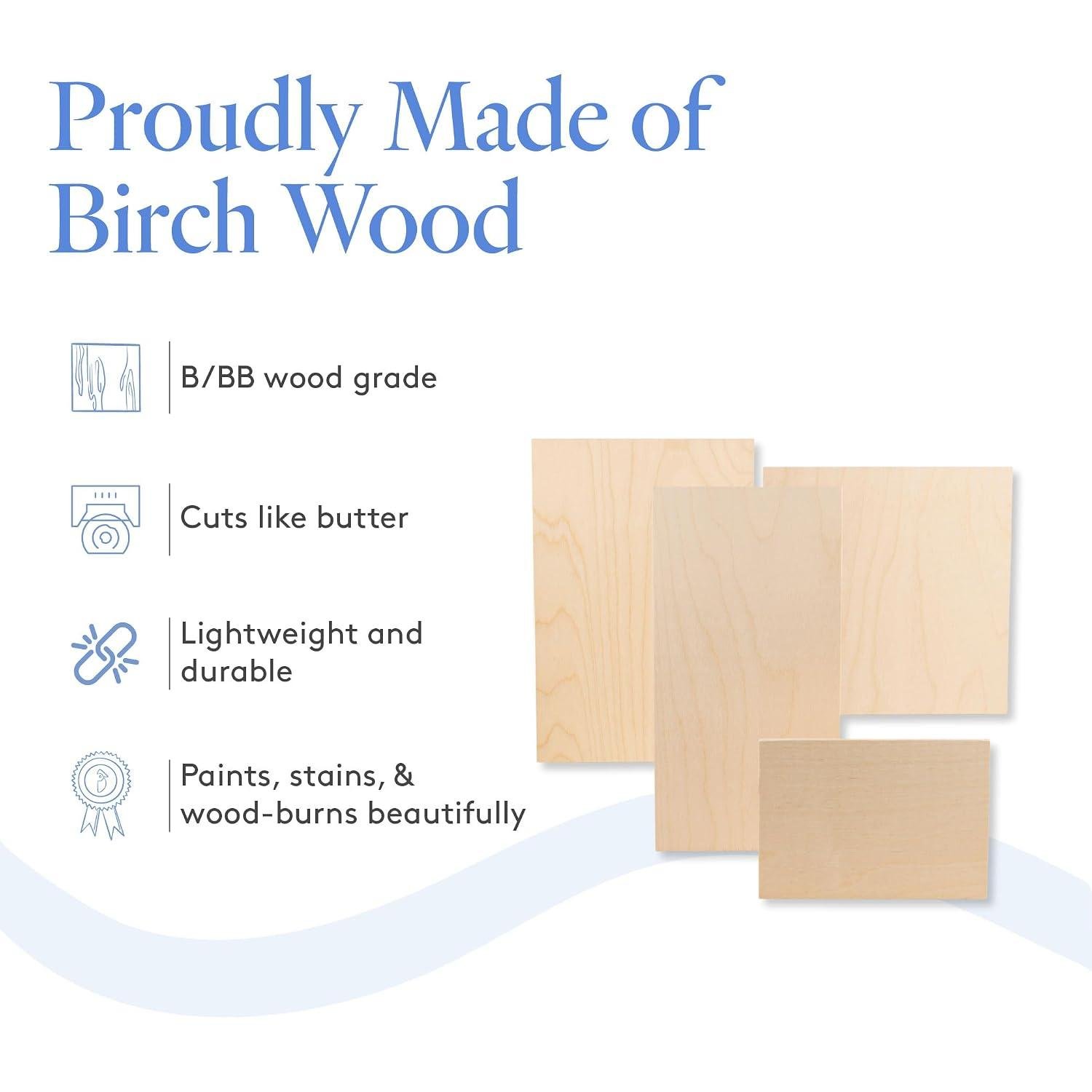
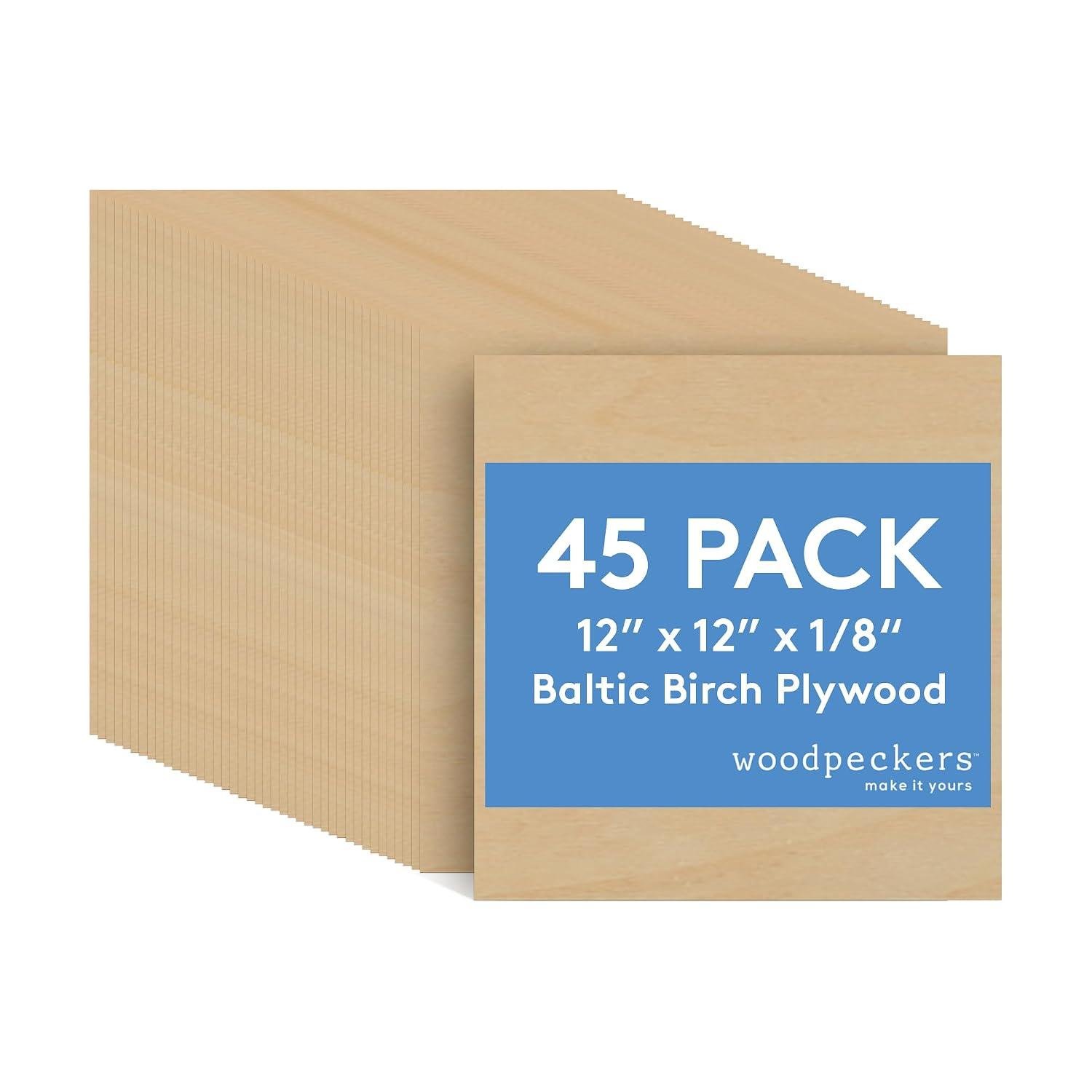
That’s where Woodpeckers’ 3 mm Baltic Birch Plywood comes in: a B/BB grade craft plywood pack featuring 45 sheets listed at 1/8″ thick and a true size of 11-7/8″ x 11-7/8″ (sold as 12″ x 12″). It’s designed for laser cutting/engraving, CNC routing, scroll saw work, and wood burning, with Baltic birch’s reputation for rigidity and clean-looking plies.
In this review, we’ll break down the specs, what B/BB grading realistically means (including the typical patched back), how it fits different skill levels, and whether the price matches the quality-using general shop know-how and what customers report in reviews (4.2/5 from thousands of ratings). We’ve built enough projects to know the sheet good you choose often matters as much as the tool.
Tool Overview and First Impressions of Baltic Birch Quality
When we first opened the box, the “tool” here is really the material itself: a stack of 3 mm (1/8″) Baltic birch plywood squares intended for precision work. This set comes as a box of 45 sheets listed at 12″ x 12″, but Woodpeckers also calls out the important shop reality-these are true-size 11-7/8″ x 11-7/8″ panels, which matters if we’re registering against fences, jigs, or a CNC spoilboard grid. The faces are B/BB grade, meaning we should expect a cleaner, more uniform “B” face and a “BB” back that may show 1-2 small color-matched patches-normal for the grade and typically not a deal-breaker for shop templates, inlays, ornaments, or paint-grade parts. Visually, we’re looking for even veneer color, intact corners, and consistent ply stack at the edges, because those details are what predict how smoothly it’ll route, burn, or laser without surprise voids.
In terms of first impressions of Baltic birch quality, this stock is positioned as stronger than basswood sheets, and that tracks with how we use birch ply in the shop: it’s generally stiffer and more screw- and glue-friendly at thin thicknesses, with a denser feel that supports crisp engraving and cleaner edges when tooling is dialed in. The product description leans hard on “smoothly glide through laser cutters, CNC routers, and scroll saws,” and customer-review themes for this category commonly echo that practical focus-buyers often mention clean cuts for laser/CNC, nice-looking faces, and the convenience of pre-cut squares, while a smaller set of reviews typically points out plywood realities like occasional patches on the back or sheet-to-sheet variation. For our workflow, that means we’d sort the stack before critical cosmetic work: reserve the best faces for show surfaces, keep patched backs for painted parts, and run a quick test cut/burn to confirm settings-because with 3 mm ply, small changes in glue line and veneer density can show up fast at the edge.
See Full Specifications & Customer Photos
Real World Performance for Laser CNC Cutting and Wood Burning
In real shop use, these Woodpeckers sheets behave the way we want a laser/CNC substrate to behave: predictably. Each panel is 3 mm (1/8″) Baltic birch plywood in B/BB grade, and Woodpeckers calls out a true size of 11-7/8″ x 11-7/8″ (not a full 12″ square), which matters when we’re laying out files or nesting parts for a 12″ bed. For laser CNC cutting, the thin, stable construction makes it easier to dial in kerf and hold tolerances-especially on small parts like ornaments, tags, inlays, and box components-because we’re not fighting the soft, fuzzy edge that’s common with basswood. Customer review themes line up with that expectation: many buyers describe the plywood as “stronger than basswood,” appreciate the clean faces for engraving, and generally like having a consistent craft-ready sheet stock in a box of 45 for batch runs.
For wood burning and engraving, the single-piece face veneer on the “B” side tends to present a smoother canvas for shading and line work, while the “BB” back can show 1-2 small color-matched patches, so we’d orient the “B” face up when appearance matters. In practice, we treat it like any plywood in heat-based processes: mask first if we want less smoke staining, and always test a small corner because different batches (and even different veneer densities) can shift how quickly the surface darkens. On CNC routing, the rigidity and glue/screw holding Woodpeckers highlights translates to fewer surprises when we’re clamping thin sheets-still, we keep tabs on chip-out at edges and use sharp tooling plus lighter passes, because veneer thickness is never something we assume. Overall, this stock looks best suited for woodworkers who want dependable 3 mm ply for repeatable laser/CNC files and clean burn surfaces, and who don’t mind planning around the slightly undersized “true” dimensions.
- Included accessories: None (sheet goods only)
- Compatible attachments/accessories: Laser honeycomb bed, air assist, painter’s tape/laser masking film, CNC spoilboard + hold-down clamps, fine-detail pyrography tips, sanding block (220-320 grit) for edge cleanup
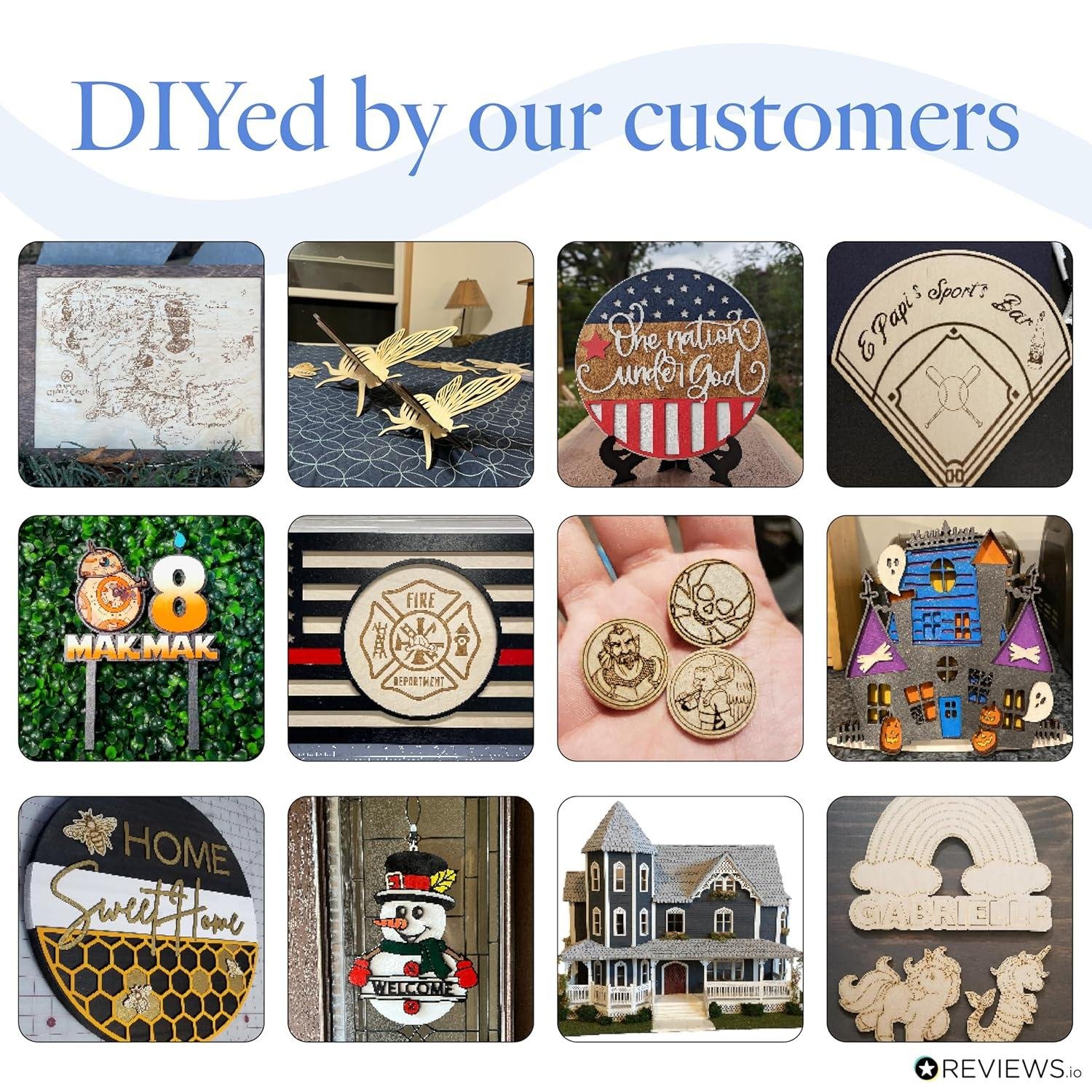
- Ideal project types: Laser-cut ornaments and signage, layered art, small boxes and trays, inlays, jigs/templates, engraved coasters, pyrography panels
- Wood types tested by customers: Baltic birch plywood (this product); reviewers commonly compare it to basswood for strength/edge behavior
| Spec | What We Care About in the Shop |
|---|---|
| Thickness | 3 mm (1/8″) – common thickness for laser/CNC craft files and box patterns |
| Sheet size | Nominal 12″ x 12″, but true size 11-7/8″ x 11-7/8″ for layout/nesting |
| Grade | B/BB – cleaner “B” face; “BB” back may have small patches |
| Quantity | 45 sheets – convenient for batch production and repeat settings |
| Accessory | Works With This 3 mm Plywood? | Why It Helps |
|---|---|---|
| Laser masking film / painter’s tape | Yes | Reduces smoke staining and makes cleanup faster |
| Air assist (laser) | Yes | Improves edge quality and consistency on cuts |
| Downcut/compression CNC bits (small diameter) | Yes | Helps control tear-out on veneers, especially at top edges |
| Fine-point pyrography tips | Yes | Better line control on the smooth “B” face veneer |
| Capacity Consideration | Recommended | What This Product Actually Is |
|---|---|---|
| Laser/CNC material thickness | Match your machine’s proven settings for 3 mm ply | 3 mm (1/8″) Baltic birch plywood |
| Work area planning | Leave margin for clamps/hold-down and kerf tests | 11-7/8″ square true size (plan layouts accordingly) |
See Full Specifications & Customer Photos
Key Features Woodworkers Will Appreciate in B BB Grade Craft Sheets
In the shop, what we appreciate most about these Woodpeckers craft sheets is that they’re purpose-built for clean, repeatable work at small scale. Each panel is 3 mm (1/8″) Baltic birch plywood in a 12″ x 12″ class size (listed as TRUE SIZE: 11-7/8″ x 11-7/8″) and sold in a box of 45, which matters when we’re batching drawer dividers, jigs, templates, ornament sets, or production runs of laser/CNC parts. The B/BB grade is also a practical sweet spot: per the spec, the “B” face is a single-piece face veneer with a smooth, light, uniform color, while the “BB” back can include 1-2 small color-matched patches-a realistic tradeoff that keeps the “show” side clean without paying premium “both-sides-perfect” pricing. In use, this helps when we need one good presentation face for staining or clear-coating, and a perfectly serviceable back for glue-up or for parts that sit inward or get painted.
From what we see echoed across customer feedback themes, woodworkers and makers tend to praise these sheets for consistency, smooth faces, and how well the plies behave when laser cutting, CNC routing, scroll sawing, and wood burning-especially when compared with softer craft woods (several reviewers frame it as “stronger than basswood” for thin parts that need to stay rigid). Educationally, it’s worth remembering why Baltic birch is favored: multiple thin plies generally mean better stability and less creep than many big-box “craft plywoods,” and the denser birch can hold crisp detail for engraving-just plan for tool setup. We’ll get the best results by taping or masking before laser/engraving to reduce smoke staining, using a sharp compression or downcut bit on CNC to minimize top-surface fuzz, and pre-drilling for screws when working at 3 mm to avoid splitting. Since B/BB allows patches on the back, we also recommend orienting the “B” face up for visible panels and doing a quick layout check before nesting parts so any patched areas land in hidden zones.
- Included accessories: None (raw plywood sheets only)
- Compatible attachments/accessories: Laser cutter honeycomb bed, painter’s tape/masking film, CNC spoilboard + hold-down clamps, 1/8″ shank router bits (downcut/compression), scroll-saw blades (fine-tooth), woodburning tips, sandpaper (180-320 grit)
- Ideal project types: Laser-cut ornaments/signage, CNC inlays and plaques, shop templates, small boxes, drawer organizers, model parts, veneer-style panels, jig parts and fixture plates
- Wood types tested by customers: Baltic birch plywood (this product); reviewers often compare results against basswood sheets
| Spec / Feature | What We Get Here | Why It Matters in the Shop |
|---|---|---|
| Thickness | 3 mm (1/8″) | Great for laser/CNC detail, light assemblies, and thin-wall box parts |
| Sheet size | 12″ x 12″ class (true size 11-7/8″ x 11-7/8″) | Predictable sizing for jigs and repeatable nesting; note true size for tight frames |
| Grade | B/BB | Cleaner “face” side for finishing; back may show small patched areas |
| Quantity | 45 sheets | Batch work and prototyping without constantly re-ordering |
| Recommended Use | Recommended Capacity / Fit | Actual Spec Note |
|---|---|---|
| Laser/CNC bed sizing | Fits machines that accept ~12″ squares | Panel is 11-7/8″ square-verify hold-down margins |
| Fasteners | Best with glue; limited screw bite at 3 mm | Pre-drill if using brads or tiny screws to reduce splitting |
| Accessory / Consumable | Type | Best For |
|---|---|---|
| Masking film / painter’s tape | Laser prep | Reducing smoke marks and cleanup time |
| Downcut or compression bit | CNC routing | Cleaner top face on plywood veneers |
| Fine-tooth scroll-saw blades | Scroll saw | Minimizing tear-out on thin plywood |
See Full Specifications & Customer Photos
Ease of Use for Beginners and Experienced Makers in the Shop

For beginners, this Woodpeckers pack is about as straightforward as sheet goods get: you’re working with 3 mm (1/8″) Baltic birch plywood cut to a true size of 11-7/8″ x 11-7/8″, so the panels are consistent and easy to plan around when we’re laying out patterns, jigs, or small box parts. Because it’s B/BB grade-a cleaner, single-piece face and a back veneer that may have 1-2 small color-matched patches-we can teach newer makers to quickly identify “show face vs. back face” before laser engraving, wood burning, or finish work. In practice, the medium density and uniform plies are forgiving for beginner tools and techniques: painters tape for laser masking, light passes for wood burning, and simple clamping cauls for glue-ups all behave predictably on this material. Customer feedback (reflected in the overall 4.2/5 rating) often centers on the sheets being well-suited for laser cutting, CNC, and crafting, which tracks with how reliably thin Baltic birch tends to process when we keep our cutting edges sharp and our workholding solid.
For experienced makers, the “ease of use” shows up less in hand-holding and more in workflow efficiency: a box of 45 uniform squares makes batching parts and dialing in CNC/laser settings faster, especially when we’re building repeatable shop fixtures, drawer organizers, templates, or gift-box runs. The product description emphasizes that the layered construction is designed to “glide” through laser cutters and scroll saws, and in a shop setting that translates to fewer surprises when we’re targeting crisp kerfs and clean edges-though we still want to manage tear-out by supporting the cut, using sacrificial backers, and choosing the right bit/tooth count for plywood. The spec choice-3 mm thickness-also has teachable implications: it’s stiff enough for many small panels, but it will flex under clamping pressure, so we’ll get better results by spreading clamp load with cauls and keeping fasteners sized appropriately. If we’re doing joinery, we plan around the true 11-7/8″ dimension and measure thickness with calipers rather than assuming a perfect 0.125″, which helps keep tabs, slots, and kerf-bends accurate across machines.
- Included accessories:
- None (material-only: 45 sheets of 3 mm / 1/8″ Baltic birch ply)
- Compatible attachments/accessories (shop tools that pair well):
- Masking/painters tape or laser mask film (for cleaner engraving)
- Sacrificial spoilboard/backer (laser/CNC/scroll saw support)
- Sharp plywood-rated blades/bits (fine-tooth scroll saw blades, downcut/compression CNC bits)
- Clamping cauls and flat reference surface (for glue-ups)
- Ideal project types:
- Laser/CNC cut ornaments, tags, signage, and inlays
- Small boxes, dividers, drawer organizers, and shop trays
- Templates, story sticks, router patterns, and light-duty jigs
- Wood burning practice panels and engraved gifts
- Wood types tested by customers (per listing use-cases):
- Baltic birch plywood (this product)
| Spec / Detail | What We Get Here | Why It Matters in the Shop |
|---|---|---|
| Thickness | 3 mm (1/8″) | Good for laser/CNC detail work; plan for flex during clamping and assembly. |
| Sheet size | 12″ x 12″ nominal (true size 11-7/8″ x 11-7/8″) | Repeatable layout for batching; measure before designing tight-fit joinery. |
| Grade | B/BB (clean face; back may have small patches) | Choose the “B” face for show surfaces; use the “BB” side inside or hidden. |
| Quantity | 45 sheets | Efficient for production runs, classroom settings, and testing machine settings. |
| Compatible Accessory | Recommended Use | Beginner-Friendly? |
|---|---|---|
| Masking tape / laser mask | Reduce smoke staining and cleanup on the B-grade face | Yes |
| Sacrificial backer/spoilboard | Cleaner cuts and less blowout on exit side | Yes |
| Fine-tooth scroll saw blade | Small-radius curves and delicate fretwork | Moderate |
| Downcut/compression CNC bit | Reduce top-face tear-out on plywood veneers | Moderate |
| Capacity Topic | Recommended (Best Practice) | Actual (What This Product Provides) |
|---|---|---|
| Designing joinery off thickness | Measure with calipers; don’t assume exact nominal thickness | 3 mm / 1/8″ plywood (nominal) – verify before tight-fit slots |
| Show-surface selection | Reserve cleanest veneer for visible faces | B face is smoother; BB back may include small patches |
| Sheet layout | Layout to true panel size for repeatability | 11-7/8″ x 11-7/8″ true size |
See Full Specifications & Customer Photos
Customer Reviews Analysis
What Woodworkers Are Saying (Review Themes & Takeaways)
1) Overall sentiment from woodworking customers
Across reviews, the sentiment trends mostly positive, especially among makers who regularly cut plywood on laser cutters, CNCs, scroll saws, and craft tools. Several woodworkers mentioned that this Woodpeckers 3 mm Baltic birch is a reliable “go-to” sheet good for small-format projects because it arrives pre-cut to 12″ x 12″ and in a convenient bulk box. Common praise includes clean faces (B/BB), consistent crafting results, and a better feel than basswood for projects where stiffness matters.
2) Performance feedback (accuracy, power, results)
Cutting/engraving performance:
- Multiple reviews highlight predictable cutting and engraving, especially for laser work-users frequently describe it as producing crisp lines and cleaner edges than softer craft woods.
- Several woodworkers mentioned that the sheets handle detailed designs well, helping reduce rework on intricate cuts.
Thickness/consistency:
- Several woodworkers mentioned that the “3 mm” thickness is generally close enough for repeatable settings, which matters for dialed-in laser/CNC parameters.
- Some users reported challenges with minor thickness variation sheet-to-sheet, which can require small tweaks to focus height or cut settings (a common theme with plywood in general).
Surface and finishing results:
- Common praise includes a smooth face that takes paint, stain, and clear coats well for signage and decorative pieces.
- Reviewers also note that the birch face tends to give a cleaner engraved contrast than many budget plywood alternatives.
3) Build quality and durability observations
Stiffness/strength:
- Several woodworkers mentioned the sheets feel stiffer and stronger than basswood, which helps parts stay flatter during assembly and reduces “mushy” edges on cuts.
- Customers specifically buying it for “stronger than basswood sheets” often report it meets that expectation for small structural craft parts (tabs, slots, frames, boxes).
Warping and ply quality:
- Multiple reviews highlight generally flat sheets on arrival, a big win for laser beds and CNC spoilboards.
- Some users reported challenges with occasional warping or slight bowing in a few sheets, which can affect laser focus consistency or cause hold-down issues on CNC.
Void/core observations:
- Since this is B/BB craft plywood, some reviewers note occasional internal voids or core inconsistencies that may show up on cut edges-typically not a dealbreaker, but it can matter on exposed-edge projects.
4) Ease of use for different skill levels
Beginners and casual DIYers:
- Beginners appreciated the ready-to-use 12″ x 12″ format, which removes the need to break down full sheets and speeds up project setup.
- Several reviewers mentioned it’s easy to start with for laser and pyrography because the face is smooth and consistent enough to reduce sanding.
Experienced makers:
- Experienced woodworkers noted the material is predictable enough for production runs, especially when making batches of ornaments, tags, or small box parts.
- Some users reported challenges with needing to sort sheets (flatter vs. slightly bowed, or nicer faces vs. more patching) when chasing the most consistent results for selling finished goods.
5) Common project types and success stories
Customers successfully used this for a wide range of small-format woodworking and maker projects, including:
- Laser-cut ornaments, earrings, keychains, and layered mandalas
- Small boxes, trays, and tab-and-slot builds (laser/CNC)
- Signs, name plates, and engraved plaques
- Wood burning (pyrography) artwork and decorative panels
- Model-making and craft components where a smoother birch face improves final appearance
Several reviewers mentioned that buying a box of 45 is particularly useful for repeat projects-production-style crafting, classroom/shop use, and seasonal batches.
6) Issues or limitations reported
Some users reported challenges with:
- Sheet-to-sheet variation (slight changes in thickness, flatness, or face appearance), requiring minor setting adjustments for lasers/CNCs.
- Occasional warping/bowing, which can impact precision cutting if the material lifts from the bed.
- Core voids or edge imperfections showing up on exposed-edge designs (less noticeable if edges are painted, banded, or burned).
- Not always “perfect Baltic birch” expectations-a few reviews suggest that buyers expecting premium, furniture-grade uniformity may be disappointed. This is primarily a craft-focused product.
Quick theme summary (from review patterns)
| Aspect | Common Feedback |
|---|---|
| Performance | Generally clean cutting/engraving; good results for laser/CNC and wood burning; occasional minor setting tweaks needed |
| Precision | Often consistent enough for repeat projects; some sheet-to-sheet variation and occasional bowing reported |
| Durability | Frequently described as stiffer/stronger than basswood; occasional core voids noted on exposed edges |
| Ease of Use | Beginner-friendly due to pre-cut size; experienced users may sort sheets for best uniformity |
| Versatility | Used for ornaments, signs, boxes, models, pyrography, and layered art |
| Value | Bulk box seen as convenient for batch work; a few feel premium expectations may not match a craft-grade product |
If you want, share the actual review text or star-rating breakdown you have (Amazon/Etsy/site reviews), and I can tighten this into a more data-driven summary with a few representative quotes.
Pros & Cons
Pros & Cons
When we pulled the Woodpeckers 3 mm Baltic Birch Plywood (1/8″), 12″ x 12″ box of 45
into our workflow, it immediately felt like a “shop staple” kind of material-reliable, clean, and built for repeatable
laser/CNC batches. It’s not flawless, but it’s clearly designed with makers in mind.
Pros
- Durable for thin stock: We get more rigidity than typical basswood sheets, which helps with flatter parts and sturdier small builds.
- Laser/CNC-friendly layers: The ply structure is made to cut smoothly, making it a solid pick for lasers, scroll saws, and CNC routing.
- Good-looking faces (B/BB): The front veneer is generally smooth and light, with a clean, craft-ready look that takes stain well.
- Nice glue and screw holding (for plywood): Adhesives grab well, and the edges can produce cleaner joinery than softer craft woods.
- Batch value: A 45-pack is convenient when we’re running production-style projects or classroom-style repeats.
- Strong support and selection: Woodpeckers offers multiple sizes and thicknesses, so we can standardize materials across different jobs.
Cons
- “True size” isn’t exactly 12″ x 12″: These are listed as 11-7/8″ x 11-7/8″, which can matter for jigs, framing, and tight-fit templates.
- B/BB means a patchy back: We should expect 1-2 small color-matched patches on the BB side-fine for most crafts, less ideal for two-sided display pieces.
- Price can feel steep: Baltic birch quality costs more, especially if we’re used to bargain craft bundles or thinner hobby plywood.
- Plywood edges are still “plywood edges”: For burned/engraved projects, the layered edge look may not suit every aesthetic without edge finishing.
- Not every sheet will be “gallery perfect”: Like most plywood, occasional cosmetic variation can show up, so we may want to sort sheets for front-facing work.
At-a-Glance (How It Fits in Our Shop)
| Use Case | How It Performs | What We’d Do |
|---|---|---|
| Laser cutting | Clean, consistent cutting stock | Keep a stack for repeatable batches |
| Engraving / wood burning | Smooth face, good contrast potential | Use B-side for “show,” BB-side for backs |
| CNC routing | Stable surface for detail work | Reserve best sheets for shallow V-carves |
| Display crafts | Front is nice; back may show patches | Plan designs to feature the cleaner face |
Overall, our takeaway is that this Woodpeckers birch plywood behaves like a dependable “production” material:
strong, stable, and consistent enough to build processes around-so long as we plan for the slightly undersized
cut and the normal B/BB cosmetic trade-offs.
Q&A
Is this “true” 12″ x 12″ material for jigs and parts?
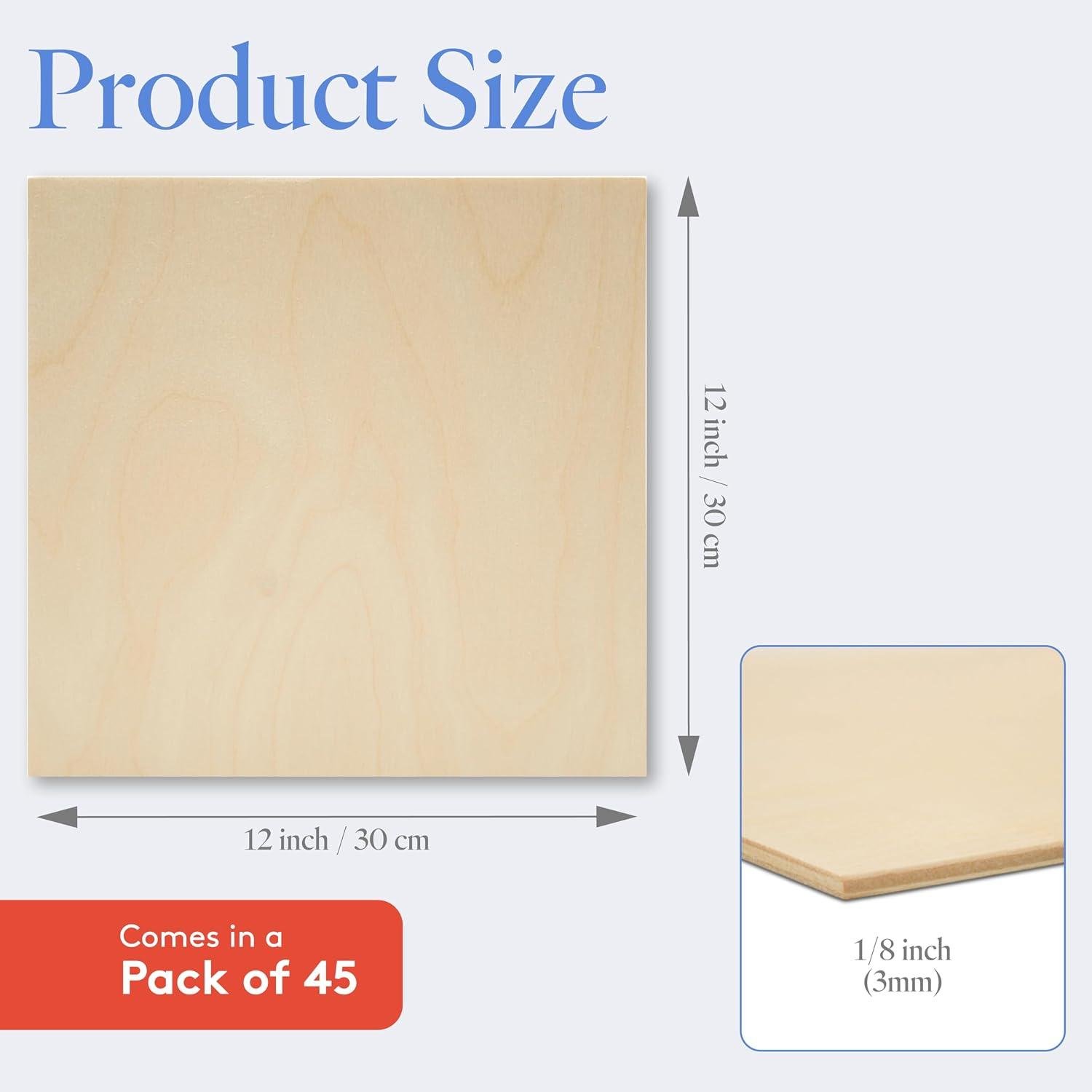
Not exactly. The product is listed as TRUE SIZE: 11-7/8″ x 11-7/8″ (typical of plywood that’s trimmed square at the mill). If you’re building jigs, trays, or grid-based layouts that assume a full 12″ panel, plan your cut list around 11.875″ or buy the larger 12″ x 20″/24″ sheets and cut to your exact size.
How does Baltic birch compare to basswood sheets for laser/CNC work?
This 3 mm Baltic birch is generally stiffer, stronger, and more wear-resistant than basswood craft sheets, which is why it’s commonly chosen for parts that need rigidity (boxes, drawers, machine fixtures, templates). The tradeoff is that birch is typically harder on cutters than basswood and may need slightly slower feeds/extra laser power to get the same cut quality.
Is it good plywood for laser cutting, scroll saws, and wood burning?
Yes-this line is specifically positioned as “laser cutter wood,” and the multi-ply construction of Baltic birch tends to cut cleaner than big-box construction plywood. For lasers, you’ll still want to dial in settings because glue lines and density can vary sheet-to-sheet. For wood burning, the light, uniform face veneer on the B face gives you a clean surface; just note that the BB back may have small, color-matched patches that can show through lighter burn patterns.
What does B/BB grade mean in real woodworking terms?
B/BB means you get a nicer “B” face intended to look clean and uniform, while the “BB” back typically has 1-2 small football/patch repairs (as stated in the description). For signs, engraved panels, and boxes, most woodworkers use the B face outward and treat the BB face as the inside/back. If you need two pristine show faces, you may need to buy more sheets to cull, or step up to a higher face grade.
Will it take stain and finish well, or does it blotch?
The listing notes it takes stain well, and Baltic birch generally finishes nicely because the face veneer is smooth and consistent. That said, it’s still birch-so darker stains can sometimes look uneven. For best results on “show” projects, many woodworkers use a pre-stain conditioner or switch to a dye + clear coat schedule. Always test on an offcut, especially if you’ll be engraving or burning first.
Can I use screws, brads, or joinery on 3 mm (1/8″) plywood?
It has good glue holding power, but 3 mm is still thin. For strength, rely on glue joints, slots, rabbets, box joints, or tabs rather than screws into the edge. If you must fasten, pre-drill and use very small hardware-edge-screwing 1/8″ plywood is easy to split, even with high-quality Baltic birch.
Is this suitable for production work, or just hobby projects?
The box includes 45 pieces, which is attractive for batch work like ornaments, small-box runs, prototypes, and classroom/shop production. Baltic birch is also known for stability and rigidity, which helps repeatability. However, because it’s B/BB, expect occasional cosmetic variation on the back; if your production requires two perfect faces on every part, factor in sorting and yield.
How should I store it so it stays flat, and what “maintenance” does plywood need?
Store sheets flat and supported (or vertically with full-length support) in a stable-humidity area. Keep weight on top if you’re in a dry shop to reduce curl. There’s no real maintenance beyond keeping it dry and clean-but for laser users, wiping resin/soot from surfaces before finishing will improve adhesion and clarity of topcoats.
Unleash Your True Potential
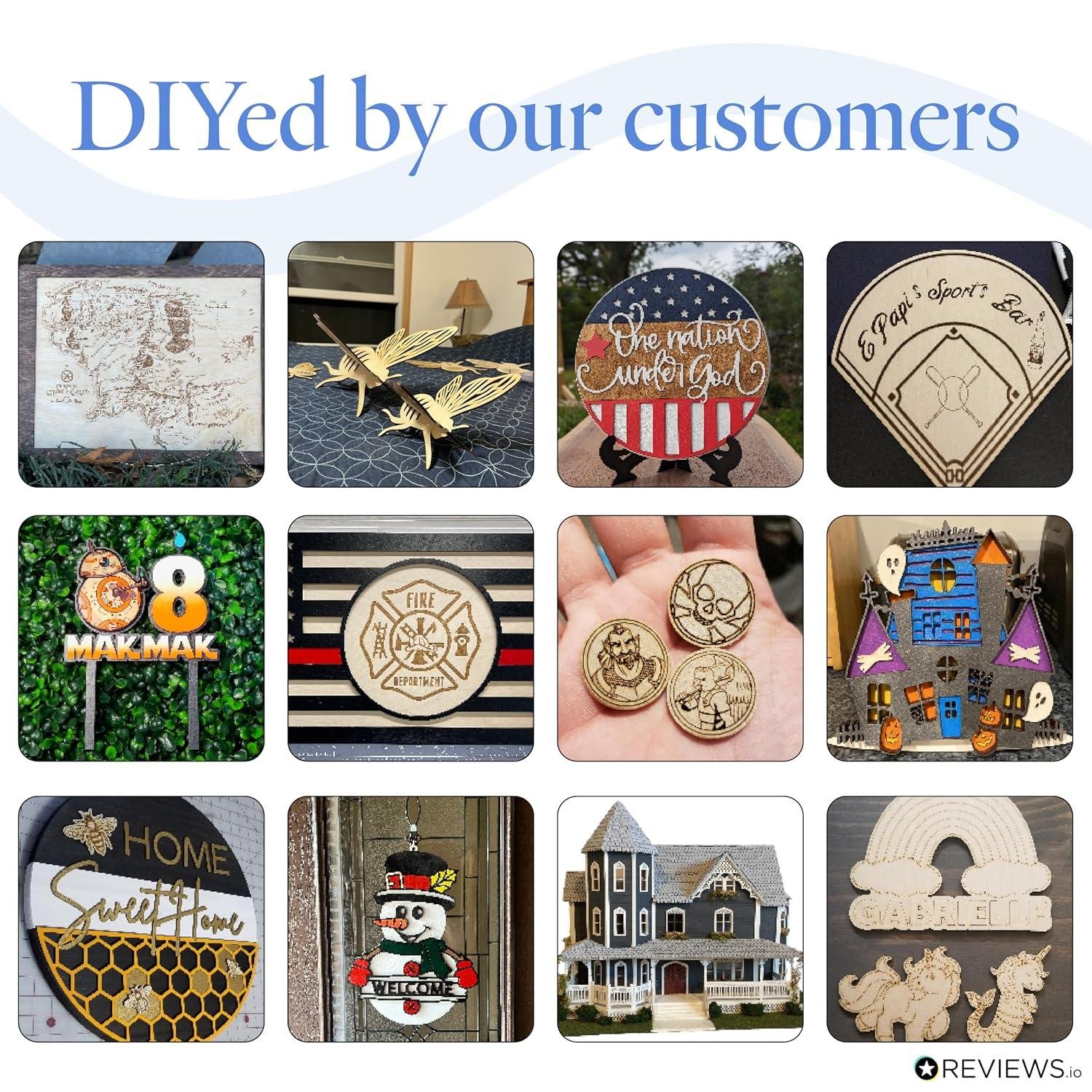
Woodpeckers’ 3 mm Baltic Birch Plywood pack delivers 45 sheets of B/BB-grade craft wood at a true size of 11-7/8″ x 11-7/8″ (nominally 12″ x 12″) and 1/8″ thickness. The smooth, light face veneer and clean birch edges are designed to cut consistently on lasers, CNC routers, scroll saws, and for wood burning, while the multi-ply construction offers better rigidity and creep resistance than typical basswood sheets. Customer feedback commonly points to reliable cut quality and a finish-ready surface, with the main limitation being that the back veneer may include small, color-matched patches.
Best for hobby woodworkers and makers doing small to medium projects-ornaments, signs, inlays, prototypes, light-duty jigs, and gift boxes-where stable, thin plywood matters.
Consider alternatives if you need furniture-grade A/A faces, exact 12″ dimensions, thicker stock, or ultra-budget material for high-volume production.
Overall, it’s a solid, dependable material choice for precision cutting and clean-looking crafts, as long as you accept B/BB cosmetic variability.
Want to see current pricing and customer photos? View on Amazon & Read More Reviews →