

Blog
Mini Bench Belt Sander Review: Right for Our Shop?

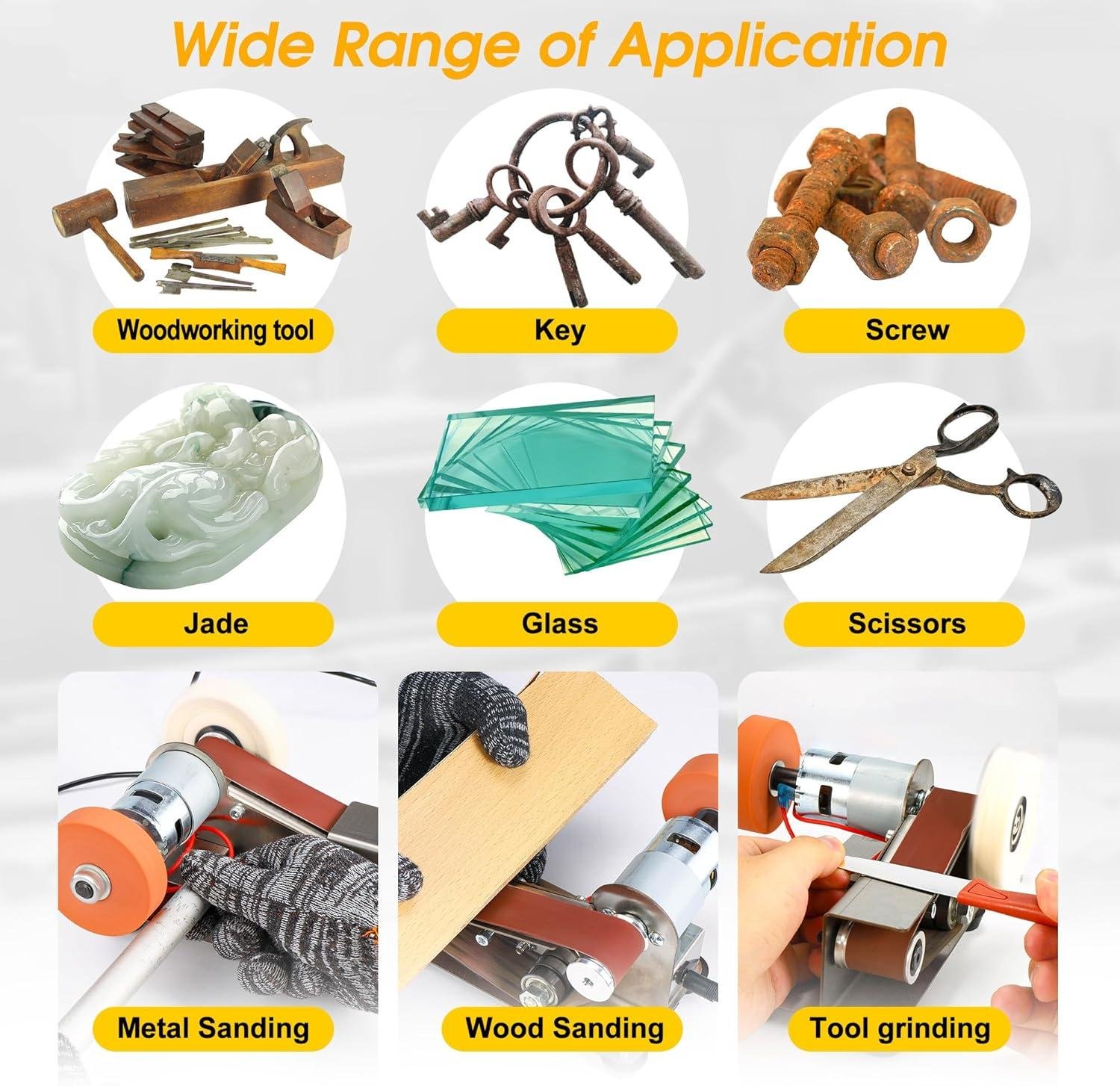
Ever tried refining a small knife handle, a brass inlay, or a tight corner on a jig—only to realize your full-size belt sander is overkill, eats up bench space, and still feels hard to control? In compact workshops, precision and repeatability matter as much as raw power, especially when we’re chasing clean lines, consistent bevels, and a smoother finish without burning edges or rounding details.
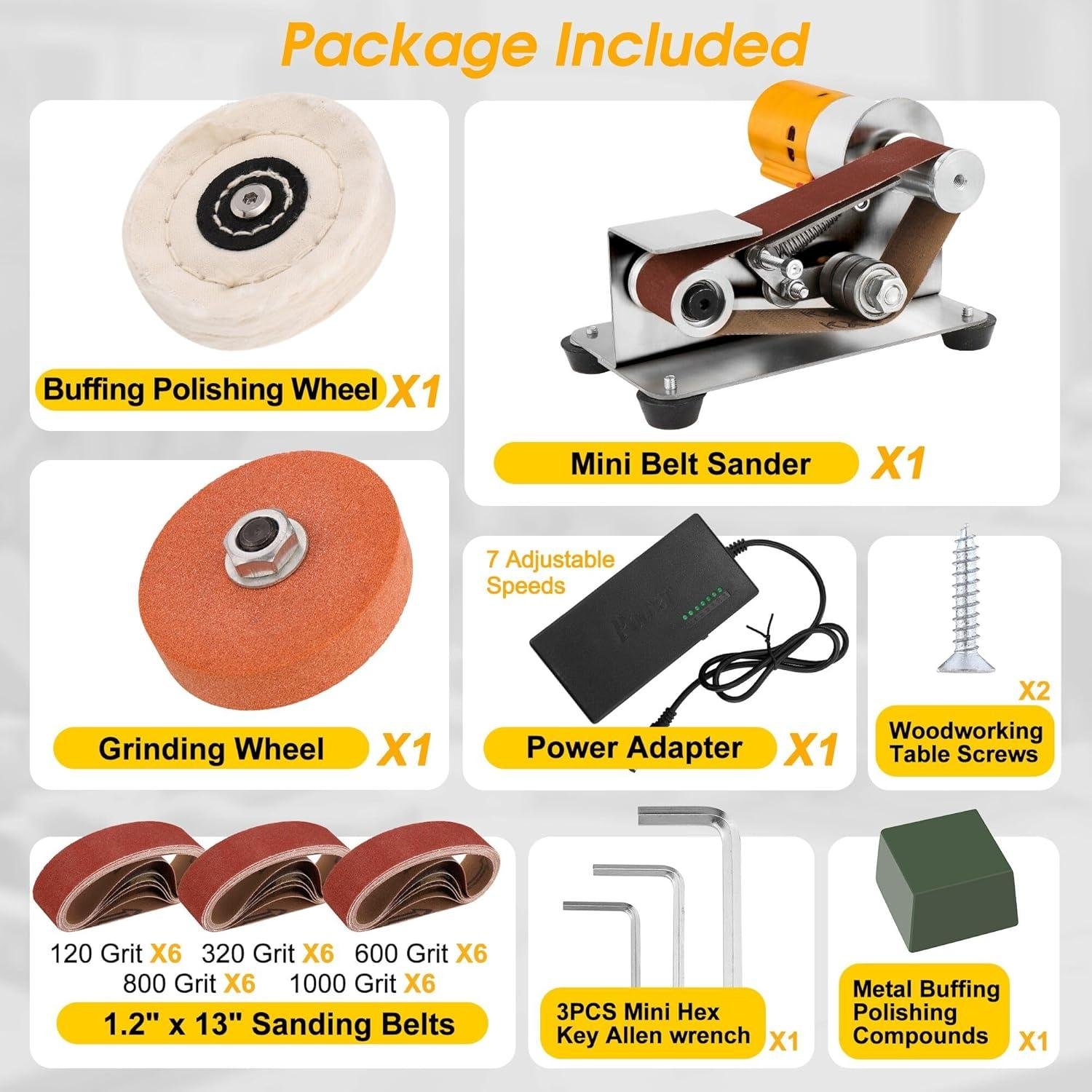
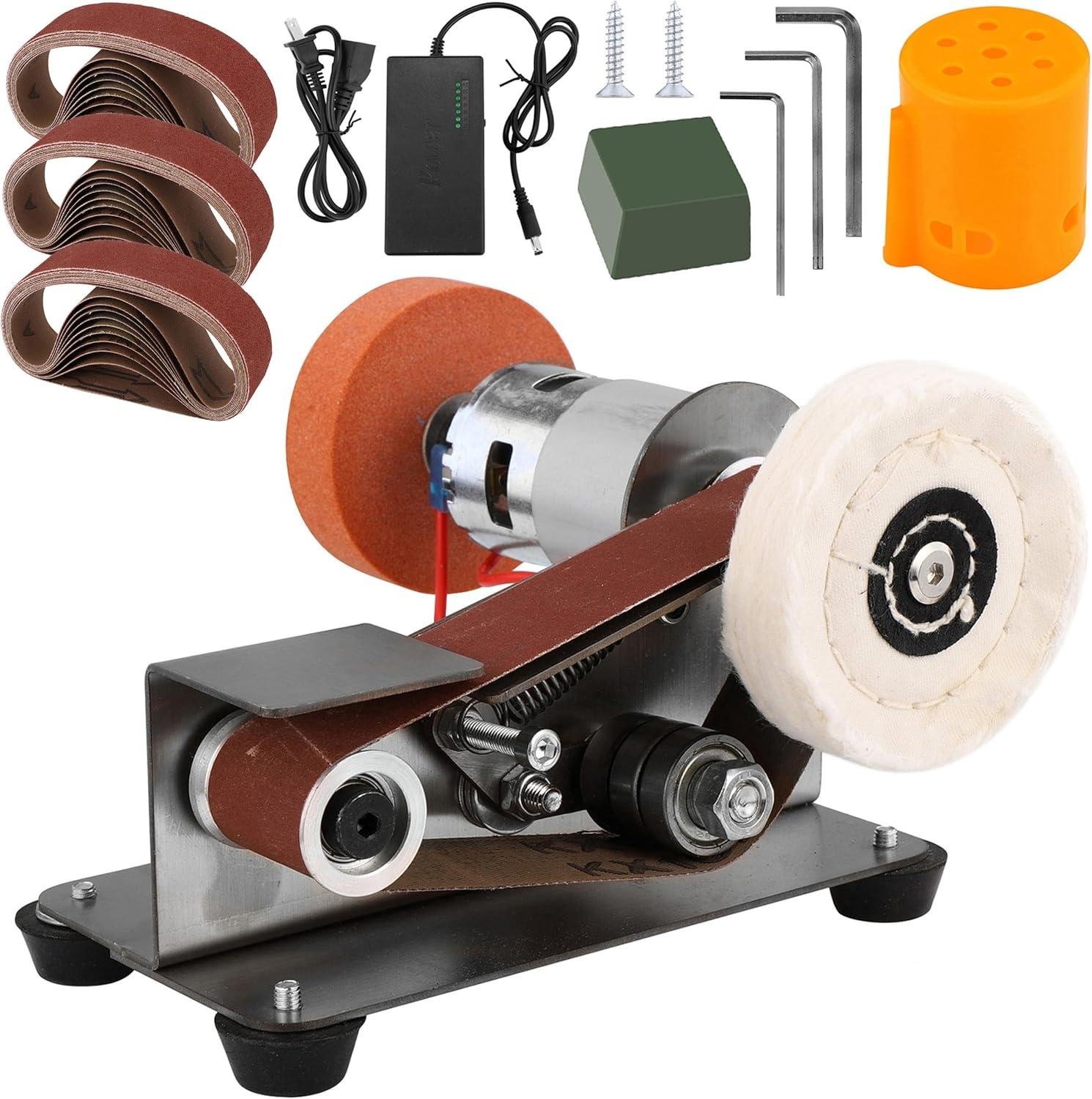
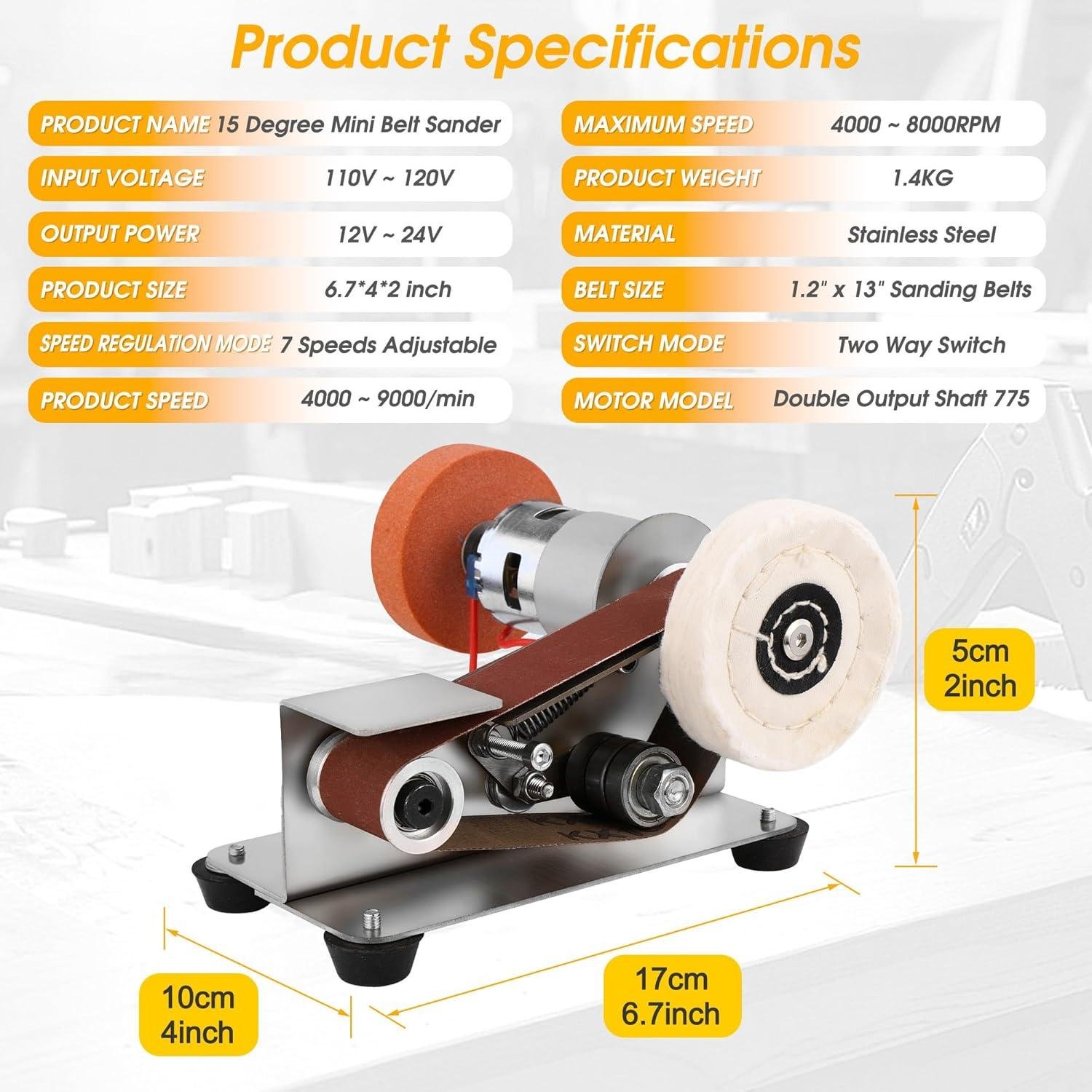
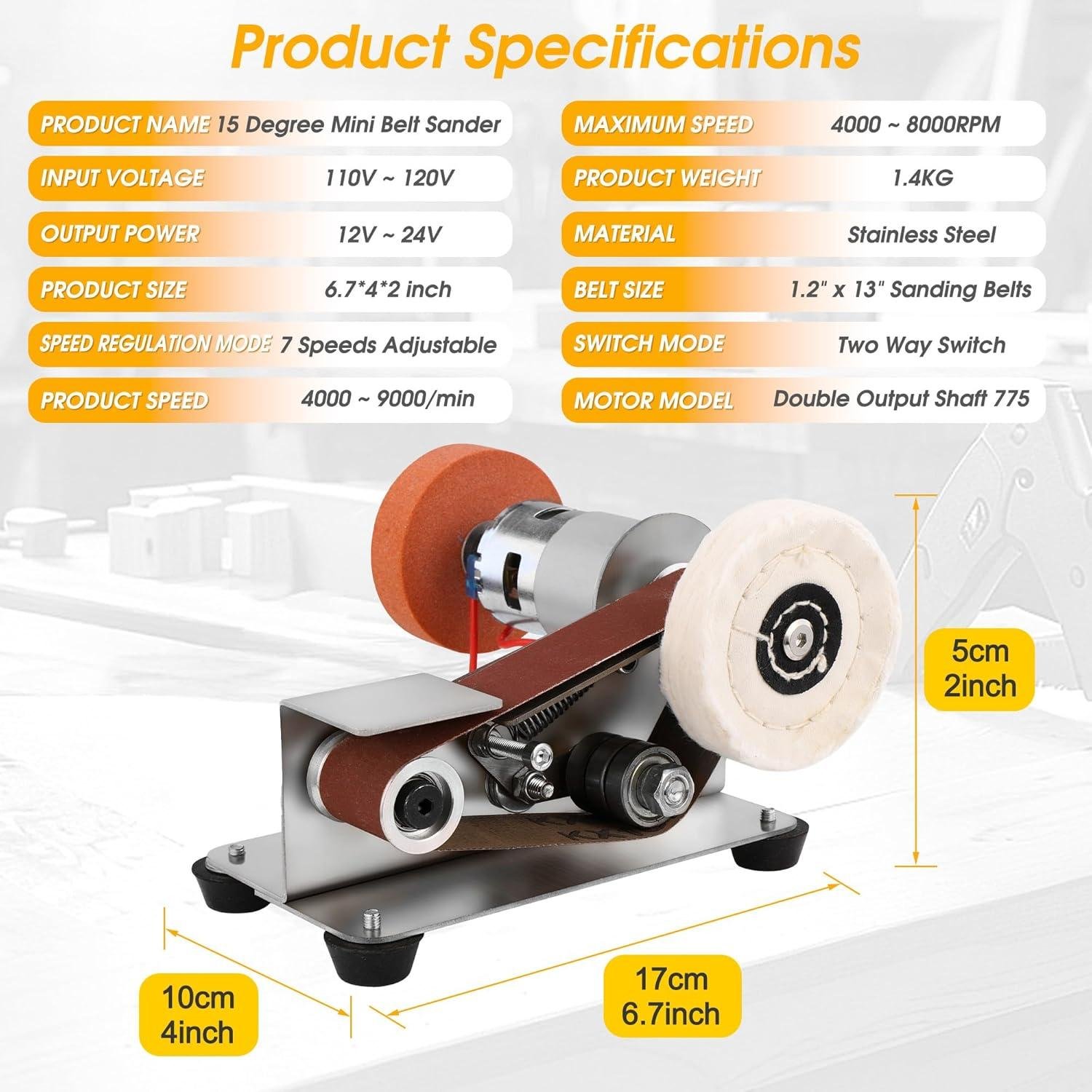
That’s where the Mornajina Mini Belt Sander for Knife Making aims to fit: a 15-degree fixed-angle benchtop belt sander built for sharpening and light-duty shaping, with a 7-speed range (about 4000–9000 RPM) driven by a double output shaft 755 motor. It’s a small, stainless-steel unit (about 6.7 × 4 × 2 inches,1.4 kg) and the kit includes 30 belts, a grinding wheel, a buffing wheel,compound,and basic tools.
In this review, we’ll break down the design, adjustability, vibration control, and real-world practicality—plus what customers report (solid for light-duty sharpening, mixed on motor power, size, and quality). Our perspective comes from general shop experience: choosing tools that balance accuracy, durability, and budget without adding a steep learning curve.
Tool Overview and Build quality for the Workbench
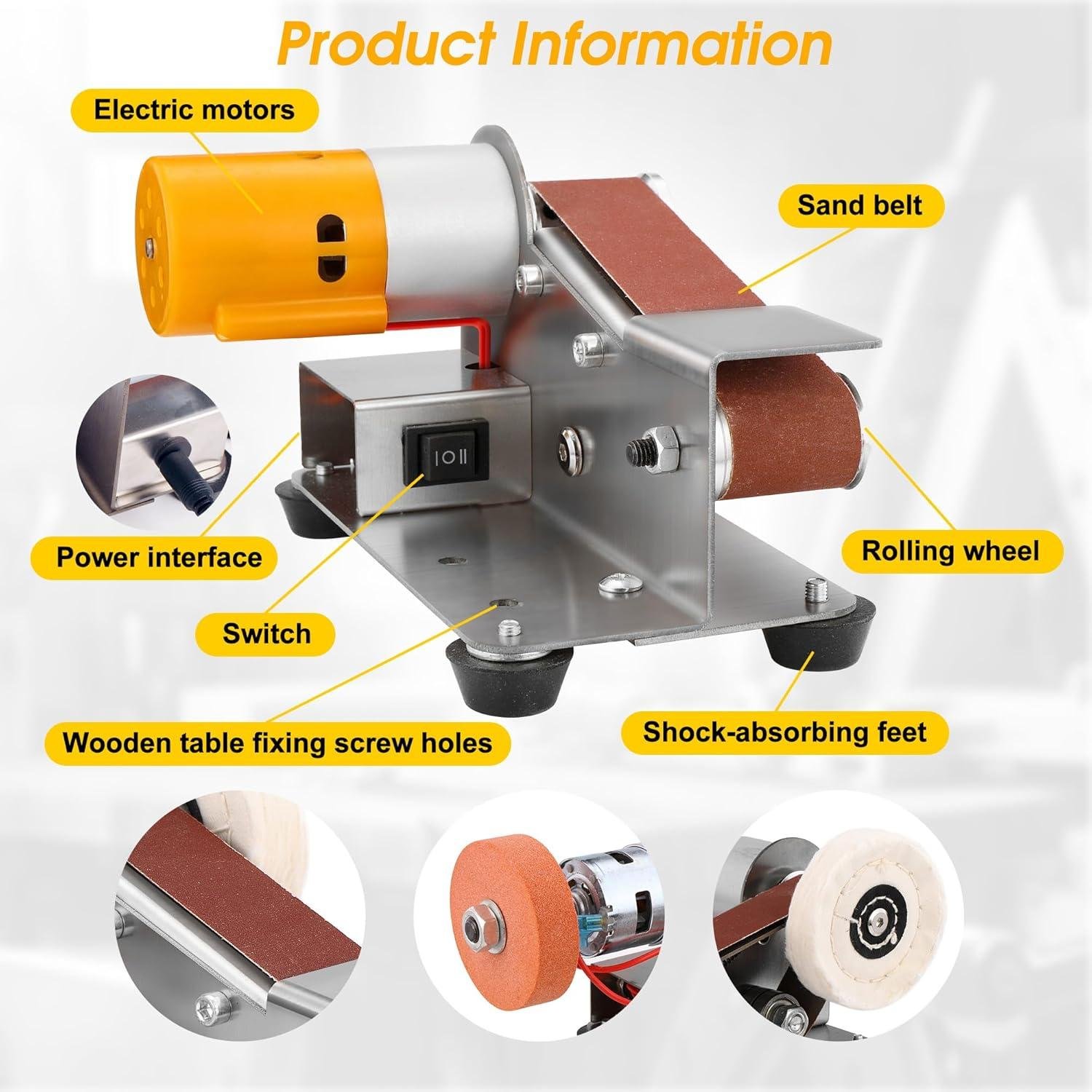
on our workbench, this Mornajina mini belt sander reads more like a “detail station” then a full-size woodworking sander. The body is listed at 170 × 100 × 50 mm (6.7 × 4 × 2 in) and about 1.4 kg, which explains why reviewers repeatedly call it “tiny”—sometimes as praise for easy storage and sometimes as a warning that it’s smaller than it looks. The tool’s defining feature is its fixed 15-degree belt angle,paired with a double output shaft 755 motor and 7 adjustable speeds rated from 4,000–9,000 RPM. For woodworkers, those numbers matter less as “horsepower talk” and more as a reminder to use a light touch: at this scale, belt speed can remove material quickly from small parts, but multiple customers mention mixed motor power—including notes that it can bog down with pressure—so it’s best approached as a light-duty edge, chamfer, and shaping tool rather than a heavy stock-removal machine.
Build-quality feedback is split, which matches what we look for in a budget benchtop machine: several users say it was “surprisingly built better than expected” and “works well…does the job,” while others report vibration and even an occasional electrical/soldering issue. The unit includes four shock-absorbing rubber pads and a dust cover, but the light weight means many of us will want to clamp or bolt it down—one reviewer specifically mentioned using a C-clamp to keep it from walking. From a woodworking technique standpoint, this is the kind of tool where we’d teach apprentices to “let the abrasive cut”: keep the workpiece supported, use minimal pressure, and sneak up on layout lines, especially on small hardwood parts where heat and chatter can show up fast. Customers also note it’s quiet for its size and that setup is generally straightforward, though a common theme is limited instructions—so we’d plan on a quick bench check (fasteners snug, belt tracking, and accessory alignment) before putting it into regular shop rotation.
- Included accessories
- Mini belt sander unit (15° fixed angle)
- 30 sanding belts (330 × 30 mm / 13 × 1.2 in)
- Bench grinding wheel
- Buffing/polishing wheel
- Metal buffing polishing compound
- Dust cover
- 3 Allen wrenches
- 2 screws
- Power adapter
- Compatible attachments/accessories (shop-kind add-ons)
- C-clamps or small hold-downs for bench mounting (recommended by reviewers)
- Aftermarket 330 × 30 mm belts in finer grits for wood finishing passes
- Non-slip rubber mat (extra stability on smooth benches)
- Ideal project types (wood shop)
- Small-part shaping (tags, wedges, plugs, jigs, inlay components)
- Light edge-breaking and chamfer tuning on small stock
- Tool and hardware cleanup (screw heads, small brackets—light duty)
- Knife/tool sharpening workflows (as intended), followed by stones or hand honing
- wood types tested by customers (from review themes)
- Not specifically listed by species; reviewers generally reference “wood hobbies” rather than named woods
| Spec / Feature | What the listing states | What it means on a woodworking bench |
|---|---|---|
| overall size | 170 × 100 × 50 mm | Great for tight spaces and small parts; too small for panel or furniture-scale sanding |
| Weight | ~1.4 kg | Portable,but may need clamping/bolting to reduce walking and improve control |
| Belt size | 330 × 30 mm (13 × 1.2 in) | Narrow belt favors detail shaping; not comparable to 1×30 or 2×72 knife-maker formats |
| Speed range | 7-speed, 4,000–9,000 RPM | Use lower speeds and light pressure for small wood parts to avoid burning and chatter |
| Belt angle | Fixed 15° | Helpful for consistent sharpening angles; less flexible for general sanding geometry |
| Accessory | Included? | Primary use |
|---|---|---|
| 330 × 30 mm sanding belts | Yes (30 pcs) | Shaping and sharpening; pick finer grits for wood finishing passes |
| Bench grinding wheel | Yes | Light grinding/deburring (use caution on small parts) |
| Buffing/polishing wheel + compound | Yes | Polishing; reviewers note buffing wheel durability is a weak point |
| Dust cover | Yes | Helps contain some debris; still plan for shop vac/cleanup |
| Capacity Topic | Recommended expectation (woodworking) | What reviews suggest in practice |
|---|---|---|
| material removal rate | Light-duty shaping and edge work | Some report “works great,” others say not very powerful and can bog with pressure |
| Workpiece size | Small parts and tools | Many say it’s very small; usable if you adapt your technique and fixtures |
| Precision | good with proper mounting + light touch | Mixed: some mention vibration impacting accuracy, others find it manageable when secured |
see Full Specifications & Customer Photos
real World sanding and Sharpening Performance on Wood and Metal
in real shop use, we see this Mornajina unit more as a detail sander/sharpener than a replacement for a full-size belt sander. The tool is genuinely compact at 170 × 100 × 50 mm (6.7 × 4 × 2 in) and only about 1.4 kg, and that small footprint makes it easy for us to park near the bench for quick touch-ups. The belt runs at a fixed 15-degree angle and is powered by a double output shaft 755 motor with a stated 7-speed range from 4000–9000 RPM. On wood, that translates to best results on smaller parts: easing sharp corners on jigs, cleaning up end grain fuzz on small blanks, or refining a chamfer where a hand-sanding block would be fussy. Customers echo that “works great for wood hobbies,” but also repeatedly note the machine is “way smaller than it looks,” so we’d plan around the narrow belt size (330 × 30 mm / 13 × 1.2 in) and keep expectations in the light-duty lane—think shaping a small knob or sanding a toy part, not flattening panels or leveling glue-ups.
On metal and sharpening, the fixed 15° belt presentation feels purpose-built for knife work, and customer feedback lines up: multiple reviewers describe it as “nice for light duty knife sharpening” and mention getting an “even edge” by progressing to higher grits (one specifically calls out 800 and 1000 grit).Having mentioned that,we have to treat it like a finesse tool: several reviews warn the motor can be “not very powerful” and may “bog down” with pressure,and at least one user reports it “vibrates so much it’s hard to be accurate.” In practice,that means letting the abrasive do the work (light pressure,short passes,keep the bevel moving to avoid heat),and physically securing the body—customers mention using a C-clamp or screwing it down—so it doesn’t wander on the bench.The included dust cover is better than nothing,but we’d still treat dust control as minimal and position a shop vac nozzle nearby (especially if we’re sanding resinous woods or doing any metal polishing).For woodworkers, the educational takeaway is simple: use this for controlled, small-area sanding and quick edge maintenance; if we need stock removal, flatness, or refined polishing at scale, we’ll want a larger, more rigid machine.
- Included accessories
- Mini belt sander body
- 30× sanding belts (330 × 30 mm / 13 × 1.2 in)
- Bench grinding wheel
- Buffing polishing wheel
- Metal buffing polishing compound
- Dust cover
- 3× Allen wrenches
- 2× screws
- Power adapter
- Compatible attachments/accessories (practical add-ons)
- C-clamp or small bench clamps (to improve stability)
- Aftermarket 330 × 30 mm belts in finer grits for wood and tool touch-ups
- Shop-vac hose positioned near the belt (since dust collection is basic)
- Diamond stones or ceramic stones for final honing (as reviewers describe)
- Ideal project types
- Small woodworking parts (toys, knobs, inlays, jig components)
- Quick chamfer/refine on small edges
- Light-duty knife/tool sharpening before hand-honing
- Small metal cleanup and polishing (patient, light passes)
- Wood types tested by customers
- Not specified in reviews—feedback is generally framed as “wood hobbies” rather than named species
| Spec / Feature | What it is (per listing) | What it means in the shop |
|---|---|---|
| Speed range | 4000–9000 RPM (7 adjustable speeds) | Lets us slow down for control and run faster for quicker abrasion; still best for light pressure work. |
| Belt angle | Fixed 15° | Convenient for consistent knife bevel presentation; less flexible for general woodworking sanding angles. |
| Belt size | 330 × 30 mm (13 × 1.2 in) | Narrow belt is great for detail work; not ideal for flattening or wide surfaces. |
| Size / weight | 170 × 100 × 50 mm, ~1.4 kg | Easy to store and move; benefits from clamping/bolting down to reduce walking and improve accuracy. |
| Accessory | Included? | Primary use |
|---|---|---|
| Sanding belts (330 × 30 mm) | Yes (30) | Wood detail sanding,bevel refinement,light metal shaping |
| Buffing wheel + compound | Yes | Light polishing (some reviewers note buffing wheel durability is limited) |
| Bench grinding wheel | Yes | Small grinding tasks; keep pressure light to avoid bogging and heat |
| Dust cover | Yes | Basic shielding; consider supplemental dust pickup |
| Use Case | Recommended capacity (realistic) | What customers report |
|---|---|---|
| Wood sanding | Small parts,edge breaks,light shaping | “Works great for wood hobbies,” but also “too small” for some expectations |
| Knife sharpening | Light-duty sharpening and pre-hone bevel cleanup | Positive “nice for light duty” and “even edge” themes; caution about vibration/accuracy from some users |
| Material removal | Minimal—use light pressure | Mixed motor feedback: “not very powerful,” “bogs down,” but some report “plenty of power” for their needs |
See Full Specifications & Customer Photos
Key Features Woodworkers Will appreciate in speed Control and Angle Grinding
In our shop, the biggest “woodworker win” here is the combination of a fixed 15-degree belt angle and a 7-speed adjustable range (4000–9000 RPM) driven by the double output shaft 755 motor. Even though this model is marketed for knife work, that angled platen translates well to woodworking touch-ups—think controlled easing of sharp corners on small parts, refining chip-prone end grain, or sneaking up on a bevel for a jig component where a normal flat benchtop belt sander feels too aggressive. the educational takeaway is simple: for wood, we’ll generally want to start at the lower end of the RPM range so we don’t scorch resinous species or round over crisp edges, then bump speed only when we’re confident in our contact pressure and we’re using finer grits. Customer feedback lines up with that “light pressure” approach—one reviewer specifically notes “you don’t need to slam the blade”, and others describe it as “okay for light duty use” and “works great for wood hobbies”. We also have to be realistic about expectations: multiple reviewers mention the motor power is “not very powerful” and can bog down with little pressure, so in woodworking terms, this is a finesse sander for small work—not a substitute for a full-size 1×30 or 2×72 belt grinder, and not what we’d pick for flattening panels or heavy stock removal.
Angle grinding on a mini platform also forces better habits, and that’s something we appreciate. Because the machine is compact—about 170 × 100 × 50 mm (6.7 × 4 × 2 in) and roughly 1.4 kg—we’ll get the best results by securing it (one customer specifically mentioned using a C-clamp), maintaining a consistent presentation angle, and letting the abrasive do the work. The kit’s small belt size, 330 × 30 mm (13 × 1.2 in), encourages short, careful passes—great for predictable results on small hardwood parts, guitar-nut-sized pieces, dowel ends, or cleaning up epoxy squeeze-out on a jig. It also includes add-ons that can help with finishing workflows, though reviews suggest mixed durability on the polishing side; one customer said the buffing wheel “doesn’t hold up real well”, and another mentioned vibration that makes accuracy harder for delicate sharpening. For woodworking use, that means we’ll treat the wheels as occasional-use accessories, keep our work supported (small parts need a push block or holding jig), and avoid loose sleeves—because the wide-open belt and small footprint can pull fingers in faster than we expect when we’re working close to the platen.
See Full Specifications & Customer Photos
Ease of Use for Beginners and Experienced Makers in Our Shop
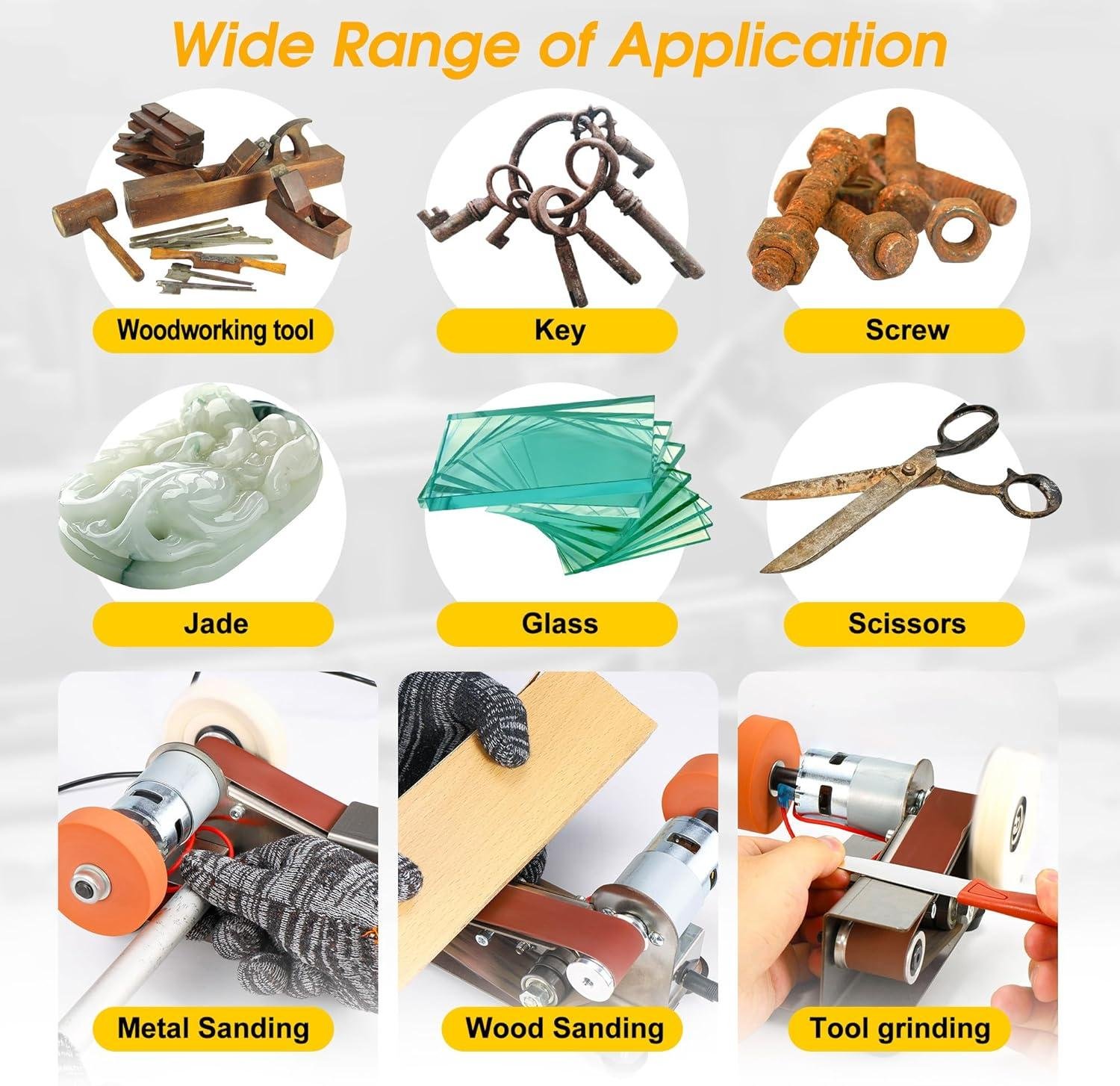
In our shop, the learning curve on this mini benchtop unit is pretty gentle, especially for beginners doing small shaping and sharpening tasks. The fixed 15° belt angle takes a lot of the guesswork out of holding a consistent presentation, and the 7-speed range (4000–9000 RPM) lets us slow down for control or speed up for quick touch-ups—at least within the limits of a compact machine. Its small footprint—about 170 × 100 × 50 mm (6.7 × 4 × 2 in)—and light weight at roughly 1.4 kg make it easy to move around the bench, but that same lightness means beginners will want to secure it. That matches review themes: several buyers note it’s “easy to handle and set up,” but also mention using a clamp or screws to keep it from wandering during use. As woodworkers, we treat it like a detail sander/grinder for tight jobs—cleaning small parts, easing corners, tuning tool edges—rather than expecting it to replace a full-size belt sander.
For experienced makers,this tool feels more like a compact station for repeatable,light-duty operations than a production grinder.Reviews repeatedly describe it as “works well for light-duty knife sharpening” and “does the job,” while also warning the motor power is mixed—some call it “nice torque,” others say it “bogs down with little pressure.” In practice, that means technique matters: we get better control by using a light touch, letting the abrasive cut, and keeping the work moving to avoid heat buildup (especially important for tool steel, but also for avoiding scorch marks on resinous woods). The kit approach helps new and seasoned users get running quickly, since the box includes a lot of consumables and swap-in heads, though multiple reviewers point out there’s “not a whole lot in the way of instructions,” so we recommend a quick pre-flight check (belt tracking/tension, fastener tightness, stable mounting) before first use and periodically thereafter.
- Included accessories (per package listing): Mini belt sander unit, 30 sanding belts (330 × 30 mm / 13 × 1.2 in), bench grinding wheel, buffing/polishing wheel, metal buffing compound, dust cover, 3 Allen wrenches, 2 screws, power adapter
- Compatible attachments/accessories: Replacement 330 × 30 mm belts in assorted grits; choice buffing compounds; small clamps/C-clamps for bench mounting; extra Allen keys (for faster changes)
- Ideal project types: Knife and chisel edge touch-ups, small hardware cleanup, deburring brackets, shaping small wooden parts, refining joinery corners, polishing small metal/wood components
- Wood types tested by customers: Not consistently specified in reviews; customers generally reference “wood hobbies” rather than naming species
| Ease-of-use factor | Spec / What we see in use | What reviews commonly report |
|---|---|---|
| Speed control | 7 speeds, 4000–9000 RPM | Better control than single-speed minis; some wish for even finer control |
| Sharpening consistency | Fixed 15° belt angle helps repeatability | Many say it helps produce an “even edge” for light-duty sharpening |
| Stability | ~1.4 kg with rubber pads (portable but light) | Some clamp or screw it down; mixed notes on vibration/accuracy |
| Instructions/setup | Simple layout but minimal guidance | “Not a whole lot in the way of instructions” comes up in feedback |
| Accessory/consumable | Fit/Size | Use in a woodworking shop |
|---|---|---|
| Sanding belts | 330 × 30 mm (13 × 1.2 in) | Grit progression for small shaping,edge breaking,and fine finishing |
| Buffing wheel + compound | Included | Quick polish on small metal parts; light touch to reduce heat and grabbing |
| Grinding wheel | Included | Deburring and small cleanup (not a replacement for a full bench grinder) |
| Capacity question | Recommended expectations (shop reality) | What the tool is actually suited for |
|---|---|---|
| Material removal rate | Light passes; avoid heavy pressure | Light-duty shaping/sharpening; motor power feedback is mixed |
| workpiece size | Small parts and short edges | Best on compact pieces due to mini belt area and small frame |
| Accuracy needs | Clamp/bolt down for control | More consistent when secured; some reviews mention vibration if not stabilized |
See Full Specifications & Customer Photos
Customer Reviews Analysis
What Woodworkers Are Saying
1. Overall sentiment from woodworking customers
woodworking-leaning reviews trend cautiously positive for light-duty hobby use, with users liking the convenience and included accessories—but frequently noting it’s small, not especially powerful, and not in the same class as heavier bench sanders. Several woodworkers mentioned it “works great for wood hobbies,” while others framed it as “okay for occasional use” rather than a primary shop sander.
2. Performance feedback (accuracy, power, results)
Common praise includes respectable performance when you keep expectations realistic:
- Adequate torque for small tasks: One reviewer highlighted “nice torque” for sharpening work, with good results after a few passes on finer grits (800–1000).
- Works best with a light touch: Multiple reviews imply better results when you let the belt do the work and don’t push hard—especially relevant for wood where pressure can cause gouging or uneven sanding.
- Power under load is limited: Some users reported it’s “not very powerful,” describing it as fine for light duty, but not ideal if you regularly grind aggressively or remove a lot of material.
Precision/consistency: Reviews didn’t go deep on calibration-level accuracy, but users did mention it’s easy to “manejar y acomodar” (handle and adjust), suggesting the basic adjustments are workable for everyday DIY tasks.
3. Build quality and durability observations
Feedback is mixed—some pleasant surprises,some red flags:
- Better-than-expected build (for the price): One user said it was “surprisingly built better than I expected.”
- Accessory durability concerns: Some users reported challenges with the buffing wheel not holding up well, and that the included compounds (“cutting rouges”) aren’t great quality.
- Quality control issues: A serious negative note came from a reviewer citing poor internal soldering and a unit arriving broken (“was broken before when I got it”),which suggests inconsistency in manufacturing/inspection.
4. Ease of use for different skill levels
Beginners and casual DIYers tended to like the straightforward operation—several woodworkers mentioned it’s easy to handle/set up—but there are caveats:
- Limited instructions: Multiple reviews highlight “not a whole lot in the way of instructions,” meaning first-timers may need to rely on prior knowledge or online videos.
- Stability/setup matters: Several woodworkers mentioned clamping it down (e.g., using a C-clamp) so it doesn’t shift on the bench. This matters for control, safety, and consistent sanding results.
5. Common project types and success stories
Even though the product is marketed heavily toward knife making/sharpening, woodworkers reported using it successfully for smaller shop tasks:
- Wood hobbies / small DIY jobs: Customers successfully used this for general wood hobby work and “other small jobs around the house.”
- Light material shaping and finishing: The included spare belts were repeatedly mentioned as a plus,helping users move through grits for sanding and surface refinement without hunting for replacements.
(Reviewers did not explicitly mention big woodworking projects like cabinet doors,furniture builds,or deck refinishing—feedback centers on smaller-scale tasks.)
6. Issues or limitations reported
Several limitations came up repeatedly:
- Smaller than expected: Multiple reviews highlight it’s “way smaller than it looks in the picture,” which can be a dealbreaker if you expect a more traditional bench sander footprint or belt length.
- Light-duty only: Some users reported it’s “not very powerful,” and another said “there are a lot better choices than this,” positioning it as a budget/casual-use tool, not a production workhorse.
- Accessory and consumable quality: Buffing wheel durability and compound quality were common complaints.
- Potential QC risk: The internal soldering failure report is a notable concern for durability and out-of-box reliability.
At-a-glance review summary
| Aspect | Common Feedback |
|---|---|
| Performance | Good results for light-duty sanding/sharpening; limited power under load; best with a light touch |
| precision & Adjustments | Basic adjustments seem workable; stability improves consistency (many users clamp it down) |
| Build Quality | Some say better than expected; others report QC problems (e.g., internal soldering) |
| Durability | Concerns around buffing wheel longevity and included compound quality |
| Ease of Use | Generally easy to handle; limited instructions can slow beginners |
| Value | Frequently enough seen as a decent budget tool with lots of spare belts; not a premium or heavy-duty option |
Pros & cons
Pros & Cons
In our shop, this mini bench belt sander feels less like a “one machine does it all” beast and more like a
compact finishing sidekick. When we treat it as a light-duty sharpener/polisher (and not a full-time grinder for
heavy stock removal), it makes a lot more sense.
Pros
- Purpose-built angle for edges: The fixed 15° belt angle is a helpful “training wheel” for consistent knife bevel work when we want repeatability.
- Adjustable speed range: The 7-speed control (rated 4000–9000 RPM) gives us options for lighter touch-ups vs. quicker cleanup passes.
- Compact footprint: It fits where bigger sanders don’t—handy for tight benches, mobile setups, or a dedicated sharpening station.
- Accessory-heavy kit: The bundle includes 30 sanding belts plus a small grinding wheel and buffing wheel, so we can start experimenting immediately.
- Quick belt swaps: The small belt format and simple layout make grit changes feel fast—useful when we’re stepping through finishing grits.
- Reduced “shop drama” noise: For a benchtop tool, it’s generally described as low noise, which we appreciate during longer sessions.
Cons
- Motor power is a mixed bag: Multiple users note it can bog down with pressure. For us, that means “light passes” only—no forcing the grind.
- Smaller than it looks: The mini size is either a win or a shock. If we expect a “real grinder” working area, it can feel toy-like.
- Vibration can affect accuracy: Some reports mention noticeable vibration even when mounted, which can make fine sharpening feel less precise.
- Quality consistency varies: Reviews are split—some call it solid for the price, others mention failures and internal issues. That uncertainty matters in a shop tool.
- Not ideal for high-stakes blades: With the vibration/power/fit-and-finish variability, we’d be cautious using it on our nicest knives without practice.
- Some accessories may be “starter-grade”: Buffing wheel/compound quality is sometimes criticized, so we may end up upgrading consumables.
Quick Reality Check (How we’d Use It)
| Task in Our Shop | How It Tends to Do | Our Take |
|---|---|---|
| Light knife sharpening | Generally strong | Great for touch-ups and even edges with a gentle hand. |
| Handle shaping (wood) | Good for small jobs | Nice “hobby sander” behavior—slow and steady wins. |
| Heavy steel removal | Limited | We wouldn’t buy it expecting aggressive grinding. |
| Polishing/buffing | Mixed | Fine for casual polishing; we’d upgrade compounds/wheels if needed. |
| Bench stability | Depends on mounting | We’d clamp or bolt it down immediately to reduce wander. |
the pros shine when we treat this as a compact, light-duty sharpening and finishing station.
The cons show up when we ask it to behave like a full-size belt grinder—because it simply isn’t one.
Q&A
What wood types can this handle effectively?
This mini belt sander is best for small-scale work on softwoods and typical shop hardwoods when you’re doing light material removal—think pine, poplar, cedar, and careful touch-ups on oak/maple-sized hardwoods. Based on customer feedback, it “works great for wood hobbies,” but it’s not a substitute for a full-size belt sander when you need to flatten, dimension, or remove stock quickly.
Is this powerful enough for hardwoods like oak or maple?
For hardwoods, it’s “powerful enough” only within its light-duty lane.Specs list a 755 motor with 7 speeds (about 4000–9000 RPM), but multiple reviewers note the motor can feel weak and may bog down with much pressure. If you use fresh belts, lighter pressure, and let the abrasive do the work, it can handle small hardwood tasks (edge easing, sanding small parts, sharpening tools).For aggressive grinding or continuous hardwood shaping, you’ll want a larger, higher-power belt sander/grinder.
How does it perform on plywood and veneers?
It can work on plywood edges and small plywood parts, but you need a light touch. The belt is narrow (about 30 mm / 1.2″), which makes it easy to concentrate sanding in a small area—great for detail work, but also easier to accidentally gouge plywood faces or burn through veneer. For veneers, use higher grits, the lower speed settings, and minimal pressure to avoid sanding through.
How difficult is the initial setup, and what adjustments are available?
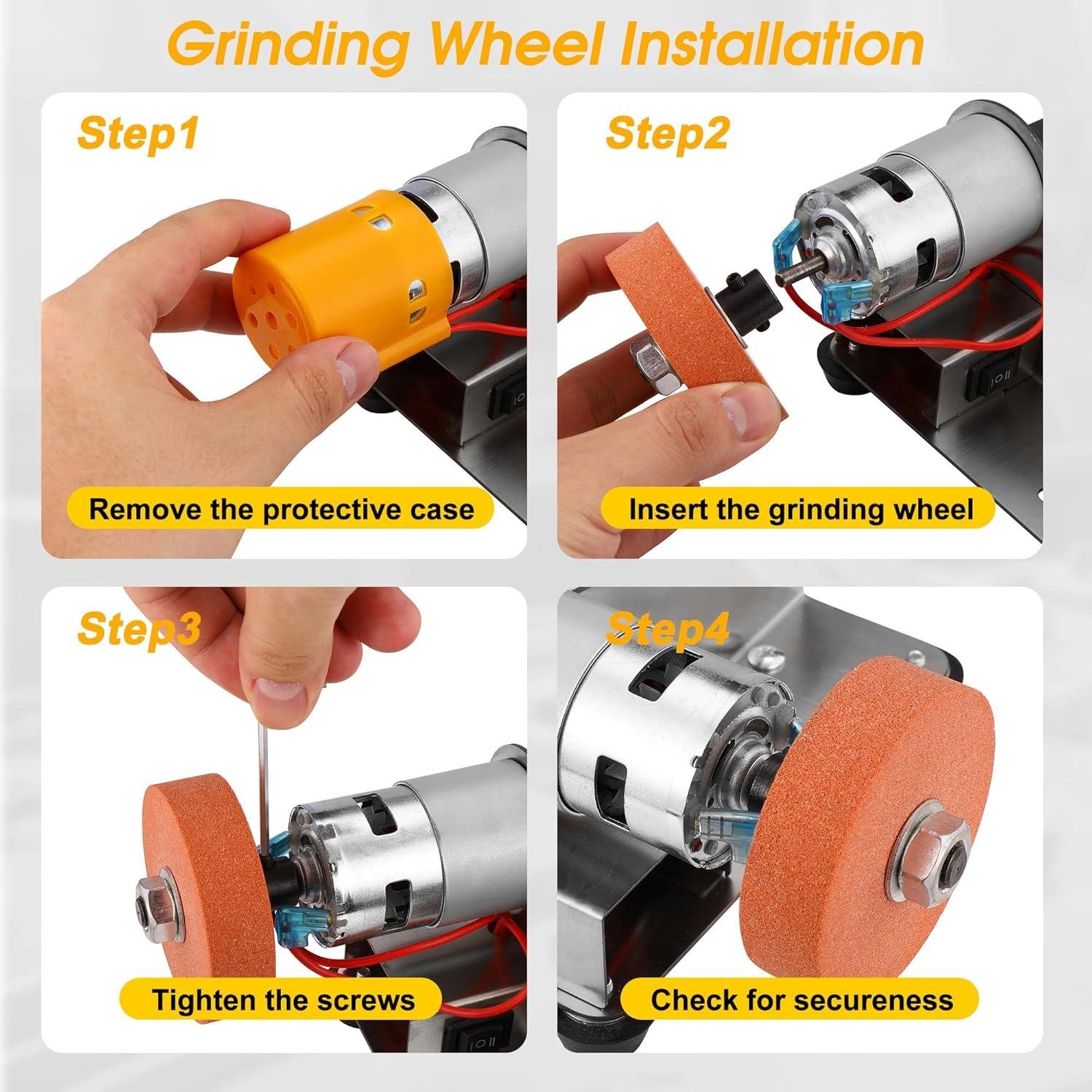
Setup is generally straightforward, but don’t expect a lot of hand-holding—at least one review mentions “not a whole lot in the way of instructions.” The sanding belt runs at a fixed 15° angle (it’s designed around sharpening geometry), and you get 7 speed settings for control. Belt changes are intended to be quick, and the kit includes Allen wrenches plus a large assortment of belts (30) so you can swap grits without hunting for consumables right away.
will this fit in a small workshop, and can it be mounted to a bench?
Yes—this is one of its biggest advantages. The unit is very compact (about 6.7 × 4 × 2 inches) and lightweight (~1.4 kg), so it fits easily on a small bench or shelf. Stability is the bigger concern: several users clamp or fasten it down so it doesn’t walk, and one reviewer specifically said they used a C-clamp to hold it to the workbench. It includes screws, and clamping it to a solid bench helps with control and vibration.
Does it require special dust collection?
It includes a dust cover, but it’s not set up like a full-size woodworking sander with a standard dust port. For wood sanding, plan on basic shop dust control: position a shop vac nozzle nearby, wear a respirator, and clamp the tool down so you can keep both hands on the work. Also note that this product is commonly used for metal as well—don’t mix metal dust and wood dust in the same collector/bag due to fire risk; use separate cleanup practices if you sand both.
is this suitable for beginners, and how steep is the learning curve?
Beginner-friendly for simple tasks, with a short learning curve if you already understand sanding basics (light pressure, keep parts moving, use the right grit). The small size and narrow belt make it easier to over-sand an edge or round something unintentionally, so practice on scrap first. Reviewers commonly recommend patience—especially if you’re used to larger sanders that remove stock faster.
Can this handle production work, and is it worth it compared to cheaper options?
This is aimed at hobby and occasional-use workflows, not production. Customer feedback is mixed on power, quality consistency, and long-term durability (some love it; others report failures or rough internal build quality). Where it can be a good value is if you specifically need a tiny, adjustable-speed benchtop sander for small parts, tool/knife touch-ups, and light shaping—and you like that it comes with many belts. if you expect daily use, heavy hardwood shaping, or furniture-scale sanding, saving up for a larger, more robust belt sander/grinder will usually be the better long-term choice.
Elevate Your Lifestyle
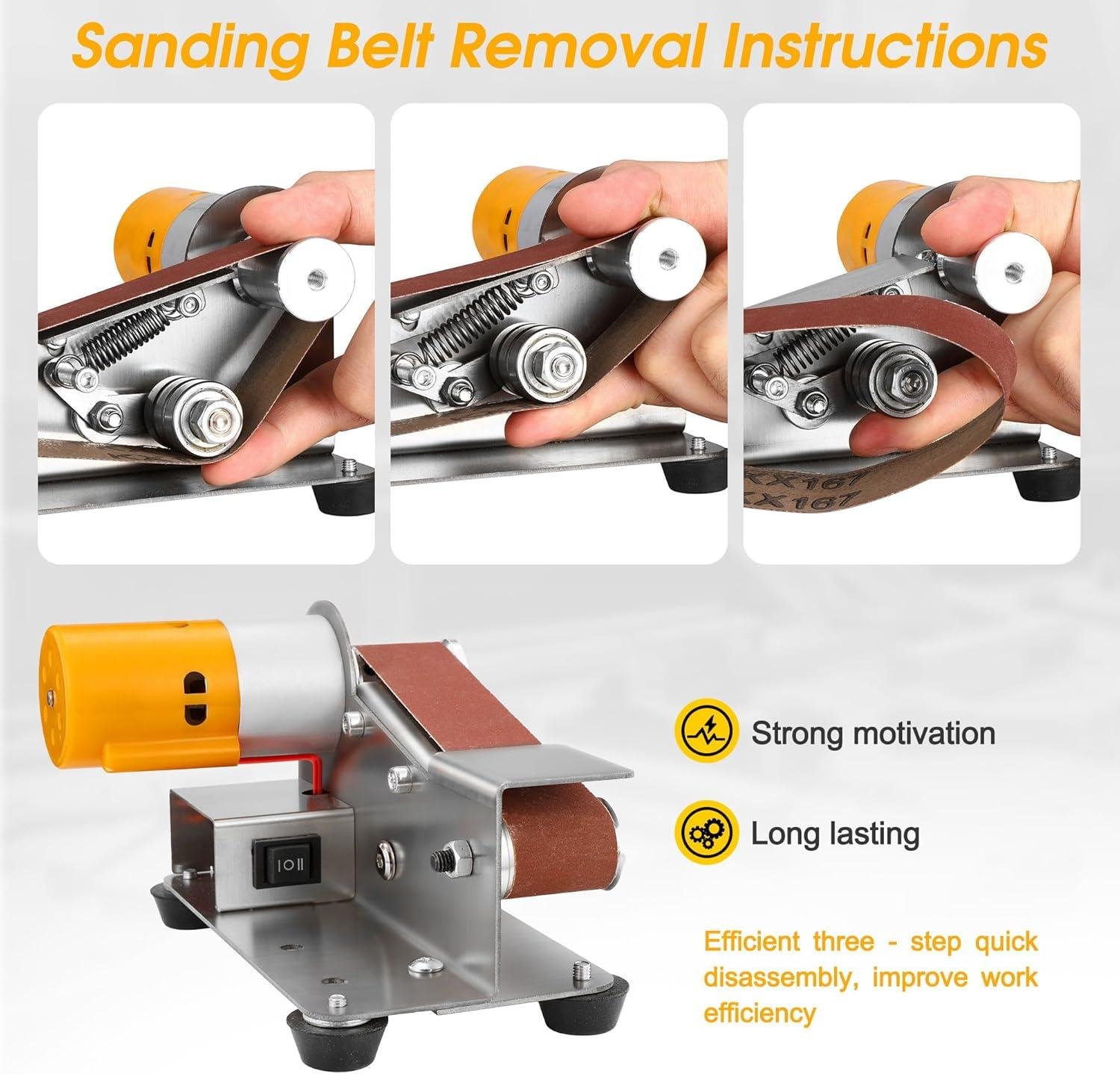
The Mornajina Mini Belt Sander (15°) is a compact benchtop unit built around a double-output 755 motor with 7 adjustable speeds (4,000–9,000 RPM).It’s small and light (about 1.4 kg; 6.7″ × 4″ × 2″) and comes as a full kit: 30 sanding belts (330 × 30 mm) plus a grinding wheel, buffing wheel, compound, and dust cover.Customer feedback commonly praises it for light-duty sharpening and small hobby tasks,while notes are mixed on motor strength,vibration,and overall build consistency,with a few reliability complaints.
Best for: hobby woodworkers with small to medium projects, beginners learning edge touch-ups, and detail sanding/polishing on small parts where a full-size machine is overkill.
Consider alternatives if: you regularly shape thick hardwoods, need production-level durability, or want a larger platen and steadier, more powerful grinding.
final assessment: a solid light-duty option with good accessories, but its mini size and mixed power/quality reports mean it’s best as a secondary shop tool—not your primary sander.
Want to see current pricing and customer photos? View on Amazon & Read More Reviews →