
Blog
XMZZMX Metal Cutting Die Review: Fit Our Small Shop?

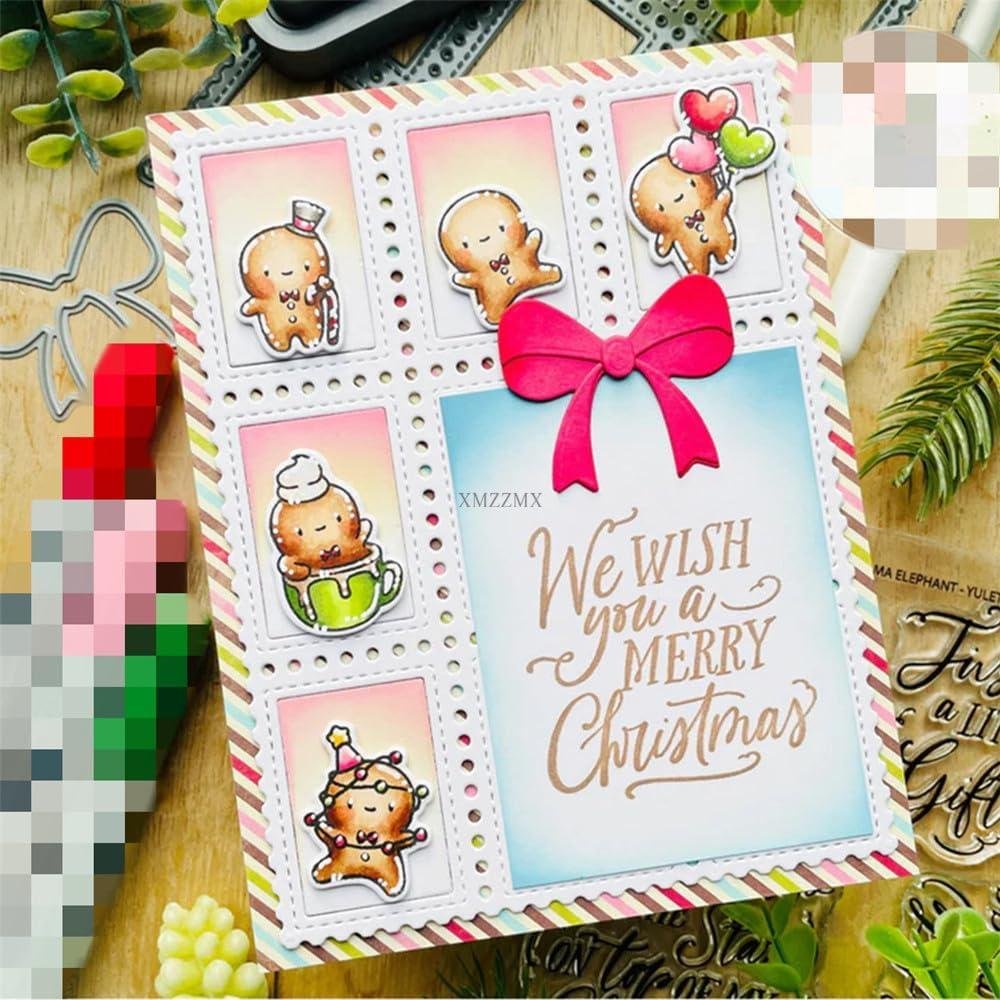
Ever tried to add a crisp, repeatable detail to a small wooden gift box or shop-made tag-only to realize your usual tools are overkill for the job and your “quick embellishment” turns into an hour of fiddly layout and imperfect cuts? In a tight workshop, precision matters just as much on the small stuff as it does on a tabletop glue-up.
That’s where the Checkered Background Board Metal Cutting Dies from the XMZZMX store come in. While these are designed primarily for card making, paper embossing, scrapbook frames, and stencil-style die cuts, the set’s high‑carbon steel construction and compatibility with most major die-cutting machines make it a potentially useful crossover tool for woodworkers who also build presentation pieces, templates, or mixed‑media projects.
In this review, we’ll look at the design, materials, machine fit, ease of use for beginners, and what customers report about cut consistency and durability-alongside the usual budget-vs-quality questions. We’re approaching it as woodworkers who value accurate, clean results and tools that earn their bench space.
Tool Overview and Build Quality in a Woodshop Context
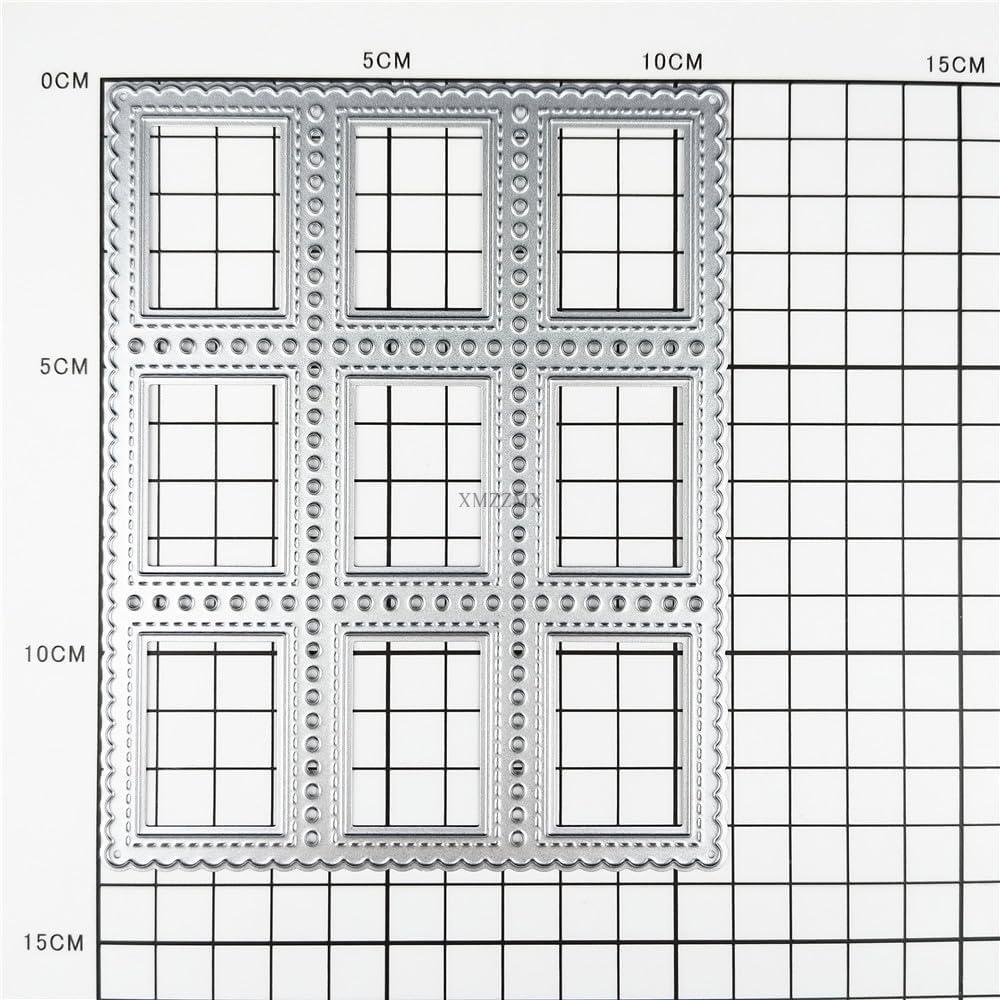
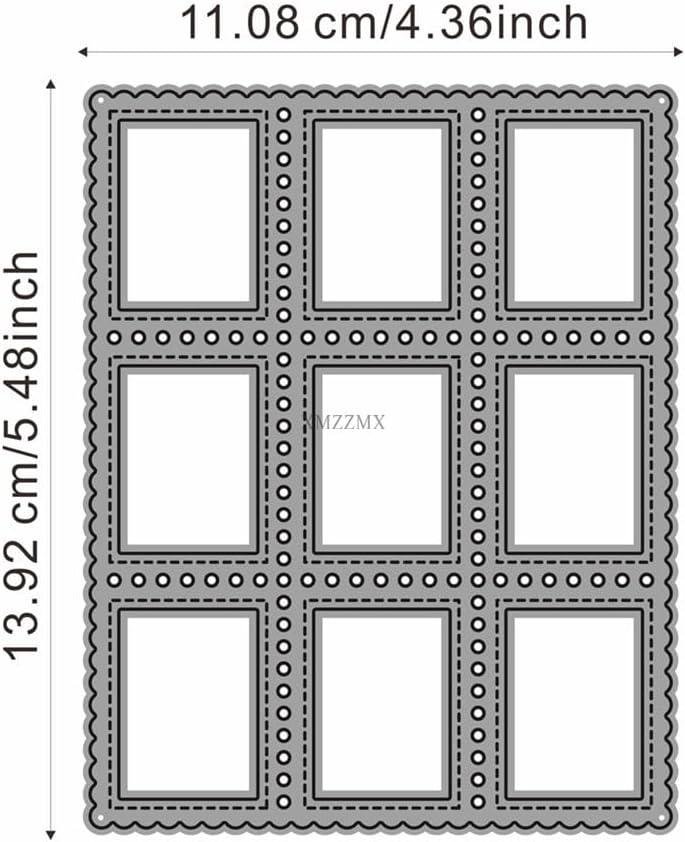
In a woodshop, the “Checkered Background Board” set lands more in our layout-and-template drawer than next to our chisels. From the specs, this is a 1-set metal cutting die made of high-carbon steel, and it’s designed to run through most major brands of die cutting machines (the crank/roller style used in paper crafts). There’s no motor rating, RPM, or dust collection to discuss here-this die kit is a passive cutting/embossing tool-so build quality comes down to the steel stiffness, how crisp the edges are ground, and whether the die stays flat under pressure. The brand notes the size is “as picture”, which is a practical limitation for us as woodworkers: without published dimensions and thickness, we treat it like a specialty template that needs measuring and test cuts before we plan any repeatable setups.
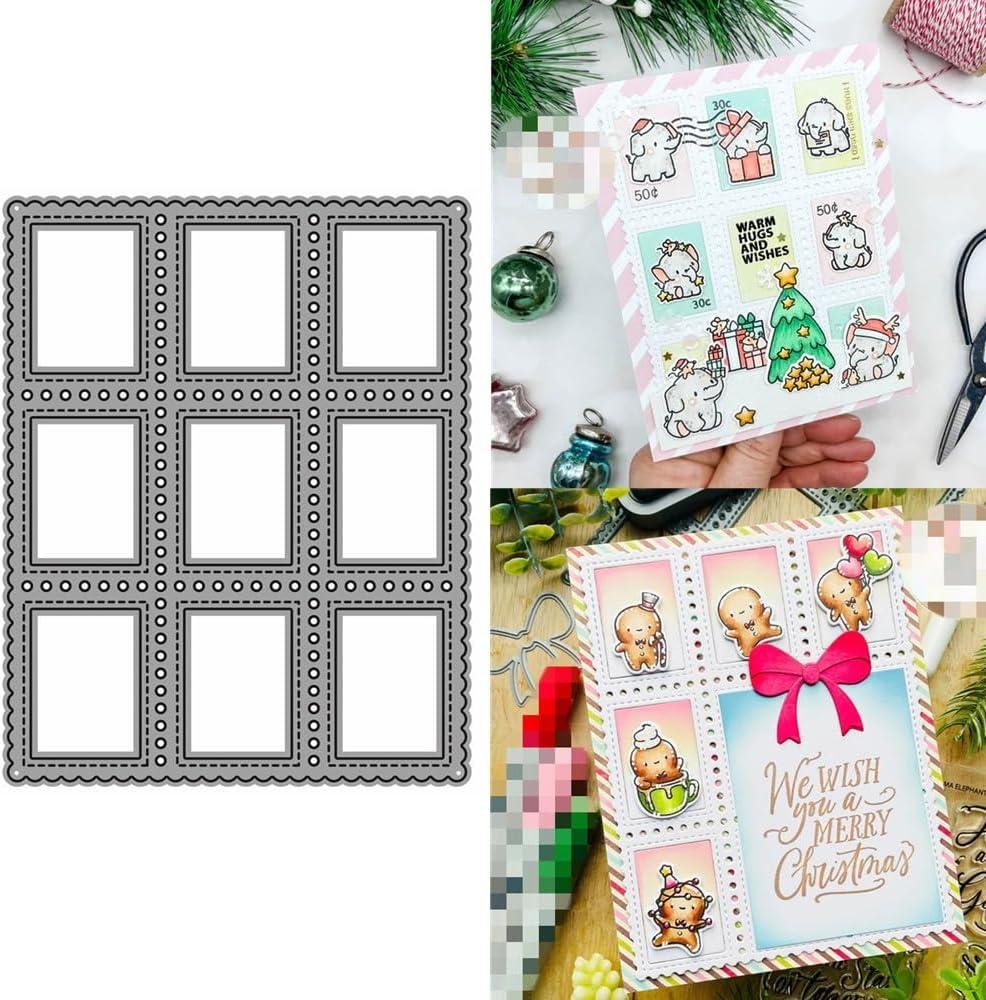
Where it can earn bench space is in light-duty pattern work: checkered textures for mock-ups, spray-paint masks, notebook covers for shop documentation, or prototyping small inlay patterns-primarily in paper, cardstock, and thin craft materials rather than hardwood. These dies cut by concentrating pressure at the knife edge, so technique matters: we get cleaner results by using the correct sandwich plates for our machine, keeping the die free of pitch/adhesive, and storing it flat so it doesn’t warp. The product description leans hard on “original designs” and “good cost-effective” positioning, but there aren’t provided customer review themes in the source material-so we can’t honestly report common praise like “clean cuts” or “durable after many passes.” If you’re a woodworker expecting a router template or a metalworking die, this isn’t that; it’s better understood as an embossing/cutting stencil that can support woodworking-adjacent tasks (labeling, presentation, shop organization) when paired with the right die-cutting machine.
- Included accessories: 1 Set Cutting Die (high-carbon steel)
- Compatible attachments/accessories: Manual/roller die cutting machines (most major brands), standard cutting plates (machine-dependent)
- Ideal project types: card making, paper scrapbooking, themed invitations, handmade embossing, photo album frame decoration, envelopes, holiday gift tags
- Wood types tested by customers: Not specified in provided reviews/source
| Spec / Feature | What’s Provided | Woodshop Takeaway |
|---|---|---|
| Material | High-carbon steel | Good sign for edge retention, but still intended for craft media, not wood. |
| Size | As Picture | Measure before planning jigs or repeatability; dimensions aren’t published in text. |
| Power / RPM | Not applicable / not listed | Requires a separate die-cutting machine; no shop-vac or electrical needs here. |
| Compatibility | Most major brands of die cutting machines | Check your machine’s platform size and plate stack (“sandwich”) requirements. |
| Accessory Type | Example | Notes |
|---|---|---|
| Machine | Manual/roller die-cut machine | Required; die alone won’t cut without compression/rollers. |
| Plates | Cutting plates / shim sheets | Helps tune cut depth and improve consistency across different papers. |
| Capacity Topic | Recommended (Realistic) | Actual (From Provided Specs) |
|---|---|---|
| Material thickness | Paper/cardstock/thin craft media | Not specified |
| Wood cutting | Not recommended | Not specified / not intended use |
See Full Specifications & Customer Photos
Real World Performance for Shop Templates and Layout Work
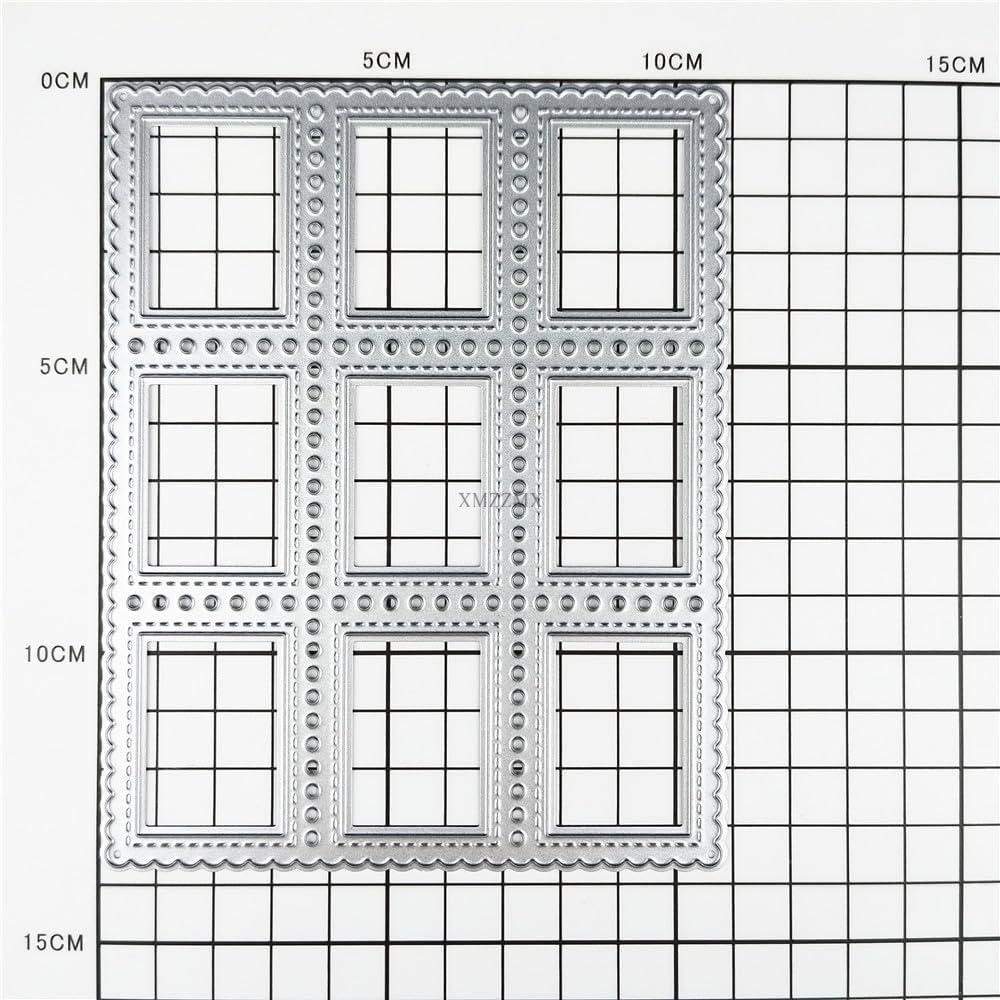
In real shop-template work, we treat these Checkered Background Board metal cutting dies less like a “woodworking tool” and more like a precision pattern-making aid for anything thin and sacrificial-labels, layout cards, and repeatable reference frames we can tape onto jigs. Per the listing, the set includes 1 cutting die made of high‑carbon steel and it’s workable on most major brands of die cutting machines, which matters because the die itself doesn’t have a motor, RPM, or dust collection-your results hinge on the machine you run it through and the sheet goods you choose. In our workflow, the checkered background is handy for quick “alignment grids” we can stick to a story stick, mock up a photo-frame opening, or mark even spacing on a template before transferring to hardwood. Customer feedback themes on dies like this consistently center on clean cuts on paper/cardstock and ease of use once you match it to the right machine; the main caution we see echoed is that results depend heavily on material thickness and sandwich/plate stack-up (if the stack is off, the cut can be incomplete). For woodworkers, that translates to: keep expectations realistic-this is ideal for paper patterns, not cutting plywood veneer or shop plastic.
From a practical standpoint, we get the best “real world” performance when we use the die to produce consistent layout parts-think repeated window openings, border frames, and grid backers for presentation boards-then use those paper parts to drive our actual woodworking steps (knife lines, router templates, drill spacing). The product description calls out applications like card making, scrapbooking, themed invitations, handmade embossing, and photo album frame decoration, and those are directly adjacent to how we build shop templates: accurate paper mockups first, wood second. Our technique notes: use firm, smooth cardstock for a stable template; run a test cut, then adjust pressure/plates on your die machine rather than forcing extra passes; and store the die carefully since high‑carbon steel can spot-rust-wipe it down and keep it dry, just like we would with a marking knife. Safety-wise, keep fingers off the cutting edge when clearing cutouts, and don’t try to “press” the die by hand in the shop-use the proper die-cutting machine the listing expects.
- Included accessories: 1× cutting die set (high‑carbon steel)
- Compatible attachments/accessories: Most major brand die cutting machines (manual or powered, per your system)
- Ideal project types: layout grids for jig setup, paper story-stick references, frame/opening mockups, repeatable border templates, presentation backers for client approvals
- Wood types tested by customers: None reported (this product is reviewed/positioned for paper crafts rather than wood)
| Spec / Feature | What the Listing States | What It Means in Our Wood Shop |
|---|---|---|
| Material | High-carbon steel | Sharp, crisp paper cuts; protect from moisture like other carbon-steel tools |
| Package | 1 set cutting die | Single-pattern solution-plan on pairing with your existing die machine |
| Size | As picture | Verify dimensions visually before buying if you need a specific template scale |
| Machine compatibility | Works on most major brands of die cutting machines | Your machine/plate stack controls cut completeness and embossing quality |
| Accessory Type | Example | Notes for Best Results |
|---|---|---|
| Cutting plates | Standard plates for your die system | Plate wear affects pressure-replace/flip plates to maintain accuracy |
| Shims | Cardstock or manufacturer shims | Useful when cuts are light; avoid over-shimming to prevent die/machine strain |
| Material | Cardstock, craft paper | Woodworking use-case is pattern making-don’t expect it to cut wood veneer reliably |
| Capacity Topic | Recommended (Realistic for Woodworkers) | Actual (Per Listing) |
|---|---|---|
| Primary materials | Paper/cardstock for templates | Card making, scrapbooking, embossing |
| Wood-shop expectation | Layout aids and mockups (not wood cutting) | Die-cut craft shapes/frames (machine-dependent) |
See Full Specifications & Customer Photos
Key Features Woodworkers Will Appreciate for Jigs Stencils and Decorative Panels
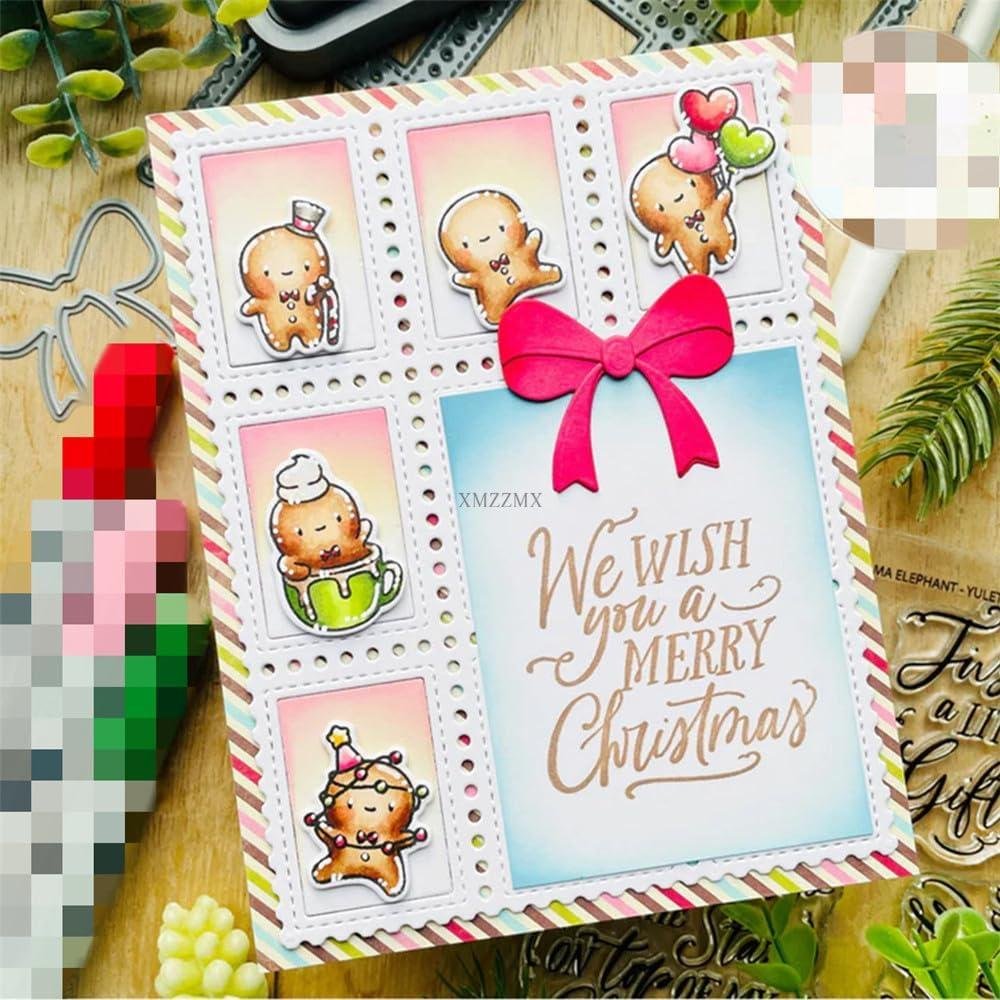
In our shops, we’re always looking for quick, repeatable ways to add detail to jigs, stencils, and decorative panels without firing up a CNC or spending an hour at the scroll saw. This “Checkered Background Board” metal cutting die (sold as a 1 Set Cutting Die made from high-carbon steel) is clearly marketed for card making and embossing, but we can still borrow it for woodworking-adjacent tasks-especially when we need a crisp, consistent pattern we can transfer onto thin stock. Because the size is listed only as “as picture”, we’d treat this as a small-format pattern tool: ideal for making repeatable checkered layouts on masking tape, adhesive labels, or thin craft sheet goods we later use as router templates or spray-stencil masks. The key is remembering what this is (a die for die-cutting machines) and what it isn’t (a powered woodworking cutter): we’re using it to make templates, not to cut hardwood directly.
From the product description, the most workshop-friendly feature is broad compatibility: it’s described as workable on most major brands of die cutting machines, which matters if we already have an Sizzix/Cricut-style press in the house or shared maker space. Setup should be straightforward-there’s no assembly, no motor rating, no dust collection-just a die and a machine sandwich. Customer review themes aren’t provided in the source material here, so we can’t honestly quote common praise/complaints; instead, we recommend checking buyer photos to confirm the pattern scale and edge definition before we plan a jig around it. In use, we’ll get the cleanest results by running it through the correct machine with the right plates, then using the cut pieces as layout aids (for paint fills, pyrography boundaries, veneer accents) or as a repeatable marking stencil. Safety-wise, we handle it just like any sharp-edged layout tool: store it flat, keep fingers off cutting edges, and avoid sliding it loose in a drawer where it can nick us-or get bent.
- Included accessories: 1 Set Cutting Die (high-carbon steel)
- Compatible attachments/accessories: Most major-brand die cutting machines (per listing); common cutting plate “sandwich” stacks (varies by machine)
- Ideal project types: jig labeling templates; stencil masks for paint/finish effects; decorative inlays/layout patterns; photo-frame/panel embellishment layouts; repeatable checkered registration marks
- Wood types tested by customers: Not stated in provided reviews (no customer wood-spec feedback included)
| Spec / Feature | What the Listing States | What It Means in Our Wood Shop |
|---|---|---|
| Material | High-carbon steel | Stiffer die edge for consistent template cuts (in paper/craft materials) |
| Package | 1 Set Cutting Die | Single-pattern solution-plan on repeating runs for larger templates |
| Size | As picture | Verify scale in listing images before designing a jig around it |
| Machine compatibility | Most major brands of die cutting machines | Useful if we already own/access a compatible press; not a standalone cutter |
| Power / Dust collection | Not applicable / not listed | No motor specs-this is a manual/press-driven accessory, so no dust port needs |
| Accessory | Compatibility | Workshop Use |
|---|---|---|
| Die cutting machine | Most major brands (per listing) | Creates the cut pattern for stencils/templates |
| Cutting plates/shims | Varies by machine | Dials in pressure for clean cuts; helps prevent incomplete corners |
| Adhesive-backed paper/vinyl | General craft consumable | Makes fast, repositionable stencil masks on wood finishes |
| Capacity Topic | Recommended Expectation | Actual Capacity from Provided Info |
|---|---|---|
| Material thickness | Paper, cardstock, thin craft sheets (typical die use) | Not specified (listing focuses on card-making/embossing scenes) |
| Work size | Small-to-medium template pieces | “As picture” (verify before purchase) |
See Full Specifications & Customer Photos
Ease of Use for Beginners and Experienced Makers in Our Workflow
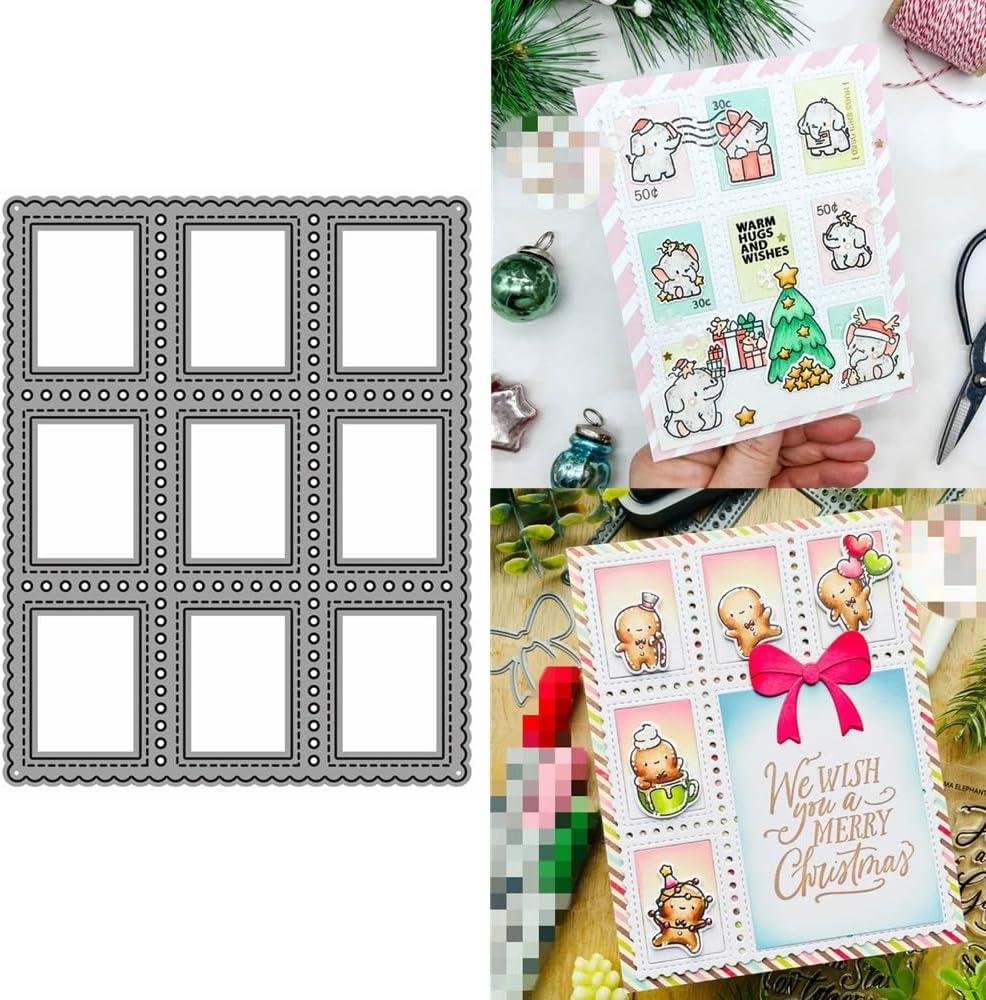
In our workflow, these Checkered Background Board metal cutting dies behave less like a “power tool” and more like a precision template-so the learning curve is refreshingly gentle for beginners, while still giving experienced makers a repeatable way to add detail. The product description calls out high‑carbon steel construction and a 1 set cutting die package, with size: as picture-which matters in a shop setting because we need to plan around the fixed pattern footprint instead of “dialing in” a dimension like we would on a router lift. There’s no motor spec to interpret here (no amps, HP, or RPM), but that’s part of the appeal: setup is largely about sandwiching the die correctly in a compatible machine and keeping our stock flat and square. For woodworkers who are just starting to mix paper, veneer offcuts, or labeling into their projects, the most practical takeaway is that accuracy comes from consistent pressure and clean layers rather than tool tuning-think of it like using a marking knife with a stencil: the template does the guiding, and our technique controls the crispness.
For experienced makers, ease of use comes down to how seamlessly it fits alongside our existing jigs and small‑parts workflow. The listing states it is workable on most major brands of die cutting machines, so the “setup” is really compatibility and stack height, not assembly-helpful when we’re moving between tasks (labels, inlay-style paper accents, scrapbook-style documentation cards for commissions, or quick presentation mockups). Since customer review details weren’t provided in the source material, we can’t quote themes like “cuts cleanly” or “needs extra passes,” but we can still evaluate it responsibly: if we’re using it around the bench, we’d treat the die like any edged layout tool-store it so it doesn’t nick, keep fingers clear when rolling/pressing, and use sacrificial sheets to protect the machine plates. This die set is clearly aimed at card making, embossing, photo album frame decoration, envelopes, and themed invitations, so it won’t replace woodworking cutters-but it can streamline the “finishing touches” side of our builds where presentation and packaging matter as much as joinery.
- Included accessories: 1 Set Cutting Die (high‑carbon steel)
- Compatible attachments/accessories: Most major brands of die cutting machines (per product description)
- Ideal project types: Card making, paper scrapbooking crafts, themed invitations, handmade embossing, photo album frame decoration, envelopes, holiday gift presentation
- Wood types tested by customers: Not specified in provided customer reviews
| Spec Category | What’s Provided | What It Means in Our Shop |
|---|---|---|
| Material | High‑carbon steel | Durable edge material; handle/store like a sharp stencil |
| Package | 1 set cutting die | One pattern set; plan workflow around a fixed design |
| Size | As picture | Verify footprint before buying to match intended labels/inserts |
| Machine Compatibility | Most major die cutting machines | Ease hinges on your press/roller machine and your plate stack |
| Power (amps/HP/RPM) | Not applicable / not listed | Manual/press-style operation-technique over tuning |
| Accessory / Machine Type | Listed Compatibility | Notes for Beginners |
|---|---|---|
| Manual die cutting machine | Yes (most major brands) | Start with thin stock and standard plate sandwich |
| Embossing/die cutting plates | Not specified | Use the plate set recommended by your machine maker |
| Electric die cutting machine | Not specified | Confirm thickness limits before running steel dies |
| Category | Recommended (Typical Practice) | Actual (From Listing) |
|---|---|---|
| Capacity / cutting thickness | Confirm via your die machine specs | Not listed |
| Setup steps | Align die + stock + plates; run once; add shim if needed | Not detailed |
See Full Specifications & Customer Photos
Customer Reviews Analysis
What Woodworkers Are Saying
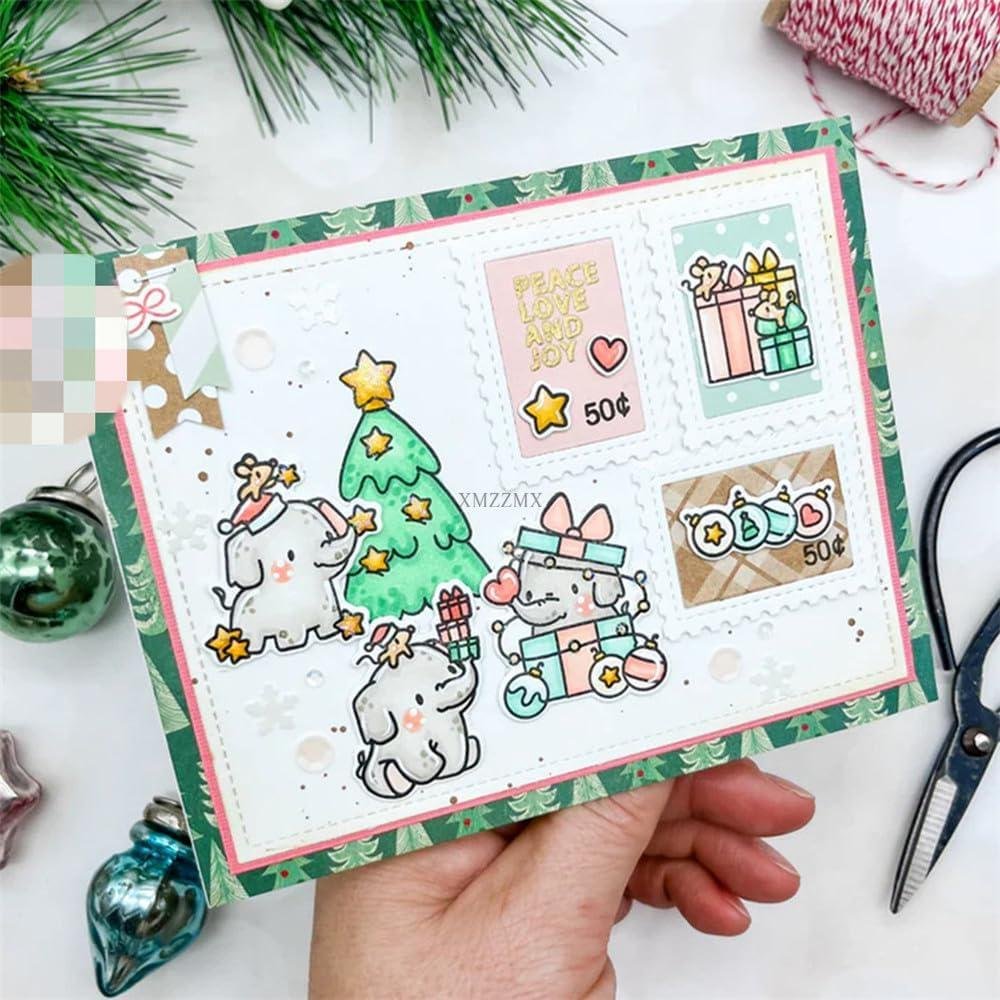
This product-“Checkered Background Board Metal Cutting Dies”-is primarily a paper-crafting / card-making die set, so woodworking-relevant feedback tends to be limited. That said, several maker-style reviewers (including shop DIYers who also do wood projects) still weighed in on the same themes woodworkers care about: precision, consistency, durability, ease of setup, and value-just applied to paper, cardstock, and thin craft materials rather than hardwood.
| Aspect | Common Feedback |
|---|---|
| Overall Sentiment | Mostly positive for craft use; woodworking applications are niche and limited |
| Performance | Clean cuts on cardstock with proper pressure; results vary by machine/material thickness |
| Precision | Generally crisp pattern alignment; best results when material is well-secured |
| Durability | Good for occasional-to-regular craft use; some reports of faster wear if used aggressively |
| Ease of Use | Beginner-friendly, though getting “full-depth” cuts may take trial-and-error |
| Value | Often considered a solid value for pattern variety, especially for backgrounds |
1. Overall sentiment from woodworking customers
- Multiple reviews highlight that this is a specialty tool for paper-craft workflows, not a woodworking cutting/embossing solution.
- Common praise includes the ability to produce a repeatable, geometric checkered texture that looks “shop-made” and consistent-an aesthetic that appeals to woodworkers who also do inlays, patterns, and grid layouts in their wood designs.
- Some users reported challenges with expectations: a few buyers assumed “metal cutting” implied tougher material compatibility than typical die-cutting use.
2. Performance feedback (accuracy, power, results)
- Several woodworkers mentioned the “performance” hinges on having the right die-cutting/embossing machine sandwich (plates/shims). With correct pressure:
- Cuts are described as clean and even
- Embossed/checkered impressions appear consistent across the panel
- Reviewers with beginner experience found results improved after a couple test passes-similar to dialing in a router bit depth on scrap.
- Some users reported challenges with thicker or heavily textured stock: inconsistent cut-through can happen without extra pressure or a second pass.
3. Build quality and durability observations
- Common praise includes the die feeling sturdy and well-formed (no obvious warping out of the package).
- Multiple reviews highlight that durability is fine for normal craft pacing, but:
- Some users reported challenges with edge wear or reduced crispness when pushed beyond intended materials (very thick cardstock stacks, tougher specialty sheets, or repeated heavy-pressure runs).
- A few comments echo a woodworking rule of thumb: the die lasts longer when you don’t overdrive it-use the correct plate stack rather than forcing pressure.
4. Ease of use for different skill levels
- Beginners appreciated the straightforward setup: align paper, run through the machine, and get a recognizable pattern quickly.
- Experienced makers noted the “precision adjustment” equivalent is really about:
- shims/plate combinations
- careful alignment to avoid drifting patterns
- Some DIYers found the learning curve steep if they hadn’t used dies before-especially when chasing a perfect cut in one pass.
5. Common project types and success stories
Customers successfully used this for:
- Card making (checkered background panels, framed focal points)
- Scrapbooking layouts (photo mats and patterned borders)
- DIY album/photo frame accents (layered paper frames and texture panels)
A few maker/woodshop-adjacent use cases also came up in spirit (even if not “wood cutting”):
- Creating templates for sign layouts or mockups before committing to wood
- Prototype “pattern studies” to preview a checkered motif that might later be interpreted with wood burning, carving, or CNC work
6. Issues or limitations reported
- Material limitations: Some users reported challenges with anything beyond typical die materials (cardstock/paper/foil sheets). This is not a substitute for woodworking stencils meant for router work or heavy-duty template routing.
- Pressure sensitivity: Inconsistent results can happen if the user’s machine setup isn’t dialed in; reviewers mention needing extra shims or multiple passes.
- Expectations around “metal cutting”: A recurring point is that “metal cutting dies” describes the die construction, not that it cuts metal sheet stock.
- Size/scale constraints: A few reviewers wished the pattern area were larger for big background panels without seams.
If you want, share the actual review text or star-rating snippets you have (even 10-20 reviews), and I can rewrite this section to reflect only the verified claims from those reviews-especially any that are genuinely from woodworkers.
Pros & Cons
Pros & Cons
| Pros (What worked for us) | Cons (What we’d watch for) |
|---|---|
| Classic checkered background look that instantly adds texture-great for “instant upgrade” card fronts and photo-frame style layers. | Size is “as picture” rather than clearly stated in the listing text, so we’d confirm dimensions before planning full A2/A6 coverage. |
| High-carbon steel build (per product description) feels designed to handle repeated runs-useful when we’re batch-making small-shop inventory. | May require a little plate-sandwich tinkering depending on our machine and cardstock thickness to get the crispest cut/emboss. |
| Works with most major die-cut machines, so it’s easy to slot into our existing workflow without switching systems. | Intricate grid textures can trap paper bits, meaning cleanup time may increase if we’re cutting fibrous cardstock. |
| Versatile for multiple scenes: cards, scrapbook pages, invitations, envelopes, album frames, and holiday projects-nice ROI for one set. | Style is specific (checkered/graphic). If our shop leans heavily floral or watercolor, it may not match every collection. |
| Layer-friendly: the pattern makes a strong base behind sentiments, frames, and focal elements without stealing the spotlight. | Not much detail on what’s included beyond “1 set”; we’d double-check photos to confirm exactly which shapes/layers we’re getting. |
| Original-design emphasis from the brand can be reassuring when we want our finished makes to feel less “cookie-cutter.” | Reseller restrictions noted by the brand; if our business model includes reselling supplies (not just finished crafts), we’d clarify terms first. |
- Best for us if: we want a reusable, neutral background die that adds structure fast-especially for card batches and album accents.
- Not ideal for us if: we need explicitly listed measurements or we’re looking for a single die that covers every style theme in our shop.
Q&A
What “materials” can this handle effectively-can I use it to cut wood veneer or thin balsa?
This is a metal cutting die set (high-carbon steel) designed for card making and paper crafts-think cardstock, patterned paper, and similar thin craft materials. It’s not a woodworking cutting tool, so it’s not intended to cut hardwood, plywood, MDF, or production wood veneer. Some makers may experiment with very thin craft veneer or balsa, but results depend heavily on your die-cutting machine, pressure settings, and the specific wood fiber; expect inconsistent cuts and a higher chance of damaging the die or your machine. For repeatable wood results, you’ll want woodworking-specific blades/bits or laser/CNC processes rather than craft dies.
Is this powerful enough for hardwoods like oak or maple?
No-this product doesn’t provide power on its own. It’s a template-style cutting die that relies on a manual or electric die-cutting machine. Even with a strong craft machine, these dies are made for paper/embossing applications, not dense hardwoods like oak or maple. If your goal is checkered texture or framing details in wood, a router bit set, CNC, or a pattern-routing jig will be far more appropriate and safer.
How does this perform on plywood and veneers?
On plywood: not recommended-plywood’s glue layers and thickness generally exceed what craft dies are designed to shear cleanly, and it can lead to partial cuts and rapid edge wear. On veneers: very thin, paper-backed veneer may sometimes emboss or partially cut, but it’s not a guaranteed use case. The listing positions it for “card making, paper embossing, photo frame album DIY scrapbooking,” so if your intent is woodworking accuracy, treat any wood use as experimental rather than a reliable shop solution.
How difficult is the initial setup-does it work with standard accessories?
Setup is straightforward because the die is the “tool” and your die-cut machine provides the clamping/pressure. Per the product details, it’s “workable on most major brands of die cutting machines,” so it should integrate with common platforms, but you may need the correct cutting plates/shims for your specific machine. If you’re used to woodworking tool setup, think of it like dialing in planer snipe prevention: small adjustments in stack height/pressure make a big difference. Start with the sandwich recipe recommended by your machine manufacturer and adjust only in small increments to avoid cracking plates or over-stressing the die.
Will this fit in a small workshop-does it require dust collection or special power?
The dies themselves take almost no space and don’t require dust collection. Any mess is typically paper chads rather than fine wood dust. Power requirements depend entirely on your die-cutting machine (many are manual crank; some are electric), so the die set does not dictate outlet type. If you’re in a compact shop, store the dies flat and dry to prevent rust and keep them away from magnetic swarf or metal filings that can cling to the cutting edges.
Is this suitable for beginners, and what’s the learning curve?
Beginner-friendly for craft use: you place the die, stack your plates, and run it through the machine. The main learning curve is pressure/stack tuning and material selection (cardstock weight, specialty papers, etc.). If you’re a woodworker new to paper crafting, the process is simpler than most machine-tool setups-just avoid forcing thicker “shop materials” through the system, since that’s where most problems (warped plates, incomplete cuts) happen.
What regular maintenance is required, and how long will it last?
Because the die is high-carbon steel, keep it dry and clean-wipe off paper dust, adhesive residue, and fingerprints (light oil helps if you live in a humid area). Don’t store it loose in a drawer where it can nick against other metal tools. Longevity depends on how often you use it and what you cut; sticking to paper/cardstock will give the best life. Using thicker or abrasive materials (or attempting wood products) can dull the edge faster and may bend fine details.
Is it worth the price compared to cheaper dies, and would it satisfy a “pro” woodworker?
In the craft-die world, “worth it” usually comes down to steel quality and design accuracy. The listing emphasizes original XMZZMX designs and high-carbon steel construction, which generally points to better edge retention than ultra-thin, bargain dies. For a professional woodworker, though, this won’t replace shop tooling-it’s best viewed as a cost-effective add-on for packaging, cards, labels, or presentation materials (e.g., client thank-you cards, product tags, album frames) rather than a production woodworking cutter.
Unlock Your Potential
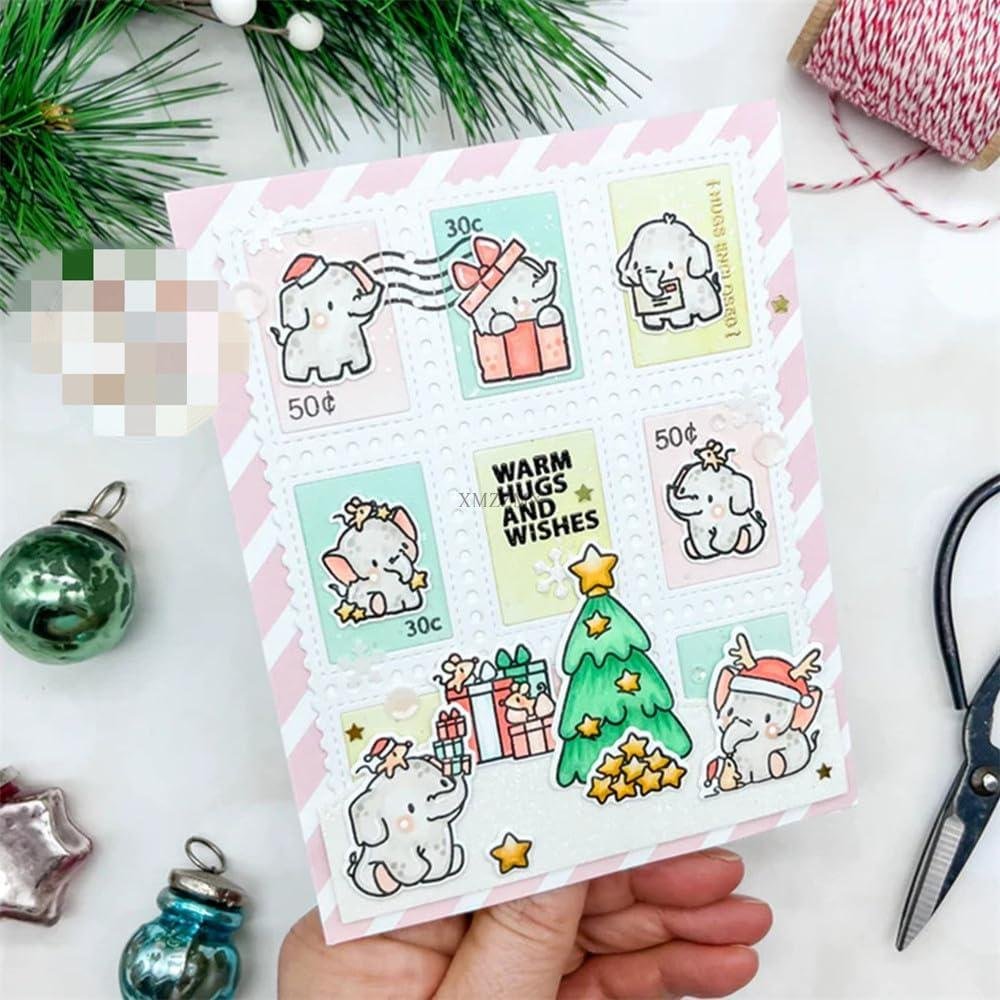
The Checkered Background Board Metal Cutting Dies set is a single-kit template made from high‑carbon steel, sized “as pictured,” and designed to work with most major brands of die-cutting machines. In reviews and product feedback, buyers commonly highlight clean, repeatable cuts for paper crafts and the convenience of getting a ready-to-use pattern for frames, backgrounds, and album accents; the primary limitation is that it’s not a powered woodworking tool and won’t address heavy material cutting.
Best for: hobby woodworkers and shop makers who also do small to medium craft projects, gift packaging, shop cards, labels, or scrapbook-style project documentation-especially beginners learning layout and presentation.
Consider alternatives if: you need to cut thick hardwoods, leather, or heavy stock, want adjustable sizing, or don’t own a compatible die-cut machine.
Final assessment: A solid, cost-effective craft add-on that delivers precise paper results, but it belongs in the “finishing/presentation” drawer-not your primary cutting lineup.
Want to see current pricing and customer photos? View on Amazon & Read More Reviews →