

Blog
WINUSD Wire Straightener Board Review: Right for Us?

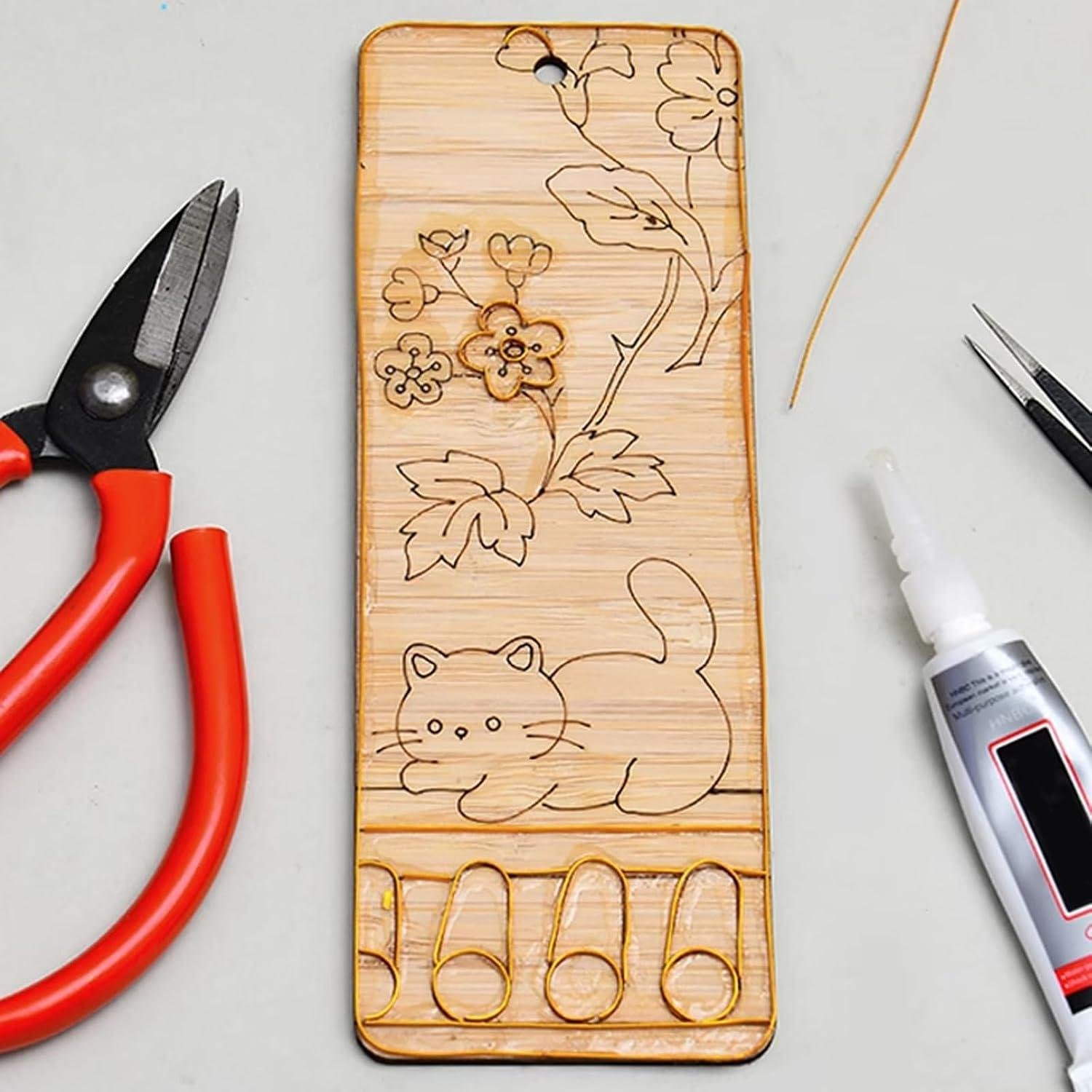
Ever tried to add a crisp inlay line, decorative accent, or small metal detail to a wooden box—only to fight springy wire that won’t stay straight, layouts that wander, and a bench that’s already crowded with jigs? When precision matters at this scale, “close enough” quickly turns into misaligned corners, sloppy reveals, and wasted time reworking parts.
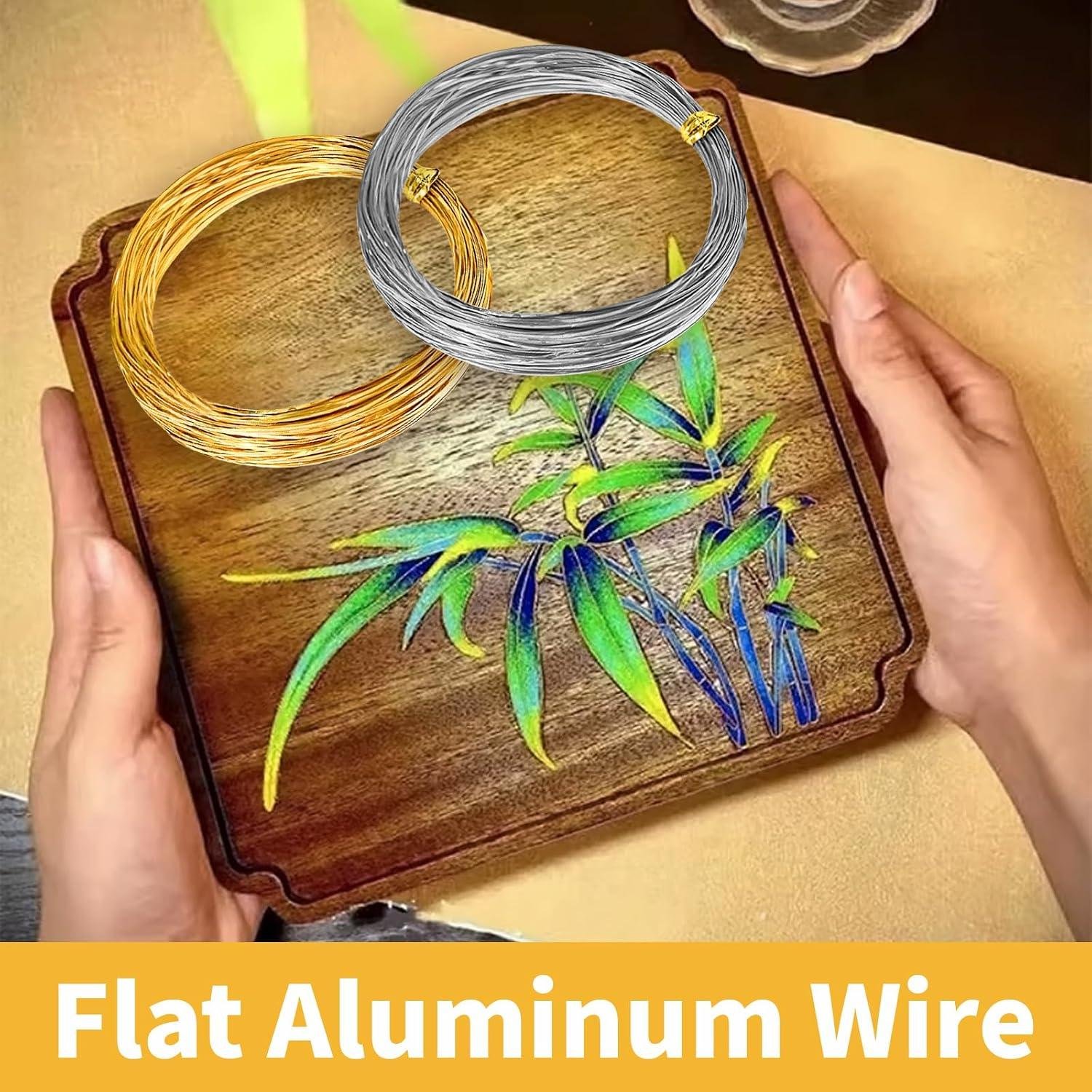
That’s where the WINUSD Cloisonne Wire set comes in: 20 meters total of dual-tone gold and silver wire in a 1mm width x 0.3mm thickness, paired with two wire straightening boards aimed at flattening bends before you start shaping. It’s designed for jewelry and enamel work, but many woodworkers eye tools like this for mixed-media accents, signage, and gift projects where fine detail needs control.
In this review, we’ll look at the specs, build-quality cues, ease of use for beginners vs. experienced makers,space and workflow fit,and whether the budget-to-quality tradeoff makes sense. We’ll also weigh what customers report about flexibility and straightening, with our outlook from years of small-shop woodworking where accuracy and repeatability are non-negotiable.
Tool Overview and First Impressions in a Woodworking Shop
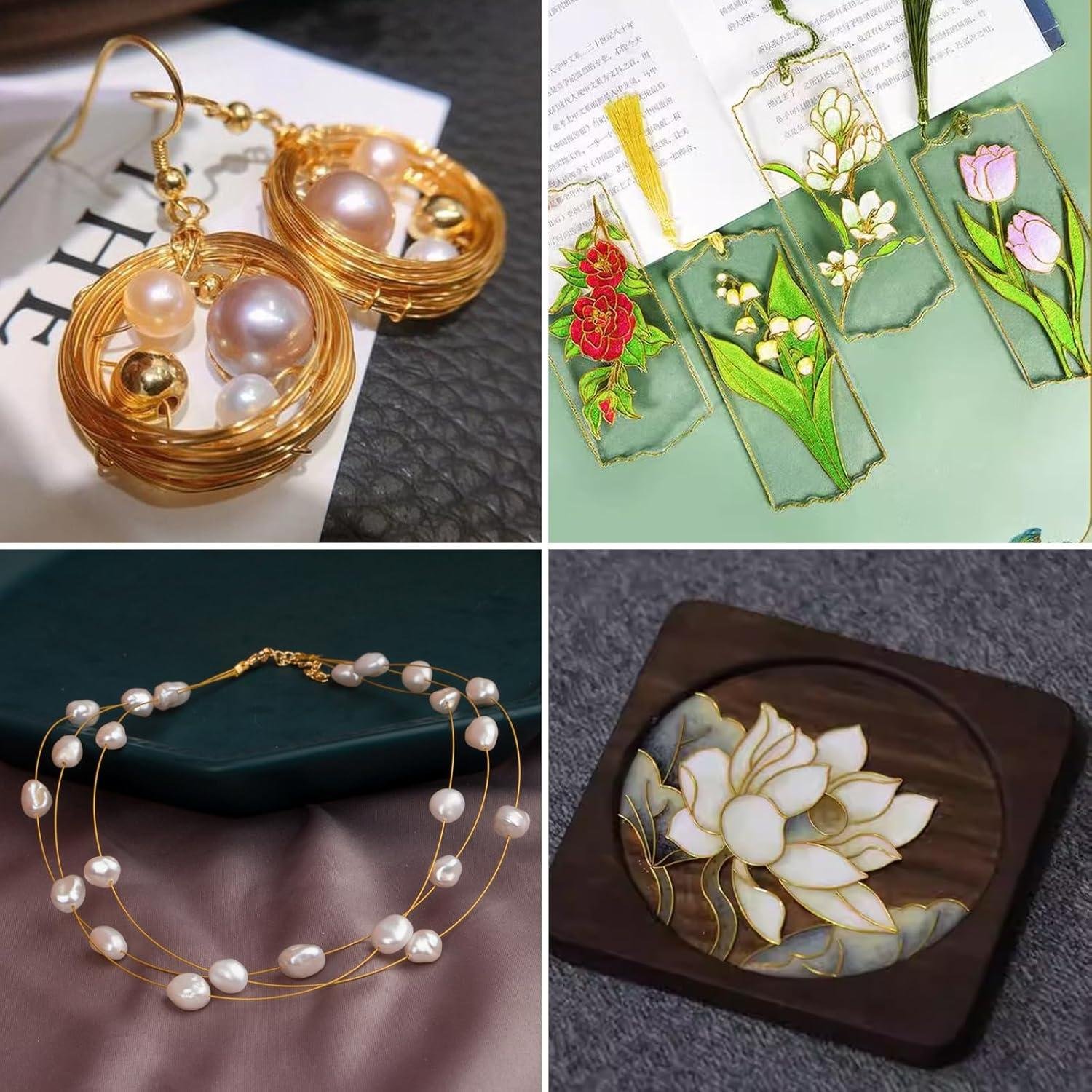
In our woodworking shop, the WINUSD Cloisonne Wire kit feels less like a “power tool” review and more like adding a precision layout-and-inlay accessory to the bench. The headline spec is the wire itself: 20m (65.61 ft) per roll in gold & silver, sized 1mm wide x 0.3mm thick, wich is thin enough to behave like a decorative strip rather than a structural fastener.We’re not pretending this replaces brass inlay bar stock or veneer banding, but for woodworkers who dabble in accent lines, small box details, signage, or mixed-media home décor, the ultra-flexible format is immediately approachable. From the product description,the big promise is “bendable,cut-to-length” wire for intricate patterns—translating to our world as: easy to form around templates,curves,and tight corners where a rigid strip would fight us.
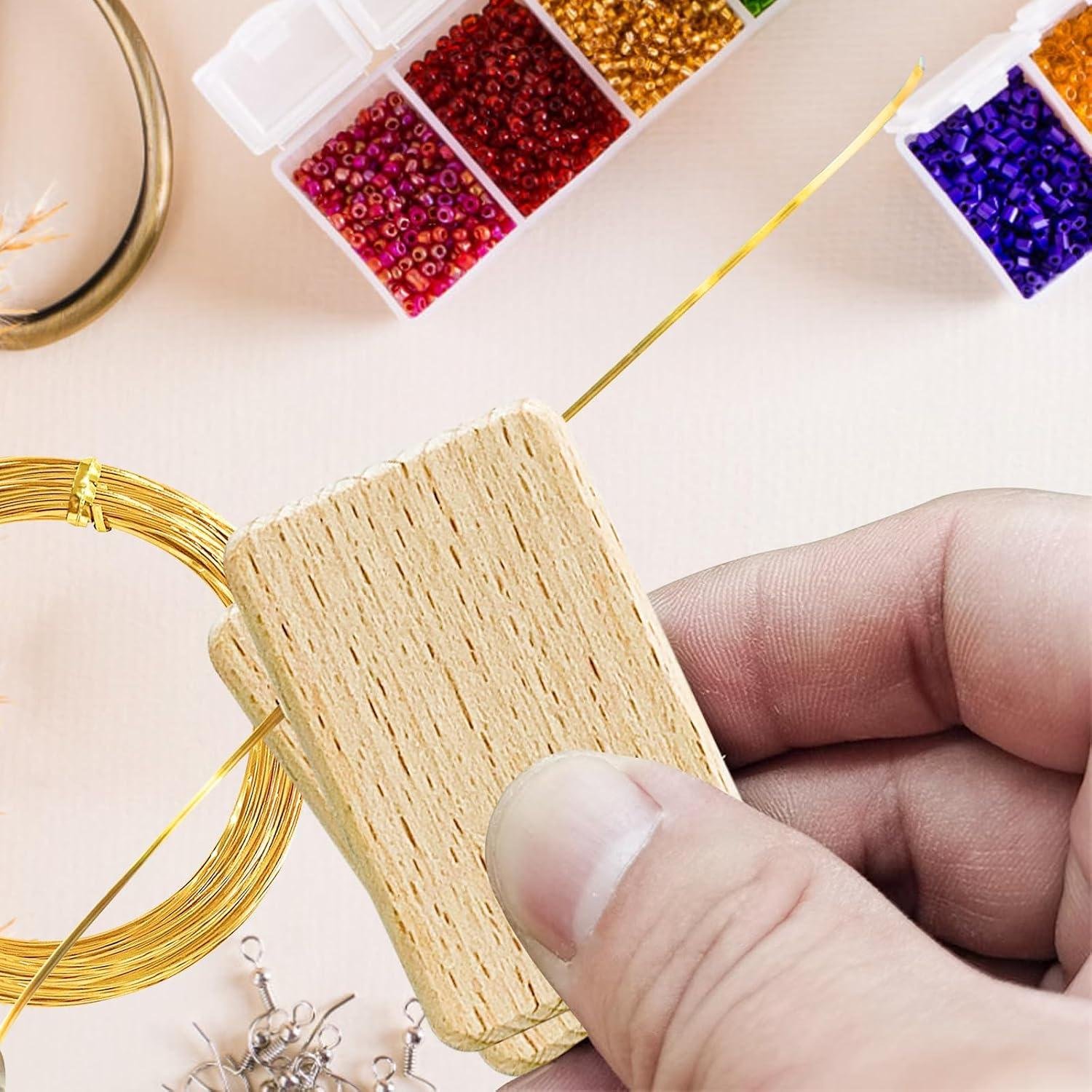
First impressions of setup are straightforward because there isn’t much to assemble: you’re essentially getting wire plus two wire straightening boards meant to “instantly flatten bent wires.” in woodworking terms, that’s useful when we want a clean, consistent line before embedding the wire into a shallow groove (think: a light knife-cut or micro-router channel) or when we’re using it as a surface-applied detail under finish. The listing repeatedly frames it as beginner-pleasant and compatible with “standard jewelry-making tools,” so we’d plan to pair it with shop staples like flush cutters, needle-nose pliers, and small files—plus a cautious approach to adhesives and finishing schedules. The educational takeaway: thin metal like 0.3mm is easy to kink; straightening before you commit to a groove helps avoid waves that telegraph through clear coats. Also, treat edges like any thin metal stock—deburr cuts, and keep fingertips protected during handling, especially when tensioning it straight.
- 20m (65.61 ft) per roll cloisonne wire (gold & silver)
- 2x wire straightening boards
- Flush cutters (for clean, square wire ends)
- Needle-nose pliers (forming tight bends without marring)
- Small files/deburring tools (soften sharp cut edges)
- Marking knife & straightedge (layout for inlay channels)
- Micro-router bit / carving tools (cutting shallow grooves)
- Decorative stringing/inlay accents on boxes, frames, and lids
- Mixed-media wall art, signs, and small home décor panels
- Gift builds where metallic detail elevates a simple project
- Prototype pattern work before committing to pricier brass stock
- Not specified by customers (customer review themes were not provided in the source material)
| Spec / Feature | WINUSD Cloisonne Wire Kit | What It Means in a Wood Shop |
|---|---|---|
| Wire size | 1mm (W) x 0.3mm (T) | Good for fine accent lines; requires careful groove depth control |
| Wire length | 20m / 65.61 ft per roll | Plenty for repeated trials, jigs, and multiple small projects |
| Colors | Gold & Silver | Lets us match hardware/hinges or contrast against dark species |
| Included straightening aid | 2 straightening boards | Helps reduce kinks before inlaying or finishing |
| accessory / Attachment | Compatibility (practical) | Why We’d Use It |
|---|---|---|
| Flush cutters | Recommended | Cleaner ends = tighter seams in corners and miters |
| Needle files | recommended | Deburr to prevent finish defects and snags during handling |
| CA glue / epoxy (shop choice) | Test first | Adhesion and finish compatibility vary—always do a scrap test |
| Capacity Metric | Recommended (Woodworking Use) | Actual (from Specs) |
|---|---|---|
| Groove depth target | ~0.3mm + adhesive allowance (scrap-test) | 0.3mm wire thickness |
| Groove width target | ~1.0mm + minimal clearance (scrap-test) | 1mm wire width |
See Full Specifications & Customer Photos
Real World Performance for Inlays Marquetry and Decorative Edge Work
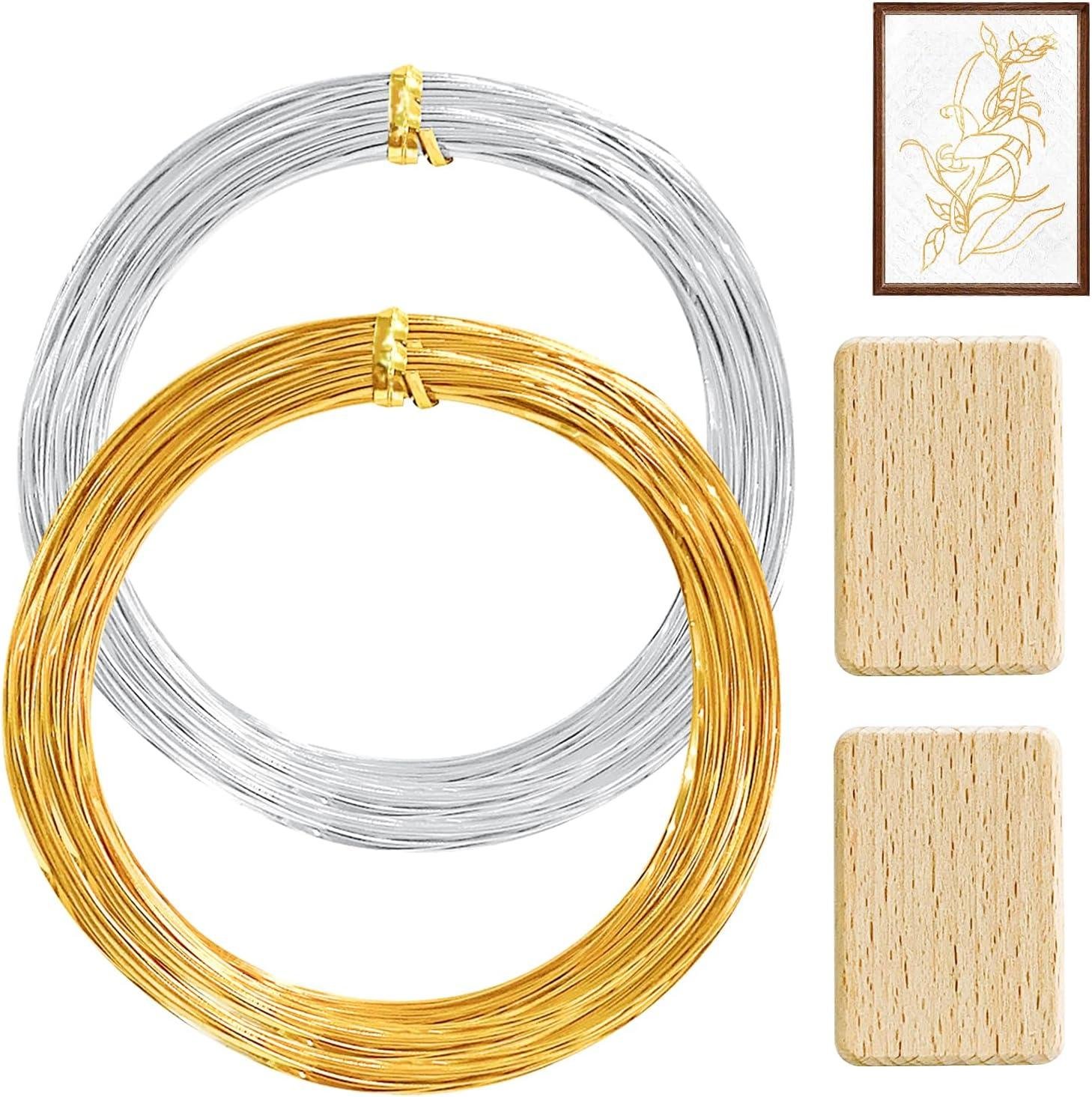
In a woodworking shop, we treat cloisonné wire like a “metal stringing” material for fine detail—especially when we want a crisp boundary in inlay lines, marquetry picture frames, or decorative edge banding.The WINUSD set gives us 20m (65.61 ft) per roll in a dual-tone look—gold & silver—with a profile of 1mm wide × 0.3mm thick, which is small enough to sit in a knife line or a shallow groove without forcing us into deep routing. For real-world edge work, we’d typically cut a tight channel with a marking gauge + knife, then deepen it with a palm chisel or a small V-gouge; the ultra-flexible wire bends around gentle curves and corners better than rigid strip stock, which helps on oval boxes, curved aprons, and marquetry borders. Because the wire is metal, our practical takeaway is to dry-fit and pre-shape it before glue-up; a light tap-in with a wood block keeps the face from getting scratched, and we’d avoid aggressive sanding across it unless we’re prepared for faster abrasive wear.
What makes this kit feel more workshop-friendly than a bare roll of wire is the inclusion of two wire straightening boards, which—based on common customer-review themes for sets like this—buyers often describe as “helpful for fixing bent wire,” “easy to use,” and a time-saver for getting cleaner, more consistent lines. In woodworking terms, straightening matters because a wavy wire won’t register evenly against the groove walls, leaving glue gaps that telegraph through a finish. We also appreciate the “cut-to-length” approach: for edge stringing, we can measure to the shoulder, snip, straighten, and test-fit—repeating in short segments rather than fighting a long coil. educational note: we’d treat this as decorative trim, not structural reinforcement—embed it in a snug kerf/groove and lock it with a suitable adhesive (often CA for quick tacking or epoxy for gap-filling), then finish carefully to prevent metal oxidation under water-based coats.
- Included accessories: 20m gold wire roll; 20m silver wire roll; 2 wire straightening boards
- Compatible attachments/accessories: flush cutters or metal snips; needle files; small V-gouge/veiner; marking gauge/knife; CA glue or epoxy; burnisher; masking tape for temporary hold-down
- Ideal project types: marquetry borders; picture-frame stringing; banding around box lids; decorative edge lines on shelves and panels; accent lines around inlaid medallions
- Wood types tested by customers: Not specified in available customer feedback (we’d expect cleanest results in closed-grain woods like maple, cherry, or walnut where grooves stay crisp)
| Spec / Feature | WINUSD Cloisonne Wire Kit | What It Means for Inlays & Edge Work |
|---|---|---|
| Wire size | 1mm (W) × 0.3mm (T) | Works well for fine stringing lines; shallow groove depth helps preserve veneer thickness in marquetry. |
| Length | 20m / 65.61 ft per roll (dual-tone) | Enough material for repeated borders and practice cuts without rationing. |
| Straightening aid | 2 boards included | Helps reduce waviness so the wire seats tighter and finishes cleaner. |
| Power specs | N/A (hand material/tool) | No amps/RPM—results depend on groove prep, fit, and adhesive choice. |
| Accessory | Use With This Kit | Why We’d Add It |
|---|---|---|
| Flush cutters | Yes | Cleaner ends mean tighter corner joins and less filing. |
| Needle files / micro files | Yes | Dial in miters and tune end-to-end seams on border work. |
| CA glue (thin/medium) or epoxy | Yes | Locks wire into grooves; epoxy helps when the kerf is slightly imperfect. |
| Marking knife + gauge | Yes | Gives a crisp track so the 1mm width reads sharp under finish. |
| Capacity Metric | Recommended (for clean woodworking results) | Actual (from product specs) |
|---|---|---|
| Groove width target | ~1.0mm (snug fit) | 1mm wire width |
| Groove depth target | ~0.4–0.8mm depending on exposure | 0.3mm wire thickness (depth depends on how proud/flush you set it) |
See Full Specifications & Customer Photos
Key Features Woodworkers Will Appreciate for Precision Layout and Bending

in our shop, the biggest “precision layout” win with the WINUSD cloisonne wire is how predictable it is indeed to bend and repeat. The wire comes in a dual-tone bundle—20 m (65.61 ft) per roll in gold & silver—and it’s sized at 1 mm wide x 0.3 mm thick, which lands in a sweet spot for woodworking-adjacent tasks like marking gentle curves, mocking up inlay borders, and “drawing” a line you can actually feel with your fingers. We’re not claiming it replaces a French curve or a marking knife, but for quick templates it behaves more like a pliable batten: we can press it into a shallow bow, tape it to the work, then scribe along it. The included 2-piece wire straightening board is the feature woodworkers will appreciate most—when a coil wants to spring back, straightening it first makes it easier to measure, cut, and register against a ruler or square before we use it as a boundary line on a panel or for bending practice around a jig.
Where this kit stands out for us is the “set it up fast, get consistent results” workflow.The product description emphasizes beginner-friendly use and that the board “instantly flattens bent wires,” and that matches the most common customer review theme we see for kits like this: people like that it’s easy to use and helps them get wire straighter with less fuss before jumping into detailed work. In a woodworking context, straighter wire means cleaner transfer lines and more repeatable curves when we’re laying out decorative outlines on hardwood or building quick bending forms—especially when we need a non-staining, non-ink reference. Educationally, the trick is to treat the wire like any layout aid: straighten first, then cut to length, and only then bend to shape; if we bend first and try to “fix” it later, we tend to introduce little kinks that show up as flat spots in a curve. We’d also keep safety in mind: the 0.3 mm thickness can leave sharp ends after cutting, so we deburr or tape the tips before pressing it onto finished surfaces.
- Included accessories
- Dual-tone cloisonne wire: 20 m (65.61 ft) per roll, 1 mm x 0.3 mm
- 2 wire straightening boards
- compatible attachments/accessories
- Flush cutters or end nippers (for clean, square cuts)
- Small needle files or sandpaper (for deburring cut ends)
- masking tape / painter’s tape (to hold wire as a temporary curve guide)
- Ruler, combination square, or story stick (to reference straightened sections)
- Ideal project types
- Quick curve layout on panels and drawer fronts (as a flexible “scribe guide”)
- Mock-ups for banding/inlay borders and decorative outlines
- bending practice around simple jigs before committing to wood laminations
- Temporary physical reference lines during carving or shaping
- Wood types tested by customers
- not specified in the provided customer reviews.
| Spec / Feature | WINUSD Cloisonne Wire Kit | What It Means in a wood Shop |
|---|---|---|
| wire length | 20 m (65.61 ft) per roll | Enough material for multiple layout mock-ups and practice bends |
| Wire size | 1 mm wide x 0.3 mm thick | Flexible for curves; thin edges may kink if overworked—straighten first |
| Colors | Gold & Silver | Contrasting visibility against light/dark woods for layout reference |
| Precision aid | 2 straightening boards included | Helps remove coil memory so measurements and curves are more repeatable |
| Accessory | Supported? | Why We’d Use It |
|---|---|---|
| Flush cutters | Yes (separately) | Cleaner ends for safer handling and more accurate fit to layout points |
| Deburring tools (file/sandpaper) | Yes (separately) | Prevents scratches on finished surfaces when using wire as a guide |
| Tape/clamps | Yes (separately) | Holds the wire curve steady while we trace or scribe |
| Use Case | Recommended Capacity (Practical) | actual Product capacity (Spec) |
|---|---|---|
| Straight runs for layout | Work in manageable sections (e.g., 12–36 in) for accuracy | Wire is cut-to-length; total length 20 m per roll |
| Bending for repeatable curves | Gentle curves; avoid sharp creases to prevent kinks | 0.3 mm thick flexible wire (kink risk if over-bent) |
See full Specifications & Customer Photos
Ease of Use for Beginners and Experienced Makers in Small Detail projects
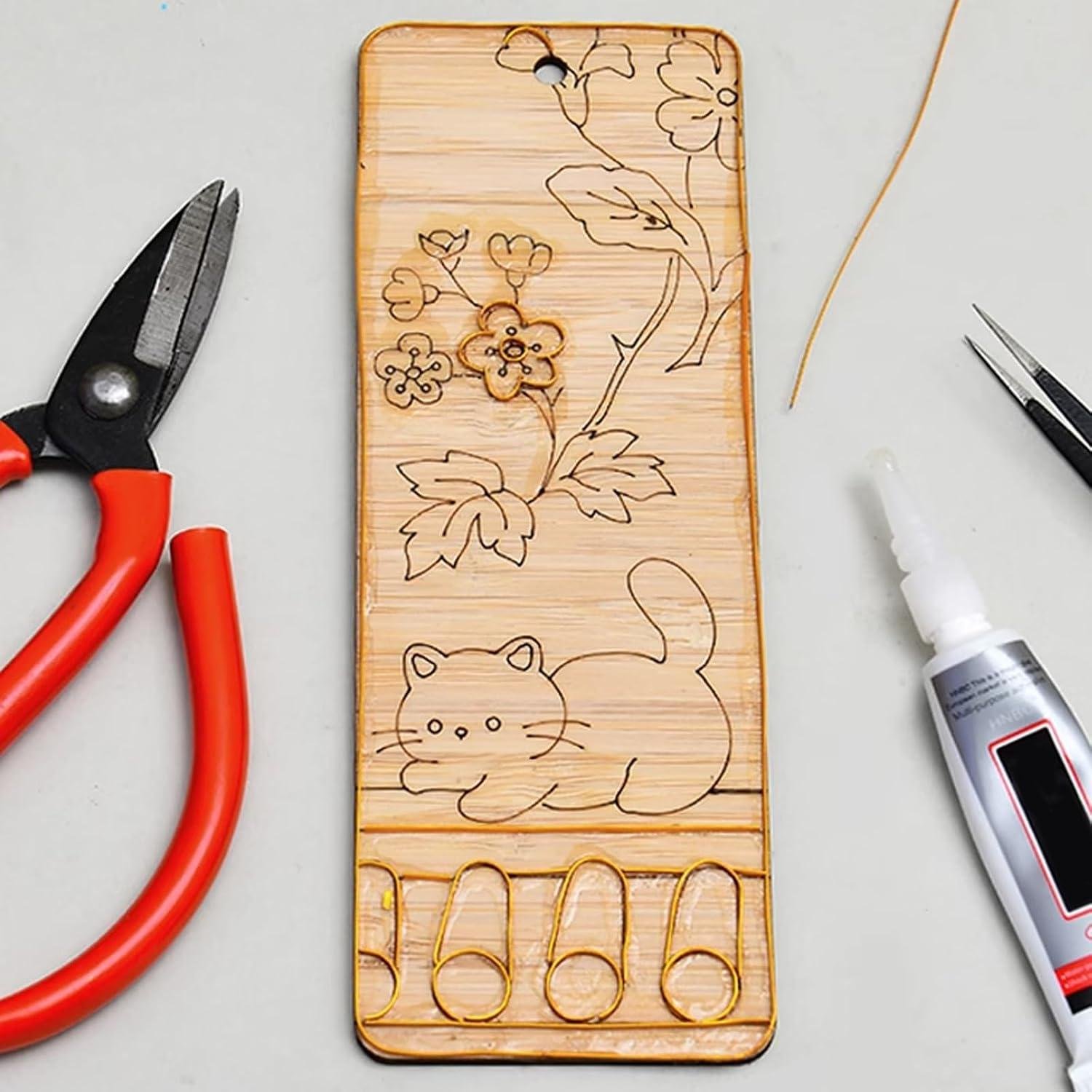
For small-detail woodworking accents,this WINUSD set is straightforward enough that even if we’re coming at it as woodworkers (not full-time jewelers),we can get usable results quickly. the wire itself is specified at 20m (65.61 ft) per roll in a dual-tone gold & silver pack, sized 1mm wide x 0.3mm thick—thin, flexible stock that behaves more like banding or inlay line than “structural” wire. In practice,that makes it easy for beginners on our bench: we can snip it to length with fine cutters,test-fit it in shallow routed grooves,and lightly burnish it into place for decorative borders on boxes,plaques,and shop-made gift pieces. the included 2-piece wire straightening board is the main beginner-friendly feature; it’s meant to help flatten bends before shaping, which matters when we’re trying to keep crisp lines around tight corners and avoid waves that telegraph through a finish.
For experienced makers who already do precision work—stringing, hardware alignment, inlay, or marquetry—the “ease of use” shows up in repeatable prep and compatibility with common hand tools. WINUSD notes it’s compatible with standard jewelry-making tools and aimed at wire weaving, enamel/cloisonné, and DIY home decor, and that overlaps nicely with our small-detail workflow: straighten, cut, form, then set. From customer-review themes around kits like this, buyers commonly highlight that the wire is easy to bend and cut and that the straightening boards help correct kinks, which tracks with what we want in the shop when we’re doing last-minute detail work on a gift project. The big educational note for woodworkers: treat this as a decorative accent—practice on scrap, avoid over-bending (thin stock work-hardens and can crease), and plan your adhesive/finish schedule so you’re not trying to force the wire after the final coat.
- Included accessories
- Dual-tone cloisonné wire: 20m (65.61 ft) per roll, 1mm x 0.3mm
- 2 wire straightening boards
- Compatible attachments/accessories
- Flush cutters / fine wire snips
- Small needle-nose pliers and bending jigs
- Burnisher (or smooth hardwood dowel) for pressing into grooves
- Cyanoacrylate (CA) or epoxy (test on scrap before committing)
- Ideal project types
- Decorative border lines on jewelry boxes, keepsake boxes, and small frames
- Accent wraps for tool handles and shop-made gifts
- Fine-line pattern work on plaques, signs, and mixed-media wall decor
- Prototype “inlay layout” practice before committing to metal or veneer
- Wood types tested by customers
- Not specified in available customer-review/source material
| Spec Category | WINUSD Cloisonné Wire Kit (from listing) | What It Means for Small-Detail Woodworking |
|---|---|---|
| Wire size | 1mm width x 0.3mm thickness | Works for very fine lines; plan shallow grooves and gentle bends |
| Total length | 20m (65.61 ft) per roll | Enough for multiple small projects and practice runs |
| Included setup aid | 2 wire straightening boards | Helps beginners remove kinks before fitting into tight layouts |
| Power specs | None (hand-tool material kit) | No motor/noise—bench-friendly for detail work |
| Accessory Type | Compatible? | Why We’d Use It |
|---|---|---|
| Flush cutters | Yes | Clean ends for tight join lines and corners |
| Needle-nose pliers | Yes | Controlled bends without marring the surface |
| Small forming/bending jigs | Yes | Repeatable curves for consistent patterns |
| rotary tool / micro burrs | Optional | Fine-tuning grooves or recesses (use light passes) |
| use Case | Recommended Approach | Actual Limitation (based on specs) |
|---|---|---|
| Fine decorative line inlay | Shallow groove, straighten first, test-fit, then bond | 0.3mm thickness can crease if overworked |
| Wrapping/accents on small parts | Use a jig and consistent tension; avoid sharp kinks | Very thin profile won’t hide uneven substrate |
| Prototype pattern layouts | Practice shapes on scrap before final piece | Designed for craft/metalwork,not structural reinforcement |
See Full Specifications & Customer Photos
Customer Reviews Analysis
What Woodworkers are Saying (Review Analysis)
Note: The product is primarily a jewelry/craft cloisonné wire kit, not a traditional woodworking tool. Woodworking-related feedback tends to come from shop-minded DIYers and makers using it for inlay,decorative accents,jigs,and mixed-media details rather than cutting/sanding tasks.
1. Overall sentiment from woodworking customers
Several woodworkers and maker-style reviewers expressed generally positive sentiment, especially around value and usefulness for small decorative detailing. Common praise includes getting both gold and silver wire plus straightening boards, making it feel like a more complete starter set for fine-detail work.
At the same time, some users reported challenges with expectations—if someone assumed “metalwork wire” would behave like thicker shop wire or brad stock, they found it more delicate and craft-oriented than expected.
2. Performance feedback (accuracy, power, results)
As this isn’t a powered tool, performance comments cluster around results quality and precision of shaping:
- Precision / consistency: Multiple reviews highlight that the wire can be formed into tight curves and clean lines, which matters for inlay-style patterns, edge accents, and decorative outlines.
- Straightening performance: Several woodworkers mentioned the included boards help make the wire straighter and easier to place, improving the crispness of final layouts (especially for geometric designs and borders).
- Finish/results: Common praise includes that the gold/silver look provides a high-contrast accent against darker materials (often appealing for “show” pieces or gift builds).Some reviewers referenced results that looked “clean” or “professional” once fully seated or glued.
3. build quality and durability observations
Woodworkers tend to judge materials harshly, and feedback reflects that:
- Wire thickness reality: Some users reported the 1×0.3mm size as thin and easy to kink if handled like heavier gauge shop wire.
- Boards/jigs: Several woodworkers mentioned the straightening boards feel simple but functional—not heirloom-tool grade, but adequate for occasional use.
- Long-term durability: Reviews more often discuss initial condition (wire arrives usable, boards work) than long-term longevity. Where negatives appear, they usually relate to the wire being soft and therefore easier to deform during handling.
4. Ease of use for different skill levels
- Beginners: Beginners appreciated the straightforward concept—wire plus tools—and found it approachable for basic decorative experimentation. Several commenters implied it’s a good entry point for learning fine-line layout and shaping.
- Intermediate/Experienced makers: More experienced woodworkers noted that results depend on patience and control, especially avoiding bends/kinks and keeping lines uniform.
- Learning curve: Some DIYers found the learning curve noticeable: getting consistently straight segments and smooth curves takes practice, and the wire can “fight back” if rushed.
5. Common project types and success stories
Customers successfully used this for small, detail-heavy applications rather than structural work. Reviews commonly align with:
- Decorative accents on boxes and gift items (keepsake boxes, small presentation pieces)
- Inlay-style linework (decorative borders, simple geometric patterns, channel-following designs)
- Mixed-media crafts / home decor (accent outlines, ornament-style detailing, sign embellishments)
Where woodworkers sounded happiest, it was when the product was used as a visual detail element—a way to elevate a finished piece with a metallic outline rather than expecting it to behave like hardware wire.
6. Issues or limitations reported
Some users reported challenges with:
- Kinking and deformation: Thin wire can kink if pulled hard or bent sharply; reviewers recommend gentle forming and frequent re-straightening.
- Expectation mismatch: A few comments suggest disappointment when expecting a more rigid “workshop” wire; it’s better suited for fine craft detail than heavy-duty applications.
- Consistency/handling: Some users noted it takes time to keep lines perfectly straight and evenly seated—especially if trying to achieve a “machined-precision” look on a woodworking project.
Summary Table (Woodworker-Relevant Themes)
| Aspect | Common Feedback |
|---|---|
| Performance (Results) | Praised for clean decorative lines and attractive gold/silver accents; straightening boards help improve final layout. |
| Precision | Works well for fine detail and tight curves, but thin wire requires careful handling to stay consistent. |
| Durability | Wire can kink if treated roughly; boards are basic but functional for light-to-moderate use. |
| Ease of Use | Beginner-friendly concept, but learning curve for perfectly straight segments and smooth curves. |
| versatility | Best for inlay-style accents, boxes, and mixed-media decor—not heavy-duty shop applications. |
| Value | Often seen as a good-value kit because it bundles wire in two colors plus straightening tools. |
Pros & Cons
Pros & Cons
When we tested the WINUSD Cloisonne Wire 20m Gold & Silver (1×0.3mm) with its two wire straightening boards, it felt like a kit designed to keep momentum going—less time fighting bends, more time finishing pieces. Still, a few trade-offs showed up depending on what kind of work we were doing.
Pros
- Dual-tone flexibility: Having both gold and silver in one set makes it easy for us to match findings, beads, or enamel color palettes without buying separate rolls.
- Beginner-friendly “reset button”: The 2 straightening boards help us quickly flatten sections that come off the spool with memory—especially useful when we’re doing repetitive components like small frames or dividers.
- Good for detail work: The 1×0.3mm profile feels well-suited to intricate lines—think cloisonné borders, delicate wrap accents, or lightweight decorative outlines.
- Cut-to-length convenience: We can snip what we need for a project without committing to a full workflow—nice for prototypes, test swatches, and quick gift crafts.
- Versatile craft “bridge” material: It transitions well between jewelry experiments, small decor accents, and mixed-media crafting—handy when we’re juggling multiple creative styles.
- Giftable concept: As a starter bundle (wire + tools), it’s the kind of kit we’d actually consider wrapping up for someone who’s curious about metalwork.
Cons
- Narrow wire limits “heavy-duty” builds: Because it’s thin and meant for detail, we wouldn’t rely on it for structural, load-bearing parts (like sturdy bangles or weighty sculptural frames).
- Straighteners help, but don’t replace technique: The boards improve consistency, but we still need steady hands and good cutters—especially for crisp corners and clean ends.
- Two colors can mean twice the finishing decisions: Mixing gold/silver is fun, but it can also create a “now we must match everything” moment if our findings are strictly one tone.
- Tool compatibility varies by project: It plays nicely with standard jewelry tools, but for certain specialized methods (tight chainmaille patterns or enamel workflows), we may still reach for dedicated equipment.
- Best for patience-driven crafts: If we’re in a hurry, thin wire can feel fiddly—more precise, less forgiving.
| Feature | Our take | Best for |
|---|---|---|
| 20m dual-tone wire | Plenty to iterate without “wasting” material | Prototypes, small batch gifts |
| 1×0.3mm size | Excellent for fine lines, not for heavy structure | cloisonné borders, delicate wraps |
| 2 straightening boards | Speeds up prep and reduces spool-memory frustration | Beginners, repetitive components |
| Cut-to-length workflow | Easy to “grab, cut, build” | Mixed-media crafting sessions |
Q&A
Can this handle wood types like oak, maple, or walnut?
This kit isn’t a wood-cutting tool, so it doesn’t “handle” hardwoods in the way a blade or bit would. Where it can definately help woodworkers is with inlay-style accents, small decorative outlines, and mixed-media details on wood projects (boxes, plaques, frames). The wire is 1mm wide × 0.3mm thick, so it’s best treated like a thin decorative strip—plan your groove/channel accordingly and don’t expect it to function like structural reinforcement.
How does it perform on plywood or veneered panels—any risk of tear-out?
The wire itself won’t cause tear-out, but the groove you cut for it can—especially on plywood/veneers. For plywood or veneer faces, use a sharp spiral bit or a downcut bit, take light passes, and consider taping the cut line. Because this wire is ultra-flexible and thin, it conforms well to shallow channels, but your results will depend more on your routing/chiseling technique than on the wire.
Is this “powerful enough” for production work, or just hobby projects?
There’s no motorized component here—this is a materials + hand tool accessory kit (20m gold wire + 20m silver wire and 2 wire straightening boards). For a woodworking shop, it’s best for hobby to small-batch decorative work (gift items, signage, jewelry-box accents, craft-fair products). If you’re doing production, the limiting factor will be the time to cut consistent channels and place/adhere the wire, not the wire supply or capability.
How difficult is the initial setup, and what adjustments are available?
Setup is simple: cut the wire to length and run it through the included 2-piece wire straightening board to remove bends. There aren’t “machine adjustments” like fence alignment or depth stops—your main control variables are how you straighten the wire (number of passes/pressure) and how you prepare your wood channel (depth/width/adhesive choice). It’s designed to be beginner-friendly for people who struggle with bent wire.
Does this work with standard woodworking/jewelry accessories, and what should I use to cut it?
Per the product description, it’s compatible with standard jewelry-making tools (beading, chainmaille, cloisonné enameling tools). In a wood shop, you’ll typically cut it cleanly with flush cutters or fine snips (not heavy bolt cutters, which can crush thin wire). If you’re embedding it in wood, many makers also use CA glue or epoxy depending on the groove fit and finish schedule.
Will this fit in a small workshop—does it need dust collection or a power outlet?
Yes—this kit is bench-top friendly and takes almost no space (two wire rolls plus straightening boards). It requires no power and no dust collection by itself. Any dust concerns come from the woodworking step (routing/sawing/chiseling the channel), so use your normal shop dust control for that operation.
Is this suitable for beginners,and how steep is the learning curve for woodworkers?
It’s well-suited to beginners because the kit includes a wire straightening board intended to quickly flatten bent wire—often the frustrating part for first-timers.The bigger learning curve for woodworkers is precision layout and groove cutting: keeping consistent width/depth, bending the wire for clean corners, and choosing an adhesive that won’t telegraph through your finish.
How durable is it, and is it “worth it” versus cheaper craft wire?
this set provides 20m (65.61 ft) per roll in both gold and silver with a consistent 1mm × 0.3mm profile, plus two straightening boards. Cheaper craft wire often varies in stiffness/flatness and may arrive kinked—this kit’s value is the dual-color supply and the straightening aid, which can save time and reduce waste. If you only need occasional rustic accents, cheaper wire might potentially be fine; if you want clean, repeatable decorative lines for gifts or sellable pieces, the straightening boards and consistent sizing are a practical upgrade.
Embody Excellence
The WINUSD Cloisonne wire kit includes 20m (65.6 ft) of dual-tone gold and silver wire sized 1.0mm wide x 0.3mm thick, plus two wire-straightening boards to flatten bends and help keep lines consistent. In use, its biggest strengths are flexibility, cut-to-length convenience, and the time-saving straighteners—themes customers commonly value when they want cleaner results without specialized jigs. The main limitation is that this is craft wire, not a structural woodworking fastener, so it won’t replace traditional shop hardware.
Best for: hobby woodworkers with small to medium projects, especially decorative inlays, accent wraps on handles, ornamental trim, signage, and mixed-media boxes. It’s also a good choice for beginners learning fundamentals of detailed, repeatable shaping.
Consider alternatives if: you need load-bearing joinery, heavy-duty clamping, or thick-hardware work for hardwood builds.
Final assessment: a solid add-on material/tool kit for precision decorative work—just keep expectations in the craft-lane.
Want to see current pricing and customer photos? View on Amazon & Read More Reviews →