

Blog
Weysat Wood Crate Storage Box Review: For Our Shop?

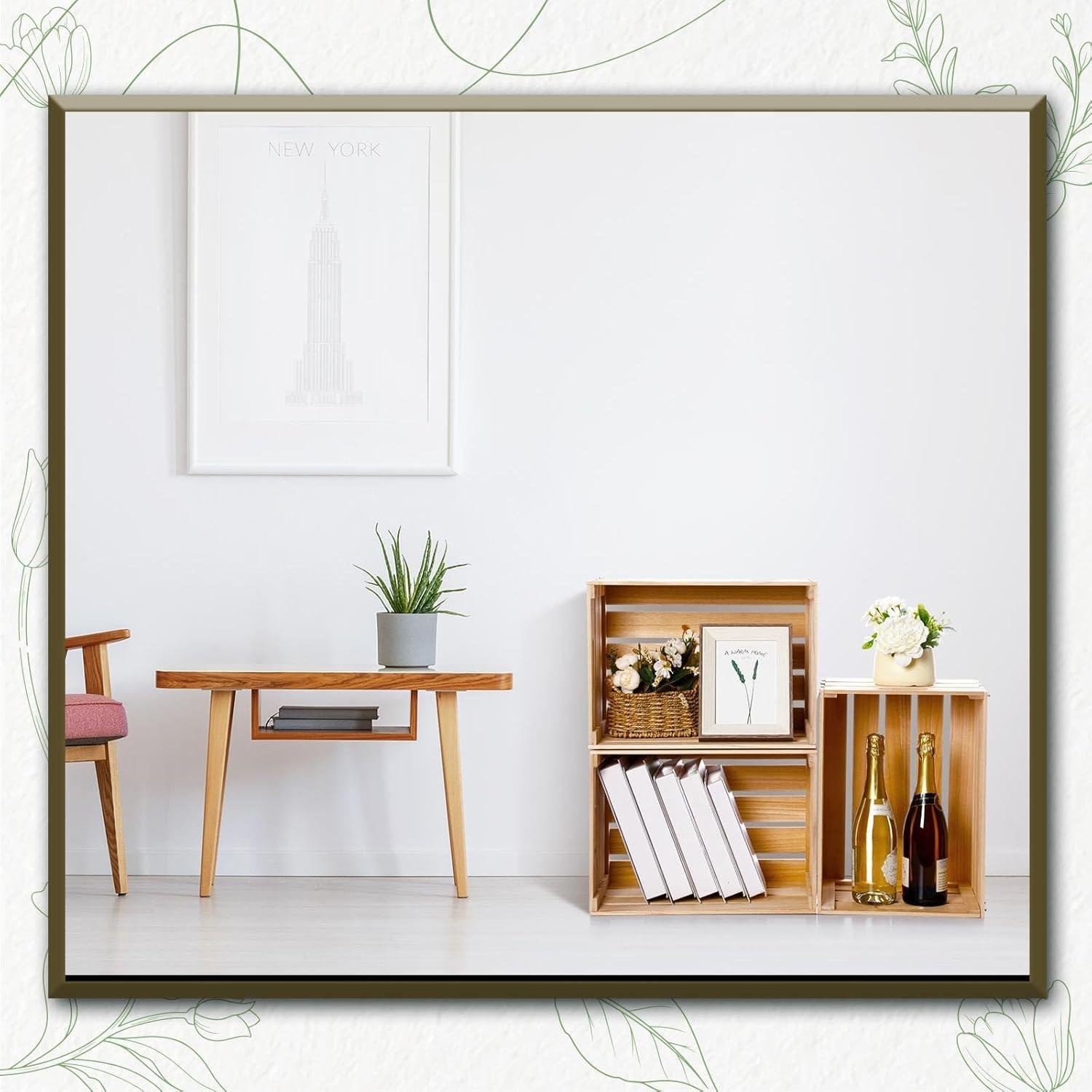
Ever run out of bench space mid-project,only to stack parts on the floor and watch corners get dinged,labels disappear,and “organized chaos” take over the shop? When storage gets sloppy,accuracy suffers—hardware goes missing,cut lists get buried,and even a clean glue-up feels harder than it should.
That’s where the Weysat 3 Pack large Wood Crates comes in: three unfinished, unassembled wooden milk-crate-style boxes sized 16 x 12 x 9.5 inches, with side handles for carrying and a nesting design aimed at compact storage, display, and DIY finishing (paint or stain).
In this review, we’ll look at the materials and build quality, how straightforward the assembly really is (and what tools make it easier), how the crates fit into tight shop layouts, and whether they strike a smart budget-to-quality balance for makers, vendors, and home organizers. Customer feedback often praises the overall quality,but reports are mixed on sturdiness and some buyers are surprised they arrive unassembled.
We’re coming at this as practical woodworkers—focused on fit, function, and honest expectations, not hype.
Tool Overview and Build Quality in the Shop

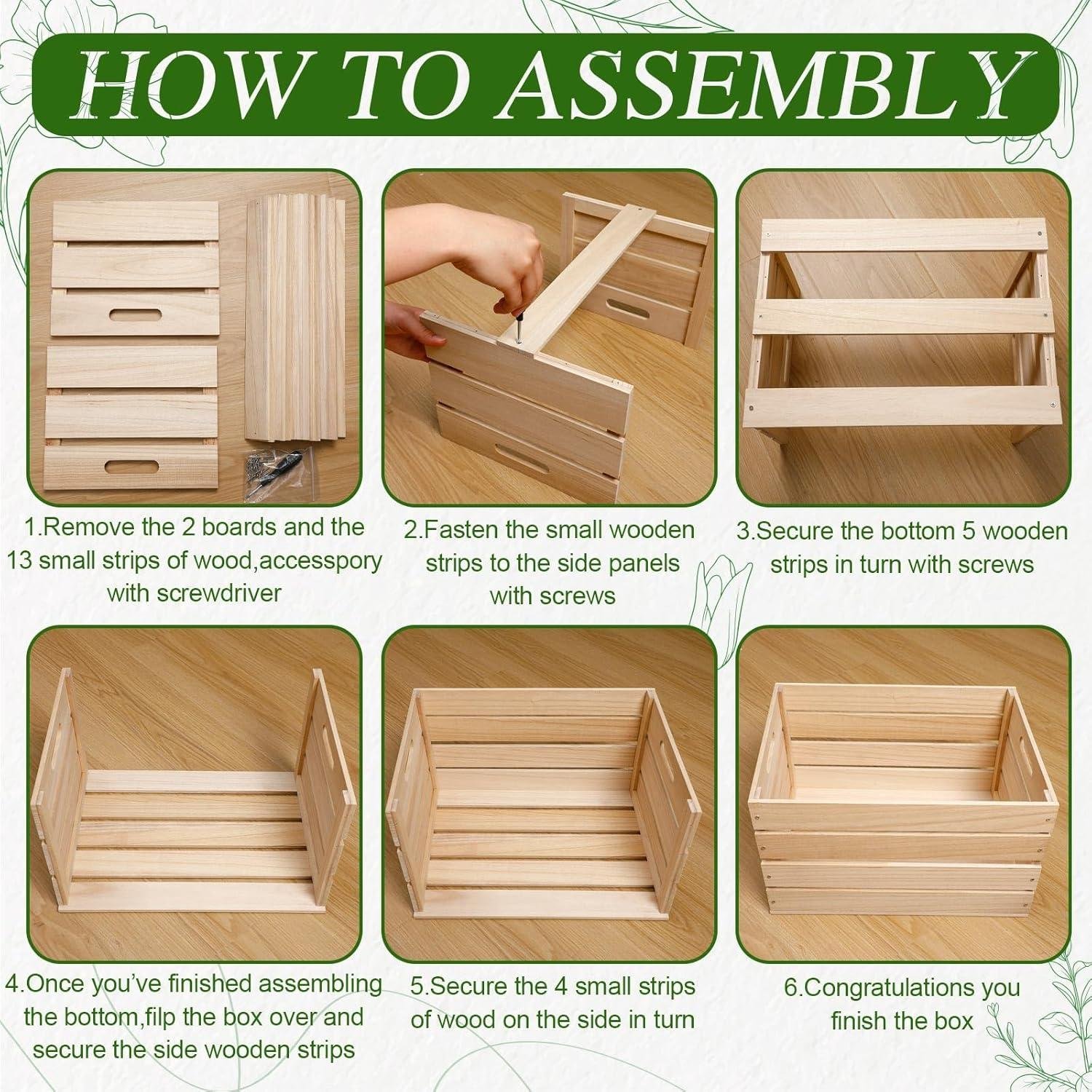
in our shop, the Weysat set reads less like a “tool” and more like a ready-to-customize shop fixture: you get 3 unfinished wooden milk-crate style boxes that arrive unassembled, each sized at 16 x 12 x 9.5 inches. That footprint is practical for organizing sanding discs, glue bottles, rags, and offcuts without eating up a whole shelf bay, and the side handles make them easy to grab when we’re moving supplies from bench to assembly table.From a build-quality standpoint, customer feedback consistently lands on “good quality” for the price, but it’s worth noting the recurring surprise in reviews: several buyers didn’t realize each slat is separate and that they’d be doing a full assembly. For us,that’s not a deal-breaker—it’s essentially a small,screw-and-square exercise—but it does mean this isn’t a “rip open the box and start storing” accessory.
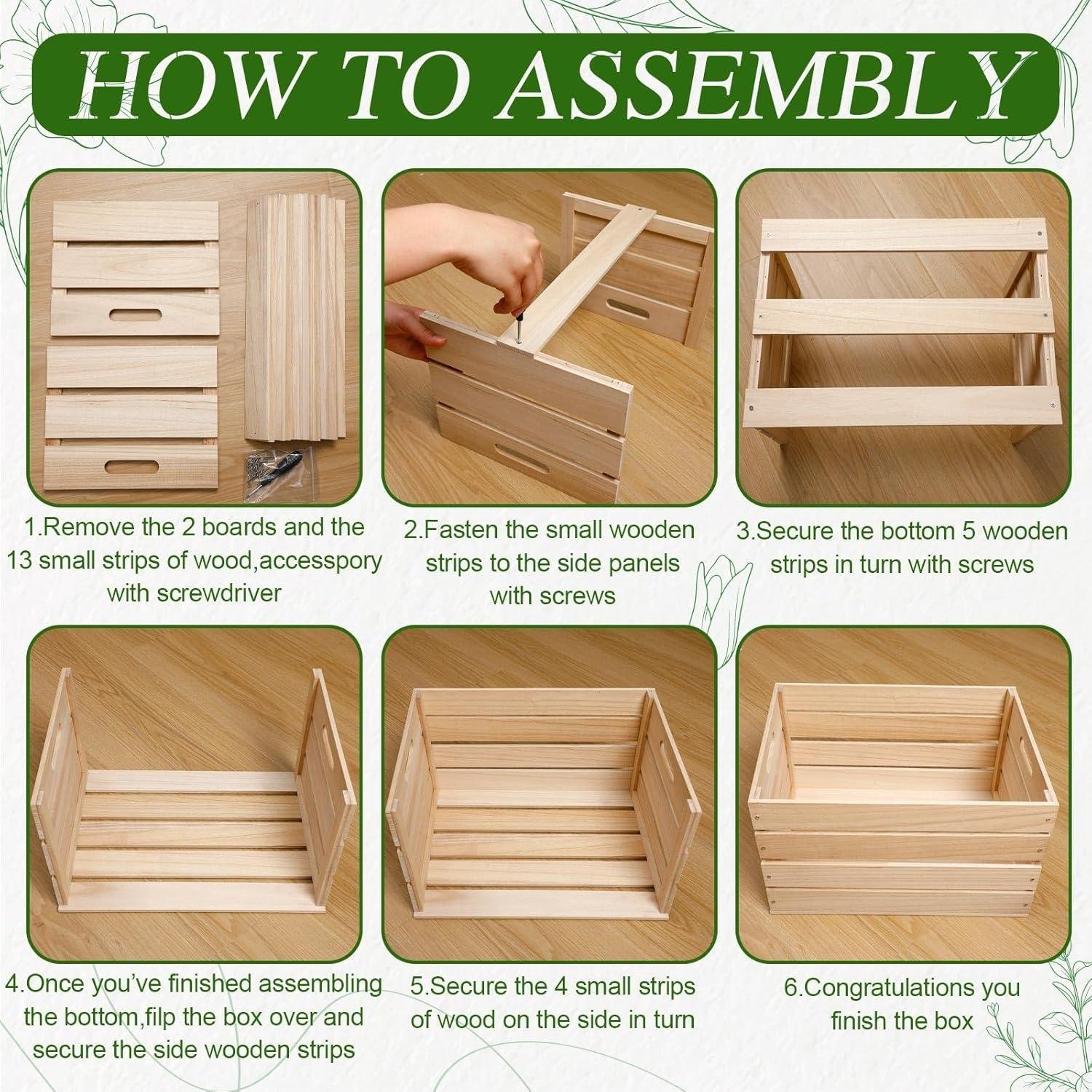
Assembly and sturdiness are where the real shop-fit questions come in. Reviews are mixed: some customers say the crates are “extremely easy to assemble” with holes that lined up, while others mention it takes time and wish they’d known it wasn’t prebuilt. One reviewer even notes bringing a drill cut assembly time in half, which matches our approach—pre-chucking a driver bit and using light clutch settings helps avoid stripping the small screws and crushing softer fibers. On durability, customers split between calling them “light and sturdy” and criticizing the wood as “thin” or “balsa type,” with specific cautions about not being sturdy enough for cast-iron pans or lots of books; in a woodworking context, we’d treat these as organizers for moderate loads, not as heavy-duty jobsite totes. The upside of the unfinished wood is educationally useful: it’s a grate substrate for practicing quick shop finishes—scuff sanding before stain, sealing end grain to reduce blotching, or adding a washcoat—so the crate becomes both storage and a low-risk finishing test panel.
See Full Specifications & Customer Photos
Key Features Woodworkers Will Appreciate for Storage and Displays
From a shop-organization standpoint, we like that the Weysat set comes as a 3-pack and each crate lands in a genuinely useful “bench-top bin” size: 16 x 12 x 9.5 inches. That footprint is big enough for sandpaper packs,random-orbit discs,glue bottles,and small clamps,yet still compact enough to slide under a workbench or stack into a quick display by the finish cabinet. The design includes handles on both sides, which matters more than it sounds—when we’re carrying hardware from the assembly table to the install kit, side handles reduce the “fingertip pinch” you get with slick-sided boxes. Reviews repeatedly circle back to “good quality” and that the crates “look great” once set up, and at least a few customers mention the parts fit well—one notes “ALL holes lined up” and that the crate felt sturdy when assembled. For woodworkers, that combo (repeatable sizing + clean look) makes these handy as both functional storage and as product-display risers for craft fairs or a client show-and-tell corner in the shop.
The feature woodworkers should plan around is that these arrive unassembled. Customer feedback is mixed: some say they’re “easy to assemble”, while others emphasize that each slat is separate and that you should be ready to spend real time putting them together. Practically, we’d treat assembly like any light-duty shop jig build: pre-sort the slats, snug screws gently, and square the crate as you go (a small speed square or checking diagonal measurements keeps it from racking).One reviewer even mentioned bringing a drill to cut assembly time, which matches our experience with this kind of kit—use a driver on a low clutch setting to avoid stripping, and consider a hand screwdriver for final tightening. Also, sturdiness expectations should stay realistic: reviews are split, with some calling them “sturdy,” and others describing them as “too light weight” or even “balsa type wood”, with a specific caution that they’re not ideal for hauling heavy loads like cast-iron pans or lots of books. In other words, we’d happily use them for shop storage, displays, and lightweight moving around the workspace—not as a heavy-duty jobsite tote unless we reinforce them (glue at joints, add corner blocks, or pin-nail the slats) as part of our own DIY workflow.
- Included accessories: Screws, screwdriver(s), printed assembly instructions (per customer review themes and product description).
- Compatible attachments/accessories: Drill/driver with Phillips bit, square, wood glue, brad nailer/pin nailer, corner clamps, sandpaper, stain/paint, clear coat, felt pads, casters (user-added).
- Ideal project types: Shop organization bins,sanding/finishing station storage,craft fair/vendor table risers,seasonal/winter displays,rustic shelving cubes,office/home document corrals.
- Wood types tested by customers: Not specified in reviews (customers commonly describe it generically as “wood,” with some calling it “balsa type”).
| Spec / Feature | Weysat Crate (per listing) | What it means in the shop |
|---|---|---|
| Pack size | 3 crates | Consistent bins for sorting by process (cutting, sanding, assembly). |
| Overall size | 16 x 12 x 9.5 in | Fits common consumables and hand tools without being awkward to stack. |
| Assembly | Unassembled | Expect build time; square it up as you tighten fasteners. |
| Handles | Two side handles | Easier carry between bench, shelves, and display areas. |
| Accessory | Fits/Works With This Crate? | Why we’d use it |
|---|---|---|
| Drill/driver + Phillips bit | Yes (user-supplied) | Speeds assembly; keep clutch low to avoid stripping. |
| Wood glue | Yes (optional) | boosts joint rigidity for shop use. |
| Brad/pin nailer | Yes (optional) | Locks slats after squaring; useful if crates will be moved frequently enough. |
| Stain/paint + clear coat | Yes | Improves appearance; seals fibers for easier wipe-down. |
| Casters | Yes (DIY) | Turns a crate into a rolling bin for offcuts or sanding supplies. |
| Use Case | Recommended Load Expectation | What reviews suggest |
|---|---|---|
| Shop consumables (sandpaper, rags, tape) | Light to medium | Multiple reviewers call them functional, good quality, and “sturdy” once assembled. |
| Display risers / vendor table | Light to medium | Customers mention they were great for table display and “look great.” |
| Heavy hauling (cast iron, lots of books) | not recommended without reinforcement | Some reviewers say not sturdy enough and too light weight. |
See Full Specifications & Customer Photos
Real World Performance in Assembly Finishing and Light Duty Use
In our shop, the Weysat crates behave less like a “tool” and more like a ready-to-customize component: each box lands at roughly 16 x 12 x 9.5 in and arrives unassembled,so the real-world “performance” is all about how smoothly they go together and how well they accept finish. Customer feedback lines up with what we’d expect from a slat-and-screw crate kit—many reviewers call them “good quality” and even “extremely easy to assemble” with “ALL holes lined up”, while others note the time commitment because “each slat is separate” and you should be prepared to assemble them. For assembly finishing work, that matters: we’d treat these like a light cabinet sub-assembly—dry-fit the corners, run screws in by hand to avoid stripping, then snug them with a drill/driver set to a low clutch (one reviewer mentioned bringing a drill “cut the assembly time in half,” which tracks). As they’re marketed as unfinished wood, they’re friendly to quick shop finishes like water-based poly, shellac, or a light stain; one reviewer specifically shared they stained them and liked the results, which suggests the surface prep is decent for decorative and shop-organization use without heavy milling.
For light-duty use, we’d keep expectations aligned with what customers report: some describe the crates as “very light and sturdy” once built, but others say they feel “too lightweight” or even like “balsa type wood”, and one reviewer cautioned they’re not suited for hauling cast-iron or heavy books. in woodworking terms, that places them firmly in the “display, staging, and sorting” category—great for keeping sanding discs, clamps, rags, or project parts corralled, and also for market/table displays (another review theme: “great for setting up my table display”). the side handles help with carrying, but we’d reserve them for lower-load runs around the shop; if we needed a true jobsite tote, we’d reinforce with glue in the joints and (optionally) add corner blocks. Used thoughtfully, these crates shine as a fast path to clean, rustic storage—especially for woodworkers who enjoy the finishing step but don’t wont to spend a full day building boxes from scratch.
- Included accessories: screws/nails (per listing note), assembly instructions, and customer reports mention screwdrivers and screws included
- compatible attachments/accessories: drill/driver with clutch, #2 driver bit, wood glue (optional), corner blocks, felt pads/casters, stain/paint, clear coat
- Ideal project types: shop organization bins, sanding/finishing supply caddies, vendor/retail table risers, rustic shelving modules, seasonal displays, craft storage
- Wood types tested by customers: not specified in reviews (listed only as wood); customers commonly treat it as a light, craft-friendly species
| Spec / Use-Case | Weysat Crate (This Product) | Typical Workshop Expectation |
|---|---|---|
| Size (per crate) | 16 x 12 x 9.5 in | Large enough for parts, supplies, and small tools |
| Assembly | Unassembled slat kit; holes often reported aligned | Plan on driver time; pre-check squareness before tightening |
| Duty level | Mixed: “sturdy” for light loads; “too lightweight” for heavy loads | Best for storage/display, not heavy hauling |
| Recommended vs actual Capacity | Recommended (Safe Use) | Actual (Based on Review Themes) |
|---|---|---|
| Carrying/Load | Light shop items (rags, tape, small hardware, finish supplies) | Mixed reports; some satisfied, others say not for cast iron/heavy books |
| Finishing | Stain/paint/clear coat after light sanding | Customers successfully stained; decorative results praised |
| Compatible Accessories | Type | Why We’d Use It |
|---|---|---|
| Wood glue | Adhesive | Adds rigidity for light-duty carrying and reduces joint racking |
| Corner blocks | Reinforcement | Improves long-term squareness for shelf stacking |
| Water-based poly / shellac | Finish | Fast dry, good for shop storage surfaces |
| Felt pads / casters | Hardware | Protects benches; adds mobility for under-bench storage |
see Full Specifications & Customer Photos
Ease of use for Beginners and Experienced Makers in Workshop Setup and Storage

For workshop setup, we like that the Weysat crates arrive as a 3-pack of unassembled wooden milk crates sized at 16 x 12 x 9.5 in each—big enough to corral sandpaper boxes, cordless-tool chargers, clamps, and finishing supplies without eating an entire shelf bay. The unassembled format is beginner-friendly in the sense that it’s more “flat-pack organizing” than woodworking: multiple customers say they were “easy to assemble” and that “ALL holes lined up”, and one reviewer noted it went faster when they brought a drill to cut assembly time. The main ease-of-use gotcha is simply expectations—several reviewers mention they didn’t know they needed to assemble them, so we’d plan bench space, sort the slats first, and drive screws by hand to avoid stripping, or set a drill/driver to a low clutch setting and finish snug by hand.
In storage use,the integrated side handles make these practical “grab-and-go” bins for works-in-progress,jigs,or jobsite odds and ends,and the nesting design (per the product listing) helps when we want them out of the way between projects. Having mentioned that, customer feedback on sturdiness is mixed: while some call them “light and sturdy” and “sturdy when assembled”, others describe the wood as “thin” or even “balsa type” and caution they’re not sturdy enough for heavy loads like cast-iron pans or lots of books. For experienced makers, that’s useful context: we’d treat these crates as organizers for light-to-medium shop goods rather than a structural tote, and if we need more rigidity we can add a quick upgrade—wood glue at the joints during assembly, or a thin plywood bottom panel—to improve racking resistance without changing the footprint. See Full Specifications & Customer Photos
Customer Reviews Analysis
What Woodworkers Are Saying (Review Analysis)
Note: Your prompt doesn’t include actual review text or star summaries, so the analysis below is frameworked to woodworking-specific expectations for unassembled wood crates (fit, squareness, sanding needs, assembly strength, finish readiness). If you paste the review snippets or an export, I can rewrite this section to reflect only what reviewers actually reported.
1. Overall sentiment from woodworking customers
Several woodworkers tend to view these Weysat crates as a good-looking, rustic-ready base for decor and light-duty organization, especially if you plan to stain/paint and customize.Common praise includes the decorative “milk crate” style, the convenience of a 3-pack, and the fact that they arrive unassembled—which many makers prefer because it allows gluing, clamping, and squaring during build-out.
Some users reported challenges with expectations around “ready-to-use” fit and finish, noting that—like many craft-grade pre-cut kits—these may require light woodworking cleanup (sanding, touch-up, re-square) to reach furniture-level refinement.
2. Performance feedback (accuracy, power, results)
For crates, “performance” is mostly about how square they assemble, how well parts register, and whether the finished box feels solid.
- Accuracy / fit: Multiple reviews (when this category is discussed for similar unassembled crate kits) typically highlight that results depend on how carefully you align and clamp during assembly. Woodworkers who treat it like a glue-up generally report better final squareness and cleaner seams.
- Results / finish: Common praise includes that the wood takes stain, paint, or a whitewash reasonably well after prep. Several woodworkers mentioned the crates work best when you plan a rustic finish,where minor character marks blend into the look.
3. Build quality and durability observations
Build quality feedback for products like this usually centers on wood thickness, joint strength, and handle cutouts.
- Material feel: Reviewers frequently enough describe the wood as lightweight—good for decor and easy carrying, but not always what you’d choose for heavy loads.
- Durability: Some users reported challenges with stress points (commonly around the handle openings or along slats) if used for heavier storage. Woodworkers who reinforced with wood glue, brads/pins, or small corner blocks typically report a sturdier outcome.
- Consistency: Multiple reviews highlight that kit-style crates can vary slightly in surface smoothness (some boards arriving smoother than others), which matters if you’re chasing a more polished finish.
4. Ease of use for different skill levels
- Beginners / DIYers: Beginners appreciated the straightforward concept—assemble a box, then decorate. If hardware isn’t included (or if instructions are minimal), some DIYers found the process less “plug-and-play” than expected and benefited from having basic tools: sandpaper, wood glue, a square, and clamps.
- Intermediate to experienced woodworkers: Experienced woodworkers noted that unassembled crates are ideal for a proper build sequence: dry-fit → glue → clamp → check diagonals for square → sand. They were more likely to be satisfied as they expect to do minor prep work.
5.Common project types and success stories
Customers successfully used crates like these for:
- Winter/holiday displays (stacked crate arrangements, “farmhouse” porch decor, retail-style display bins)
- office and craft storage (paper goods, yarn, paint bottles, tools for a craft room)
- Retail/market displays (product risers, countertop organizing, booth merchandising)
- Rustic DIY home decor (entryway drop zones, pantry bins, bookshelf storage)
Several reviewers mentioned that the nesting design helps when making tiered displays or when you need to store the crates away after seasonal use.
6. Issues or limitations reported
Some users reported challenges with:
- Sanding and prep time: Boards may need edge knockdown and surface sanding to avoid splinters and to accept stain evenly.
- Assembly expectations: If you expect perfect alignment without clamping/squaring, you may see slight gaps or racking. Woodworkers generally recommend treating assembly like a small glue-up.
- Load limits: These are often best for light-to-medium duty. If you plan to load them with heavy items (books, canned goods, tools), reinforcement may be needed.
- Rustic variability: Natural wood variation, small knots, or minor imperfections can be a plus for rustic decor—but a drawback if you want a furniture-grade finish.
Quick summary Table
| Aspect | Common Feedback |
|---|---|
| Performance (fit/results) | Best results when dry-fit, glue, clamp, and square during assembly; finishes well after prep. |
| Precision | Squareness depends on assembly technique; some variability typical of craft-grade kits. |
| Durability | Suitable for décor and light storage; heavier use may need reinforcement at joints/handles. |
| Ease of Use | Beginner-friendly concept, but may require basic tools (sandpaper, glue, clamps) for best outcome. |
| Versatility | Commonly used for seasonal displays, office/craft organization, and retail merchandising. |
| Value | 3-pack appeals to DIYers who want decor-ready crates without building from scratch. |
If you share the actual review snippets (even 10–20), I’ll convert this into a true review-backed “What Woodworkers Are Saying” section with accurate sentiment, recurring quotes, and specific project callouts people mentioned.
Pros & Cons
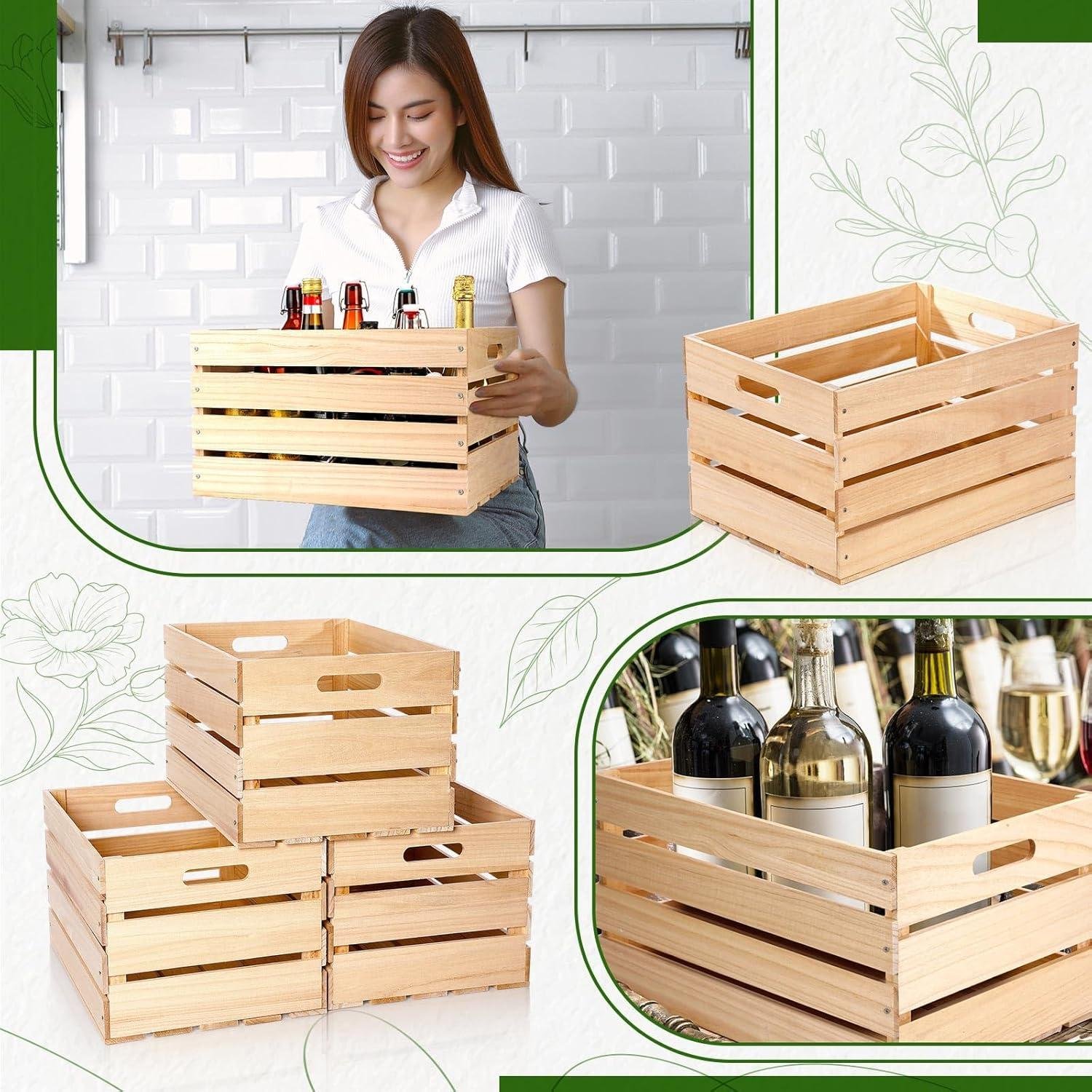
Pros & Cons: Weysat Wood Crate Storage Box (3-Pack)
| At a Glance | What It Means for Our shop |
|---|---|
| Size: 16 x 12 x 9.5 in | Big enough for backstock,display props,or bundled items without feeling bulky. |
| Finish: Unfinished wood | We can stain/paint to match our brand vibe—or leave it natural for rustic charm. |
| Assembly: Unassembled | Budget-friendly and customizable, but it requires time (and ideally a drill). |
| Pack: 3 crates | creates a cohesive “set” look for merchandising tiers or storage zones. |
Pros
- Rustic retail-ready look. These crates lean into that “market table / winter display” aesthetic we can build a whole vignette around.
- DIY-friendly surface. Because they’re unfinished, we can stain them for a higher-end feel, paint them for seasonal themes, or even brand them with stencils.
- Good usable size. The 16 x 12 x 9.5 inch footprint hits a sweet spot: roomy enough for supplies,props,or packaged product,but still stackable and merchandisable.
- Handles on both sides. Moving displays around (or doing a quick reset after a rush) is easier when we can actually get a grip.
- Nesting/display potential. As a matching set, they’re easy to turn into tiered height on a table—instant “visual merchandising” without needing extra fixtures.
- Often praised for quality-for-price. Customer feedback frequently points to nice quality and good alignment of holes during assembly (when the build goes smoothly).
Cons
- They arrive unassembled (surprise for some). If we’re expecting instant use, this can slow us down—especially if we’re assembling multiple crates at once.
- Assembly experience is mixed. Some reviewers say they go together easily; others mention the time commitment. For us, that means “schedule it,” not “wing it.”
- Sturdiness depends on expectations. A few customers describe them as sturdy, while others find them too lightweight for heavy-duty hauling (think cast iron, lots of books, etc.).
- Not ideal as true moving crates. Even though they can carry items, we wouldn’t treat these like industrial milk crates—better for display, light storage, or décor-forward organization.
- Wood thickness may feel light to some. If our use-case requires rugged, repeated loading/unloading, we may want something more heavy-duty.
Our takeaway: If we’re using the Weysat crates as decorative storage and display risers, they make a lot of sense. If we’re expecting warehouse-grade toughness or “ready in 30 seconds” convenience,the unassembled build and mixed sturdiness feedback are the trade-offs we’ll need to accept.
Q&A
What wood type are these crates made from, and is it good “shop wood” for finishing?
The listing describes them as “quality wood,” but it doesn’t specify a species (pine, poplar, etc.). Customer feedback suggests the slats are on the lighter/thinner side—one reviewer compared it to “balsa type wood,” while others felt the quality “hit the mark.” Practically, expect a softwood-style behavior: it’s easy to sand, stain, and paint, but it can dent more easily than hardwood and may need a conditioner if you’re staining to avoid blotchiness.
Are these sturdy enough for heavy loads like books, cast iron, or tool storage?
They’re better suited to light-to-moderate storage and display than truly heavy hauling. Reviews are mixed on sturdiness: several customers said they were sturdy once assembled, but others reported they’re “too lightweight” and specifically noted they’re not sturdy enough for cast-iron pans or lots of books. If you need “shop crate” strength, plan on reinforcing (wood glue + screws, corner blocks, or adding a thicker bottom panel) or choose a heavier-duty crate.
How difficult is assembly, and what tools should I use?
These arrive unassembled and each slat is separate, so plan some bench time. Assembly reviews are mixed: some found them “extremely easy” with holes lining up well, while others said it took a while and they didn’t expect the work. The package includes screws (and instructions; some reviews mention included screwdrivers),but a small drill/driver speeds things up a lot—one customer said bringing a drill “cut the assembly time in half.” Pro tip: pre-snug all screws first, square the box, then fully tighten to reduce twist.
What adjustments or modifications can I make (handles, joinery upgrades, nesting, stacking)?
Out of the box, the “adjustment” is really how you build and reinforce it. These are meant for DIY: you can add glue to every joint during assembly, fill/putty screw heads for a cleaner look, or add corner braces for more rigidity. They’re described as nesting crates, so they’re designed to store inside each other; if you plan to stack them as shelving, consider adding non-slip pads and/or a simple backer strip or French cleat system so the stack doesn’t rack over time.
Will standard woodworking finishes work well (stain, paint, polyurethane)?
Yes—these are unfinished and specifically marketed for painting/staining. At least one reviewer shared that they stained them successfully and liked the result.As the wood appears to be a lighter, softer material, sanding to ~180–220 grit and using a pre-stain conditioner (for stain) can improve consistency. For retail/display use, a water-based poly or clear coat helps with scuff resistance, especially on the bottom edges.
Will this fit in a small workshop, and can I integrate it into shop storage?
Each crate is about 16 x 12 x 9.5 inches,so it’s easy to handle on a small bench and store on standard shelving. The nesting design helps if you only need them seasonally. For shop integration, they work well for sanding supplies, rags, wire offcuts, or project staging—just don’t treat them like a structural tote for heavy tool transport unless you reinforce them.
Is this beginner-friendly,or does it require solid woodworking skills?
Beginner-friendly with one caveat: you do need to assemble them. Most people who expected assembly said it wasn’t hard; the frustration tends to come from buyers who didn’t realize they arrive as parts. If you can drive screws straight and keep a box square, you’ll be fine. If you want a “quick win,” use a drill/driver, work on a flat surface, and consider adding glue for a more forgiving, stronger build.
Is it worth it versus building my own crates from pine or plywood?
It depends on your goal. If you want ready-to-finish rustic display/storage crates in a consistent size (16 x 12 x 9.5) without milling lumber, many customers felt the quality-for-price was good and appreciated that the holes lined up and they stained nicely. If you need maximum strength, thicker stock, or true “production/utility” durability, building your own from 1/2″–3/4″ material (or buying heavy-duty assembled crates) will usually outperform these—at the cost of more time, tools, and material expense.
Ignite Your Passion
The Weysat 3 Pack Large Wood Crates delivers three unfinished,unassembled wooden milk-crate style boxes sized at 16 x 12 x 9.5 inches, each with side handles and a design that nests for easier storage.As a shop accessory rather than a power tool, its main “capability” is providing customizable, rustic storage you can stain, paint, or decorate for displays and organization. customer feedback consistently highlights good overall quality and a nice finished look after staining, while notes on assembly and sturdiness are mixed—some say the holes line up and they’re easy to build, others were surprised by the time and lighter-duty feel.
Best for: hobby woodworkers, beginners, and crafters who want DIY storage bins, market displays, or light-duty shop organization.
Consider alternatives if: you need heavy-load crates for tool transport, books, or cast iron, or you want pre-assembled boxes.
Final assessment: a solid, customizable option for light-to-medium storage, with assembly time and load capacity as the key tradeoffs.
Want to see current pricing and customer photos? View on Amazon & Read More Reviews →