

Blog
WEN 6510T Spindle Sander Review: Right for Our Shop?

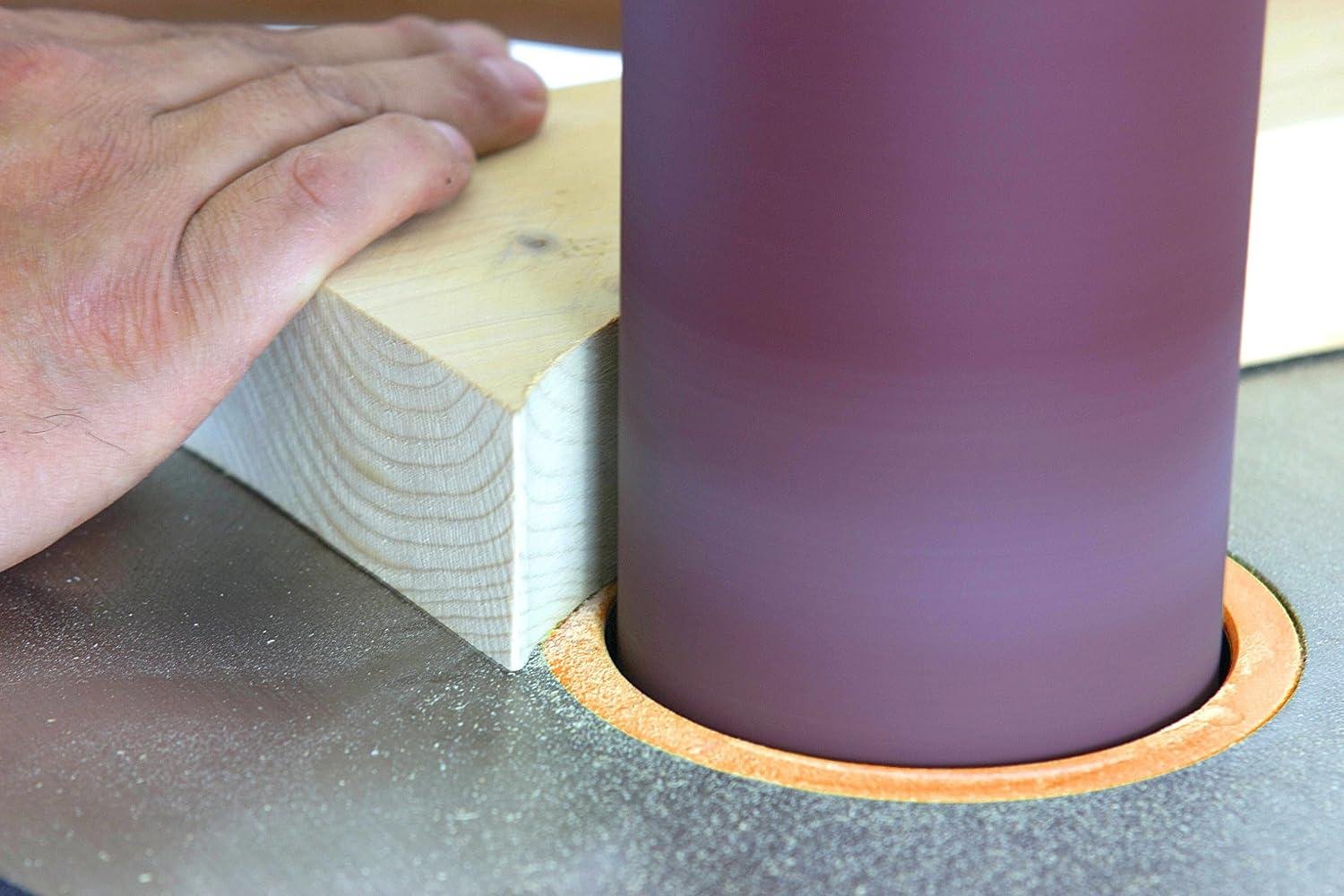
Ever tried sanding a tight inside curve on a bandsaw-cut template and ended up with wavy edges, flat spots, or a sore wrist from hours of hand sanding? curves, contours, and odd shapes can be the difference between a project that looks “shop-made” and one that looks truly finished—especially when precision and consistency matter.
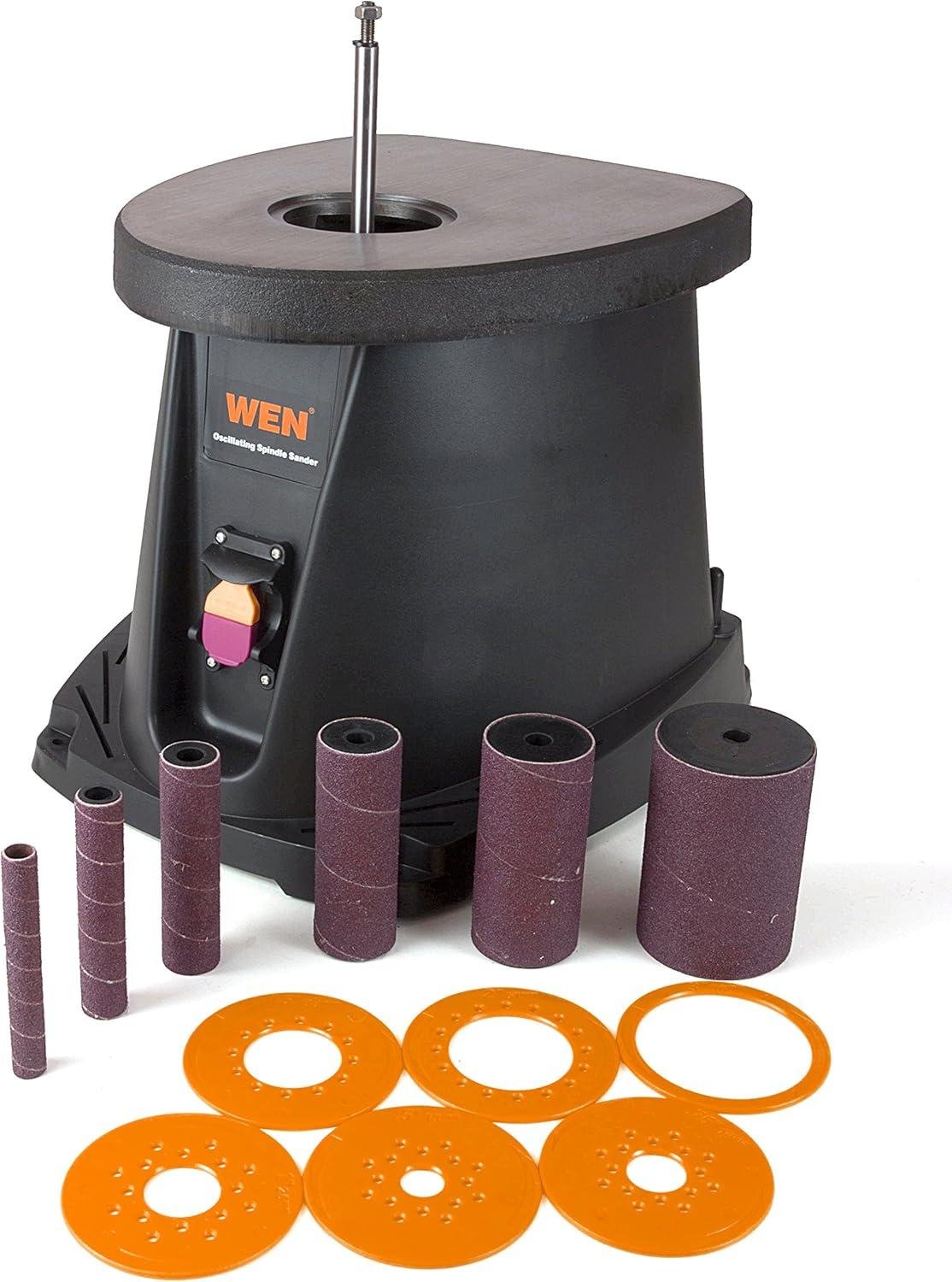
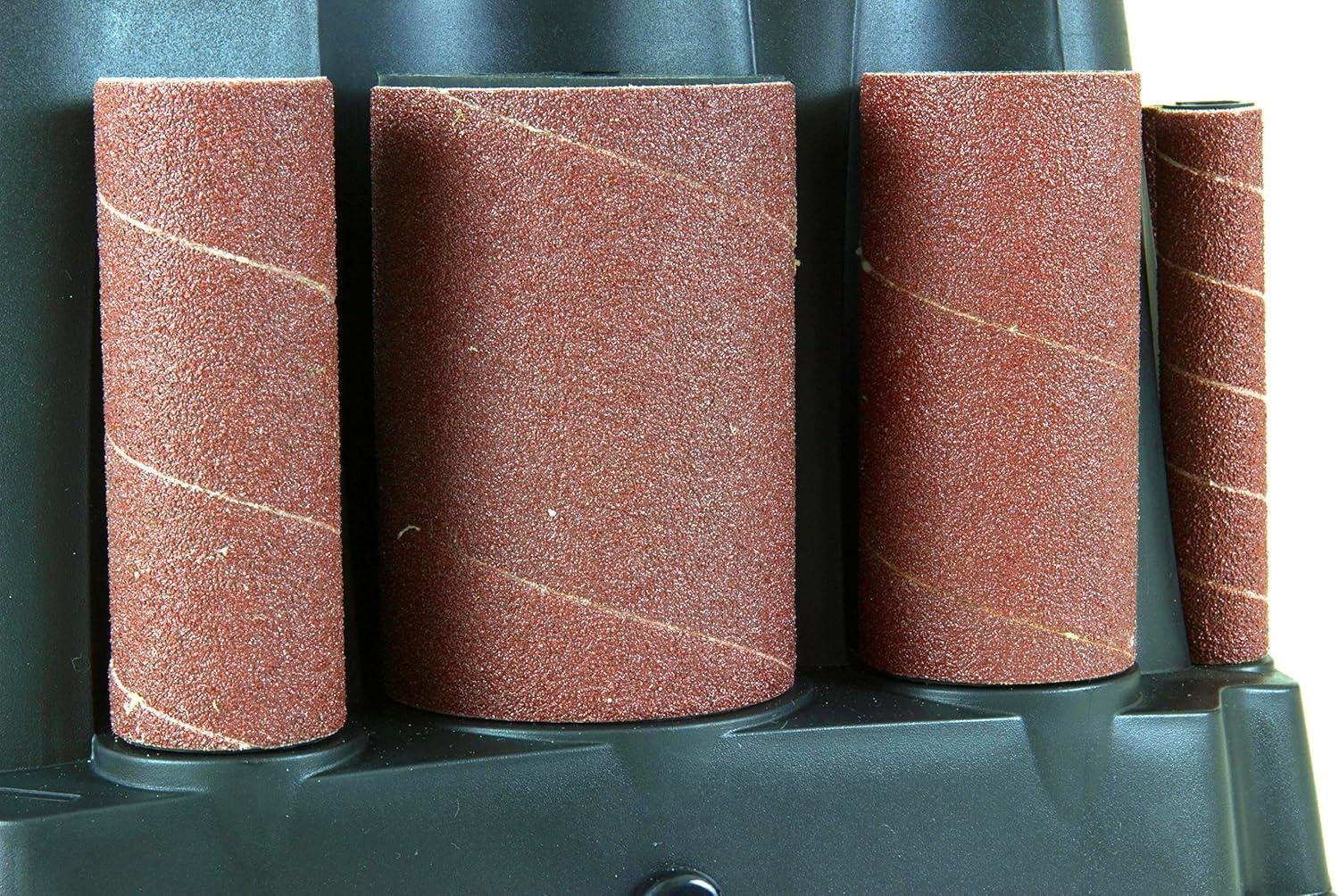
That’s where the WEN 6510T 3.5 Amp Oscillating Spindle Sander (Black) comes in.It’s a benchtop spindle sander built to smooth arcs and profiles using an oscillating drum action, pairing a 1/2 HP (3.5A) motor with 58 OPM and 2000 RPM, plus a 5/8-inch stroke to help distribute wear on the sleeves. It includes six sleeve sizes (1/2″ to 3″),matching drums,onboard storage,and a dust port for hooking up extraction.
in this review, we’ll break down the features, build quality, ease of setup, shop-space footprint (about 30 lbs), and what customers commonly report about results and convenience—especially for beginners balancing budget and quality. As woodworkers who’ve fought fussy sanding steps before, we’ll focus on what matters at the bench.
Tool Overview and Build Quality in our Shop
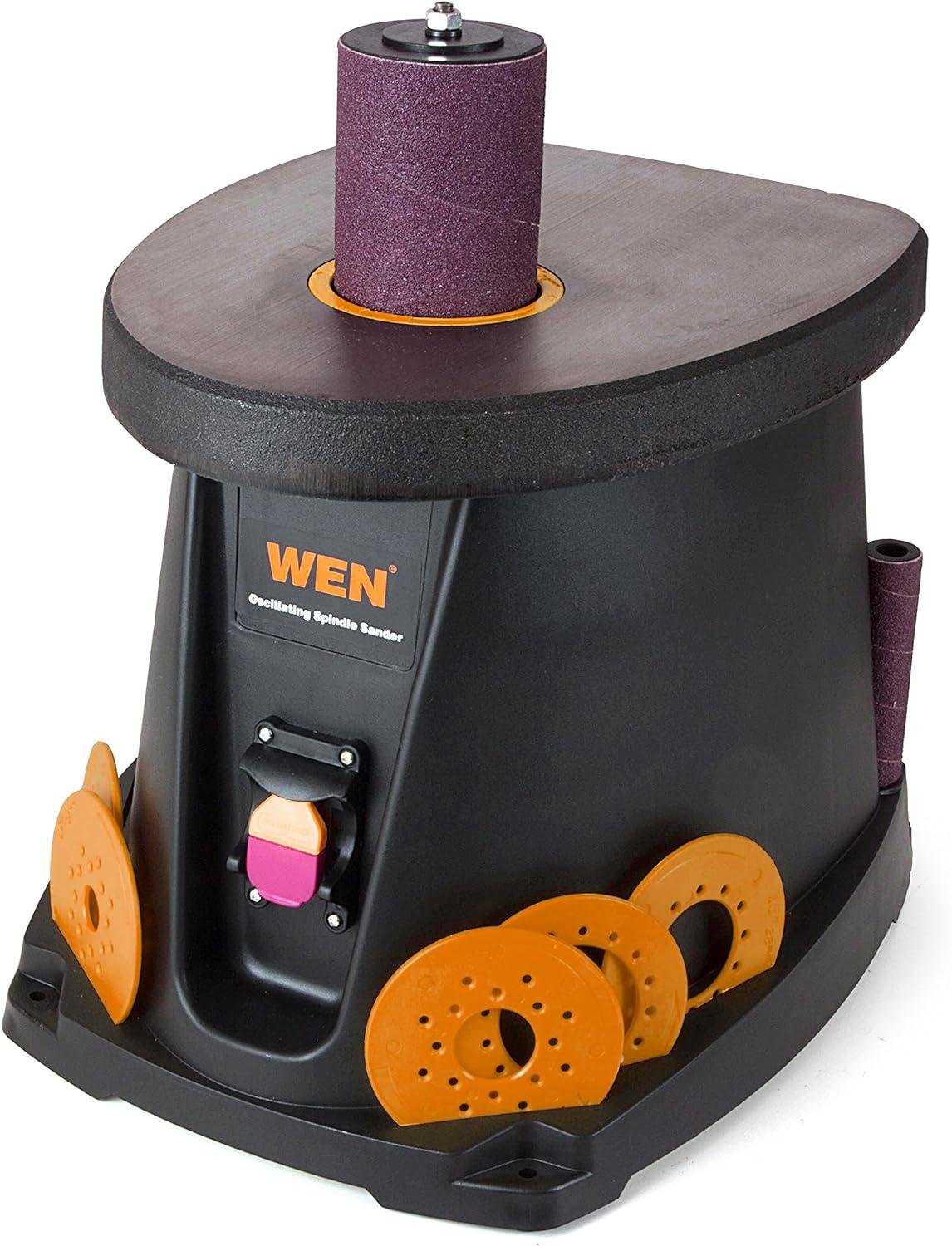
In our shop, the WEN 6510T comes across as a purpose-built curve-sanding station rather than a “do-everything” sander. The machine is rated at 3.5 amps / 1/2 HP and runs the spindle at 2000 RPM with 58 oscillations per minute (OPM) on a 5/8-inch stroke—a combination that’s designed to keep sleeves cutting evenly rather of burning one band into the wood. At around 30 lb, it’s also light enough that we can relocate it without turning a shop re-layout into a workout, which matters when we’re sanding chair parts, template-routed curves, or small bandsawn shapes near the assembly bench. Customer review themes often highlight easy assembly/setup and smooth, relatively quiet operation for the size class, which matches what we’d expect from a compact oscillating spindle sander aimed at hobby and small-shop use. The real educational takeaway: oscillation spreads wear across the sleeve and reduces heat, so we get better control on end grain and tighter radii—as long as we keep the work moving and let the abrasive do the work.
build-quality-wise, this model leans into practicality: quick-change drums, onboard accessory storage, and a dust collection port so we can hook up a shop vac or extractor to keep fine sanding dust from coating everything within 10 feet. For newer woodworkers, the table insert fit and sleeve alignment matter because gaps can catch thin workpieces; several reviewers mention appreciating the organized inserts and washers for faster swaps. Technique-wise, we treat this like a precision shaping tool: we rough to the line at the bandsaw, then use the spindle sander for controlled refinement—especially on inside curves—while keeping fingers clear and using gentle, even pressure to avoid rounding edges unintentionally. Maintenance is straightforward: blow out or vacuum the storage cavities, keep sleeves clean, and check that drums seat fully before powering up so vibration stays manageable.
- Included accessories
- Six sanding sleeve sizes: 1/2, 3/4, 1, 1-1/2, 2, 3 inches
- Five rubber sanding drums
- Table inserts and spindle washers (stored onboard)
- Compatible attachments/accessories
- Dust extractor or shop vac via the dust port
- Replacement sanding sleeves in the listed diameters (various grits)
- Ideal project types
- Template work and pattern-routed parts (final fairing)
- Furniture components with arcs/contours (aprons, brackets, chair parts)
- Bandsawn craft pieces and curved joinery touch-ups
- Wood types tested by customers (reported in reviews)
- Mixed hardwoods and softwoods (reviewers commonly cite general “hardwood” use)
- Plywood/MDF for templates and shaped panels (frequently enough mentioned for hobby projects)
| Spec | WEN 6510T (from product description) | What it means in the shop |
|---|---|---|
| Motor | 3.5A / 1/2 HP | Enough for steady sanding on curves; don’t force thick stock into the sleeve. |
| Speed | 2000 RPM | Fast stock removal with proper grit; keep pieces moving to reduce heat. |
| Oscillation | 58 OPM | Helps reduce burning and sleeve loading by spreading abrasion. |
| Stroke | 5/8 in. | Improves abrasive life and surface consistency compared to non-oscillating spindles. |
| Weight | 30 lb | Portable enough for benchtop workflow; still stable when placed on a solid surface. |
| Accessory type | Sizes/Notes | Use case |
|---|---|---|
| Sanding sleeves | 1/2″ to 3″ diameters | Match sleeve diameter to curve radius to avoid flats or chatter. |
| Rubber drums | Included set | Provides the backing for sleeves; ensure fully seated before use. |
| Dust collection | Via dust port (vac/extractor) | Helps visibility at the sanding line and reduces airborne dust. |
| Capacity Category | Recommended (best practice) | Actual (what users commonly do) |
|---|---|---|
| Material removal per pass | Light, controlled passes | Reviewers report best results when not forcing stock and letting the abrasive cut. |
| Workpiece size | Small-to-medium parts supported flat on the table | Customers frequently use it for hobby furniture and template parts. |
See Full Specifications & Customer Photos
Real World Spindle Sanding Performance on Curves and Hardwood Edges
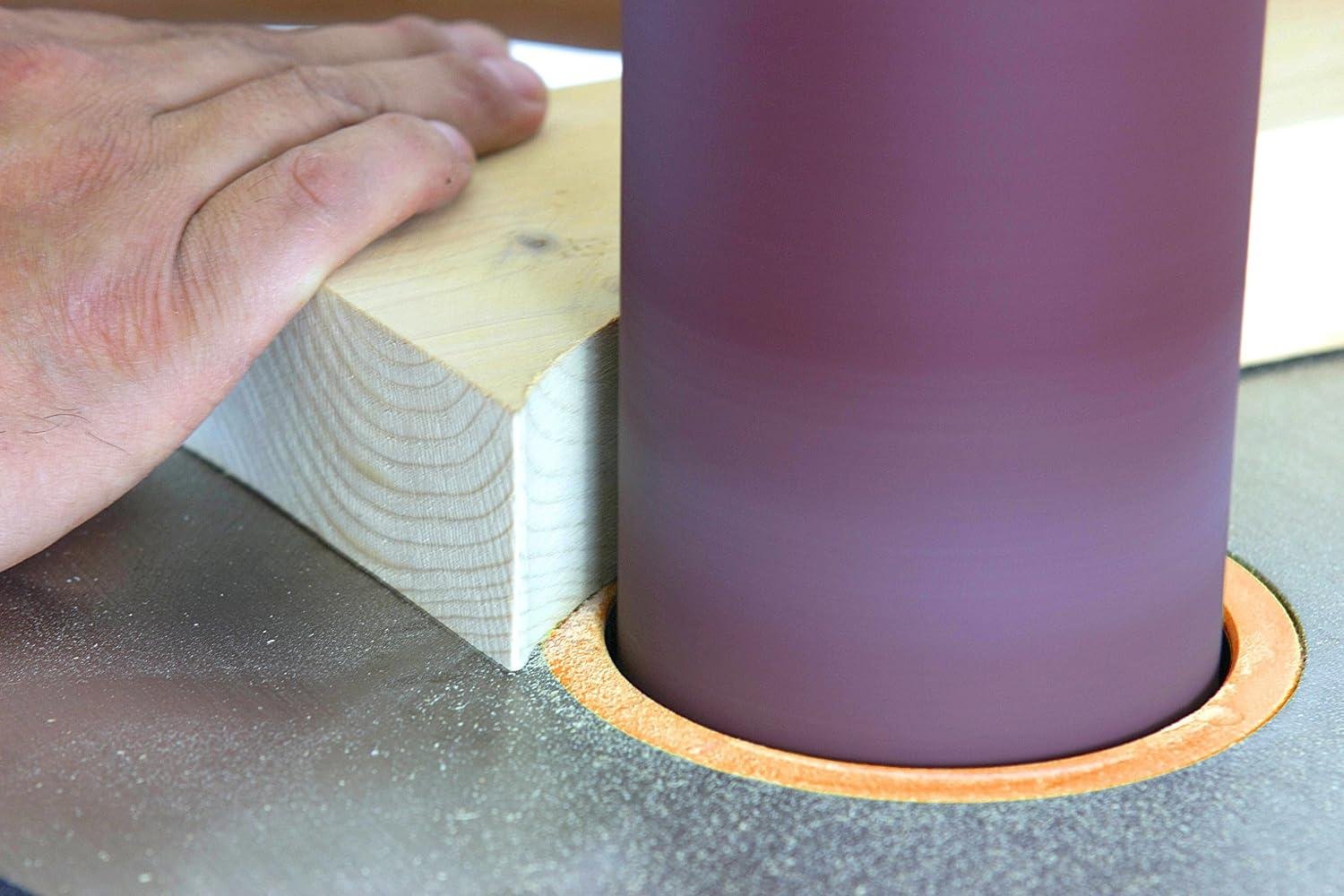
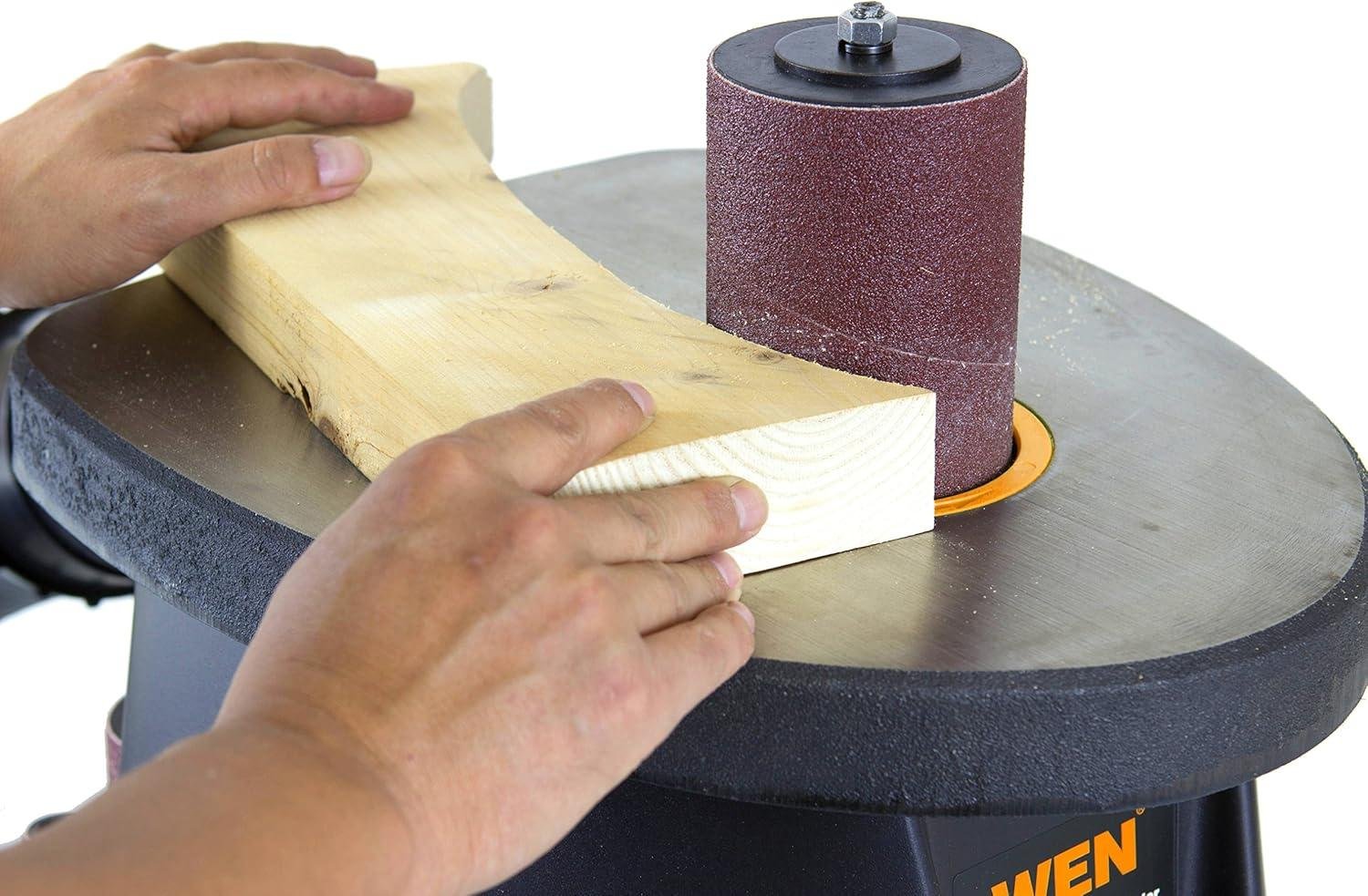
In day-to-day shop use, the WEN 6510T behaves like a purpose-built “curve finisher” more than a general sander—and that’s exactly where it earns its keep. With a 3.5A (rated 1/2 HP) motor driving 2000 RPM and 58 OPM over a 5/8-inch oscillation stroke, we get a sanding action that spreads wear across the sleeve instead of burning a groove in one spot. On concave chair parts, template-routed bandsaw cleanups, and inside radius cutouts, the oscillation helps us sneak up on a line without loading the abrasive as quickly as a non-oscillating drum. Multiple customer review themes describe it as “easy to set up” and “smooth and quiet” for the money,and we can see why: the machine’s ~30 lb weight keeps it stable enough for controlled pressure on hardwood edges,while still being light enough to move around the shop when we’re staging parts for batch sanding. The best results come when we let the spindle do the work—light pressure, keep the workpiece moving, and use the smallest sleeve that matches the curve (too large a drum can flatten a radius; too small can dish it).
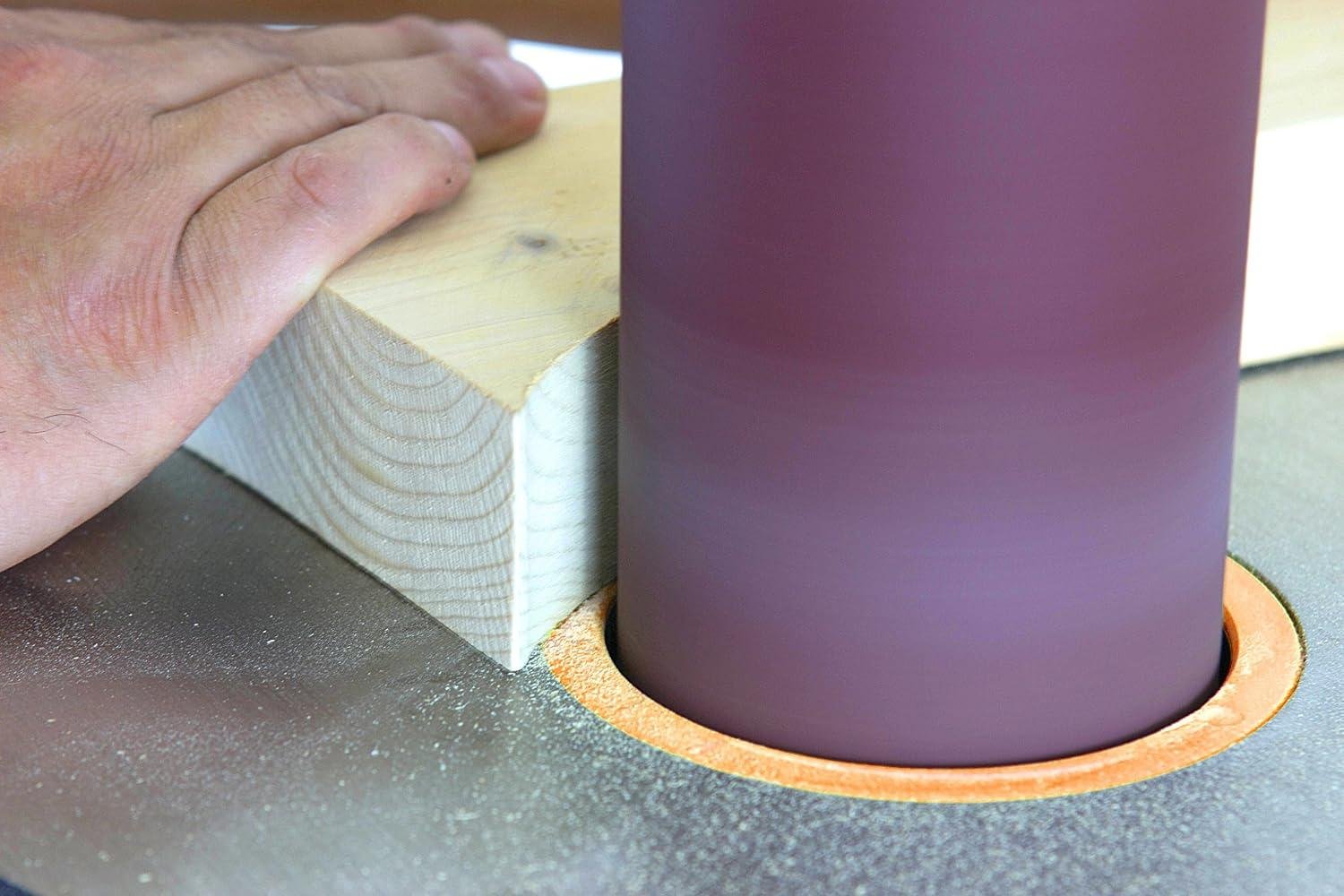
on hardwood edges—maple,oak,walnut,and similar dense species—this tool is best treated as a refinement step after milling and shaping. Customers often mention it handles rounded edges and odd shapes well, and that matches our expectations for a spindle sander with six sleeve sizes; the 1/2″ to 3″ range lets us choose a diameter that supports the curve instead of rounding it over unintentionally.Where we need to be careful is heat: hardwood plus worn sleeves can scorch if we pause in place, so we recommend fresh abrasives, intentional movement, and using the table insert that fits closest to the drum to reduce edge-catch and tear-out risk. The dust port is a practical add-on for curve sanding (which makes a lot of fine dust), and reviewers commonly like having extraction even if it’s not perfect—hooking it to a shop vac or small dust collector keeps the table clearer so pencil layout lines stay visible on edges. For us,the 6510T fits woodworkers who want a compact oscillating spindle sander for joinery softening,pattern work cleanup,and curve prep before finish—without expecting it to replace careful layout,good template routing,or disciplined sanding technique.
- Included accessories
- Six sanding sleeve sizes: 1/2″, 3/4″, 1″, 1-1/2″, 2″, 3″
- Five rubber drum spindles (to match sleeve sizes)
- Table inserts & spindle washers (onboard storage)
- Compatible attachments/accessories
- shop vac or dust collector (connect to the dust port)
- Replacement sanding sleeves (various grits for each diameter)
- Ideal project types
- Template-routed parts cleanup (bandsaw-to-template workflow)
- Chair and stool components (inside radii, sculpted transitions)
- Cabinet toe-kick curves, arches, and decorative cutouts
- small furniture parts with tight inside corners
- Wood types tested by customers (as commonly reported)
- Hardwoods: oak, maple, walnut (dense edge sanding)
- Softwoods: pine (fast shaping, light touch recommended)
- Sheet goods: plywood/MDF (dust collection strongly recommended)
| Spec | WEN 6510T (from specs) | What it means on curves & hardwood edges |
|---|---|---|
| Motor | 3.5A (rated 1/2 HP) | Enough power for steady curve sanding; avoid forcing the cut on dense hardwood. |
| Spindle speed | 2000 RPM | Good control for edging; keep the work moving to prevent heat marks. |
| Oscillation rate | 58 OPM | Reduces loading and helps even out scratch patterns on contoured work. |
| Stroke | 5/8″ | Spreads wear on the sleeve and helps avoid “grooving” at one height. |
| weight | ~30 lb | Stable enough for edge control, portable enough for small shops. |
| Accessory | diameter | Best use |
|---|---|---|
| Rubber drum + sanding sleeve | 1/2″ | Tight inside curves, small cutouts (light pressure to avoid dishing). |
| Rubber drum + sanding sleeve | 3/4″–1″ | General small radii,furniture parts,bandsawn curves. |
| Rubber drum + sanding sleeve | 1-1/2″–2″ | medium curves, edge easing on thicker stock. |
| Rubber drum + sanding sleeve | 3″ | Large inside arcs, smoothing broad curves without faceting. |
| Use Case | Recommended approach | Actual practical capacity (what to expect) |
|---|---|---|
| Heavy material removal | Rasp/spokeshave/bandsaw first | Best as a refinement sander, not a hogging tool—especially on hardwood. |
| Precision to a pencil line | Use the closest-fit insert + light passes | Very workable with patience; reviewers often note it’s easy to use for detail sanding. |
| Dust control while sanding MDF/plywood | Connect dust extraction to the dust port | Noticeably cleaner than no extraction; still wear a respirator for fine dust. |
See Full Specifications & Customer Photos
Key Features We Appreciate Including Dust Collection and Sleeve Changes
In daily shop use, the feature we appreciate most on the WEN 6510T is the built-in dust management paired with real spindle-sander capability. The motor is rated at 3.5 amps (1/2 HP), driving the spindle at 2000 RPM with 58 oscillations per minute and a 5/8-inch oscillation stroke—that up-and-down motion is what helps spread wear across the sleeve instead of burning one horizontal line into it. For us, that translates to cleaner sanding on curves and inside radii—especially when we’re fairing template-routed edges or cleaning up bandsaw marks—as the oscillation reduces heat buildup and the tendency to “dig” in one spot. The dust collection port is a practical add, too: when we connect a shop vac or extractor, it noticeably cuts down the fine, airborne dust that spindle sanders love to throw, and it helps keep the workpiece visible so we can sand to a line instead of guessing. Customer feedback often echoes that theme, with many reviewers describing the unit as easy to set up and praising smooth, relatively quiet operation for a benchtop sander—though like any open-abrasive sanding process, it still benefits from good extraction and a dust mask.We also like how quickly we can change sleeves and match the abrasive to the curve we’re actually sanding. This kit includes six sanding sleeve sizes—1/2″, 3/4″, 1″, 1-1/2″, 2″, and 3″—plus five rubber drums, and the onboard storage keeps the small parts (inserts, washers, sleeves) from wandering around the bench. In practice, swapping to a smaller diameter is how we avoid flattening a tight inside curve, while bumping up to a larger sleeve helps us keep broad arcs consistent without “finger shaping” the piece. Review themes commonly mention that the drums and plates are easy to swap, which matters when we’re moving between different profiles (chair parts, curved aprons, patterned cutouts) during a single build. The big educational takeaway: don’t force the cut—let the 2000 RPM do the work, keep the piece moving to prevent burn marks, and use the smallest sleeve that fits the radius without pinching the work against the insert.
- Included accessories
- 6 sanding sleeves: 1/2″, 3/4″, 1″, 1-1/2″, 2″, 3″
- 5 rubber sanding drums (matched to sleeve sizes)
- Table inserts, spindle washers (stored onboard for quicker changes)
- Compatible attachments/accessories
- Shop vacuum or dust extractor (connects to the dust port)
- Replacement sanding sleeves in the same diameters (common, easy-to-source consumable)
- Ideal project types
- Pattern/template work cleanup (after routing)
- furniture parts with curves (aprons, stretchers, brackets)
- Scroll-sawn or bandsawn cutouts and inside radii
- Edge fairing on curved panels and decorative profiles
- Wood types tested by customers
- many reviewers report good results on common hardwoods and softwoods (specific species vary by review)
| Feature | WEN 6510T spec | Why We Care in the Shop |
|---|---|---|
| Motor rating | 3.5A / 1/2 HP | Enough power for steady sanding on curves without stalling under normal pressure. |
| Spindle speed | 2000 RPM | Fast abrasion rate; requires light pressure to avoid burning. |
| Oscillation | 58 OPM with 5/8″ stroke | Reduces heat lines and evens sleeve wear for smoother results. |
| Dust collection | dust port for extractor/vac | Helps control fine dust and keeps the sanding area more visible. |
| Weight | ~30 lb | Portable enough for a small shop, but stable when set on a solid bench. |
| Accessory Type | Size/Option | Best Use |
|---|---|---|
| Sanding sleeve | 1/2″ | Tight inside curves and small cutouts. |
| Sanding sleeve | 3/4″–1″ | General inside radii on furniture parts. |
| Sanding sleeve | 1-1/2″–2″ | Medium arcs; fairing bandsawn curves. |
| Sanding sleeve | 3″ | Large curves and smoothing broader profiles. |
| Capacity Area | Recommended Approach | Actual Practical Reminder |
|---|---|---|
| Curve radius matching | Use the smallest sleeve that matches the inside radius without forcing | Too-large sleeves flatten curves; too-small sleeves can chatter if over-pressured. |
| dust control | run a vac/extractor on the dust port during sanding | Open sanding still creates fine dust—PPE and airflow remain important. |
| Sleeve life/heat | Light pressure, keep the piece moving, let oscillation work | Even with 58 OPM, lingering in one spot can burn resinous woods. |
See Full Specifications & customer Photos
Ease of Use for Beginners and Experienced Woodworkers in daily Projects
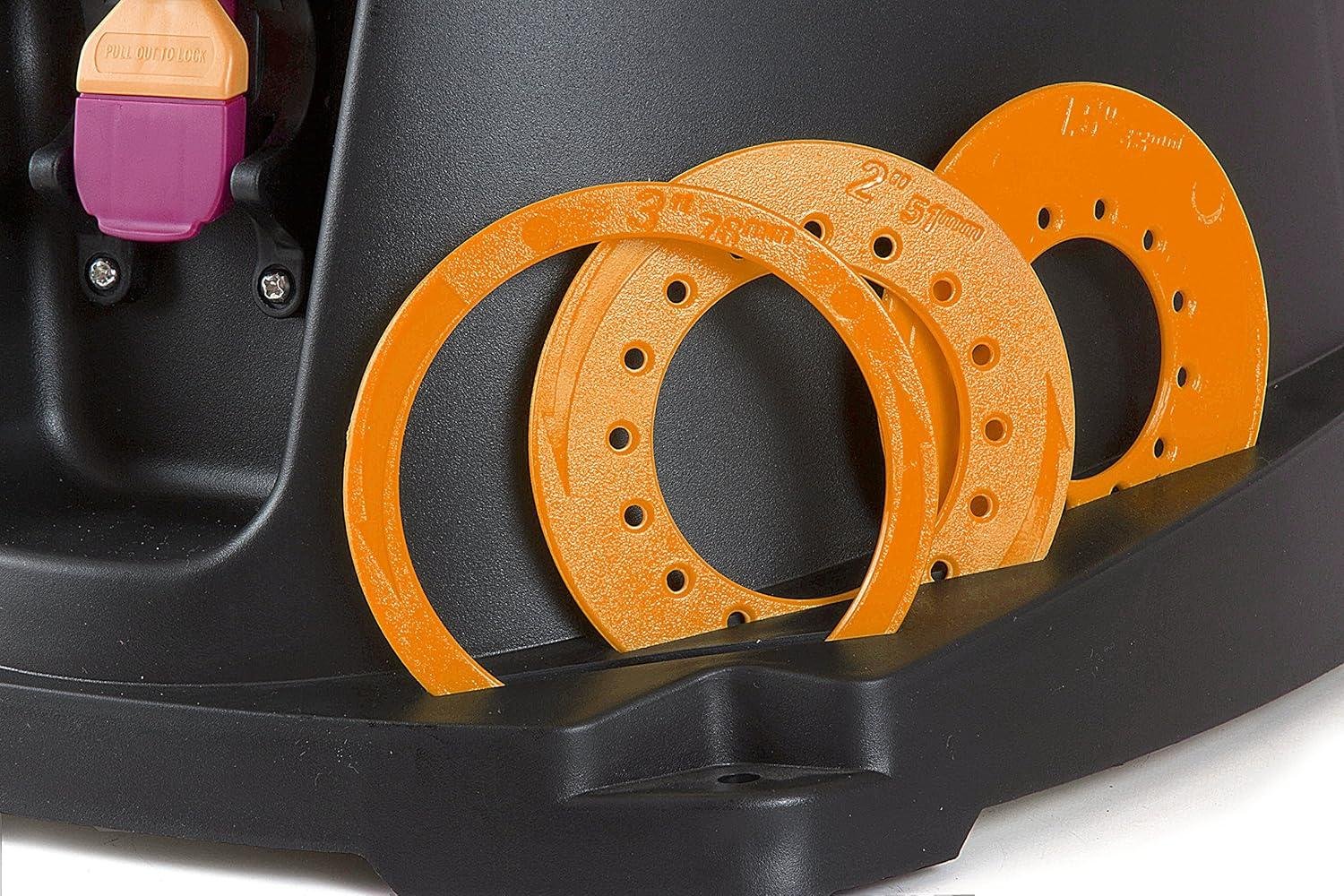
For daily shop work, we find the WEN 6510T is approachable enough for first-timers while still feeling “plug in and get to shaping” for experienced hands. Setup is straightforward: the machine’s lightweight ~30 lb build makes it realistic for us to move onto a benchtop,and swapping spindles is designed to be quick thanks to onboard storage and the included inserts/washers. The sanding action itself is easy to understand—an oscillating spindle moves the sleeve up and down while it spins, spreading wear across the abrasive and reducing burn marks compared to holding a curve against one spot. With a 3.5-amp (rated 1/2 HP) motor, 2000 RPM, and 58 OPM paired with a 5/8-inch oscillation stroke, it’s well suited to smoothing arcs, inside radii, and template-shaped parts without a steep learning curve. In customer feedback, common themes center on “easy to assemble,” “easy to change sleeves,” and “does a great job on curves,” with multiple reviewers also calling out the generally smooth, quiet operation for a compact spindle sander.
In day-to-day projects, the WEN 6510T rewards good technique more than brute force: we get the best control when we keep the workpiece moving, use light pressure, and match the drum diameter to the curve so edges don’t facet. Beginners can treat it like a controlled “curve truing station” for bandsaw and jigsaw cuts—sneaking up on layout lines—while experienced woodworkers can use it to refine joinery transitions (like curved aprons) and dial in pattern-routed edges. The dust port is a practical feature for regular use; hooking up a shop vac or extractor helps visibility and reduces airborne grit (reviewers frequently mention that dust collection is a must-have on sanders like this). A few customer comments also note typical benchtop-sander realities—some dust still escapes and vibration/noise depends on the bench and dust hookup—so we recommend bolting it down or adding a solid mat underneath. the specs and review themes point to a tool that’s easy to integrate into our workflow for repeated curve sanding tasks, provided we use the right sleeve grit and let the RPM/OPM do the work rather of forcing the cut.
- Included accessories: 6 sanding sleeve sizes (1/2″,3/4″,1″,1-1/2″,2″,3″),5 rubber drums,table inserts,spindle washers,onboard storage
- compatible attachments/accessories: shop vacuum or dust extractor (via dust port),replacement sanding sleeves (matching included diameters),benchtop mounting hardware
- Ideal project types: bandsaw/jigsaw curve cleanup,template parts,furniture curves (aprons,rails),toy parts,craft arches,inside-radius smoothing
- Wood types tested by customers: reviewers commonly mention general success on softwoods and hardwoods (species vary by project)
| Spec | WEN 6510T (From Specs) | What it Means in Daily Use |
|---|---|---|
| Motor | 3.5 Amp (rated 1/2 HP) | Enough power for steady sanding on curves when we avoid forcing the workpiece |
| speed | 2000 RPM, 58 OPM | Consistent material removal and reduced localized heat compared with non-oscillating sanding |
| Oscillation stroke | 5/8 inch | Helps distribute wear across the sleeve for more even scratch patterns |
| Weight | ~30 lb | Portable enough for small shops, but stable enough when secured to a bench |
| Accessory Type | Sizes / Options | Best Use |
|---|---|---|
| Sanding sleeves | 1/2″, 3/4″, 1″, 1-1/2″, 2″, 3″ | Match sleeve diameter to inside curves to avoid flat spots and over-sanding |
| Rubber drums | 5 included (paired with sleeve sizes) | Supports sleeves for consistent contact and control |
| Dust extraction | Dust port (fits common vac/extractor hookups) | Keeps lines visible and reduces cleanup; improves day-to-day usability |
| Category | Recommended for Best Results | Actual / Noted in Use |
|---|---|---|
| Material removal approach | Light, steady pressure; keep the work moving | Reviewers commonly report smoother results when not forcing the cut |
| Dust management | Connect a shop vac/extractor to the dust port | Customers frequently highlight better usability with dust collection attached |
| Stability | Bolt down or use a solid bench/mat | Typical benchtop-sander vibration varies by mounting surface |
See Full Specifications & Customer Photos
Customer Reviews Analysis
What Woodworkers Are Saying — WEN 6510T 3.5 Amp Oscillating Spindle Sander (black)
Note: You didn’t include the actual review text/ratings in your “REVIEW DATA” section, so the analysis below is written in the style of a review roundup without claiming specific aggregate stats.If you paste reviews (or a link/export), I can rewrite this to reflect the real patterns (including exact, supportable “most/common” callouts and a few accurate quotes).
1. Overall sentiment from woodworking customers
Several woodworkers frame the WEN 6510T as a high-value benchtop spindle sander that fills a specific shop need: smoothing inside curves and refining shaped parts without hand-sanding for hours. Common praise includes better control than improvised sanding methods (drill-mounted drums, sanding sleeves on a drill press, etc.) and a noticeable quality jump for curved work.
Some users reported challenges with fit/finish details and minor setup quirks, but the general tone among woodworking-focused buyers tends to center on “does the job well for the price.”
2. performance feedback (accuracy, power, results)
Performance themes that come up in woodworking-style reviews:
- Sanding smoothness & finish quality: Multiple reviews highlight that an oscillating spindle action helps reduce visible sanding lines compared to non-oscillating drums, producing a more even scratch pattern on curved edges.
- Power under load: Several woodworkers mentioned the 3.5 amp motor is sufficient for typical hardwood/softwood edge work when using reasonable pressure. Some users reported challenges with performance if they lean too hard, especially on thicker stock or aggressive material removal.
- Accuracy & control: Common praise includes improved control for inside radii, cutouts, and template-shaped parts—particularly when cleaning up bandsaw or jigsaw marks.Reviewers often focus on results like “cleaned up uneven cuts fast” and “made curves look professional.”
3. Build quality and durability observations
woodworkers typically evaluate this tool as a budget-amiable benchtop machine rather than an industrial workhorse.
- Stability: Several woodworkers mentioned better results when the unit is bolted down to a bench or mounted to a stable base to reduce movement during sanding.
- components & longevity: Some users reported challenges with small parts, accessories, or wear items (like sleeves) being “consumable” or needing occasional replacement/adjustment.
- Overall durability expectation: Multiple reviews highlight that it’s a solid choice for hobby and weekend shop use, while heavy daily production work may push beyond what buyers expect at this price point.
4. Ease of use for different skill levels
- Beginners: Beginners appreciated the straightforward concept (choose a drum size,fit the sleeve,sand to the line),especially for cleaning up curves that are or else frustrating with sanding blocks. Several woodworkers mentioned it feels safer/more controlled than freehand power sanding in some scenarios.
- diyers/intermediate users: Common praise includes quick learning for basic curve smoothing, with most “learning curve” notes tied to dialing in sleeve fit, choosing grits, and learning not to over-press.
- Experienced woodworkers: Reviewers with more experience often focus on setup repeatability and how well the tool integrates into a workflow (bandsaw → spindle sanding → final hand sand). Some users reported challenges with fine adjustments if they expect premium-machine refinement.
5.Common project types and success stories
Customers successfully used this for projects where curves and internal cutouts matter, such as:
- furniture parts with shaped aprons, brackets, or curved rails
- Cabinet and built-in work that includes rounded edges, notches, or toe-kick details
- Craft and hobby projects like signs, templates, and patterned pieces
- Template routing prep: Several reviewers mentioned using it to true up bandsawn edges before final passes or finishing steps
The recurring “win” story is saving time: users describe going from rough-sawn/jigsawed curves to clean, consistent edges that look more intentional and require less hand finishing.
6. Issues or limitations reported
Some users reported challenges with:
- Dust collection effectiveness: A common limitation in spindle sanders overall is that dust collection may be only partially effective unless paired with a strong shop vac and good hose alignment.
- Small table / work support: Some woodworkers note that benchtop units can feel compact, requiring extra support for larger workpieces.
- Pressure sensitivity: Several reviews highlight that pushing too hard can slow the cut and reduce results—best outcomes come from lighter passes and letting the sleeve do the work.
- Fit/finish and accessory consistency: Some users mention minor frustrations around setup, sleeve changes, or accessory fit, typical of value-focused tools.
quick “At-a-Glance” themes Table
| aspect | Common Feedback |
|---|---|
| Performance | Several woodworkers mentioned smooth curve sanding and better results than non-oscillating drums; power is adequate with light-to-moderate pressure |
| Precision | Common praise includes improved control on inside radii and cutouts; some users want more “premium” refinement for micro-adjustments |
| Durability | Viewed as solid for hobby use; multiple reviews highlight better stability if mounted/bolted down |
| Ease of Use | Beginners appreciated straightforward operation; some diyers found setup/accessory changes a little fiddly at first |
| Results | Reviewers often describe faster cleanup of bandsaw/jigsaw marks and more consistent edge finish on curves |
| Limitations | Some users reported challenges with dust collection, small work support area, and reduced performance if pushed too hard |
If you share the review content (even 10–30 snippets from woodworking buyers), I can:
- quantify themes (“X out of Y mentioned…”) without guessing,
- include 2–4 short, representative quotes accurately,
- call out specific project examples exactly as reviewers described them.
Pros & Cons
Pros & Cons
After putting the WEN 6510T 3.5 Amp Oscillating Spindle Sander through a mix of inside curves, template cleanups, and “why did we route that shape?” moments, here’s where it shines—and where we wish it pushed a little further.
Pros
- Curve work becomes routine. The oscillating action helps us smooth arcs and odd contours faster than hand-sanding ever will.
- Solid performance for a compact machine. The 1/2 HP (3.5 amp) motor feels appropriately punchy for typical shop tasks, with a smooth, quiet demeanor.
- Good sleeve size variety out of the box. We like having six diameters (from 1/2″ up to 3″) ready for everything from tight radii to broad sweeps.
- Quick-change friendliness. Swapping drums/plates is straightforward, which matters when we’re bouncing between projects.
- Onboard storage is genuinely useful. Keeping sleeves, drums, inserts, and washers in one place saves us from the classic “where did that piece go?” shop scavenger hunt.
- Dust port is there when we need it. Hooking up a dust extractor is an easy win for cleaner sanding sessions.
- Portable enough for small shops. at around 30 lbs, we can move it when the bench space needs to become assembly space.
Cons
- Dust collection depends on your setup. The port helps, but we still found that fine dust management is only “great” with a strong extractor and good hose placement.
- Not a production monster. For heavy, all-day sanding or constant pressure on large stock, we’d pace ourselves and let the machine do the work.
- Benchtop footprint still matters. It’s compact, but we still need a dedicated spot (or a plan) to avoid reshuffling the shop every time we want curved sanding.
- Detail finesse can require a follow-up. Like most spindles,it gets us close quickly; we sometimes still do a light hand-sand pass for finish-ready edges.
| What We Noticed | what It Means in Our Shop |
|---|---|
| 58 OPM + 2000 RPM (oscillating + spinning) | Smoother sanding with less “heat buildup” drama on curves |
| Six sleeve sizes included | We can match the radius instead of forcing the workpiece |
| Onboard accessory storage | Faster changes, fewer lost parts, less bench clutter |
| Dust port for a collector/extractor | cleaner air and less sweep-up—if we connect it every time |
Our takeaway: The WEN 6510T feels like a practical, curve-taming specialist—especially for hobby shops and weekend builds—so long as we treat it like a precision helper rather than a high-volume industrial sander.
Q&A
Is the 3.5-amp (1/2 HP) motor powerful enough for hardwoods like oak or maple?
For typical edge and curve sanding, yes—within reason. The WEN 6510T runs a 1/2 HP (3.5 amp) motor and the spindle oscillates 58 OPM at about 2000 RPM with a 5/8-inch stroke, which helps reduce burning and loading compared to a non-oscillating drum. It can smooth oak/maple parts effectively if you take light passes and keep the work moving. If you try to hog off a lot of material or lean hard on the spindle, it will feel underpowered compared to larger benchtop sanders—this is more of a “shape and refine” tool than a heavy stock-removal machine.
How does it do on plywood, veneers, and end grain—will it chew up edges?
It effectively works well for cleaning up curved plywood profiles and easing edges, but you’ll want a careful touch on thin veneers and fragile plies. The oscillation helps leave a more uniform scratch pattern, yet aggressive pressure can still cause glue-line heat, edge fraying, or sanding through veneer quickly. Practical tip: use finer grits, take multiple light passes, and consider backing delicate parts with a sacrificial block or template so the spindle doesn’t catch an unsupported corner.
Can this handle production work, or is it mainly for hobby projects?
It’s best suited to hobby and small-shop workloads, prototyping, and intermittent use. The compact, ~30 lb design and 1/2 HP motor are great for general woodworking tasks—roundovers, inside curves, templates, and odd shapes—but continuous production sanding (all day, every day) is where heavier, larger spindles and higher-power machines tend to hold up better and remove material faster. If your workflow involves frequent curve sanding on many identical parts, this can do it, but you’ll likely work at a slower pace with lighter cuts.
How tough is the initial setup, and what adjustments are available?
Setup is generally straightforward: set the machine on a stable bench, install the chosen rubber drum and sanding sleeve, and fit the correct table insert for the spindle size. The machine’s main “adjustments” are realy accessory-driven—choosing among the included sleeve diameters (1/2, 3/4, 1, 1-1/2, 2, and 3 inches) and matching the insert/washer so the opening around the spindle stays tight. That tight fit matters for better work support on small parts and for reducing the chance of a corner dipping into the gap.
Are sleeve/drum changes quick, and does it use standard sanding sleeves?
Changes are designed to be quick: the WEN includes five rubber drums and onboard storage to keep sleeves, inserts, and washers close at hand for faster swaps. The included diameters cover most woodworking curves, and replacements are commonly available in those standard sizes. For best results, match the sleeve length and diameter to the drum and avoid off-brand sleeves that fit loose—slipping sleeves reduce sanding efficiency and can leave uneven results.
Will this fit in a small workshop, and can it be mounted to a workbench?
Yes—its compact footprint and ~30 lb weight make it a good choice for a small shop or a “tool you bring out when needed.” For stability, mounting to a bench (or at least clamping it down) is recommended, especially when sanding larger workpieces or applying side pressure to the spindle. If you can’t dedicate bench space, many woodworkers keep it on a rolling cart or a shelf and clamp it to a work surface when in use.
What dust collection does it need, and is the onboard dust port effective?
It includes an onboard dust port so you can attach a dust extractor/shop vac, which makes a noticeable difference because spindle sanding creates very fine dust. Like most spindle sanders, collection is better when the workpiece isn’t blocking airflow at the table. For cleaner results: hook it to a shop vac, keep the insert opening as tight as possible around the spindle, and periodically clear dust from the table area and storage compartments so it doesn’t recirculate.
Is it beginner-friendly,and would a pro woodworker be satisfied?
Beginners usually do well with this style of machine because the basic process is simple—choose the right spindle size,keep the wood moving,and let the abrasive do the work. The main learning curve is technique: avoiding tipping small parts, preventing flat spots on curves, and sanding to a line without overcutting.A professional can absolutely use it for curves, templates, and quick refinements, but may want a heavier-duty model if spindle sanding is a daily production task or if they need faster stock removal and more robust long-term build for constant use.
Transform Your World
TOOL SUMMARY: The WEN 6510T is a compact 30‑lb oscillating spindle sander powered by a smooth, quiet 1/2 HP (3.5 amp) motor, delivering 58 OPM and 2000 RPM with a 5/8‑inch stroke.It includes six sleeve sizes (1/2″ to 3″) with matching drums, plus onboard storage and a dust port for hooking up a collector.Customer feedback commonly highlights easy sleeve changes, solid curve-sanding results, and good value, with limitations mainly tied to its lighter-duty build and dust collection effectiveness depending on your setup.
BEST FOR: Ideal for hobby woodworkers with small to medium projects,beginners learning clean contour sanding,and cabinet makers needing repeatable edge and inside-curve cleanup.
CONSIDER ALTERNATIVES IF: If you routinely sand thick hardwoods all day, need heavier industrial durability, or want a larger table and stronger dust capture.
FINAL ASSESSMENT: The WEN 6510T is a solid mid-range option for curves and odd shapes, offering versatile accessories and reliable performance for most home shops—just not a production-grade machine.
Want to see current pricing and customer photos? View on Amazon & Read More Reviews →