

Blog
WEN 2305 Rotary Tool Review: Right for Our Shop?


Ever tried cleaning up a tight inside corner, a bit of routing burn, or a fussy inlay recess only to find your full-size tools feel clumsy—and your sandpaper-wrapped finger isn’t exactly “precision equipment”? In small-detail woodworking, accuracy and control matter as much as power, especially when shop space is limited and every tool has to earn its footprint.
That’s where the WEN 2305 Rotary Tool Kit with Flex Shaft aims to fit in: a compact, variable-speed rotary tool designed for cutting, sanding, grinding, polishing, shaping, drilling, deburring, and engraving.It spans 8,000 to 30,000 RPM, includes 80+ accessories, and uses 2.3 mm and 3.2 mm collets. An onboard spindle lock supports quicker bit changes, and the flex shaft is intended for finer, pen-like control.
In this review, we’ll look at the features that matter in real shops—precision, durability, ease of use for beginners and experienced makers, and overall value—along with what customers commonly report in reviews. We’re approaching this as fellow woodworkers who’ve learned that the best tool is the one that matches the task, the budget, and the learning curve.
Tool Overview and First Impressions for the Shop

In our shop, the WEN 2305 reads like a “do-a-little-of-everything” rotary tool aimed squarely at the small, fussy jobs that show up between the big-machine steps—cleaning up tight corners, easing a sharp edge, or roughing in a carving before we refine it by hand. It’s a corded rotary tool with variable speed from 8,000 to 30,000 RPM, and that range matters in wood: we can keep RPM lower for control on softwoods (to reduce scorching and chatter) and bump it up for cleaner cuts with small burrs and sanding drums when the tool is stable. The onboard spindle lock and included 2.3 mm & 3.2 mm collets make bit swaps speedy, and the included flex shaft turns the whole setup into more of a pen-style detail tool—useful for lettering, inlay recess cleanup, or sanding in places our finger sander simply won’t reach.
First impressions from customer feedback line up with how we’d expect a budget-pleasant rotary platform to land: many call it “easy to use” and a “great value/price”, with several noting it feels solid out of the box and performs well for long-ish sessions (one reviewer used it “over 2 hours” shaping a pinewood derby car).At the same time, a recurring theme is that the included accessories are “basic” or even “garbage”—especially cut-off discs snapping and sanding grit wearing smooth quickly—so in a woodworking workflow we’d treat the tool as the purchase and the included bits as starter samples, then upgrade to better-quality carbide burrs, sanding sleeves, and discs for consistent results. A few reviewers also mention a plastic/burnt smell on first use,and one specifically warns the flex shaft can get hot after ~30 minutes; educationally,that’s our cue to run the shaft in gentle curves (no tight coils),avoid side-loading,give it cool-down breaks,and keep bearing points clean—plus always wear eye protection because small rotary accessories (especially cut-off wheels) can fail fast when forced.
- Included accessories
- 80-piece accessory set (bits, sanding discs, polishing pads, mandrels, etc., per specs)
- Flex shaft for detail work (pen-style control)
- 2.3 mm & 3.2 mm collets
- Onboard spindle lock (feature for fast bit changes)
- Carrying case (noted as a “cheap plastic case” in reviews—handle with care)
- Compatible attachments/accessories
- Dremel-style rotary accessories (multiple reviewers report using Dremel kits/bits successfully)
- Carbide burrs (recommended by reviewers for carving/lettering performance)
- Higher-quality cut-off wheels (safer and longer-wearing than the stock discs, per review themes)
- Sanding drums/sleeves in assorted grits (stock sanding consumables are frequently enough reported to wear quickly)
- Ideal project types
- Detail sanding inside curves, corners, and routed cavities
- Carving and lettering on small plaques, signs, and decorative parts
- Shaping small parts (e.g., hobby components like pinewood derby cars—per customer use)
- Edge cleanup and deburring after cutting or drilling
- Polishing small hardware or resin/epoxy details (with appropriate wheels/compounds)
- Wood types tested by customers
- Pine (explicitly mentioned; sanding and hobby shaping)
| Spec / Feature | WEN 2305 (from listing) | What it means in our woodworking use |
|---|---|---|
| Speed range | 8,000–30,000 RPM (variable) | Lower speeds help control on softwoods; higher speeds help small burrs/sanders cut cleaner when the tool is stable. |
| Bit changes | Onboard spindle lock | Faster swaps when moving between sanding, carving, and polishing steps. |
| Collets | 2.3 mm & 3.2 mm | Covers many common rotary shanks; verify shank size when upgrading to premium bits. |
| Precision option | Flex shaft included | Better control for lettering and tight detail work, but some users report heat buildup—use in moderate intervals. |
| Accessory Type | Works With WEN 2305? | Workshop Note based on Review Themes |
|---|---|---|
| Dremel accessory kits | Yes (reported by customers) | Common upgrade path since multiple reviewers call the included bits “basic/low quality.” |
| Carbide burrs | Yes (with correct shank/collet) | Recommended for cleaner carving/lettering versus soft stock bits. |
| Reinforced cut-off wheels | Yes | Several reviews mention stock cut-off discs snapping—reinforced wheels are a safety-minded swap. |
| Higher-grit sanding sleeves/discs | Yes | Stock sanding grit is often reported to wear smooth quickly, especially on pine. |
| Task / “capacity” Expectation | Recommended Approach | Reality Check From Reviews |
|---|---|---|
| Long continuous detail work | Work in short sessions, especially on the flex shaft; let it cool; avoid tight bends. | One reviewer reports the flex shaft got hot around 30 minutes and smelled like it was “cooking.” |
| Sanding performance | Plan to use better sanding consumables for consistent cut. | Multiple reviewers say stock sanding grit wears smooth quickly; accessories are “basic.” |
| Cut-off wheel safety | Use reinforced wheels, light pressure, and eye protection. | Reviews mention stock cut-off discs snapping, calling it a safety concern. |
See Full Specifications & Woodworker Reviews on Amazon
real World Performance for Carving Engraving and Detail Sanding

In day-to-day shop use, the WEN 2305 behaves like the classic “do-a-lot-of-small-jobs” rotary tool we keep near the bench for touch-ups and detail work. The motor is rated for a variable speed range of 8,000 to 30,000 RPM (dial-adjusted), and that spread matters when we’re swapping between softwood carving and delicate sanding—lower speeds help keep pine and poplar from melting the sanding drums with resin, while higher speeds are handy for quick deburring and crisp engraving lines. We also like that it’s a corded tool, which aligns with a common review theme: folks choose it specifically to avoid “expired batteries, missing chargers, and mismatched charging cables.” setup is generally described as straightforward, and we agree the onboard spindle lock makes a real difference for frequent bit changes. Having mentioned that, several reviewers also mention the body feels “big and a tad heavy” compared to smaller rotary tools, so we tend to reserve freehand detail work for the flex-shaft handpiece rather than holding the full motor housing for long sessions.
For carving, engraving, and detail sanding, the included flex shaft is the practical highlight—multiple reviewers call it “the real star” because the pen-style grip gives better control for lettering, small chamfers, and cleaning up inside corners where chisels and sanders can’t reach. though, we have to balance that praise with an equally consistent caution from customers: at least one reviewer strongly recommends not running the flex shaft continuously as it “got pretty hot about 30 minutes…and smelled like it was cooking.” In our workflow, that translates to using the flex shaft for short, precise passes (especially at moderate RPM), then letting it cool—an approach that also helps preserve fine-detail bits. Across reviews, the biggest limitation isn’t the motor—it’s the bundle: the 2.3 mm and 3.2 mm collets make it easy to use common rotary accessories, but many woodworkers report the included bits are “basic” or even “garbage,” with cutoff wheels snapping and sanding grit wearing smooth quickly on softwoods like pine. The educational takeaway: plan on upgrading to better sanding drums, flap wheels, and carbide burrs if carving and lettering are a regular part of our shop time—several customers said the tool performs much better once paired with higher-quality consumables.
| Performance Factor | what We Look For in Woodworking | WEN 2305 (Specs/Review themes) |
|---|---|---|
| Speed control | Lower RPM for resinous softwoods; higher RPM for crisp engraving | 8,000–30,000 RPM variable dial; reviewers like the adjustable speed |
| Detail control | Pen grip for lettering and inside corners | Flex shaft included; widely praised for control, but some report heat buildup with long runs |
| Accessory quality | Consumables that don’t glaze or snap quickly | many reviewers call the included set basic/cheap; common upgrade is Dremel-compatible or carbide bits |
- Included accessories (per listing/review themes): 80-piece set (bits, sanding discs, polishing pads, mandrels), flex shaft, 2.3 mm & 3.2 mm collets, case
| Compatible attachments/accessories | Why Woodworkers Use it | Notes from Customer Review Themes |
|---|---|---|
| Dremel-style sanding drums/discs | Detail sanding in tight areas, edge easing, small touch-ups | Common upgrade as stock sanding grit “wears down fast” |
| Carbide burrs | Lettering, relief carving, shaping small parts | One reviewer: stock bits are cheap, but “good carbide bits…works great” |
| Felt/cloth polishing wheels | Polishing epoxy fills, burnishing small metal details on jigs | Some mention included buffing works but feels consumable |
| Task Capacity (practical) | Recommended Approach | What Customers Actually Report |
|---|---|---|
| detail sanding | Short passes, moderate RPM, keep abrasives fresh | Works well for “tight corners,” but included sanding grit may glaze quickly |
| Carving/engraving | Use flex shaft for control; upgrade to carbide for hardwoods | praised for “carving and lettering,” especially with better bits |
| Extended flex-shaft sessions | Run in intervals; stop if heat builds | Some report flex shaft “got pretty hot” around ~30 minutes |
- Ideal project types: Sign lettering, inlay pocket touch-ups, relief-carving details, pinewood derby shaping, sanding inside joinery corners, cleaning up scroll-sawn edges
- Wood types tested by customers (reported): Pine (sanding and shaping; abrasives can wear quickly)
See Full Specifications & Customer Photos
Key Features Woodworkers Will Appreciate Including the Flex Shaft and Accessory Range
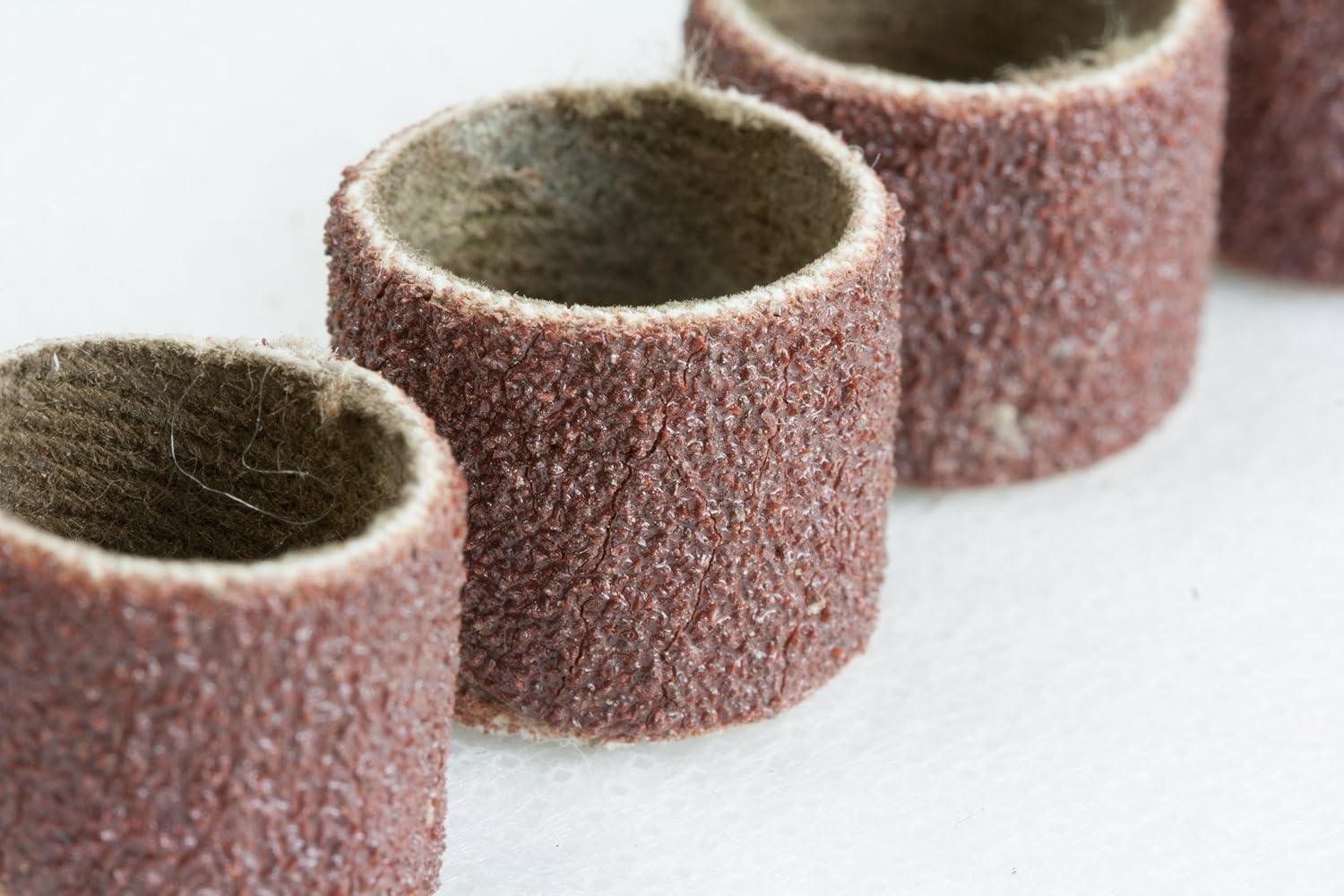
In our shop, the headline feature is the included flex shaft, because it turns the WEN 2305 from a “hold-a-motor-in-your-hand” tool into a more pen-like detail carver. With variable speed from 8,000–30,000 RPM controlled by a simple dial and an onboard spindle lock, we can move quickly from light touch-up sanding to careful engraving without fighting bit changes.that speed range matters in wood: we’ll typically slow down for tight grain or softwoods like pine to reduce burning and chatter, then bump it up for quick deburring or shaping. Customer feedback lines up with that real-world benefit—multiple reviewers call it “easy to use with the flex end” and say it’s become a go-to for detail sanding, carving, engraving, shaping small pieces, and cleaning up tight corners. The biggest caution we see repeated is heat: one reviewer recommends not using the flex shaft continuously because it “got pretty hot… and I could smell it cooking” after about 30 minutes. For us, that translates into practical technique—use the flex shaft for short, precise passes, don’t coil it tightly, and give it cool-down breaks when we’re doing long sessions of lettering or relief carving.The other woodworker-friendly strength is simply how broadly this kit can get us started: the WEN 2305 includes an 80-piece accessory set and ships with 2.3 mm and 3.2 mm collets, which helps it accept many common rotary-tool bits (including widely available third-party options). Reviews are consistent here too: customers love the value and the tool’s capability, but frequently enough describe the included accessories as “basic” or even “garbage”—especially cut-off discs that can snap and sanding drums/discs that wear smooth quickly on pine. The educational takeaway is straightforward: we can treat the included bits as a starter sampler, then upgrade to better abrasives and carbide cutters for hardwoods, repeated use, and safer cutting. Also, because this is a corded rotary tool, we don’t have to manage battery fade mid-carve—several buyers specifically chose corded to avoid battery hassle—so it fits nicely as a bench-side detail tool for hobbyists and serious DIY woodworkers who want one motor to handle many light-to-medium tasks.
- Included accessories (from kit description): bits, sanding discs, polishing pads, mandrels, and more (total 80 pieces)
- Included precision features: flex shaft, onboard spindle lock, 2.3 mm & 3.2 mm collets
- Compatible attachments/accessories: common rotary-tool cutters, sanding drums/discs, polishing accessories, engraving bits, and many third-party bit kits that fit 2.3 mm / 3.2 mm collets
- Ideal project types: pinewood derby shaping,lettering and sign carving,edge cleanup on joinery,detail sanding in tight corners,small craft parts,light inlay/relief touch-ups
- Wood types tested by customers: pine (multiple mentions; sanding wear reported on pine)
| Feature | Spec / What We Use It For |
|---|---|
| speed range | 8,000–30,000 RPM for switching between controlled carving and faster shaping/polishing |
| Bit change system | Onboard spindle lock for quicker accessory swaps while keeping workpiece setup intact |
| Collets | 2.3 mm & 3.2 mm to accept many common rotary-tool bits |
| Precision handling | Flex shaft for pen-grip control during engraving, lettering, and tight-corner sanding |
| Accessory Type | Works Well for | customer Review Theme |
|---|---|---|
| Sanding drums/discs | Feathering edges, cleaning inside corners | Often described as basic; some report grit wears smooth quickly |
| Cut-off discs | Light trimming (use cautiously in wood) | Some warn discs can snap, raising a safety concern |
| Engraving/carving bits | Lettering, carving lines, shaping small parts | Woodworkers often upgrade to carbide bits for better results |
| polishing/buffing pads | Buffing small spots, light touch-ups | Mixed; one review says the buffing tool is best of the set, but still wears |
| Use Case | recommended Approach | What Reviews Suggest Happens in Practice |
|---|---|---|
| Extended detail carving with flex shaft | Work in shorter sessions; avoid tight bends; allow cool-down | Some report the flex shaft can get hot around ~30 minutes of use |
| Sanding softwood (e.g., pine) | Use moderate RPM; light pressure; upgrade abrasives for repeat use | Some report included sanding accessories wear down fast on pine |
| General DIY/bench work | Use included accessories to learn; move to higher-quality bits as skills grow | Common theme: tool is great value, accessories are basic/cheap |
See Full Specifications & Customer Photos
Ease of Use for Beginners and Experienced Woodworkers in Everyday projects

For everyday shop tasks, we find the WEN 2305 hits a agreeable middle ground between “first rotary tool” and “always-on-the-bench helper.” The learning curve stays friendly because the controls are simple: a variable-speed dial that runs from 8,000 to 30,000 RPM and an onboard spindle lock that makes bit changes straightforward with the included 2.3 mm and 3.2 mm collets. That speed range matters in real woodworking terms—lower RPM helps us keep heat down when polishing or doing light detail sanding, while the upper range is handy for quick deburring, shaping, and carving (with the right accessory). Customer feedback lines up with our experience of the basics: many call it “easy to use” and “great value,” and several mention setup is painless right out of the case. A few reviews also note the body feels “big and a tad heavy” compared to smaller rotary tools, which isn’t a dealbreaker at the bench, but it can fatigue beginners during long sessions if they’re gripping the full tool rather of using the flex shaft.
Where ease-of-use becomes more nuanced is in the accessories and the flex-shaft workflow. The kit includes 80+ accessories, which is enough to start experimenting, but a recurring customer theme is that the stock bits are “basic” or even low quality—some specifically warn the cutoff discs can snap and sanding drums can wear smooth quickly on softwoods like pine. From a technique standpoint, that means beginners should treat included discs gently (light pressure, let RPM do the work, and wear eye protection), and experienced woodworkers will likely prefer upgrading to better abrasives and carbide cutters for consistent results. The included flex shaft can make the tool feel far more precise—many reviewers call it the “real star” for carving and lettering because we hold a pen-style handpiece rather than the whole motor. Though, at least one reviewer strongly recommends not using the flex shaft for extended runs as it “got pretty hot” after about 30 minutes—so for everyday projects we’d treat it as a detail-work accessory and give it breaks during long sessions. Used that way, the WEN 2305 is approachable for beginners and still useful for experienced hands doing tight-corner cleanup, small joinery touch-ups, engraving, and fine shaping.
- Included accessories (80+ total): bits, sanding discs, polishing pads, mandrels, and a carrying case (as described by the manufacturer)
- Included key hardware: flex shaft, 2.3 mm & 3.2 mm collets, spindle lock for quicker changes
- Compatible attachments/accessories: most rotary-tool accessories that fit 2.3 mm (3/32″) and 3.2 mm (1/8″) collets (many customers report using Dremel-compatible bits)
- Recommended upgrades (based on review themes): higher-quality sanding drums, reinforced cutoff wheels, and carbide carving/engraving bits
- Ideal project types: detail sanding in corners, carving/lettering, engraving, trimming small parts, deburring, shaping small moldings, polishing finishes on small areas
- “Everyday shop” use: quick touch-ups where a full-size sander/router is too bulky
- Wood types tested by customers: pine (multiple mentions, including pinewood derby work and sanding pine)
| Spec / Feature | What It Means in Everyday Projects |
|---|---|
| 8,000–30,000 RPM (variable) | Dialing speed down helps reduce burning on wood and improves control for beginners; higher RPM helps with light shaping and clean-up when using sharp, quality bits. |
| Spindle lock | Faster, simpler bit changes—useful when swapping between sanding drums, engraving tips, and polishing pads. |
| 2.3 mm & 3.2 mm collets | Supports common rotary-tool shank sizes, making it easier to upgrade to better accessories later. |
| Flex shaft included | Improves “pen-like” control for detail work; some reviewers report it can heat up during longer sessions, so plan breaks. |
| Accessory / Bit Type | Fit / Notes | Best Use in Woodworking |
|---|---|---|
| 3/32″ (2.3 mm) shank accessories | Fits included collet | Fine engraving, small burrs, detail sanding |
| 1/8″ (3.2 mm) shank accessories | Fits included collet (common size) | General carving, sanding drums, polishing |
| Flex-shaft handpiece | Included; reviewers praise control but note possible heat buildup | Lettering, carving lines, tight corners |
| Capacity Area | Recommended (Practical) | Actual (What to Expect) |
|---|---|---|
| Extended run time | Use the flex shaft in shorter intervals; pause to cool | At least one customer reports the flex shaft got hot after ~30 minutes; the main tool is otherwise praised for steady use in typical DIY sessions |
| Accessory performance | Upgrade abrasive/cutting accessories for repeatable results | Multiple reviewers describe included accessories as “basic/garbage” and cutoff discs as a safety concern if forced |
Check Current Price & Reviews on Amazon
Customer Reviews Analysis

What Woodworkers Are Saying: WEN 2305 Rotary Tool Kit with Flex Shaft
1. overall sentiment from woodworking customers
woodworking-centric reviews lean positive on the motor/tool value and mixed on the included accessories. Several woodworkers mentioned it feels like a strong budget option to a Dremel—good enough for most home-shop tasks—while common criticism includes cheap consumables (cutoff wheels, sanding drums, small bits) and occasional concerns about heat/smell during early use or when using the flex shaft.
| Aspect | Common Feedback |
|---|---|
| Overall Value | Multiple reviews highlight strong performance for the price; many accept upgrading the bits. |
| Performance | Most praised smooth operation and usable power for carving/sanding/detail work. |
| Precision | Common praise includes better control with the flex shaft handpiece for fine work. |
| Durability | Mixed—some report hours of trouble-free use; others note heat/smell concerns or worry about longevity. |
| Accessories | Frequent complaint: included bits/discs wear fast or snap; many recommend name-brand/carbide upgrades. |
2. performance feedback (accuracy, power, results)
- Power and runtime under load: Several woodworkers mentioned using it for multi-hour sessions without issues (including one buyer running it for over 2 hours on a pinewood derby car). Another reviewer said it’s held up for “several hours” and compares well to an older Dremel for general use.
- Results on wood: Common praise includes how well it handles detail sanding, shaping small parts, engraving, and cleanup in tight corners—especially where larger sanders or files can’t reach.
- Speed control: Multiple reviews highlight the variable speed dial as genuinely useful for delicate detailing and avoiding over-aggressive cuts on softer woods.
3. Build quality and durability observations
- Tool body feel: Reviewers are split: several said it looks/feels solid out of the box, while others reported it feels plasticky or “cheap” in hand even though it still performs well.
- Heat and odor: Some users reported challenges with burnt rubber/plastic smell early on. One reviewer described a “whiff of ozone” at first startup; another noted the flex shaft got hot around 30 minutes in and worried it was “cooking.”
- Longevity confidence: A few comments suggest the motor/tool itself seems durable so far, but at least one buyer was candid that long-term durability is still “unfeasible to say” until more time passes.
4. Ease of use for different skill levels
- Beginners: Reviewers with no prior rotary-tool experience found setup easy, liked the chuck lock location, and appreciated the corded design (no battery/charger hassle). Several simple comments echoed “easy to use.”
- More experienced woodworkers: Experienced users doing carving/lettering noted it works very well—especially after swapping to better carbide bits. The flex shaft handpiece was repeatedly described as improving comfort and control for fine work.
5. Common project types and success stories
Customers successfully used this for:
- Pinewood derby car shaping/sanding (one buyer ran it for hours without issues)
- Carving and lettering on wood (several reviewers mentioned carving/engraving as a main use)
- detail sanding and cleanup in corners and small profiles
- Shaping small pieces and general workshop touch-ups where a larger tool would be clumsy
Several reviewers described it as a “go-to” for small craft and detailed woodworking, particularly when paired with higher-quality accessories.
6.Issues or limitations reported
- Included accessories are a weak point: Multiple reviews highlight that the stock accessories are “basic” at best and, at worst, “garbage.” Specific complaints include:
- cutoff discs snapping on contact with wood (one reviewer called it a safety concern)
- sanding drums/discs losing grit very quickly, even on pine
- buffing accessory shedding/wearing early
Many buyers recommend treating the kit as a good motor + flex shaft and budgeting for better Dremel-compatible bits.
- Flex shaft heat: Some users reported challenges with the flex shaft heating up during longer sessions; at least one reviewer recommended not using it for extended periods.
- Smell/early burn-in concerns: A few noted unpleasant burnt rubber/plastic smell on first use; one worried it could indicate an electrical issue (though the smell didn’t persist).
- Case quality: The included case is often described as cheap plastic—fine for storage if handled gently, but not impact-resistant.
- Not for heavy-duty industrial work: Even positive reviews frame it as strong for home DIY and woodworking projects, but not a “heavy-duty industrial machine.”
If you want, I can turn this into a shorter “pros/cons” snippet optimized for a product page, while keeping the same review-backed wording.
Pros & Cons

Pros & Cons: WEN 2305 Rotary Tool Kit with Flex Shaft
| Category | What We Noticed in the shop | Why It Matters |
|---|---|---|
| Speed Range | 8,000–30,000 RPM with a simple dial | We can slow down for control or crank it up for faster material removal. |
| Flex shaft | Included in the kit | Helps us handle delicate work without gripping the full tool body. |
| Accessories | 80-piece assortment | Lets us start experimenting right away—cutting, sanding, polishing, and more. |
| Bit Changes | Onboard spindle lock + 2.3mm & 3.2mm collets | We spend less time fiddling and more time making sparks (the good kind). |
Pros
- Versatility feels real, not just marketing. In our hands, the WEN 2305 covers a wide range of tasks—carving, sanding, grinding, polishing, deburring—without needing a different tool for every tiny job.
- Variable speed that’s actually useful. the 8,000–30,000 RPM range gives us room to match the tool to the material, whether we’re working carefully on plastic or pushing through tougher cleanup on metal.
- Flex shaft adds “detail mode.” For engraving, fine shaping, and small touch-ups, the flex shaft makes the work feel more pen-like and less like we’re steering a handheld turbine.
- Generous accessory bundle. with 80 pieces, we can try multiple approaches before buying specialty bits—handy for a shop that jumps between one-off fixes and small creative projects.
- Quick bit swaps. The spindle lock helps us change accessories faster, which matters when our workflow bounces between sanding, then cutting, then polishing in the same session.
- Warranty support is present. A one-year warranty and a service network makes us feel better about putting it into rotation instead of treating it like a “use occasionally” gadget.
Cons
- Accessory quantity doesn’t always equal accessory quality. We like having a big starter set, but we should be realistic: for tougher materials or cleaner finishes, we may still want to upgrade to higher-end bits and discs.
- Only a couple collet sizes included. The 2.3mm and 3.2mm collets cover plenty, but if our favorite accessories use different shank sizes, we may need adapters or additional collets.
- high RPM can be a learning curve. At the top end, it can remove material quickly—which is great until it isn’t.We’ll want a light touch for delicate work to avoid slips, gouges, or overheated spots.
- Flex shaft adds another component to manage. It improves precision, but it’s also one more piece to set up, store, and keep from tangling when our bench gets crowded.
- Not a heavy-duty substitute. For large-scale grinding, long continuous cutting, or industrial-level demands, we wouldn’t treat this as a replacement for bigger dedicated tools.
Our takeaway: the WEN 2305 feels like a “Swiss Army” rotary setup for everyday shop tasks—especially when precision matters—so long as we keep our expectations grounded and don’t confuse a versatile rotary tool with a brute-force grinder.
Q&A

Is this powerful enough for hardwoods like oak or maple?
For small-scale work—yes. The WEN 2305 runs 8,000–30,000 RPM and has enough power for carving, engraving, light shaping, and detail sanding in hardwoods if you use sharp bits and let the tool do the work (light pressure, multiple passes). Several woodworkers report good results for carving/lettering, especially after upgrading to better carbide bits. Where it hits limits is heavy stock removal or large routing-style cuts in dense wood—this is a rotary tool, not a trim router.
How does it do on plywood and veneers without tearing them up?
It can be a good fit for cleanup and detail work on ply and veneer, but control matters. Running slower speeds (closer to the 8,000–15,000 RPM range) with light passes helps reduce burning and chatter, and using sanding drums/flap wheels rather than aggressive cutters helps prevent chip-out on thin faces. For veneer edges, many users treat this as a “sneak up on the line” tool—great for small adjustments, not for hogging material.
can it handle production work, or is it mainly a hobby/detail tool?
It’s best viewed as a hobby and detail-work rotary tool: carving, engraving, inlay cleanup, tight-corner sanding, and small part shaping. Reviews mention running it for a couple of hours without issues, but it’s not positioned as an industrial-duty, all-day production grinder. If you’re doing frequent, long sessions, expect better longevity by keeping vents clear, avoiding heavy pressure, and taking breaks—especially at higher RPM.
How tough is setup, and how easy are bit changes?
Setup is straightforward for most users: it’s corded, has a simple speed dial, and includes 2.3 mm and 3.2 mm collets. Bit changes are quick thanks to the onboard spindle lock—press the lock, loosen/tighten, and you’re back to work.The main “setup” learning curve is choosing the right accessory and speed for the task (engraving vs sanding vs cutting).
Does it work with standard rotary-tool accessories (Dremel bits, sanding drums, etc.)?
Yes—this is a big advantage. It ships with 2.3 mm and 3.2 mm collets, which covers many common rotary-tool shanks, and reviewers specifically note using Dremel accessories successfully. Many owners recommend upgrading: the included 80-piece kit gets you started, but multiple reviews call the stock cut-off wheels and sanding accessories “basic” or low durability, with some warning the cut-off discs can snap easily.
Is the flex shaft actually useful for woodworking, and does it hold up?
For fine woodworking detail, the flex shaft is often the “star feature” because it gives pen-like control for carving and lettering while your hand isn’t holding the full motor body. That said,experiences are mixed: at least one reviewer reported the flex shaft getting hot and smelling like it was overheating after ~30 minutes. Practical advice: avoid tight bends,don’t run max RPM constantly,and take breaks during long sessions. If you plan to do extended carving sessions, monitor heat and consider using the tool body directly when possible.
Will this fit in a small shop, and what power/dust setup should I plan for?
It’s small-shop friendly: handheld, corded, and easy to store in the included case (though the case is described as light-duty plastic). Power is standard household outlet use. For dust, there’s no built-in dust collection—rotary sanding and carving make fine dust—so pair it with a shop vac nearby, wear a dust mask/respirator, and consider using it over a downdraft box or bench hook area to keep debris contained.
Is it beginner-friendly, and would a pro woodworker be satisfied?
Beginners generally find it easy to start: variable speed from 8,000–30,000 RPM, a simple dial, and a spindle lock for fast changes. It’s a good “first rotary tool” value—several buyers chose it specifically rather of paying for a name-brand unit. Pros often treat it as a capable budget rotary tool for detail tasks, but not a premium accessory kit or heavy-duty production solution. If you already know you’ll rely on it daily, budgeting for higher-quality bits (and possibly a higher-end rotary tool) is the common path.
What maintenance and durability should I expect (and what’s the warranty)?
Maintenance is mostly common-sense: keep vents clear,avoid bogging the motor,don’t force cut-off wheels,and store accessories dry. Expect to replace consumables (sanding drums, cut-off discs, felt bobs) frequently—especially the included ones, which many reviewers describe as low quality.WEN backs it with a 1-year warranty and a nationwide service network. Durability feedback is mixed: many users report it holding up well for several hours of use, while a few mention initial odors or concerns that suggest quality can vary.
Seize the Chance
The WEN 2305 Rotary Tool Kit is a corded,variable-speed rotary tool (8,000–30,000 RPM) that includes 80 accessories,2.3 mm and 3.2 mm collets, an onboard spindle lock for quick bit changes, and a flex shaft for pen-like control during fine work. Customer feedback commonly praises its value, solid performance for light to moderate use, and the precision the flex shaft can provide—while noting the tool can feel a bit bulky, some units may run warm/smelly at first, and the included accessories are often described as basic or low quality.
It’s ideal for hobby woodworkers with small to medium projects, beginners learning carving/engraving, and cabinet makers doing detail sanding, lettering, and cleanup in tight corners.
Consider alternatives if you need daily, production-level durability, plan to run the flex shaft for long sessions, or want premium accessories out of the box.
the WEN 2305 is a solid budget-to-mid-range option when paired with better bits, but it’s not built as a heavy-duty shop workhorse.
Want to see current pricing and customer photos? View on Amazon & Read More Reviews →