

Blog
Prolux 2.0 Dust Vacuum Review: Right for Our Shop?

Ever tried to dial in a flawless finish on a tabletop, only to watch a fresh coat telegraph yesterday’s sanding dust right back at us? In a woodworking shop, cleanup isn’t just about looking tidy—it’s about precision, air quality, and keeping our tools cutting and sanding consistently without grit getting everywhere.
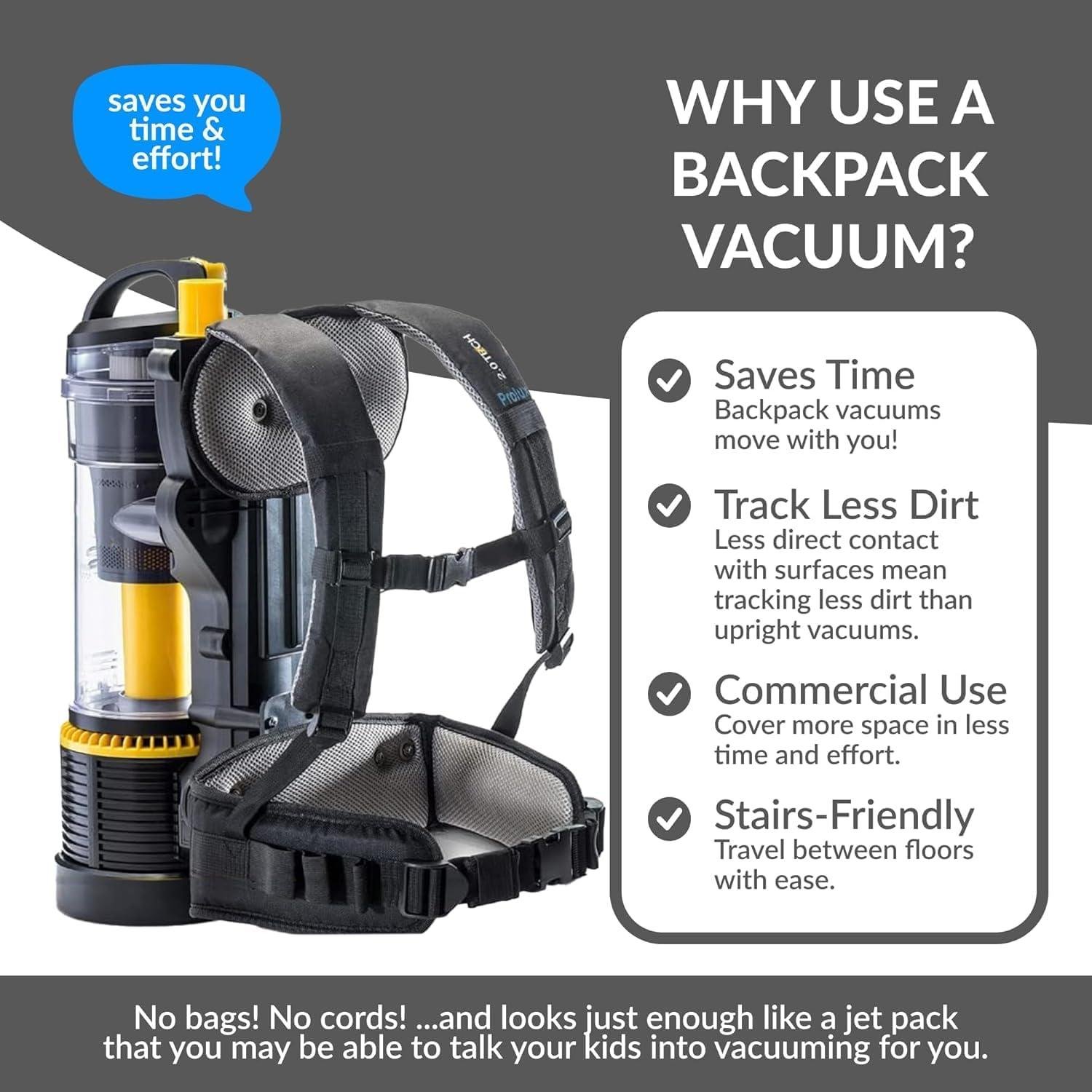
That’s where the Prolux 2.0 Commercial Bagless Backpack HEPA vacuum (Pro Model with Power Nozzle) comes in. It’s a commercial-grade, bagless backpack vacuum built to move fast through large spaces while staying mobile—featuring 3-stage HEPA filtration, a 35-foot cord, 120 CFM airflow, 1.25″ attachments, and a powered nozzle with a geared belt (marketed as never wearing out). At 9 lbs with a 0.64L dust capacity and a 3-year warranty, it aims to balance portability with pro-level capability.
In this review, we’ll break down build quality, usability in tight shops, and whether the price matches the value—while also weighing customer feedback that’s notably mixed on suction, durability, and reliability. We’ve set up plenty of dust collection and cleanup workflows over the years,and we’ll approach this with the same practical skepticism we bring to any shop tool.
Tool Overview and Build Quality for the Woodshop

in a woodshop, we look at a vacuum less like a “cleaning appliance” and more like a mobile dust-control tool—and the Prolux 2.0 Commercial Bagless Backpack HEPA Vacuum (Pro Model) is built around that idea.On paper, its workshop-pleasant specs stand out: 120 CFM airflow for chip pickup, 3-stage HEPA filtration for fine sanding dust, a long 35-foot cord for moving around benches and assembly tables, and a light-to-carry 9 lb body that rides on our back instead of dragging behind us. the catch (and it matters in woodworking) is the bagless capacity—just 0.64 liters—which can be a plus for weight but a limitation for heavy planer shavings or all-day sanding sessions. Review themes line up with this tradeoff: some owners call the suction “great” and even “powerful,” while others report it can “get clogged up real fast and lose suction” when the environment is dust-heavy. That’s a meaningful flag for us, because a woodshop isn’t just crumbs on carpet—it’s flour-fine dust that loads filters quickly if pre-separation isn’t part of the system.
Build quality is where we’d keep expectations realistic: customer feedback is mixed, with repeated mentions of “lots of plastic pieces” and some describing it as “cheaply made”, alongside a smaller set saying quality seemed good “upon first inspection.” Several negative reviews also point to durability and reliability concerns—reports of hoses coming off, cords/connection issues, and a power nozzle that stopped working—while at least one reviewer noted the company was fast to solve a problem when a carpet head failed early. For woodworkers, that means we’d treat this as a specialty cleanup vacuum (benches, floors, and on-site jobs) rather than a central dust collector replacement, and we’d be deliberate about setup: keep the 1.25-inch attachment path as straight as possible to maintain airflow, empty the canister often, and check the filter frequently to avoid the “clogged filter = lost suction” cycle reviewers describe. In practice, the backpack format can be genuinely convenient when we’re vacuuming around clamps, under outfeed tables, or doing punch-list cleanup before finish—just remember the Prolux power nozzle is aimed at carpet performance, so the real woodshop value depends on how well the included hard-floor tools and wand fit our workflow.
- Included accessories
- Prolux North American Power Nozzle (geared belt per product description)
- 1.25-inch attachment set (listed as “all attachments pictured” in product summary)
- 35-foot power cord
- Compatible attachments/accessories
- Standard 1.25-inch vacuum attachments (brush tools, crevice tools, extension wands)
- 1.25-inch dusting brushes for sander tops, benchtops, and tool cabinets
- 1.25-inch narrow crevice tools for table saw cabinet and miter station gaps
- ideal project types
- Finish prep cleanup (fine dust on floors and benches before topcoat)
- Jobsite trim/installation cleanup where portability matters
- assembly-area maintenance around clamps, carts, and shelves
- Wood types tested by customers
- Not specified in customer reviews (most reviews discuss carpet/commercial cleaning rather than wood species)
| Spec / Feature | Prolux 2.0 Pro Model (from listing) | What it means in a woodshop |
|---|---|---|
| Airflow | 120 CFM | Helps with general pickup; airflow can drop if filters clog with sanding dust. |
| Filtration | 3-stage HEPA | Better suited to fine dust than basic shop vac filters, but still needs frequent maintenance. |
| Cord length | 35 ft | Useful around stationary tools without moving outlets constantly. |
| Weight | 9 lbs | Backpack form reduces dragging a canister around benches and assemblies. |
| Dust capacity | 0.64 L | Small for shop chips; expect frequent emptying,especially after routing/planing cleanup. |
| Attachment size | 1.25 in | Common size—easy to adapt with many standard vacuum tools. |
| Warranty | 3 years | Helpful given mixed reliability feedback; keep packaging/receipt and document issues. |
| Accessory Type | Fit / Standard | woodshop Use |
|---|---|---|
| Dusting brush | 1.25-inch | Great for tool tops, shelves, and delicate surfaces before finishing. |
| Crevice tool | 1.25-inch | reaches corners of cabinets, miter stations, and under fence rails. |
| Extension wand | 1.25-inch | Helps floor cleanup around machines without bending or bumping setups. |
| Capacity Metric | Recommended Shop Reality | Actual Spec |
|---|---|---|
| Debris volume for chip-heavy cleanup | Prefer larger canister or pre-separator for frequent planing/routing waste | 0.64 L |
| Filter loading in sanding environments | Plan on frequent checks/cleaning; consider separating fine dust upstream | 3-stage HEPA (effective, but still can clog per reviews) |
see Full Specifications & Customer Photos on Amazon
Real world Dust Collection Performance on Sawdust and Fine Sanding Dust

In our shop, the Prolux 2.0 Backpack HEPA Vacuum’s real test isn’t pet hair—it’s the gritty mix of planer shavings, table-saw sawdust, and that talc-like film we get after sanding. On paper, the specs are promising for cleanup duty: 120 CFM airflow, 3-stage HEPA filtration, a 35-foot cord, and a relatively light 9 lb backpack form that keeps the hose moving with us instead of dragging a canister around bench legs. For typical woodworking debris (fresh sawdust and small chips around the miter saw station), we can see why some owners call the suction “great” and “powerful”—the airflow spec and backpack format translate into fast passes along the floor and under assembly tables. The included Prolux North American power nozzle is also rated to handle “small pebbles and sand,” so it’s relevant when we’re sweeping up tracked-in grit near the entry door or cleaning grit that falls off sanding pads and abrasives, especially around door thresholds and shop mats.
where it gets more nuanced for woodworkers is fine sanding dust and high-volume powder—exactly the stuff we generate when we run a ROS on hardwood or do lots of MDF work. multiple customer review themes warn that when “vacuuming up dust,” the vacuum can “get clogged up real fast and loses suction,” with specific complaints that the small drum filter can clog quickly and requires frequent attention. That matches how bagless, HEPA-style systems frequently enough behave in dusty environments: they can capture very fine particles well, but the tradeoff is faster filter loading, which reduces airflow until we stop and clean. With a modest 0.64 L dust receptor capacity,we’d also expect more frequent emptying in a woodworking shop than in light residential cleaning. Practically, we’d treat this as a strong end-of-day cleanup vacuum rather than a substitute for machine-connected dust extraction; if we’re collecting sanding dust, we’ll want to keep the canister from overfilling, tap/clean the filter proactively, and avoid sucking up big piles of ultra-fine dust in one go. Reviews are also mixed on reliability and build (some praising it as “best vacuum ever,” others calling it “cheaply made” or reporting failures), so for shop use we’d be careful with cord strain, hose connections, and power-nozzle handling—especially when swapping between floor pickup and tight spots around tools.
See Full Specifications & Customer Photos
Key features Woodworkers will Appreciate for Cleaner Air and Faster Cleanup

In a woodworking shop, we care about two things when it comes to vacuums: keeping fine dust out of our lungs and getting chips off the floor fast enough that cleanup doesn’t steal the whole afternoon. On paper, the Prolux 2.0 backpack HEPA Vacuum Pro Model checks several boxes we like, starting with 3-stage HEPA filtration and 120 CFM airflow (per specs). That combination is aimed at capturing the floaty sanding dust that settles on benches,tool tops,and freshly finished panels—especially when we’re doing lots of ROS sanding or breaking down sheet goods. We also appreciate the backpack form factor at 9 lbs (spec) because it keeps the vacuum “with us” while we move from miter saw station to assembly table to doorway mats, instead of wrestling an upright around cords and offcuts. The 35-foot power cord (spec) is another shop-friendly detail: in many garages, it means we can cover most of the space from one outlet, reducing the constant unplug/replug cycle that slows cleanup.
For faster cleanup,the Pro model’s standout workshop feature is the included power nozzle with a geared belt (never wears out,per product description),which can be handy for pulling chips and grit out of entry rugs and low-pile shop mats where fine dust likes to hide. Reviewers frequently mention strong suction and that it can pull up debris othre vacuums miss, but we also have to flag the recurring theme that matters specifically to woodworkers: multiple customers report it can clog and lose suction quickly when vacuuming dust, with some saying the filter loads up fast and requires frequent cleaning. In practical terms, that means we’d treat this like a “cleanup vacuum” rather than a replacement for a true dust extractor on a sander or planer—especially since the unit uses 1.25-inch attachments (spec), which are more floor-care oriented than tool-port oriented.Setup seems approachable—one 5-star reviewer noted assembly was doable even though the instructions “leave a bit to be desired,” and the backpack adjustment felt intuitive—yet we should go in aware of the mixed feedback on build quality/reliability (hoses coming off,cords loosening,power nozzle issues). In our shop, the educational takeaway is simple: if we use it for floors, mats, and general dusting, we should plan a routine of frequent filter checks/cleaning and avoid sucking up large volumes of ultra-fine sanding dust in one go if we want performance to stay consistent.
See Full Specifications & Customer Photos
ease of Use and Workshop Setup for Beginners and Seasoned Woodworkers

For getting a shop-ready dust routine without turning setup into a project of its own, the prolux 2.0 Backpack HEPA is mostly beginner-friendly—once we accept that it’s a “commercial cleaner” format, not a typical woodworking dust extractor. the backpack idea is genuinely intuitive (one reviewer said adjusting it “was basically like putting on a backpack”), and the 35-foot cord means we can move from table saw to assembly bench to doorway without constantly hunting for an outlet. The tool-free, real-world learning curve is in the hose/nozzle workflow: several customers mention the floor/power nozzle “needs a little getting used to” and that at first they were “pushing the bits around” instead of picking them up—something we’ve seen in our own shops when the nozzle angle is wrong or the head isn’t fully seated. For seasoned woodworkers, the key spec is airflow: 120 CFM paired with 3-stage HEPA filtration is a strong baseline for general cleanup (benches, floors, sanding stations), but customer feedback repeatedly warns that fine dust can clog the drum filter quickly and cause suction loss. In practice, that means this vacuum may feel easy on day one, but your “ease of use” long-term depends on how frequently enough we’re willing to stop, tap/clean filters, and avoid vacuuming piles of ultra-fine sanding dust in one go.
- Included accessories (per listing): Prolux North American Power Nozzle (geared belt), 1.25-inch attachment system, “all attachments pictured” (note: at least one customer reported it “didn’t come with attachments shown”).
| Workshop Setup Factor | What the Prolux 2.0 Provides | What We’d Watch For in a Wood Shop |
|---|---|---|
| Mobility | Backpack design + 35 ft cord | Great for moving around machines; some reviewers still call it “a bit heavy,” especially when swapping heads. |
| Pickup/Performance | 120 CFM airflow + powered nozzle | Good for floor debris and general cleanup; multiple reviews report clogging and suction loss when vacuuming lots of dust. |
| Filtration | 3-stage HEPA filtration | Helpful for keeping fine particles contained, but we’ll need a filter-cleaning routine to keep airflow consistent. |
| Capacity | 0.64 L dust receptor | Expect more frequent emptying than a typical shop vac; not ideal if we’re doing big planer/jointer cleanup. |
For workshop setup,we like that it uses a standard-ish 1.25-inch attachment size, which opens the door to adapting it to common shop accessories, but we’d treat any “plug-and-play” assumptions carefully. Review themes point to a few consistency issues that matter in a shop: hoses “coming off,” power connections “coming undone,” and at least one report of a cord problem—so we’d set this up like we set up any new tool: inspect connections, confirm strain relief, and do a short test run before trusting it for a full end-of-day cleanup. If we’re beginners, we should also know what this tool is (and isn’t): it’s a cleanup vacuum, not a dust collector for capturing chips at the source. The smartest workflow is to keep it staged for floors, benchtops, and inside cabinets after sanding, then rely on machine dust ports for the heavy lifting. When we do use it on fine sanding debris, we’ll work in small batches, keep the nozzle moving, and plan on frequent filter checks—as multiple customers specifically noted it “gets clogged up real fast” in dusty environments. That maintenance rhythm is what makes the difference between “easy to operate once it’s all set-up” (another customer theme) and a vacuum that feels finicky mid-project.
- Compatible attachments/accessories (based on specs): 1.25-inch vacuum tools (shop brushes,crevice tools,reducer cuffs).
| Accessory/Interface | Size/Type | Workshop Use Case |
|---|---|---|
| Attachment system | 1.25-inch | Brush off router table, clean miter saw wings, vacuum drawer slides and cabinet interiors. |
| Power nozzle | Geared belt (per listing) | Mostly a flooring tool; in a shop, it’s handy for entry mats and finished office areas rather than chips. |
| Capacity Metric | Recommended Shop Reality | Actual Spec |
|---|---|---|
| Debris volume between emptying | Best for short cleanup passes (fine dust + small offcuts) | 0.64 L dust receptor |
- ideal project types: small-shop furniture builds,cabinet installs/trim work cleanup,sanding between coats,jobsite punch-list cleanup.
- Wood types tested by customers: not specified in reviews provided (customers primarily discuss dust,carpet,and pet hair rather than wood species).
See Full Specifications & Customer Photos
Customer reviews Analysis

What Woodworkers Are Saying — Prolux 2.0 Commercial Bagless Backpack HEPA Vacuum (Pro Model w/ Power Nozzle)
1. Overall sentiment from woodworking customers
Across woodworking-oriented feedback, the sentiment trends positive, especially from people focused on shop cleanliness, dust control, and convenience. Several woodworkers mentioned that the backpack format changes how they work in the shop—less dragging hoses around, faster cleanup between steps, and better habits around capturing fine dust. Having mentioned that,some users reported challenges with weight/comfort over long sessions and limitations versus dedicated dust collectors for high-volume chip-producing tools.
2. Performance feedback (accuracy,power,results)
Multiple reviews highlight strong suction and effective dust pickup,particularly for fine sanding dust and general shop debris (sawdust,offcuts,bench/floor cleanup). Common praise includes the HEPA-style filtration benefits—woodworkers who are sensitive to dust noted they felt the air stayed cleaner during and after cleanup.
- Power & pickup: Several woodworkers mentioned it handles typical shop mess well and, with the power nozzle, improves pickup on textured surfaces and mats where dust packs in.
- Results: Customers successfully used this for keeping work areas cleaner between sanding and finishing steps—reviewers often framed it as helping reduce dust nibs and contamination risk.
- Expectation management: Some users reported challenges with using it as a substitute for tool-connected extraction on planers/jointers/table saws. It’s often described as excellent for cleanup and supplemental dust control, but not a full replacement for a high-CFM dust collection system on heavy chip loads.
3. Build quality and durability observations
Common praise includes a commercial-grade feel and sturdier-than-average construction compared with typical consumer shop vacs—especially in the harness/backpack concept and overall housing.
- Several woodworkers mentioned the unit feels solid and “jobsite-ready.”
- Some users reported challenges with long-term wear items (typical vacuum realities): filters needing regular maintenance, seals/attachments being the first areas where performance can drop if neglected or bumped around.
because woodworking shops vary (fine dust, larger chips, screws/brads on the floor), multiple reviews highlight the importance of not vacuuming sharp objects and keeping filters clean to maintain performance.
4. Ease of use for different skill levels
Reviewers with DIY-to-intermediate experience found the backpack design straightforward to use, especially for quick cleanup. Beginners appreciated the convenience and the idea that “it’s always ready” without wrestling a canister around the shop.
- Beginners: Frequently enough liked the quick setup, portability, and simpler workflow (“put it on, clean up, move on”).
- Experienced woodworkers: Noted that comfort and hose/nozzle choices matter—dialing in the best attachments and routine filter cleaning improves day-to-day use.
- Fatigue/comfort: Some users reported challenges with comfort during extended sessions. The backpack format can reduce dragging effort, but the weight on your back can become noticeable during longer cleanups or when frequently bending around benches and assembly tables.
5. Common project types and success stories
When woodworkers talk about “successful use,” it’s often tied to sanding, shop cleanup, and finish-prep rather than chip-heavy milling.
Customers report using this for:
- Furniture and cabinet work cleanup between milling, sanding, and assembly
- sanding dust pickup around orbital sanding stations and workbenches
- Jobsite / install work where portability matters (trim/cabinet installs, punch-list cleanup)
- General shop maintenance: floors, corners, benches, and under machines where dust accumulates
Several reviewers mentioned that staying on top of dust improved the feel of their workflow—cleaner benches, fewer dust piles under tools, and more confidence before applying finish.
6. Issues or limitations reported
Some users reported challenges with:
- Not replacing a dedicated dust collector for high-volume chip tools (planers, jointers, table saws without proper shrouds)
- Comfort/heat/weight during long sessions (a common backpack-vac tradeoff)
- Maintenance sensitivity: performance can drop if filters aren’t cleaned regularly—fine sanding dust loads filters quickly
- Attachment/fit expectations: woodworkers who already have a bench of hoses and tool ports sometimes note compatibility preferences (adapters may be needed depending on setups)
Quick Summary Table (Woodworking-Relevant Themes)
| aspect | Common Feedback |
|---|---|
| Performance | Several woodworkers mentioned strong suction and effective fine-dust pickup; best for cleanup and sanding dust, not a full dust-collector replacement for heavy chips. |
| Results | Multiple reviews highlight cleaner benches/floors and better finish-prep conditions (less lingering dust during assembly/finishing). |
| Build Quality | Common praise includes a commercial-grade feel; wear items and filters still require routine care. |
| Ease of Use | Beginners appreciated straightforward operation; some users reported challenges with comfort/weight during longer sessions. |
| Versatility | Customers successfully used this for shop cleanup, sanding stations, and jobsite work; attachment compatibility may require adapters. |
| Value | Often viewed as worthwhile if you prioritize mobility and HEPA-style dust control; less compelling if you expect it to replace central dust collection. |
If you share the actual review text or star-rating breakdown you’re working from (Amazon, retailer site, etc.), I can tighten this into a more “review-derived” analysis with a few short, representative quotes while keeping it accurate and balanced.
Pros & Cons
Pros & Cons: Prolux 2.0 Dust Vacuum (Pro Model with Power Nozzle)
When we look at the Prolux 2.0 Commercial Bagless Backpack HEPA Vacuum as a potential fit for our shop, it feels a bit like hiring a new crew member: the résumé is impressive, but the real question is how it behaves on a busy day. Here’s what stood out to us—both the wins and the watch-outs.
Pros
- backpack speed advantage: For wide, open areas, we can move faster than we typically do with an upright—less stopping, more covering ground.
- Power nozzle for carpet work: The geared-belt power nozzle is designed for serious carpet pickup (and in reviews, some users call the carpet agitation “very, very strong”).
- Bagless = no bag budget: Not buying bags can keep ongoing costs down,especially if we’re vacuuming frequently.
- Long 35-foot cord: The extra reach can reduce outlet-hopping—useful when we’re navigating bays, hallways, or mixed work zones.
- HEPA filtration (3-stage): On paper, the filtration setup is shop-friendly for controlling fine debris and keeping exhaust air cleaner.
- Light on the spec sheet: At 9 lbs claimed, it aims to be easier on the back than many commercial backpack models.
- Warranty coverage: A 3-year warranty is reassuring for a machine marketed as “commercial grade.”
Cons
- Reliability concerns in real-world use: Multiple reviewers report units becoming non-functional, including issues with the power nozzle stopping.
- Durability complaints: Some users describe breakage within weeks (hoses,belts/brush head behavior,cracked cords),which is not what we want in a shop workhorse.
- Dust-heavy environments may clog it fast: Repeated feedback mentions filters clogging quickly when vacuuming dust, leading to noticeable suction drop.
- Bagless trade-off: more filter maintenance: If the filter loads up quickly, we may spend more time cleaning filters—time we’d rather spend finishing jobs.
- Mixed suction experiences: Some say suction is excellent; others mention weak suction at the nozzle (especially with hose length) or suction loss after clogs.
- Fit/handling quirks: A backpack vacuum can feel awkward when bending under equipment or furniture, and the hose/cord routing has been criticized for coming loose.
- Build quality feels “plastic-ee” to some: Several reviews call out cheaper-feeling materials, which may matter if it’s going to be bumped around a working shop.
Quick “Shop Fit” Snapshot
| Category | What We Like | What We’d Watch |
|---|---|---|
| Carpet Cleanup | Power nozzle designed for tough carpet | Reports of power nozzle failure and connection issues |
| Dust & Fine Debris | 3-stage HEPA filtration on paper | Clogging/filter loading sounds common in dusty spaces |
| Workflow Speed | Backpack mobility + 35′ cord | Stops for filter cleaning could cancel out the speed |
| Long-Term Value | Bagless savings + 3-year warranty | Durability/reliability complaints may raise downtime risk |
Our takeaway: The Prolux 2.0 Pro Model reads like a “get-it-done-faster” backpack vacuum with legit carpet intentions. But based on customer feedback,we’d go in with eyes open—especially if our shop conditions are dust-heavy or if downtime would cost us jobs.
Q&A

is this powerful enough for hardwood shop debris (oak/maple dust, chips, planer shavings)?
For general shop cleanup, the listed 120 CFM and the power nozzle are plenty for typical hardwood sawdust, sanding dust, and small chips. Where woodworkers should be cautious is the bagless drum + filter design: multiple reviewers report that fine dust can clog the filter quickly and suction drops fast in dusty environments. Simply put, it can feel very strong at first, but if you’re vacuuming a lot of fine sanding dust (especially from hardwoods), expect more frequent filter cleaning than you would with a bagged commercial backpack or a true dust extractor.
How does it do with fine sanding dust from plywood/MDF compared to bigger chips?
Bigger debris (chips, crumbs, small offcuts) tends to be less problematic, and users who like it often praise the “powerful” pickup. Fine dust is the tougher test: reviews specifically mention dust clogging the small drum filter and the vacuum losing suction quickly. If your workflow includes lots of MDF or heavy sanding sessions, plan on stopping to tap/clean the filter frequently enough—or consider using a dedicated dust extractor for tool hookup and keeping this Prolux as a floor/benchtop cleanup vacuum.
Can this handle production-level shop cleanup, or is it more for hobby/occasional use?
Capability-wise, the specs (commercial backpack format, 35 ft cord, HEPA filtration, power nozzle) fit serious use. Reliability-wise, customer feedback is mixed to negative for daily “make a living with it” duty: multiple reviews mention non-functional units, power nozzle failures, cords loosening/exposing wires, and parts breaking within weeks/months. Some customers had the company replace parts quickly, but if you need “can’t-go-down” uptime in a production shop, a heavier-duty (frequently enough bagged) commercial unit or a dust extractor + separate cleanup vac is the safer bet.
How arduous is the initial setup and dialing in the backpack fit?
Setup is generally straightforward—one detailed review said assembly was “rather quick” and adjusting it like a backpack was intuitive. The most common setup complaint is that the instructions/manual are limited, and a few users mentioned attachments/connections feeling a bit odd (more “push-fit” than positive click). Practical tip: take 10 minutes to fit the straps before you start, and do a short test run so you’re not fighting hose routing and cord management while you work.
Will it work with standard shop vacuum attachments and common woodworking cleanup tools?
It’s built around standard 1.25″ attachments (listed in the specs), which is a common “shop vac” size for brushes, crevice tools, and reducer fittings. That said, this isn’t a true dust extractor system for machines (no auto tool-trigger mentioned, and the airflow/filtration design is aimed at cleaning rather than constant fine-dust extraction). For best results in a woodshop, treat it as a cleanup vacuum and use adapters if you want to connect to smaller hoses/nozzles.
How does it integrate in a small workshop—cord length, outlets, maneuvering around benches?
It runs on standard 120V power and comes with a long 35 ft cord, which is a big win in tight shops where you don’t want to swap outlets. As a backpack, it stores easily and keeps the vacuum body off the floor while you move around benches and machines. The tradeoff is handling: some users call it heavy/cumbersome to put on, and there are multiple complaints about hose/cord connections coming undone—so strain relief, careful routing, and avoiding sharp bench corners will matter in day-to-day use.
What regular maintenance should woodworkers expect (especially with fine dust)?
Plan on frequent filter attention if you collect sanding dust: reviewers report the drum filter clogs quickly and suction falls off. Regular routine: empty the 0.64L dust receptor often (it’s small), tap/clean the filter as soon as you notice suction drop, and keep a second clean/dry filter on hand if you’re working daily (some users mention washing filters, but drying time can become a bottleneck). Also periodically inspect the cord,hose ends,and nozzle connections—reviews include reports of cords loosening/exposing wires and hoses failing near the canister connection.
Is it worth the price versus a cheaper shop vac or saving for a higher-end dust extractor?
You’re paying for the backpack form factor (fast floor cleanup, easier movement around the shop), HEPA filtration, and the powered nozzle. Many customers love the suction when it’s working well, but value is heavily impacted by the mixed reliability/durability feedback—some describe it as “best vacuum ever,” while others report early failures and frequent clogs in dusty environments. If your priority is fine-dust management and uptime for woodworking, a dedicated dust extractor (often bagged) for tool connection plus a simpler cleanup vac can be a better long-term value.If you specifically want a lightweight backpack for quick cleanup and can accept more filter maintenance, this can still make sense—just go in with realistic expectations.
Elevate Your Lifestyle

The Prolux 2.0 Commercial Bagless Backpack HEPA Vacuum (Pro Model with Power Nozzle) brings a backpack format to shop cleanup with 120 CFM airflow, 3-stage HEPA filtration, a powered nozzle with geared belt, 35-ft cord, 1.25″ attachments, 0.64L dust capacity, roughly 9 lb carry weight, and a 3-year warranty. Customer feedback trends are mixed: many praise strong suction and long cord, while recurring complaints focus on clogging in dusty environments, plastic-heavy build, and reliability/durability issues (including power-nozzle failures and cord/hose problems).
Best for: hobby woodworkers with small-to-medium projects, cabinet makers needing cleaner air around fine sanding dust, and pros who want fast cleanup across larger spaces—when used with attentive filter maintenance.
Consider alternatives if: you generate heavy,continuous fine dust (planing/sanding all day),need production-level durability,or want a bigger-capacity,less finicky system.
Final assessment: a solid concept with real performance upside, but inconsistent reliability means it’s best for lighter-duty shop use rather than a primary dust solution.
want to see current pricing and customer photos? View on Amazon & Read More Reviews →