

Blog
Northfield Hall Console Table/Workbench: Shop Fit?

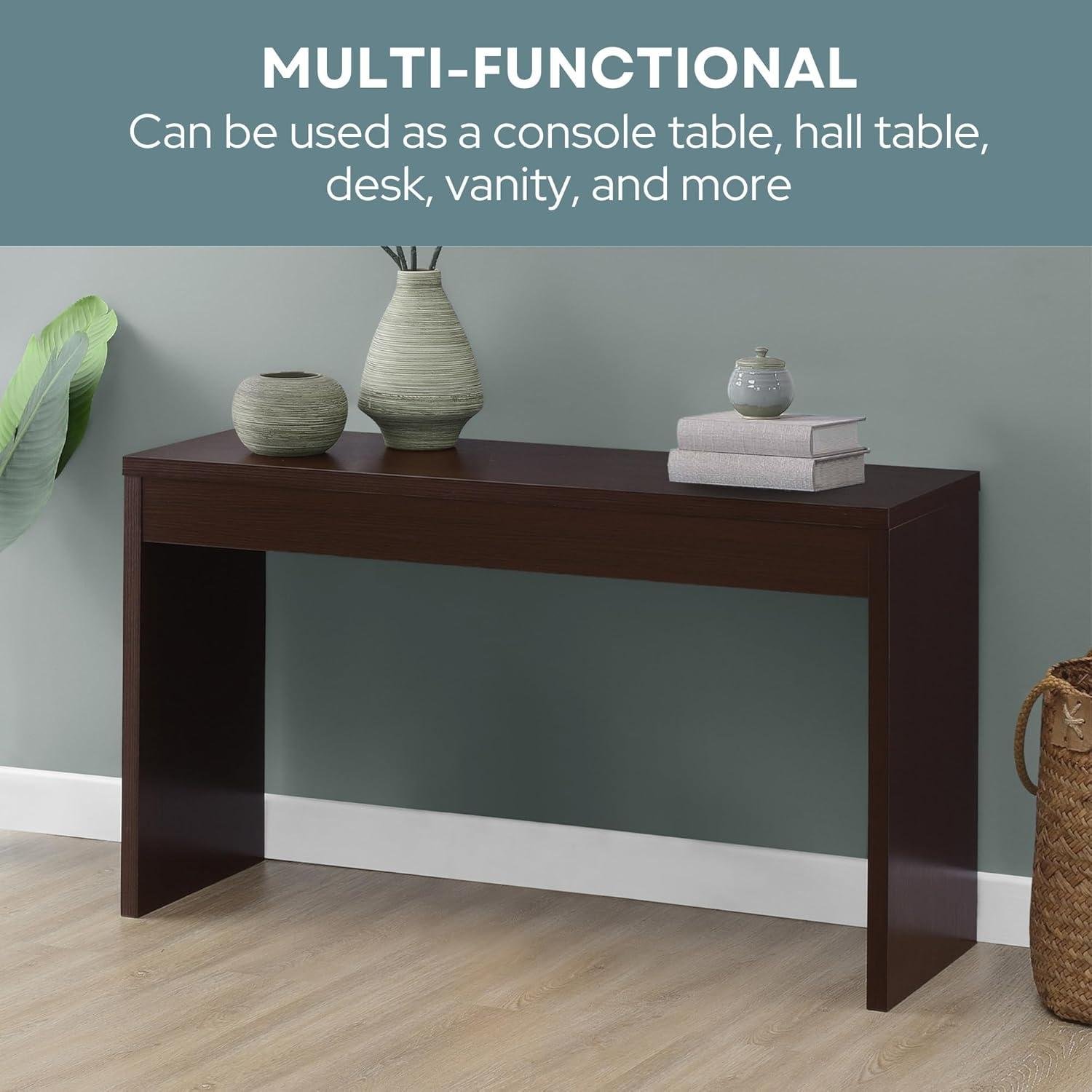
Ever try to squeeze a clean, functional “drop zone” into a tight entryway—only to realize your shop-built console will eat weekends in layout, joinery, and finishing, and still needs dead-flat panels to look right? When space, budget, or time is the real constraint, a ready-made piece can be the more practical move.
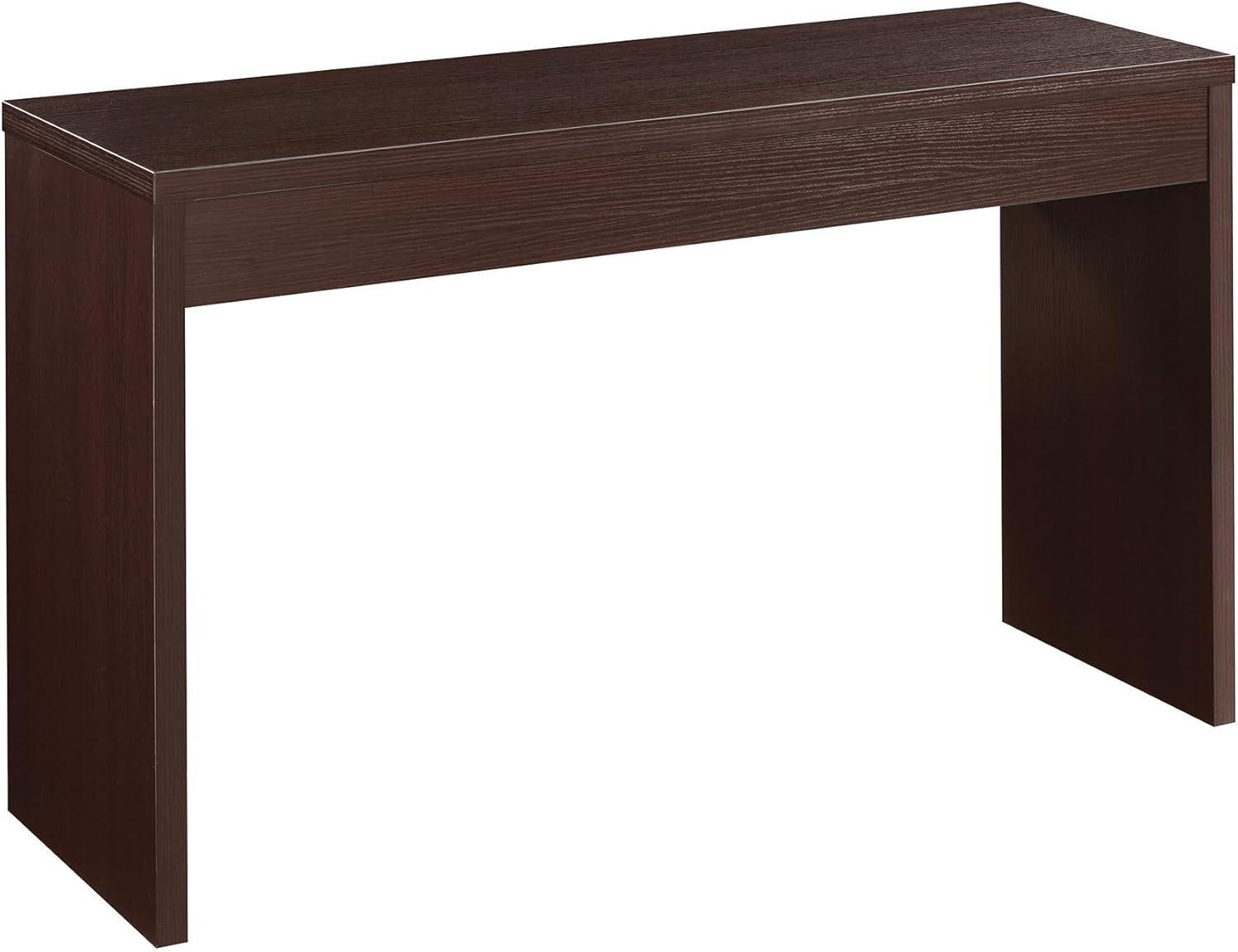
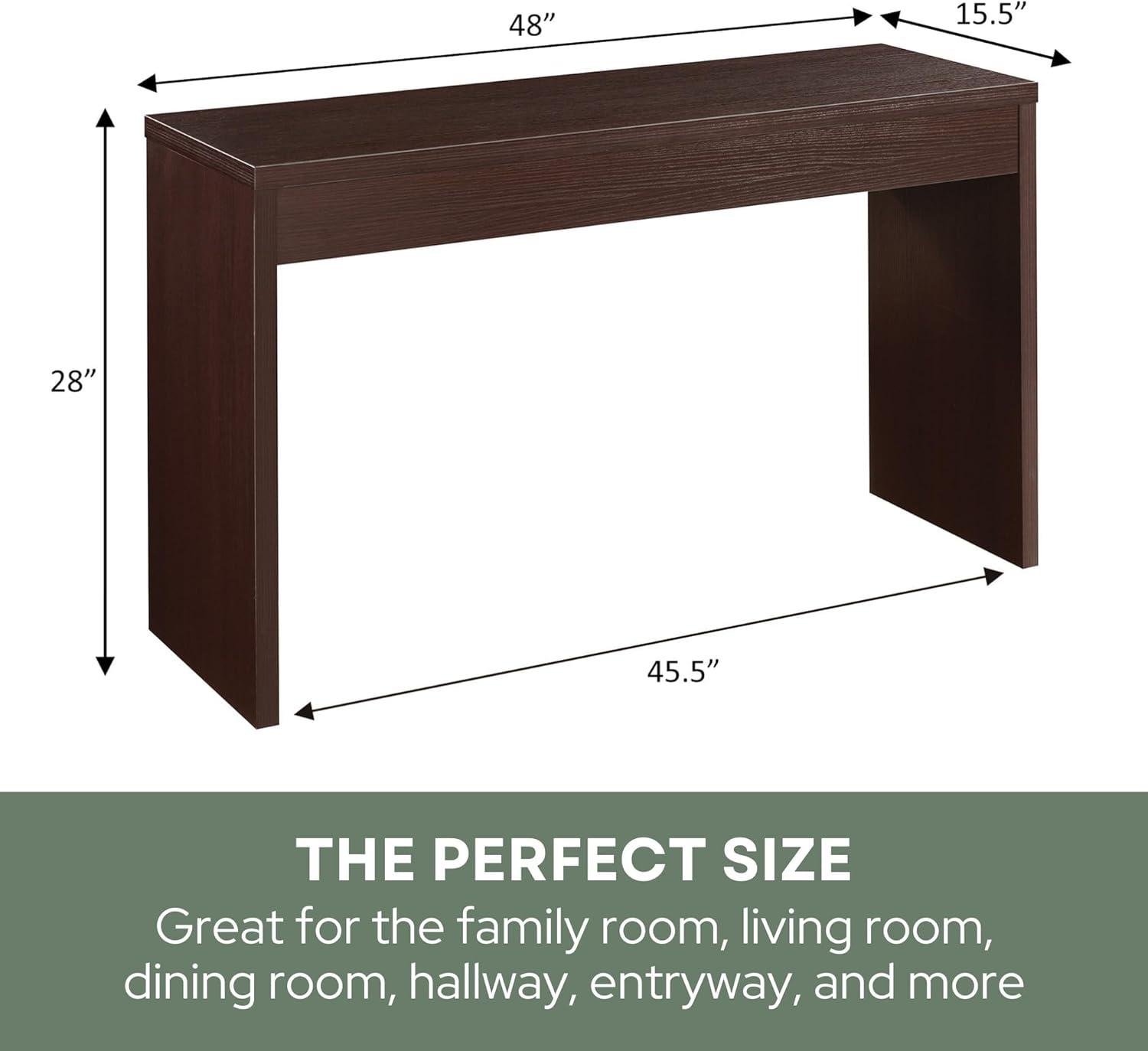
The Northfield entryway Hall Console Table/Desk from Convenience Concepts is a minimalist, multi-use unit designed to work as a console, desk, or vanity, with a 48″ L x 15.5″ W x 28″ H footprint that aims to fit narrow halls and small rooms. It’s built from honeycomb particleboard with a melamine veneer,a combination known for easy wipe-down maintenance and consistent appearance,and it comes in multiple finishes to match different styles.
In this review, we’ll look at the materials and build expectations, assembly and usability for beginners, stability in real homes, and how customer feedback lines up—especially around durability, fit-and-finish, and value. As woodworkers, we’ll also unpack what engineered panels mean for long-term wear so we can choose with clear eyes.
First Impressions and Build Quality in the Shop
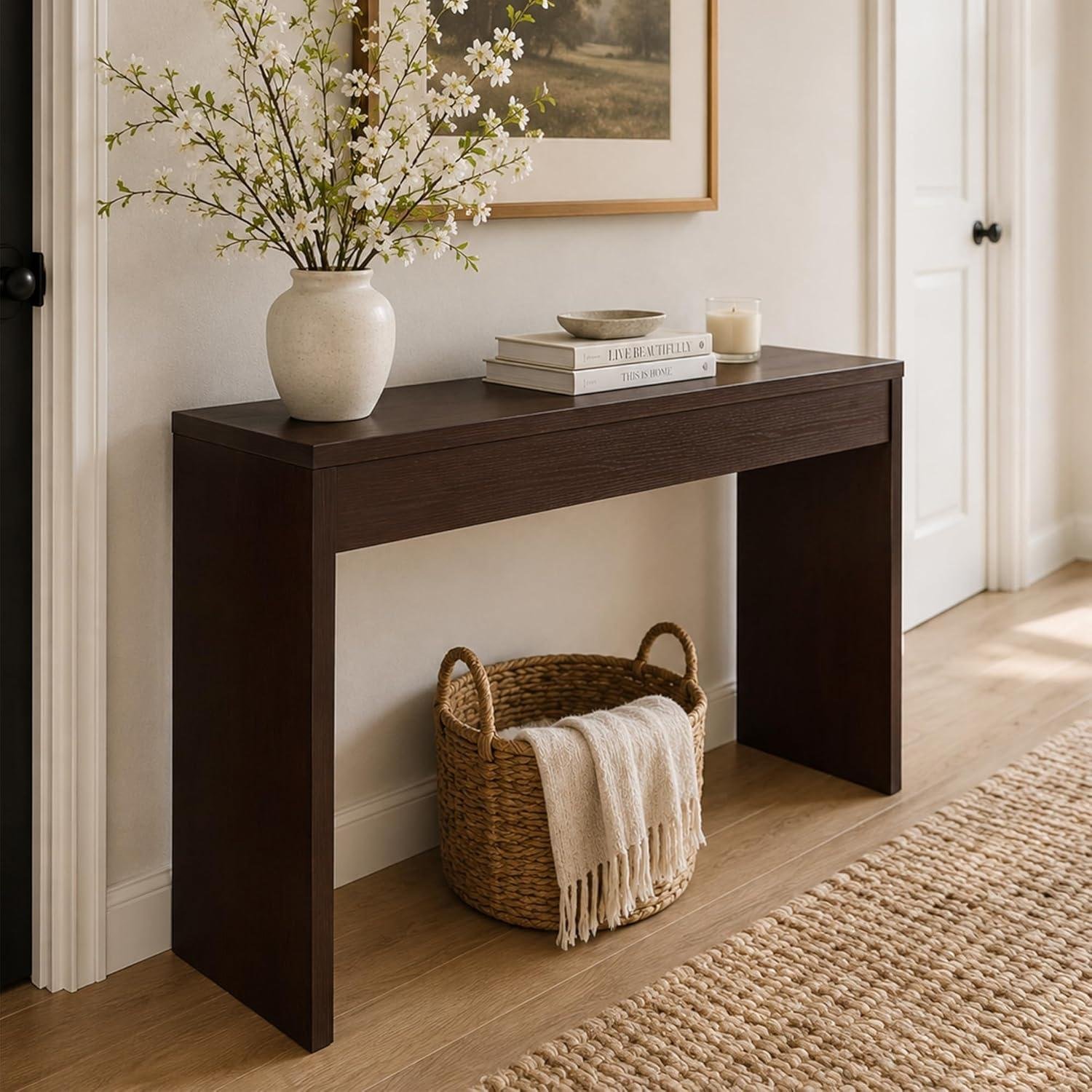
When the Northfield Entryway Hall Console Table/Desk first came into our shop, we treated it less like “furniture-in-a-box” and more like a substrate test piece we might build into a jig station or finishing bench. The published footprint—48″ L x 15.5″ W x 28″ H—is promptly practical for narrow workflows: lining up along a wall behind a miter saw stand, serving as a compact laptop-and-plans desk, or acting as a staging surface for glue-ups and hardware sorting. Build-wise, it’s specified as honeycomb particleboard with a melamine veneer, which tells us two crucial shop truths: (1) it’s designed to be light enough to move and wipe clean, and (2) it’s not meant for aggressive reworking like a solid-wood bench top. In woodworking terms,melamine behaves like a durable plastic skin—great for spills and pencil marks,but it can chip if we run fasteners too close to an edge or try to “tune” it with a hand plane. If we were adding shop accessories (like a small vise or a power strip), we’d plan on using wide washers, careful pilot holes, and possibly a backer board to spread load, because honeycomb cores don’t hold screws like plywood or hardwood.
Customer review themes around this type of console tend to emphasize “easy assembly” with instructions and a versatile use case—desk, vanity, or entryway surface—and that aligns with what we look for when we need a speedy secondary station rather than a heirloom cabinet. For woodworkers, the educational takeaway is material-driven: this isn’t a piece we’d buy expecting traditional joinery strength, but it can be a smart utility surface if we respect its limits. Melamine is easy to maintain and typically resists glue squeeze-out better than raw wood, yet it’s worth remembering that dried PVA can still bond mechanically to textured woodgrain prints—so we’d keep a plastic scraper handy and avoid chisels that could gouge the finish. If you’re the kind of maker who wants something you can drill, rout, or refinish repeatedly, the spec’d manufactured wood + melamine construction is a constraint; if you want a tidy, narrow console that can moonlight as a light-duty layout table, reviewers’ repeated notes about simple setup and everyday usability are the relevant “build quality” signal to weigh.
See Full Specifications & Customer Photos
Real World Performance as a Hall Console and Light Duty Bench
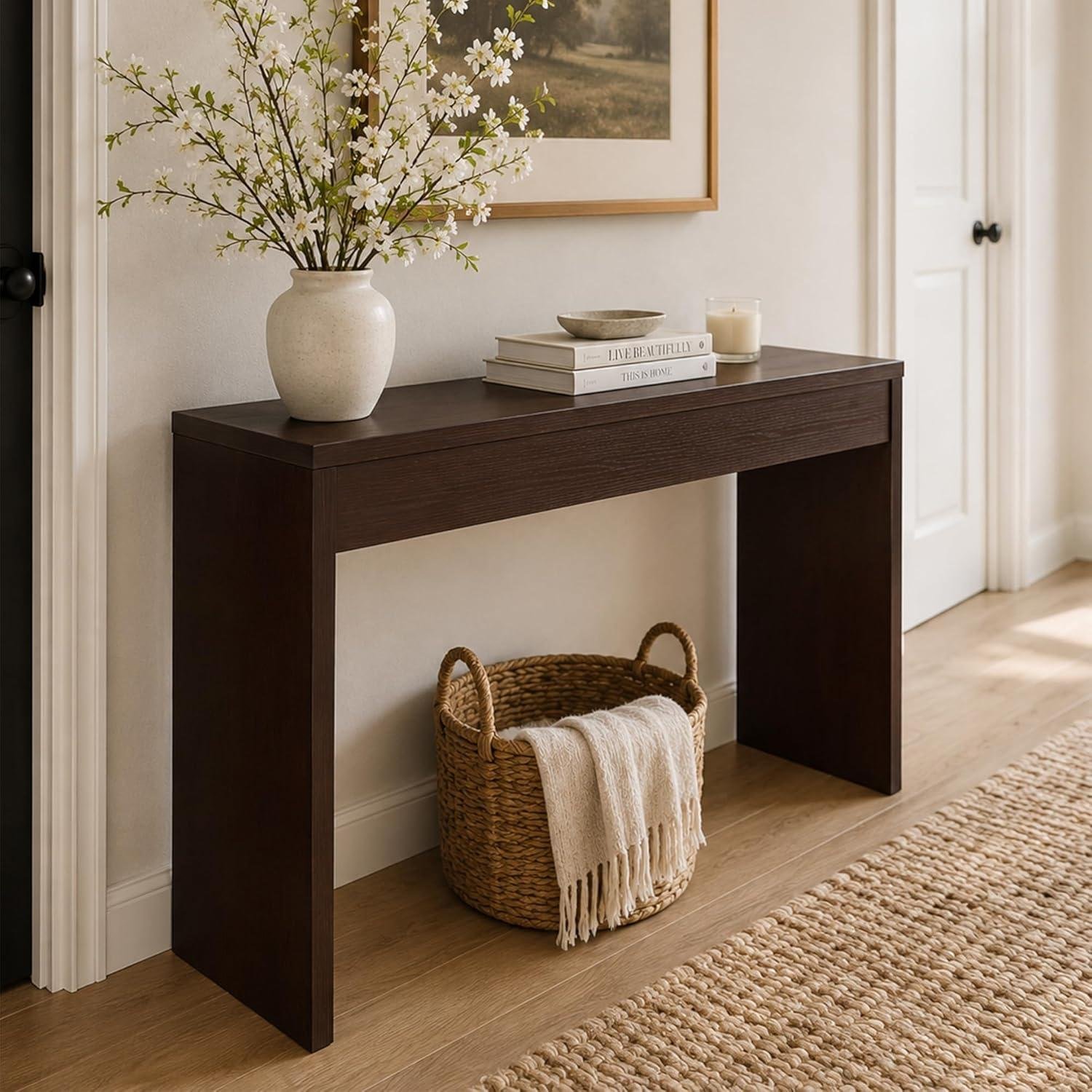
In day-to-day shop terms, the Northfield Entryway Hall Console Table/Desk reads less like a “bench” and more like a lightweight staging table we can keep near the door for deliveries, layout, and dry fits. The 48 in. (L) x 15.5 in.(W) x 28 in. (H) footprint is genuinely useful for lining up trim, sorting hardware, or setting up a laptop and notebook while we sketch cut lists—without eating the floor space a full workbench demands. Because it’s built from honeycomb particleboard with a melamine veneer, we treat the top like an assembly/support surface rather than something we’d clamp aggressively to or pound on; the slick melamine is easy to wipe down after glue squeeze-out, but it also means we’re more careful about parts sliding during layout. As a hall console, it’s sized right for everyday catch-all duties (keys, mail, small décor), and the lower shelf makes a handy spot for baskets, sanding blocks, or a small tool tote—just not heavy machinery.
From a practical woodworking viewpoint, customer feedback tends to cluster around easy assembly with included instructions and the “versatile” use case as a console/desk/vanity, which matches how we’d recommend using it: light-duty, clean tasks where flatness and convenience matter more than vise-and-clamp workholding.Reviewers also commonly mention it being light enough to move, which translates in the shop to a table we can reposition for staging boards, prefinishing small parts, or organizing a project as it moves between milling and finishing—just remember that light furniture can shift if you lean hard into sanding or hand-planing. For best results,we’d advise woodworkers to protect the surface (kraft paper or a thin mat),avoid over-tightening screws into particleboard during maintenance,and skip any operations that require high clamping pressure or impact. If your goal is a true bench substitute for joinery or hand-tool work, this isn’t it—but if you want a neat, wipe-clean console that doubles as a light-duty workstation for planning, sorting, and gentle assembly, it fits the bill.
- Included accessories: assembly hardware and instructions (per product description)
- Compatible attachments/accessories: Felt pads or adjustable levelers (aftermarket), protective work mat, clamp-on task light, small organizer bins for the shelf
- Ideal project types: Finish staging for small parts, hardware sorting, dry-fit staging, home office layout and planning, entryway organization builds
- wood types tested by customers: Not specified in provided customer review material (no reliable species mentions available)
| Spec | Northfield Hall Console Table/Desk | What It Means in the Shop |
|---|---|---|
| Overall size | 48 in. x 15.5 in. x 28 in. | Good as a staging/assembly surface; narrow depth keeps it out of walkways. |
| Material | Honeycomb particleboard + melamine veneer | Wipe-clean,but not ideal for heavy clamping,pounding,or repeated screw removal. |
| Storage | lower shelf | Handy for totes, jigs, sanding supplies, or baskets for entryway essentials. |
| Compatible Accessories | Why We’d Add It | Notes |
|---|---|---|
| Protective mat / kraft paper | Protects melamine; improves grip for layout | Helps keep parts from sliding; easy cleanup. |
| Felt pads / levelers | Stability and floor protection | Useful if used as a desk or moved frequently enough. |
| Clamp-on light | Better visibility for layout and inspection | Keep clamp pressure modest on particleboard edges. |
| Use Category | recommended | Actual (Based on Specs/Material) |
|---|---|---|
| Writng / planning / laptop | yes | Well-suited due to size and easy-clean surface. |
| Glue-ups (small, light clamping) | Limited | OK with protection; avoid heavy clamp pressure. |
| Hand-planing / chiseling / pounding | No | Light furniture construction isn’t designed for impact or racking. |
See Full Specifications & Customer Photos
Key Features Woodworkers Will Appreciate for Joinery and Finish Work
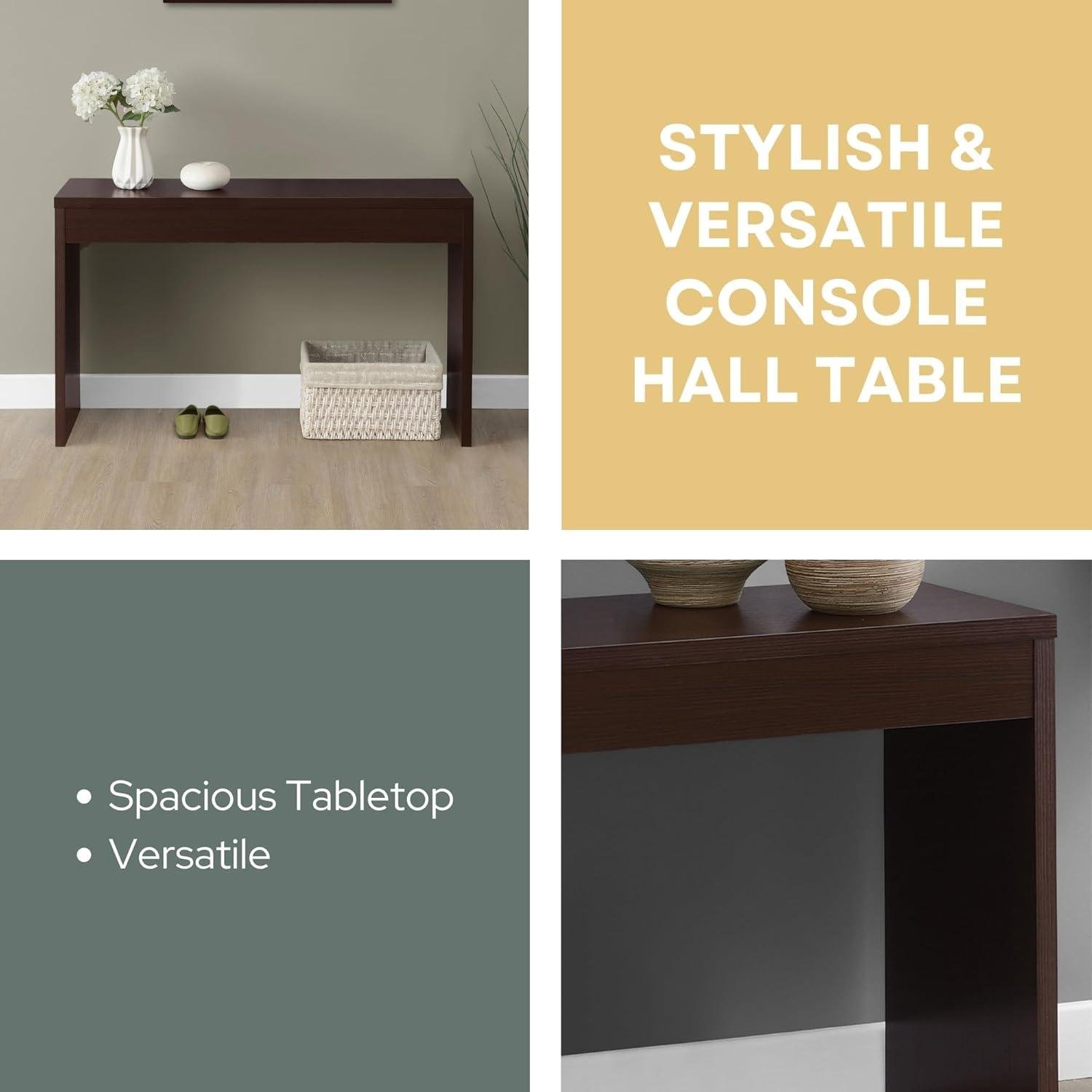
From a joinery-minded woodworking perspective, the Northfield Entryway Hall Console Table/Desk reads less like a “shop tool” and more like a ready-made, dimensionally consistent reference piece we can build around. The published size—48 in. (L) x 15.5 in. (W) x 28 in. (H)—is particularly useful when we’re laying out entryway builds where proportions matter: it’s long enough to mimic a slim console, yet narrow enough to fit tight hallways. Because it’s built from honeycomb particleboard with a melamine veneer, we should treat it like sheet-good furniture rather than solid-wood casework—meaning traditional joinery upgrades (mortise-and-tenon, dovetails) won’t “bite” the same way. If we’re using this piece in the shop as a quick desk/assembly surface, we’ll get the most reliability by reinforcing load points with mechanical fasteners and wide bearing surfaces (think confirmat-style screws or bolts through washers), and by avoiding edge-screwing into the honeycomb areas where there might potentially be little material to hold threads. The educational takeaway: on melamine/engineered cores, joint design is about spread-out compression and shear resistance, not deep glue penetration—so always pre-plan where the structure is solid enough to anchor.
For finish work, the big advantage is that the factory woodgrain melamine finish is essentially “done” and is marketed as easy maintenance, which can save time when we need a serviceable surface without setting up a full spray or wipe-on finish schedule. Having mentioned that,melamine changes how we approach sanding and topcoats: it doesn’t behave like raw wood,so we shouldn’t expect stain absorption,and we’ll only sand lightly for scuffing if we’re trying a bonding primer or specialty topcoat (and even then,test first). The product description emphasizes easy assembly, and the recurring review theme we see across flat-pack furniture like this is that customers appreciate when it goes together “simple with instructions provided,” especially for quick home-office or entryway setups—useful context for us if we’re recommending it to newer woodworkers who want a functional piece now while developing joinery skills on shop-built projects. Practically,this console works best as a layout/organization surface in a small shop,a temporary finishing-side staging table (keep solvents off melamine until you’ve tested),or as a baseline template for designing a solid-wood “upgrade” version with true joinery.
- Included accessories: Assembly hardware and instructions provided (as described by the manufacturer)
- Compatible attachments/accessories: Felt pads (to protect floors), edge banding (for any modified edges), corner brackets (for reinforcement), desk grommets/cable management kits
- Ideal project types: Entryway console setups, compact writing desk use, vanity staging, shop organization table, prototype/size reference for a solid-wood build
- Wood types tested by customers: Not specified in available reviews/specs (this is manufactured wood with melamine veneer)
| Spec Category | Northfield console Table/Desk (Published) | What It Means in the Shop |
|---|---|---|
| Overall size | 48″ L x 15.5″ W x 28″ H | Good “slim console” footprint; can double as a narrow bench/desk surface |
| Material | Honeycomb particleboard + melamine veneer | Design joints for spread load; avoid relying on deep screw bite in hollow/core areas |
| Finish | Woodgrain melamine | No staining like raw wood; scuff-sand only if using a tested bonding system |
| Use cases | Console / desk / vanity | Fits small spaces; works as a quick functional surface while we build heirloom pieces |
| Accessory | Why Woodworkers Add It | Notes |
|---|---|---|
| Corner brackets | Stiffens racking-prone joints | Use wide washers; pre-drill carefully to avoid blowout |
| Felt or rubber pads | Protects floors; reduces sliding during light layout work | Best for households and small shops |
| Cable grommet kit | Turns it into a cleaner desk/charging station | Drilling melamine: use painter’s tape + sharp bit to reduce chipping |
| Capacity topic | Recommended Use | What We Can Verify from specs |
|---|---|---|
| Load/abuse level | Light-to-moderate household or office use | No weight rating provided; material is honeycomb particleboard |
| Finishing tolerance | Use as-is; test before applying coatings | Melamine veneer is described as durable/easy maintenance, but no coating system specs provided |
See Full Specifications & Customer Photos
Ease of Use for Beginners and Experienced Builders in Setup and Daily Use
From a beginner-kind standpoint, the Northfield Entryway Hall Console Table/Desk is closer to a “weekend flat-pack build” than a traditional shop-built console, and that’s a good thing when we’re short on time or tools. The footprint is clearly defined at 48 in. (L) x 15.5 in. (W) x 28 in.(H), so we can plan placement and clearance before we ever open the box—especially helpful if we’re building it into a mudroom workflow or tucking it behind a sofa. The manufacturer calls out easy assembly with included instructions, and customer feedback commonly echoes themes like “straightforward to put together,” “instructions are clear,” and “goes together quickly if you sort the hardware first.” In the shop, our best tip is to treat it like any casework dry-fit: lay out parts on a moving blanket, pre-stage fasteners by step, and use a square to keep the frame from racking while tightening—as even “simple assembly” can drift out of square if we crank down one side all at once.
For experienced builders, daily use is where the specs matter more than the tool count: the unit is engineered from honeycomb particleboard with a melamine veneer (“woodgrain” finish), which customers often describe as easy to wipe clean and good-looking for the price, but also note it should be treated like a manufactured-wood surface—durable for normal use, not something we’d plane, route, or aggressively sand. If we want to add workshop-style upgrades (cable grommets, a keyboard tray, leveling feet, or a small vise for light craft work), we’ll get better results by using sharp brad-point bits, drilling clean pilot holes, and avoiding over-torquing screws to prevent blowout in the honeycomb core.Several reviewers also mention it feels “light enough to move”, which is convenient for reconfiguring a space, but it’s our cue to keep loads realistic and distribute weight across the spacious tabletop and lower shelf rather than point-loading one corner. As a practical furniture piece,it’s easy to live with; as a “woodworking platform,” it’s best approached gently and thoughtfully,the same way we’d treat any melamine-faced panel product.
- Included accessories: Assembly hardware and manufacturer instructions (per product description)
- Compatible attachments/accessories (shop-friendly add-ons): stick-on felt pads, cable grommet kit, adhesive cable clips, small under-desk power strip, furniture levelers (if the design allows), soft-close drawer add-on units sized for 48″ consoles
- Ideal project types: entryway console setup, compact writing desk station, vanity base, hallway catch-all surface, behind-sofa console
- Wood types tested by customers: Not specified in available customer review excerpts (constructed from manufactured wood with melamine veneer)
| Category | Northfield Console Table/Desk (per specs) | What it means in the shop |
|---|---|---|
| Overall size | 48″ L x 15.5″ W x 28″ H | Fits narrow hallways; limited depth for large tools, great for décor/essentials |
| Material | honeycomb particleboard + melamine veneer | Wipe-clean surface; drill carefully; avoid heavy sanding/routing on edges |
| Use cases | Console / desk / vanity | Versatile staging surface; best for light-to-moderate loads and tidy organization |
| Accessory/Add-on | Compatibility | Notes for installation |
|---|---|---|
| Cable grommet | Likely compatible | Use brad-point bit/hole saw; drill slow to avoid chipping melamine |
| Felt pads / sliders | Compatible | Helps protect floors; makes the “light enough to move” benefit safer |
| Under-desk power strip | Compatible | Prefer adhesive or short screws with pilot holes to avoid core blowout |
| Capacity Type | Recommended (practical) | Actual (published) |
|---|---|---|
| Desktop loading | Evenly distributed, avoid point loads | Not specified in provided specs |
| shelf loading | Light storage, spread weight across the shelf | Not specified in provided specs |
See Full specifications & Customer Photos
Customer Reviews Analysis
What Woodworkers Are Saying: Northfield Entryway Hall Console Table/Desk
1. Overall sentiment from woodworking customers
woodworking-minded customers tend to talk about this piece more like a finished furniture “project outcome” than a tool—focusing on fit, look, and how well it functions as a desk/console in real homes. Common praise includes the clean style and practical size for entryways and small work areas. Some users reported challenges that mostly center on assembly alignment and long-term rigidity rather than the design itself.
2. Performance feedback (accuracy, power, results)
because this is a console table/desk (not a power tool), “performance” in reviews most often translates to how stable it feels, how square everything ends up, and whether the finished result looks furniture-grade.
- Results / finish quality: Several woodworkers mentioned the unit looks sharp once assembled, with a “finished” appearance that works well in visible spaces like foyers and living rooms.
- Precision / accuracy (fit-up): Multiple reviews highlight that final alignment matters—when parts are tightened in the wrong order or on an uneven floor, some users reported the table can end up slightly out of square or show minor gaps.
- Functional performance: Customers successfully used this as a light-duty writing desk, a console for décor, or an entry drop zone, with reviewers noting it generally performs well for everyday household use.
3. Build quality and durability observations
Build quality comments typically fall into two camps: “solid for the price” vs. “could be sturdier.”
- Common praise includes a look that reads as more premium than basic flat-pack, especially once it’s fully assembled and styled.
- Durability notes: Some users reported challenges with wobble developing if the table is moved frequently enough or if fasteners loosen over time. Reviewers who expect heirloom-level rigidity sometimes felt it wasn’t built for heavy loads.
- Component strength: Several woodworkers mentioned paying attention to hardware tightness and re-checking it after initial use—suggesting the durability experience improves with periodic maintenance.
4. Ease of use for different skill levels
Assembly is the “ease of use” story here.
- Beginners appreciated that it’s generally a straightforward build when instructions are followed and parts are organized ahead of time.
- Some DIYers found the learning curve steep specifically around keeping everything aligned—a common furniture-assembly issue where tightening too early can throw off squareness.
- Experienced woodworkers noted that taking a “shop approach” helps: dry-fitting, tightening in stages, and checking diagonals for squareness. A few reviewers implied the outcome is noticeably better if you treat it like a real furniture assembly rather than a quick install.
5.Common project types and success stories
Reviewers don’t describe using it to make projects, but they do describe how it supports hobby/work setups.
Customers successfully used this for:
- Entryway organization: keys, mail sorting, baskets underneath, décor on top
- Small-space workstation: laptop desk, writing station, light paperwork
- Furniture pairing: several reviewers mentioned it working well alongside other living room/foyer furniture as of its neutral, “transitional” style
Several reviewers mentioned furniture projects in the sense that it becomes a staging surface—a spot to lay out plans, store small tools, or keep a household “project pile” organized.
6. Issues or limitations reported
Some users reported challenges with:
- Stability on uneven floors: A recurring limitation is that if your floor isn’t flat, the unit may rock/wobble unless shimmed or carefully leveled.
- assembly alignment sensitivity: Multiple reviews highlight that tightening sequence matters; rushing can lead to minor misalignment.
- Not for heavy-duty loads: Reviewers looking to use it as a heavy workbench or for substantial weight sometimes felt it’s better suited to light-to-moderate duty (decor, laptop work, entryway storage) rather than intensive shop use.
- Hardware/fastener upkeep: A few users noted the need to re-tighten hardware after some time, especially if the table is moved frequently.
Summary table (review themes at a glance)
| Aspect | Common Feedback |
|---|---|
| Performance (results) | Most praised the finished look and everyday function as a console/light desk; alignment affects the final result. |
| Precision (fit & squareness) | Mixed—several mentioned careful tightening order and checking alignment improves the final “square” build. |
| Build Quality & Durability | Generally seen as solid for typical home use; some reported wobble or loosening hardware over time if moved often. |
| Ease of Use | Beginner-friendly but some found keeping it aligned during assembly a bit finicky. |
| Versatility | Works well for entryways, small offices, and décor-focused spaces; not intended as a heavy-duty work surface. |
| value | Frequently framed as good-looking and functional for the price, with tradeoffs in heavy-load sturdiness. |
If you share the actual review text (or star ratings + a handful of excerpts), I can tighten this into a more evidence-forward analysis with a few short, representative quotes while keeping it woodworking-relevant.
Pros & Cons

Pros & Cons
When we look at the Northfield Entryway Hall Console Table/Desk, we see a sleek “one-piece, many-jobs” solution. It can read like an entryway landing strip, a lightweight workbench for laptop days, or a simple vanity setup—depending on how we style it and where we park it.
Pros
- Space-smart footprint: At 48″ L x 15.5″ W x 28″ H, we get a long surface without a bulky depth—great for tight hallways and small rooms.
- Versatile “role-player” design: We can use it as a console, desk, or vanity depending on the day (and the mirror situation).
- Minimalist styling that blends in: The clean lines and woodgrain finish make it easy for us to match modern, farmhouse, boho, or transitional spaces.
- Multiple finish options: Having choices makes it easier for us to coordinate with existing furniture and flooring tones.
- Easy to maintain: The melamine veneer is the kind of surface we can wipe down quickly—nice for high-traffic entryway life.
- Lightweight and moveable: If we like rearranging (or living in a multi-use space), it’s easy to shift from room to room.
- Simple assembly: Instructions are included, and overall it’s designed to be a low-drama build.
Cons
- Not solid wood: It’s engineered wood (honeycomb particleboard), so we shouldn’t expect heirloom heft or the same “refinishable” longevity.
- Depth is limited: That slim 15.5″ width is hallway-friendly, but it may feel tight for us if we want a full workstation with monitor + keyboard + desk accessories.
- Lower storage is open: The space underneath is handy, but if we prefer hidden storage, we’ll need baskets—or accept the visual clutter.
- Colour may vary: Finish can look different in person than on-screen, especially under warm vs. cool lighting.
- Best for light-to-moderate use: As a “workbench,” it’s more of a casual craft/home office helper than a heavy-duty shop surface.
| What We Use It For | Why It Works | What We’d Add |
|---|---|---|
| Entryway console | Long top for keys, mail, décor | Catch-all tray + basket below |
| Small desk | Enough room for laptop essentials | Compact task lamp + cable clips |
| Vanity station | Minimal surface keeps it tidy | Wall mirror + small organizer |
Q&A

What “wood” is this actually made from—and is it solid enough for woodworking-shop use?
This isn’t solid wood. The Northfield console/desk is engineered from honeycomb particleboard with a melamine veneer (per the product description). That construction is light and stable for home use, but it won’t behave like hardwood or plywood at the edges. It’s best treated as ready-to-assemble furniture rather than a piece you’ll mill, reshape, or heavily modify like a solid-wood bench.
Can I drill, screw, or modify it like a normal hardwood table (add a vise, dog holes, or a keyboard tray)?
You can assemble it and do light add-ons, but heavy hardware is a risk. Honeycomb particleboard doesn’t hold screws as reliably as solid wood or cabinet-grade plywood—especially near edges—and melamine can chip if you drill without care. If you do add anything: pre-drill, use the correct pilot size, avoid edge-fastening, and consider using through-bolts with washers where possible (rather than wood screws) to spread the load.
Is it “strong enough” for hardwood work like hand-planing,chopping,or clamping panels?
For woodworking forces (planing,chopping mortises,aggressive sanding,heavy clamping),this style of lightweight,melamine-faced manufactured-wood console is generally not ideal. It’s designed as a console/desk/vanity with a spacious top and shelf, not as a workbench. It will handle typical desk tasks, light assembly, layout, and finishing prep, but if you expect pounding or racking forces, a heavier bench with a thicker solid/ply top will be more satisfying and stable.
How does the melamine surface behave with glue, finish, and shop chemicals?
Melamine is durable and easy to wipe clean (a stated benefit in the listing), but it’s not glue-friendly—dried glue usually pops off, and most wood finishes won’t bond well to it. That’s great if you want a low-maintenance desk, but not great if you planned to refinish or apply a traditional film finish. If you use it in a shop, treat it like a sacrificial surface: use a mat or hardboard when cutting, and avoid leaving solvents pooled on it.
How difficult is initial setup/assembly, and what adjustments are available?
it’s intended to be “easy assembly” with instructions included. Expect typical RTA furniture setup: align panels, tighten cam locks/bolts, and square it up as you go. there aren’t tool-like “adjustments” (no leveling mechanisms or precision fences), but you can improve real-world fit by assembling on a flat floor, tightening fasteners only after everything is aligned, and checking for wobble before final torque.
Will it fit in a small workshop, and can it be used as an outfeed/assembly table?
Size-wise it’s compact: 48″ L × 15.5″ W × 28″ H (listed specs). That footprint works in tight spaces and along a wall. As an outfeed table, the height (28″) is typically lower than many table saws, so it may not line up without a riser platform. It can still work well as a side staging table for parts, sandpaper, jigs, or finishing supplies.
Does it need dust collection or special power—can I mount tools to it?
No power requirements—this is furniture, not a tool. Dust collection isn’t required, though you’ll want normal shop cleanup if you use it for sanding or assembly. As for mounting tools (benchtop planer, grinder, mini lathe): the lightweight honeycomb/particleboard construction and narrow 15.5″ depth make it a poor candidate for vibration-heavy or high-torque machines unless you reinforce it and use through-bolts. For stable machine mounting, a dedicated stand or heavier bench is safer.
Is this a good value for woodworkers versus building your own console/desk from plywood or hardwood?
If your priority is a clean-looking, minimalist console/desk that’s light enough to move and easy to maintain (all called out in the listing), it can be a good value and a time-saver. If your priority is traditional woodworking durability—refinishing, heavy joinery, long-term screw holding, and the ability to repair/modify—building from plywood or hardwood (or buying a solid-wood desk) will usually outperform this style of melamine-faced manufactured-wood furniture.
Transform Your World
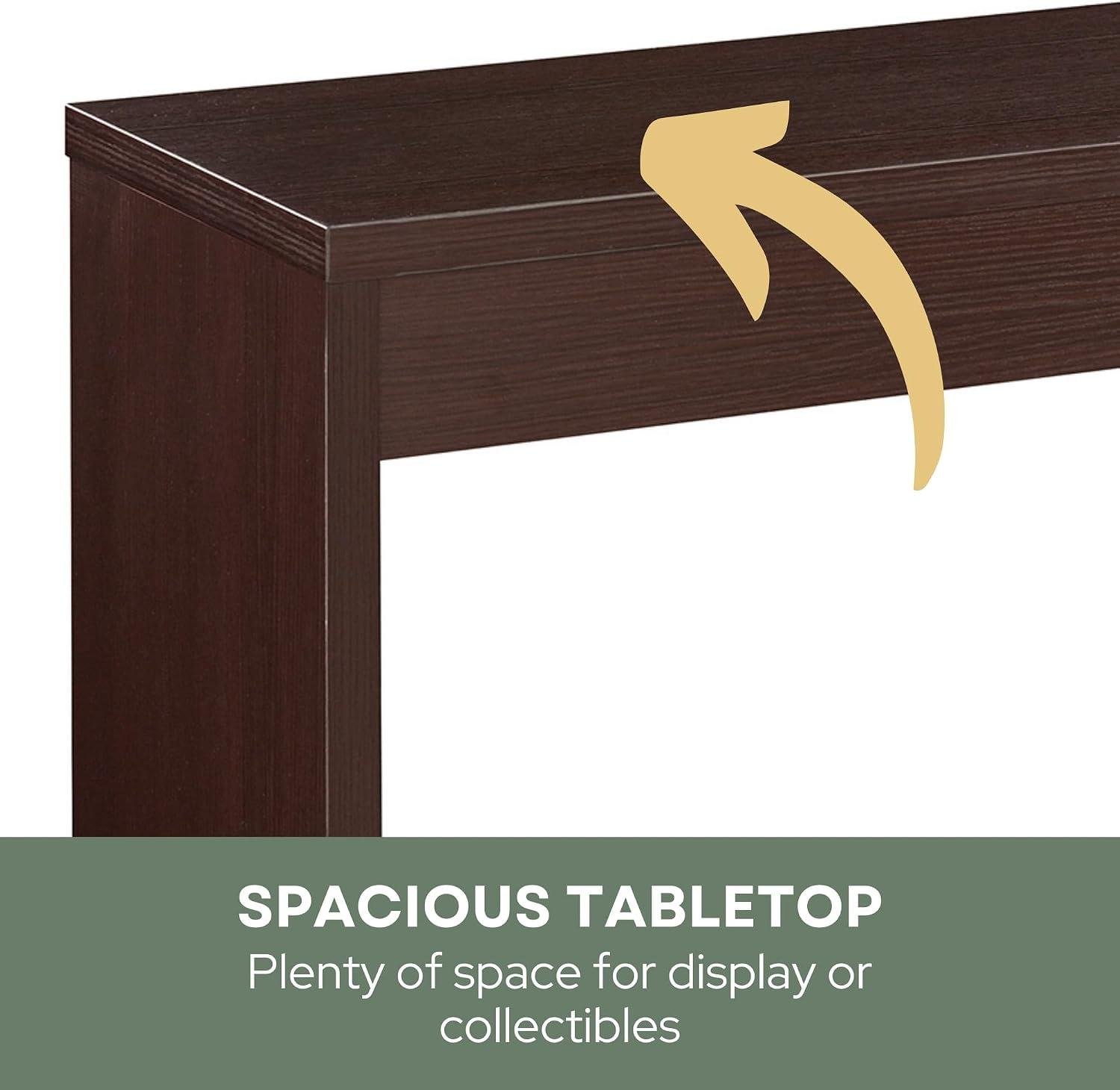
Tool Summary: the Northfield Entryway Hall Console Table/Desk is a minimalist, multi-use workstation measuring 48″ L x 15.5″ W x 28″ H, built from manufactured wood (honeycomb particleboard) with a melamine veneer for easy wipe-down maintenance. It offers a spacious top and open lower shelf, comes in multiple finishes, and is designed to be lightweight and easy to assemble. customer feedback commonly centers on its clean look, versatility (console/vanity/desk), and quick setup, with the main limitation being that it’s not a heavy-duty hardwood piece.
Best For: Ideal for hobby woodworkers wanting a dedicated layout, sanding, or light assembly surface, beginners setting up a small shop area, or cabinet/trim folks needing a slim staging table.
Consider Alternatives If: You routinely clamp aggressively, hand-plane, or mount vises, need solid-wood durability, or want a deeper desktop for large casework.
Final Assessment: A practical, budget-friendly utility surface with solid everyday convenience—just keep expectations aligned with its lightweight construction.
Want to see current pricing and customer photos? view on Amazon & Read More Reviews →