

Blog
My Take on the FURINNO Tioman Planter Bench


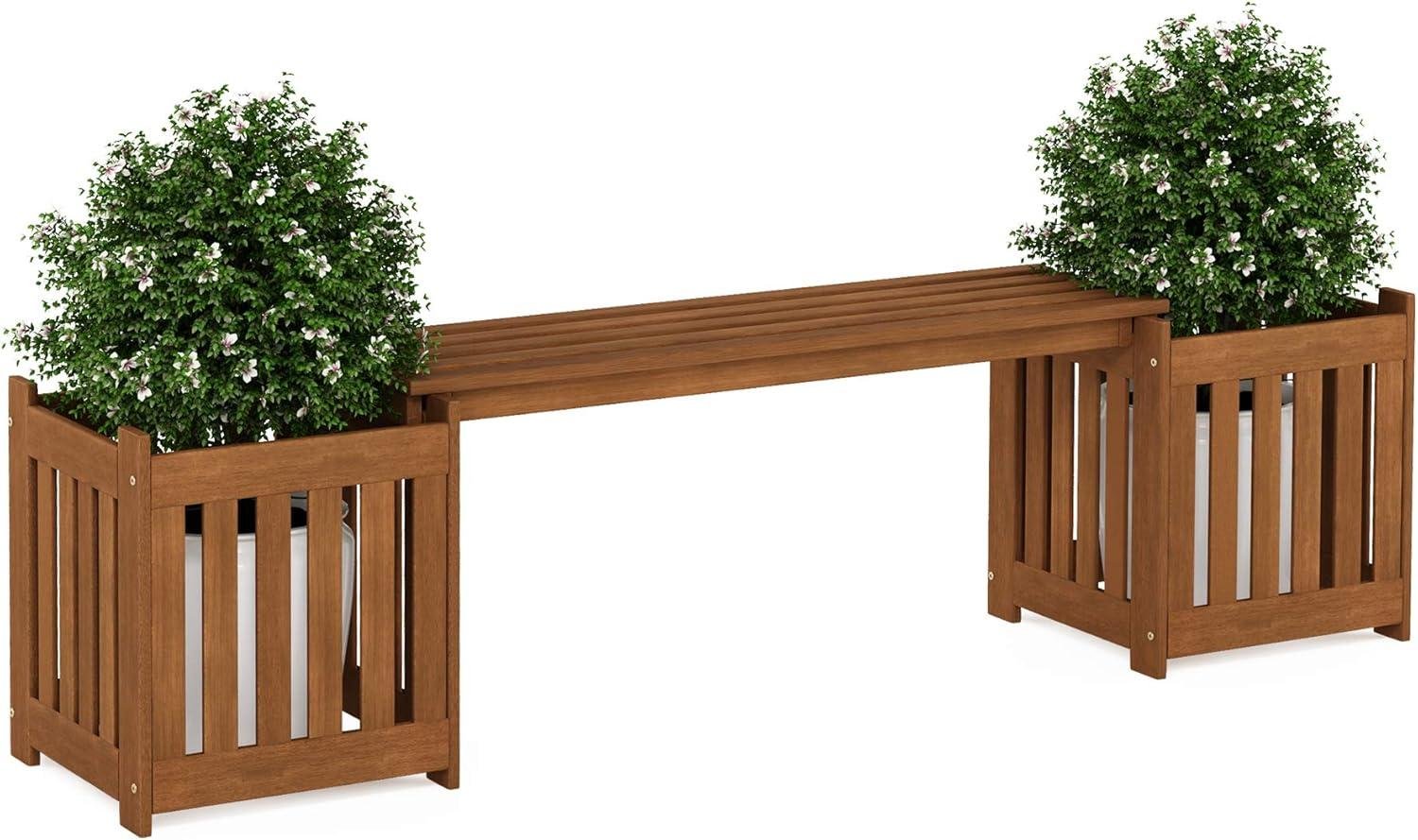
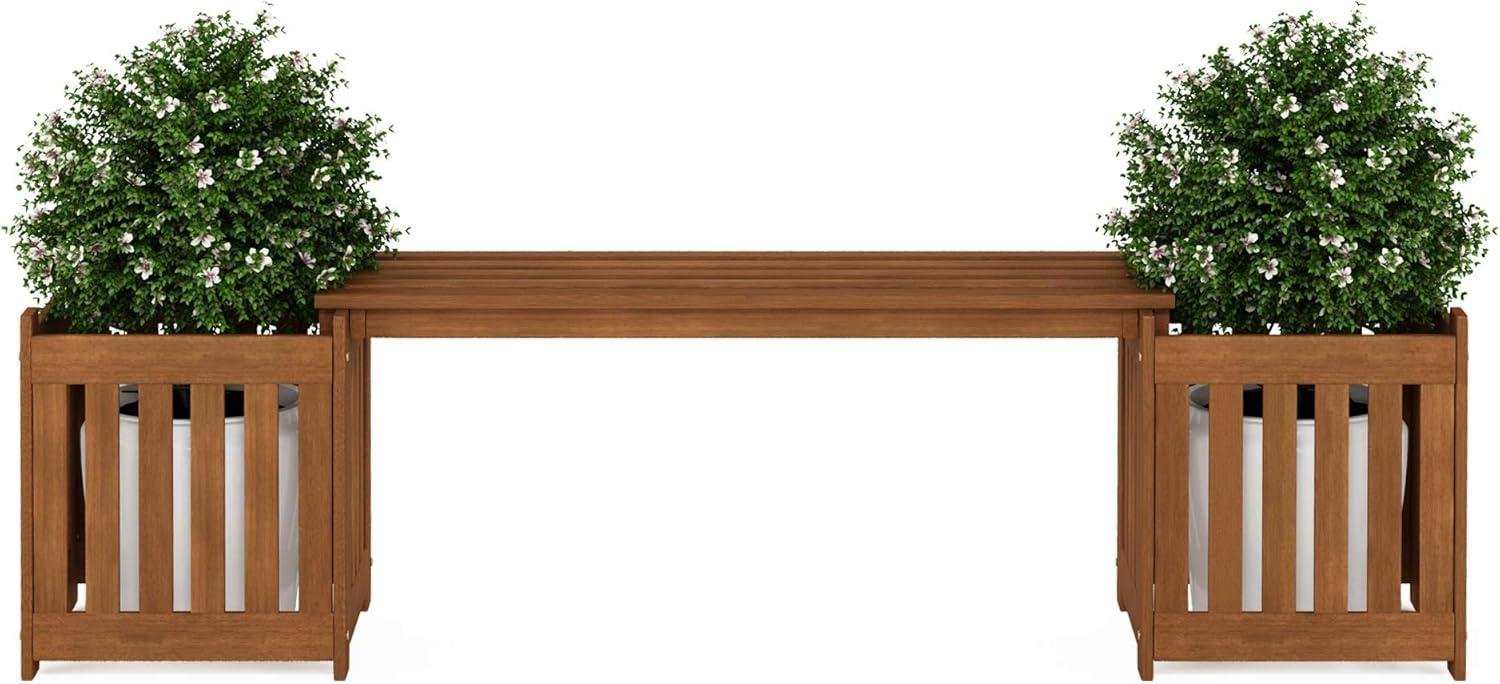
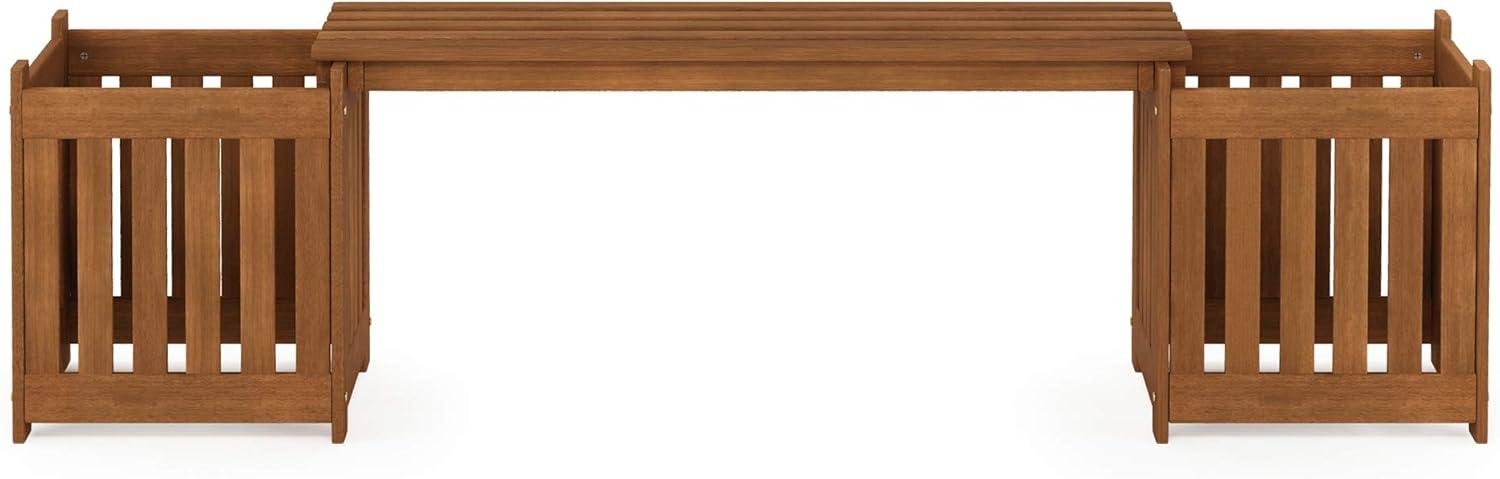
There’s a certain kind of outdoor piece that promptly catches my eye—not because it’s flashy, but because it tries to do something clever with wood. The FURINNO FG19455 Tioman Hardwood Outdoor Lifestyle Flowerbox with Bench (Natural) landed on my radar for exactly that reason: it’s a simple 2‑in‑1 idea executed in solid hardwood—two planter boxes acting as the “legs,” with a seat spanning between them—so you get greenery and seating in one compact footprint.
As a woodworker and someone who spends a lot of time tweaking my patio setup, I was drawn to the material choice first. This set is made from Malaysian dark red Meranti,and it comes treated with a teak-oil finish. On paper, that combination promises two things I care about: attractive grain with warmth and depth, and a finish that’s meant to handle outdoor life a bit more gracefully than bare wood. I liked the natural look right away—Meranti has that subtle ribboning and color variation that reads “real wood” from across the yard, not plastic pretending to be timber.
I assembled this Tioman planter bench on my own patio, and I’ll be honest: I went into it with my usual checklist—how clean are the cut edges, do the panels sit square, are the fasteners decent, and does the whole thing feel tight once it’s cinched down? A piece like this lives or dies on the basics: straight slat panels, reinforced corners that don’t rack, and a seat that doesn’t flex or wobble when two people use it. After putting it together and living with it through daily coffee breaks and a few evenings outside, I’ve gotten a good feel for where the craftsmanship shines and where you’ll want to temper expectations for the price point.
In this review on CraftedByGrain.com, I’ll walk you through what I noticed in the wood quality and grain, the joinery and hardware choices, how the teak-oil finish has held up to sun and watering, and whether the “simple assembly” claim matches real life. If you’re looking for a small-space patio piece that adds both seating and planting room—without giving up that honest hardwood feel—this one’s worth a closer look.
From Unboxing to First Impressions of the Tioman Flowerbox Bench
Feature at a glance
What I saw / why it matters
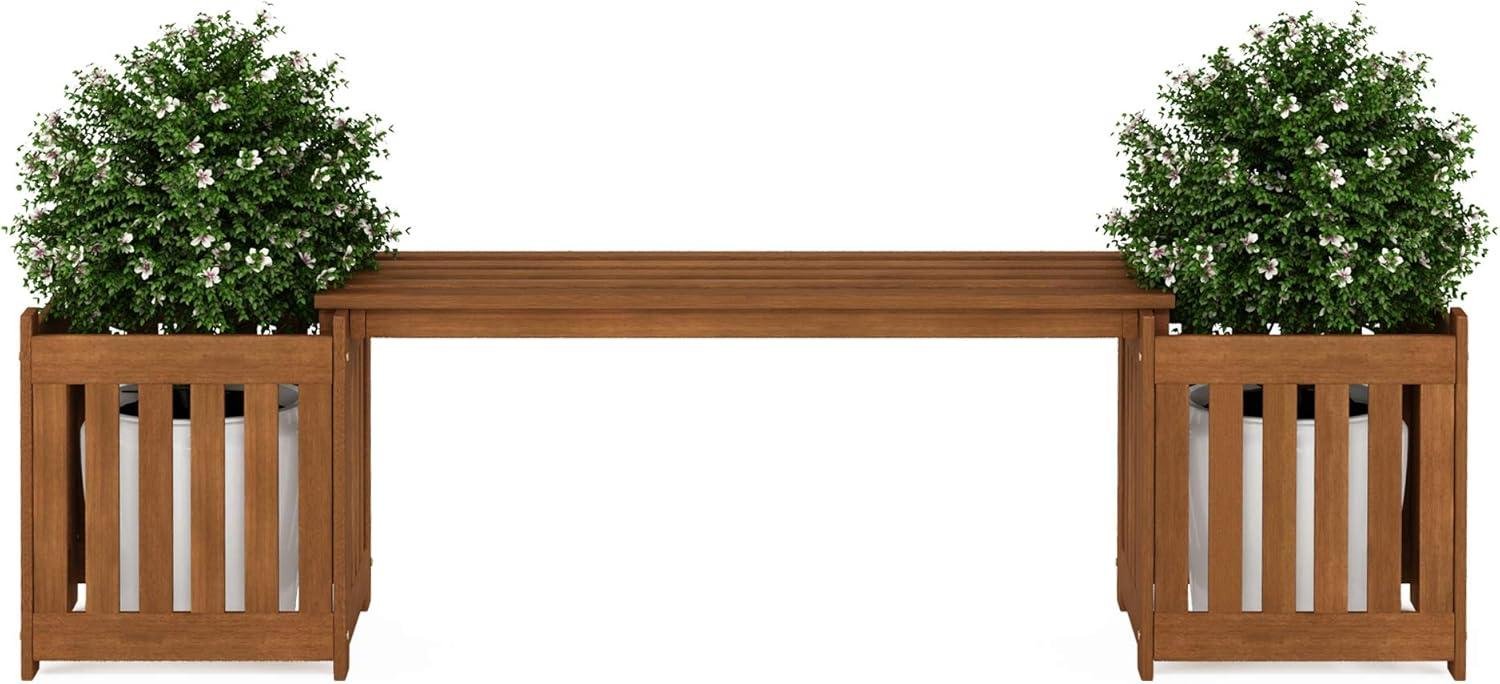
Assembly was straightforward—hardware and an illustrated manual are included—and the structure made sense from a woodworker’s viewpoint: thick slats captured by corner posts create a box that resists racking, and the bench spans cleanly between the planters without feeling spongy.Once I cinched everything down, it sat wobble-free on a flat surface and felt appropriate for casual lounging (the manufacturer notes it can hold two people). For outdoor durability, Meranti’s big enemy is UV and moisture cycling; the oil treatment is a good start, but I’d still maintain it like any hardwood patio piece—keep it out of standing water, re-oil seasonally in harsh climates, and consider a breathable cover during long wet stretches. If the compact footprint and planter-and-seat combo fits your space,it’s a clever way to add greenery and usable seating in one go:
- Best first impression: natural grain looks honest and outdoorsy—more “garden furniture” than “mass-market plastic.”
- What I’d watch: end grain drink-up at the slat ends; that’s where extra oil attention pays off.
- Ideal placement: porch, balcony, entryway, or along a garden path where the planters can frame a view.
Check current price & availability
The hardwood and Natural Finish Up Close in My Backyard
What I’m inspecting
What I saw up close
Why it matters outdoors
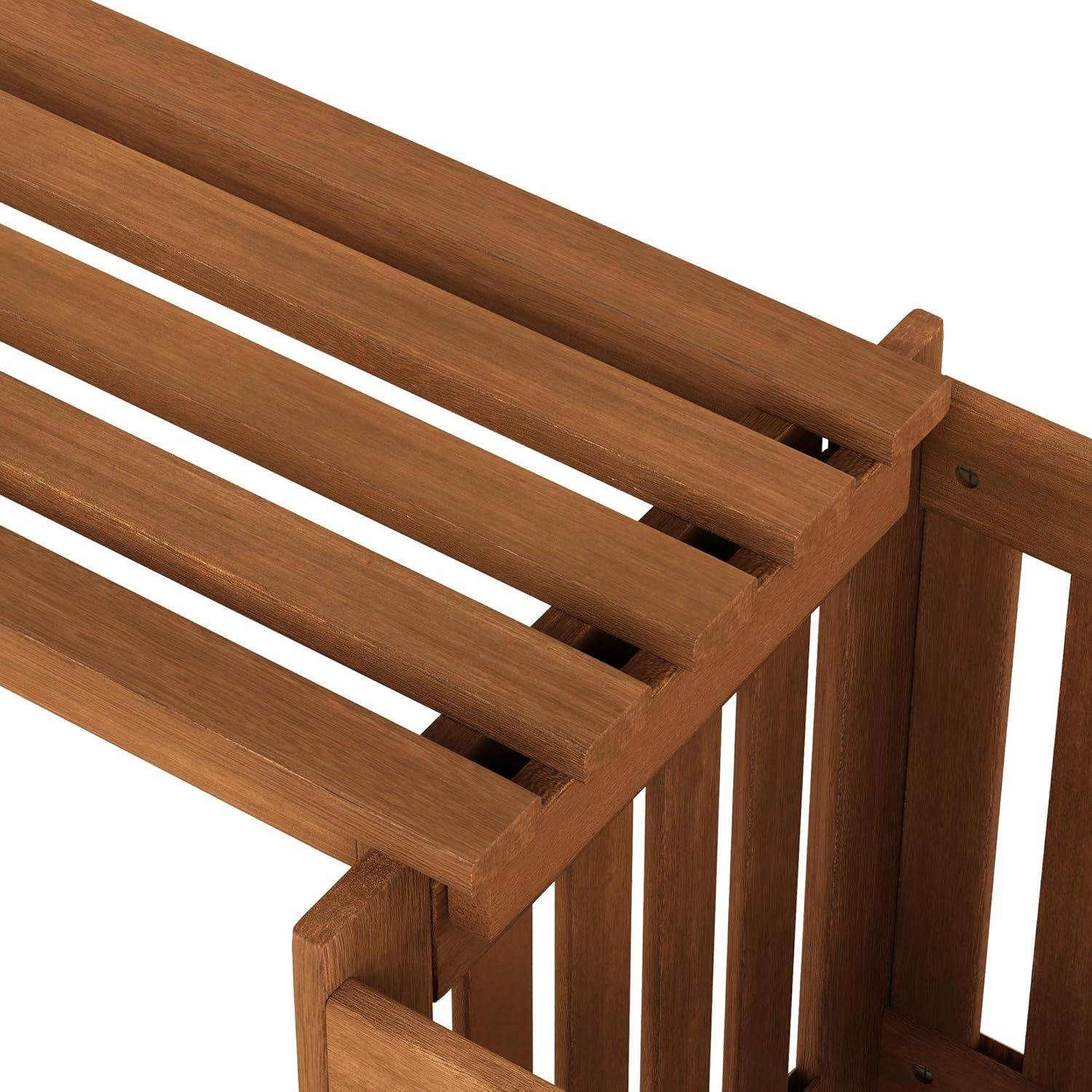
From a woodworking standpoint, the joinery is more “practical outdoor kit” than heirloom—mechanical fasteners and straightforward panel construction—but it’s executed in a way that feels honest and sturdy. Those reinforced corner posts do real work: the planter boxes stay square, and the long seat doesn’t feel like it’s trying to twist when I sit down. The slats are thick enough that they don’t telegraph flex, and the edges are reasonably clean so I’m not snagging clothes or skin brushing past. For weather durability,the teak-oil approach is a good match for a piece that’ll live outside: I’d plan on a quick wipe-down and a fresh coat of suitable wood oil at least once a year,especially if it sits in full sun or gets regular sprinkler overspray.
- Compact footprint works well on a balcony or tight patio while still giving real seating.
- 2-in-1 layout: two planters connected by a seat, with the option to separate them into standalone boxes.
- Backyard-ready stability: corner reinforcement and stout slats keep it planted when used as a two-person bench.
Check current price and availability on Amazon
How It Handles Sun Rain and Everyday Outdoor Wear
Outdoor Wear Factor
What I Noticed
best Practice
Construction-wise, it’s a practical, outdoor-friendly approach: thick slat panels, beefy corner posts, and hardware-driven joinery that’s easy to snug up when the seasons change. That’s a good thing for weather durability—bolts/screws can be re-torqued, whereas loose glue-only joints just get worse. I’d still treat it like any oiled hardwood piece: keep the seat clear of wet pots, don’t let soil sit against the inside walls for long stretches, and refresh with a suitable exterior wood oil once a year to keep the fibers fed and the surface from going thirsty. If you want to see current pricing and details, Check it out on Amazon.
- Grain & finish: Meranti’s warm tone looks best when re-oiled before it turns chalky.
- Moisture management: Good drainage and airflow matter as much as the finish.
- Maintenance reality: Simple annual oiling is the difference between “patina” and premature weathering.
Assembly Comfort and Value for a Handcrafted Outdoor living Look
Feature
What I noticed in use
Why it matters outdoors
- Value note: You’re paying for a smart, space-saving design in real hardwood—great bang-for-buck if you want a cohesive “garden bench with planters” look without custom-shop pricing.
- Weather note: Place it on pavers or feet (not bare soil) and refresh the oil yearly; your grain will stay tighter and the color will wear more evenly.
Check current price and availability
Customer Reviews Analysis
Topic buyers usually comment on
What to look for in reviews
Why it matters (woodworker lens)
Wood Quality: What People Tend to Notice
When buyers talk about this style of hardwood outdoor bench, they usually focus on whether the wood arrives straight and consistent (no twist, no major cup) and whether there are any rough mill marks or splinters that need a quick sanding. The most helpful reviews are the ones that mention:
- End-grain checking out of the box (a red flag for how it was dried/stored).
- Soft areas or fuzzy grain that can soak finish unevenly.
- How “hardwood” it feels in practice—some buyers will comment on weight and dent resistance after a few weeks.
from a woodworking standpoint, I pay extra attention when reviewers mention the bench being surprisingly light or easily dented—those clues often correlate with a finish that needs a little help if it’s going to live outdoors year-round.
Finish Durability: Where Outdoor Reality Shows Up
On outdoor pieces like this, the finish is where the truth comes out. In reviews, buyers commonly point out whether the “natural” look stays looking natural or whether it starts to dry out, fade, or spot after sun and rain. The best long-term notes tend to mention:
- UV fading on top rails and seat slats (south-facing patios are the harshest test).
- Water darkening around screw heads and joints (often the first place moisture creeps in).
- Peeling vs. wearing: wearing is usually fixable with a light scuff and recoat; peeling can mean poor adhesion or a film finish that’s too brittle.
If you see reviews describing a finish that “chalks” or looks patchy after a season,that’s usually your cue to plan on a maintenance coat—nothing dramatic,just normal outdoor furniture ownership.
ease of Assembly: Common Make-or-Break Details
For this category of flat-pack outdoor furniture, buyer feedback usually clusters around whether assembly is straightforward or a bit of a puzzle. when I’m scanning reviews, I look for specifics like:
- Pre-drilled holes lining up without having to “persuade” parts (misalignment can stress wood and strip screws).
- Clear labeling of parts and a hardware pack that isn’t short a few fasteners.
- Assembly time with one person vs. two—planter benches often benefit from a second set of hands when squaring up the frame.
one woodworking tip I always keep in mind: even if the instructions say “tighten everything right away,” it’s frequently enough smarter to snug first, square it up, than final-tighten.Reviews that mention wobble are frequently describing a frame that got cinched down before it was sitting square.
How It Holds Up Outdoors Over Time
This is the section where “real buyer” feedback is pure gold—especially when someone comes back after a few months.The patterns I look for in outdoor durability comments include:
- fasteners loosening after temperature swings (common; fixable with periodic check-ups).
- Joint movement after wet/dry cycles—wood moves, and smaller parts can telegraph that movement faster.
- Mildew or dark staining where soil and moisture linger near the flowerbox area.
If multiple reviewers say it stayed solid through a full season with only minor touch-ups, that’s a good sign. If several mention swelling, splitting, or rapid discoloration, I’d treat it as a “cover it or maintain it” piece rather than a “leave it out all year” piece.
My Takeaway (Based on What I’d Trust in Reviews)
If you’re shopping this FURINNO Tioman planter bench,I’d prioritize reviews that include:
- Photos after rainfall (you can often see finish behavior immediately).
- Time stamps (30 days vs. 6 months vs. 1 year are fully different stories outdoors).
- Notes on prep (did the buyer add oil/sealer, keep it covered, place it under an awning?).
If you want, paste in a handful of actual customer reviews (or links + excerpts), and I’ll turn this into a true “what Real Buyers Are Saying” section with direct themes, representative quotes, and a more concrete sentiment summary.
Pros & Cons
Pros
Cons
Meranti is a solid “budget hardwood” choice—generally more stable and dent-resistant than pine/fir, and it holds fasteners better outdoors.
The teak-oil finish helps, but Meranti won’t weather like true teak or ipe. Expect faster color change and more upkeep if it lives in full sun/rain.
Oil finishes are easy for homeowners to refresh—light clean + re-oil beats stripping and refinishing a film coat.
With mass-produced oil-finished sets, I sometimes see lighter/darker slats or uneven saturation. Not a deal-breaker, but don’t expect furniture-grade matching.
From a build standpoint, the “box + seat span” concept is strong when corner posts are doing the work and the slats are properly fastened.
You’re not getting mortise-and-tenon craftsmanship here—more screw-and-bolt assembly. it can loosen over seasons if not checked.
Two planters plus a ~40″ bench is a nice balcony/porch combo: it visually frames an entry and gives you a quick sit-down spot.
Any time wood meets damp soil, the risk goes up. I’d strongly consider adding a liner or drainage strategy so wet soil isn’t constantly in contact with the boards.
If you’re cozy with a screwdriver/driver and can square things as you go, it’s very approachable.
If you don’t pre-align and keep it square,you can end up with a slight rack/wobble. I’d also avoid overtightening and stripping the screws.
I like designs that can adapt to a patio rearrange. Two standalone planters can be handy if you change your layout seasonally.
They recommend oiling at least annually—and I agree. If you skip that (especially in harsh climates), checking, greying, and surface roughness will show up sooner.
For an entry-level hardwood planter bench, the price-to-function ratio is appealing.
It’s rated to seat two, but I’d treat it like light-to-moderate duty patio furniture rather than something you expect to shrug off years of heavy use without tightening or touch-ups.
My bottom line: If you want a compact planter bench with the look of real wood and you don’t mind doing the occasional re-oil (and ideally lining the planters), this tioman set makes sense. If you’re hoping for heirloom joinery, dead-even finish work, or “set it and forget it” weatherproofing, you’ll probably want to step up to higher-end species and construction.
Q&A
 outdoor wood oil) at least once a year,and more often if it lives in full sun or heavy weather.
Q: What does the joinery look like—will it hold up long-term outdoors?
Joinery is mostly mechanical fasteners (screws/bolts) with slat panel construction, not traditional mortise-and-tenon work. The good news is the design uses reinforced corner posts on the planters, which is where budget outdoor pieces frequently enough fail first. For long-term outdoor use, the key is keeping hardware snug, preventing standing water, and giving it that yearly oiling so the wood doesn’t dry-check and loosen around fasteners.
Q: Is the bench actually sturdy enough for two adults?
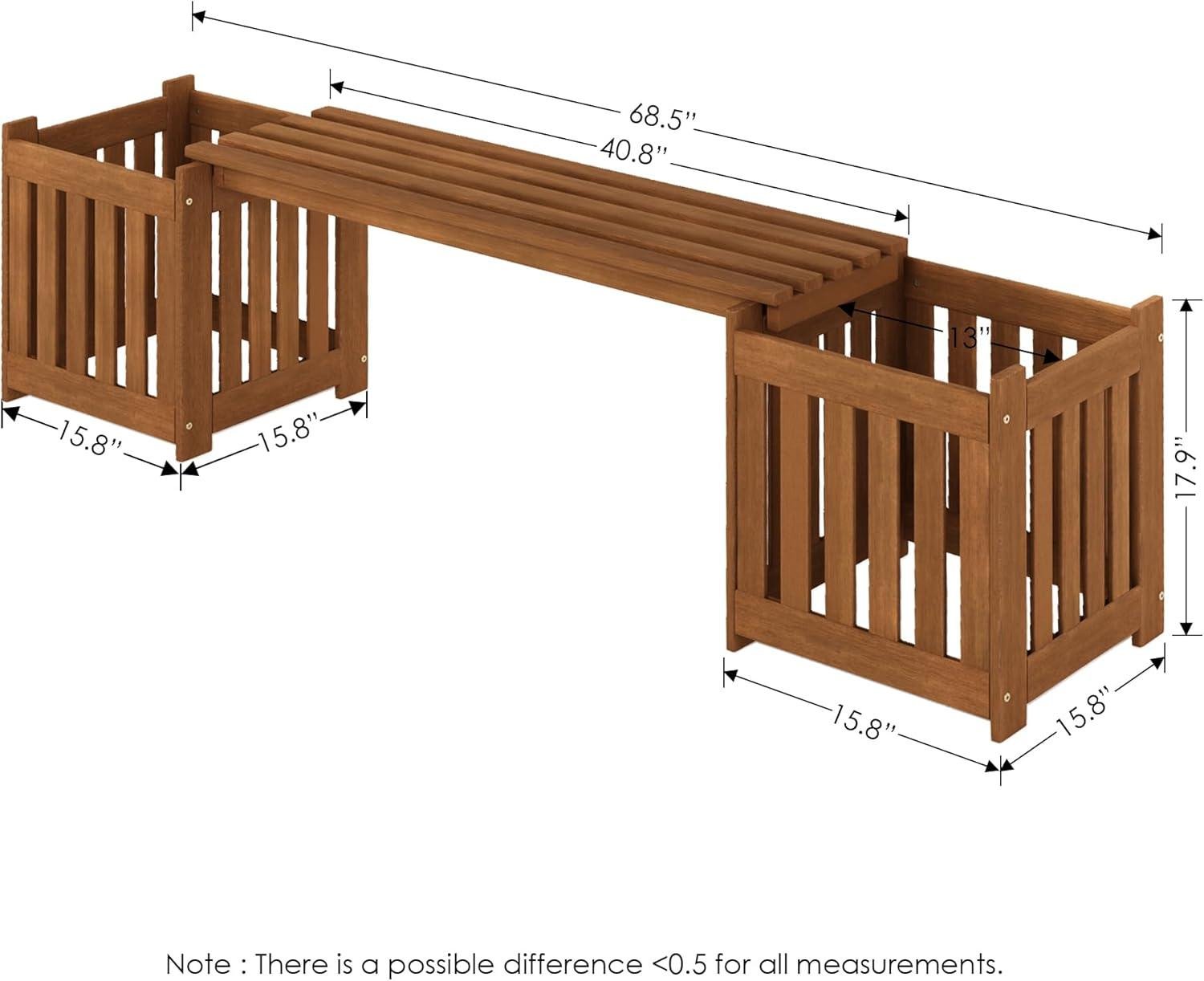
Yes—assuming it’s assembled correctly on a flat surface, it feels intended to hold two people. The seat span is about 40.5–40.8 inches, which is cozy but doable. I’d still avoid the classic “one person drops onto the seat from two feet up” move; like most planter benches, it’s strong for normal sitting but it’s not a playground structure.
Q: Does it wobble?
Mine was stable once everything was squared up. With sets like this, wobble usually comes from tightening hardware before the frame is fully aligned. My approach: loosely assemble, set it on a flat surface, square the planters, then tighten everything down evenly.
Q: Can you separate the planters, or are they permanently attached?
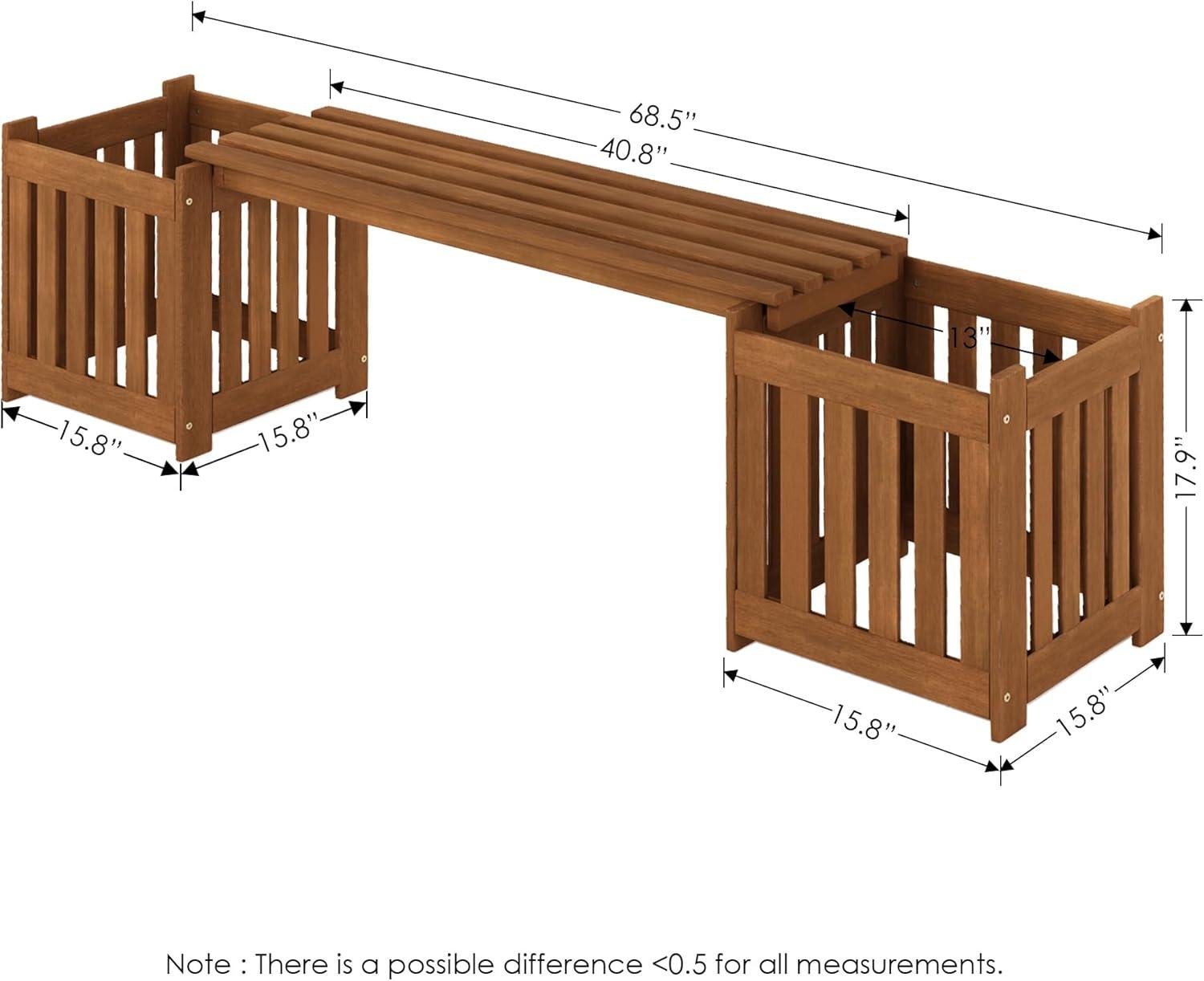
You can use it either way. The product is designed as a 2-in-1: two standalone 15.8″ square planters with a seat that connects them. if you want them separated, you can run them as individual planters—just keep track of whatever connector hardware is used for the bench span.
Q: Are the planter boxes deep/big enough for real plants,or just décor?
They’re a practical size for herbs,annuals,small flowering plants,and many container plants—think “patio garden” scale,not small trees. With each planter around 15.8″ W x 15.8″ D x 17.9″ H, you’ve got enough depth for a nice root zone, especially if you use a smart container setup (more on that below).
Q: Does it include a liner, or do I need to add one?
Planter benches like this typically benefit from a liner, and I recommend adding one even if it’s not included. I like a breathable landscape fabric liner to keep soil from washing out while still letting the wood dry. If you want maximum wood protection, you can use a plastic liner—but make sure it doesn’t trap water against the wood (drainage matters).
Q: How’s drainage—will the wood rot out from wet soil?
Any wooden planter can suffer if soil stays soaked against the boards. What I do:
- Ensure there are drain holes (or don’t block them)
- Use a drainage layer appropriately (or better: use a pot-in-planter approach)
- keep plants from turning the box into a swamp
Done right, you’ll dramatically reduce the risk of rot and keep the wood looking good longer.
Q: What’s the assembly like for someone who’s handy with tools?
Straightforward.It comes with hardware and illustrated instructions, and it’s the sort of build most DIY folks can knock out without drama. My only advice: use a hand screwdriver for final snugging rather than hammering everything with an impact driver—over-torquing can strip hardware or crush wood fibers.
Q: Are the dimensions good for small patios or balconies?
Yes—this is one of its strengths. Overall it’s listed around 68.5″ wide x 15.8″ deep x 18.3″ high, so it reads as a slim, space-conscious piece. It’s a nice solution when you want greenery + seating without dedicating separate footprints to a bench and two large pots.
Q: Does the seat height feel normal?
It’s a bit on the lower side compared to some full-size outdoor benches (around 18″ high overall). For most people it’s comfortable, but if you prefer taller seating or have knee issues, you’ll notice it’s more “garden bench” than “dining chair” height.
Q: What kind of upkeep should I expect?
If you want it to age gracefully outdoors, plan on:
- Cleaning it occasionally (mild soap/water, soft brush)
- Re-oiling annually (minimum), per the brand’s advice
- Checking and re-tightening hardware every so often
If you skip maintenance, it’ll still function, but you’ll see faster fading and weathering.
Q: What would you change as a woodworker to make it last longer?
If I were “tuning” it for longevity, I’d:
- Add a liner system that allows drainage and airflow
- Apply an extra coat of outdoor oil right after assembly (especially on end grain)
- Seal or heavily oil the end grain and inside faces of planter boards where moisture exposure is highest
- Consider swapping to stainless fasteners if you live near the coast or in heavy-rain climates
Q: Who is this planter bench best for—and who should skip it?
Best for: someone who wants a compact, attractive patio/balcony planter bench with real hardwood vibe, and is willing to do light yearly maintenance.
Skip it if: you want zero maintenance, you live in extreme weather with no cover, or you expect heirloom joinery and long-term performance like premium teak furniture.
If you want, tell me your climate (dry/sunny, humid, coastal, snowy) and whether it’ll be covered—then I’ll suggest an exact finishing/oiling schedule and liner setup that works best.
Unleash Your True Potential
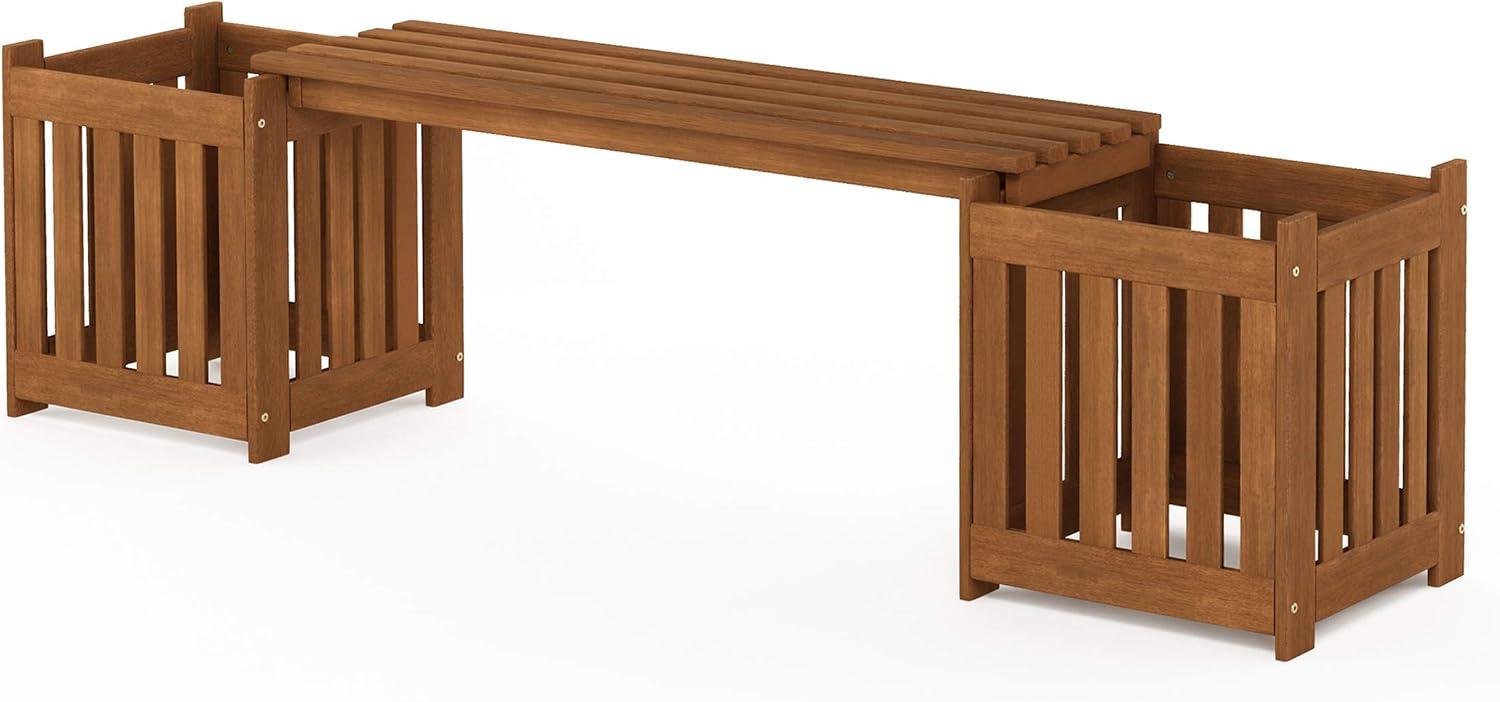 check the current price and availability of the FURINNO FG19455 Tioman Planter Bench on Amazon