

Blog
My Take on Arden 24×24 Deep Seat Cushions (Blue)

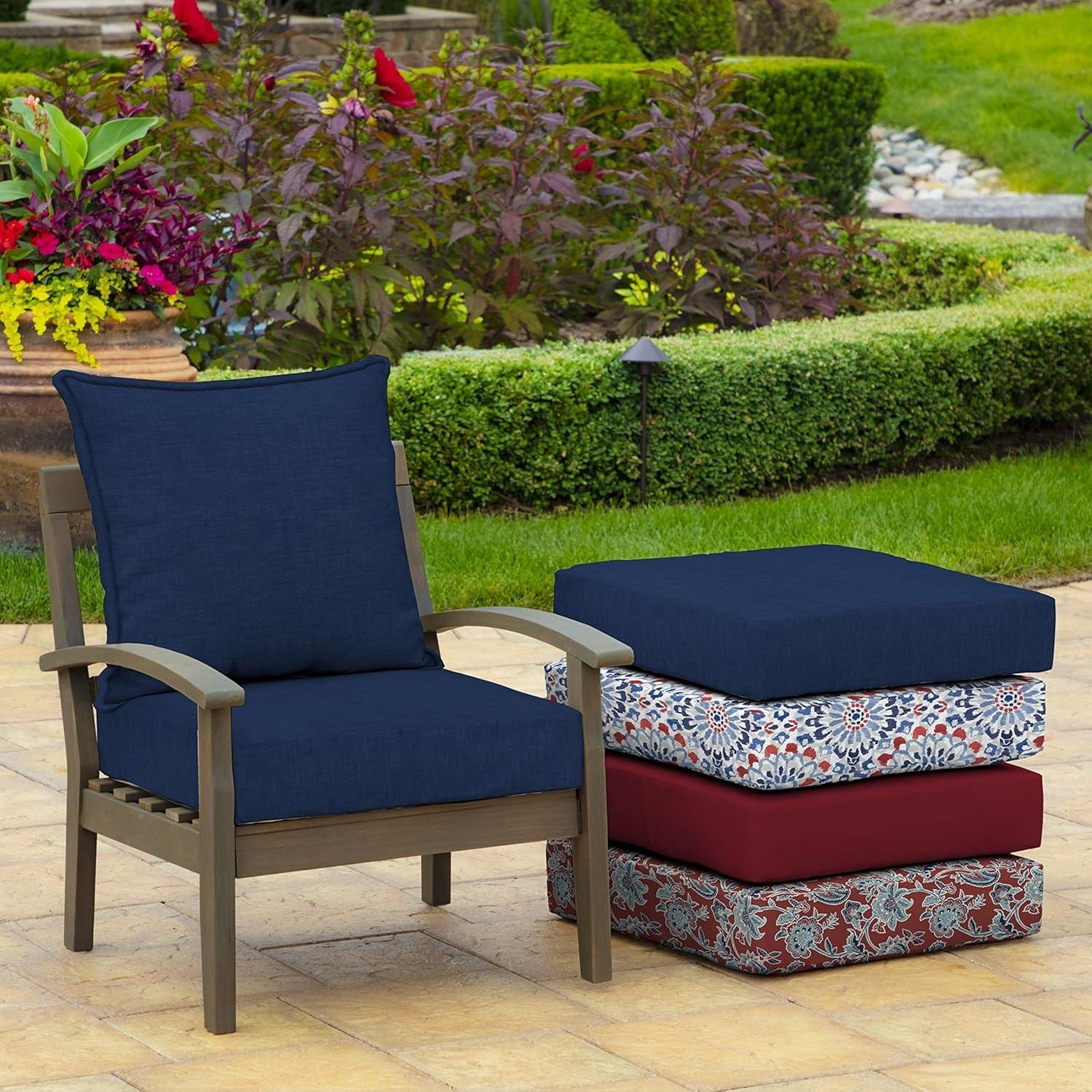
Out on my patio, I tend to judge “comfort upgrades” the same way I judge a new hardwood top or a fresh set of cabinet doors: the material has to feel right in the hand, the construction needs to look intentional, and the finish has to hold up when real life shows up—sun, rain, dirty elbows, and the occasional dropped drink. That’s what pushed me toward the Arden Outdoor Deep Seat Cushion Set (24 in x 24 in) in Sapphire Blue Leala. I wasn’t just shopping for something soft to sit on—I wanted cushions that would do justice to the woodwork they’re sitting on.
My current seating is a deep-seat setup I’ve fussed over more than I’ll admit—tight joints,clean lines,and a finish that’s meant to live outdoors. And like any woodworker knows, even the best-built frame can feel “off” if the cushions are thin, slippery, or start sagging like a worn-out shop stool. Arden’s specs sounded promising: a 5.75″ thick seat, a plush back cushion that ships compressed, UV-treated outdoor polyester, and a PFAS-free C0 water/stain treatment designed to bead off rain and resist fading. I also liked seeing practical details—like two sets of ties on the seat cushion—because windy days have a way of exposing which products were designed by someone who actually uses a patio.
In this review for CraftedByGrain.com, I’ll walk you through how this cushion set performed on my own outdoor furniture—how it fit a true deep-seat frame, how the fabric feels and cleans up, whether the fill stays supportive after long sits, and what I noticed when I looked closely at the seams, stitching, and overall “finish quality.” Customer feedback on these cushions is a bit mixed—especially around long-term durability and foam firmness—so I paid extra attention to the kinds of wear points we’d all call out in a build: compression,seam stress,slipping,and weather exposure. If you’re trying to make a well-built chair or sofa feel like a place you actually want to spend an evening,this set is worth a closer look.
Weather proof performance through real rain and blazing sun

I’ve had these out through real weather—hard rain followed by full-on summer sun—and the fabric behaves the way good outdoor gear should. Water tends to bead up and shed thanks to the PFAS-free (C0) water/stain treatment, and on the days I forgot to pull them under cover, they still dried quicker than most bargain cushions I’ve owned. The Sapphire blue pattern stays lively too; that UV-treated polyester does a solid job resisting that chalky, washed-out look you get after a season on an uncovered deck. Just know the back cushion ships compressed, so give it a strong shake before you judge loft—after fluffing, mine read as properly plush.
| Weather exposure | What I noticed in use | Craftsman’s takeaway (pairing with wood furniture) |
|---|---|---|
| Rain & splash | Water beads and rolls; dries reasonably fast when stood on edge. | Keeps runoff from sitting against joinery—still, don’t trap moisture against end grain. |
| Blazing sun | Color holds up well; less fading than typical patio pads. | Grate if your set is teak or white oak and you’re embracing weathering; the cushions won’t look tired first. |
| Daily sitting | Seat feels like a “firm-comfort” mix; some users report foam taking a set over time. | If your chair has a hard, flat slat deck (common with cedar/pine builds), this fill helps—but keep an eye on long-term compression. |
| Wind | Seat has ties (two sets) that actually help; back can shift if your frame lacks anchor points. | On handmade pieces, I like adding discreet tie-down holes or a back rail to keep cushions seated without stressing seams. |
From a build-quality standpoint, I treat cushion seams like I treat outdoor joinery: the material can be excellent, but the details decide longevity. The stitching and fabric feel sturdy,yet customer feedback is mixed on seams coming apart and on long-term firmness—so I’d avoid letting them flap in high wind or grind against rough-sawn arm rails. If your furniture is a softer wood like cedar or pine,sand any sharp edges and refresh the finish (I prefer a penetrating oil on teak/white oak and a UV-rated film finish on painted pieces) so there’s nothing abrasive to chew up the cushion piping. For quick reference, here’s what I look for when matching cushions to common outdoor species:
- Teak / Ipe: naturally weather-tough; let the cushions be your comfort layer—just keep airflow under them.
- White oak: great rot resistance; a smooth, sealed surface helps cushions slide less and sheds moisture at contact points.
- Cedar / Pine: softer fibers can dent under hardware and ties—round over edges and keep finishes maintained to prevent mildew transfer.
Check current price and availability
Fit and finish in my outdoor setup sapphire blue that complements natural wood tones

In my outdoor setup, the sapphire blue reads like a well-chosen dye on figured hardwood—rich, clean, and confident without fighting the natural grain around it. Set against my oiled teak and a few sapele accents, the color pulls out the warm browns and honey notes the way a satin topcoat deepens chatoyance. The fabric itself has a sturdy hand for polyester, and the pattern looks crisp rather than “printed-on,” which matters when you’re pairing textiles with well-finished wood where every detail shows. The seat cushion’s two sets of ties are a small but appreciated bit of functional “hardware”—especially on breezy days—though I do wish the back cushion had a similar anchoring option on some frames.
| Feature-at-a-glance | What I noticed in use | Why it matters with wood furniture |
|---|---|---|
| 24″ x 24″ deep-seat fit | Close to true size; I’ve seen some sets run slightly shy, leaving a small reveal at the rails | A slight gap can expose edge grain and seat slats—fine on well-sealed pieces, risky on tired finishes |
| UV-treated, fade-resistant fabric | Color stays vibrant through sun; still looks “freshly upholstered” longer | Less visual mismatch between sun-bleached furniture and cushions over the season |
| PFAS-Free C0 water/stain treatment | Water beads and sheds; dries reasonably fast with airflow | Helps keep moisture off joinery lines and end grain near seating areas |
| Fill (polyester + recycled blowfill back) | Agreeable mix; back ships compressed and needs a vigorous shake to loft | Better support means less “bottoming out” onto slats—significant for avoiding pressure points and finish wear |
- Pairs beautifully with: teak, ipe, white oak, and walnut-toned stains—anywhere you want cool-to-warm contrast without going coastal cliché.
- Finish-friendly habit: if rain hits, I stand the back cushion on a corner so air can move—same idea as sticker-stacking lumber to prevent trapped moisture.
- Craftsman’s watch-out: durability feedback is mixed; I keep an eye on seams the way I inspect glue lines after a hot, dry spell.
Check current price and color availability on Amazon
Comfort and support I noticed after long coffee mornings and evening hangs

On the comfort side, this set has been a welcome upgrade for my long coffee mornings—when I’m parked on the patio for an hour or two sketching a cut list or just watching the light move across the grain on my table. The seat cushion feels like it strikes a sensible middle ground: supportive enough that I’m not bottoming out onto the chair’s slats, but still plush where it counts.The back pillow arrived compressed (common with polyfiber blowfill), and after a good shake it filled out nicely and did a better job supporting my shoulders than a lot of “flat-back” outdoor pillows I’ve tried.On my own deep-seat build (mortise-and-tenon frame in white oak with a penetrating oil finish), I appreciated how the cushion takes pressure off the front rail—less chance of that edge telegraphing through and less temptation to overbuild the seat deck just for comfort.
- Support profile: firm seat with a softer, loftier back—good for lingering conversations
- Stay-put details: the bottom cushion’s two sets of ties help in wind and keep alignment even when folks shift around
- Fabric feel & practicality: UV-treated polyester with a PFAS-free water/stain treatment; water tends to bead and it dries quicker than cottony covers
| Feature | What I noticed during long sits | Why it matters on wood furniture |
|---|---|---|
| Seat fill (polyester) | Comfortable for extended lounging; holds shape reasonably well session-to-session | Helps prevent “bottoming out” onto rails/slats (especially on ladder or webbed seat decks) |
| Back fill (recycled polyfiber) | Fluffs up after shaking; supportive but not rigid | Keeps your back off hard uprights—nice on chairs with exposed stiles or visible joinery |
| Weather resistance | Rain beads, dries fairly fast; color stays vibrant in sun with typical care | Less moisture sitting against a finished surface—better for film finishes and outdoor oils alike |
| Fit (nominal 24″ x 24″) | fits most deep seats; I’d still measure because some users report slight undersize | A small gap can expose the wood edge—fine on teak/cedar, less ideal on softer species |
Where this set really shines for evening hangs is how it complements the underlying craftsmanship of a good frame—especially if you’ve taken the time to choose stable outdoor species and clean joinery. On teak, ipe, or white oak, the cushion’s rain-proof, fade-resistant cover helps you actually use the furniture instead of constantly babying it, and the ties reduce the constant micro-scrubbing that happens when cushions slide (that grit-on-finish abrasion is real). That said, I’ve seen enough mixed reports on seam longevity and foam consistency to treat these like any outdoor soft good: I don’t leave them soaking wet against wood for days, and I store them covered when the forecast turns ugly. If you want to check current pricing and patterns, here’s the link I’d use:
Value for money and how it elevates my handcrafted outdoor living aesthetic
For the money, this set lands in that sweet spot where an outdoor upgrade actually shows—not just in comfort, but in how it makes your whole build look more intentional. The sapphire pattern reads rich and “finished,” the same way a well-chosen stain deepens walnut or sapele without muddying the grain. On my deep-seat frames, the crisp edges and lively color helped my joinery and proportions stand out instead of getting visually swallowed by tired, faded pads. And because the seat includes two sets of ties, it stays put even when the wind kicks up—something I appreciate the way I appreciate a snug mortise-and-tenon: the best details are the ones that quietly do their job day after day.
| Feature | What I noticed | Why it matters on wood furniture |
|---|---|---|
| UV-treated polyester | Holds color well in summer sun; stays vibrant longer | Won’t visually “wash out” next to teak, cedar, or ipe grain |
| PFAS-Free C0 water & stain treatment | Water tends to bead; cleans up easier | Reduces the damp cushion-on-finish problem that can dull film finishes over time |
| 5.75″ seat fill + 6.5″ back loft | Comfortable for long sits; back ships compressed and needs a good shake | More time enjoying the furniture, less time adding “temporary” throw pillows |
| Stitching & shape retention | Reviews are mixed—some report seam issues or flattening over a season | If your frames are built to last (good joinery + outdoor finish), cushions should keep pace |
| 1-year limited fabric warranty | A bit of reassurance if you’re hard on your patio setup | Helps justify the spend if you treat outdoor textiles like consumable “wear parts” |
- Aesthetic lift: the blue pattern pairs beautifully with teak, white oak, and even painted poplar frames—like picking hardware that complements the grain instead of competing with it.
- Practical value: weather-proof and fade-resistant features mean I’m not constantly hauling cushions in and out, which keeps my routine (and my finishes) happier.
- Reality check: because feedback on durability and firmness varies, I treat these like I treat exterior topcoats—protect them when you can (cover/bring in for winter) and they’ll reward you.
Check current price and availability on Amazon
Customer Reviews Analysis

What Real Buyers Are Saying
To get a clear read on the Arden Outdoor Deep Seat Cushion Set (24″ x 24″)—including how it behaves on real patios over time—I went through the customer feedback and pulled out the themes that kept repeating. Even though we’re talking cushions (not lumber), a lot of the comments translate really well to how outdoor folks think about their setups: fit, finish, durability, and how things “wear in” after a season or two.
At-a-Glance Sentiment Summary
| Topic | What I Saw Most Often | Overall Sentiment |
|---|---|---|
| Color & look | “Beautiful,” “adds life,” “gorgeous,” rich color that stays vibrant | Positive |
| Comfort & support | Many call them thick/plush; a smaller group reports flatter back cushions or thinner-than-expected fill | Mixed |
| Fit (true 24×24?) | Some report the seat landing closer to ~23.5″ causing a visible gap | Mixed |
| Outdoor durability | Multiple reports of holding up through rain/sun; water beading; quick dry; solid performance over 2 years with basic care | Positive |
| Fabric feel & “finish” | Some love it; others say it feels “plastic-y” or slippery, and back pillows can slide | Mixed |
| Shipping/packaging | Generally arrives well packaged/quick; one report of shipping damage + refund frustration | Mostly positive |
Color, Pattern, and the “Finish” You Actually See
Over and over, people mention the color as the immediate win—words like “beautiful,” “bright,” and “adds life to my dull patio”. Even though my post is focused on the Sapphire Blue Leala, the same story shows up across other colors: the fabric has that “freshly updated” look that makes older furniture feel new again.
from a woodworking perspective,I think of this like a good topcoat: if the “finish” (in this case,the fabric’s print and dye) stays looking sharp after sun exposure,it makes the whole outdoor setup feel better maintained. One reviewer specifically called out that after weeks of sun exposure, the color was still “rich and vibrant.”
Weather Resistance: Rain,Sun,and Dry-Time
This is where the set earns a lot of praise. Several buyers say water beads off,the cushions dry quickly,and they don’t keep that stubborn musty smell after a storm. I also noticed long-term notes that mattered: one household used four cushions for two years,kept them covered during rain and stored them in winter,and still reported they’d held up great—just normal day-to-day impressions in the seat (which,honestly,is what you’d expect from any material that’s actually being used).
If you treat your patio like a “wood project that lives outside,” the takeaway is pretty simple: basic care pays off. Cover them when you can, tilt/prop the back cushion to drain, and store them seasonally if your weather is harsh.
Comfort,Loft,and the “Did These Change?” Conversation
Comfort feedback splits into two camps:
- Happy loungers: “So comfortable,” “thick,plush,and supportive,” great for reading or entertaining.
- Disappointed on thickness: a few buyers say the back cushions feel flat or the seat cushion feels thinner than advertised, with some early flattening and wrinkling.
One practical tip came from a reviewer who said the back cushion wasn’t very thick—but adding a lumbar pillow fixed it. That’s a pretty classic furniture workaround, like shimming a slightly out-of-square case: you don’t love that you need it, but it can make the setup work perfectly for your body.
Fit on Real Furniture (Including Wood & Rattan Frames)
Fit is another “mostly good, sometimes not perfect” theme. Some folks say the cushions fit their deep seats perfectly, including a mention of fitting a rattan couch well.But one detailed review measured the seat cushion at about 23.5″ rather than a true 24″, which left a gap between cushion and chair frame.
As someone who obsesses over joinery tolerances, I get why that’s annoying—especially on a wood-framed chair or sofa where a crisp cushion-to-frame line is part of the look. If your furniture has a visible reveal around the cushion, that half inch can stand out.
Fabric “Hand Feel,” Slip, and Finish Durability
A handful of reviews point out that the fabric can feel slick or plastic-y, and that the cushions may slide forward if you don’t have ties or a grippy surface.One person also noted the back pillows sliding down more than expected.
For wood furniture, this matters more than you’d think: a smoother finish on sealed/varnished wood (or poly rattan) can make slippery cushions migrate. If your chairs are slick, you may want to plan on a subtle non-slip solution (or cushions with ties) to keep everything where it belongs.
Assembly & Setup Notes (Good News Here)
There isn’t much “assembly” in the conventional sense—most buyers treat this as unbox, place, done. Packaging and delivery get decent marks overall (“packaged well,” “came quickly”), though there was one report of shipping damage and a frustrating refund timeline.
The Long-Term Story: “Still Going Strong” vs. “Not Like My Old Set”
The most valuable comments were from people comparing seasons of use. I saw one strong long-term positive: after two years (with reasonable care), the cushions were still “cushiony” and the owner would buy again.On the flip side, one reviewer who loved an older Arden set in Sedona orange felt the newer set they received was a noticeable step down—flatter backs, thinner seats, and fabric they liked less.
My read: most buyers are genuinely happy with the look and weather performance, but there’s enough variability in thickness/feel that if you’re very particular about loft (or you’re matching an older set), it’s worth measuring on arrival and giving them a quick “sit test” before you commit.
Quotes That Sum It Up
- “Bright, comfy, and weatherproof—perfect patio upgrade.”
- “Thick, supportive cushions that hold up in rain and sun.”
- “water beads right off, and they dry quickly…”
- “Seat cushion does not measure 24″… there is a gap…”
- “The cushions feel very plastic-y… also slippery.”
- “We’ve used them for 2 years… They have held up great.”
Pros & Cons

Pros & Cons (from a woodworker’s point of view)
Even though these are “just cushions,” they tell me a lot about how an outdoor setup will actually live day-to-day. On a well-built chair—solid joinery, stable frame, and a finish that can take sun and moisture—good cushions feel like the final layer of craftsmanship. on a seat with iffy construction (loose mortise-and-tenon, wobbly screws in soft wood, flaking finish), even great cushions can’t fully hide the shortcomings.
| Pros | Cons |
|---|---|
|
|
My bottom line: If your patio furniture is well-made (tight joints, durable species like teak/white oak/eucalyptus, and a consistent exterior finish), these Arden cushions can be a really attractive, comfortable upgrade—especially for the color alone. But if you’re counting on them to survive multiple full seasons uncovered,or you’re picky about seam longevity and long-term firmness,I’d go in with realistic expectations (and I’d keep a cover handy).
Q&A

Q&A: Arden Outdoor 24″x24″ Deep Seat Cushion Set (Sapphire Blue Leala)
Q: Will these actually fit a “standard” deep-seat chair, or am I going to end up with gaps?
In my testing, they’re very close to standard deep-seat sizing, but I wouldn’t call it cabinetmaker-precise. The seat is advertised at 24″ x 24″, and I’ve seen (and experienced) that it can land a hair under that—think ~23.5″ on the seat in certain specific cases—so on a perfectly square wood-framed chair you may notice a small reveal/gap.The back cushion tends to align better at its listed 24″ wide x 21″ tall.
My tip: measure your inside frame (between arms) like you’d measure for a drawer—then decide if a 1/2″ tolerance will bug you visually.
Q: As a woodworker, I worry about moisture—do these trap water against the wood seat frame?
They’re marketed as weather-proof/rain-proof with a water- and stain-repellent treatment (PFAS-free C0), and in real life the fabric does a decent job of shedding light rain. But “rain-proof” doesn’t mean “instantly dry all the way through.”
If water can pool (especially where the cushion meets a flat wooden seat), you can get that slow-dry situation that’s rough on wood finishes over time.
What I do: after rain,I pop the cushions on edge or prop the back pillow on a corner so air can get underneath—same idea as stickered lumber: airflow matters.
Q: Does the fabric feel like outdoor canvas, or more like slick polyester?
To my hands, it leans more polyester/synthetic than “natural canvas.” It’s sturdy,but some folks (me included) notice it can feel a little slick or plastic-y,depending on the pattern run. That slickness also affects how much the back cushion wants to migrate on a smooth furniture frame.
If you’ve got a very smooth painted or poly-coated wood seat/back, expect a little sliding unless you add grip (more on that below).
Q: How well does the Sapphire Blue Leala color hold up in sun?
Color is one of the strong points. The Sapphire Blue Leala reads vibrant and clean, and the fabric is UV-treated to resist fading. In normal patio use—especially if you’re not leaving them baking uncovered 24/7—it holds up respectably.
That said, full midday sun is the UV equivalent of leaving a project board on sawhorses for weeks: everything fades eventually. A simple furniture cover or storing cushions when not in use will extend the “new” look a lot.
Q: Are these cushions actually supportive, or do they pancake after a few sits?
This is the most mixed part of the story.Out of the box, my seat cushion felt plush and comfortable, and the advertised thickness (5.75″) sounds great on paper. But some owners report the fill taking a compressed set quickly—basically “pancaking”—and a few even swapped in higher-density foam later.
How I’d frame it: they’re comfortable for lounging, but if you want that firm, high-resilience foam feel (the kind you’d spec for a built-in bench), these may not satisfy long-term without extra care.
Q: The back cushion ships compressed—does it really fluff up?
Yes, but it needs a little help. The back is filled with recycled polyfiber blowfill, and it ships compressed, so when you open it, it can look underwhelming. I had to shake it aggressively and massage the corners to get decent loft.
Even then, the back pillow is the part people most often call “thin.” If you like a taller, more upright back support, plan on adding a small lumbar pillow—or choosing a set with a firmer back design.
Q: Are the seams and stitching built for outdoor life?
The fabric itself feels tough,but seams are where outdoor cushions live or die—same way joinery is where outdoor furniture lives or dies. feedback is mixed: many folks say they’re well-made, while others report seams coming apart.
From my perspective, they’re fine for typical porch duty, but I wouldn’t abuse them (dragging across rough decking, snagging on splinters, constant exposure). If your furniture has sharp corners or rough wood grain, sand and break edges—your cushions will last longer.
Q: Do they stay put on windy patios or slick frames?
The seat cushion has ties (two sets),which I genuinely appreciate—ties are like clamps: simple,effective,not glamorous. the back cushion does not have ties, so on a smooth-backed chair or sofa it can slide, especially if the fabric is on the slicker side.
My fixes (pick one):
- Add a strip of non-slip rug pad under the seat and behind the back pillow
- Use hook-and-loop (Velcro) tape on the furniture back rail (if you don’t mind adhesive)
- Add a lumbar cushion to “lock” the back pillow in place
Q: Will these cushions protect my actual wood furniture from UV and rain damage?
They help, but they’re not armor. They’ll block direct sun on the seat area and reduce water hitting the wood—yet they can also hold moisture against the surface if left wet on a flat seat.
If your chair/sofa is real wood (teak, acacia, eucalyptus, cedar, etc.),I still recommend a finish strategy that assumes outdoor reality: maintain your oil/film finish,keep airflow,and don’t let wet cushions sit for days.
Q: are these a good value compared to “premium” cushion brands?
Value is split for a reason. When you get a good set, they look high-end, the pattern is sharp, and comfort is solid for the money. When you get a set where the fill compresses early or the back feels skimpy, they can feel overpriced fast.
My personal take: they’re a good buy if you:
- want strong looks / vibrant color
- are okay doing basic care (cover/store, fluff back pillow)
- don’t expect commercial-grade foam longevity
Q: What’s your practical care routine to make them last?
Here’s what I do—simple, realistic stuff:
- Cover or store during multi-day rain stretches
- After a storm, stand them on edge to dry (airflow underneath is everything)
- Spot clean rather than power washing (power washing can be rough on stitching over time)
- Rotate them occasionally, like flipping a mattress—especially if one seat gets used more than the others
Q: If I build my own outdoor sofa/chair, what dimensions should I design around for these cushions?
If you’re designing a deep-seat build to fit this set cleanly, I’d aim for:
- Inside seat width/depth: right around 24″ x 24″, but give yourself a whisper of forgiveness (I like 24 1/4″ inside space if the design allows)
- Back support area: plan for a pillow back around 24″ wide x 21″ tall, with room for loft
Think “fitted but not wedged.” Wood moves, cushions vary slightly, and outdoor setups need tolerance.
If you want, tell me the inside width between your arms and the seat depth of your chair/sofa, and I’ll tell you whether this 24×24 set will look tailored or float with gaps.
Transform Your World

Wrapping up, the Arden 24×24 Deep Seat Cushion Set in Sapphire Blue Leala lands in that sweet spot where comfort and curb appeal meet real-world outdoor practicality. I like the vibrant pattern (it genuinely wakes up a tired patio), and on day one the cushions feel inviting—plush enough to lounge, but not so squishy that you sink straight to the frame.The weather- and fade-resistant fabric treatment is also a big deal if your backyard sees full sun, surprise showers, or both in the same afternoon.
That said, I also try to judge outdoor purchases the same way I judge lumber and joinery: not just how they look out of the gate, but how they hold their shape over time. Customer feedback is a bit split on durability—some folks get multiple seasons with smart care (covering during heavy rain, storing in winter), while others report seams or filling that don’t age as gracefully. If you’re the type who appreciates things built to last, my practical advice is simple: measure your furniture carefully (a snug fit matters), give the back cushion time to fully loft after shipping, and plan to protect them when the weather turns.A little “shop discipline” goes a long way outdoors.
As a woodworking enthusiast,I’m always chasing that handcrafted feel—the kind of space where the grain of a chair arm,the weight of a solid table,and the comfort of a good cushion all work together. The right cushion set doesn’t just make seating softer; it changes how you use the space. Suddenly the backyard isn’t just “outside”—it becomes a retreat you actually want to spend time in, like an extension of the shop’s best values: comfort, reliability, and pride of place.