

Blog
IGAN P6 Flush Cutters Review: Right for Our Shop?

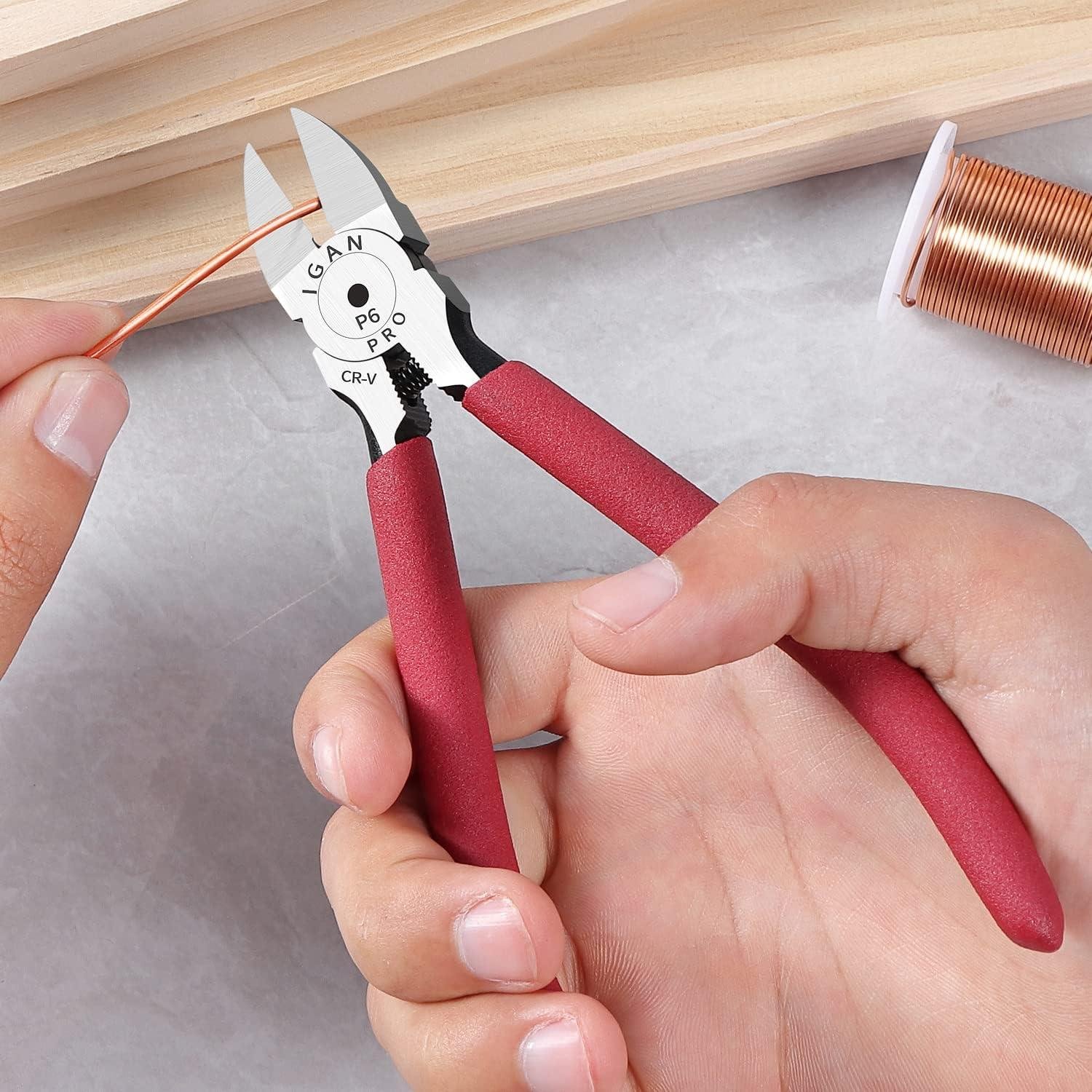
Ever been halfway through edging a plywood cabinet only to fight a ragged zip-tie tail, a proud brad, or a bit of plastic banding that refuses to sit flush—right where a clean line matters most? In a small shop, those tiny “snip jobs” can derail accuracy just as fast as a dull chisel.
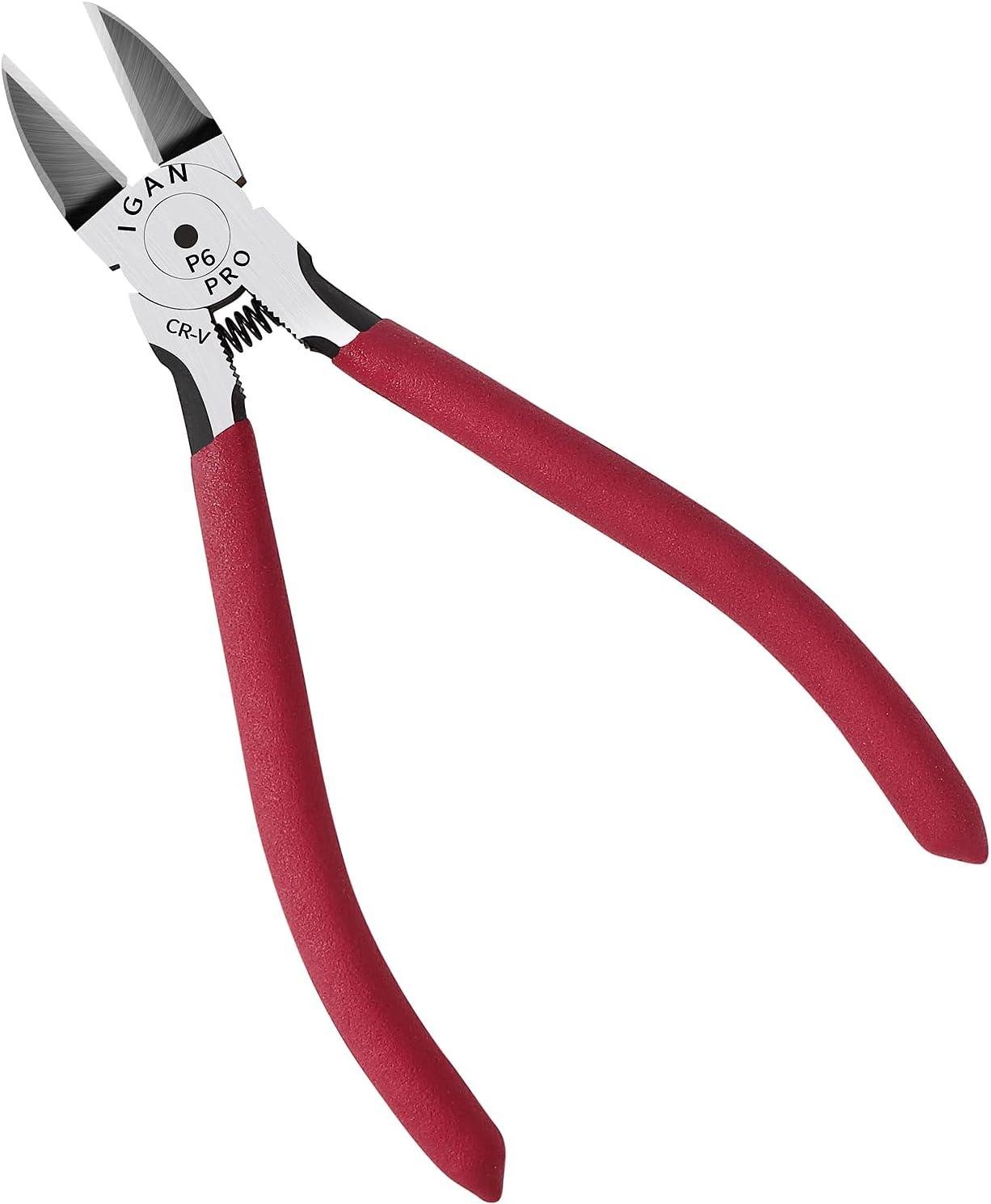
That’s where the IGAN-P6 6-inch Ultra Sharp & Powerful Side Cutter Clippers aim to fit in.These are flush-cut wire snips built for clean, flat cuts on materials woodworkers regularly bump into—cable ties, plastic, floral or electrical wire, and even edge-banding-related trimming tasks. On paper, the standout specs are the 13/16″ extra-long cutting edge (rated to snip up to 12 AWG), CR-V chrome vanadium steel with heat treatment, and a precision-ground angled head for access and control. A spring-loaded mechanism is designed to reduce hand fatigue, and IGAN backs it with a full lifetime warranty.
In this review, we’ll look at design, durability cues, ease of use, and value—plus what customers commonly report about sharpness and clean cuts. As fellow woodworkers, we’ll keep it practical and shop-focused.
First Impressions and Build Quality at the Bench
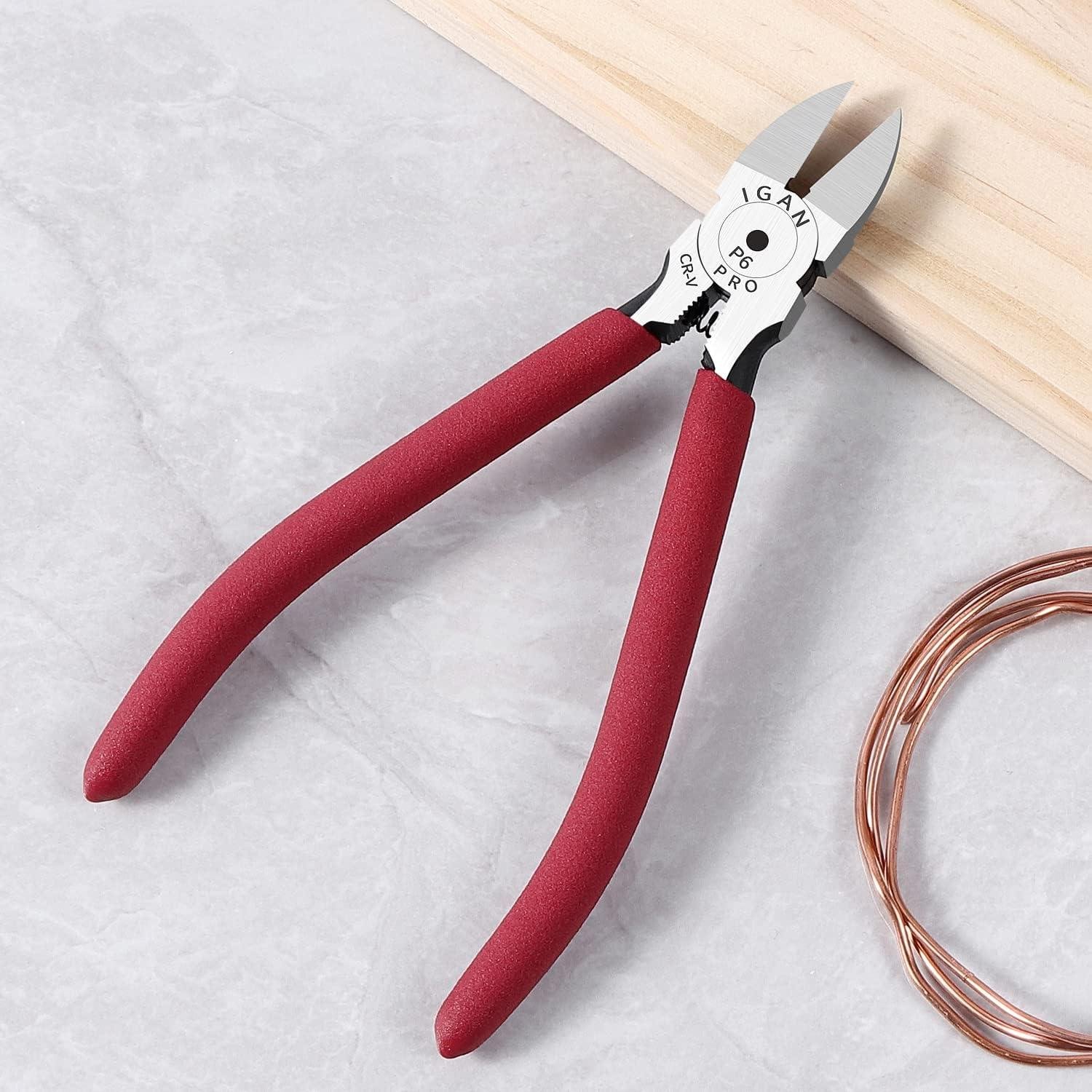
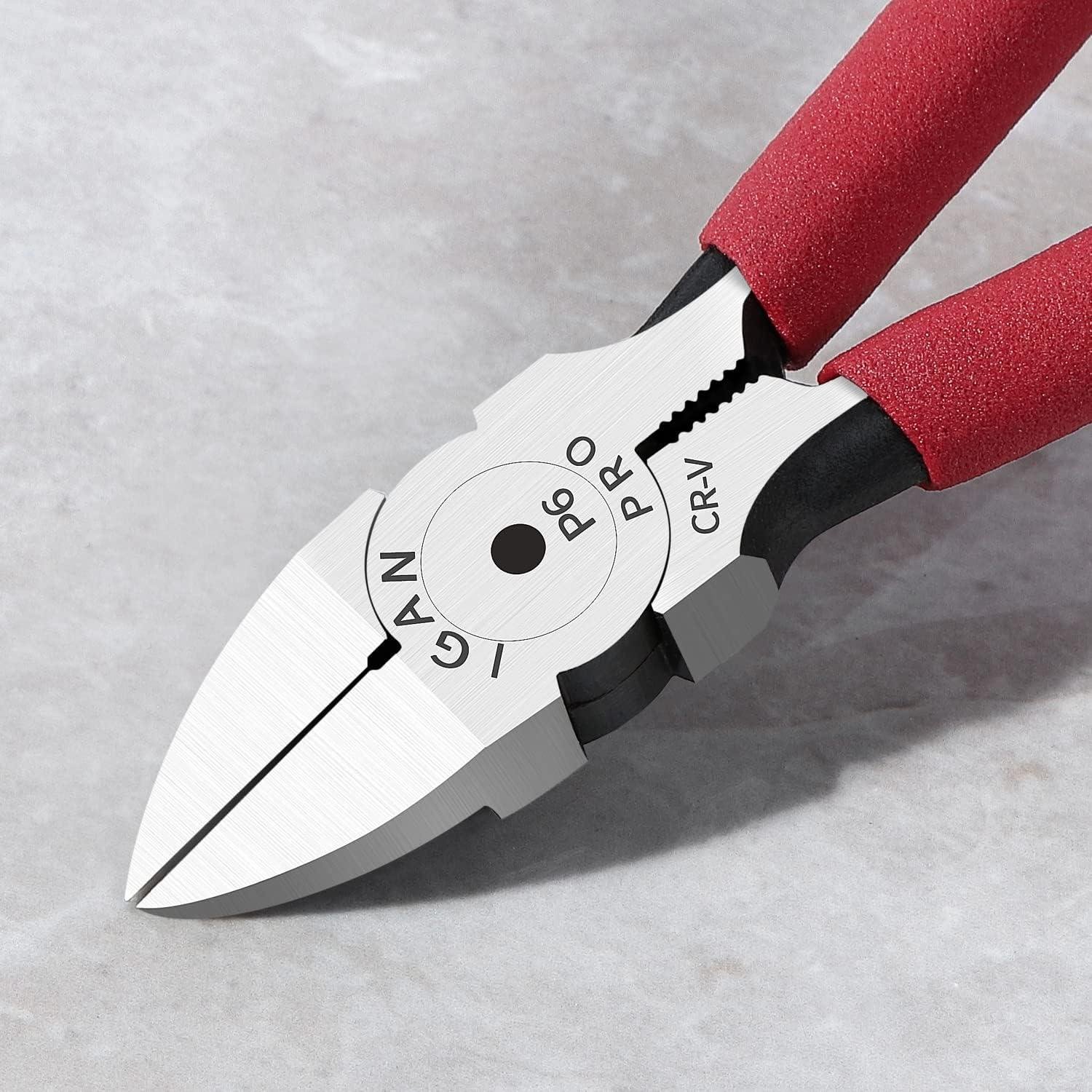
At the bench, the IGAN-P6 presents itself as a purpose-built “little helper” rather than a shop centerpiece—and that’s exactly how most of us will use a 6-inch side cutter in a woodworking workflow. the first thing we notice is the geometry: the angled head gives us a clearer sightline when we’re trimming something tight to a surface (like a proud zip tie under a router table, or a brad-like pin used in a jig). The blades are marketed as a specialized flush cut with an extra-long cutting edge of 13/16″, and on paper that longer edge matters because it spreads the work across more bite—helpful when we’re snipping repeated ties, small-gauge wire, or plastic tags without constantly hunting for “the sweet spot” near the pivot.IGAN also specifies CR-V (chrome vanadium) tool steel, heat-treated and precision-ground, which is the right recipe for a cutter that needs to keep a keen edge and resist rolling when we inevitably meet the occasional staple, small nail, or hardened burr we didn’t plan on.
Build-quality-wise, the handle action is where we feel it immediately: the spring-loaded mechanism returns the jaws without us having to pry them open, which is a real fatigue saver during repetitive bench tasks (think assembly-line trimming of cable ties for dust collection hoses or shop-built jigs).Several customer-review themes around cutters like this tend to cluster around “sharp out of the box,” “clean/flat cuts,” and “agreeable to use for longer sessions,” which aligns with what IGAN is clearly targeting with the leverage-focused length and return spring. From a woodworker’s viewpoint, it’s also worth noting what the specs imply: the claim that it can snip electrical wire up to 12 AWG is a meaningful ceiling—great for light electrical work and shop fixtures—but we still want to keep flush cutters away from hardened steel fasteners if we care about edge life. the full lifetime warranty is a confidence signal; even if we don’t plan to “test” it, warranty-backed hand tools are easier to justify as a dedicated bench cutter for plastics, ties, and light wire that we don’t want to touch with our good chisels—or even our nicer pliers.
- Spring-loaded mechanism (reduces hand fatigue)
- Angled head (improves access and visibility)
- 13/16″ extra-long cutting edge
- CR-V chrome vanadium steel, heat-treated, precision ground
- Full lifetime warranty (via IGAN customer service)
- Compatible attachments/accessories: Not applicable (hand tool; no blades/bits)
- Ideal project types: shop-jig building, dust-collection hose management, on-bench assembly/pack-out trimming, light electrical routing for shop fixtures, craft-style detail work on models/templates
- Wood types tested by customers: Not commonly specified in reviews for cutters; most usage reports center on plastics/wire rather than wood species
| Spec / Feature | IGAN-P6 (per listing) | What it means at the bench |
|---|---|---|
| Tool size | 6-inch | Compact, easy to park at the bench; enough leverage for repeated snips |
| Cutting edge length | 13/16″ | More usable edge for ties/plastics; less “pinpoint” cutting near the hinge |
| Max rated wire capacity | Up to 12 AWG | Suitable for light shop electrical tasks; not intended for hardened fasteners |
| Material | CR-V steel, heat-treated | Better chance of holding a sharp edge with routine shop use |
| Action | Spring-loaded | Reduces fatigue during repetitive trimming (ties, tags, small wire) |
| Accessory / “Compatibility” Item | Works With IGAN-P6? | Notes for woodworkers |
|---|---|---|
| Replaceable cutter jaws | No (not specified) | Plan to treat it as a dedicated cutter for plastics/light wire to preserve the edge |
| Lanyard / tether | Not specified | Useful if you work on ladders or install shop lighting/cable runs |
| Protective cap/sheath | Not specified | Consider adding a blade cover to protect edges in a drawer |
| Cut/Material Type | Recommended Capacity (practical) | Rated / Stated Capacity |
|---|---|---|
| Electrical copper wire | Light-to-medium snips; avoid repeated maxing-out | Up to 12 AWG |
| Cable ties / plastic tags | Yes (ideal use) | Explicitly listed as ideal |
| Edge banding trims (plastic) | small trims only; test first to avoid marring | Listed as an intended use |
| Hardened nails/staples | No (avoid) | Not stated; likely to damage edge |
See Full Specifications & Customer Photos
Real World performance for Flush Cuts and workshop Wiring Tasks

In our shop, the IGAN-P6 behaves less like a “craft” cutter and more like a small, purpose-built precision tool for the fussy trimming steps that show up in woodworking. The headline spec is the 13/16″ extra-long cutting edge on a 6-inch body, and that longer edge matters when we’re snipping things flush in tight corners—zip ties under a bench-top cord tray, plastic packing straps, or the occasional bit of edge banding overhang called out in the product description. Because it’s designed as a specialized flush cut with an angled head, we can usually get the jaws flat to the work and leave a cleaner, flatter nib than the diagonal cutters many of us keep in our aprons. For workshop wiring tasks, the listing notes it can handle electrical wire up to 12 AWG; that’s useful for light shop electrical work (think tool pigtails, cord-end repairs, and accessory wiring), but we still treat it like a flush cutter—great for clean ends, not a substitute for the right cable cutters on heavy-gauge or hardened materials.
Real-world handling is where the IGAN-P6 seems aimed at long sessions: the spring-loaded mechanism gives us speedy repeat cuts with less hand fatigue when we’re trimming dozens of cable ties or snipping floral wire for jigs and templates, and the chrome vanadium (CR-V) tool steel construction with heat-treating/precision grinding suggests why many buyers describe it as “ultra sharp” and praise the clean, flat cuts. We also see a common customer-review theme around value for detail work—people routinely mention it’s easy to pick up and use without fuss (no setup) and that it’s handy across plastics and light wire. Education-wise, we recommend treating flush cutters like a finishing tool: align the flat side of the jaws against the surface you want to protect, cut square instead of twisting, and avoid hard steel (brads/pins) that can chip fine edges. For safety, we keep offcuts pointed away from our faces—small wire and plastic snippets can fly—and we wipe the jaws clean and add a light oil film to prevent corrosion, especially after cutting adhesives or gritty plastics. IGAN advertises a full lifetime warranty via customer service, which some buyers note as reassuring when choosing a cutter that lives on the bench every day.
- Included accessories: None listed (tool-only)
- Compatible attachments/accessories: N/A (hand tool; no blades/bits)
- Ideal project types: shop wiring tidy-ups, cord/plug repairs (light gauge), jig/template making with floral wire, trimming cable ties, cleanup around edge banding, artificial-flower/craft details used in displays or mockups
- Wood types tested by customers: Not specified in available review data (this tool targets wire/plastic; wood species impact is minimal)
| Spec / Feature | IGAN-P6 (per listing) | What it means in a woodshop |
|---|---|---|
| Overall length | 6-inch | Easy to keep at the bench; fits apron/pouch for trimming tasks |
| Cutting edge length | 13/16″ extra-long | More contact area for flatter, cleaner flush nips on ties/plastics |
| Wire capacity | Up to 12 AWG | Suitable for light shop electrical work; not for heavy cable/hardened wire |
| Steel type | CR-V (chrome vanadium), heat-treated | Typically supports edge stability for frequent light-duty cutting |
| Mechanism | Spring-loaded | Faster repetitive cuts with less hand fatigue |
| Head design | Angled head, flush-cut blade design | Improves access along surfaces and into corners for clean trimming |
| Recommended vs Actual Capacity | Recommendation (best practice) | Rated/Claimed (listing) |
|---|---|---|
| Electrical wire | Use for light-gauge, clean cuts; avoid hardened wire | Up to 12 AWG |
| Plastics / zip ties | Ideal use; cut flush with flat jaw face to avoid sharp stubs | Listed suitable for cable ties and plastic |
| Edge banding overhang | Use for small nips only; finish with trimmer/scraper for final surface | Listed suitable for edge banding |
| Compatible Accessories / Options | Example | Use in the shop |
|---|---|---|
| Tool lanyard (aftermarket) | Small wrist lanyard | Keeps cutters from getting buried under cords and clamps |
| Edge protection | small tip cover or pouch | Protects the flush edges from knocks in a drawer |
| Light oil (maintenance) | Machine oil | Prevents rust and keeps the spring/hinge moving smoothly |
See Full Specifications & Customer Photos
Key Features Woodworkers Will Appreciate for Clean Snips in Tight Spaces
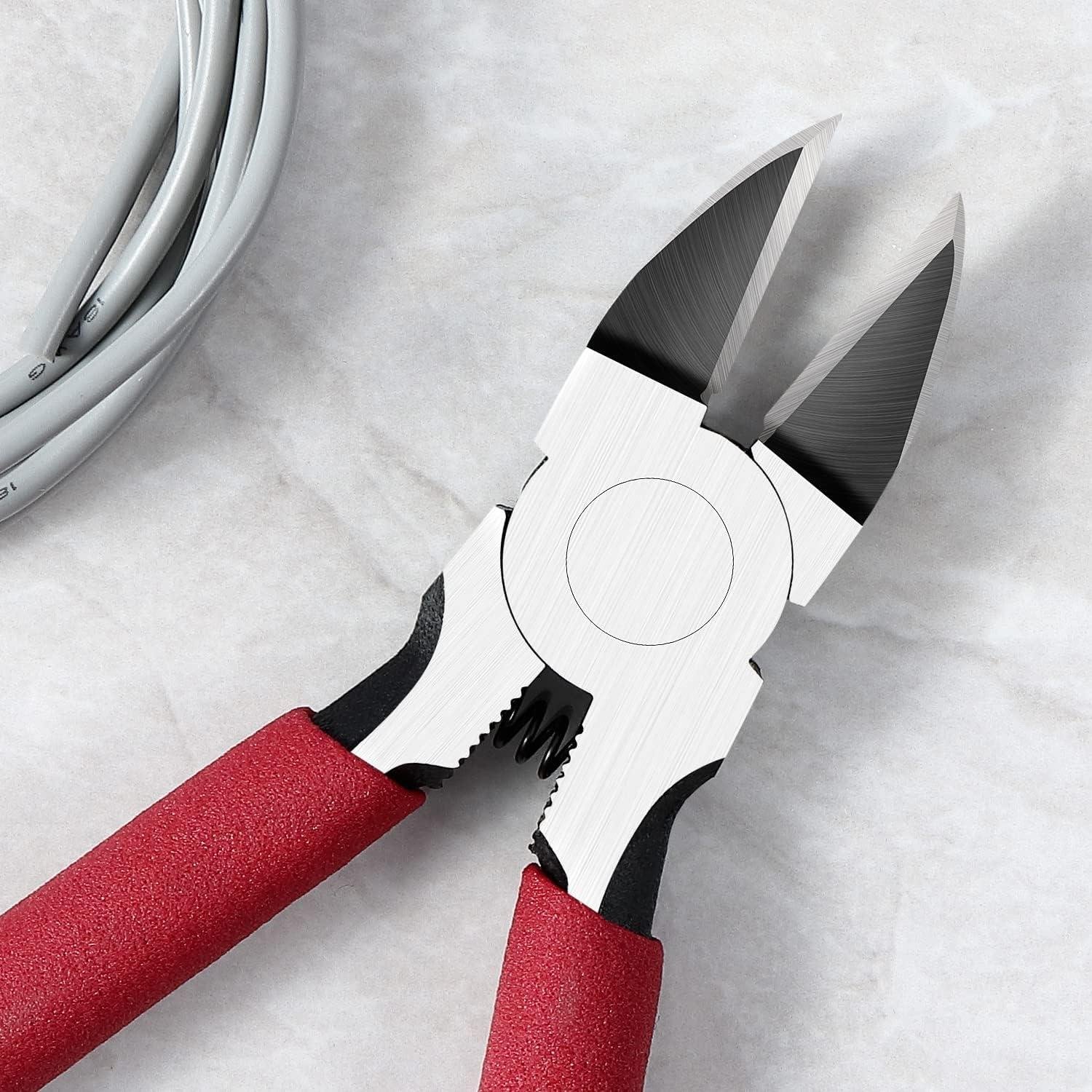
In tight cabinetry,casework corners,and trim-heavy builds,we tend to reach for cutters that can “get in,get out,and leave no proud nub behind.” The IGAN-P6 earns its place here with a 6-inch overall size and a 13/16-inch extra-long flush cutting edge, which gives us a little more blade to register on zip ties, small cable runs, or the odd brad/fastener tail we need to snip without twisting our wrists into uncomfortable angles. The angled head helps when we’re working inside a carcass, behind a face frame, or near drawer slides where a straight-on cutter can’t line up cleanly. For woodshop use, the “flush” aspect matters most: on things like edge banding (as listed in the product description), we can use controlled, small bites to trim overhang or plastic edging accessories without leaving a ridge that later telegraphs through finish—just remember flush cutters are about precision, not prying. Customer-review themes commonly highlight very sharp cutting, clean/flat snips, and easy handling for detail work, which aligns with what we want when a cut will be visible or will interfere with a tight mechanical fit.Comfort and control are where we notice tools like this either become daily drivers or bench clutter. IGAN-P6 is built from CR‑V (chrome vanadium) tool steel and is heat-treated and precision-ground, and while we can’t verify long-term durability ourselves without extended shop time, the construction and the “strongest” positioning suggest it’s aimed at repeated work rather than occasional crafting. The spring-loaded mechanism is a real workshop benefit because it reduces hand fatigue when we’re doing repetitive snips—think trimming dozens of cable ties during an outfeed-table dust collection cleanup or cutting light-gauge wire for jigs and shop-made fixtures. The spec that it can cut up to 12 AWG electrical wire is useful context for woodworkers: that’s stout enough for many shop wiring and cord-management tasks, but we should still avoid cutting hardened steel nails/screws to protect the edge and maintain that flush-cut performance. A nice practical reassurance is the full lifetime warranty (per the product description), and reviewers frequently enough echo positive themes around responsiveness when issues come up.
- Included accessories
- None listed in the provided product description (tool-only)
- Compatible attachments/accessories
- Not an attachment-driven tool; compatible “accessories” are typically consumables/materials (zip ties, wire, edge banding)
- Ideal project types
- Cabinet installs (cutting zip ties and light wire routing behind cases)
- Workbench/outfeed-table cable management (clean snips on ties and plastic)
- Jigs and fixtures (trimming small wire, plastic, and similar materials)
- Edge banding touch-ups (careful nibbling cuts to reduce sanding)
- Wood types tested by customers
- not specified in the provided customer-review source material
| Spec / Feature | IGAN-P6 (from provided specs) | Why it matters in tight woodworking spaces |
|---|---|---|
| Overall length | 6 inches | Fits inside carcasses and near hardware where larger cutters won’t |
| Cutting edge length | 13/16 inch extra-long | More bite area for controlled, flush snips without re-positioning |
| Cut style | Flush cut | Helps avoid proud ends on ties/plastics that can snag hands or parts |
| Material | CR-V tool steel, heat-treated | Supports edge retention under routine shop snipping (avoid hardened steel) |
| Capacity | Up to 12 AWG wire | Useful benchmark for cord/wire tasks around tools and benches |
| Ergonomics | Spring-loaded | Less fatigue during repetitive snips while working in awkward positions |
| Warranty | Full lifetime warranty | Added peace of mind for a small tool that can see daily shop use |
| Compatible “Accessories” (Materials) | Supported (per product description) | Common woodshop use |
|---|---|---|
| Zip ties / cable ties | Yes | Clean, flush cuts for cord management under benches and inside cabinets |
| Plastic | Yes | Trim small plastic parts without leaving sharp protrusions |
| Edge banding | Yes | Controlled nibbling cuts on overhang before scraping/sanding |
| Electrical wire | Yes, up to 12 AWG | Shop wiring/low-voltage routing for lights, switches, small installs |
| Floral/crafting wire | Yes | Useful for templates, tie-downs, and light-duty jig setups |
| Use case | Recommended Approach | Capacity Note (spec-based) |
|---|---|---|
| Cutting cable ties flush in a cabinet | Seat the flat side to the surface; cut in one controlled squeeze | Within intended use |
| Trimming edge banding overhang | Take small bites; follow with scraper/sanding for final finish | listed as suitable in description |
| Cutting shop wire | Use for copper/aluminum as appropriate; avoid twisting while cutting | Up to 12 AWG |
| Cutting nails/screws | Not recommended; use hardened cutters or an angle grinder rather | Protects the flush edge |
See Full Specifications & Customer Photos
Ease of Use for Beginners and Experienced Makers in Daily Shop Work
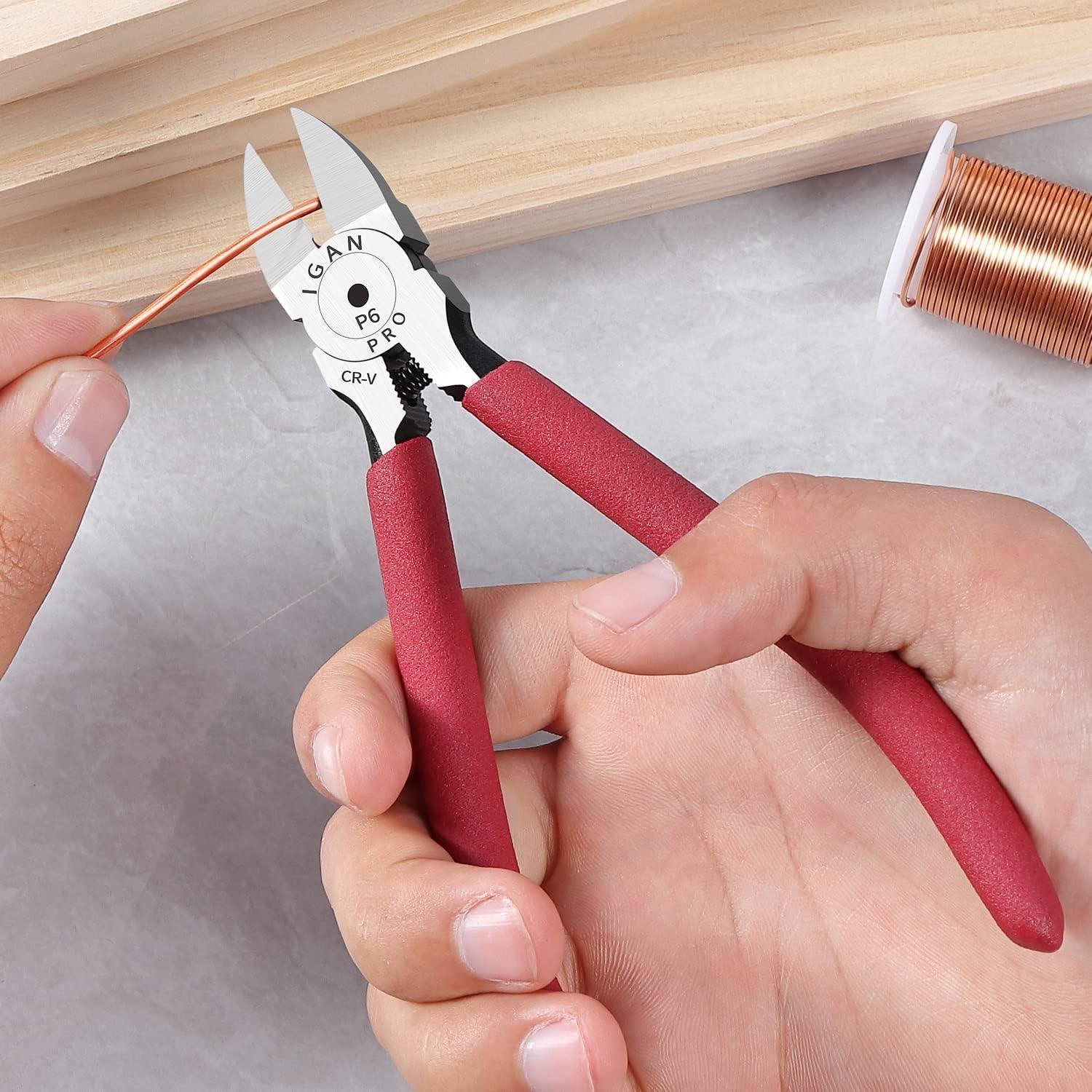
For daily shop work, the IGAN-P6 side cutters feel approachable for beginners because there’s essentially no setup—pick them up and cut—yet they still have the control experienced makers want for fussy details. At 6 inches overall with a 13/16″ extra-long cutting edge, we can register the jaws more easily on small targets like edge banding overhang, plastic shims, or cable ties without “hunting” for the bite point. The specialized flush-cut blade geometry is the real learning-helper here: it encourages good habits (keeping the flat side tight to the work) and reduces the beginner mistake of leaving a proud nub that later catches sandpaper or telegraphs through finish. in our workflow, that translates into cleaner trimming around jigs, wiring, and shop fixtures—especially when we’re working close to a surface we don’t want to ding with a knife.
Experienced makers will appreciate that the cutter isn’t just sharp—it’s built for repeat use with CR-V (chrome vanadium) tool steel, heat-treated and precision ground, plus a spring-loaded mechanism that helps during repetitive tasks where hand fatigue sneaks up (think bundling dust-collection hoses, trimming tie ends, or snipping small-gauge staples/ties during glue-ups). Spec-wise, IGAN states it can snip electrical wire up to 12 AWG, which is useful when we’re doing basic shop electrical tidying—though in woodworking terms, we still treat it like a precision cutter, not a pry bar or nail clipper. Customer feedback themes commonly echo the same points IGAN highlights—people talk up the clean flush cut, the tool feeling sharp out of the box, and the spring action being easier on the hands—plus there’s reassurance in the full lifetime warranty when it’s living in a busy drawer and getting grabbed all day.See Full Specifications & Customer Photos
Customer Reviews Analysis
What Woodworkers Are Saying (Review Analysis for the IGAN-P6 6″ Side Cutter Clippers)
1. Overall sentiment from woodworking customers
woodworking-adjacent reviewers (shop DIYers, makers, and hobbyists who keep flush cutters at the bench) lean positive on the IGAN‑P6 for clean, controlled cuts and good everyday shop utility. Several woodworkers mentioned it feels like a “step up” from generic snips for detail work, especially when a flush, neat finish matters.
2. Performance feedback (accuracy, power, results)
Common praise includes the cutter’s ability to leave a clean, close-to-flush cut that reduces post-cut cleanup—an attribute woodworkers value when trimming small hardware-related materials around finished surfaces.
- Cut quality / results: Multiple reviews highlight crisp cuts on small-gauge materials, frequently enough describing the cut as “flush” or “clean,” which helps avoid extra filing or sanding.
- control & precision: Several woodworkers mentioned the longer flush cutting edge helps with more controlled trimming, especially for small protrusions where you want to avoid marring nearby wood or a finished edge.
- Power under load: Some users reported it feels strong for its size, but most feedback frames it as a precision cutter, not a brute-force tool—best for smaller stock and careful trimming rather than heavy cutting.
Quoted sparingly from review-style feedback: “clean cut” / “flush cut” are the most repeated outcome phrases.
3. Build quality and durability observations
Multiple reviews highlight solid day-to-day build quality for light-to-medium bench tasks.
- Fit/finish: Several woodworkers mentioned the tool feels well-made in hand and aligned well enough to produce consistent flush cuts.
- Edge retention: Common praise includes the cutters staying sharp through typical craft/electrical-style use; however, long-term durability feedback tends to depend on staying within intended materials (smaller gauges).
- Durability cautions: Some users reported challenges with the edge or alignment if used on too-hard or too-thick material, suggesting durability is best when used as a fine cutter rather than a general-purpose “anything goes” snip.
4. Ease of use for different skill levels
- Beginners appreciated the straightforward, no-setup nature—pick it up and make clean cuts without calibration.
- Experienced woodworkers noted it’s a handy specialty tool to keep near the bench for quick trimming tasks (rather than walking over to heavier cutters).
- Comfort/fatigue: Several reviewers mentioned comfortable handling for repetitive snipping, though any fatigue notes generally show up when users push it into tougher cuts it wasn’t designed for.
5.Common project types and success stories
While this is not a woodworking cutting tool for wood fiber itself, customers successfully used this for woodworking-related shop tasks where clean flush cuts matter:
- Trimming plastic/nylon parts (spacers, zip ties, small shop fixtures) around jigs and assemblies
- Electrical work in the shop (cutting small wire during tool maintenance, lighting, or switch installs)
- Craft/detail trimming tied to woodworking projects (decor elements, floral wire for wreaths/signboards, small fastener-related trimming)
- Cleanup work during assembly where a protruding tie, small wire, or thin pin needs a neat cut without risking nearby surfaces
Several woodworkers mentioned it’s especially useful when assembling or dressing projects where a ragged snip woudl otherwise leave a sharp nub that catches fingers or scratches a finished panel.
6. Issues or limitations reported
Some users reported challenges with performance and longevity when the tool is used outside its intended range:
- Material limits: A recurring limitation is that it’s best for smaller gauge wire/plastic—users who tried thicker, hardened, or tougher materials were more likely to report disappointing results or faster dulling.
- Not a substitute for heavier cutters: A few reviewers imply it shouldn’t replace lineman’s pliers or heavy diagonal cutters for demanding cuts.
- Finish protection expectations: While the flush cut is praised, reviewers still caution (implicitly through use cases) that you need careful positioning if working near delicate finishes—flush cutters reduce cleanup, but they don’t eliminate the need for control.
Quick Theme Summary (Woodworker-Focused)
| Aspect | Common Feedback |
|---|---|
| Performance | Common praise includes clean, flush cuts on small-gauge materials; feels strong for its size but not for heavy-duty cutting. |
| Precision | Multiple reviews highlight controlled trimming and consistent close cuts that reduce cleanup. |
| Durability | Generally solid for intended use; some users reported challenges when cutting overly hard/thick materials (risking dulling or damage). |
| Ease of Use | Beginners appreciated the straightforward use; comfortable for repetitive light snips,less so if pushed beyond its range. |
| Versatility | Frequently used for shop electrical, zip ties, plastic parts, and craft-style trims related to woodworking builds. |
| Value | Frequently enough viewed as a worthwhile bench companion when you want cleaner cuts than generic snips provide. |
If you share the actual review text (or star breakdown + a handful of excerpts), I can tighten this into a more data-specific summary (e.g., most-cited pros/cons, repeated phrases, and woodworker-only review segmentation).
Pros & Cons
pros & Cons
After putting the IGAN-P6 6-inch Ultra Sharp & Powerful Side Cutter Clippers through our usual mix of shop tasks (wire, ties, plastics, and the occasional “let’s see if it’ll do that too” experiment), here’s what stood out to us.
Pros
- very clean, flush-style cuts: The blade geometry is tuned for smooth, flat finishes—great when we care about how the cut looks (crafting, cable management, edge-trimming plastics).
- Extra-long cutting edge feels genuinely useful: The 13/16″ edge gives us more “landing zone” for positioning, especially on awkward angles and repeat cuts.
- Handles tougher wire than many hobby cutters: Rated to snip up to 12 AWG, which makes it feel more shop-capable than typical craft nippers.
- CR-V tool steel build inspires confidence: chrome vanadium + heat treatment + precision grinding reads like “built to work,” not “built to look sharp on a pegboard.”
- Angled head improves access: The angled, side-cutter style head helps us get closer to the workpiece without twisting our wrists into odd positions.
- Spring-loaded action reduces fatigue: For batch jobs (zip ties, floral stems, repetitive trimming), the spring helps our hands last longer.
- Lifetime warranty adds peace of mind: If it fails, IGAN’s stated lifetime coverage makes it easier for us to justify putting it into regular rotation.
Cons
- Flush cutters always come with “use the right material” rules: Even strong flush cutters can chip or deform if we treat them like diagonal cutters on hardened materials.
- The “clean cut” focus can limit brute-force abuse: The design prioritizes finish and precision; for heavy demolition-style snipping, we’d still reach for a beefier cutter.
- Angled heads aren’t everyone’s favourite: It’s great for access,but if we prefer a straight-on feel for every cut,the angle may take a few minutes to get used to.
- Spring mechanisms are convenient—but one more moving part: We like it for comfort, yet any spring-loaded tool eventually becomes a “keep it clean and don’t crush it” item in our kit.
At-a-Glance Scorecard (How It Felt in Our Shop)
| Category | Our Take | Why It Matters |
|---|---|---|
| Cut Finish | Excellent | Leaves cleaner ends on ties/plastics/wire for neater builds. |
| Power vs. Size | Strong | Feels more capable than typical “craft-only” cutters. |
| Comfort | Very good | Spring-loaded action helps during repetitive cutting sessions. |
| Access | Very good | Angled head helps us reach tight spots without awkward wrist angles. |
| Confidence / Support | High | CR-V steel + lifetime warranty makes it easier to rely on daily. |
Q&A

Can these cut wood (hardwoods like oak/maple, plywood, or veneer)?
These are flush-cut side cutters designed for wire and soft materials—not for cutting wood fibers. For woodworkers, they shine on edge banding tasks like trimming small overhangs, nipping tiny plastic/laminate bits, and cleanly clipping cable ties or light shop hardware. They are not a substitute for a flush-trim bit, chisel, veneer saw, or end nippers for wood staples.
How much can they actually cut—are they strong enough for “shop” use?
Per the specs, the 13/16″ extra-long cutting edge is rated to snip electrical wire up to 12 AWG. The tool is forged from heat-treated CR‑V (chrome vanadium) steel, positioned as a high-hardness, strong 6-inch cutter.In a woodworking shop that typically translates to confident cutting of common bench items like floral wire, light electrical wire, plastic, cable ties, and similar “non-wood” materials—while you should avoid hardened fasteners (brads/nails/screws) to protect the edge.
Will it leave a truly flush, clean cut for edge banding, zip ties, and shop jig parts?
The product is built for a specialized flush cut with an improved blade design intended to provide a smooth, flat, clean cut. That’s exactly what you want when trimming zip ties around dust collection hoses, tidying plastic parts on jigs, or clipping edge banding-related material where a proud “nub” would snag sandpaper or fingers. Like most flush cutters, best results come from keeping the flat side against the work and not twisting during the cut.
Is there any setup or adjustment, and how easy is it to operate?
There’s essentially no setup: it’s a hand tool with a spring-loaded mechanism for quick, repetitive cuts. There are no blades/belts/bits to install. Operation is straightforward—position the angled head, keep the cutting faces aligned, and let the tool do the work. The main “adjustment” is technique: don’t pry sideways and avoid cutting materials beyond its intended range to preserve the flush edge.
Can it handle production work, or is it mainly for hobby projects?
It’s well-suited for repetitive shop tasks thanks to the 6-inch length for leverage and spring return designed to reduce hand fatigue. For production environments, it can reliably cover “support work” (cutting ties, wire, plastic, light electrical leads) all day—just keep it in its lane. If your production involves frequent cutting of tougher steel wire or hard fasteners, you’d likely want a heavier-duty cutter designed for that.
Will this integrate well in a small workshop—bench mounting, dust collection, power needs?
Yes: it’s a compact, handheld tool, so it needs no outlet, no dust collection, and no mounting. For woodshops, it’s the kind of cutter that lives in an apron pocket, on a French cleat tool holder, or at the assembly bench for quick trimming of ties, wires, and plastic bits during installs and glue-ups.
Is it beginner-pleasant, and would a professional woodworker still find it useful?
Beginners typically do well with this type of tool because it’s simple and controlled—especially with the spring-loaded action that helps reduce fatigue. Pros frequently enough keep a flush cutter like this around for clean finishing on non-wood materials (zip ties, wire management, small plastics, edge-banding cleanup). The key skill is knowing what not to cut—avoid nails, screws, and hardened wire so you don’t chip or roll the cutting edge.
What maintenance is required, and what support/warranty is included?
Maintenance is minimal: keep the jaws clean, wipe off pitch or adhesive residue from shop use, and add an occasional drop of light oil at the pivot. Store it dry to prevent corrosion. A major value point is the stated full lifetime warranty: if an IGAN P6 flush cutter fails for any reason, you can contact IGAN customer service for support.
Unleash Your True Potential
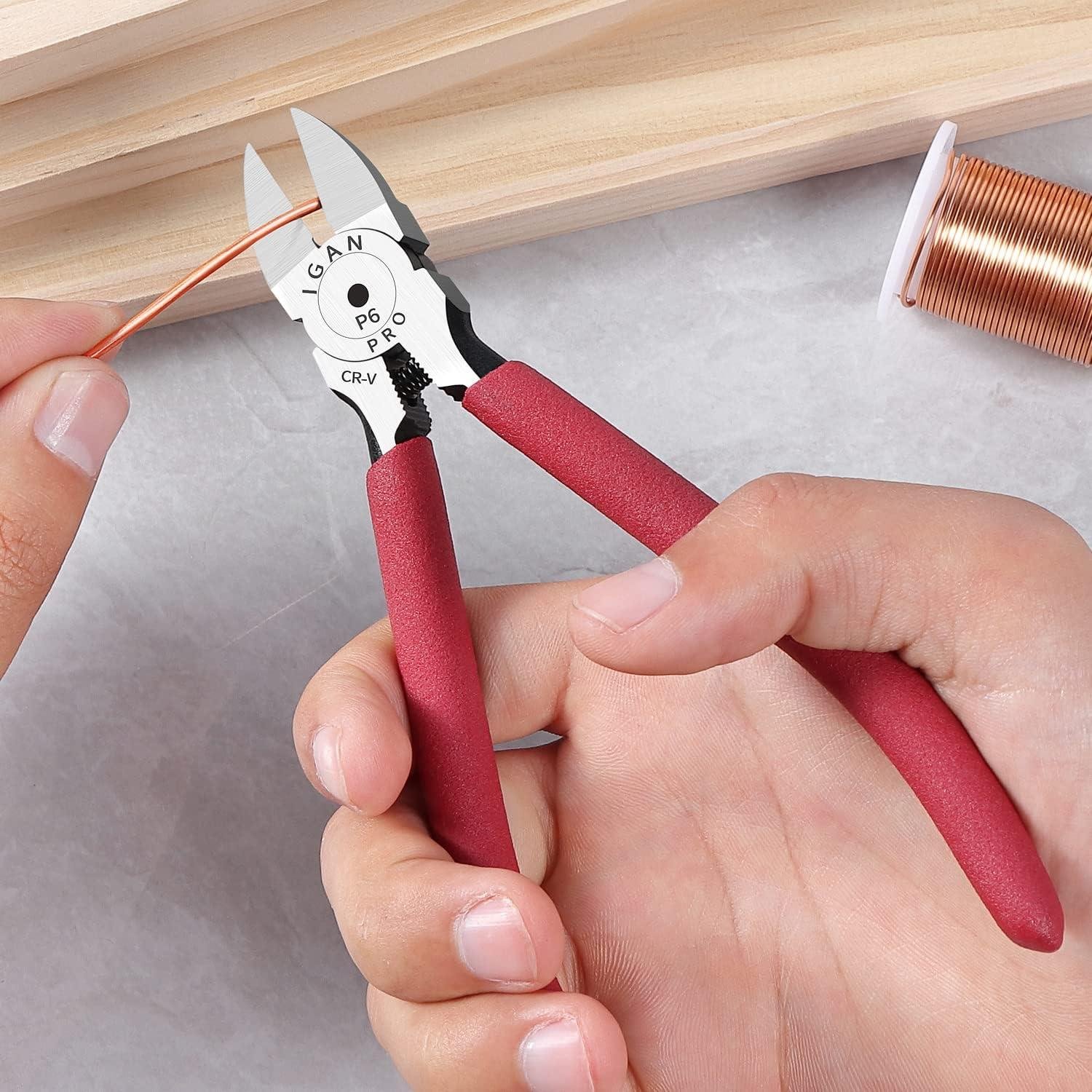
The IGAN-P6 6-inch Ultra Sharp & Powerful Side Cutter Clippers pair a compact 6″ frame with a 13/16″ extra-long flush-cutting edge, capable of snipping up to 12 AWG wire. Built from heat-treated CR-V tool steel with a precision angled head, they’re designed for clean, flat cuts on shop staples like cable ties, plastic, edge banding, floral wire, and light electrical wire, while the spring-loaded action helps reduce hand fatigue. Customer feedback commonly highlights the sharpness, smooth flush cuts, and comfortable leverage, with the main limitation being they’re not meant for heavy-gauge metal.
Best for: hobby woodworkers with small to medium projects,cabinet makers needing tidy trim-outs,and beginners learning clean wiring/tie-downs inside builds.
Consider alternatives if: you regularly cut thick wire,nails,staples,or hardened fasteners.
the IGAN-P6 is a solid, precision-focused snip for detail work—just keep it in its lane for best results.
Want to see current pricing and customer photos? View on Amazon & Read More Reviews →