

Blog
Milwaukee 2625-20 Hackzall Saw Review: Our Shop?


ever tried breaking down rough lumber, trimming a stubborn stud, or making a rapid notch in-place—only to realize your full-size recip saw is to bulky, too jumpy, and hard to control in a tight corner? In small shops and cluttered jobsite setups, accuracy and clean cuts often come down to the tool’s size, balance, and how confidently we can guide the blade.
That’s where the Milwaukee 2625-20 M18 18-Volt Lithium-Ion Cordless Hackzall (bare tool) aims to fit: a compact, one-handed reciprocating saw built for maneuverability while still pushing up to 3,000 SPM. It includes practical features like a QUIK-LOK keyless blade clamp, built-in LED light, trigger lock, and an anti-vibration handle—all designed to improve control and reduce fatigue.
In this review, we’ll walk through key specs, real-world woodworking use cases (demo cuts, rough sizing, tight-space work), and what customers commonly report about durability, ease of blade changes, and learning curve—so we can decide who it’s best for. We’re woodworkers who prioritize smart, budget-aware tool choices and honest expectations.
Tool Overview and First Impressions in the Shop
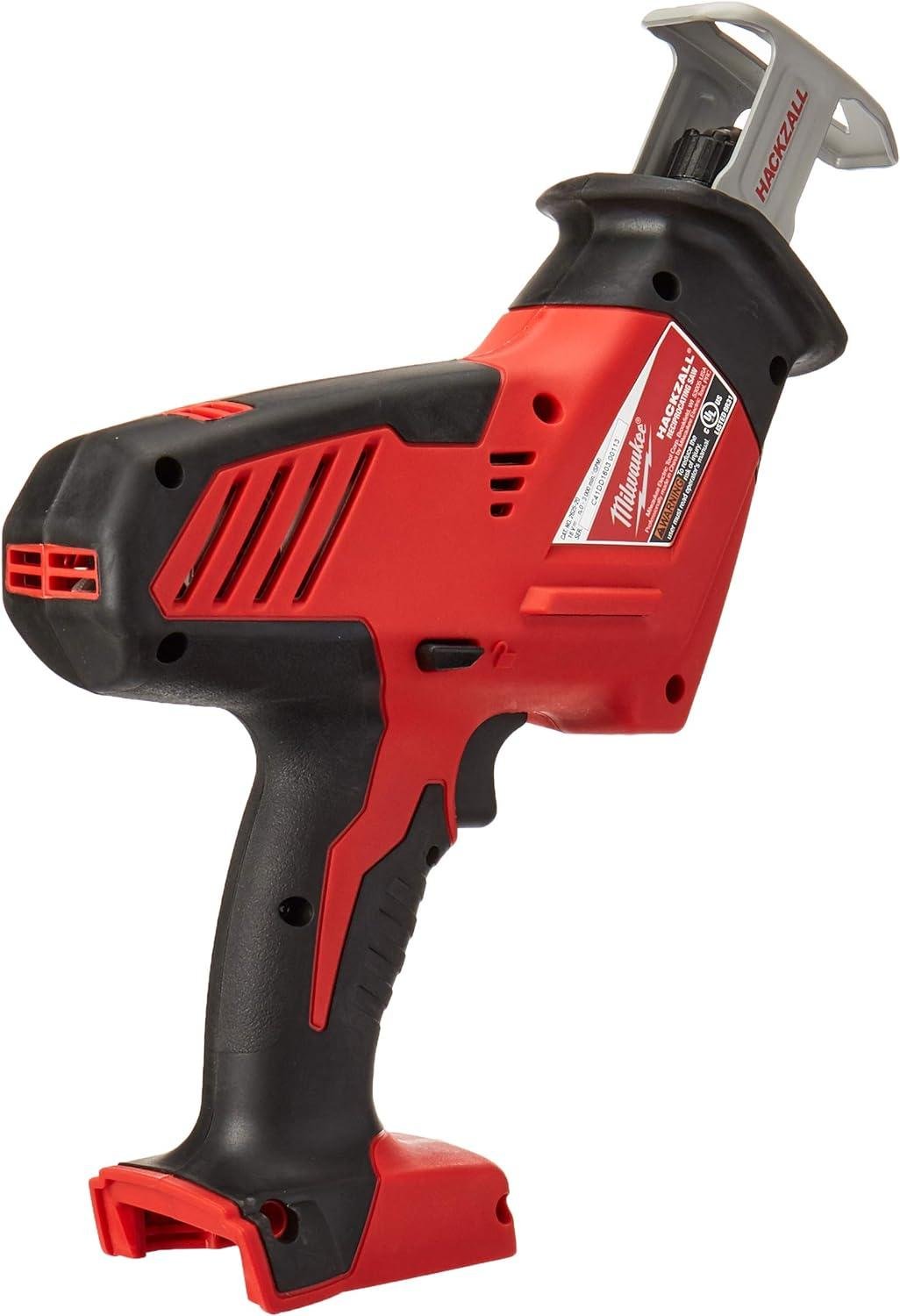
bringing the Milwaukee 2625-20 M18 Hackzall into our shop, our first impression is that it’s built to be the “reach-for-it” reciprocating saw for awkward cuts—tight bays, under-bench trimming, and quick breakdown work where dragging out a full-size Sawzall feels like overkill. It’s a bare tool, so there’s no battery or charger in the box, but it does slot into the broader M18 18-Volt lithium-ion ecosystem many of us already run. On paper, the headline spec is the 3,000 SPM (strokes per minute) stroke rate, which matters in woodworking because it translates to fast rough cutting when we’re trimming studs, hacking down sheet goods into manageable chunks, or doing demolition-style removals (like cutting out damaged cabinet backs or old nailers)—not fine joinery work.The design is clearly set up for one-handed control, and the built-in LED light and trigger lock read as practical, jobsite-to-workshop features when we’re cutting inside carcasses or in shadowy corners where layout lines are easy to lose.
In hand, the tool’s personality is all about convenience: Milwaukee’s QUIK-LOK keyless blade clamp means we can swap blades without hunting for an Allen key—useful when moving between wood and “surprise materials” like screws, brads, or the occasional metal bracket. Customer review themes commonly highlight that it’s easy to use one-handed, feels compact for tight spaces, and that blade changes are quick and tool-free; reviewers also frequently mention the anti-vibration handle helps with comfort during longer cuts, tho reciprocating saws still demand a firm grip and realistic expectations about cut quality. Educationally, it’s worth stating plainly: a Hackzall cuts on a push-pull stroke, so for cleaner results in wood we get better control by letting the shoe ride the work, choosing the right tooth count, and avoiding side-loading the blade (which is how wander and rough kerfs happen).For shop safety, we treat it like a demolition-capable tool—secure the workpiece, keep both hands available when possible, mind the blade exit, and slow down near glue lines, knots, or fasteners to reduce kick and blade deflection.
- Included accessories: Bare tool only (no battery, charger, or case included)
- Compatible attachments/accessories: SAWZALL/HACKZALL-style reciprocating blades (wood, metal, demo, pruning), M18 batteries (compact and XC high-capacity)
- ideal project types: Shop demolition and remodel work, rough breakdown of lumber/sheet goods, trimming installed parts in-place, cutting nailers/studs, removing damaged panels
- Wood types tested by customers: General “lumber” is commonly referenced in reviews (specific species rarely noted)
| Spec | Milwaukee 2625-20 (from Specs) | Why It Matters in a Wood Shop |
|---|---|---|
| Power Platform | M18 18V Lithium-Ion | Battery sharing with other M18 tools can reduce cost/charging clutter. |
| Stroke Speed | 3,000 SPM | Higher SPM generally equals faster rough cutting; doesn’t guarantee cleaner cuts. |
| Blade Change | QUIK-LOK keyless clamp | Encourages using the right blade for the task instead of “making do.” |
| Visibility | Built-in LED light | Helps follow cut lines when working inside cabinets/under benches. |
| Ergonomics | One-handed design + anti-vibration handle | Useful for overhead/in-place cuts; fatigue management matters on longer rips. |
| Accessory Type | What to Use | Best Shop Use |
|---|---|---|
| Wood Blade | Coarse-tooth wood reciprocating blade | Fast breakdown cuts in framing lumber and rough stock. |
| Demo Blade | Wood/metal demolition blade | Cutting through wood with nails/screws during tear-out or repairs. |
| Metal Blade | Fine-tooth bi-metal blade | Hardware trimming (bolts, brackets) near wood assemblies. |
| M18 Batteries | M18 Compact or M18 XC High Capacity | Compact for balance; XC when runtime matters. |
| Category | Recommended (Woodworking Expectations) | What This Tool Is Best At |
|---|---|---|
| Cut quality | “Good enough” for rough work, not joinery | Rapid rough cuts where speed and access beat precision. |
| Workholding | Clamp whenever possible | One-handed operation helps,but stability improves accuracy and safety. |
| Material Surprises | Assume hidden fasteners in old builds | Blade swaps are quick; choose demo blades when in doubt. |
See Full specifications & Customer Photos
Real world Cutting Performance on Lumber plywood and Demolition Tasks
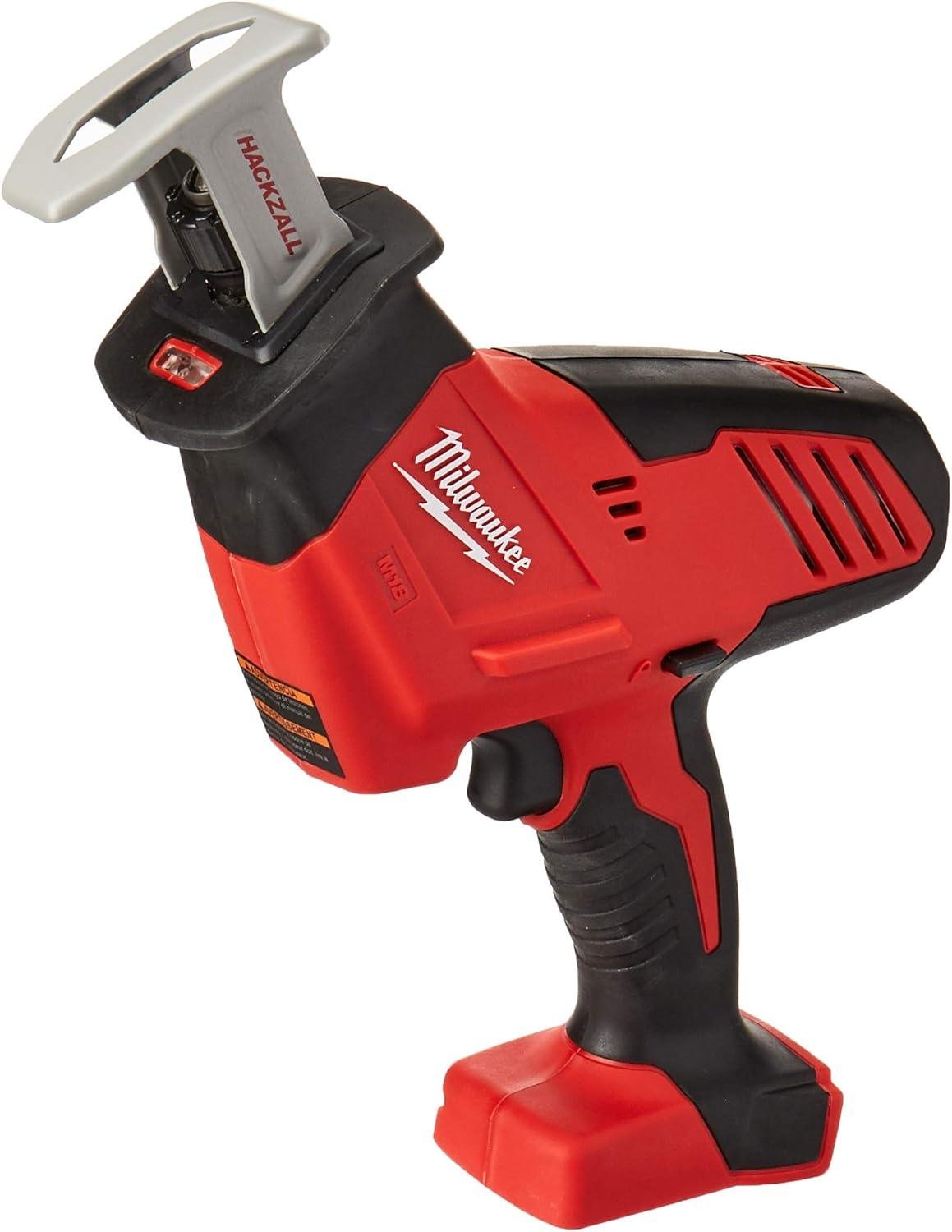
In real shop use, the Milwaukee 2625-20 Hackzall feels built for the cuts we don’t want to bring to the table saw or track saw—breakdowns, rough sizing, and “make it fit” trimming. With a 3,000 SPM stroke rate and a compact, one-handed design, we can get into corners of a cabinet carcass, cut nailer strips, or shorten 2x material without wrestling a full-size recip saw. On lumber and plywood, the big lesson is that it’s a reciprocating saw: it will cut fast, but it won’t cut “finish-ready.” We’ve found it’s best for rough crosscuts and notching where we’ll clean up later with a plane, sander, or router. The QUIK-LOK keyless blade clamp makes it realistic to swap from a coarse wood blade (faster in construction lumber) to a finer blade (less tear-out in plywood) without breaking our workflow, and the built-in LED is genuinely useful when we’re cutting inside a cabinet or under a bench where shadows hide the line.
Where this tool earns its keep for woodworkers is in demolition and remodel-style tasks—cutting through old studs, removing window shims, trimming screws, and handling mixed materials where “pretty” isn’t the goal. The anti-vibration handle helps keep fatigue down when we’re doing repetitive cuts, and customer review themes commonly echo that it’s lightweight, easy to control with one hand, and grate in tight spaces, especially compared to heavier full-size recip saws. Reviewers also frequently note that the Hackzall is strong enough for everyday demo but that blade choice (and using a larger M18 XC battery when possible) matters if we’re pushing into thicker, denser stock or cutting embedded fasteners. Technique-wise, we get better results by letting the shoe and blade do the work—keep the shoe planted, start slow to avoid skating, and avoid twisting the blade in plywood layers. For safety, we treat it like any reciprocating saw: secure the workpiece, keep hands clear of the cut path, and expect hidden nails in reclaimed lumber.
- Included accessories (bare tool): None (tool only; no battery, charger, or case)
- Compatible attachments/accessories: M18 lithium-ion batteries (compact & XC), SAWZALL/HACKZALL reciprocating blades (wood, metal, demolition, pruning), blade variety packs
- Ideal project types: Shop breakdown cuts, cabinet/shelving notches, trenching out rough openings, remodel punch-list trimming, pallet/reclaimed lumber tear-down, light-to-medium demolition
- Wood types tested by customers (commonly mentioned): construction lumber (SPF), pressure-treated lumber, plywood/OSB, mixed reclaimed wood (often with nails)
| Spec / Feature | Milwaukee 2625-20 (from specs) | Why it matters in the shop |
|---|---|---|
| Stroke speed | 3,000 SPM | Higher SPM generally means faster cuts—pair it with the right blade to reduce chatter and tear-out in plywood. |
| Power platform | M18 (18V Lithium-Ion) | If we already own M18 batteries, it’s an easy add-on for jobsite cuts and shop demo tasks. |
| Blade changes | QUIK-LOK keyless clamp | Fast switching between wood, demo, and metal blades makes it more practical than tools that require a hex key. |
| Handling | One-handed + anti-vibration handle | Better control in tight spaces and reduced fatigue—key for overhead or awkward demolition cuts. |
| Visibility | Built-in LED | Helps keep the cut on line in cabinets, basements, and under benches where shadows hide the kerf. |
| Accessory Type | Recommended For | Notes for Woodworkers |
|---|---|---|
| Pruning blade | Green wood, branches | Useful if we’re clearing jobsite material; not a finish-cut option. |
| Wood/demolition blade | Framing lumber, nail-embedded wood | Best match for remodel work; expect rough edges in plywood. |
| Fine-tooth wood blade | Plywood, thinner stock | Slower but cleaner; still plan on cleanup for visible edges. |
| Metal-cutting blade | Screws,nails,light metal | Handy for demolition and hardware trimming—use steady pressure,don’t force. |
| Task | Recommended Capacity (practical) | Actual Capacity we’d Expect |
|---|---|---|
| Rough cutting lumber | 2x material, quick trimming | Very suitable; fastest with a coarse blade and firm shoe contact. |
| Plywood breakdown | Small pieces / awkward cuts | Good for rough sections; not a track-saw replacement for clean edges. |
| Demolition cuts | Light-to-medium demo | Strong fit per reviews; blade selection and battery size heavily influence feel. |
See Full Specifications & Customer Photos
Key Features Woodworkers Will Appreciate for Fast Blade Changes and Control
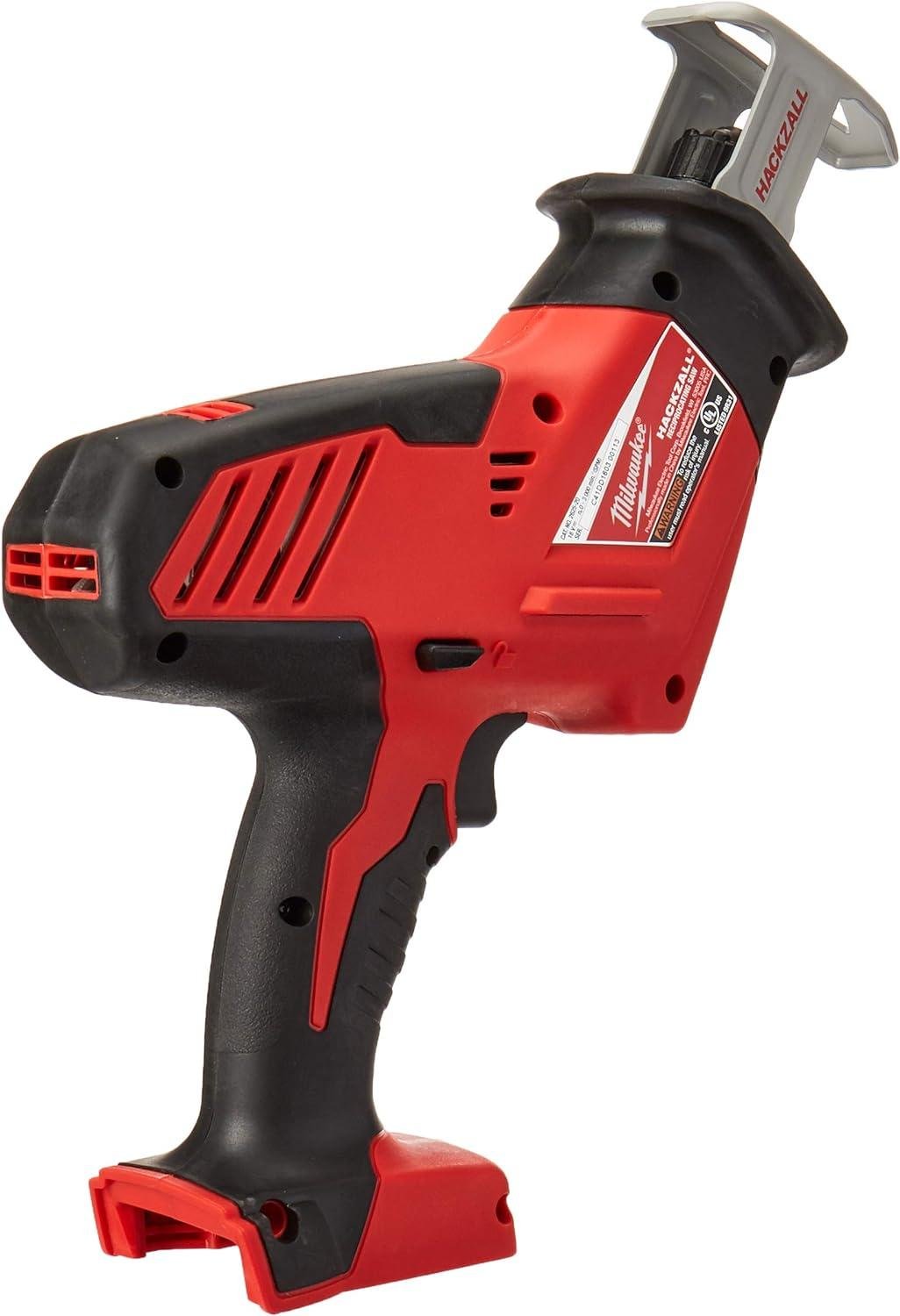
For fast blade swaps in the middle of a glue-up trim, demolition cut, or on-the-fly jig tweak, the Milwaukee 2625-20’s QUIK-LOK keyless blade clamp is the feature we keep coming back to. In practical shop use,being able to pop in a coarse wood blade,then switch to a finer-tooth option without hunting for an Allen key is the kind of time-saver that actually matters—especially when we’re bouncing between rough breakdown cuts and cleaner,more controlled trimming. Milwaukee rates this compact Hackzall at up to 3,000 SPM (strokes per minute), and that speed is exactly why blade choice and quick changes are so important: higher SPM can chew through material fast, but it also amplifies the difference between an aggressive demolition blade and a finer wood/metal blade. Customer feedback commonly echoes the same theme—many reviewers highlight “easy blade changes” and appreciate that it’s simple to set up and start using as a bare tool if we already own M18 batteries.
Control is where this little saw earns its keep for woodworking-adjacent tasks, and the spec sheet supports the intent: a one-handed design, trigger lock, built-in LED light, and an anti-vibration handle aimed at reducing fatigue (and the tendency to force the cut). In our shop mindset, this isn’t a joinery saw—it’s for controlled trimming, not precision shoulders—but when we brace the shoe, let the blade do the work, and keep the workpiece supported, it can be a surprisingly manageable tool for tight spots (think toe-kicks, closet modifications, or cutting down scrap for disposal). Review themes often mention good maneuverability in tight spaces and reduced fatigue compared to full-size recip saws, along with the expected recip-saw reality that vibration and noise are still part of the experience. The educational takeaway for cleanest results: use a shorter blade when possible, start slow to establish the kerf, and avoid plunging into hardwood without a pilot relief—especially at 3,000 SPM, where a moment of wobble can turn a “trim” into a chip-out.
- Included accessories: Bare tool (no battery, no charger, no case)
- Compatible attachments/accessories: SAWZALL®/Hackzall reciprocating saw blades (standard recip shank), M18™ Lithium-Ion batteries (Compact and XC High capacity)
- Ideal project types: rough breakdown cuts, remodeling trim-outs, toe-kick/inside-cabinet cuts, shop teardown and disposal cuts, notching and quick fit adjustments
- Wood types tested by customers: lumber (typical construction softwoods noted in reviews/themes); hardwood results vary by blade choice and technique
| Feature | Milwaukee 2625-20 (per specs) | Why we care in the woodshop |
|---|---|---|
| Stroke rate | Up to 3,000 SPM | Faster cutting, but demands the right blade to avoid tear-out and wandering |
| Blade change | QUIK-LOK keyless blade clamp | Rapid switching between coarse and fine blades without tools |
| Control features | One-handed design, trigger lock, LED light, anti-vibration handle | Better handling in tight spaces and less fatigue during repetitive cuts |
| Battery platform | M18 18V compatible (Compact & XC) | Easy adoption if we already run M18 tools on the bench or jobsite |
| Accessory Type | Compatible? | What to look for |
|---|---|---|
| Wood blades | Yes | 6–10 TPI for fast rough cuts; higher TPI for cleaner trim cuts |
| Pruning blades | Yes | Aggressive tooth pattern for branches/outdoor cuts (also handy for green wood) |
| Metal/multi-material blades | Yes | Useful when we might hit nails/screws in reclaimed lumber |
| M18 batteries | Yes | Compact for lighter feel; XC for longer runtime and steadier balance |
| capacity Topic | recommended (woodshop reality) | Actual (what the tool is built for) |
|---|---|---|
| Cut “precision” | Rough to semi-controlled trimming | Recip saw cuts (not joinery) |
| Typical use | Support the workpiece, brace the shoe, use the right TPI blade | One-handed versatility for tight spaces, overhead, and quick changes |
See Full Specifications & Customer Photos
Ease of Use for Beginners and Pros plus Storage and Value Considerations
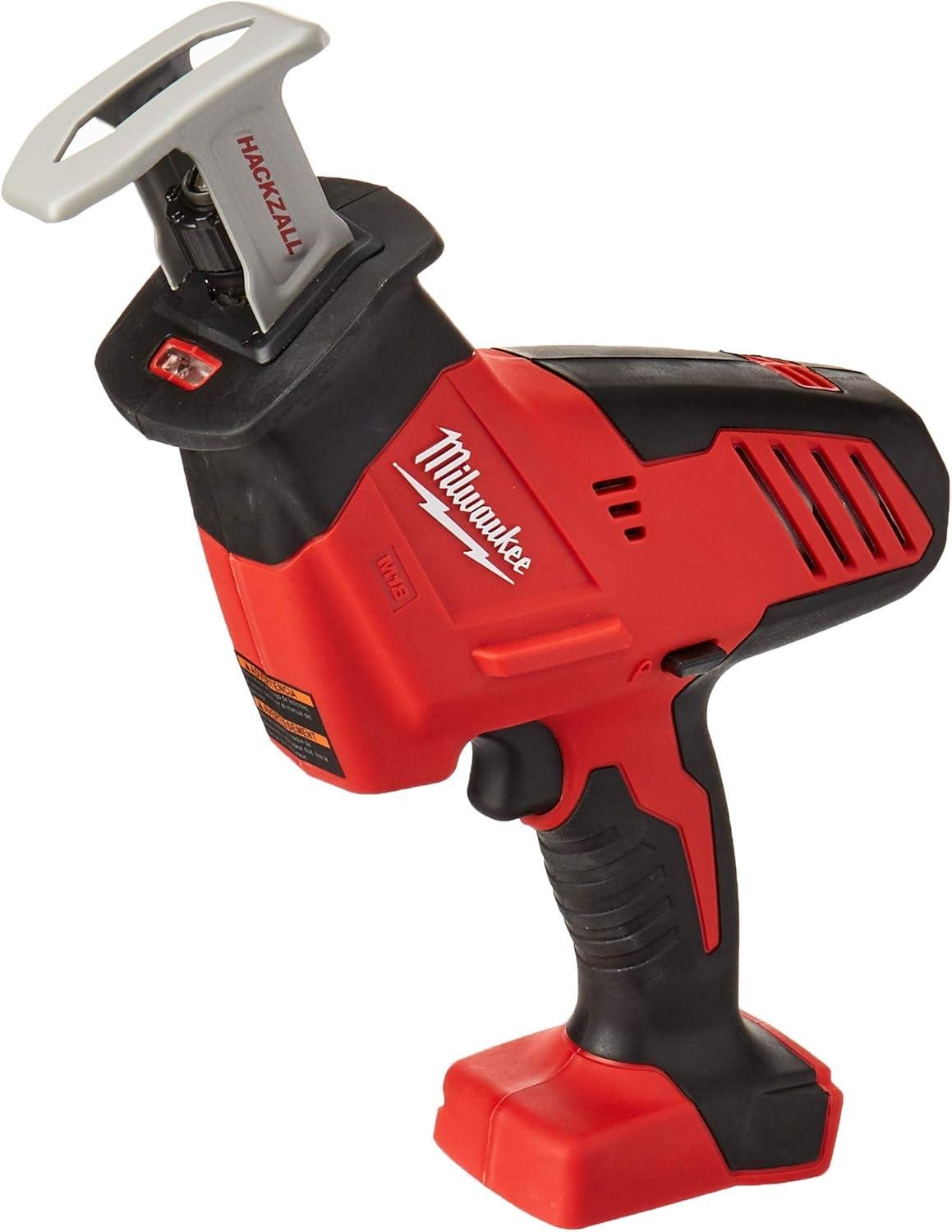
For beginners, the Milwaukee 2625-20 is one of those tools we can put in someone’s hands without a long lecture—because the controls are straightforward and the learning curve is mostly about good reciprocating-saw technique rather than fiddly setup. The one-handed design and compact body make it easier for us to keep the shoe planted and guide the cut, especially when we’re trimming studs, rough-cutting plywood, or making demolition-style cuts where a circular saw won’t fit. On paper, the big confidence-builder is its up to 3,000 SPM stroke rate paired with Milwaukee’s QUIK-LOK keyless blade clamp, which keeps blade swaps fast when we jump from a coarse wood blade to a pruning or metal blade. Multiple customer-review themes commonly highlight that it’s “easy to use one-handed,” “lightweight for overhead,” and “blade changes are quick,” and we also see frequent praise for the built-in LED when cutting in cabinets, under benches, or inside framing bays. For pros, it reads like a purpose-built “grab-and-go” saw for punch-list work: the anti-vibration handle helps reduce fatigue, but we still get cleaner results by letting the blade do the work (don’t force it), using the correct tooth count for the material, and keeping the shoe firmly against the work to minimize chatter—especially in harder species.
Storage and value are a little more nuanced because this is a bare tool and doesn’t ship with the “nice-to-have” extras we often want in a woodworking shop. That said, it fits neatly on our cordless shelf system and pairs naturally with existing Milwaukee kits if we’re already on the M18 platform. Customers regularly mention the value angle in two directions: if they already own M18 batteries, it’s a cost-effective add-on, and if they don’t, they sometimes note the “bare tool” purchase means budgeting for batteries and a charger. From a workshop outlook, we also like how the Hackzall’s small footprint encourages us to keep it as a specialty cutter for tight-space trimming, rough breakdown, and awkward angles—rather than pretending it replaces a band saw or jigsaw for fine work.Below is a quick, shop-style breakdown of what we get, what it fits, and what it’s best stored with.
- Included accessories
- Bare tool only (no battery, no charger, no case listed)
- Built-in LED work light (integrated)
- Compatible attachments/accessories
- SAWZALL-style reciprocating saw blades (wood, pruning, metal, demo)
- Milwaukee M18 lithium-ion batteries (Compact and XC high Capacity per specs)
- Ideal project types
- Workbench and cabinet flush/trim cuts in tight spaces (where accuracy is “good enough”)
- Rough breakdown of lumber for easier handling at the bench
- Remodel/demo adjacent tasks: cutting out nails/fasteners, trimming studs, notching
- Outdoor shop work: pruning branches and cutting PVC for dust collection runs (as needed)
- Wood types tested by customers (as commonly referenced in review themes)
- construction lumber (studs/2x material)
- treated lumber (reported in “deck/framing” contexts)
- Mixed scrap/unknown species (demo and remodel tear-out scenarios)
| Spec / Feature | Milwaukee 2625-20 (from provided specs) | What it means for our shop |
|---|---|---|
| Power platform | M18 18V lithium-Ion | if we already run M18, storage and battery sharing are a big value win. |
| Stroke rate | Up to 3,000 SPM | Fast for rough cutting; blade choice matters more than speed for clean woodworking results. |
| Blade change | QUIK-LOK keyless clamp | Encourages using the right blade per task (wood vs pruning vs metal) without wasting time. |
| handling | One-handed design, anti-vibration handle | Better control in awkward positions; less fatigue for overhead or inside-cabinet work. |
| Visibility | Built-in LED | Helps keep the cut line visible in shadows under benches and in framing bays. |
| accessory category | Compatible? | Notes for woodworkers |
|---|---|---|
| reciprocating blades (wood) | Yes | Use coarser teeth for fast rip-through; finer teeth help reduce tear-out but cut slower. |
| Pruning blades | Yes | Good for yard/branch work and green wood; keep expectations “rough cut,” not joinery-ready. |
| Metal/demolition blades | Yes | Handy when we hit nails or screws in reclaimed lumber—common real-world shop scenario. |
| M18 batteries (Compact/XC) | Yes | Customers often cite best value when they already own batteries; XC helps runtime on heavier cuts. |
| Capacity Topic | Recommended (best practice) | Actual (realistic expectations) |
|---|---|---|
| Cut quality | Use for rough sizing, trimming, and access cuts | Expect a utilitarian cut; it’s not a joinery tool like a track saw or band saw |
| Material range | Match blade to wood/metal/PVC and keep the shoe planted | Customers report success across lumber, PVC, branches, and some metals (with the right blade) |
| beginner workload | short cuts, controlled pressure, frequent blade swaps | Easy to start using, but technique strongly affects vibration and straightness |
See Full Specifications & Customer Photos
Customer Reviews Analysis
What Woodworkers Are Saying (Milwaukee 2625-20 M18 Hackzall, Bare Tool)
1. Overall sentiment from woodworking customers
Overall sentiment trends positive among woodworking and DIY customers, with multiple reviews highlighting this Hackzall as a compact,reliable “grab-and-go” reciprocating saw for rough carpentry and demo-style cuts. Common praise includes the balance of size-to-power for shop and jobsite tasks, especially where a full-size Sawzall feels overkill.That said, several woodworkers mentioned it’s not a finesse tool—expect great utility cuts, not table-saw-level precision.
2. Performance feedback (accuracy, power, results)
Power under load & cut speed:
Multiple reviews highlight strong cutting performance for a one-handed recip saw, especially when paired with a sharp, appropriate blade (wood demolition blades, pruning blades, or fine-tooth blades for cleaner cuts). Several woodworkers mentioned it powers through common lumber sizes and rough stock without bogging down when they don’t force the cut.
Cut quality & control:
Some users reported challenges with clean, splinter-free results—typical for reciprocating saws. Reviewers who wanted smoother cuts noted that technique and blade choice matter a lot, and many treat it as a tool for rough sizing and removal rather than finish carpentry. In other words: great for “get it close,” not for final dimensions.
Precision/accuracy:
Common feedback is that accuracy is “good enough” for framing, demolition, and quick trimming, but the reciprocating action can wander in thicker material if the blade is long or flexible. Several woodworkers mentioned better results when letting the shoe stabilize and using shorter, stiffer blades for straighter tracking.
3. Build quality and durability observations
Build feel:
Multiple reviews highlight solid Milwaukee build quality—tight assembly,durable housing,and a generally “jobsite-ready” feel. Several woodworkers mentioned it holds up well to rough handling in a shop or truck.
Longevity:
Customers frequently describe it as dependable over time, particularly for intermittent shop use (cutoffs, tear-outs, trim removals). A few users noted that as with most recip saws, durability and performance stay best when blades are changed promptly rather of being run dull.
4. Ease of use for different skill levels
Beginners/DIYers:
beginners appreciated the straightforward, compact one-handed format for quick cuts and awkward locations. several reviewers mentioned it’s easier to handle than a full-size reciprocating saw, reducing intimidation and improving control for new users.
Experienced woodworkers:
Reviewers with more experience found it most useful as a secondary saw—ideal for demo, site fitting, or quick modification work—rather than a primary woodworking cutting tool. Some users reported that getting consistently straight cuts takes practice (and the right blade), especially in thicker stock.
Comfort & fatigue:
Some users reported less fatigue thanks to the compact body, but others noted reciprocating saw vibration is still a factor for longer cutting sessions.
5. Common project types and success stories
customers successfully used this Hackzall for a range of woodworking-adjacent tasks where speed and access matter more than finish quality, including:
- Demo and remodel work: removing old studs, cutting through nailed lumber, breaking down built-ins, and trimming framing members in place.
- Rough carpentry & fitting: trimming 2x material, notching, shortening boards, and quick on-site sizing where carrying a miter saw isn’t practical.
- Workshop utility cuts: breaking down scrap wood, cutting penetrations/clearance areas, and handling awkward cuts where jigsaws or circular saws can’t easily reach.
Several reviewers mentioned it shines in tight spaces—between studs, near corners, or where a larger saw can’t be positioned.
6. Issues or limitations reported
Some users reported challenges or limitations that come up repeatedly with this style of tool:
- Not a precision woodworking saw: Several woodworkers mentioned it’s not ideal for fine joinery,furniture parts,or clean exposed cuts due to potential blade wander and rougher cut surfaces.
- Blade-dependent results: Common feedback is that performance varies dramatically with blade quality/type; dull or flexible blades lead to slower cuts and less control.
- Vibration and finish quality: Some users noted the reciprocating action can cause tear-out or rough edges that require cleanup (sanding/planing) if the cut edge will be visible.
- Bare tool value consideration: As this is the bare tool,some reviewers flagged value as best for people already invested in the Milwaukee M18 battery ecosystem (or else total cost rises after adding batteries/charger).
- Not ideal for long continuous cuts: A few users implied it’s better for short, practical cuts than extended cutting sessions where a different saw type would be faster and cleaner.
Category Snapshot
| aspect | Common Feedback |
|---|---|
| Performance | Strong for a compact recip saw; best with quality blades; great for rough cuts and demo |
| Precision | “Good enough” for fitting and removal; not intended for fine woodworking accuracy |
| Durability | Multiple reviews highlight sturdy, jobsite-ready build and reliable long-term use |
| Ease of Use | Generally beginner-kind; control improves with technique; vibration noted on longer use |
| Versatility | Useful across remodel/demo, rough carpentry, and tight-space cuts in wood |
| Value | Best value for existing M18 owners (bare tool); higher total cost if starting from scratch |
If you share the actual review text or star-rating breakdown you’re working from, I can tighten this into a more evidence-specific summary (including a few carefully selected direct quotes).
Pros & Cons
Pros & Cons
After putting the Milwaukee 2625-20 M18 Hackzall through our usual “shop shuffle” (branches outside, PVC at the bench, lumber on sawhorses, and a little metal where it made sense), here’s the honest split: what felt like a superpower in one hand—and what reminded us it’s still a compact recip saw.
Pros
- One-handed control that actually works: It’s compact and balanced enough that we can steer it in tight spots without wrestling the tool.
- Great for overhead and awkward angles: The lighter build makes pruning, demo touch-ups, and under-sink cuts less of a shoulder workout.
- FAST, tool-free blade swaps: The QUIK-LOK clamp keeps momentum going when we jump between wood, PVC, and metal blades.
- LED light earns its keep: In cabinets, corners, and late-day garage lighting, it helps us keep the cut honest.
- Anti-vibration helps with longer sessions: It won’t erase vibration (it’s a recip saw), but it reduces the “buzz” when we’re chewing thicker lumber.
- Plays nice with the M18 ecosystem: If we already own M18 batteries/chargers, this bare tool drops right into the rotation.
- Solid speed for the size: Up to 3,000 SPM gives it that quick, snappy feel on lighter-to-medium work.
Cons
- Bare tool means “bring your own power”: No battery or charger included, so the value depends on whether we’re already on M18.
- Not the same muscle as a full-size Sawzall: For heavy demo or thick,stubborn material,we feel the limits of the compact format.
- Compact can mean more patience: In tougher cuts, it can take extra time—especially if we’re pushing the wrong blade for the job.
- Vibration still exists under load: The anti-vibe handle helps, but we still notice it when we lean into dense wood or metal.
- Trigger lock is nice,but it’s still a recip saw: Precision comes from bracing and blade choice—this tool won’t magically make rough cuts finish-grade.
At-a-Glance Scorecard
| What We Judged | Our take | Why It Matters in the Shop |
|---|---|---|
| Handling (One-Hand Use) | excellent | We can cut in tight spaces without rearranging the whole work area. |
| Blade Changes | Fast | Switching from PVC to wood takes seconds, not a full reset. |
| Power (for Size) | Strong | Most everyday cutting feels quick—until we hit true heavy demo. |
| Comfort Over Time | Good | Anti-vibration helps us last longer on repetitive cuts. |
| Value (Bare Tool) | Depends | If we’re already on M18, it’s a great add-on; if not, startup cost rises. |
Our bottom-line vibe: the 2625-20 Hackzall shines as a nimble, grab-and-go cutter for the messy, awkward, real-world jobs—just don’t expect it to replace a full-size reciprocating saw when the work turns truly brutal.
Q&A
What wood types can this handle effectively—softwood, plywood, hardwood?
The 2625-20 Hackzall is most at home in softwoods (pine, fir), construction lumber, and sheet goods when you’re doing rough cuts (breaking down plywood, trimming studs, cutting out damaged sections). It can cut hardwoods like oak or maple, but it’s not a “fine woodworking” saw—expect slower progress and more blade wear. Using the right blade (bi-metal or carbide-tooth, appropriate TPI) matters more than raw speed, especially in dense species.
Is it powerful enough for hardwoods like oak or maple, or will it bog down?
It’s capable, but not ideal for long, continuous hardwood cuts. The tool is rated up to 3,000 SPM, and the anti-vibration handle helps control fatigue, but hardwood performance depends heavily on blade choice and letting the saw do the work. For oak/maple: use a sharp, aggressive wood or “wood with nails” recip blade, keep steady pressure (not excessive force), and expect better results on shorter cuts (not precision ripping). If you routinely cut thick hardwood all day, a full-size reciprocating saw or a corded solution will feel more authoritative.
how does it perform on plywood and veneers—can I get clean edges?
this is a reciprocating saw, so it’s primarily a demolition/rough-carpentry cutter rather than a clean-finish tool. It will break down plywood quickly, but clean, chip-free edges on veneer plywood are difficult because the stroke action can splinter faces. If you must use it on plywood, clamp the sheet, support both sides of the cut, and choose a finer-tooth blade to reduce tear-out—then plan to clean up the edge. For furniture-grade cuts, a track saw, circular saw with a fine blade, or a jigsaw with a down-cut blade is usually a better choice.
How difficult is the setup, and how easy are blade changes?
Setup is minimal since it’s a bare tool: insert a charged Milwaukee M18 battery (sold separately) and you’re ready. Blade changes are designed to be fast—the QUIK-LOK keyless blade clamp lets you swap blades without tools, which is useful when bouncing between wood, “wood with nails,” and metal-cutting blades. woodworkers often note this is a big convenience when you’re doing mixed-material remodel or jobsite work.
Does it work with standard reciprocating saw blades and accessories?
Yes. It’s designed for SAWZALL/HACKZALL-style reciprocating blades, so you can use common recip blades from Milwaukee and other major brands.That means you can choose specialty blades (pruning, demolition, metal, thick wood, flush-cut styles) depending on your project. Just keep expectations realistic: blade selection helps a lot, but it won’t turn a recip saw into a precision joinery tool.
Will this fit in a small workshop, and does it need dust collection or a special outlet?
It’s a compact, one-handed cordless saw, so it stores easily and is handy in tight spaces—especially for on-site installs or cutting inside cabinets/closets. There’s no dust port and it’s not meant for dust collection; plan on shop-vac cleanup rather than connected extraction. Since it runs on the Milwaukee M18 battery platform, it doesn’t require any power outlet during use—only a charger outlet for your M18 charger.
Is it beginner-friendly, or is there a learning curve to get straight cuts?
Beginners can use it successfully as the one-handed design, trigger lock, and built-in LED make it easier to control and see the cut line.The learning curve shows up in accuracy: recip saws naturally want to wander if the blade is long, flexible, or under-supported. New users usually improve quickly by clamping the work,using shorter/stiffer blades when possible,starting the cut slowly,and keeping the shoe/blade aligned rather than forcing speed.
Is this good for production work, and would it satisfy a professional woodworker?
For professional carpentry, remodel, and jobsite tasks (trim-outs, notching, demo, cutting nails/fasteners in lumber), it’s a very practical tool—especially when a full-size reciprocating saw is too bulky. in a fine-woodworking production shop, it’s more of a secondary/utility saw than a primary cutting tool; it’s great for rough breakdown, modification, and removal work, not for repeatable precision cuts. If your “production work” means frequent heavy cutting all day, consider pairing it with high-capacity M18 batteries and keeping multiple blades on hand to maintain speed and control.
Reveal the Remarkable
the Milwaukee 2625-20 M18 Hackzall is a compact, one-handed 18V reciprocating saw that hits up to 3,000 SPM and runs on Milwaukee’s M18 lithium-ion batteries (bare tool). in the shop, its standout strengths are maneuverability and control: the lightweight body makes overhead cuts easier, the built-in LED improves cut-line visibility, and the QUIK-LOK keyless clamp speeds up blade changes. Customer feedback commonly highlights the convenience of one-handed use, reduced fatigue from the anti-vibration and textured grip, and solid cutting performance across lumber and mixed materials.
best for hobby woodworkers with small to medium projects, cabinet makers needing access in tight spaces, beginners learning tool handling, and pros wanting a durable “grab-and-go” cutout tool.
Consider alternatives if you regularly cut thick hardwood all day, want a more compact multi-tool style option, need production-level power, or are shopping strictly on price.
it’s a solid mid-range option for fast, controlled rough cuts and demolition-style work, with power limits compared to full-size recip saws.
Want to see current pricing and customer photos? View on Amazon & Read More Reviews →