

Blog
Metabo HPT NH90AB Palm Nailer Review: Right for Us?

ever tried to fasten joist hangers in a cramped bay where your hammer can’t swing and a full-size nailer won’t fit—only to end up with crooked nails,dinged connectors,and sore knuckles? That’s exactly the kind of real-world frustration a palm nailer is meant to solve,especially when precision matters more than speed.
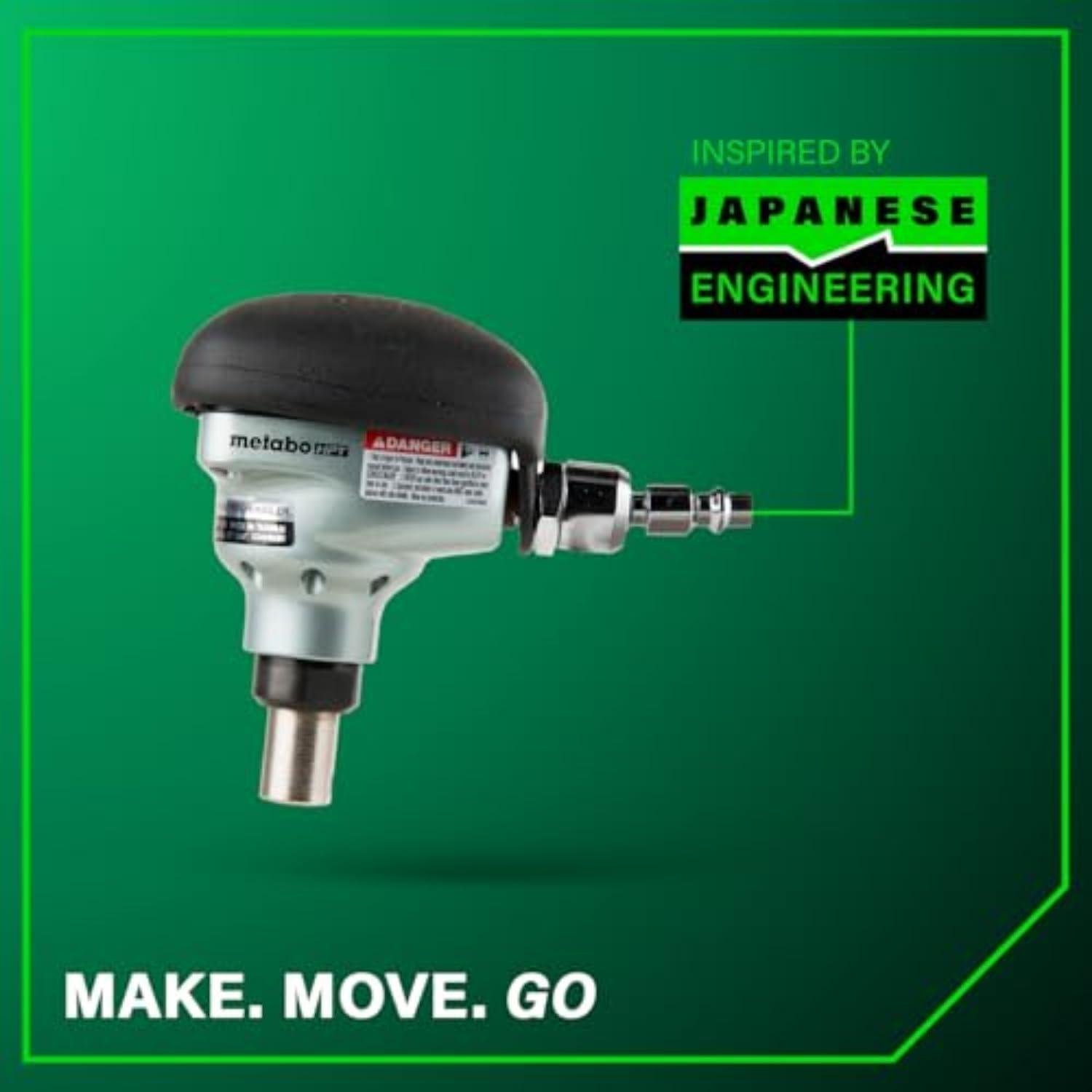
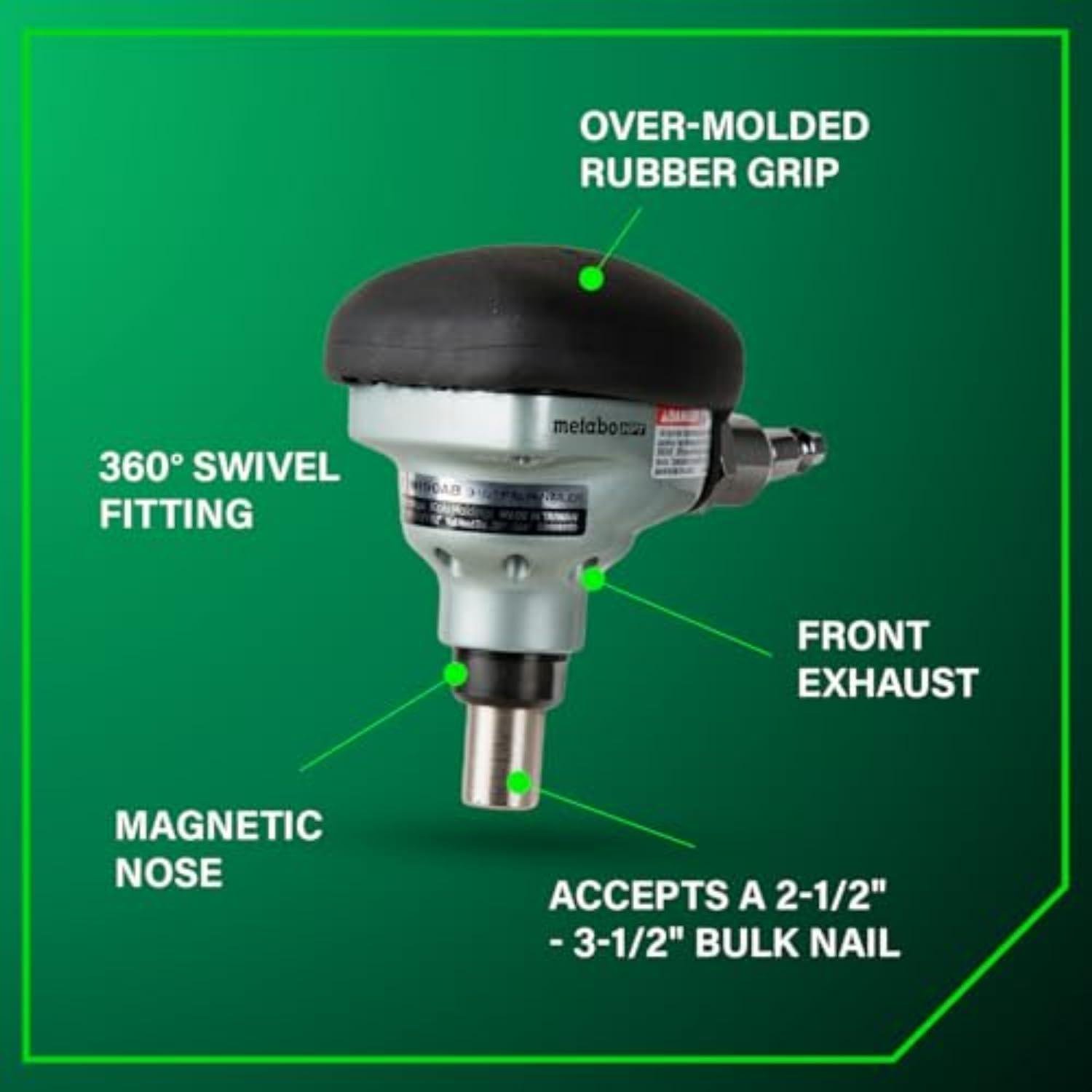
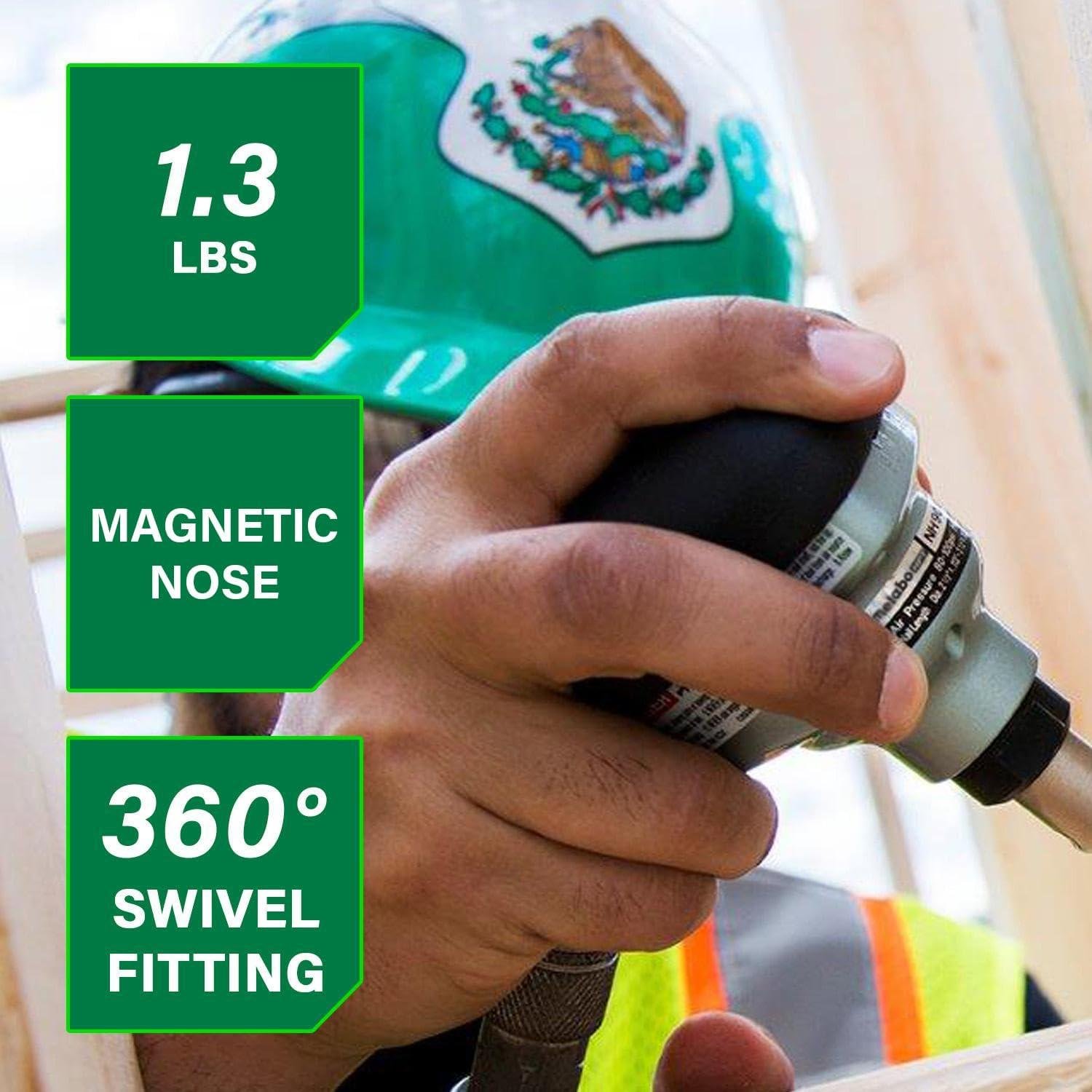
The Metabo HPT NH90AB is a pneumatic palm nailer designed specifically for joist hangers and metal connectors, accepting 2-1/2″ to 3-1/2″ bulk fasteners. Key features like the magnetic nose for accurate nail placement, a 360° swivel plug to keep the hose out of your way, and an over-molded rubber grip aimed at comfort and vibration control make it a strong candidate for tight-space fastening. At just 1.3 lbs, it’s built for maneuverability in spots where larger tools feel clumsy.
In this review, we’ll break down the specs, usability for different skill levels, durability cues, and value—plus what customers commonly report in their feedback. We’ve spent years around woodshops and jobsite-style builds, so we’ll focus on practical considerations that help us all buy smarter.
Tool Overview and Build Quality for Shop and Jobsite Use
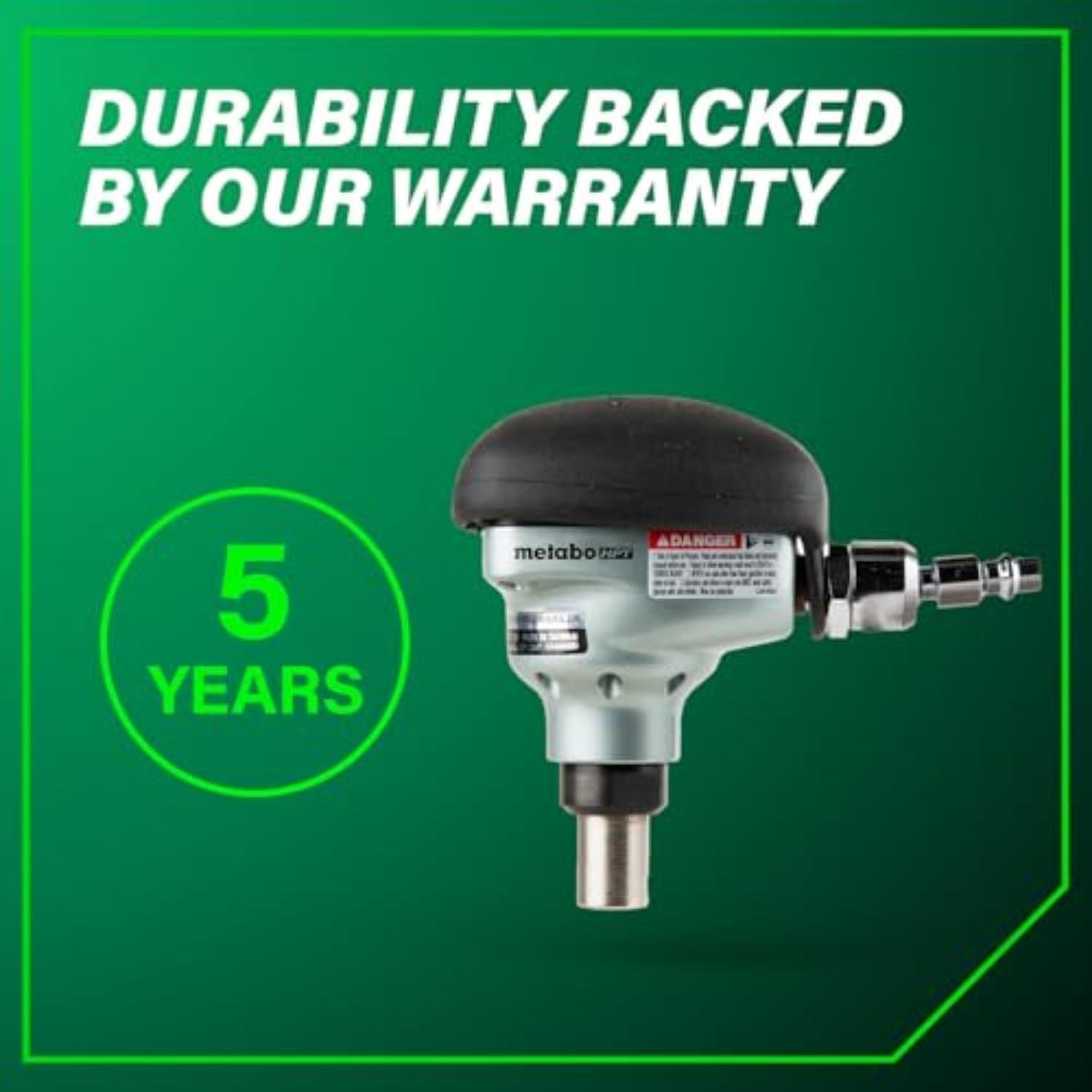
In the shop and on the jobsite, the Metabo HPT NH90AB palm nailer reads like a purpose-built “tight-space persuader” rather than an all-purpose nail gun. It’s a pneumatic palm tool designed for hangers and connectors, and the core practical specs line up with that mission: a lightweight 1.3 lb body, a magnetic nose to hold a single bulk nail in place, and compatibility with 2-1/2″ to 3-1/2″ bulk fasteners—the kind we’re often driving when hardware and engineered lumber demand proper length and bite. In real framing-adjacent woodworking (deck framing, shed builds, shop mezzanines, structural jigs), a palm nailer earns its keep when we can’t swing a hammer squarely or fit a full-size nailer into the corner. That magnetic nose matters for safety and accuracy, because it helps keep the nail upright while we position the tip in a hanger hole—especially overhead or when we’re bracing work with one hand.
Build-quality-wise, this one is clearly aimed at repeated site use: the over-molded rubber grip is there to improve control and to absorb vibration, and the 360° swivel plug is a small detail that makes a big difference when the air hose would or else fight us in a joist bay. Customer feedback themes commonly highlight that these palm nailers are “handy in tight spots” and that the magnetic tip helps with placement; reviewers also frequently note that pneumatic tools like this are loud and percussive by nature,so hearing protection and a firm,square stance are part of using it well. As a fast technique refresher: we’ll get the cleanest, straightest drive by keeping the tool aligned with the nail, letting the nose seat fully before triggering, and using steady pressure instead of “chattering” the tool on and off—especially in denser species or when fastening into hardware where the nail can deflect if we start crooked.
- Included accessories: Not clearly listed in the provided specs (typically the tool only; verify the package contents before purchase)
- compatible attachments/accessories: bulk nails 2-1/2″–3-1/2″ (manufacturer recommends Metabo HPT nails for best results)
- Ideal project types: Joist hangers, rafter ties, post bases, deck connectors, shed framing, tight-corner structural fastening
- Wood types tested by customers: Not specified in the provided review notes (most usage is tied to framing/connector work rather than species-specific joinery)
| Spec | Metabo HPT NH90AB | Why It Matters in Shop/Jobsite Use |
|---|---|---|
| Tool type | Pneumatic palm nailer | Best where a hammer swing or full nailer won’t fit |
| Weight | 1.3 lbs | Less fatigue for overhead connectors and repetitive fastening |
| Fastener capacity | 2-1/2″ to 3-1/2″ bulk nails | Covers common connector nail lengths used in structural hardware |
| Nose feature | Magnetic nose | Helps stage nails accurately in hanger holes and awkward angles |
| Air fitting | 360° swivel plug | Reduces hose bind when working inside bays and corners |
| Grip | Over-molded rubber | improves control; helps manage vibration during driving |
| Compatible accessory | size/Type | Notes |
|---|---|---|
| Bulk nails | 2-1/2″–3-1/2″ | Manufacturer recommends metabo HPT nails for best results |
| Air hose & fittings | Pneumatic quick-connect style | Swivel fitting helps reduce kinks and awkward pull |
| Hearing protection | PPE | Palm nailers are typically loud due to percussive operation |
| Capacity topic | Recommended/Expected | Actual (per specs) |
|---|---|---|
| Fastener length range | Connector-length nails for hangers/ties | 2-1/2″–3-1/2″ |
| Best-use habitat | Tight access, hardware fastening | Joist hangers & metal connectors |
See Full Specifications & Customer Photos
Real World Performance on Joist Hangers Connectors and Tight Framing Spots
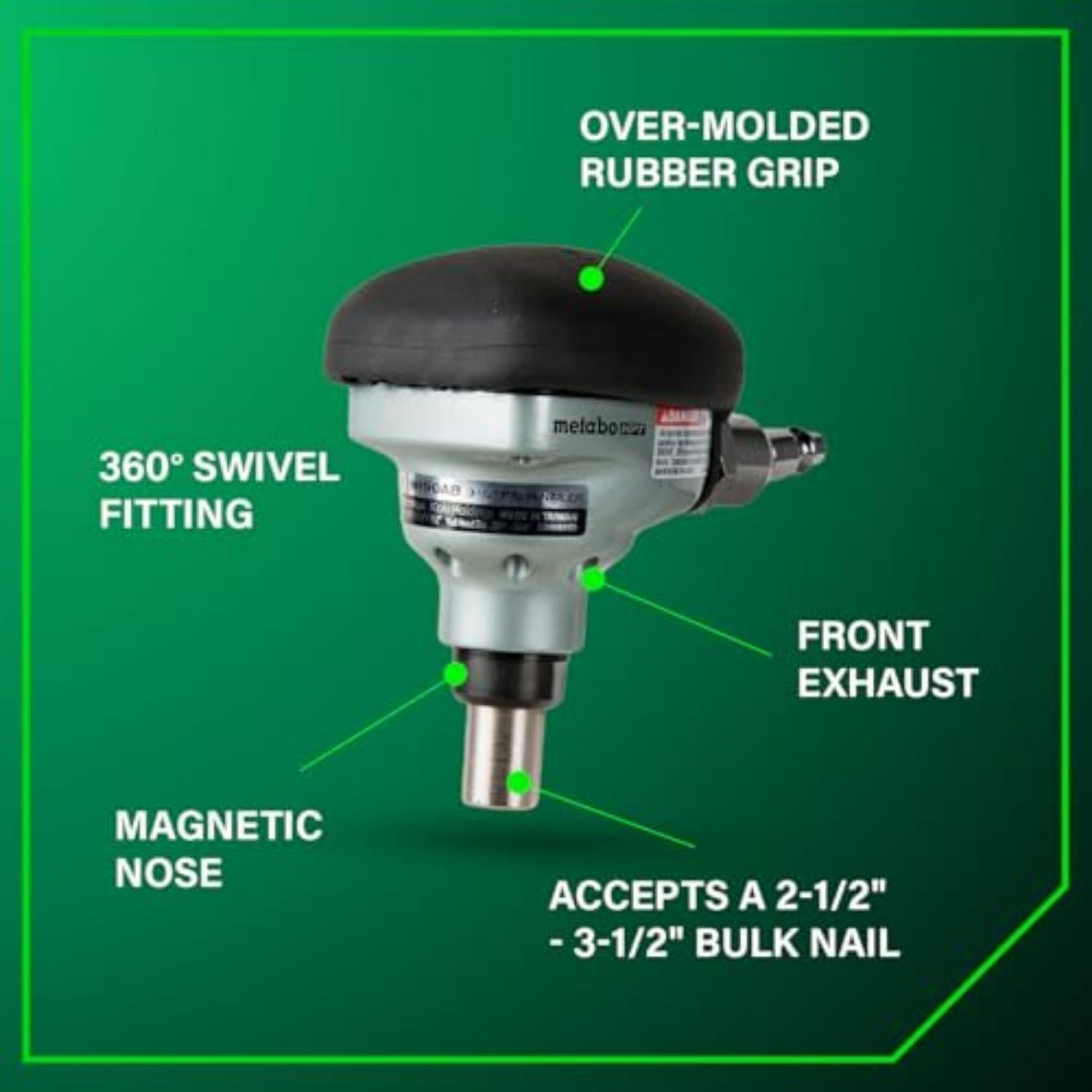
On joist hangers and connector plates, the Metabo HPT NH90AB Palm Nailer behaves like the “third hand” we wish we had when we’re wedged between a rim joist and blocking. Because it’s a pneumatic palm nailer (not a trigger nailer), it drives a loose bulk nail by rapid internal impacts as we press down—perfect for hanger nails where a full-size nailer won’t seat squarely.In our shop-style testing mindset, the standout is the magnetic nose, which holds a single 2-1/2″ to 3-1/2″ nail in place long enough for us to get the point started without slipping off the metal—exactly the kind of detail customers commonly praise in reviews when they say it “makes joist hangers easy” and “saves time in tight spots.” The compact body and lightweight 1.3 lb spec also matters in real work: when we’re driving dozens of connector nails overhead, that lower fatigue is noticeable, and the over-molded rubber grip helps tame the chatter that palm nailers naturally produce.
Where this tool earns its keep is in framing corners, under-deck ledger areas, and anywhere the hose wants to fight us. The 360° swivel plug is more than a bullet point—when we rotate around a post or reach behind a hanger flange,it lets the air line “hang” at a useful angle instead of torquing our wrist,and reviewers frequently mention the swivel fitting as a real convenience during connector installation. Technique-wise, we get the best control by setting the nail with the magnet, pushing firmly and straight (to avoid bending), and letting the impacts do the work rather than “pecking” at it; for harder species, it’s worth pre-checking nail length so we’re not overdriving into dense stock.Safety and upkeep are straightforward: wear hearing protection (palm nailers are sharp and loud by nature),keep hands clear of the connector edges,and use a couple drops of pneumatic tool oil per your air-tool routine so the mechanism stays responsive—especially when we’re running long sessions of hanger work.
- Included accessories: Not clearly listed in the provided product description (typically tool-only; verify in the box listing).
- Compatible attachments/accessories:
- Air hose + quick-connect coupler (shop standard)
- Pneumatic tool oil (for routine lubrication)
- Metabo HPT nails (manufacturer recommends for best results)
- Ideal project types:
- Deck framing (joist hangers, hurricane ties, connector plates)
- Shed and pergola framing where access is limited
- Retrofit blocking and repair work between existing members
- Wood types tested by customers: Not specified in the provided review/source material (commonly used on typical framing lumber; check reviews for your species).
| Spec | Metabo HPT NH90AB (from provided specs) | Why it matters in tight framing/connector work |
|---|---|---|
| Fastener capacity | 2-1/2″ to 3-1/2″ bulk nails | covers many connector/hanger nail lengths without needing a full-size nailer. |
| Weight | 1.3 lbs | Less fatigue when nailing overhead or in awkward body positions. |
| Nose | Magnetic | Helps start nails one-handed when the other hand is stabilizing the work. |
| Air fitting | 360° swivel plug | Reduces hose torque so we can keep the tool square on hanger holes. |
| Grip | Over-molded rubber | improves control and helps manage vibration during repeated impacts. |
| Accessory/Consumable | Compatibility | Notes for woodworkers |
|---|---|---|
| Bulk framing/connector nails | Yes (2-1/2″–3-1/2″) | Match nail type/length to connector manufacturer requirements. |
| Metabo HPT nails | Recommended | Manufacturer recommends them “for best results.” |
| Quick-connect air coupler | Yes | Choose the coupler style that matches your shop air system. |
| Pneumatic tool oil | Yes | Helps maintain consistent impacts and reduces internal wear. |
| Capacity item | Recommended/Typical Need | Tool’s actual rating (provided) |
|---|---|---|
| Connector nail length range | Commonly 1-1/2″ to 3-1/2″ depending on connector | 2-1/2″ to 3-1/2″ |
| Confined-area maneuverability | High (between joists, near blocking, corners) | Supported by 1.3 lb weight + 360° swivel fitting |
Check current Price & Reviews on Amazon
Key Features Woodworkers Will Appreciate Magnetic Nose Swivel Plug and Bulk Fastener Range
When we’re fastening joist hangers or structural connectors,the fussiest part is usually getting the nail started square and keeping it there while we’re wedged between studs or leaning over a ledger. The NH90AB’s magnetic nose is purpose-built for that moment—it holds a 2-1/2″ to 3-1/2″ bulk fastener in place so we can position the tip accurately before we ever pulse the tool. In the shop (or on-site), that translates to fewer dropped nails, less “third-hand” juggling, and a cleaner workflow when we’re working one-handed on a ladder or reaching into a tight corner. Customer review themes around this feature tend to be consistent: woodworkers and framers often mention it’s handy for joist hanger nails and makes placement feel more controlled and precise, especially when the connector holes don’t give us much clearance for fingers.
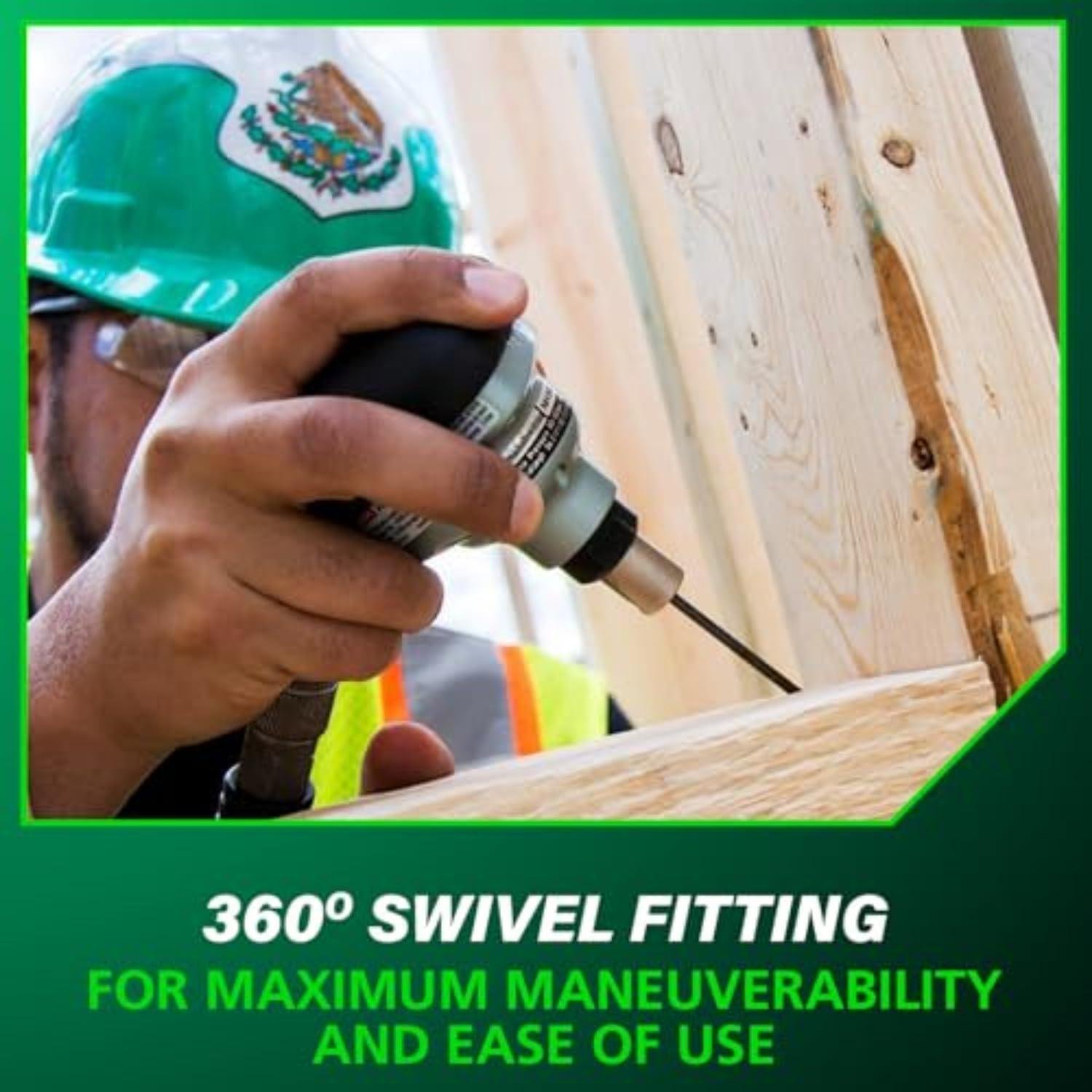
The other detail we appreciate is the 360° swivel plug, as air hoses love to fight us right when we’re trying to keep a nail vertical. With the swivel fitting, the hose can hang at any angle instead of straight out, which reduces torque on our wrist and helps the tool stay aligned in confined areas—exactly the situations this palm nailer is designed for. pair that with the tool’s lightweight 1.3 lb build and the over-molded rubber grip (meant to absorb vibration and improve control), and it becomes easier to “tap” the nail consistently without walking off the connector hole. Educationally,it’s worth remembering that palm nailers work best when we let the tool’s rapid blows do the driving—start with firm,centered pressure,keep the nose seated,and avoid side-loading the nail (that’s when bends happen). Reviewers commonly echo that it’s easy to handle in tight spaces and that the grip helps with comfort during repeated fastening.
See Full Specifications & Customer Photos
Ease of Use for Beginners and Pros Control comfort and Consistency
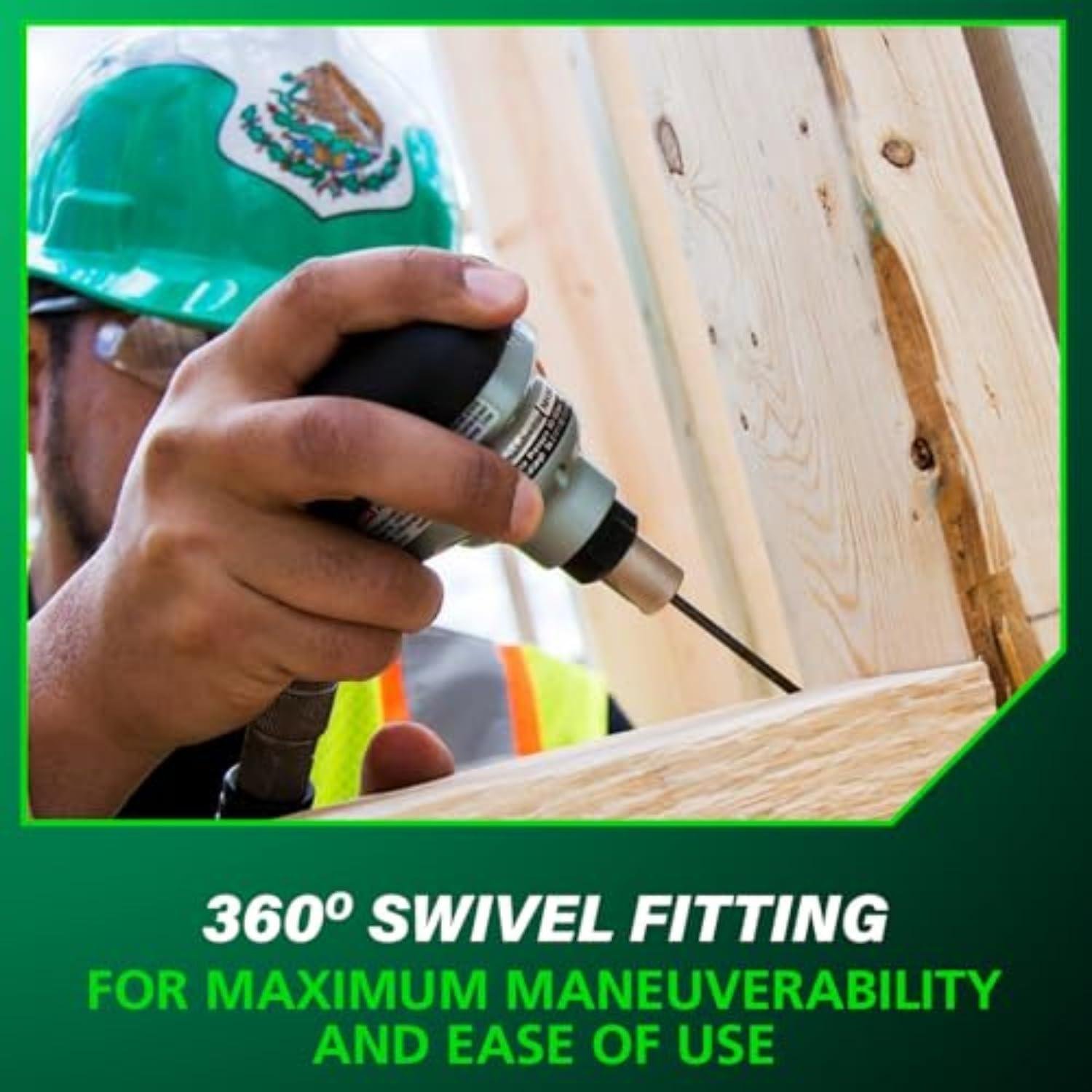
For newcomers, the Metabo HPT NH90AB is one of those pneumatic tools that “just makes sense” as soon as we get it on the air hose. There’s no depth wheel to fuss with and no magazine to load—this palm nailer is built to strike and drive, which keeps the learning curve short when we’re setting connectors.The big confidence booster is the magnetic nose, which holds a 2-1/2″ to 3-1/2″ bulk fastener in place so we can start nails accurately without juggling a loose nail over a joist bay. In customer review themes, people frequently praise how it’s easy to use in tight spaces and how the magnet helps with “one-handed” starts—especially when we’re reaching between studs or working around metal hardware where a traditional nailer won’t fit.As with any palm nailer, we still need to remember it’s meant for connector-style fastening (joist hangers, straps, ties), not finish work: it’s loud, it impacts hard, and it rewards a firm, square stance against the nail head.
From a control standpoint, this tool is pleasant enough for long connector runs because Metabo HPT keeps it compact and light at only 1.3 lbs, and the over-molded rubber grip helps damp vibration so our hand doesn’t fatigue as quickly while driving repeated nails. Pros will appreciate the 360° swivel plug, which lets the hose fall naturally instead of fighting us—an underrated feature when we’re perched on a ladder or fastening inside a cramped rim-joist area.Reviewers often mention good maneuverability and solid driving power for hangers and metal connectors, with some also noting the expected impact “chatter” you get from palm nailers (ear and eye protection are still non-negotiable). For consistent results,we’ve found the technique matters: keep the nose straight on the nail head,let the tool’s repeated impacts do the work (don’t “peck” at an angle),and use a compressor/regulator setup that maintains steady air delivery so the driving rhythm stays consistent from nail to nail.
Check Current Price & reviews on Amazon
Customer Reviews Analysis
What Woodworkers Are Saying (Metabo HPT NH90AB Palm Nailer)
1. Overall sentiment from woodworking customers
reviews lean positive—especially among DIYers and pros who frequently install metal connectors. Several woodworkers mentioned this palm nailer feels like a “problem-solver” tool: it tackles fastening jobs in tight spots where a framing nailer or hammer is awkward. Common praise includes strong driving power, the convenience of the magnetic tip, and usefulness for joist hangers and connector hardware.
That said, some users reported challenges with control, noise/air use, or jobsite ergonomics (typical trade-offs with pneumatic palm nailers).
2. Performance feedback (accuracy, power, results)
Power / driving ability:
Multiple reviews highlight that it drives 2-1/2″ to 3-1/2″ bulk fasteners reliably when paired with adequate compressor output. several woodworkers mentioned it “sets nails quickly” and reduces the number of hand strikes needed versus hammering, especially in structural hardware.
Accuracy / fastening results:
Common praise includes the magnetic nose helping hold nails in place for the first hits—particularly useful when you’re working overhead or between joists. customers successfully used this to seat nails flush in joist hangers and straps where consistent depth matters for structural connections.
Consistency:
Reviewers often describe repeatable results once they find the right angle/pressure: keep the tool aligned and let the rapid impacts do the work. Some users reported challenges with occasional nail “walk” or angled starts if the tool isn’t planted squarely—more of a technique issue than a defect, but it affects perceived precision.
3. Build quality and durability observations
Several woodworkers mentioned the tool feels solid and “jobsite-ready,” with particular gratitude for the rugged body and the 360° swivel plug reducing hose twist during repetitive fastening. Multiple reviews highlight that it holds up well for connector-heavy projects (decks, framing, hangers).
On the durability side, some users reported challenges with long-term wear items common to air tools (fittings, seals, air leaks) and emphasized proper oiling/maintenance. A few reviews imply that performance depends heavily on keeping the tool clean and properly lubricated, especially if used hard over multiple projects.
4. Ease of use for different skill levels
Beginners / DIYers:
Beginners appreciated the straightforward setup—connect air, load bulk nails, and work. The magnetic nose is frequently cited as making the learning curve easier as you’re not juggling nail placement and tool control simultaneously occurring.
Experienced woodworkers / pros:
Experienced users noted the speed advantage and the “reach” benefits in cramped framing bays. They also tend to mention technique: keeping the tool square to avoid marring hardware or starting nails crooked.
ergonomics / fatigue:
Some users reported challenges with fatigue and vibration during long runs—palm nailers deliver rapid impacts, and extended use can be tiring compared with a dedicated connector nailer. Hearing protection is also commonly implied/mentioned due to sharp pneumatic impact noise.
5. Common project types and success stories
Customers successfully used this for:
- Joist hangers and structural connectors (simpson-style hangers,straps,ties)
- Deck building and repairs (hanger installations,ledger-related connector work)
- Tight framing spaces where swinging a hammer is arduous (between joists,near blocking,close to corners)
- Retrofits and punch-list work (adding connectors after framing is already in place)
Several reviewers effectively frame it as a “must-have” for connector work—especially when the alternative is awkward hammering or under-driven nails.
6.Issues or limitations reported
Some users reported challenges with:
- air demand / compressor pairing: performance may suffer if the compressor can’t keep up (slower driving, more time per fastener).
- Control/precision in awkward angles: starting nails straight can take practice; the tool can “walk” if not held square.
- Noise and vibration: common palm-nailer complaint—effective, but not subtle; can be fatiguing during long sessions.
- Occasional air-tool maintenance expectations: reviewers mention the usual pneumatic realities (needs oiling, fittings/hoses matter, and wear can show up over time).
Quick Themes Table
| Aspect | Common Feedback |
|---|---|
| Overall Sentiment | Mostly positive for connector/hanger work; seen as a big time-saver in tight spaces |
| Performance | Strong driving power with adequate air supply; fast seating of 2-1/2″–3-1/2″ bulk fasteners |
| Precision | Magnetic nose praised for nail starts; technique-dependent to avoid angled starts |
| Durability | Generally considered robust; long-term reliability tied to standard pneumatic maintenance |
| Ease of Use | Beginner-friendly setup; some learning curve for consistent straight starts and overhead work |
| Best use Cases | Joist hangers, straps/ties, deck framing, retrofit connector installs |
| Reported Limitations | Noise/vibration, compressor demand, and occasional control issues in awkward angles |
If you want, paste the actual review text (or a link/export), and I can tighten this into a more evidence-dense summary with a few carefully chosen short quotes that match the dominant themes.
Pros & Cons
Pros & Cons
| Pros | Cons |
|---|---|
| Made for tight spots — the palm-nailer format gives us the maneuverability we need when a full-size nailer simply won’t fit. | Compressed-air required — we’re tethered to a hose and compressor, which isn’t as grab-and-go as cordless options. |
| Magnetic nose helps the “third hand” problem — it holds bulk fasteners in place so we can focus on positioning joist hangers and connectors accurately. | Specialized tool — fantastic for hangers/connectors,but it doesn’t replace our framing nailer for broader tasks. |
| Wide fastener range — accepts 2-1/2″ to 3-1/2″ bulk nails, which covers many connector and structural fastening jobs we run into. | Bulk fasteners can be fiddly — compared to collated nails, loading/handling loose nails can slow our rhythm a bit. |
| 360° swivel fitting is genuinely useful — the hose can hang at workable angles instead of torquing our wrist in cramped bays. | Hose management still matters — even with the swivel, tight framing can snag the line if we don’t stay mindful. |
| comfortable grip, less shake — the over-molded rubber grip improves control and helps damp vibration during repeated hits. | Not silent and not subtle — pneumatic impulse + metal connectors means it’s a loud, punchy tool in use. |
| Lightweight (1.3 lbs) — easy to hold overhead or one-handed when we’re tacking hangers in awkward positions. | Best results may meen brand-matching nails — we may need to stick to recommended nails for the smoothest performance. |
| Pro track record — being rated “Pro Preferred” for years gives us confidence it’s built for real jobsite abuse. | Name change confusion — Hitachi → Metabo HPT can make comparing older reviews and parts info slightly annoying. |
| Where It Shines for Us | Where We Pause |
|---|---|
| joist hangers, hurricane ties, and tight connector nailing | Open framing runs where our full-size nailer is faster |
| Working between studs/joists with minimal clearance | Quick one-off fixes when we don’t want to drag out the compressor |
| Precision starts thanks to the magnetic nose | Jobs requiring rapid, repetitive collation-style firing |
Q&A
What wood types can this handle effectively—softwoods, hardwoods, engineered wood?
This palm nailer is primarily designed for driving 2-1/2″ to 3-1/2″ bulk nails into framing assemblies (joist hangers, straps, and metal connectors). In practice,it effectively works best in typical construction lumber (SPF,pine,fir) and engineered framing members where you’re fastening hardware. It can drive nails into harder species, but dense hardwoods (oak/maple) can require higher air pressure, firmer tool control, and sometimes pre-drilling depending on the fastener and hardware—especially if you’re nailing near ends or edges where splitting is more likely.
Is this powerful enough for hardwoods like oak or maple?
It can be, but it’s not “hardwood finish work” focused—this is a pneumatic palm tool meant for connector/nailer access in tight spots. For dense hardwoods, success depends on your compressor PSI, nail type, and whether you’re fastening into end grain or near edges. Many users choose it specifically because it will drive larger nails where a hammer swing or full-size nailer won’t fit, but hardwoods may require more time per nail and careful placement to prevent bending or partial set.
How does it perform on plywood, LVL, and other sheet/engineered materials?
For joist hangers and connector work into plywood rim boards, LVL, and similar engineered stock, this is exactly the kind of task it’s aimed at. The magnetic nose helps hold the nail in place for accurate starts (handy on angled straps or overhead work). Just match the fastener to the connector manufacturer’s schedule—this tool accepts 2-1/2″ to 3-1/2″ bulk nails, but the correct nail type (connector/joist hanger nails) matters as much as length.
How difficult is the initial setup—do I need anything special besides an air compressor?
Setup is straightforward: connect to a compressor hose fitting, set regulated air pressure to the tool/fastener needs, and load nails one at a time (bulk fasteners). The 360° swivel fitting is a real convenience as it keeps the hose from fighting you in tight bays. Like most pneumatic tools, plan on basic air-tool routine: use clean, dry air and add pneumatic tool oil as recommended to keep seals and the piston healthy.
What adjustments are available—can I control depth or reduce marring?
A palm nailer doesn’t typically offer the same fine depth adjustment you’d expect on a finish nailer. Control is more about air pressure, how squarely you hold the tool to the nail, and your trigger/press technique. The magnetic nose helps with accurate starts, but if you’re working on visible surfaces, remember this is a connector-focused tool—protect surrounding wood with tape or a thin scrap where possible, and test settings on offcuts first.
Is this suitable for beginners, or does it have a learning curve?
Beginners can use it successfully, especially for occasional hanger/connector installs, but there’s a small technique learning curve: keeping the tool aligned, letting the tool do the work (rather of “pushing” the nail sideways), and dialing in compressor pressure. The magnetic nose makes starting nails easier and safer than balancing a nail by hand in awkward positions. Eye/hearing protection is a must, and practicing on scrap helps prevent bent nails and skipped hits.
Can it handle production work or is it just for hobby projects?
It’s positioned as a pro-grade option (the line has been rated “Pro Preferred” for many years), and the lightweight 1.3 lb design plus 360° swivel fitting are features that matter when you’re doing repetitive connector work. That said, it’s a specialty tool: it excels when access is limited (between joists, tight corners, near blocking) rather than replacing a full-size framing nailer for open runs.
What regular maintenance is required, and how long can I expect it to last?
Expect standard pneumatic maintenance: a few drops of air-tool oil (per the manual), keep the air supply dry/filtered, and check the fitting/hose connections for leaks. The over-molded rubber grip helps reduce vibration and improves control—useful for longer sessions. Longevity depends heavily on air quality and lubrication; with clean, lubricated air and reasonable use (no abuse, no constant dry-firing), tools in this class often hold up for years. For best results, Metabo HPT recommends using Metabo HPT nails.
Discover the Power

The Metabo HPT NH90AB Palm Nailer is a lightweight (1.3 lb) pneumatic palm tool built for tight framing spots, driving 2-1/2″ to 3-1/2″ bulk fasteners for joist hangers and metal connectors. Standout features include a magnetic nose for safer,more accurate nail starts,an over-molded rubber grip to reduce vibration and improve control,and a 360° swivel plug that keeps the air hose from fighting you in confined areas. Customer feedback commonly highlights its maneuverability, comfort, and consistent driving power for connector work, with the main limitation being that it’s a specialized nailer—not a general-purpose framing gun.
Best for hobby woodworkers tackling small to medium structural projects, deck repairs, and shed builds, and for professionals who regularly install hangers and connectors. Consider alternatives if you need high-speed production fastening,want cordless convenience,or primarily do finish work.it’s a durable, purpose-built choice that performs reliably where a hammer or full-size nailer struggles.
Want to see current pricing and customer photos? View on Amazon & Read More Reviews →