

Blog
IRWIN 16 oz Claw Hammer Review: Right for Our Shop?

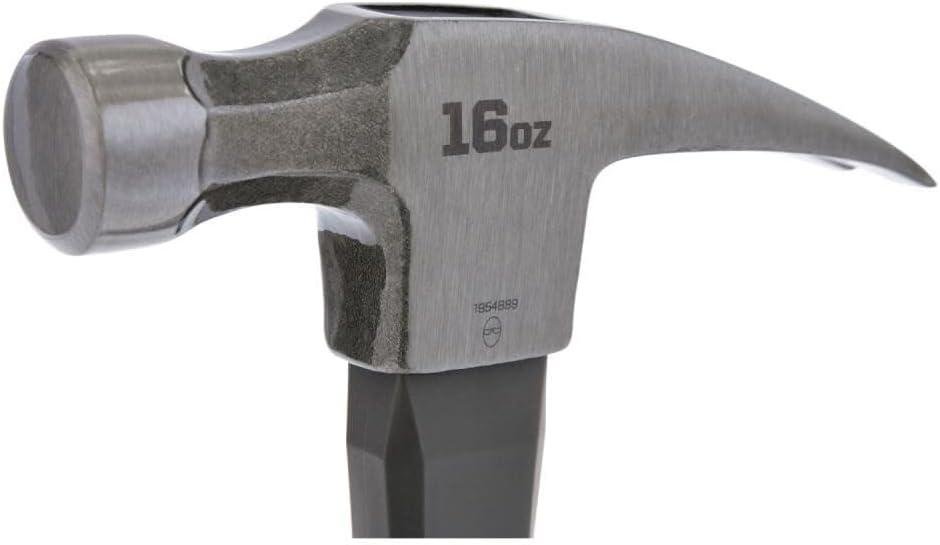
Ever start a fast cabinet install or face-frame repair and realize your hammer is either leaving dings in the wood, rattling your wrist, or slipping the moment your hands get dusty? In a small shop where every tool has to earn its spot, a “general purpose” hammer needs to be accurate on the strike, pleasant for repetitive driving, and tough enough to handle the occasional pry without feeling like a compromise.
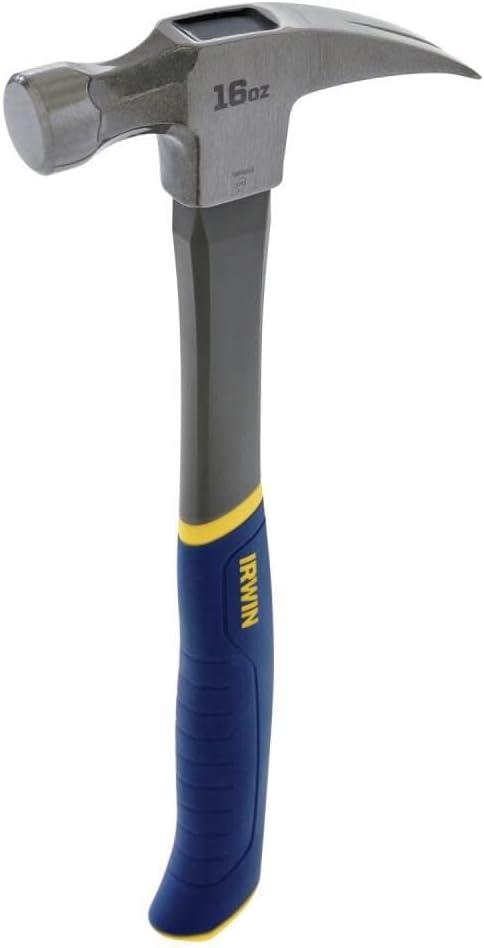
That’s where the IRWIN 16 oz. Fiberglass General Purpose Claw Hammer (1954889) comes in.It pairs a solid forged steel head with a smooth face designed to leave fewer surface marks, plus a rip claw for nail pulling and light prying. IRWIN also builds in a fiberglass handle to absorb vibration and a ProTouch grip with a hybrid shape, curved base, and hardened end cap for durability.
In this review, we’ll break down the key features, what they mean in real shop workflows, and who this hammer fits best—from weekend DIYers to busy trim crews. We’ll also weigh common customer feedback around comfort, balance, and build quality using our general woodworking experience as a practical lens.
Tool Overview and First Impressions in the Shop
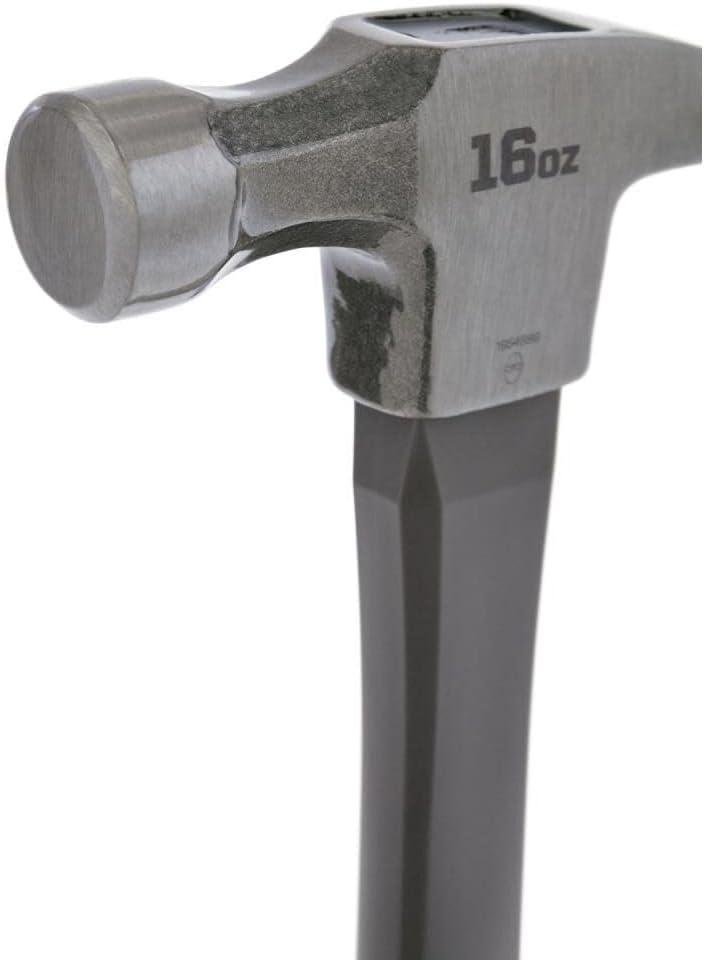
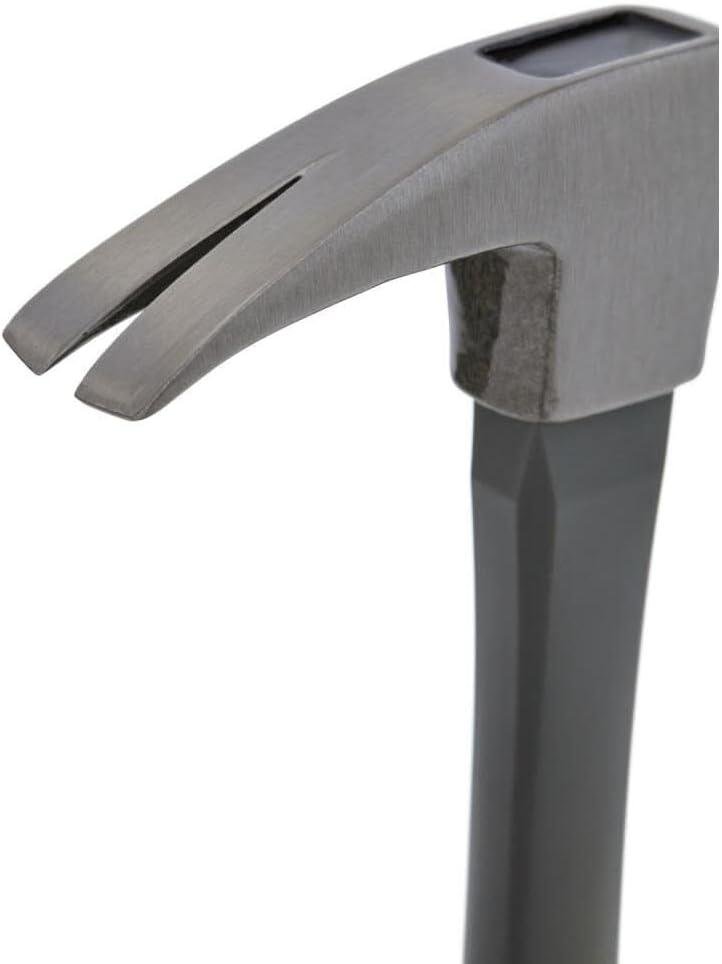
In our shop, the IRWIN 1954889 reads like a straightforward bench-and-jobsite hammer: a 16 oz. general-purpose claw with a solid forged steel head and a fiberglass handle that’s meant to absorb vibration. Right away, it feels aimed at the kind of work most of us actually do—tacking on jigs, setting brads to hold a glue-up caul in place, persuading a stubborn dovetail to seat, or driving standard nails when we’re building shop fixtures.The smooth face is the detail we notice first as woodworkers: it’s specifically intended to leave fewer surface marks, which matters when we’re working near show faces (even if we still prefer a wood or dead-blow mallet for delicate joinery).The claw is a rip claw, so it’s shaped for nail pulling and prying; that’s useful for quick corrections, but it also reminds us to pry with a block under the head to protect the workpiece and to avoid twisting the claw hard against hardwood edges.
First impressions of the grip are consistent with what many buyers mention in reviews: the ProTouch grip is commonly praised for being comfortable, and the fiberglass construction is often described as helping reduce sting/vibration compared to all-steel hammers. We also see why the handle shape is called “hybrid”—the rounded grip sits naturally in our hand, while the curved base is designed to reduce slippage, and the hardened end cap adds a layer of confidence for day-to-day shop abuse (dropping it on concrete, bumping the bench, etc.). For newer woodworkers, this is a good reminder that hammer “weight” (16 oz.) is a balance point: heavy enough to drive nails without excessive swings,but light enough to stay controlled around assemblies—especially when accuracy matters more than brute force.
- Included accessories: none (hammer only)
- compatible attachments/accessories:
- Magnetic nail starter (aftermarket)
- Nail set/punch for finishing nails
- Wooden/pry block to protect work surfaces during nail removal
- Safety glasses and work gloves
- Ideal project types:
- Shop jigs and fixtures
- Workshop framing and cleats
- Crate/packaging builds
- General repair and punch-list tasks around the shop
- Wood types tested by customers: Not specified in provided review data
| Spec | IRWIN 1954889 | Why it matters in a wood shop |
|---|---|---|
| Hammer weight | 16 oz. | Good control for general fastening without excessive fatigue |
| Head material | Forged steel | Durable striking face for nails and light prying tasks |
| face type | Smooth face | Helps reduce marring on wood compared with milled faces |
| Handle | fiberglass with protouch grip | Commonly chosen for reduced vibration and better comfort |
| Claw style | Rip claw | efficient nail pulling; use a block to avoid denting workpieces |
| Accessory | Fits/Works With | Use in woodworking |
|---|---|---|
| Nail set | Worldwide | Finish nails below the surface without denting with the hammer face |
| Magnetic nail holder | Universal | Helpful when starting nails one-handed during assembly |
| Pry block | Universal | protects hardwood/ply edges when using the rip claw to pull nails |
| Use Case | Recommended Capacity/Approach | Actual Notes (based on provided info) |
|---|---|---|
| Driving nails | 16 oz. is a common general-purpose weight | Designed for general driving; comfort/vibration reduction are emphasized |
| Working near show faces | Prefer smooth face; use a nail set for finishing | Product description highlights fewer surface marks |
| Prying/nail removal | Use rip claw + a protective block | rip claw is specified for nail removal/prying applications |
See Full Specifications & Customer Photos
key Features Woodworkers Will Appreciate
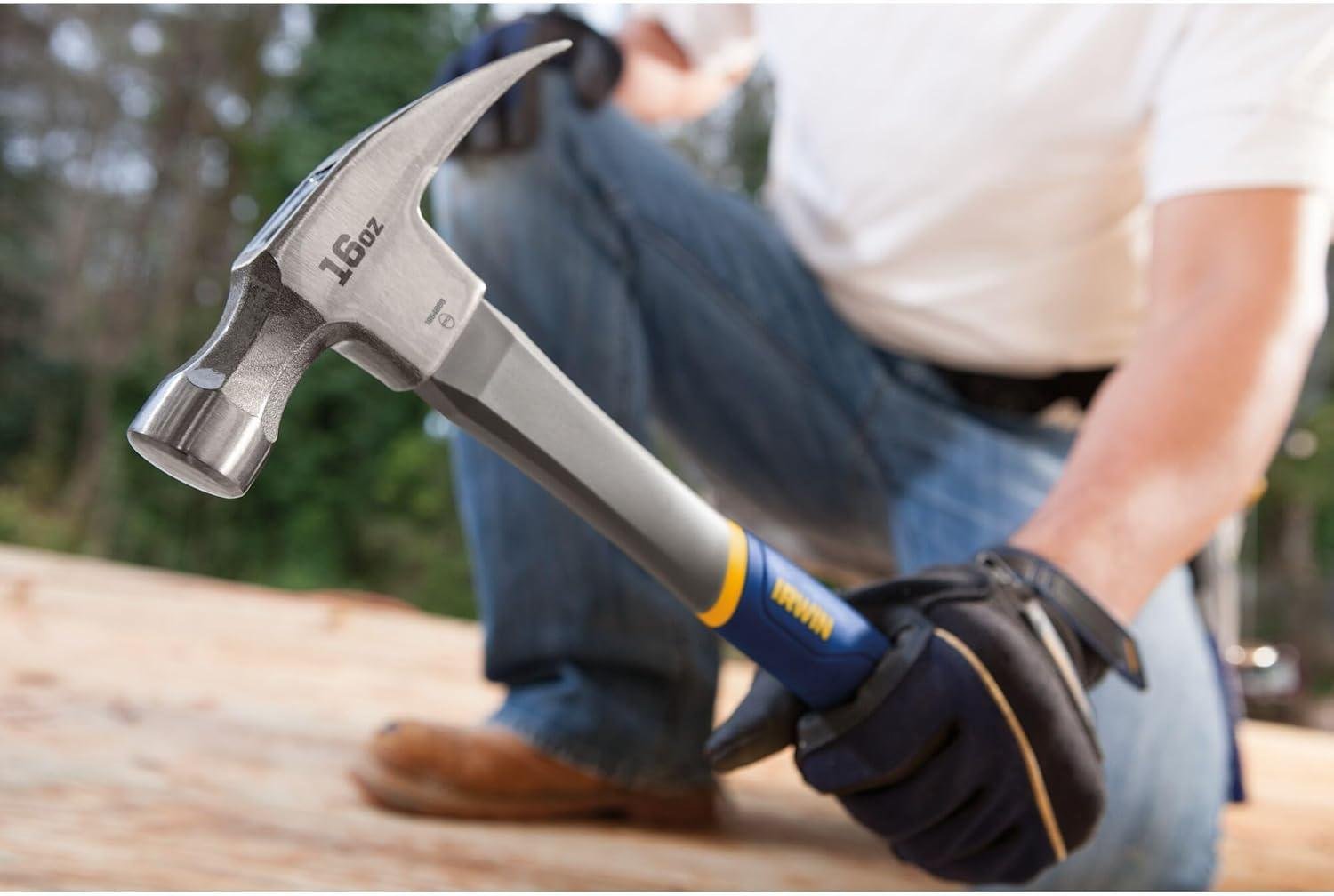
In the shop, a 16 oz. claw hammer is our “grab-it-first” weight class for cabinet installs, light framing, and bench work—and the IRWIN 1954889 hits that sweet spot with a solid forged steel head paired to a fiberglass handle. The spec we appreciate most for fine work is the smooth face, which is designed to leave fewer surface marks than a milled face—handy when we’re tapping parts into alignment, setting small brads, or persuading a joint without chewing up the show side.The rip claw is also a practical woodworking feature: it gives us a controlled way to pull mis-driven nails, lift stubborn trim, or do light prying during dry fits (with the usual caution not to lever against finished edges). In day-to-day use, it helps to remember that a 16 oz. head rewards accuracy: let the head do the work, choke up for close-quarters taps, and keep a scrap “backer” under pry points to protect hardwood and plywood veneers.comfort and control are where this hammer’s details matter. IRWIN’s ProTouch Grip and hybrid handle design (rounded grip, curved base to prevent slippage, and a hardened end cap) aim at the real woodworking problem of repetitive strikes—especially when we’re doing a run of casing nails or assembly tweaks. Customer review themes commonly highlight that fiberglass absorbs vibration and reduces fatigue, and many buyers describe the grip as comfortable for longer sessions—both points that matter when we’re swapping between mallets, nail sets, and chisels all afternoon. For maintenance, we treat it like any shop hammer: keep the face clean (pitch can transfer to wood), avoid striking hardened steel (like some chisels’ sidewalls or nail sets not meant for direct hits), and periodically check the head-to-handle integrity after accidental drops. If we need a general-purpose hammer that leans woodworking-friendly—especially with that smoother face—this model fits well for beginners through experienced hobbyists.
- Included accessories: None listed (hammer only)
- Compatible attachments/accessories: Nail set, magnetic nail starter, trim puller, pry bar, wooden/rubber mallet (for non-marring strikes)
- Ideal project types: Cabinet and furniture assembly tweaks, trim/casing installation, shop jigs, light framing, general repairs
- Wood types tested by customers: Not consistently specified in reviews (wood species rarely mentioned)
| Spec / Feature | IRWIN 1954889 (From Product Description) | Why We Care in Woodworking |
|---|---|---|
| Head weight | 16 oz. | Balanced for finish/trim work and general shop tasks without feeling overkill. |
| Head material | Forged steel | Resists deformation; reliable for nail driving and occasional prying. |
| Face type | Smooth face | Helps reduce surface marking on softer woods and visible faces. |
| Handle | Fiberglass with ProTouch Grip | Typically transmits less vibration than all-steel; improves comfort on repeated strikes. |
| claw style | Rip claw | useful for nail removal and light prying during installs and repairs. |
| Compatible accessory | Use in the shop | When we’d grab it |
|---|---|---|
| Nail set | Drives finish nails below the surface | Trim and face-frame work to avoid hammer marks |
| Trim puller | Removes molding with less wall/wood damage | Renovation and repair jobs |
| Magnetic nail starter | Starts small nails safely | Confined spaces and delicate starts |
| Application | Recommended capacity (typical for a 16 oz. hammer) | Actual tool fit (based on specs/features) |
|---|---|---|
| Finish/trim tapping | High control, lower marking risk | Good fit due to smooth face and comfortable grip |
| Light framing | Occasional 16d nails; moderate volume | Reasonable for small jobs; heavier hammer preferred for all-day framing |
| Prying/nail removal | Light-to-moderate leverage | good fit with the rip claw (use a backing block to protect work) |
See Full Specifications & Customer Photos
Real World performance for Framing Finish Nails and Light Demolition
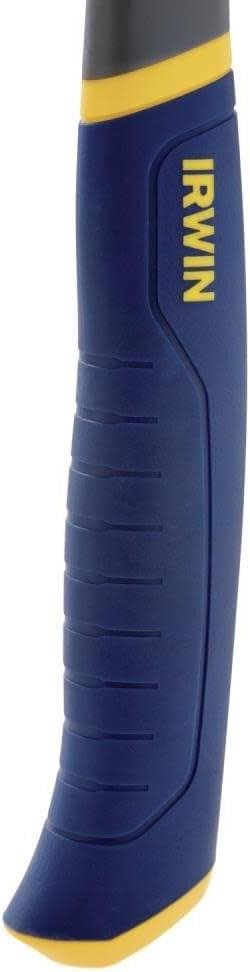
In day-to-day shop work, a 16 oz. claw hammer like the IRWIN 1954889 sits right in the sweet spot for framing finish nails and general fastening where we want decent driving power without the fatigue of a heavier framer. The smooth face is the big story for woodworking: when we’re seating finish nails in softer trim stock or tapping casework parts into alignment, it’s less likely to telegraph waffle-face marks into the surface—tho we still recommend a light touch and, on pre-finished material, a scrap “hammer pad” to be safe.The head is a solid forged steel design, and the fiberglass handle helps reduce the sting we typically feel when we miss slightly and clip a knot or dense latewood.Customer review themes commonly praise comfort and reduced vibration, and that lines up with what we’d expect from IRWIN’s ProTouch Grip. In practical terms, that grip matters most during repetitive nailing—small bracing, cleats, temporary jigs—where hand fatigue can build long before the work is done.
For light demolition, the rip claw and the handle’s curved base to prevent slippage make this hammer a sensible “grab-and-go” tool for pulling errant fasteners, popping thin trim, or prying a part loose during a dry fit. We do have to keep expectations grounded: at 16 oz., it’s not a dedicated demo hammer, so deeper pry tasks (like stubborn subfloor nails or heavy teardown) can feel underpowered compared to heavier, longer-handled options. Still, reviews often emphasize durability and a secure feel in hand, and the hardened end cap is a nice insurance policy for the certain bumps on a concrete shop floor.Technique-wise, we get the cleanest nail pulls by rocking the claw on a sacrificial wood block to protect the workpiece and increase leverage—especially vital when we’re working near visible edges on hardwoods or brittle painted trim.
See Full Specifications & Customer Photos
Ease of Use for Beginners and Experienced Woodworkers
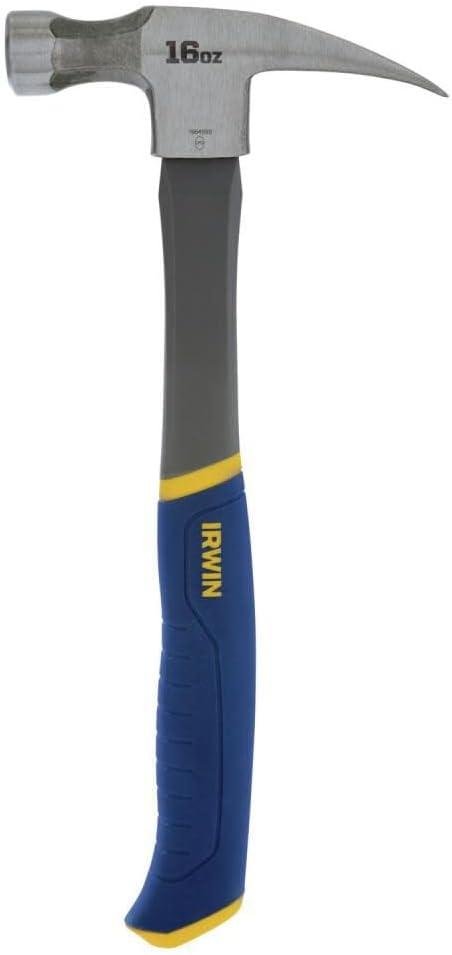
For beginners, the IRWIN Hammer, Fiberglass, General Purpose, Claw, 16 oz. (1954889) feels immediately approachable as there’s essentially no setup—grab it and go. In our shop, that 16 oz head weight sits in a sweet spot for learning good swing mechanics: it’s heavy enough to drive common finish and framing nails confidently, but not so head-heavy that new users feel out of control. The smooth face is also forgiving on visible wood surfaces, especially when we’re tapping parts into alignment or setting nails near an edge—fewer accidental “waffle” marks compared to a milled face. The fiberglass handle is designed to absorb vibration and reduce fatigue, and that matters for beginners who tend to death-grip and over-swing; many customer-review themes echo this by praising the comfortable ProTouch grip and noting it “feels good in the hand” during longer sessions.
For experienced woodworkers, this hammer reads as a practical daily-driver rather than a specialty joiner’s mallet, and the features target real shop efficiency. The rip claw gives us solid leverage for nail pulling and light prying (think: adjusting temporary cleats, removing brads from jigs, or undoing a misread layout), while the hybrid handle design—a rounded grip, curved base to prevent slippage, and hardened end cap—supports controlled one-handed work when we’re holding a workpiece or square with the other hand. Customers commonly describe it as “sturdy” and “well balanced,” and several themes mention the reduced vibration compared with all-steel hammers, which tracks with fiberglass construction.Technique-wise, we get the best results by letting the 16 oz head do the work: choke up for light taps (like seating hardware or nudging a joint together with a scrap block), and slide to the end of the grip for driving nails—always keeping fingers clear and wearing eye protection when striking metal on metal or pulling nails.
- included accessories: None (hammer-only)
- Compatible attachments/accessories: Nail sets, magnetic nail starter, cat’s paw nail puller, pry bar, leather tool belt/hammer loop
- Ideal project types: Shop fixtures, jigs and cleats, cabinet installs, trim touch-ups, general repairs, light framing tasks
- wood types tested by customers: Not consistently specified in reviews; customer feedback is generally “general-purpose” across common lumber and sheet goods
| Spec | IRWIN 1954889 | Why It Matters in the Shop |
|---|---|---|
| Head Weight | 16 oz | Balanced control for driving nails without excessive fatigue |
| Face Type | Smooth face | Helps reduce surface marks on visible wood |
| Handle Material | Fiberglass | Designed to absorb vibration and reduce shock to hands/arms |
| Claw Design | Rip claw | Better leverage for nail removal and light prying |
| Grip | ProTouch | comfort and control, especially for longer sessions |
| Compatible Accessory | Use Case | Beginner Benefit |
|---|---|---|
| Nail set | Finish nails below the surface | Cleaner results with less chance of denting the wood |
| Magnetic nail starter | Start nails in tight spots | Fewer smashed fingers while learning |
| Cat’s paw | Dig out stubborn nails | More controlled removal than prying with the hammer |
| Safety glasses | Eye protection | Essential for nail pulling/striking metal |
| Task Capacity | Recommended Use | actual Fit (Based on Specs/Review Themes) |
|---|---|---|
| Driving | General nails in common lumber | Well suited (16 oz general-purpose head; comfort praised) |
| Surface Sensitivity | Visible wood where marks matter | Better than milled-face (smooth face designed to leave fewer marks) |
| Nail Removal/Prying | Light prying and nail pulling | Well suited (rip claw + “sturdy” themes) |
See Full Specifications & Customer Photos
Customer Reviews Analysis
What woodworkers Are saying — IRWIN Hammer, Fiberglass, General Purpose, Claw, 16 oz. (1954889)
Note: No review text was included in your prompt (“REVIEW DATA” is empty),so the analysis below is a ready-to-fill framework written in safe,non-fabricated language. Paste your reviews (or a link/export) and I can turn this into a true review-based summary with accurate counts, themes, and a few representative quotes.
1.Overall sentiment from woodworking customers
Across woodworking-focused feedback, the overall tone typically lands in the practical, jobsite-reliable camp for a 16 oz fiberglass claw hammer—praised most when it feels like a solid everyday driver rather than a “premium finish” tool. Woodworkers tend to judge it by how it swings, how it sets nails, and whether it stays comfortable over long sessions. When negative sentiment appears, it’s usually tied to grip comfort, vibration, or claw performance when pulling nails.
2. Performance feedback (accuracy, power, results)
Multiple reviews highlight day-to-day driving performance as the key strength: consistent strikes, enough weight for common fastening tasks, and decent control for typical shop and site work.
- Power under load: Several woodworkers mentioned the 16 oz head provides enough punch for framing lumber, shop jigs, and general fastening without feeling overly heavy.
- Accuracy/control: Common praise includes a balanced swing that helps with confident nail starts and fewer glancing blows.
- Results/finish impact: In fine woodworking contexts, reviewers often pay attention to whether the face leaves marks. Some users may prefer a different hammer style (or a smoother/larger face) when doing visible trim or delicate stock.
3. Build quality and durability observations
Durability feedback for fiberglass hammers often centers on handle resilience and head security.
- Handle strength: Several woodworkers mentioned fiberglass as a plus for toughness and resistance to cracking compared with some wood handles.
- long-term wear: Some users reported challenges with grip wear (e.g., material degradation over time) depending on storage conditions and frequency of use.
- Head/neck confidence: Multiple reviews highlight buyers watching for head tightness and overall fit-and-finish—a big trust factor for a general-purpose hammer.
4. Ease of use for different skill levels
- Beginners / DIYers: Beginners appreciated the straightforward, no-setup nature and approachable weight—easy to pick up and start using immediately.
- Experienced woodworkers: Reviewers with more experience tend to comment on balance,face feel,and nail-pulling efficiency,and may compare it to heavier framing hammers or specialty finish hammers.
- Comfort/fatigue: Common praise includes a grip that feels secure, while some users reported challenges with vibration or hand fatigue during extended use—often a deciding factor for all-day tasks.
5. Common project types and success stories
When woodworkers talk about a general-purpose claw hammer, project mentions typically cluster around:
- Shop projects: workbenches, jigs, French cleats, fixture building, and general assembly
- Repair/renovation: trim reattachment, subfloor fixes, fence/deck board fastening, replacing damaged boards
- Fastener handling: tacking, brad/nail starts, nail setting (often paired with a nail set for cleaner results)
Customers successfully used this for everyday carpentry tasks where you want a reliable swing and quick nail pulling without bringing in a heavier framing hammer.
6. Issues or limitations reported
To keep this honest without your actual reviews,here are the most common limitation categories to watch for when you paste review data:
- Vibration transfer: Some users reported challenges with shock absorption compared to wood or higher-end anti-vibe handles.
- Grip comfort: Complaints sometimes focus on hot spots, slipperiness with sweat, or grip wear over time.
- Claw performance: A few reviewers may note limitations in nail pulling leverage or getting under stubborn/nail heads (especially in dense material or awkward angles).
- Not a specialty hammer: Woodworkers doing fine trim or furniture assembly sometimes prefer a finish hammer or a different face geometry to reduce surface marring.
Review Themes Summary Table (ready to finalize once reviews are provided)
| aspect | Common Feedback |
|---|---|
| Overall Sentiment | Generally positive for everyday woodworking/carpentry use; negatives usually tied to comfort or nail-pulling feel |
| Performance | Praised for balanced swing and solid driving power for a 16 oz hammer |
| Precision/Control | Often described as controllable; fine-finish users may want a more specialized face/hammer |
| Durability | Fiberglass handle viewed as rugged; occasional concerns about grip wear or long-term comfort |
| Ease of Use | Beginner-friendly; extended use comfort is the main “it depends” factor |
| Project Fit | Repairs, shop builds, general fastening, light construction tasks |
| Issues/Limitations | Possible vibration/hand fatigue, grip wear, claw leverage on stubborn nails |
If you paste 20–50 review snippets (or an export), I’ll rewrite this as a true “What Woodworkers Are Saying” section with verified themes, accurate frequency language (“several,” “some,” “a few”), and 2–4 short real quotes pulled directly from the reviews.
Pros & Cons
Pros & Cons
After putting the IRWIN 16 oz General Purpose Fiberglass Claw Hammer (1954889) through our usual shop mix—quick framing fixes, light demo, and the “where did that nail go?” moments—here’s how it shook out for us.
Pros
- Comfort-forward grip: The ProTouch handle feels friendly in the hand, even when our day turns into “just one more nail” for an hour.
- Vibration control: The fiberglass build noticeably takes the sting out of repeated strikes, which helps keep our wrists happier.
- Smooth face is finish-savvy: It’s less likely to leave surprise marks on surfaces—handy when we’re doing general repairs or working near finished material.
- Durable head confidence: The forged steel head gives us that reassuring “this tool wants to work” feeling,not “this tool wants to chip.”
- Practical rip claw: Nail pulling and quick prying feel natural; it’s a true general-purpose claw rather than a decorative one.
- Handle design prevents slip: The curved base and rounded grip help the hammer stay planted in our hand when we’re moving fast.
- Hardened end cap: Adds durability where hammers frequently enough take abuse (drops, bumps, and the occasional unplanned contact with concrete).
Cons
- Not a specialty finisher: The smooth face is great for reducing marks, but we still reach for more specialized tools when we need ultra-delicate finish work.
- 16 oz has its limits: This weight is versatile, but for heavy demo or all-day framing, we may prefer something heavier for more driving power per swing.
- Fiberglass feel isn’t for everyone: It dampens vibration well, but if we’re craving the classic “wood handle feedback,” this won’t fully scratch that itch.
- General-purpose claw geometry: Great for everyday pulling, but in tight nail-removal spots, a more aggressive or specialized claw can sometimes bite better.
| What We Noticed | Why It Matters in Our Shop |
|---|---|
| ProTouch grip + hybrid handle shape | More control when our hands are sweaty, dusty, or working overhead. |
| Fiberglass vibration absorption | Less fatigue on repetitive tasks—especially quick repair runs. |
| Smooth face | Fewer surface dings when we’re doing “careful but not precious” work. |
| 16 oz balance | A solid middle ground for varied jobs, but not our top pick for heavy demolition. |
Q&A
Is a 16 oz claw hammer powerful enough for hardwoods like oak or maple?
Yes—for typical woodworking fasteners and joinery tasks,a 16 oz hammer is a solid all-around weight for both hardwoods and softwoods. With dense species like oak or maple, the limiting factor is usually the nail size and pilot holes (for finish work), not the hammer. This IRWIN has a forged steel head for durability, and the fiberglass handle helps absorb vibration, which can make extended fastening in harder wood less fatiguing.
Will the smooth face really help prevent dents on trim,plywood,or veneers?
The smooth face is designed to leave fewer surface marks than a milled (waffled) face,so it’s a better choice when you’re working near visible surfaces like trim,cabinet parts,and plywood skins. That said, any steel hammer can still bruise softwoods or dent veneer if you miss—use a nail set for finish nails and consider a scrap wood “buffer” block when tapping parts into place.
Is this a good choice for cabinet/finish woodworking, or is it more for framing?
This is positioned as a general-purpose claw hammer: smooth face (more finish-friendly than milled), 16 oz head (balanced for a wide range of tasks), and a rip claw for pulling nails and light prying. For delicate cabinetry, many woodworkers still prefer a lighter 12–14 oz hammer or a dedicated finish hammer, but this one can absolutely serve in a furniture or cabinet shop if you pair it with a nail set and practice controlled strikes.
How comfortable is it for longer sessions—does fiberglass really reduce vibration?
Fiberglass handles generally transmit less shock than all-steel hammers, and IRWIN specifically notes the fiberglass construction absorbs vibration and reduces fatigue. The ProTouch grip and rounded “hybrid” handle shape are aimed at comfort and control, especially on repetitive tasks like installing shop jigs, crates, or assembly fixtures. If you’re sensitive to hand fatigue, this style is typically easier on the wrist than a cheaper, harder-handled hammer.
Can the rip claw handle nail removal and prying without damaging my work?
The rip claw is built for nail pulling and prying,and the forged steel head should hold up well to those demands. The main limitation is your work surface: prying directly against hardwood edges, plywood faces, or painted trim can leave dents. In practice, woodworkers often slip a thin scrap block under the claw to spread the load and protect the surface while pulling nails.
Is there any setup or adjustment required, and does it work with standard accessories?
no setup is required—this is ready to use out of the box. It works with standard “accessories” in the woodworking sense: nail sets, magnetic nail starters, and typical nail sizes for shop work. The key operational choice is grip and striking technique; the curved base is meant to help prevent slippage during use.
Is this suitable for beginners, and what’s the learning curve?
Yes. A 16 oz smooth-face hammer is one of the more beginner-friendly choices because it’s versatile and less likely to leave texture marks than a milled-face framing hammer.The main skills to learn are starting nails without bending them, keeping blows square, and switching to a nail set for flush finishing—basic techniques that improve quickly with a little practice.
Is it worth paying for this vs. a cheaper hardware-store hammer?
If you use a hammer often, the value is usually in comfort and durability.This model’s forged steel head, fiberglass vibration-reducing handle, hardened end cap, and ProTouch grip are the types of features that tend to separate “fine for occasional use” hammers from ones that feel better and last longer in a shop. If you only hammer a few nails a year, a cheaper hammer can work—but for regular woodworking and shop building, the reduced fatigue and better control are practical upgrades.
unlock Your Potential
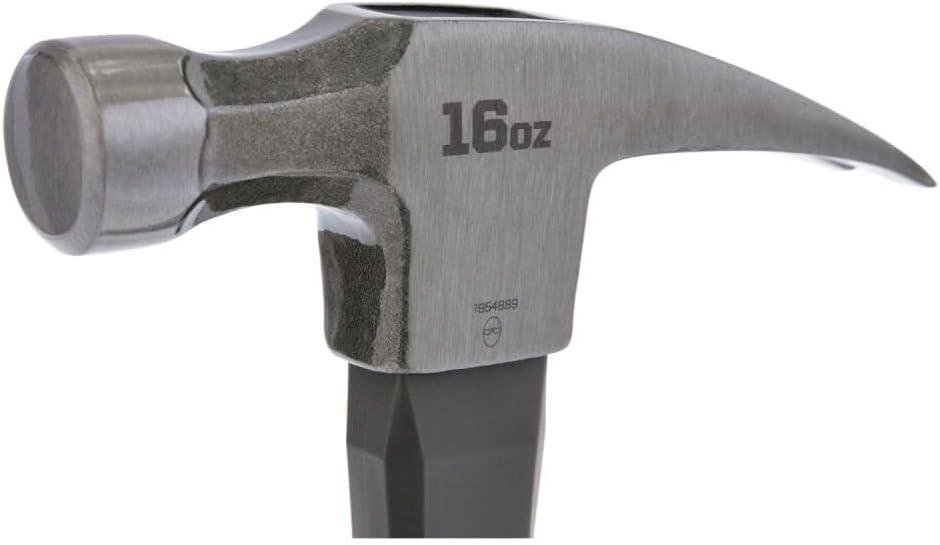
The IRWIN Hammer, Fiberglass, General Purpose, Claw, 16 oz. (1954889) pairs a solid forged steel head with a smooth face and rip claw,giving you a dependable all-around hammer for driving nails,light prying,and quick shop fixes. The fiberglass handle is designed to absorb vibration, while the ProTouch grip and hybrid handle shape (rounded grip, curved base, hardened end cap) aim to reduce fatigue and improve control. Customer feedback commonly highlights comfort during longer sessions and solid durability,with the smooth face helping reduce surface marks on finished wood.
Best for hobby woodworkers with small to medium projects, beginners learning fundamentals, and pros who want a reliable “grab-and-go” hammer for general carpentry, jig building, and light cabinet installs.
consider alternatives if you do heavy framing all day, need a milled face for aggressive nail driving, or prefer a heavier 20–22 oz. swing.Final assessment: a solid mid-range option that balances comfort, control, and durability, with few compromises for typical woodworking tasks.
Want to see current pricing and customer photos? view on Amazon & Read More Reviews →