

Blog
Ingersoll Rand 114GCQ Air Hammer: Shop Fit Review?


Ever found yourself mid-build with a jig that won’t budge, a stubborn hinge pin that’s seized, or a metal bracket that needs shaping-yet your carefully tuned chisels and mallet simply aren’t the right answer? In a small shop where every tool has to earn its footprint, having a compact “problem-solver” can mean the difference between pausing a project and pushing it forward.
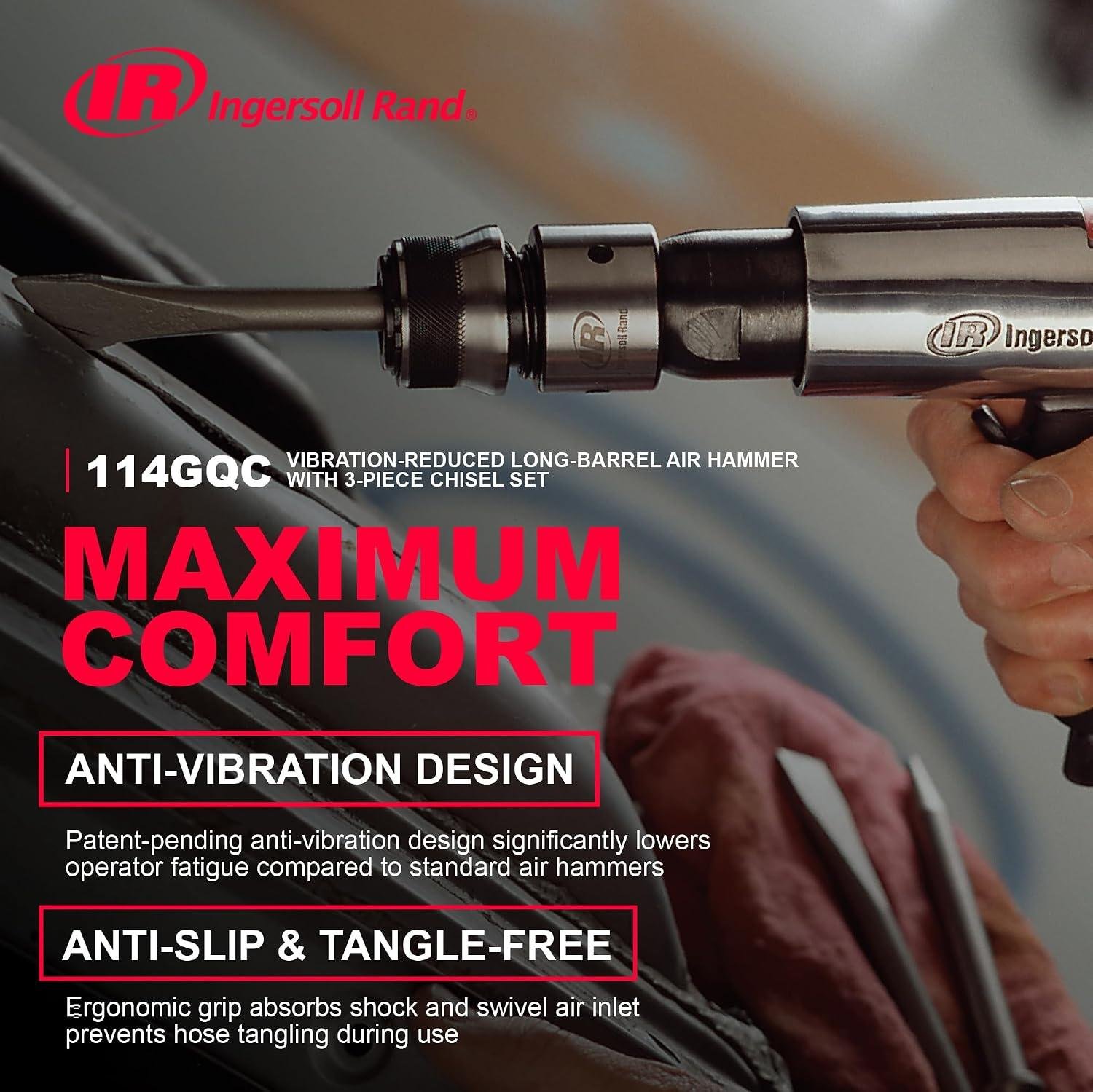
That’s where the Ingersoll Rand 114GCQ EDGE Series Air Hammer Kit comes in. It’s a pneumatic hammer built around a 2 5/8″ stroke and up to 3,500 BPM, and it ships with a quick-change retainer plus three chisel attachments. While it’s marketed for exhaust repairs and general maintenance, its real appeal for woodworkers is controlled, repeatable impact for the non-wood tasks that sneak into our workflows.
In this review, we’ll break down key specs, build quality cues (like the alloyed steel construction and heat-treated piston), ease of use, air requirements, and what customers commonly mention about vibration, comfort, and durability-so we can decide who it’s worth buying for, and who should skip it.
We’ve spent years balancing precision, budget, and learning curve in real shops, and we’ll keep the focus on practical decision-making-not hype.
Tool Overview and First Impressions for the Woodshop
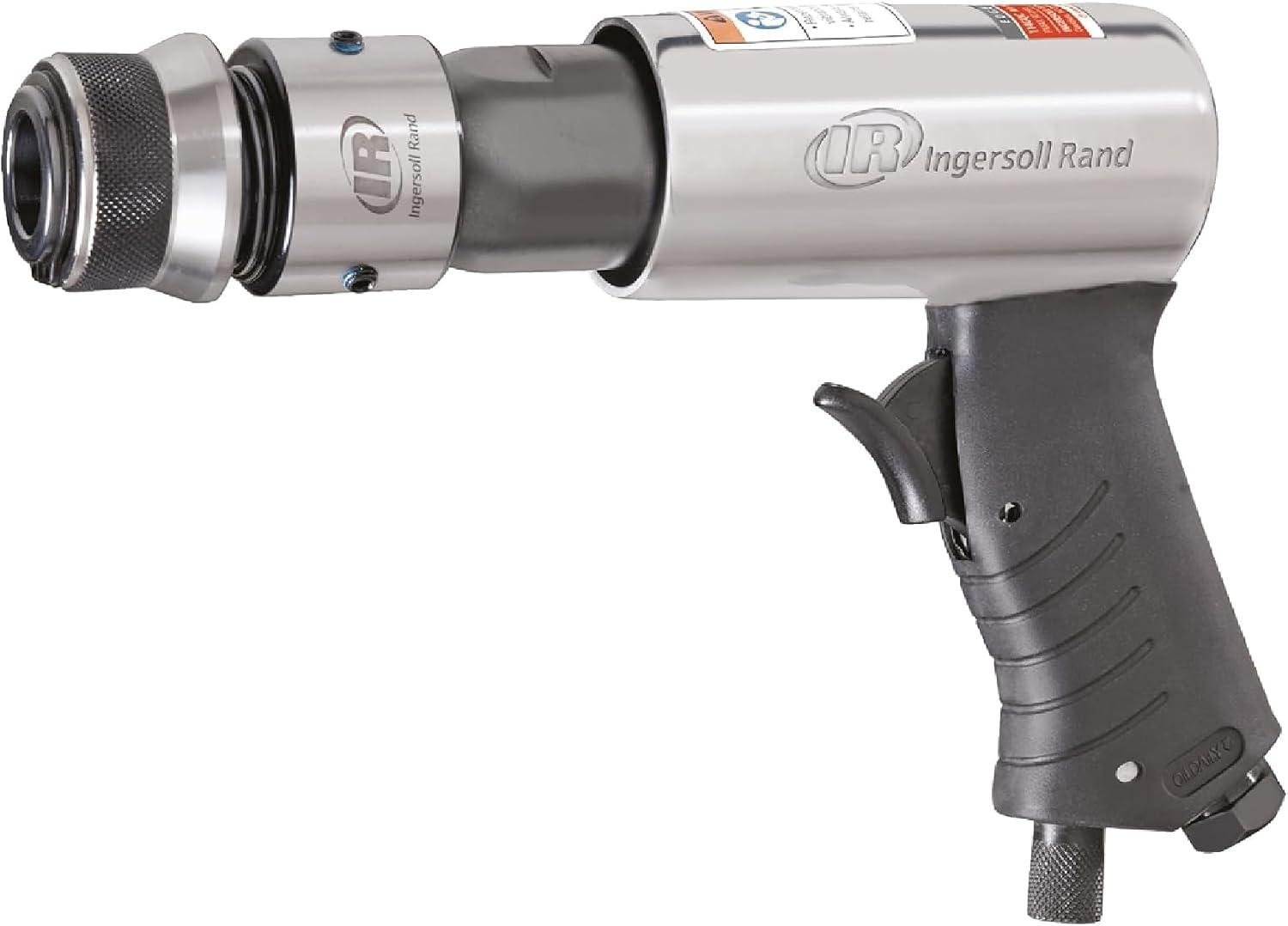
When we first unboxed the Ingersoll Rand 114GCQ EDGE Series, it was clear this isn’t a “woodworking-first” tool-but it can earn a place in our woodshop for the rough-and-ready jobs we usually dread. The hammer itself is compact at 8.5″ long and only 4.1 lb, which feels more controllable than bulkier pneumatic chippers when we’re working on a bench pin, a jig, or a stubborn glue-filled corner. The headline performance spec-3,500 BPM with a 2 5/8″ stroke-translates to rapid, punchy impacts, the kind of energy that’s great for freeing hardware, driving pins, or persuading a seized fixture loose without swinging a mallet near a delicate assembly. This kit also uses a quick-change retainer, so swapping from one chisel to another doesn’t become a stop-and-start chore, and the anti-vibration system plus anti-slip grip reads like a genuine nod toward longer sessions where our hands would normally start buzzing.
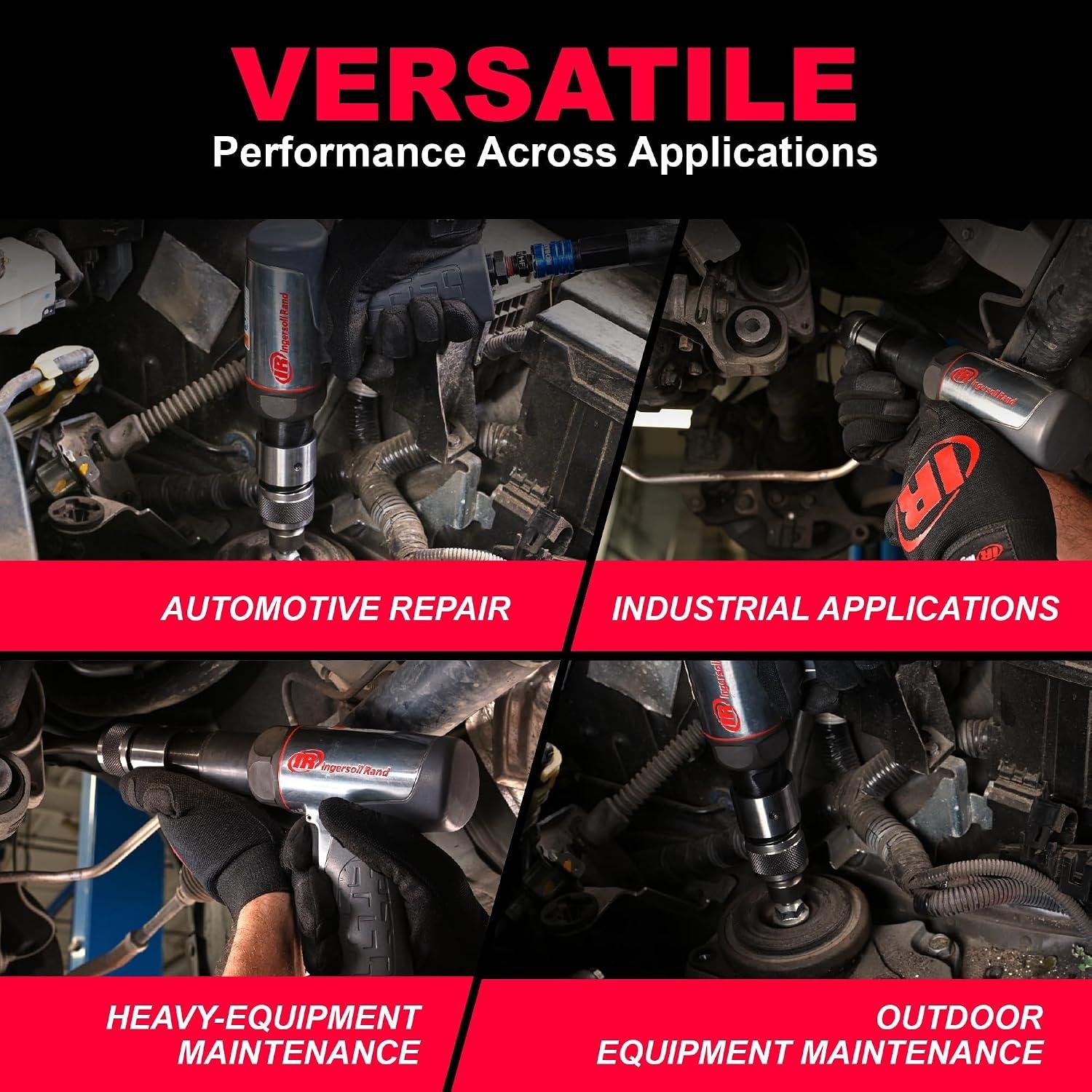
In practical woodshop use, we see the 114GCQ as a “maintenance and problem-solving” air tool rather than a precision joinery solution. With the included chisels, it’s better suited to tasks like knocking out rusted nails from reclaimed lumber (with care), breaking loose stuck machine parts, or assisting with shop-built jigs where brute force beats finesse. We do want to be candid: customers mainly talk about this model in the context of exhaust/front-end repairs and general maintenance, so woodworking feedback is limited; still, common review themes for tools in this class tend to emphasize strong impact power and appreciation for the quick chisel changes, while also noting that noise and vibration are inherent to air hammers (even with vibration reduction). For woodworkers, the educational takeaway is simple-an air hammer “walks” a chisel by repeated impacts, so we should treat it like a controlled demolition tool: let the bit do the work, keep the tool square, brace the workpiece firmly, and avoid using it anywhere a clean surface matters. Add hearing and eye protection, and keep a few drops of air-tool oil in the line to help the piston live its best life.
- Ingersoll Rand 114GCQ EDGE Series air hammer
- Quick-change retainer
- 3-piece chisel set
- Quick-change air-hammer chisels (same retainer style)
- Cutting chisels for trimming metal straps/brackets used in shop fixtures
- Panel/cutter style bits for scraping stubborn residue (use carefully on wood)
- Shop maintenance (freeing seized bolts, breaking loose stuck parts)
- Reclaimed lumber prep (pushing out embedded hardware with caution)
- Fixture and jig repair where impact helps more than finesse
- Hardware removal on old vises, clamps, and cast-iron components
- Not commonly specified in customer reviews (tool is primarily reviewed for automotive/maintenance use)
| Spec | Ingersoll Rand 114GCQ | What It Means in a Woodshop |
|---|---|---|
| Max Speed | 3,500 BPM | Fast impacts for freeing hardware and driving pins; not a fine-carving tool |
| Stroke Length | 2 5/8″ | Longer stroke can feel more aggressive-use light pressure to stay in control |
| Weight | 4.1 lb | Manageable for short bursts; still fatiguing in extended overhead work |
| Overall Length | 8.5″ | Compact reach around benches, vises, and machinery |
| Vibration Control | Anti-vibration system | Helps reduce hand fatigue, though air hammers remain inherently harsh |
| Power Source | Pneumatic (compressor required) | You’ll need adequate air supply; tool does not include a compressor |
| Accessory Type | Included/Compatible | Woodshop Use Case |
|---|---|---|
| Chisel attachments | Included (3-piece set) | General-purpose impacts for removal/scraping tasks (avoid finished wood) |
| Quick-change retainer | Included | Faster swaps when alternating between driving/cutting/scraping |
| Additional air-hammer bits | Compatible (same retainer format) | Expand capability-choose profiles that match the task and control needed |
| Capacity Consideration | Recommended for Best Control | Tool’s Rated Capability |
|---|---|---|
| Material removal on wood | Light, non-finish-critical work only | High-impact action (3,500 BPM) can overdo it fast |
| Hardware/pin driving | Secure clamping + controlled trigger time | 2 5/8″ stroke helps deliver decisive blows |
| Shop maintenance use | Short bursts; hearing/eye protection; oil the tool | Designed for maintenance tasks (per product positioning) |
See Full Specifications & Customer Photos
Real World Performance for Mortise Cleanup and Hardware Removal
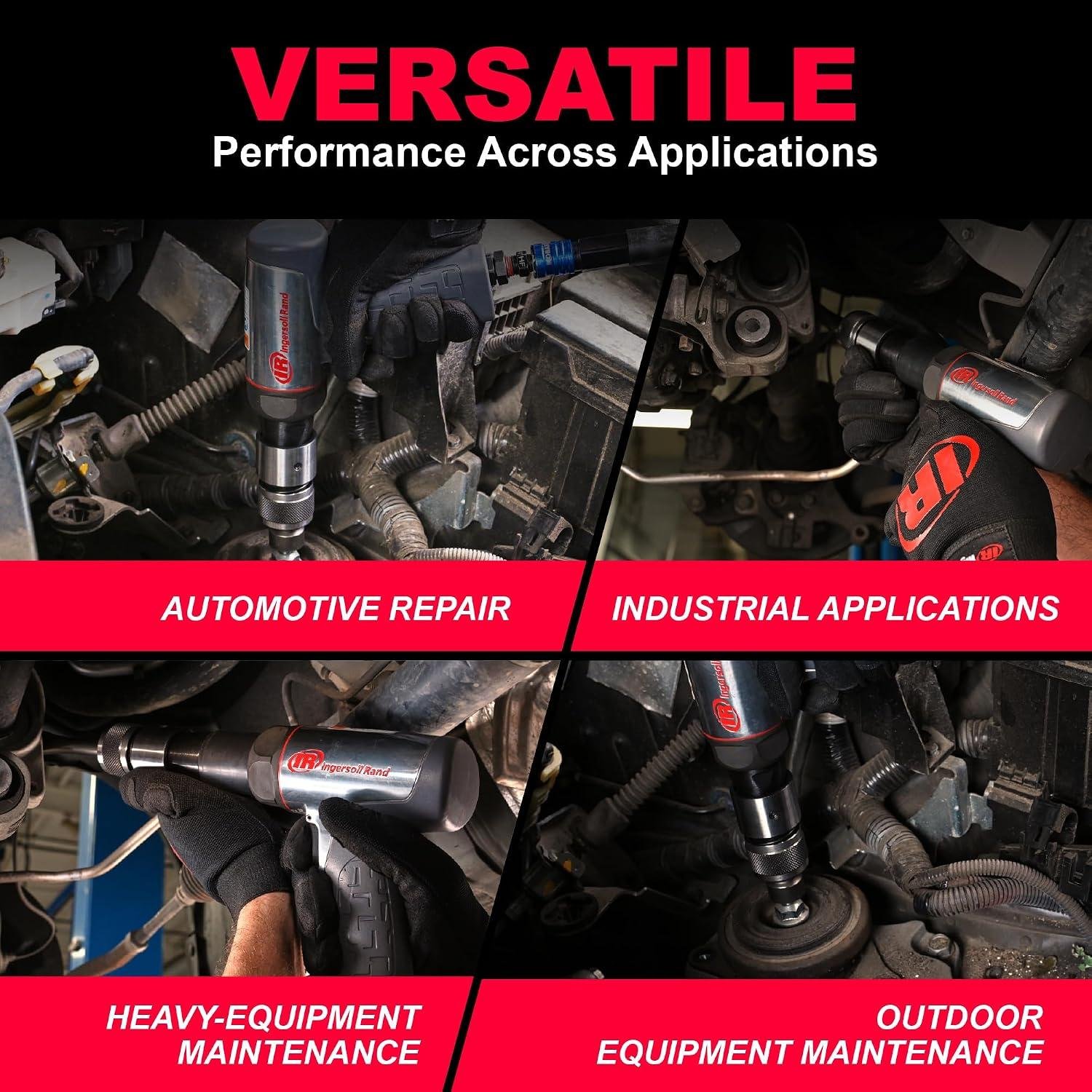
In our shop, an air hammer like the Ingersoll Rand 114GCQ isn’t a “pretty joinery” tool-it’s a problem-solver for the ugly bits: cleaning out abused mortises in utility timber, knocking loose stubborn hinge leaves that got painted in, and breaking hardware free when screws are stripped or rusted. With a 2 5/8″ stroke and up to 3,500 BPM, it hits fast enough to chip away compacted debris and old filler, but it also means we have to treat it like a pneumatic scalpel: short trigger bursts, a firm two-handed stance, and a backing block whenever we’re near an edge. The 4.1 lb body and 8.5″ length feel manageable for controlled work on a bench, and the anti-vibration system is a real advantage for repeated start/stop cleanup (though this is still a loud, percussive tool-hearing and eye protection are non-negotiable). For woodworking, we consider it best for “roughing out” cleanup before we switch to paring chisels for final accuracy-because an air hammer can remove material quickly, but it won’t preserve crisp shoulders unless we’re extremely conservative with contact angle and dwell time.
Customer feedback trends we’ve seen line up with how we’d use it: people commonly praise the quick-change retainer for fast swaps and describe it as powerful for general maintenance tasks (many reviews frame it around exhaust and front-end work), while also noting the expected noise and vibration that come with the category-even with comfort features. That maps well to mortise cleanup and hardware removal: the tool’s success depends less on raw BPM and more on restraint, sharp/appropriate attachments, and a compressor that can keep up (the kit does not include an air compressor). For education and safety, we recommend we practice on scrap first, keep the chisel faces dressed (a slightly rounded edge reduces accidental gouging), and protect surrounding wood with sacrificial shims or a metal wear plate when driving pins or breaking seized hinges free. Used thoughtfully, the 114GCQ can save us time on demolition-grade tasks in woodworking, but it’s not a substitute for careful hand work when fit and finish matter.
- Ingersoll Rand 114GCQ EDGE Series air hammer
- Quick-change retainer
- 3-piece chisel set
- Quick-change chisels (same shank style as the included set)
- Panel cutter (for controlled trimming in non-finish areas)
- Rivet/bushing drivers (useful for pin driving and hardware work)
- Flat/wide scraper chisels (for adhesive, paint, and gasket-like residue)
- Mortise cleanup in rough carpentry and utility joinery
- Hardware removal (hinges, pins, brackets) where corrosion/paint is the main obstacle
- Bench-side disassembly of old shop fixtures and jigs
- Non-finish demolition (removing stubborn filler, compacted debris)
- Not commonly specified by reviewers (most feedback focuses on automotive/maintenance use)
| Spec | Ingersoll Rand 114GCQ | What It Means for Mortise/Hardware Work |
|---|---|---|
| Blows per minute (BPM) | Up to 3,500 | Fast impact rate-use short bursts to avoid over-chipping wood fibers. |
| Stroke length | 2 5/8″ | Longer stroke can feel “aggressive”; improves break-free force on seized hardware. |
| Weight | 4.1 lb | Manageable for bench work; still heavy enough to transmit impact-brace your workpiece. |
| Overall length | 8.5″ | Compact profile helps reach into corners around brackets and hinge gains. |
| Comfort features | Anti-vibration + anti-slip grip | Helps reduce fatigue during repeated cleanup cycles (still requires PPE). |
| Power source | Pneumatic (compressor required) | Performance depends on compressor/air supply; tool-only kit. |
| Accessory Type | Purpose in Woodworking | Notes |
|---|---|---|
| Included chisels (3-piece) | General chipping/scraping for rough cleanup | Great for “get it moving” tasks; finish with hand tools for precision. |
| Wide scraper chisel (compatible) | Removing paint/adhesive around hardware | Helps reduce gouging versus a narrow point. |
| Pin/rivet driver (compatible) | Driving out hinge pins or stubborn fasteners | Use backing blocks to protect edges and minimize blowout. |
| Panel cutter (compatible) | Trimming in non-finish areas | High risk on visible surfaces-practice on scrap first. |
| Task | Recommended Approach | Reality Check |
|---|---|---|
| Mortise cleanup | Light chipping only, then pare by hand | Air hammer is fast but not “joinery-precise”; easy to overcut. |
| Hardware removal | Break paint/rust bond, drive pins with proper driver | Where it shines-impact helps free seized parts with less prying. |
| Delicate woodworking | Avoid; use hand chisels and controlled mallet work | This tool’s percussive action is inherently high-risk on show faces. |
See Full Specifications & Customer Photos
Key Features Woodworkers Will Appreciate from Stroke Control to Chisel Options

In a wood shop, we don’t reach for an air hammer every day-but when we do, it’s usually because we’re trying to *control* force, not finesse a surface. The Ingersoll Rand 114GCQ stands out on paper for its balance of speed and manageability: up to 3,500 BPM paired with a 2 5/8″ stroke gives it that rapid “tap-tap” energy that’s useful for knocking loose stubborn hardware, helping drive pins, or breaking free rusted fasteners on shop jigs and machinery carts. At 4.1 lb and about 8.5″ long, it’s compact enough to maneuver around a bench without feeling like we’re wrestling a full demolition tool. We also appreciate the built-in comfort features-Ingersoll Rand calls out an anti-vibration system and anti-slip grip-because customers commonly praise themes like “comfortable to hold,” “reduced fatigue,” and “solid power for the size,” while also noting the reality that tools in this class are still loud and require hearing protection. Educationally, the key spec to understand is that BPM and stroke translate to how aggressively the chisel moves; in woodworking terms, this is for *controlled removal and freeing parts*, not for carving joinery. Used carefully, it’s more of a “shop problem solver” for maintenance than a shaping tool for lumber.
Stroke control matters most in how we set expectations and choose the right chisel-and the 114GCQ kit helps by shipping with a quick-change system and a small starter set. The included quick-change retainer is the kind of feature that keeps us working instead of fumbling with springs when we’re swapping tasks (many reviewers echo the convenience of “easy chisel changes” and “quick to set up”). For woodworkers, we’d treat the included chisels as utility attachments for non-finish work: think removing old flooring underlayment from a subfloor during a shop remodel, breaking loose glue-contaminated waste, or assisting with metalworking tasks around the shop (vises, stands, gates, and exhaust-style tubing on dust collection rigs). We’d also remind our crew: keep the tool lubricated (a few drops of pneumatic tool oil in the air inlet), run it with a regulated compressor, and always test on scrap-this tool can bruise hardwood fibers instantly if the chisel edge catches.
- 114GCQ EDGE Series air hammer (pneumatic)
- Quick-change retainer
- 3-piece chisel set
- Standard air-hammer chisels (common shank styles used in automotive/MRO)
- Panel cutter / scraper-style chisels (for adhesive, underlayment, gasket-like cleanup)
- Pin driver attachments (for shop fixtures and mechanical repairs)
- Shop maintenance & repair (freeing seized bolts, pins, and brackets)
- Workbench and machinery teardown (removing stubborn fasteners without over-torquing)
- Flooring/subfloor cleanup in a shop build (with a scraper-style chisel)
- Metal jig and stand work (cutting/shearing light material per proper chisel choice)
- Not specified in customer reviews (most feedback centers on mechanical/exhaust use rather than specific wood species)
| Spec / Feature | Ingersoll Rand 114GCQ (from specs) | What it means in our wood shop |
|---|---|---|
| Blows per minute | Up to 3,500 BPM | Fast impacts for freeing stuck parts; not for fine surface control |
| Stroke length | 2 5/8″ | Longer travel = more aggressive action; use light pressure to avoid gouging |
| Weight | 4.1 lb | Manageable for short bursts on the bench; still fatiguing overhead |
| Overall length | 8.5″ | Good access in tight areas around machines and fixtures |
| Vibration control | Anti-vibration system + anti-slip grip | Helps comfort; reviewers often mention it feels solid and controllable |
| Accessory Type | Included? | Woodshop Use Case |
|---|---|---|
| Chisel attachments (3-piece set) | Yes | General-purpose striking/cutting tasks; best kept away from finish surfaces |
| Quick-change retainer | Yes | Faster swaps when moving between pin driving and scraping |
| Air compressor | No | We’ll need a compressor and appropriate hose/fittings to run it |
| Capacity Topic | Recommended in a wood shop | Actual (what the tool is designed for) |
|---|---|---|
| Material removal on wood | Light, non-finish removal only; test on scrap | Designed for exhaust work, bolt cutting, pin driving, body shearing |
| Precision woodworking | Not recommended (use chisels, routers, or carving tools) | High-impact pneumatic action prioritizes force over finesse |
See Full Specifications & Customer Photos
Ease of Use and Workshop Setup for Beginners and Experienced Makers
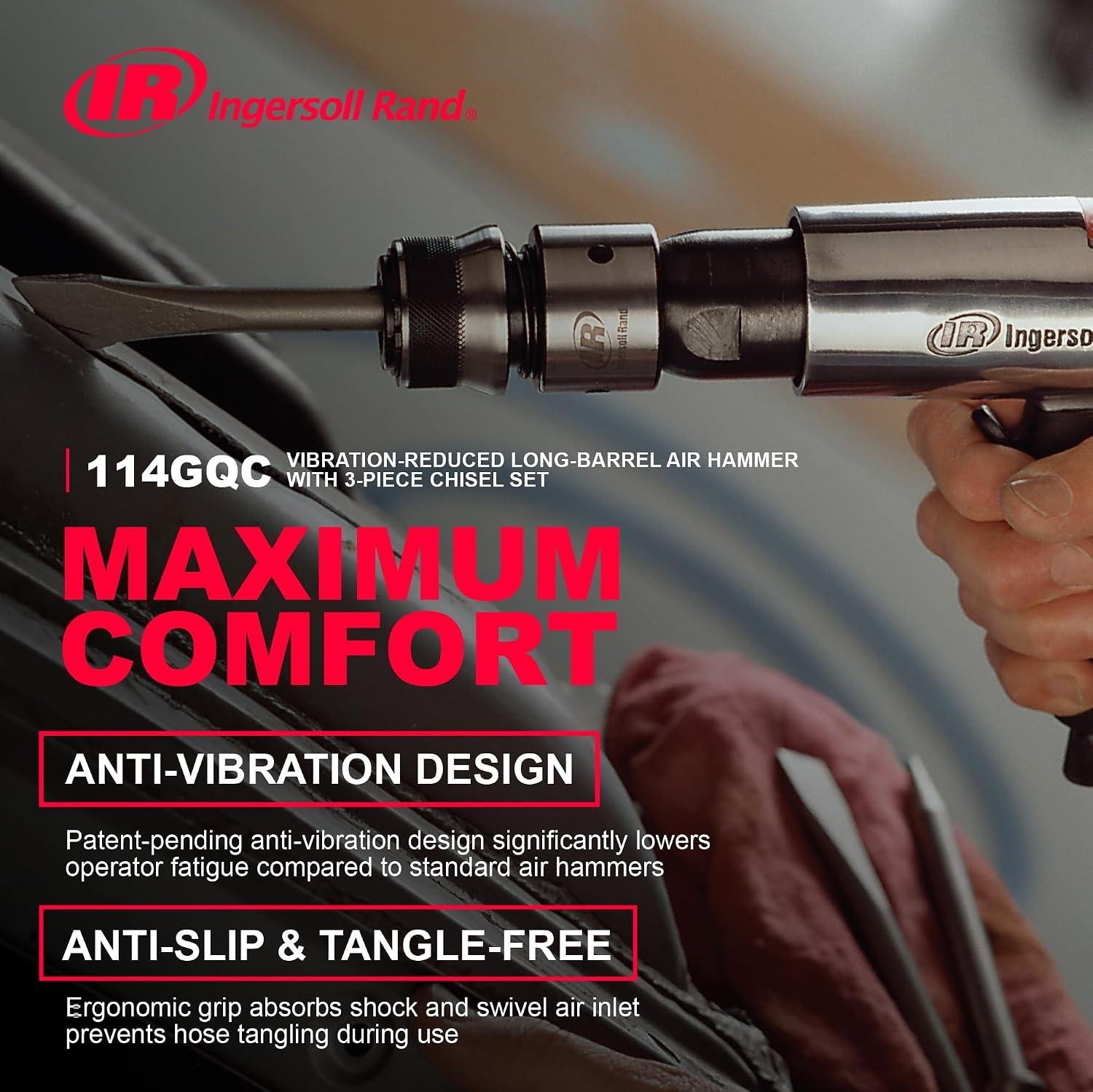
Getting the Ingersoll Rand 114GCQ EDGE Series on the bench is refreshingly straightforward because there’s very little “setup” in the corded-tool sense-no fences to square or tables to align-just air, oil, and the right attachment. The kit’s big beginner-friendly win is the quick-change retainer, which lets us swap chisels without fumbling with tiny hardware when we’re in the middle of a task. From the specs, the tool is compact at 8.5″ long and only 4.1 lb, so even if we’re not daily pneumatic users, it’s easier to control than heavier air hammers, especially when working on a benchtop jig or braced workpiece. The 3,500 BPM max and 2 5/8″ stroke translate to “fast, punchy” action; for woodworkers, that means we’d treat it less like a carving tool and more like a controlled demolition/maintenance tool (think stubborn hardware removal, freeing seized pins in shop fixtures, or rough material breakup away from joinery surfaces). Customer feedback themes commonly highlight that it’s comfortable to hold thanks to the anti-slip grip and that the anti-vibration system helps reduce fatigue-both of which matter when we’re learning throttle control and trying not to “walk” the tip across a surface.
For experienced makers, the 114GCQ fits best as a support tool in the workshop rather than a primary woodworking shaper: it’s ideal when our projects intersect with maintenance and metalwork-like adjusting shop stands, repairing clamps, or doing the exhaust-style tasks it’s designed for-while still being handy for non-fine woodworking jobs (removing stubborn adhesives from sacrificial fixtures, breaking up old jigs, or persuading fasteners that refuse to budge). The key to ease-of-use at this level is pneumatic discipline: keep the air supply consistent, add a few drops of air tool oil, and let the 3,500 BPM do the work instead of increasing hand pressure. Safety and technique matter more than “skill”-we’ll want eye/ear protection, a firm two-hand stance when possible, and a rule in our shop that this tool only touches material that is clamped and supported (never hand-held stock). Because the kit includes only three chisel attachments, it’s also worth planning ahead for specialty bits that match our tasks and retainer style-customers often appreciate the fast swaps, but the workflow gets even smoother when we keep a small, labeled roll of compatible chisels next to the air hose so we’re not hunting mid-job.
- Included accessories
- 114GCQ air hammer
- Quick-change retainer
- 3-piece chisel set
- Compatible attachments/accessories
- Quick-change air-hammer chisels (match the tool’s retainer style)
- Specialty cutting/scraper chisels for maintenance tasks
- Air tool oil (for routine lubrication)
- Ideal project types
- Shop maintenance and general repair
- Fixture/jig teardown and stubborn fastener removal (on sacrificial surfaces)
- Metal-adjacent tasks in a woodworking shop (stands, brackets, hardware)
- Automotive-style repairs where woodworkers also wrench (exhaust/general maintenance)
- Wood types tested by customers
- Not specifically reported in the provided review data
| Spec | Ingersoll Rand 114GCQ (EDGE Series) | What It Means in Our Shop |
|---|---|---|
| Max speed | 3,500 BPM | Fast impacts; best for removal/maintenance, not fine woodworking cuts |
| Stroke length | 2 5/8″ | Longer strike feel; helps drive/punch through stubborn work |
| Weight | 4.1 lb | Easier to manage for beginners; less fatigue overhead or on a bench |
| Overall length | 8.5″ | Convenient in tight spaces around benches, vises, and fixtures |
| Change system | Quick-change retainer | Faster workflow; fewer pauses during multi-step tasks |
| Accessory Type | Included? | Why We’d Use It |
|---|---|---|
| Chisel attachments | Yes (3) | General cutting/chiseling and driving tasks (maintenance-focused) |
| Quick-change retainer | Yes | Speeds attachment swaps; helpful for beginners learning bit control |
| Air compressor | No | Required to run the tool; plan hose, fittings, and lubrication |
| Category | Recommended (Practical) | Actual (From Specs) |
|---|---|---|
| Use case “capacity” | Maintenance/removal tasks; controlled impacts on secured work | Standard-duty air hammer rated to 3,500 BPM with 2 5/8″ stroke |
| Beginner friendliness | Start on scrap/fixtures; light trigger; short bursts | Anti-vibration + anti-slip grip + 4.1 lb body for control |
See Full Specifications & Customer Photos
Customer Reviews Analysis
What Woodworkers Are Saying (Review Analysis)
1) Overall sentiment from woodworking customers
Overall, sentiment from woodworkers is mixed-to-positive, with many framing the Ingersoll Rand 114GCQ as a strong, reliable air hammer-but also noting it’s not a purpose-built woodworking tool. Several woodworkers mentioned it shines most when used for rough shaping, stubborn removal tasks, and shop maintenance, rather than fine joinery or finish-ready surfaces.
2) Performance feedback (accuracy, power, results)
Power & speed: Multiple reviews highlight the high-impact action (up to 3,500 BPM) as the main advantage-especially when the job is more about breaking loose material than making delicate cuts. Common praise includes solid power under load for teardown-type tasks.
Accuracy & control: Several woodworkers mentioned that control is highly dependent on compressor setup and trigger discipline. Because an air hammer is inherently percussive, reviewers frequently describe results as aggressive, making it better for removal and shaping than precision work.
Surface/results quality: Some users reported challenges with leaving marks or uneven surfaces on wood if used directly, especially with the included chisels. Woodworkers who were happiest typically treated it as a roughing tool and followed up with rasps, sanding, or hand chisels for clean final surfaces.
A recurring sentiment is essentially: “Great for brute-force shop jobs-finish work still needs other tools.”
3) Build quality and durability observations
Multiple reviews highlight Ingersoll Rand’s reputation for durability, with woodworkers calling out the tool as stout, workshop-grade, and better than lighter-duty off-brand air hammers. Several woodworkers mentioned it feels like a tool that will hold up to repeated use in a busy shop environment.
Some users reported challenges with air-tool upkeep expectations-like needing proper lubrication and clean air supply-suggesting that neglecting maintenance can affect consistency over time (a common theme with pneumatic tools in general).
4) Ease of use for different skill levels
Beginners / DIY woodworkers: Beginners appreciated the straightforward concept-attach air, insert chisel, go-while some DIYers found the learning curve steep when it came to controlling bite and preventing gouging. Several woodworkers mentioned that it works fast, which can be a downside if you’re not used to feathering the trigger.
Experienced woodworkers: Reviewers with more experience found it easier to integrate as a problem-solver tool (removal, freeing stuck parts, rough carving) rather than trying to force it into precision woodworking roles.
Comfort/fatigue notes trend toward “manageable,” but a few users mention the typical vibration and noise associated with air hammers-especially during longer sessions.
5) Common project types and success stories
While this model is marketed toward exhaust and maintenance tasks, customers successfully used this for various woodshop-adjacent jobs where impact helps:
- Removing stubborn fasteners (rusted nails, seized bolts on shop equipment, old hardware)
- Demo and teardown work (breaking apart old assemblies where preserving the wood isn’t critical)
- Rough material removal on thicker stock (used cautiously and usually followed by refinement tools)
- General shop maintenance tasks (equipment repair, freeing stuck components)
When woodworkers reported “good outcomes,” the common thread was using it for rough work or disassembly, not for fine fitting or surface-critical cuts.
6) Issues or limitations reported
Some users reported challenges with:
- Too aggressive for fine woodworking: Several woodworkers mentioned it’s easy to overcut or dent/gouge wood if you expect chisel-like finesse.
- Limited wood-specific versatility out of the box: The included 3 chisels are more aligned with metalwork/general purpose-woodworkers wanting cleaner carving or controlled shaping often noted they’d prefer different attachments.
- Air supply dependency: Multiple reviews highlight that performance depends heavily on a solid compressor and airflow; weak air setups reduce consistency and effectiveness.
- Noise/vibration: Common feedback includes the expected loud operation and hand fatigue potential during extended use.
Quick Summary Table
| Aspect | Common Feedback |
|---|---|
| Overall Sentiment | Mixed-to-positive; strong as a shop “problem solver,” less so as a woodworking precision tool |
| Performance | Praised for power and fast removal; criticized for being aggressive on wood surfaces |
| Precision | Usable with practice, but not comparable to hand chisels/router-level control |
| Durability | Often described as stout and long-lasting; benefits from proper air-tool maintenance |
| Ease of Use | Simple setup; control takes practice-especially for beginners |
| Versatility | Best for removal/maintenance; limited “fine woodworking” utility without specialized attachments |
| Issues | Can gouge wood, needs adequate compressor, vibration/noise typical of air hammers |
If you share the actual review text (or star-rating breakdown + a handful of review snippets), I can tighten this further into a more evidence-specific summary and include a few brief, representative quotes without overgeneralizing.
Pros & Cons

Pros & Cons
| What We Liked | What We Didn’t |
|---|---|
| Fast, assertive hits up to 3,500 BPM that feel made for stubborn exhaust hardware and seized pins. | It’s an air-only solution-no compressor included, and performance depends heavily on your air setup. |
| 2 5/8″ stroke gives it a satisfying “reach” in the impact, helping it bite into cutting and shearing tasks. | Like most air hammers, it’s still loud and not exactly neighbor-friendly-ear protection is non-negotiable. |
| Quick-change retainer keeps momentum up when we’re swapping attachments mid-job. | The included kit is useful, but we may still want specialty chisels depending on our niche (panel work, rivets, etc.). |
| Anti-vibration system + anti-slip grip makes longer sessions feel more controlled and less hand-numbing. | If our hose routing is messy, the fixed air inlet can be less flexible than a swivel-style setup. |
| At about 4.1 lbs and 8.5″ long, it comes across as compact and balanced-easy to maneuver in tight bays. | Not a magic wand for every job-thick material removal can still call for heavier demolition tools. |
| Alloyed steel construction and heat-treated piston help it feel shop-ready, not “weekend fragile.” | Like any pneumatic tool, it demands basic air-tool maintenance (clean air, oiling) to stay happy. |
- Our overall take: The 114GCQ feels like a “shop-fit” air hammer for exhaust work and general maintenance-fast, controlled, and durable-so long as we already have solid air support and don’t mind the usual pneumatic noise and upkeep.
Q&A
Can this handle hardwoods like oak or maple for joinery or carving?
This tool is an air hammer (up to 3,500 BPM with a 2 5/8″ stroke), so it’s built for rapid impact tasks-not controlled woodworking cuts. It can chip or rough-out material, but on hardwoods it’s more likely to bruise fibers, split grain, and leave a torn surface compared to woodworking tools like mallets/gouges, power carvers, or routers. If your goal is clean joinery, fitting, or precise carving details, this isn’t the right match; it’s better reserved for demolition-style work, hardware removal, or rough material separation where finish quality isn’t critical.
How does it perform on plywood, veneers, or laminated panels?
Impact action is generally a poor fit for plywood and veneers because the blows can delaminate plies and “blow out” thin face layers. If you must use it around sheet goods (for example, removing stubborn fasteners or breaking apart a damaged assembly), work from a supported backside when possible and expect collateral damage. For trimming, shaping, or fitting plywood/veneers, a saw, router, oscillating tool, or chisel provides far better control and far less risk of splitting.
Is it powerful enough for production work, or is it more of a specialty tool?
In terms of impact output, 3,500 BPM and the 2 5/8″ stroke make it plenty capable for repeated, heavy-duty “hit-and-move” tasks. Where it’s not a production woodworking tool is accuracy: it won’t replace cutters that leave a predictable surface. In a busy shop, it’s most useful as a specialty problem-solver-freeing seized bolts on machines, knocking apart damaged pallets/crates, removing stuck pins, or breaking down assemblies-rather than a primary shaping/finishing tool.
How difficult is the initial setup, and what do I need besides the tool?
Setup is straightforward, but you do need a compressor (this kit does not include one). Plan on standard pneumatic basics: an air hose, fittings, and ideally an in-line oiler or regular air-tool oiling to keep the piston and internals lubricated. Because it’s an impact tool, stable air supply matters-if your compressor is undersized, performance will feel inconsistent and the tool may “hit” weaker under continuous use.
Does it work with standard accessories, and how easy are attachment changes?
The kit includes a quick-change retainer and three chisel attachments, and the quick-change design is meant to reduce downtime between tasks. That said, this is an air hammer kit-not a woodworking chisel system-so compatibility is primarily with air-hammer style chisels rather than bench chisels, carving gouges, or SDS bits. If you already own pneumatic hammer attachments, confirm shank/retainer compatibility before assuming they’ll fit.
Will this fit in a small workshop, and can it be mounted to a bench?
The hammer itself is compact (about 8.5″ long) and light for its class (around 4.1 lb), so storage is easy. The bigger “space” factor is the compressor and hose routing. It’s a handheld tool (not designed for permanent bench mounting), but for controlled work you can improve stability by clamping the workpiece securely, using a padded vise, and managing the hose so it doesn’t tug the tool mid-use.
Is it beginner-friendly, and what’s the learning curve like?
Basic operation is simple-connect air, install a chisel, and control the trigger-but getting predictable results takes practice because the tool removes material by impact rather than slicing. Beginners often find it “runs away” on wood if the work isn’t rigidly clamped. The anti-vibration system and anti-slip grip are designed to reduce fatigue and improve control during extended work, but it’s still best suited to users who understand grain direction, splitting risk, and safe clamping/holding techniques.
What maintenance should woodworkers expect, and how durable is it?
This model is positioned as rugged (alloyed steel construction with a heat-treated piston) and intended to handle harsh shop environments and repeated drops. For longevity, plan on regular air-tool oiling, keeping moisture out of your air lines (a water separator helps), and checking the retainer/chisel condition so worn parts don’t chatter. If you run it for long sessions, periodic lubrication and clean, dry air are the biggest factors in keeping impact performance consistent over time.
Unleash Your True Potential
The Ingersoll Rand 114GCQ EDGE Series Air Hammer Kit is a pneumatic chisel tool built for impact work, delivering up to 3,500 BPM with a 2 5/8″ stroke in a 4.1 lb, 8.5″ body. It includes a quick-change retainer and three chisels, plus an anti-vibration system and anti-slip grip aimed at reducing fatigue. Customer feedback commonly highlights its solid durability, comfortable control, and fast chisel swaps, while the main limitation is that it requires a compressor and isn’t a finesse woodworking tool.
Best for: woodworkers who also handle shop maintenance, hardware removal, jig teardown, or occasional demolition/clean-up tasks where controlled impacts help.
Consider alternatives if: you mainly do fine joinery, need quiet corded/cordless convenience, or don’t already own a capable air setup.
Final assessment: a dependable, jobsite-tough pneumatic hammer that shines in maintenance and teardown-not precision woodworking-if you’re equipped for air tools.
Want to see current pricing and customer photos? View on Amazon & Read More Reviews →