

Blog
GuDoQi Mini Dollhouse Kit Review: Right for Our Shop?

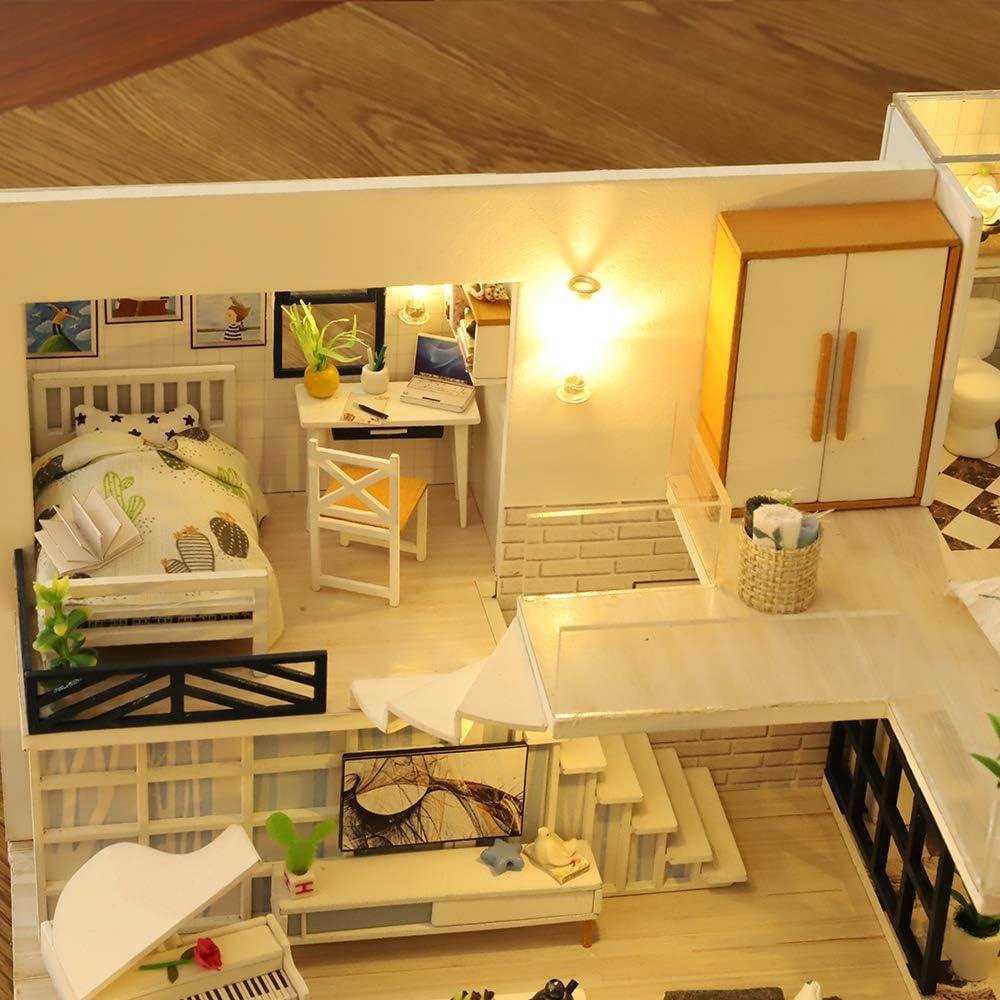
Ever tried dialing in a saw blade or sanding block only to realize the real fight is scale-tiny parts, tight tolerances, and zero room for sloppy cuts? When shop space is limited (or we just want a bench-top challenge), miniature builds can expose the same precision and patience issues we face on full-size furniture, only faster.
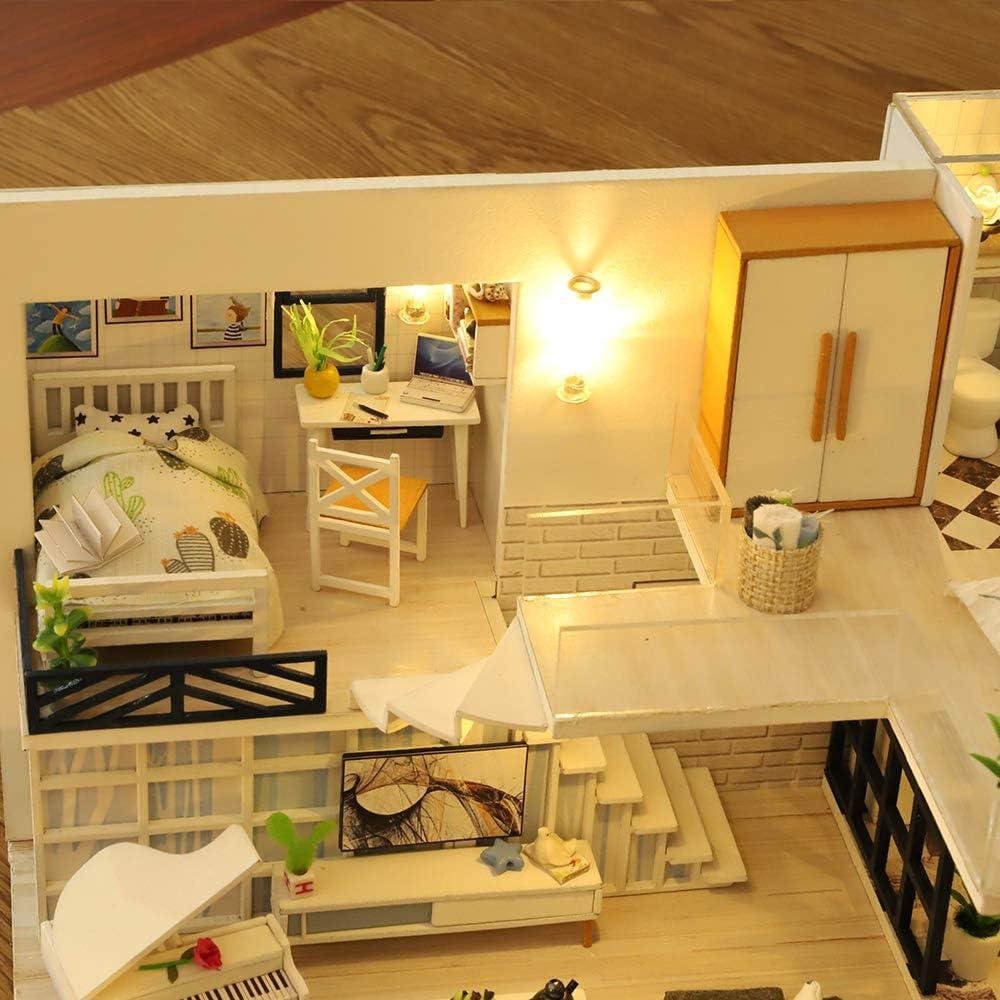
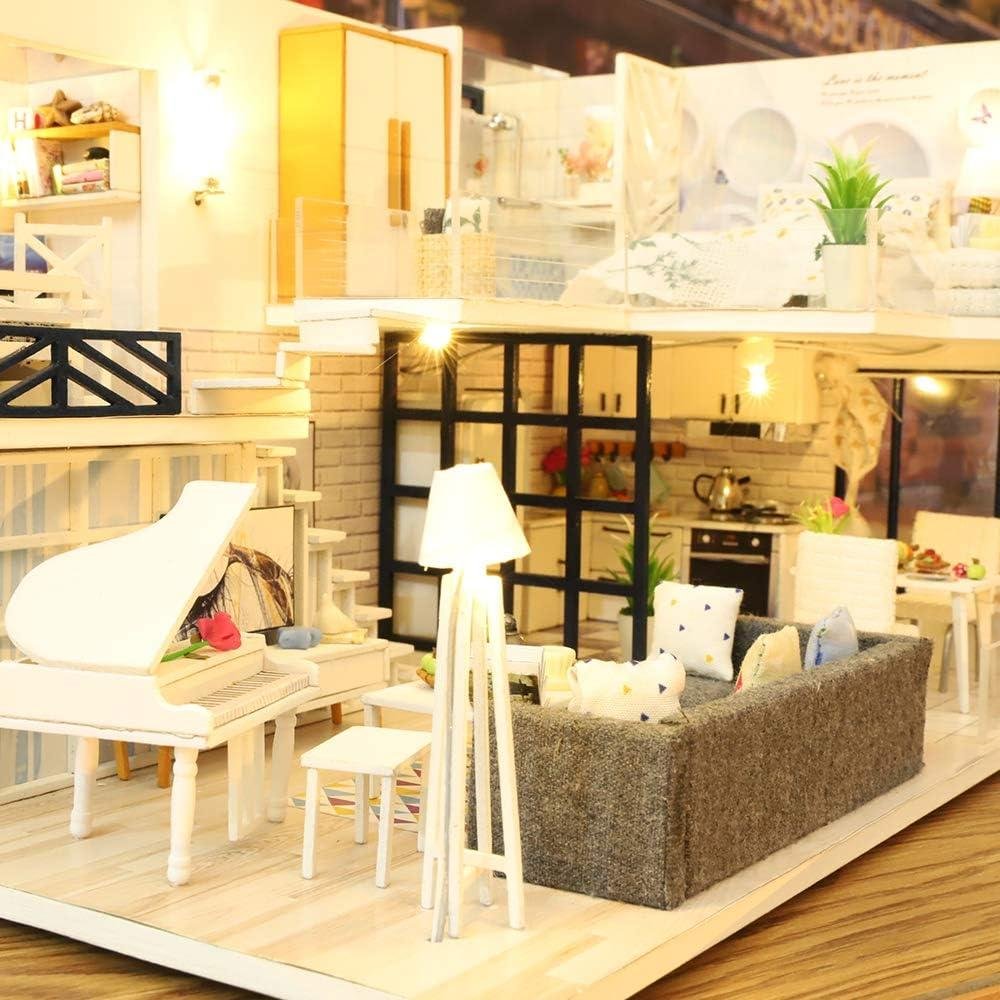
That’s where the GuDoQi DIY Miniature Dollhouse Kit (1:24 scale) comes in. It’s not a finished piece-it’s a 500+ micro-piece craft/woodworking-style assembly that mixes wood, paper, metal, and plastic, and is designed to take 30+ hours of cutting, stitching, sticking, and fitting. Note: it doesn’t include a dust cover, glue, scissors, or a hobby knife, so we’ll need our own basics.
In this review, we’ll cover what the kit includes, how clear the illustrated English manual is, the difficulty and learning curve for different skill levels, and what customers commonly report about completeness and build experience. We approach this as woodworkers who value accuracy, clean results, and honest budget-versus-quality tradeoffs.
Tool Overview and What We Get in the Box

From a woodworking standpoint, the GuDoQi DIY Miniature Dollhouse Kit isn’t a powered “tool” so much as a small-scale, precision build job that uses our shop habits-measuring, dry-fitting, trimming, and clean glue joints-to produce a 1:24 scale “Life House” scene. The box is set up for a long, methodical bench session: the manufacturer calls out 500+ micro-pieces and estimates around 30+ hours of assembly time, which lines up with what many buyers commonly emphasize in reviews-this kit rewards patience and careful sequencing more than brute skill. Material-wise, it mixes paper, wood, metal, and plastic, so it’s a good way for us to practice fine work like square cuts on thin stock, clean edges on paper laminations, and fussy alignment where a fraction of a millimeter shows.
What we “get in the box” is essentially the parts and the roadmap: an illustrated English instruction manual with color photos, plus all the miniature components required to build the furniture, plants, and décor shown. The brand is explicit about what’s not included: no dust cover, no glue, and (due to shipping restrictions) scissors and a hobby knife are not included-so we should plan on supplying our own adhesives and cutting tools from the shop. That omission actually mirrors a frequent customer theme: assembly can be “easy to follow” thanks to the manual, but it’s still a hands-on craft build that involves cutting, stitching, and sticking, and success comes from setting up a dedicated work surface and batching subassemblies (the instructions also recommend building components separately, then final-assembling). For woodworkers, the practical takeaway is that this kit is best treated like a micro joinery exercise: sharp blades, light passes, and a clean, flat reference surface matter more than speed.
- Included accessories (in the box)
- 500+ micro-pieces (mixed media: paper, wood, metal, plastic)
- Illustrated English instruction manual with color photos
- Miniature furniture/decor components (DIY assembly required)
- Compatible attachments/accessories (we supply)
- Hobby knife + spare blades (for clean trimming)
- Small scissors (fine cuts in paper/fabric)
- Wood/PVA glue and/or tacky craft glue (controlled open time)
- Fine tweezers, small clamps, and sanding sticks
- Cutting mat + steel ruler/square (repeatable, safer cuts)
- Optional magnifier lamp (reduces eye strain over long sessions)
- Ideal project types
- Micro-scale assembly practice for model furniture and interiors
- Workshop “skills refresher” for careful layout, trimming, and glue control
- Gift builds for makers who enjoy long-form, detailed bench work
- Wood types tested by customers
- Not specified in the provided customer review source; kit includes “wood” parts but no species callout
| Spec Category | What the Listing States | What It Means in Our Shop |
|---|---|---|
| Scale | 1:24 | Small parts; accuracy depends on knife control and careful dry-fitting |
| Piece Count | 500+ micro-pieces | Expect sorting, staging, and subassembly organization like a cabinetry “parts cart” approach |
| Build Time | ~30+ hours | Plan multiple sessions; adhesives and blade sharpness matter over time |
| Included Manual | Illustrated English instructions | Supports step-by-step workflow; good for builders who prefer visual plans |
| Not Included | No glue, no dust cover, no scissors/hobby knife | We must supply consumables and cutting tools; add a cover if dust is a concern on display |
| Accessory / Tool | Included? | Recommended Use |
|---|---|---|
| Glue (PVA/tacky) | No | Furniture assembly and paper-to-wood bonds; use sparingly to avoid squeeze-out |
| Hobby knife | No | Trimming tabs and fitting edges; change blades often for clean cuts |
| Scissors | No | Fabric/paper cuts where a knife would snag or tear |
| Dust cover | No | Optional display upgrade; helps keep micro детали clean over time |
| Capacity / Requirement | Recommended (Practical) | Actual (Per Listing) |
|---|---|---|
| Time commitment | Block out multiple short sessions | ~30+ hours |
| Skill level | Comfortable with precise trimming and glue control | 14+; requires patience & fine motor skills |
| Tooling needed | Knife, glue, small sanding tools, tweezers | Not included (glue/knife/scissors) |
See Full Specifications & Customer Photos
Real World Assembly Performance and Fit Accuracy
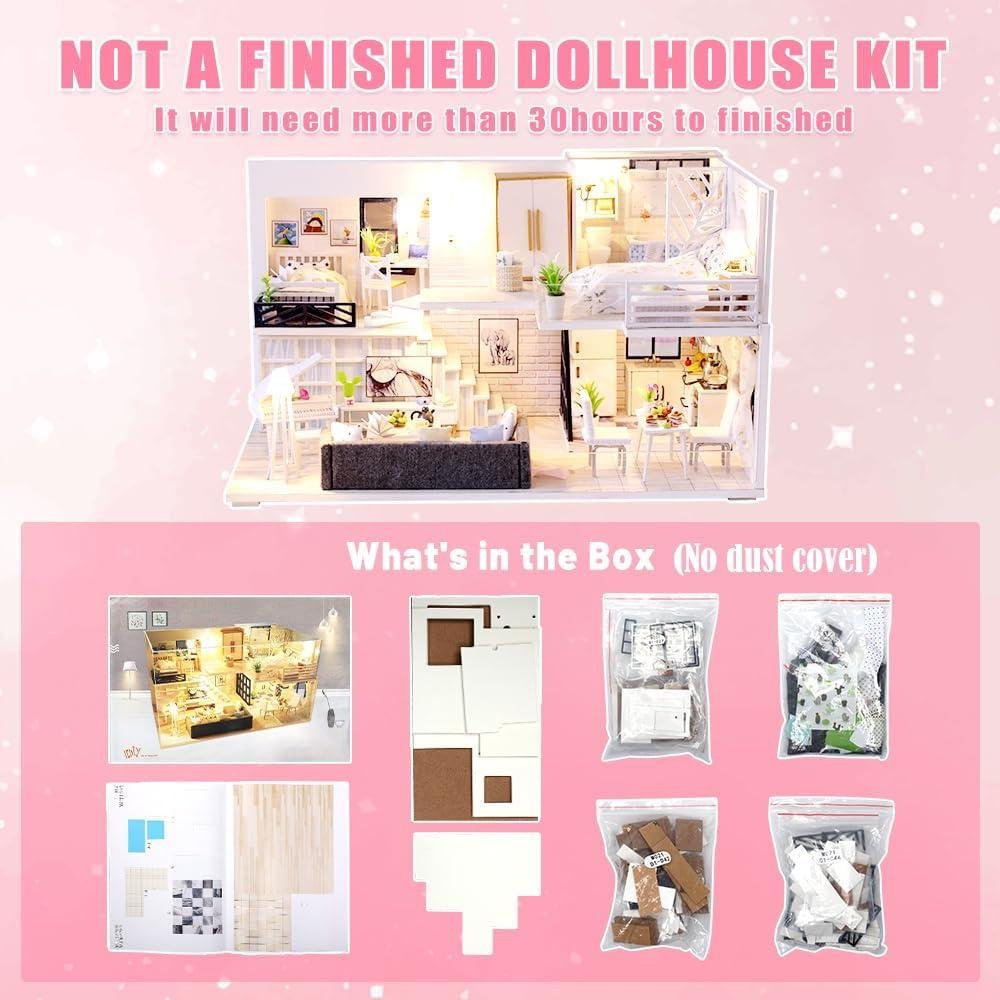
In real shop terms, the GuDoQi build behaves less like a “tool” and more like a 1:24-scale joinery and layout exercise-only your stock is paper, thin wood sheets, metal, and plastic instead of rough lumber. The spec that matters most for fit is the time/complexity: “500+ micro-pieces” and “around 30+ hours” of assembly, which matches the customer-review theme that this kit rewards patience and careful sequencing more than speed. We appreciated that it ships with an illustrated English manual with color photos, because the tight tolerances here aren’t machine-set; they’re hand-set by how accurately we cut, crease, and dry-fit. From a woodworker’s point of view, the biggest “fit accuracy” variable is that glue is not included and scissors/hobby knife are not included (called out due to transportation restrictions), so the quality of our adhesive choice and blade sharpness directly determines whether edges close cleanly or gaps telegraph through the finished build.
On assembly performance, reviews commonly highlight that the instructions are easy to follow and that building sub-assemblies first helps everything register square-advice we’d echo in any cabinet or furniture glue-up. Because the kit mixes materials, we get a good reminder of technique: use a fresh #11 hobby blade for clean fibers on paper/wood veneer, a self-healing cutting mat to prevent tear-out, and light sanding on wood tabs only when the fit is genuinely too tight (over-sanding can introduce slop that no clamp pressure can fix at this scale). Since there’s no dust cover included, we’d also treat finishing like a small-box project-keep parts staged in a tray and consider a quick brush-off before final placement to avoid trapped debris. The end result, according to recurring customer feedback themes, tends to come down to careful cutting and dry-fitting: when our knife lines are true and we avoid excess glue squeeze-out, the kit’s parts generally align as intended; when we rush, tolerances feel “fussy” and alignment drifts.
- Included accessories: Pre-cut/printed materials set (paper/wood/metal/plastic) to create furniture, plants, and decorations; illustrated English instruction manual
- Compatible attachments/accessories: #11 hobby knife blades, precision tweezers, small square, self-healing cutting mat, micro files, fine sandpaper (320-800), PVA/wood glue, tacky craft glue, CA (thin) + accelerator (sparingly)
- Ideal project types: 1:24 miniature interiors, diorama detailing practice, “weekend-plus” skill-building for layout/cutting/gluing sequences
- Wood types tested by customers: Not specified in reviews/specs; kit includes thin wood components along with paper/metal/plastic
| Spec / Build Factor | What the Product States | What It Means for Fit Accuracy in the Shop |
|---|---|---|
| Scale | 1:24 | Small errors become visible fast; measure/cut like inlay work. |
| Assembly time | ~30+ hours | Plan staging and sub-assemblies; rushing increases gaps and misalignment. |
| Piece count | 500+ micro-pieces | Organization (trays/bags/labels) is a “fit tool” here. |
| Included tools | No glue; no scissors; no hobby knife | Your blade sharpness and glue viscosity directly drive clean joints. |
| Dust cover | No dust cover | Expect more cleaning and careful storage to preserve the final fit/appearance. |
| Accessory | Recommended | Why Woodworkers Care |
|---|---|---|
| Hobby knife + #11 blades | Yes | Clean cuts reduce fuzzing and improve seam closure. |
| PVA / tacky glue | Yes | Longer open time for alignment; less brittle than CA for paper-to-wood bonds. |
| CA glue (thin) | Optional | Fast tacking, but can stain paper/wood and lock misalignment instantly. |
| Fine sandpaper (320-800) | Optional | Micro-tuning tabs/slots; avoid over-fitting. |
| Capacity / Expectation | Recommended (for best fit) | Actual (per specs) |
|---|---|---|
| Time per session | 1-2 hours with breaks | 30+ hours total build time |
| Tools on hand | Knife, glue, tweezers, mat, light sanding | Knife/glue not included |
| Workholding | Clips, small weights, tape jigs | Not specified |
See Full Specifications & Customer Photos
Key Features Woodworkers Will Appreciate in a Mini Build
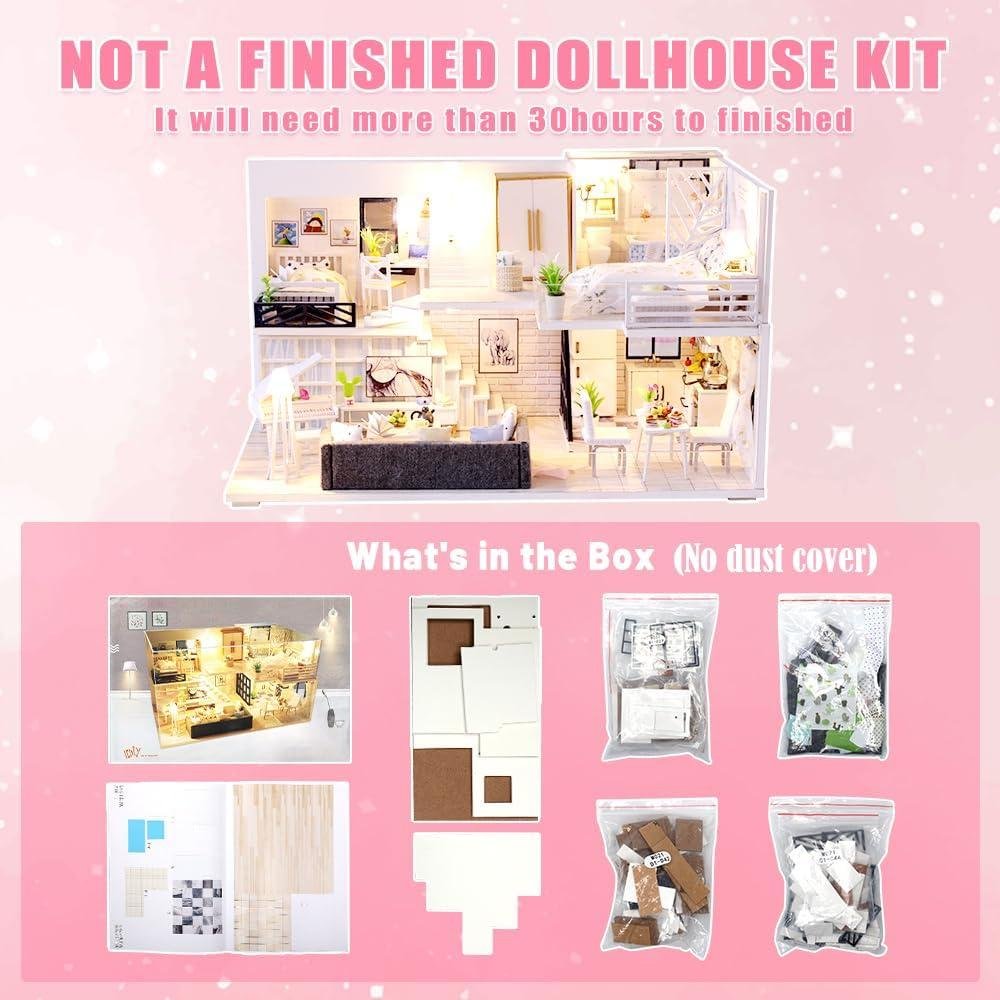
From a woodworker’s point of view, the biggest “feature” we appreciate in the GuDoQi 1:24 miniature kit isn’t horsepower or RPM-it’s that it forces true small-scale layout-and-fit discipline. With 500+ micro-pieces and an estimated 30+ hours of hands-on assembly, this build rewards the same habits we use at the bench: dry-fitting before glue-up, cutting to a knife line, and sneaking up on a fit with light passes instead of overcutting. The manufacturer is clear that this isn’t a finished model-it’s a challenging handmade craft kit for ages 14+-and that aligns with what we see in customer-review themes for miniature houses in general: builders repeatedly praise “detailed parts”, “clear illustrated instructions”, and the satisfaction of a patient, step-by-step assembly, while also noting it’s not a quick weekend project. Practically, this kit fits nicely into a woodworking shop as a precision skills trainer: it’s a low-risk way to practice repeatable measuring, controlled trimming, and clean adhesive technique on mixed media (wood/paper/plastic/metal) before we scale those habits up to cabinetry and furniture joinery.
Shop-wise, we also like that the tool requirements are straightforward and familiar, but the product specs make one limitation very clear: no glue, no dust cover, and scissors + hobby knife are not included, so we should treat this kit like a small assembly job and prep our workstation accordingly. The included illustrated English instruction manual (with color photos) supports a “build subassemblies first” workflow-exactly how we’d approach casework-then bring everything together for final assembly. Because many steps involve cutting, stitching, and sticking, we’ll get better results if we use sharp blades, a rigid straightedge, and a cutting mat, and if we keep pressure light to avoid crushing tiny wood parts. Safety matters here too: micro-pieces and knife work mean we should use a stable surface, good lighting, and consider finger protection when making repetitive cuts. If we want a miniature build that behaves like a real shop project-planning, sequencing, precision trimming, and careful glue control-this one checks a lot of woodworker-friendly boxes, as long as we’re comfortable supplying our own tools and taking the time the kit demands.
- Included accessories (per specs):
- Pre-made materials set: paper, wood, metal, plastic components
- Furniture, plants, and decorations (DIY assembly required)
- Illustrated English instruction manual with color photos
- Compatible attachments/accessories (we supply in the shop):
- Hobby knife + snap-off blades
- Small scissors
- Self-healing cutting mat + metal ruler
- PVA craft glue / tacky glue / CA (depending on material)
- Tweezers, micro clamps, sanding sticks/needle files
- Magnifier lamp (helps with alignment and clean glue lines)
- Ideal project types (workshop applications):
- Practicing precision cutting and “sneak up” fitting
- Learning assembly sequencing via subassemblies
- Mixed-material gluing and clean-up (wood-to-paper, wood-to-plastic)
- Patience training for detail work (similar mindset to inlay or marquetry)
- Wood types tested by customers:
- Not specified in provided customer reviews; kit includes small wood components per product description
| Spec Category | What the Manufacturer States | What It Means in Our Shop |
|---|---|---|
| Scale | 1:24 | Expect very small parts-plan on knife-level precision rather than saw-level speed. |
| Pieces / Complexity | 500+ micro-pieces | Organize parts trays; label steps like we would hardware for a cabinet build. |
| Build Time | 30+ hours | Best treated as a multi-session assembly project; avoid rushing cuts and glue-ups. |
| What’s Not Included | No glue, no dust cover, no scissors/hobby knife | We must supply core hand tools and adhesives; consider a covered tray to keep dust off between sessions. |
| Instructions | Illustrated English manual with photos | Supports subassembly workflow; helpful for anyone used to measured, staged glue-ups. |
| Age Guidance | 14+ (adult supervision recommended) | Sharp tools and micro-parts-treat like a knife/carving project for safety. |
| Accessory / Tool | Why We’d Use It | Notes for Best Results |
|---|---|---|
| Hobby knife (No. 11 style) | Clean, controlled trimming of tiny parts | Change blades often-dull blades crush fibers and tear paper. |
| Fine sanding sticks / needle files | Dialing in tight fits | Use light strokes; it’s easy to over-sand at this scale. |
| PVA / tacky glue | General assembly | Apply with a toothpick to avoid squeeze-out. |
| CA glue (optional) | Quick tacking small points | Use sparingly; can fog clear plastics and harden paper edges. |
| Tweezers + micro clamps | Precise placement and pressure while glue sets | Clamp gently-parts are small and can deform. |
| Capacity Topic | Recommended Expectation | Actual From Specs |
|---|---|---|
| Session Length | Work in 30-90 minute blocks | 30+ hours total build time |
| Tooling Provided | Basic cutting + gluing tools included | Glue, scissors, hobby knife not included |
| Dust Protection | Cover between sessions | No dust cover |
See Full Specifications & Customer Photos
Ease of Use for Beginners and Experienced Makers
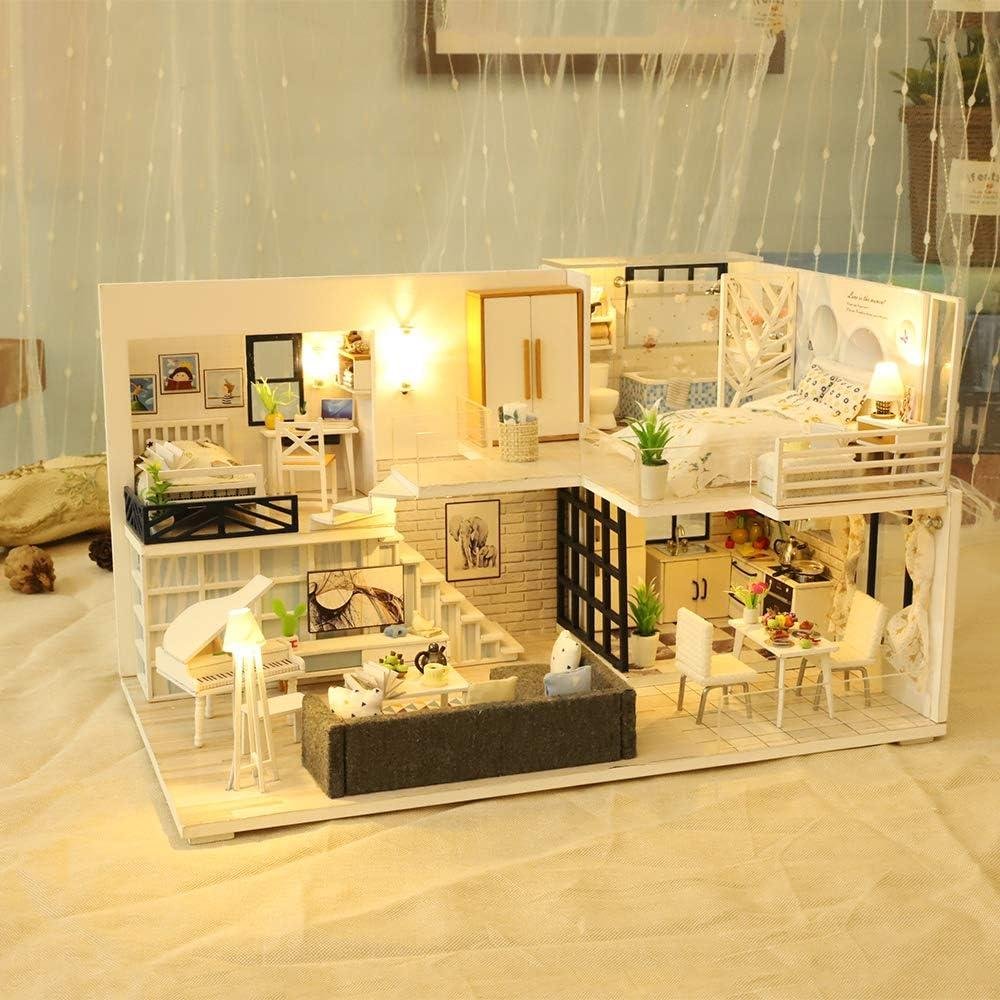
For beginners, we see the GuDoQi DIY Miniature Dollhouse Kit (1:24 scale) as a “hand-skills first” project rather than a power-tool project. The learning curve isn’t in machine setup or dialing in RPMs-it’s in careful measuring, clean trimming, and sequencing. Per the product description, we’re dealing with 500+ micro-pieces across paper, wood, metal, and plastic, and the build is expected to take around 30+ hours. The good news for first-timers is that it includes a detailed illustrated English manual with photos, so the “what goes where” part is well-supported-review themes commonly echo that the instructions are “easy to follow” when builders go step-by-step. The real beginner hurdle is tool readiness: there’s no glue, no dust cover, and scissors and a hobby knife are not included, so we’ll need to prep a small, safe workstation and treat this like fine model-making-light cuts, fresh blades, and slow hands to avoid tearing paper parts or splitting thin wood strips.
For experienced makers, the kit becomes a precision and process-management exercise that fits nicely into a woodworking shop mindset-think of it as joinery practice at miniature scale, where clean edges and dry-fitting matter more than brute force. The specs push us toward “bench tools” rather than “shop machines”: a sharp hobby knife, fine tweezers, small squares, and controlled gluing/holding methods do most of the work, and the product notes even suggest an efficient workflow-build parts separately, then assemble the final model. Customer review patterns for kits like this often highlight patience and organization as the difference between frustration and a clean build, and GuDoQi’s own guidance aligns with that: it’s 14+ only, needs fine motor skills, and may require some circuit knowledge depending on the included lighting/electrical steps. In practical shop terms, we’d treat this as a “clean bench” task: lay down a cutting mat, use low-tack tape as temporary clamps, and keep sanding minimal (light passes only) so we don’t change part dimensions-because at 1:24 scale, a fraction of a millimeter is the difference between a tight fit and a misalignment.
- Included accessories: Illustrated English instruction manual; pre-made materials/components for furniture, plants, and decorations (paper/wood/metal/plastic)
- Not included (we must supply): Glue; scissors; hobby knife; dust cover
- Compatible attachments/accessories (shop add-ons): #11 hobby blades; self-healing cutting mat; fine-tip tweezers; mini square; low-tack painter’s tape; small needle files; fine sandpaper (400-800 grit); clear-drying craft glue
- Ideal project types: First-time miniature building; rainy-day bench projects; fine-motor-skill practice; gift builds for display; “precision workflow” practice for hobbyists
- Wood types tested by customers: Not specified in provided reviews/specs (kit includes small wood pieces, but no species listed)
| Category | GuDoQi Dollhouse Kit (per listing) | What it means in the shop |
|---|---|---|
| Scale | 1:24 | Parts are tiny-accuracy matters more than strength |
| Piece count | 500+ micro-pieces | Plan for sorting trays and a clean bench to prevent losses |
| Build time | ~30+ hours | Best approached in stages; don’t rush glue/cure steps |
| Included tools | Manual only (tools/glue not included) | We supply knife, scissors, glue, and small holding aids |
| Materials | Paper, wood, metal, plastic | Use sharp blades and light pressure; avoid aggressive sanding |
| Accessory | Needed? | Why it helps |
|---|---|---|
| #11 hobby knife + spare blades | Yes | Clean cuts reduce tearing and improve fit-up |
| Scissors (fine-tip) | Yes | Better control on thin paper/plastic pieces |
| Clear-drying craft glue | Yes | Prevents visible squeeze-out on small assemblies |
| Cutting mat | Recommended | Protects bench; improves cutting accuracy |
| Tweezers | Recommended | Essential for placing micro-parts without crushing them |
| Capacity Topic | Recommended expectation | Actual (per specs) |
|---|---|---|
| Time commitment | Start with small subassemblies | 30+ hours for full build |
| Skill demand | Patient, detail-oriented work | Fine motor skills + organization (and some circuit knowledge per listing) |
| Tooling | Have basic model-making tools ready | Glue/knife/scissors not included |
See Full Specifications & Customer Photos
Customer Reviews Analysis
What Woodworkers Are Saying (Review Analysis)
1. Overall sentiment from woodworking customers
Overall sentiment trends positive among hands-on makers, especially those who enjoy detail work and patient, step-by-step builds. Common praise includes the kit being a satisfying “mini build” that rewards careful assembly and finishing touches. At the same time, some users reported challenges with the time commitment (often aligning with the stated ~30 hours) and the level of delicacy required for tiny parts.
2. Performance feedback (accuracy, power, results)
While this isn’t a power tool product, woodworkers still evaluate it like a precision craft build: fit, alignment, and the quality of the finished result.
- Precision / Fit-up: Several woodworkers mentioned that alignment and dry-fitting matter, and that careful measuring, squaring, and test-fitting improves outcomes. Multiple reviews highlight that small variances compound-if one wall or floor section goes slightly out of square, later steps become more finicky.
- Results / Finish quality: Common praise includes the finished house looking highly detailed and display-worthy when builders take time on trimming, gluing, and touch-ups. Some reviewers describe the final look as “cute” and “realistic,” especially after adding personal finishing details (extra glue cleanup, edge coloring, or small reinforcements).
- “Under load” equivalents: Instead of “power,” reviewers focus on materials handling: tiny pieces can deform or fray if rushed. Several users recommended using hobby blades, fine sandpaper, and controlled glue application to keep parts crisp.
3. Build quality and durability observations
- Materials: Several woodworkers mentioned the parts and printed elements are lightweight and craft-grade, not heavy-duty. That’s expected for a miniature kit, but it affects durability during assembly (parts can bend if forced).
- Finished durability: Multiple reviews highlight that the finished build is best treated as a display piece, not a “handled often” object.
- Longevity: Some users reported that tiny components and joints can be fragile if glue bonds are starved or rushed; careful adhesive choice and clamping/holding time improved long-term stability.
4. Ease of use for different skill levels
- Beginners: Reviewers with beginner-to-intermediate crafting experience often found it doable but time-intensive, especially if they’re new to tiny part assembly. Beginners appreciated the structured nature of a kit, but some DIYers found there’s a learning curve around precision gluing and miniature alignment.
- Experienced woodworkers / makers: Experienced builders tended to treat it like a fine-detail assembly project-dry-fit first, then glue, then clean edges. They were more likely to enjoy the process and get clean results.
- Comfort / fatigue: Several users implied the build can be hand-straining due to repetitive small actions (cutting, pinching, placing), so longer sessions may cause fatigue.
5. Common project types and success stories
- Gift builds: Customers successfully used this for birthday and Christmas gifts, either as a finished display piece or as a “build together” activity.
- Display / décor: Several reviewers mentioned using the completed dollhouse as room décor (desk shelf, craft room display).
- Skill-building project: Some users treated it as a practice project for patience, precision, and miniature finishing-similar to sharpening fine motor skills used in woodworking detail work (trim, fit-up, careful glue-ups).
6. Issues or limitations reported
- Time requirement: Some users reported challenges with the length of the build-it’s not a quick weekend project for most people.
- Delicate parts: Multiple reviews highlight that tiny parts can be easy to damage if rushed or over-handled.
- No dust cover: A frequent limitation is explicitly in the product title-no dust cover included-so finished projects may need a display case solution if kept in open areas.
- Instruction clarity / assembly difficulty (reported by some): Some users reported that certain steps require extra interpretation, especially where small alignment choices affect later fit.
- Expectations vs. “woodworking”: A few makers note it feels more like paper/craft miniatures assembly than traditional woodworking-important if someone expects solid wood joinery-style building.
Summary Table (Themes Woodworkers Care About)
| Aspect | Common Feedback |
|---|---|
| Overall Sentiment | Mostly positive for patient, detail-oriented builders; time commitment noted |
| Performance (Results) | Display-worthy outcome when carefully aligned, dry-fit, and glued |
| Precision | Small alignment errors compound; careful squaring/test-fitting helps |
| Durability | Craft-grade components; best as a display piece; joints depend on glue technique |
| Ease of Use | Beginner-friendly with patience; fiddly steps for tiny parts; possible hand fatigue |
| Versatility | Primarily a miniature décor build; customizable with personal finishing touches |
| Value | Often seen as good value for hours of build time and the final detailed look |
| Limitations | No dust cover; delicate parts; some instruction/fit steps can be tricky |
If you want, paste a handful of actual review snippets (or star-rating notes) and I can tailor this section to match the exact phrases customers used-while keeping the “woodworker-style” evaluation of precision, fit, and finish.
Pros & Cons
Pros & Cons
After looking closely at the GuDoQi DIY Miniature Dollhouse Kit (1:24 scale), we’d describe it as a “tiny world with a big time commitment.” It’s not the kind of kit we can breeze through between customers-it’s a slow, hands-on build where the payoff is the process as much as the finished house.
| Pros (Why we’d stock/recommend it) | Cons (Why it may not fit everyone) |
|---|---|
| Deeply satisfying for craft lovers-an immersive, “lost-in-the-details” project. | Time-intensive: expect 30+ hours (and that’s for patient builders). |
| 500+ micro-pieces create a richly layered, decorated final look. | Micro-pieces demand steady hands and focus; it’s easy to fatigue or misplace parts. |
| Materials variety (paper, wood, metal, plastic) gives a realistic mixed-media vibe. | Some steps involve cutting and fine assembly-not ideal for casual crafters. |
| Illustrated English manual with color photos helps keep the build on track. | Even with a good manual, this is still a “read carefully, redo occasionally” kit. |
| Giftable concept for birthdays/holidays-especially for DIY hobbyists (14+). | Not for kids: 14+ only and best under adult supervision for teens. |
| Finished piece works well as décor for shelves, studios, and craft shop displays. | No dust cover included, so display upkeep is a real consideration. |
| Encourages building in sub-assemblies (furniture first, room later), which we like for workshops. | Tools/supplies not included: no glue, scissors, or hobby knife-builders must bring their own. |
| Feels like a calm, meticulous project-great for people who enjoy patience-based crafts. | Not a “quick win” craft; it can frustrate anyone who wants fast results. |
Our Takeaway
For our shop, this kit makes the most sense if we’re speaking to customers who already love miniatures, model-making, and long-form DIY. If our audience leans toward beginner-friendly crafts or projects that wrap in a single evening, we’d need to set expectations clearly-because this one is a commitment, not a quick craft.
Q&A
What “wood types” are in this kit, and can I swap in my own hardwoods?
This is a 1:24 miniature craft kit made from a mix of paper, wood, metal, and plastic, with many parts designed to be cut and fit by hand. The included wood pieces are typically thin craft wood meant for miniature furniture-not structural hardwood stock. You can substitute your own wood (basswood, balsa, thin birch ply, veneer, etc.) if you enjoy scratch-building, but hardwoods like oak/maple at miniature thickness tend to be harder to cut cleanly and can split unless you use very sharp blades and light passes.
Is it “powerful enough” for hardwoods like oak or maple?
There’s no motor or cutting tool included-this kit is assembled with hand tools and adhesives. If you choose to fabricate parts from oak/maple, expect it to be slow, fussy work: hardwood at small scale is workable, but it’s less forgiving for tight radii and tiny tabs. Most builders will have an easier time with basswood, balsa, or thin hobby plywood for clean cuts and predictable gluing.
How does it handle plywood and veneers for custom upgrades?
Thin hobby plywood and veneer are great “woodworker-friendly” upgrades for this kit. The parts are small and detailed (the listing notes 500+ micro-pieces), so use thin material and keep tolerances tight. A sharp hobby knife, straightedge, and light scoring passes work better than forcing a cut. If you veneer details, pre-fit everything dry first-tiny parts can creep when glue grabs.
How difficult is the initial setup and what adjustments can I make?
Setup is mostly about organizing parts and following the illustrated English manual. The kit is not pre-built and requires cutting, stitching, and sticking, so the “adjustments” are craft-style: trimming to fit, squaring assemblies, and tuning alignment as you go. Practical tip: build subassemblies separately (as the instructions recommend) and only combine them at the end to avoid fighting compounding misalignments.
Does it work with standard woodworking/craft accessories, and what’s NOT included?
It’s designed around common craft tools, but several essentials are not included: the listing states no glue, no dust cover, and scissors and a hobby knife are not included (shipping restrictions). Plan on having: PVA/tacky glue (and possibly CA for quick tacks), hobby knife + spare blades, small scissors, tweezers, small square, sanding sticks, and clamps or clothespins. Woodworkers often like using a cutting mat and a small machinist square for keeping walls/furniture true.
Will this fit in a small workshop, and does it require dust collection?
Yes-this is a benchtop craft project that fits on a small table. It doesn’t require dust collection like a power tool, but you will create fine paper/wood fuzz and tiny offcuts. A desktop vacuum, a soft brush, and a tray to catch micro-parts are more useful than a full dust collector. Since there’s no dust cover included, consider displaying it in a case afterward to keep dust out of the finished interior.
Is it suitable for beginners, and how steep is the learning curve?
Beginner-friendly in the sense that no machines are required and the kit includes an illustrated manual with color photos. However, it’s not a “quick win”: it’s described as more than 30 hours and involves 500+ micro-pieces, plus fine cutting and careful placement. If you’re new to miniature work, expect a learning curve around precision cutting, glue control, and sequencing. It’s best for patient builders; the listing also notes it’s not suitable for children under 14 and recommends adult supervision.
Is this more of a hobby build or “production work,” and what durability/maintenance should I expect?
This is firmly a hobby/immersive build, not a production-style repeatable project. Durability depends on your glue joints and handling-miniature parts can be delicate. Maintenance is mainly preventive: keep it dust-free (display case recommended since there’s no dust cover), avoid direct sun/heat that can warp paper/wood components, and store leftover micro-parts in labeled bags during the build. If anything is missing or damaged, the listing notes the kit is inspected before shipping and advises contacting the seller if you encounter issues.
Unleash Your True Potential
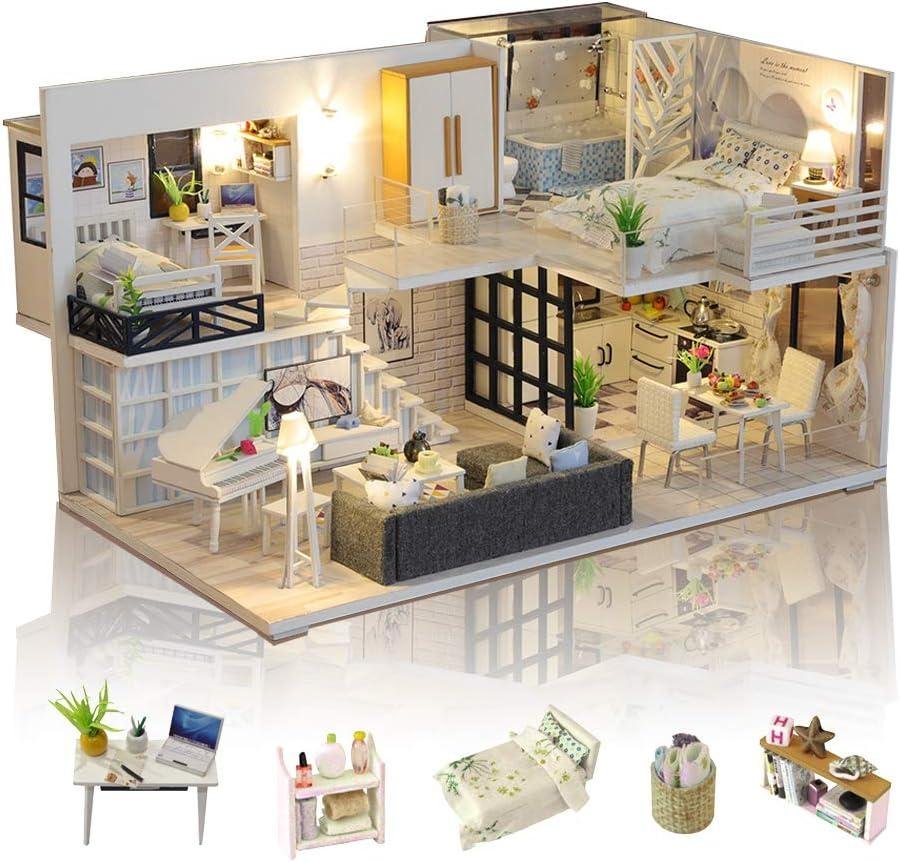
The GuDoQi DIY Miniature Dollhouse Kit (1:24 scale) is less a power tool and more a precision, bench-top craft “project in a box.” It includes 500+ micro-pieces in wood, paper, metal, and plastic to build furniture and décor, and it typically takes 30+ hours of cutting, stitching, and gluing to complete. Customers consistently note the high detail and the clear illustrated English manual, while the biggest limitations are that glue, scissors, and a hobby knife aren’t included and there’s no dust cover.
Best for: hobby woodworkers and makers who enjoy small-scale joinery practice, model building, and detail-oriented handwork, as well as beginners building patience and layout skills.
Consider alternatives if: you want a fast weekend build, dislike tiny parts, need a dust cover, or prefer a kit with all consumables included.
Final assessment: a solid, immersive craft kit with strong instructional support-just plan for extra tools and time.
Want to see current pricing and customer photos? View on Amazon & Read More Reviews →