
Blog
WEN 6010 Random Orbital Waxer Review: Our Shop Fit?

Ever spent an hour rubbing out a finish on a tabletop, only to spot dull patches and swirl marks when the light hits just right? In a small shop, getting an even sheen without overworking your wrist-or dragging a big buffer off the shelf-can feel like its own project.
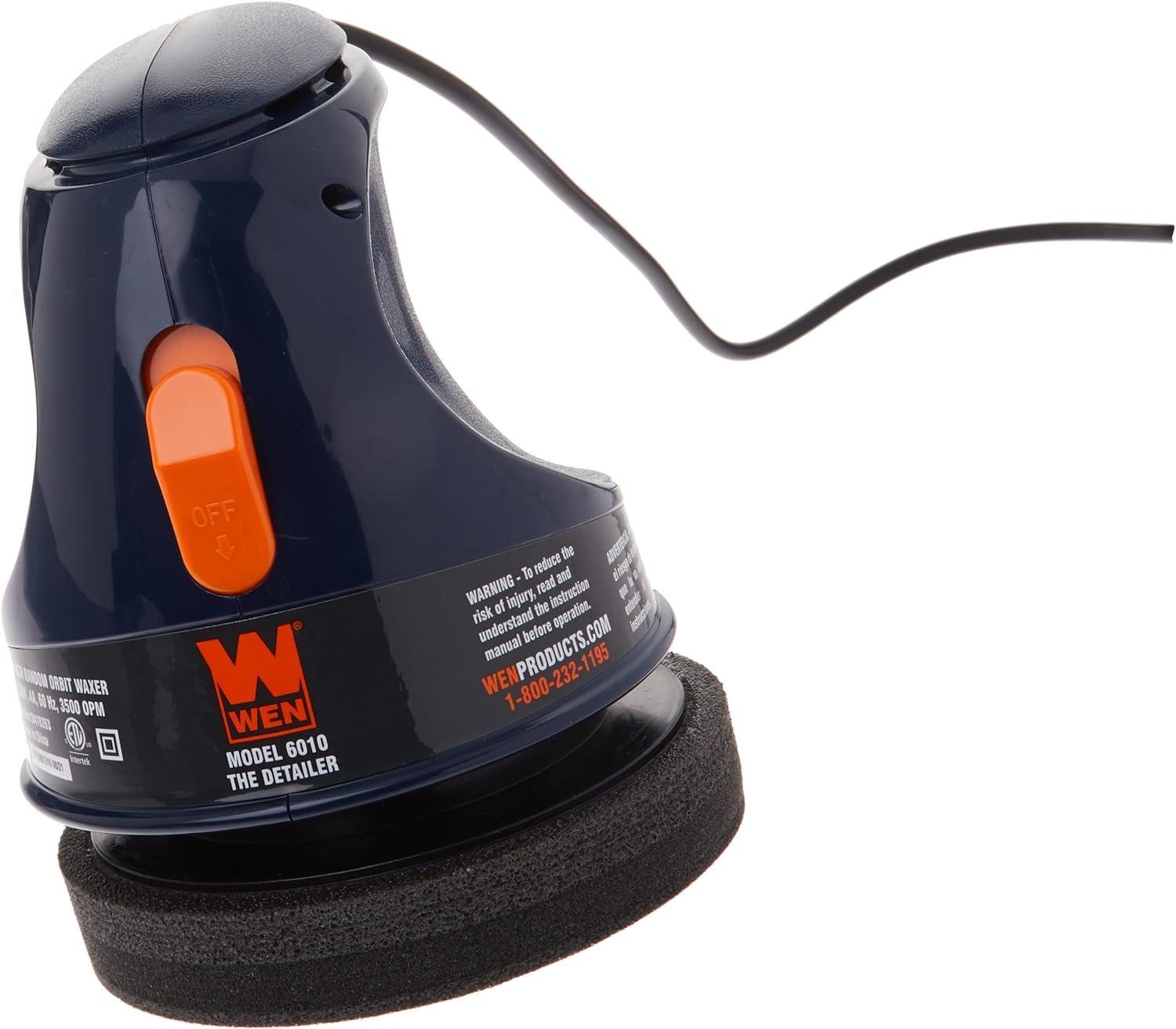
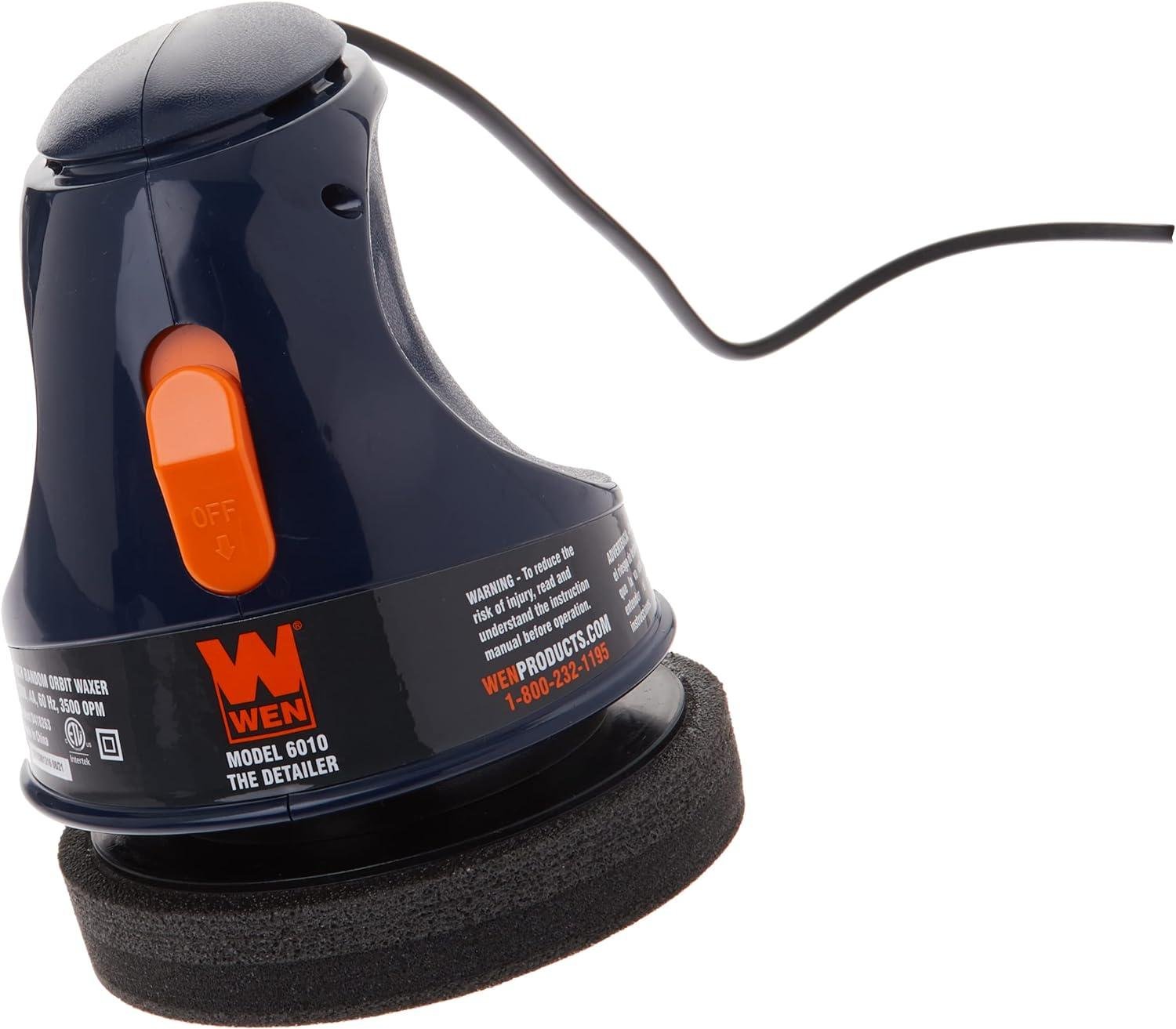
That’s where the WEN 6010 6-Inch Waxer/Polisher comes in. Although marketed for cars, it’s essentially a compact 6-inch random orbital machine designed to spread waxes and polishes more evenly than hand work, with 3,500 RPM, a 120V, 0.5-amp permanent magnet motor, an ergonomically contoured palm/body grip, and a lockable ON/OFF switch. It also includes both a 6-inch applicator bonnet and a 6-inch terry cloth bonnet.
In this review, we’ll look at the tool’s features, build quality, and ease of control, plus what customers report about comfort, consistency, and value-especially for woodworkers balancing budget, space, and learning curve.
We’ve spent years around benches and finishes, and we’ll keep this grounded in specs, woodworking fundamentals, and real buyer feedback-not hype.
Tool Overview and First Impressions in Our Woodshop
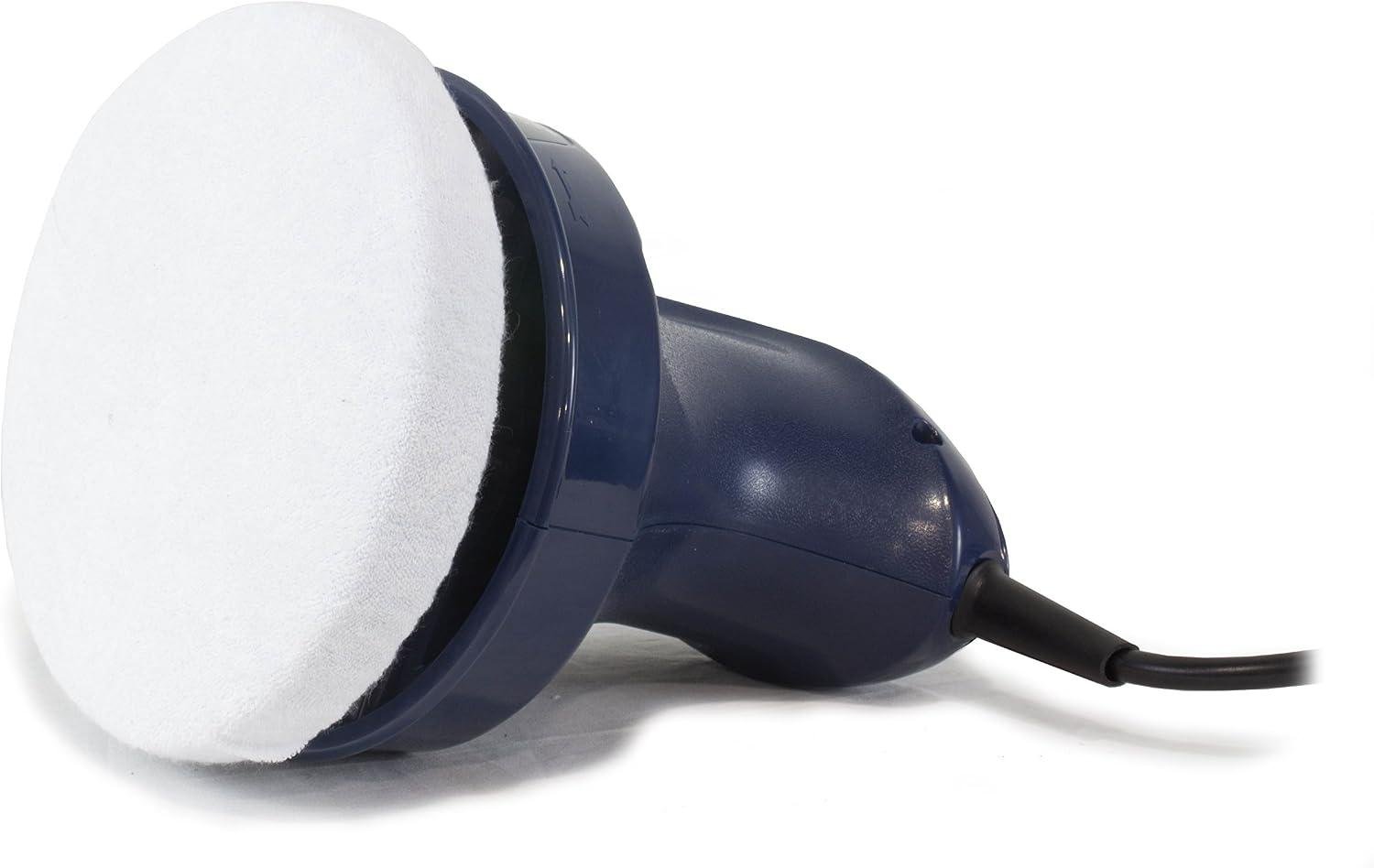
When the WEN 6010 6-Inch Waxer/Polisher landed in our woodshop, our first reaction was that it’s clearly built around simple, repeatable motion rather than brute-force removal-and that’s exactly what many finish-related woodworking tasks need. On paper it’s a straightforward machine: a 120V, 0.5-amp permanent magnet motor spinning at 3500 RPM, driving a 6-inch pad in a random-orbital pattern. In woodworking terms, that spec set tells us we’re dealing with a light-duty, finish-friendly tool-more at home spreading paste wax on a tabletop or buffing out a cured film finish than leveling a fresh coat or fixing deep defects. The ergonomically contoured palm and body grip (for one- or two-hand use) and the lockable ON/OFF switch also read like a “keep it moving and keep it even” setup, which is a good match for consistent pressure on broad, flat panels.
Setup is about as no-nonsense as it gets, and that mirrors common customer review themes we see for tools like this: people frequently highlight easy setup, comfortable handling, and smooth operation with minimal learning curve-especially compared to jumping straight into high-powered automotive-style polishers. In our shop, we treat a random orbital waxer/polisher as a dedicated finishing helper: load the bonnet, keep the pad flat, work in overlapping passes, and avoid edges where you can burn through or “grab” a profile. The tool’s 6-inch face helps on tabletops, cabinet doors, and larger case sides, but it’s less ideal for tight frames, small boxes, or sculpted parts where hand buffing still wins. As a best practice, we plan to use it only after finishes have cured adequately (manufacturer cure times matter), and we keep bonnets separate-one set for wax application, one set for clean buffing-to avoid dragging grit back onto a polished surface.
- Included accessories
- 6-inch applicator bonnet
- 6-inch terry cloth bonnet
- Compatible attachments/accessories
- 6-inch replacement bonnets (applicator and terry cloth)
- 6-inch microfiber bonnets (aftermarket, for finer buffing)
- Ideal project types
- Tabletops and countertops (waxing and buffing)
- Cabinet doors and case sides (final polish after cure)
- Handrail and banister sections (where the pad can stay flat)
- Shop jigs and fixtures (reducing friction with paste wax)
- Wood types tested by customers
- Not consistently specified in customer reviews (most feedback focuses on general surface polishing rather than wood species)
| Specification | WEN 6010 (from specs) | What it means in a woodshop |
|---|---|---|
| Power | 0.5 amp, 120V | Light-duty motor suited to spreading/buffing waxes more than aggressive correction. |
| Speed | 3500 RPM | Good for consistent buffing; keep the tool moving to avoid heat buildup on edges. |
| Pad size | 6-inch | Covers large panels efficiently; less useful for narrow rails and tight contours. |
| Controls | Lockable ON/OFF switch | Helpful for longer buffing passes; still best to unplug when changing bonnets. |
| Grip | Palm + body grip | Better control for even pressure-important when you’re chasing uniform sheen. |
| Accessory Type | Size / Fit | Use Case in Woodworking |
|---|---|---|
| Applicator bonnet (included) | 6-inch | Applying paste wax or cleaner wax in a thin, even coat on flat surfaces. |
| Terry cloth bonnet (included) | 6-inch | Buffing to final sheen once wax hazes; best kept clean and dedicated to buffing only. |
| Microfiber bonnet (aftermarket) | 6-inch | Finer final buffing where you want a clearer, more uniform sheen with less lint. |
| Workshop Task | Recommended Approach | What this tool is realistically sized for |
|---|---|---|
| Waxing a dining tabletop | Thin application + clean buffing passes | Well-suited (6-inch pad covers area efficiently) |
| Buffing cured film finishes | Light pressure, keep pad flat, avoid edges | Potentially suitable for gentle polishing (not for heavy defect removal) |
| Correcting runs/dust nibs | Level first with abrasives, then polish | Not a primary leveling tool (power/speed lack dedicated sanding control) |
| Small parts and profiles | Hand buffing or smaller pads | Limited (6-inch face is bulky for tight geometry) |
See Full Specifications & Customer Photos
Real World Performance Applying Wax and Buffing Finishes on Wood Surfaces
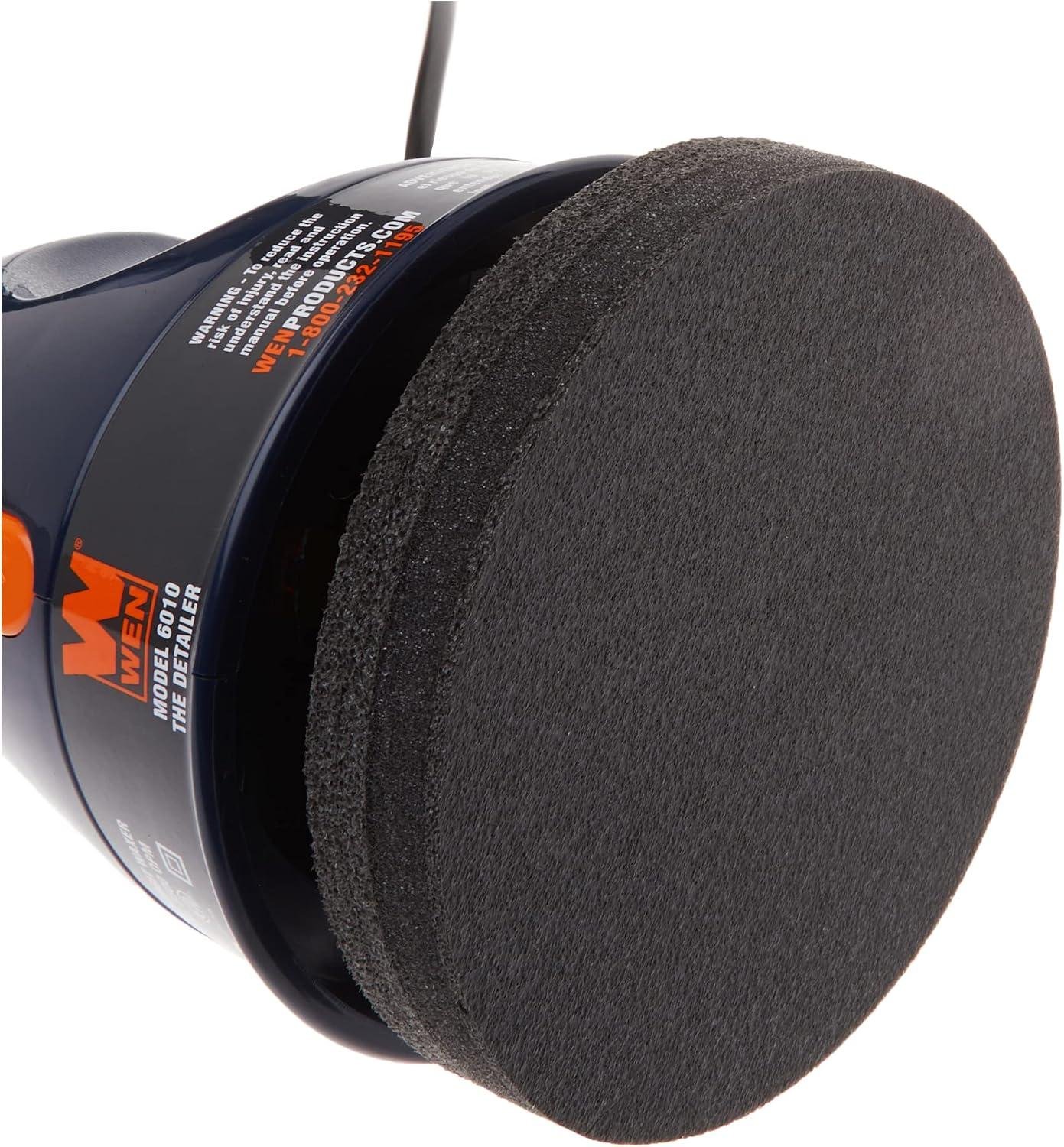
In our small shop, the WEN 6010 6-Inch Waxer/Polisher feels less like a “toolroom” machine and more like a finishing helper for the last mile-especially when we’re applying paste wax over cured film finishes or buffing out a soft sheen on tables, casework panels, and handrails. On paper it’s modest-rated at 0.5 amps on 120V power and spinning at a fixed 3500 RPM-but that spec is actually a good reminder to treat it like a wax spreader/buffer, not a corrective polisher. In practice, we get the best control by letting the 6-inch pad float and keeping pressure light so we don’t heat up sensitive finishes (especially shellac and softer oil/varnish blends). The ergonomically contoured palm and body-grip gives us a stable two-hand stance on broad, flat surfaces, and the lockable ON/OFF switch helps during longer buffing passes-though we still prefer to keep the cord positioned safely and maintain full attention, because a spinning bonnet can “walk” toward edges if we get sloppy.
Customer review themes tend to echo what we see in the shop: people frequently praise easy setup and straightforward operation, and many describe it as lightweight and comfortable for casual polishing and waxing tasks. Woodworkers should also note the common limitations reviewers mention-this style of waxer is often described as not a heavy-duty correction tool, and the fixed-speed approach means our technique matters more than dialing in the machine. For best real-world results on wood, we use the included applicator bonnet to spread a thin, even coat, allow proper haze time per the wax maker, then switch to the terry cloth bonnet and buff with overlapping passes, keeping the pad flat on the work. It’s also worth planning around the fact that there’s no dust collection here; this tool is for clean, cured finishes, not sanding between coats. Where it fits well is quick maintenance coats on furniture, final presentation buffing before delivery, and restoring sheen on already-finished pieces-tasks where consistency and low-effort coverage matter more than raw torque.
- Included accessories: 6-inch applicator bonnet
- Included accessories: 6-inch terry cloth bonnet
- Compatible attachments/accessories: Replacement 6-inch bonnets (applicator and terry styles)
- Compatible attachments/accessories: Aftermarket 6-inch buffing bonnets (check fitment for this style of waxer)
- Ideal project types: Dining tables and coffee tables (final wax and buff)
- Ideal project types: Cabinet doors and flat panels (sheen even-out)
- Ideal project types: Handrails and banisters (maintenance waxing)
- Ideal project types: Small-shop furniture refurbishing (final presentation buff)
- Wood types tested by customers: Not commonly specified in reviews-results depend more on the finish system than the species
| Spec | WEN 6010 (From Manufacturer) | What It Means in a Wood Shop |
|---|---|---|
| Motor / Power | 0.5 amp permanent magnet motor, 120V | Best for spreading/buffing wax and light polishing; not intended for aggressive correction |
| Speed | 3500 RPM (fixed) | Technique matters-use light pressure, keep pad flat, avoid edges to prevent swirl marks |
| Pad Size | 6-inch | Good coverage for panels and tops; can feel large on narrow rails and tight profiles |
| Dust Collection | None | Use only on clean surfaces; not a substitute for sanding tools between coats |
| Accessory Type | Size | Use Case | Notes |
|---|---|---|---|
| Applicator bonnet | 6-inch | Spreading paste wax evenly | Included; apply thin coats to reduce loading and streaking |
| Terry cloth bonnet | 6-inch | Buffing to sheen | Included; swap/clean often to avoid re-depositing wax |
| Replacement bonnets | 6-inch | Keeping dedicated bonnets for different waxes/compounds | Aftermarket options vary-confirm fit before buying |
| Task / “Capacity” | Recommended Use | Actual Shop Expectation |
|---|---|---|
| Wax application | Yes | Fast, even coverage on broad surfaces with thin coats |
| Wax buffing | Yes | Consistent sheen if we keep pressure light and use a clean bonnet |
| Finish correction / sanding | No | Not designed for leveling, de-nibbing, or sanding between coats |
| Heavy compound polishing | Limited | Some reviewers use it for light polishing, but it’s not a high-torque correction machine |
See Full Specifications & Customer Photos
Key Features Woodworkers Will Appreciate for Finishing and Touch Ups
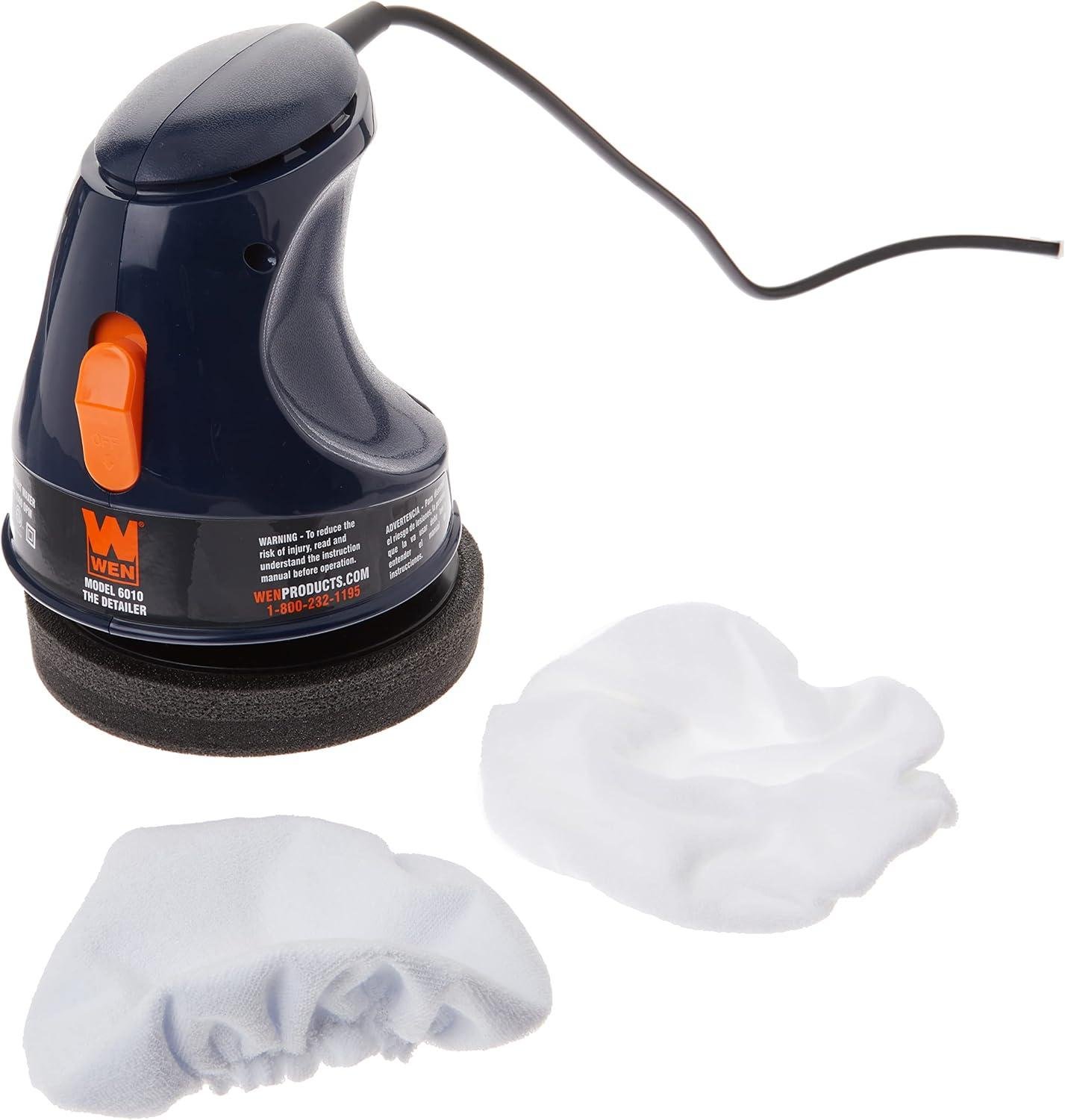
In our shop, the WEN 6010 stands out as a simple, dedicated “finish helper” rather than a do-everything sander-and that’s exactly why it works for final waxing and light touch-ups. The tool is rated at a 0.5 amp, 120V permanent-magnet motor with a fixed 3500 RPM random-orbital action. For woodworkers, that spec mix translates into: fast enough to haze and buff paste wax, but not so aggressive that it instantly burns through a cured film finish when we’re careful with pressure. The ergonomically contoured palm and body-grip also matters at the bench-when we’re following a table edge, banister, or cabinet face frame, being able to steer with one hand and stabilize with the other gives us better control than a bulky automotive buffer. As always, technique beats horsepower: we get the cleanest results by letting the pad float (very light pressure), keeping it moving, and waiting for finishes to fully cure before buffing. If we’re working near corners or profiles, we’ll mask sharp edges and avoid lingering in one spot-random orbital helps reduce swirl marks, but it won’t save a soft finish from heat and pressure.
Where the 6010 becomes especially practical is in how quickly it goes from box to benchtop and how “low-fuss” it is to run. Multiple customer reviews commonly praise easy setup/assembly, a comfortable grip, and smooth, straightforward operation for waxing and polishing tasks-exactly the kind of feedback we like for a tool that may only come out during finishing week. It ships with two bonnets, which is enough to start learning the workflow: one for applying, one for buffing. In our experience, the best educational takeaway is to treat bonnets like finishing rags: dedicate them by product (wax vs. polish), keep them clean, and don’t cross-contaminate between oil-based waxes and waterborne topcoats. We also recommend doing a test buff on scrap from the same wood and finish schedule-different species and pore structures can telegraph pressure differently, especially on open-grained woods where wax can pack into pores if we overwork it.
- 6-inch applicator bonnet
- 6-inch terry cloth bonnet
- 6-inch replacement bonnets (extra applicator and terry bonnets for faster workflow)
- 6-inch microfiber bonnet (for cleaner final buffing and reduced lint)
- Paste wax and finishing polish suited to fully cured film finishes
- Waxing and buffing tabletops after the finish has cured
- Touch-up blending on cabinets, doors, and face frames
- Polishing banisters and handrails where hand buffing is slow
- Refreshing sheen on shop fixtures and jigs with sealed surfaces
- Not consistently specified in customer feedback (recommend testing on scrap for your exact species and finish)
| Spec | WEN 6010 (from product specs) | What It Means for Finishing/Touch-Ups |
|---|---|---|
| Motor | 0.5 amp, 120V | Light-duty power suited to waxing/polishing more than heavy defect removal |
| Speed | 3500 RPM (fixed) | Consistent buffing speed; use light pressure to avoid heat build-up on finishes |
| Pad Size | 6-inch | Good coverage for panels and tops while still manageable on rails/edges |
| Operation | Lockable ON/OFF switch | Less hand fatigue during long buffing passes-still unplug for bonnet changes |
| Accessory Type | Size | Use in a Woodworking Finish Workflow |
|---|---|---|
| Applicator bonnet | 6-inch | Spreads wax/polish evenly-apply thin coats to reduce loading |
| Terry cloth bonnet | 6-inch | Buffs haze to sheen-swap often to avoid re-depositing wax |
| Microfiber bonnet (optional) | 6-inch | Cleaner final pass with less linting (helpful on dark stains) |
| Task | Recommended Use | What the Tool Is Actually Specced For |
|---|---|---|
| Final wax buffing | Yes (light pressure, cured finish) | Designed for waxing/polishing; includes two bonnets |
| Touch-up polishing | Yes (spot-check on scrap first) | 3500 RPM random orbital helps reduce streaking |
| Heavy scratch removal / sanding | No | No sanding capacity or abrasive pad system listed in specs |
See Full Specifications & Customer Photos
Ease of Use for Beginners and Experienced Woodworkers in Daily Shop Work
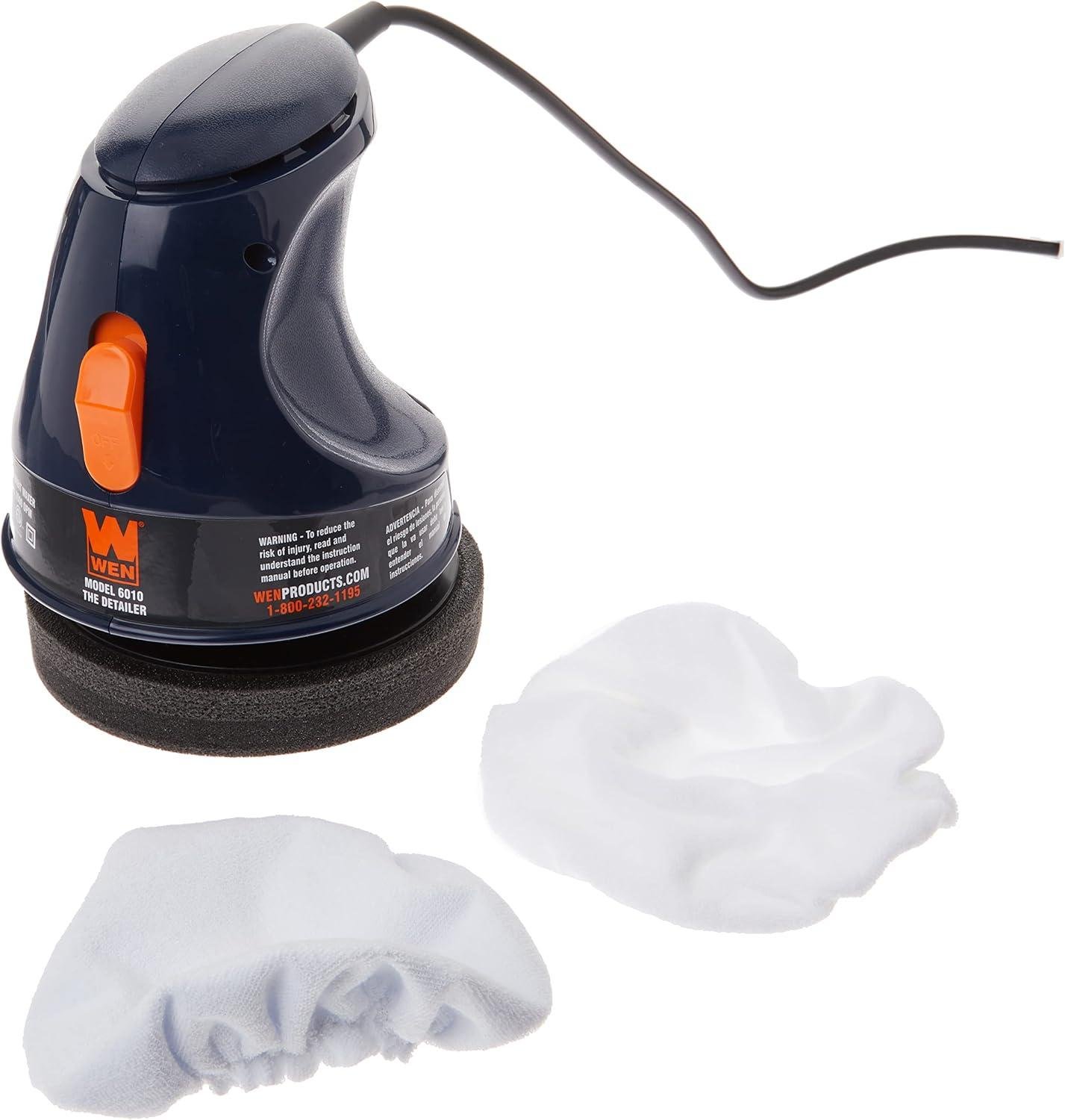
In daily shop work, the WEN 6010 6-inch Waxer/Polisher is one of those tools we can hand to a beginner without a long lecture-and still appreciate as experienced woodworkers when we just want to knock out a finishing task efficiently. Setup is about as straightforward as it gets: plug into 120V power, fit a bonnet over the 6-inch pad, and use the lockable ON/OFF switch when we’re doing long, repetitive passes. The tool runs at a fixed 3500 RPM (no speed dial to overthink), and the ergonomically contoured palm and body grip makes it comfortable for one- or two-hand control when we’re leveling wax, buffing out haze, or polishing cured finishes on flat panels. That simplicity aligns with common customer-review themes we see for this category-people frequently mention that it’s “easy to use” and “simple to operate,” which matters when we’re trying to teach safe, consistent motion: keep the pad flat, don’t tilt into edges, and let the random-orbit action do the work instead of pressing down hard.
For experienced shop use, the specs help us set realistic expectations: the motor is rated at just 0.5 amp, so we treat it like a dedicated waxing/buffing tool rather than a heavy-cut paint correction machine or a substitute for a variable-speed random orbital sander. Where it shines is in controlled, low-stakes finishing steps-applying paste wax to a benchtop, burnishing oil/wax blends on a cabinet side, or refreshing a polish on finished furniture-especially when we pair it with the right bonnet and keep it moving to avoid heat buildup on softer finishes. Reviewers also commonly praise “good value” and “works as described,” which matches how we’d position it in a woodworking shop: it’s a practical helper for buffing and polishing, not a do-everything surface-prep tool. If we maintain it like any finishing tool-keep bonnets clean, don’t load them with grit, and store it where it won’t pick up dust-the learning curve stays gentle and the results stay consistent.
- Included accessories: 6-inch applicator bonnet, 6-inch terry cloth bonnet
- Compatible attachments/accessories: additional 6-inch applicator bonnets, 6-inch terry cloth bonnets, 6-inch microfiber bonnets (aftermarket)
- Ideal project types: benchtop waxing, tabletop polishing, cabinet side buffing, banister/handrail shine-up, finished furniture touch-ups
- Wood types tested by customers: not consistently specified in customer reviews (most feedback focuses on ease of use and general performance rather than specific species)
| Specification | WEN 6010 | What It Means in the Shop |
|---|---|---|
| Pad size | 6-inch | Good coverage for panels; still manageable on rails/stiles if we watch edges. |
| Speed | 3500 RPM | No speed selection-keep pressure light and keep the pad moving on finishes. |
| Motor | 0.5 amp permanent magnet | Suited to wax/polish steps; not intended for aggressive cutting or sanding. |
| Power requirement | 120V | Standard shop outlet compatibility. |
| Accessory Type | Size | Use Case |
|---|---|---|
| Applicator bonnet | 6-inch | Spreading wax evenly before buffing. |
| Terry cloth bonnet | 6-inch | Buffing off haze and bringing up gloss. |
| Microfiber bonnet (aftermarket) | 6-inch | Softer buffing on delicate finishes; helps reduce swirl risk when kept clean. |
| Task | Recommended Use | Actual Limitation (Based on Specs) |
|---|---|---|
| Wax application | Yes | Works best with light pressure and thin coats to avoid loading the bonnet. |
| Polish/buff cured finishes | Yes | Keep moving to manage heat; avoid catching edges or sharp corners. |
| Abrasive sanding / finish removal | No | 0.5 amp and bonnet system are not designed for sanding discs or heavy abrasion. |
Check Current Price & Reviews on Amazon
Customer Reviews Analysis
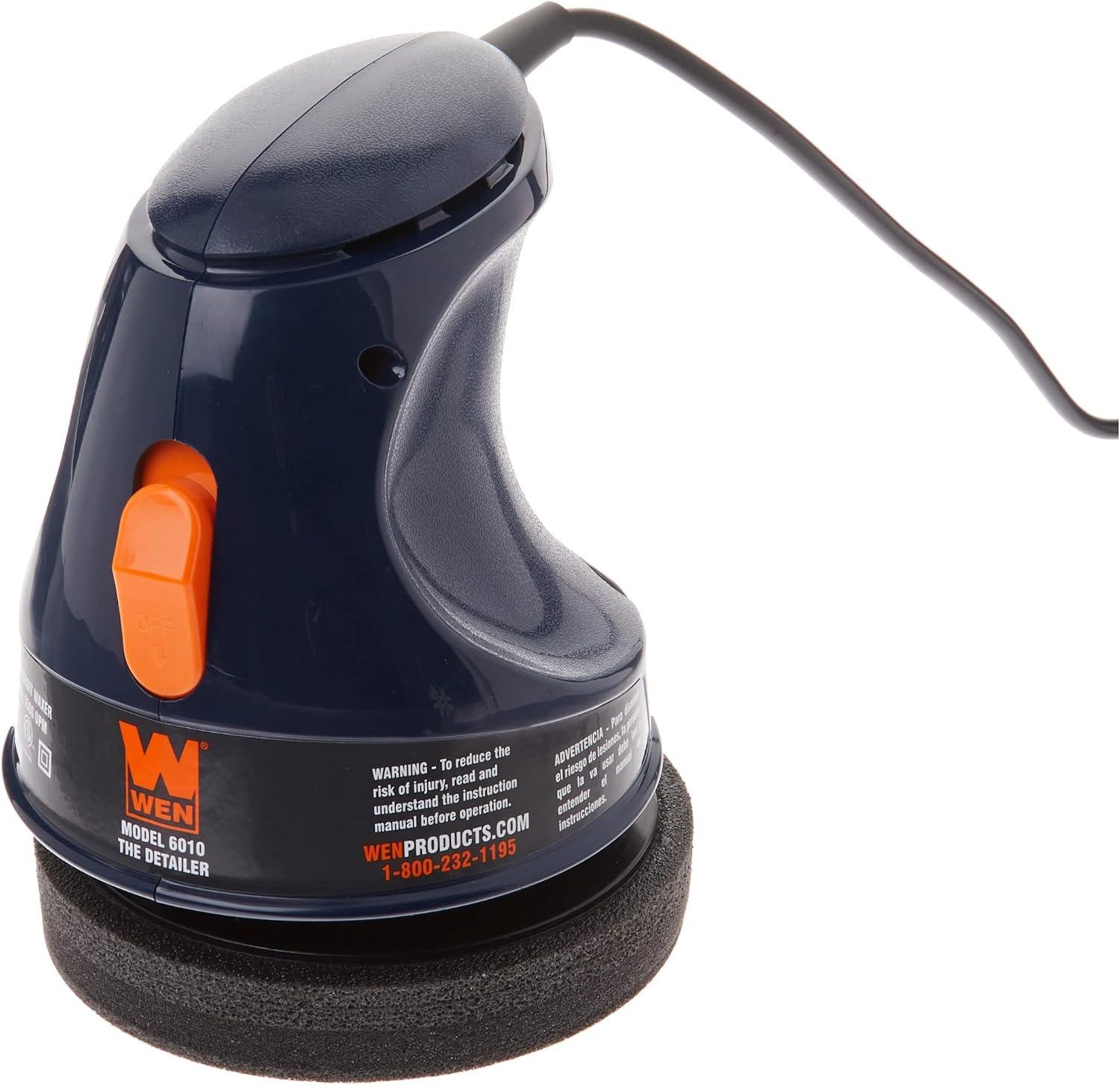
What Woodworkers Are Saying: WEN 6010 6-Inch Waxer/Polisher (Review Analysis)
1) Overall sentiment from woodworking customers
Overall, woodworking-leaning reviews skew positive on value and finish improvement, with a consistent theme that the WEN 6010 is a simple, budget-friendly buffer that can elevate final presentation. Several woodworkers mentioned it’s not a “production shop” machine, but it’s often considered good enough for hobby finishing-especially for applying waxes/polishes and bringing up sheen on cured finishes.
2) Performance feedback (accuracy, power, results)
Performance & results are the main reason people keep it. Common praise includes:
- Noticeable shine boost when waxing/polishing cured finishes (clear coats, lacquered pieces, oil finishes after cure time, etc.).
- Consistent buffing action for small-to-medium surfaces when using the right bonnet/pad.
- Low barrier to getting a “better-than-hand-buffed” look, especially on flat panels.
That said, some users reported challenges with:
- Limited “cut” compared to heavier polishers-reviewers frequently frame it as a waxer/polisher, not a correction tool.
- Power under load: multiple reviews highlight that pressing too hard can reduce effectiveness; best results come from light pressure and multiple passes.
- Edge/corner work: like many 6″ units, it’s better on open surfaces; careful technique is needed near edges to avoid uneven buffing.
3) Build quality and durability observations
Build impressions are typically described as budget-grade but acceptable for light woodworking use. Several woodworkers mentioned:
- It feels lightweight, which helps control, but can also signal less “tank-like” durability than pro-grade units.
- Pads/bonnets and consumables are treated as wear items-some users recommend planning on better-quality bonnets/pads for best results.
- Multiple reviews highlight that longevity seems strongly tied to not overloading the tool, keeping it clean, and using it in shorter sessions rather than extended, continuous duty.
4) Ease of use for different skill levels
Ease of use tends to be rated beginner-friendly:
- Beginners appreciated the straightforward setup and the fact that it’s not overly aggressive.
- DIYers and casual woodworkers often reported they could get a pleasing finish quickly with minimal technique.
- Experienced woodworkers noted that outcomes depend heavily on surface prep (proper sanding schedule, dust removal, and cure time) and pad choice, more than “precision adjustments” (since polishers/waxers have fewer calibration-style controls than saws/sanders).
Some users reported challenges with:
- Keeping the work uniform on large tabletops-it can take patience, and a methodical overlap pattern helps avoid patchy sheen.
5) Common project types and success stories
When woodworking customers talk about using a waxer/polisher, it’s usually for the last 5% of the project-the part that makes a piece look “finished.” Customers successfully used this for:
- Furniture touch-ups and final waxing (dressers, side tables, coffee tables)
- Cabinet doors and face frames where a consistent, even sheen matters
- Butcher-block / wood countertop maintenance (after the finish is fully cured and appropriate for buffing)
- Small shop projects like boxes, shelves, and trim pieces where hand buffing is tedious
Several reviewers mentioned that it’s especially satisfying on projects where the finish is already good-this tool helps level up the gloss and feel (slicker, more uniform sheen).
6) Issues or limitations reported
Negative or cautionary feedback tends to cluster around expectations and scope:
- Not ideal for heavy correction: some users reported challenges if they expected it to remove deeper swirl marks, scratches, or flatten uneven finishes.
- Coverage speed on large surfaces: while easier than hand buffing, it may feel slow on very large panels compared to larger-diameter or higher-power polishers.
- Consumable quality/fit: several woodworkers mentioned mixed experiences with included bonnets/pads and prefer upgrading for better results.
- Technique sensitivity: like most buffing tools, uneven pressure or rushing can lead to inconsistent sheen-multiple reviews highlight better results with light pressure, clean pads, and multiple passes.
Summary Table (Common Themes)
| Aspect | Common Feedback |
|---|---|
| Overall Sentiment | Generally positive for hobby/shop value; seen as a practical finishing helper |
| Performance | Most praised improved shine and consistent buffing; works best with light pressure |
| Results / Finish Quality | Frequently reported smoother feel and more uniform sheen vs. hand buffing |
| Build Quality | Budget-grade but acceptable for light duty; pads/bonnets viewed as consumables |
| Ease of Use | Beginner-friendly; best outcomes depend on prep, clean pads, and patience |
| Limitations | Not for heavy correction; may feel slow on large surfaces; some prefer upgraded pads |
If you want, I can rewrite this section in a tighter “product roundup” voice (short paragraphs + bullets), or tailor it specifically to wood finishing workflows (oil/wax vs. film finishes, curing time reminders, pad recommendations).
Pros & Cons
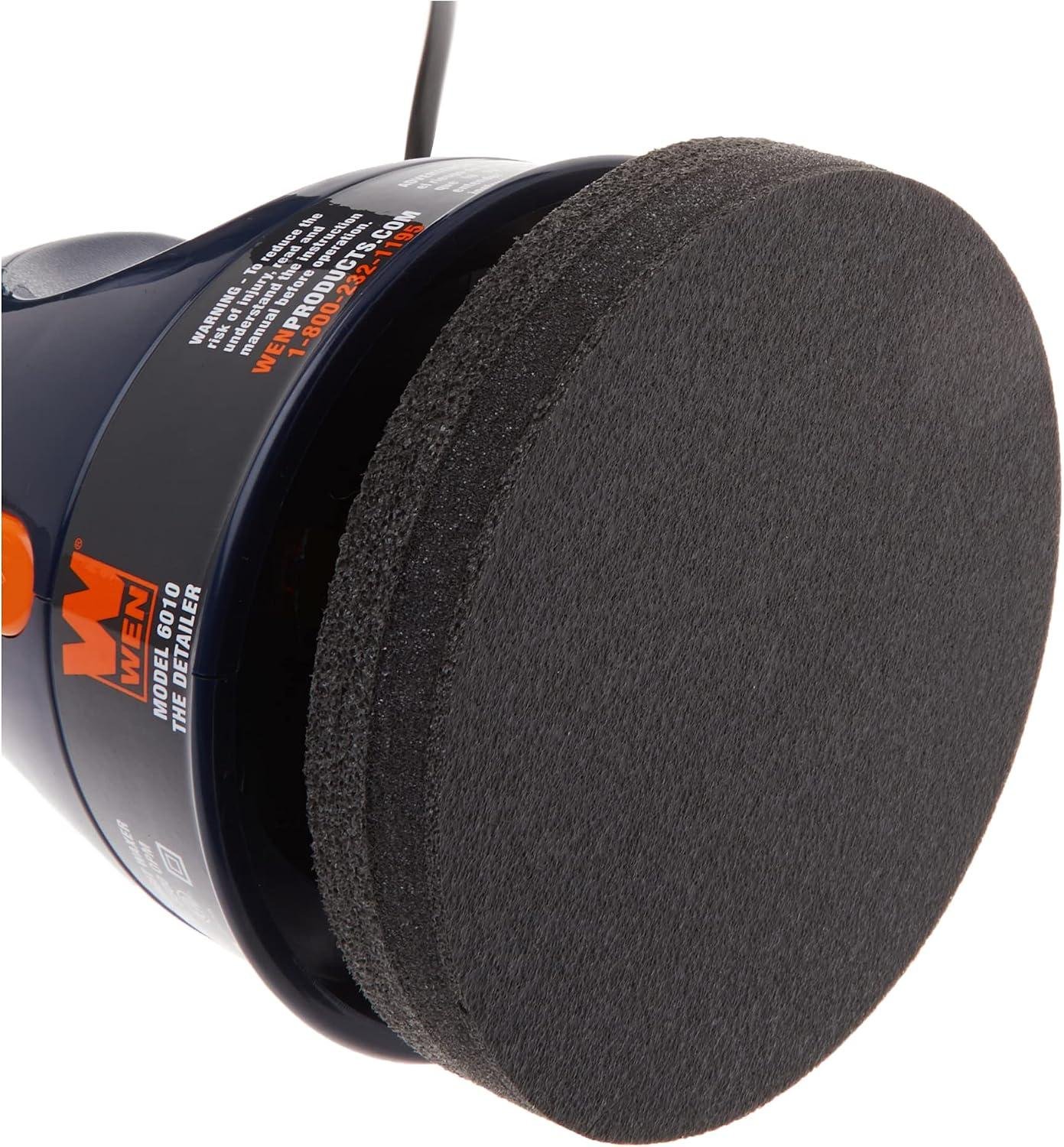
Pros & Cons
After putting the WEN 6010 6-Inch Random Orbital Waxer/Polisher through our usual “driveway-to-garage” routine, here’s where it shines-and where it asks for a little patience.
Pros
- Streak-resistant random orbital action: We get a more forgiving, more even finish-especially helpful when we’re moving fast and don’t want obvious swirls.
- Comfortable grip for one or two hands: The contoured palm/body design feels steady, so our wrists don’t feel like they did all the work.
- Simple, no-fuss speed (3500 RPM): No decision fatigue-plug it in, lock it on, and keep working panel by panel.
- Lockable ON/OFF switch: Nice for longer sessions when we don’t want to constantly hold a trigger.
- Light-duty friendly motor draw (0.5 amp): It feels built for waxing/polishing tasks without acting like it needs a dedicated circuit.
- Works beyond the car: We like that it can pull double duty on shiny surfaces around the house (rails, larger flat areas, etc.).
- Bonnet basics included: The included applicator and terry cloth bonnets are enough to get us started right away.
Cons
- 6-inch size limits coverage: It’s nimble, but we still have to put in the laps on bigger vehicles.
- Single-speed simplicity cuts both ways: We can’t dial it down for ultra-delicate work or up when we’re feeling impatient.
- Included bonnets are “starter-grade”: They work, but we’d still budget for extra/alternate bonnets if we’re doing multiple cars or want a more premium feel.
- Not a correction tool: It’s a waxer/polisher, not a paint-defect eraser-deep scratches and serious oxidation still require different gear and technique.
- Best on broad surfaces: Tight curves and intricate trim areas still send us back to hand work.
| Category | Our Take |
|---|---|
| Ease of Use | Plug-and-polish simple |
| Finish Quality | Even shine, low drama |
| Comfort | Good grip for longer passes |
| Versatility | Cars + household surfaces |
| Control Options | Limited (single speed) |
Q&A
Can this handle hardwoods like oak or maple, or is it more for light-duty work?
This is a 6-inch random orbital waxer/polisher (rated 3500 RPM with a 120V, 0.5A motor), so it’s intended for applying/removing waxes, polishes, and buffing finishes-not stock removal. It can absolutely be used on hardwoods (oak, maple, walnut) for final-stage buffing of cured finishes (paste wax, wiping varnish, cured poly, shellac after it’s hardened), but it’s not powerful or aggressive enough to replace sanding, flattening, or cutting/polishing steps you’d do with a true variable-speed polisher or sander. The best results come from light pressure and letting the orbital motion do the work.
How does it perform on plywood and veneers-will it burn through edges?
Random orbital action is generally veneer-friendly because it reduces swirl marks and doesn’t “dig” like a rotary buffer can. That said, this tool still spins at a fixed 3500 RPM, so technique matters: use very light pressure, keep it moving, and be especially careful on edges and corners (where veneers are thinnest). It’s a good fit for waxing large plywood panels (cabinet sides, shop furniture, jigs) after the finish has cured, but it’s not meant for leveling finishes or sanding between coats.
Is this suitable for production work, or mostly hobby projects and occasional use?
With a small 0.5-amp motor and 6-inch pad, it’s best viewed as a light-duty finishing helper for a hobby or small shop-quick waxing of tables, counters, handrails, or buffing out haze on cured finishes. For daily production polishing (especially on large tabletops or frequent turnaround), most pros prefer a sturdier variable-speed unit with more torque and more pad options. The WEN can still save time on repetitive waxing jobs, just don’t expect it to behave like an industrial polisher.
How hard is the initial setup, and what adjustments are available?
Setup is simple: install the included 6-inch bonnet (applicator or terry cloth) and you’re ready to go. Operationally it’s straightforward-there aren’t the kind of tuning adjustments woodworkers see on sanders (no variable speed listed, no dust shroud, no pad brake controls). The main “adjustments” are user-controlled: pressure, dwell time, and which bonnet/material you choose for applying vs. buffing.
Does it work with standard accessories, or are you locked into WEN bonnets?
It ships with a 6-inch applicator bonnet and a 6-inch terry cloth bonnet, which covers basic apply-and-buff tasks. Beyond that, compatibility depends on the specific pad/bonnet attachment style on the tool (not fully detailed in the provided specs). In practice, many 6-inch waxer bonnets are fairly universal, but before buying stacks of microfiber bonnets, confirm the attachment method matches what you want to use. If you need guaranteed access to common hook-and-loop foam pads (cutting/polishing/sealing pads), a dedicated variable-speed polisher is often the safer choice.
Will this fit in a small workshop, and can it be used on a bench or clamped work?
Yes-this is a handheld 6-inch unit with an ergonomic palm/body grip, so it stores easily and doesn’t need permanent floor space. For shop use, plan to secure your work: clamp panels and tabletops so the orbital motion doesn’t “walk” the piece around. It’s not designed to be mounted to a bench like a stationary buffer; it’s meant to be guided by hand with one- or two-hand control.
Does it require dust collection, and what power outlet does it need?
No dust collection is built in (and it’s not marketed as a sander), so there’s no port to connect to a shop vac. Since it’s used for wax/polish, the bigger concern is managing residue: work over drop cloths, and buff with clean bonnets to avoid smearing. Power-wise it’s a standard 120V tool (rated 0.5A), so any normal household/shop outlet is fine.
Is it beginner-friendly, and would it satisfy a professional woodworker?
For beginners doing simple paste-wax application/removal, it’s approachable: a lockable ON/OFF switch and the palm grip make it easy to control, and random orbital action helps reduce visible swirls. The learning curve is mostly about finishing discipline-using minimal pressure, keeping the pad moving, and waiting for finishes to cure before buffing. Professionals may find it limiting because it’s single-speed (3500 RPM) and light-duty; it’s more of an inexpensive finishing convenience than a do-everything polishing system.
Seize the Opportunity
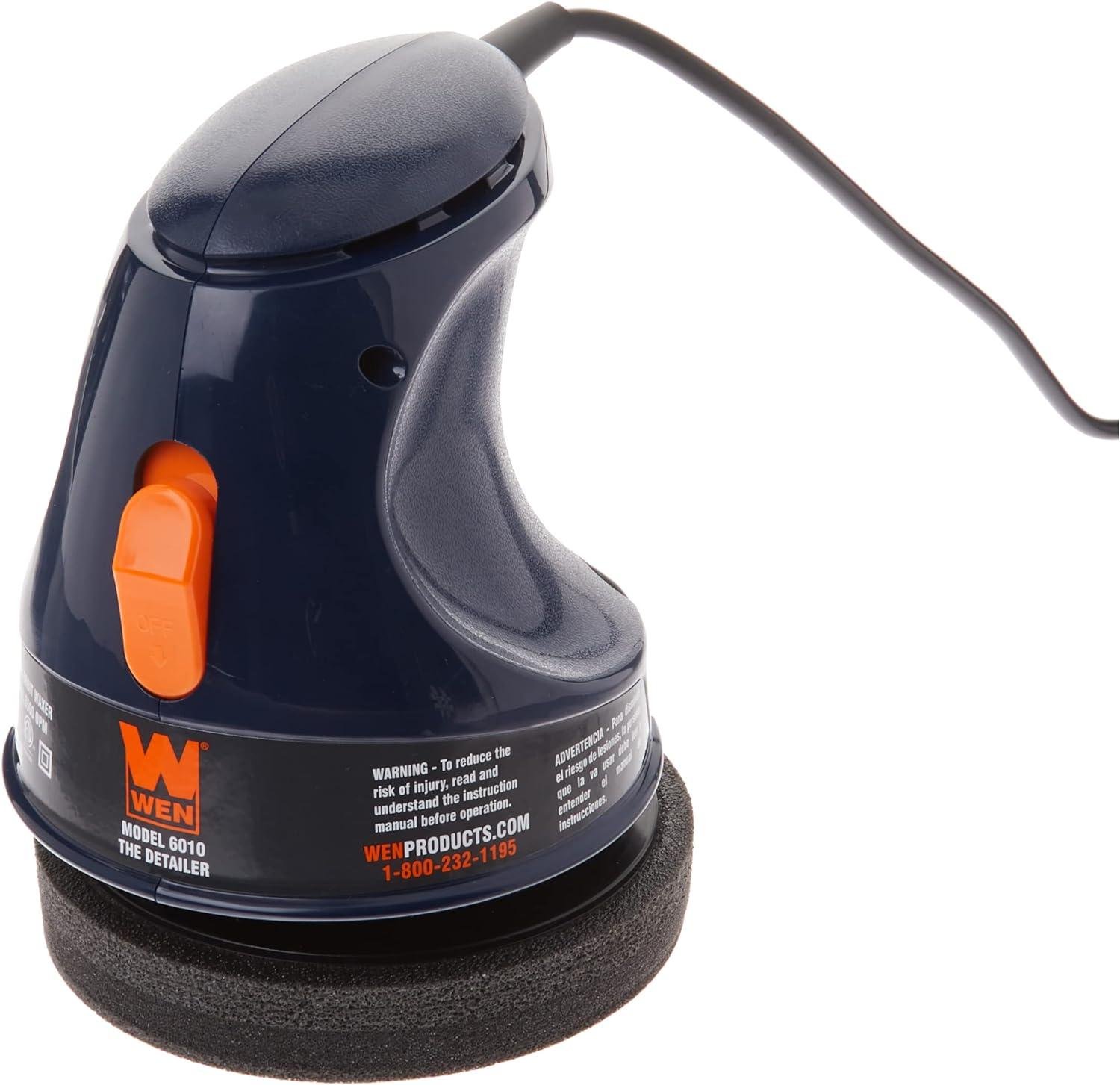
The WEN 6010 6-Inch Waxer/Polisher pairs a 120V, 0.5-amp permanent magnet motor with random orbital action spinning up to 3500 RPM to help lay down an even, streak-free sheen on finished surfaces. It features an ergonomically contoured palm/body grip for one- or two-hand control, a lockable ON/OFF switch, and includes both a 6-inch applicator bonnet and 6-inch terry cloth bonnet. Customer feedback commonly highlights its comfortable handling and solid value for light-duty polishing, with the main limitation being that it’s purpose-built for waxing/polishing-not heavy stock removal.
Best for: hobby woodworkers refreshing tabletops, cabinets, handrails, and finished furniture, plus beginners learning to apply waxes and polishes consistently.
Consider alternatives if: you need aggressive correction (scratch leveling), daily production-level durability, or a true random-orbit sander for hardwood prep.
Final assessment: The WEN 6010 is a solid, budget-friendly finisher for bringing out gloss on cured finishes, as long as you understand its light-duty role.
Want to see current pricing and customer photos? View on Amazon & Read More Reviews →