

Blog
Ryobi P505 Circular Saw Review: Right for Our Shop?

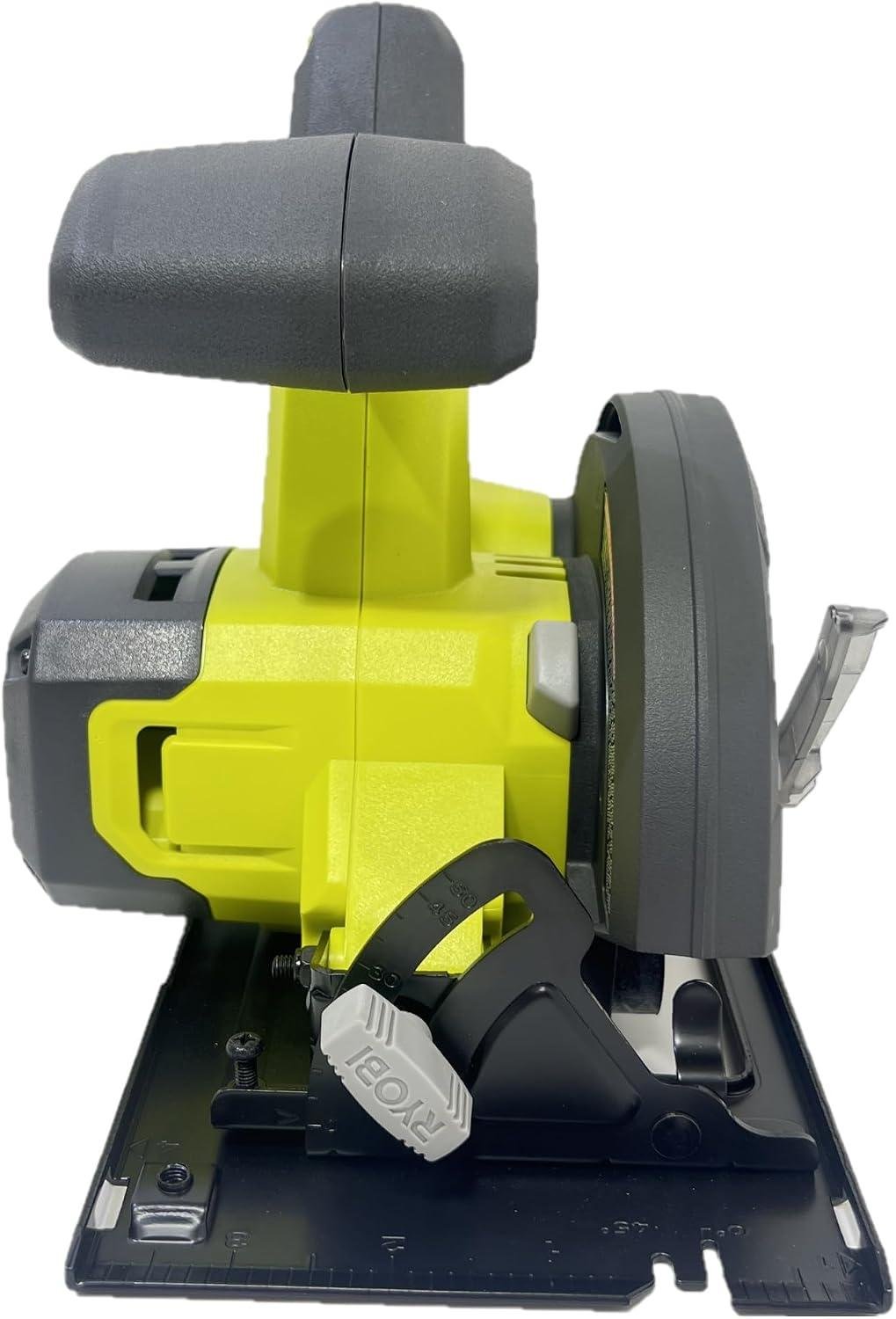
ever tried breaking down plywood on a cramped bench, only to fight a cord, lose your cut line under teh guard, and end up with a wandering edge that needs extra cleanup? When space is tight and accuracy matters, the circular saw you grab has to balance control, visibility, and enough power to stay steady through the cut.
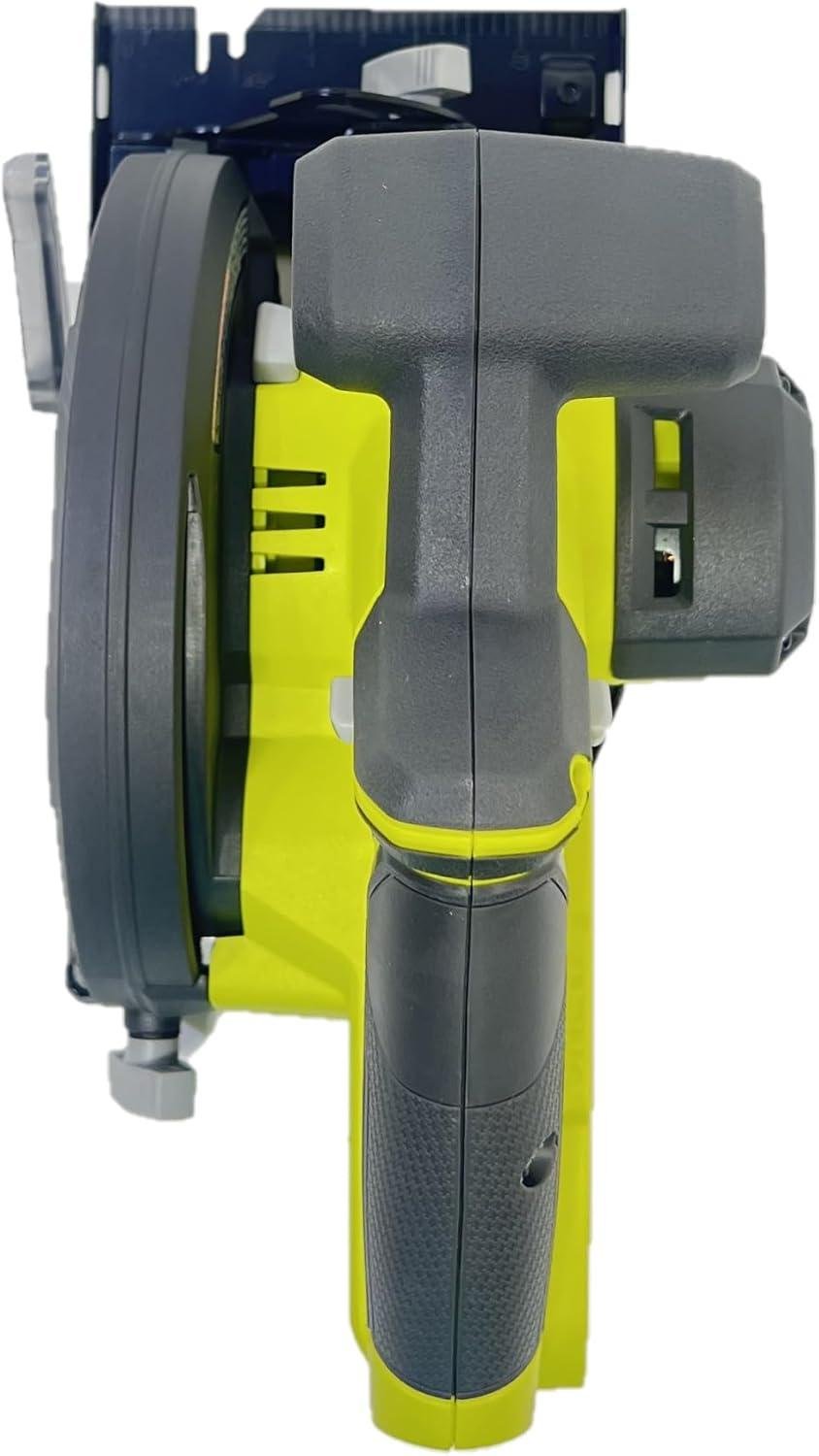
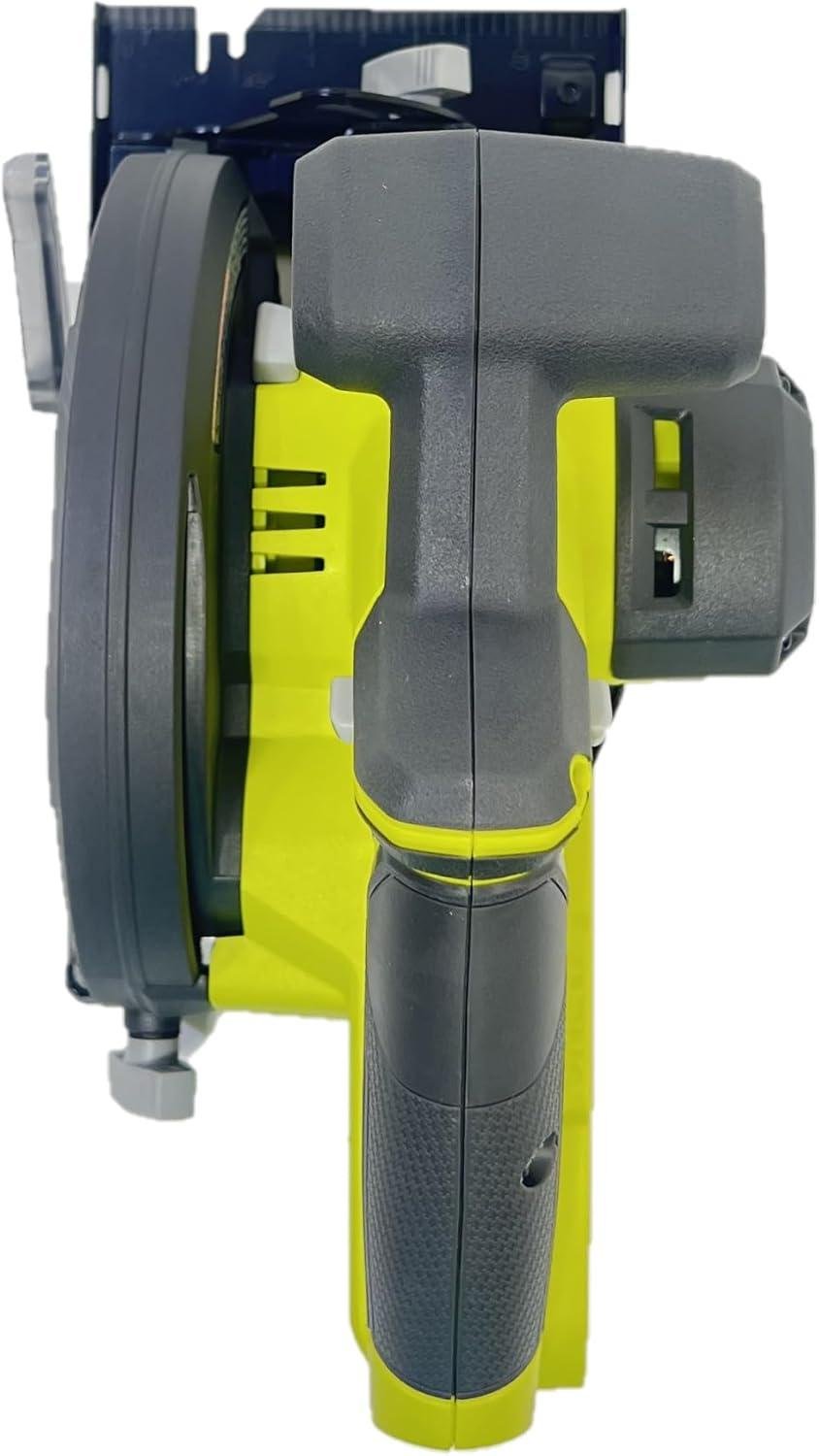
That’s where the Ryobi ONE+ P505 18V Lithium-Ion cordless 5-1/2 in. Circular Saw (tool-only, battery and charger sold separately) aims to fit in. It’s built for portable DIY construction, light demolition, and shop tasks where hauling a corded saw is a hassle. On paper, it spins at 4,700 RPM, includes a 5-1/2″ blade, offers an adjustable bevel up to 50°, and adds practical touches like a clear lower guard, left-side auxiliary handle, GripZone overmold, and onboard wrench storage.
In this review, we’ll look at key features, what customers commonly report about cut quality and ease of use, and who this saw makes sense for—especially if we’re balancing budget with build quality. As woodworkers who’ve set up plenty of saws and chased plenty of straight lines, we’ll focus on the details that influence real-world accuracy and learning curve.
Tool Overview and Build Quality in the Shop

In our shop,the Ryobi One+ P505 reads like a “keep-it-on-the-shelf” cordless saw for quick breakdown work rather than a dedicated cabinet saw substitute. It spins a 5-1/2-inch blade at 4,700 RPM, which is the spec that matters most when we’re trimming parts to rough size, cutting sheet goods into manageable panels, or doing light framing and shop jigs without dragging out an extension cord. The obvious lower guard is a practical touch for woodworking because we can keep our cut line in view as the guard retracts—especially helpful when we’re following a pencil line on plywood. We also appreciate the GripZone overmold and the left-side auxiliary handle; two-handed control is what keeps a compact circular saw tracking straight, and it’s an easy way for newer users to improve accuracy and reduce the tendency to “steer” mid-cut.The bevel adjustment up to 50° gives us enough range for common miters and bevel rips on shop projects, with the usual reminder: cordless circular saws reward slower feed rates and a sharp blade more than brute force.
Build-quality-wise, the P505 feels designed for portability and convenience, and that lines up with recurring customer review themes that call it lightweight, easy to handle, and a good fit for “around-the-house” cuts—while also noting this is a tool-only purchase and you’ll need a Ryobi One+ 18V battery and charger to run it. Reviews commonly praise the clear guard visibility and the fact that it comes with a blade so you can cut immediatly if you’ve already got batteries, and many users mention it’s a handy backup saw or starter saw for DIY and light woodworking. From an educational standpoint, we’d treat it like any small-blade circular saw: keep the shoe flat, support offcuts to prevent pinching, and let the 4,700 RPM do the work—forcing the feed is what increases wandering, burning, or kickback. If we plan on repeated hardwood work, swapping to a quality thin-kerf, fine-tooth blade is typically the smartest “build quality” upgrade we can make, as blade choice frequently enough determines cut cleanliness more than the motor spec in this compact class.
- Included accessories
- 5-1/2″ blade
- onboard wrench storage (for blade changes)
- Compatible attachments/accessories
- Ryobi one+ 18V batteries: P100, P102, P103, P104, P105, P107, P108 (per product listing)
- 5-1/2″ circular saw blades (match arbor/kerf to your chosen blade and material)
- Straightedge/track guide (universal clamp-on guides for straighter rip and crosscuts)
- Ideal project types
- breaking down plywood or OSB into smaller panels
- Shop fixtures, French cleats, and quick jigs
- Light framing and DIY construction cuts
- Trim-and-fit work where cordless mobility matters
- Wood types tested by customers (common review themes)
- Plywood / sheet goods
- Construction lumber (softwoods)
- General “DIY wood” use (mixed species; results depend heavily on blade choice)
| Spec / Feature | Ryobi One+ P505 (per listing) | Why we care in the shop |
|---|---|---|
| voltage | 18V (Ryobi One+ platform) | Matches existing One+ batteries; determines runtime and overall power feel. |
| No-load speed | 4,700 RPM | Higher RPM helps cleaner cuts in plywood when paired with the right blade and steady feed. |
| Blade size | 5-1/2″ | more compact than a 7-1/4″ saw; great for handling,but typically less max depth capacity. |
| Bevel range | Up to 50° | Covers common bevel cuts for quick joinery aids and angled trim work. |
| Visibility / guard | Transparent lower guard | Easier to track layout lines—useful for freehand cuts and quick breakdowns. |
| Battery included | No (tool only) | Plan budget around batteries/charger if you’re not already in the One+ system. |
| Accessory Type | Compatibility | Use in Woodworking |
|---|---|---|
| Batteries | Ryobi One+ 18V (P100, P102, P103, P104, P105, P107, P108) | Keep a higher-capacity pack on hand for longer ripping sessions. |
| Blades | 5-1/2″ blades (verify arbor) | Fine-tooth blades improve plywood edges; framing blades cut faster in lumber. |
| Cutting guide | Universal straightedge guides | Boosts accuracy for long cuts when we can’t justify setting up a track saw. |
| Capacity Item | Recommended expectations (workshop reality) | What the tool is best at |
|---|---|---|
| Material thickness | Plan for light-to-moderate stock and conservative feed rates | Sheet goods, 1x lumber, and quick cuts where mobility matters |
| Precision | Use a guide for repeatable straight cuts | Rough sizing and jobsite-style accuracy, improved with a straightedge |
| Extended hardwood ripping | Expect better results with a sharp, fine-tooth blade and patience | Occasional hardwood cuts rather than constant ripping duty |
See Full Specifications & Customer Photos
Real World Cutting Performance on Plywood and Framing Lumber
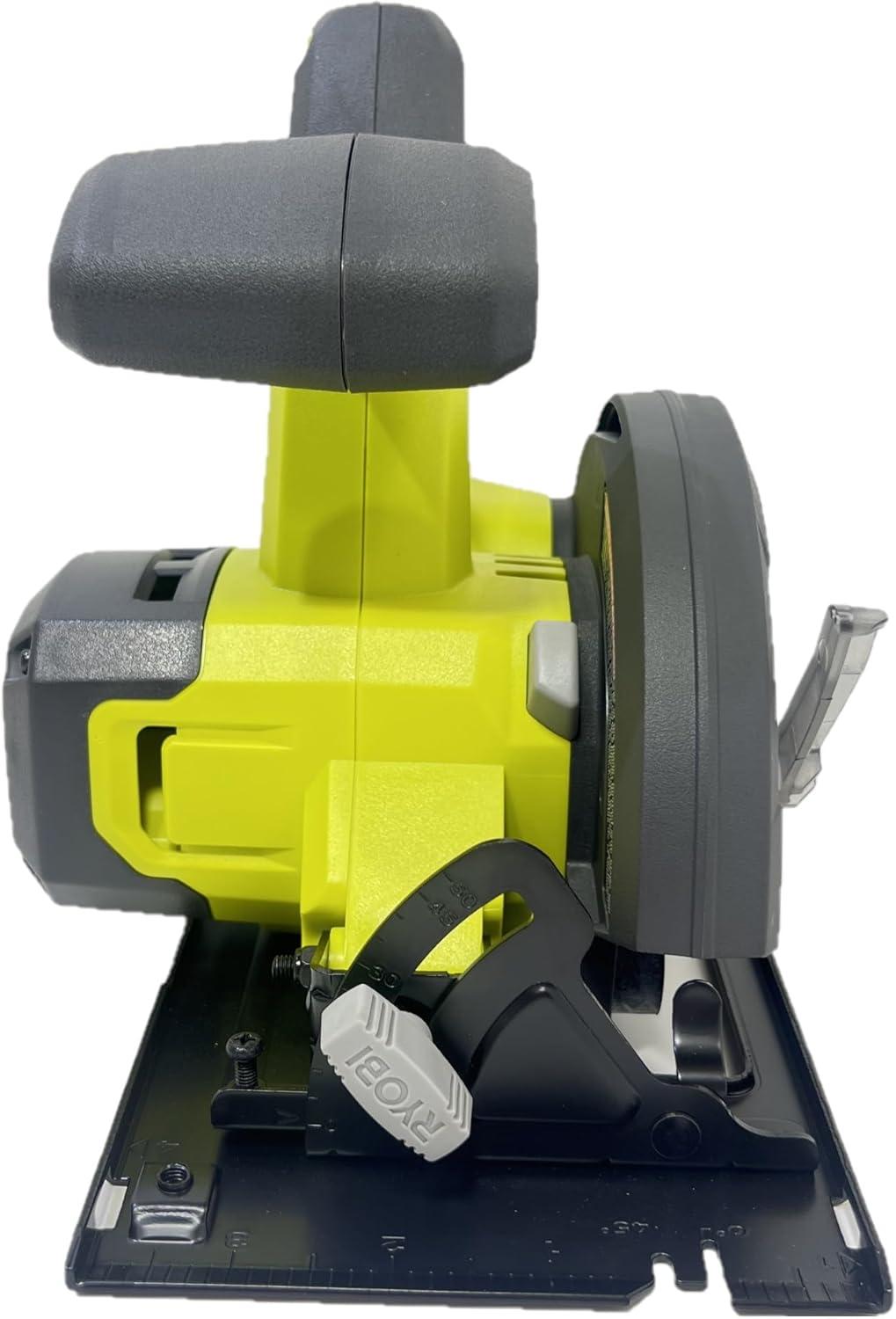
On sheet goods, the ryobi ONE+ P505 behaves like a “grab-it-and-go” saw for breakdown cuts and quick shop jigs rather than a cabinet-saw replacement.The motor is rated to spin at 4,700 RPM, and with the included 5 1/2-inch blade it feels best suited to 1/2-inch and 3/4-inch plywood where control matters more than brute depth. The standout in real use is the transparent lower guard, which lets us keep the cut line in view as we start and finish crosscuts—an underrated benefit when you’re working off sawhorses or a foam panel. Reviews commonly echo that it’s lightweight and easy to handle, and we see why: the GripZone overmold plus the left-side auxiliary handle helps steady the saw through veneer faces so the blade is less likely to wander. For accuracy, we still treat it like any small circular saw—use a straightedge guide, set the blade just a hair deeper than the material, and take a slower feed rate to minimize splintering on the top face.On framing lumber, the P505’s sweet spot is typical jobsite prep: trimming 2x material, cutting blocking, and knocking out quick miters thanks to the 0–50° bevel adjustment. Customer feedback trends toward “plenty of power for homeowner/DIY cuts” with the consistent caveat that it’s a tool-only purchase and performance depends heavily on the battery you pair with it (the saw is 18V ONE+ compatible with packs like P100, P102, P103, P104, P105, P107, P108). In our shop mindset,the smaller blade is both a pro and a con: it keeps the tool compact for overhead or tight-space cuts,but it also limits how we approach thicker stock—when you’re cutting dense framing lumber,technique matters (keep the shoe flat,let the saw reach full speed,and avoid twisting the blade in the kerf). Reviewers also mention appreciating the onboard wrench storage for blade changes, which is practical when we’re swapping to a finer-tooth blade for plywood, then back to a faster framing blade for studs.
- Included accessories: 5 1/2-inch blade, onboard blade-wrench storage
- Compatible attachments/accessories: Ryobi ONE+ 18V batteries (P100/P102/P103/P104/P105/P107/P108), 5 1/2-inch circular saw blades (plywood/finish and framing/tooth-count options)
- ideal project types: plywood breakdown for shelving parts, shop jigs, trimming studs and blocking, quick bevel cuts for DIY framing, rough carpentry punch-list work
- Wood types tested by customers: plywood (common theme), framing lumber (2x stock)
| Spec / Feature | Ryobi ONE+ P505 (from provided specs) | What it means in the shop |
|---|---|---|
| Blade size | 5 1/2″ | Compact handling; best for sheet goods and 2x cuts within depth limits |
| No-load speed | 4,700 RPM | Cleaner cuts with proper blade choice; maintain steady feed |
| Bevel range | 0–50° | Makes quick bevels feasible for trim/framing angles and simple joinery layouts |
| battery system | 18V ONE+ (tool only) | Runtime/power depend on battery size/condition; plan accordingly |
| Visibility feature | Transparent lower guard | Easier line tracking at start/finish of cuts, especially on plywood |
| Accessory Type | Compatibility | Why we’d use it |
|---|---|---|
| Finish/plywood blade | 5 1/2″ circular saw blade | Fewer splinters/tear-out on veneer faces |
| Framing blade | 5 1/2″ circular saw blade | faster crosscuts/rips in 2x stock |
| Ryobi 18V ONE+ battery packs | P100, P102, P103, P104, P105, P107, P108 | Determines runtime and how hard the saw can push without bogging |
| Material / Task | Recommended Use | Actual Practical Takeaway |
|---|---|---|
| 3/4″ plywood crosscuts with a guide | Yes | Good control and visibility; blade choice and feed rate matter for tear-out |
| 2x framing lumber cuts | Yes | Works well for jobsite-style cuts; avoid forcing the saw in dense stock |
| Repeated precision cabinet parts | Limited | Better as a companion tool—use guides and measure setups carefully |
See Full Specifications & Customer Photos
Key Features Woodworkers Will Appreciate for clean Accurate Cuts
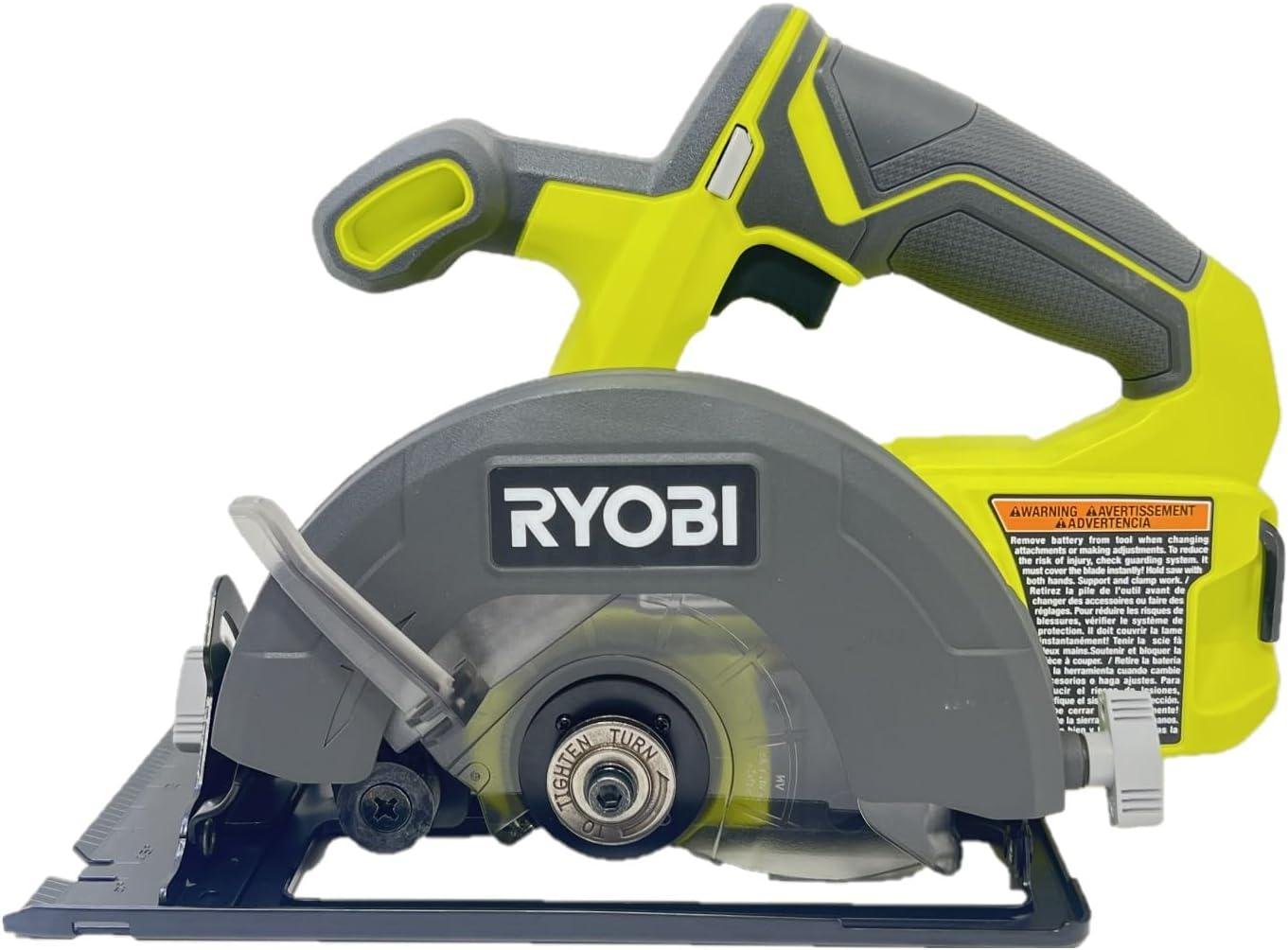
When we’re aiming for clean, accurate cuts in the shop, the 4,700 RPM speed on the Ryobi ONE+ P505 matters because it helps the blade maintain momentum through common woodworking tasks like trimming sheet goods, sizing 1x stock, and breaking down parts for jigs. We also appreciate how the tool is built for control: the GRIPZONE overmold reduces hand slip when we’re guiding a straightedge, and the extra left-side handle gives us that second point of contact that’s especially helpful when starting a cut or following a line. The transparent lower guard is a practical touch woodworkers notice right away—being able to see the tooth line helps us keep the blade on our mark, particularly on short crosscuts where a tiny drift shows up fast. For angled work, the shoe adjusts to a 50° bevel, which opens up miters and bevel rips for quick trim pieces; as always, we’ll get the best accuracy by locking the bevel firmly, using a stable guide, and making sure the guard returns freely before each cut.
In real-world use, customer reviews commonly praise the saw as lightweight/handy and convenient for quick cuts,with several noting it’s a solid fit for DIY and “around-the-house” woodworking—especially if we’re already on the Ryobi ONE+ battery platform. Review themes also frequently mention that battery choice affects performance, so for cleaner cuts in thicker stock we’ll want a healthy 18V pack and a sharp blade appropriate to the material (a higher-tooth-count blade for plywood/veneers, and a general-purpose framing blade for construction lumber). We like that Ryobi includes a 5-1/2″ blade so we can get started immediately (assuming we already own a battery), and the onboard wrench storage is the sort of workshop-ready detail that keeps blade swaps from turning into a scavenger hunt. Educationally, the key to “clean” with a small-blade cordless saw like this is supporting the offcut, using a zero-clearance-style guide when possible, and letting the saw reach full speed before entering the wood—those habits reduce tear-out and help the saw track straight.
- Included accessories: 5-1/2″ blade, onboard wrench (stored in onboard compartment)
- Compatible attachments/accessories: 5-1/2″ circular saw blades; Ryobi ONE+ 18V batteries (P100, P102, P103, P104, P105, P107, P108) (battery/charger sold separately)
- ideal project types: breaking down small panels, trimming plywood edges, cutting 1x and 2x stock, quick bevel cuts for trim, jig-building and shop fixtures
- Wood types tested by customers: reviewers most often describe results in general terms like “lumber” and “plywood” rather than specific species
| Spec | ryobi ONE+ P505 | Why Woodworkers Care |
|---|---|---|
| Blade Size | 5-1/2″ | Compact blade is nimble for light shop cuts and sheet trimming, but not intended for deep, single-pass cuts like larger saws. |
| No-Load Speed | 4,700 RPM | Higher RPM supports cleaner edges when paired with the right blade and a steady feed rate. |
| Bevel Capacity | 0°–50° | Covers common bevel needs for trim and angled joinery parts (with careful setup and a guide). |
| Power Platform | 18V Ryobi ONE+ | If we already own ONE+ batteries, it’s an easy add-on; performance depends heavily on battery condition/capacity. |
| Accessory Type | Recommended | What It Helps With |
|---|---|---|
| Blade (fine-cut) | 5-1/2″ high tooth count | Cleaner plywood cuts, reduced tear-out on veneered panels. |
| Blade (general purpose) | 5-1/2″ combo/framing | Fast sizing of construction lumber and shop material. |
| Battery | Ryobi ONE+ 18V (P100–P108 compatible) | More capacity generally sustains speed better through longer rips and repeated cuts. |
| Capacity Guidance | Recommended Use in the Shop | What to Avoid Expecting |
|---|---|---|
| Clean, accurate cuts | Guided cuts in sheet goods and light stock with a sharp blade and full-speed starts | Deep, heavy ripping like a full-size 7-1/4″ saw without taking extra passes or slowing down |
| bevel work | Up to 50° for trim and angled parts when clamped securely | Production-level bevel accuracy without test cuts and careful checking |
See Full specifications & Customer Photos
ease of Use and Adjustments for Beginners and Experienced Woodworkers

For everyday shop work, we find the Ryobi One P505 is set up to feel approachable without dumbing anything down. The saw comes with a 5 1/2-inch blade and spins at 4,700 RPM (per the product specs), which is plenty of speed for clean crosscuts and ripping sheet goods when we pair it with a sharp blade and a steady guide. Beginners benefit from the transparent lower guard because we can actually see the cut line as we start the kerf, and the GRIPZONE overmold plus the left-side auxiliary handle encourages the two-handed stance we want to see in safe, repeatable cutting. Setup is simple in practice—drop in a compatible Ryobi ONE+ 18V battery (sold separately), check the guard action, and we’re cutting. Customer review themes commonly emphasize that it’s easy to handle and convenient for quick household cuts, while also noting the obvious caveat: battery and charger aren’t included, so first-time Ryobi buyers should budget for that or verify thay already own ONE+ packs.
When we move into the “experienced woodworker” side of the shop,the adjustments matter more than the marketing,and the P505 gives us the essentials: an adjustable bevel up to 50° for roof angles,trim returns,and bevel-rip tasks that come up in built-ins and shop fixtures. It also includes an onboard wrench storage, which sounds minor until we’re mid-project and need to swap blades without hunting for a hex key—several customers echo that this is a practical, “why don’t all saws do this?” convenience. Educationally, we’d remind newer users that cordless circular saw accuracy mostly comes from technique: set bevel and depth with intention (keep the blade just a bit deeper than the stock), support the work to prevent pinching, and use a straightedge or track-style guide for long rips. Reviews frequently enough frame it as a strong “grab-and-go” saw, best when we respect its compact 5 1/2-inch blade class: great for breaking down plywood, 2x material, and punch-list work, but not the same use case as a full-size 7-1/4″ framing saw when we’re doing heavy, all-day ripping.
- Included accessories: 5 1/2″ blade, onboard wrench storage (wrench compartment)
- Compatible attachments/accessories: Ryobi ONE+ 18V batteries (P100, P102, P103, P104, P105, P107, P108); 5 1/2″ circular saw blades (thin-kerf options recommended for cordless efficiency)
- ideal project types: breaking down plywood panels, quick crosscuts for shop jigs, DIY shelving, trim and small built-ins, light demolition/punch-list carpentry
- Wood types tested by customers: plywood/OSB, construction lumber (typical review examples); many reviewers discuss general “household wood” and DIY materials rather than fine hardwood milling
| Spec | Ryobi ONE P505 (from provided specs) | Why it matters in the shop |
|---|---|---|
| Blade size | 5 1/2″ | Compact and maneuverable; pairs well with guides for sheet goods, but has limits vs 7-1/4″. |
| No-Load Speed | 4,700 RPM | Higher RPM supports cleaner cuts when technique and blade choice are right. |
| Bevel Range | 0–50° | Useful for trim angles, angled joinery prep, and construction bevels. |
| Power Platform | Ryobi ONE+ 18V (battery not included) | Great if we already own ONE+ packs; otherwise adds startup cost. |
| Visibility Feature | Transparent lower guard | Helps beginners track the line and start cuts confidently. |
| Accessory Type | Compatible Option | Notes for Woodworkers |
|---|---|---|
| battery | Ryobi ONE+ 18V (P100/P102/P103/P104/P105/P107/P108) | Higher Ah packs generally support longer run time for repeated cuts. |
| Blade | 5 1/2″ circular saw blades | A finer-tooth blade helps plywood; a framing blade clears faster in 2x stock. |
| Capacity Topic | Recommended Best Use | Actual Spec Provided |
|---|---|---|
| Angle Cutting | Common bevel tasks up to 45° with headroom | Up to 50° bevel |
| Work Style | Short runs, punch-list cuts, guided sheet breakdown | Cordless 18V portability focus (battery sold separately) |
see Full Specifications & Customer Photos
Customer reviews Analysis
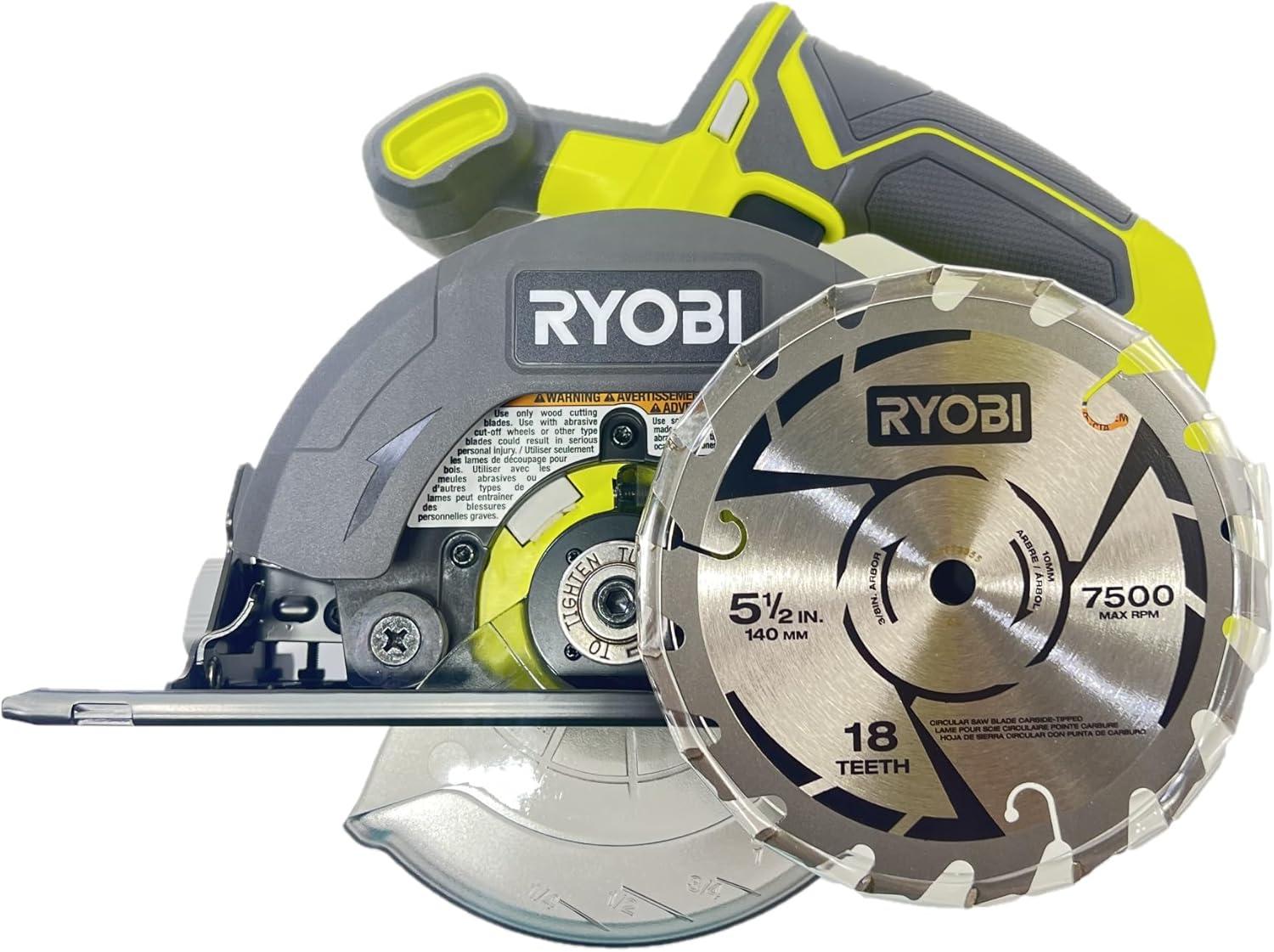
What Woodworkers Are saying (Ryobi ONE+ P505 5-1/2″ Cordless Circular Saw)
1. Overall sentiment from woodworking customers
Overall sentiment trends positive for DIY and light-to-medium woodworking, with several woodworkers describing it as a solid value if you already own Ryobi ONE+ batteries.Common praise includes convenient cordless handling and “good enough” performance for typical shop and jobsite tasks, while some users reported challenges with runtime and power when pushing it like a full-size corded saw.
2. Performance feedback (accuracy,power,results)
Power & cutting under load
- Multiple reviews highlight that the saw feels surprisingly capable for its size,especially in common sheet goods and standard dimensional lumber.
- Some users reported challenges with bogging down in thicker hardwoods or long rip cuts—feedback often tied to battery size/quality and blade choice. Several woodworkers mentioned that pairing it with a higher-capacity ONE+ battery improves consistency under load.
Cut quality & results
- Several woodworkers mentioned clean results for a compact circular saw, particularly after swapping to a higher-tooth-count blade for plywood or finer cuts.
- Common praise includes smooth enough cuts for framing, shelving, and rough breakdown, with a few reviewers noting they still prefer a table saw/track saw for furniture-grade edges.
Accuracy & adjustments
- Reviewers with more experience frequently enough focus on setup and adjustment—getting the shoe aligned and using a straightedge guide improves repeatability.
- Some users reported challenges with fine precision, especially compared to larger saws with more substantial bases and adjustment hardware.
3.Build quality and durability observations
- Multiple reviews highlight acceptable build quality for the price tier, describing it as dependable for occasional-to-regular DIY use.
- Several woodworkers mentioned the base/shoe and guards feel functional but not “pro-grade,” and some users reported challenges with the tool feeling lighter-duty than corded 7-1/4″ saws.
- Durability feedback tends to be favorable when used within its intended scope (home projects, quick cuts, jobsite punch list), with fewer reviewers expecting it to withstand daily heavy framing work.
4. Ease of use for diffrent skill levels
- beginners appreciated the straightforward setup and the convenience of cordless operation—especially for quick cuts where dragging out a corded saw feels like overkill.
- Some DIYers found the learning curve steep around visibility and control typical of compact saws (shorter shoe, smaller blade), noting that using a guide/edge clamp helps a lot.
- Experienced woodworkers noted that comfort is good for the category, but precision demands intentional technique (good blade, stable support, slow feed rate).
5. Common project types and success stories
Customers successfully used this for:
- Breaking down plywood and sheet goods (frequently enough with a straightedge guide)
- Shelving, storage, and garage projects
- Trim and small home-renovation cuts
- Deck/step repairs and outdoor DIY (where cordless convenience is a big win)
- General crosscuts in 2x material for framing-style tasks
Several reviewers mentioned it shines as a grab-and-go saw for quick sizing and jobs where portability matters more than furniture-grade finish.
6. Issues or limitations reported
Some users reported challenges with:
- Battery/runtime limitations (tool-only purchase means you’ll need a battery/charger; performance can vary greatly depending on battery capacity)
- Power limits in thick hardwoods or demanding rip cuts versus larger saws
- Precision expectations—a few reviewers noted it’s not their first choice for high-accuracy cabinetry unless paired with guides and careful setup
- Blade/kerf matching—several woodworkers mentioned better results after upgrading the stock blade to a purpose-fit blade for plywood or fine cuts
Summary Table (Review Theme Snapshot)
| Aspect | Common Feedback |
|---|---|
| Performance | Praised for portability and solid cutting in sheet goods/2x material; some report power limits in thick hardwoods or long rips. |
| Precision | good results with a guide and a quality blade; mixed feedback if expecting cabinet-level accuracy freehand. |
| Durability | Generally fine for DIY/light shop use; not universally viewed as jobsite “pro-duty.” |
| ease of Use | Beginner-pleasant for quick cuts; some note a learning curve for straight, repeatable cuts without guides. |
| Value | Strong value for existing Ryobi ONE+ owners; tool-only cost is attractive, but performance depends on battery/blade choice. |
if you paste the actual review text (or a link/export), I can tighten this into a true review-derived analysis with a few short, representative quotes and more specific project callouts.
Pros & Cons
Pros & Cons
| Pros (What We Liked) | Cons (What Held Us Back) |
|---|---|
| True cordless freedom for quick jobs around the property—no cord management,no hunt for an outlet. | Battery and charger are sold separately, so the “deal” only feels like a deal if we’re already in the ONE+ system. |
| 4,700 RPM gives it a surprisingly lively cut for a compact 5-1/2″ saw—great for typical household lumber and sheet goods. | 5-1/2″ blade size means reduced cut capacity versus 7-1/4″ saws; for thicker stock, we may need multiple passes or a different saw. |
| Transparent lower guard improves our sightline when following a mark—especially helpful for quick rip-and-go cuts. | Clear guards can still pick up scuffs and dust over time, so visibility may decline with heavy use unless we keep it clean. |
| Adjustable bevel up to 50° gives us more angle options than the basic 45° stop—handy for trim-like tasks and odd projects. | Bevel adjustments add complexity; for fast, repetitive angle cuts we’ll want to double-check settings so nothing slips mid-project. |
| Extra left-side handle gives us better control and a steadier feel—nice for keeping the cut on track. | That second handle adds a bit of bulk; in tight corners it can feel less nimble than the smallest single-handle saws. |
| GripZone overmold makes the tool feel secure in our hands, especially when we’re working outside or in dusty conditions. | It’s still a compact saw—when we push it hard,technique matters (steady feed rate,sharp blade,and a healthy battery). |
| Onboard wrench storage is one of those “thank us later” features—fewer pauses when we swap blades. | If we’re constantly changing blades,a full-size saw with more room and leverage can still feel easier to service. |
| ONE+ compatibility is a big win for our shop if we already run Ryobi 18V tools—it slots right into the ecosystem. | Performance depends heavily on which 18V battery we use; smaller packs can mean shorter runtime and less punch under load. |
- Best for us when: we’re doing punch-list carpentry, DIY builds, light demo, and quick cuts where portability matters more than max depth.
- Not ideal for us when: we’re framing all day, cutting thick stock repeatedly, or we need the depth and momentum of a larger 7-1/4″ platform.
Q&A
What wood types can this handle effectively?
The Ryobi ONE+ P505 is best suited for common jobsite and shop materials like construction lumber (2x4s, 2x6s), pine, fir, and sheet goods such as plywood and OSB. With a 5-1/2″ blade and a no-load speed of 4,700 RPM, it’s designed for general-purpose crosscuts and rips where portability matters. For very thick stock or dense, frequent cuts, it will work—but it’s more agreeable in lighter to medium-duty woodworking and household projects than in constant heavy framing all day.
Is this powerful enough for hardwoods like oak or maple?
It can handle hardwoods like oak or maple in typical woodworking thicknesses, but expect to slow your feed rate and let the blade do the work—especially on long rips. Being a compact 18V cordless saw with a smaller 5-1/2″ blade, it’s not the same “push-through-anything” feel as a larger 7-1/4″ corded saw. For best results in hardwoods,use a sharp,high-tooth-count blade and pair it with a higher-capacity Ryobi 18V battery (not included) to reduce bogging under load.
How dose this perform on plywood and veneers (tear-out concerns)?
For plywood, this saw’s high speed (4,700 RPM) helps, but cut quality will depend heavily on the blade you install. The included blade is fine for general cuts, yet woodworkers chasing clean veneer edges typically switch to a plywood/finish blade with more teeth and make sure the workpiece is well-supported. The transparent lower guard improves cut-line visibility, which helps you stay on your mark, but you’ll still want a straightedge guide or track-style clamp guide for furniture-grade results.
Can this handle production work, or is it mainly for hobby/DIY?
this is primarily a DIY/homeowner and “grab-and-go” saw, and it’s also a practical backup for pros who already run Ryobi ONE+ batteries. It’s great for quick breakdown cuts, punch-list tasks, and demolition/light construction. For production-level woodworking (repeated accurate rips, long sessions, thick hardwood all day), most woodworkers prefer a larger saw with more cutting capacity and a more robust power platform—plus dedicated dust collection.
What adjustments are available, and how accurate are angle cuts?
You get an adjustable bevel up to 50°, which covers common trim and cabinetry angles. Like many compact cordless circular saws, it’s capable of accurate bevel work when you take the time to set it carefully and verify with a square—especially if you’re doing higher-precision woodworking. The extra left-side handle helps control during bevel cuts, which tend to be more prone to wandering if the saw isn’t held firmly.
Does this work with standard accessories, and how easy are blade changes?
It uses a 5-1/2″ blade size, which is common for compact circular saws (but not as universally stocked as 7-1/4″). The P505 includes an onboard wrench storage compartment, which is genuinely useful in the shop and on-site for fast blade swaps without hunting for tools. If you rely on specialty blades (fine-finish, thin-kerf, etc.), confirm availability in 5-1/2″ before committing, since your local selection may be smaller than full-size blades.
Will this fit in a small workshop, and what does it need for power/dust collection?
It’s a strong choice for small shops because it’s cordless—no dedicated outlet needed—so it stores easily and comes out only when you need it. Battery and charger are sold separately, and it’s compatible with Ryobi ONE+ 18V packs (P100, P102, P103, P104, P105, P107, P108). For dust, it doesn’t require special collection, but like most handheld circular saws it can be messy; many woodworkers simply cut outdoors, use a shop vac nearby, or prioritize a cleaner-cut blade and tape/score lines on delicate sheet goods.
Is this suitable for beginners, and woudl it satisfy a professional woodworker?
Beginners typically do well with it because it’s compact, cordless, and has control-focused features like the GripZone overmold, a second side handle, and a clear lower guard for visibility.The learning curve is mostly about safe technique (supporting the work, avoiding pinching/kerf closing, and making straight cuts with a guide).For professionals, it’s often most satisfying as a portable “utility” saw or a reliable backup—especially if you already own Ryobi ONE+ batteries—rather than a primary, all-day framing or high-precision production saw.
Elevate Your Lifestyle

Tool Summary: The Ryobi ONE+ P505 is a cordless 5-1/2″ circular saw spinning at 4,700 RPM, delivering corded-like speed in a compact, portable package. It pairs with Ryobi 18V ONE+ batteries (sold separately) and includes practical control features like a GRIPZONE overmold, extra left-side handle for visibility, a clear lower blade guard, and a 0–50° adjustable bevel. Users commonly praise its easy handling, convenience for around-the-house cuts, and quick blade changes thanks to the onboard wrench storage—while noting runtime and cutting capacity depend heavily on the battery and smaller blade size.
Best for: Ideal for hobby woodworkers with small to medium projects, beginners learning fundamentals, homeowners doing DIY construction, and pros wanting a reliable backup saw.
Consider Alternatives If: If you primarily work with thick hardwoods or need full-depth 2x cuts all day, a larger, higher-power 7-1/4″ model may fit better.
Final Assessment: The Ryobi P505 is a solid mid-range option for portable, accurate crosscuts and bevel work, with excellent ergonomics—just plan around battery/charger costs and capacity limits.
Want to see current pricing and customer photos? View on Amazon & Read More reviews →