

Blog
My Take on This 22” Waterproof Wicker Table Cover


Out on my patio, the little side table gets more use than almost anything else—coffee in the morning, a book in the afternoon, a lantern adn a drink when the sun drops. And because I’m the kind of woodworker who notices the way moisture creeps into end grain and how UV can chalk a finish over time, I treat outdoor pieces the same way I treat a good tabletop in the shop: protect the surface, manage the weather, and don’t trap dampness where it can do damage.
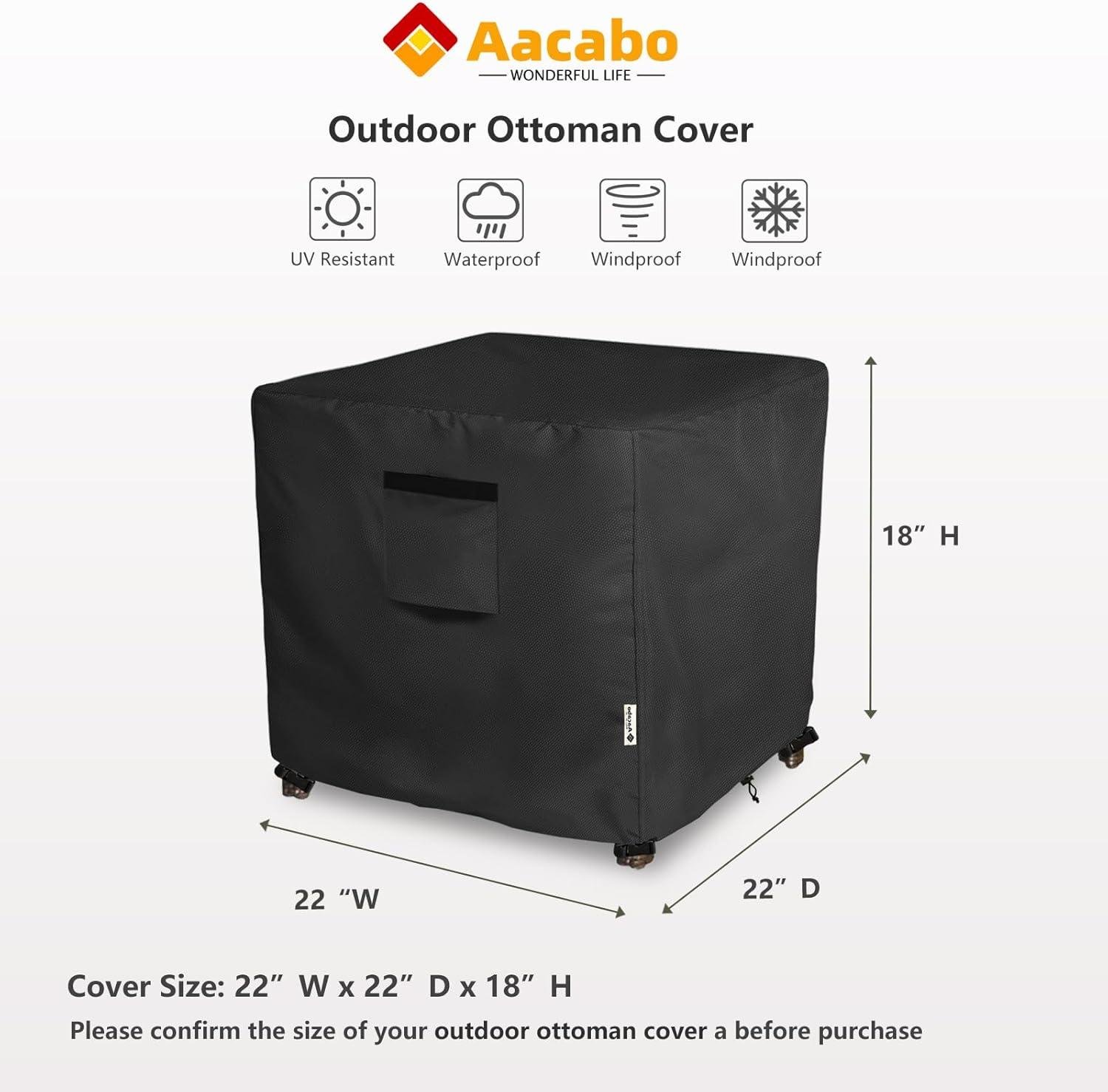
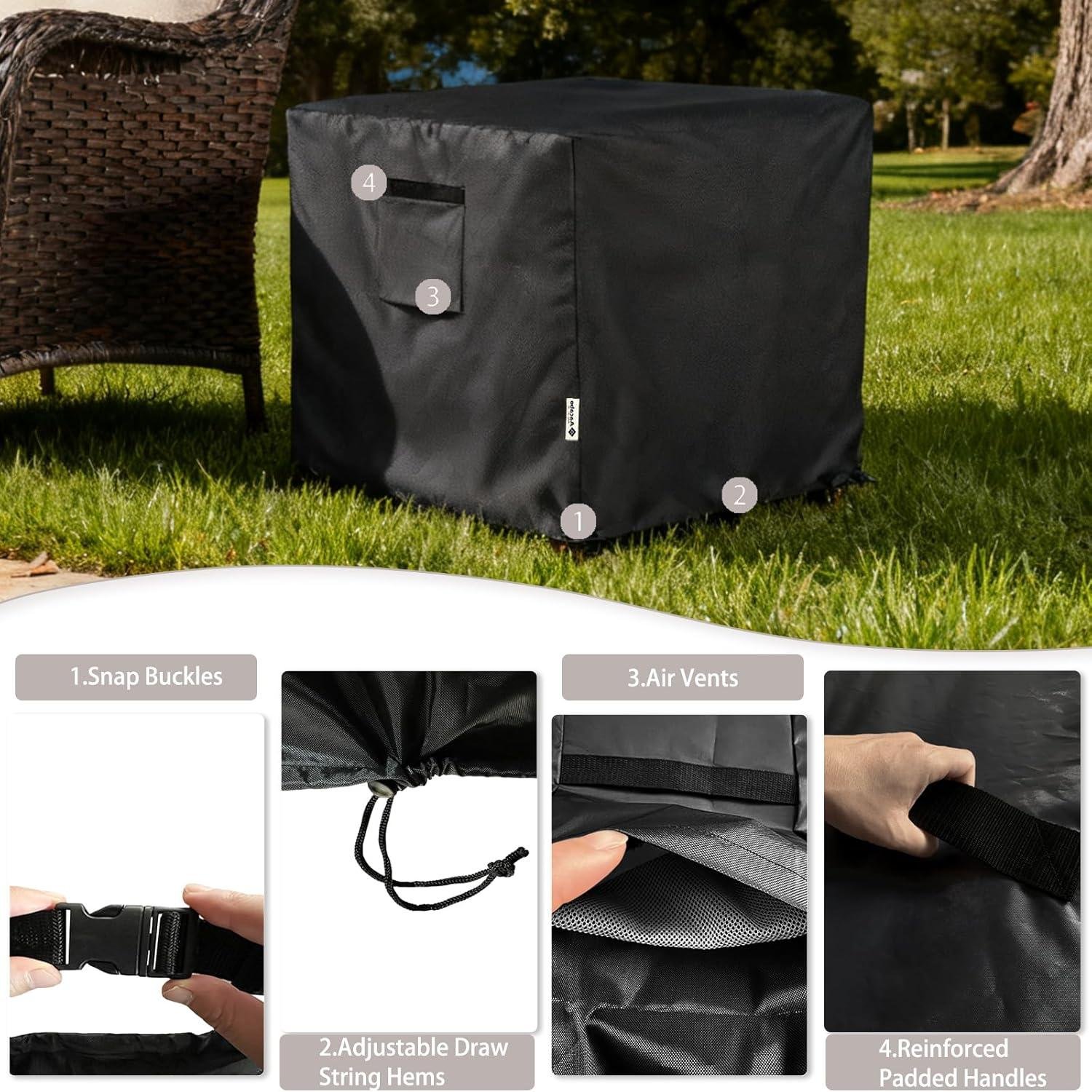
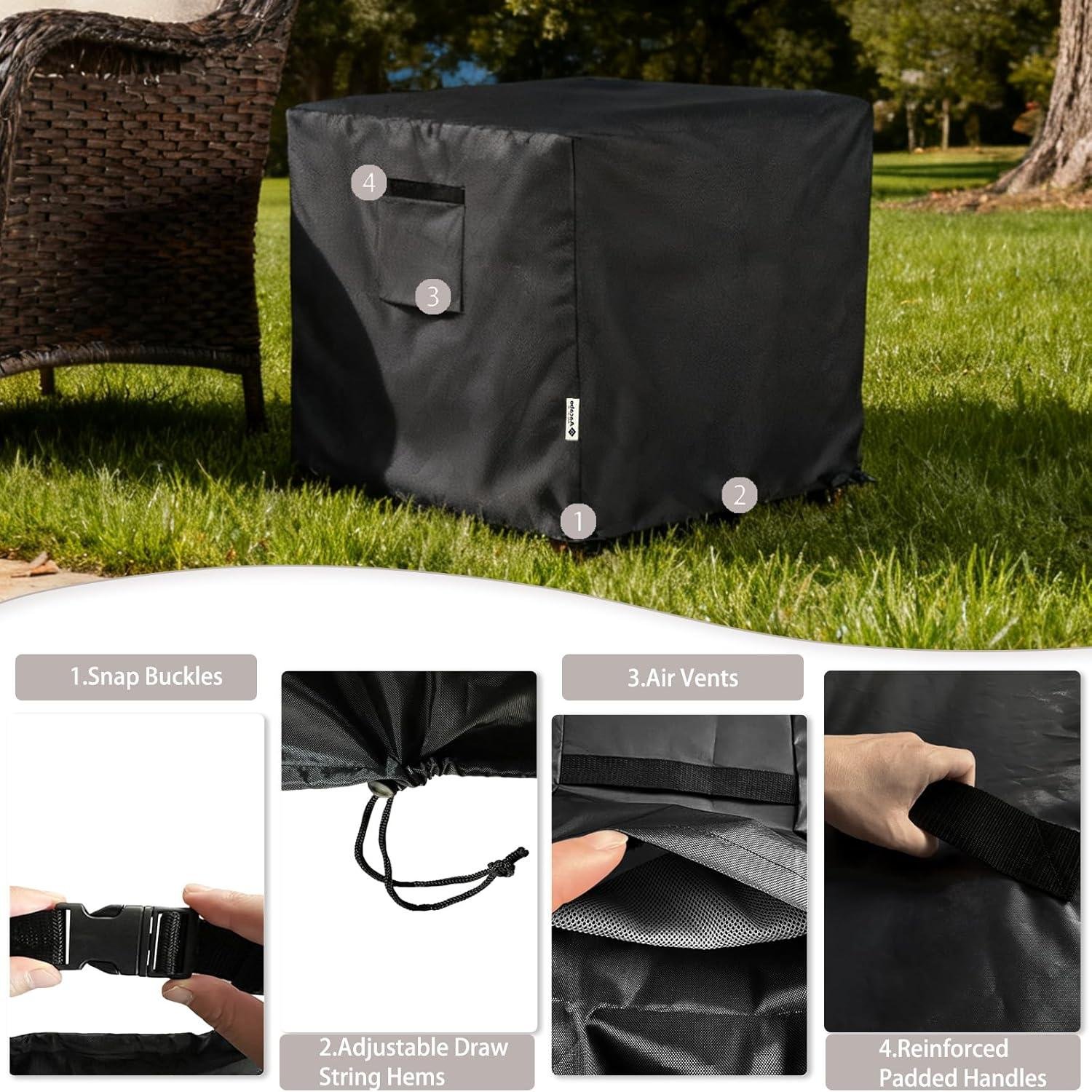
That’s what led me to try the Patio Wicker Side Table Cover (22W x 22D x 18H) for my small bistro-style setup. On paper it checked the boxes I look for with a craftsman’s eye—full coverage to keep sunlight off the top, oxford fabric with a PU waterproof layer for real rain protection, and the kind of details that usually separate “good enough” from “thoughtfully made”: air vents to reduce condensation, and drawstring hems plus leg straps to keep it from turning into a sail on windy days.
In this review, I’ll walk through how it fit my 22-inch square side table, how it handled actual patio conditions—sun, overnight dew, a couple of soaking rains—and whether the materials and stitching feel like they’ll hold up season after season without cracking, fading, or getting that stiff, tired look cheaper covers tend to develop.
First Impressions of the Fit and Finish on My Patio Side Table Cover
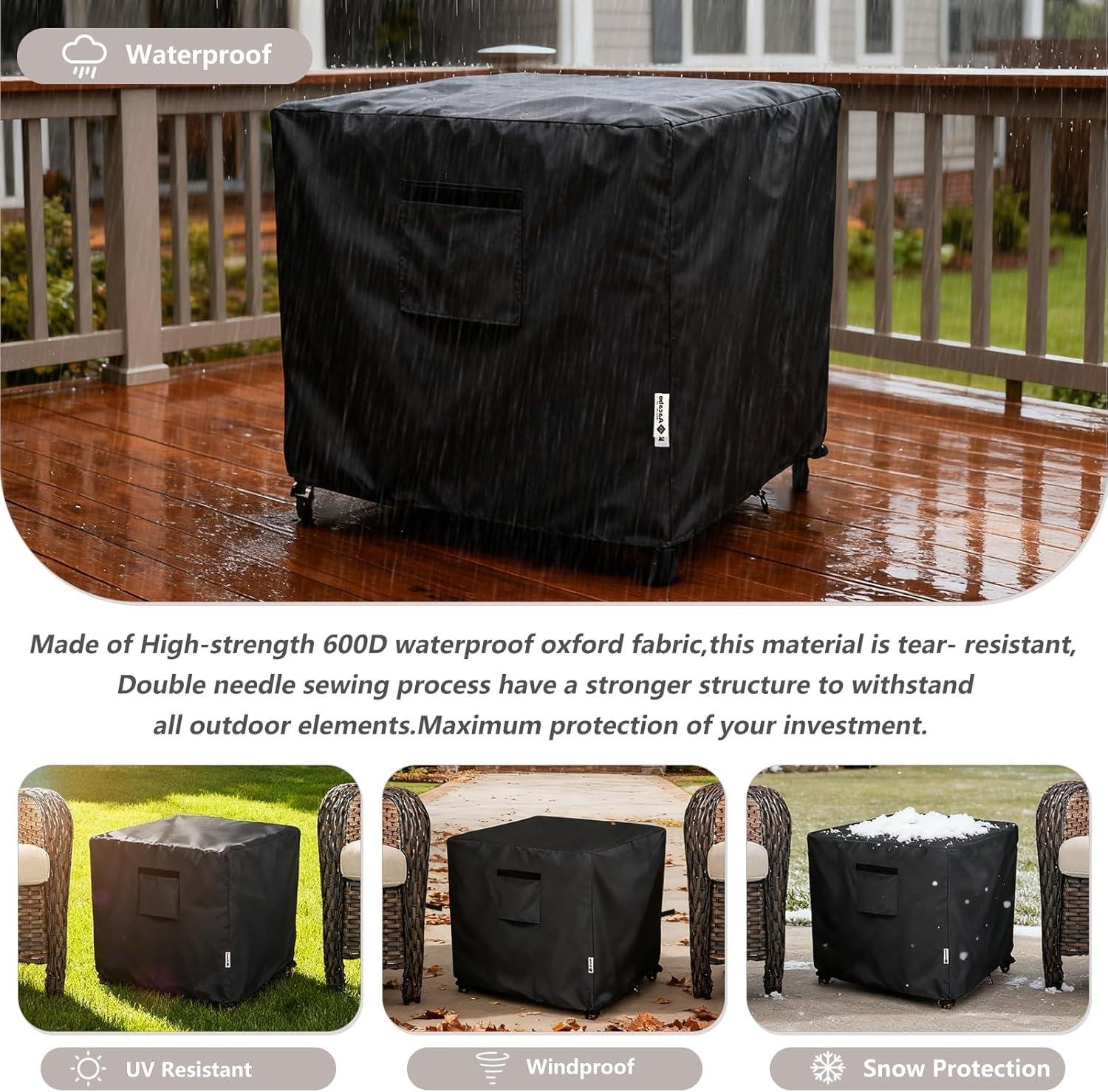
right out of the package, the cover felt more “shop-ready” than flimsy—lightweight enough to slip on in seconds, but with that crisp hand you get from a tightly woven Oxford fabric. The cut is true to a 22″ square side table, and the way it drops straight down over the corners reminded me of a well-fit apron on a workbench: no odd puckers, no twisted seams. The PU-backed surface has a clean, consistent finish that should bead water instead of soaking, and the material didn’t give off that loud plastic crinkle that usually signals short-lived outdoor gear. If you’ve ever babied a small teak, acacia, or eucalyptus side table to preserve its grain and color, the full-coverage design makes immediate sense—less sun bleaching on the top, fewer seasonal swings in moisture on the edges.
| Fit & finish check | What I noticed | Why it matters (woodworker’s take) |
|---|---|---|
| Coverage & drape | Square profile sits clean over corners; full coverage down the sides | Protects end grain and edge banding on wood tops—common failure points outdoors |
| Venting | Two air vents built in | Helps prevent condensation that can haze finishes and encourage mildew in joints |
| Securement | Dual drawstring hems + snap straps that cinch around legs | Stops wind “lofting” that can scuff a tabletop finish like sandpaper over time |
| Material feel | Breathable, tough, and not overly stiff | Less likely to crack, deform, or abrade delicate stain/varnish layers |
- Stitching & seams: Laid flat and even—no obvious weak spots where water typically wicks in.
- Ease of fitting: Slides on without fighting the corners; cinches down tight once positioned.
- weather-readiness: Built for rain,frost,and snow,which is exactly when outdoor joinery (and cheap finishes) start to complain.
If you’re trying to keep a small patio table looking “fresh off the clamps” instead of sun-faded and water-spotted, this one gives a solid first impression on both fit and build quality. Check current price and availability on Amazon
How the Waterproof Fabric and Seams Have Held Up Through Real Weather
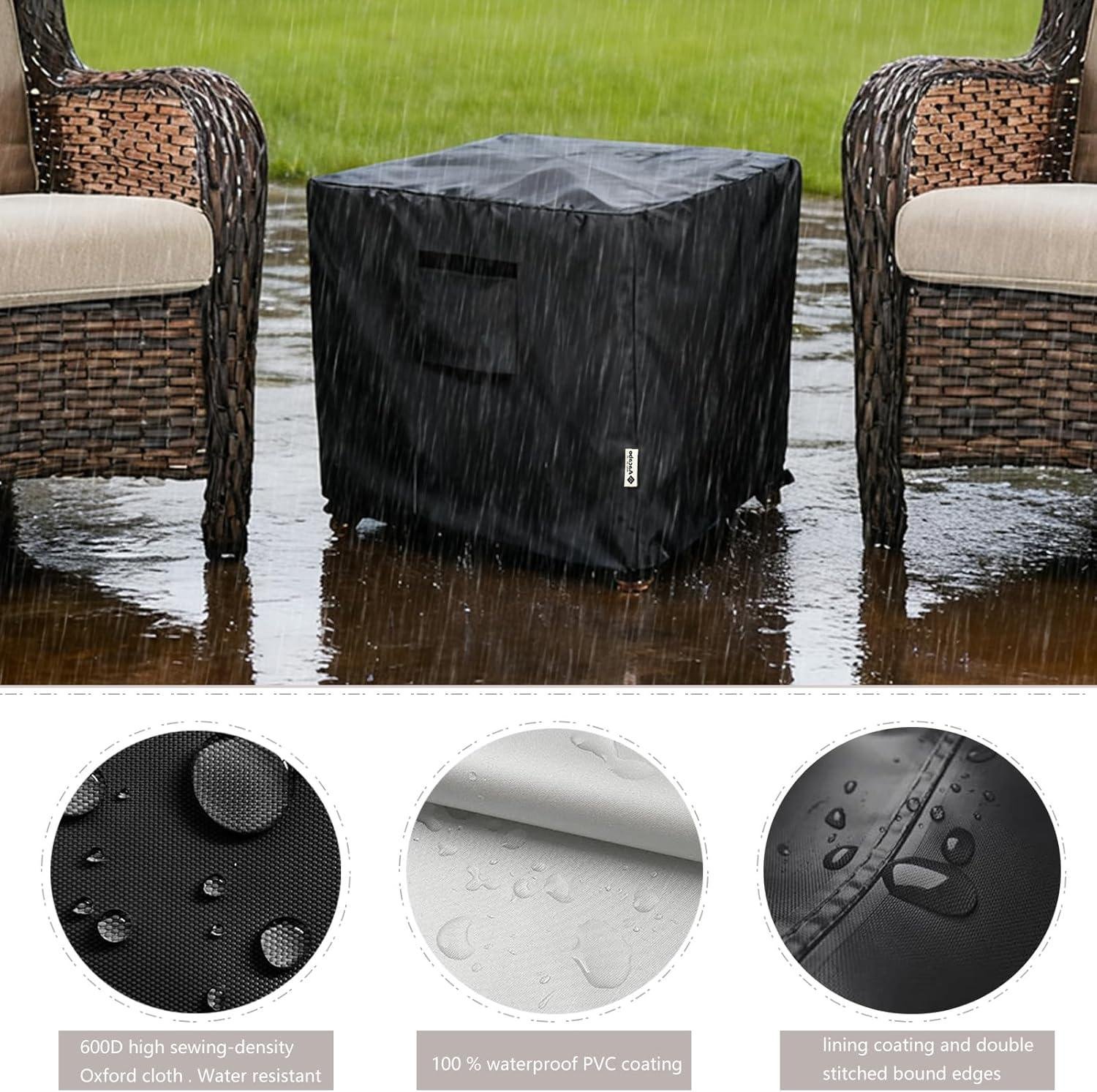
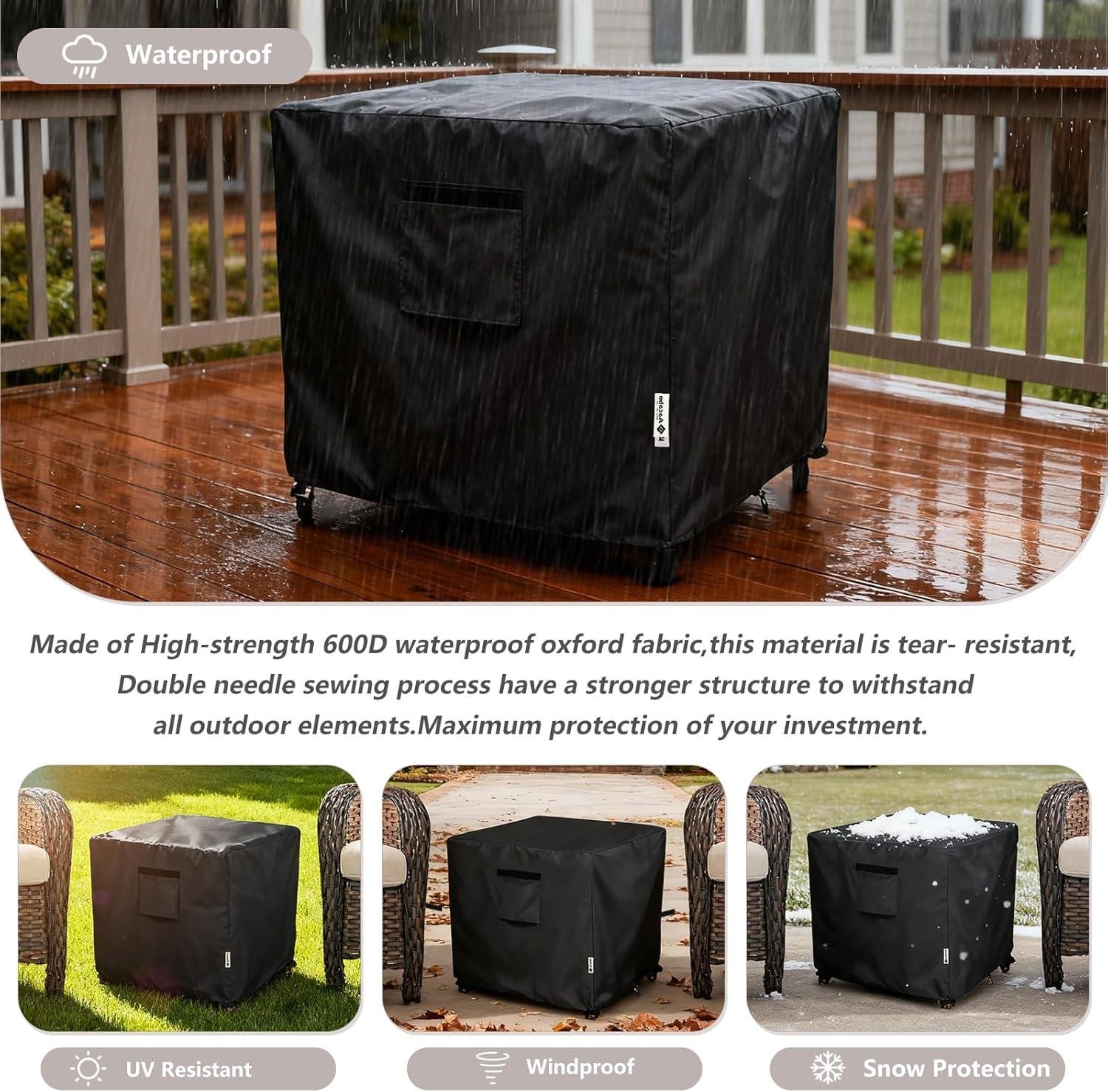
What I care about most with any cover is how it behaves when the weather is actually trying to wreck your patio. This one’s Oxford fabric with a PU waterproof layer, and in steady rain it shed water cleanly instead of “wetting out” and clinging to the table like a sponge.The seams have stayed tight and didn’t start weeping at the corners—those corners are where a lot of covers fail, especially after wind flapping. I’ve also appreciated the two air vents; they do a solid job cutting down condensation so the space underneath doesn’t turn into a humid box. That matters whether your top is wicker, powder-coated steel, or a hardwood slab—moisture trapped under a cover is the fast lane to mildew, rust blooms, and a cloudy finish.
- Waterproof Oxford + PU backing: shrugs off rain/snow and doesn’t feel brittle when temps drop.
- vent placement: helps prevent that damp haze that can raise grain on softer woods.
- Full-coverage square cut: keeps sun off the edges—crucial for finishes that fade at the perimeter first.
Wind is the other real test, and the drawstring hems plus snap straps that grab the legs have kept it from ballooning and chafing against the corners. That’s a small detail, but as a woodworker I think about abrasion the same way I think about a loose apron rubbing a table leg: over time it scuffs finishes and can even polish high spots oddly. With this cover cinched down,there’s less movement,which means fewer rub marks and less grit working like sandpaper on whatever surface is underneath. If your bistro set includes wood—teak slats, acacia, or even a film-finished eucalyptus top—stable coverage helps the finish last longer and keeps joints (especially glued edge joints and simple dowel joinery) from cycling through wet/dry swings.
| Weather factor | What I saw in use | Why it matters for outdoor furniture |
|---|---|---|
| Heavy rain | Water beads and runs off; no obvious seep at seams/corners | Less swelling/raising grain on wood tops; less corrosion on metal frames |
| Wind gusts | Drawstrings + leg straps keep a tight fit; minimal flapping | Reduces finish scuffing and corner wear from fabric movement |
| Condensation / humidity | Vents noticeably reduce trapped moisture | Helps prevent mildew and finish clouding; kinder to wicker weave |
| Sun exposure | full coverage shields edges and top evenly | Slows UV fade—especially on oiled woods and stained finishes |
Check current price & availability on Amazon
Living With It Day to Day Ease of Use Storage and Overall Comfort
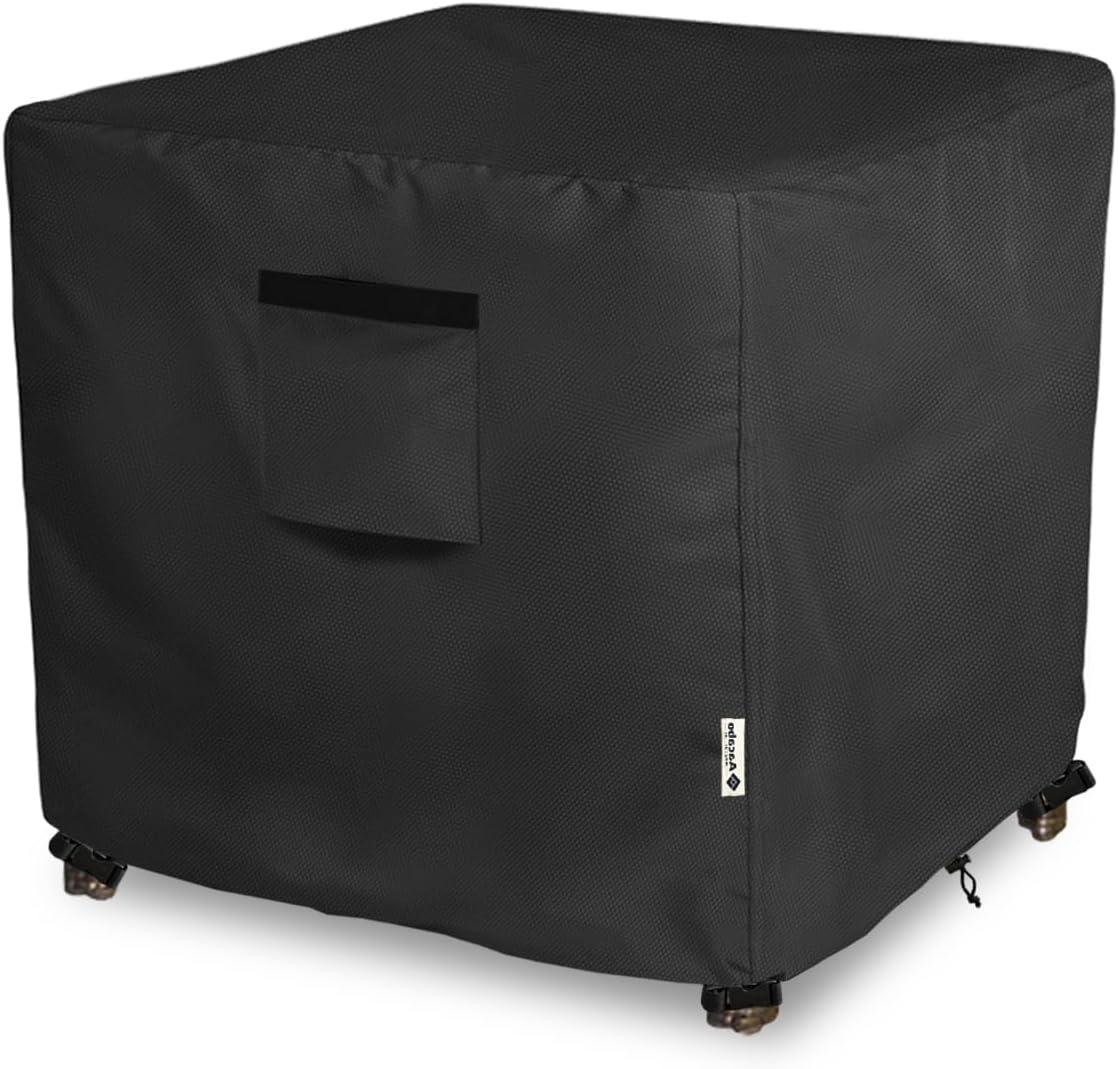
Day to day, this cover is the kind of “set it and forget it” protection I appreciate—especially when I’ve got a bistro set with real wood accents (teak, acacia, or even eucalyptus trim) sitting out in full weather. The cut is sized for a 22W x 22D x 18H square side table, and in use it slips on without a wrestling match thanks to the lightweight Oxford fabric. I like that the design aims for full coverage; on wood-topped side tables,UV exposure is what bleaches out grain contrast and dulls a good finish fastest,so keeping the sun off the surface helps preserve that “freshly oiled” look longer. The 2 air vents are the detail that matters most for comfort in real life—covers that seal too tight can trap humidity, and that’s when you start seeing cloudy film on clear finishes, raised grain, or mildew around joinery lines.
| Daily-use feature | What it does in practice | Why I care (woodworker’s take) |
|---|---|---|
| Two air vents | Reduces wind lofting and helps prevent condensation | Less trapped moisture means fewer finish issues (blushing, mildew) and less swelling at joints |
| PU-coated oxford fabric | Waterproof, tough, and breathable enough for routine outdoor use | Helps keep end grain and underside edges from staying wet—where rot often starts |
| Drawstring hems + leg straps | Snugs down and stays put on gusty days | A cover that flaps can scuff finishes; a tight fit is gentler on stained tops and painted frames |
Storage is straightforward: it folds down small and doesn’t feel like it’ll crack or crease into permanent lines after a few stows. When I’m actually living with it, the windproof bits do the heavy lifting—two drawstring hems cinch the bottom, and the attachment straps snap around legs so it doesn’t ride up and expose corners. That matters because table corners are where finishes wear first, and on wood furniture those corners often reveal heartwood/sapwood contrast or laminated edges that you want to keep stable. A couple of practical notes I’ve noticed with covers like this:
- Seat the hem below the tabletop edge so rain sheds away from the surface instead of pooling near the rim.
- Leave the vents unobstructed—airflow is what keeps your finish and joinery from living in a damp microclimate.
- If your set mixes wicker with wood (common on bistro pieces), this cover helps keep the wicker from holding moisture against wood rails or stretchers.
Check current price and details on Amazon
Is It Worth the Price for a handcrafted Outdoor Living Look
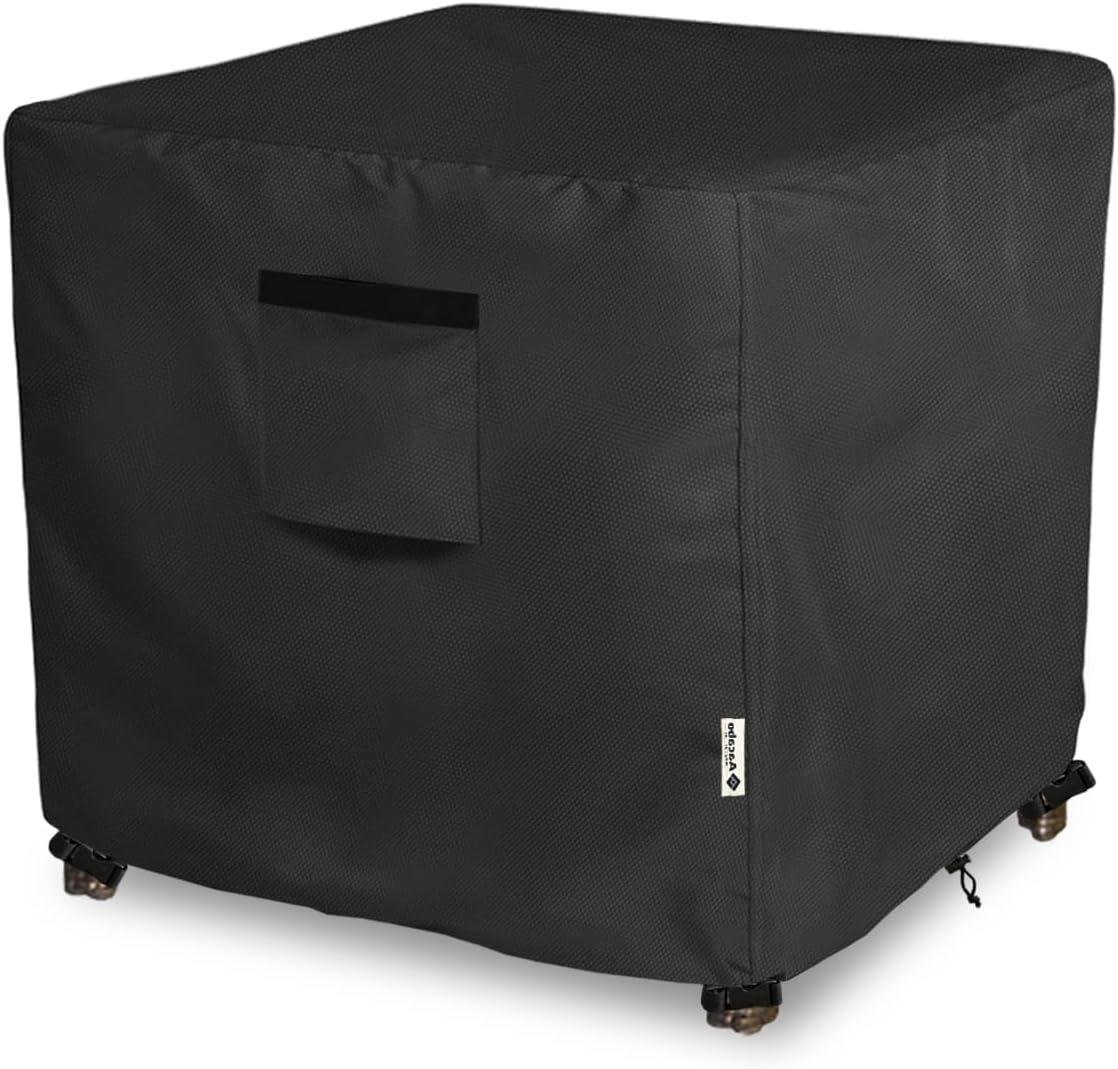
For the price, this cover earns its keep if you’re chasing that handcrafted outdoor-living look—meaning: furniture that stays crisp, not bleached-out and tired. I spend a lot of time dialing in grain match, tight joinery, and a consistent film finish on outdoor pieces, and sun + moisture are the two usual culprits that turn good work into “weathered” work fast. The 100% coverage square cut does what a good shop-made dust cover does for a tabletop: it keeps UV off the surface so your stain tones and topcoat sheen don’t drift, and it helps prevent the seasonal swelling/shrinking cycles that can open up miters or stress glue lines on wood-framed outdoor sets. The Oxford fabric with PU waterproofing feels like a practical upgrade over thin vinyl—lightweight enough to slip on without wrestling, but tough enough that it shouldn’t kink, crack, or deform when you get that mix of rain, frost, and sudden sun.
| Feature | Why it matters (from a woodworker’s viewpoint) | Value verdict |
|---|---|---|
| 2 air vents | Reduces condensation—less chance of cloudy finishes, black staining, or fastener corrosion around leg joints. | Worth paying for |
| Drawstring hems + leg straps | Keeps the cover from flapping like sandpaper in wind,which can dull a clear coat or scuff paint on edges. | Smart, practical |
| 22″W x 22″D x 18″H fit | A snug fit protects corners and skirts better—baggy covers invite water pooling and abrasion. | Solid if your table matches |
| All-season materials | Less shrinking/fading means it keeps doing its job without becoming brittle or loose over time. | Good long-term value |
- Best use: protecting a finished top (teak oil, spar varnish, painted MDF, or poly over hardwood) from UV and standing moisture.
- Watch-out: even with vents,I still recommend letting wet furniture dry before covering for the longest finish life.
If you want your patio set to look “shop-fresh” longer—clean lines, consistent color, and fewer finish touch-ups—this is one of those small purchases that supports the bigger investment you’ve already made in materials and craftsmanship. Check current price and availability on Amazon
Customer Reviews Analysis
What Real Buyers Are Saying
I went looking for real-world feedback on this
22” waterproof wicker side table cover to see how it performs once it’s actually living on a patio—
through sun, rain, wind, and the day-to-day shuffle of outdoor furniture.
Right now, there aren’t customer reviews available for this specific listing, so I can’t truthfully quote or summarize buyer comments yet.
That said, I still want this section to be useful—especially for CraftedByGrain readers—so below is the exact
review checklist I’ll use the moment reviews start coming in. If you’re trying to decide today, this will help you evaluate the cover like a woodworker: not just “does it fit,” but “does it actually prevent the kind of moisture damage that ruins joinery, swells panels, and hazes finishes?”
| Topic I’m Watching For | What Matters (Especially for Wood & Finish) | What I’ll Call a “Good” Sign in Reviews |
|---|---|---|
| Waterproofing & seam performance | Moisture creeping in is what leads to swollen edges, mildew, and finish failure on outdoor tables. | Buyers mention dry tabletop after storms, no seepage at corners, and no pooling issues. |
| Fit on a 22” square side table | A cover that’s too tight can abrade the finish; too loose flaps and scuffs corners. | “Fits snug,” “stays put,” “doesn’t balloon in wind,” and straps/hem actually help. |
| Finish durability / abrasion | Even a good outdoor finish can get micro-scratched by gritty fabric if it rubs in the wind. | Buyers note no scuffs on stained/painted surfaces; minimal rubbing marks over time. |
| UV resistance & fabric aging | Sun breaks down coatings and stitching; once seams go, water follows. | Reports of no cracking, no seam splitting, and color holding up after a season. |
| Outdoor longevity (rain/snow/wind) | one weekend is easy—one season is the real test. | Reviews that mention multi-month use with consistent protection and no tearing. |
| Ease of use (on/off) | If it’s a hassle, peopel stop using it—and the table takes the hit. | “Easy to put on,” “lightweight,” “dries fast,” “handles well.” |
| Assembly notes | This is a cover, so there’s typically no assembly—buyers sometimes still mention confusing straps or closures. | Clear strap/closure setup; no fiddly hardware; straightforward instructions (if included). |
| Wood quality observations | This product doesn’t include wood, but buyers sometimes talk about the wood table it’s protecting. | Any mention that their wood-topped bistro table stayed flatter, cleaner, and finish-safe under the cover. |
Sentiment Summary (So far)
Since there aren’t published buyer reviews to aggregate yet, here’s an “as of today” snapshot. I’ll update this table
once real ratings/comments appear.
| Sentiment | typical Clues in Reviews | Count (Current) |
|---|---|---|
| Positive | Stays dry, fits well, no tearing, stitching holds, easy on/off | 0 |
| Mixed | Mostly good but issues like loose fit, minor pooling, or strap annoyance | 0 |
| Negative | Leaks at seams, fabric cracks, tears quickly, blows off, finish scuffing | 0 |
The Woodworker’s Angle: What I’d Pay Attention To
-
Moisture marks and finish haze: If reviewers mention cloudy spots, tacky finish, or mildew smell, that’s a red flag for trapped humidity.
- Edge protection: Table edges are where veneer lifts and solid wood checks first. I’m looking for comments about corners staying dry and crisp.
-
Wind behavior: Flapping is basically sandpaper. Any mention of “rubs in the wind” matters more than people think.
-
Stitching and hem quality: In outdoor gear, thread failure often comes before fabric failure. Buyers who note seam strength are gold.
If You’ve Bought It…
If you’re using this cover over a wood-topped bistro side table (teak, acacia, eucalyptus, painted pine—anything), I’d love to know:
did it keep the surface dry after a hard rain, and did it avoid scuffing the finish over time? That’s the kind of detail
that helps other buyers—and it’s exactly what I’ll add here when reviews are available.
Pros & Cons
Pros & Cons
Even though this is “just” a cover, I look at it the same way I’d look at a good shop-made jig or a well-built outdoor piece: does it fit right, does it hold up to weather, and are the details thoughtfully executed? Here’s my honest take after sizing it up for a typical 22″ x 22″ x 18″ wicker/bistro side table.
| Pros | Cons |
|---|---|
| True, practical sizing for a 22″ square side table. If your table is actually close to 22W x 22D x 18H, the “pattern” makes sense and you’re not fighting extra fabric. | Fit tolerance is still the whole game. If your top overhangs,you’ve got tall items on it,or the table is slightly oversized,you may end up with a tight cover that rides up—or a loose fit if your table is smaller. |
| Wind-management is better than the average cover. Drawstring hems plus leg straps are the equivalent of good joinery in the cover world: they keep things from shifting when the weather tests it. | Straps and buckles are wear points. Like any outdoor hardware, the snaps/straps are frequently enough the first thing to degrade (UV, grit, yanking them tight). I’d handle them with a little care. |
| Vents are a smart “finish” detail. The two air vents help reduce that damp microclimate that can encourage mildew—especially important if you’re covering real wood or wood-look tops. | Vents can be a tradeoff in sideways rain. They’re there for breathability, but in certain wind-driven storms, vent placement can still allow some moisture movement. |
| Oxford fabric with PU coating is a solid outdoor material choice. Think of it like a tough shop apron for your furniture—lightweight,flexible,and generally more weather-capable than thin vinyl. | “Waterproof” isn’t the same as “never leaks, ever.” Over time, coatings can fatigue, seams can be the weak link, and sitting water on the top can find a way in if the cover doesn’t shed well. |
| Helps protect the stuff woodworkers actually care about. if your bistro set has any wood components, decent coverage is huge for finish consistency—less UV bleaching, less checking, less constant re-oiling. | it won’t fix poor outdoor construction. If your table has marginal “joinery” (loose screws, wobbly frames) or a weak finish, a cover only slows the damage—it doesn’t make the piece outdoor-grade. |
| Easy “assembly.” no real setup beyond slipping it on and cinching it down—nice if you’re the type that prefers building furniture over fiddling with accessories. | Needs a little routine to work its best. You’ll still want to periodically lift it and let things breathe, especially in humid seasons, or you can trap moisture underneath. |
| Good for keeping wicker looking crisp. Wicker (especially resin wicker) lasts longer when it’s not baking in sun or staying wet for days—this cover aims to cut down that exposure. | Lightweight can mean “flappy” if not cinched. If you don’t snug the drawstrings and strap it over legs, wind will find that slack and work it like a sail. |
| Good value if it extends the life of the set. If a modestly priced cover saves you from premature fading, rust, or refinishing, it’s money well spent in my book. | Long-term durability is the unknown. Without seasons of sun, freeze/thaw, and repeated on/off cycles, it’s hard to call it “buy it for life.” Most covers are consumables eventually. |
Bottom line from my bench: as a protective layer, this cover checks a lot of the boxes I like—secure hold-downs, venting, and a sensible material choice. Just remember: the best results come from a good fit and a little maintenance (drying it out now and then), the same way a good outdoor finish still needs a refresh schedule.
Q&A
Q&A: Patio Wicker Side Table Cover (22″ x 22″ x 18″)
Q: As a woodworker, why should I bother covering a wicker side table in the first place?
Because sun and water are the two things that quietly age outdoor furniture the fastest—whether it’s wicker resin, a wood top, or even painted metal frames. A cover like this helps reduce UV bleaching, keeps rain from sitting in seams, and limits grit and pollen from working like sandpaper over time.In my experience, covering small tables makes a noticeable difference in how “new” they look season to season.
Q: Will this actually fit a square 22” x 22” x 18” bistro side table, or is it one of those “close enough” covers?
On tables in that exact size range, it’s a proper fit. The cut is meant for a square footprint, and the stated dimensions (22W x 22D x 18H) match the common small wicker bistro side table pretty well. My advice: measure the widest points (including any top overhang/lip). If your table is a hair under, you’ll get a cleaner, less-flappy fit.
Q: What’s the material, and does it feel like it’ll hold up outdoors?
It’s an Oxford fabric with a PU (polyurethane) coating. In plain terms, that means it’s a woven synthetic shell with a waterproof backing. It feels lightweight compared to heavy vinyl covers, but not flimsy—more like a tough outdoor gear fabric. for everyday patio use (rain,sun,dust,occasional snow),it’s the right kind of material for the job.
Q: Does the PU-coated Oxford fabric really stay waterproof, or does it wet out?
In use, it sheds water well—especially when it’s clean and the coating is fresh. Like most coated fabrics, long-term waterproofing depends on how it’s treated: keep it free of grime, don’t store it wet for long periods, and avoid sharp corners rubbing from underneath. If you see water starting to “cling” instead of bead, cleaning it usually helps.
Q: How does it handle wind? I’ve lost covers to gusts before.
This one is clearly designed with wind in mind.It has:
- Two drawstring hems at the bottom to snug it down
- Attachment straps that snap around the legs, which is what really prevents the “parachute effect”
If you’re in a windy yard like mine, those leg straps are the difference between a cover that stays put and one you find in the neighbor’s bushes.
Q: What do the two air vents actually do—are they just marketing?
They genuinely matter. Covers fail in two ways: they either blow off, or they trap moisture. The two vents help equalize pressure in gusts (less ballooning) and reduce condensation buildup underneath. That’s important if your table has any wood elements, fasteners, or woven details where moisture likes to linger.
Q: will it protect against UV, or is it mainly for rain?
It’s doing both, but I’d call its biggest day-to-day value sun protection. The “100% coverage” approach keeps the tabletop and edges out of direct exposure, which helps prevent fading and brittleness in wicker/resin and helps finishes last longer on painted or stained surfaces. If your patio gets full afternoon sun, a cover is basically cheap insurance.
Q: Is it safe to put this over a table with a wood top (teak, acacia, etc.)?
Yes—with one caveat: don’t trap moisture. Even with vents, I try not to cover furniture when it’s actively wet from rain or washing. Let the table dry, then cover it. That keeps you from creating a humid little greenhouse that can stress a finish or encourage mildew.
Q: Does it scratch finished surfaces or snag on wicker?
The fabric is relatively smooth, and I haven’t found it abrasive like some stiff vinyl covers can be. Still, if your table has sharp wicker ends, exposed staples, or decorative metal corners, those can wear a hole in any cover over time. If you’ve got pointy spots, I’d sand/clip them back or add a small protective patch at the contact points.
Q: How easy is it to put on and take off—can I do it one-handed?
For a small 22″ square table, yes. The lightweight fabric helps, and the drawstrings make it easy to cinch without wrestling. Snapping the leg straps takes a few extra seconds, but that’s time well spent if wind is a factor.
Q: How do you clean and store it without ruining the waterproofing?
I keep it simple:
- rinse or wipe with mild soap and water
- Avoid harsh cleaners or solvent sprays
- Let it dry fully before folding/storing
That last part is big—storing it damp is how you end up with funk, mildew spots, or a coating that degrades faster.
Q: Any downsides or “gotchas” you noticed?
Two practical ones:
- Exact fit matters. If your table is taller than 18″ (some have thick tops or feet levelers), you may find it rides up.
- Covers still need airflow. The vents help, but I wouldn’t treat it like a vacuum-sealed solution—give furniture a chance to dry out after heavy storms.
Q: Who is this cover best for?
If you’ve got a 3-piece wicker bistro set with a small square side table and you want somthing that’s waterproof, wind-resistant, and easy to use, it’s a solid pick. It’s especially worthwhile if you care about keeping finishes looking clean—whether that’s wicker weave, a painted top, or a wood accent surface.
Seize the Opportunity
Wrapping up my take on this 22” waterproof wicker table cover, it lands in that sweet spot where everyday practicality meets the kind of thoughtful “fit and finish” I appreciate as a woodworking enthusiast. Outdoor pieces—especially bistro sets and small side tables—tend to take the brunt of sun, surprise storms, pollen, and whatever the season throws at them. A well-built table deserves better than constant weathering, and a good cover is one of the simplest ways to protect the work you’ve invested in (or the craftsmanship you paid for).
What I like here is the attention to the details that actually matter outside: the 100% coverage square design helps keep surfaces from baking and fading, the Oxford fabric with PU coating is built for real weather (rain, frost, snow), and those two air vents are a smart touch to reduce wind lofting and cut down on that trapped moisture that can led to musty smells or condensation. Add in the drawstring hems and leg straps, and you’ve got a cover that’s designed to stay put when the wind kicks up—not just look good on a calm day.
At the end of the day,my goal with any backyard setup is the same ideology I bring to the shop: choose quality,protect it,and let it age gracefully. The right outdoor pieces can turn a plain patio into a handcrafted retreat—a place that feels intentional, welcoming, and built to last. If your 3-piece wicker bistro set includes a 22” side table, this cover is an easy, sensible upgrade that helps keep everything looking “new” longer with minimal fuss.