

Blog
Veradek Demi Planter Stand Review: Right for Our Shop?

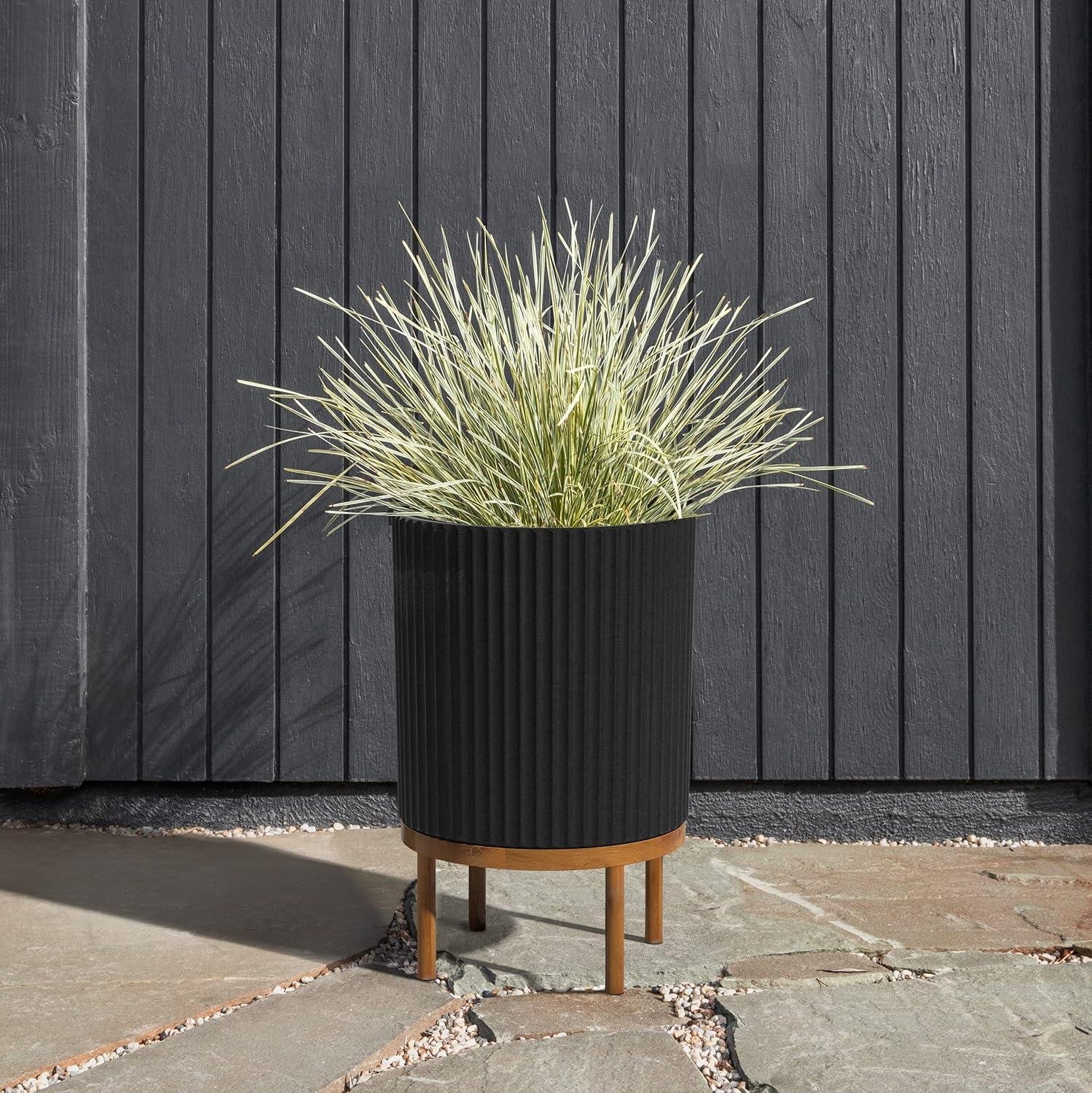
Ever build a quick porch stand or plant pedestal,only to watch it wobble on uneven boards,take on moisture,or eat up precious shop time you’d rather spend on joinery? For many of us,the challenge isn’t just making something look good—it’s getting repeatable precision,durable materials,and a clean “finished” result without turning a small project into a weekend-long fix.
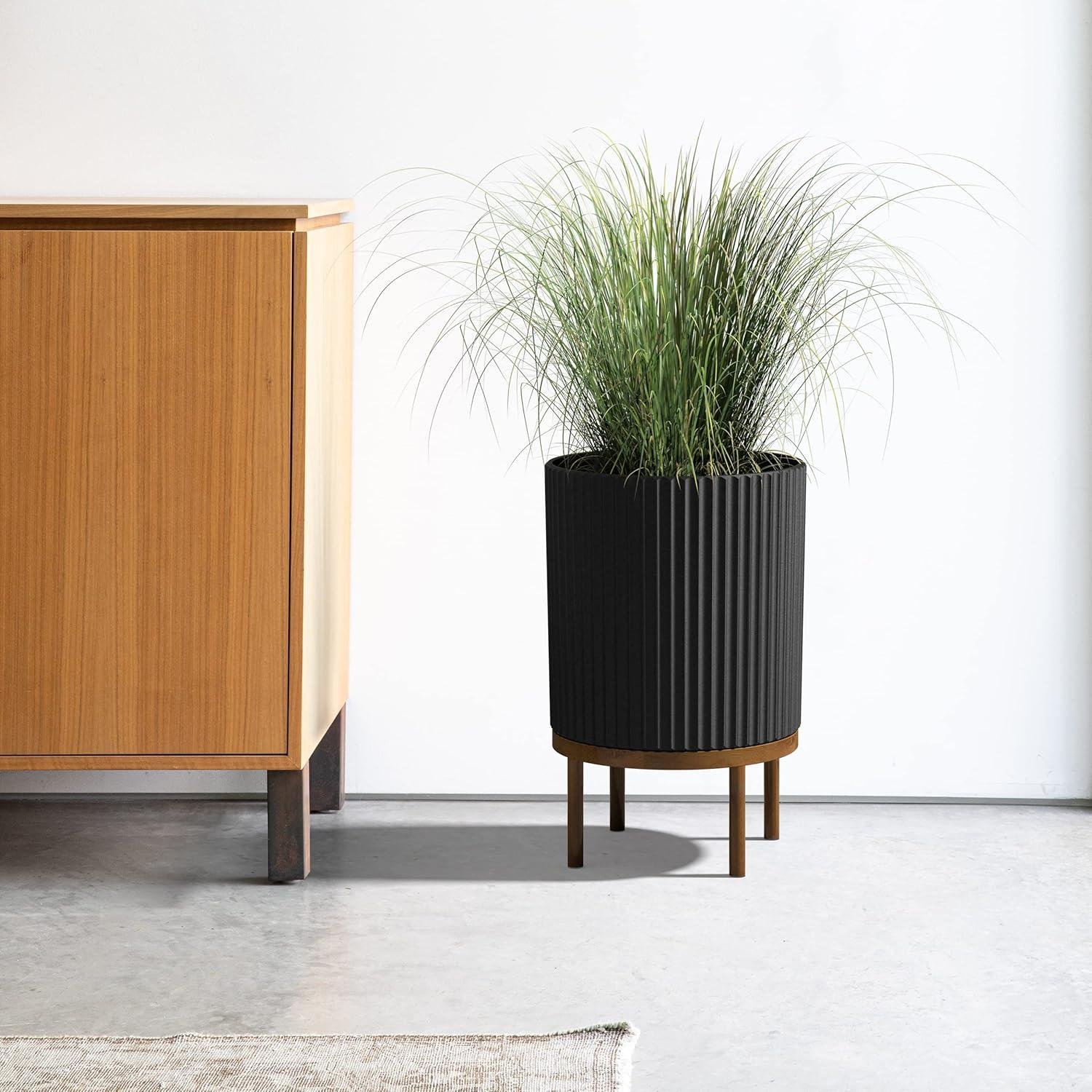
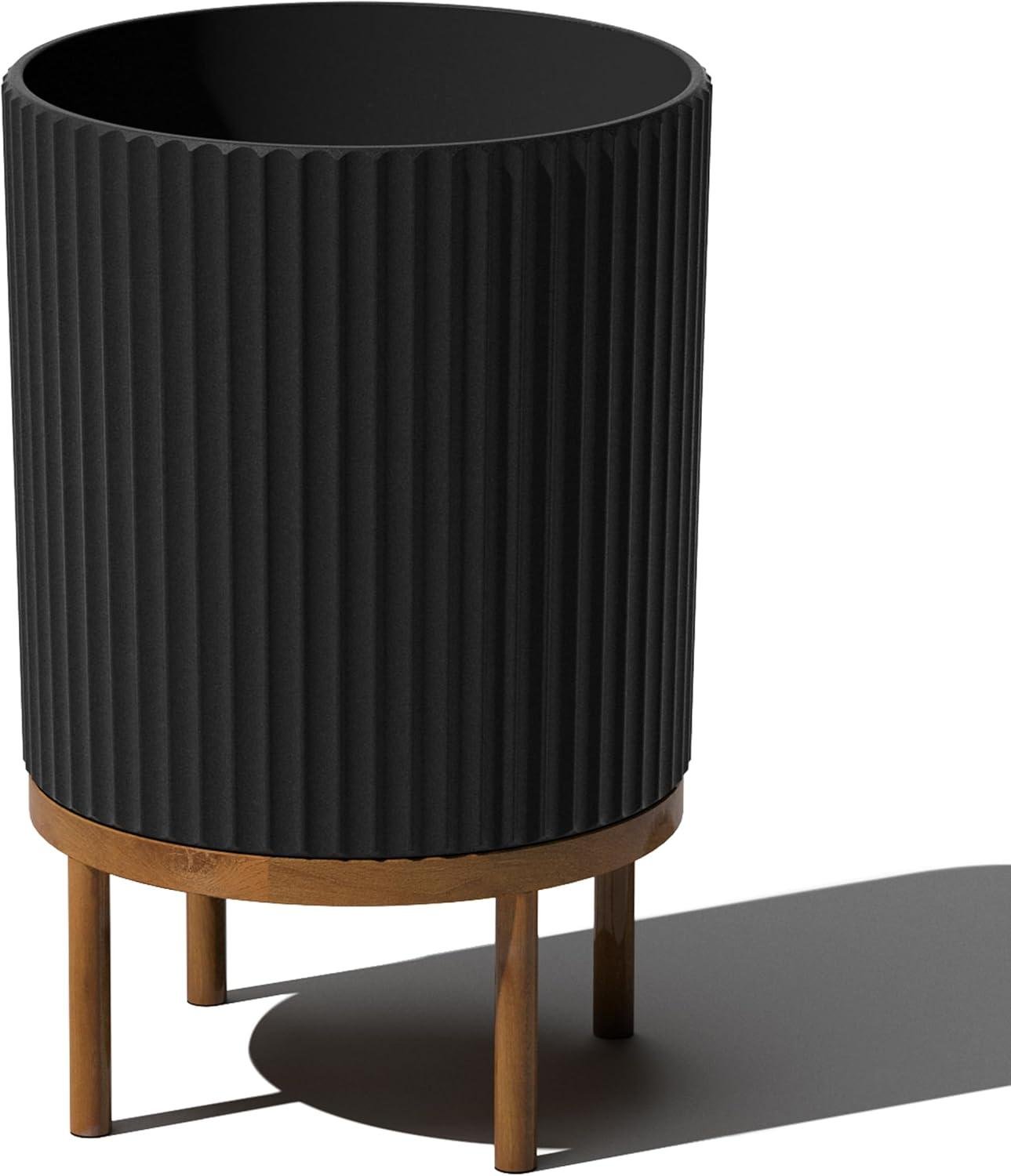
That’s where the Veradek Demi Series Round Planter with Stand comes in.While it’s not a cutting tool, it is a woodworking-adjacent piece: a 14.75″ diameter, 16″ tall planter (about 22″ tall on the stand) made from a plastic-stone composite with a subtle texture, paired with an acacia wood stand for a modern, elevated look. Veradek says it’s all-weather resistant to cracking, scratches, UV, and fading, and rated for climates from -20 to +120°F.
In this review,we’ll look at build quality,stability,space efficiency,and value—plus what customers commonly mention about durability and day-to-day use. We’ll also draw on our general shop experience with outdoor wood, finishes, and what usually fails first on patio pieces.
First Impressions and Build Quality of the Planter and Wooden Stand
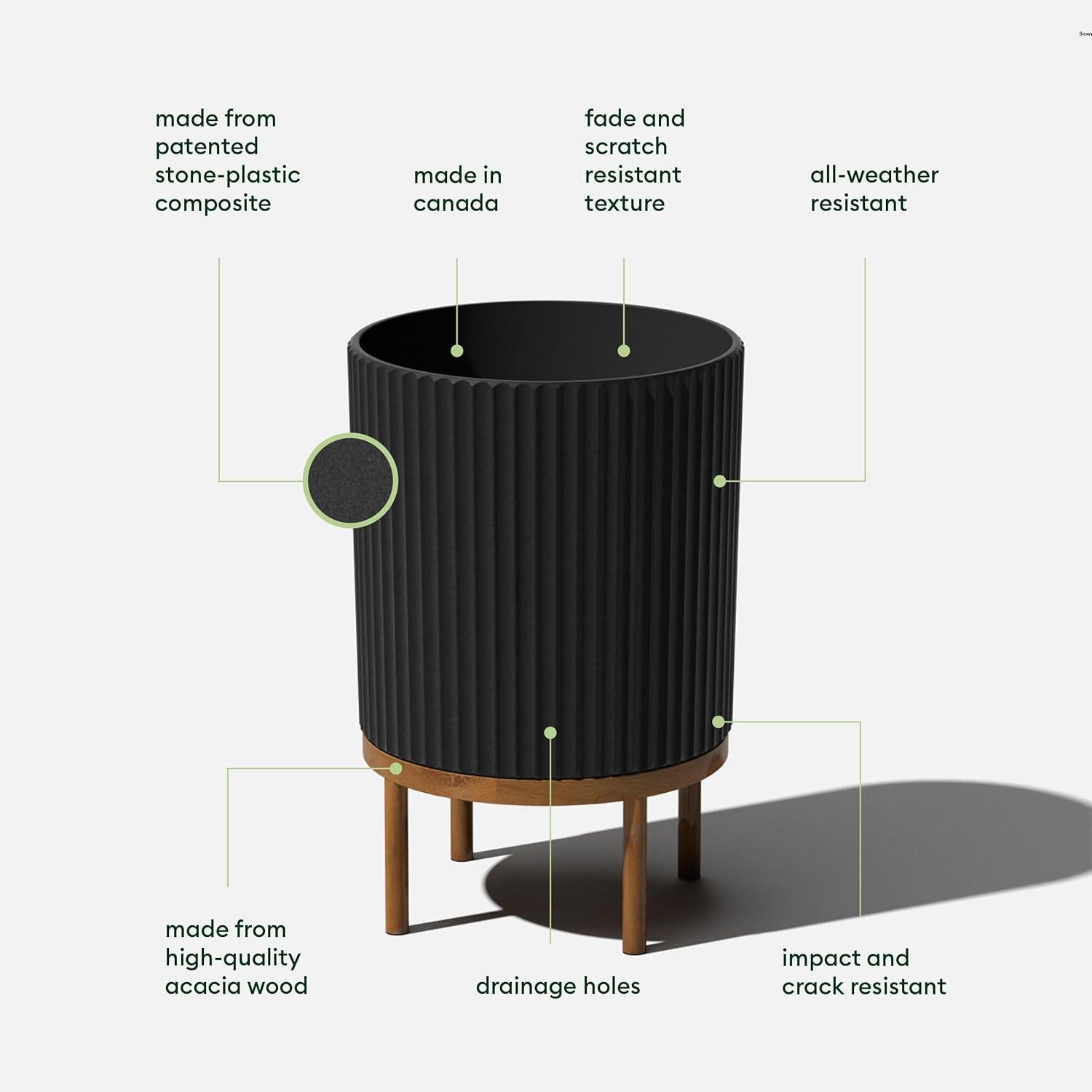
When we unboxed the Veradek Demi Series Round Planter with Stand,our first read was “shop-pleasant,client-facing.” The planter body has a modern ribbed texture and a subtle, stone-like finish, and the dimensions are clear and practical for planning a build around it: 14.75″ diameter x 16″ tall, and 22″ tall on the stand. In the woodworking mindset, that 22″ overall height matters—it’s roughly end-table height, which makes it a good reference point if we’re building a matching porch bench, a plant grouping platform, or a quick corner pedestal to tie the arrangement together. Multiple customers echo that it “looks high-end” and “very sturdy,” yet is also “surprisingly lightweight & easy to move,” which aligns with the product’s plastic-stone composite construction: it won’t behave like fired clay in terms of weight or impact, but it’s easier for us to reposition during layout, staging, or sweeping the shop. Reviews also consistently mention that it “drains nicely” and is “good height off the ground,” a welcome detail if we’re trying to keep wooden deck boards drier by elevating planters and allowing airflow underneath.
From a woodworker’s outlook, the stand is the piece we scrutinized hardest.Veradek includes an acacia wood stand (real wood—not MDF, as customers call out), and the theme across reviews is that it’s easy to assemble and visually warm, but not immune to the usual wood-joinery pitfalls. One particularly detailed reviewer reports a pilot-hole issue where the hole was “TOO SMALL” for the included Allen/hex wood screw, which caused a slight split—then they fixed it the way any of us would in the shop by carefully enlarging the pilot hole (they stepped up to a 3/16″ bit), and reinforced with Titebond wood glue. That’s useful educationally: when driving fasteners into hardwood dowels/legs, the correct pilot size and depth matter more than muscle—especially as over-torquing a hex screw behaves like a wedge. If we were setting these up for a client or for our own porch, we’d dry-fit first, confirm pilot alignment, and treat the stand like any small assembly: drill-stop or tape flag for depth, wax the screw threads if needed, and avoid forcing anything that wants to split.
- Included accessories: Planter (plastic-stone composite), acacia wood stand, assembly hardware (customers reference Allen/hex wood screws)
- Compatible attachments/accessories: Drill/driver with clutch, hex key/bit set, 3/16″ drill bit (for correcting tight pilot holes per customer technique), wood glue (e.g., Titebond), optional indoor drip tray/saucer (customers wish for a catch base)
- Ideal project types: Entryway/porch styling builds, matching plant stands or risers, deck-friendly planter groupings, indoor office corner “statement plant” setups
- wood types tested by customers: Acacia (stand) (noted as real wood, not MDF)
| Component | Spec / Detail | Why woodworkers care |
|---|---|---|
| Planter size | 14.75″ Ø x 16″ H | Helps us plan spacing, furniture proportions, and corner layouts |
| Overall height on stand | 22″ H | Useful reference height when building matching benches/risers/tables |
| Materials | Plastic-stone composite planter + acacia wood stand | Composite is easy to move; acacia needs careful fastening and moisture awareness |
| Climate resistance (planter body) | -20° to 120°, UV/fade/scratch/crack resistant (per specs) | Sets expectations if we’re designing outdoor wood pieces nearby (movement, exposure planning) |
| accessory/Tool | Use | Notes from reviews/workshop practice |
|---|---|---|
| Drill/driver w/ clutch | stand assembly | clutch helps prevent over-driving and splitting wood parts |
| 3/16″ drill bit | Pilot-hole correction | One reviewer upsized tight holes to prevent splitting |
| Wood glue (PVA) | Reinforce dowel/leg joints | Reviewer used Titebond to strengthen and repair slight cracks |
| Drip tray/saucer (optional) | Indoor water management | Customers request a catch option for indoor use |
| Category | Recommended (workshop reality) | Actual (product/review info) |
|---|---|---|
| Assembly tolerance | Pre-drill and test-fit before final torque | Most say easy to put together; one notes pilots were too small and caused splitting |
| Indoor drainage handling | Add a saucer/catch to protect floors and allow airflow | “Drains nicely” but customers note they’d like a base/catch option |
| Close-up finish expectations | Expect composite to read “stone-like” at distance | Some say it looks premium; one notes up close it can look “a little bit cheap” |
See Full Specifications & Customer Photos
Real World Stability and Load Handling for Tall Plants on Porches and Patios
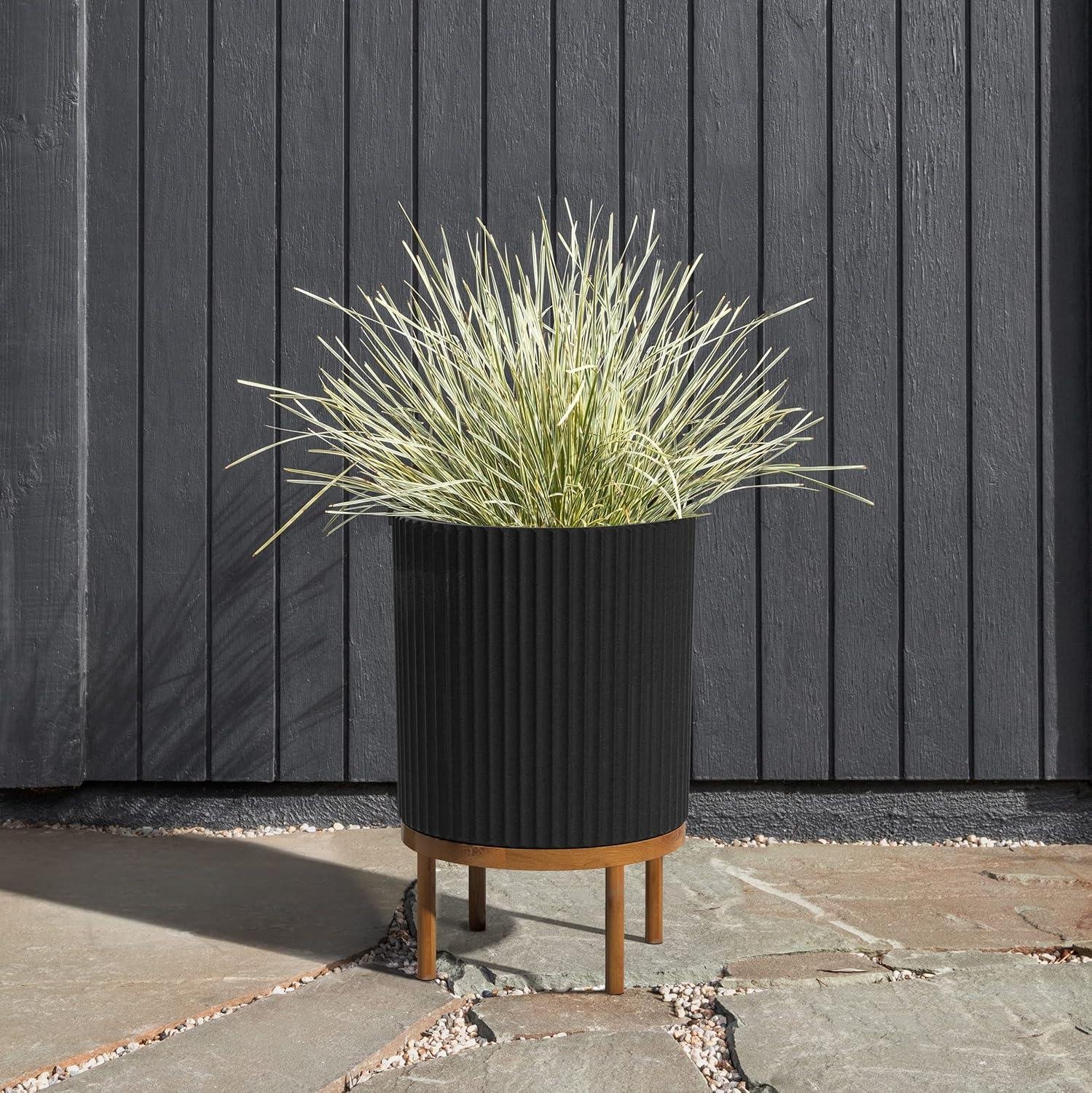
When we’re judging real-world stability for tall plants on a porch or patio, we look at it like we’d evaluate any shop-made stand: footprint, joint integrity, and how the load transfers into the floor. The Veradek Demi Series Round Planter gives us a predictable geometry—14.75″ diameter and 16″ tall for the pot, and 22″ tall on the acacia-wood stand—which means a tall plant (olive tree, bird of paradise, etc., as multiple reviewers mention) is visually elevated without making the base overly narrow. the body is a plastic-stone composite (often described by customers as “surprisingly lightweight” yet “sturdy”), so the stability you end up with is less about dead weight and more about correct assembly and placement on a flat surface. On slick patio pavers or slightly sloped porch decks, we’d treat it like a small pedestal: if the stand rocks at all, a thin outdoor shim or leveling the feet matters more than adding weight up high.
Load handling comes down to the stand’s joinery and fastener fit, and reviews give us a very woodworker-specific flag: at least one customer reports a pilot hole that was “TOO SMALL” for the included hex/Allen wood screw, causing a leg to split, and they solved it by stepping up to a 3/16″ drill bit, taping for depth, and adding Titebond wood glue on the dowels/cracks. That’s exactly the kind of workshop thinking we respect—proper pilot sizing, controlled depth, and a little adhesive insurance where the grain is vulnerable. Other recurring themes are easy assembly, drains nicely, and “good height off the ground,” plus a few notes that the stand may not “win awards for beauty” and questions about how the wood will hold up to moisture over time. As woodworkers, we’d recommend sealing the acacia stand (especially end grain) if it’s living outdoors, and checking fasteners seasonally—because wood movement plus wet/dry cycling can loosen joints just like on outdoor stools and plant racks we build in the shop.
- Included accessories: Acacia wooden stand; planter body (plastic-stone composite); customer notes suggest drainage plugs are included/usable
- Compatible attachments/accessories (workshop-friendly add-ons): Outdoor wood sealer (marine spar or exterior oil); thin composite shims for leveling; adhesive felt/rubber pads for slippery patios; optional indoor drip tray/saucer if using drainage
- Ideal project types: Porch entry “framing” planters; corner fillers for patios; indoor statement plant pedestal setups; quick weekend “assemble + seal + level” outdoor finish work
- Wood types tested by customers: Acacia (stand, per specs and reviews noting “real wood, not MDF”)
| Spec / Factor | What We’re looking At | Why It Matters for Tall Plants |
|---|---|---|
| Planter size | 14.75″ diameter x 16″ height | Wider base helps resist tipping compared to narrow columns |
| Total height on stand | 22″ height | Raises the center of mass; requires solid assembly and a level surface |
| Materials | Plastic-stone composite planter + acacia wood stand | Composite keeps portability; wood stand needs outdoor finish care |
| Weather range (rated) | -20° to 120° with UV/fade/crack/scratch resistance claims | Helps outdoors, but the stand hardware and wood finish still need attention |
| Accessory | Compatibility | Use |
|---|---|---|
| Drill bits | 5/32″ to 3/16″ (reviewer-mod range) | correct pilot sizing to reduce leg splitting during assembly |
| Wood glue | Titebond (reviewer mention) | Reinforces dowel joints/cracks if a leg starts to check or split |
| Exterior wood sealer | Any outdoor-rated finish suitable for acacia | helps slow moisture cycling and prolong stand appearance |
| capacity Topic | Recommended Practice (Workshop View) | Actual Notes from Customers |
|---|---|---|
| Assembly load readiness | Confirm legs seat fully; re-drill pilots if tight; don’t over-torque | Easy to put together, but one user reports pilot holes too small causing a split |
| Indoor drainage handling | Use a saucer/drip tray if draining; consider plug access from underside | “Drains nicely” and discussion about whether to use plugs |
| Stability in use | Level the stand; add pads/shims on uneven or slick surfaces | Frequently described as sturdy and easy to maneuver |
See Full Specifications & Customer photos
Key Features Woodworkers Will Appreciate in the Stand Design and Materials

From a woodworker’s standpoint, the best part of the Veradek Demi Series Round Planter is that the acacia wood stand is a real, shop-relevant subassembly rather of a decorative afterthought. The planter itself is sized in a way we can plan around—14.75″ diameter by 16″ tall, and it reaches 22″ tall on the stand—which matters when we’re building matching entry benches, plant shelves, or narrow console tables and need consistent sightlines.Several customers echo that the stand is “very easy to put together” and that the overall setup feels “sturdy” while still being lightweight and easy to move, which is exactly what we want when we’re clearing a porch to sweep, repositioning for sunlight, or doing seasonal staging. On the materials side, the planter body uses a plastic-stone composite with a subtle texture that reviewers describe as looking high-end from a distance—useful if we want a modern look without committing to fragile ceramics in high-traffic shop-adjacent spaces.
There’s also a practical workshop lesson hiding in the assembly feedback: at least one reviewer noted the pilot holes for the stand fasteners were “TOO SMALL”, which led to a slight split until they corrected it by re-drilling to 3/16″ and adding wood glue. we appreciate that kind of detail because it mirrors standard joinery practice—if a screw is binding in hardwood, we don’t force it; we verify the pilot size, drill to depth, and consider a dab of glue where dowels or tenons need reinforcement. In other words, this isn’t a “tool” review in the motor-and-RPM sense, but it absolutely rewards tool-user thinking: measure twice, drill the right pilot, and treat acacia like a hardwood that can split if the pilot is undersized.A few customers also raise realistic concerns about how the stands will wear outdoors over time; for us, that’s a reminder to keep the stand maintained (periodic inspection, avoid standing water, and consider a suitable exterior oil/finish if the manufacturer allows) and to remember the planter still presents well even without the stand if the legs ever need repair or replacement.
- Included accessories: Acacia wood stand (ships with assembly hardware; Allen/hex screw mentioned in reviews)
- Compatible attachments/accessories (shop-relevant add-ons): 3/16″ drill bit (for correcting pilot holes if needed), wood glue (e.g.,Titebond-style),small square/tape measure for stand alignment,optional saucer/drip tray for indoor use
- Ideal project types: Porch/entry styling builds,plant stands and platforms,matching outdoor side tables,indoor “shop office” décor corners
- Wood types tested by customers: Acacia (stand material per specs)
| Spec | What It Means in a Woodworking Setup |
|---|---|
| Planter diameter: 14.75″ | Helps us size shelves/stands and maintain consistent spacing in entries and corners. |
| Planter height: 16″ | Useful for planning sightlines with adjacent furniture (benches, tables, rails). |
| Total height on stand: 22″ | Comfortable “display height” that frequently enough aligns with console-table proportions. |
| Material: plastic-stone composite | Lower break risk than ceramic; easier to reposition during cleaning or layout changes. |
| Stand material: acacia wood | Hardwood behavior applies—pilot holes and fastener fit matter to prevent splitting. |
| Temperature range: -20° to 120° | Good for seasonal porch use; we still watch wood stand exposure and moisture. |
| Accessory/Tool | Use Case | Notes from Customer Themes |
|---|---|---|
| 3/16″ drill bit | Correcting undersized pilot holes | One reviewer prevented splitting by drilling slightly larger after measuring depth. |
| Wood glue | Reinforcing dowels/repairing minor splits | Reviewer used glue on dowels/cracks for a more solid feel. |
| Drip tray/saucer | Indoor drainage management | A reviewer wished for a drainage catch for indoor use. |
| Capacity Topic | Recommended (Practical) | Actual (From Specs/Reviews) |
|---|---|---|
| Outdoor exposure (planter body) | All-weather materials with UV resistance | All-weather resistant; rated -20° to 120°, resists cracks/scratches/UV/fading |
| Assembly tolerance (wood stand) | Pilot holes matched to screw size to avoid splits | Mostly reported easy assembly, but one reviewer found pilot holes too small and re-drilled |
See Full Specifications & Customer Photos
Ease of Use for Beginners and Experienced Woodworkers in Setup and Seasonal Maintenance
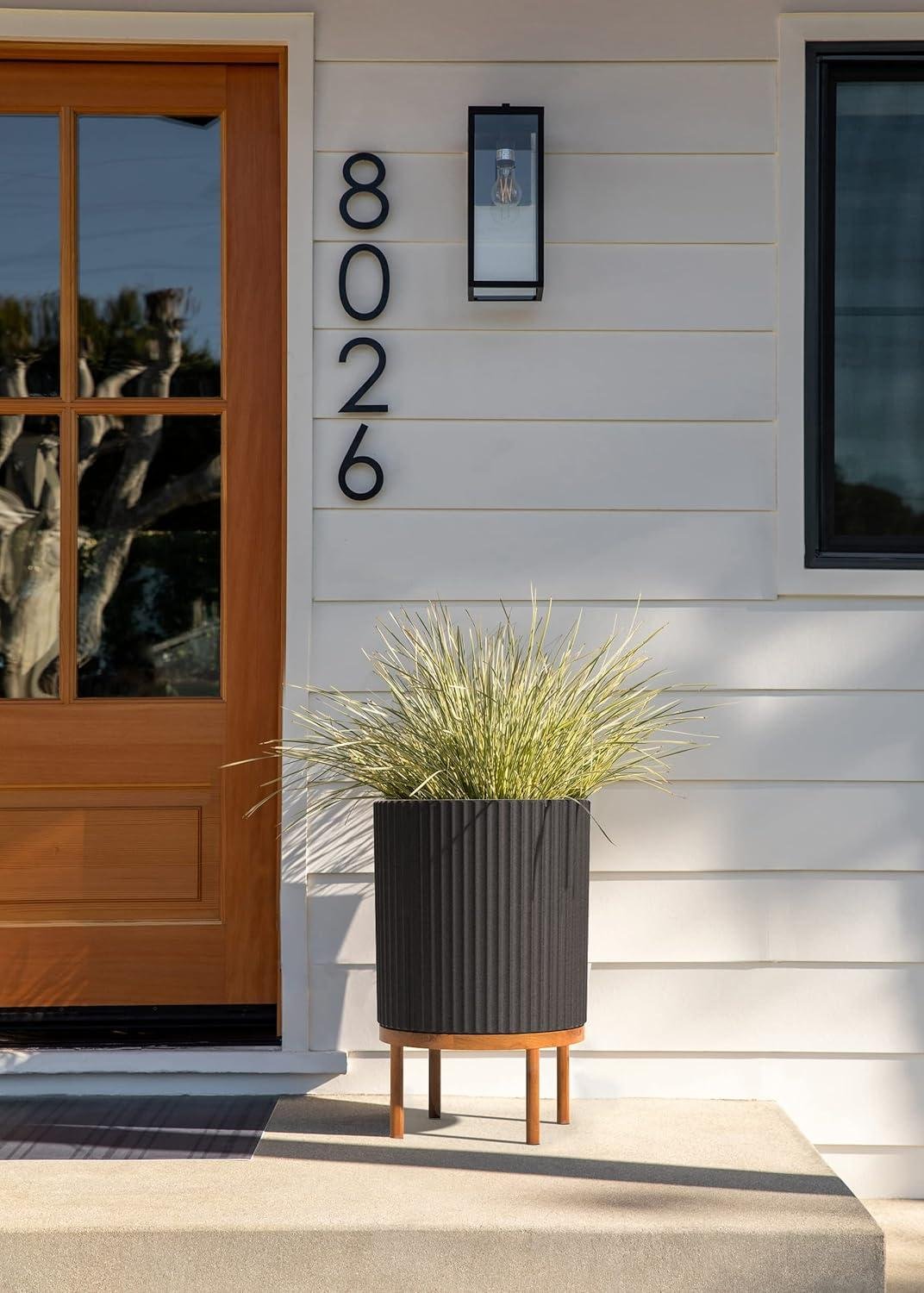
For setup, we found the Veradek Demi Series Round Planter feels more like a simple shop jig assembly than a “tool install”—beginner-friendly with a couple of wood-specific gotchas. The planter body is 14.75″ diameter x 16″ tall, and once it’s on the acacia wood stand it sits at 22″ overall height, which makes it easy for us to position as a “finished-piece” accent near a porch post or as a client-facing display in a studio corner. Multiple customer themes line up: the stand is “very easy to assemble,” “cute and easy to put together,” and the whole unit is “lightweight & easy to move” while still feeling stable. From a woodworker’s perspective, the best practice is to treat those legs like any hardwood dowel joint—start screws by hand, keep them square, and don’t muscle them like you would into soft pine.
for experienced woodworkers, the seasonal maintenance question is really about the material pairing: the planter is a plastic-stone composite rated “all-weather” from -20° to 120° with resistance to “cracks, scratches, UV and fading,” while the stand is real wood and behaves like wood does over time. Reviews reflect that balance: people report it staying “in perfect condition” indoors over a year, but others worry about how the stand will “wear over time” outdoors with moisture and freeze-thaw cycles. We also saw a very practical shop-note from a reviewer: the stand’s pilot holes can be tight—one user said the hole was “TOO SMALL” and prevented splitting by carefully stepping up drill size (they mentioned using a 5/32″ bit to gauge depth, then opening slightly with **3/16″). That’s classic seasonal-maintenance thinking: if we plan outdoor use, we’d consider lightly sealing the acacia (exterior oil/finish), re-checking fasteners after the first wet season, and ensuring drainage is handled (several mention it “drains nicely,” and one reviewer wished for an indoor catch solution). in short, beginners can assemble it with patience; experienced hands will appreciate that a few small, familiar woodworking techniques prevent cracks and keep the stand tight year after year.
- Included accessories: Acacia wood stand (two color options); planter body (plastic-stone composite); drainage provisions (plugs referenced by customers)
- Compatible attachments/accessories: Exterior-grade wood sealer or oil for the stand; felt/rubber pads for indoor floors; shallow drip tray/saucer (indoor use); wood glue for minor stand repairs (as some reviewers did)
- Ideal project types: Porch/entryway styling for client-facing studios; patio corner “statement plant” displays; indoor office greenery staging; seasonal storefront or show-booth décor
- wood types tested by customers: Acacia (stand material per specs)
| Spec / Setup Factor | What We’re Working With | What It Means in the Shop |
|---|---|---|
| Planter size | 14.75″ Ø x 16″ H | Big enough to read as a finished décor piece; easy to measure clearances in tight porch layouts. |
| Height on stand | 22″ | Elevates plants off the ground—useful for framing doorways and keeping the “display” above splash zones. |
| Stand material | Acacia wood | Treat like any outdoor wood component: seal for weather, avoid over-driving screws, re-tighten seasonally. |
| Climate rating | -20° to 120° (all-weather) | Planter body is low-fuss outside; the wood stand is the part that benefits from periodic finishing. |
| Accessory | Purpose | When We’d Use It |
|---|---|---|
| 3/16″ drill bit (careful step-up) | Relieves overly tight pilot holes to reduce splitting | If the stand screws feel like they’re wedging the leg/dowel (per “TOO SMALL” review theme). |
| Wood glue (ex: Titebond-style) | Stabilizes minor cracks or reinforces joints | If a leg starts to split during assembly or after a season outdoors. |
| Exterior oil/sealer | Moisture protection for acacia | Outdoor placements through wet/freeze-thaw cycles. |
| Drip tray/saucer | Protects indoor floors; manages runoff | Indoor use where “drains nicely” could still mean water on hardwood. |
| Capacity Topic | Recommended (Practical) | Actual / Noted by Customers |
|---|---|---|
| Assembly force on stand screws | Snug + aligned; stop at resistance | One reviewer reported pilot holes “TOO SMALL” and mitigated splitting by drilling slightly larger. |
| Outdoor exposure management | Seal wood; inspect seasonally | Customers praised all-weather planter body; some expressed concern about stand longevity outdoors. |
See Full Specifications & customer Photos
Customer Reviews Analysis
What Woodworkers Are Saying (Review Analysis)
1. Overall sentiment from woodworking customers
Multiple reviews highlight strong overall satisfaction—especially from DIY-minded buyers who notice materials,joinery behavior,and assembly details. Common praise includes the planter’s “high-end” modern look, stable stance, and good indoor/outdoor versatility. Sentiment is slightly tempered by a few practical critiques around the wooden stand’s pilot holes, long-term weather exposure concerns, and the planter’s “plastic composite” look up close.
2. Performance feedback (accuracy, power, results)
While this isn’t a power tool, reviewers still evaluate performance in terms of real-world function and results:
- Stability & “in-use” performance: Several woodworkers mentioned it feels sturdy/secure once set up, especially when holding larger plants (olive tree, bird of paradise).
- Drainage function: Multiple reviews highlight that it “drains nicely” and sits at a good height off the ground, which improves airflow beneath and reduces water pooling.
- Fit-up during assembly (precision theme): One hands-on reviewer flagged a clear fit issue: the stand’s pilot holes were too small for the supplied Allen/hex wood screws, causing slight splitting—a classic “hardware-to-pilot mismatch” problem.they corrected it by drilling the holes out slightly and adding wood glue for reinforcement.
Sparse excerpt used: “the hole is TOO SMALL… The first one I put in split slightly…”
3. Build quality and durability observations
Planter body (plastic-concrete composite):
- Common praise includes the pots feeling well constructed and not like thin, flexible plastic. One reviewer described them as “hefty,” framing the weight as a positive sign.
- several users reported no issues after extended indoor use, including one stating it’s been indoors over a year and remains in “perfect condition.”
- A few reviews note the visual realism: it “looks like clay” from a distance, but up close some users felt it can read as plastic composite and “a little cheap.”
Wooden stand (acacia):
- Positive notes: reviewers appreciated that the legs are real wood (not MDF) and like the warm contrast it adds to the modern pot.
- Caution notes: some users reported challenges with stand durability and joinery, including the splitting incident from tight pilot holes and concern about how the stand will wear outdoors with moisture, temperature swings, and loaded weight.
4. Ease of use for different skill levels
- Beginner-friendly assembly: several reviewers mentioned the stand is “very easy to assemble” and “easy to put together,” suggesting minimal learning curve.
- Experienced DIY/woodworker perspective: at least one reviewer approached assembly like a shop task—measuring hole depth, stepping up drill bit size, and adding Titebond wood glue. That same review implies the product is easy to assemble if everything fits, but experienced users may feel compelled to tune it for a cleaner, safer build.
5. Common project types and success stories (how people used it)
Customers successfully used this primarily as a finished décor element—the woodworking “project” angle shows up in installation, modification, and porch/entry styling:
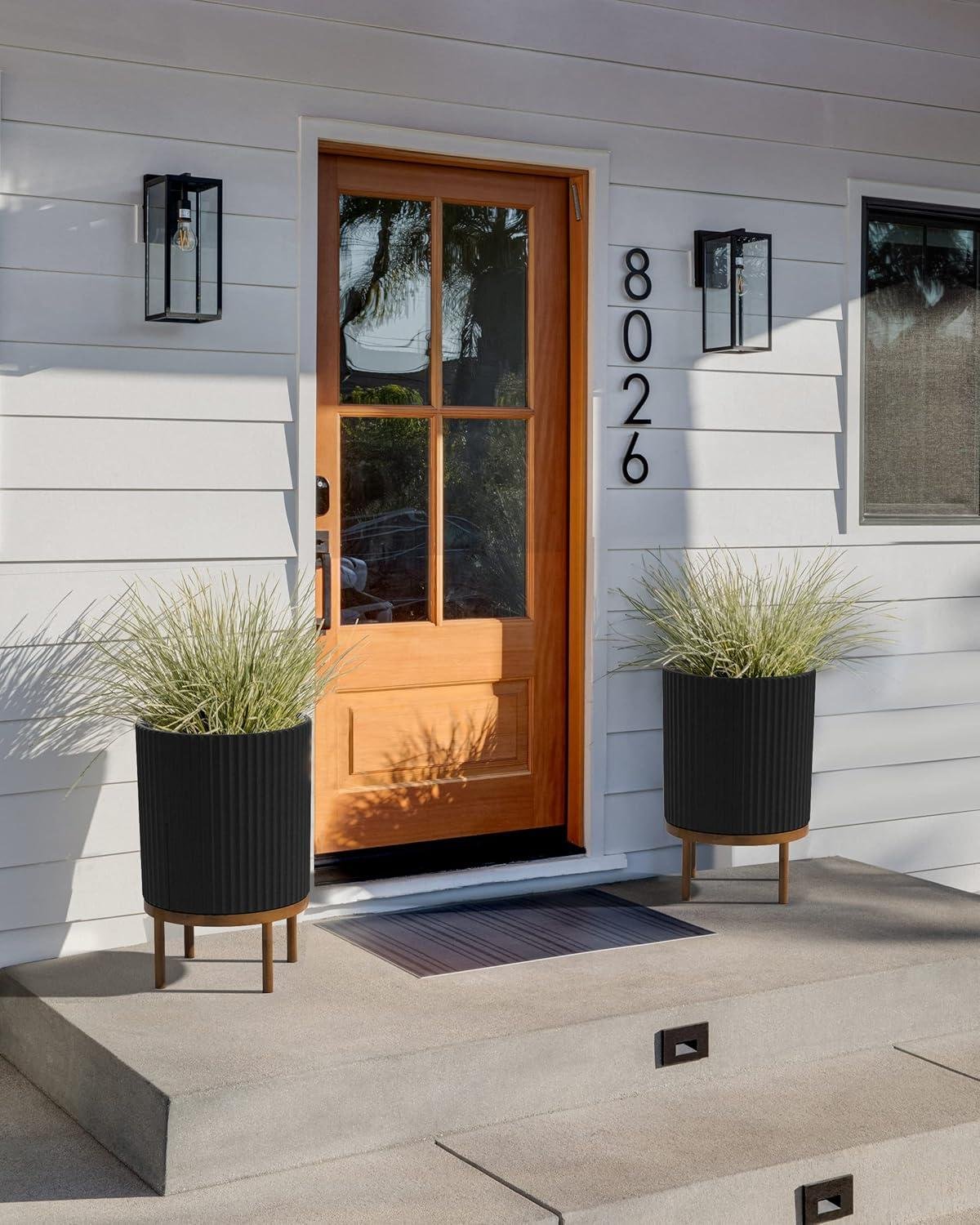
- Entryway / porch framing: Multiple reviews highlight using two planters to frame a doorway or complete a front porch look; several mention receiving compliments.
- Indoor statement plants: Reviewers reported using it for an olive tree and a large bird of paradise, with the stand making the setup feel “high-end.”
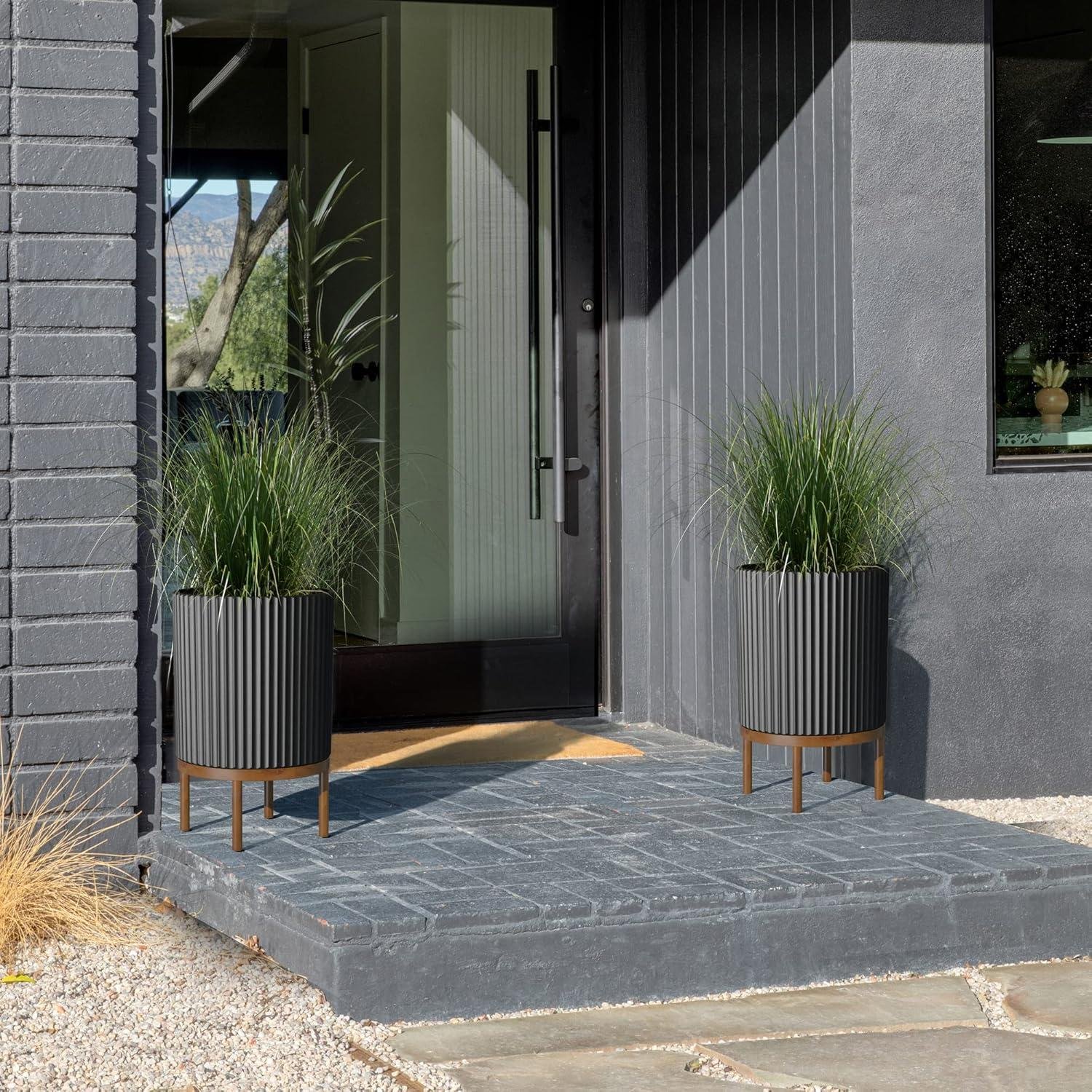
- Outdoor seasonal display: Several reviewers mentioned summer outdoor use on a porch/verandah and liking how it complements hardscape patterns (e.g., brick).
6. Issues or limitations reported
Several practical limitations show up consistently enough to plan around:
- Stand pilot holes too tight (risk of splitting): One reviewer reported the pre-drilled holes were undersized for the screw diameter, causing wood splitting unless enlarged with a drill bit. (This is the most “woodworker-specific” critique in the dataset.)
- No built-in indoor drip solution: One user suggested adding a drainage catch base for indoor use (or planning your own saucer strategy).
- Size/dimension surprises: Multiple reviews stress that the planters can be considerable—some returned larger sizes and reordered smaller ones after seeing scale in person.
- Aesthetics of the stand: While functional, one reviewer noted the stand “won’t win any awards for beauty.”
- Close-up material look: Some users reported that from close range it can look like a plastic composite rather than true clay/stone—fine for low-traffic areas, less ideal where people will inspect it up close.
- Outdoor longevity uncertainty: A few reviewers expressed concern about how the wood stand will handle moisture/weather long-term, even if the pot itself seems all-weather.
Category snapshot
| Aspect | Common Feedback |
|---|---|
| Performance (results) | Stable once assembled; drains well; elevates plants for a polished “finished” look |
| Precision / Fit | Mostly straightforward assembly, but one detailed report says pilot holes are undersized and can split legs unless re-drilled |
| Durability | Planter body praised as sturdy/hefty; stand durability outdoors is a recurring question mark |
| Ease of Use | Beginner-friendly assembly; experienced DIYers may want to tweak holes and add glue for best results |
| Value | Generally seen as good for the look; some note it can appear plastic up close at the price point |
Pros & Cons
Pros & Cons
When we think about adding new fixtures to our porch/patio setup (or even inside the shop), we want pieces that look intentional—not like a last-minute plant “container.” The Veradek Demi series Round Planter with Stand lands firmly in that “designed object” category, but it’s not a perfect fit for every space or plant style.
pros
- Modern, elevated look: The round bowl + raised acacia stand gives us that clean, curated silhouette—great for making tall plants feel like décor, not clutter.
- Good presence without feeling bulky: At 14.75″ diameter and 22″ tall on the stand, it reads “statement piece” while still being workable for smaller patios and entryways.
- All-weather material confidence: The plastic-stone composite is made for the outdoors—resistant to UV, fading, scratches, cracks. We like not having to baby it season to season.
- Wide climate tolerance: Rated for roughly -20 to +120 degrees, it’s a safer bet for those of us dealing with real winter swings or hot, sunny spots.
- Designed & made in Canada: If origin matters to our shop standards,it’s a reassuring detail—and it aligns with the “quality outdoor staple” positioning.
- Subtle texture: The finish adds depth up close, so it doesn’t look flat or plasticky in photos or at the front door.
Cons
- Stand adds height—sometimes too much: The raised profile is the selling point, but it can feel tall if we’re placing it near low seating, short railings, or under windows.
- Wood stand = another material to maintain: Acacia looks warm and premium, but outdoors it may need occasional care (cleaning/oiling) if we want it to stay “showroom nice.”
- Planter size may limit root room for big growers: The diameter works well for tall accent plants, but extremely vigorous plants might outgrow the volume faster than we’d like.
- More pieces to manage: As it’s planter + stand, we’re dealing with alignment, moving two components, and making sure it sits level on uneven porch surfaces.
- Modern style isn’t global: If our space leans rustic, cottage, or heavily ornate, this clean geometry may feel slightly “too gallery” without other modern elements to tie it in.
At-a-Glance Fit for Our Space
| what We Care About | How the Demi Planter Stand Performs | Our Take |
|---|---|---|
| Porch curb appeal | Raised profile + clean round form | Strong “welcome” piece |
| Year-round durability | Composite resists UV, cracks, fading | Low-stress outdoor option |
| Space efficiency | 14.75″ diameter footprint | Easy to place near doors/edges |
| Maintenance | Composite is easy; wood stand may need care | Mostly simple, with one “watch item” |
| Style compatibility | Modern, minimal, design-forward | Best in clean, contemporary setups |
Bottom line: For us, the Demi’s biggest win is how effortlessly it makes a tall plant look “placed” and polished—especially in an entryway or patio corner. The main tradeoff is that the wood stand introduces a bit of upkeep and the overall height won’t work equally well in every layout.
Q&A
How much “real wood” is involved—what species is the stand,and is it shop-worthy?
The planter itself isn’t wood—it’s a plastic-stone (plastic-concrete) composite designed to mimic a ceramic/concrete look while staying lighter and more impact-resistant. the stand is real acacia wood (two color options per the listing). For woodworkers, think of the stand like a pre-made, indoor/outdoor accent base: it looks good and adds height, but it’s not furniture-joinery grade and shouldn’t be treated like a load-bearing stool or bench.
Is it durable enough for “hard use” areas like a busy porch or shop entry?
In terms of material performance, Veradek rates the composite as all-weather resistant to cracks, scratches, UV, and fading, and suitable for temperatures from -20° to +120°. Several customers call it “sturdy” and note it still looks great after extended indoor use, with good drainage. The main limitation woodworkers will care about is the acacia stand: repeated wet/dry cycles and constant exposure can be harder on wood than on the composite pot, so consider sealing/maintaining the stand if it lives outdoors year-round.
How challenging is assembly, and what’s the one “gotcha” woodworkers have noticed?
Most reviewers say the stand is easy to assemble and the planter is “exactly as described.” The recurring woodworker-style note is about pilot holes being tight: one customer reported a leg dowel splitting slightly as the pilot hole felt too small for the included Allen/hex wood screw.Their fix was to carefully open the pilot hole slightly (they mentioned stepping up to a larger bit) and optionally adding wood glue to the dowels for a more solid build. If you’re comfortable with basic drilling, this is a straightforward preventative step—just don’t over-enlarge and strip the bite.
Does it work with “standard accessories”—liners, drain plugs, saucers, or drip trays?
It’s designed to drain well (multiple reviewers mention good drainage), and at least one user mentioned “plugs,” suggesting you can choose whether to keep it open for outdoor use or plugged for indoor control. What it doesn’t include (per reviewer feedback) is an integrated drip catch for indoor use—so if you’re putting it on hardwood floors or a finished porch deck, plan on a saucer/drip tray or a hidden internal liner. One reviewer specifically wished for a drainage catch base so roots still get oxygen indoors.
Will it fit in a small shop/porch corner, and what’s the real footprint/height?
Yes, it’s sized more like a statement planter than a massive urn. Specs list the pot at 14.75″ diameter and 16″ tall; on the stand it reaches about 22″ tall. that height is great for “framing” a doorway or filling a corner without taking up too much floor space. Customers frequently describe it as substantial but not overwhelming, and also easy to maneuver when rearranging.
Is this beginner-friendly, or will I need “maker skills” to get it right?
Beginner-friendly overall: most buyers report it’s easy to put together and looks high-end quickly. The only place “skills” help is avoiding stand splitting during assembly—if you’re the type who pre-drills, checks screw fit, and adds a touch of glue when appropriate, you’ll have an easier time. If you’re not comfortable modifying pilot holes, assemble gently (no forcing) and stop if you feel the wood binding.
What regular maintenance should I expect for the acacia stand outdoors?
The composite planter is largely “rinse-and-go.” The wood stand is where maintenance lives: acacia generally benefits from periodic oiling or sealing to slow down weathering,especially if it sits in standing water or gets full sun and rain. A practical approach is to keep the stand off constantly wet surfaces, wipe it down seasonally, and refresh an exterior oil/finish as needed—similar to caring for outdoor teak/acacia patio pieces.
Is it worth the price versus cheaper plastic pots, and what do buyers actually say?
If you’re comparing to thin nursery-style plastic, customers consistently describe these as “hefty,” “not thin plastic,” and noticeably more premium-looking—especially the modern ribbed/scalloped texture and the elevated stand.A few reviewers note that up close you can tell it’s a plastic composite, but many also say it’s “reasonably priced” compared with true clay/concrete planters, and that it elevates entryways/patios dramatically.Value is strongest if you want the modern look, lighter weight than real concrete, and the raised-stand presentation.
Ignite your Passion
The Veradek Demi Series Round Planter w/ Stand isn’t a woodworking “tool” in the motor-and-blades sense, but it is a wood-adjacent shop/project component: a 14.75″ diameter x 16″ tall modern planter that sits 22″ high on an acacia wood stand,made from a plastic-stone composite rated for -20° to 120° with UV/scratch resistance. Customer feedback consistently praises the high-end look, sturdy feel, good drainage, and easy maneuvering, while a recurring limitation is tight pilot holes that can split the stand legs unless you pre-drill carefully.
Best for: hobby woodworkers building porch/patio setups, cabinet makers styling client spaces, and beginners who want a clean, modern accent without finishing an outdoor planter from scratch.
Consider alternatives if: you need all-wood construction, expect heavy public/close-up scrutiny, or don’t want to fuss with pre-drilling/wood glue during assembly.
Final assessment: a solid, design-forward option with a real-wood stand—just treat assembly like joinery and drill accordingly.
Want to see current pricing and customer photos? View on Amazon & Read More Reviews →














