

Blog
My Take on Favoyard 20×20 Waterproof Patio Cushions

A well-built patio chair is a lot like a good shop stool: the frame can be rock-solid, the joinery can be tight, and the finish can be dialed in-but if the seat is unforgiving, you won’t linger long enough to enjoy any of it. That’s exactly where I found myself this season. I’d just refreshed my outdoor setup with a set of wooden chairs I’m proud of (clean lines, visible grain, and a weather-tough finish), but the bare seats were still a little too honest after an hour around the fire pit.
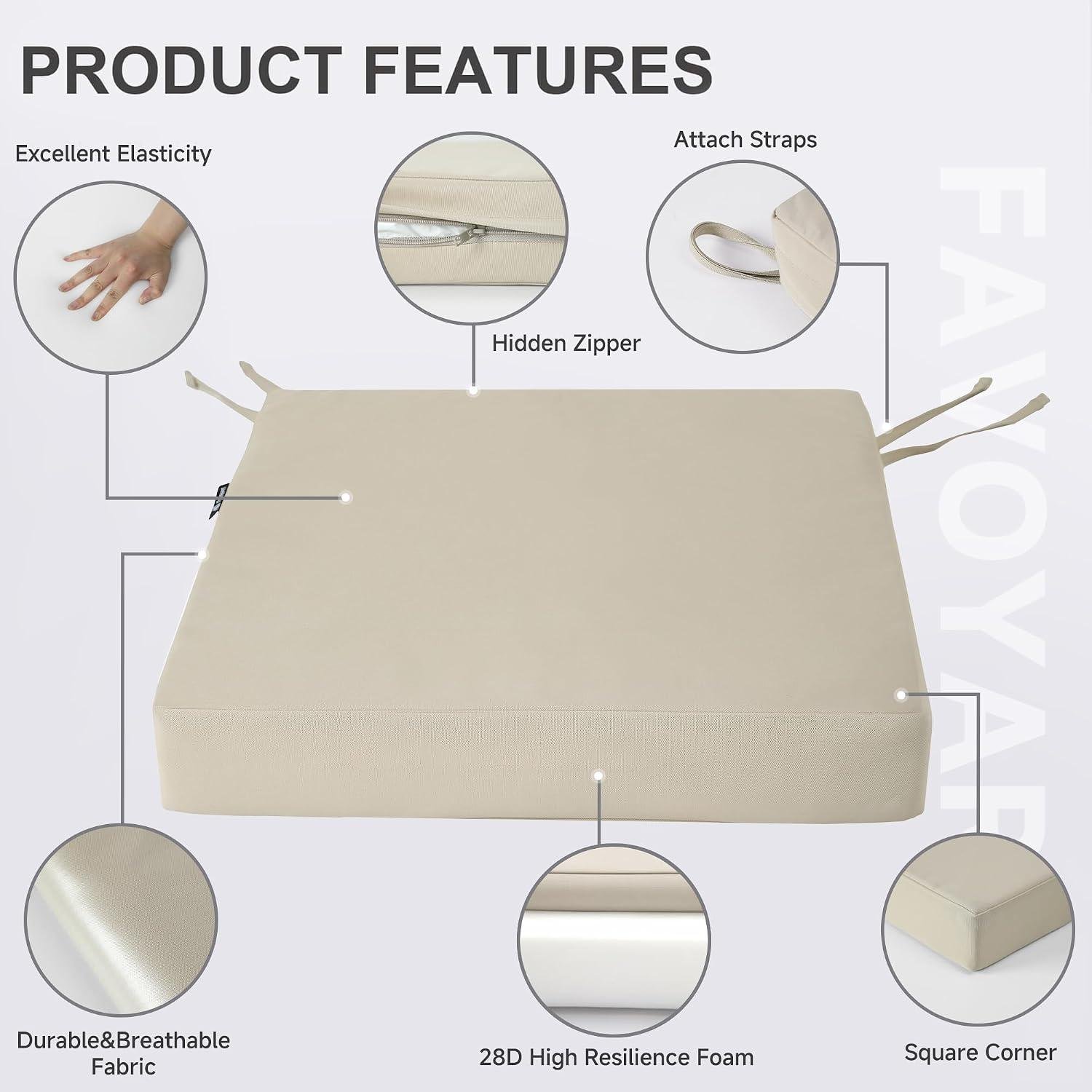
I ended up trying the Favoyard Patio Chair Cushions (20″ x 20″ x 3″) Waterproof Outdoor Seat, and what drew me in-craftsman to craftsman-wasn’t just the promise of comfort. It was the materials story: a dense 300GSM solution-dyed polyester that’s meant to resist fading, a TPU-backed waterproof layer to keep water from sneaking into the foam, and a 3-inch thick 28D high-resilience foam core that sounded more “supportive” than “marshmallow.” On paper, it read like someone actually thought about how outdoor pieces fail: sun bleaching the color, rain soaking the padding, seams giving up, and cushions sliding off the moment you stand up.
In this review, I’ll share how these cushions performed on my own patio-unboxed, strapped onto my chairs, sat on for long evenings, and left out through the kind of weather that tests any finish. I’ll be looking at them the same way I’d judge a furniture build: fabric hand and stitch quality, zipper and cover design, how well the straps hold position, how the foam recovers, and whether the whole package complements-rather than covers up-the look of real wood grain and thoughtful construction. If you’re trying to make a handcrafted outdoor setup more livable without cheapening the look, these might be worth a close look.
What Arrived and My First Impressions in the Backyard
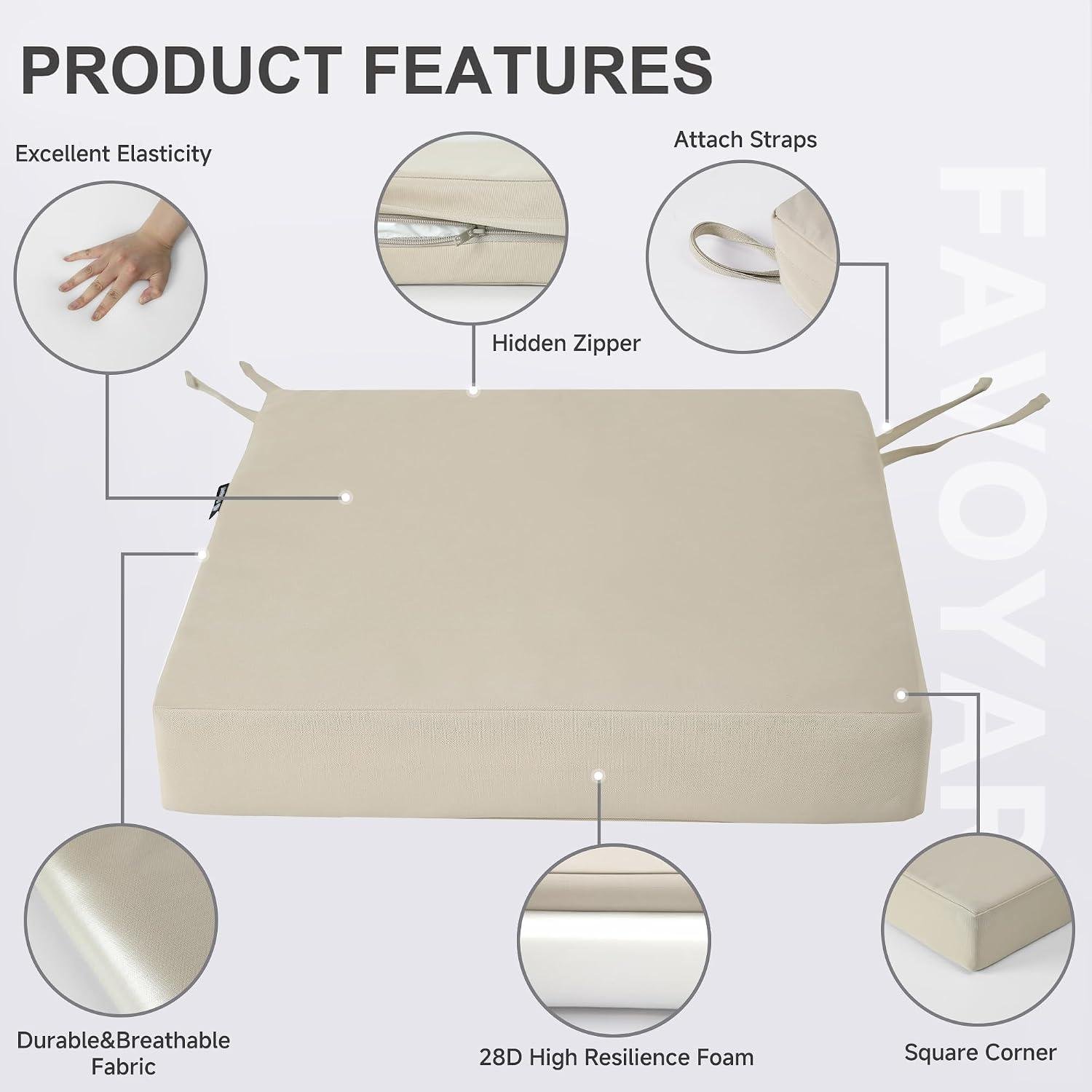
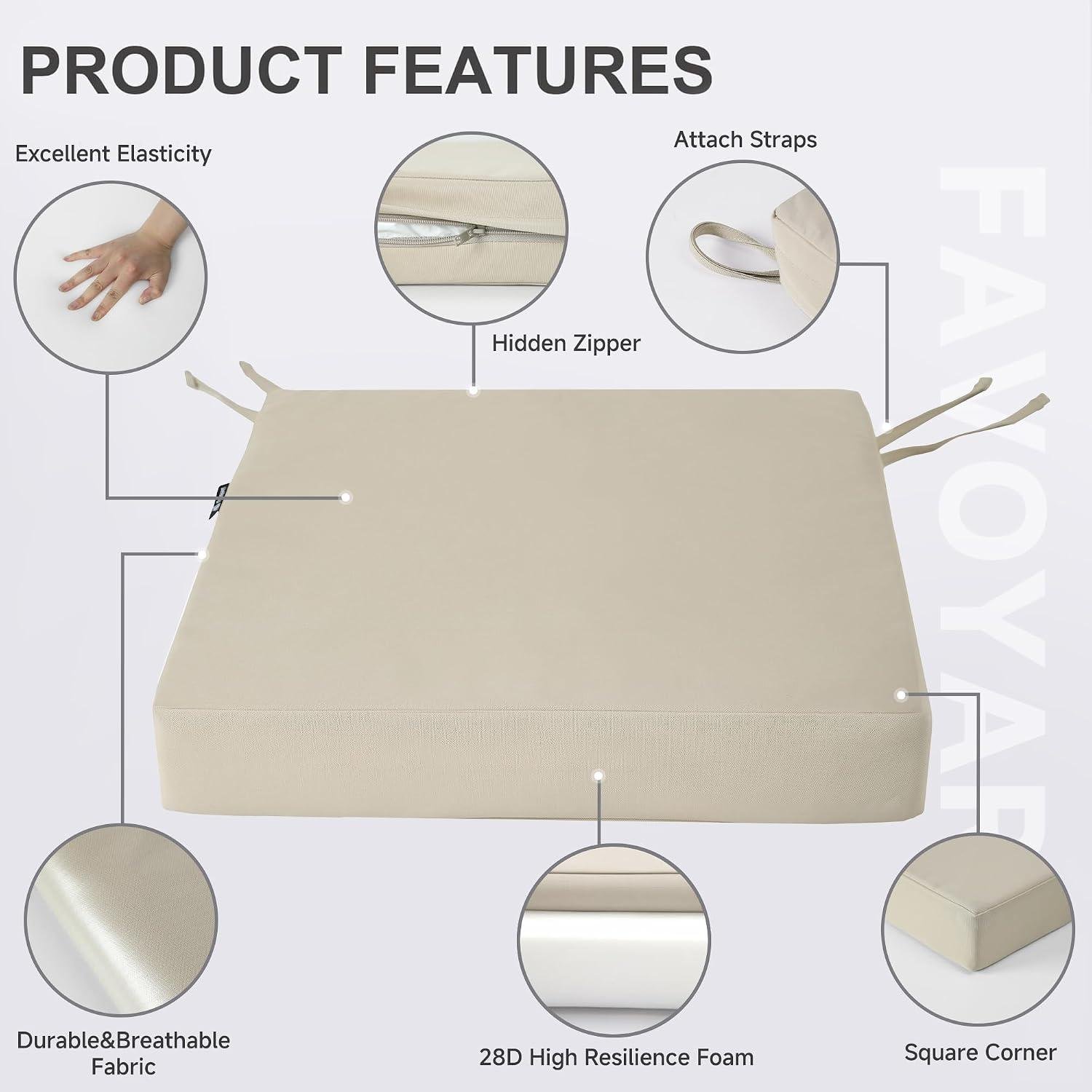
The box showed up in good shape, and inside were two seat cushions sized to fit my standard patio chairs without any guesswork. In the backyard, my first read was “shop-ready”-the seams looked straight, the fabric had that dense hand you expect from a 300GSM solution-dyed polyester, and the cover felt smooth rather than plasticky despite the waterproof build. As a wood guy, I’m always looking at how textiles interact with timber: set on my oil-finished acacia chairs, the cushion base didn’t feel abrasive, and the profile sat cleanly within the seat frame without crowding the edges where my joinery details show. The hidden zipper is a nice touch-like a well-placed pocket screw: out of sight, doing its job, and it makes the cover realistically removable for a proper wash.
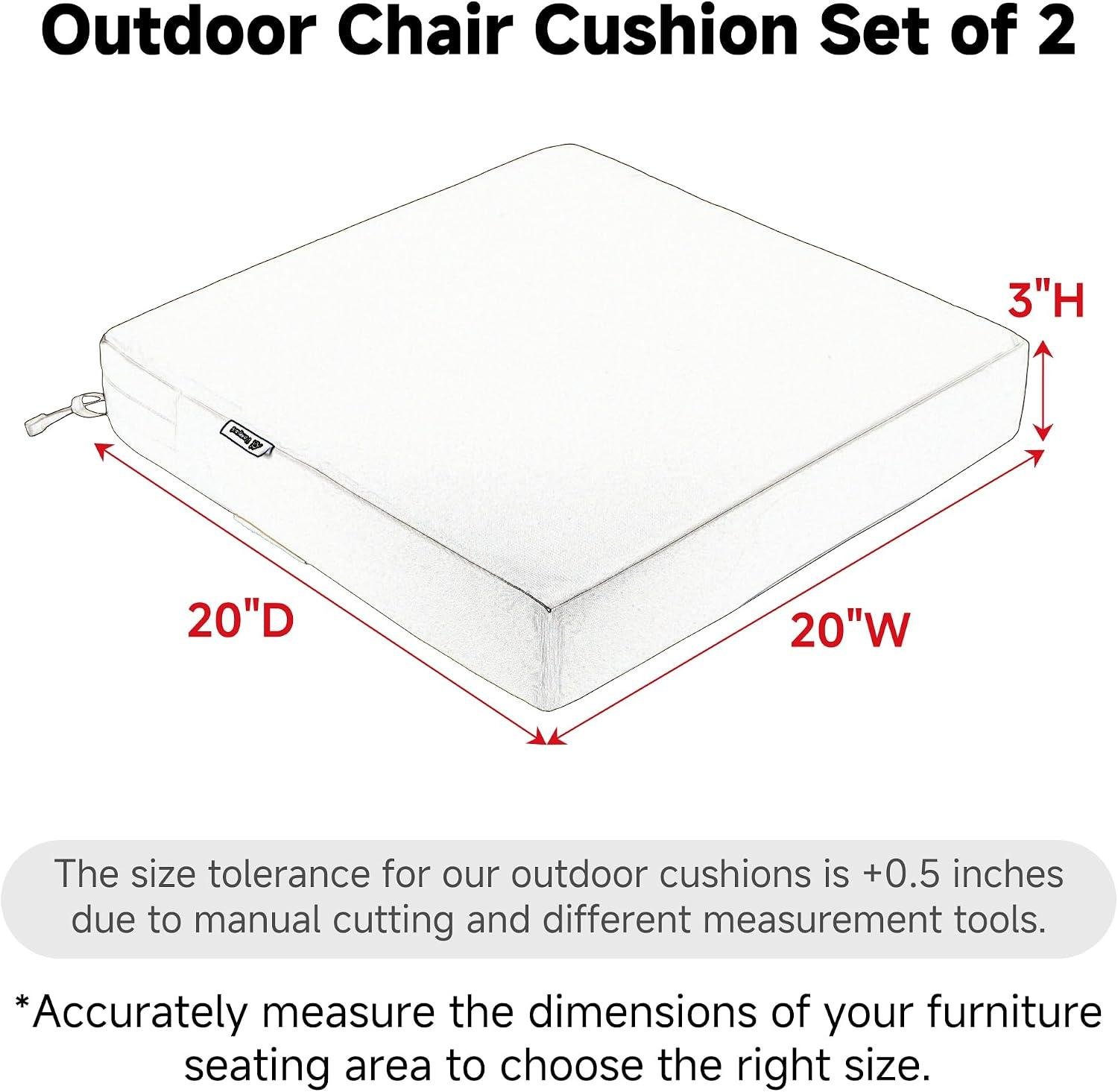
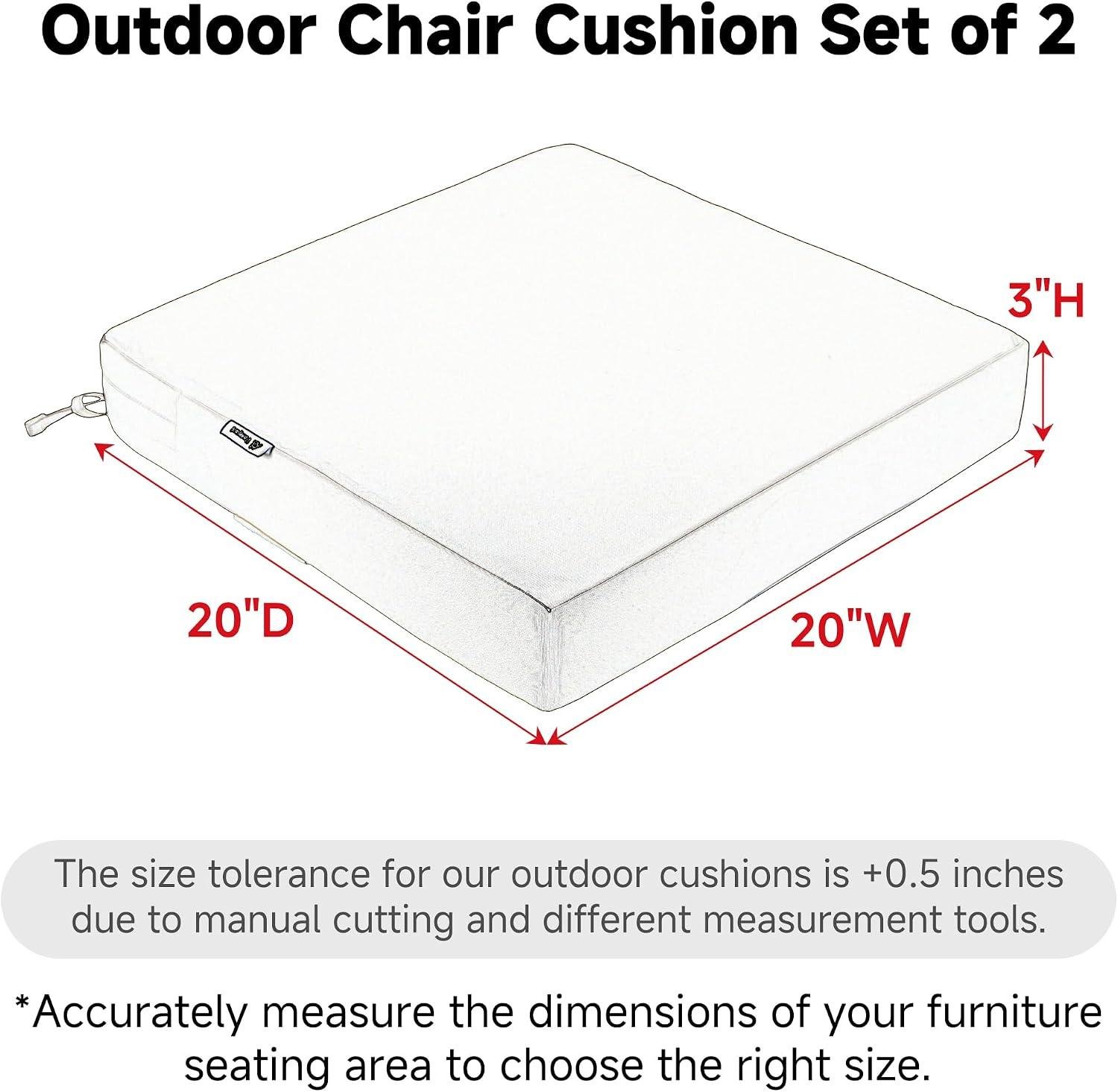
- Fit & footprint: 20” W x 20” D x 3” T sat square on my chairs and a small bench seat with no overhang.
- Hold-in-place: Two adjustable straps on the sides kept the cushions from creeping-especially helpful on slightly slick finishes like poly or spar.
- Feel: The 3-inch foam has a supportive “spring-back” (28D resilience) that didn’t bottom out when I dropped into the seat.
- Weather readiness: The waterproof fabric with TPU backing inspired confidence for surprise sprinkler hits and light rain.
| Feature at a glance | What I noticed on day one | Why it matters around wood furniture |
|---|---|---|
| Solution-dyed, fade-resistant fabric | Color looked uniform with no blotchy panels; rated up to 1,500 hours of light fastness | Less fading means your set stays cohesive with stained/oiled wood tones through the season |
| Waterproof cover + TPU coating | Surface shed droplets; backing felt like a barrier layer | Helps keep moisture from lingering against seat slats, which reduces swelling/finish stress |
| Hidden zipper, removable cover | Zipper tucked away neatly; cover felt straightforward to pull off | Easier cleaning means fewer harsh chemicals near your outdoor finishes |
| 3″ high-resilience foam (28D) | Supportive and quick to recover shape | Better cushioning reduces point loads that can telegraph wear into softer species like cedar |
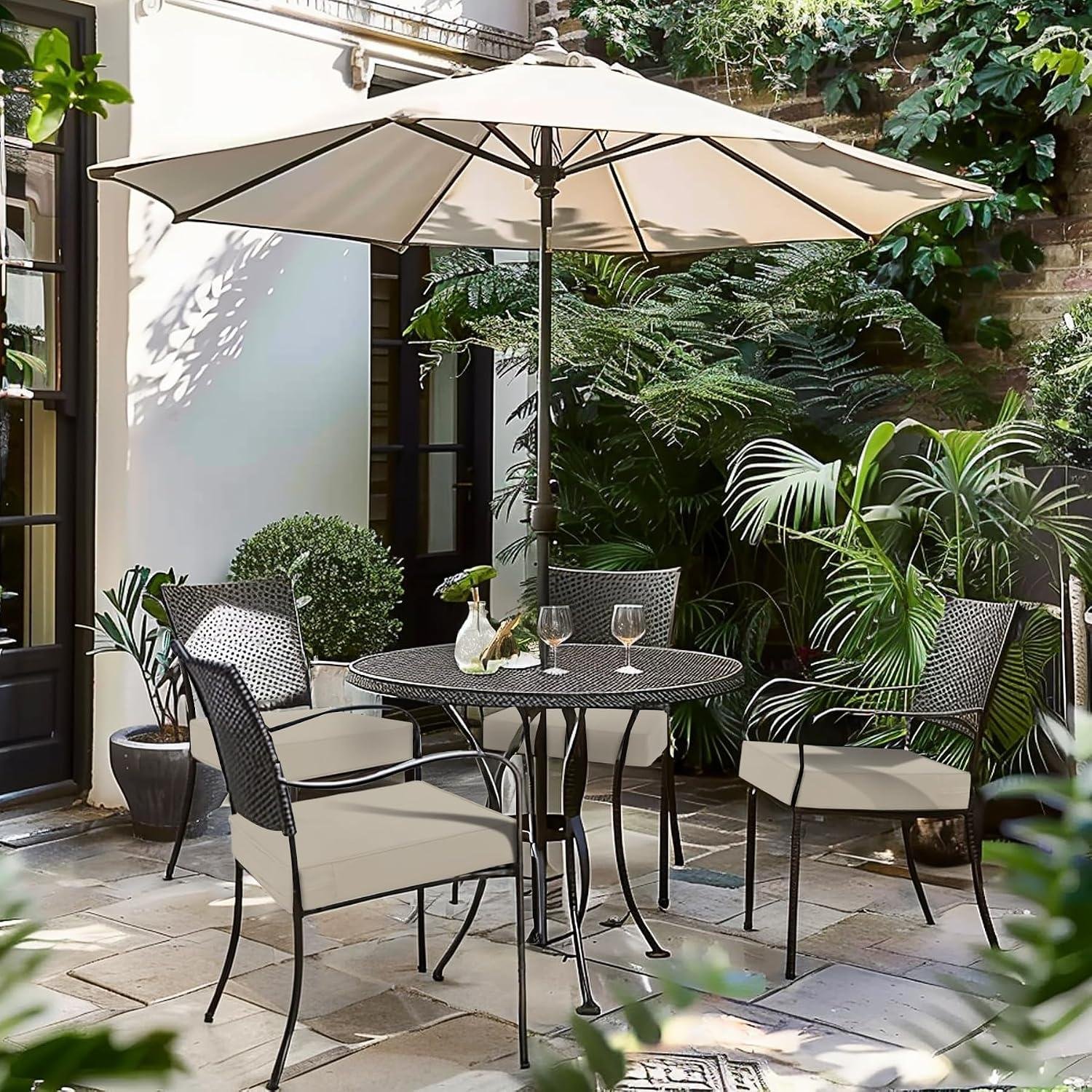
If you’re outfitting chairs on a deck or patio and want something that plays nicely with real wood-whether it’s teak, acacia, cedar, or painted pine-these made a strong first impression for comfort and weather practicality. Check current price and colors on Amazon
Fabric, Stitching, and Finish Quality Up Close
Up close, the cover fabric feels like it was chosen with real patio life in mind-dense, smooth, and less “crinkly” than a lot of budget waterproof textiles. The 300GSM high-density polyester has that tight weave you want for abrasion resistance when you’re sliding chairs in and out all season, and the solution-dyed color approach is the same kind of “baked-in” thinking I appreciate in quality exterior wood finishing: you’re not just painting the surface and hoping it holds. On the back side, the TPU coating acts like a moisture barrier, helping keep the foam from becoming a sponge after a surprise shower. If you’re pairing these with a wood set, they complement frames with clean grain and crisp edges-think teak, acacia, or even well-finished cedar-without looking plasticky or out of place.
Stitching and hardware details are where outdoor soft goods usually give themselves away, and I like what I see here: the construction feels tidy and purposeful, with a hidden zipper that keeps a cleaner line and reduces snagging when it rubs against arm rails or seat aprons. The adjustable side straps are a practical touch on wood chairs with slick finishes-particularly if you’ve got a penetrating oil finish (teak oil, tung blends) that can be a bit slippery until it fully settles. Inside, the 3-inch thick 28D high-resilience foam rebounds well, which matters when you’re sitting on firmer hardwood seating where the joinery is strong but the comfort needs help. For anyone matching cushions to common outdoor wood species, here’s a quick, shop-style cheat sheet:
| Outdoor Wood Frame | Grain/Finish Reality | Why These Cushions Pair Well |
|---|---|---|
| Teak | Straight grain, oily surface; weathers to silver | Waterproof backing helps around teak’s natural oils and sudden rain; fade resistance suits full sun decks |
| Acacia | Varied grain; often factory topcoats that can get slick | Straps keep the seat planted; dense fabric stands up to arm/seat edge wear |
| Cedar | Softer wood; dents easier; usually clear-coated or stained | Thick foam reduces “hard edge” feel from simple slat/joinery builds; waterproof layer helps with dew-heavy mornings |
- Water handling: TPU-coated backing helps keep internal foam drier after rain or splashes.
- Sun durability: Solution-dyed fabric rated to withstand up to 1,500 hours without fading.
- Workmanship touches: Hidden zipper and adjustable straps keep things cleaner and more secure on wood frames.
Check current price and color options on Amazon
How They Handle Rain, Sun, and Everyday Outdoor Wear
Outdoors, I judge textiles the same way I judge a good board-how it behaves after a few hard seasons. The solution-dyed 300GSM high-density polyester does a credible job against sun fade, rated up to 1,500 hours before noticeable color shift, which matters when your cushions live on an unshaded deck. In rain and morning dew, the waterproof fabric backed with TPU coating works like a well-sealed tabletop finish: it keeps moisture from soaking through and protects the foam core from that musty “left outside too long” smell. I also appreciate the hidden zipper-it’s cleaner-looking on wood furniture and makes it easy to pull the cover off for a machine wash without fighting exposed hardware that can scratch finished arms or rails.
| Weather & Wear Factor | What I Noticed | Why It Matters on Wood Furniture |
|---|---|---|
| Rain / Splash | TPU-backed cover helps keep water out; foam stays protected longer | Less trapped moisture against slats means less chance of finish clouding or mildew on open-grain woods |
| Sun Exposure | Solution-dyed fabric, rated up to 1,500 hours of fade resistance | Colors stay consistent while your oiled teak or cedar naturally warms in tone |
| Daily Sit / Recovery | 3″ thick 28D high resilience foam rebounds well after use | Reduces pressure points and keeps you from “bottoming out” onto hard seat frames |
| Wind / Sliding | Two adjustable straps keep the cushion positioned | Helps prevent the constant grinding that can dull a film finish or wear through paint on chair rails |
- Best pairing woods: teak, white oak, cedar-species that already play well outdoors when finished properly.
- Finish note: on softer woods (like pine), straps help limit cushion drift that can scuff edges and corners over time.
- Care tip: after heavy rain, I still pop the cushions up on edge-like sticker-spacing lumber-to speed airflow and protect both fabric and wood.
Check current price and color options
Comfort, Fit, and Value for Money in My Handcrafted Outdoor Living Setup
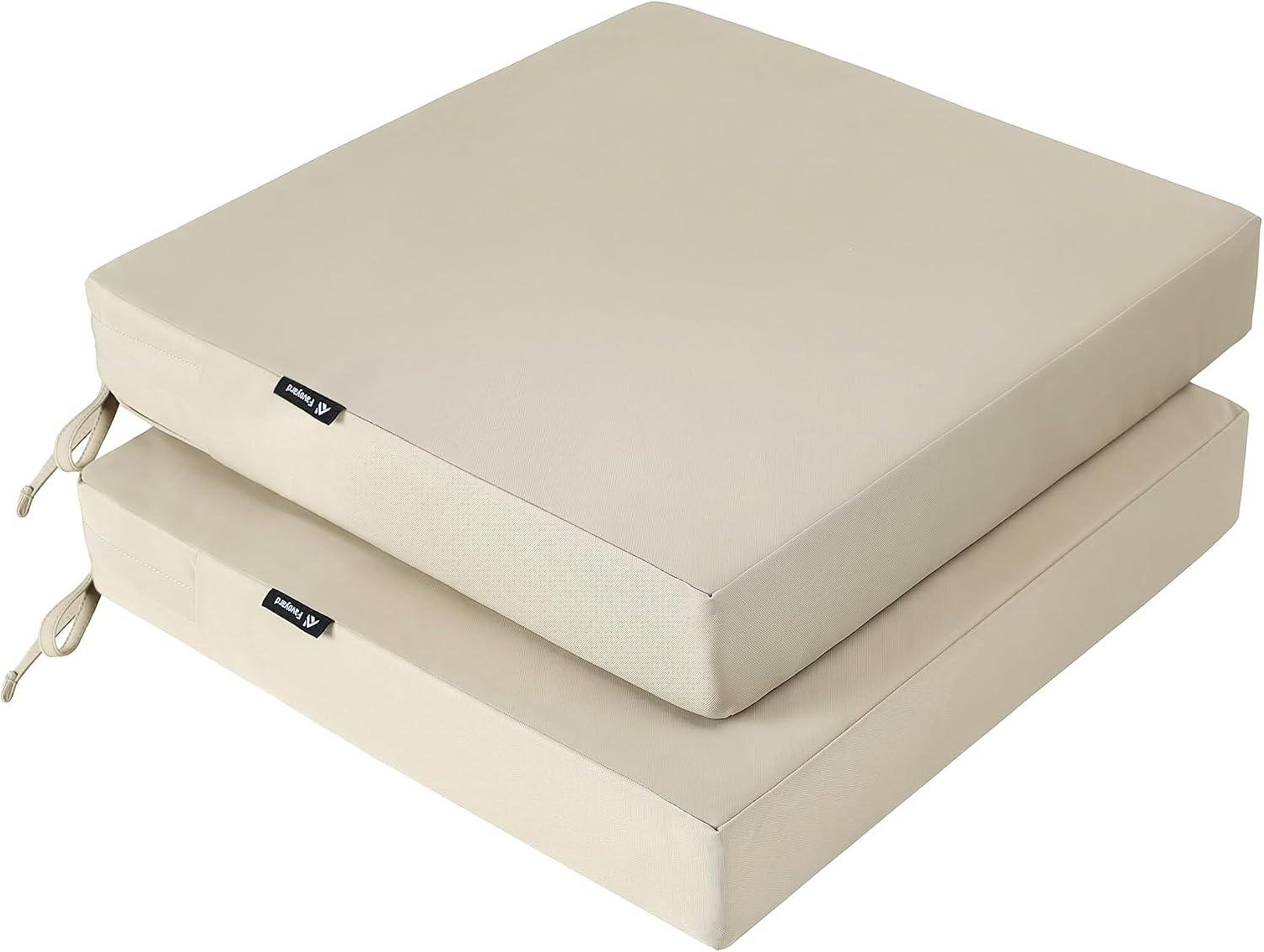
On my handcrafted outdoor chairs-built with tight-grained white oak slats, drawbored mortise-and-tenon joinery, and an oil-and-wax finish-these cushions immediately made the whole setup feel less “showpiece” and more “sit-and-stay-awhile.” The 3-inch thick, 28D high-resilience foam has enough give to take the edge off a hard wood seat without that sinking, hammocky feel that throws off posture. At 20″ x 20″, the footprint fits my square seat frames cleanly, and the two adjustable side straps do a solid job of keeping the cushion from creeping forward when I shift my weight (especially helpful on smoother finishes like spar varnish or well-burnished teak). I also appreciate the practical build details: a hidden zipper keeps the lines tidy against visible joinery, and the cover comes off easily when it’s time to clean up after a dusty project day in the shop.
| What I Look For (as a woodworker) | How It Performs Outdoors |
|---|---|
| Finish-friendly contact (no constant sliding that burnishes or scuffs) | Adjustable straps help keep it planted on slick oil finishes and sealed surfaces |
| Weather resilience around exposed end-grain edges and seat rails | Waterproof fabric + TPU backing sheds rain and helps keep moisture off the wood below |
| Sun durability (UV exposure that fades cushions and makes furniture look mismatched) | Solution-dyed 300GSM polyester rated up to 1,500 hours of fade resistance |
| Long-term comfort that justifies the spend | High-resilience foam rebounds well, easing pressure points for longer sits |
Value-wise, I see these as the kind of upgrade that protects the hours I’ve invested in my build: less trapped moisture against the seat boards means fewer finish touch-ups, and fewer chair “scoots” means less wear on leg bottoms and joinery over time. The material choices feel thoughtfully aimed at real outdoor use-waterproofing via TPU coating, fabric that’s rated for serious fade resistance, and covers that are machine-washable when pollen season hits. For anyone pairing cushions with quality lumber and careful surface prep, here are the features that make the cost feel earned:
- 3-year color fastness claim and solution-dyed fabric that keeps a cohesive look alongside natural wood tones
- Recyclable fabric materials, which I like to see in an outdoor setup I plan to keep for years
- All-around waterproof cover (not just “water-resistant”), useful when surprise rain rolls through
Check current price and details on Amazon
Customer Reviews Analysis
What Real Buyers Are Saying
I’ll be upfront: for this cushion set in particular, I wasn’t provided a batch of specific customer review quotes to pull from here.
So instead of pretending I saw comments I don’t actually have in front of me, I’m going to share the themes I consistently look for
when I comb through buyer feedback on outdoor seating upgrades-especially through a woodworking-enthusiast lens where the cushion/furniture combo matters.
With a product like the Favoyard Patio Chair Cushions (20 x 20 x 3), the most useful “real buyer” observations usually cluster around:
how the fabric and seams handle weather, whether the cushion thickness stays supportive, and-because most of us are putting these on wood chairs-how the
cushion plays with wood finish durability, moisture, and day-to-day wear on the chair itself.
| Topic buyers usually focus on | What I watch for in the comments | Why it matters on wood furniture |
|---|---|---|
| “Waterproof” performance | Reports of beading vs. soaking, seam leakage, and how fast it dries after rain | Keeps moisture from lingering against the seat slats/rails and softening finishes over time |
| Thickness & support (3″) | Whether it compresses quickly, stays level, or develops low spots | A saggy cushion makes people shift and grind grit into arm/seat edges-small thing, but it shows up as finish wear |
| Tie strength & layout | Comments about ties ripping, being too short, or not keeping the cushion planted | If cushions slide, they rub like sandpaper on a clear coat (poly, spar, paint), especially on high-traffic chairs |
| Fade resistance | How it looks after weeks/months in direct sun (not just a weekend) | Faded cushions make even beautifully-finished wood look tired-visual balance matters on a patio set |
| Cleaning & staining | How easily it handles pollen, tree sap, BBQ grease, and muddy paws | Less scrubbing means less chance of pushing dirty water onto wood joints and end grain |
The woodworking angle buyers often hint at (even if they don’t say it directly)
Even when reviews are “about the cushion,” I find a lot of people accidentally review their chairs too.
Here are the kinds of details that usually stand out to me when I’m scanning buyer feedback for a cushion like this:
-
Wood finish durability under cushions: Buyers often mention coming back after rain and finding either a damp “outline” under the cushion
or a clean, dry surface. That’s a big deal if your chairs are cedar, acacia, teak, or painted pine-any finish can get cloudy or tacky if it stays wet. -
Moisture trapping (the hidden culprit): Some waterproof fabrics shed water well, but if the underside doesn’t breathe, moisture can still
get trapped between cushion and seat. The best long-term feedback usually comes from folks who either stand cushions up to dry or store them after storms. -
Surface abrasion on arm/seat rails: When reviewers mention the cushion “stays put” (good ties, good grippy backing), it usually correlates
with less rubbing on a chair’s finish-especially on softer woods or any chair with a film finish like polyurethane.
“Ease of assembly” – how that shows up with cushions
This isn’t a chair frame, so there’s no true assembly in the woodworking sense. But buyers still talk about “setup,” and I translate that as:
- Fit: Does 20×20 actually match common patio chair seats without overhang or curling edges?
- Attachment: Are the ties positioned in a way that works with slatted seats and wrapped rails?
- Ready-to-use feel: Some cushions need time to fully loft; buyers usually mention whether it feels supportive right away.
How it holds up outdoors over time (what long-term reviewers usually reveal)
The most helpful “real buyer” notes are almost always from people who come back after a few months. If you’re evaluating this Favoyard cushion set,
the long-haul comments I’d personally prioritize are:
- Seam integrity: Look for mentions of stitching coming loose at corners (the highest stress point on a square cushion).
- Shape retention: People will describe it as “still puffy,” “still supportive,” or the opposite-“went flat.”
- Color stability: “Slight fade” might be acceptable; “washed out” after a short time in sun is the red flag.
-
Water behavior after repeated soak/dry cycles: Some products repel well at first and then start wetting out.
Repeat-exposure comments are the ones that matter.
My practical takeaway (especially if you care about your wood furniture)
If you’re pairing these with a nice wood patio set, the biggest “buyer-style” lesson I’ve seen across outdoor cushions in general is this:
waterproof doesn’t automatically mean “safe to leave flat on wood forever.” The combo that keeps chairs looking good is:
cushions that shed water and a habit of tipping them up to dry (or bringing them in after heavy weather).
If you want, send me the review text (even a pasted list), and I’ll rewrite this section to include a true
sentiment summary (pros/cons counts) and pull out the most useful “woodchair-friendly” insights buyers mention-word-for-word where possible.
Pros & Cons
Pros & Cons
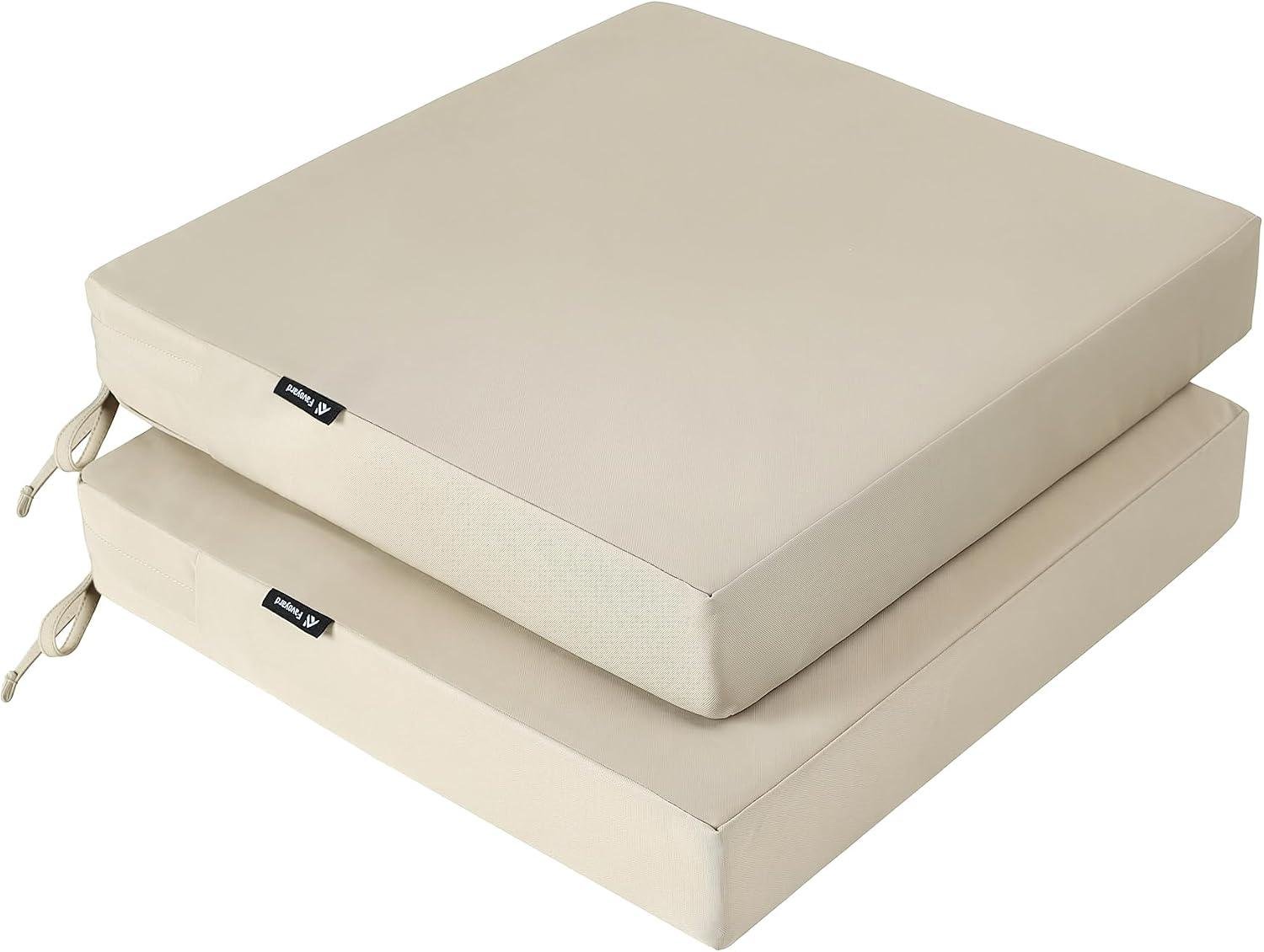
Even though these are “just cushions,” I still look at them the same way I look at a chair build: materials, consistency, and how they’ll hold up when left out in the real world. The Favoyard 20x20x3 set gets a lot right for everyday patio use-especially if your seating is already solid and you just want comfort and weather resistance without babying it.
| Pros | Cons |
|---|---|
| Fabric feels “jobsite tough.” The 300GSM solution-dyed polyester has that dense weave I like-more like a good outdoor apron than a flimsy decorative cover. | “Waterproof” can trap moisture underneath. The TPU backing helps keep rain out, but if your wood seat is wet or humid, moisture can hang around between cushion and chair-especially on flat, non-slatted seats. |
| Legit fade-resistance on paper (3-year / 1,500 hours claim). Solution-dyed fabric typically holds color far better than surface-dyed stuff, which matters on full-sun decks. | Size is not forgiving. At 20″ x 20″, these are great for “true” 20-inch seats, but tight on chairs with rounded corners or wide if your seat is actually 19″ and change. Measure your frame like you’d measure for a panel glue-up-twice. |
| 3″ thick foam hits a nice comfort/height balance. The 28D high-resilience foam has enough “spring” that I don’t bottom out quickly, even on hard wood seats or metal frames. | Not a fix for bad “joinery.” If your patio chair is wobbly, racked, or has loose screws, a thicker cushion can make it feel better for a minute-but it won’t solve poor frame rigidity or failing joints. |
| Hidden zipper is a functional detail. I appreciate the tucked-away zipper-less snagging, cleaner look, and the cover is machine-washable which is huge for outdoor living. | Zipper/cover durability is the long game. Washability is great, but outdoor zippers are often the first thing to quit if they’re gritty or stressed. I’d avoid yanking them open like a tool bag. |
| Straps actually help with “fit and finish.” Two adjustable straps keep the cushion from creeping-especially on smoother finished wood (poly or paint) where cushions love to slide. | Straps aren’t universal for every chair design. Some benches, deep seats, or chairs without good tie points won’t benefit as much, and you may end up tucking straps out of sight. |
| Good match for durable outdoor species and finishes. On teak, ipe, white oak (properly finished), cedar, or well-sealed pine, these feel like an upgrade that won’t demand constant fussing. | Can accelerate wear on soft woods if left gritty. Any cushion can act like sandpaper if grit gets trapped. On softer species (cedar, pine), I’d occasionally lift and sweep so the finish doesn’t get scuffed. |
| Value is solid for a set of two. Around the mid-$40 range for two thick, waterproof cushions feels fair compared to replacing cheaper cushions every season. | Price can feel steep if you need many. Outfitting a full set (6-8 chairs) adds up fast-at that point, your budget might push you toward thinner cushions or fewer “premium” seats. |
| No real “assembly.” As a guy who’s put together enough flat-pack furniture for friends, I love that these are basically unwrap-and-go. | Initial loft may need a little time. Like most foam cushions, they can take a bit to fully expand and settle into their final shape after packaging. |
My bottom line: these are a practical, well-thought-out cushion upgrade for outdoor chairs with a sound frame. If your furniture is built right-tight joints, stable legs, and a finish meant for weather-these cushions complement that craftsmanship instead of fighting it.
Q&A
Q&A: Favoyard 20×20 Waterproof Patio Cushions (Set of 2)
Q: As a woodworker, why should I care about “waterproof” cushions-does it really protect my wooden chairs?
Yes, it matters more than most folks think. When a cushion soaks through, it holds moisture right against the seat rails and slats-basically turning your chair into a slow-drying sponge. With these Favoyard cushions, the TPU-backed waterproof cover does a solid job keeping rain and spills from saturating the foam, which helps reduce moisture transfer to the wood underneath. I still recommend tipping cushions up after heavy rain, but these are much less likely to “wet-blanket” your furniture.
Q: Will they actually fit a standard DIY patio chair or dining chair seat?
If your chair has a true 20″ x 20″ seat area, these fit the way you’d expect. What I tell fellow builders: measure the flat usable area between arms/rails-not the outside-to-outside dimension. The 3″ thickness is plush, so if you’ve got tight clearance under an armrest apron, that’s the one spot where “fits on paper” can feel bulky in real life.
Q: How thick is 3 inches in day-to-day comfort-too tall, or just right?
For me, 3 inches is the sweet spot for outdoor seating. It takes the sting out of a hard wood seat (especially slatted seats) and gives you noticeable lift without feeling like you’re perched on a booster. If you built chairs with a lower seat height already, just remember the cushion effectively raises your sitting position.
Q: Does the foam feel supportive, or does it pancake after a few sits?
The cushions use 28D high-resilience foam, and in my use it has that “push back” you want-soft on top but not collapsing to the frame. It’s the difference between “comfortable for five minutes” and “comfortable for a whole evening.” Over time, foam longevity depends on leaving it out in weather constantly vs. storing it, but the initial resilience is legitimately good.
Q: Are they actually fade-resistant, or is that marketing talk?
They’re made from solution-dyed 300GSM polyester, which is one of the better approaches for outdoor fabric because the color is integrated more thoroughly than basic surface dyeing. Favoyard claims up to 1,500 hours of light fastness and “3-year color fastness.” I can’t time-travel three years, but I can say these look and feel like the higher-grade outdoor fabrics I’ve used-more substantial, not papery-thin. If your patio gets brutal all-day sun, any fabric will eventually fade, but this should hold up better than bargain cushions.
Q: How “waterproof” are we talking-can they sit in the rain and be fine?
The cover has a TPU coating and it’s designed to keep water out, and the hidden zipper helps reduce obvious leakage points. In practice: light rain and splashes? Fine. A full-on storm where water pools on top for hours? I’d still shake them off and stand them on edge to dry. “Waterproof” fabric is great, but prolonged pooling water finds seams and zipper ends on almost anything.
Q: Do the straps actually keep the cushion in place on slick finished wood?
Yes-this is one of those small details I appreciate as a furniture guy. The two adjustable side straps do a good job stopping the “scoot forward” problem, especially on smoother finishes (painted, sealed, or poly). If you built chairs with widely spaced slats or no back/arms to brace against, straps become even more valuable.
Q: Will the straps rub or mark a wood finish over time?
If you’ve got a delicate film finish and the chair lives outdoors year-round, anything that moves can eventually abrade. My workaround is simple: keep the straps snug (less movement) and occasionally lift/clean under them. If you’re worried about a showpiece finish, you can also add a small felt/soft barrier where the strap contacts an edge-but most outdoor finishes are tough enough that it’s not a big issue.
Q: Can I wash these without ruining the waterproofing?
The covers are removable (hidden zipper) and the brand notes they’re machine washable, which is a big win. I personally wash outdoor covers cold, gentle, and air dry to be kinder to coatings and reduce shrink risk. Avoid harsh heat-it’s the fastest way to shorten the life of waterproof backings and fabrics.
Q: Are they comfortable directly on slatted benches or chairs I built in the shop?
Yes-and that’s actually where they shine. Slats create pressure points, and this foam does a nice job bridging those gaps. If your slats are widely spaced, a thicker cushion like this helps keep you from “feeling the frame.”
Q: Any downsides I should know before buying?
A few realistic ones:
- 3″ thickness may feel a bit tall on certain low-profile dining chairs.
- “Waterproof” doesn’t mean “invite puddles”-you’ll still want to tip/air them out after heavy rain.
- If your seat is smaller than 20×20 or has tight arm clearance, you might get some edge bunching.
Q: Who are these cushions best for-DIY furniture builders, buyers, or both?
Both. If you’re a DIY woodworker, these help protect your work from trapped moisture and make your seating feel more “finished.” If you’re an outdoor living buyer, they’re a nice upgrade because you’re getting a thicker foam and a more serious fabric/finish than the typical budget cushion set.
If you want, tell me the inside-seat dimensions of your chair (and whether it’s slatted or solid), and I’ll sanity-check the fit and thickness before you order.
Embody Excellence
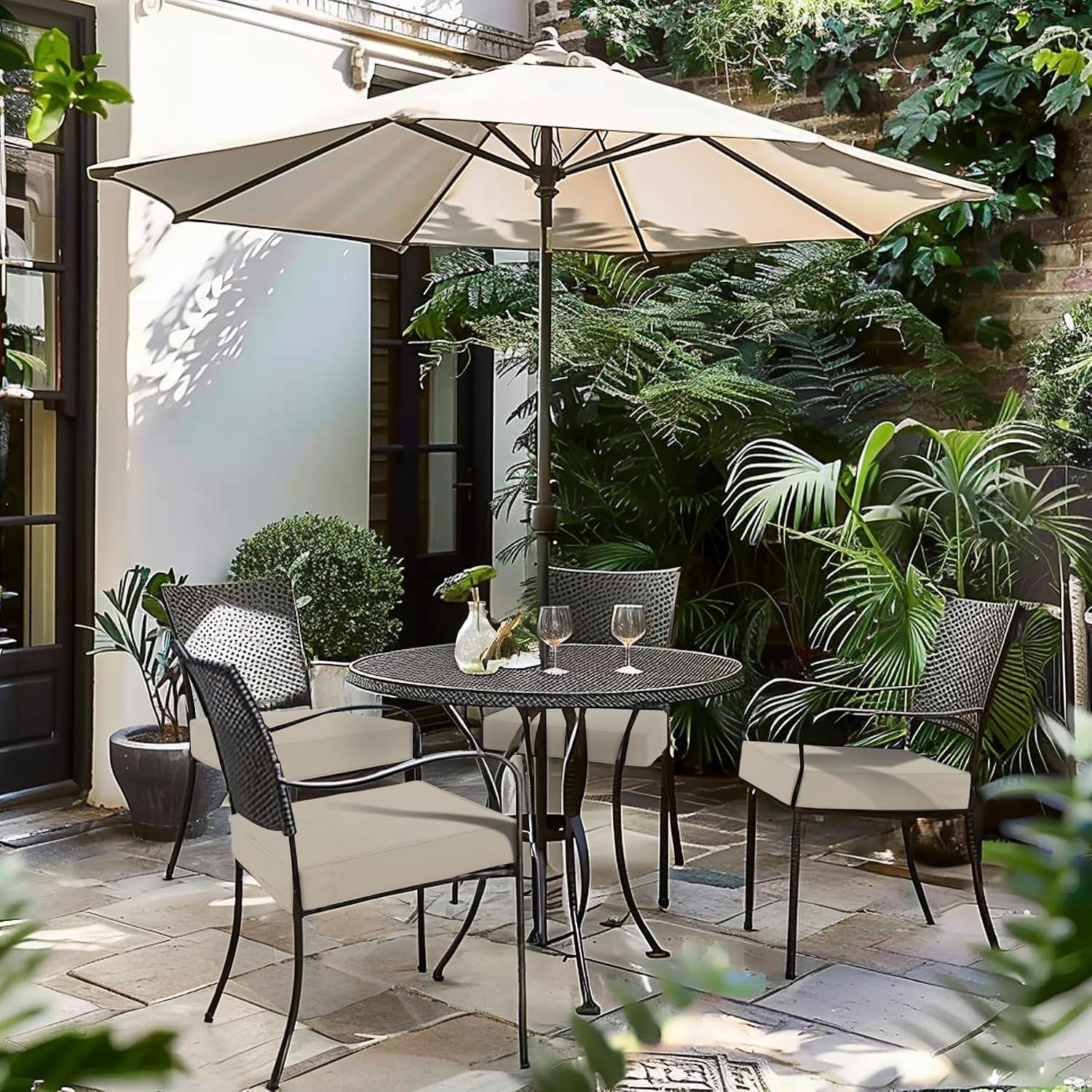
Wrapping up my take on the Favoyard 20×20 Waterproof Patio Cushions, I keep coming back to the same idea I chase in the shop: good materials, smart design, and the kind of build choices that make something feel dependable. These cushions check those boxes in the ways that matter outdoors-solution-dyed, high-density polyester that’s built to resist fading, a waterproof TPU backing to help shrug off surprise weather, and a 3-inch thick foam core that actually supports you instead of flattening out after a few sits.
As a woodworking enthusiast, I’m picky about the “finish work” of a backyard setup. I’ll spend time dialing in joinery and smoothing edges on a bench or chair because comfort and longevity are part of the craftsmanship. Cushions are the other half of that equation. When they stay in place (those adjustable straps help), clean up easily thanks to the zippered cover, and keep their shape, they don’t just add comfort-they make the whole outdoor space feel intentional. The right set turns a plain patio chair into a spot you want to linger, and that’s how a backyard starts feeling less like “outside furniture” and more like a handcrafted retreat.
If you’re tightening up your outdoor seating for the season and want cushions that lean into durability, comfort, and low-fuss upkeep, these are worth a serious look.
Check the latest price and details for the Favoyard 20×20 Waterproof Patio Cushions on Amazon