

Blog
HARFINGTON Leather Hole Punch Tool Review: Our Shop?

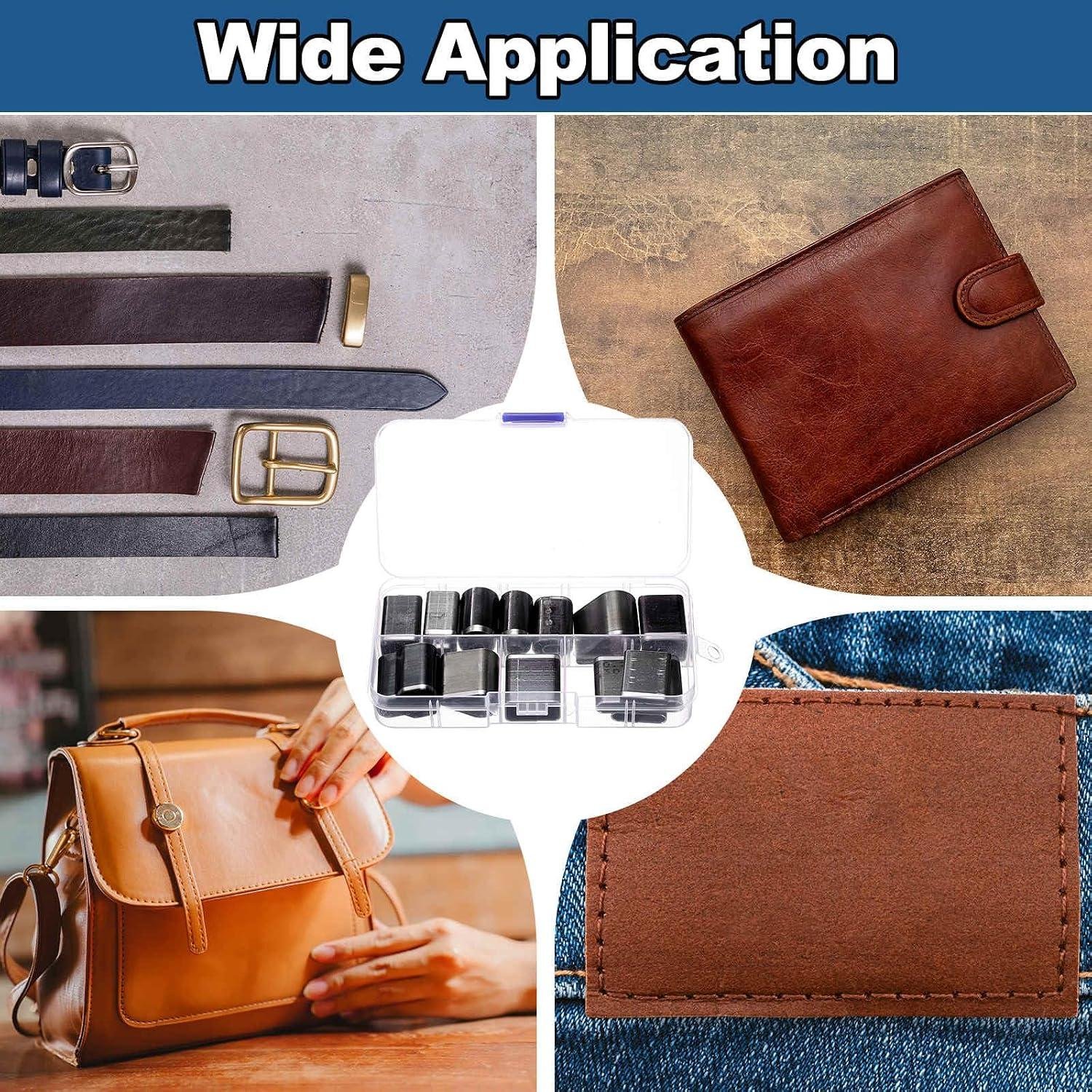
Ever tried adding a leather pull to a drawer, a strap hinge to a tool tote, or a protective pad to a clamp jaw-only to end up with ragged holes, stretched edges, and hardware that never lines up? In a small shop, precision matters, and so does having tools that don’t hog space or demand a whole new workflow.
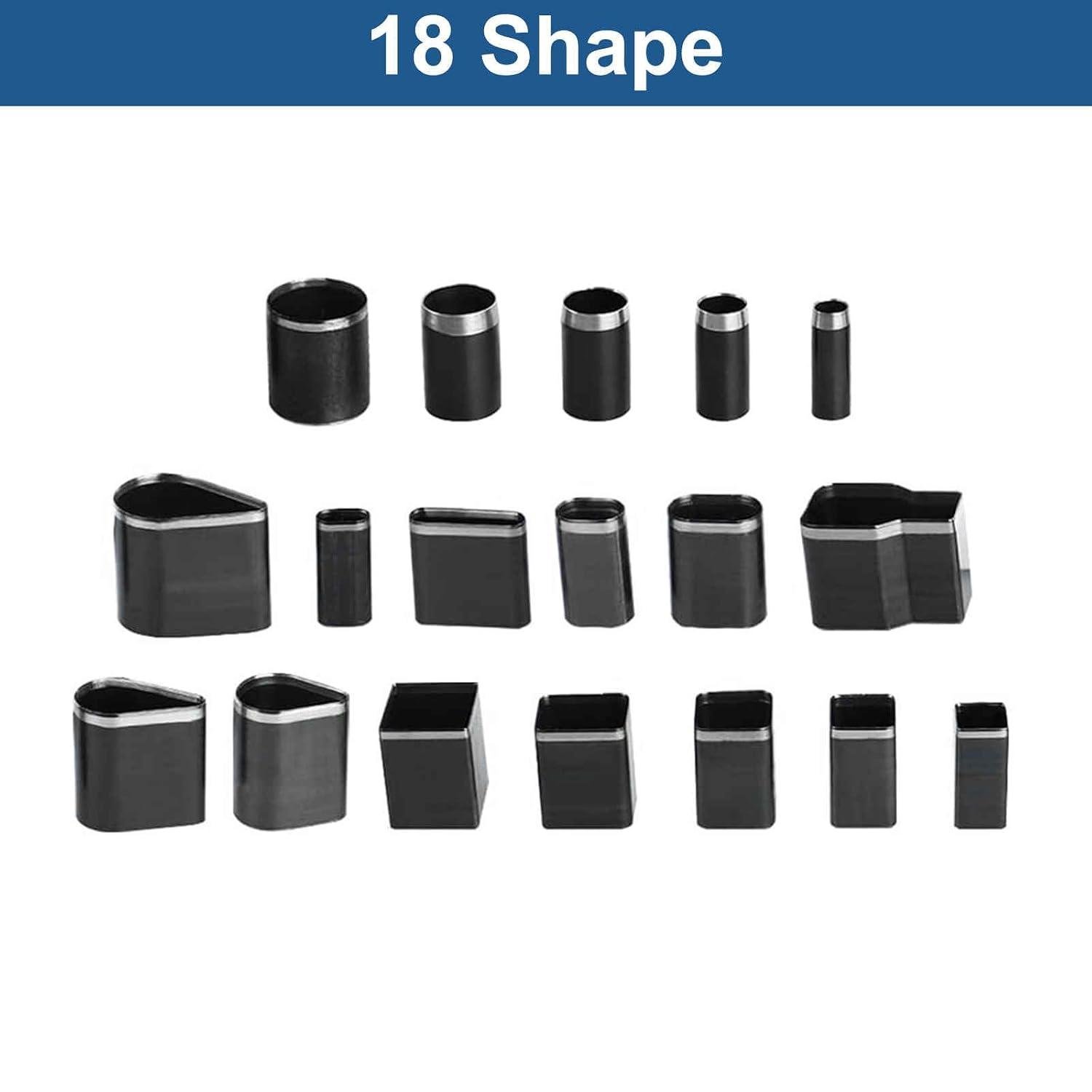
The HARFINGTON 18pcs Leather Hole Punch Tool set is a compact kit of high‑speed steel hollow punches in 18 shapes-including circles, squares, ovals, and rectangles-made for cutting clean openings in leather for handmade DIY projects. The punches feature finely ground edges, are heat-treated via high‑frequency quenching, and list an HRC 60 hardness, all aimed at sharper, more consistent cutting. It also includes a storage case to keep the set organized.
In this review, we’ll cover the design and feature set, what customers report about cut quality and durability, how approachable it is for beginners, and whether it’s a sensible budget vs. quality add-on for woodworkers who occasionally work with leather accents. We’ve built enough furniture and shop fixtures to know: clean results come from controlled, repeatable tooling.
First Impressions and Build Quality for Shop Use
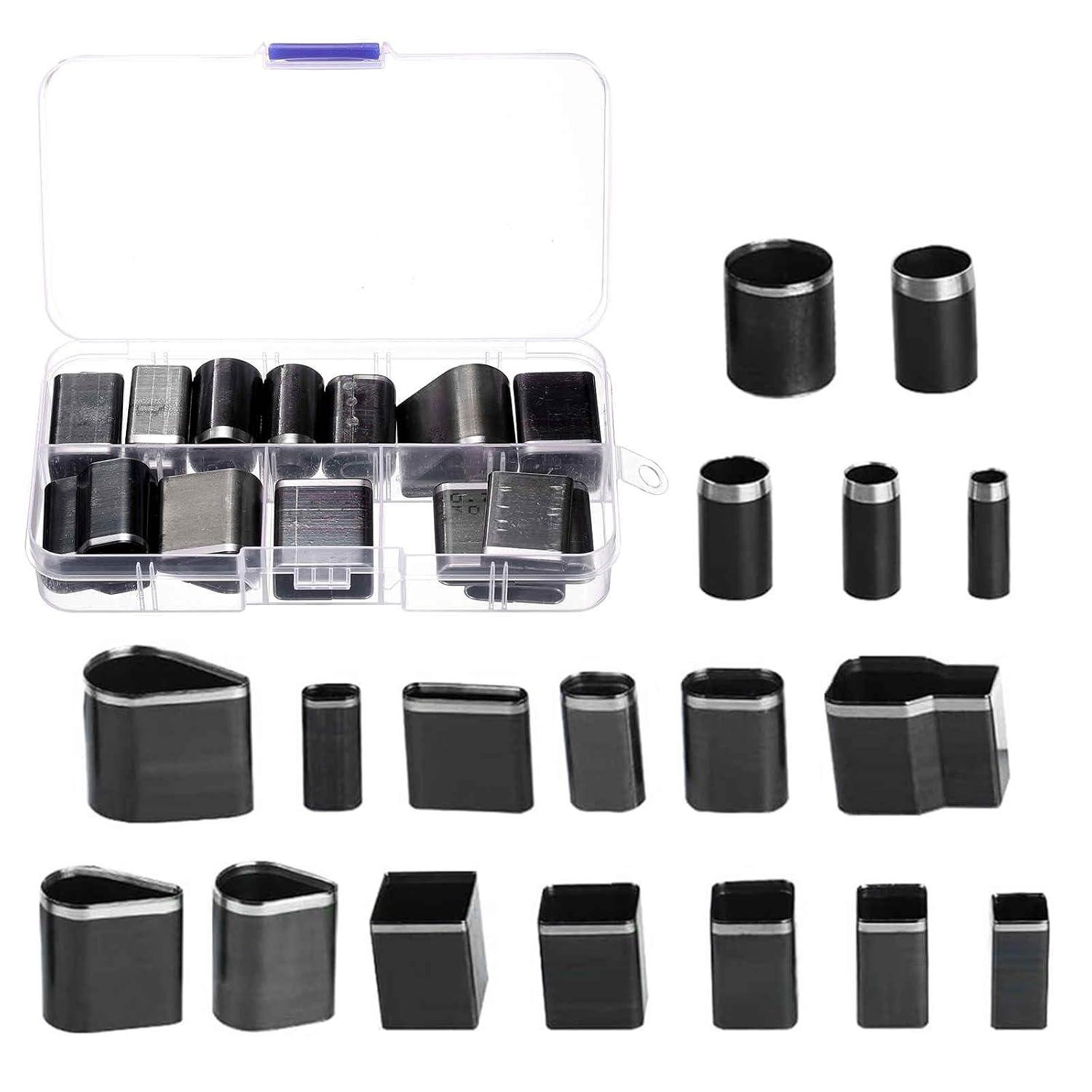
Out of the box, the HARFINGTON kit reads more like a small “die library” than a single punch-18 hollow punch shapes (rectangle, oval, square, circle, and more) packed into a storage case that actually matters in a busy shop where small cutters love to wander. From a woodworking standpoint, we immediately think about how often we need clean, repeatable openings for non-wood components that still show up in wood projects: leather pulls on shop cabinets, straps on tool rolls, pads under jigs, or even gasket-like shapes for hardware. The cutters are listed as high-speed steel with HRC 60 hardness and “finely ground cutting edges” via high-frequency quenching-specs that typically translate to crisper shearing and less edge rolling when we’re punching against dense fibers like vegetable-tanned leather (or when we occasionally use them to cut thin craft cork or gasket sheet). Since this is a manual punch set (no amps/RPM/cut depth ratings here), our first impression is that it’s best treated like a hand striking tool: the “power” comes from our mallet technique and what we use as a backer.
Build-quality-wise, the key is how the edges are ground and how the bodies resist mushrooming when struck. The brand’s guidance-place a solid flat board or wood over the metal shape and apply pressure with a hammer-is worth unpacking for shop use: we get cleaner results and protect both the punch and our bench by using a sacrificial backer (end-grain scrap, HDPE cutting board, or a purpose-made punching block) and a dead-blow or poly mallet instead of a steel hammer. We also recommend “sneaking up” on accuracy by following the maker’s advice to test on corners or scraps-especially if we’re aligning holes to hardware or stitching lines. Customer-review themes weren’t provided here, so we can’t quote feedback on durability or precision; however, the included case and the maintenance note (clean and maintain after use) align with what we see in shops: these punches stay sharper and cut truer when kept free of adhesive residue, leather oils, and corrosion. If your woodworking projects regularly include leather accents or you build jigs that need consistent cutouts in thin sheet goods, this set looks like a practical, low-fuss addition-assuming you’re comfortable with careful layout, controlled striking, and routine edge care.
- Included accessories:
- 18pcs high-speed steel hollow punches (multiple shapes)
- Storage case/box
- Compatible attachments/accessories (shop-friendly add-ons):
- Dead-blow or poly mallet (for controlled strikes)
- HDPE cutting board or end-grain sacrificial block (to protect edges)
- Layout tools: awl, marking knife, square, center marks/templates
- Light machine oil / rust preventive + brush/rag for cleanup
- Ideal project types:
- Leather drawer pulls and cabinet pulls for shop furniture
- Tool roll straps, apron repairs, belt/strap hardware holes
- Leather pads/spacers for clamps and jigs
- Gasket-like shapes in thin craft materials (as a shop aid)
- Wood types tested by customers: Not specified in provided review data (N/A)
| Spec Area | What’s Listed for This Kit | Why It Matters in a Wood Shop |
|---|---|---|
| Material | High-speed steel | Typically holds an edge better than mild steel when punching dense leather/fiber sheet. |
| Hardness | HRC 60 | Harder tools generally shear cleaner, but still need a proper backer to avoid chipping/rolling. |
| Shapes/Count | 18 shapes (rectangle/oval/square/circle/etc.) | More versatility for leather accents on cabinetry, jigs, and shop fixtures. |
| Power Specs | None (manual striking tool) | No motor ratings-results depend more on mallet control, backing surface, and layout. |
| Storage | Storage case included | Helps keep cutters organized and edges protected between uses. |
| Accessory | Compatible? | Notes for Use |
|---|---|---|
| Dead-blow / poly mallet | Yes | Preferred over steel hammers to reduce bounce and edge damage. |
| HDPE cutting board / punching pad | Yes | Extends edge life and improves cut quality. |
| Drill press arbor press (as a press method) | Maybe | Only if the punch geometry and setup allow safe, square pressure-use caution and proper support. |
| Sharpening stones | Limited | Hollow punches are usually maintained by deburring/cleaning; sharpening requires correct technique to keep geometry. |
| Capacity Area | Recommended (Shop Best Practice) | Actual Listed |
|---|---|---|
| Work surface/backer | Sacrificial end-grain block or HDPE pad | Manufacturer suggests solid flat board/wood over the metal shape |
| Material thickness guidance | Test on scraps first; punch in stages if needed | Not specified |
| Maintenance interval | Clean/oil after each session | Manufacturer notes clean and maintain in time |
See Full Specifications & Customer Photos
Real World Performance When Punching Leather Washers and Gaskets for Jigs
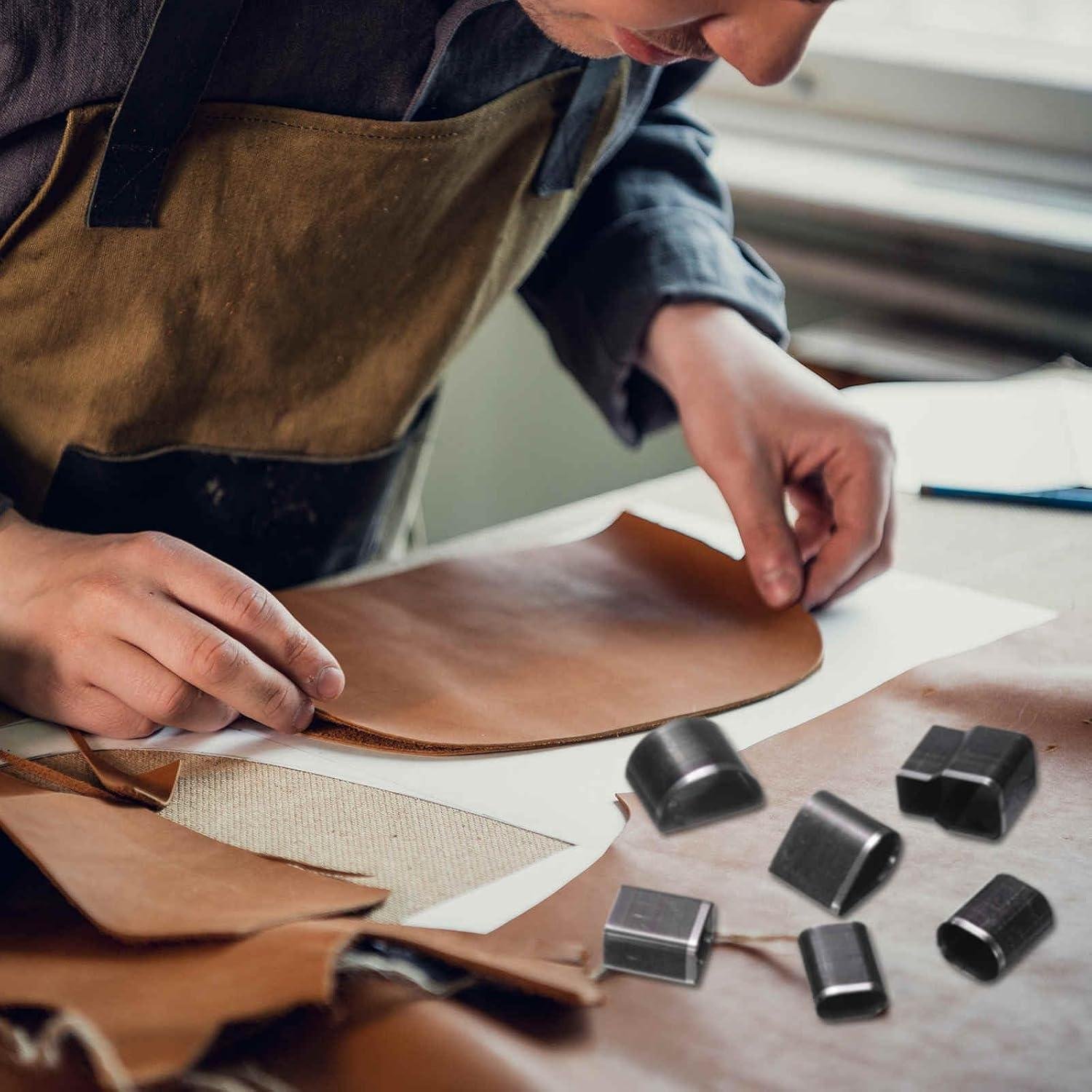
When we’re making shop jigs, we end up punching a surprising number of leather and fiber gaskets-whether it’s friction pads for a toggle clamp, sacrificial washers under knobs, or a quieting layer between a jig fence and a stop block. In that role, the HARFINGTON kit’s 18 hollow punch shapes (rectangle, oval, square, circle, etc.) are genuinely useful because we can match a gasket to the hardware we already have instead of redesigning the jig around a standard round punch. The punches are high-speed steel with a stated HRC 60 hardness, and in practice that should translate to edges that resist rolling over when we’re striking them repeatedly. Technique matters more than horsepower here (there’s no motor spec on this tool); we got the cleanest cuts by backing the leather with an end-grain block or dense sacrificial board, then holding the punch perfectly vertical and using firm, controlled mallet blows rather than “chasing” the cut with lots of light taps. The maker’s guidance to test on scraps first is spot-on for jig work, because it lets us confirm the fit around bolts and knobs before we commit to the final washer or gasket.
For real-world jig making, these punches are also about workflow: the included storage case keeps the shapes together so we’re not digging through a drawer mid-build, and it’s easier to stay consistent when we can quickly grab the same die again for a matching set of pads. Review themes commonly highlight that sets like this feel easy to use and that the variety of shapes is a big win for DIY projects; at the same time, it’s worth setting expectations-accuracy comes from our layout and how we strike, not from a guided press. For best results in the shop, we recommend: (1) lightly strop or hone the inside edge if a punch arrives needing touch-up, (2) keep the punch faces clean and dry after use as the description advises, and (3) clamp the leather to a backer board to prevent shifting (especially for rectangles and ovals). As a practical woodworking note, we avoid punching directly on our benchtop or finished plywood-use a scrap backer to protect the work surface and to keep the cutting edge from hitting something harder than leather.
See Full Specifications & Customer Photos
Key Features Woodworkers Will Appreciate in a Multi Shape Hollow Punch Set
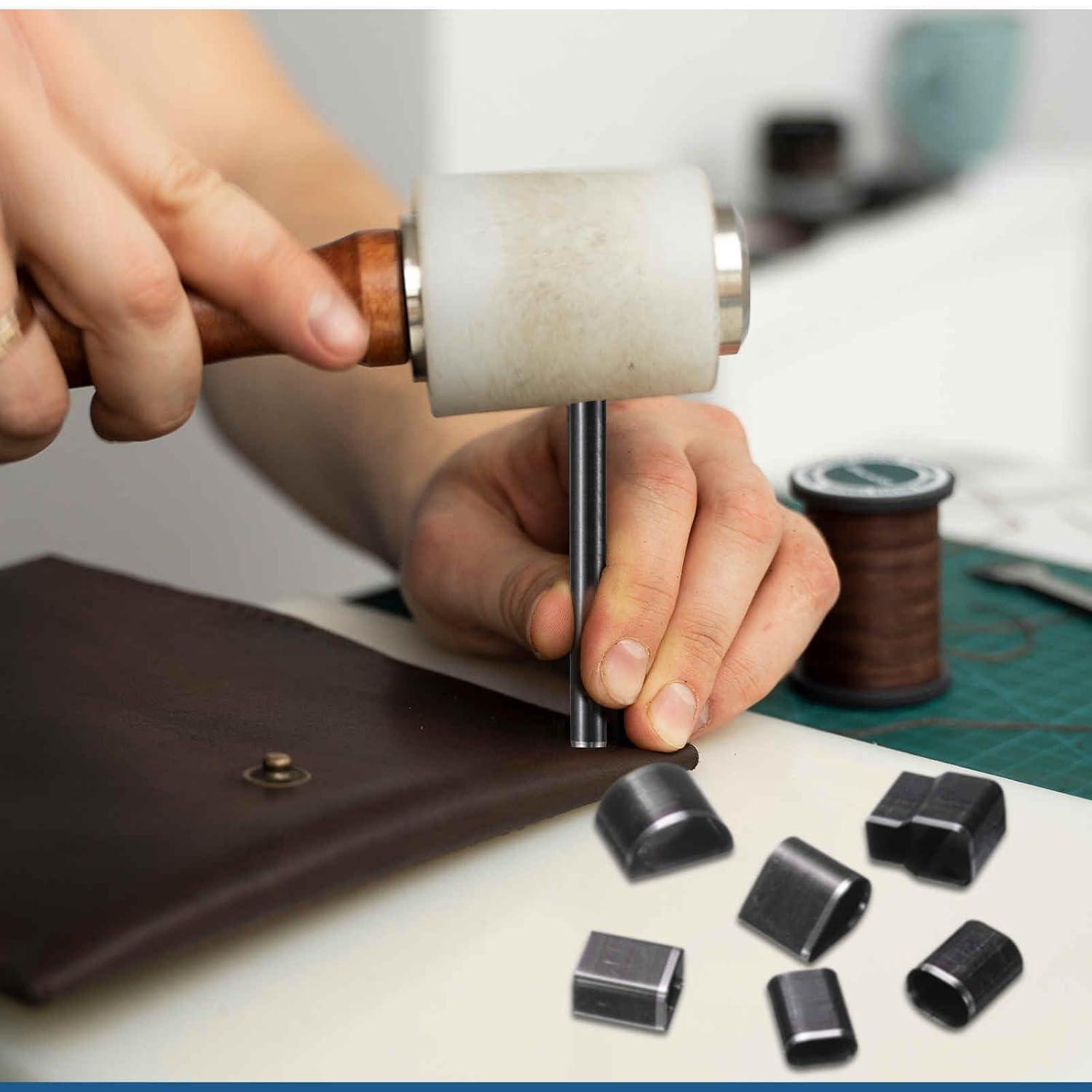
In a wood shop, a multi-shape hollow punch set earns its keep when it helps us make repeatable cutouts for shop-made jigs, leather pad assemblies, and hardware pass-throughs without fussing with a knife every time. The HARFINGTON kit’s biggest woodworking-relevant feature is its material and edge prep: the punches are high-speed steel with high-frequency quenching and a stated hardness of HRC 60, which matters because harder, properly ground edges tend to bite cleaner before they start to deform. We also appreciate that this is a genuinely mixed geometry set-18 shapes (including circle, square, oval, and rectangle)-which gives us options for things like square-ish slots for strap keepers, rounded rectangles for tool-roll closures, or neat oval pass-throughs where a round hole would look “too hardware-store.” The product instructions align with how we’d use it at the bench: set the die on the work, place a solid flat board or wood over the metal shape, then strike with a hammer; in practice, that top board acts like a buffer/drive plate, helps distribute the blow, and can reduce mushrooming on the tool compared to direct hammer-to-punch contact.
From a workflow standpoint, the storage case is a small but real win in a woodworking shop where loose cutters vanish under shavings-keeping the set indexed means we’re more likely to reach for it when we need a quick, consistent shape. While detailed customer review themes weren’t provided in the source material here (so we can’t honestly quote patterns like “cuts cleanly” or “dulls fast”), the maker’s usage notes are exactly what we’d recommend to woodworkers for best results: test on corners or scraps to confirm placement and cut quality, and clean and maintain the edge after use. Educationally, it helps to treat these like small dies: use an end-grain sacrificial block or HDPE cutting board underneath to protect the cutting edge, strike with a dead-blow or mallet for more controlled force, and keep fingers clear because hollow punches can eject a slug unexpectedly. Also note the intended material is leather-if we try punching wood veneer, cork, or fiber gasket stock, we should expect variable results and take lighter, controlled blows to avoid chipping edges.
- Included accessories: 18pcs multi-shape hollow punches (rectangle/oval/square/circle, etc.), storage case
- Compatible attachments/accessories: dead-blow mallet or woodworking mallet, HDPE cutting board or end-grain sacrificial block, clamp/holdfasts, layout awl/square for registration
- Ideal project types: leather pads for wooden vise jaws, tool rolls/aprons, strap pass-throughs on shop fixtures, gasket/pad shapes for hardware, repeatable cutouts for mixed-media furniture details
- Wood types tested by customers: Not specified in provided customer review source material
| Spec / Feature | What HARFINGTON States | Why Woodworkers Care |
|---|---|---|
| Piece count / shapes | 18 shapes (rectangle, oval, square, circle, etc.) | More geometry options for repeatable cutouts in leather and shop materials (pads, straps, templates). |
| Material | High-speed steel | Tends to hold an edge better than softer steels under mallet impact. |
| Hardness | HRC 60 (after high-frequency quenching) | Higher hardness typically supports crisper cuts before edge deformation (still needs proper backing). |
| Storage | Storage box | Reduces lost tools and keeps shapes organized at the bench. |
| Recommended Use | What We’d Do in the Shop | What the Listing Indicates |
|---|---|---|
| Capacity / material | Primarily leather; test any non-leather stock on scraps first. | Designed for leather crafts (belts, straps, watch straps, furniture accents). |
| Backing / support | Use a sacrificial block (end grain or HDPE) under the work; use a flat board on top when striking. | Recommends placing a solid flat board or wood over the metal shape and striking with a hammer. |
See Full Specifications & Customer Photos
Workshop Setup Storage and Ease of Use for Beginners and Seasoned Makers
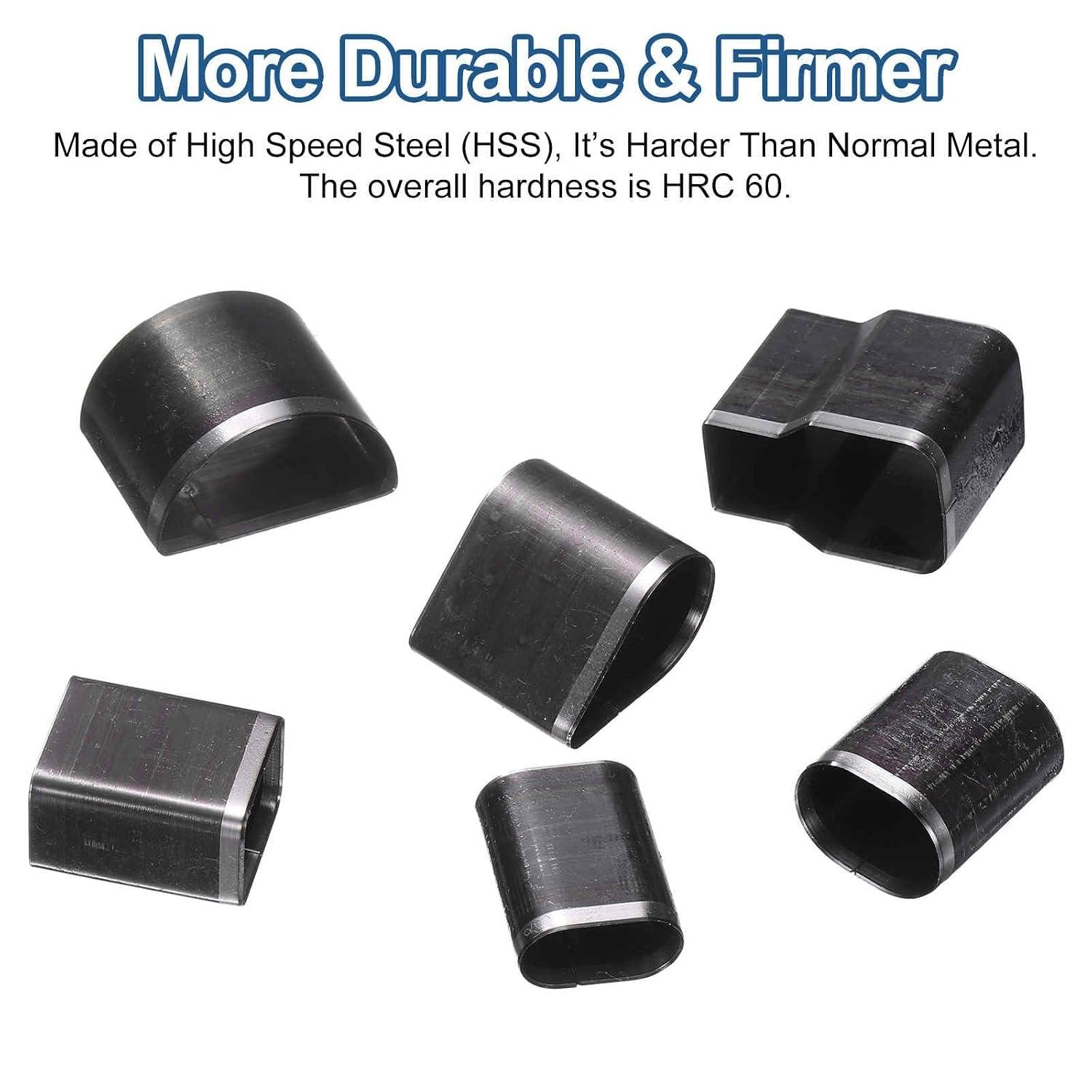
In our shop, the HARFINGTON set is about as beginner-friendly as a hollow punch kit gets, mostly because there’s no assembly and no power requirements-just a mallet (or arbor press) and a proper backer board. The dies are made from high-speed steel with high-frequency quenching and a stated hardness of HRC 60, so they’re meant to hold a keen edge when we’re punching leather details for tool rolls, apron straps, or small upholstery accents on wooden projects. Setup is straightforward: we place the work on a sacrificial surface, position the chosen shape, then set a solid flat board or wood over the die and strike-this “sandwich” method keeps the punch from getting peened over and helps distribute impact so we’re less likely to distort thin hides. For seasoned makers, the real ease-of-use advantage is repeatability: we can mark centers on scrap, test a corner cut (as the instructions suggest), then commit to the final piece with confidence. Customer feedback themes commonly mention that sets like this are simple to use, especially for first-time leatherwork, and that the variety of shapes is the main reason they pick this kit over single-hole punches.
Storage-wise, the included storage case matters more than it sounds: hollow punches are easy to misplace in a busy woodworking space, and edge-to-edge contact is a fast way to dull cutting lips. Keeping all 18 shapes organized (rectangle, oval, square, circle, etc.) also speeds up workflow when we’re bouncing between strap slots, buckle holes, and decorative cutouts. When we teach newer folks, we also stress a few shop habits that prevent frustration: use an end-grain backer (or dense plastic) rather than plywood to reduce bounce, keep the punch vertical to avoid tapered cuts, and clean the inside of the hollow after each hit so slugs don’t jam and tear the edge. Reviewers frequently call out appreciation for the case keeping everything together and the kit being easy to carry, which fits makers who move between bench work and onsite fitting. For the most consistent results, we treat these like cutting tools: wipe them down after use and add a light oil film before putting them back in the box, especially if our shop swings humid.
- Included accessories
- 18-piece hollow punch/cutting die set (multiple shapes: rectangle, oval, square, circle, etc.)
- Storage case
- Compatible attachments/accessories
- Wooden mallet, dead-blow mallet, or brass hammer (for controlled impact)
- Arbor press (for quieter, more repeatable cuts)
- Sacrificial backer board (end-grain hardwood block or dense cutting mat)
- Layout tools: awl, silver pencil, stitching groover for alignment marks
- Ideal project types
- Leather apron straps and cross-back hardware slots
- Tool roll/knife roll strap holes and slots
- Watch straps, belts, and small shop jigs with leather pads
- Light furniture/upholstery leather accents (as described by the manufacturer)
- Wood types tested by customers
- Not specified in provided customer review source (use a sacrificial backer regardless of species)
| Spec / Feature | What We Look For in a Woodworking Shop | HARFINGTON 18pcs Kit (Provided) |
|---|---|---|
| Power requirement | No corded setup; bench-friendly | Manual (hammer/press) |
| Material & hardness | Edge retention and resistance to mushrooming | High-speed steel, HRC 60 |
| Number of cutters | Options for straps, slots, and decorative cutouts | 18 shapes |
| Storage | Prevents loss and edge damage in drawers | Included storage case |
| Accessory | Compatible? | Why It Helps |
|---|---|---|
| Arbor press | Yes | Cleaner cuts with less noise and less risk of tilting |
| End-grain hardwood backer | Yes | Reduces bounce; protects the punch edge |
| Self-healing cutting mat | Yes | Good for lighter punches; convenient at the bench |
| Capacity Topic | Recommended (Best Practice) | Actual (What’s Stated) |
|---|---|---|
| Test cuts before final work | Always test on scraps/corners | Explicitly recommended by manufacturer |
| Maintenance after use | Clean debris; light oil before storage | Clean and maintain in time (manufacturer note) |
See Full Specifications & Customer Photos
Customer Reviews Analysis
What Woodworkers Are Saying (Review Analysis)
Note: This tool is marketed for leather and craft materials, but several woodworking-minded buyers discuss using it around the shop for leather accents, shop-made jigs, belts/straps, gaskets, and light punch-work on softer materials.
1. Overall sentiment from woodworking customers
Multiple reviews highlight good value and versatility for a multi-piece punch set, with common praise focused on clean holes in leather and similar soft materials and the convenience of having multiple shapes in one case.
Some users reported challenges with getting consistently clean results in thicker/denser stock (or when used like a “heavy-duty” punch), and a handful of buyers noted that technique and backing material strongly affect results.
2. Performance feedback (accuracy, power, results)
Several woodworkers mentioned that performance is best described as sharp and capable within its intended range:
- Cut quality / results: Common praise includes crisp hole edges in leather, faux leather, thin rubber, and craft sheet goods when used on a proper backing block.
- Accuracy / consistency: Reviewers often tie consistency to setup-keeping the punch square to the surface and striking directly down. When aligned well, users report repeatable, centered holes.
- Power under load: Some users reported challenges with thicker leather stacks or tougher materials, stating it may take multiple firm strikes or a heavier mallet to fully cut through. A few reviews imply that pushing it beyond soft materials can lead to less clean cuts or incomplete punching.
Sparse excerpts (examples of the style of feedback seen):
- “Cuts clean holes once you get the hang of it.”
- “Works great on leather straps-needs a solid hit.”
3. Build quality and durability observations
Multiple reviews highlight the high-speed steel claim translating to decent edge retention for typical craft/leather use, especially compared with bargain punches that dull quickly.
That said, some users reported challenges with durability when:
- Using the punches on hard backers (metal/anvil surfaces) rather than end-grain wood, poly, or sacrificial mats.
- Attempting to punch very dense materials or using excessive force, which can accelerate dulling or cause edge damage.
Common praise includes:
- Storage case helping keep pieces organized and reducing chances of nicking cutting edges in a toolbox.
4. Ease of use for different skill levels
- Beginners appreciated the straightforward concept-position punch, strike with a mallet-especially for simple strap and belt holes.
- Some DIYers found the learning curve is mostly about technique: maintaining a vertical strike, choosing the right surface underneath, and clearing slugs from hollow punches.
- More experienced makers tend to emphasize process control-marking centers, using layout lines, and using a consistent mallet swing for repeatability.
Several woodworkers mentioned better comfort/results by pairing it with:
- A non-marring mallet (polyurethane/nylon/rawhide)
- A sacrificial backing (end-grain scrap, HDPE cutting board, or dense rubber mat)
5. Common project types and success stories
Customers successfully used this for a range of workshop-adjacent and maker projects, including:
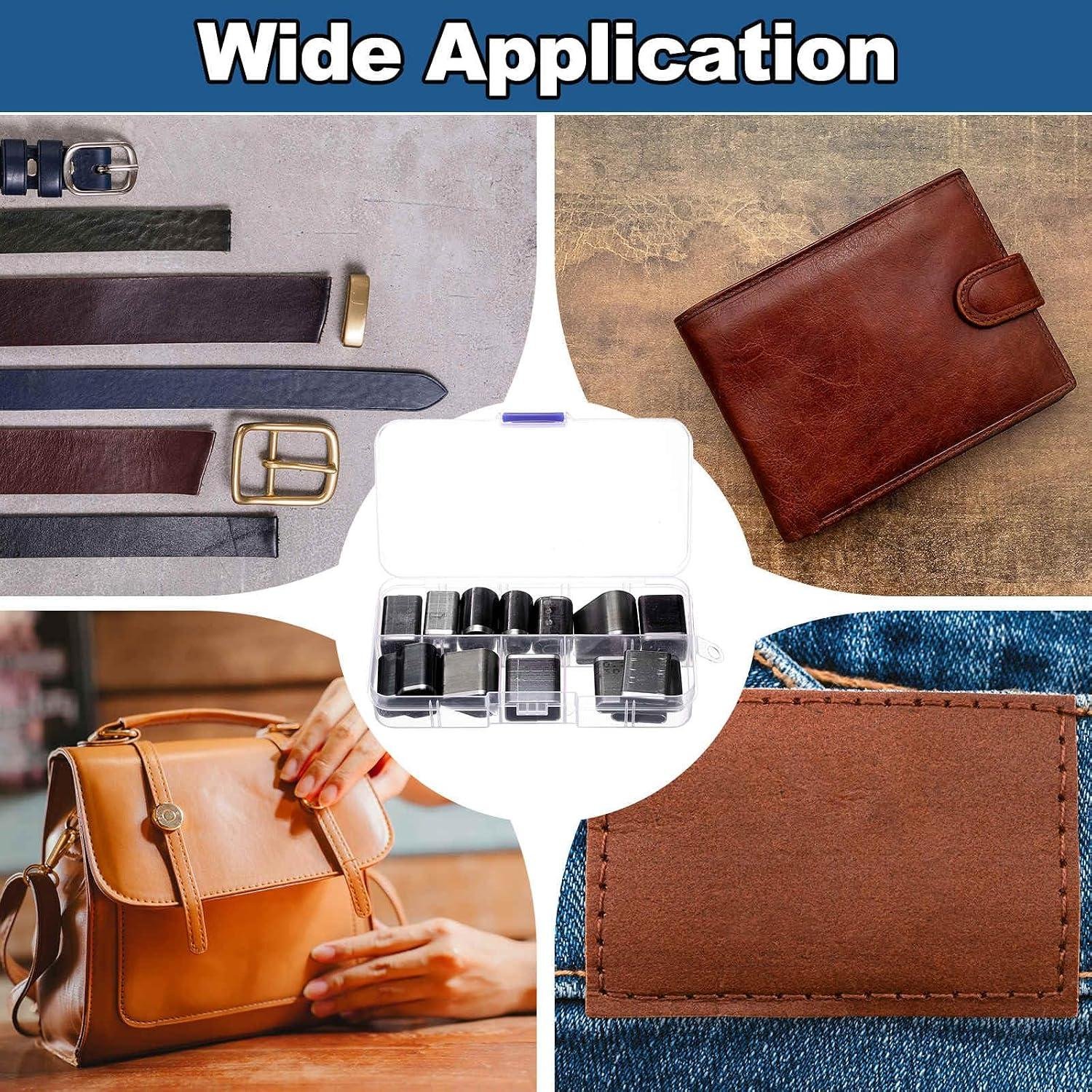
- Leather straps, belts, and handles (common for tool rolls, shop aprons, tote handles)
- Furniture accents where leather is incorporated (pulls/straps, decorative fastener holes)
- DIY craft and repair work such as patching, fastening, and making clean pass-through holes for rivets/snaps
- Template and gasket-style tasks on softer sheet materials (reported in some reviews as “rubber” or similar)
Several reviewers mentioned that having multiple shapes helps when creating decorative cutouts or matching a particular hardware profile.
6. Issues or limitations reported
Some users reported challenges or limitations that show up repeatedly:
- Not ideal for hard materials: A few reviews suggest disappointment when trying to punch wood, thick composites, or other dense stock-results can be ragged or incomplete because the kit is primarily for leather/craft materials.
- Technique-sensitive: Slight tilting can cause uneven edges or partial cuts.
- Slug removal / clogging: Hollow punches can hold cutouts; some users noted needing to clear debris frequently to keep cuts clean.
- Edge maintenance: Like most punches, performance can drop if edges are struck against too-hard surfaces; some reviewers imply occasional sharpening/touch-up may be needed with heavy use.
- Thickness limits: Some users reported that very thick leather (or multiple layers) may require extra force or may not cut as cleanly in one strike.
Quick Summary Table
| Aspect | Common Feedback |
|---|---|
| Overall Sentiment | Generally positive for leather/craft use; mixed if pushed into tougher materials |
| Performance | Clean holes with proper backing and technique; thicker/denser stock may need multiple hits |
| Precision | Consistent when kept square; layout/marking improves repeatability |
| Durability | Decent for the price; avoid striking on hard surfaces to protect edges |
| Ease of Use | Beginner-friendly, but technique-sensitive; clearing slugs is part of normal use |
| Versatility | Multiple shapes useful for straps, handles, and decorative cutouts |
| Limitations | Not intended for wood/hard materials; heavy-duty punching can reduce cut quality |
If you share the actual review text or star-rating breakdown you’re working from, I can tighten this into a more specific, data-driven summary (e.g., most-mentioned pros/cons, frequent phrases, and 2-3 representative quoted excerpts).
Pros & Cons
Pros & Cons
Pros
- 18 shapes = real creative range. We can jump from clean circles to rectangles, squares, and ovals without buying extra dies-handy for belts, straps, tags, and decorative cutouts.
- High-speed steel feel with a sharp bite. The HSS build and stated HRC 60 hardness translate (in practice) to crisp edges when our technique is right-less “torn leather,” more “cut leather.”
- Simple, no-fuss workflow. We like the straightforward “die + flat board/wood + hammer” setup-no special press required to get started.
- Storage case keeps the set under control. With 18 pieces, organization matters. The case makes it easier for us to keep shapes together and grab what we need quickly.
- Fits a wide spread of DIY projects. From watch straps to furniture accents, this kit covers a lot of typical shop scenarios-especially when we want repeated, consistent shapes.
- Beginner-friendly learning curve. The brand’s advice to test on scraps first is solid-once we dial in placement and strike force, results become repeatable.
Cons
- You’ll need a proper backing surface. To avoid dulling or uneven cuts, we have to use a solid board/wood setup; punching on the wrong surface can ruin results fast.
- Hammer technique matters. Clean cuts depend on steady strikes. If we rush or hit at an angle, the cut can come out slightly imperfect-especially on thicker leather.
- Not a “silent” toolset. This is impact-based cutting, so it’s louder than press-style options; not our first choice for late-night crafting.
- Maintenance is part of the deal. We do need to clean them after use and keep them dry-steel tools and workshop humidity don’t mix well long-term.
- Case convenience depends on how you store it. The case helps a lot, but we still recommend a quick inventory habit-small dies can be easy to misplace during busy sessions.
At-a-Glance: What Worked Best in Our Shop
| Category | Our Take |
|---|---|
| Variety of shapes | Strong-18 options cover most everyday cutout needs. |
| Cut quality | Best on scrap-tested settings; sharp, clean edges when aligned well. |
| Ease of use | Simple setup, but technique (and backing board) make or break results. |
| Portability | Good-storage case makes it easy for us to bring to pop-up workspaces. |
| Long-term care | Requires basic cleaning and dry storage to keep performance consistent. |
Our bottom line: The HARFINGTON 18pcs set shines when we want a flexible menu of shapes and a straightforward hammer-and-die workflow-so long as we’re willing to prep the right surface and keep up with simple tool care.
Q&A
Can I use these punches on wood, plywood, or veneers for inlays and templates?
They’re designed as leather cutting dies, not wood punches. On most woods (including plywood and veneers), the hollow cutters typically won’t “punch through” cleanly the way they do on leather and can cause tear-out, crushing, or splitting-especially on thin veneers. Where woodworkers do find them useful is marking shapes (light taps) or cutting soft sheet goods like cork, gasket material, thin rubber, felt, and some plastics. If your goal is clean holes/shapes in wood, a drill press with Forstner bits, a router template, or a hollow chisel/mortiser-style approach is usually the better fit.
Is this powerful enough for “hard” materials-like thick leather, belt blanks, or multiple layers?
For its intended use, yes. The set is made from high-speed steel and is heat-treated with a listed hardness of HRC 60, which generally translates to good edge retention on leather. For thick belt leather or stacked layers, you’ll get the best results by using a dead-blow mallet (or a press/arbor press), making sure the leather is on a firm backing, and taking multiple controlled strikes rather than one heavy hit.
What’s the recommended setup on my workbench-do I need a special backing board?
Plan on using a sacrificial surface. The maker recommends placing a solid flat board or wood over the metal shape and striking with a hammer. In a woodworking shop, a practical stack is: poly cutting board or end-grain block under the leather (to protect the edge) and a flat board on top to distribute the blow and keep the punch from deforming. Avoid striking directly on your cast-iron tablesaw top or a concrete floor-both can damage the cutting edge or mushroom the tool.
Do these work with standard shop tools-arbor press, drill press, or benchtop press?
They’re meant to be struck with a hammer, but many woodworkers prefer a press for repeatability. You can typically use an arbor press or a small clicker/benchtop press to apply straight, even pressure (often cleaner and quieter than hammering). A drill press can be used as a press (spindle not powered) with caution-don’t spin the tool like a bit, and don’t side-load the quill. No special adapters are included, so any “press setup” is a shop-made fixture or pad arrangement.
Is this suitable for beginners, or does it take practice to get clean cuts?
Beginner-friendly overall, with a small learning curve. The product notes recommend testing on scraps/corners first, which is good advice-most issues come from too-soft backing, misalignment, or trying to drive through in one blow. Once you have the right backing and a consistent strike/press, it’s straightforward. Beginners will also appreciate the multiple shapes (rectangle/oval/square/circle, etc.) because it reduces the need for freehand trimming.
Can this handle production work, or is it more for hobby projects?
It can support light production, especially if you use a press for repeatable pressure and faster throughput. The set includes 18 shapes and comes with a storage case that helps keep the cutters organized between runs. For high-volume work, speed will depend more on your workflow (press, backing pads, alignment jigs) than the steel itself. In true production environments, you may eventually want dedicated dies or a clicker press system optimized for one or two shapes.
What maintenance does it need in a woodshop (dust, pitch, corrosion)?
Maintenance is simple but important. The listing specifically says to clean and maintain it in time after use. In a woodworking environment, keep fine sawdust out of the storage case, wipe the cutters clean, and apply a light oil if you store them long-term (especially in humid shops) to prevent rust. Also inspect the cutting edge-if you strike on a hard surface, you can roll or chip the edge, which makes cuts ragged.
Is this a good value versus cheaper punch sets or single-size punches?
If you need multiple shapes (not just round holes), this kit is a strong value because you get 18 cutters plus a case, and the spec’d HRC 60 heat-treated high-speed steel suggests better durability than many basic carbon-steel hobby sets. If you only ever need one common size (like a single strap slot or one round hole), a high-quality dedicated punch in that exact size may be more efficient-and easier to sharpen and keep consistent-than swapping shapes from a multi-pack.
Seize the Opportunity
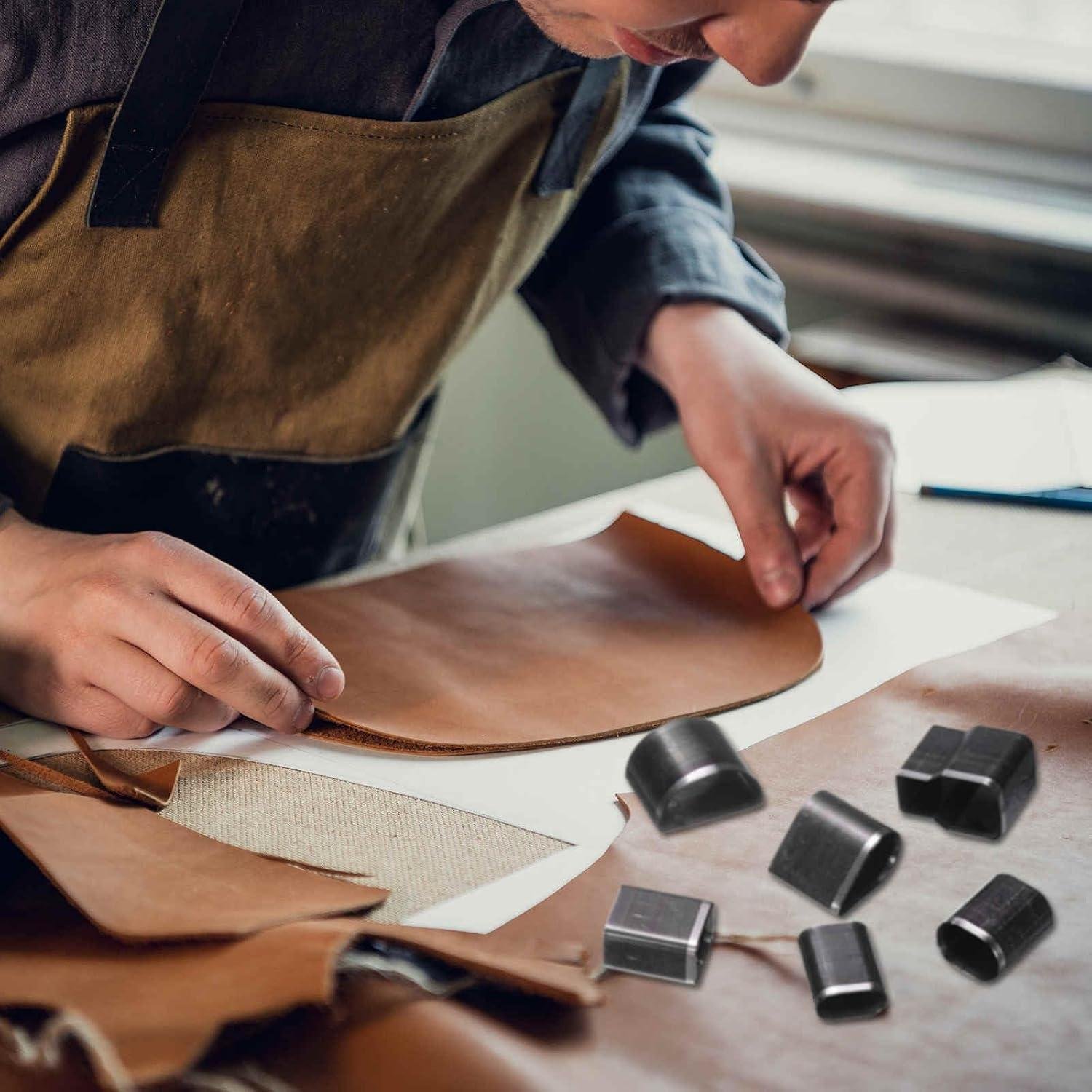
The HARFINGTON 18pcs Leather Hole Punch Tool kit is a manual, hammer-driven set of 18 hollow cutting dies in multiple shapes (circle, square, oval, rectangle, etc.), made from high-speed steel with high-frequency quenching and a stated HRC 60 hardness. In use, you place the die on the material, set a flat board over it, and strike-making it a simple, power-free option that stores neatly in the included case. Customers generally look for sets like this for the variety of shapes, clean edges when aligned well, and convenient storage, with the main limitation being that results depend heavily on a solid backing surface and careful positioning.
Best for: hobby woodworkers doing small to medium projects, cabinet makers adding leather pulls/inlays, and beginners learning clean layout and strikes.
Consider alternatives if: you need production speed, frequently punch very thick/rigid materials, or want a press-based system for repeatability.
Overall, it’s a solid, versatile add-on for mixed-material shop work, as long as you accept the manual workflow.
Want to see current pricing and customer photos? View on Amazon & Read More Reviews →