

Blog
DEWALT DCW220B Belt Sander Review: Right for Our Shop?

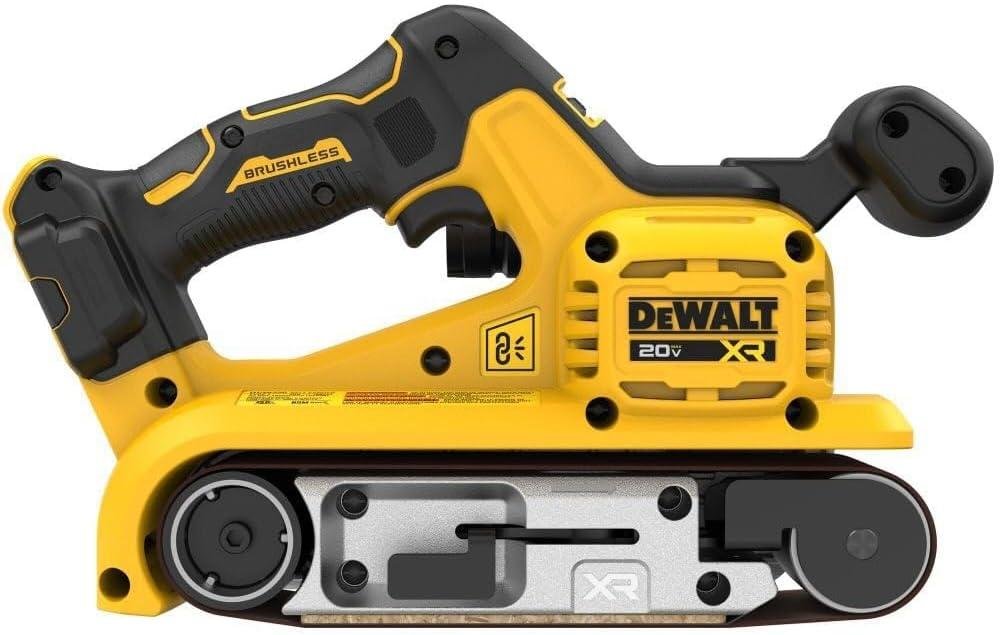
ever fought a belt sander that wants to drift off the edge, gouge a panel, and fill the shop with dust before you’ve even leveled a glue-up? When we’re flattening tabletops, trimming doors, or knocking down proud joints, we need speed and control—especially in tight shops where cords snag and dust lingers.
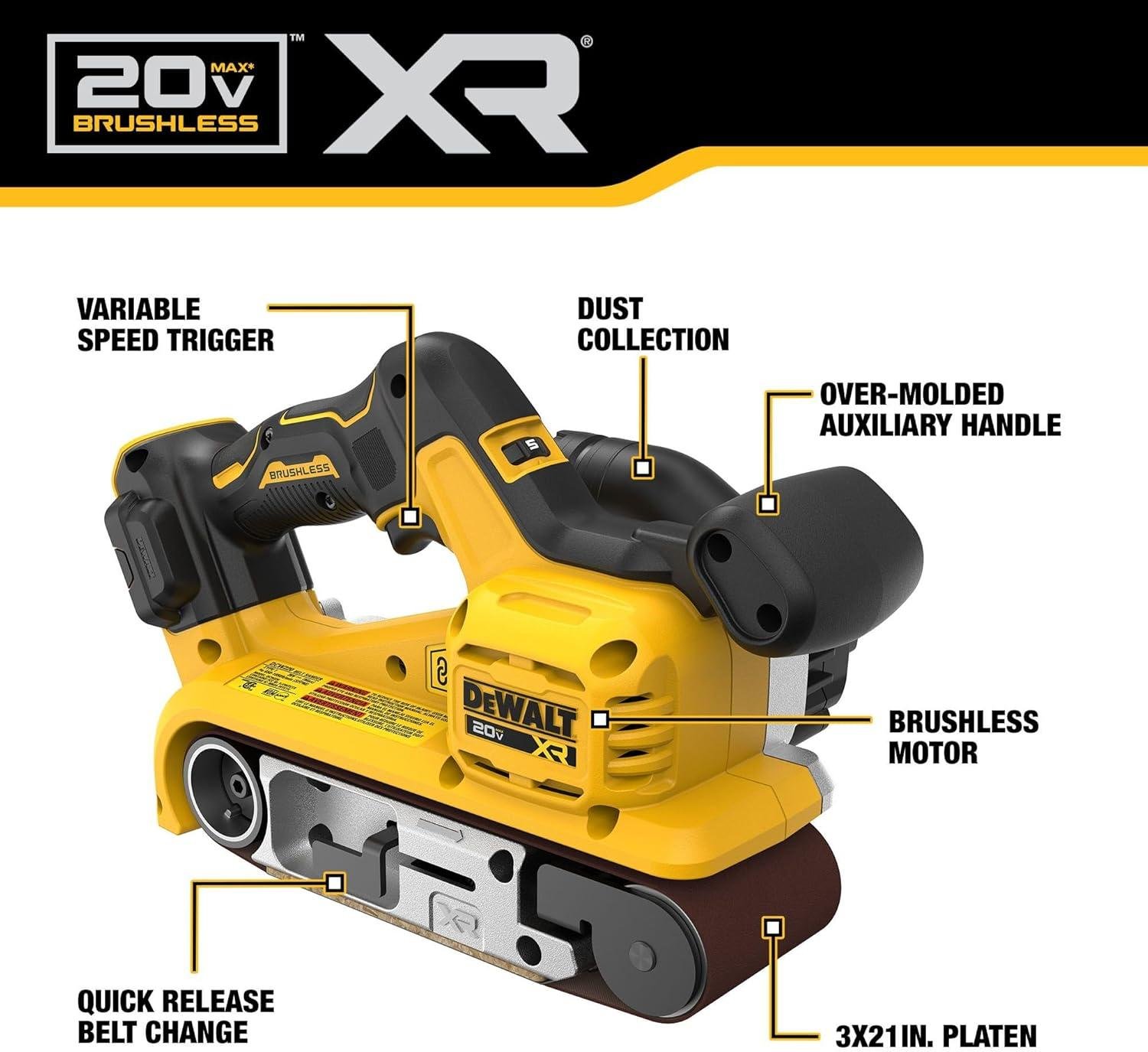
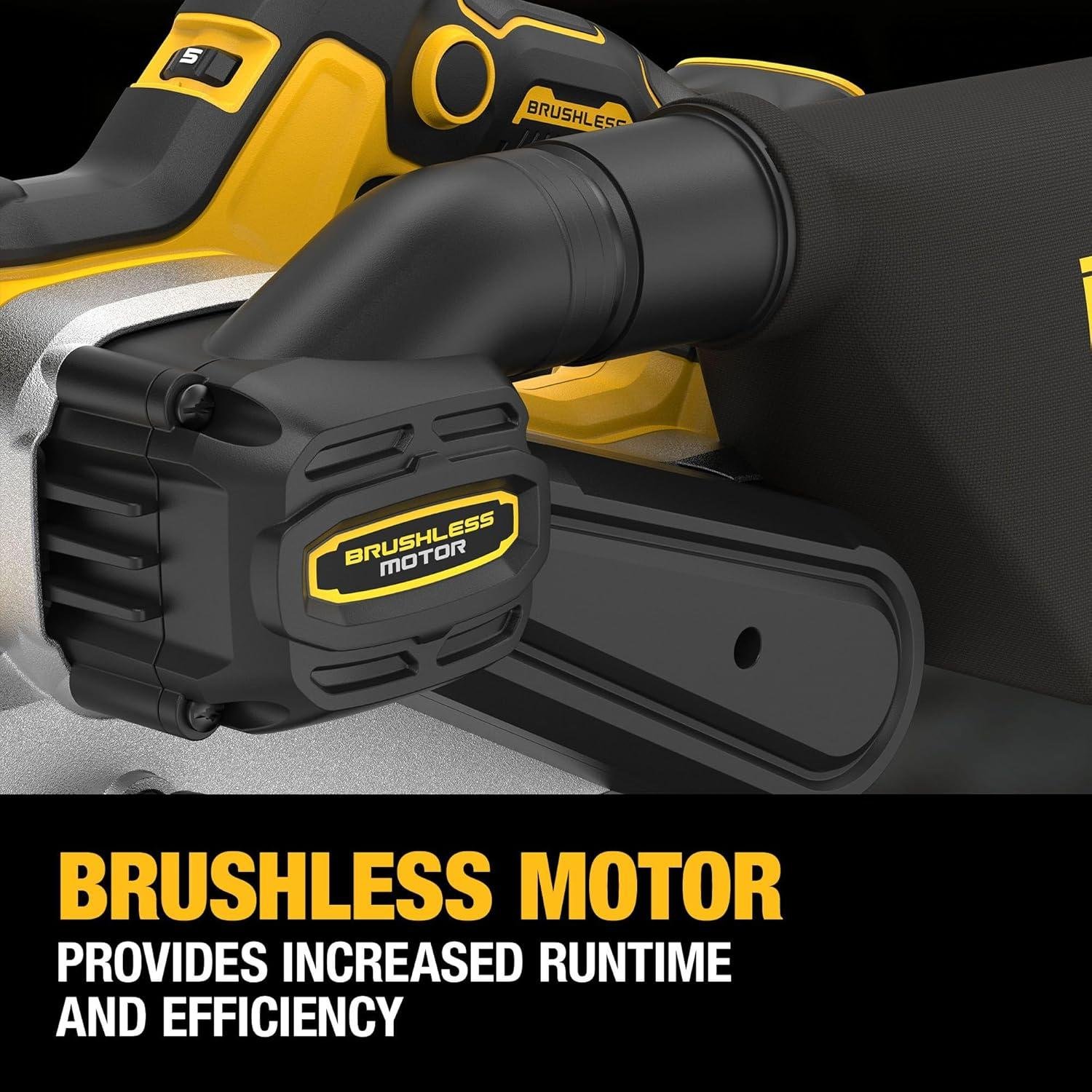
That’s where the DEWALT 20V MAX* XR Brushless Cordless 3″ x 21″ Belt Sander (DCW220B, tool-only) aims to fit. it’s built for rapid stock removal while giving us finer tuning through a variable-speed trigger paired with a 25-speed selection dial.DEWALT also leans hard into dust management with an AirLock-compatible system rated up to 95% dust collection efficiency (with compatible gear), plus tool-free, fast-release belt changes for less downtime.
In this review, we’ll look at key features, build quality, real-world ergonomics, and what customer feedback highlights—including ease of use and finish control. We’re speaking as woodworkers who’ve learned the hard way that precision, durability, and a sane learning curve matter as much as raw power.
Tool Overview and First Impressions in the Shop
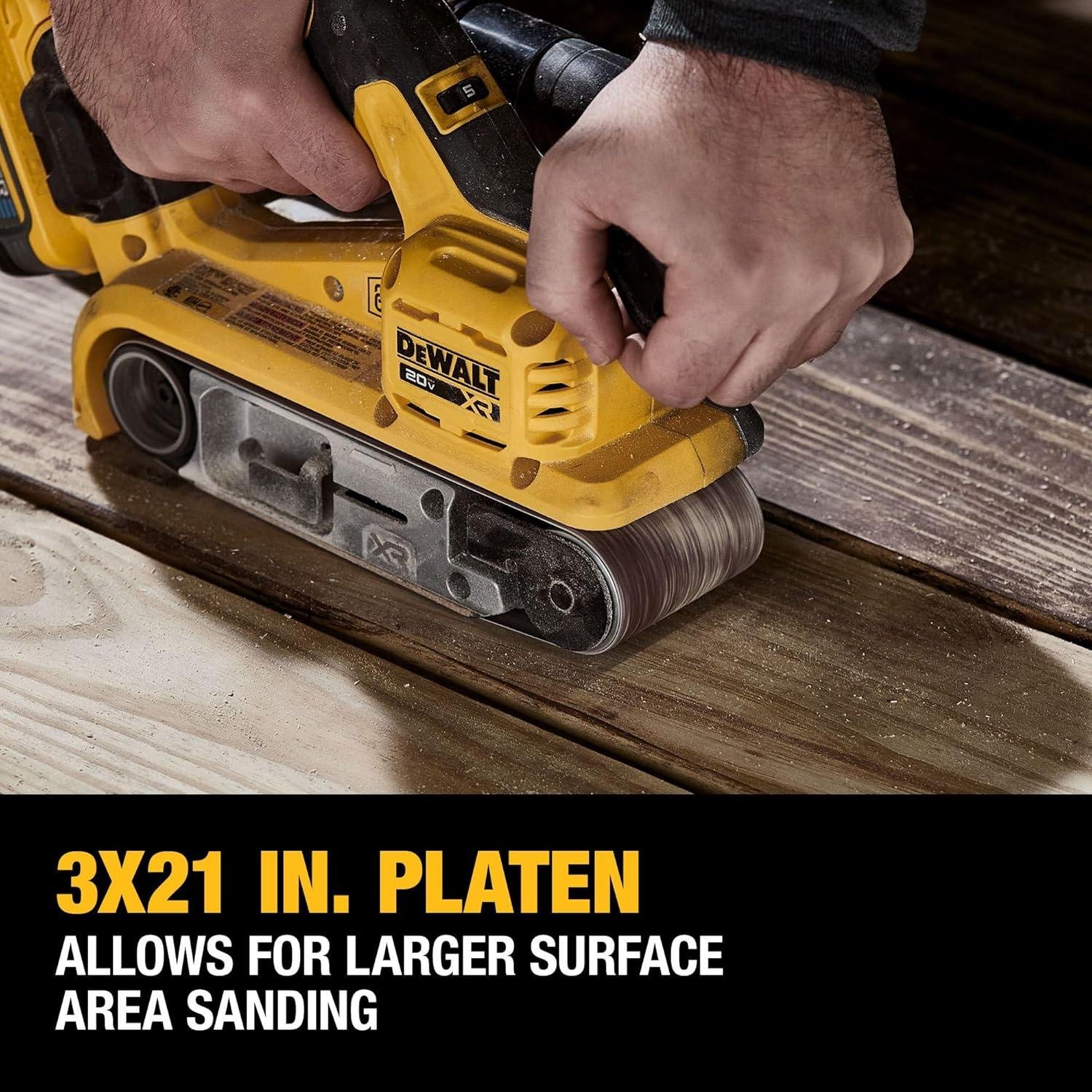
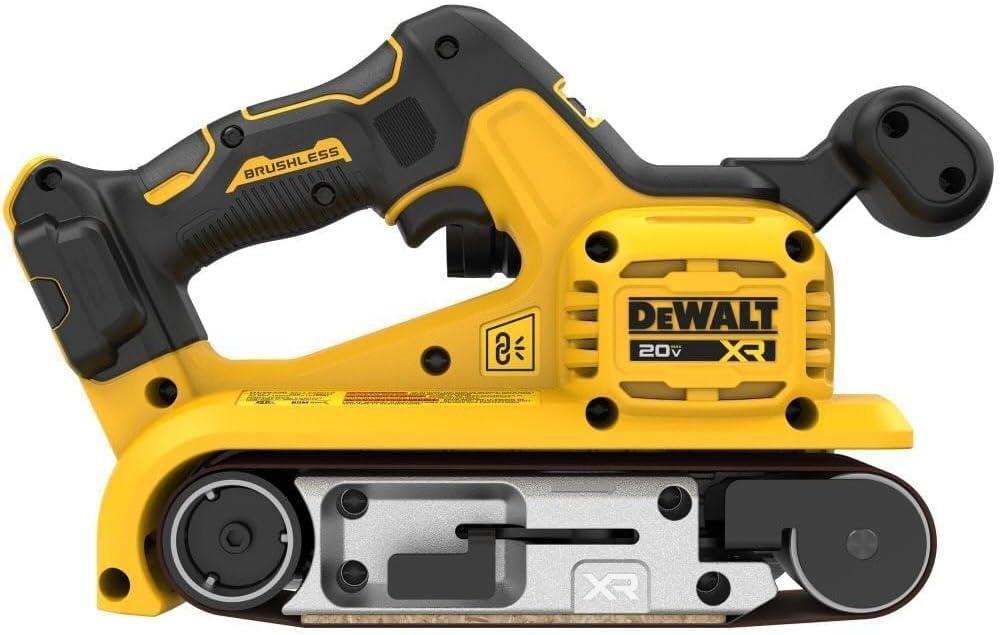
When we first brought the DEWALT 20V MAX* XR Brushless 3″ x 21″ Belt Sander (DCW220B) onto the bench, it instantly felt like a “real” shop belt sander—just without the cord.The 3″ x 21″ belt size is the standard many of us already stock, and it’s a format we reach for when we need fast flattening on large surfaces, edging solid stock, or knocking down proud joints before switching to a random-orbit sander. DEWALT’s control package is what stood out in-hand: a variable-speed trigger backed by a 25-speed selection dial, plus an overmolded auxiliary handle that encourages proper two-handed technique (meaningful as belt sanders remove material aggressively and will happily “walk” across a board if we get lazy).Multiple customer reviews echo those early impressions,calling it “powerful for being cordless,” “smooth gliding,” and praising easy belt changes and adjustment; that aligns with the tool’s tool-free,quick-release belt system and accessible tracking knob that we can tune as belts warm up and stretch.
Setup is largely a non-event as this is a tool-only purchase—so our first “shop decision” is battery planning. Reviewers consistently mention it can be “hungry for batteries”, with some reporting roughly 7–10 minutes on a 5Ah pack under continuous sanding, while others note better real-world endurance when the tool isn’t running nonstop. That’s normal belt-sander reality: high surface speed and constant load draw current, so we’d treat this as a grab-and-go beast for quick milling corrections, door sticking fixes, and exterior trim cleanup—then stage extra packs (or larger packs) for extended sessions. dust management is another first-impression highlight: DEWALT’s AirLock-compatible dust collection is rated up to 95% dust collection efficiency† (with compatible vac/extractor), and reviewers often say the included bag catches “most of the dust”—though some aren’t thrilled with how the bag attaches. Either way, we still recommend masking up and extracting at the source when possible, as belt sanders generate a lot of fine dust quickly, especially on resinous softwoods and paint removal.
- Included accessories
- 1x 60-grit 3″ x 21″ sanding belt (many reviewers recommend buying mixed-grit packs)
- Dust bag (attachment quality is a mixed theme in reviews)
- Tool only (no battery/charger included)
- Compatible attachments/accessories
- 3″ x 21″ sanding belts (common size; widely available in mixed grits)
- DEWALT AirLock dust collection system (sold separately)
- Compatible DEWALT vacuum/dust extractor (for AirLock + cleaner sanding)
- DEWALT 20V MAX* battery system (higher Ah packs recommended for longer runs)
- Ideal project types
- Exterior trim cleanup, rounding corners, and old finish/paint removal (as reviewers report)
- Deck work and leveling substructure high spots
- Sticking doors and quick edge corrections
- Fast stock prep before finish sanding (follow with ROS for final surface)
- Wood types tested by customers
- “Lion wood” decking/siding (customer-reported)
- General construction lumber & trim (customer-reported use cases)
| Category | what DEWALT States / What We See in Reviews | Why It Matters in the shop |
|---|---|---|
| Belt Size | 3″ x 21″ | Standard belt availability; good balance of reach and control for flattening and edging. |
| Speed Control | Variable-speed trigger + 25-speed dial | Helps avoid gouging on softer woods and lets us slow down near edges or end grain. |
| Dust Collection | AirLock compatible; up to 95% efficiency† (with compatible setup) | Cleaner air and less mess—belt sanders can overwhelm weak collection quickly. |
| Cordless Power | Brushless motor; reviews call it “a HOSS” and very powerful | Great for quick tasks where dragging a cord is the real bottleneck. |
| Runtime (real-world theme) | Reviews frequently note it’s battery hungry; some cite ~7–10 min on 5Ah continuous use | Plan extra batteries for big sanding days; great convenience tool, not a “one-pack-all-day” sander. |
| Accessory | Compatibility | Workshop Use |
|---|---|---|
| 3″ x 21″ sanding belts | Yes | Stock multiple grits (e.g., coarse for stripping/leveling; medium for refining). |
| DEWALT AirLock adapter/system | Yes (sold separately) | Best path to cleaner sanding when paired with an extractor. |
| 20V MAX* batteries (higher Ah) | Yes | Reduces downtime; reviewers commonly recommend more/larger packs. |
| Capacity Topic | Recommended (Practical) | Actual (Based on Specs/Review Themes) |
|---|---|---|
| Job Size per Session | Small-to-medium sanding bursts; staged batteries for extended work | Strong performance, but commonly described as battery hungry under continuous load |
| Dust Control Expectations | Use a vac/extractor + mask for heavy sanding | Rated up to 95%† with compatible collection; bag often said to catch most dust, attachment is mixed |
check Current Price & Reviews on Amazon
Real World Sanding Performance on Hardwoods and Softwoods
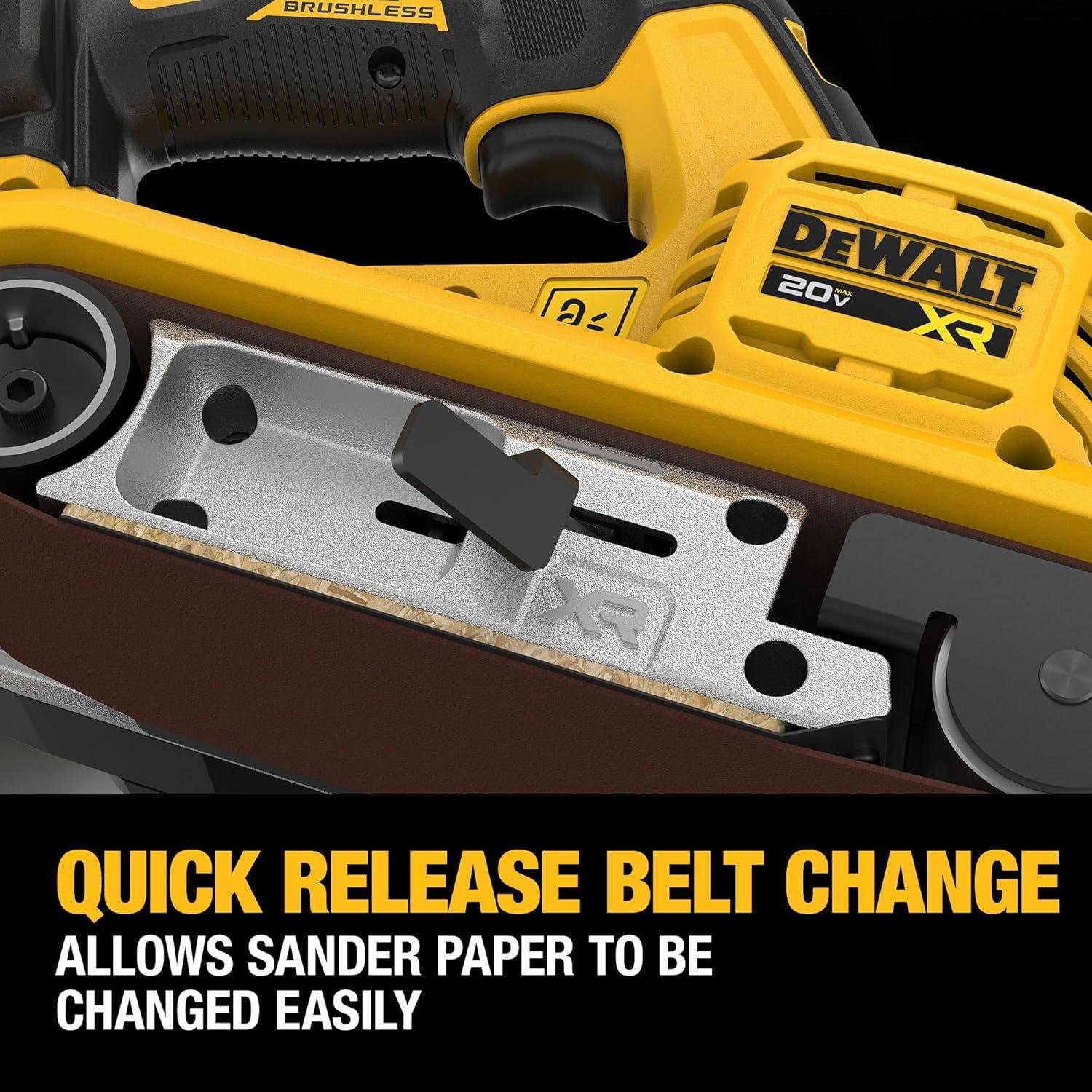
On hardwoods, the DEWALT DCW220B feels built for real stock prep and corrective sanding rather than dainty finish-only work. The 3 in.x 21 in. belt gives us plenty of contact area for flattening glue lines, leveling proud joints, and easing transitions on tabletops—especially when we let the tool’s brushless motor and variable speed trigger with a 25-speed selection dial do the work rather of forcing it. customer feedback consistently calls it “a HOSS,” “powerful for being cordless,” and “smooth gliding over the platen,” and we can see why that theme keeps popping up: when the belt is tracking correctly, it stays composed and removes material fast. The practical teaching point here is to start slower on dense hardwoods (to reduce burn and accidental gouges), keep the sole flat with two hands on the overmolded auxiliary handle, and walk your grit up—because multiple reviewers mention it ships with just one 60-grit belt, which is aggressive enough to leave deep scratches if we jump straight to finish sanding.
On softwoods and exterior materials, the DCW220B shines as a “grab-and-go” sander for jobsite-style tasks: trimming, rounding corners, and stripping coatings where cords are a hassle. Reviewers specifically call out success on exterior trim, removing old paint, and even sanding wood siding before re-sealing—and that cordless convenience is the reason many of us reach for it first. The big tradeoff we need to plan around is power management and handling: several customers note it’s heavy (easy on a flat bench, tougher on vertical work), and battery runtime is a recurring theme—some report a 5Ah battery lasting 7–10 minutes under continuous sanding, while others get longer in stop-and-go use. Dust control is another real-world factor: the tool is designed around DEWALT’s AirLock system (up to 95% dust collection efficiency† with compatible equipment), and users mention the included bag catches “most of the dust,” but we still treat belt sanding like a respirator-and-vac task. Also, a few reviews mention the tracking alignment can drift, so we keep an eye on the belt edge and use the side knob for quick corrections—an easy habit that prevents shredded belts and gouged workpieces.
- included accessories
- 60-grit sanding belt (3 x 21 in.) (as noted by multiple reviewers)
- Dust bag (user-reported; varies by packaging—verify your seller listing)
- Tool only (no battery/charger included)
- compatible attachments/accessories
- 3 x 21 in. sanding belts (mixed grits recommended)
- DEWALT AirLock compatible dust extraction components (sold separately)
- Compatible DEWALT vacuum/dust extractor for Wireless Tool Control pairing
- 20V MAX* batteries (larger Ah packs help with runtime planning)
- Ideal project types
- Leveling glue-ups and flattening seams on panels
- Door sticking fixes (light material removal)
- Deck boards/substructure leveling and cleanup
- Exterior trim shaping and paint removal prep
- Wood types tested by customers
- Ipe/lion wood (deck/siding rework mentioned)
- General deck lumber/softwood framing
- Interior doors (species not specified)
| Spec / Feature | What it means in the shop |
|---|---|
| 3 in.x 21 in. belt | Standard belt size; good balance of fast stock removal and controllability on panels/trim. |
| Brushless motor | Efficient power delivery; reviewers consistently describe it as “powerful for being cordless.” |
| Variable speed trigger + 25-speed dial | Lets us slow down for softwoods/veneers and speed up for leveling hardwood glue lines. |
| AirLock dust collection (up to 95%†) | Best results with a compatible vac/extractor; bag helps but PPE is still smart. |
| Tool-free, quick-release belt changes | Fast grit changes; multiple reviewers praise how easy belt swaps and adjustments are. |
| accessory | Compatible? | Why we’d use it |
|---|---|---|
| 3 x 21 in. belts (80/120/150/180 grits) | Yes | Progressive sanding after the included 60 grit to reduce scratch depth. |
| DEWALT AirLock adapter/components | Yes (sold separately) | Cleaner sanding, especially on softwoods and paint removal where dust loads quickly. |
| 20V MAX* batteries (higher Ah) | Yes | Addresses the common review theme that it’s “hungry for batteries.” |
| Capacity Topic | Recommended expectation | What customers report in practice |
|---|---|---|
| Continuous runtime on 5Ah battery | Plan for short bursts; keep backups charged | Some report ~7–10 minutes of constant sanding; longer on intermittent use |
| Work positioning | Best on benches/flat surfaces | Multiple users call it heavy for vertical sanding |
| Tracking stability | Check belt edge often | Some note tracking can drift, but adjustment is quick and easy |
See Full Specifications & Customer Photos
Key Features Woodworkers Will Appreciate Including Dust Collection and Belt Changes
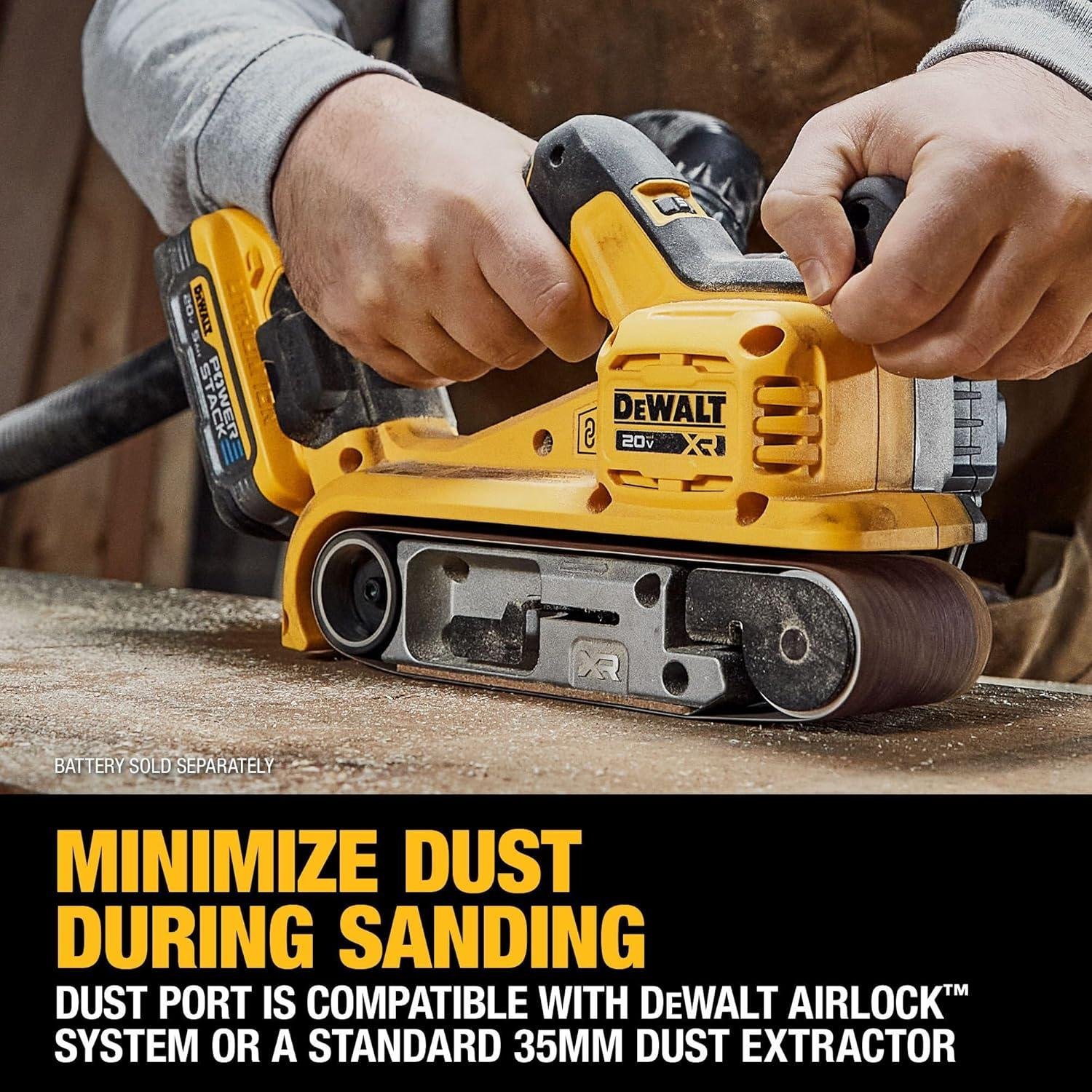
in our shop, the headline feature is dust management—as a belt sander that throws grit everywhere turns “quick cleanup” into a whole second project. DEWALT’s AirLock dust collection system is built around a tool-free interface and is rated for up to 95% dust collection efficiency† when paired with a compatible AirLock-ready vacuum/extractor (sold separately). Even if we’re running it without a vacuum, customer feedback suggests the included dust bag is genuinely helpful—one reviewer said they “liked the dust bag, [it] caught most of the dust… still wear a mask,” which matches our own cautious approach: bag or vac, we still recommend eye protection and a respirator, especially on cedar, pressure-treated lumber, or paint removal. The cordless format also changes our workflow in a practical way: several reviewers mentioned how freeing it is to lose the cord—no more snagging on clamps or dragging across freshly prepped surfaces—making it especially handy for trim touch-ups, door edges, and exterior work where outlets are inconvenient.
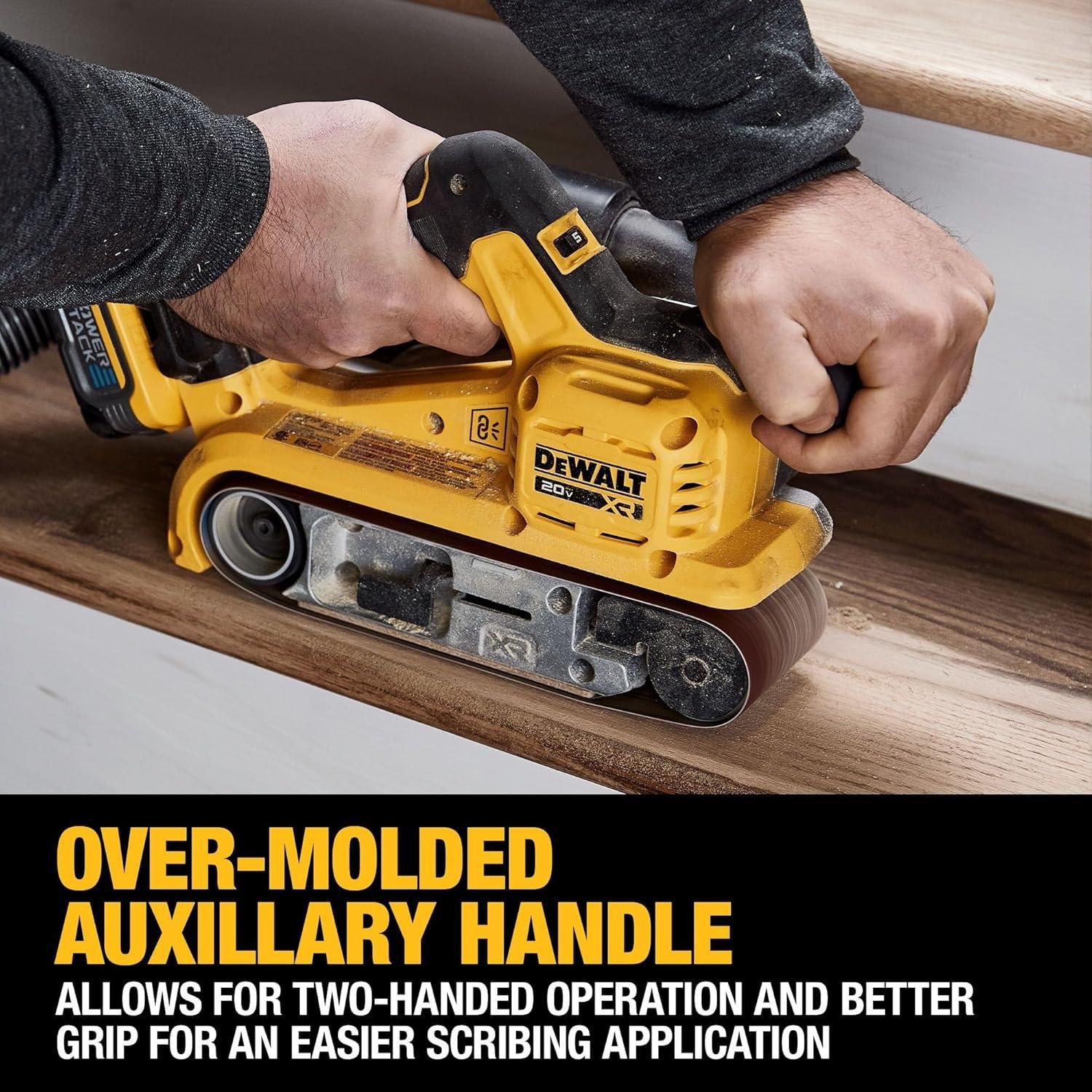
Belt changes are the other day-to-day win. The DCW220B uses a quick-release, tool-free belt change system, and reviewers repeatedly echo that “belt changes and adjustments are so easy” and “very easy to remove and fit new belts and adjust… alignment.” That matters because a belt sander is only as pleasant as its tracking: this model has a tracking adjustment knob, and customers report great tracking and smooth “gliding over the platen,” though a few also note you still need to keep an eye on alignment during longer sessions—easy to correct, but worth checking before the belt chews the housing or frays an edge. For technique,we get the cleanest results by letting the sander’s weight do the work (don’t muscle it),starting with the variable-speed trigger and 25-speed selection dial turned down for softwoods and veneered panels,then stepping up speed only when we need faster stock removal. One practical heads-up from reviews: this brushless, cordless power comes at a cost—multiple users say it’s “hungry for batteries,” with one claiming a 5Ah pack lasts ~7–10 minutes, so belt changes may be quick, but we’ll want several charged batteries or higher-capacity packs on standby for extended leveling sessions.
See Full specifications & Customer Photos
Ease of Use for Beginners and Pros Plus Workshop Setup and Storage
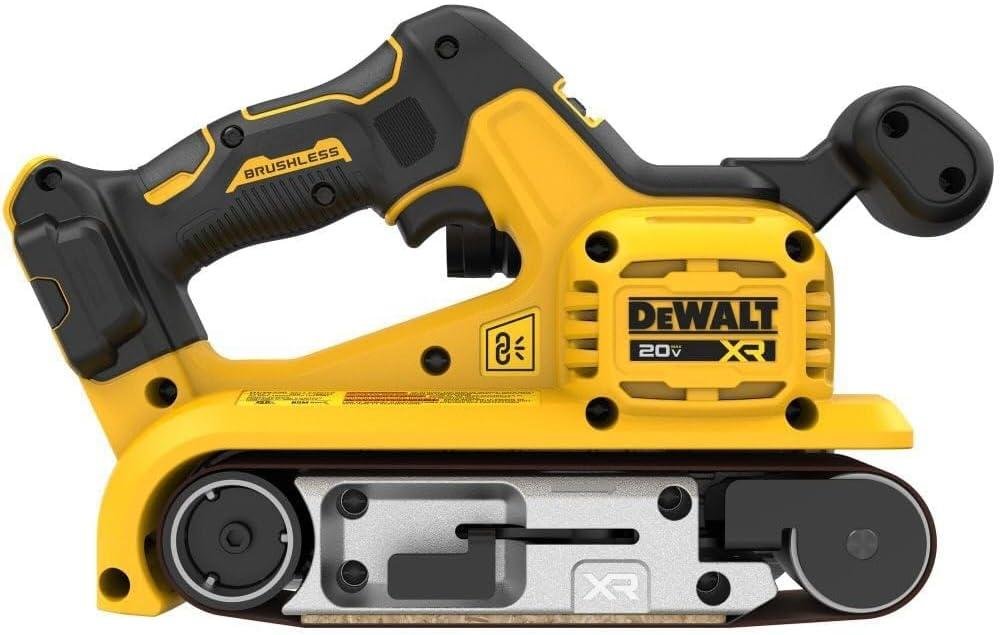
for beginners, the DEWALT DCW220B feels approachable because there’s very little “learning curve friction” before we start making sawdust. The quick-release, tool-free belt change makes setup less intimidating than older sanders that require tools and fussing, and multiple reviewers echo that it’s “very easy to remove and fit new sandpaper belts and adjust” and that the tracking is “spot on.” Pros (and fast-moving DIYers) will appreciate control features that translate directly to better outcomes on real work: the 3 in. x 21 in. belt gives a familiar footprint for flattening and leveling, while the variable-speed trigger + 25-speed selection dial helps us match aggression to the task—slower for edging and keeping burn marks down, faster for bulk removal on framing lumber or paint stripping. In practical terms, we still need to teach our hands good belt-sander habits: keep the sander moving, use two hands on the overmolded auxiliary handle, and let the belt do the work—because customers also call it a “HOSS” that “sanding wood with it is like cutting through butter,” which is great until we accidentally dish a softwood surface or round an edge that should stay crisp.
Workshop setup and storage are where the cordless format shines: as it’s a 20V MAX* XR brushless tool, we can grab it for quick cleanup passes without hunting for an outlet, and reviewers consistently mention how nice it is indeed that there’s “no cord getting in the way.” Dust management is more shop-friendly than many belt sanders thanks to the AirLock-compatible dust collection system (up to 95% efficiency†), and several customers say the included bag catches “most of the dust”—though we still want a mask and we’ll get best results pairing it to a compatible extractor using Wireless Tool Control. The main planning point for storage and workflow is power: multiple reviews warn it can “chew through batteries,” with one user reporting a 5Ah pack lasting ~7–10 minutes under continuous sanding; for us, that means dedicating a charging spot and keeping larger packs ready if we’re doing long sessions. Also, a few owners call it heavy—fine on benches and floors, tougher on vertical work—so a wall hook or low shelf near the sanding station helps, and we recommend storing belts by grit in labeled bins sence one reviewer notes it may ship with only one 60-grit belt, which is to aggressive for most finish prep.
- Included accessories
- Tool only (no battery/charger)
- Dust bag
- At least one sanding belt reported by customers (frequently enough 60-grit)
- compatible attachments/accessories
- DEWALT AirLock dust collection connectors (sold separately)
- Compatible DEWALT vacuums/dust extractors for Wireless Tool Control
- 3″ x 21″ sanding belts (mixed grits recommended)
- DEWALT 20V MAX* batteries (5Ah+ suggested by reviewers) and chargers
- Ideal project types
- Deck boards and substructure leveling (spot flattening)
- Exterior trim sanding,edging,and corner rounding
- Old paint/finish removal (with coarse belts)
- Sticking doors (careful,controlled material removal)
- Wood types tested by customers
- “Lion wood” deck siding (as described in reviews)
- General decking/exterior lumber (species not always specified)
| Spec / Feature | What It Means in Our Shop |
|---|---|
| 3″ x 21″ belt size | Common belt format with good surface contact for flattening/leveling and fast stock removal |
| Brushless motor (20V MAX* XR) | Efficient power delivery and cordless convenience for quick tasks away from outlets |
| Variable-speed trigger + 25-speed dial | Better control for beginners learning pressure/movement; useful for pros dialing in removal rate |
| AirLock dust collection (up to 95%†) | Cleaner sanding station when paired to a compatible vac/extractor; bag works but extractor is best |
| tool-free belt changes | Less downtime; easier to swap grits as we move from leveling to refinement |
| Accessory | Why We’d Add It |
|---|---|
| Mixed-grit 3″ x 21″ belt pack | Customers note the included belt is often 60-grit; we need finer grits for cleanup and prep |
| 5Ah–9Ah+ 20V MAX* batteries | Reviewers report high draw; bigger packs reduce battery swapping mid-task |
| AirLock adapter + dust extractor | Improves collection and keeps abrasive dust out of our finishes and lungs |
| Capacity/Expectation | Recommended Planning | What Customers Report |
|---|---|---|
| Runtime for continuous sanding | Keep multiple batteries charged; consider higher Ah packs for longer sessions | Some report ~7–10 minutes on a 5Ah under steady use; others were fine over longer elapsed jobs with pauses |
| Dust control | Use AirLock/extractor when possible; bag for quick work | Bag “caught most of the dust,” but users still recommend a mask |
| Overhead/vertical sanding comfort | Plan for breaks or lighter touch; two-hand grip helps | Some call it heavy for wall work,easy on flat surfaces |
See Full Specifications & Customer photos
Customer Reviews Analysis
What Woodworkers Are Saying: DEWALT 20V MAX* Cordless Brushless Belt Sander (DCW220B)
| Aspect | Common feedback |
|---|---|
| Overall Sentiment | Strongly positive on power and convenience; most negatives center on battery runtime and weight. |
| Performance | Multiple reviews highlight fast stock removal, smooth sanding, and solid belt tracking. |
| Precision | Tracking adjustment is praised as easy and effective, though some users say it needs occasional tweaking. |
| Durability / Build | Often described as “heavy duty” and “great quality,” with a few nitpicks about the dust bag attachment. |
| Ease of Use | common praise includes quick belt changes and straightforward adjustments; weight can increase fatigue on vertical work. |
| Limitations | Battery life is the #1 complaint (especially with 5Ah packs); tool-only purchase and heat/stop issue reported by one user. |
1. Overall sentiment from woodworking customers
Overall feedback trends positive, especially from woodworkers and DIYers who already own DEWALT 20V batteries. Several woodworkers mentioned that the cordless format is the main win—no cord snagging on edges, no searching for an outlet, and easier movement around trim, doors, and outdoor projects.The tone across reviews is “powerful, convenient, and effective,” with runtime and weight being the consistent trade-offs.
2. Performance feedback (accuracy, power, results)
Power & sanding speed: Common praise includes surprisingly strong performance “for being cordless.” One reviewer called it a “HOSS,” and another said sanding wood felt “like cutting through butter,” emphasizing fast material removal and strong pull under load. Multiple reviews highlight that it can keep up with (or feel faster than) some corded sanders in real-world use—especially for quick leveling and stripping tasks.
Sanding results: Several users reported smooth operation and good results across typical belt-sander work: flattening/leveling, paint removal, rounding edges, and general stock removal. One reviewer specifically liked how smoothly it “glid[es] over the platen,” suggesting stable contact and consistent sanding when set up correctly.
Precision & tracking: The tracking gets a lot of attention. Several woodworkers mentioned the tracking adjustment being “spot on” and easy to dial in with the side knob. That said, some users reported challenges with belt alignment drifting during use—nothing described as hard to fix, but something you need to keep an eye on if you’re working longer passes.
3. Build quality and durability observations
Build quality is generally described in “heavy-duty” terms—“Great Quality, Quiet, Heavy Duty” is a recurring kind of sentiment. The tool’s weight is often interpreted as both a sign of robustness and a downside for overhead or vertical sanding.
A smaller build-related complaint shows up around dust handling: some users reported challenges with how the dust bag attaches, even when they felt it still worked well enough. On dust capture itself, at least one reviewer said the bag “caught most of the dust,” with the realistic caveat to still wear a mask.
4. Ease of use for different skill levels
Beginner/DIY-friendly setup: Beginners and DIYers appreciated the straightforward belt changes and adjustments. Multiple reviews highlight that it’s “very easy to remove and fit new sandpaper belts” and to adjust belt alignment.
Comfort & fatigue: The biggest usability downside is weight. Several woodworkers mentioned it’s comfortable on flat surfaces, but fatiguing when held up on a wall or used vertically for extended periods. If you’re doing doors, trim, or bench work, reviewers generally sound pleased; if you’re doing prolonged vertical siding work, people note you’ll feel it.
5. Common project types and success stories
Customers successfully used this for a mix of typical woodworking and property-maintenance tasks:
- Deck work / outdoor structures: Several reviewers mentioned leveling deck substructure areas and sanding deck/roof deck wood siding in readiness for resealing.
- exterior trim and paint removal: Reviewers report using this for exterior trim work—rounding corners and removing old paint.
- Doors: One woodworker described using it to “buff” sticking doors, with good results.
- Quick “grab-and-go” jobs: Multiple reviews highlight it as ideal for smaller tasks where running a cord is more hassle than the sanding itself.
6. Issues or limitations reported
Battery hunger (most common limitation): the most consistent complaint is runtime. Multiple reviews highlight that it “chew[s] through batteries,” and one user reported a 5Ah battery lasting about 7–10 minutes under continuous sanding.woodworkers repeatedly recommend having multiple batteries charged or stepping up to larger-capacity packs if you plan to sand continuously.
Tool-only value consideration: Some reviewers docked points as the battery isn’t included, which impacts perceived value if you’re not already invested in the DEWALT 20V platform.
Weight: Several reviewers mentioned it’s heavy—fine for flat sanding, tougher for vertical surfaces or long sessions.
Consumables included: One user noted disappointment that it only comes with one very aggressive 60-grit belt, meaning many buyers will want to order a mixed-grit belt assortment immediatly.
Reliability concern (isolated but important): One spanish-language review reported the unit overheating and stopping frequently (“se calentaba y dejaba de arrancar… cada 10 segundos”) even with a DEWALT 5Ah battery. That’s not echoed broadly in the other feedback provided, but it’s a noteworthy outlier regarding potential defects or service experiance.
Bottom line from reviewers: if you already own DEWALT batteries and want cordless belt-sander power for fast material removal and on-the-spot jobs,most woodworkers sound impressed. If you need long, continuous sanding sessions, plan for multiple high-capacity batteries—or consider corded for marathon work.
Pros & Cons
Pros & Cons: DEWALT DCW220B Belt Sander
| What We Liked | What We’d Tweak |
|---|---|
| Cordless freedom with pro-level intent (20V MAX* XR brushless platform) | Tool-only package means we need a battery/charger (and typically a higher-capacity pack) to get the most out of it |
| Speed control feels “dialed-in” thanks to the variable trigger + 25-speed selection dial | So many speed options can invite a little tinkering when we just want to sand and move on |
| Dust management can be a real strength with AirLock + compatible extractor (up to 95% efficiency claimed) | Best dust performance depends on pairing with the right vacuum/extractor—extra cost and extra gear |
| 3″ x 21″ belt size gives us a bigger sanding runway for doors, panels, and long stock | A larger belt sander footprint can feel less nimble on tight edges or small parts |
| Quick-release, tool-free belt changes keep momentum on multi-grit workflows | Like most belt sanders, it still demands attention to avoid dips, grooves, or over-sanding corners |
| Two-handed comfort: overmolded auxiliary handle encourages steadier passes | Extended overhead or vertical work can be fatiguing compared to smaller sanding tools |
| Wireless Tool Control compatibility is a nice “shop-nerd” perk for syncing with a vacuum | If we’re not already in the DEWALT ecosystem, that feature may not matter much day-to-day |
Pros
- Cordless, brushless muscle: We get modern XR performance aimed at replacing traditionally corded sanding tasks (DEWALT claims up to 22% more power vs. a corded version).
- Excellent control over aggressiveness: The variable speed trigger plus 25-speed dial lets us creep up on delicate surfaces or lean in for heavier removal.
- Big-job friendly belt size: The 3″ x 21″ format gives us solid coverage for flattening, leveling, and speeding through wide surfaces.
- Fast belt swaps: The tool-free quick-release is exactly what we want when jumping from coarse shaping to finer cleanup.
- Dust collection options: With AirLock and a compatible extractor, we can keep the shop air noticeably cleaner (with strong efficiency claims).
- Ergonomics for real work: The auxiliary handle encourages a stable two-handed stance—helpful when we’re trying to keep things flat and consistent.
Cons
- “Tool only” can inflate the real-world price: If we don’t already own DEWALT 20V MAX* batteries and a charger, the buy-in jumps quickly.
- Runtime depends on battery size: For long, heavy sanding sessions, we’ll likely want higher Ah packs—or else we’re swapping batteries more frequently enough than we’d like.
- Dust collection is best with add-ons: Getting the most from AirLock typically means adding a compatible vacuum/extractor and fittings.
- Not the finesse tool in our sanding lineup: Like any belt sander, it’s powerful enough to make mistakes fast—so we need discipline on edges, corners, and veneer.
- Bulk vs. tight spaces: The larger sanding surface is great on panels, but less convenient when we’re working in cramped areas or on smaller components.
Q&A
Is this powerful enough for hardwoods like oak, maple, or ipe?
Yes—this 20V MAX* XR brushless belt sander is designed for demanding carpentry/woodworking, and DEWALT claims up to 22% more power vs.a comparable corded unit. In customer feedback, users describe it as a “HOSS” that “sands wood like cutting through butter,” and several mention using it successfully on exterior hardwood decking/siding applications. The practical limitation isn’t power as much as runtime: dense hardwood sanding can drain batteries quickly,so plan on larger-capacity packs (or multiple batteries) if you’ll be removing a lot of material.
How does it do on plywood and veneers—can I control it enough to avoid sanding through?
It can work on plywood and even careful veneer work,but you’ll need restraint—belt sanders remove material fast. The DCW220B helps with control via a variable-speed trigger plus a 25-speed selection dial,so you can slow it down,use light pressure,and sneak up on your final surface. For thin veneer or furniture-grade plywood, many woodworkers still prefer a random-orbit sander for final passes; use the belt sander primarily for leveling edges, removing glue lines, or flattening proud joints, then switch to ROS for finish prep.
Can it handle “real work” (decks, doors, trim), or is it mainly for hobby projects?
It’s built for professional use and is very capable for production-style tasks like leveling deck boards, stripping old finishes/paint, rounding corners, and flattening large surfaces—users specifically mention doors, exterior trim, and deck substructure work. The biggest factor for all-day or continuous sanding is battery management: some reviewers report a 5Ah pack lasting roughly 7–10 minutes under steady heavy sanding. For longer sessions, you’ll want multiple batteries (or higher Ah packs) and a charging plan.
how hard is setup, and what adjustments are available (tracking, speed, handles)?
Initial setup is straightforward: install a 3 in. x 21 in. belt,set the speed,and tune belt tracking. Tracking is adjusted with a side knob; several users call the tracking “spot on,” though one noted it can drift a bit during use—easy to correct once you get used to checking it. For control, you get a variable-speed trigger, a 25-speed dial for repeatable settings, and an overmolded auxiliary handle for two-handed operation (helpful when leveling large panels or keeping the tool stable on edges).
how easy are belt changes, and does it take standard belts?
Belt changes are quick thanks to the tool-free, quick-release system, and reviewers repeatedly mention that belt changes and adjustments are “so easy.” It uses the common 3 in. x 21 in. belt size, so belts are widely available in many grits. One practical heads-up from customer experience: some listings include only a very coarse belt (e.g., 60 grit), so most woodworkers will want to order a mixed-grit pack (80/120/150, etc.) right away.
What’s the dust collection situation—do I need a special vacuum?
You can run it with the included bag for quick jobs, and users report it catches “most of the dust” (still wear a mask). For better shop cleanliness, it’s designed around DEWALT’s AirLock system (adapter sold separately) and claims up to 95% dust collection efficiency when paired appropriately. it also supports Wireless Tool Control for pairing with compatible DEWALT vacuums/extractors, which is handy in a small shop when you want the vacuum to start automatically with the sander.
is it beginner-friendly,or is there a learning curve?
Beginner-friendly in operation,but belt sanders demand respect.The speed controls and two-handed grip help, and the tracking adjustment is simple, but a belt sander can gouge or dish a surface quickly if you linger in one spot or tip onto an edge. If you’re new,start on scrap,use slower speeds,keep it moving,and let the tool’s weight do the work—especially on softwoods and plywood faces.
Is it worth it versus a corded belt sander or a cheaper cordless model?
It’s worth it if cordless convenience and mobility matter—several owners specifically bought it to avoid cords snagging during exterior trim/deck work and consider it a top-tier DEWALT tool. Performance is strong, but the tradeoff is runtime and cost: it’s “tool only” (battery not included) and can be battery-hungry under load. If you already own multiple DEWALT 20V batteries, the value jumps; if not, budget for higher-capacity packs and expect corded sanders to win on unlimited runtime for big, continuous sanding jobs.
Unlock your Potential
The DEWALT 20V MAX* XR DCW220B is a cordless, brushless 3″ x 21″ belt sander built for fast material removal, featuring a variable-speed trigger plus 25-speed dial, tool-free belt changes, and AirLock dust collection compatibility (up to 95% efficiency with a compatible extractor). Customer feedback consistently praises its corded-like power, smooth tracking, and easy adjustments, while noting real-world drawbacks like heavier feel and quick battery drain (battery not included).
Best for: hobby woodworkers with small-to-medium projects,cabinet makers needing control, beginners learning belt-sander fundamentals, and professionals who value cordless mobility for trim, doors, decks, and paint removal.
Consider alternatives if: you primarily sand thick hardwoods all day,run production-level workloads,want a lighter tool for vertical sanding,or need a cheaper corded option.
Final assessment: a solid mid-range cordless belt sander with excellent control and convenience—best when you already own multiple 20V batteries.
Want to see current pricing and customer photos? View on Amazon & Read More Reviews →