

Blog
LITTLE TREE Console Table Review: Right for Our Shop?

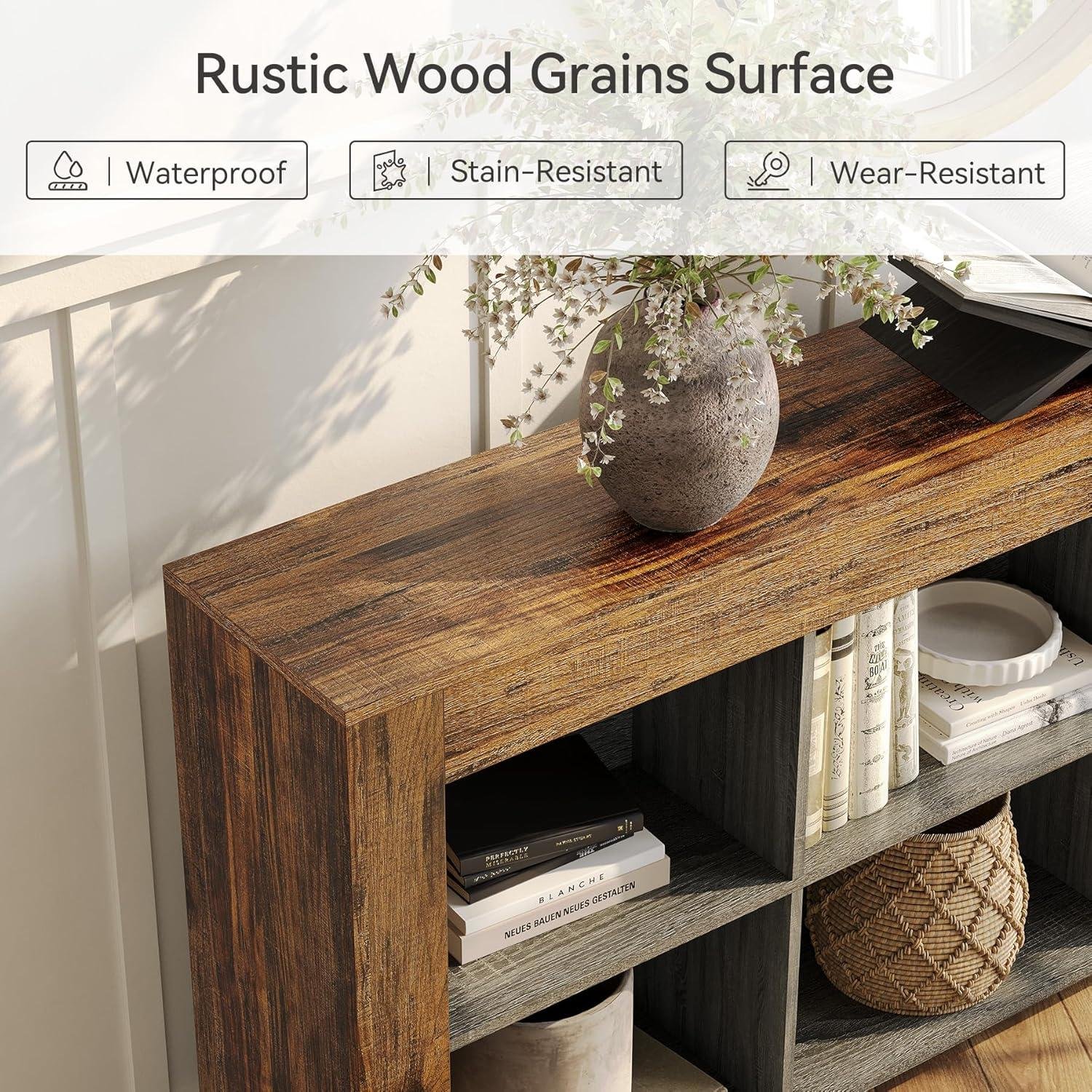
Ever try to keep an entryway or living room organized when your “temporary” drop zone turns into a pile of clamps, mail, and offcuts? In a small shop-or a small house-space matters as much as precision, and a wobbly console can feel like a bad cut line you can’t unsee.
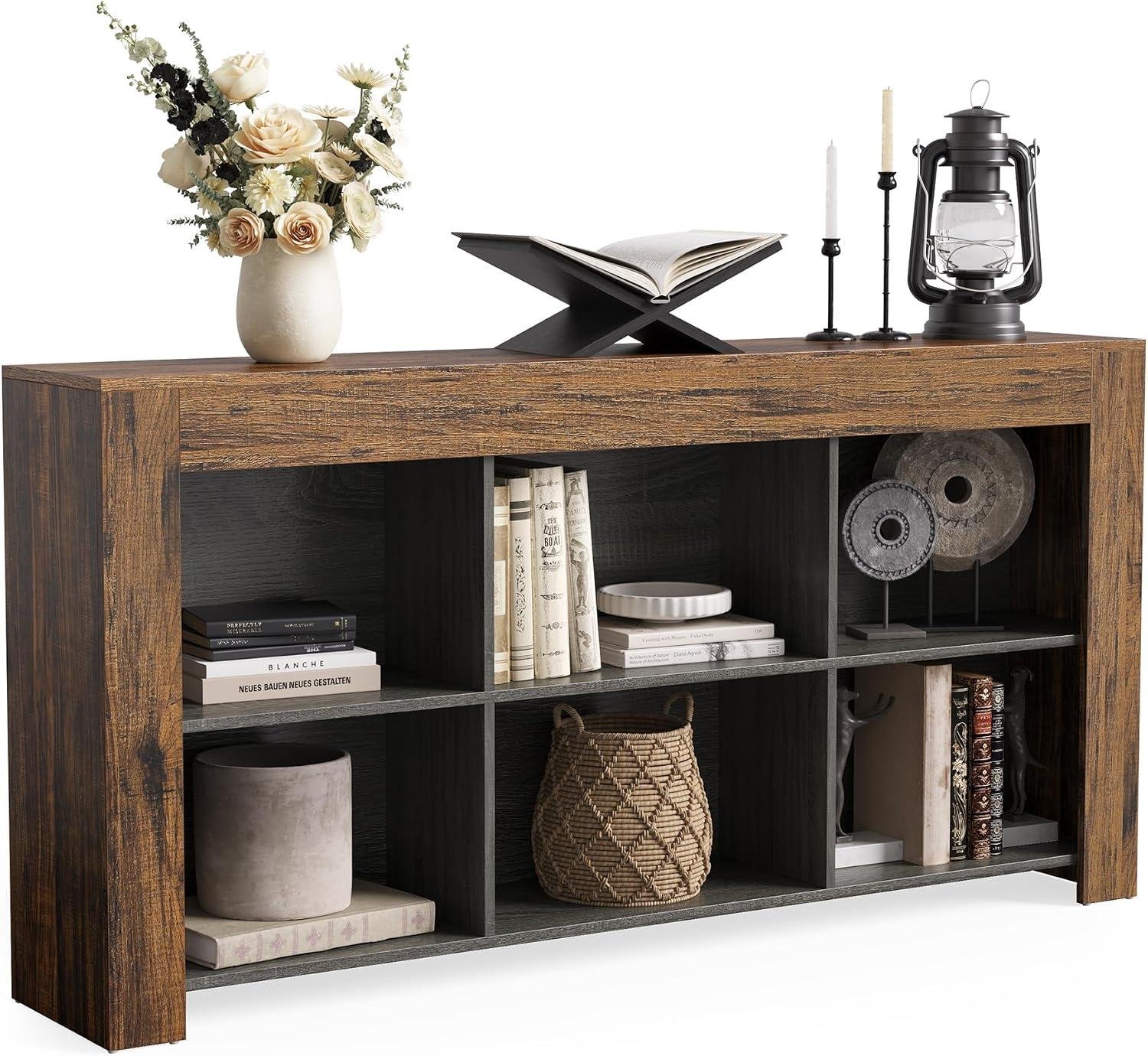
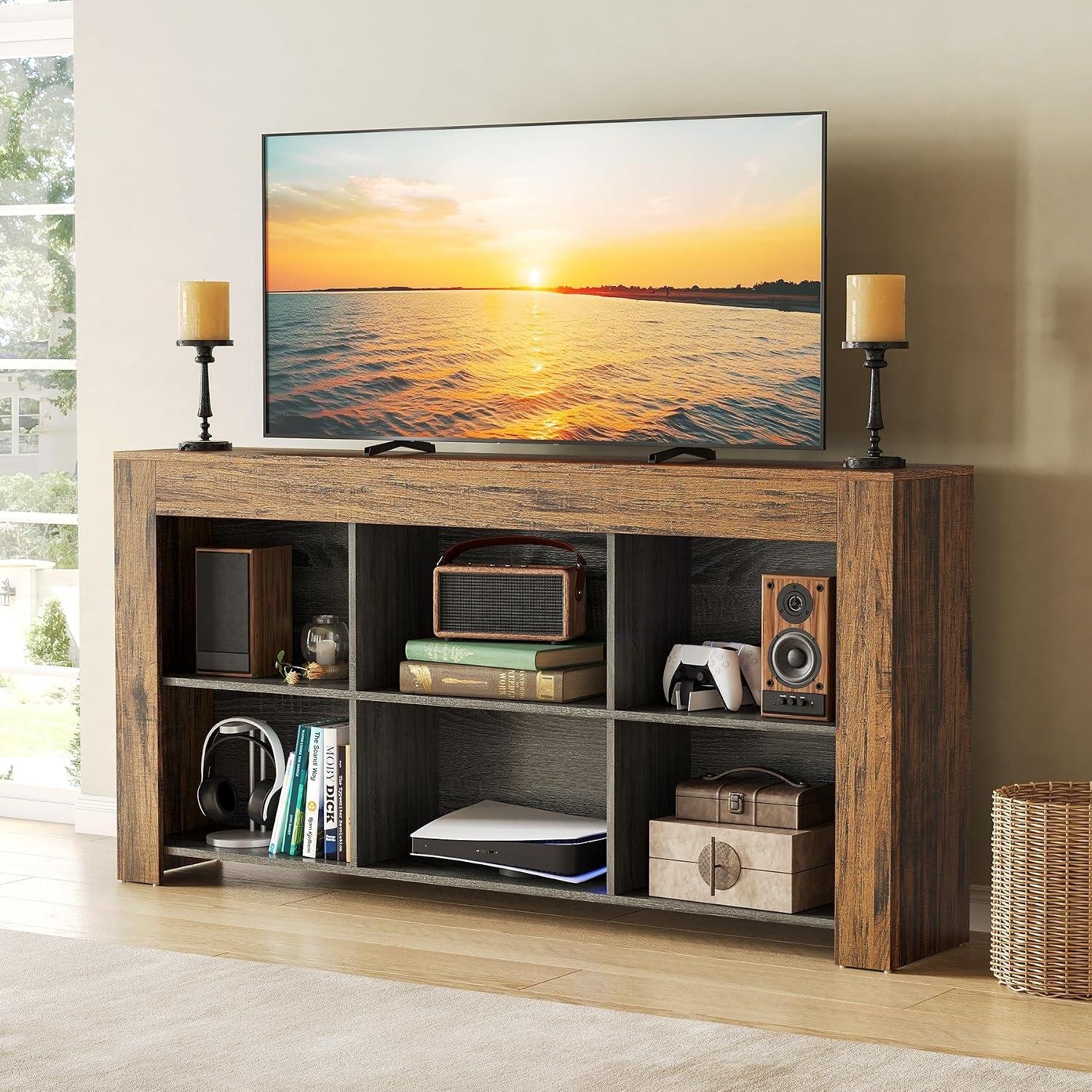
The LITTLE TREE 63-Inch Console Table with Storage is a narrow, long sofa/entryway table ( 63″ L x 11.8″ W x 31.5″ H ) designed to add surface area without hogging floor space. It pairs a wide tabletop with six open storage cubes, aiming for that farmhouse look with practical, square-and-simple lines.
In this review, we’ll break down the construction and stability, how the fit-and-finish appears based on specs and buyer photos, the assembly experience (including what reviewers say about labeling and instructions), and whether it’s a smart budget vs. quality trade for woodworkers who value sturdy, accurate furniture.
Our perspective comes from years of building and maintaining shop fixtures and household pieces-so we’re picky about rigidity, hardware, and whether “easy assembly” actually means frustration-free.
First Impressions and Build Quality for the Shop and Home
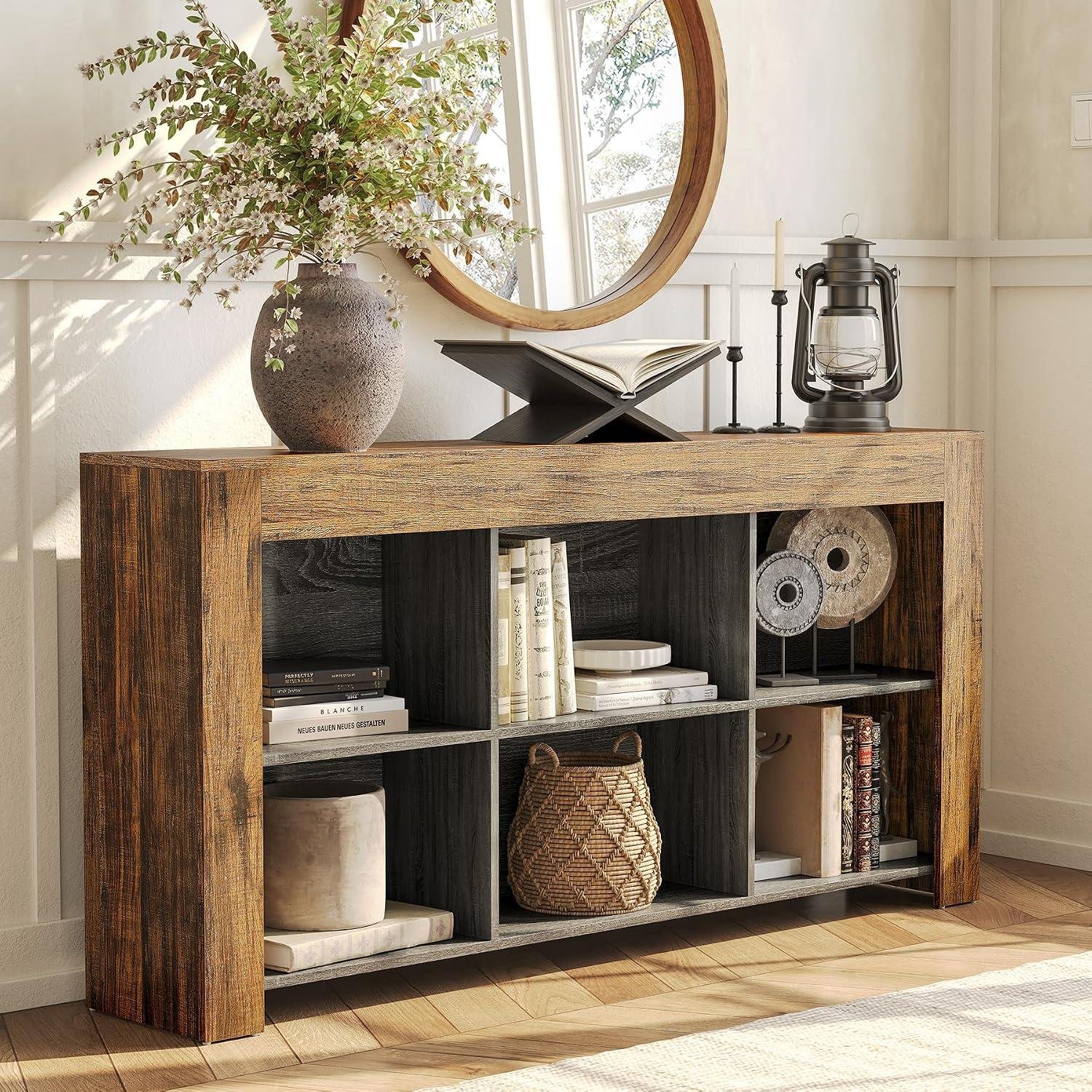
When we first unboxed the LITTLE TREE console table, the footprint immediately read like a “shop-friendly” piece: 63″ L x 11.8″ W x 31.5″ H means it tucks behind a sofa or along a wall without stealing floor space-exactly the kind of narrow surface we like for staging parts, laying out hardware, or keeping a glue-up checklist and tape measure within reach. The six open storage cubes are also practical in a woodworking workflow because they encourage visual organization-think sandpaper boxes, finish samples, router-bit cases, or small bins for pocket-hole screws-without needing doors that swing into the walkway. In the customer feedback, “looks high end” and “beautiful” show up often, which matters if we’re pulling double duty between the shop and a client-facing home entryway, but we also noticed the consistent “good value for the price” theme that frames expectations: this is furniture built to be functional and presentable, not a cabinetmaker-grade heirloom.
Build quality, based on both the listing claims and review themes, lands in a sensible middle ground for woodworkers. The brand emphasizes a stable construction and high load-bearing capacity, and many customers echo that with “sturdy,” “solid,” and even “not easily knocked over”-useful if we’re loading it with clamps, jigs, or a stack of cutoffs. At the same time, reviews mention occasional shipping or parts issues (“back pieces arrived damaged,” “a few screws missing”) and some assembly friction (“wrong label,” “diagrams do not line up”), so we’d approach setup like any flat-pack casework: dry-fit first, don’t fully tighten fasteners until the frame is square, and keep a #2 driver bit, a small mallet, and a carpenter’s square on hand. Weight feedback is mixed-some say it’s not heavy to move, while others call it heavy-which usually tells us the components have enough mass to feel stable, but it may be awkward for one person to flip or align during assembly. For shop use, we’d also treat the tabletop as a “layout and storage” surface rather than a pounding bench: use a sacrificial mat for chiseling, and avoid overloading the cubes with dense items like books or tile, since at least one reviewer felt the shelves aren’t ideal for very heavy loads.
- Included accessories: simple assembly tools, hardware, step-by-step instructions (components marked)
- Compatible attachments/accessories: felt pads for leveling/protecting floors, small organizing bins for the 6 cubes, anti-tip strap (recommended for homes with kids/pets), rubber mat/sacrificial top cover for shop use
- Ideal project types: entryway drop zone, behind-the-sofa tool/parts staging table, finish-drying “no-touch” display area, small-shop wall storage with labeled bins
- Wood types tested by customers: Not specified in reviews (this is a manufactured console table rather than a raw-wood tool/material test)
| Spec | LITTLE TREE Console Table | Why It Matters in the Shop/Home |
|---|---|---|
| Overall size | 63″ L x 11.8″ W x 31.5″ H | Narrow depth is walkway-friendly; long top works for staging parts or décor. |
| Storage | 6 open cubes | Quick visual inventory-ideal for bins, finishes, sanding supplies, or entryway items. |
| Assembly | Marked components + tools + instructions | Flat-pack workflow-plan to square the frame before final tightening. |
| Compatible accessories | Example options | Use case |
|---|---|---|
| Surface protection | Cut-to-fit rubber mat, thin hardboard sacrificial top | Prevents finish damage when setting tools/parts down. |
| Organization | Small plastic bins, label tape | Keeps cubes from becoming a “random stuff” zone. |
| Stability | Anti-tip strap, furniture levelers/felt pads | Improves safety and reduces wobble on uneven floors. |
| Capacity guidance | Recommended (practical) | Actual (per reviews/specs) |
|---|---|---|
| Top use | Light-to-moderate loads (tools, décor, staged parts) | “Sturdy/solid” commonly reported; no numeric weight rating provided. |
| Cubes use | Medium items (bins, shoes, small stacks) | One reviewer cautions against very heavy loads like books/dishes. |
See Full Specifications & Customer Photos
Real World Performance Under Daily Load and Seasonal Wood Movement
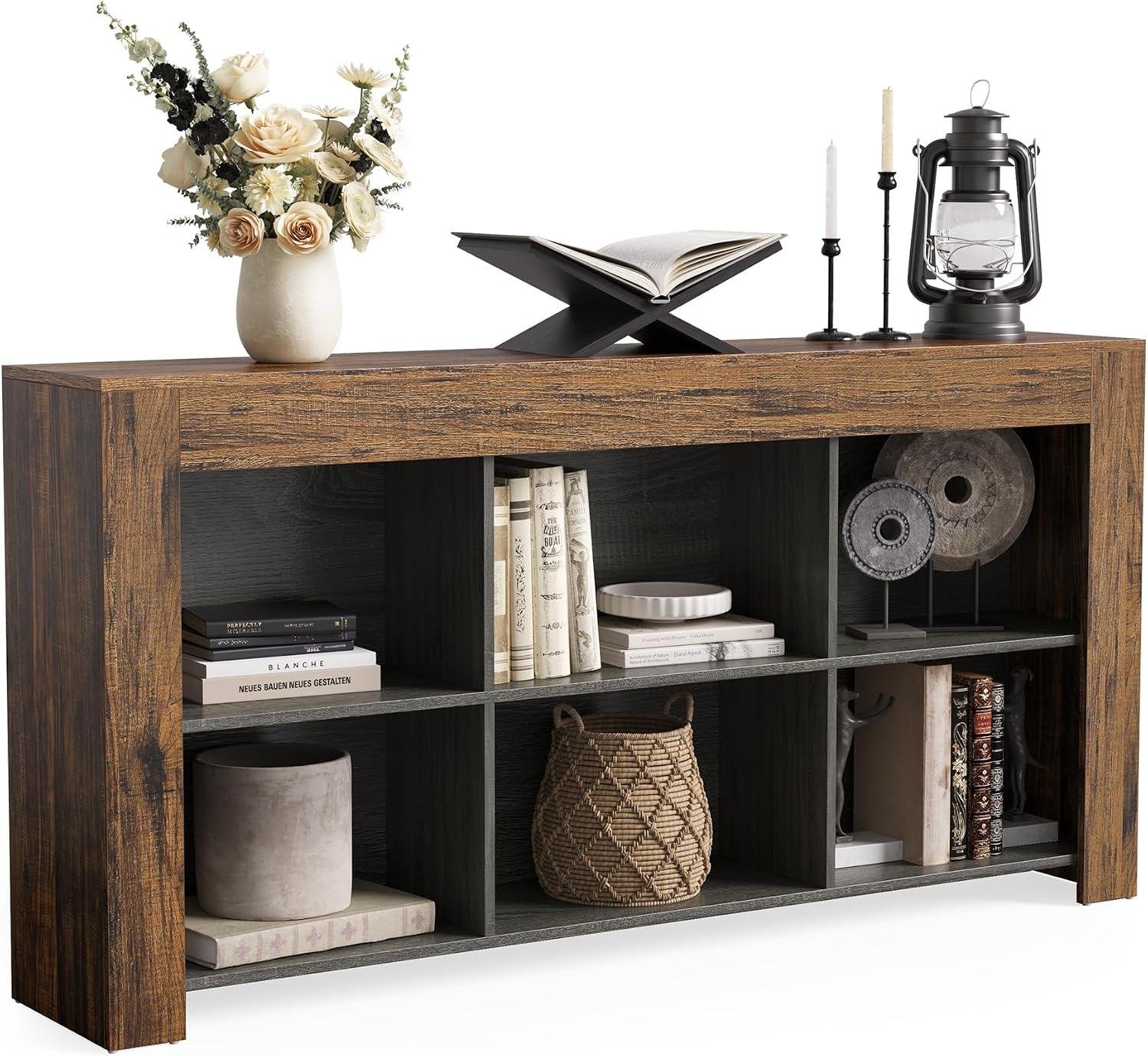
In day-to-day use, we look at this LITTLE TREE console through the same lens we’d use for a shop-built hallway table: span, stiffness, and how it behaves when we actually load it. The spec’d footprint-63″ L x 11.8″ W x 31.5″ H-creates a long, narrow run that can rack if joinery or back bracing is weak, but many customer themes point the other direction: reviewers repeatedly call it “sturdy,” “not flimsy,” and even note it’s “not easily knocked over” once assembled. The six open cubes are handy in a practical way (gloves, dog leashes, tape measures, small bins), but we’d treat them like casework bays rather than structural legs-meaning we’d distribute weight and avoid point-loading one cube with something dense. One reviewer explicitly cautions they “don’t think the shelves will hold anything very heavy (like books or dishes)”, so for a woodworker’s home shop workflow we’d keep the load realistic: light storage, decor, or electronics, rather than stacks of hardwood offcuts or a row of clamp organizers.
Seasonal movement is where woodworking instincts kick in-solid wood wants to expand and contract across the grain, while most ready-to-assemble console tables in this price class rely on engineered panels that move far less but can be sensitive at edges and fasteners. We don’t have lab data on this unit’s panel construction beyond the listing’s “robust material” language, so we can’t claim how it will behave over years of humidity swings-but customer review themes do flag what we watch for: occasional shipping damage (cracked/damaged back pieces, corner chips) and missing screws. In a shop context, that’s a reminder to do a dry-fit, snug fasteners evenly, and re-check them after a week of indoor humidity changes-especially on a long, narrow piece like this. If we were stabilizing it for real-world seasonal cycles, we’d add felt pads to prevent twist on uneven floors, avoid over-tightening cam-style connectors (common on “IKEA-like” builds, as one reviewer put it), and consider anchoring it if it lives under a TV where lateral bumps happen. Overall, review sentiment suggests it holds up well under normal household loads when assembled carefully, but we’d still treat it like flat-pack casework: assemble square, keep loads moderate, and re-tension hardware periodically.
- Included accessories (per listing): simple assembly tools, hardware, and instructions
- Compatible attachments/accessories: felt leveling pads, furniture wall-anchor/anti-tip kit, small bins for the 6 cubes, rubber washers for hardware re-tensioning
- Ideal project types: entryway drop-zone, under-TV console, narrow behind-sofa table, light-duty display/storage shelf
- Wood types tested by customers: not specified in reviews (factory-finished “wood grain” look reported)
| Real-World Factor | What We Look For (Woodworking Lens) | What Specs/Reviews Suggest |
|---|---|---|
| Daily load on long span | Racking resistance, sag potential over 63″ | Multiple reviewers call it sturdy and not flimsy; one reviewer questions very heavy shelf loads |
| Seasonal movement sensitivity | Fastener loosening, panel edge chipping | Some reports of shipping damage (cracked/damaged pieces) and minor chips; periodic hardware checks recommended |
| Stability in high-traffic areas | Tip resistance given 11.8″ W | Reviewers note it’s stable and not easily knocked over once assembled |
| Compatible Accessories | Why We’d Add It |
|---|---|
| Wall-anchor / anti-tip strap | Extra safety under TVs or in entryways where bumps happen |
| Felt pads or leveling feet shims | Prevents rock and reduces joint stress on uneven floors |
| Small storage bins | Makes the 6 open cubes more functional for daily organizing |
| Storage Area | Recommended Use (Woodworker Household) | Not Recommended |
|---|---|---|
| Top surface (63″ x 11.8″) | Keys/mail tray, small decor, lightweight electronics | Bench-like pounding, heavy vises, concentrated loads |
| Cube shelves (6 cubes) | Light bins, gloves, remotes, small books | Very heavy stacks (one reviewer doubts heavy loads like books/dishes) |
See Full Specifications & Customer Photos
Key Features Woodworkers Will Appreciate in Layout Joinery and Storage
As woodworkers, we tend to judge flat-pack furniture the same way we judge a shop jig: does it lay out square, register consistently, and stay put once assembled? The LITTLE TREE console table’s 63″ L x 11.8″ W x 31.5″ H footprint is a layout-friendly size for tight spaces-narrow enough to sit behind a sofa or along a shop wall, but long enough to act like a “landing strip” for parts, plans, and hardware trays. The 6 open storage cubes are the joinery-and-layout win here: we can dedicate cubes to measuring and marking (tape, combination square, marking knife), fastening (pocket-hole screws, drivers, glue), and small assembly aids (clamps pads, shims). Reviewers repeatedly call it “easy to assemble” and “sturdy/solid”, which matters in the shop because a table that racks while we’re trying to mark hinge locations or lay out drawer slides turns accuracy into guesswork. A few customers mention labels that don’t match perfectly or diagrams that don’t line up, so we’d approach assembly like we do any casework dry-fit: confirm parts orientation, keep a square handy, and tighten fasteners only after the frame is pulled into alignment.
For practical workshop storage, we also appreciate the mixed feedback on weight because it hints at a realistic tradeoff: some say it’s “not heavy to move around”, while others call it “heavy”-in other words, it may have enough mass to feel stable, but it’s still manageable when we need to sweep, reroute dust collection hoses, or reconfigure a small space. The stable construction and “not easily knocked over” theme in reviews suggests it can handle typical shop loads like boxes of screws, sandpaper sleeves, or finishing supplies, but one reviewer cautions they wouldn’t load the shelves with very heavy items (like books or dishes); we’d treat the cubes as organized light-to-medium storage rather than a substitute for a lumber rack. Educationally, the best way to get cabinet-like performance from any knockdown piece is to build it like a clamping operation: assemble on a flat surface, measure diagonals to verify squareness, snug fasteners in stages, and-if it’s going in a high-traffic area-consider anchoring to wall studs for tip resistance, just as we would with tall shop shelving.
- Included accessories: simple assembly tools, marked components, step-by-step instructions
- Compatible attachments/accessories: small bins or baskets sized to the cubes, adhesive labels for cube organization, felt pads for shop floors, wall anchor kit (if not included)
- Ideal project types: entryway catch-all station, finishing-supply console, hardware and sanding organizer, behind-sofa tool-and-plan drop zone, small “reading corner” reference shelf
- Wood types tested by customers: not specified in reviews (this is a manufactured furniture product with a wood-grain finish)
| Spec | Why We Care in the Shop |
|---|---|
| 63″ L | Long enough for layout work (drawer fronts, face-frame parts) without hogging wall space. |
| 11.8″ W (narrow) | Fits tight aisles; good for staging parts and keeping walkways clear. |
| 31.5″ H | Comfortable for standing organization and quick measuring/marking tasks. |
| 6 storage cubes | Natural “zones” for joinery hardware, layout tools, sanding/finishing supplies. |
| Recommended Use | Actual User Feedback Theme |
|---|---|
| Light-to-medium storage | Often described as sturdy/solid, but one reviewer warns against very heavy loads. |
| DIY assembly | Commonly praised as easy to assemble, with some notes about label/diagram confusion. |
| Accessory | Fit/Notes |
|---|---|
| Cube bins/baskets | Good for corralling layout tools and keeping small hardware from migrating. |
| Adhesive label tape | Makes the 6-cube system function like shop drawers (“Dominos,” “Pocket Screws,” “Sanding”). |
| Felt pads / rubber feet | Helps reduce sliding on smooth floors; useful if we reposition it often. |
| Wall anchor kit | Recommended for stability in busy walkways or homes with kids/pets. |
See Full Specifications & Customer Photos
Ease of Assembly and Use for Beginners and Experienced Woodworkers
From a woodworker’s standpoint, the LITTLE TREE console table is more like a flat-pack assembly job than a true “build,” but it still tests the same fundamentals we care about-square, alignment, and fastener discipline. The footprint is 63″ L x 11.8″ W x 31.5″ H, and that long/narrow proportion means we want to assemble it on a flat bench or floor and check for racking as we tighten hardware. Customer feedback consistently reflects that it’s “quick and easy to assemble” and “easy enough to put together”, with several people mentioning it took about an hour working solo. At the same time, a few reviews call out instructions/diagrams not lining up or mis-labeled parts, which can cost beginners time-our workaround is the same one we use in the shop: dry-fit the frame, confirm hole patterns and orientation, then tighten in stages instead of fully cinching one corner at a time.
For experienced hands, the assembly is straightforward: the parts are marked, the unit ships with simple assembly tools, and the design is basically a long top with internal dividers creating 6 open storage cubes. Where skill helps is in getting that “built-in” look-keeping reveals even, ensuring the cube partitions sit flush, and correcting minor shipping defects. Review themes mention the table feels “sturdy,” “not flimsy,” and “not easily knocked over”, though weight is mixed (some say not heavy to move, others say heavy), so we’d stage the build near its final location and consider a two-person flip once assembled. If a panel arrives with chips or damage (also mentioned in reviews), we can treat it like shop triage-rotate it to the back, touch up with a color-matched marker/wax, and avoid over-torquing screws into compromised edges.
- Included accessories: simple assembly tools, step-by-step instructions, marked components
- Compatible attachments/accessories: #2 Phillips driver bit (hand screwdriver or drill/driver), small square, clamps (optional), felt pads for leveling on uneven floors
- Ideal project types: entryway drop zone table, sofa/behind-couch console, under-TV console, display/storage shelf with 6 cubes
- Wood types tested by customers: not specified in reviews (this is a manufactured furniture build, not solid-wood stock prep)
| Spec / Feature | What We Look For in the Shop | What’s Provided |
|---|---|---|
| Overall size | Assembly space + racking control on long spans | 63″ L x 11.8″ W x 31.5″ H |
| Storage layout | Divider alignment and consistent openings | 6 open storage cubes |
| Assembly system | Clear labeling, staged tightening, dry-fit capability | Marked parts + tools + instructions |
| Compatible Accessory | Why We’d Use It | Beginner Friendly? |
|---|---|---|
| Drill/driver + #2 Phillips bit | Speeds up fasteners (use low torque to avoid stripping) | Yes (with clutch set low) |
| Combination square | Keeps cube dividers square while tightening | Yes |
| Felt pads/shims | Helps stabilize on uneven floors; reduces wobble | Yes |
| Capacity Consideration | Recommended (Practical) | Actual (Per Reviews / Listing) |
|---|---|---|
| Cube loading | Decor, baskets, light media gear (spread weight evenly) | One reviewer doubts heavy loads like books/dishes; listing notes high load-bearing capacity but no number provided |
See Full Specifications & Customer Photos
Customer Reviews Analysis
What Woodworkers Are Saying (Review Analysis)
1) Overall sentiment from woodworking customers
Several woodworkers and DIY furniture builders describe the LITTLE TREE 63″ console table as a good-looking, space-efficient piece that delivers the “farmhouse” aesthetic without taking up much floor depth. Common praise includes the long top for display/utility and the cube storage that makes it feel more functional than a standard sofa table. Sentiment trends positive when expectations match the product category: ready-to-assemble furniture, not heirloom-grade hardwood cabinetry.
2) Performance feedback (accuracy, power, results)
While this isn’t a power tool, reviewers still evaluate “performance” in woodworking terms-fit, alignment, and final finished result.
- Accuracy / alignment: Multiple reviews highlight that when assembled carefully, the table squares up well and presents clean lines. Some users reported challenges with keeping cube sections aligned during assembly (typical of multi-compartment casework in flat-pack form).
- Results (final look): Common praise includes a finished appearance that reads more expensive than it is, especially in entryways and behind sofas where the narrow profile looks intentional.
- Consistency: Several woodworkers mentioned that results depend heavily on careful tightening sequence (bringing screws snug gradually across the unit rather than fully tightening one area first).
Occasional excerpt-style feedback (sparingly): reviewers describe it as looking “great once built,” but note you need to “take your time” to get everything lined up.
3) Build quality and durability observations
Customers tend to judge this like other engineered-wood furniture: stable if assembled correctly, but not built like solid-wood joinery.
- Materials & rigidity: Multiple reviews highlight adequate sturdiness for décor, baskets, books, and light household storage, particularly using the cubes.
- Hardware & joints: Some users reported challenges with fastener bite/holding strength if parts were over-tightened-suggesting typical limitations of cam-lock/dowel style construction in composite boards.
- Long-term durability: Several woodworkers mentioned it should hold up fine in low-abuse zones (entry wall, behind couch), while heavy daily impact areas may show wear sooner-especially corners/edges.
4) Ease of use for different skill levels
- Beginners / first-time furniture assemblers: Beginners appreciated the straightforward concept (repeatable cube modules), but some DIYers found the learning curve steep if they rushed-particularly with keeping everything square and avoiding misalignment across the 63″ length.
- Experienced woodworkers: Reviewers with more experience tended to treat it like casework: dry-fit mindset, check for square, tighten gradually, and reported smoother builds.
- Time/effort: Several reviews mention that assembly is doable solo, but easier with two people due to the long footprint and the need to hold panels flush while fastening.
5) Common project types and success stories
Customers successfully used this for:
- Entryway “drop zone” builds (keys/mail trays on top; shoes/baskets in cubes)
- Behind-sofa console setups (lamps, framed photos, chargers)
- Living room storage/display where narrow depth matters (plants, books, seasonal décor)
Several reviewers mentioned that adding baskets or bins instantly upgrades usability-turning the “6 cubes” into organized storage rather than open cubbies.
6) Issues or limitations reported
Some users reported challenges with:
- Assembly alignment over a long span: If you don’t keep it square as you go, cube openings can end up slightly off.
- Engineered-wood limits: A few reviewers note it’s not meant for heavy loads like a workbench; it’s better treated as a decor + light storage console.
- Hardware tolerance / pre-drilled hole alignment: Multiple reviews highlight occasional frustration when holes don’t feel “perfect,” requiring patience to coax parts together rather than forcing them.
- Surface/edge wear sensitivity: Some customers mention being mindful of moisture and abrasion-typical for laminated/composite finishes.
Quick Summary Table (Common Themes)
| Aspect | Common Feedback |
|---|---|
| Overall Sentiment | Generally positive-looks great when assembled carefully; expectations matter (RTA furniture vs. solid wood) |
| Performance (Fit/Results) | Clean finished look; best results when kept square during assembly; long layout can magnify small misalignments |
| Build Quality | Sturdy enough for décor and light storage; engineered wood/hardware has typical limitations if over-tightened |
| Ease of Use | Manageable for beginners with patience; experienced DIYers recommend gradual tightening and checking square |
| Use Cases | Entryway drop zone, behind-sofa console, living room storage/display; cubes pair well with baskets |
| Issues / Limitations | Alignment tolerance during assembly, occasional hardware/holes frustration, not intended for heavy-load use |
If you want, I can rewrite this section in a tighter “affiliate-ready” voice for a product page, or expand it with a dedicated “tips to get the best build (keep it square, tighten sequence, two-person lift)” mini-block.
Pros & Cons
Pros & Cons: LITTLE TREE Console Table (63″ with 6 Cubes)
| At a Glance | What We Noticed |
|---|---|
| Best for | Entryways, behind-the-sofa moments, under a wall-mounted TV, and display + light storage |
| Space vibe | Long and narrow (63″ x 11.8″)-easy to tuck into tight lanes |
| Storage style | 6 open cubes-great for baskets, decor, and “grab-and-go” organization |
| Overall personality | Farmhouse-leaning, simple lines, wood-grain look that blends rather than shouts |
What We Liked (Pros)
- Looks “finished” fast: The farmhouse-inspired wood grain and clean, square shape read as a statement piece without trying too hard.
- Long, narrow footprint: At 63 inches wide and under 12 inches deep, it feels designed for hallways, entryways, and behind couches-places where bulky furniture becomes a traffic problem.
- Storage that stays visually tidy: The six open cubes give us a place for baskets, seasonal decor, or shop staging props-without turning into a “miscellaneous pile” zone on the tabletop.
- Sturdy feel for everyday use: Many owners describe it as stable and not easily knocked over, which matters if we’re using it in customer-facing areas or high-traffic paths.
- Value-forward: Reviewers repeatedly call it good value for the price-the kind of piece we can buy without needing a long internal debate.
- Assembly is usually straightforward: Most feedback points to an easy build with labeled parts and a step-by-step process (very “flat-pack furniture” energy, in a good way).
- Versatile placements: We can treat it as an entry console, a sofa table, a low-key display shelf, or even a slim TV stand under a wall-mounted screen.
What We Didn’t Love (Cons)
- Some shipping/packaging roulette: A recurring theme in reviews is damaged panels (cracks, chips, broken back pieces). That’s manageable at home, but it’s a headache if we need “perfect out of the box” for the shop floor.
- Instructions can be hit-or-miss: While many found assembly easy, a few mention diagrams that don’t perfectly match the pieces-meaning we may need patience (or a second set of eyes).
- Not a heavy-duty cube shelf: One reviewer flagged that the cubes may not be ideal for very heavy items (think stacks of books, dishes, or inventory with real weight).
- Weight opinions are split: Some people like that it’s not too hard to move, while others call it heavy-so we should plan the placement before we fully commit.
- Open storage isn’t hidden storage: The cubes look great staged, but if we’re storing clutter, it will still look like clutter unless we add bins.
Our takeaway: If we want a long, narrow console that looks good, organizes lightly, and doesn’t overwhelm a space, this LITTLE TREE model makes a strong case. If our shop needs flawless panels and truly heavy-load shelving, we’ll want a backup plan (or be ready to inspect parts right away).
Q&A
Is this “real wood,” and can I treat it like hardwood lumber in my shop?
This console table is a pre-manufactured furniture piece with a wood-grain finish (often an engineered-wood/laminated construction in this price class), not a hardwood slab. That means you shouldn’t expect it to behave like oak/maple when planing, routing deep profiles, or refinishing aggressively. Light sanding and careful touch-ups are usually fine, but heavy milling, aggressive stripping, or deep edge profiling can chip the surface or expose substrate.
How much weight can the top and the 6 cubes realistically handle?
The listing calls out “stable construction” and “high load-bearing capacity,” and reviews consistently describe it as sturdy and not easily knocked over. That said, at 63″ long and only 11.8″ deep, think of it as a console/display/storage unit, not a bench or a heavy-duty bookcase. Several reviewers specifically cautioned it may not be ideal for very heavy items (e.g., lots of books or dishes). For best results: keep heavier items centered over vertical supports, distribute weight across multiple cubes, and avoid point-loading the middle of the top over long spans.
Is setup truly “easy,” or is it more like flat-pack furniture assembly?
Most customers report it’s easy to assemble, but multiple reviews also mention it’s a lot of assembly-very “IKEA-like.” Expect about an hour for a careful solo build (a common customer experience), and faster if you‘ve assembled flat-pack furniture before. A minority of reviewers reported confusing instructions/diagrams or mislabeled parts, so it pays to dry-fit, inventory hardware, and read ahead before tightening everything down.
Do I need special tools, clamps, or a full workshop to put this together accurately?
No special woodworking tools are required. The product description notes it includes “simple assembly tools,” and reviewers generally confirm straightforward assembly. From a woodworker’s perspective, a #2 Phillips driver (or a clutch-setting drill/driver), a small square, and a soft mallet can make alignment cleaner. If you have one, a long straightedge helps keep the 63″ run true before final tightening.
Will it fit well in a small shop/house, and is it actually “narrow” enough for tight entryways?
Yes-its footprint is one of the big advantages: 63″ L x 11.8″ W x 31.5″ H. That 11.8″ depth is legitimately slim compared to many sofa/TV consoles, so it tends to work in hallways, behind sofas, and in entryways where you still need walkway clearance. Customers frequently mention the size feels “perfect” for living rooms and under wall-mounted TVs.
Can I modify it-add a backer, drill cable pass-throughs, or anchor it to the wall?
Light modifications are doable, but treat the panels like finished furniture parts: drill slowly, use painter’s tape to reduce chipping, and pre-drill for screws. If you plan to use it under a TV, adding a cable pass-through can be helpful-just avoid drilling near edges where laminates are more prone to blowout. Because it’s long and relatively narrow, wall anchoring is a smart “shop-safety mindset” upgrade, especially in homes with kids/pets, even though reviewers describe it as stable.
What should I watch for with damage, missing hardware, or part labeling?
While many buyers praise the build quality and appearance, a recurring theme in reviews is occasional shipping damage (cracked/broken back pieces, corner damage) or missing screws, plus some reports of labels/diagrams not matching perfectly. Practical advice: open the box carefully, check panels for cracks/chips right away, count hardware, and identify/label parts yourself before starting. Some customers said they oriented small chips to the back so they couldn’t be seen.
Is it “worth it” versus building a similar console from plywood or hardwood?
If you want a fast, good-looking farmhouse-style console with 6 cubbies, reviews repeatedly call it a great value for the price and “looks high end” once assembled. If you’re a woodworker who cares most about joinery, repairability, and a true hardwood finish schedule, a DIY build will outperform it-at the cost of shop time, materials, and finishing. Many buyers land in the middle: they choose this for speed and aesthetics, then apply small maker-style upgrades (felt pads, wall anchor, or careful cable management) to fit their space.
Seize the Opportunity
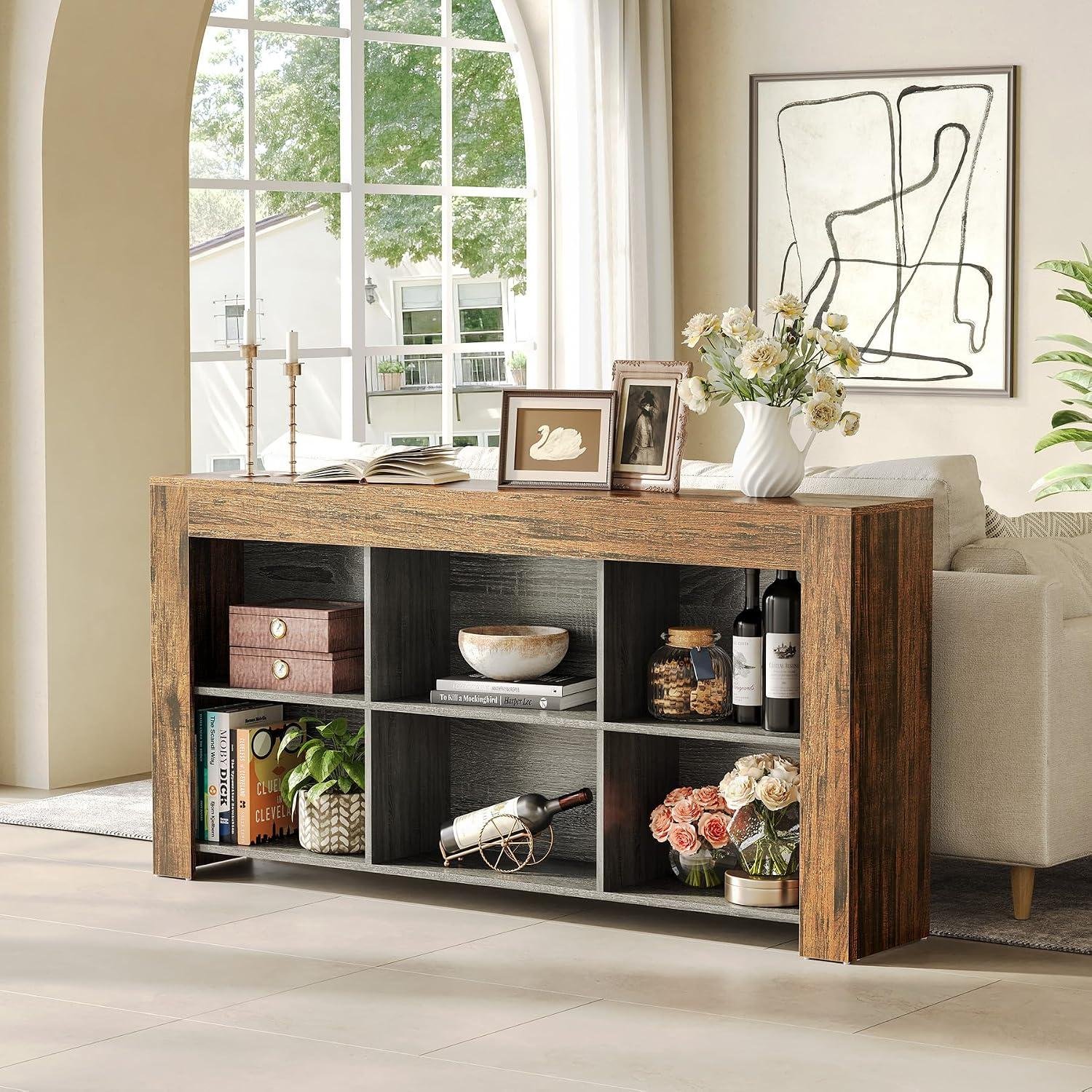
The LITTLE TREE Console Table with Storage is a 63″ L x 11.8″ W x 31.5″ H narrow sofa/entryway table with a spacious top and six open storage cubes. Its farmhouse-inspired wood-grain look and “stable construction” aim for solid load capacity without taking up much floor space, and it ships with labeled parts and basic tools for assembly. In customer feedback, the big themes are attractive appearance, good value, and a sturdy feel once built-though assembly can be time-consuming, instructions/labels can be confusing, and a few buyers report damaged panels or missing hardware.
Best for hobby woodworkers, DIY-minded homeowners, and beginners who want a ready-made, shop-adjacent storage/display piece for entryways, TV walls, or organizing small bins and decor.
Consider alternatives if you need heavy-duty shelving for dense books/tools, want real hardwood cabinetry, or prefer furniture with minimal flat-pack assembly risk.
Overall, it’s a solid budget-to-midrange option that looks sharp and functions well, with QC/packaging being the main caveat.
Want to see current pricing and customer photos? View on Amazon & Read More Reviews →