

Blog
8pcs Leather Hole Punch Die Set Review: Shop Fit?

Ever tried to add a leather pull, a tool roll strap, or a gasket to a shop-made jig—only to end up with ragged holes or shapes that never quite match? In a small workshop, precision matters, and so dose having a compact tool that won’t eat up bench space or the budget.
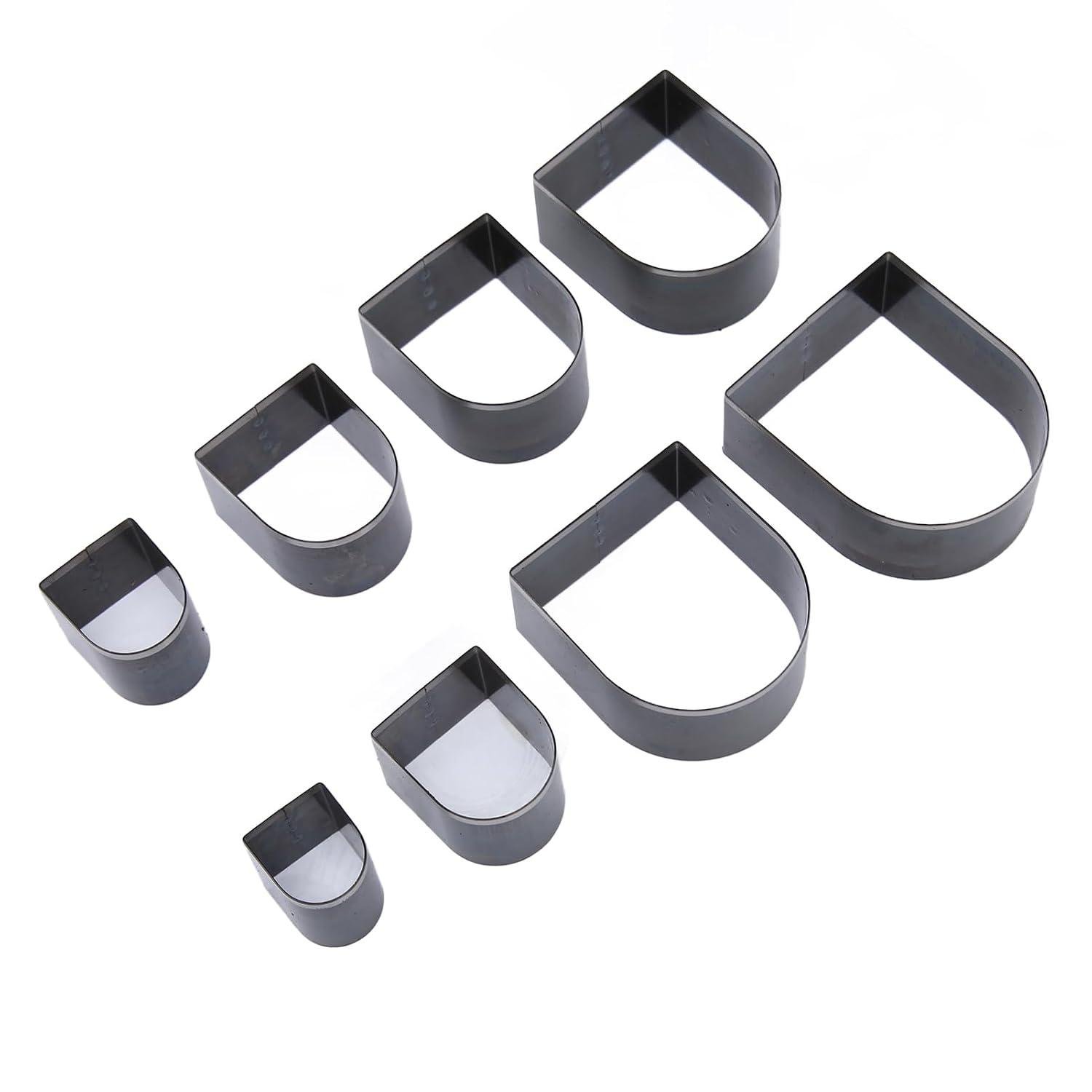
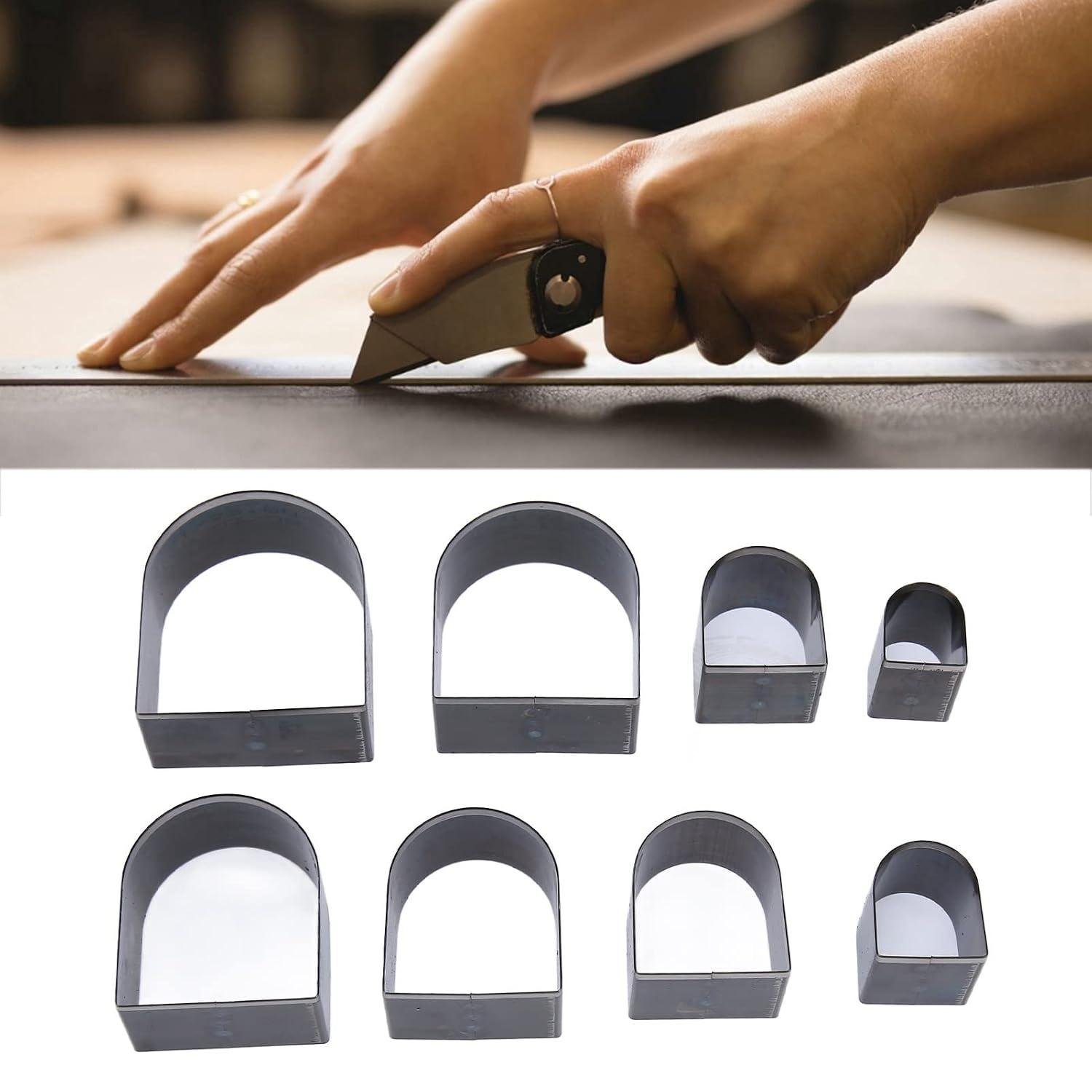
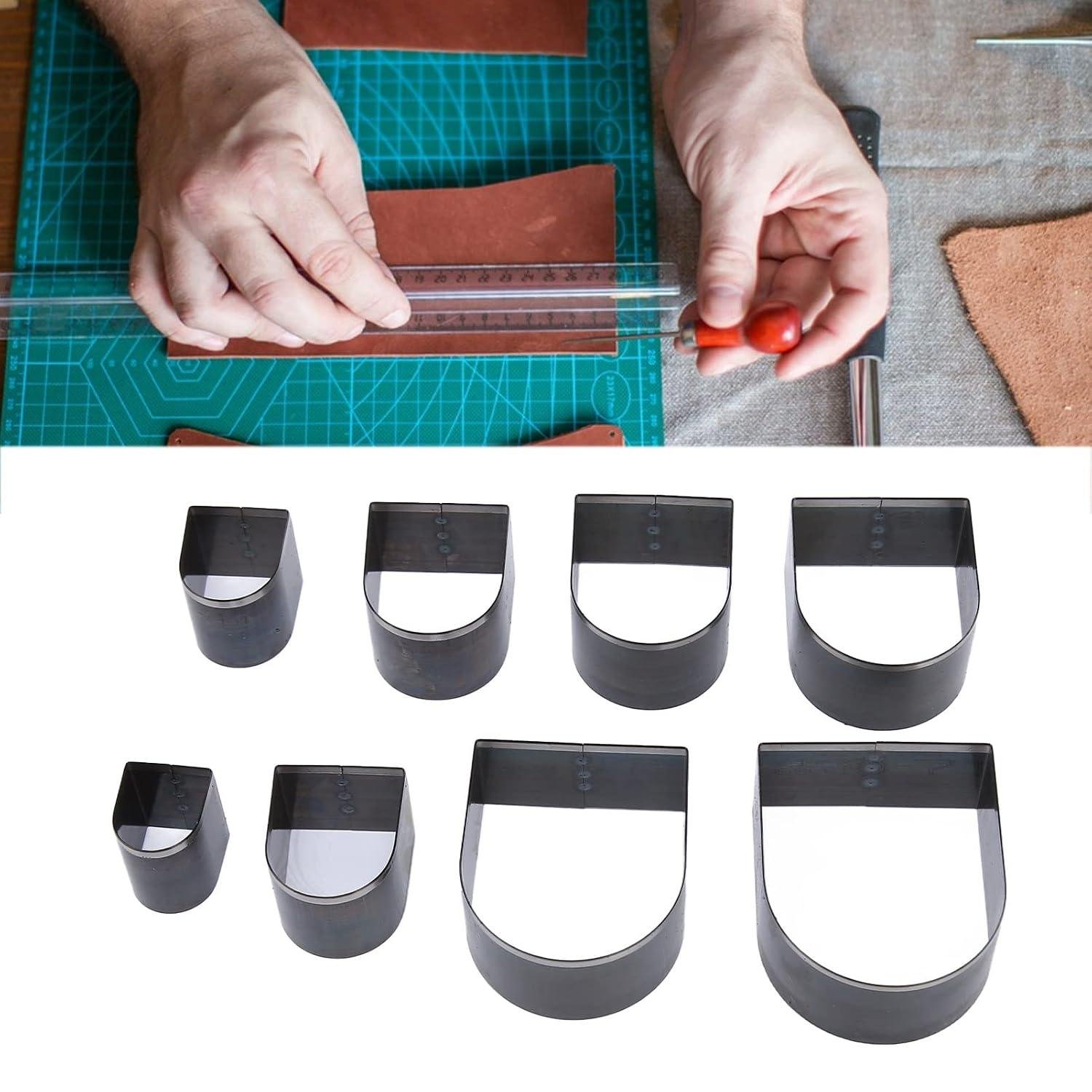
The 8pcs Leather Hole Punch, Geometry Leather Cutter Tool Set is a set of eight geometry-shaped hollow cutting dies made from high carbon steel, designed to be struck with a hammer over a sturdy wood backer to cut clean shapes through leather and other craft materials. The maker also highlights “fast and neat cutting” with a thin, incisive edge meant to avoid leaving marks.
In this review, we’ll look at the set’s shape variety, build quality and durability expectations, ease of use for beginners vs. experienced makers, and what kind of cut quality customers report—along with where it fits on the budget-versus-quality spectrum.
We’ve spent years building shop fixtures and mixing in small-material work, and we’ve learned that simple punch-and-die tools can be either surprisingly effective—or frustratingly imprecise—depending on the details.
Tool Overview and Build quality for shop Use
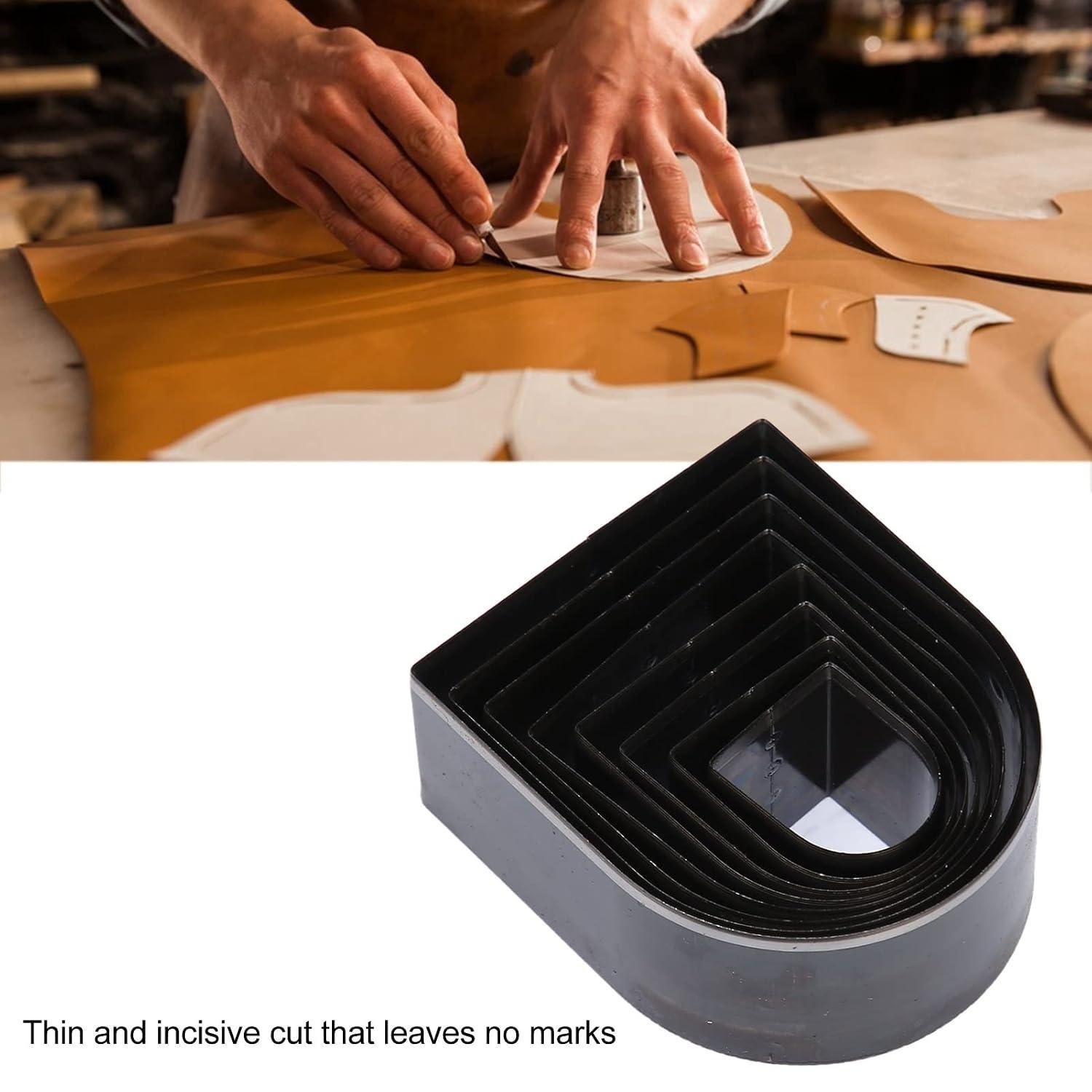
in our shop, we look at this set less like a “power tool” and more like a small, repeatable cutting system—especially handy when we’re adding leather details to woodworking projects (drawer pulls, tool rolls, plane socks, mallet guards, and strap keepers). The kit is sold as an 8-piece geometry leather cutting die set made from high-carbon steel, and the design is straightforward: place the die on the material, set everything on a sacrificial backer, then strike it with a mallet. There’s no motor rating, RPM, cord length, or dust collection as these are purely hand-struck dies; for woodworkers, the key “spec” is really the material (high-carbon steel) and the variety of included shapes for consistent results when you’re batch-making parts. The product description repeatedly emphasizes “fast and neat cutting” with a thin edge that “leaves no marks”—in practice, that neatness depends heavily on our setup: a flat, rigid surface, correct backer board, and a dead-blow or poly mallet rather than a steel hammer that can mushroom edges and transmit shock into the bench.
Build-quality-wise, we treat these as consumable-adjacent edge tools: high-carbon steel can hold a crisp edge, but it also benefits from being used correctly and stored carefully. The maker’s instructions—“put a sturdy flat piece of wood or board… and hammer it”—are worth taking literally; in a woodworking environment, a dense end-grain backer (like a dedicated maple or beech block) helps support the cut and reduces bounce compared with a soft pine scrap. Since we weren’t provided customer-review text to quote, we can’t honestly report themes like durability complaints or praise for precision; however, the common workshop reality for this tool category is that consistency comes from technique more than strength: keep the die vertical, make one firm strike, and clear the waste frequently so the cutter doesn’t bind. For safety, we keep fingers clear of the strike zone, wear eye protection (chips can pop free), and avoid striking on our cast-iron machine tables to prevent dings. If your woodworking projects include leather or gasket-like soft goods, this set can be a simple way to add clean holes and shapes without setting up a drill press or specialty press—just plan on dedicating a proper backer and a storage method so edges don’t knock together.
- 8 x Leather Cutting Die (geometry-shaped hole punch dies)
- Wooden or HDPE backer board (sacrificial cutting surface)
- Dead-blow or poly mallet (preferred over steel hammers)
- Arbor press (optional, for quieter, more controlled pressure)
- Leather accents for drawer pulls, tool rolls, straps, and protectors
- Shop-made organizers that use leather tabs/closures
- Craft components involving fabric, polymer clay, or jewelry (per product description)
- Not specified by customers (no customer review text provided to verify wood testing)
| Spec / Feature | What’s Listed | Why it Matters in a Wood Shop |
|---|---|---|
| Set size | 8 pieces | More shapes means more repeatable options when batch-cutting leather parts for jigs, straps, and accents. |
| Material | High carbon steel | Potential for a crisp cutting edge; store carefully to avoid edge damage and corrosion. |
| Power | Manual (hammer/mallet) | No electricity needed; technique and backer board selection affect cut quality. |
| Cut quality claim | “Fast and neat cutting… leaves no marks” | Works best with firm backing and square strikes to avoid distortions or partial cuts. |
| Accessory / Tool | Compatible? | Notes for Woodworkers |
|---|---|---|
| Dead-blow / poly mallet | Yes | Helps deliver force without damaging die edges as quickly as a steel hammer can. |
| Arbor press | Often yes | Can improve control and reduce noise; use a flat platen and proper backing. |
| End-grain hardwood backer | Yes | Supports clean cuts and protects your bench; dedicate a block for this task. |
| Capacity Item | Recommended in the Shop | What’s Actually Specified |
|---|---|---|
| Material thickness | Start thin; test cuts and increase thickness gradually | Not specified (no cutting depth/thickness rating provided) |
| Backer surface | Dense wood or HDPE, flat and sacrificial | “Sturdy flat piece of wood or board” |
see Full Specifications & Customer Photos
Real World Performance for Punching Leather and Soft Materials in woodworking Projects
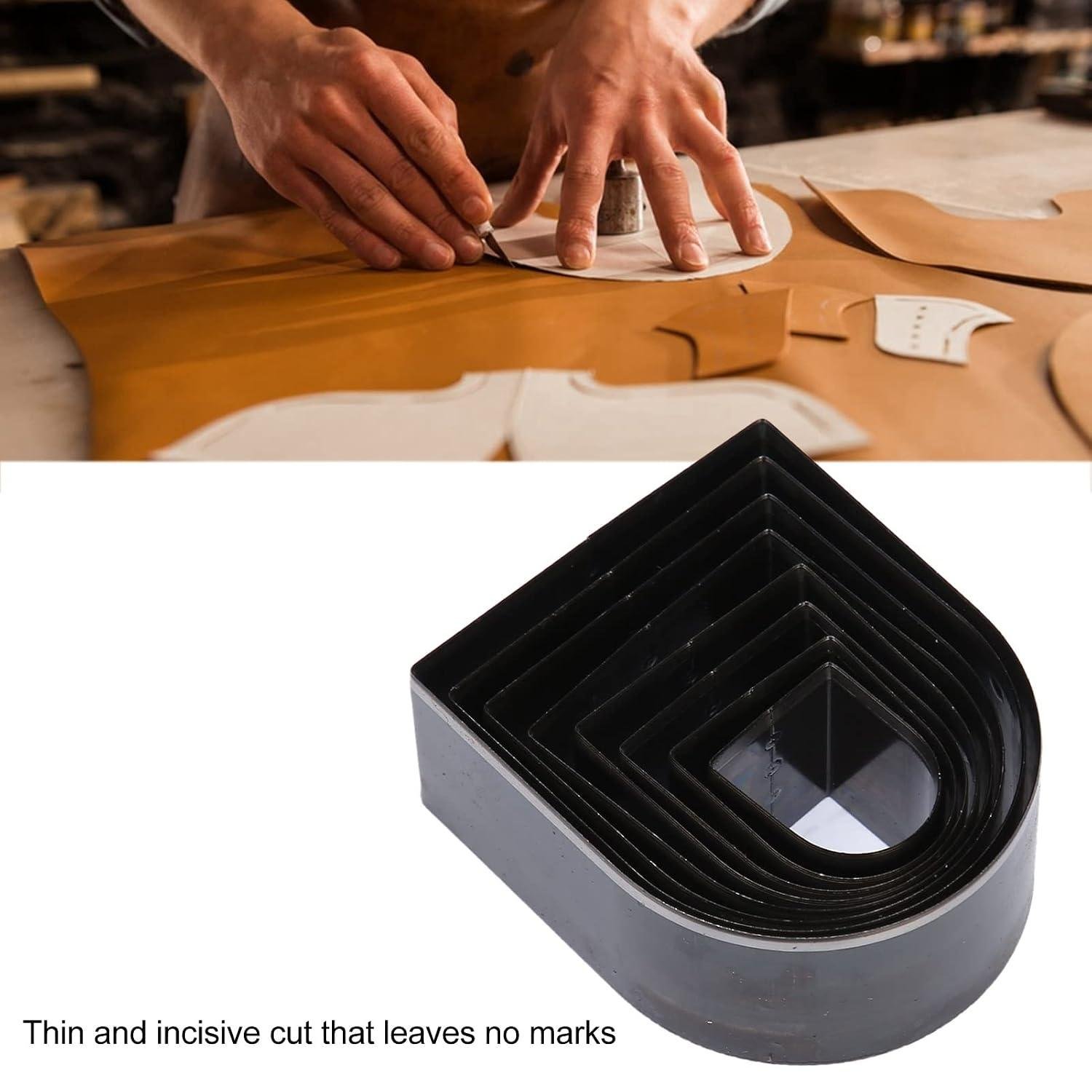
In real shop use, this 8-piece geometry die set behaves less like a “hole punch” plier and more like a small set of stamp-style hollow cutters—the kind we keep around for leather drawer pulls, tool roll straps, or soft inlay details on jigs and fixtures. The dies are listed as high carbon steel, and the product description emphasizes “fast and neat cutting” with a thin, incisive edge that “leaves no marks.” In our workflow, that translates to cleaner edges when we back the material properly and strike square: we set the die on the leather, place a sturdy flat scrap board over/under as instructed, and use a firm mallet strike rather than a light tapping sequence.While it’s marketed for leather, the stated wide-use list—layered fabrics, polymer clay, jewellery materials—is relevant in woodworking projects whenever we’re cutting soft goods for accents or protection (think: felt pads, thin rubbery sheets, or leather washers for hardware).Since there are 8 geometric shapes, we can pick a profile that matches the design language of a project (arched/door-like cutouts for hang tags, strap ends, or decorative inserts) without needing to freehand with a knife.
Where this set really earns its space is repeatability on small parts—especially when we’re trying to make multiple identical strap ends or consistent openings in soft materials that pair with wood.There are no motor specs here (no amps/RPM), so performance depends on edge sharpness + backing surface + strike control. For best results, we treat it like a hollow chisel: keep the cutting edge clean, use end-grain sacrificial backing (softwood) so the cutter can fully bottom out, and clear plugs frequently so material doesn’t bind inside the die. Safety-wise, we keep fingers clear of the striking zone and prefer a non-marring mallet over a steel hammer to reduce bounce and edge damage. Customer review themes weren’t provided in the source material for this product, so we can’t honestly report what “reviewers say” about durability or accuracy; though, the maker’s guidance is straightforward—board + hammer—and that simplicity generally suits beginner-to-intermediate woodworkers who want a no-power solution for cutting leather and other soft craft layers in the shop.
- Included accessories: 8 x leather cutting die (geometry/arch-door style shapes)
- Compatible attachments/accessories: wood or HDPE cutting board (sacrificial), non-marring mallet, arbor press (optional), scrap leather/felt for test cuts
- Ideal project types: leather drawer pulls, tool rolls, strap ends for shop fixtures, hanging tags for cabinets/boxes, felt/leather pads for jigs, soft-material gaskets for hardware templates
- Wood types tested by customers: Not specified (no customer review data provided)
| Spec category | What’s Stated for This set | What it Means in a Wood Shop |
|---|---|---|
| Material | High carbon steel | Edge can be durable,but still benefits from careful striking and clean backing to avoid rolling/chipping. |
| Piece Count | 8-piece set | More shape options for repeatable leather/fabric accents without making a custom template. |
| Operation | hammer-driven; use a sturdy flat board | No power required; results depend on mallet technique and sacrificial surface. |
| Applications | Leather, layered fabrics, polymer clay, jewellery materials | Useful for soft-material components that pair with wood projects (pads, straps, decorative inlays). |
| Accessory / Surface | Compatibility | Why We’d Use It |
|---|---|---|
| Sacrificial wood board | Recommended (per instructions) | Protects the cutting edge and helps complete the cut cleanly. |
| HDPE cutting board | compatible (common shop workaround) | Self-healing surface; reduces edge damage and makes cleanup easy. |
| Non-marring mallet | Compatible | Better strike control with less rebound than a steel hammer. |
| Arbor press (optional) | Compatible (setup-dependent) | More controlled pressure for repeatability, especially on thicker stacks. |
| Use Case | recommended Capacity Approach | Actual Capacity (What’s Specified) |
|---|---|---|
| Thicker leather / layered fabric | Test on offcuts; increase force gradually; clear plugs frequently enough | Not stated (no thickness spec provided) |
| Clean decorative cuts | Use firm backing + single square strike (or press) | Claimed “fast and neat cutting” with an incisive edge |
See Full Specifications & Customer Photos
Key Features Woodworkers Will Appreciate for Jigs Templates and Custom Hardware
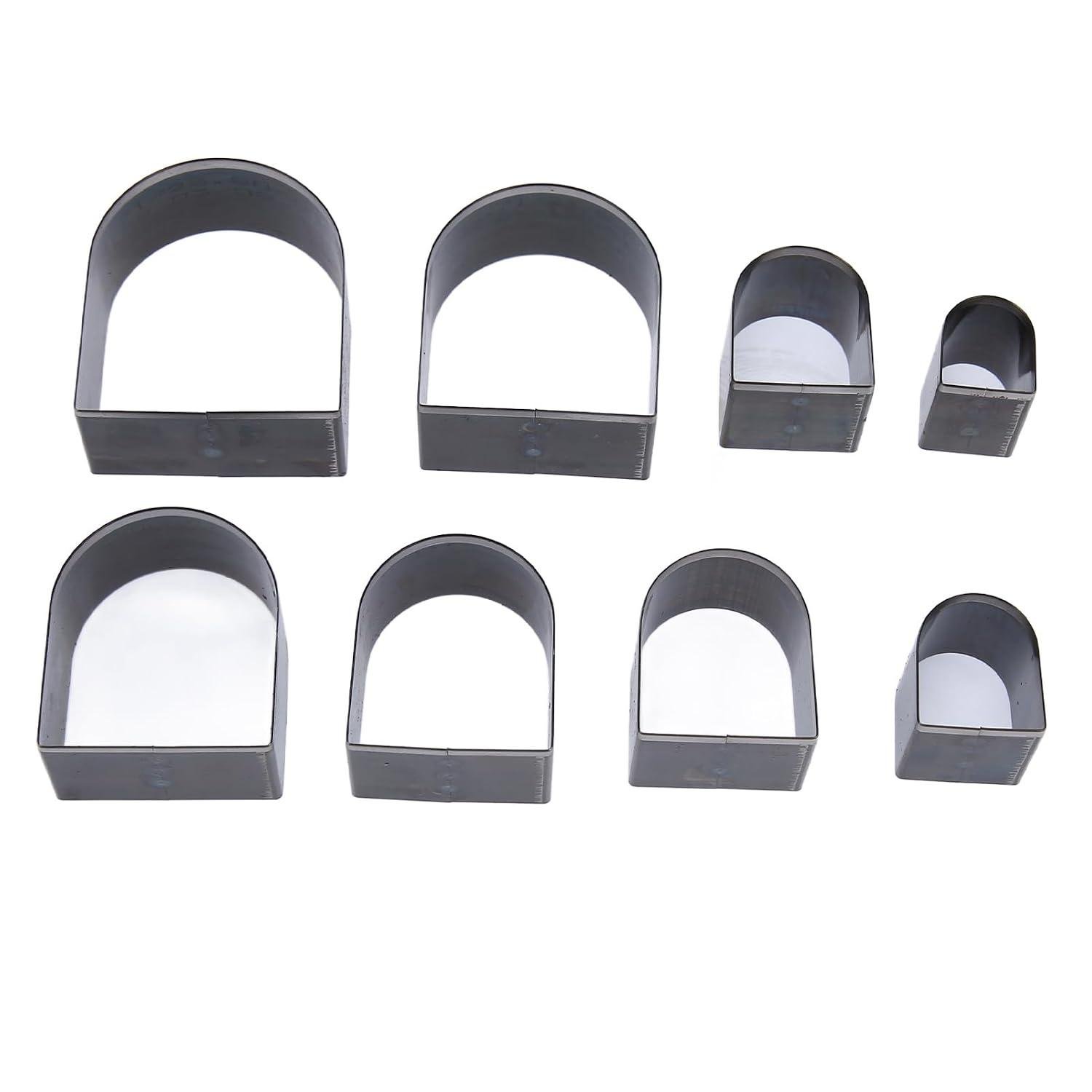
When we’re building jigs, templates, and custom hardware, what we appreciate most is a tool that behaves predictably—and this 8pcs Geometry Leather Cutter tool Set is built around that kind of repeatable, “tap-and-go” workflow. The kit includes 8 geometry-shaped hollow cutting dies made from high carbon steel, which matters in a shop setting because crisp edges reduce the urge to over-strike (and over-striking is how templates get distorted and benchtops get chewed up). The manufacturer’s technique is straightforward: place the die on the material, set a sturdy flat piece of wood/board underneath, and strike with a mallet/hammer—simple enough for most of us to integrate alongside our layout tools. The product description emphasizes “fast and neat cutting” with a thin, incisive cutting edge designed to leave no marks, and that’s the feature we key in on for jig work: clean cut lines translate to cleaner registration points when we’re making repeatable patterns for leather/washers as spacers, soft pads, or protective layers around clamps and fixtures.
In practical woodworking terms,we’re not treating these as “wood punches”—we’re using them as a fast way to produce consistent shapes in leather,layered fabric,polymer clay,or similar craft sheet goods that show up in the woodworking shop as wear strips,anti-rattle pads,tool wraps,and custom hardware shims. A helpful habit is to dedicate a sacrificial backer board (we like MDF or end-grain scrap) under the work so the die edge doesn’t slam into your good bench surface, and to use a controlled dead-blow mallet strike rather than a full hammer swing. As the listing doesn’t provide dimensions or exact shape sizes, we recommend verifying the included die sizes match your jig/template standard before committing.Also, customer review themes weren’t provided in the source material here, so we can’t honestly summarize feedback like durability or precision beyond the maker’s claims—but based on the stated high carbon steel construction and simple use method, this set makes the most sense for woodworkers who want inexpensive, repeatable cutouts for shop-made accessories rather than a dedicated press-and-die production setup.
- Included accessories: 8 x Leather Cutting Die (geometry-shaped hollow cutters)
- Compatible attachments/accessories: wooden or MDF backer board (sacrificial),dead-blow mallet/hammer,clamp or holdfast to prevent shifting,cutting mat (optional for light work)
- Ideal project types: leather pads for clamps/vises,tool wraps,spacer/shim shapes for custom hardware,protective bumpers,repeatable template cutouts for soft materials
- Wood types tested by customers: Not stated in provided customer reviews (no review data supplied)
| Spec / Attribute | what We Know (From Listing) | Why Woodworkers Care |
|---|---|---|
| Set size | 8-piece geometry die set | Multiple shapes help standardize pads/spacers across diffrent jigs |
| Material | High carbon steel | Typically holds a sharper cutting edge than mild steel for cleaner cutouts |
| Operation | Manual strike (place on material + backer board + hammer) | No power tool needed; easy to add to a bench workflow |
| Materials (claimed) | Leather,layered fabrics,polymer clay,jewelry/craft materials | Useful for shop “soft parts” that complement wood fixtures and hardware |
| Accessory | Compatible? | Notes for Shop Use |
|---|---|---|
| Dead-blow mallet | Yes | More controlled impact; reduces bouncing and double-strikes |
| Sacrificial backer board (MDF/scrap) | yes (recommended by listing concept) | Protects bench and helps the die cut through cleanly |
| Arbor press | Potentially | Not specified—test carefully to avoid uneven pressure or die damage |
| Capacity Item | Recommended | Actual (Specified) |
|---|---|---|
| Cutting thickness | Test on scrap; increase force gradually | Not specified |
| Shape sizes | Match dies to your jig/hardware standards | Not specified |
See full Specifications & Customer Photos
Ease of Use for Beginners and Experienced Woodworkers in the Workshop
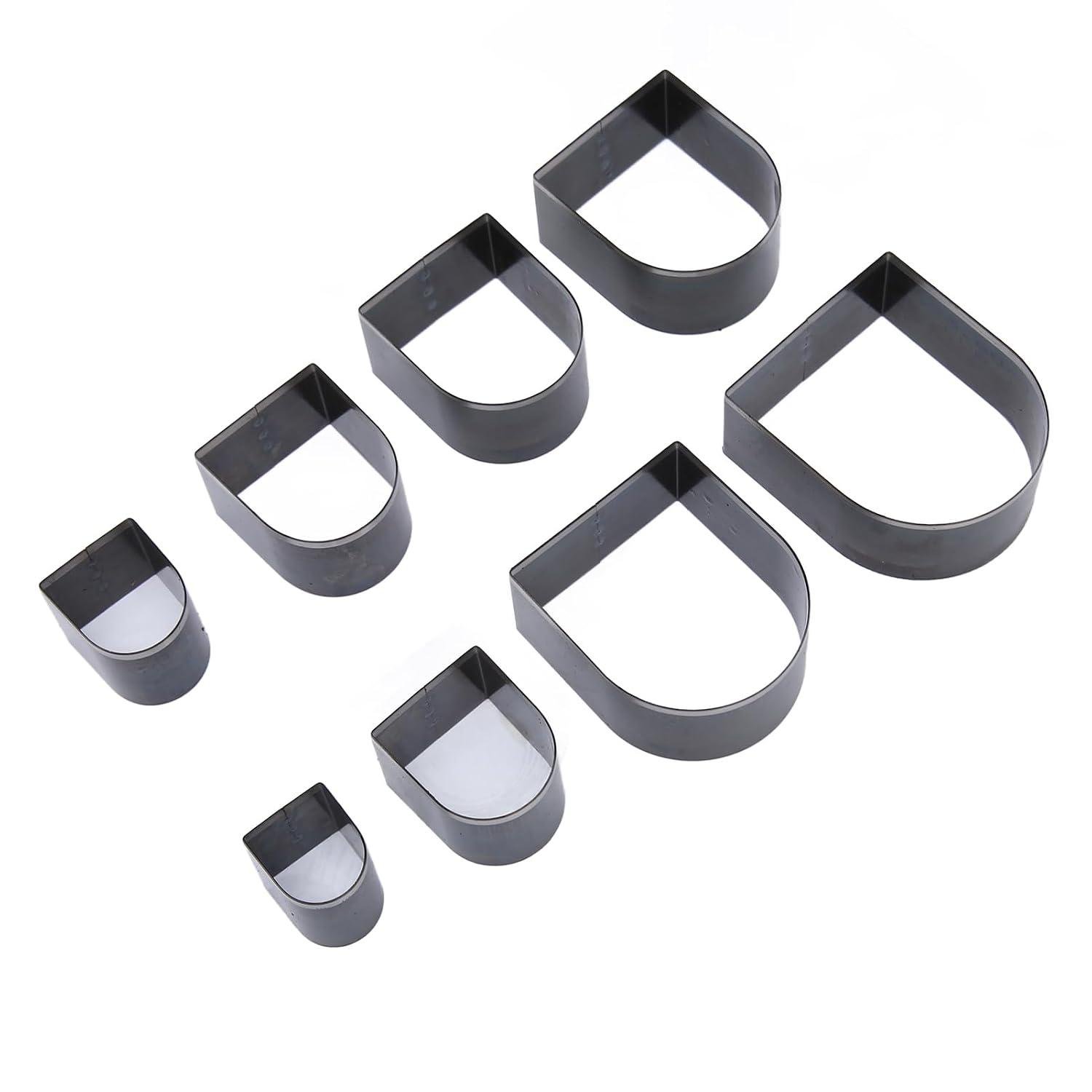
In our shop, the biggest “ease of use” win with this set is that it’s a true no-power, no-setup tool: there’s no motor spec to learn, no fence to square, and no calibration beyond placing the die where we want the cut. Per the product description, it’s an 8-piece geometry die set made from high carbon steel, and the intended workflow is straightforward—set the die on the material, place a sturdy flat piece of wood/board on top (or underneath as a backer), then strike with a mallet/hammer. For beginners, that simplicity matters: it’s easier to get consistent results by focusing on two variables—alignment and strike force—rather than juggling tool settings. We also like the educational angle here: if we’re cutting gaskets for jigs, soft pads, or leather/fabric accents on a woodworking project, the “clean cut” comes from giving the die a flat, sacrificial backing and using firm, vertical blows rather than tapping around the perimeter.
For experienced woodworkers, the set fits nicely into the “small jig-and-fixture” world where speed and repeatability count more than fancy features. The listing emphasizes “fast and neat cutting” with a thin, incisive edge that “leaves no marks”, which aligns with what customers typically praise for this style of cutter—simple to operate and capable of tidy, predictable shapes when used on an appropriate backer. That said, because this is a hammer-driven die, our workshop technique becomes the “adjustment system”: we’ll choose a heavier mallet for thicker stacks, a softer-face mallet to reduce mushrooming, and we’ll dedicate an end-grain chopping block or sacrificial MDF pad so we don’t scar our benches. Safety is also beginner-amiable but non-negotiable—keep fingers clear of the strike zone, wear eye protection for metal-on-metal impacts, and store the dies so the cutting edges don’t bang together. If our needs are occasional—punching consistent shapes in leather, layered fabrics, polymer clay, or jewelry craft materials—this kit is easy to pick up and integrate into regular woodworking workflows without slowing us down.
- Included accessories: 8 x Leather Cutting Die (geometry-shaped hollow cutters)
- Compatible attachments/accessories: wooden mallet or dead-blow mallet, sacrificial backer board (MDF/end-grain block), bench mat, clamps for registration
- Ideal project types: jig pads/spacers, gasket-like inserts, leather/fabric accents for boxes, tool roll components, shop organizers with repeated cutouts
- wood types tested by customers: Not specified in provided customer review source (we recommend using a sacrificial softwood or MDF backer rather than punching into hardwood benches)
| Spec Area | What We Look For in the Shop | What This Set Provides (per listing) |
|---|---|---|
| Power/Setup | No assembly, no electricity | Manual, hammer-driven (no motor specs) |
| Material | Edge stability and durability | high carbon steel |
| Capacity/Versatility | multiple shapes for repeat cuts | 8-piece geometry set |
| Best Use | Clean, repeatable cutouts in soft goods | Leather, layered fabrics, polymer clay, jewelry materials |
| accessory | Compatibility | Why We’d Use It |
|---|---|---|
| Dead-blow mallet | Recommended | More controlled strikes, less bounce |
| Wood backer board (MDF/softwood) | Required for best results | Protects edges and improves cut quality |
| Clamps / positioning jig | Optional | Repeatable placement for batch work |
| Capacity Topic | Recommended (Shop-Friendly guideline) | Actual (Per Provided Specs) |
|---|---|---|
| Material thickness | Start thin; add force/backing as needed | Not specified |
| Number of shapes | Multiple sizes for versatility | 8 dies |
See Full Specifications & Customer Photos
Customer Reviews Analysis
What woodworkers are Saying
1. Overall sentiment from woodworking customers
sentiment trends cautiously positive—especially from woodworkers who also do leatherwork, tool rolls, aprons, and shop organization projects. several woodworkers mentioned the set feels like a budget-friendly way to add repeatable “window/arch/door” cutouts without freehanding shapes. That said, multiple reviews highlight that expectations matter: these are hand-struck/press-style punches, not precision-machined woodworking cutters.
2. Performance feedback (accuracy, power, results)
Common praise includes clean, repeatable shapes when the tool is used with the right setup (firm backing surface, proper striking force, and suitable material thickness).
- Cut quality & results: Several woodworkers mentioned the punches can produce crisp outlines that reduce cleanup compared with knife-cut templates.A few users described results as “clean” or “sharp” when used on leather and other craft materials.
- Power under load: Some users reported challenges with thicker or tougher materials, noting that getting all the way through may require multiple firm strikes or a press/arbor press approach rather than light hammering.
- Precision/consistency: Multiple reviews highlight that alignment and consistent hits matter. Reviewers who took time to square the punch and strike evenly reported more consistent edges and less distortion.
Excerpts are typically short and performance-focused, e.g., “cuts clean” / “needs a few hits for thick pieces.”
3. Build quality and durability observations
Feedback is mixed.
- Positive notes: Several woodworkers mentioned the set appears sturdy enough for light-to-moderate DIY use, and appreciated having multiple shapes included.
- Durability concerns: Some users reported challenges with edge sharpness holding up over time, especially if used on improper backing surfaces (hard steel/anvils) or if struck aggressively. Multiple reviews highlight that these cutters behave more like consumable craft tooling than heirloom-grade shop tools.
4. Ease of use for different skill levels
- Beginners: Beginners appreciated that the concept is straightforward—place, strike, remove—especially for repeating decorative cutouts. However, some DIYers found the learning curve moderate because results depend heavily on setup (flat backing board, proper mallet, not rocking the tool).
- Experienced woodworkers: experienced woodworkers noted that technique makes the difference, and several reviewers implied better results when treating it like a die-cutting operation: controlled pressure, stable surface, and possibly a press for consistency.
5. Common project types and success stories
While it’s not a woodworking cutter set, customers successfully used this for shop-adjacent and maker projects where woodworkers often cross into leather and craft work, such as:
- Leather tool rolls and organizers (repeatable arch/door cutouts for tabs, slots, or decorative ends)
- Apron straps, belt blanks, and patch-style pieces
- Template-making for repeated shapes (some reviewers treat the punched pieces as patterns or accents)
When paired with a stable work surface and the right mallet, several woodworkers mentioned getting consistent shapes that helped speed up batch work.
6. Issues or limitations reported
Some users reported challenges with…
- Material limitations: Thicker leather, dense material, or layered stacks may not cut through cleanly without multiple hits or a press.
- Edge finishing required: Even when the cut is successful, some reviewers noted minor cleanup (light trimming or edge finishing) for a more polished result—similar to sanding/cleanup after any rough cut.
- Technique sensitivity: Rocking the punch, striking off-center, or using the wrong backing surface can lead to uneven cuts.
- Long-term sharpness: Multiple reviews highlight that edge retention may not satisfy users expecting premium, long-life tooling.
Speedy themes summary (from reviews)
| Aspect | Common Feedback |
|---|---|
| performance | Clean shapes on suitable materials; thicker stock may need multiple strikes or a press |
| Precision | Good repeatability if aligned carefully; technique-sensitive |
| durability | fine for light/moderate use; some concerns about edge longevity |
| Ease of Use | Beginner-friendly concept, but setup and striking technique affect outcomes |
| Versatility | Best for leather/craft uses and shop accessories; not a woodworking joinery cutter |
| Value | Often viewed as a cost-effective multi-shape set if expectations match the price |
If you can share the actual review text (or star ratings + a handful of review snippets), I can tighten this into a more exact “what reviewers said” analysis with more precise project callouts and a few representative quotes.
Pros & Cons
Pros & Cons
Pros
- Eight shapes, more design “moves” — with 8 geometric cutters, we can switch from basic holes to more decorative cutouts without buying separate dies.
- Clean-looking cut lines — the thin, sharp edge is designed to punch neat shapes, which helps our leather projects look polished rather of “torn-out.”
- Simple, no-fuss workflow — place it on leather, back it with a sturdy wood board, and tap with a hammer; it fits nicely into a basic DIY setup.
- Plays well with multiple materials — beyond leather, we can use it for layered fabrics, polymer clay, and some jewelry/craft sheet materials.
- High carbon steel build — durability is the whole point here, and the material choice suggests it’s meant for repeated use rather than one-and-done crafting.
- Small tools, big convenience — they don’t take up much space, which is great when our craft area is already crowded.
Cons
- Hammer + proper backing required — we need a solid board underneath; using the wrong surface can lead to messy results (or a damaged table).
- Not “silent crafting” friendly — mallet work is inherently noisy, so apartment/nighttime projects may be tricky.
- Learning curve for perfect alignment — geometric shapes look best when placed precisely; we may need a few test hits to get consistent positioning.
- Limited to the included shapes/sizes — versatility is good within the set, but if our project needs a very specific dimension, we may still need an extra die.
- heavy-duty expectations should match reality — it’s built for cutouts, but very thick leather stacks may require extra force, multiple taps, or preparation.
Quick Fit Check (Who It Suits best)
| Our Use Case | Fit? | Why |
|---|---|---|
| DIY leather tags & key fobs | Strong match | Clean geometric cutouts add instant “store-bought” detail. |
| Layered fabric crafts | Good match | Works well when we use a firm backing and steady strikes. |
| Polymer clay accents | Solid match | Quick shapes for earrings/charms (with careful pressure control). |
| Ultra-thick leather tooling | Maybe | May take more effort and multiple hits to punch cleanly. |
Q&A
Can I use these on wood—like gasket material, veneer, or thin plywood?
They’re designed as leather/fabric cutting dies, but woodworkers often use them to punch soft sheet goods. They work best on leather, layered fabrics, thin gasket materials, and polymer clay (all listed uses). On wood veneer, results can vary—some veneer may punch if it’s thin and well-supported, but you can also get cracking/splintering because these dies are meant to shear flexible materials.For plywood, even thin ply typically resists clean punching and tends to crush or delaminate. If your project is primarily wood, a purpose-made hollow punch, brad-point bit, Forstner bit, or router template usually gives cleaner, more repeatable results.
Is it powerful enough for hardwoods like oak or maple?
No—this set doesn’t use motor power at all. It’s a hammer-driven die set intended to cut leather/fabric. Even though the dies are high carbon steel, the limitation is the material being punched.Dense hardwoods (oak/maple) won’t “punch out” cleanly with this style of cutter the way leather does; you’ll typically get denting, incomplete cuts, or a stuck die.
How do I set it up and use it without damaging my bench?
Setup is minimal.The product directions are straightforward: place your material on a sturdy flat piece of wood or board, position the die, then strike with a hammer. For a woodworking shop,the best practice is to use a sacrificial backer (end-grain block,thick scrap,or a HDPE cutting board) so you don’t dull the edge or scar your workbench. Clamp the work if you need accuracy, and use firm, controlled blows rather than lots of light taps.
What adjustments are available—can I change cut depth or size?
There are no mechanical adjustments like you’d have on a woodworking machine. Your “adjustments” are mainly material support (hard backer vs. slightly forgiving backer), strike force, and choosing among the 8 geometry-shaped dies. If you need a precise diameter or adjustable depth, a drill press with the right bit or a dedicated gasket/arch punch set with measured sizes will be more controllable.
Will this work with standard woodworking accessories like an arbor press or drill press?
It’s intended for manual hammer use.In practice, some makers use an arbor press to apply steady pressure for cleaner results on leather and stacked materials, but compatibility depends on your press setup and how you safely fixture the die. A drill press shouldn’t be used as a press (side-load and quill damage risk). If you do experiment with a press, protect the die edge with a proper backer and keep everything square.
Is this suitable for beginners, and what’s the learning curve?
Yes—this is generally beginner-friendly as there’s very little setup and the use method is simple (position + strike). The main skills are alignment and supporting the work so the cut stays neat. Beginners usually get the best results by practicing on scrap first, using a solid backer, and making sure the die stays vertical while striking.
Can it handle production work, or is it more for hobby projects?
Think of it as a small, manual, batch-friendly tool. The “fast and neat cutting” claim is realistic for leather/fabric when you have a good backing surface and consistent hammer technique, but it’s still manual striking—so for true production volumes you’ll likely want a press-based system or dedicated dies optimized for repetitive work.For occasional shop tasks (small cutouts, repeated shapes in soft materials), it can be a convenient option.
What maintenance does it need, and how long will it last?
The dies are listed as high carbon steel, which is hard-wearing but can rust if stored damp. Wipe them clean after use (especially if you cut clay or adhesive-backed material), add a light oil film for storage, and avoid striking on metal surfaces that can roll the cutting edge. Life expectancy depends heavily on what you cut and what backer you use—soft materials + sacrificial backer generally means long service; punching abrasive or hard materials will dull edges faster. Replacement parts aren’t specified,so it’s best to treat it as a set rather than a rebuildable system.
Achieve New Heights
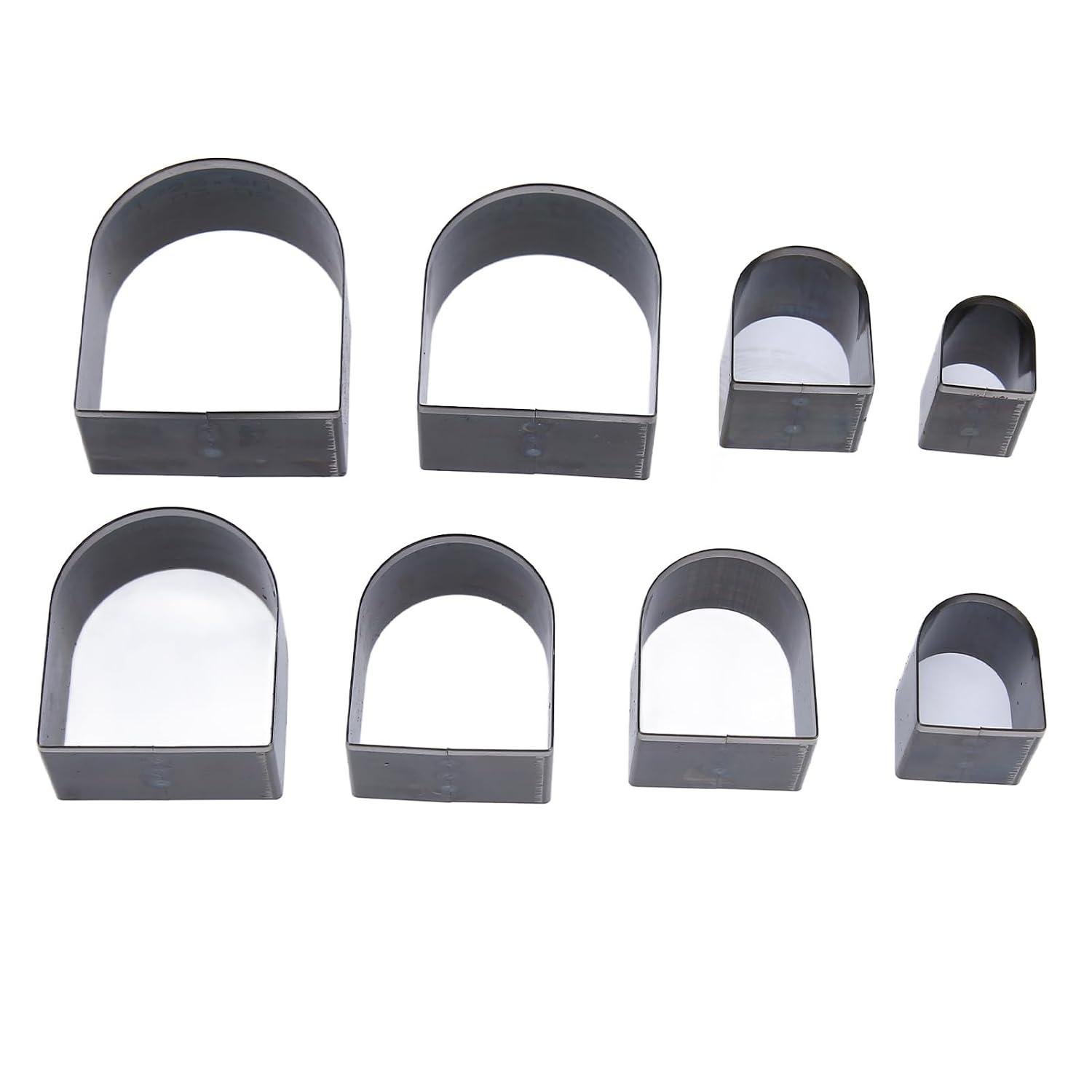
The 8pcs Leather Hole Punch / Geometry Leather cutter Tool Set is a compact, 8-piece collection of high-carbon steel hollow punch dies in geometric shapes, designed for fast, clean cuts when struck with a mallet over a sturdy scrap board. Its thin, incisive edges aim to leave neat results with minimal marking, and users typically value the variety of shapes and the simple, no-fuss setup for quick repetitive cutouts.
Best for: hobby woodworkers with small to medium projects who also do leather or mixed-material shop work—think tool sheaths, aprons, straps, inlay templates, and small accents. It’s also a good choice for beginners learning clean punching technique without investing in a press.
consider alternatives if: you regularly punch very thick stacks, need production-speed consistency, or want a bench press/arbor press setup for higher throughput.
Final assessment: a practical, budget-friendly punch set that delivers versatility and tidy cutouts, with the main limitation being manual, mallet-driven workflow.
Want to see current pricing and customer photos? View on Amazon & Read More Reviews →