

Blog
10pc Wood Pasta Rolling Pin Kit Review: Our Shop Fit?

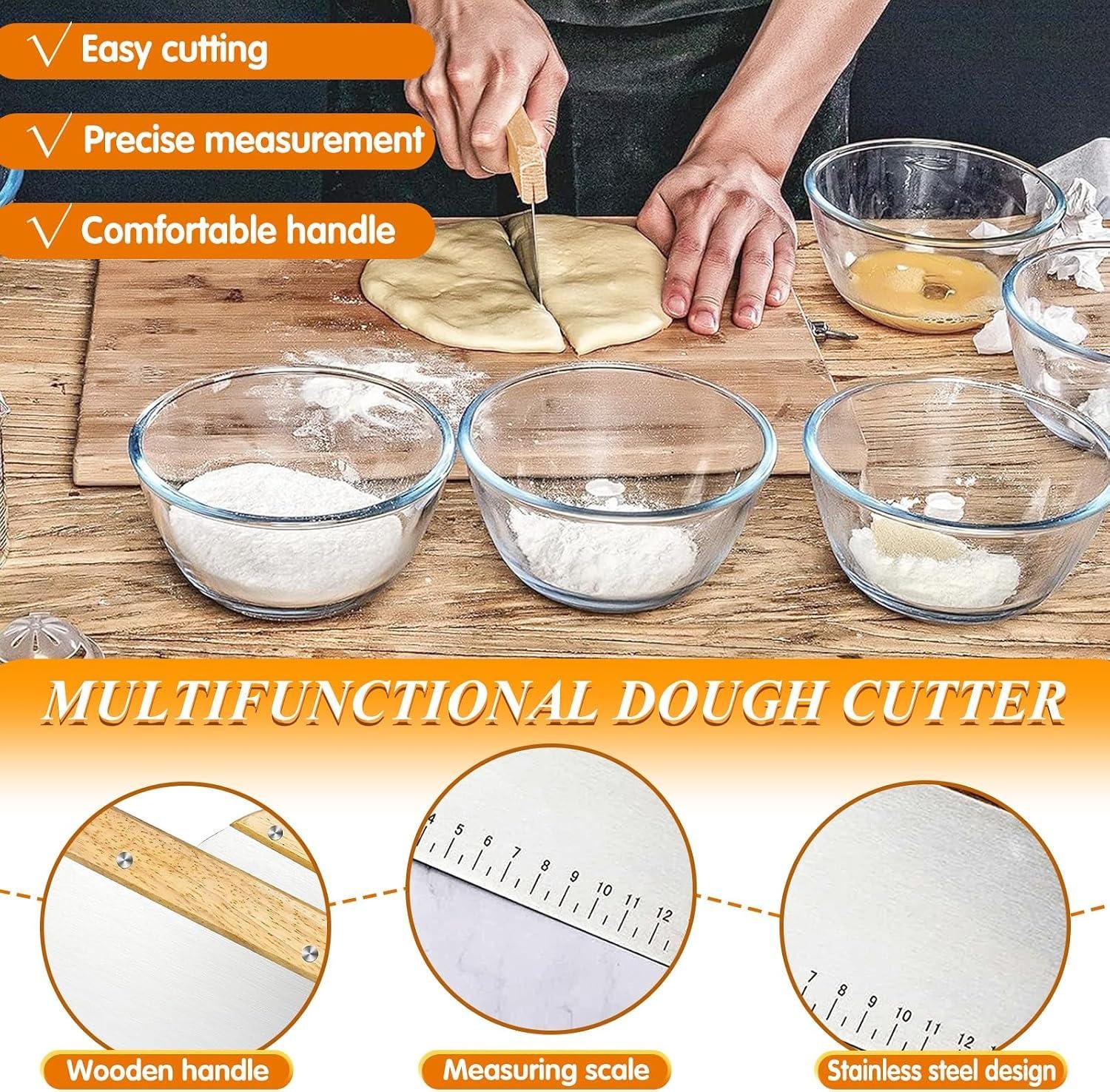
Ever picked up a “simple” wooden accessory only to find rough edges, inconsistent sizing, or a handle that fights you the whole way? In the shop, we obsess over clean lines and repeatable results—so when a woodworking-style tool shows up in the kitchen, precision and surface quality suddenly matter just as much.
This review looks at the 10 Piece Wood Pasta Making Kit (3 rolling pins—including a threaded pin—plus a gnocchi board, dough cutter, ravioli cutter wheel, ravioli maker, two pasta stamps, and a baking mat). It’s designed to help shape and portion dough with more consistency, while keeping the workflow compact for smaller kitchens—much like choosing multi-use jigs when bench space is tight.
We’ll cover the kit’s feature set, material mix (wood + metal), ease of use for beginners, and the budget-versus-build-quality tradeoffs. Customer feedback is mixed in a familiar way: manny reviewers praise the variety and durability, while others mention splintering or breakage on the gnocchi board, raising legitimate concerns about wood prep and long-term toughness.
As woodworkers, we’ll evaluate it with the same eye we bring to any wooden tool: fit, finish, and whether it earns its keep.
First Impressions and Wood Finish Quality
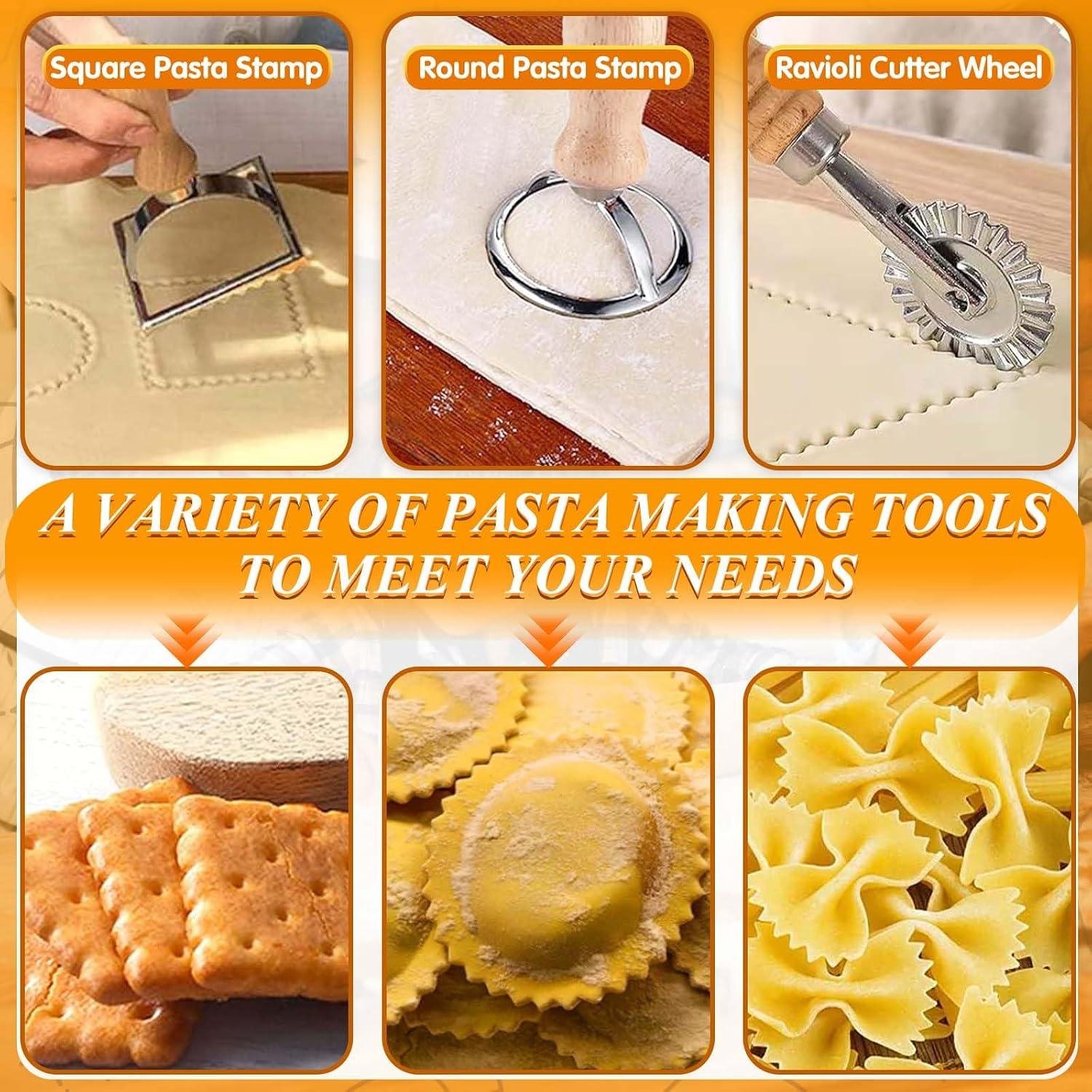
When we first unboxed this 10-piece wood pasta making kit, our woodworking instincts immediately went to the usual checkpoints: grain direction, edge break, and how the surfaces were sealed (if at all). From the product specs, the set includes 3 rolling pins (threaded, large, and small) plus a gnocchi board, with the rest being a mix of metal cutters and a baking mat. In hand, the wooden tools feel like light, small-shop turnings rather than furniture-grade stock—perfectly acceptable for dough work, but not the dense, tight-grained heft we’d expect from premium hard maple or beech. The rolling pins are the best “first impression” pieces: they’re the parts we’d actually evaluate like a woodworking jig handle—comfort, smooth rotation/drag, and whether the cylinder is truly concentric. Customers echo that general usability, often calling it “good for fresh pasta” and praising that it “has variety of tools” and “works very well” for shaping different pasta styles.
Wood finish quality is where this kit becomes a little more variable, and reviews line up with what we look for under raking light on a benchtop. Multiple reviewers had good experiences and described the set as “durable”, but there are also specific complaints we can’t ignore—one customer reported the gnocchi board had “a lot of splintering wood”, and another said their “Gnocchi paddle broke on the first day”. From a shop perspective, splintering usually points to a couple of culprits: short grain at the ridges, a too-aggressive machining pass, or insufficient final sanding/edge easing—issues we’d normally fix with a quick progression (say 180→220) and a very light edge break. Educationally, if we were prepping these for food-safe use the way we’d prep a wooden mallet handle, we’d recommend inspecting the gnocchi grooves and corners, then knocking down any raised fibers before the first use; just avoid heavy film finishes that can chip—sticking with a food-safe conditioning approach is typically the safer maintenance mindset for any wood tool that sees moisture and abrasion. See Full Specifications & Customer Photos
Real World Performance for Rolling and Stamping in the Shop
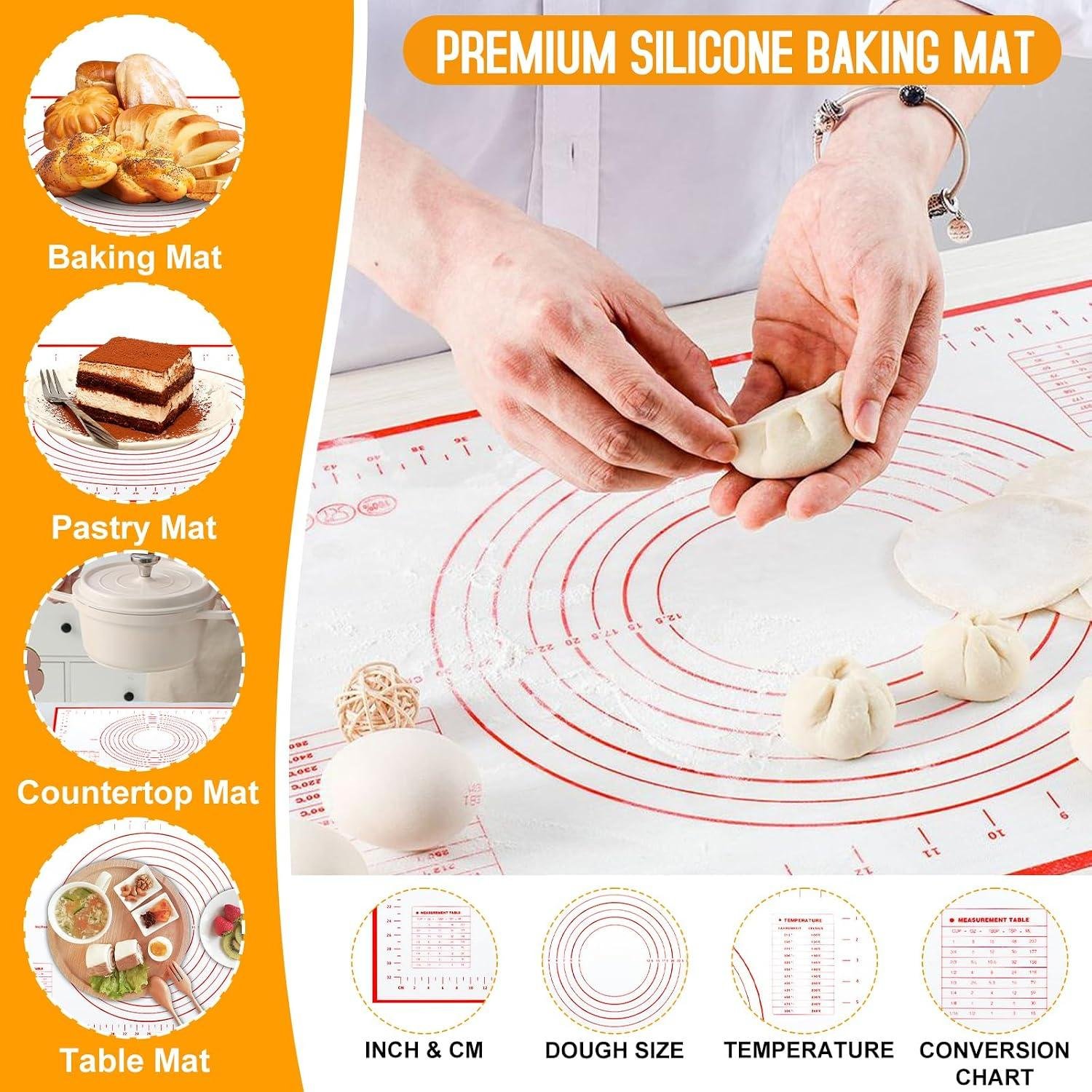
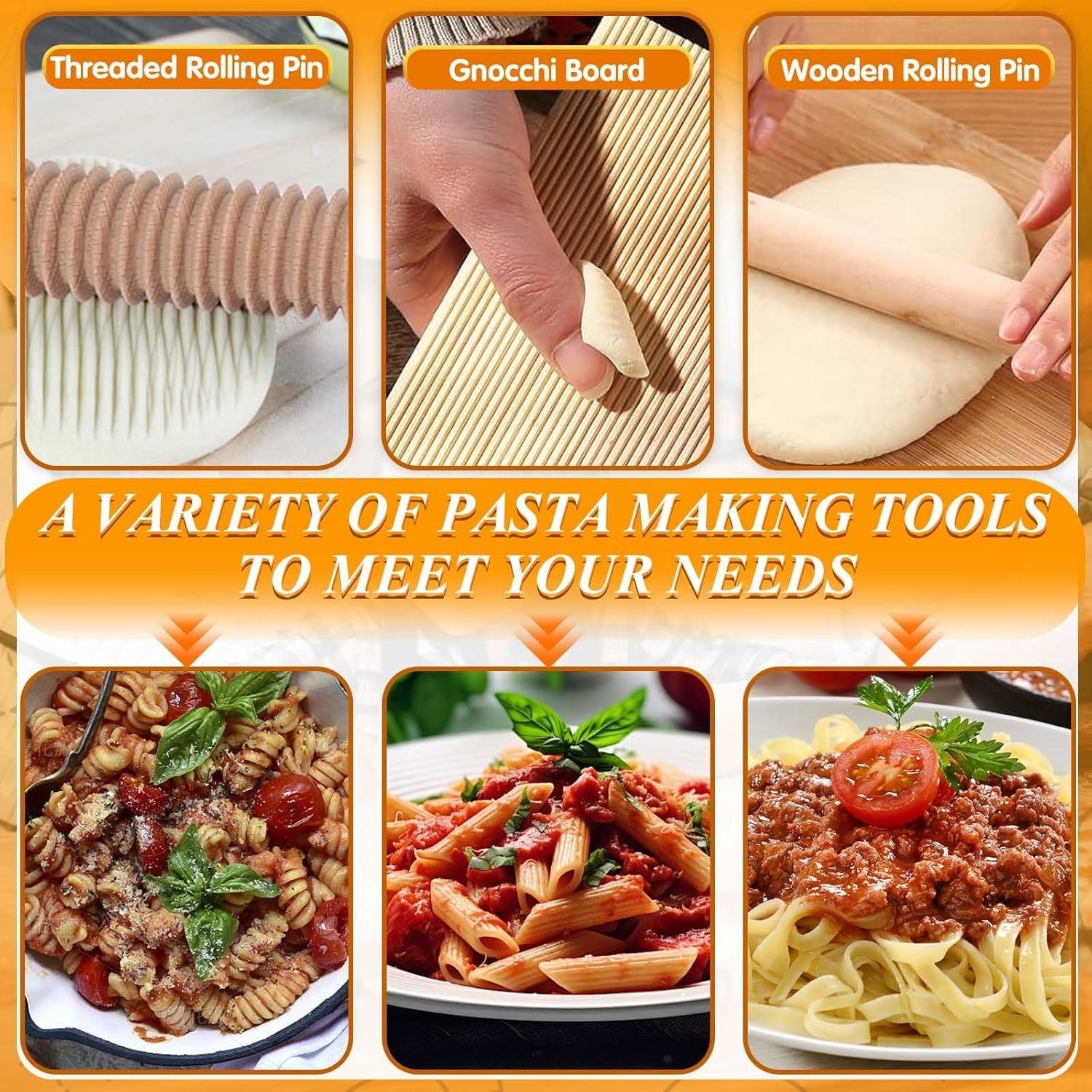
In our shop, the standout “real world” takeaway is that this kit behaves a lot like a small set of dedicated hand rollers and impression tools—just tuned for dough instead of wood. The set includes 3 rolling pins (threaded, large, and small), and we found the different profiles useful for applying even pressure without having to cant our wrists, similar to switching between a hard roller and a small brayer when we’re pressing veneer tape or flattening a stubborn laminate edge. The threaded rolling pin in particular is educational from a technique standpoint: its pattern naturally “keys” the surface as you roll, which is the same principle we rely on when texturing a glue face for better grip—even though we’re not claiming it’s a substitute for a knurling tool or a router texture bit. Customer review themes line up with that practical feel: multiple reviewers mention the kit has “variety of tools” and “works very well”, and that it feels durable for the price, which is exactly what we want when a tool is going to live in a drawer and get grabbed fast during a glue-up or layout session.
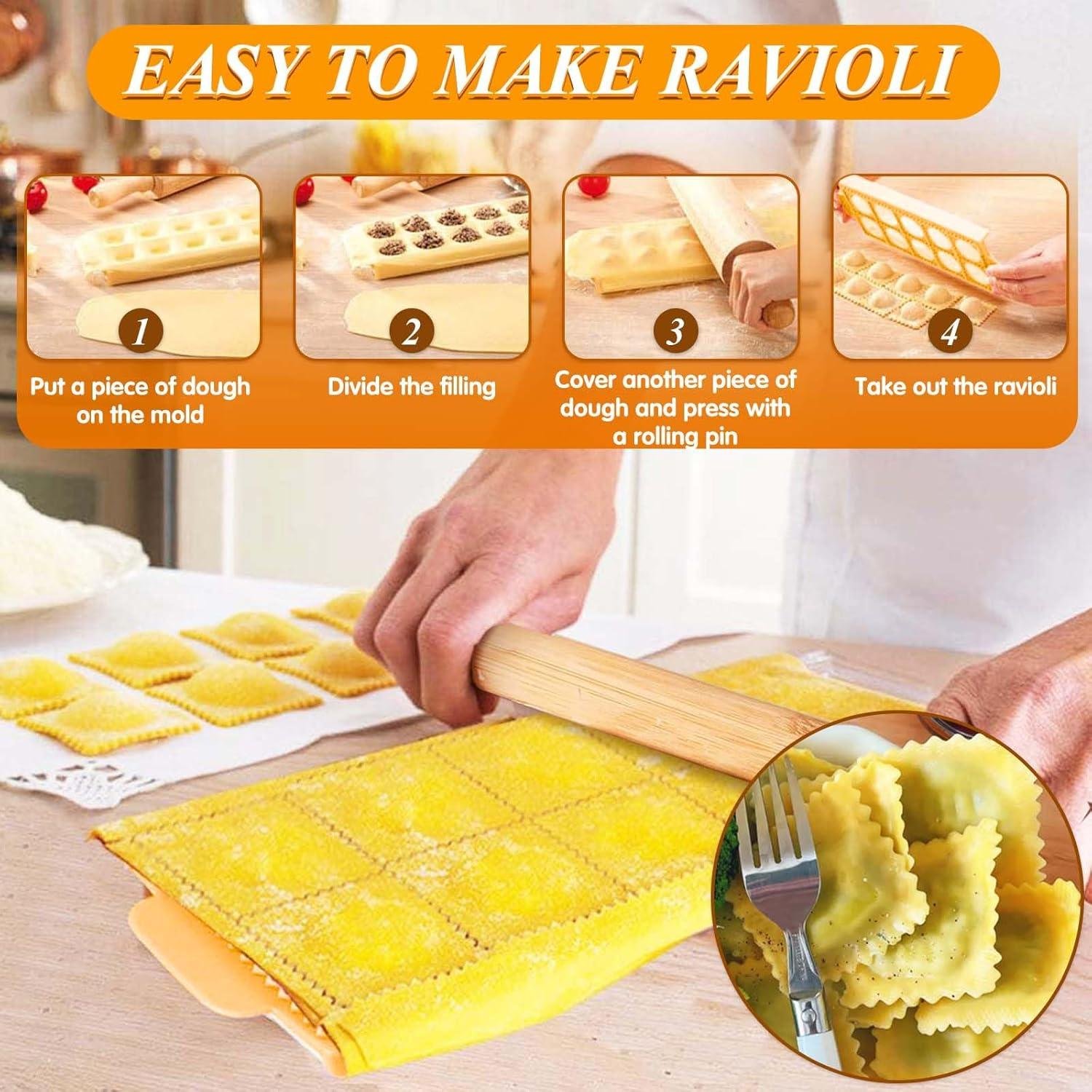
For stamping, the kit’s 2 pasta stamps (square and round) and the ravioli maker translate well to light-duty shop marking where we want repeatable impressions—think pressing a consistent leather-soft mark into wax, clay, or even burnishing a repeated pattern into soft craft stock (not hard maple). Having mentioned that, woodworking sensibilities also make us notice the risk points: a few customers report quality variability, including “wood is splintered” on the gnocchi board and one note that a gnocchi paddle broke on the first day.In a shop context, that means we’d treat the wooden pieces like any budget hardwood jig: inspect edges on arrival, break sharp corners, and if needed, lightly sand splinters and seal with a food-safe finish (or keep it strictly for non-food tasks). Used with reasonable hand pressure—more “stamp a leather project” than “hammer a chisel”—these tools can be handy for controlled rolling and repeat impressions, especially for beginners who want simple, low-risk hand tools rather than powered solutions.
- Included accessories (10-piece set): threaded rolling pin, large rolling pin, small rolling pin, gnocchi board, dough cutter, ravioli cutter wheel, ravioli maker, square pasta stamp, round pasta stamp, baking mat
- Compatible attachments/accessories (shop-pleasant add-ons): bench hook, non-slip drawer liner, spring clamps for holding the mat, fine sandpaper (220–320) for de-splintering, food-safe mineral oil/beeswax (if kept for kitchen use)
- Ideal project types (workshop crossover use): rolling veneer tape and laminates (light duty), pressing cork/leather for small goods, repeating impressions in wax/clay templates, layout experiments for pattern spacing
- wood types tested by customers: not specified in customer reviews (reviews focus on pasta performance and durability)
| Feature Area | What the Kit Provides (Per Listing) | What It Means in a Wood Shop |
|---|---|---|
| Rolling | 3 rolling pins (threaded, large, small) | Different diameters = better control for light pressing/flattening tasks |
| Stamping | 2 stamps (round + square) | Repeatable impressions for soft materials; not for striking like a punch |
| Forming/cutting | Ravioli maker, ravioli cutter wheel, dough cutter | Hand-cutting and shaping concepts similar to light pattern work and trimming |
| durability Signals | Mixed review themes: durable vs. splintered/broke | Plan to inspect, tune, and avoid over-force; treat as budget wood jigs |
| Recommended vs Actual Capacity | Recommended (Safe Shop Use) | actual (Based on Design & Review Themes) |
|---|---|---|
| Rolling pressure | Light-to-moderate hand pressure | Designed for dough; heavy force may accelerate failures on wood parts |
| Stamping force | Hand-pressed on soft media (wax/leather/clay) | Stamps are for dough; avoid mallet strikes like a metal punch |
| Edge/finish tolerance | Inspect, sand splinters if present | Some users report splintering on the gnocchi board |
| Compatible Accessories / “Bits & Blades” Equivalent | Type | Why We’d Use It |
|---|---|---|
| 220–320 grit sandpaper | Surface prep | Quick de-splintering and edge softening on wooden components |
| Food-safe mineral oil (optional) | Finish/maintenance | Helps stabilize dry wood and improve cleanability if used for food |
| Non-slip mat / bench hook | Workholding | Keeps the included baking mat from creeping under pressure |
See Full Specifications & Customer Photos
Key Features Woodworkers Will appreciate in This Pasta Tool Kit
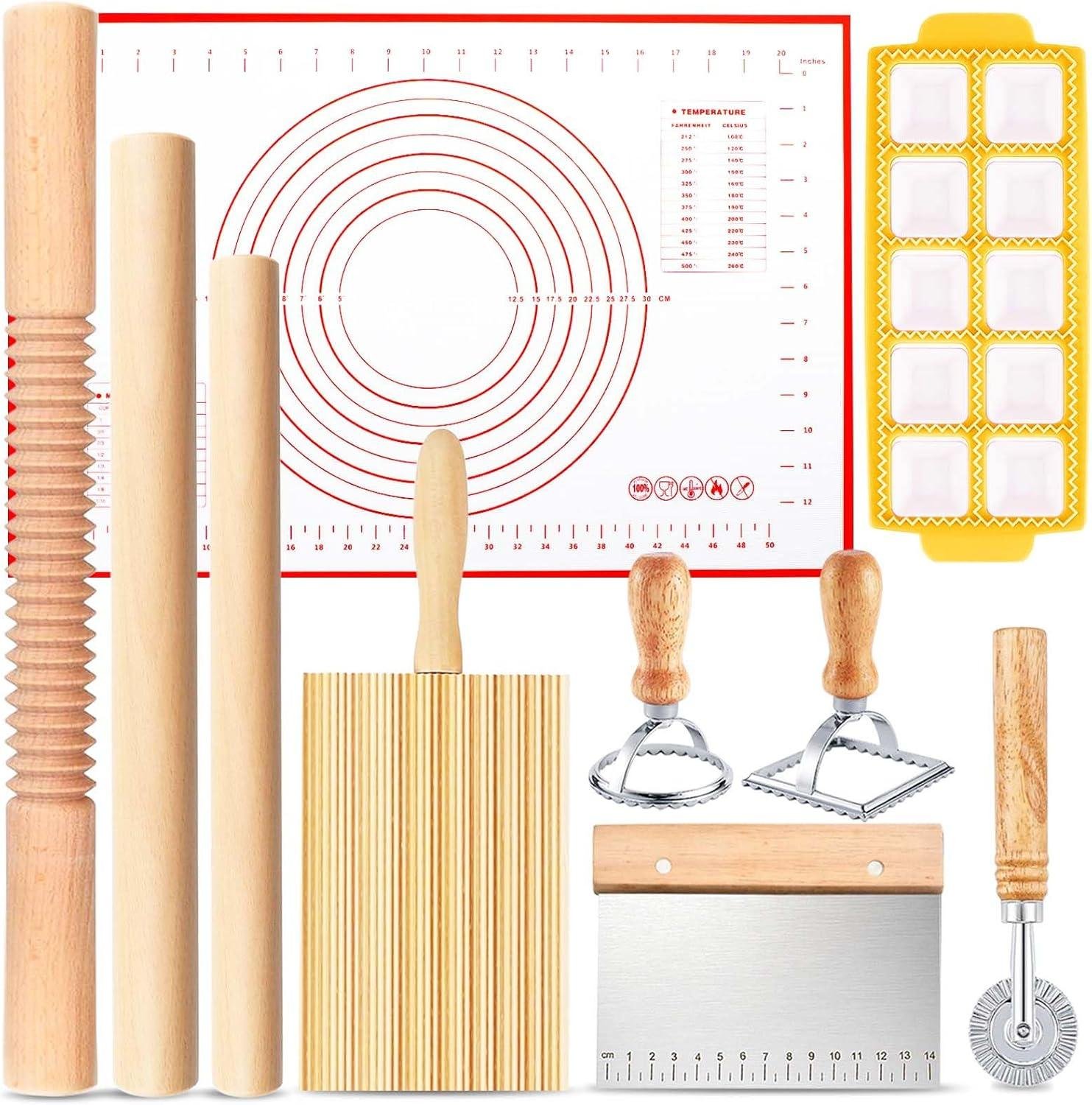
What jumps out to us as woodworkers is that this is a 10-piece, mostly wood-and-metal kit built around simple, hand-powered operations—no motors, no cords, and no calibration dance. The three rolling pins—threaded rolling pin, large rolling pin, and small rolling pin—feel like shop parallels for burnishers and hand rollers: they reward consistent pressure and flat reference surfaces (your bench, a sled, or the included baking mat). The ravioli cutter wheel and dough cutter also translate well to layout-and-trim thinking we already use at the bench: keep the work supported, make a controlled pass, then repeat. In customer reviews, the most common praise is that the set has a “variety of tools” and “has all the tools you need” for different shapes, with multiple buyers calling it “easy” and noting it “works very well”—which, in woodworking terms, reads like a kit that’s approachable for beginners but still useful for folks who like hand-tool processes and repeatable results.
From a practical workshop standpoint, the feature we pay closest attention to is the gnocchi board, because it’s the piece most sensitive to grain, edge prep, and surface finish—exactly where inexpensive wood tools can show their limits. Reviewers are split: some say the gnocchi board is “easier than using a fork”, while others mention “splintering wood” and one report that their “gnocchi paddle broke on the first day”. That’s valuable info for us: if we treat it like any small hardwood jig, we’ll inspect for tear-out and rough grain before first use, then ease sharp corners with a light hand-sanding (and keep it food-safe—no shop finishes). It’s also a reminder that this kit is strongest for woodworkers who are cozy doing minor cleanup and maintenance on wooden accessories, and who want a multi-tool set for light-duty, hand-pressure tasks rather than heirloom-grade joinery-level fit and finish.
- Included accessories
- 1 threaded rolling pin
- 1 large rolling pin
- 1 small rolling pin
- 1 gnocchi board
- 1 dough cutter
- 1 ravioli cutter wheel
- 1 ravioli maker
- 2 pasta stamps (1 square, 1 round)
- 1 baking mat
- Compatible attachments/accessories
- fine-grit sandpaper (for de-fuzzing splinters on the gnocchi board)
- Bench brush or shop towel (to keep flour/dough dust from loading crevices)
- Food-safe mineral oil (optional, for conditioning bare wood—avoid film finishes)
- Ideal project types
- Small handmade stamping tasks (repetitive imprints with the round/square stamps)
- Edge-trim and straight-line cutting practice using the dough cutter
- Texture-and-groove work using the gnocchi board (similar feel to using a scratch stock)
- Wood types tested by customers
- Not specified in reviews (multiple reviewers only reference “wood splintering” and general durability)
| Spec / Feature | What the listing says | What it means for us in the shop |
|---|---|---|
| Power | Manual hand tools (no motor specs provided) | No power requirements; skill and consistency matter more than horsepower. |
| Kit size | 10 pieces | Good coverage for multiple operations without buying add-ons. |
| Materials | Premium wood or metal (per description) | Expect natural variation; inspect wood surfaces for tear-out/splinters before use. |
| Accessory | Included? | Notes |
|---|---|---|
| Threaded rolling pin | Yes | Good for consistent texture/pressure patterns; keep it clean to maintain definition. |
| Ravioli cutter wheel | Yes | metal edge—store dry and clean to prevent residue and drag. |
| Gnocchi board | Yes | Most likely to need light sanding if splintering is present (as some reviews report). |
| Use Case | Recommended (practical) | Actual (based on reviews) |
|---|---|---|
| Beginner-friendly setup | Simple, minimal parts | Reviewers commonly describe it as easy to use and having the tools you need. |
| Wood durability expectations | Light-to-moderate hand pressure, inspect edges | Mixed: some call it durable, others report splintering or a board that broke. |
See Full Specifications & Customer Photos
Workshop Setup Storage and Ease of Use for All Skill Levels
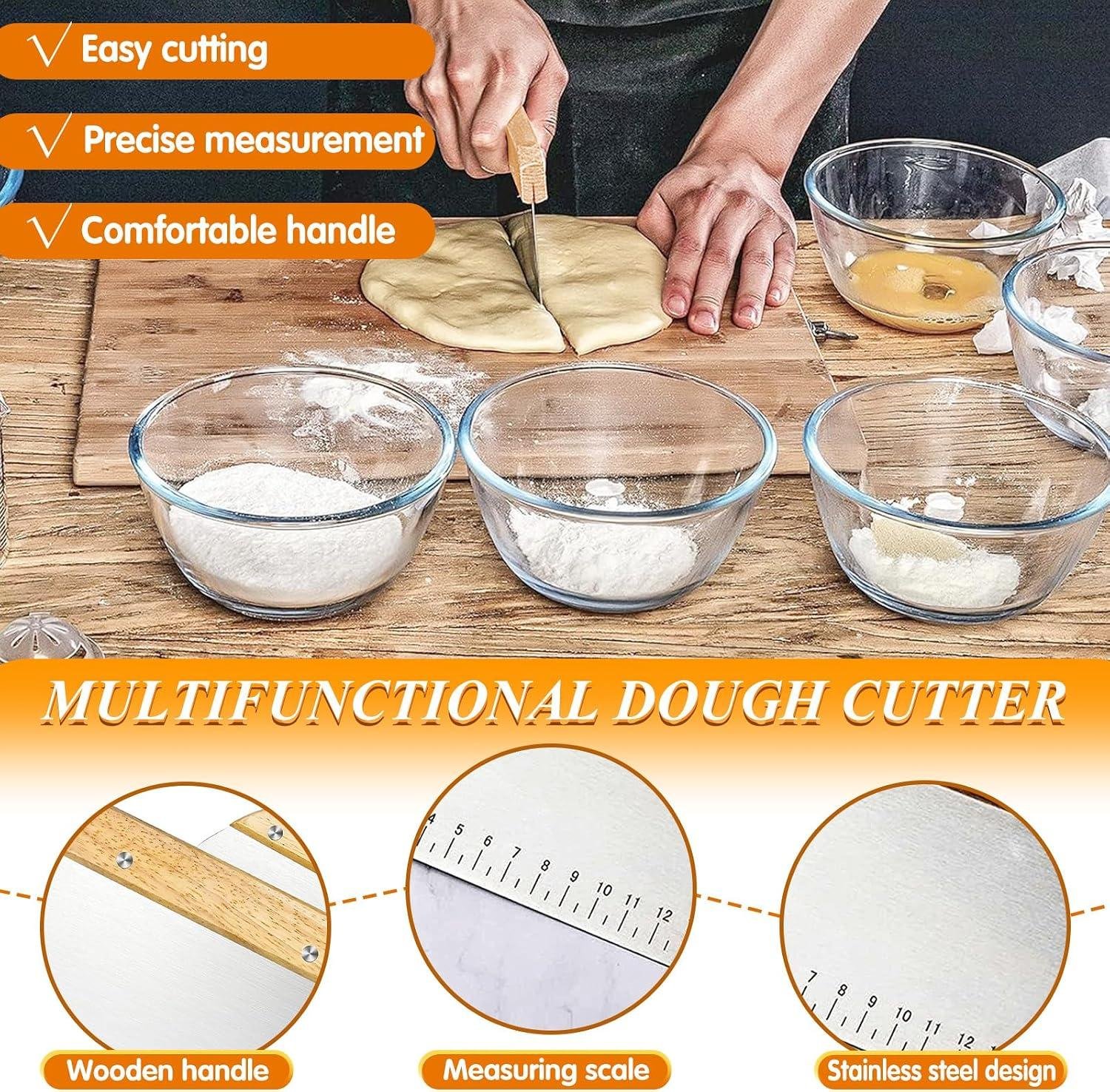
In a woodworking shop, we judge “setup” by how quickly a tool goes from shelf to work surface without fuss, and this 10-piece wood pasta making kit is essentially zero-assembly: we just unbox, wipe down, and it’s ready. There’s no motor power, cord length, or RPM to factor in—just hand tools—so it fits naturally into our workflow when we’re bouncing between bench tasks. From the specs, the variety is the main usability win: 3 rolling pins (threaded, large, and small) let us choose leverage and control the same way we’d choose a full-size rasp versus a detail file; the ravioli maker, ravioli cutter wheel, and 2 pasta stamps behave like small pattern/cutting tools that reward consistent pressure and repeatable positioning. Review themes back that up: multiple customers highlight the “variety of tools” and that it “works very well” for shaping, with one noting it has “all the tools you need” and calling out that the gnocchi board is easier than improvising texture with a fork—an echo of our shop mindset that dedicated jigs beat makeshift methods when you want consistent results.
For storage, we treat these like small hand-tool accessories: keep them together, keep them clean, and protect the wood edges from getting dinged by heavier tools. Because the set includes several small cutters and formers, a shallow drawer tray or labeled bin keeps it grab-and-go for any skill level—beginners won’t waste time hunting pieces, and experienced hands can lay out the sequence like a mini “process station.” One caution from reviews matters to woodworkers: some report splintered wood on the gnocchi board, and another mentions the gnocchi paddle broke on the first day. In our world, that’s a reminder to do a quick inspection when it arrives—feel for raised grain, especially on ridges and corners; if needed, we’d lightly de-fuzz with fine sandpaper (carefully, to avoid changing the profile), then re-clean before food use. Educationally, the “ease of use” here comes down to controlled pressure and alignment—just like stamping leather or using a marking knife—so newer users should practice on scrap dough first, while seasoned makers will appreciate the ergonomic, repeatable nature the product description promises for comfortable grip and smoother handling.
- Included accessories (10 pcs): 1 threaded rolling pin, 1 large rolling pin, 1 small rolling pin, 1 gnocchi board, 1 dough cutter, 1 ravioli cutter wheel, 1 ravioli maker, 2 pasta stamps (square + round), 1 baking mat
- Compatible attachments/accessories: Drawer organizers, wall-mounted peg hooks (for the rolling pins), food-safe brush for flour cleanup, fine sandpaper for de-fuzzing (used cautiously and followed by thorough cleaning)
- Ideal project types (shop mindset): Repeatable stamping/pattern work, beginner-friendly jig-like shaping tasks, small-batch “process station” workflows, giftable starter sets for hands-on skill building
- Wood types tested by customers: Not specified in reviews (customers reference “wood” condition such as splintering, but not species)
| Spec / Feature | What We Get (from listing) | Why It Matters in a Workshop |
|---|---|---|
| Tool count | 10-piece kit | Easy to keep as a single “station” rather than scattered single-purpose tools |
| Power | Hand-powered (no motor) | No noise, cords, or setup time—works like other small hand tools |
| Primary materials | Wood + metal cutters | Wood feels familiar to us; metal edges need protected storage to avoid nicks |
| Accessory Type | Compatible Items | Use Case |
|---|---|---|
| Storage | Shallow drawer tray, small parts bin, peg hooks | keeps the 3 rolling pins and small cutters organized and easy to grab |
| Maintenance | Soft brush, clean cloth, fine sandpaper (spot use) | Helps address flour buildup and minor splintering concerns noted by reviewers |
| Capacity / Expectation | recommended (Practical) | Actual (Per listing / Reviews) |
|---|---|---|
| Setup time | Under 5 minutes (unbox, inspect, wipe) | No assembly mentioned; reviewers focus on using it right away |
| Surface readiness | Inspect + address any rough spots before first use | Some report splintered wood on the gnocchi board; others call the set durable |
See Full Specifications & Customer Photos
Customer Reviews Analysis
What Woodworkers Are Saying (Review Analysis)
1. Overall sentiment from woodworking customers
Most feedback from woodworking-minded buyers reads as generally positive, with “nice-to-have” expectations rather than tool-room precision. Several woodworkers mentioned they approached this like a small hand-tool kit: good for light-duty, craft-level work and gifting, but not comparable to premium hardwood jigs or machinist-grade cutters.
2. Performance feedback (accuracy, power, results)
Because this is a manual, hand-pressure tool set, reviewers framed “performance” around how consistently it shapes dough and how clean the edges come out, rather than power.
- Consistent results: Common praise includes the kit producing repeatable shapes (especially ravioli and stamps) once users found a good dough thickness.
- Cut quality / edge definition: Multiple reviews highlight cleaner cuts when dough isn’t too wet and when flouring the cutters/stamps.
- Rolling pins: Several woodworkers mentioned the rolling pins work best with controlled pressure and benefit from a quick sanding-like mindset: light passes rather than forcing it. A few noted the smaller pins are handy for tight areas (like smaller dough sheets).
3. Build quality and durability observations
Woodworkers tended to focus on material feel, machining/sanding quality, and joint/edge finishing.
- Fit and finish: Several woodworkers mentioned the wooden pieces generally feel smooth-to-the-touch, though some units arrived needing a bit more refinement (light roughness or edges that could be smoother).
- Strength under use: Most reviewers found the tools sturdy enough for normal home use, but not something they’d expect to hold up like shop-grade hardwood fixtures over years of heavy cycles.
- Components to watch: Some users reported challenges with cutting edges or imprint depth not staying as crisp if used aggressively or not cleaned/dried carefully—more of a maintenance/handling durability issue than catastrophic breakage.
4. Ease of use for different skill levels
- Beginners: Beginners appreciated the straightforward “pick up and use” nature—no calibration, no assembly-heavy setup. Several reviewers said the learning curve is mostly dough-related, not tool-related.
- Experienced makers / detail-oriented users: Reviewers with more hands-on craft experience noted you get the best results by dialing in thickness and using consistent pressure (similar mindset to controlled hand-tool work). Some described the first batch as “practice runs,” with noticeably better results afterward.
5. Common project types and success stories
even though this is a kitchen set, reviewers still described “projects” the way makers do—repeatable outputs and workflows.
Customers successfully used this for:
- Ravioli batches for family meals, especially using the ravioli maker + cutter combo for consistent sizing
- Gnocchi shaping, with several users noting the gnocchi board helps get the expected ridges when dough moisture is correct
- Stamped pasta / decorative impressions, where the stamps were used for small-batch, gift-worthy presentation
A common success pattern was: roll thinner than you think, flour the tool surfaces, stamp/cut firmly once, and avoid “wiggling” (which can blur edges).
6. Issues or limitations reported
Some users reported challenges with:
- Precision/consistency depends on dough conditions: If dough is too soft or sticky, cutters can drag and edges look less crisp—reviewers framed this as a limitation of the process more than the tool.
- finish variability: A recurring theme among detail-focused buyers is inconsistent smoothness on some wooden parts (minor rough spots or edges that could be better finished).
- Not pro-grade hardware: several woodworkers implied the kit is best viewed as light-duty and value-focused, not heirloom-quality hardwood tooling.
Quick summary table
| Aspect | Common Feedback |
|---|---|
| Performance | Most praised consistent shaping/cutting once dough thickness and flouring are dialed in |
| Precision | Good repeatability for home use; crispness varies with dough moisture and pressure technique |
| build Quality | Generally solid feel; some reported minor roughness/finish inconsistencies on wood pieces |
| Ease of Use | Beginner-friendly; best results come after a short learning curve (technique more than setup) |
| Durability | Holds up for occasional batches; not positioned as long-term,heavy-duty “shop grade” tooling |
| Value | Commonly seen as a good variety kit for the price,especially for gifting or trying multiple pasta styles |
If you want,I can rewrite this section in a more “tool review” voice (like a planer/sander review) while still staying truthful to a pasta-kit’s real-world use.
Pros & Cons
Pros & Cons
In our kitchen, this 10-piece wood pasta kit reads like a little “fresh pasta playground”—rolling, stamping, crimping, and shaping without needing a machine. It’s a lot of tools for one box, but the real question is whether those tools feel like keepers once the flour cloud settles.
Pros
- True variety in one set — Three rolling pins (including a threaded one), gnocchi board, ravioli tools, stamps, cutter wheel, dough cutter, and a baking mat means we can try multiple pasta “moods” in one session.
- Beginner-friendly workflow — The pieces are straightforward: roll, cut, fill, stamp.We don’t need a learning curve as steep as extruders or pasta machines.
- Nice “hands-on” feel — The wood tools bring that cozy, traditional vibe, and they’re generally gentle on dough when we’re working delicate sheets.
- Ravioli is the headline act — Between the ravioli maker, stamps, and cutter wheel, we can go from rustic to neatly edged with minimal fuss.
- Giftable setup — As a bundle, it looks and feels like a thoughtful present for anyone who’s been flirting with the idea of homemade pasta nights.
Cons
- Wood quality can be inconsistent — Some reviewers reported splintering (notably on the gnocchi board) and even a broken gnocchi paddle on first use, so we’d inspect/sand lightly before letting it touch dough.
- “Durable” may depend on luck + handling — While many users say it holds up well, the mixed durability feedback suggests it’s better treated as a budget-friendly set than heirloom gear.
- Not everyone will use all 10 pieces — If we only make noodles and never stamp ravioli, some parts might live in a drawer permanently.
- More tools = more cleanup and storage — it’s not hard to wash, but it’s still a small pile of parts to dry and put away properly.
- No machine-style thinness guarantee — We can absolutely roll thin dough with practice, but we shouldn’t expect the speed/precision of a pasta roller attachment.
At-a-Glance: What We Liked Most (and What We’d Watch)
| Tool/Feature | What It’s Great For | Our Watch-Out |
|---|---|---|
| 3 Rolling Pins (incl.threaded) | Dialing in dough thickness & handling small vs. big sheets | Hand-rolled consistency takes practice |
| Ravioli Maker + Stamps | Fast, fun filled pasta with tidy edges | stamping can be fiddly if dough is too wet |
| Gnocchi Board | Quick ridges without the fork workaround | Check for splinters; durability varies |
| Metal Cutter Wheel | Clean cuts and crimped edges | Needs careful drying to prevent tarnish/rust |
| Baking Mat | Surface control for rolling/cutting | May still slide if our counter is slick |
Q&A
What “wood types” are these tools made from, and will they behave like shop-grade hardwood?
This kit uses wood tools (rolling pins, gnocchi board, stamps) plus a couple metal cutters. The listing calls the wood “premium,” but it doesn’t specify species (maple/beech/etc.), so don’t assume the same density or stability you’d expect from furniture-grade hardwood.Several reviews describe the set overall as durable and working well, but a few mention wood issues (splintering on the gnocchi board and one board breaking).If you’re picky about grain,tightness,and finish,expect “kitchen tool wood” rather than kiln-dried,selected stock.
is it “powerful enough” for hardwoods like oak or maple—i.e., can I use it as a shop tool?
no—this is a hand tool set for dough, not a woodworking tool. There’s no motor, no blade geometry for wood, and no clamping or reference surfaces meant for joinery. If you’re thinking about repurposing the rolling pins or stamps on wood, they’ll work only for very light-duty tasks (like rolling clay/putty or impressing soft material). On actual hardwood, you’d risk denting the tool, damaging the finish, or getting poor results as these tools aren’t designed for abrasion or impact like shop mallets, rollers, or dies.
How does it perform on “plywood and veneers”—in other words, will the edges chip/splinter and need sanding like a budget jig?
Translating to kitchen use: the equivalent concern is whether the wood fibers lift/splinter with moisture and cleaning.Reviews are mixed—most users report it “works very well,” but there are specific complaints about splintered wood on the gnocchi board and one gnocchi paddle breaking on day one. If you receive a board that feels fuzzy or rough, treat it like a rough shop accessory: lightly hand-sand with fine grit (e.g., 320–400), rinse/dry thoroughly, and consider food-safe mineral oil (only if appropriate for your kitchen routine) to reduce future fiber-raising.
Is this suitable for production work, or is it more of a hobby set?
This is mainly a hobby/home-cook kit. It’s a 10-piece assortment (three rolling pins, ravioli tools, stamps, cutters, mat) meant to let you try a lot of shapes without buying specialty gear. For frequent “production” batches (weekly large ravioli runs), the potential weak link is the wooden gnocchi board/paddle based on the reviews mentioning splintering and breakage. The metal cutters should hold up better over time, but the set as a whole is best viewed as versatile and affordable rather than commercial-grade.
How tough is initial setup—are there adjustments like you’d find on a jig or fence?
Setup is minimal: there’s nothing to calibrate like a fence or depth stop. The only “adjustments” are process-based—dough thickness (how far you roll), flouring to prevent sticking, and how firmly you press with the stamps/ravioli maker. Reviews suggest beginners do well as the tools are straightforward, and one reviewer specifically liked having the basic tools that make each shape easier, especially the gnocchi board versus using a fork.
Does it work with standard accessories—can I integrate it with my existing kitchen “workbench”?
Yes in the sense that it’s universal, not proprietary: it doesn’t require a specific machine or brand interface (unlike mixer pasta attachments). Any flat, stable counter works, and the included baking mat is meant to serve as your “benchtop surface.” If you already use a pasta machine/roller, this kit complements it well for shaping (stamps, cutter wheel, ravioli maker) after you sheet dough.
Beginner-friendly or does it take “special skills” like precision hand-tool work?
It’s generally beginner-friendly. The kit is designed to be easy to operate, and reviewers report good results for fresh pasta with the variety of tools. The main “skill” is consistency—keeping dough thickness even and using enough flour to prevent sticking (similar to learning even pressure with a hand plane). If you’re new, start with the rolling pins + cutter wheel first, then add stamps/ravioli maker once you’ve got dough hydration and thickness under control.
Maintenance & durability: what regular maintenance is required, and what should I watch for?
Think of it like maintaining small wooden shop aids—keep it dry, clean it gently, and avoid soaking. Wipe flour/dough off promptly and allow the wood pieces to fully air-dry to reduce warping or raised grain.Inspect the gnocchi board for splinters before use; at least one customer reported significant splintering and another reported the paddle breaking early, so it’s worth checking right out of the box. The metal cutters are simpler: keep them clean/dry to prevent corrosion and to maintain clean cuts.
Discover the Power
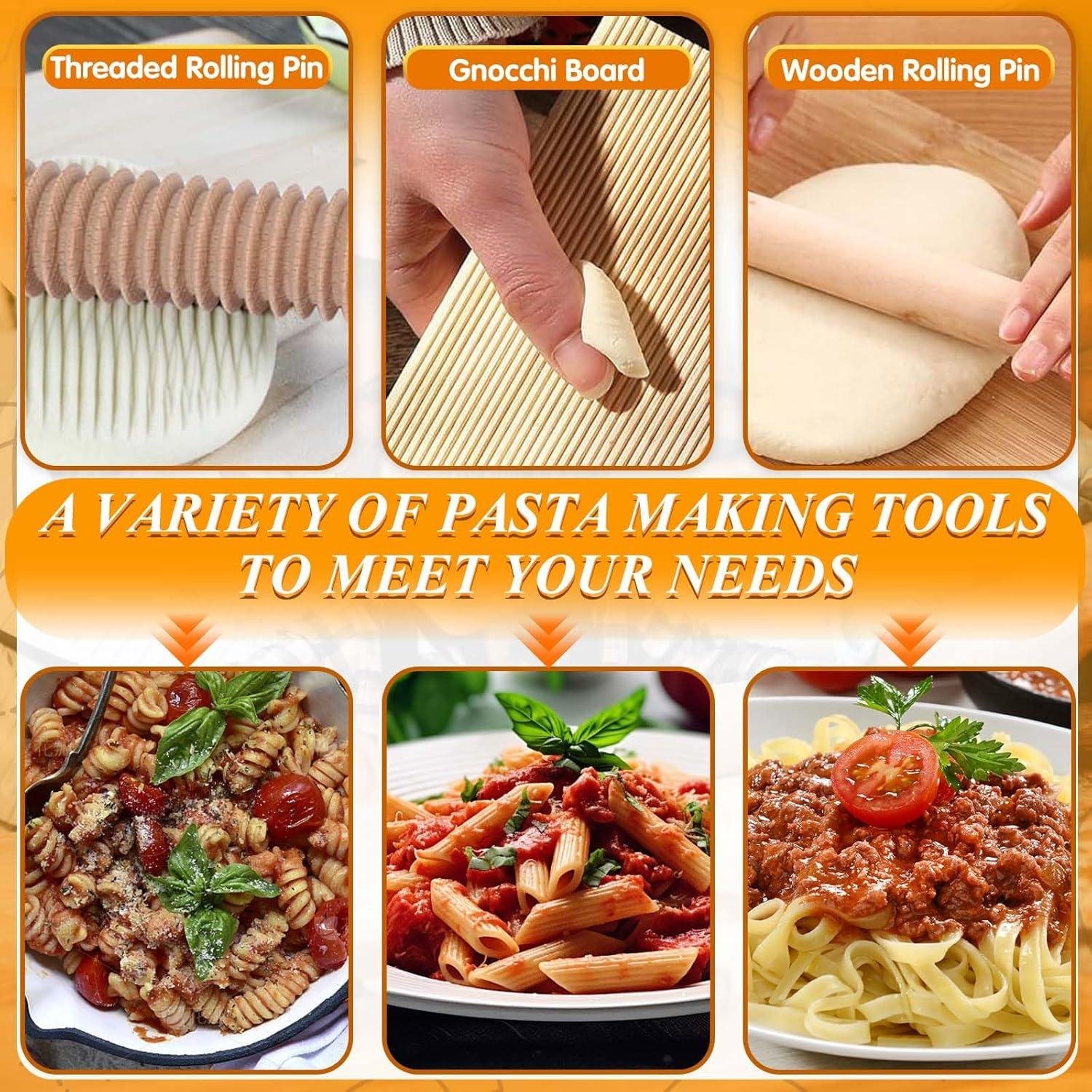
Tool Summary: The ATPWONZ 10‑piece wood pasta making kit includes three rolling pins (threaded, large, and small), a gnocchi board, dough cutter, ravioli cutter wheel, ravioli maker, two pasta stamps (round and square), and a baking mat. While it’s not a powered woodworking tool,it functions like a small “shop kit” for dough—simple,ergonomic,and versatile. Customer feedback trends positive on variety and ease of shaping pasta, with multiple reports of good durability; however, a few buyers note splintering or breakage on the gnocchi board, suggesting inconsistent wood finishing.
best For: Ideal for hobby woodworkers with small to medium projects who appreciate hand tools and want a food-safe, giftable kit with multiple shaping options. Good for beginners learning fundamentals of rolling, cutting, and imprinting.
Consider alternatives If: You need production-grade durability, perfectly sanded edges out of the box, or heavy daily use—look for higher-end, better-finished hardwood tools.
Final assessment: This set offers solid value and capability, but quality control on the wooden pieces is the main limitation. For casual use,it’s a practical add-on to a woodworker’s kitchen toolkit.
Want to see current pricing and customer photos? View on Amazon & Read More Reviews →